

Description
Product details
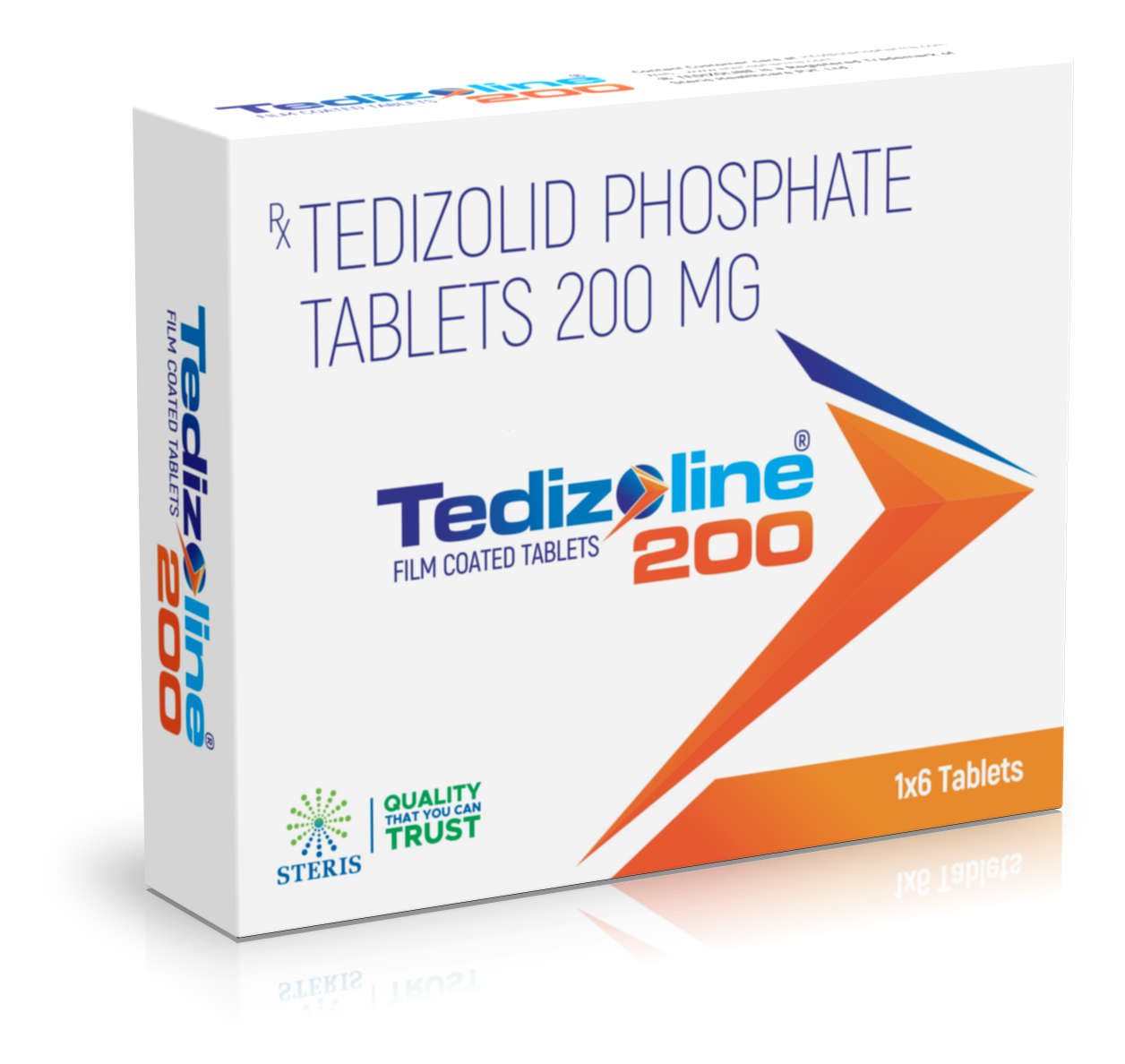
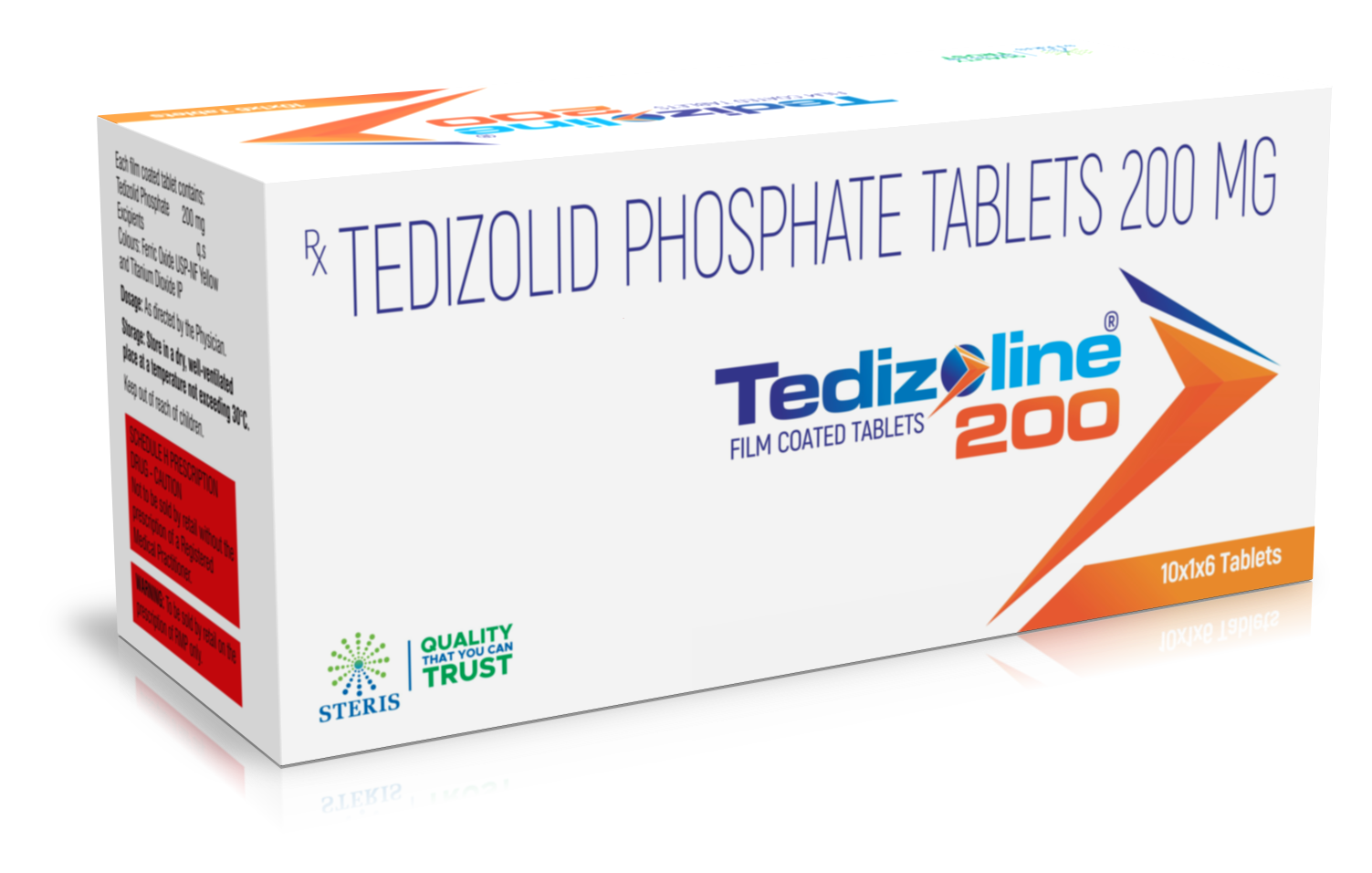
TEDIZOLINE 200 is a state-of-the-art pharmaceutical formulation containing Tedizolid Phosphate 200 mg, representing a significant advancement in the treatment of serious bacterial skin infections. This next-generation oxazolidinone antibiotic offers a powerful solution for patients battling acute bacterial skin and skin structure infections (ABSSSI), including those caused by methicillin-resistant Staphylococcus aureus (MRSA) and other resistant bacterial strains. Developed to address the growing challenge of antibiotic resistance, TEDIZOLINE 200 provides healthcare professionals with an effective therapeutic option when conventional antibiotics may fall short. The active ingredient, Tedizolid Phosphate, functions as a prodrug that is rapidly converted in the body to its active form, tedizolid. This sophisticated mechanism ensures optimal bioavailability and targeted antibacterial action. Each tablet of TEDIZOLINE 200 delivers a precise 200 mg dose, carefully calibrated to provide maximum efficacy while minimizing the risk of adverse effects. The medication is available in convenient oral tablet form, offering flexibility in treatment administration and improving patient compliance compared to intravenous-only alternatives. Clinical Applications and Therapeutic Uses TEDIZOLINE 200 is specifically indicated for the treatment of acute bacterial skin and skin structure infections caused by susceptible strains of various gram-positive bacteria. These infections include cellulitis, major cutaneous abscesses, and wound infections that require systemic antibiotic therapy. The medication demonstrates exceptional efficacy against problematic pathogens including Staphylococcus aureus (both methicillin-susceptible and methicillin-resistant strains), various Streptococcus species, and Enterococcus faecalis. Healthcare providers prescribe TEDIZOLINE 200 when patients present with complicated skin infections characterized by significant inflammation, purulent discharge, or systemic signs of infection such as fever and elevated white blood cell counts. The medication is particularly valuable in hospital settings where antibiotic-resistant organisms pose significant treatment challenges, though it is equally effective for outpatient management of appropriate cases. The standard treatment duration with TEDIZOLINE 200 is notably shorter than many traditional antibiotics, typically requiring only six days of therapy. This abbreviated course represents a significant advantage, potentially improving patient adherence, reducing the risk of developing resistance, and minimizing healthcare costs while maintaining excellent clinical outcomes. Key Benefits and Therapeutic Advantages Superior Antimicrobial Potency: TEDIZOLINE 200 exhibits exceptional bactericidal activity against resistant gram-positive organisms, making it a frontline weapon against infections that have failed to respond to first-line antibiotics. Its unique mechanism of action—inhibiting bacterial protein synthesis by binding to the 23S ribosomal RNA of the 50S subunit—prevents bacteria from producing essential proteins necessary for survival and reproduction. Shortened Treatment Duration: Unlike conventional antibiotics that may require ten to fourteen days of therapy, TEDIZOLINE 200 achieves comparable or superior outcomes with just six days of treatment. This condensed regimen reduces the pill burden for patients, improves treatment completion rates, and decreases the opportunity for resistance development. Flexible Administration Options: The medication offers both oral and intravenous formulations with nearly identical bioavailability, allowing seamless transitions between routes of administration. This flexibility enables early hospital discharge with continuation of oral therapy at home, reducing healthcare costs and improving patient comfort and quality of life. Once-Daily Dosing Convenience: TEDIZOLINE 200's pharmacokinetic profile supports convenient once-daily administration, simplifying treatment schedules and enhancing patient compliance. The sustained therapeutic levels achieved with this dosing frequency ensure continuous antibacterial activity throughout the treatment course. Reduced Drug Interaction Profile: Compared to its predecessor oxazolidinone antibiotics, TEDIZOLINE 200 demonstrates minimal interactions with dietary tyramine and requires less stringent dietary restrictions. Additionally, it exhibits reduced potential for serotonin syndrome, offering improved safety when used in patients taking certain antidepressants or other serotonergic medications. Proven Clinical Efficacy: Extensive clinical trials have demonstrated that TEDIZOLINE 200 achieves cure rates comparable to or exceeding those of vancomycin and linezolid, the traditional gold standards for treating MRSA infections. These studies confirm both the non-inferiority and, in some parameters, the superiority of tedizolid phosphate in treating complicated skin infections. Potential Side Effects and Safety Considerations While TEDIZOLINE 200 is generally well-tolerated, patients and healthcare providers should be aware of potential adverse effects. The most commonly reported side effects include nausea, headache, diarrhea, and vomiting, which typically manifest as mild to moderate in severity and often resolve without intervention. Gastrointestinal disturbances affect approximately five to ten percent of patients, with nausea being the most frequent complaint. Taking the medication with food may help minimize these symptoms without compromising absorption. Headaches occur in a similar percentage of patients and usually respond well to over-the-counter analgesics. More serious but less common adverse effects include myelosuppression, manifesting as decreased blood cell counts. Although TEDIZOLINE 200 demonstrates less bone marrow suppression than older oxazolidinones, monitoring of complete blood counts is recommended for treatment courses extending beyond the standard six days or in patients with pre-existing hematologic conditions. Peripheral and optic neuropathy have been reported with prolonged oxazolidinone use, though the shorter treatment duration of TEDIZOLINE 200 substantially reduces this risk. Patients should report any vision changes, numbness, tingling, or weakness in extremities promptly to their healthcare provider. Clostridium difficile-associated diarrhea can occur with virtually any antibiotic, including TEDIZOLINE 200. Patients experiencing severe, persistent, or bloody diarrhea during or following treatment should seek immediate medical attention. Hypersensitivity reactions, though rare, may occur and can range from mild rash to severe anaphylaxis. Any signs of allergic reaction warrant immediate discontinuation and appropriate medical intervention. Conclusion TEDIZOLINE 200 represents a significant therapeutic advancement in the management of acute bacterial skin and skin structure infections, particularly those involving antibiotic-resistant organisms. Its potent antimicrobial activity, convenient once-daily dosing, shortened treatment duration, and improved safety profile compared to earlier oxazolidinones make it an invaluable addition to the antimicrobial arsenal. The medication addresses critical unmet needs in infectious disease management, offering effective treatment options when traditional antibiotics prove insufficient.