Description
Product details
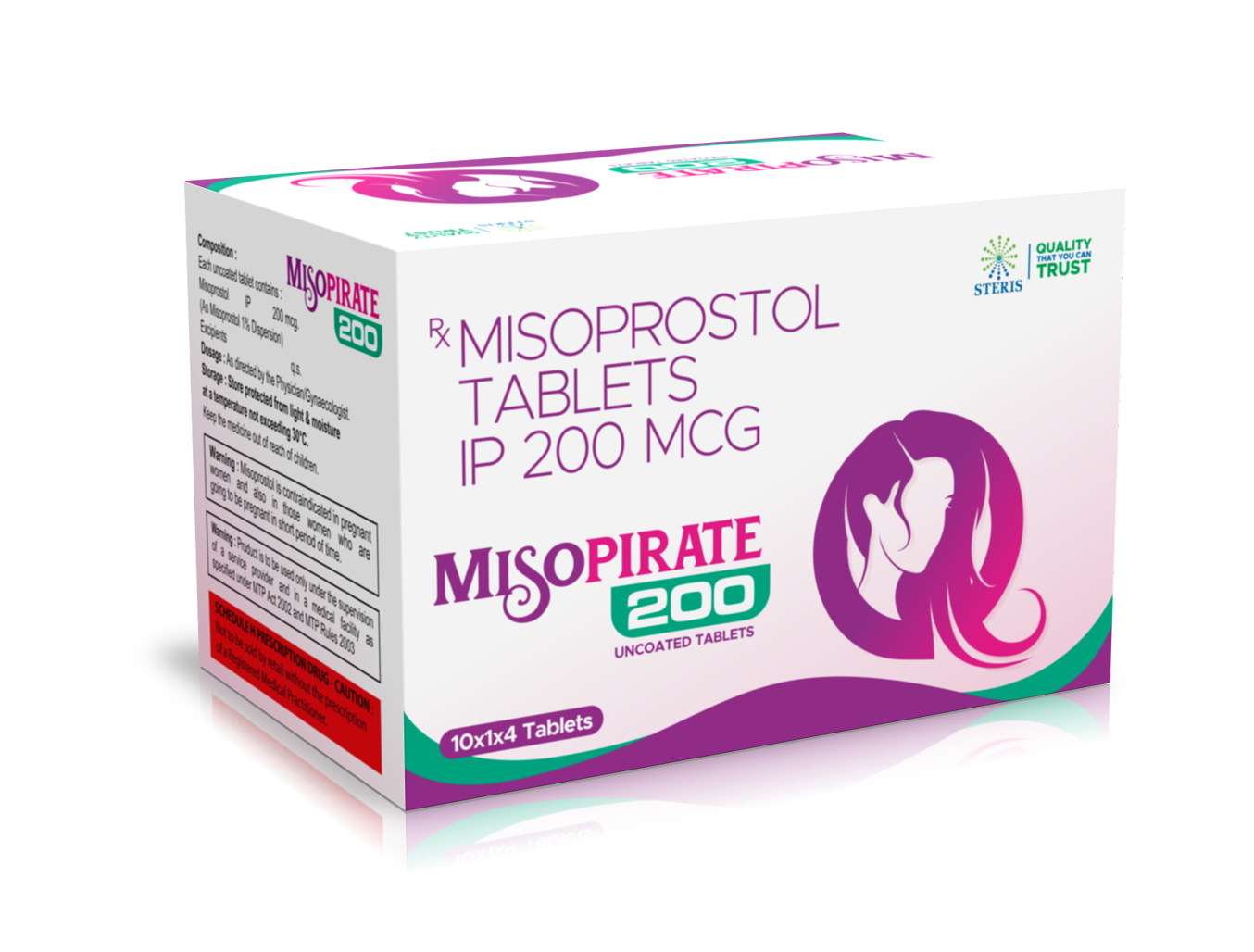
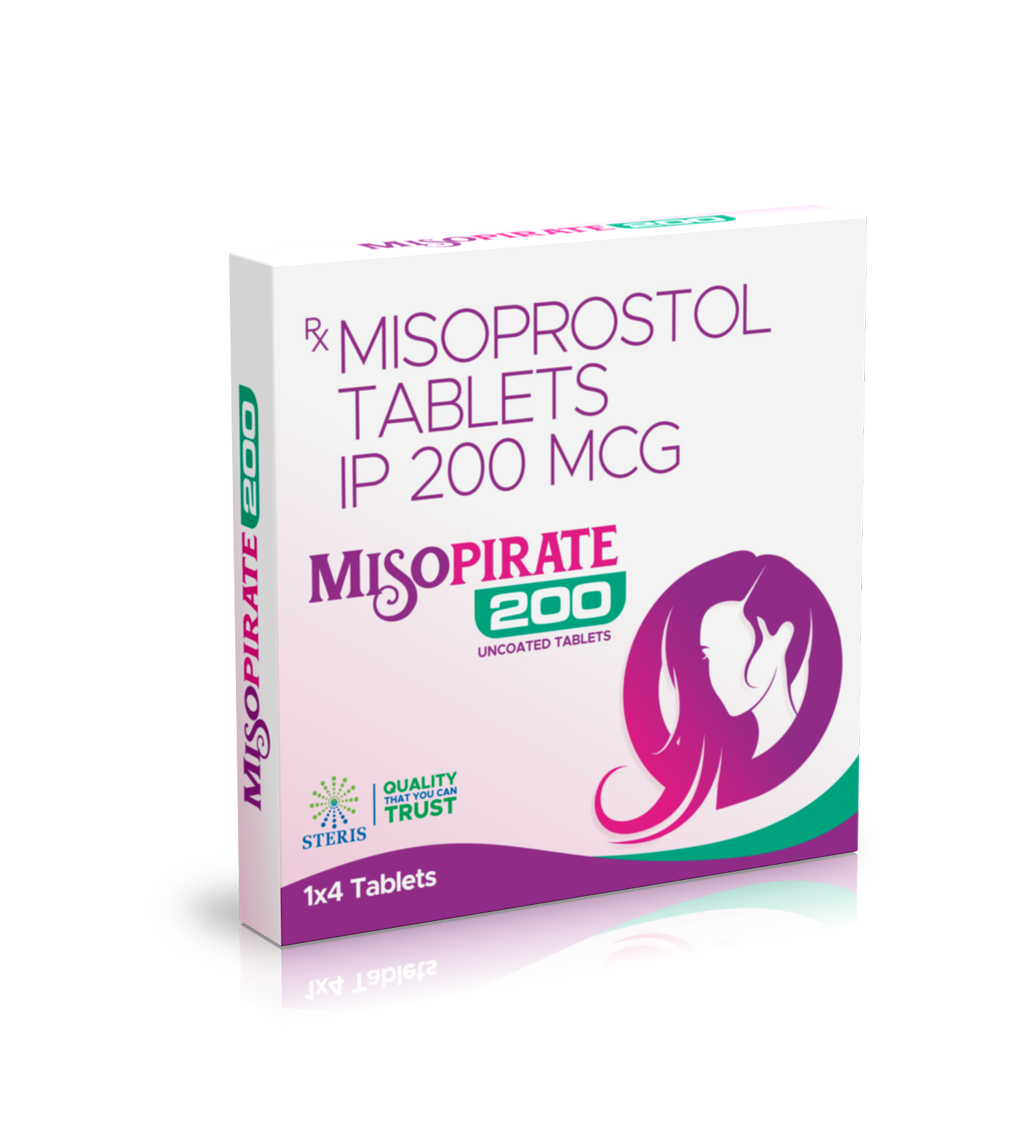
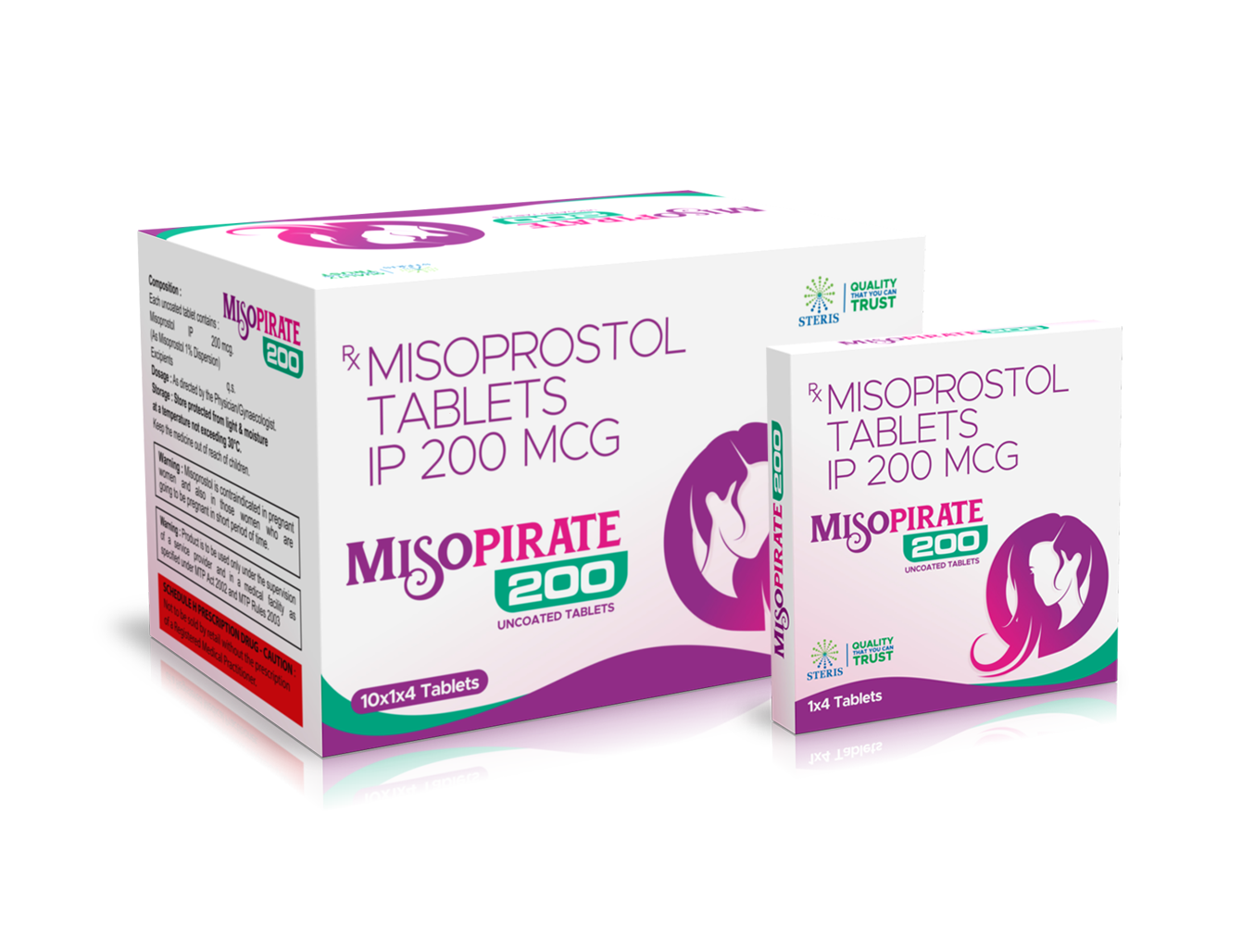
MISOPIRATE 200 is a pharmaceutical preparation containing Misoprostol 200 mcg, a synthetic prostaglandin E1 analogue that has revolutionized women's healthcare and gastrointestinal treatment protocols. This medication represents a critical therapeutic option in modern medicine, offering solutions for conditions ranging from gastric ulcer prevention to obstetric and gynecological applications. Each tablet of MISOPIRATE 200 is precisely formulated to deliver consistent therapeutic benefits while maintaining strict quality standards.Misoprostol, the active ingredient in MISOPIRATE 200, was initially developed for protecting the gastric lining but has since become indispensable in reproductive healthcare. The medication works by mimicking natural prostaglandins in the body, which are hormone-like substances that regulate various physiological processes including gastric acid secretion, cervical ripening, and uterine contractions.Mechanism of ActionMISOPIRATE 200 functions through multiple pathways depending on the clinical indication. In the gastrointestinal system, it reduces gastric acid secretion by directly inhibiting parietal cells in the stomach lining. Simultaneously, it enhances the production of protective mucus and bicarbonate, creating a defensive barrier against acid-induced damage. This dual action makes it exceptionally effective in preventing and treating peptic ulcers, particularly those induced by nonsteroidal anti-inflammatory drugs (NSAIDs).In obstetric and gynecological applications, MISOPIRATE 200 acts on prostaglandin receptors in the uterus and cervix. It causes the cervix to soften and dilate while stimulating rhythmic uterine contractions. These properties make it valuable for medical management of early pregnancy complications, labor induction, and postpartum hemorrhage prevention.Clinical Uses and ApplicationsGastric Protection: MISOPIRATE 200 serves as a prophylactic agent for individuals requiring long-term NSAID therapy who are at elevated risk for developing gastric or duodenal ulcers. Patients with rheumatoid arthritis, osteoarthritis, or chronic pain conditions who depend on NSAIDs benefit significantly from concurrent misoprostol therapy.Peptic Ulcer Treatment: The medication accelerates healing of existing gastric ulcers by reducing acid exposure and promoting mucosal regeneration. Treatment typically spans four to eight weeks, depending on ulcer severity and individual response.Medical Management of Early Pregnancy Loss: Under strict medical supervision, MISOPIRATE 200 is utilized for managing incomplete miscarriage or missed abortion, offering a non-surgical alternative that many women prefer for emotional and practical reasons.Labor Induction: In hospital settings, healthcare providers may use MISOPIRATE 200 to ripen the cervix and initiate labor when medically indicated, such as in cases of post-term pregnancy or maternal health concerns.Postpartum Hemorrhage Prevention: The medication's ability to promote uterine contractions makes it valuable in preventing excessive bleeding after childbirth, particularly in resource-limited settings.Key Benefits of MISOPIRATE 200Effective Gastric Protection: MISOPIRATE 200 provides superior protection against NSAID-induced gastric damage compared to many alternatives. Clinical studies demonstrate up to 80% reduction in serious gastrointestinal complications among high-risk patients using preventive misoprostol therapy.Non-Invasive Medical Option: For women facing early pregnancy complications, MISOPIRATE 200 offers a medical alternative to surgical procedures, preserving privacy, reducing healthcare costs, and eliminating surgical risks such as anesthesia complications or uterine perforation.Rapid Onset of Action: The medication demonstrates quick absorption and onset, with effects typically beginning within 30 minutes to two hours, allowing for predictable therapeutic outcomes.Cost-Effectiveness: Compared to surgical interventions or hospitalization for complications, MISOPIRATE 200 represents an economical treatment option, making essential healthcare more accessible to diverse populations.Versatile Clinical Applications: The medication's multiple therapeutic uses make it a valuable tool across different medical specialties, from gastroenterology to obstetrics.Stable Formulation: MISOPIRATE 200 maintains stability across various storage conditions, improving accessibility in regions with limited refrigeration infrastructure.Potential Side Effects and Adverse ReactionsWhile MISOPIRATE 200 is generally well-tolerated, users should be aware of possible side effects:Gastrointestinal Disturbances: Diarrhea occurs in approximately 15-40% of patients, typically mild and self-limiting. Abdominal cramping, nausea, and flatulence are also common, particularly during initial treatment phases.Uterine Effects: Women of reproductive age may experience menstrual irregularities, heavier menstrual flow, or intermenstrual spotting. Uterine cramping is expected when the medication is used for obstetric purposes.Vascular Symptoms: Some patients report headaches, dizziness, or hot flashes, though these are generally transient and mild in nature.Allergic Reactions: Though rare, hypersensitivity reactions including skin rashes, itching, or more serious anaphylactic responses can occur and require immediate medical attention.Serious Complications: When used inappropriately for pregnancy termination outside medical supervision, serious complications including incomplete abortion, severe bleeding, infection, or rupture can occur. This underscores the critical importance of medical oversight.Important Precautions and ContraindicationsMISOPIRATE 200 is absolutely contraindicated during pregnancy when the intention is to continue the pregnancy, as it can cause miscarriage or severe fetal abnormalities. Women of childbearing potential must use reliable contraception during treatment. The medication should not be used by individuals with known allergy to prostaglandins or those with inflammatory bowel disease without careful medical evaluation.Patients with cardiovascular disease, cerebrovascular conditions, or poorly controlled hypertension require careful monitoring when using MISOPIRATE 200. The medication may interact with antacids containing magnesium, potentially exacerbating diarrhea.Dosage and Administration GuidelinesDosing of MISOPIRATE 200 varies significantly based on the clinical indication. For gastric protection, typical regimens involve 200 mcg taken two to four times daily with meals. For obstetric uses, dosing protocols are highly specific and must be determined by qualified healthcare providers based on individual circumstances, gestational age, and medical history.The medication should be taken with food to minimize gastrointestinal side effects. Tablets should be swallowed whole with water and not crushed or chewed unless specifically instructed otherwise by a healthcare provider.ConclusionMISOPIRATE 200 represents a significant therapeutic advancement in both gastroenterology and reproductive healthcare. Its dual capacity to protect the gastric mucosa and influence uterine function makes it an invaluable medication across multiple clinical scenarios. The proven efficacy in preventing NSAID-induced ulcers has prevented countless cases of serious gastrointestinal bleeding, while its role in women's healthcare has expanded access to safe, effective medical management options.
![Acebrophylline and Erdosteine Tablets are a clinically trusted combination used in the management of chronic respiratory disorders associated with excessive mucus production, airway inflammation, and breathing difficulties. This dual-action formulation combines the bronchodilator and anti-inflammatory properties of Acebrophylline with the mucolytic and antioxidant benefits of Erdosteine, making it an effective treatment option for patients suffering from chronic obstructive pulmonary disease (COPD), chronic bronchitis, bronchial asthma, and other mucus-related respiratory conditions.
At [Your Company Name], we manufacture and supply premium-quality Acebrophylline and Erdosteine Tablets that comply with WHO-GMP standards and international pharmaceutical quality guidelines. Our formulations are trusted by healthcare professionals, hospitals, distributors, and pharmaceutical companies seeking reliable respiratory medicines.
Composition
Each film-coated tablet typically contains:
Acebrophylline – 200 mg
Erdosteine – 300 mg
Composition can be customized based on customer requirements and regulatory approvals.
How Acebrophylline and Erdosteine Tablets Work
The combination provides comprehensive respiratory support through complementary mechanisms.
Acebrophylline
Acebrophylline acts as a bronchodilator and anti-inflammatory agent. It helps relax bronchial muscles, widens the airways, improves airflow, and reduces inflammation, making breathing easier for patients with chronic respiratory diseases.
Erdosteine
Erdosteine is a powerful mucolytic agent that reduces the thickness and stickiness of mucus. It facilitates easier expectoration, reduces coughing, and provides antioxidant protection against airway damage caused by inflammation.
Together, these ingredients improve lung function, reduce respiratory symptoms, and enhance patient comfort.
Key Benefits of Acebrophylline and Erdosteine Tablets
Helps improve breathing by relaxing bronchial muscles
Effectively reduces thick mucus accumulation
Supports easier mucus clearance from the lungs
Reduces chronic cough and chest congestion
Helps manage COPD and chronic bronchitis symptoms
Provides antioxidant protection to respiratory tissues
Improves oxygen exchange and lung function
Enhances quality of life in patients with chronic respiratory disorders
Suitable for long-term respiratory disease management under medical supervision
Medical Uses of Acebrophylline and Erdosteine Tablets
Healthcare professionals commonly prescribe Acebrophylline and Erdosteine Tablets for:
Chronic Obstructive Pulmonary Disease (COPD)
Chronic Bronchitis
Bronchial Asthma
Respiratory Tract Infections with Excessive Mucus
Chronic Productive Cough
Airway Inflammation
Bronchiectasis
Smoking-related Respiratory Conditions
These tablets should always be used under the supervision of a qualified healthcare professional.
Advantages of the Acebrophylline and Erdosteine Combination
The combination therapy offers several clinical advantages over single-drug treatment.
Dual Mechanism of Action
It simultaneously opens the airways while reducing mucus thickness, providing comprehensive respiratory relief.
Improved Lung Function
Patients experience better airflow and enhanced breathing comfort due to bronchodilation and mucus clearance.
Reduced Frequency of Exacerbations
Regular use, as prescribed, may help decrease episodes of worsening respiratory symptoms in chronic lung diseases.
Better Patient Compliance
A fixed-dose combination simplifies treatment by reducing the need for multiple medications.
Recommended Dosage
The dosage of Acebrophylline and Erdosteine Tablets should be determined by a registered healthcare provider based on the patient's age, condition, and medical history.
General recommendations include:
Take the tablet after meals with water.
Swallow whole without crushing or chewing.
Follow the prescribed duration of therapy.
Do not exceed the recommended dose.
Possible Side Effects
Like all medicines, Acebrophylline and Erdosteine Tablets may cause side effects in some individuals.
Common side effects include:
Nausea
Stomach discomfort
Headache
Dizziness
Mild diarrhea
Dry mouth
Gastric irritation
Seek immediate medical attention if severe allergic reactions, breathing difficulty, or persistent adverse effects occur.
Precautions
Before using Acebrophylline and Erdosteine Tablets, patients should inform their healthcare provider if they have:
Liver disease
Kidney impairment
Gastric ulcer
Heart disease
Pregnancy or breastfeeding
Known allergy to methylxanthines or Erdosteine
Avoid self-medication and always follow professional medical advice.
Storage Instructions
Store below 25°C in a cool and dry place.
Protect from direct sunlight and moisture.
Keep out of reach of children.
Do not use after the expiry date.
Why Choose Our Acebrophylline and Erdosteine Tablets?
We are committed to delivering pharmaceutical products that meet international quality standards.
Our advantages include:
WHO-GMP Certified Manufacturing
ISO Certified Production Facilities
Stringent Quality Control
DCGI-Compliant Manufacturing
Competitive Pricing
Bulk Supply Capability
Third-Party Manufacturing Services
Private Label Packaging
Timely Global Deliveries
Custom Packaging Solutions
We serve pharmaceutical distributors, hospitals, government tenders, exporters, wholesalers, and healthcare institutions worldwide.
Frequently Asked Questions (FAQs)
1. What are Acebrophylline and Erdosteine Tablets used for?
Acebrophylline and Erdosteine Tablets are primarily used to treat respiratory conditions such as COPD, chronic bronchitis, asthma, and other diseases associated with excessive mucus production and airway obstruction.
2. How do Acebrophylline and Erdosteine Tablets work?
Acebrophylline relaxes the bronchial muscles and reduces inflammation, while Erdosteine breaks down thick mucus, making it easier to remove from the lungs.
3. Can Acebrophylline and Erdosteine Tablets treat chronic cough?
Yes. These tablets help relieve chronic productive cough by reducing mucus viscosity and improving airway clearance when prescribed by a healthcare professional.
4. Are Acebrophylline and Erdosteine Tablets safe for long-term use?
They may be prescribed for long-term management of chronic respiratory diseases, but treatment duration should always be determined by a physician.
5. Can these tablets be used for asthma?
Yes. Doctors may prescribe Acebrophylline and Erdosteine Tablets as part of asthma management when mucus accumulation and airway inflammation are significant.
6. Do Acebrophylline and Erdosteine Tablets have side effects?
Most side effects are mild and temporary, including nausea, headache, dizziness, stomach upset, and dry mouth. Serious reactions are uncommon but require immediate medical attention.
7. Should Acebrophylline and Erdosteine Tablets be taken before or after food?
They are generally recommended after meals to reduce the risk of stomach irritation. Follow your doctor's advice regarding dosage and timing.
8. Can smokers use Acebrophylline and Erdosteine Tablets?
Yes. Physicians often prescribe them to smokers suffering from chronic bronchitis, COPD, or mucus-related respiratory disorders.
9. Are Acebrophylline and Erdosteine Tablets available for third-party manufacturing?
Yes. We offer third-party manufacturing, private labeling, customized packaging, and bulk pharmaceutical supply for domestic and international markets.
10. Why buy Acebrophylline and Erdosteine Tablets from us?
Our products are manufactured in WHO-GMP-certified facilities using premium-quality raw materials, strict quality control processes, competitive pricing, and reliable global distribution, making us a trusted pharmaceutical manufacturing partner.
This version is optimized for buyer intent, includes keyword-rich headings and FAQs designed for Google Search and voice search, and naturally targets the primary keyword “Acebrophylline and Erdosteine Tablets” throughout the content without excessive keyword stuffing.](https://productimages.withfloats.com/tile/6a685f3db435445dbdc3d469.png)