

Description
Product details
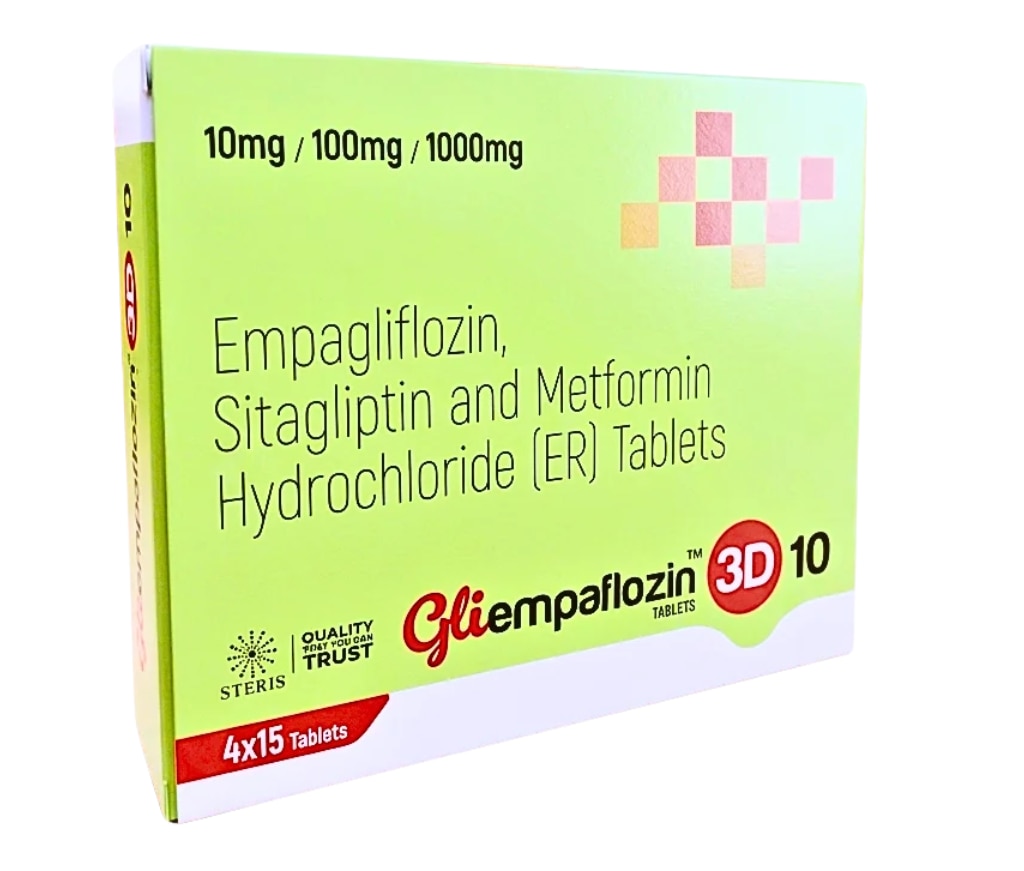
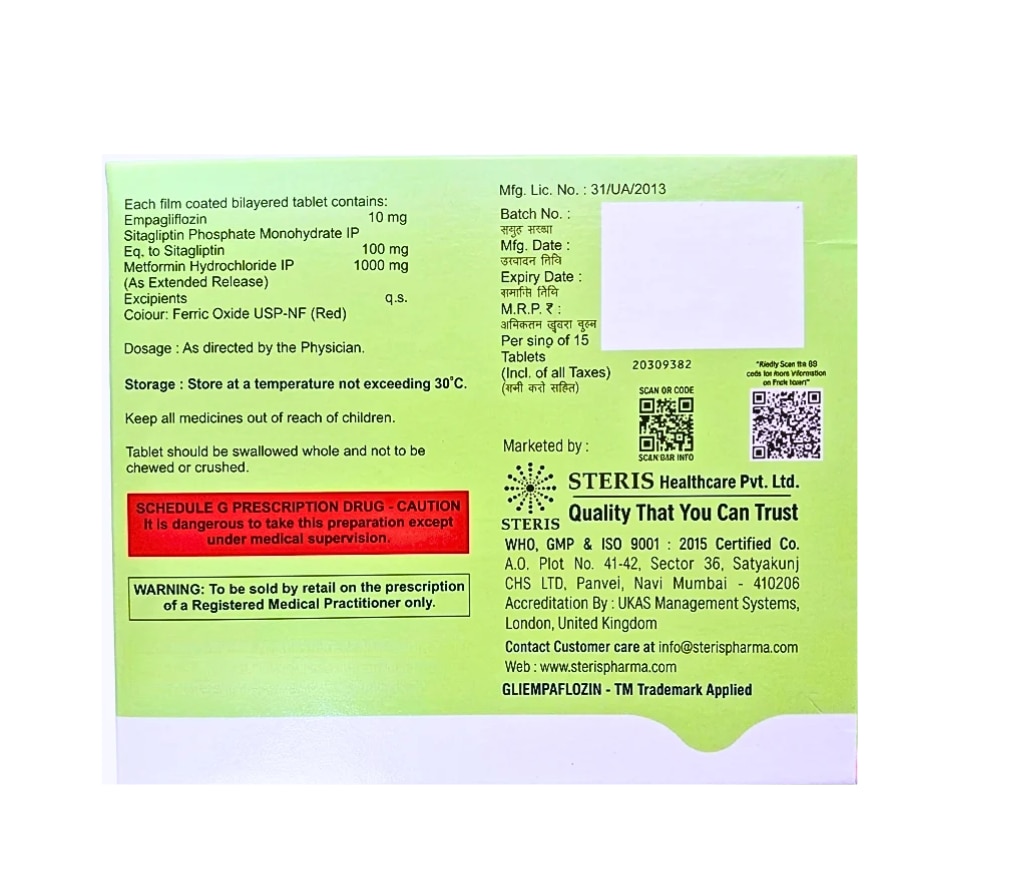
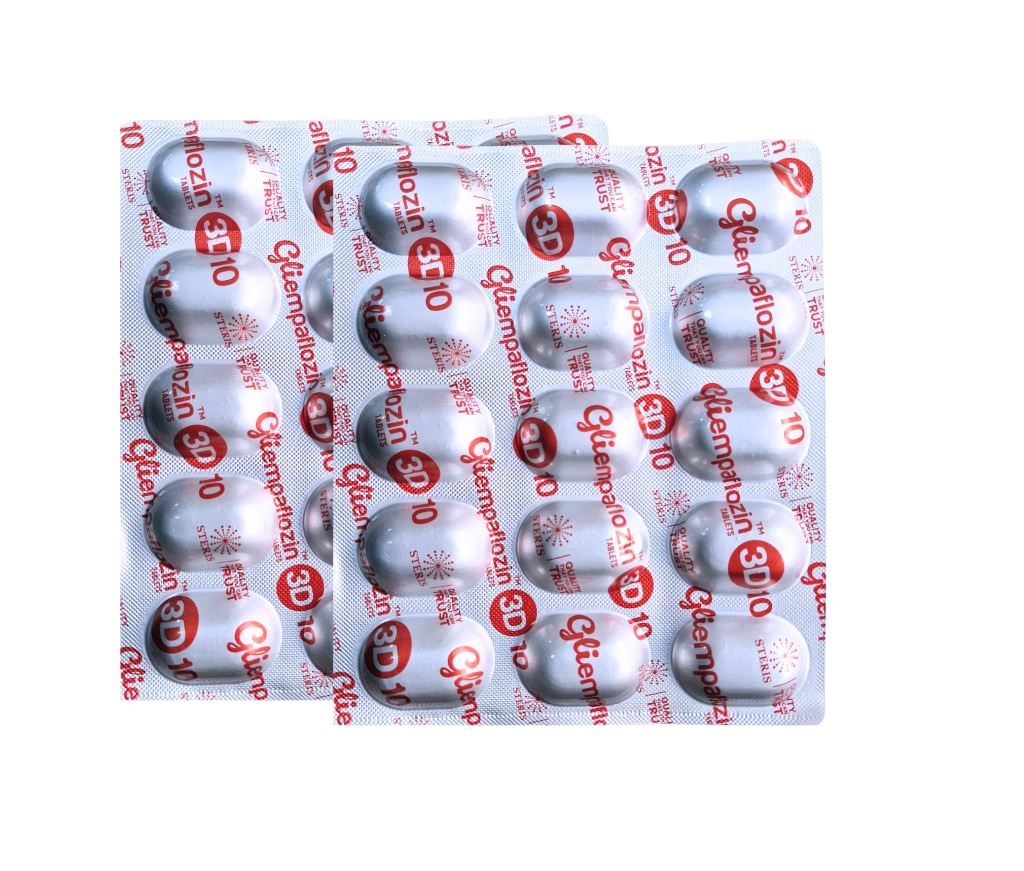
GLIEMPAFLOZIN 3D 10 is a triple-combination antidiabetic tablet containing Empagliflozin 10 mg, Sitagliptin 100 mg, and Metformin Hydrochloride Extended Release (ER) 1000 mg. This combination is intended for the management of type 2 diabetes mellitus in appropriately selected patients under the supervision of a qualified healthcare professional. The three active ingredients work through different mechanisms to help regulate blood glucose levels. Empagliflozin helps the kidneys eliminate glucose through urine, Sitagliptin supports glucose-dependent insulin regulation, and Metformin helps reduce glucose production in the liver while improving insulin sensitivity. By combining these ingredients in one tablet, GLIEMPAFLOZIN 3D 10 provides a multi-mechanism approach to blood glucose management. Its suitability depends on the patient's clinical condition, kidney function, existing treatment, and the approved prescribing information. Composition of GLIEMPAFLOZIN 3D 10 Each tablet contains the following stated active ingredients: Empagliflozin 10 mg: A sodium-glucose cotransporter 2 (SGLT2) inhibitor that reduces glucose reabsorption by the kidneys and increases glucose excretion through urine. Sitagliptin 100 mg: A dipeptidyl peptidase-4 (DPP-4) inhibitor that helps regulate insulin and glucagon responses according to blood glucose levels. Metformin Hydrochloride ER 1000 mg: An extended-release biguanide that primarily reduces glucose production in the liver and improves the body's response to insulin. The exact formulation, excipients, approved indications, and administration instructions should be confirmed from the product packaging and official prescribing information. Key Features of GLIEMPAFLOZIN 3D 10 Tablets GLIEMPAFLOZIN 3D 10 combines three established antidiabetic medicines with complementary mechanisms of action. Triple-combination formulation: Contains Empagliflozin, Sitagliptin, and Metformin Hydrochloride ER. Multiple glucose-control pathways: Targets different processes involved in blood glucose regulation. Extended-release metformin: Provides a formulation designed to release Metformin gradually over time. Oral tablet dosage form: Allows administration according to the prescribed regimen. Individualized diabetes management: May be considered when a healthcare professional determines that all three ingredients are appropriate. The combination is not suitable for every person with diabetes. Treatment decisions should be based on individual medical needs and the approved product information. Uses of GLIEMPAFLOZIN 3D 10 GLIEMPAFLOZIN 3D 10 is intended for the management of type 2 diabetes mellitus, subject to its approved indications and the prescribing healthcare professional's assessment. Type 2 diabetes is a chronic metabolic condition characterized by impaired insulin action and, in many patients, insufficient insulin production. Persistently elevated blood glucose can increase the risk of complications affecting the eyes, kidneys, nerves, heart, and blood vessels. The three active ingredients in GLIEMPAFLOZIN 3D 10 address different aspects of glucose regulation. A healthcare professional may consider this combination when multiple medicines are required to achieve an individual's treatment goals and when the combination is clinically appropriate. The medicine should be used as part of a comprehensive diabetes-management plan that may include balanced nutrition, regular physical activity, blood glucose monitoring, and routine medical assessments. It is not intended for the treatment of type 1 diabetes or diabetic ketoacidosis. How Does GLIEMPAFLOZIN 3D 10 Work? 1. Empagliflozin 10 mg Empagliflozin belongs to the SGLT2 inhibitor class. It blocks a protein responsible for reabsorbing glucose filtered by the kidneys. This allows more glucose to be eliminated through urine, helping reduce blood glucose levels. Empagliflozin has also demonstrated cardiovascular and kidney benefits in certain eligible patient populations. Whether these benefits apply to an individual depends on their clinical condition and the applicable prescribing information. 2. Sitagliptin 100 mg Sitagliptin inhibits the DPP-4 enzyme, which breaks down incretin hormones. By increasing incretin activity, Sitagliptin supports insulin release when blood glucose is elevated and helps regulate glucagon secretion. These actions contribute to blood glucose control. 3. Metformin Hydrochloride ER 1000 mg Metformin primarily reduces glucose production in the liver and improves insulin sensitivity. The extended-release formulation is designed to release the medicine gradually over time. Together, these ingredients target several pathways involved in type 2 diabetes. Their combined effectiveness and safety depend on appropriate prescribing, correct administration, and regular monitoring. Potential Benefits of GLIEMPAFLOZIN 3D 10 When prescribed for an appropriate patient, GLIEMPAFLOZIN 3D 10 may offer the following treatment advantages: Multiple mechanisms of action: Combines three medicines that influence different aspects of glucose regulation. Blood glucose management: Helps improve glycemic control in eligible adults with type 2 diabetes. Combination therapy: May simplify a treatment regimen compared with taking the same ingredients as separate tablets. Extended-release component: Includes Metformin Hydrochloride ER for gradual drug release. Personalized treatment options: May be considered when a healthcare professional determines that triple therapy is appropriate. Individual outcomes vary, and the medicine does not replace a suitable diet, physical activity, or routine diabetes care. Directions for Use Take GLIEMPAFLOZIN 3D 10 only as prescribed by your healthcare professional. Follow the prescribed dose and administration schedule. Take the tablet with food if directed by the product labeling or your prescriber. Swallow the extended-release tablet whole unless the specific product instructions state otherwise. Do not crush, chew, or split it without professional guidance. Do not change the dose or stop treatment without consulting your prescriber. Attend recommended appointments for kidney-function assessment and blood glucose monitoring. If you miss a dose, follow the official patient information or ask your healthcare professional or pharmacist what to do. Do not take an extra dose to compensate for a missed dose unless specifically instructed. Precautions and Safety Information GLIEMPAFLOZIN 3D 10 is a prescription medicine and may not be suitable for everyone. Kidney function: Kidney function should be assessed before and during treatment as appropriate. Metformin and Empagliflozin have important kidney-related prescribing considerations. Dehydration: Empagliflozin increases glucose excretion through urine and may increase urination. Patients at risk of dehydration or low blood pressure should discuss appropriate precautions with their healthcare professional. Genital and urinary infections: Empagliflozin may increase the risk of genital fungal infections and can be associated with urinary tract infections. Lactic acidosis: Metformin can rarely cause a serious condition called lactic acidosis. Risk may increase with significant kidney impairment, severe dehydration, certain acute illnesses, or excessive alcohol intake. Pancreatitis: Pancreatitis has been reported in patients taking Sitagliptin. Severe, persistent abdominal pain requires prompt medical assessment. Hypoglycemia: Low blood glucose may occur, particularly when the combination is used with insulin or insulin secretagogues such as sulfonylureas. Inform your healthcare professional about existing medical conditions, all medicines you take, pregnancy or breastfeeding, planned surgery, prolonged fasting, and upcoming procedures involving iodinated contrast. Follow professional instructions about temporary medicine interruption during acute illness or other high-risk situations. Seek urgent medical care for severe abdominal pain, difficulty breathing, persistent vomiting, severe dehydration, or other serious symptoms. Why Choose GLIEMPAFLOZIN 3D 10? GLIEMPAFLOZIN 3D 10 brings together Empagliflozin 10 mg, Sitagliptin 100 mg, and Metformin Hydrochloride ER 1000 mg in a triple-combination tablet intended for selected patients with type 2 diabetes. For pharmaceutical websites, pharmacies, distributors, and healthcare professionals, clear information about composition, mechanism of action, potential uses, and precautions supports responsible product awareness. Always refer to the approved product label for the exact composition, indications, dosage, contraindications, storage requirements, and instructions for use. Conclusion GLIEMPAFLOZIN 3D 10 Tablets combine Empagliflozin 10 mg, Sitagliptin 100 mg, and Metformin Hydrochloride ER 1000 mg to target multiple pathways involved in blood glucose regulation. The combination may be appropriate for selected adults with type 2 diabetes under medical supervision. For complete information about dosage, contraindications, warnings, storage, and approved indications, consult the official product packaging and prescribing information. Use this medicine only under the direction of a qualified healthcare professional. Frequently Asked Questions (FAQs) 1. What is GLIEMPAFLOZIN 3D 10? GLIEMPAFLOZIN 3D 10 is a combination tablet containing Empagliflozin 10 mg, Sitagliptin 100 mg, and Metformin Hydrochloride ER 1000 mg. 2. What is GLIEMPAFLOZIN 3D 10 used for? It is intended for the management of type 2 diabetes mellitus in patients for whom this combination is considered appropriate by a healthcare professional. 3. How does GLIEMPAFLOZIN 3D 10 work? Empagliflozin increases urinary glucose excretion, Sitagliptin supports glucose-dependent insulin regulation, and Metformin reduces glucose production in the liver and improves insulin sensitivity. 4. Can GLIEMPAFLOZIN 3D 10 replace diet and exercise? No. Medication should be combined with an individualized diet, physical activity, and monitoring plan recommended by a healthcare professional. 5. Is GLIEMPAFLOZIN 3D 10 suitable for everyone with diabetes? No. Suitability depends on the type of diabetes, kidney function, other medical conditions, concurrent medicines, and approved prescribing information.