

Description
Product details
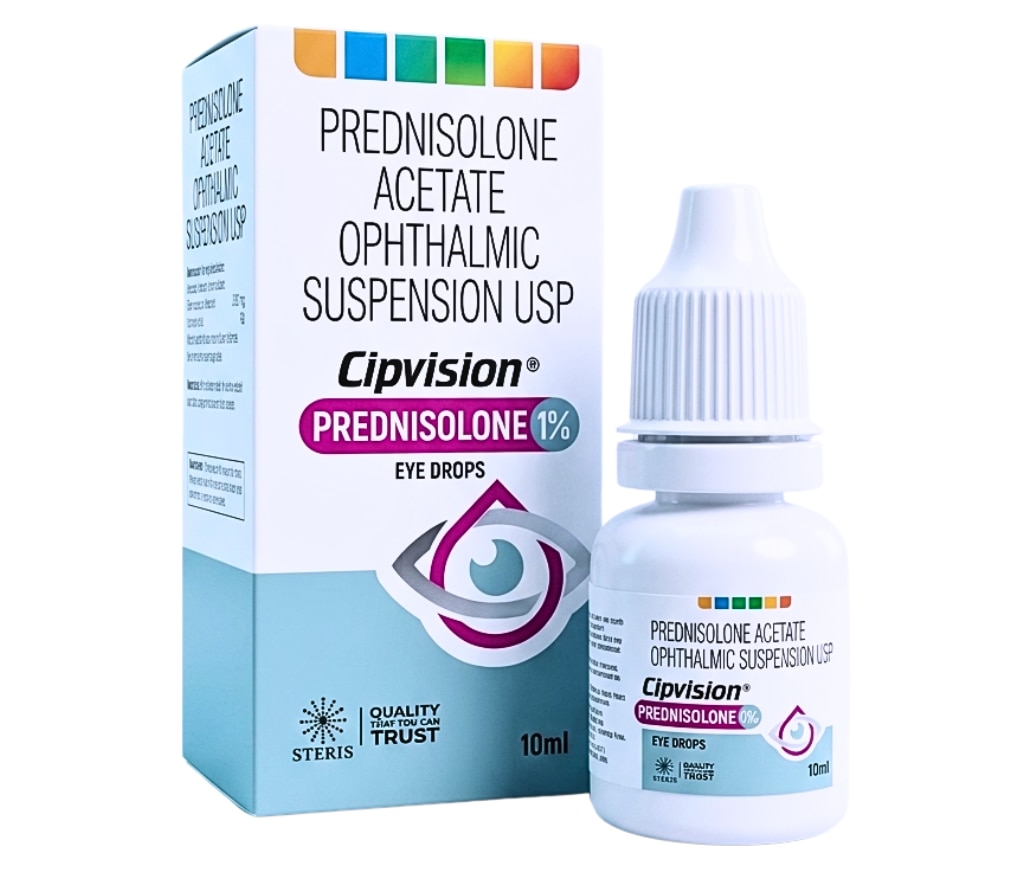
Prednisolone Acetate Ophthalmic Suspension USP is a prescription corticosteroid eye drop formulated to reduce inflammation, redness, swelling, and discomfort associated with various eye conditions. It is commonly prescribed by ophthalmologists after eye surgery or for inflammatory eye disorders that respond to steroid treatment. This ophthalmic suspension works by suppressing the body's inflammatory response, helping relieve symptoms such as eye pain, irritation, and light sensitivity while supporting the healing process. Because it is a prescription medicine, it should only be used under the supervision of a qualified healthcare professional. Whether you are a healthcare provider, pharmacy, hospital, or licensed distributor, choosing a reliable source for Prednisolone Acetate Ophthalmic Suspension USP ensures consistent quality, regulatory compliance, and patient safety. What Is Prednisolone Acetate Ophthalmic Suspension USP? Prednisolone Acetate Ophthalmic Suspension USP is a sterile corticosteroid eye suspension intended for ophthalmic use. It is designed to treat steroid-responsive inflammation affecting the anterior segment of the eye when bacterial, viral, or fungal infections have been ruled out or are being appropriately managed. Doctors may prescribe this medication for conditions including: Post-operative eye inflammation Allergic eye inflammation Uveitis Iritis Certain inflammatory eye disorders Corneal or conjunctival inflammation that responds to corticosteroids Always use this medication exactly as directed by your eye care specialist. How Does Prednisolone Acetate Ophthalmic Suspension USP Work? Prednisolone acetate belongs to the corticosteroid class of medicines. It works by reducing the release of inflammatory substances that cause swelling, redness, pain, and irritation within the eye. By controlling inflammation, the medication helps: Reduce eye redness Minimize swelling Relieve discomfort Improve patient comfort during recovery Support healing following eye procedures The suspension should be shaken well before each use to ensure even distribution of the active ingredient. Key Benefits Prednisolone Acetate Ophthalmic Suspension USP offers several important benefits when prescribed appropriately: Helps reduce eye inflammation quickly Relieves redness and swelling Supports recovery after ophthalmic surgery Reduces eye discomfort and irritation Sterile ophthalmic formulation Suitable for professional ophthalmic treatment plans Manufactured according to pharmaceutical quality standards Indications Your healthcare provider may recommend Prednisolone Acetate Ophthalmic Suspension USP for: Eye inflammation after cataract surgery Steroid-responsive conjunctival inflammation Corneal inflammation Uveitis Iritis Allergic inflammatory eye conditions Other ophthalmic inflammatory disorders as determined by an eye specialist This medication should not be used without a prescription. Directions for Use Use Prednisolone Acetate Ophthalmic Suspension USP only as prescribed. General instructions include: Wash your hands before application. Shake the bottle well. Tilt your head back. Instill the prescribed number of drops into the affected eye. Avoid touching the dropper tip to any surface. Close the bottle tightly after use. Follow the complete treatment schedule even if symptoms improve. Do not stop treatment suddenly unless advised by your healthcare provider. Precautions Before using Prednisolone Acetate Ophthalmic Suspension USP, inform your doctor if you: Have glaucoma Have a viral, fungal, or bacterial eye infection Wear contact lenses Are pregnant or breastfeeding Have recently undergone eye surgery Are allergic to corticosteroids Long-term or excessive use may increase the risk of elevated intraocular pressure, cataracts, or secondary eye infections. Regular eye examinations may be recommended during extended treatment. Possible Side Effects Like all medicines, Prednisolone Acetate Ophthalmic Suspension USP may cause side effects. Common side effects may include: Temporary blurred vision Mild burning or stinging Eye irritation Watery eyes Less common but more serious effects may include: Increased eye pressure Delayed wound healing Cataract formation with prolonged use Secondary eye infections Vision changes Seek prompt medical attention if you experience severe eye pain, sudden vision changes, significant redness, or signs of an allergic reaction. Storage Instructions Store Prednisolone Acetate Ophthalmic Suspension USP according to the instructions on the product label. General recommendations include: Store at controlled room temperature. Keep the bottle tightly closed. Protect from excessive heat and direct sunlight. Do not freeze unless instructed by the manufacturer. Keep out of reach of children. Discard the bottle after the recommended period following opening, as advised by your pharmacist or healthcare provider. Why Choose Our Prednisolone Acetate Ophthalmic Suspension USP? We are committed to supplying quality pharmaceutical products that meet applicable manufacturing standards. Our products are carefully handled to help maintain product integrity throughout storage and distribution. We offer: High-quality pharmaceutical products Secure packaging Reliable supply Bulk order support Timely delivery Responsive customer assistance For product specifications, availability, and ordering information, please contact our sales team. Frequently Asked Questions (FAQs) 1. What is Prednisolone Acetate Ophthalmic Suspension USP used for? It is used to treat steroid-responsive inflammation of the eye, including inflammation following eye surgery and certain inflammatory eye conditions, when prescribed by a healthcare professional. 2. Is Prednisolone Acetate Ophthalmic Suspension USP an antibiotic? No. It is a corticosteroid that reduces inflammation. It does not treat bacterial infections. 3. Do I need a prescription? Yes. Prednisolone Acetate Ophthalmic Suspension USP should only be used under the guidance of a licensed healthcare provider. 4. How long should I use these eye drops? The duration of treatment depends on your diagnosis and your doctor's recommendation. Do not discontinue treatment without medical advice. 5. Should I shake the bottle before use? Yes. As an ophthalmic suspension, the bottle should be shaken well before each application to ensure the medication is evenly mixed. 6. Can I wear contact lenses while using Prednisolone Acetate Ophthalmic Suspension USP? Your eye care professional may advise you to avoid wearing contact lenses during treatment, especially if your eyes are inflamed or recovering from surgery. 7. What happens if I miss a dose? Use the missed dose as soon as you remember unless it is nearly time for your next scheduled dose. Do not use extra medication to make up for a missed dose. 8. Can these eye drops cause blurred vision? Temporary blurred vision may occur immediately after application. Wait until your vision clears before driving or operating machinery. 9. Are there any serious side effects? Long-term use may increase the risk of elevated intraocular pressure, cataracts, delayed healing, or secondary infections. Regular follow-up appointments are important if prolonged treatment is required. 10. How should Prednisolone Acetate Ophthalmic Suspension USP be stored? Store it according to the product labeling, keep the bottle tightly closed, protect it from excessive heat and light, and keep it out of the reach of children. 11. Can children use Prednisolone Acetate Ophthalmic Suspension USP? Use in children should only occur when prescribed and monitored by a qualified healthcare professional. 12. Can I use Prednisolone Acetate Ophthalmic Suspension USP for red eyes without consulting a doctor? No. Red eyes can have many causes, including infections that may worsen with corticosteroid treatment. Always consult an eye care professional before using steroid eye drops. If you're targeting SEO for a pharmaceutical manufacturer, wholesaler, or exporter, I can also tailor this page for commercial/B2B intent while keeping it medically responsible and aligned with search quality guidelines.