Description
Product details
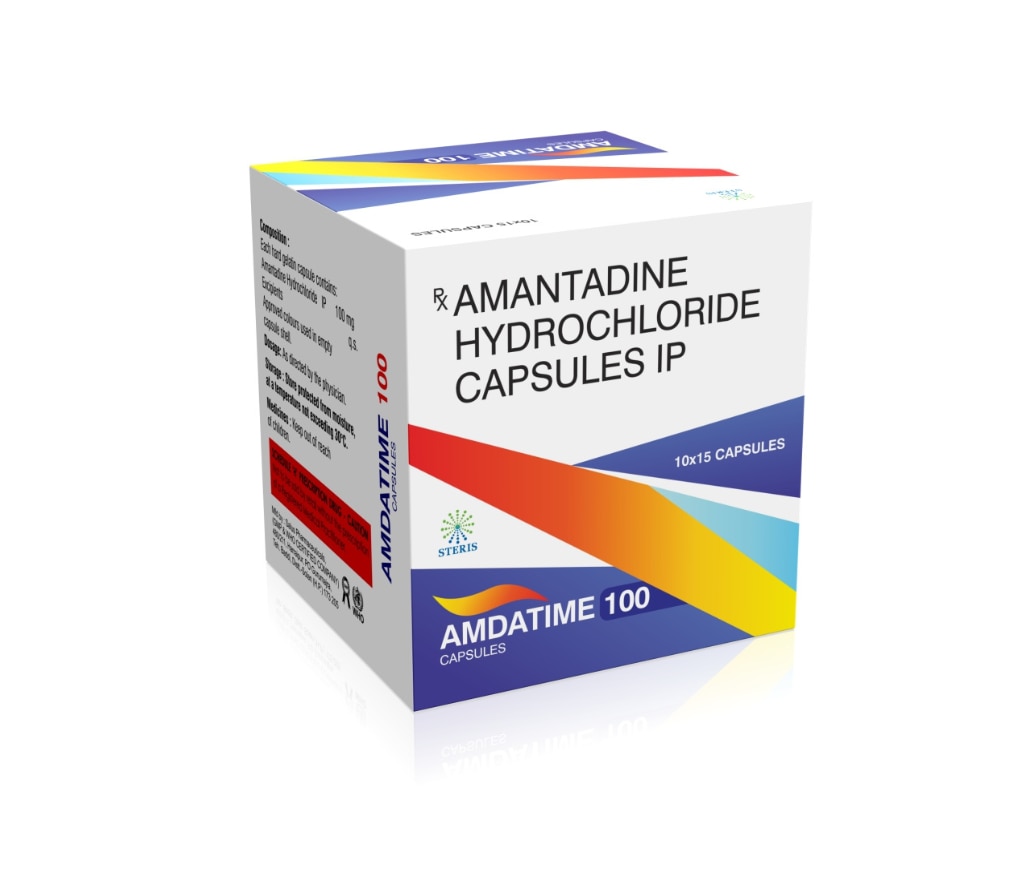
AMDATIME 100 Amantadine 100mg When prescribed by a healthcare professional, Amantadine 100mg is a well-known medicine used in specific neurological and antiviral treatment settings. Buyers searching for this keyword are often looking for clear information about what it is used for, how it works, dosage guidance, side effects, and what to expect before purchasing. Amantadine has been used for many years in medical practice and remains relevant in selected conditions, especially where movement-related symptoms or certain medication side effects need management. This guide explains Amantadine 100mg in a simple, buyer-focused format. Important: Amantadine is a prescription medicine and should only be used under qualified medical supervision. What Is Amantadine 100mg? Amantadine 100mg is an oral medicine commonly available in tablet or capsule form. It has historically been used in two major areas: Neurological support, especially in Parkinsonism-related symptoms Management of drug-induced movement side effects caused by some medicines Historically, it was also used in certain antiviral settings, though uses vary by region and current guidelines Because treatment goals differ from person to person, doctors decide whether Amantadine 100mg is appropriate based on symptoms and medical history. How Does Amantadine 100mg Work? Amantadine has a unique mechanism compared with many medicines. In Neurological Conditions It may help influence dopamine-related activity in the brain. Dopamine is important for smooth movement control. This is why it may be prescribed in Parkinsonism or movement symptom management. In Medication-Induced Movement Problems Some medicines can cause stiffness, tremor, slowed movement, or restlessness. Amantadine may help reduce certain symptoms in selected patients. Historical Antiviral Action Amantadine was once used against specific influenza A strains. Modern recommendations vary due to resistance patterns and evolving treatment standards. Common Uses of Amantadine 100mg Doctors may prescribe Amantadine 100mg for conditions such as: Parkinson’s Disease or Parkinsonism To help with symptoms like: Rigidity Slowness of movement Tremor (in selected cases) Difficulty initiating movement Drug-Induced Extrapyramidal Symptoms Used when certain medications lead to: Muscle stiffness Tremors Slowed movements Movement discomfort Fatigue / Neurological Recovery (Selected Cases) Some specialists may use it off-label in carefully chosen cases depending on clinical judgment. Why Buyers Search for Amantadine 100mg Users searching this medicine often want: Relief from movement symptoms Parkinsonism support medicine Prescription treatment recommended by neurologist Help with medication-induced stiffness or tremor Trusted Amantadine 100mg tablets/capsules This reflects strong purchase intent, usually after doctor recommendation. Key Benefits of Amantadine 100mg Supports Movement Function May help improve mobility, stiffness, and slowness in selected patients. Useful Adjunct Therapy Sometimes used alongside other medicines depending on treatment plans. Helps Certain Drug-Induced Symptoms Can be beneficial when movement side effects arise from some medications. Convenient Oral Dose 100mg strength is commonly prescribed and easy to administer under supervision. Established Clinical Use Amantadine has a long history of use in neurology. How to Take Amantadine 100mg Always follow your doctor’s instructions exactly. General guidance may include: Take at the same time daily Swallow with water Can be taken with food if stomach upset occurs Do not exceed prescribed dose Continue only as advised Important Do not stop suddenly unless your doctor instructs you to, especially if using it regularly for neurological symptoms. Typical Dosing Considerations The correct dose depends on: Condition being treated Age Kidney function Other medications Response to treatment Some patients may start low and adjust gradually. Only your doctor should decide this. How Fast Does Amantadine 100mg Work? Response time varies. In Movement Symptoms Some users may notice benefit within days to a couple of weeks. In Long-Term Neurological Use Improvement may be gradual and depend on the condition severity. Always follow up with your doctor to assess effectiveness. Possible Side Effects of Amantadine 100mg Like all medicines, side effects are possible. Common Mild Effects Dry mouth Nausea Dizziness Trouble sleeping Constipation Mild nervousness Less Common but Important Confusion Hallucinations Swelling of legs Irregular heartbeat sensations Mood changes Difficulty urinating Seek medical help promptly if serious reactions occur. Who Should Use With Caution? Tell your doctor before taking Amantadine 100mg if you have the following: Kidney disease Seizure history Heart disease Glaucoma Mental health conditions Liver concerns Enlarged prostate / urination difficulty Pregnancy or breastfeeding Dose adjustments may be needed, especially in kidney impairment. Drug Interactions Amantadine may interact with other medicines, including those affecting: Brain and nervous system Anticholinergic medicines Stimulants Some psychiatric medications Kidney-cleared medicines Always share your full medicine list with your doctor. Storage Instructions Store properly to maintain quality: Keep in a cool, dry place Protect from sunlight and moisture Keep out of reach of children Use before expiry date Buyer Checklist Before Purchase Before buying Amantadine 100mg, make sure: It is prescribed for you The correct strength (100mg) is selected You understand dose schedule Your doctor knows your kidney function and medical history You know possible side effects You buy from a trusted source Frequently Asked Questions Is Amantadine 100mg a Parkinson’s medicine? It may be used in Parkinson’s disease or Parkinsonism to help certain movement symptoms. Can I take it without prescription? No. It should only be used under medical supervision. Does it cause sleep problems? Some users may experience insomnia or restlessness. Can elderly patients use it? Yes, but doctors may use extra caution, especially regarding kidney function and confusion risk. Can I stop it once I feel better? Do not stop without speaking to your doctor. Why Prescription Guidance Matters Amantadine is not a general wellness product. It is used for specific neurological or movement-related needs. Safe use depends on: Correct diagnosis Proper dose Monitoring side effects Kidney function review Interaction checks This is why doctor supervision is essential. Final Thoughts Amantadine 100 mg is an established prescription medicine used in selected neurological conditions such as Parkinsonism and certain medication-induced movement symptoms. For the right patient, it may help improve mobility, reduce stiffness, and support better daily functioning.
![Acebrophylline and Erdosteine Tablets are a clinically trusted combination used in the management of chronic respiratory disorders associated with excessive mucus production, airway inflammation, and breathing difficulties. This dual-action formulation combines the bronchodilator and anti-inflammatory properties of Acebrophylline with the mucolytic and antioxidant benefits of Erdosteine, making it an effective treatment option for patients suffering from chronic obstructive pulmonary disease (COPD), chronic bronchitis, bronchial asthma, and other mucus-related respiratory conditions.
At [Your Company Name], we manufacture and supply premium-quality Acebrophylline and Erdosteine Tablets that comply with WHO-GMP standards and international pharmaceutical quality guidelines. Our formulations are trusted by healthcare professionals, hospitals, distributors, and pharmaceutical companies seeking reliable respiratory medicines.
Composition
Each film-coated tablet typically contains:
Acebrophylline – 200 mg
Erdosteine – 300 mg
Composition can be customized based on customer requirements and regulatory approvals.
How Acebrophylline and Erdosteine Tablets Work
The combination provides comprehensive respiratory support through complementary mechanisms.
Acebrophylline
Acebrophylline acts as a bronchodilator and anti-inflammatory agent. It helps relax bronchial muscles, widens the airways, improves airflow, and reduces inflammation, making breathing easier for patients with chronic respiratory diseases.
Erdosteine
Erdosteine is a powerful mucolytic agent that reduces the thickness and stickiness of mucus. It facilitates easier expectoration, reduces coughing, and provides antioxidant protection against airway damage caused by inflammation.
Together, these ingredients improve lung function, reduce respiratory symptoms, and enhance patient comfort.
Key Benefits of Acebrophylline and Erdosteine Tablets
Helps improve breathing by relaxing bronchial muscles
Effectively reduces thick mucus accumulation
Supports easier mucus clearance from the lungs
Reduces chronic cough and chest congestion
Helps manage COPD and chronic bronchitis symptoms
Provides antioxidant protection to respiratory tissues
Improves oxygen exchange and lung function
Enhances quality of life in patients with chronic respiratory disorders
Suitable for long-term respiratory disease management under medical supervision
Medical Uses of Acebrophylline and Erdosteine Tablets
Healthcare professionals commonly prescribe Acebrophylline and Erdosteine Tablets for:
Chronic Obstructive Pulmonary Disease (COPD)
Chronic Bronchitis
Bronchial Asthma
Respiratory Tract Infections with Excessive Mucus
Chronic Productive Cough
Airway Inflammation
Bronchiectasis
Smoking-related Respiratory Conditions
These tablets should always be used under the supervision of a qualified healthcare professional.
Advantages of the Acebrophylline and Erdosteine Combination
The combination therapy offers several clinical advantages over single-drug treatment.
Dual Mechanism of Action
It simultaneously opens the airways while reducing mucus thickness, providing comprehensive respiratory relief.
Improved Lung Function
Patients experience better airflow and enhanced breathing comfort due to bronchodilation and mucus clearance.
Reduced Frequency of Exacerbations
Regular use, as prescribed, may help decrease episodes of worsening respiratory symptoms in chronic lung diseases.
Better Patient Compliance
A fixed-dose combination simplifies treatment by reducing the need for multiple medications.
Recommended Dosage
The dosage of Acebrophylline and Erdosteine Tablets should be determined by a registered healthcare provider based on the patient's age, condition, and medical history.
General recommendations include:
Take the tablet after meals with water.
Swallow whole without crushing or chewing.
Follow the prescribed duration of therapy.
Do not exceed the recommended dose.
Possible Side Effects
Like all medicines, Acebrophylline and Erdosteine Tablets may cause side effects in some individuals.
Common side effects include:
Nausea
Stomach discomfort
Headache
Dizziness
Mild diarrhea
Dry mouth
Gastric irritation
Seek immediate medical attention if severe allergic reactions, breathing difficulty, or persistent adverse effects occur.
Precautions
Before using Acebrophylline and Erdosteine Tablets, patients should inform their healthcare provider if they have:
Liver disease
Kidney impairment
Gastric ulcer
Heart disease
Pregnancy or breastfeeding
Known allergy to methylxanthines or Erdosteine
Avoid self-medication and always follow professional medical advice.
Storage Instructions
Store below 25°C in a cool and dry place.
Protect from direct sunlight and moisture.
Keep out of reach of children.
Do not use after the expiry date.
Why Choose Our Acebrophylline and Erdosteine Tablets?
We are committed to delivering pharmaceutical products that meet international quality standards.
Our advantages include:
WHO-GMP Certified Manufacturing
ISO Certified Production Facilities
Stringent Quality Control
DCGI-Compliant Manufacturing
Competitive Pricing
Bulk Supply Capability
Third-Party Manufacturing Services
Private Label Packaging
Timely Global Deliveries
Custom Packaging Solutions
We serve pharmaceutical distributors, hospitals, government tenders, exporters, wholesalers, and healthcare institutions worldwide.
Frequently Asked Questions (FAQs)
1. What are Acebrophylline and Erdosteine Tablets used for?
Acebrophylline and Erdosteine Tablets are primarily used to treat respiratory conditions such as COPD, chronic bronchitis, asthma, and other diseases associated with excessive mucus production and airway obstruction.
2. How do Acebrophylline and Erdosteine Tablets work?
Acebrophylline relaxes the bronchial muscles and reduces inflammation, while Erdosteine breaks down thick mucus, making it easier to remove from the lungs.
3. Can Acebrophylline and Erdosteine Tablets treat chronic cough?
Yes. These tablets help relieve chronic productive cough by reducing mucus viscosity and improving airway clearance when prescribed by a healthcare professional.
4. Are Acebrophylline and Erdosteine Tablets safe for long-term use?
They may be prescribed for long-term management of chronic respiratory diseases, but treatment duration should always be determined by a physician.
5. Can these tablets be used for asthma?
Yes. Doctors may prescribe Acebrophylline and Erdosteine Tablets as part of asthma management when mucus accumulation and airway inflammation are significant.
6. Do Acebrophylline and Erdosteine Tablets have side effects?
Most side effects are mild and temporary, including nausea, headache, dizziness, stomach upset, and dry mouth. Serious reactions are uncommon but require immediate medical attention.
7. Should Acebrophylline and Erdosteine Tablets be taken before or after food?
They are generally recommended after meals to reduce the risk of stomach irritation. Follow your doctor's advice regarding dosage and timing.
8. Can smokers use Acebrophylline and Erdosteine Tablets?
Yes. Physicians often prescribe them to smokers suffering from chronic bronchitis, COPD, or mucus-related respiratory disorders.
9. Are Acebrophylline and Erdosteine Tablets available for third-party manufacturing?
Yes. We offer third-party manufacturing, private labeling, customized packaging, and bulk pharmaceutical supply for domestic and international markets.
10. Why buy Acebrophylline and Erdosteine Tablets from us?
Our products are manufactured in WHO-GMP-certified facilities using premium-quality raw materials, strict quality control processes, competitive pricing, and reliable global distribution, making us a trusted pharmaceutical manufacturing partner.
This version is optimized for buyer intent, includes keyword-rich headings and FAQs designed for Google Search and voice search, and naturally targets the primary keyword “Acebrophylline and Erdosteine Tablets” throughout the content without excessive keyword stuffing.](https://productimages.withfloats.com/tile/6a685f3db435445dbdc3d469.png)