STERISHEALTHCARE
Products
08042755542
91918824471531
Chat with us


Chat with us on WhatsApp
×
This is your website preview.
Currently it only shows your basic business info. Start adding relevant business details such as description, images and products or services to gain your customers attention by using Boost 360 android app / iOS App / web portal.
Home
 unpleasant odour introduction
 unpleasant odour introduction
Items tagged with 'unpleasant odour introduction'
{
"products": [
{
"_id": "69abcb9edc3b89f04c601e95",
"fptag": "STERISHEALTHCARE",
"merchantname": null,
"customwidgets": null,
"externalsourceid": null,
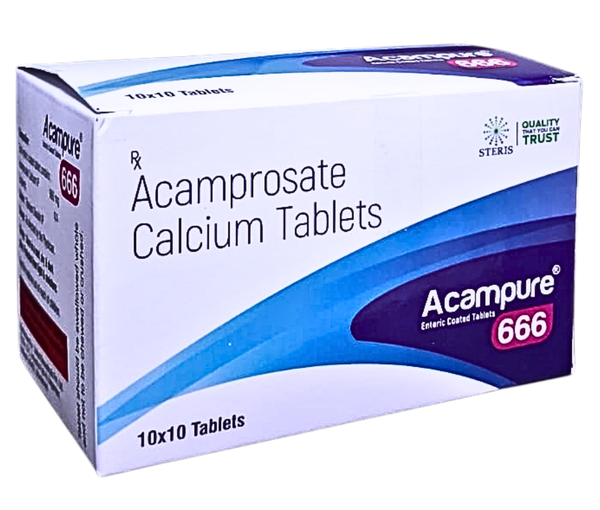
"name": "Acamprosate Gastro Resistant 666mg",
"description": "ACAMPURE 666 is a prescription medication containing Acamprosate Gastro-Resistant 666 mg, a medicine specifically designed to support individuals recovering from alcohol dependence. It is commonly used as part of a comprehensive treatment program that includes counseling, behavioral therapy, and lifestyle changes to help individuals maintain long-term sobriety.\n\nAlcohol dependence is a chronic condition that affects both the brain and behavior. Even after stopping alcohol consumption, many individuals continue to experience intense cravings and psychological discomfort that may lead to relapse. ACAMPURE 666 works by helping restore the natural chemical balance in the brain that becomes disrupted due to prolonged alcohol use.\n\nThe gastro-resistant formulation ensures that the medication passes through the stomach without breaking down and dissolves in the intestine, which improves absorption and reduces potential stomach irritation. This formulation makes ACAMPURE 666 an effective and well-tolerated option for individuals seeking support during alcohol recovery.\n\nACAMPURE 666 should always be used under the supervision of a healthcare professional and is most effective when combined with proper psychological and social support.\n\nComposition\n\nActive Ingredient: Acamprosate Calcium equivalent to Acamprosate 666 mg\n\nDosage Form: Gastro-resistant oral tablet\n\nBrand Name: ACAMPURE 666\n\nEach tablet of ACAMPURE 666 is carefully formulated to deliver a controlled release of Acamprosate in the intestinal tract, helping maintain consistent therapeutic levels in the body.\n\nHow ACAMPURE 666 Works\n\nLong-term alcohol consumption disrupts the balance of certain neurotransmitters in the brain, particularly glutamate and GABA. These chemicals regulate brain activity and mood. When a person stops drinking alcohol, the imbalance may cause symptoms such as anxiety, irritability, insomnia, and strong cravings for alcohol.\n\nACAMPURE 666 works by stabilizing the chemical signaling in the brain. It reduces excessive stimulation caused by glutamate activity and helps normalize brain function after alcohol withdrawal. By restoring this balance, the medication helps reduce cravings and supports abstinence from alcohol.\n\nUnlike some other treatments for alcohol dependence, ACAMPURE 666 does not cause unpleasant reactions if alcohol is consumed. Instead, it works by helping the brain maintain a more stable state that reduces the urge to drink.\n\nUses of ACAMPURE 666\n\nACAMPURE 666 is primarily prescribed to support individuals who have already stopped drinking alcohol and want to maintain long-term sobriety.\n\n1. Maintenance of Alcohol Abstinence\n\nThe primary use of ACAMPURE 666 is to help individuals remain alcohol-free after detoxification. It reduces the mental and emotional urge to drink and strengthens recovery efforts.\n\n2. Support During Alcohol Rehabilitation Programs\n\nACAMPURE 666 is often included as part of structured alcohol rehabilitation programs that include therapy, counseling, and social support.\n\n3. Reduction of Alcohol Cravings\n\nMany individuals in recovery experience persistent cravings that can trigger relapse. ACAMPURE 666 helps reduce these cravings by stabilizing brain chemistry.\n\n4. Long-Term Recovery Support\n\nAlcohol addiction is a long-term condition that may require extended treatment. ACAMPURE 666 can be used for several months or longer as recommended by a healthcare professional to maintain recovery progress.\n\nKey Benefits of ACAMPURE 666\n\nACAMPURE 666 provides several important benefits for individuals recovering from alcohol dependence.\n\nHelps Maintain Sobriety\n\nOne of the most important benefits of ACAMPURE 666 is its ability to help individuals remain alcohol-free. It supports the brain during the recovery process and reduces the risk of relapse.\n\nReduces Alcohol Cravings\n\nThe medication works directly on brain neurotransmitters to reduce the intense cravings that often occur after quitting alcohol.\n\nSupports Brain Recovery\n\nProlonged alcohol consumption affects brain function. ACAMPURE 666 helps restore the natural chemical balance, allowing the brain to gradually recover.\n\nNon-Addictive Treatment Option\n\nACAMPURE 666 is not addictive and does not produce dependency, making it a safe option for long-term use in alcohol recovery programs.\n\nGastro-Resistant Formulation\n\nThe gastro-resistant coating protects the tablet from stomach acid and ensures that the medication is released in the intestine. This improves absorption and reduces stomach irritation.\n\nCompatible with Therapy Programs\n\nACAMPURE 666 works well alongside counseling, behavioral therapy, and support groups, helping patients achieve better recovery outcomes.\n\nRecommended Dosage and Administration\n\nACAMPURE 666 should be taken exactly as prescribed by a healthcare professional.\n\nTypical usage guidelines include:\n\nThe medication is usually taken three times daily.\n\nTablets should be swallowed whole with water.\n\nDo not crush or chew the gastro-resistant tablets.\n\nIt can be taken with or without food.\n\nTreatment often begins after the patient has stopped drinking alcohol.\n\nThe exact dosage and duration of treatment may vary depending on the patient's medical condition and the doctor’s recommendation.\n\nPossible Side Effects of ACAMPURE 666\n\nLike all medications, ACAMPURE 666 may cause side effects in some individuals. Most side effects are mild and tend to improve as the body adjusts to the medication.\n\nCommon Side Effects\n\nDiarrhea\n\nNausea\n\nStomach discomfort\n\nLoss of appetite\n\nHeadache\n\nDizziness\n\nThese symptoms are usually temporary and may disappear with continued use.\n\nLess Common Side Effects\n\nSome individuals may experience:\n\nDry mouth\n\nFatigue\n\nAnxiety or mood changes\n\nSkin rash or itching\n\nDifficulty sleeping\n\nRare but Serious Side Effects\n\nIn rare cases, serious side effects may occur, such as:\n\nSevere allergic reactions\n\nDepression or suicidal thoughts\n\nSignificant changes in mood or behavior\n\nIf any severe symptoms occur, medical attention should be sought immediately.\n\nPrecautions and Safety Information\n\nBefore taking ACAMPURE 666, patients should discuss their medical history and current medications with their healthcare provider.\n\nImportant precautions include:\n\nInform the doctor if you have kidney disease, as dosage adjustments may be required.\n\nACAMPURE 666 should not be used by individuals with severe kidney impairment.\n\nPregnant or breastfeeding women should consult their doctor before using this medication.\n\nPatients should continue participating in counseling or therapy while taking the medication.\n\nAvoid skipping doses to maintain consistent effectiveness.\n\nIt is important to note that ACAMPURE 666 works best for individuals who are committed to remaining alcohol-free.\n\nStorage Instructions\n\nTo maintain the quality and effectiveness of ACAMPURE 666:\n\nStore the tablets at room temperature.\n\nKeep away from direct sunlight and moisture.\n\nStore in the original packaging until use.\n\nKeep out of reach of children.\n\nDo not use the medication after the expiration date mentioned on the packaging.\n\nConclusion\n\nACAMPURE 666 (Acamprosate Gastro-Resistant 666 mg) is an effective medication designed to support individuals recovering from alcohol dependence. By helping restore the natural balance of brain chemicals disrupted by long-term alcohol use, it reduces cravings and supports long-term abstinence.\n\nThe gastro-resistant formulation enhances absorption and minimizes stomach irritation, making it a reliable treatment option in alcohol recovery programs. When combined with counseling, behavioral therapy, and strong social support, ACAMPURE 666 can significantly improve the chances of maintaining sobriety.",
"price": 276.0,
"discountamount": 83.0,
"currencycode": "INR",
"priority": 1000000,
"isfreeshipmentavailable": false,
"shipmentduration": 1,
"_keywords": null,
"isarchived": false,
"isavailable": true,
"applicationid": null,
"productindex": 2318,
"imageuri": "https://productimages.withfloats.com/actual/69abcba0ad5b8f3f9ba860c5.png",
"tileimageuri": "https://productimages.withfloats.com/tile/69abcba0ad5b8f3f9ba860c5.png",
"images": null,
"totalqueries": 0,
"gpid": null,
"groupproductid": null,
"createdon": "2026-03-07T06:54:22.273Z",
"updatedon": "2026-03-12T08:34:27.928Z",
"buyonlinelink": null,
"producturl": "http://WWW.STERISINDIA.COM/products/acamprosate-gastro-resistant-666mg/2318",
"availableunits": -1.0,
"iscodavailable": false,
"isprepaidonlineavailable": false,
"maxcodorders": 0,
"maxprepaidonlineorders": 0,
"uniquepaymenturl": null,
"brandname": "ACAMPURE 666",
"category": "NEUROLOGYRANGE",
"tags": [
"acamprosate gastro resistant 666mg tablet uses",
"how acamprosate 666mg helps stop drinking",
"acamprosate gastro resistant tablets benefits",
"acamprosate 666mg dosage guide for alcohol recovery",
"acamprosate gastro resistant tablets dosage instructions",
"buy acamprosate gastro resistant 666mg tablets online",
"acamprosate 666mg price in india",
"acamprosate 666mg best price online pharmacy"
],
"variants": false,
"keyspecification": null,
"otherspecifications": null,
"pickupaddressreferenceid": null,
"paymenttype": "UniquePaymentUrl",
"producttype": "products",
"hsncode": null,
"gstslab": 0.0,
"isnotforsale": false
},
{
"_id": "69747bdec522c2b149071d3b",
"fptag": "STERISHEALTHCARE",
"merchantname": null,
"customwidgets": null,
"externalsourceid": null,
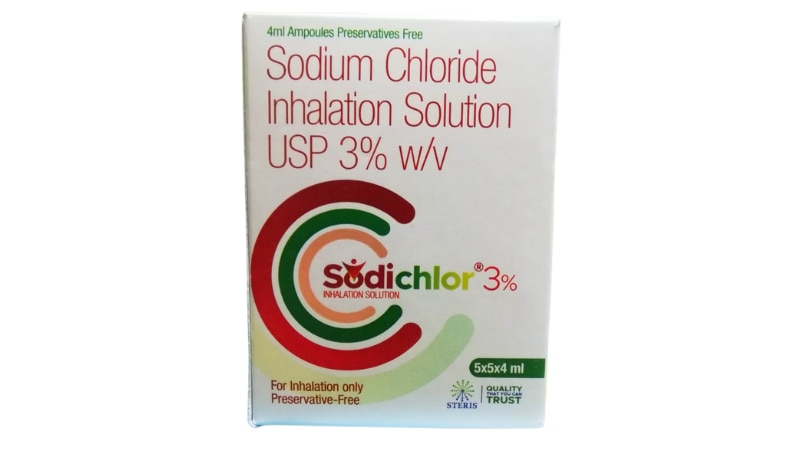
"name": "Sodium Chloride Inhalation Solution USP 3% w/v",
"description": "SODICHLOR 3% is a sterile, preservative-free hypertonic saline inhalation solution specifically formulated to help manage respiratory conditions characterized by thick, tenacious mucus secretions. This pharmaceutical-grade formulation contains 3% sodium chloride in purified water, offering a concentration three times higher than normal saline, designed to work through osmotic principles to improve airway clearance and respiratory function.\nAs a trusted therapeutic agent in respiratory care, SODICHLOR 3% represents a non-antibiotic approach to managing chronic respiratory conditions, making it an invaluable tool for patients suffering from cystic fibrosis, chronic obstructive pulmonary disease (COPD), bronchiectasis, and other conditions where mucus clearance is compromised. The solution is administered via nebulization, allowing the medication to reach deep into the bronchial passages where it can exert its therapeutic effects most effectively.\nHow SODICHLOR 3% Works\nThe mechanism of action behind SODICHLOR 3% is elegantly simple yet highly effective. When nebulized and inhaled, the hypertonic saline solution creates an osmotic gradient in the airways. This means that the higher salt concentration in the solution draws water from the surrounding tissues into the airway surface liquid layer. This influx of water hydrates the mucus, making it less viscous and sticky, which significantly improves the ability to cough up and clear secretions from the lungs.\nAdditionally, SODICHLOR 3% helps restore the normal salt and water balance on airway surfaces, which is particularly important in conditions like cystic fibrosis where this balance is naturally disrupted. The solution also stimulates ciliary beat frequency, enhancing the natural cleaning mechanism of the respiratory tract. By improving mucociliary clearance, SODICHLOR 3% helps reduce the bacterial burden in the airways, potentially decreasing the frequency of respiratory infections and exacerbations.\nPrimary Uses and Applications\nSODICHLOR 3% is prescribed for various respiratory conditions where enhanced mucus clearance is clinically beneficial:\nCystic Fibrosis Management: Perhaps the most well-established use, SODICHLOR 3% has become a cornerstone therapy for patients with cystic fibrosis. Regular use helps thin the abnormally thick mucus characteristic of this genetic condition, improving lung function and quality of life while reducing the risk of pulmonary exacerbations.\nChronic Obstructive Pulmonary Disease: For COPD patients who struggle with excessive mucus production and poor clearance, SODICHLOR 3% provides relief by facilitating easier expectoration and improving breathing comfort.\nBronchiectasis: This condition, characterized by permanently damaged and widened airways that trap mucus, benefits significantly from hypertonic saline therapy. SODICHLOR 3% helps clear the pooled secretions that contribute to recurrent infections.\nPost-Operative Respiratory Care: Following certain surgical procedures, particularly thoracic surgeries, SODICHLOR 3% may be used to prevent mucus plugging and atelectasis by maintaining adequate airway hydration.\nSputum Induction: In diagnostic settings, SODICHLOR 3% can be used to induce sputum production for laboratory testing when patients cannot spontaneously produce adequate samples.\nKey Benefits of SODICHLOR 3%\nThe therapeutic advantages of SODICHLOR 3% extend across multiple dimensions of respiratory health:\nEnhanced Mucus Clearance: The primary benefit is the dramatic improvement in the ability to clear thick, sticky mucus from the airways. Patients often report easier breathing and more productive coughing within minutes of treatment.\nImproved Lung Function: Clinical studies have demonstrated that regular use of hypertonic saline solutions like SODICHLOR 3% can lead to measurable improvements in pulmonary function tests, including forced expiratory volume (FEV1) and forced vital capacity (FVC).\nReduced Infection Frequency: By promoting better mucus clearance and reducing bacterial colonization in the airways, SODICHLOR 3% may help decrease the frequency of respiratory infections and disease exacerbations, leading to fewer hospitalizations.\nNon-Antibiotic Therapy: In an era of increasing antibiotic resistance, SODICHLOR 3% offers a mechanical rather than chemical approach to managing respiratory symptoms, making it a valuable addition to any treatment regimen without contributing to resistance patterns.\nCost-Effective Treatment: Compared to many specialized respiratory medications, SODICHLOR 3% represents a relatively affordable therapeutic option that can be used long-term without prohibitive expense.\nQuality of Life Enhancement: Patients using SODICHLOR 3% regularly often report significant improvements in their daily activities, exercise tolerance, and overall sense of well-being due to easier breathing and reduced respiratory distress.\nCompatibility with Other Treatments: SODICHLOR 3% can be safely used alongside other respiratory medications, including bronchodilators, corticosteroids, and antibiotics, as part of a comprehensive treatment plan.\nPotential Side Effects and Considerations\nWhile SODICHLOR 3% is generally well-tolerated, patients should be aware of potential side effects:\nCommon Side Effects: The most frequently reported adverse effects include throat irritation, coughing (especially initially), unpleasant taste, and mild wheezing or chest tightness. These effects are typically transient and often diminish with continued use as the body adapts to the therapy.\nBronchospasm: Some patients, particularly those with hyperreactive airways or asthma, may experience bronchospasm (sudden narrowing of the airways) during or after treatment. This is why healthcare providers often recommend using a bronchodilator before SODICHLOR 3% administration.\nTemporary Oxygen Desaturation: In some cases, especially in patients with severe lung disease, temporary decreases in blood oxygen levels may occur immediately after treatment, though levels typically return to baseline within 30 minutes.\nNasal Congestion and Rhinorrhea: Some patients may experience nasal stuffiness or runny nose following inhalation therapy.\nLess Common Effects: Headache, nausea, dizziness, or voice changes may occasionally occur but are generally mild and self-limiting.\nPatients with certain conditions such as uncontrolled hypertension, severe electrolyte imbalances, or recent hemoptysis should use SODICHLOR 3% only under close medical supervision. As with any medical treatment, it's essential to discuss your complete medical history with your healthcare provider before beginning therapy.\nConclusion\nSODICHLOR 3% represents a scientifically sound, clinically proven approach to managing respiratory conditions complicated by thick mucus secretions. Its mechanism of action—leveraging osmotic principles to hydrate and mobilize airway secretions—addresses a fundamental problem faced by millions of patients with chronic respiratory diseases. The substantial body of evidence supporting its efficacy, combined with its favorable safety profile and cost-effectiveness, makes SODICHLOR 3% an indispensable component of modern respiratory care.",
"price": 540.0,
"discountamount": 162.0,
"currencycode": "INR",
"priority": 1000000,
"isfreeshipmentavailable": false,
"shipmentduration": 1,
"_keywords": null,
"isarchived": false,
"isavailable": true,
"applicationid": null,
"productindex": 2283,
"imageuri": "https://productimages.withfloats.com/actual/69747be5cf228670cde34180.png",
"tileimageuri": "https://productimages.withfloats.com/tile/69747be5cf228670cde34180.png",
"images": null,
"totalqueries": 0,
"gpid": null,
"groupproductid": null,
"createdon": "2026-01-24T07:59:26.118Z",
"updatedon": "2026-03-14T07:09:16.685Z",
"buyonlinelink": null,
"producturl": "http://WWW.STERISINDIA.COM//sodium-chloride-inhalation-solution-usp-3-w-v/2283",
"availableunits": -1.0,
"iscodavailable": false,
"isprepaidonlineavailable": false,
"maxcodorders": 0,
"maxprepaidonlineorders": 0,
"uniquepaymenturl": null,
"brandname": "SODICHLOR 3%",
"category": "ASTHMARANGE",
"tags": [
"sodium chloride inhalation solution usp 3 percent",
"sodium chloride 3% nebulizer solution",
"sodium chloride 3% respiratory solution",
"sodium chloride inhalation solution usp 3% price",
"buy sodium chloride 3% inhalation solution",
"sodium chloride 3% nebulizer solution manufacturer",
"sodium chloride inhalation solution usp 3% benefits",
"sodium chloride inhalation solution usp 3% benefits",
"sodium chloride inhalation solution usp 3% dosage",
"sodium chloride inhalation solution usp 3% side effects"
],
"variants": false,
"keyspecification": null,
"otherspecifications": null,
"pickupaddressreferenceid": null,
"paymenttype": "UniquePaymentUrl",
"producttype": "products",
"hsncode": null,
"gstslab": 0.0,
"isnotforsale": false
},
{
"_id": "6961f2c52800555f6696ac8f",
"fptag": "STERISHEALTHCARE",
"merchantname": null,
"customwidgets": null,
"externalsourceid": null,
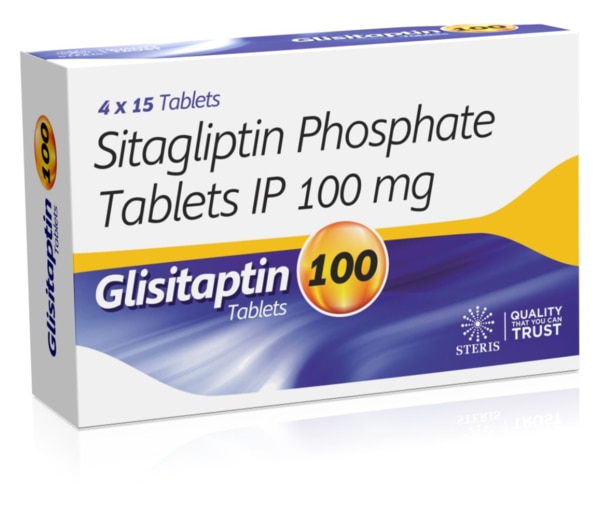
"name": "Sitagliptin Phosphate 100 mg",
"description": "GLISITAPTIN 100 is a pharmaceutical formulation containing Sitagliptin Phosphate 100 mg as its active ingredient. This medication represents a significant advancement in the management of type 2 diabetes mellitus, offering patients an effective oral treatment option that works through an innovative mechanism of action. As part of the DPP-4 inhibitor class of antidiabetic medications, GLISITAPTIN 100 has emerged as a trusted choice for healthcare providers and patients seeking reliable glycemic control with a favorable safety profile.\nThe brand name GLISITAPTIN 100 signifies quality, efficacy, and a commitment to helping individuals with type 2 diabetes achieve better health outcomes. Each tablet is precisely formulated to deliver the optimal therapeutic dose of sitagliptin phosphate, ensuring consistent and predictable results in blood sugar management.\nUnderstanding Sitagliptin Phosphate\nSitagliptin phosphate is a highly selective dipeptidyl peptidase-4 (DPP-4) inhibitor that has revolutionized diabetes treatment since its introduction. Unlike older diabetes medications that work through insulin secretion or glucose absorption mechanisms alone, sitagliptin operates through the incretin system—a natural bodily process that regulates blood glucose levels in response to food intake.\nThe 100 mg strength available in GLISITAPTIN 100 represents the standard therapeutic dose for most adult patients, providing optimal efficacy while maintaining an excellent safety margin. This once-daily formulation simplifies treatment regimens and promotes better adherence, which is crucial for long-term diabetes management success.\nHow GLISITAPTIN 100 Works\nGLISITAPTIN 100 works through a sophisticated yet elegant mechanism that harnesses your body's natural glucose regulation system. When you eat, your intestines release hormones called incretins, specifically GLP-1 (glucagon-like peptide-1) and GIP (glucose-dependent insulinotropic polypeptide). These incretins have multiple beneficial effects: they stimulate insulin secretion from the pancreas, suppress glucagon release (which reduces glucose production by the liver), and slow gastric emptying.\nHowever, these beneficial incretins are rapidly broken down by an enzyme called DPP-4, limiting their glucose-lowering effects. GLISITAPTIN 100 inhibits this DPP-4 enzyme, allowing incretins to remain active in your bloodstream for longer periods. This results in better insulin secretion when blood glucose is elevated, reduced glucagon levels, and ultimately improved blood sugar control throughout the day.\nImportantly, because this mechanism is glucose-dependent, GLISITAPTIN 100 primarily works when blood sugar is elevated, which significantly reduces the risk of hypoglycemia (dangerously low blood sugar) compared to some other diabetes medications.\nPrimary Uses and Indications\nType 2 Diabetes Mellitus Management: GLISITAPTIN 100 is primarily indicated for improving glycemic control in adult patients with type 2 diabetes mellitus. It can be prescribed as:\n\nMonotherapy: As a first-line treatment for patients who cannot achieve adequate control through diet and exercise alone, particularly when metformin is contraindicated or not tolerated\nCombination Therapy: Alongside metformin, sulfonylureas, thiazolidinediones, or insulin when these medications alone do not provide sufficient glucose control\nTriple Therapy: In combination with two other antidiabetic agents when dual therapy fails to achieve target HbA1c levels\n\nThe medication is particularly suitable for patients who require effective glucose control but have concerns about weight gain or hypoglycemia, as GLISITAPTIN 100 is weight-neutral and has a low hypoglycemia risk when used as monotherapy.\nKey Benefits of GLISITAPTIN 100\n1. Effective Glycemic Control\nClinical studies have demonstrated that GLISITAPTIN 100 significantly reduces HbA1c levels (a measure of long-term blood sugar control) by approximately 0.5-1.0%, helping patients achieve and maintain target glucose levels. This improvement translates to reduced risk of diabetes-related complications over time.\n2. Low Hypoglycemia Risk\nUnlike sulfonylureas or insulin, GLISITAPTIN 100 has a glucose-dependent mechanism, meaning it primarily works when blood sugar is elevated. This dramatically reduces the risk of hypoglycemic episodes, providing patients with greater safety and peace of mind, especially important for elderly patients or those with unpredictable meal schedules.\n3. Weight Neutral\nGLISITAPTIN 100 does not cause weight gain, a significant advantage over some other diabetes medications like insulin, sulfonylureas, or thiazolidinediones. Maintaining a healthy body weight is crucial for overall diabetes management and cardiovascular health.\n4. Once-Daily Convenience\nThe single daily dose requirement of GLISITAPTIN 100 simplifies treatment regimens, making it easier for patients to maintain adherence. Better adherence directly correlates with improved glycemic control and better long-term outcomes.\n5. Pancreatic Preservation\nBy working through the incretin system, GLISITAPTIN 100 may help preserve pancreatic beta-cell function, potentially slowing the progression of type 2 diabetes. This represents a significant long-term benefit beyond simple glucose control.\n6. Cardiovascular Safety\nClinical trials have demonstrated cardiovascular safety with sitagliptin, an important consideration given that cardiovascular disease is the leading cause of morbidity and mortality in patients with type 2 diabetes.\n7. Renal Dosing Available\nWhile the 100 mg dose is standard, sitagliptin can be adjusted for patients with kidney impairment, making it accessible to a broader patient population, including those with diabetic nephropathy.\n8. Well-Tolerated\nGLISITAPTIN 100 generally has a favorable side effect profile, with most patients experiencing minimal adverse effects, contributing to better quality of life during treatment.\nDosage and Administration\nThe standard recommended dose of GLISITAPTIN 100 is one tablet taken orally once daily, with or without food. The medication can be taken at any time of day, though taking it at the same time daily helps establish a routine and ensures consistent blood levels.\nFor patients with moderate to severe kidney disease, dosage adjustments may be necessary. Your healthcare provider will determine the appropriate dose based on your kidney function tests. It's crucial to follow your doctor's instructions precisely and not adjust your dose without medical guidance.\nPotential Side Effects\nWhile GLISITAPTIN 100 is generally well-tolerated, like all medications, it may cause side effects in some individuals:\nCommon Side Effects (Affecting 1-10% of patients):\n\nUpper respiratory tract infections\nNasopharyngitis (common cold symptoms)\nHeadache\nNausea\nAbdominal pain\nDiarrhea\n\nThese side effects are typically mild and often resolve on their own as your body adjusts to the medication.\nLess Common but Serious Side Effects:\n\nPancreatitis: Severe abdominal pain that may radiate to the back, with or without vomiting, requires immediate medical attention\nSevere Joint Pain: Persistent, severe joint pain has been reported in some patients; inform your doctor if this occurs\nAllergic Reactions: Rare cases of serious allergic reactions including anaphylaxis, angioedema, and severe skin reactions have occurred\nHeart Failure: In patients with existing heart disease, worsening heart failure has been reported\nBullous Pemphigoid: A rare skin condition requiring discontinuation of the medication\n\nWhen Used with Other Diabetes Medications:\nWhen GLISITAPTIN 100 is combined with sulfonylureas or insulin, the risk of hypoglycemia increases. Your doctor may reduce the dose of these medications when adding GLISITAPTIN 100 to your regimen.\nPrecautions and Contraindications\nDo Not Use GLISITAPTIN 100 if:\n\nYou are allergic to sitagliptin or any ingredients in the formulation\nYou have type 1 diabetes or diabetic ketoacidosis\nYou are under 18 years of age (safety and efficacy not established)\n\nUse with Caution if:\n\nYou have a history of pancreatitis\nYou have kidney disease (dose adjustment required)\nYou have heart failure\nYou are pregnant or planning to become pregnant\nYou are breastfeeding\n\nImportant Patient Information\nMonitoring: Regular monitoring of blood glucose levels and HbA1c testing (typically every 3-6 months) is essential to assess treatment effectiveness and make necessary adjustments.\nLifestyle Factors: GLISITAPTIN 100 works best when combined with a healthy diet, regular physical activity, and weight management. Medication alone cannot substitute for comprehensive lifestyle management.\nMissed Dose: If you miss a dose, take it as soon as you remember on the same day. If it's almost time for your next dose, skip the missed dose and continue with your regular schedule. Never double up doses.\nStorage: Store GLISITAPTIN 100 at room temperature, away from moisture and heat. Keep the medication in its original container and out of reach of children.\nDrug Interactions\nGLISITAPTIN 100 has few significant drug interactions, contributing to its safety profile. However, inform your healthcare provider about all medications, supplements, and herbal products you're taking. Particular attention should be paid to:\n\nOther diabetes medications (may require dose adjustments)\nDigoxin (levels may be slightly increased)\nMedications affecting kidney function\n\nConclusion\nGLISITAPTIN 100 (Sitagliptin Phosphate 100 mg) represents a modern, effective, and well-tolerated option for managing type 2 diabetes mellitus. Its innovative mechanism through the incretin system offers multiple advantages including effective glucose control, low hypoglycemia risk, weight neutrality, and once-daily convenience. These benefits make it an excellent choice for many patients, whether used alone or in combination with other antidiabetic medications.",
"price": 464.0,
"discountamount": 139.0,
"currencycode": "INR",
"priority": 1000000,
"isfreeshipmentavailable": false,
"shipmentduration": 1,
"_keywords": null,
"isarchived": false,
"isavailable": true,
"applicationid": null,
"productindex": 2272,
"imageuri": "https://productimages.withfloats.com/actual/6961f2c8ba33389b8e9f0122.png",
"tileimageuri": "https://productimages.withfloats.com/tile/6961f2c8ba33389b8e9f0122.png",
"images": null,
"totalqueries": 0,
"gpid": null,
"groupproductid": null,
"createdon": "2026-01-10T06:33:41.727Z",
"updatedon": "2026-03-13T05:59:37.431Z",
"buyonlinelink": null,
"producturl": "http://WWW.STERISINDIA.COM//sitagliptin-phosphate-100-mg/2272",
"availableunits": -1.0,
"iscodavailable": false,
"isprepaidonlineavailable": false,
"maxcodorders": 0,
"maxprepaidonlineorders": 0,
"uniquepaymenturl": null,
"brandname": "GLISITAPTIN 100",
"category": "DIABETIC RANGE",
"tags": [
"sitagliptin phosphate 100 mg tablet uses",
"sitagliptin phosphate 100 mg dosage",
"sitagliptin phosphate 100 mg side effects",
"sitagliptin phosphate 100 mg benefits",
"sitagliptin phosphate 100 mg price in india",
"sitagliptin phosphate tablets 100 mg",
"what is sitagliptin phosphate 100 mg used for",
"how sitagliptin phosphate works in diabetes",
"sitagliptin phosphate 100 mg for type 2 diabetes",
"sitagliptin phosphate 100 mg mechanism of action",
"sitagliptin phosphate tablet how to take",
"medicine to control blood sugar sitagliptin",
"tablet for post meal blood sugar control",
"sitagliptin phosphate for high blood sugar",
"can sitagliptin phosphate cause weight gain"
],
"variants": false,
"keyspecification": null,
"otherspecifications": null,
"pickupaddressreferenceid": null,
"paymenttype": "UniquePaymentUrl",
"producttype": "products",
"hsncode": null,
"gstslab": 0.0,
"isnotforsale": false
},
{
"_id": "6abe4471401ae1a1106d67d9",
"fptag": "STERISHEALTHCARE",
"merchantname": null,
"customwidgets": null,
"externalsourceid": null,
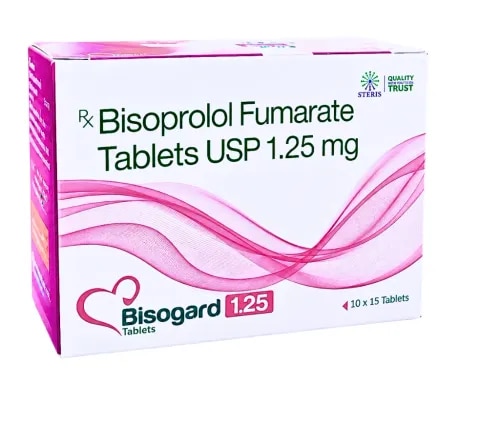
"name": "Bisoprolol 1.25mg",
"description": "Bisoprolol 1.25mg is the smallest tablet strength of bisoprolol, a heart-selective beta-1 blocker. Doctors usually prescribe it to start treatment or to build up the dose gradually in people with high blood pressure, chronic stable heart failure, or fast heart rhythms. It suits older adults, people with mild heart failure, and anyone who reacts strongly to beta-blockers. The medicine slows the heartbeat and eases the force of each contraction, so the heart works less hard. BISOGARD 1.25 from Steris Healthcare Pvt. Ltd. comes in a strip pack of 15 tablets. It is a Schedule H medicine, so it must only be started, changed, or stopped on a doctor's advice.\n\nProduct Snapshot\n\nBrand: BISOGARD 1.25\nManufacturer/Marketer: Steris Healthcare Pvt. Ltd., a WHO-GMP and ISO-certified pharmaceutical company in India\nActive ingredient: Bisoprolol Fumarate 1.25mg\nForm: Tablet\nPack size: 15 tablets\nDrug class: Cardioselective beta-1 blocker\nLegal status: Schedule H (valid prescription required)\nAvailability: Through Steris Healthcare's authorized pharmacies and its B2B PCD franchise network across India\nWhat Is Bisoprolol 1.25mg?\n\nIf your doctor has just prescribed bisoprolol 1.25mg, you have been given the lowest dose on purpose. Bisoprolol is a cardioselective beta-1 blocker, meaning it acts mostly on receptors in the heart and has much less effect on the lungs and blood vessels. This is a major reason it is preferred over older, non-selective beta-blockers, especially for people who also have a mild breathing problem.\n\nThe 1.25mg tablet is not a “light” medicine for mild illness. It is a carefully chosen entry point. In heart failure, a weakened heart can struggle if its rate or pressure drops too quickly, so cardiologists follow a “start low, go slow” approach. Treatment begins at 1.25mg, the response is watched for one to two weeks, and the dose is raised step by step (commonly 2.5mg, 3.75mg, 5mg, 7.5mg, and up to 10mg) as the heart adapts. That is why BISOGARD 1.25 is often the first tablet a newly diagnosed heart failure patient takes.\n\nWhat Is Bisoprolol 1.25mg Used For?\n\nDoctors commonly prescribe this strength for:\n\nChronic heart failure (HFrEF): as the first step of dose titration in patients with a reduced ejection fraction, alongside ACE inhibitors/ARBs and diuretics\nHigh blood pressure: especially in older adults, people with low body weight, and those who are sensitive to blood-pressure-lowering drugs\nStable angina: to reduce the heart's oxygen demand and relieve chest discomfort\nAfter a heart attack: in selected patients, under a cardiologist's care\nHeart rate control in some arrhythmias: sometimes used off-label at a low dose to gently bring down a fast heart rate\n\nAt 1.25mg, bisoprolol is seldom meant as the long-term sole treatment for high blood pressure in an otherwise healthy adult. It is usually the first rung of a titration ladder, or a steady maintenance dose for patients who are unusually beta-blocker sensitive (older age, low body weight, or borderline low pressure or pulse).\n\nHow Does Bisoprolol Work?\n\nBisoprolol selectively blocks beta-1 adrenergic receptors, which are packed mainly into heart muscle. This leads to several effects:\n\nSlower heart rate: the heart has more time to fill and rest between beats\nGentler contractions: the heart muscle needs less oxygen and energy\nLess renin from the kidneys: this helps blood pressure fall gradually over time\nLower overall cardiac workload: a real advantage for a heart that already struggles to pump well, as in heart failure\nKey Benefits of BISOGARD 1.25\nA gentle starting dose, well suited to careful titration in frail or elderly patients\nHeart-focused action, with less effect on the lungs and peripheral blood vessels than non-selective beta-blockers\nOnce-daily dosing, which makes it easier to stay on treatment\nA guideline-recommended beta-blocker for HFrEF with well-established outcomes data [Reviewer note: insert specific outcome statistics/trial citation pending medical sign-off]\nMade by Steris Healthcare Pvt. Ltd. under WHO-GMP and ISO-certified standards\nDosage Guidance\nUsual starting dose (heart failure): 1.25mg once a day, preferably in the morning\nDose increases: typically every 1–2 weeks (2.5mg, 3.75mg, 5mg, 7.5mg, up to a maximum of 10mg daily), depending on how well you tolerate it and on your pulse and blood pressure\nHigh blood pressure (sensitive patients): 1.25mg to 5mg once daily, as set by your doctor\nHow to take it: at the same time every day, with or without food, swallowed whole with water\nIf you miss a dose: take it when you remember, unless the next dose is almost due. Never take a double dose.\nNever stop suddenly: abrupt withdrawal can cause a rebound rise in heart rate, blood pressure, or chest pain. The dose must be reduced gradually under medical supervision.\nIs It Better to Take Bisoprolol in the Morning or at Night?\n\nMost doctors advise a morning dose. Bisoprolol lowers pulse and blood pressure, and taking it early matches its action to your daytime activity. A night-time dose could add to the body's natural overnight dip in blood pressure and raise the chance of dizziness when getting up in the dark. Some people who feel tired during the day are told by their doctor to switch to the evening. Do not change your dosing time without your doctor's approval.\n\nSide Effects of Bisoprolol 1.25mg\n\nCommon side effects\n\nTiredness or fatigue\nDizziness or light-headedness, especially on standing quickly\nCold hands or feet\nSlow pulse (bradycardia)\nHeadache\nMild stomach upset (nausea, loose stools)\nDisturbed sleep\n\nSerious side effects (get medical help promptly)\n\nVery slow heartbeat or fainting\nIncreasing breathlessness or swollen legs/ankles, which may mean heart failure is worsening\nAllergic reaction: rash, swelling of the face or throat, trouble breathing\nCold, numb, or bluish fingers and toes\nWheezing or new breathing difficulty, particularly in people with asthma or COPD\nMood changes, low mood, or confusion\nWhat Are the Bad Side Effects of Bisoprolol?\n\nThe effects that need urgent attention are a dangerously slow pulse, fainting, signs of worsening heart failure (swelling, breathlessness), severe allergic reactions, and airway tightening in people with lung disease. These are uncommon at the 1.25mg dose, but anyone who notices them should seek medical help right away. [Reviewer note: specific incidence rates pending clinical/medical sign-off]\n\nSubstitutes & Comparable Beta-Blockers\nMolecule\tSelectivity\tTypical Use Case\nBisoprolol\tHighly cardioselective\tHeart failure titration, hypertension\nMetoprolol Succinate ER\tCardioselective\tHypertension, angina, heart failure\nAtenolol\tCardioselective (older agent)\tHypertension\nCarvedilol\tNon-selective with alpha-blocking action\tHeart failure (adds vasodilation)\nPropranolol\tNon-selective\tMigraine prevention, anxiety-related fast heartbeat, essential tremor\nPrecautions & Who Should Avoid Bisoprolol\nNot suitable for people with severe bradycardia, certain forms of heart block (unless a pacemaker is fitted), unstable or acutely decompensated heart failure, or severe uncontrolled asthma\nUse carefully in diabetes, because beta-blockers can hide the warning signs of low blood sugar\nTake care in peripheral vascular disease, as cold extremities or leg pain on walking may worsen\nNever stop it abruptly; always taper under a doctor's guidance\nTell your doctor about every medicine you use, especially other blood-pressure drugs, calcium channel blockers, and certain antiarrhythmics\nIn pregnancy and breastfeeding, use only if your doctor advises it after weighing benefits and risks\nIs Bisoprolol Safe for Kidneys?\n\nThe body clears bisoprolol through both the liver and the kidneys in roughly equal measure. It is generally considered safe for people with normal or mildly reduced kidney function. When kidney impairment is significant, drug levels in the blood can rise, so your doctor may lower the dose or monitor you more closely. Always tell your prescriber about any kidney disease before starting.\n\nIs Bisoprolol a High-Risk Medication?\n\nBisoprolol is not a narrow therapeutic index drug like tacrolimus or warfarin, where small dose differences matter greatly. Even so, it needs supervised use because it directly affects heart rate and blood pressure. The main dangers are stopping it suddenly, which can set off rebound cardiac events, and using it with certain existing rhythm disorders. Taken as prescribed and checked regularly, it has a long and reassuring safety record.\n\nDoes 1.25mg Bisoprolol Lower Blood Pressure?\n\nYes. Even the smallest dose measurably reduces heart rate and blood pressure by lightening the heart's workload and reducing renin-driven narrowing of blood vessels. At this strength the effect on blood pressure is fairly mild, which is exactly why it is a safe place to begin, especially for older adults or people starting heart failure treatment. The dose is then raised gradually to reach full benefit.\n\nFrequently Asked Questions\n\n1. What is 1.25 mg of bisoprolol used for?\nMainly as a low starting dose when building up treatment for chronic heart failure, and for high blood pressure in people who are very sensitive to beta-blockers, such as older adults.\n\n2. What are the bad side effects of bisoprolol?\nThe more serious ones are a very slow pulse, fainting, worsening heart failure signs (swelling, breathlessness), severe allergy, and breathing trouble in people with lung conditions.\n\n3. What are the common side effects of bisoprolol fumarate 1.25 mg tablets?\nTiredness, dizziness, cold hands and feet, mild headache, and a slightly slower pulse.\n\n4. Is it better to take bisoprolol in the morning or at night?\nMorning is usually preferred so its effect fits daytime activity, though your doctor may suggest evenings in some cases.\n\n5. What is the cost of bisoprolol?\nPrice depends on strength, pack size, and brand. Use the “Check Price” option above for current BISOGARD 1.25 pricing from Steris Healthcare.\n\n6. Does 1.25 mg bisoprolol lower blood pressure?\nYes, though only modestly at this dose. The dose is often stepped up over time.\n\n7. Is bisoprolol safe for kidneys?\nGenerally yes for normal or mildly reduced kidney function. People with significant kidney impairment need dose adjustment and monitoring.\n\n8. Is bisoprolol a high-risk medication?\nIt is not a narrow therapeutic index drug, but it must never be stopped suddenly and should be used under medical supervision because of its direct effect on the heart.\n\n9. Can I take bisoprolol 1.25mg for the rest of my life?\nMany people with chronic heart failure or hypertension do take bisoprolol long term, but the dose usually rises as tolerated. Your doctor should review it regularly.\n\n10. What happens if I miss a dose of bisoprolol?\nTake it when you remember, unless the next dose is nearly due. In that case skip the missed one. Never take two together.\n\n11. Can bisoprolol 1.25mg cause weight gain?\nIt is not commonly reported at this dose. Fluid retention linked to heart failure itself should be reported to your doctor.\n\n12. Is bisoprolol safe for diabetic patients?\nIt can be used, with care, because beta-blockers may hide warning signs of low blood sugar such as a racing heartbeat.\n\n13. Can I stop taking bisoprolol suddenly if I feel fine?\nNo. Stopping abruptly can cause a rebound rise in heart rate, blood pressure, or chest pain. Reduce the dose gradually under medical guidance.\n\n14. Does bisoprolol interact with other blood pressure medicines?\nYes. Combining it with other drugs that lower heart rate or pressure (such as calcium channel blockers) can cause a very low pulse or pressure. Tell your doctor about all your medicines.\n\n15. Is BISOGARD 1.25 available without a prescription?\nNo. Bisoprolol is a Schedule H medicine in India and needs a valid prescription.\n\n16. How long does it take for bisoprolol 1.25mg to start working?\nSome effect on heart rate appears within hours, but the full benefit for blood pressure or heart failure symptoms builds over several weeks of regular use.\n\n17. Can pregnant women take bisoprolol?\nOnly if clearly necessary and prescribed by a doctor, as it may affect the baby's heart rate and growth.",
"price": 39.0,
"discountamount": 12.0,
"currencycode": "INR",
"priority": 1000000,
"isfreeshipmentavailable": false,
"shipmentduration": 1,
"_keywords": null,
"isarchived": false,
"isavailable": true,
"applicationid": null,
"productindex": 2501,
"imageuri": "https://productimages.withfloats.com/actual/6abe4474c205678e0b16a23a.png",
"tileimageuri": "https://productimages.withfloats.com/tile/6abe4474c205678e0b16a23a.png",
"images": null,
"totalqueries": 0,
"gpid": null,
"groupproductid": null,
"createdon": "2026-10-01T11:30:57.88Z",
"updatedon": "2026-10-01T11:30:57.88Z",
"buyonlinelink": null,
"producturl": "http://WWW.STERISINDIA.COM//bisoprolol-1-25mg/2501",
"availableunits": -1.0,
"iscodavailable": false,
"isprepaidonlineavailable": false,
"maxcodorders": 0,
"maxprepaidonlineorders": 0,
"uniquepaymenturl": null,
"brandname": "Bisogard 1.25",
"category": "CARDIOLOGYRANGE",
"tags": [],
"variants": false,
"keyspecification": null,
"otherspecifications": null,
"pickupaddressreferenceid": null,
"paymenttype": "UniquePaymentUrl",
"producttype": "products",
"hsncode": null,
"gstslab": 0.0,
"isnotforsale": false
},
{
"_id": "6a9532d9dc13d720a47ea143",
"fptag": "STERISHEALTHCARE",
"merchantname": null,
"customwidgets": null,
"externalsourceid": null,
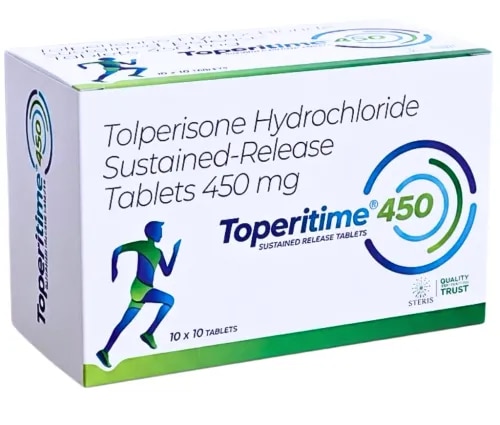
"name": "Tolperisone Hydrochloride Sustained Release Tablets 450 mg",
"description": "**Tolperisone hydrochloride** is a centrally acting muscle relaxant used to help reduce excessive muscle tone, stiffness, and muscle spasms associated with certain musculoskeletal and neurological conditions. Compared with some other centrally acting muscle relaxants, tolperisone is generally considered to have relatively limited sedative effects, although individual responses can vary.\n\n**TOPERITME 450** is formulated as a sustained-release tablet. This formulation is designed to release the active ingredient gradually, helping maintain its therapeutic effect over the prescribed dosing period.\n\nWhat TOPERITME 450 May Be Used For\n\nA healthcare professional may prescribe **TOPERITME 450** for conditions involving painful muscle tightness or spasms, including:\n\n* Painful muscle spasms\n* Selected musculoskeletal disorders\n* Neck and shoulder muscle stiffness\n* Lower back discomfort associated with muscle spasm\n* Cervical or lumbar spondylosis accompanied by muscle tightness\n* Muscle spasms associated with injury or trauma\n* Increased muscle tone associated with certain neurological conditions, when clinically appropriate\n\nThe decision to use tolperisone should be based on the patient's symptoms, diagnosis, and medical assessment.\n\nWhy TOPERITME 450 May Be Preferred\n\nTOPERITME 450 may offer several practical advantages when prescribed appropriately:\n\n* Sustained-release formulation for gradual drug delivery\n* Helps reduce muscle spasms and excessive muscle tension\n* May support improved movement when muscle stiffness is limiting mobility\n* Can help relieve discomfort associated with tight muscles\n* Convenient oral tablet formulation\n* Intended for use according to an individualized medical treatment plan\n\nPatients should always follow the dosage and duration recommended by their healthcare provider.\n\nMechanism of Action\n\n**Tolperisone hydrochloride** acts primarily through the central nervous system to reduce abnormal or excessive muscle activity. By modulating nerve signals involved in muscle tone and reflex activity, it can help decrease muscle stiffness and spasms.\n\nThe sustained-release formulation of **TOPERITME 450** is designed to release tolperisone progressively rather than all at once. This provides controlled delivery throughout the prescribed dosing interval.\n\n Dosage and Administration\n\nThe appropriate dose of **TOPERITME 450** should be determined by a qualified healthcare professional according to the patient's condition and treatment requirements.\n\nImportant administration instructions include:\n\n* Take the medicine exactly as prescribed.\n* Swallow the tablet whole with water.\n* Do not crush, chew, or split the sustained-release tablet unless specifically instructed by your doctor.\n* Maintain the prescribed dosing schedule.\n* If you forget a dose, seek guidance from your healthcare provider rather than taking an extra dose independently.\n\n Possible Side Effects\n\nSome individuals may experience side effects while taking **TOPERITME 450**. Potential reactions include:\n\n* Nausea\n* Dizziness\n* Headache\n* Weakness\n* Stomach discomfort\n* Allergic reactions\n\nNot everyone experiences side effects, and their severity can differ between individuals.\n\nIf serious allergic symptoms such as facial or throat swelling, breathing difficulty, or a severe unusual reaction occur, seek immediate medical attention.\n\nPrecautions to Discuss With Your Doctor\n\nBefore starting **TOPERITME 450**, inform your healthcare professional if you have:\n\n* Liver disease\n* Kidney disease\n* A previous history of drug allergies\n* Pregnancy or plans to become pregnant\n* Breastfeeding\n* Any other ongoing medical condition\n* Current use of prescription or over-the-counter medicines\n\nProviding a complete medication history can help your healthcare provider assess potential interactions and determine whether tolperisone is appropriate.\n\n Storage Guidelines\n\nFor proper storage of **TOPERITME 450**:\n\n* Keep the medicine in a cool and dry place.\n* Protect it from excessive moisture.\n* Keep the tablets away from direct sunlight.\n* Store according to the temperature instructions printed on the packaging.\n* Keep the medicine out of children's reach.\n* Do not use tablets after their stated expiry date.\n\nWhy Choose TOPERITME 450?\n\n**TOPERITME 450** contains tolperisone hydrochloride in a sustained-release formulation intended to provide controlled drug delivery. It may be selected by healthcare professionals for suitable patients experiencing muscle spasms, increased muscle tone, or stiffness associated with certain musculoskeletal conditions.\n\nTreatment should be individualized, and the medicine should be taken only according to professional medical advice.\n\n Frequently Asked Questions\n\nWhat is TOPERITME 450 prescribed for?\n\nTOPERITME 450 may be prescribed to help manage painful muscle spasms, stiffness, and increased muscle tone associated with selected musculoskeletal or neurological conditions.\n\nHow should I take TOPERITME 450?\n\nTake TOPERITME 450 exactly as prescribed and swallow the sustained-release tablet whole with water. Do not crush or chew it unless your healthcare professional specifically instructs you to do so.\n\nCan I stop TOPERITME 450 when my symptoms improve?\n\nDo not discontinue or modify your treatment without consulting your healthcare provider. The recommended treatment duration depends on your condition and individual response.\n\nIs TOPERITME 450 safe during pregnancy?\n\nUse during pregnancy should only be considered after consultation with a qualified healthcare professional, who can assess the potential benefits and risks for the individual patient.\n\nCan TOPERITME 450 cause drowsiness?\n\nSome individuals may experience dizziness or drowsiness, while others may not. If you experience impaired alertness, avoid driving or operating machinery until you know how the medicine affects you.",
"price": 530.0,
"discountamount": 159.0,
"currencycode": "INR",
"priority": 1000000,
"isfreeshipmentavailable": false,
"shipmentduration": 1,
"_keywords": null,
"isarchived": false,
"isavailable": true,
"applicationid": null,
"productindex": 2500,
"imageuri": "https://productimages.withfloats.com/actual/6a9532dd5c122cfb47f3b8bb.png",
"tileimageuri": "https://productimages.withfloats.com/tile/6a9532dd5c122cfb47f3b8bb.png",
"images": null,
"totalqueries": 0,
"gpid": null,
"groupproductid": null,
"createdon": "2026-08-31T07:52:57.389Z",
"updatedon": "2026-08-31T07:52:57.389Z",
"buyonlinelink": null,
"producturl": "http://WWW.STERISINDIA.COM//tolperisone-hydrochloride-sustained-release-tablets-450-mg/2500",
"availableunits": -1.0,
"iscodavailable": false,
"isprepaidonlineavailable": false,
"maxcodorders": 0,
"maxprepaidonlineorders": 0,
"uniquepaymenturl": null,
"brandname": "TOPERITIME 450",
"category": "ORTHOPEDICS RANGE",
"tags": [
"Tolperisone Hydrochloride Sustained Release Tablets 450 mg",
"tolperisone hydrochloride uses",
"tolperisone hydrochloride",
"tolperisone hydrochloride use"
],
"variants": false,
"keyspecification": null,
"otherspecifications": null,
"pickupaddressreferenceid": null,
"paymenttype": "UniquePaymentUrl",
"producttype": "products",
"hsncode": null,
"gstslab": 0.0,
"isnotforsale": false
},
{
"_id": "6a952f8fed078617ad2e762a",
"fptag": "STERISHEALTHCARE",
"merchantname": null,
"customwidgets": null,
"externalsourceid": null,
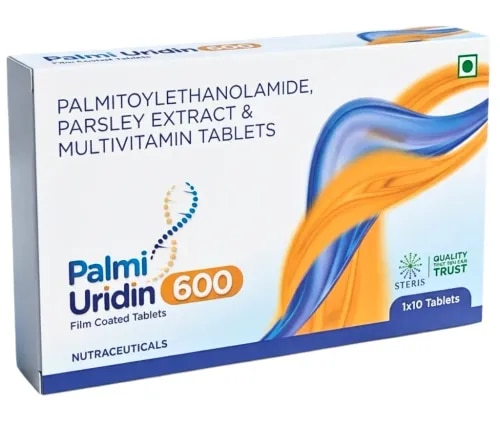
"name": "Palmitoylethanolamide,Parsley Extract & Multivitamin Tablets",
"description": "What Are Palmitoylethanolamide, Parsley Extract & Multivitamin Tablets?\n\nPalmitoylethanolamide, Parsley Extract & Multivitamin Tablets are a combination of nutritional supplements formulated with **palmitoylethanolamide (PEA), parsley extract, vitamins, and minerals**. The precise ingredients and quantities can differ between products, so the product label should always be checked for the exact composition and recommended serving.\n\nEach component has a different nutritional or biological role. **Palmitoylethanolamide (PEA)** is a naturally occurring fatty-acid amide that has been researched for its potential contribution to pain-related and inflammatory processes. Clinical research has shown particular interest in PEA for pain-management outcomes, especially when specific formulations such as micronized or ultramicronized PEA are used.\n\n**Parsley extract**, obtained from *Petroselinum crispum*, contains naturally occurring plant compounds, including flavonoids and phenolic constituents. Research has identified compounds such as apigenin and apiin in parsley and has demonstrated antioxidant activity in experimental settings. However, laboratory antioxidant activity should not be interpreted as proof that parsley extract prevents or treats a particular disease.\n\nThe multivitamin component supplies selected vitamins and minerals that contribute to normal nutritional requirements. Such supplements can be useful when dietary intake does not provide adequate amounts of particular nutrients, but they are intended to complement rather than replace a balanced diet.\n\nHow Do Palmitoylethanolamide, Parsley Extract & Multivitamin Tablets Work?\n\nThe combination works through the individual characteristics of its principal ingredients rather than through a single mechanism.\n\n1. Palmitoylethanolamide\n\nPalmitoylethanolamide (PEA) is an endogenous lipid compound found naturally in the body. It has been investigated for its potential analgesic, anti-inflammatory, and neuroprotective activities.\n\nClinical research has examined PEA in various pain-related and neurological settings. Evidence from randomized controlled trials has been particularly promising for pain-related outcomes. However, different PEA products can contain different formulations, and results from one preparation should not automatically be applied to every PEA supplement.\n\n 2. Parsley Extract\n\nParsley contains several naturally occurring phytochemicals, including flavonoids and phenolic compounds. These substances have demonstrated antioxidant properties in experimental research.\n\nThe presence of parsley extract therefore adds a plant-derived nutritional component to the formulation. However, human evidence remains more limited than laboratory research, so claims about disease prevention or treatment should be avoided unless supported by appropriate clinical evidence.\n\n3. Vitamins and Minerals\n\nThe multivitamin portion is designed to provide selected micronutrients that contribute to normal body functions. Vitamins and minerals participate in numerous physiological processes, including energy metabolism, immune function, nervous-system function, and maintenance of tissues.\n\nThe actual nutritional contribution depends on which vitamins and minerals are included and their quantities per tablet or serving.\n\nPotential Benefits of Palmitoylethanolamide, Parsley Extract & Multivitamin Tablets\n\nThe potential benefits of this combination depend on its exact formulation and the nutritional requirements of the individual.\n\nSupport for Pain-Management Strategies\n\nPEA is the component in this combination with the most relevant clinical research. Studies have evaluated PEA as a complementary nutritional approach in different pain conditions, with evidence showing particular interest in pain-related outcomes.\n\nHowever, the presence of PEA does not mean that every PEA-containing supplement is clinically proven to treat chronic pain, neuropathy, or other medical disorders.\n\nNutritional Support\n\nThe vitamin and mineral component can help increase nutrient intake when normal dietary consumption is inadequate.\n\nPeople with restricted diets, reduced food intake, or specific nutritional gaps may sometimes benefit from supplementation. However, supplements are not intended to replace a varied and nutritionally balanced diet.\n\nAntioxidant Nutritional Support\n\nParsley provides naturally occurring flavonoids and phenolic compounds that demonstrate antioxidant activity in experimental research.\n\nThese properties make parsley an interesting botanical ingredient in nutritional formulations, although laboratory findings do not necessarily establish a specific clinical benefit in humans.\n\nConvenient Combination Formula\n\nA combination tablet can offer convenience by bringing PEA, parsley extract, vitamins, and minerals together in one formulation.\n\nConsumers should focus on the actual quantities provided per tablet rather than simply the number of ingredients listed on the packaging.\n\nPalmitoylethanolamide, Parsley Extract & Multivitamin Tablets: Uses\n\nDepending on the specific product formulation and labeling, these tablets may be used as a nutritional supplement to\n\n* Support daily nutritional intake\n* Provide selected vitamins and minerals\n* Supply palmitoylethanolamide as part of a complementary wellness or pain-management approach\n* Provide naturally occurring compounds from parsley extract\n* Complement overall nutritional and antioxidant intake\n\nThese supplements should not be promoted as guaranteed treatments or cures for neuropathy, arthritis, inflammation, nerve injury, or other medical diseases.\n\n How to Select the Right Product\n\n 1. Check the PEA Quantity\n\nReview the label to determine the actual amount of **palmitoylethanolamide per tablet or daily serving**.\n\n 2. Consider the PEA Formulation\n\nDifferent clinical studies have evaluated different PEA preparations. Micronized, ultramicronized, and water-dispersible forms have received particular attention in clinical research.\n\n3. Review the Vitamin and Mineral Profile\n\nExamine the complete nutritional panel rather than assuming all multivitamin formulations contain the same nutrients and quantities.\n\n4. Avoid Nutrient Duplication\n\nIf you already use a multivitamin or individual supplements containing nutrients such as vitamin A, iron, zinc, or other minerals, compare the total daily intake to avoid unnecessary excess.\n\n 5. Check Product Information\n\nLook for transparent labeling, manufacturer details, batch information, expiry information, and appropriate quality-control details.\n\n 6. Choose According to Individual Requirements\n\nA product containing more ingredients or higher quantities is not necessarily more beneficial. Selection should be based on individual nutritional requirements and professional guidance when necessary.\n\nPossible Side Effects and Safety\n\nDietary supplements are generally well tolerated when appropriately formulated and used according to directions, but adverse effects and interactions can occur.\n\nPossible problems may include:\n\n* Nausea\n* Stomach discomfort\n* Changes in bowel habits\n* Headache\n* Sensitivity or allergic reactions to individual ingredients\n* Excessive intake of particular vitamins or minerals\n\nThe exact safety profile depends on the complete ingredient list and quantities in the individual product.\n\nPeople who take prescription medicines, have significant medical conditions, are pregnant or breastfeeding, or are preparing for surgery should discuss supplementation with a qualified healthcare professional.\n\nWho Should Use Extra Caution?\n\nAdditional care may be appropriate for individuals who:\n\n* Take several nutritional supplements\n* Regularly use prescription medicines\n* Have an existing medical condition\n* Are pregnant or breastfeeding\n* Have an allergy or sensitivity to an ingredient\n* Are preparing for surgery\n* Are considering supplementation for persistent or unexplained pain\n\nMultivitamins should also not be used as a substitute for a consistently varied diet.\n\nFrequently Asked Questions\n\n1. What are Palmitoylethanolamide, Parsley Extract & Multivitamin Tablets used for?\n\nThey are combination nutritional supplements containing PEA, parsley extract, vitamins, and minerals. Depending on the formulation, they may provide nutritional support and PEA as a complementary component of a wellness or pain-management approach.\n\n2. What are the main benefits of these tablets?\n\nPotential benefits depend on the formulation. PEA has been clinically studied mainly for pain-related outcomes; parsley provides naturally occurring plant compounds; and vitamins and minerals help support nutritional intake when dietary consumption is insufficient.\n\n3. Can Palmitoylethanolamide help with nerve pain?\n\nPEA has been investigated in several pain-related and neurological conditions, with clinical research showing promising findings for some pain outcomes. However, it should not automatically be considered a proven treatment for every type of nerve pain or neuropathy.\n\n4. Are Palmitoylethanolamide, Parsley Extract & Multivitamin Tablets safe?\n\nSafety depends on the ingredients, quantities, individual health status, and medicines being used. Most appropriately used basic nutritional supplements are tolerated by many people, but excessive nutrient intake and interactions can occur.\n\n5. What side effects can these tablets cause?\n\nPotential effects can include stomach discomfort, nausea, bowel changes, headache, or sensitivity to an ingredient. The exact side effects depend on the complete formulation.\n\n6. Can these tablets be taken with another multivitamin?\n\nCombining multivitamins should be approached carefully because overlapping ingredients can result in excessive intake of certain vitamins or minerals. Compare both labels before combining supplements.\n\n7. How should I choose palmitoylethanolamide tablets?\n\nCheck the PEA quantity, formulation, parsley extract amount, complete vitamin and mineral profile, serving instructions, manufacturer information, and product quality details.\n\n8. Can these tablets replace prescribed pain medicines?\n\nNo. A nutritional supplement should not automatically replace prescribed medication or professional medical care. Persistent, severe, worsening, or unexplained pain should be evaluated appropriately.\n\n9. Do multivitamins provide long-term health benefits?\n\nMultivitamins can increase nutrient intake when dietary intake is inadequate, but this does not mean they universally prevent chronic diseases or extend lifespan in healthy individuals.\n\n10. Can I take these tablets every day?\n\nFollow the dosage or serving instructions provided for the specific product. Taking more than the recommended amount does not necessarily provide greater benefits and may increase the risk of excessive nutrient intake.\n\nConclusion\n\nPalmitoylethanolamide, Parsley Extract & Multivitamin Tablets** combine **PEA, parsley extract, vitamins, and minerals** into a single nutritional formulation. PEA is the component with the most relevant clinical research, particularly in relation to pain-related outcomes, while parsley contributes naturally occurring botanical compounds and the multivitamin component supports dietary micronutrient intake.\n\nThe benefits and appropriate use of the combination depend on the exact formulation, ingredient quantities, and individual nutritional requirements. Therefore, consumers should review the complete product label and use the supplement according to its recommended directions.",
"price": 579.0,
"discountamount": 170.0,
"currencycode": "INR",
"priority": 1000000,
"isfreeshipmentavailable": false,
"shipmentduration": 1,
"_keywords": null,
"isarchived": false,
"isavailable": true,
"applicationid": null,
"productindex": 2499,
"imageuri": "https://productimages.withfloats.com/actual/6a952f923833cb5247c5da2d.png",
"tileimageuri": "https://productimages.withfloats.com/tile/6a952f923833cb5247c5da2d.png",
"images": null,
"totalqueries": 0,
"gpid": null,
"groupproductid": null,
"createdon": "2026-08-31T07:38:55.369Z",
"updatedon": "2026-08-31T07:38:55.369Z",
"buyonlinelink": null,
"producturl": "http://WWW.STERISINDIA.COM//palmitoylethanolamide-parsley-extract-multivitamin-tablets/2499",
"availableunits": -1.0,
"iscodavailable": false,
"isprepaidonlineavailable": false,
"maxcodorders": 0,
"maxprepaidonlineorders": 0,
"uniquepaymenturl": null,
"brandname": "PALMI URIDIN 600",
"category": "NEUROLOGY RANGE",
"tags": [
"Palmitoylethanolamide,Parsley Extract & Multivitamin Tablets",
"palmitoylethanolamide",
"multivitamin tablets",
"best multivitamin tablets",
"multivitamin tablets uses"
],
"variants": false,
"keyspecification": null,
"otherspecifications": null,
"pickupaddressreferenceid": null,
"paymenttype": "UniquePaymentUrl",
"producttype": "products",
"hsncode": null,
"gstslab": 0.0,
"isnotforsale": false
},
{
"_id": "6a952bdada41ea9aeeec5e4a",
"fptag": "STERISHEALTHCARE",
"merchantname": null,
"customwidgets": null,
"externalsourceid": null,
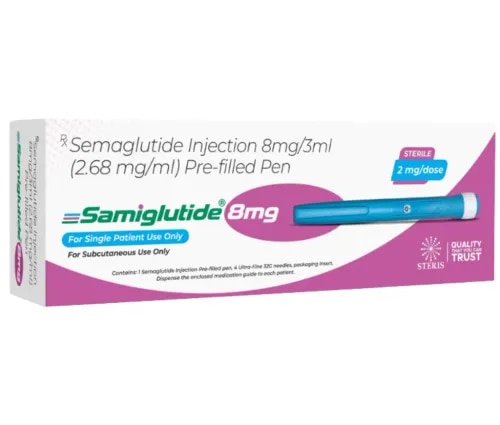
"name": "Semaglutide injection 8 mg",
"description": "The semaglutide injection, 8 mg, contains a total of 8 mg of semaglutide, a long-acting GLP-1 receptor agonist. It is used under medical supervision as part of treatment for appropriate adults with type 2 diabetes mellitus and, depending on the specific approved product and indication, for cardiovascular risk reduction and chronic weight management.\n1. Product Overview & Specifications\nAn 8 mg/3 mL semaglutide pen contains 8 mg of the active medicine in a 3 mL delivery system. When specifically designed to provide 2 mg per weekly dose, the total quantity can provide four 2 mg doses.\nActive Ingredient: Semaglutide\nTotal Strength: 8 mg\nExample Presentation: 8 mg/3 mL multi-dose pen\nDrug Class: GLP-1 receptor agonist\nRoute: Subcutaneous injection\nCommon Injection Areas: Abdomen, thigh, or upper arm\nAdministration: Once weekly, according to the prescribed schedule\nMechanism of Action\nSemaglutide mimics the activity of the naturally occurring hormone GLP-1 (glucagon-like peptide-1). It acts on GLP-1 receptors involved in blood-glucose regulation, digestion, and appetite.\nImproves glucose-dependent insulin release: Semaglutide encourages the pancreas to release insulin when blood glucose levels are elevated.\nReduces glucagon secretion: It lowers inappropriate glucagon release, helping reduce the amount of glucose produced by the liver.\nSlows gastric emptying: Semaglutide can delay the movement of food from the stomach, contributing to prolonged fullness.\nReduces appetite: Its effects on appetite-regulating pathways in the brain can decrease hunger and food intake.\n2. Primary Indications & Uses\nSemaglutide may be prescribed for several clinically established purposes depending on the specific formulation, approved labeling, and patient's medical condition.\nType 2 Diabetes Management\nSemaglutide can be used alongside appropriate diet and physical activity to improve blood-glucose control in adults with type 2 diabetes.\nCardiovascular Risk Reduction\nIn eligible adults with type 2 diabetes and established cardiovascular disease, certain semaglutide products have demonstrated a reduction in the risk of major cardiovascular events, including cardiovascular death, non-fatal heart attack, and non-fatal stroke.\nKidney Disease\nCertain semaglutide formulations and indications have demonstrated kidney-related benefits in specific populations. The appropriate product and indication should be determined by a healthcare professional.\nChronic Weight Management\nSemaglutide is also used for long-term weight management in eligible adults with obesity or overweight accompanied by weight-related health conditions, depending on the approved formulation and local prescribing guidance.\n3. Key Benefits of Semaglutide 8 mg Therapy\nClinical Area\nPotential Therapeutic Role\nBlood-Glucose Control\nHelps lower elevated blood glucose and improve glycemic control in appropriate patients.\nWeight Management\nReduces appetite and food intake, supporting sustained weight reduction when prescribed for this purpose.\nCardiovascular Health\nCertain approved semaglutide indications can reduce major cardiovascular event risk in eligible patients.\nMetabolic Support\nInfluences glucose regulation, appetite, insulin secretion, and glucagon activity.\nWeekly Administration\nA once-weekly injection can provide a convenient treatment schedule when prescribed.\n\n4. Side Effects & Safety Warnings\nCommon Adverse Reactions\nDigestive symptoms are among the most frequently reported adverse effects, particularly when treatment is initiated or the dose is increased.\nPossible side effects include:\nNausea\nVomiting\nDiarrhea\nConstipation\nAbdominal discomfort\nBloating\nBelching\nIndigestion or heartburn\nReduced appetite\nThese effects may improve as the body becomes accustomed to treatment.\nFrequently Asked Questions\n1. How much weight can you lose with semaglutide?\nWeight reduction varies significantly between individuals and depends on the prescribed formulation, dose, treatment duration, diet, physical activity, and adherence. Clinical trials of approved weight-management regimens have demonstrated substantial average percentage weight loss over extended treatment periods.\n2. How much is 8 units of semaglutide in mL?\nOn a U-100 insulin syringe, 100 units corresponds to 1 mL, so 8 units corresponds to 0.08 mL. However, this conversion only describes syringe volume. It does not determine the amount of semaglutide in mg because the medication concentration varies between products. Always verify the exact concentration before measuring any dose.\n3. Is semaglutide injection safe for weight loss?\nSemaglutide can be an effective treatment for weight management when an approved formulation is prescribed to an eligible patient and used under appropriate medical supervision. It has important contraindications and warnings, including risks involving the gastrointestinal system, gallbladder, pancreas, kidneys, and thyroid C-cell tumors.\n4. How many mg of semaglutide are used for weight loss?\nThe appropriate dose depends on the specific semaglutide product. Weight-management treatment commonly begins with a lower dose and is gradually increased to a maintenance dose to improve tolerability. The maintenance dose should be determined according to the product's approved prescribing information and the healthcare professional's instructions.\n5. How much weight can I lose in 2 months with semaglutide?\nThere is no guaranteed amount of weight loss during the first two months. Individual results vary because treatment generally begins at a lower dose and is increased gradually. Diet, physical activity, starting weight, medical conditions, and adherence also affect the result.\n6. What happens when you stop semaglutide?\nAfter discontinuation, semaglutide gradually leaves the body. Appetite and food intake may increase as its effects decrease, and some people regain weight. Maintaining healthy eating and physical activity habits may help support weight management after treatment, but discontinuation should be discussed with a healthcare professional.\n7. How long does an 8 mg/3 mL semaglutide pen last?\nIf a specific 8 mg/3 mL pen is designed to deliver 2 mg per weekly dose, it contains four 2 mg doses and therefore provides approximately four weeks of treatment. The actual duration depends on the specific device and prescribed dosing instructions.\n8. What is semaglutide injection 8 mg used for?\nSemaglutide is used for approved indications such as improving blood-glucose control in type 2 diabetes and, depending on the formulation, supporting chronic weight management and reducing cardiovascular risk in eligible patients.\n9. What foods should be avoided while taking semaglutide?\nLarge, high-fat, greasy, or fried meals may worsen gastrointestinal symptoms such as nausea, bloating, and reflux. Smaller meals and balanced food choices may be easier to tolerate. Alcohol intake should also be discussed with a healthcare professional.\n10. Can you eat bananas while taking semaglutide?\nYes, bananas can generally be included in a balanced diet while using semaglutide. Portion size should be considered as part of an individual's overall calorie and carbohydrate intake, particularly for people managing diabetes.\n11. What is the best time of day to inject semaglutide?\nSemaglutide injections can generally be administered at any time of day, with or without meals, depending on the specific product instructions. The injection should be taken on the same day each week as prescribed.\n12. Will I lose weight during the first week of semaglutide?\nSome people may notice an early change in appetite or body weight, while others may not see a significant difference initially. Early treatment doses are generally introduced gradually to help the body adjust rather than to produce immediate maximum weight loss.\n13. How quickly does semaglutide start lowering blood sugar?\nSemaglutide begins acting after administration, but the degree and timing of blood-glucose improvement vary. Significant treatment effects develop progressively, particularly as the prescribed dose is gradually adjusted.\n14. What should I do if I miss a semaglutide dose?\nThe correct missed-dose procedure depends on the specific semaglutide product. Follow the instructions supplied with your prescribed product. Do not take an extra dose to compensate for a missed injection.\n15. Where is the best place to inject semaglutide?\nSemaglutide is administered subcutaneously. Common injection sites include the abdomen, front of the thigh, or upper arm, according to the product instructions. Rotating injection locations can help reduce repeated irritation at one site.\nConclusion\nSemaglutide injection 8 mg contains semaglutide, a long-acting GLP-1 receptor agonist that influences blood-glucose regulation, glucagon secretion, gastric emptying, and appetite. Depending on the specific formulation and approved indication, semaglutide may be used for type 2 diabetes management, chronic weight management, and cardiovascular risk reduction in eligible patients.\nAn 8 mg/3 mL presentation designed for 2 mg weekly dosing can provide four weekly doses. However, semaglutide concentrations, pen designs, approved doses, and indications can differ between products. Treatment should therefore follow the exact product instructions and a healthcare professional's prescription.",
"price": 7800.0,
"discountamount": 2340.0,
"currencycode": "INR",
"priority": 1000000,
"isfreeshipmentavailable": false,
"shipmentduration": 1,
"_keywords": null,
"isarchived": false,
"isavailable": true,
"applicationid": null,
"productindex": 2498,
"imageuri": "https://productimages.withfloats.com/actual/6a952bdd8359c1b7edbc7468.png",
"tileimageuri": "https://productimages.withfloats.com/tile/6a952bdd8359c1b7edbc7468.png",
"images": null,
"totalqueries": 0,
"gpid": null,
"groupproductid": null,
"createdon": "2026-08-31T07:23:06.814Z",
"updatedon": "2026-08-31T07:23:06.814Z",
"buyonlinelink": null,
"producturl": "http://WWW.STERISINDIA.COM//semaglutide-injection-8-mg/2498",
"availableunits": -1.0,
"iscodavailable": false,
"isprepaidonlineavailable": false,
"maxcodorders": 0,
"maxprepaidonlineorders": 0,
"uniquepaymenturl": null,
"brandname": "SAMIGLUTIDE 8MG",
"category": "DIABETIC RANGE",
"tags": [
"Semaglutide injection 8 mg",
"semaglutide injection 8 mg",
"semaglutide 8 mg injection uses",
"semaglutide 8 mg injection benefits",
"semaglutide 8 mg injection dosage"
],
"variants": false,
"keyspecification": null,
"otherspecifications": null,
"pickupaddressreferenceid": null,
"paymenttype": "UniquePaymentUrl",
"producttype": "products",
"hsncode": null,
"gstslab": 0.0,
"isnotforsale": false
},
{
"_id": "6a8c3838c90065ecdc86c757",
"fptag": "STERISHEALTHCARE",
"merchantname": null,
"customwidgets": null,
"externalsourceid": null,
"name": "Semaglutide Injection 4mg",
"description": "SAMIGLUTIDE 4 MG is a semaglutide-containing injectable medicine supplied in a pre-filled pen. The stated formulation contains 4 mg of semaglutide in 3 mL of solution, corresponding to approximately 1.34 mg/mL.\n\nSemaglutide is a GLP-1 receptor agonist that acts on physiological pathways involved in blood-glucose control, appetite, and gastrointestinal function. Its use should be based on the approved indication for the specific product and the advice of a qualified healthcare professional.\n\nProduct Overview\nProduct: SAMIGLUTIDE 4 MG\nActive substance: Semaglutide\nStrength: 4 mg/3 mL\nApproximate concentration: 1.34 mg/mL\nDosage form: Injectable solution\nPresentation: Pre-filled pen\nRoute: Subcutaneous administration, according to the applicable product instructions\n\nThe 4 mg/3 mL concentration is also associated with certain approved semaglutide products. However, this does not mean that their dosing schedules, indications, or administration instructions automatically apply to SAMIGLUTIDE 4 MG. The product-specific labeling should always be followed.\n\nWhat Is Semaglutide?\n\nSemaglutide is a medication belonging to the GLP-1 receptor agonist class. It acts similarly to the naturally occurring hormone glucagon-like peptide-1 (GLP-1).\n\nGLP-1 is involved in several processes related to metabolism. Its activity can influence insulin secretion, glucagon regulation, stomach emptying, and appetite. Depending on the particular semaglutide product and its regulatory authorization, semaglutide may be prescribed for conditions such as type 2 diabetes or chronic weight management in appropriately selected patients.\n\nBecause different semaglutide products can have different approved uses and formulations, treatment decisions should be based on the specific medicine being prescribed.\n\nSAMIGLUTIDE 4 MG Pre-Filled Pen\n\nSAMIGLUTIDE 4 MG is supplied in a pre-filled pen intended to provide a convenient format for subcutaneous administration.\n\nPre-filled devices can eliminate the need to draw medication from a conventional vial. Nevertheless, patients should be properly trained before using an injectable pen and should follow the instructions supplied with the specific product.\n\nThe pen should only be used according to its approved instructions, including the prescribed dose and administration schedule.\n\nStrength and Formulation\n\nEach stated 3 mL presentation contains 4 mg of semaglutide, giving a concentration of approximately 1.34 mg/mL.\n\nThe concentration of a medicine should not be confused with the amount delivered in every injection. The quantity administered depends on the design and dose settings of the particular pen.\n\nFor this reason, patients should not calculate or select their own dose based solely on the concentration printed on the package. The prescribed dose should come from the product's authorized instructions and the treating healthcare professional.\n\nHow Semaglutide Acts\n\nSemaglutide activates GLP-1 receptors, which are involved in the regulation of blood glucose and appetite.\n\nAmong its physiological effects, GLP-1 receptor activation can:\n\nSupport glucose-dependent insulin secretion.\nReduce inappropriate glucagon secretion when blood glucose is elevated.\nAffect gastrointestinal activity, including gastric emptying.\nInfluence appetite and food intake.\n\nThe overall response to treatment can vary between individuals and depends on factors such as the medical indication, prescribed dose, treatment duration, and other medicines being used.\n\nPotential Therapeutic Benefits\n\nWhen prescribed for an appropriate, authorized indication, semaglutide may form part of a broader treatment program.\n\nFor eligible individuals with type 2 diabetes, certain approved semaglutide medicines are used to improve glycemic control. Other approved semaglutide formulations have indications involving chronic weight management for qualifying patients.\n\nMedication should be considered alongside the broader treatment strategy recommended by a healthcare professional, which may include nutritional management, physical activity, glucose monitoring, and other appropriate interventions.\n\nPossible Side Effects\n\nLike other prescription medicines, semaglutide can cause unwanted effects.\n\nFrequently reported gastrointestinal reactions associated with semaglutide products include:\n\nNausea\nVomiting\nDiarrhea\nConstipation\nAbdominal discomfort or pain\n\nNot every patient experiences these effects, and their severity can vary.\n\nSemaglutide products also have important safety considerations. Depending on the specific approved product, labeling includes warnings concerning conditions such as pancreatitis, gallbladder-related problems, severe gastrointestinal reactions, kidney problems associated with dehydration, and serious hypersensitivity reactions.\n\nPatients should provide their healthcare professional with a complete medical history before treatment begins.\n\nImportant Contraindications and Warnings\n\nCertain semaglutide products carry a contraindication for individuals with a personal or family history of medullary thyroid carcinoma (MTC) or those with Multiple Endocrine Neoplasia syndrome type 2 (MEN 2). Serious hypersensitivity to semaglutide or an applicable component is also an important contraindication.\n\nThe exact warnings and contraindications applicable to SAMIGLUTIDE 4 MG should be confirmed against its current authorized product information in the relevant country.\n\nPatients should seek professional medical advice if they develop concerning symptoms during treatment.\n\nCorrect Administration\n\nSAMIGLUTIDE 4 MG should be administered only according to the prescription and instructions applicable to the product.\n\nBefore using a pre-filled pen, patients should receive appropriate instruction regarding:\n\nDose selection\nInjection technique\nInjection sites\nPen operation\nStorage\nDisposal of used needles or injection equipment\n\nThe dose or frequency should never be changed independently.\n\nA pre-filled injection pen should not be shared with another person, even if a new needle is attached. Sharing injectable medication devices can create a risk of transmitting infections and is contrary to appropriate safe-use practices.\n\nStorage\n\nStorage requirements should be determined from the official SAMIGLUTIDE 4 MG packaging and product information supplied with the medicine.\n\nPatients should not rely on storage instructions from a different semaglutide brand because formulations, devices, and stability requirements can differ between products.\n\nUse by Healthcare Professionals\n\nHealthcare professionals should assess whether SAMIGLUTIDE 4 MG is appropriate for an individual patient by considering the relevant diagnosis, treatment objectives, medical history, contraindications, concurrent medicines, and applicable regulatory requirements.\n\nParticular attention should be given to the distinction between different semaglutide products. Although they contain the same active ingredient, products may differ in:\n\nApproved indications\nConcentration\nPen design\nDose increments\nAdministration schedules\nStorage conditions\nRegulatory labeling\n\nThe product-specific prescribing information should therefore be consulted before treatment is initiated or adjusted.\n\nAdvantages of a Pre-Filled Pen\n\nA pre-filled pen can provide a practical method of administering an injectable medicine. Compared with a conventional vial-and-syringe presentation, the device may reduce some preparation steps and can be convenient for patients who have been appropriately trained.\n\nConvenience, however, should not take precedence over product authenticity, regulatory approval, correct dosing, proper storage, and professional medical supervision.\n\nSAMIGLUTIDE 4 MG: Key Points\n\nSAMIGLUTIDE 4 MG is described as a semaglutide injection containing 4 mg in 3 mL, supplied in a pre-filled pen.\n\nThe most important considerations are:\n\nSemaglutide is a GLP-1 receptor agonist.\nThe stated formulation is 4 mg/3 mL (approximately 1.34 mg/mL).\nAdministration is by the subcutaneous route when prescribed for that route.\nThe appropriate dose and frequency must come from the product-specific instructions and prescription.\nDosing information from another semaglutide brand should not automatically be applied.\nPatients should be informed about possible adverse reactions and relevant contraindications.\nThe pen must not be shared between patients.\nStorage and handling should follow the official product information.\nTreatment should be supervised by an appropriately qualified healthcare professional.\nFrequently Asked Questions\nWhat is SAMIGLUTIDE 4 MG?\n\nSAMIGLUTIDE 4 MG is a semaglutide-containing injectable formulation described as 4 mg/3 mL, supplied in a pre-filled pen. Its approved use depends on the regulatory authorization applicable to the product and market.\n\nWhat does 4 mg/3 mL mean?\n\nIt indicates that the stated 3 mL presentation contains a total of 4 mg of semaglutide, equivalent to approximately 1.34 mg of semaglutide per mL.\n\nThis concentration alone should not be used to determine an individual's injection dose.\n\nIs SAMIGLUTIDE 4 MG a prescription medicine?\n\nSemaglutide medicines are prescription products in many jurisdictions. SAMIGLUTIDE 4 MG should be used only in accordance with applicable regulations, authorized product information, and professional medical advice.\n\nHow is SAMIGLUTIDE 4 MG administered?\n\nThe product is described as a subcutaneous injection. However, the exact dose, injection frequency, and pen operation should be determined from the SAMIGLUTIDE 4 MG product information and the patient's prescription.\n\nCan SAMIGLUTIDE 4 MG be taken together with another semaglutide medicine?\n\nPatients should not combine semaglutide-containing medicines or switch between them without medical supervision. Some approved semaglutide labels specifically advise against combining their product with another semaglutide-containing medicine or another GLP-1 receptor agonist.\n\nCan the dose be changed without consulting a doctor?\n\nNo. Patients should not increase, decrease, or otherwise modify the prescribed dose or injection schedule without guidance from their healthcare professional.\n\nConclusion\n\nSAMIGLUTIDE 4 MG – Semaglutide Injection 4 mg/3 mL (approximately 1.34 mg/mL) Pre-Filled Pen is a semaglutide-based injectable formulation designed for subcutaneous use according to its applicable product instructions.\n\nBecause semaglutide products can vary substantially in their approved indications, concentrations, devices, and dosing regimens, information from another semaglutide product should not be assumed to apply to SAMIGLUTIDE 4 MG.\n\nFor appropriate and safe use, patients and healthcare professionals should rely on the current official product information, local regulatory authorization, and individualized medical advice. Any questions concerning suitability, dosing, interactions, contraindications, or adverse effects should be discussed with a qualified healthcare professional.",
"price": 6600.0,
"discountamount": 1980.0,
"currencycode": "INR",
"priority": 1000000,
"isfreeshipmentavailable": false,
"shipmentduration": 1,
"_keywords": null,
"isarchived": false,
"isavailable": true,
"applicationid": null,
"productindex": 2497,
"imageuri": "https://productimages.withfloats.com/actual/6a8c383c0e00e8a5dab0c9d5.png",
"tileimageuri": "https://productimages.withfloats.com/tile/6a8c383c0e00e8a5dab0c9d5.png",
"images": null,
"totalqueries": 0,
"gpid": null,
"groupproductid": null,
"createdon": "2026-08-24T12:25:28.659Z",
"updatedon": "2026-08-24T12:25:28.659Z",
"buyonlinelink": null,
"producturl": "http://WWW.STERISINDIA.COM//semaglutide-injection-4mg/2497",
"availableunits": -1.0,
"iscodavailable": false,
"isprepaidonlineavailable": false,
"maxcodorders": 0,
"maxprepaidonlineorders": 0,
"uniquepaymenturl": null,
"brandname": "SAMIGLUTIDE 4 MG",
"category": "DIABETIC RANGE",
"tags": [],
"variants": false,
"keyspecification": null,
"otherspecifications": null,
"pickupaddressreferenceid": null,
"paymenttype": "UniquePaymentUrl",
"producttype": "products",
"hsncode": null,
"gstslab": 0.0,
"isnotforsale": false
},
{
"_id": "6a8c35e76d1f6b0cbc0e2e40",
"fptag": "STERISHEALTHCARE",
"merchantname": null,
"customwidgets": null,
"externalsourceid": null,
"name": "Semaglutide Injection 2 mg",
"description": "SAMIGLUTIDE 2 MG is a semaglutide-containing injectable medicine supplied in a pre-filled pen. The stated formulation is Semaglutide Injection 2 mg/3 mL (0.68 mg/mL). Semaglutide belongs to the GLP-1 receptor agonist class and is a prescription medicine that should be used only under the supervision of an appropriately qualified healthcare professional.\n\nSAMIGLUTIDE 2 MG Composition\n\nEach 3 mL pre-filled pen is stated to contain:\n\nActive substance: Semaglutide\nStrength: 2 mg/3 mL\nConcentration: 0.68 mg/mL\nDosage form: Injectable solution\nPresentation: Pre-filled pen\nRoute of administration: Subcutaneous, according to the applicable product instructions\n\nSemaglutide acts on GLP-1 receptors, which are involved in blood-glucose regulation and appetite control. The approved uses, dosage regimen and strength available can differ according to the specific product and the regulations of the country in which it is supplied.\n\nWhat Is Semaglutide?\n\nSemaglutide is a synthetic peptide that mimics the activity of the naturally occurring hormone glucagon-like peptide-1 (GLP-1). By activating GLP-1 receptors, it can influence several physiological processes, including glucose-dependent insulin release, glucagon secretion, gastric emptying and appetite.\n\nThe appropriate dose and treatment schedule depend on the individual patient and the particular semaglutide formulation. Patients should follow their healthcare professional's instructions and should not alter the prescribed regimen independently.\n\nSAMIGLUTIDE 2 MG Pre-Filled Pen\n\nSAMIGLUTIDE 2 MG is presented as a pre-filled injection pen intended to provide a convenient method of administration when the medicine has been prescribed.\n\nSince semaglutide products can differ in concentration, pen design and dose-delivery mechanism, users should carefully verify the product label and prescribed dose before each administration. Particular care is important with injectable semaglutide products because differences in concentration or measurement methods can result in medication errors.\n\nPotential Medical Uses\n\nSemaglutide may be used for particular medical conditions depending on the formulation, regulatory approval and prescribing information applicable to the product.\n\nCertain approved semaglutide medicines are indicated for the treatment of type 2 diabetes, while other formulations have approved indications involving chronic weight management in eligible patients. Some products may also have additional approved indications for reducing specific cardiovascular risks.\n\nThe fact that semaglutide can be used for weight management does not mean that every semaglutide product is approved for that purpose. The authorization and labeling of SAMIGLUTIDE should therefore be confirmed from current official product documentation.\n\nHow Semaglutide Works\n\nSemaglutide activates GLP-1 receptors in the body. Its effects can contribute to improved regulation of blood glucose and reduced appetite and food intake. Depending on the approved indication, it may be prescribed together with dietary, physical-activity or other appropriate medical measures.\n\nIndividual responses can vary. Medical follow-up helps healthcare professionals evaluate treatment response, tolerability and whether treatment should be continued or modified.\n\nDosage and Administration\n\nSAMIGLUTIDE 2 MG should be administered only in accordance with the prescription and the manufacturer's current instructions.\n\nThe amount of semaglutide contained in a pen should not automatically be interpreted as the amount to inject at one time. Different products may use different concentrations, dose settings and administration schedules.\n\nFor approved semaglutide products, treatment may involve gradual dose increases for certain indications. Patients should never increase the dose, inject more frequently or repeat a missed dose without receiving appropriate medical instructions.\n\nPossible Side Effects\n\nSemaglutide can cause adverse effects, particularly gastrointestinal symptoms. Frequently reported effects may include:\n\nNausea\nVomiting\nDiarrhea\nConstipation\nAbdominal discomfort\nAbdominal pain\n\nMore serious reactions are also possible. Product information for semaglutide medicines includes warnings relating to conditions such as pancreatitis and gallbladder disorders, among other potential risks.\n\nPersistent, severe or unusual symptoms should be discussed promptly with a healthcare professional. Patients should review the complete prescribing information supplied with their particular product.\n\nImportant Safety Information\n\nSemaglutide is not appropriate for everyone. For example, certain approved semaglutide products in the United States carry a contraindication for individuals with a personal or family history of medullary thyroid carcinoma (MTC), people with Multiple Endocrine Neoplasia syndrome type 2 (MEN 2), and individuals with a serious hypersensitivity to semaglutide or an ingredient in the relevant product.\n\nThese precautions should not automatically be assumed to apply identically to every semaglutide product worldwide. The manufacturer's labeling and the regulatory requirements of the relevant country should always be consulted.\n\nPatients should inform their healthcare professional about their medical history and other medicines before starting treatment.\n\nAdvantages of a Pre-Filled Pen\n\nA pre-filled pen can make injectable treatment more convenient by providing the medication in a ready-to-use delivery device. When used according to the manufacturer's instructions, the pen may simplify administration and help patients maintain their prescribed treatment routine.\n\nPatients should nevertheless receive appropriate guidance regarding injection technique, storage, handling and disposal. The convenience of a pen does not eliminate the need for medical supervision.\n\nStorage and Handling\n\nSAMIGLUTIDE 2 MG should be stored exactly as stated on its packaging and official product information. Appropriate storage conditions are important for maintaining the quality and stability of the medicine.\n\nBefore use, check the expiry date and inspect the packaging and medicine according to the manufacturer's instructions. Do not use the product if the packaging is damaged or if the solution has an appearance that does not meet the stated product requirements.\n\nConclusion\n\nSAMIGLUTIDE 2 MG – Semaglutide Injection 2 mg/3 mL (0.68 mg/mL) is a semaglutide-based injectable formulation supplied in a pre-filled pen. Semaglutide is a GLP-1 receptor agonist with established medical applications for appropriately selected patients, depending on the specific product and its regulatory authorization.\n\nSafe use requires adherence to the prescribed dose and administration schedule. Patients should not independently change their dose or frequency and should seek professional advice if they experience concerning adverse effects.\n\nBecause formulations, indications, strengths and regulatory requirements can vary between products and countries, the current official package insert and applicable regulatory labeling should be used to verify product-specific information.\n\nFrequently Asked Questions\nWhat is SAMIGLUTIDE 2 MG?\n\nSAMIGLUTIDE 2 MG is described as a semaglutide injection containing 2 mg of semaglutide in 3 mL, with a stated concentration of 0.68 mg/mL, supplied in a pre-filled pen.\n\nIs SAMIGLUTIDE 2 MG used for weight management?\n\nSemaglutide is included in certain approved medicines used for chronic weight management in eligible patients. However, the indication for a specific SAMIGLUTIDE product must be confirmed from its current regulatory approval and official labeling.\n\nHow frequently is SAMIGLUTIDE 2 MG injected?\n\nThe correct frequency depends on the specific product and the prescription issued by the healthcare professional. Patients should not determine the injection schedule based solely on the amount printed on the pen.\n\nCan SAMIGLUTIDE 2 MG be taken without medical supervision?\n\nNo. Semaglutide is a prescription medicine in many jurisdictions and should be obtained and used through legitimate, appropriately regulated healthcare channels.\n\nIs SAMIGLUTIDE the same as other branded semaglutide medicines?\n\nNot necessarily. Products containing semaglutide can differ in manufacturer, formulation, concentration, delivery device, regulatory approval and approved indications. A specific product should not be described as identical to an approved branded medicine unless that claim can be verified through reliable regulatory and product documentation.\n\nWhat should patients check before using the pen?\n\nPatients should verify the medicine name, strength, prescribed dose, expiry date, storage conditions and administration instructions. If there is any uncertainty about the dose or operation of the pen, they should consult their pharmacist, prescriber or another qualified healthcare professional rather than guessing.",
"price": 5600.0,
"discountamount": 1680.0,
"currencycode": "INR",
"priority": 1000000,
"isfreeshipmentavailable": false,
"shipmentduration": 1,
"_keywords": null,
"isarchived": false,
"isavailable": true,
"applicationid": null,
"productindex": 2496,
"imageuri": "https://productimages.withfloats.com/actual/6a8c35eaca4d2575d78e3716.png",
"tileimageuri": "https://productimages.withfloats.com/tile/6a8c35eaca4d2575d78e3716.png",
"images": null,
"totalqueries": 0,
"gpid": null,
"groupproductid": null,
"createdon": "2026-08-24T12:15:35.873Z",
"updatedon": "2026-08-24T12:15:35.873Z",
"buyonlinelink": null,
"producturl": "http://WWW.STERISINDIA.COM//semaglutide-injection-2-mg/2496",
"availableunits": -1.0,
"iscodavailable": false,
"isprepaidonlineavailable": false,
"maxcodorders": 0,
"maxprepaidonlineorders": 0,
"uniquepaymenturl": null,
"brandname": "SAMIGLUTIDE 2 MG",
"category": "DIABETIC RANGE",
"tags": [],
"variants": false,
"keyspecification": null,
"otherspecifications": null,
"pickupaddressreferenceid": null,
"paymenttype": "UniquePaymentUrl",
"producttype": "products",
"hsncode": null,
"gstslab": 0.0,
"isnotforsale": false
}
],
"hasmoreitems": false,
"isapirequest": false,
"totalresults": 27,
"query": null,
"floatingpoint": null
}