STERISHEALTHCARE
Products
08042755542
91918824471531
Chat with us


Chat with us on WhatsApp
×
This is your website preview.
Currently it only shows your basic business info. Start adding relevant business details such as description, images and products or services to gain your customers attention by using Boost 360 android app / iOS App / web portal.
Home
 symptom progression
 symptom progression
Items tagged with 'symptom progression'
{
"products": [
{
"_id": "6a50a78a75263abd944f583a",
"fptag": "STERISHEALTHCARE",
"merchantname": null,
"customwidgets": null,
"externalsourceid": null,
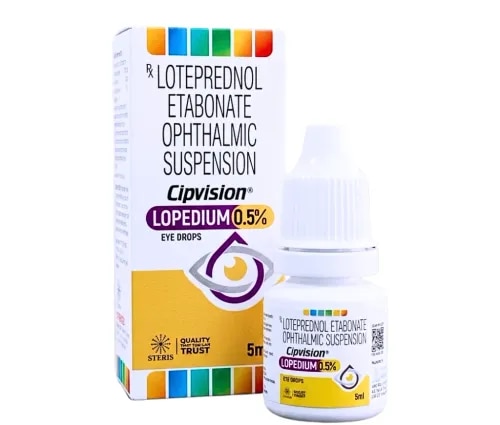
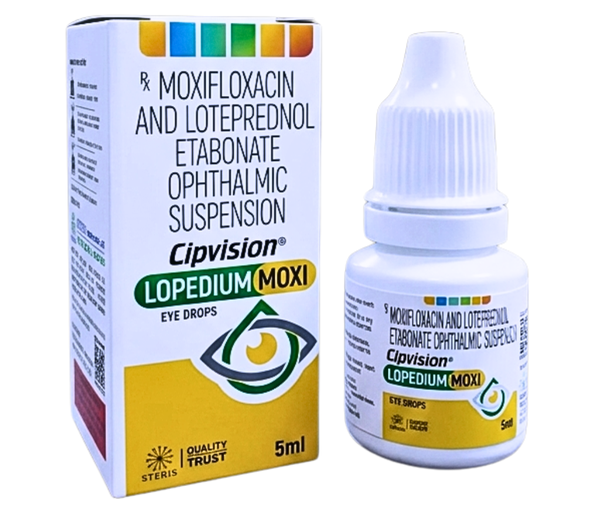
"name": "Loteprednol Etabonate Ophthalmic Suspension",
"description": "Loteprednol etabonate ophthalmic suspension is a prescription corticosteroid eye drop used to treat steroid-responsive inflammatory conditions of the eye, including post-surgical inflammation, allergic conjunctivitis, and certain forms of anterior uveitis. What sets loteprednol apart from older ophthalmic steroids is its “ester-based” chemical structure, which is designed to break down into inactive components after acting on eye tissue — giving it a comparatively lower risk of raising intraocular pressure (IOP) than traditional steroids like prednisolone or dexamethasone, while still delivering effective anti-inflammatory action. The typical dose is one to two drops in the affected eye, four times daily, or as directed, usually for a short, defined course rather than indefinite use. Common side effects include burning, stinging, and blurred vision, while prolonged or unsupervised use can still carry steroid-related risks such as elevated eye pressure. It is a Schedule H prescription-only medicine in India.\n\nWhat Is Loteprednol Etabonate Ophthalmic Suspension?\nLoteprednol etabonate ophthalmic suspension is a topical corticosteroid formulated specifically for use in the eye. It belongs to a category sometimes referred to as “site-specific” or “soft” steroids — a design approach where the drug is engineered to be highly active at the site of application (the eye) but rapidly metabolized into inactive by-products once it has acted, reducing the potential for the cumulative steroid-related side effects seen with older ophthalmic corticosteroids.\nThis suspension is commonly prescribed for:\n\nManaging inflammation following eye surgery, such as cataract surgery\nTreating allergic conjunctivitis, including seasonal allergic conjunctivitis\nCertain anterior segment inflammatory conditions, such as uveitis, under specialist supervision\nGiant papillary conjunctivitis and other steroid-responsive ocular surface conditions\n\nBecause of its comparatively favorable IOP profile, loteprednol is often considered by ophthalmologists for patients who need effective anti-inflammatory therapy but may be at higher risk from more potent steroids — though it is important to note that no ophthalmic steroid is entirely free of IOP-related risk, and monitoring remains necessary.\n\nHow Does Loteprednol Etabonate Work? (Mechanism of Action)\n\nCorticosteroid receptor binding – Loteprednol etabonate binds to glucocorticoid receptors within ocular tissue, initiating anti-inflammatory gene expression changes.\nSuppression of inflammatory mediators – This binding reduces the production of key inflammatory substances, including prostaglandins and cytokines, that drive redness, swelling, and discomfort.\nReduced vascular permeability – By calming the inflammatory cascade, the drug helps reduce leakage of fluid and inflammatory cells into ocular tissue, easing swelling.\nEster-based metabolism – Unlike ketone-based steroids, loteprednol's ester structure allows ocular esterases to break it down into inactive metabolites after it exerts its effect, which is thought to underlie its comparatively lower propensity to raise intraocular pressure.\nLocalized anti-inflammatory effect – The net result is effective control of ocular surface and anterior segment inflammation with a more favorable safety profile than some older steroid formulations, when used for the intended short duration.\n\n\nClinical Indications\nIndicationDetailsPost-operative ocular inflammationCommon after cataract and other intraocular surgeriesAllergic conjunctivitisIncluding seasonal allergic conjunctivitisGiant papillary conjunctivitisOften associated with contact lens wearAnterior uveitisUnder specialist supervisionOther steroid-responsive inflammatory conditions of the palpebral and bulbar conjunctiva, cornea, and anterior segmentAs directed by an ophthalmologist\nNot indicated for: viral (e.g., herpes simplex), fungal, or mycobacterial eye infections, where corticosteroid use can worsen the underlying condition.\n\nDosage & Administration\nParameterRecommendationStandard dose1–2 drops in the affected eye(s), typically 4 times dailyPost-surgical regimenOften started at higher frequency and tapered per surgeon's protocolShake before useYes — this is a suspension; shake well before each applicationDurationShort, defined course as prescribed; not intended for indefinite useTaperingGradual reduction recommended rather than abrupt discontinuation after extended useContact lensesRemove before instillation; reinsert only per your doctor's adviceMissed doseApply as soon as remembered; do not double the next dose\nImportant: Even with its comparatively favorable safety profile, loteprednol should be used strictly for the duration prescribed. Extended, unsupervised use is not recommended.\n\nKey Benefits\n\nEffective anti-inflammatory action for a range of steroid-responsive ocular conditions\nEster-based design associated with a comparatively lower risk of raising intraocular pressure than some older ophthalmic steroids\nUseful for patients needing steroid therapy who may be more sensitive to IOP elevation, under appropriate monitoring\nSuitable for both post-surgical inflammation control and allergic conjunctivitis management\nAvailable in a suspension formulation designed for good ocular surface contact\nOften used as part of a short, defined treatment course, reducing exposure duration compared to continuous long-term steroid regimens\n\n\nPrecautions\n\nUse strictly under ophthalmologist supervision — this is not an over-the-counter product\nNot suitable for viral, fungal, or mycobacterial eye infections\nEven with its favorable profile, prolonged use can still raise intraocular pressure in susceptible individuals — periodic IOP monitoring is recommended\nExtended use may increase the risk of cataract formation, as with other ophthalmic steroids\nMay mask signs of infection or delay wound healing if used inappropriately\nInform your doctor of any history of glaucoma, herpes eye infection, or corneal thinning before starting\nShake the suspension well before each use for accurate dosing\nAvoid touching the dropper tip to the eye or any surface\n\n\nSide Effects\nCommon (Usually Mild and Temporary)\n\nBurning or stinging sensation on instillation\nBlurred vision immediately after application\nEye discomfort or a foreign-body sensation\nMild eye redness\n\nLess Common / Serious (Consult Your Doctor Promptly)\n\nElevated intraocular pressure (comparatively less frequent than with older steroids, but still possible)\nDelayed wound healing\nSigns of secondary or masked ocular infection\nCataract progression with prolonged use\nAllergic reaction (eyelid swelling, itching, rash)\n\nDiscontinue and consult your ophthalmologist promptly if any serious symptom develops.\n\nComparison: Loteprednol vs. Other Ophthalmic Corticosteroids\nTreatmentClassIOP Risk ProfileBest Suited ForLoteprednol etabonate suspensionEster-based (“soft”) corticosteroidComparatively lowerPatients needing effective anti-inflammatory action with reduced IOP concernPrednisolone acetateKetone-based corticosteroidHigher with prolonged useRobust anti-inflammatory action; requires closer IOP monitoringDexamethasoneKetone-based corticosteroidHigher, potent effectSevere inflammatory conditions; typically shorter coursesFluorometholoneKetone-based corticosteroidModerateMild to moderate inflammation with somewhat reduced IOP risk\n\nKey Statistics (Placeholder — Pending Clinical Reviewer Verification)\nMetricValueReported incidence of clinically significant IOP elevation with short-course loteprednol use[Placeholder – insert verified clinical trial statistic]Comparative IOP-elevation rate vs. prednisolone acetate in controlled studies[Placeholder – insert verified reference]Typical duration of post-operative loteprednol therapy[Placeholder – insert reference range]\nAll statistics above are placeholders and must be verified and populated by a qualified clinical reviewer prior to publication.\n\nExpert Insight\n\n[Placeholder — Expert quote pending. To be added only after review and approval by a licensed ophthalmologist/medical reviewer associated with Steris Healthcare. Do not fabricate or publish without sign-off.]\n\n\nPrice of Loteprednol Etabonate Ophthalmic Suspension\nThe price of loteprednol etabonate ophthalmic suspension varies depending on brand, pack size, and region. For current pricing, availability, and prescription verification, please consult your ophthalmologist or an authorized pharmacy.\nPrescription only – consult your doctor.\n\nConclusion\nLoteprednol etabonate ophthalmic suspension offers a valuable option for managing steroid-responsive ocular inflammation — from post-surgical recovery to allergic conjunctivitis — with a design intended to reduce the intraocular pressure risks historically associated with ophthalmic corticosteroids. While its ester-based structure gives it a comparatively favorable safety profile, it remains a steroid, and prolonged or unsupervised use can still carry risks such as elevated eye pressure, cataract progression, and delayed healing. For this reason, loteprednol should always be used for the specific duration prescribed, with appropriate tapering and regular ophthalmic follow-up, rather than as a long-term, self-managed therapy.\n\nFrequently Asked Questions\n\n1. What is loteprednol etabonate ophthalmic suspension used for?\nIt is used to treat steroid-responsive eye inflammation, including inflammation after eye surgery, allergic conjunctivitis, and certain anterior segment inflammatory conditions such as uveitis, under an ophthalmologist's guidance.\n\n2. Is loteprednol a steroid?\nYes, loteprednol etabonate is a corticosteroid. It is specifically designed with an ester-based structure intended to reduce the risk of raising intraocular pressure compared to some older ophthalmic steroids, though it still requires medical supervision.\n\n3. How long can I use loteprednol eye drops?\nLoteprednol is typically prescribed for a short, defined course as determined by your ophthalmologist, often with a tapering schedule. It is not intended for indefinite, unsupervised long-term use.\n\n4. Does loteprednol raise eye pressure?\nLoteprednol has a comparatively lower risk of raising intraocular pressure than some older ophthalmic steroids due to its ester-based design, but it can still cause elevated eye pressure in susceptible individuals, especially with prolonged use, so periodic monitoring is recommended.\n\n5. Can loteprednol cause cataracts?\nProlonged use of any ophthalmic corticosteroid, including loteprednol, can increase the risk of cataract formation, particularly posterior subcapsular cataracts, which is why short, supervised courses are recommended.\n\n6. How is loteprednol different from prednisolone acetate?\nLoteprednol has an ester-based chemical structure designed to break down into inactive components after acting on the eye, which is associated with a lower risk of raising intraocular pressure compared to prednisolone acetate, a ketone-based steroid with a higher IOP-elevation potential.\n\n7. Can loteprednol be used for allergic conjunctivitis?\nYes, loteprednol etabonate ophthalmic suspension is commonly used to manage allergic conjunctivitis, including seasonal allergic conjunctivitis, especially when symptoms are significant or not controlled by other treatments.\n\n8. Is loteprednol safe after cataract surgery?\nYes, loteprednol is frequently prescribed to manage post-operative inflammation following cataract surgery, typically as part of a tapering regimen directed by the operating ophthalmologist.\n\n9. Can loteprednol be used for viral eye infections?\nNo, loteprednol and other corticosteroids are not appropriate for viral eye infections such as herpes simplex keratitis, as steroids can worsen these conditions if used inappropriately.\n\n10. What are the common side effects of loteprednol eye drops?\nCommon side effects include burning or stinging upon application, temporary blurred vision, mild eye redness, and eye discomfort. These are usually mild and resolve quickly.\n11. Does loteprednol need to be shaken before use?\nYes, since it is a suspension, the bottle should be shaken well before each use to ensure the medication is evenly distributed.\n\n12. Can loteprednol be stopped suddenly?\nStopping abruptly, especially after extended use, is generally not recommended. A gradual tapering schedule, as advised by your ophthalmologist, helps prevent rebound inflammation.\n\n13. Is loteprednol safe for long-term daily use?\nNo, loteprednol is generally intended for short, supervised courses rather than continuous long-term daily use, due to steroid-related risks with prolonged exposure.\n\n14. Can contact lenses be worn while using loteprednol?\nIt's generally recommended to remove contact lenses before applying loteprednol and reinsert them only after the interval advised by your doctor.\n\n15. Who should avoid using loteprednol eye drops?\nPatients with active untreated viral, fungal, or mycobacterial eye infections, or known hypersensitivity to the medication, should avoid loteprednol unless specifically directed otherwise by their ophthalmologist.\n\n16. Can loteprednol be used in children?\nUse in children should only occur under the direct guidance and prescription of a pediatric ophthalmologist, based on individual clinical assessment.\n17. Does loteprednol cause blurred vision?\nTemporary blurred vision can occur immediately after instillation in some patients and usually resolves quickly. Persistent blurred vision should be reported to your doctor.",
"price": 150.0,
"discountamount": 45.0,
"currencycode": "INR",
"priority": 1000000,
"isfreeshipmentavailable": false,
"shipmentduration": 1,
"_keywords": null,
"isarchived": false,
"isavailable": true,
"applicationid": null,
"productindex": 2471,
"imageuri": "https://productimages.withfloats.com/actual/6a50a78cd95cad00a915a6d8.png",
"tileimageuri": "https://productimages.withfloats.com/tile/6a50a78cd95cad00a915a6d8.png",
"images": null,
"totalqueries": 0,
"gpid": null,
"groupproductid": null,
"createdon": "2026-07-10T08:04:26.663Z",
"updatedon": "2026-07-10T08:04:26.663Z",
"buyonlinelink": null,
"producturl": "http://WWW.STERISINDIA.COM/products/loteprednol-etabonate-ophthalmic-suspension/2471",
"availableunits": -1.0,
"iscodavailable": false,
"isprepaidonlineavailable": false,
"maxcodorders": 0,
"maxprepaidonlineorders": 0,
"uniquepaymenturl": null,
"brandname": "CIPVISION LOPEDIUM 0.5%",
"category": "Opthalmology Range",
"tags": [
"Loteprednol Etabonate Ophthalmic Suspension",
"loteprednol etabonate ophthalmic suspension uses",
"loteprednol etabonate ophthalmic suspension uses in hindi",
"loteprednol etabonate ophthalmic suspension in hindi",
"loteprednol etabonate ophthalmic suspension eye drops uses",
"loteprednol etabonate ophthalmic suspension eye drops",
"loteprednol etabonate ophthalmic suspension use"
],
"variants": false,
"keyspecification": null,
"otherspecifications": null,
"pickupaddressreferenceid": null,
"paymenttype": "UniquePaymentUrl",
"producttype": "products",
"hsncode": null,
"gstslab": 0.0,
"isnotforsale": false
},
{
"_id": "6a509bf6f44be736283180cf",
"fptag": "STERISHEALTHCARE",
"merchantname": null,
"customwidgets": null,
"externalsourceid": null,
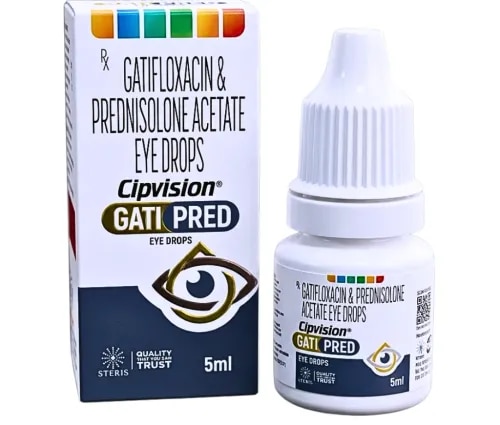
"name": "gatifloxacin & prednisolone acetate ophthalmic suspension",
"description": "Gatifloxacin and prednisolone acetate ophthalmic suspension is a prescription combination eye medicine that pairs a fourth-generation fluoroquinolone antibiotic (gatifloxacin) with a corticosteroid (prednisolone acetate) in a single formulation. It is used to treat steroid-responsive ocular inflammation where there is also a risk of, or existing, bacterial eye infection — most commonly after cataract or other ocular surgery, and in certain inflammatory eye conditions requiring both anti-infective and anti-inflammatory action together. Gatifloxacin fights the bacteria, while prednisolone acetate reduces inflammation, redness, and swelling. This combination is not the same as a plain antibiotic drop — because it contains a steroid, it requires closer monitoring, a defined tapering schedule, and should never be self-prescribed or used beyond the duration your ophthalmologist recommends. It is a Schedule H prescription-only medicine in India, commonly marketed under brand names such as Gatiquin P.\n\nWhat Is Gatifloxacin and Prednisolone Acetate Ophthalmic Suspension?\nGatifloxacin and prednisolone acetate ophthalmic suspension is a fixed-dose combination eye drop that brings together two distinct classes of medication in one bottle:\n\nGatifloxacin — a fourth-generation fluoroquinolone antibiotic effective against a broad range of gram-positive and gram-negative bacteria commonly implicated in ocular infections.\nPrednisolone acetate — a corticosteroid that suppresses inflammation, swelling, and associated redness or discomfort in the eye.\n\nThis combination is typically prescribed when a clinician determines that an eye condition involves both active or potential bacterial infection and significant inflammation — a situation where using either drug alone would be insufficient. The most frequent use case is post-operative care following ocular surgery, such as cataract extraction, where inflammation control speeds recovery while the antibiotic component guards against surgical-site infection.\nA commonly recognized branded version of this combination in the Indian market is Gatiquin P, and patients often search specifically for this brand name alongside the generic combination name.\n\nHow Does This Combination Work? (Mechanism of Action)\n\nAntibacterial action (Gatifloxacin) – Gatifloxacin inhibits bacterial DNA gyrase and topoisomerase IV, enzymes bacteria need to replicate their DNA, resulting in bactericidal activity against susceptible organisms.\nAnti-inflammatory action (Prednisolone acetate) – Prednisolone acetate suppresses the inflammatory cascade by inhibiting phospholipase A2 and reducing the release of inflammatory mediators, which decreases swelling, redness, and discomfort.\nCombined surgical/inflammatory coverage – Together, the two components address both the infective and inflammatory components of a single ocular condition, which is particularly useful in the immediate post-surgical period when both risks are elevated simultaneously.\nLocalized ocular delivery – As a topical suspension, the combination acts directly at the site of application, minimizing systemic absorption compared to oral antibiotics or steroids.\n\n\nClinical Indications\nIndicationDetailsPost-operative inflammation with infection riskMost common use — following cataract surgery or other intraocular proceduresSteroid-responsive inflammatory ocular conditionsWhere a bacterial infection is present or risk is significantChronic anterior uveitis with secondary infection riskUsed under specialist supervisionBlepharoconjunctivitis with inflammatory componentWhen combined anti-infective and anti-inflammatory action is clinically indicated\nNot indicated for: viral eye infections (e.g., herpes simplex keratitis), fungal eye infections, mycobacterial infections, or uncomplicated bacterial conjunctivitis without an inflammatory component — a steroid is not appropriate in these settings.\n\nDosage & Administration\nParameterRecommendationStandard dose1–2 drops in the affected eye, typically 4 times daily, or as directedPost-surgical regimenOften started with a higher frequency and gradually tapered per surgeon's protocolShake before useYes — this is a suspension; shake well before each applicationDurationDetermined by your ophthalmologist; steroid-containing drops are not for indefinite useTaperingMust be tapered gradually rather than stopped abruptly, especially after prolonged useContact lensesAvoid wearing contact lenses during treatment unless your doctor advises otherwiseMissed doseApply as soon as remembered; do not double the next dose\nImportant: Never extend use beyond the prescribed duration or restart the medication without consulting your ophthalmologist, as prolonged steroid exposure carries specific ocular risks (see Precautions below).\n\nKey Benefits\n\nProvides dual-action therapy — infection control and inflammation control — in a single formulation\nReduces the need for two separate eye drop regimens after surgery, simplifying the treatment schedule\nSpeeds resolution of post-surgical redness, swelling, and discomfort while covering infection risk\nBroad-spectrum antibacterial coverage from a fourth-generation fluoroquinolone\nCommonly trusted and prescribed by ophthalmic surgeons as part of standard post-operative protocols\nAvailable in a suspension formulation designed for effective ocular surface contact time\n\n\nPrecautions\n\nUse strictly under ophthalmologist supervision — this is not an over-the-counter product\nNot suitable for viral, fungal, or mycobacterial eye infections\nLong-term or unsupervised steroid use can raise intraocular pressure (IOP) and increase glaucoma risk\nProlonged use may increase the risk of posterior subcapsular cataract formation\nSteroid component may mask signs of a worsening infection or delay wound healing if misused\nRegular monitoring of intraocular pressure is recommended with extended use\nInform your doctor of any history of glaucoma, herpes eye infection, or corneal thinning before starting\nShake the suspension well before each use for accurate dosing\nAvoid touching the dropper tip to the eye or any surface\n\n\nSide Effects\nCommon (Usually Mild and Temporary)\n\nTransient burning or stinging on instillation\nBlurred vision immediately after application\nEye discomfort or foreign-body sensation\nMild eye redness\n\nLess Common / Serious (Consult Your Doctor Promptly)\n\nIncreased intraocular pressure / glaucoma symptoms (eye pain, halos around lights)\nDelayed wound healing at a surgical site\nSecondary or masked ocular infection\nSigns of cataract progression with prolonged use\nCorneal or scleral thinning (rare, with extended steroid exposure)\nAllergic reaction (eyelid swelling, itching, rash)\n\nDiscontinue and consult your ophthalmologist immediately if any serious symptom develops.\n\nComparison: Combination vs. Standalone Therapies\nTreatmentCompositionBest Suited ForKey ConsiderationGatifloxacin + Prednisolone acetate suspensionAntibiotic + steroidPost-surgical care; infection + inflammation togetherRequires tapering; steroid monitoring neededGatifloxacin eye drops (alone)Antibiotic onlyUncomplicated bacterial conjunctivitis/keratitisNo steroid-related risk, but no anti-inflammatory actionPrednisolone acetate eye drops (alone)Steroid onlyNon-infectious inflammatory conditions (e.g., uveitis)Not appropriate if active infection is presentPlain lubricant/antibiotic-only regimensVariesMild post-op cases without significant inflammationMay be insufficient for higher-risk surgical cases\n\nKey Statistics (Placeholder — Pending Clinical Reviewer Verification)\nMetricValueReported post-operative infection rate reduction with prophylactic use[Placeholder – insert verified clinical trial statistic]Typical duration of post-cataract-surgery combination therapy[Placeholder – insert verified reference range]Incidence of steroid-induced IOP elevation with short-course use[Placeholder – insert epidemiological reference]\nAll statistics above are placeholders and must be verified and populated by a qualified clinical reviewer prior to publication.\n\nExpert Insight\n\n[Placeholder — Expert quote pending. To be added only after review and approval by a licensed ophthalmologist/medical reviewer associated with Steris Healthcare. Do not fabricate or publish without sign-off.]\n\n\nPrice of Gatifloxacin and Prednisolone Acetate Ophthalmic Suspension\nThe price of this combination suspension varies depending on brand, pack size, and region. For current pricing, availability, and prescription verification, please consult your ophthalmologist or an authorized pharmacy.\nPrescription only – consult your doctor.\n\nConclusion\nGatifloxacin and prednisolone acetate ophthalmic suspension serves an important clinical role wherever bacterial infection risk and ocular inflammation occur together — most notably in the sensitive period following eye surgery. By combining a potent fourth-generation antibiotic with a well-established corticosteroid, this formulation streamlines post-operative and steroid-responsive inflammatory care into a single, clinician-directed regimen. Because the steroid component carries specific long-term risks — including elevated eye pressure, cataract progression, and delayed healing if misused — this medication should always be used exactly as prescribed, for the duration recommended, and with appropriate tapering and follow-up. Patients should never self-adjust dosing or extend use without their ophthalmologist's explicit guidance.\n\nFrequently Asked Questions\n\n1. What is Gatifloxacin and prednisolone acetate ophthalmic suspension used for?\nIt is used to treat eye conditions that involve both inflammation and a risk of bacterial infection — most commonly after eye surgery such as cataract surgery, where it reduces post-operative swelling and redness while protecting against infection.\n\n2. Is Gatifloxacin eye drops safe for children?\nGatifloxacin eye drops are generally considered usable in children for appropriate bacterial eye infections under a pediatric ophthalmologist's guidance. However, the gatifloxacin-prednisolone combination includes a steroid, which requires closer specialist supervision in children due to potential effects on eye pressure and healing, so it should only be used if specifically prescribed for a child.\n\n3. What is Gatifloxacin and prednisolone acetate ophthalmic suspension (Gatiquin P) used for?\nGatiquin P is a branded formulation of gatifloxacin and prednisolone acetate ophthalmic suspension. It is used for the same core purpose — managing post-surgical or steroid-responsive ocular inflammation where there is also a bacterial infection risk, most often following cataract or other intraocular surgery.\n\n4. Is prednisolone acetate safe for eyes?\nPrednisolone acetate is a corticosteroid that is generally safe for eyes when used exactly as prescribed and for the recommended duration under an ophthalmologist's supervision. However, unsupervised or prolonged use can raise intraocular pressure, increase glaucoma risk, contribute to cataract formation, and delay wound healing, so it should never be used without medical guidance or beyond the prescribed course.\n\n5. How is this eye drop different from regular antibiotic eye drops?\nRegular antibiotic eye drops only target bacteria, while this combination also contains a steroid to control inflammation. This dual action is useful specifically when both infection risk and significant inflammation are present, such as after eye surgery.\n\n6. How long should I use gatifloxacin and prednisolone acetate suspension?\nDuration is determined by your ophthalmologist based on your specific condition, often following a tapering schedule after surgery. It should not be used longer than prescribed, and stopping should be discussed with your doctor rather than done abruptly.\n\n7. Can this eye drop increase eye pressure?\nYes, because it contains a steroid, prolonged or unsupervised use can raise intraocular pressure. Regular monitoring is recommended, especially with extended use or in patients with a history of glaucoma.\n\n8. Can I use this suspension for a common bacterial eye infection without inflammation?\nThis combination is generally reserved for cases where both infection risk and notable inflammation are present, such as post-surgical care. For uncomplicated bacterial conjunctivitis without significant inflammation, your doctor may prescribe an antibiotic-only formulation instead.\n\n9. Do I need to shake the bottle before use?\nYes. This is a suspension, so the bottle should be shaken well before each use to ensure even distribution of both active ingredients.\n10. Can this eye drop be used for viral or fungal eye infections?\nNo. This combination is not appropriate for viral, fungal, or mycobacterial eye infections, since it contains a steroid that can worsen these conditions if used inappropriately.\n\n11. What are the signs I should stop using this eye drop and see my doctor?\nIncreasing eye pain, blurred vision that doesn't improve, halos around lights, worsening redness, or signs of an allergic reaction warrant immediate medical attention.\n\n12. Can this eye drop be used after cataract surgery?\nYes, this combination is commonly prescribed after cataract surgery to manage post-operative inflammation while covering the risk of surgical-site infection during the healing period.\n\n13. Does this medication require a prescription?\nYes, gatifloxacin and prednisolone acetate ophthalmic suspension is a prescription-only (Schedule H) medicine and should only be used under an ophthalmologist's direction.\n14. Can contact lenses be worn during treatment?\nIt is generally advised to avoid wearing contact lenses while using this medication unless your ophthalmologist specifically advises otherwise, particularly during the post-surgical period.\n\n15. What happens if I stop this eye drop too early?\nStopping too early, especially without proper tapering, may lead to a rebound of inflammation or leave a lingering infection insufficiently treated. Always follow your doctor's full course and tapering instructions.\n\n16. Is this eye drop safe for long-term daily use?\nNo — because it contains a steroid, it is intended for short-term, supervised use rather than long-term daily use. Extended use significantly raises the risk of elevated eye pressure and cataract.\n\n17. Can this suspension be used in both eyes at once?\nIt can be used in both eyes if both are affected and your doctor has prescribed it for bilateral use; otherwise, apply only to the eye(s) specifically directed by your ophthalmologist.\n",
"price": 155.0,
"discountamount": 47.0,
"currencycode": "INR",
"priority": 1000000,
"isfreeshipmentavailable": false,
"shipmentduration": 1,
"_keywords": null,
"isarchived": false,
"isavailable": true,
"applicationid": null,
"productindex": 2469,
"imageuri": "https://productimages.withfloats.com/actual/6a509bf79c2198e9ddf06962.png",
"tileimageuri": "https://productimages.withfloats.com/tile/6a509bf79c2198e9ddf06962.png",
"images": null,
"totalqueries": 0,
"gpid": null,
"groupproductid": null,
"createdon": "2026-07-10T07:15:02.084Z",
"updatedon": "2026-07-10T07:15:02.084Z",
"buyonlinelink": null,
"producturl": "http://WWW.STERISINDIA.COM//gatifloxacin-prednisolone-acetate-ophthalmic-suspension/2469",
"availableunits": -1.0,
"iscodavailable": false,
"isprepaidonlineavailable": false,
"maxcodorders": 0,
"maxprepaidonlineorders": 0,
"uniquepaymenturl": null,
"brandname": "CIPVISION GATIPRED",
"category": "Opthalmology Range",
"tags": [
"gatifloxacin & prednisolone acetate ophthalmic suspension",
"gatifloxacin & prednisolone ophthalmic suspension"
],
"variants": false,
"keyspecification": null,
"otherspecifications": null,
"pickupaddressreferenceid": null,
"paymenttype": "UniquePaymentUrl",
"producttype": "products",
"hsncode": null,
"gstslab": 0.0,
"isnotforsale": false
},
{
"_id": "6a3a28e1f86185e41b2d185a",
"fptag": "STERISHEALTHCARE",
"merchantname": null,
"customwidgets": null,
"externalsourceid": null,
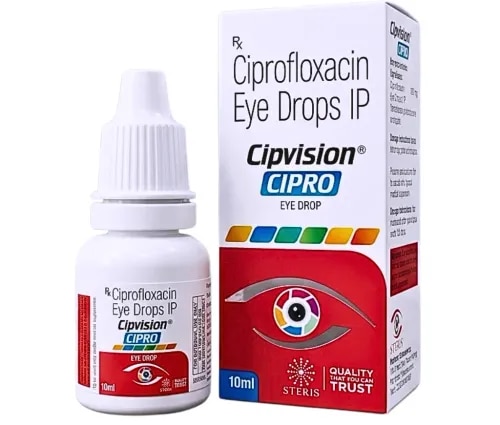
"name": "ciprofloxacin eye drops ip",
"description": "Eye infections can cause discomfort, redness, irritation, excessive tearing, and blurred vision, affecting daily activities and overall eye health. When bacterial infections affect the eyes, prompt treatment becomes essential to prevent complications and support faster recovery. Ciprofloxacin Eye Drops IP is a widely prescribed ophthalmic antibiotic formulation designed to treat bacterial eye infections effectively by eliminating infection-causing bacteria and reducing associated symptoms.\n\nWhether you are searching for a reliable treatment for bacterial conjunctivitis, corneal ulcers, or other bacterial eye conditions, understanding how Ciprofloxacin Eye Drops IP works can help you make an informed healthcare decision. This guide provides comprehensive information about its uses, benefits, mechanism of action, dosage guidelines, safety precautions, and frequently asked questions.\n\nWhat is Ciprofloxacin Eye Drops IP?\n\nCiprofloxacin Eye Drops IP is an antibiotic eye medication containing Ciprofloxacin, a fluoroquinolone antibiotic known for its broad-spectrum antibacterial activity. It is formulated specifically for ophthalmic use and is commonly prescribed by healthcare professionals to treat bacterial infections affecting the eye and surrounding tissues.\n\nThe formulation works against a wide range of gram-positive and gram-negative bacteria responsible for common eye infections. Because it targets bacterial infections directly, it helps reduce symptoms such as redness, swelling, discharge, burning sensation, and irritation.\n\nHow Does Ciprofloxacin Eye Drops IP Work?\n\nCiprofloxacin belongs to the fluoroquinolone class of antibiotics. It works by inhibiting bacterial DNA gyrase and topoisomerase IV, enzymes that are essential for bacterial DNA replication and repair.\n\nWithout these enzymes, bacteria cannot multiply or survive, leading to the elimination of the infection. As the bacterial load decreases, symptoms gradually improve, allowing the eye to heal naturally.\n\nThis targeted antibacterial action makes Ciprofloxacin Eye Drops IP highly effective against various bacterial strains commonly responsible for ophthalmic infections.\n\nWhy is Ciprofloxacin Eye Drops IP Important?\n\nEye infections should never be ignored because untreated bacterial infections can lead to serious complications, including corneal damage and vision impairment. Ciprofloxacin Eye Drops IP plays a crucial role in managing bacterial eye infections by:\n\nProviding targeted antibacterial treatment\nPreventing the spread of infection\nReducing inflammation and discomfort\nSupporting faster recovery\nProtecting vision by preventing complications\nTreating both mild and severe bacterial eye conditions\n\nTimely use under medical supervision can significantly improve treatment outcomes and patient comfort.\n\nCommon Uses of Ciprofloxacin Eye Drops IP\n\nHealthcare professionals commonly prescribe Ciprofloxacin Eye Drops IP for:\n\nBacterial Conjunctivitis\n\nAlso known as pink eye, bacterial conjunctivitis causes redness, irritation, discharge, and swelling. Ciprofloxacin helps eliminate the bacteria causing the infection.\n\nCorneal Ulcers\n\nCorneal ulcers are serious infections that can threaten vision if not treated promptly. Ciprofloxacin Eye Drops IP helps control bacterial growth and supports healing.\n\nBlepharitis\n\nInfections affecting the eyelids may respond well to antibiotic treatment with Ciprofloxacin.\n\nPost-Surgical Eye Infection Prevention\n\nDoctors may prescribe Ciprofloxacin Eye Drops IP after certain ophthalmic procedures to reduce the risk of bacterial infection.\n\nOther Susceptible Bacterial Eye Infections\n\nIt may also be recommended for other eye infections caused by bacteria sensitive to Ciprofloxacin.\n\nKey Benefits of Ciprofloxacin Eye Drops IP\nBroad-Spectrum Antibacterial Coverage\n\nThe formulation works against a wide variety of bacteria commonly associated with eye infections.\n\nRapid Symptom Relief\n\nMany patients experience improvement in redness, irritation, discharge, and discomfort within a few days of treatment.\n\nDirect Application\n\nSince the medication is applied directly to the eye, it delivers targeted treatment at the infection site.\n\nHelps Prevent Complications\n\nPrompt treatment can reduce the risk of infection progression and vision-related complications.\n\nConvenient Administration\n\nEasy-to-use eye drop formulation supports patient compliance and effective treatment.\n\nSuitable for Various Bacterial Eye Conditions\n\nIt is widely utilized across multiple ophthalmic bacterial infections.\n\nWho May Benefit from Ciprofloxacin Eye Drops IP?\n\nCiprofloxacin Eye Drops IP may be recommended for:\n\nAdults with bacterial eye infections\nPatients diagnosed with bacterial conjunctivitis\nIndividuals with bacterial corneal ulcers\nPatients recovering from eye surgery\nPeople experiencing bacterial eye inflammation under medical supervision\n\nA healthcare provider should always confirm whether the infection is bacterial before initiating treatment.\n\nHow to Use Ciprofloxacin Eye Drops IP\n\nFor optimal results, follow your doctor's instructions carefully.\n\nGeneral administration guidelines include:\n\nWash hands thoroughly before use.\nAvoid touching the dropper tip.\nTilt the head backward.\nPull down the lower eyelid gently.\nInstill the prescribed number of drops.\nClose the eyes for a few moments.\nAvoid rubbing the eyes immediately after application.\n\nContinue the full prescribed course even if symptoms improve earlier to ensure complete eradication of the infection.\n\nDosage Information\n\nThe dosage and duration depend on:\n\nType of infection\nSeverity of symptoms\nPatient age\nClinical response to treatment\n\nMild infections may require less frequent dosing, while severe infections such as corneal ulcers may require intensive administration during the initial treatment phase.\n\nAlways follow the prescription provided by your ophthalmologist.\n\nImportant Precautions\n\nBefore using Ciprofloxacin Eye Drops IP, consider the following precautions:\n\nUse only for ophthalmic application.\nDo not share eye drops with others.\nRemove contact lenses if advised by your doctor.\nAvoid contaminating the dropper tip.\nInform your physician about any allergies to fluoroquinolone antibiotics.\nComplete the entire prescribed treatment course.\n\nIf symptoms worsen or fail to improve, seek medical attention promptly.\n\nPossible Side Effects\n\nLike all medications, Ciprofloxacin Eye Drops IP may cause side effects in some individuals.\n\nCommon side effects may include:\n\nTemporary eye irritation\nMild burning sensation\nEye discomfort\nItching\nRedness\nBlurred vision immediately after administration\nForeign body sensation\n\nThese effects are generally mild and temporary. Persistent or severe reactions should be reported to a healthcare professional.\n\nStorage Instructions\n\nTo maintain product quality:\n\nStore at room temperature.\nKeep the bottle tightly closed.\nProtect from excessive heat and moisture.\nKeep away from direct sunlight.\nKeep out of reach of children.\nDo not use after the expiration date.\n\nProper storage helps preserve the effectiveness and sterility of the formulation.\n\nWhy Healthcare Professionals Trust Ciprofloxacin Eye Drops IP\n\nCiprofloxacin has been extensively used in ophthalmology due to its proven antibacterial efficacy and broad-spectrum activity. Its ability to target common ocular pathogens makes it a preferred treatment option for bacterial eye infections.\n\nDoctors often choose Ciprofloxacin Eye Drops IP because of:\n\nStrong antibacterial performance\nEstablished clinical use\nBroad pathogen coverage\nEffective symptom control\nDirect ocular delivery system\n\nWhen prescribed appropriately, it remains an important treatment option for bacterial eye care management.\n\nConclusion\n\nCiprofloxacin Eye Drops IP is a trusted ophthalmic antibiotic solution designed to combat bacterial eye infections effectively. By targeting infection-causing bacteria directly, it helps relieve redness, irritation, discharge, and discomfort while supporting faster healing and protecting eye health.\n\nWhether treating bacterial conjunctivitis, corneal ulcers, or post-surgical infections, Ciprofloxacin Eye Drops IP offers targeted antibacterial action and reliable clinical results. Always use this medication under the guidance of a qualified healthcare professional and complete the prescribed treatment course for optimal outcomes.\n\nFrequently Asked Questions (FAQs)\nWhat is Ciprofloxacin Eye Drops IP used for?\n\nCiprofloxacin Eye Drops IP is used to treat bacterial eye infections such as bacterial conjunctivitis, corneal ulcers, and other susceptible ocular infections.\n\nHow quickly does Ciprofloxacin Eye Drops IP start working?\n\nMany patients notice symptom improvement within a few days, although complete recovery depends on the severity of the infection.\n\nCan Ciprofloxacin Eye Drops IP treat viral eye infections?\n\nNo. Ciprofloxacin Eye Drops IP is an antibiotic and is only effective against bacterial infections, not viral or fungal infections.\n\nCan I wear contact lenses while using Ciprofloxacin Eye Drops IP?\n\nYour doctor may advise avoiding contact lenses during treatment until the infection has fully resolved.\n\nHow many times a day should I use Ciprofloxacin Eye Drops IP?\n\nThe dosing schedule varies depending on the infection and your doctor's recommendation. Always follow prescribed instructions.\n\nIs Ciprofloxacin Eye Drops IP safe for children?\n\nIt may be prescribed for pediatric patients when considered appropriate by a healthcare professional.\n\nWhat should I do if I miss a dose?\n\nApply the missed dose as soon as you remember unless it is nearly time for the next scheduled dose.\n\nCan I stop using the drops once symptoms improve?\n\nNo. Complete the full prescribed course to ensure the infection is fully treated and to help prevent bacterial resistance.\n\nAre there any side effects of Ciprofloxacin Eye Drops IP?\n\nPossible side effects include temporary burning, irritation, redness, itching, and mild discomfort after application.\n\nCan Ciprofloxacin Eye Drops IP cause blurred vision?\n\nTemporary blurred vision may occur immediately after administration and usually resolves quickly.\n\nDo I need a prescription for Ciprofloxacin Eye Drops IP?\n\nYes. Ciprofloxacin Eye Drops IP should be used under the supervision of a qualified healthcare professional.\n\nHow should Ciprofloxacin Eye Drops IP be stored?\n\nStore at room temperature, away from direct sunlight, heat, and moisture, and keep the bottle tightly closed after use.\n\nCan Ciprofloxacin Eye Drops IP be used after eye surgery?\n\nDoctors may prescribe it after certain ophthalmic procedures to help prevent bacterial infections.\n\nWhat bacteria does Ciprofloxacin Eye Drops IP treat?\n\nIt is effective against many gram-positive and gram-negative bacteria commonly associated with eye infections.\n\nWhen should I contact a doctor while using Ciprofloxacin Eye Drops IP?\n\nSeek medical advice if symptoms worsen, vision changes occur, severe irritation develops, or the infection does not improve as expected.",
"price": 11.0,
"discountamount": 0.0,
"currencycode": "INR",
"priority": 1000000,
"isfreeshipmentavailable": false,
"shipmentduration": 1,
"_keywords": null,
"isarchived": false,
"isavailable": true,
"applicationid": null,
"productindex": 2459,
"imageuri": "https://productimages.withfloats.com/actual/6a3a28e3a030eaa17eb84d32.png",
"tileimageuri": "https://productimages.withfloats.com/tile/6a3a28e3a030eaa17eb84d32.png",
"images": null,
"totalqueries": 0,
"gpid": null,
"groupproductid": null,
"createdon": "2026-06-23T06:34:09.197Z",
"updatedon": "2026-06-23T06:34:09.197Z",
"buyonlinelink": null,
"producturl": "http://WWW.STERISINDIA.COM//ciprofloxacin-eye-drops-ip/2459",
"availableunits": -1.0,
"iscodavailable": false,
"isprepaidonlineavailable": false,
"maxcodorders": 0,
"maxprepaidonlineorders": 0,
"uniquepaymenturl": null,
"brandname": "CIPVISION CIPRO",
"category": "Opthalmology Range",
"tags": [
"ciprofloxacin eye drops ip",
"ciprofloxacin eye drops",
"ciprofloxacin eye drops uses in hindi",
"ciprofloxacin eye drops uses",
"ciprofloxacin eye drops ip uses in hindi",
"ciprofloxacin eye drops ip",
"ciprofloxacin eye drops price",
"ciprofloxacin eye drops side effects",
"ciprofloxacin eye drops in hindi",
"ciprofloxacin eye drops ip uses",
"ciprofloxacin eye drops uses in tamil",
"ciprofloxacin eye drops ip in hindi",
"ciprofloxacin eye drops how many times a day",
"ciprofloxacin eye drops use"
],
"variants": false,
"keyspecification": null,
"otherspecifications": null,
"pickupaddressreferenceid": null,
"paymenttype": "UniquePaymentUrl",
"producttype": "products",
"hsncode": null,
"gstslab": 0.0,
"isnotforsale": false
},
{
"_id": "6a392f71ac59196530375cb2",
"fptag": "STERISHEALTHCARE",
"merchantname": null,
"customwidgets": null,
"externalsourceid": null,
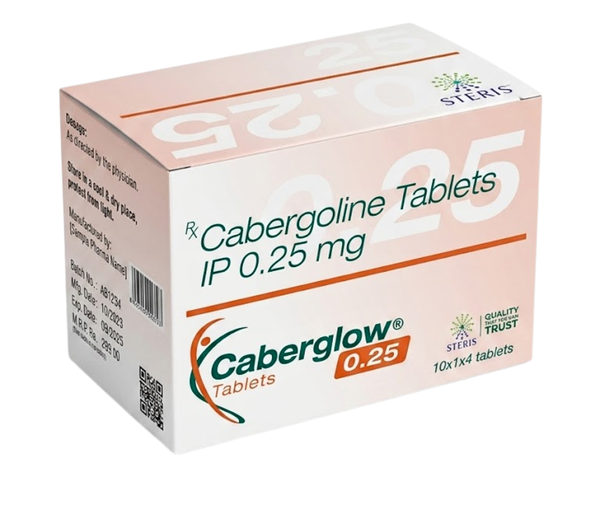
"name": "cabergoline tablets 0.25 mg",
"description": "Cabergoline Tablets 0.25 mg are widely prescribed for the treatment of conditions associated with elevated prolactin levels in the body. This medication belongs to a class of drugs known as dopamine agonists and is highly effective in managing hormonal imbalances that can affect fertility, menstrual health, and pituitary gland function.\n\nPatients searching for cabergoline tablets 0.25 mg, cabergoline 0.25 mg uses, cabergoline tablet price, cabergoline side effects, and cabergoline dosage often want detailed information before making a purchase decision. This comprehensive guide explains everything you need to know about Cabergoline Tablets 0.25 mg, including benefits, mechanism of action, dosage recommendations, precautions, and frequently asked questions.\n\nWhat Are Cabergoline Tablets 0.25 mg?\n\nCabergoline Tablets 0.25 mg contain cabergoline as the active pharmaceutical ingredient. The medicine is primarily used to lower abnormally high prolactin levels in the blood, a condition known as hyperprolactinemia.\n\nHigh prolactin levels can lead to:\n\nIrregular menstrual cycles\nInfertility\nUnwanted breast milk production\nReduced libido\nErectile dysfunction in men\nPituitary gland disorders\n\nCabergoline works by restoring hormonal balance and helping patients regain normal reproductive and endocrine function.\n\nHow Does Cabergoline 0.25 mg Work?\n\nCabergoline acts as a dopamine receptor agonist. Dopamine is a natural chemical in the brain that helps regulate prolactin secretion.\n\nMechanism of Action\n\nThe medication stimulates dopamine D2 receptors located in the pituitary gland. This action suppresses prolactin production and release.\n\nAs prolactin levels decrease:\n\nMenstrual cycles become more regular.\nFertility may improve.\nSymptoms of prolactin-producing tumors may reduce.\nBreast milk production caused by elevated prolactin decreases.\nHormonal balance improves.\n\nThe long duration of action of cabergoline allows for less frequent dosing compared to some alternative therapies.\n\nWhy Is Cabergoline Tablets 0.25 mg Important?\n\nMaintaining normal prolactin levels is crucial for reproductive health and hormonal stability.\n\nUntreated hyperprolactinemia may lead to:\n\nInfertility\nMenstrual disorders\nOsteoporosis\nSexual dysfunction\nPituitary tumor progression\n\nCabergoline Tablets 0.25 mg help address the root cause of these symptoms and improve overall quality of life.\n\nKey Benefits of Cabergoline Tablets 0.25 mg\nEffective Prolactin Control\n\nCabergoline significantly lowers elevated prolactin levels and helps restore hormonal balance.\n\nImproves Fertility\n\nWomen struggling with infertility due to elevated prolactin levels may experience improved reproductive function.\n\nRestores Menstrual Regularity\n\nThe medication helps normalize menstrual cycles in women with hormonal imbalances.\n\nReduces Galactorrhea\n\nCabergoline effectively decreases inappropriate breast milk production.\n\nSupports Pituitary Health\n\nIt helps manage prolactin-secreting pituitary tumors (prolactinomas).\n\nConvenient Dosing Schedule\n\nDue to its long half-life, Cabergoline often requires fewer doses per week than many alternative medications.\n\nIndications of Cabergoline Tablets 0.25 mg\n\nDoctors commonly prescribe Cabergoline Tablets 0.25 mg for:\n\nHyperprolactinemia\nProlactin-secreting pituitary adenomas (prolactinomas)\nMenstrual irregularities caused by elevated prolactin\nFemale infertility associated with high prolactin\nGalactorrhea\nHormonal imbalance disorders\nCertain endocrine conditions requiring prolactin suppression\nEfficacy and Clinical Evidence\n\nClinical studies have consistently demonstrated the effectiveness of cabergoline in reducing prolactin levels.\n\nResearch has shown that Cabergoline:\n\nProduces significant prolactin reduction\nRestores ovulation in many women\nImproves fertility outcomes\nReduces tumor size in prolactinoma patients\nOffers long-term symptom control\n\nIts favorable efficacy profile makes it one of the most commonly prescribed dopamine agonists for hyperprolactinemia management.\n\nDosage Guidelines for Cabergoline Tablets 0.25 mg\n\nAlways follow your healthcare provider's instructions.\n\nTypical Dosage\n\nThe dosage depends on:\n\nSeverity of the condition\nProlactin levels\nPatient response\nMedical history\n\nTreatment usually begins with a low dose and may be adjusted gradually based on clinical response.\n\nAdministration Tips\nTake the tablet exactly as prescribed.\nSwallow with water.\nCan be taken with food to minimize stomach discomfort.\nMaintain a consistent dosing schedule.\nMissed Dose\n\nIf you miss a dose:\n\nTake it as soon as remembered.\nSkip if the next scheduled dose is near.\nNever double the dose.\nSide Effects of Cabergoline Tablets 0.25 mg\n\nLike all medicines, Cabergoline may cause side effects.\n\nCommon Side Effects\nNausea\nHeadache\nDizziness\nFatigue\nConstipation\nAbdominal discomfort\nLow blood pressure\nSleepiness\n\nMost side effects are mild and improve as the body adjusts to treatment.\n\nSerious Side Effects\n\nSeek immediate medical attention if you experience:\n\nChest pain\nShortness of breath\nSevere dizziness\nPersistent swelling\nFainting episodes\nSevere allergic reactions\nSignificant mood changes\nPrecautions and Warnings\n\nBefore using Cabergoline Tablets 0.25 mg, inform your doctor if you have:\n\nHeart Disease\n\nPatients with cardiovascular conditions require careful monitoring.\n\nLiver Disorders\n\nDose adjustments may be necessary in certain cases.\n\nPregnancy\n\nUse only when specifically prescribed by a healthcare provider.\n\nBreastfeeding\n\nConsult your physician before taking Cabergoline during breastfeeding.\n\nMental Health Conditions\n\nPatients with psychiatric disorders should discuss their medical history with their doctor.\n\nLow Blood Pressure\n\nCabergoline may further reduce blood pressure in susceptible individuals.\n\nDrug Interactions\n\nCabergoline may interact with:\n\nAntipsychotic medications\nBlood pressure medications\nDopamine antagonists\nCertain antibiotics\nOther hormonal therapies\n\nAlways inform your doctor about all medications and supplements you are taking.\n\nCabergoline Tablets 0.25 mg Price\n\nPatients frequently search for information regarding cabergoline tablet price before purchasing treatment.\n\nThe cost may vary depending on:\n\nBrand\nPharmacy location\nPack size\nAvailability\nPrescription requirements\n\nFor accurate pricing and availability, consult your local pharmacy or authorized pharmaceutical distributor.\n\nStorage Instructions\nStore below recommended room temperature.\nKeep away from moisture and direct sunlight.\nKeep out of reach of children.\nWhy Choose Steris Healthcare Products?\n\nSteris Healthcare Pvt. Ltd. is committed to delivering high-quality pharmaceutical products manufactured under strict quality standards.\n\nAdvantages Include:\nWHO-GMP certified manufacturing facilities\nStringent quality control\nReliable pharmaceutical formulations\nPatient-focused healthcare solutions\nConsistent product quality\n\nHealthcare professionals trust Steris Healthcare for dependable pharmaceutical products that meet industry standards.\n\nConclusion\n\nCabergoline Tablets 0.25 mg are an effective treatment option for managing elevated prolactin levels, prolactinomas, hormonal imbalance, infertility, and related endocrine disorders. By acting directly on dopamine receptors, the medication helps restore normal prolactin levels and improves reproductive health outcomes.\n\nPatients seeking a proven therapy for hyperprolactinemia often benefit from the convenience, efficacy, and long-lasting action of Cabergoline. However, treatment should always be undertaken under medical supervision with regular monitoring and follow-up.\n\nFrequently Asked Questions (FAQs)\nWhat is Cabergoline Tablets 0.25 mg used for?\n\nCabergoline Tablets 0.25 mg are primarily used to treat hyperprolactinemia, prolactinomas, infertility associated with high prolactin levels, and hormonal disorders.\n\nHow does Cabergoline work?\n\nCabergoline stimulates dopamine receptors in the pituitary gland, reducing prolactin production and restoring hormonal balance.\n\nCan Cabergoline improve fertility?\n\nYes. In many women, lowering elevated prolactin levels can help restore ovulation and improve fertility.\n\nHow long does Cabergoline take to work?\n\nMany patients experience a reduction in prolactin levels within a few weeks, although results vary depending on the condition being treated.\n\nWhat are the common side effects of Cabergoline?\n\nCommon side effects include nausea, headache, dizziness, constipation, fatigue, and abdominal discomfort.\n\nCan Cabergoline be taken with food?\n\nYes. Taking Cabergoline with food may help reduce stomach-related side effects.\n\nIs Cabergoline safe for long-term use?\n\nWhen prescribed and monitored by a healthcare professional, Cabergoline can be used safely for long-term treatment in appropriate patients.\n\nCan men take Cabergoline Tablets 0.25 mg?\n\nYes. Men with elevated prolactin levels or prolactin-related disorders may benefit from Cabergoline therapy.\n\nIs a prescription required for Cabergoline?\n\nYes. Cabergoline Tablets 0.25 mg are prescription-only medications and should be used under medical supervision.\n\nHow should Cabergoline tablets be stored?\n\nStore the medication in a cool, dry place away from moisture, sunlight, and the reach of children.\nProduct Information Template\n\n",
"price": 240.0,
"discountamount": 72.0,
"currencycode": "INR",
"priority": 1000000,
"isfreeshipmentavailable": false,
"shipmentduration": 1,
"_keywords": null,
"isarchived": false,
"isavailable": true,
"applicationid": null,
"productindex": 2457,
"imageuri": "https://productimages.withfloats.com/actual/6a392f73cf03f058fecf81dc.png",
"tileimageuri": "https://productimages.withfloats.com/tile/6a392f73cf03f058fecf81dc.png",
"images": null,
"totalqueries": 0,
"gpid": null,
"groupproductid": null,
"createdon": "2026-06-22T12:49:53.333Z",
"updatedon": "2026-06-22T12:49:53.333Z",
"buyonlinelink": null,
"producturl": "http://WWW.STERISINDIA.COM//cabergoline-tablets-0-25-mg/2457",
"availableunits": -1.0,
"iscodavailable": false,
"isprepaidonlineavailable": false,
"maxcodorders": 0,
"maxprepaidonlineorders": 0,
"uniquepaymenturl": null,
"brandname": "CABERGLOW 0.25",
"category": "GYANECOLOGYRANGE",
"tags": [],
"variants": false,
"keyspecification": null,
"otherspecifications": null,
"pickupaddressreferenceid": null,
"paymenttype": "UniquePaymentUrl",
"producttype": "products",
"hsncode": null,
"gstslab": 0.0,
"isnotforsale": false
},
{
"_id": "6a268a228f0ee6285301028e",
"fptag": "STERISHEALTHCARE",
"merchantname": null,
"customwidgets": null,
"externalsourceid": null,
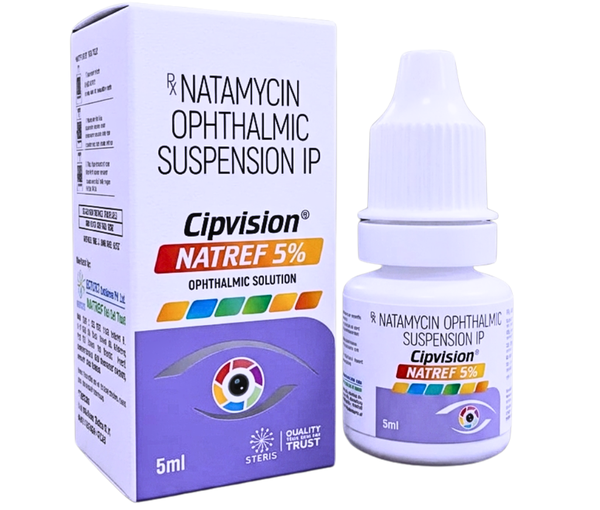
"name": "natamycin ophthalmic suspension ip",
"description": "Natamycin Ophthalmic Suspension IP\n\nWhen treating fungal eye infections, choosing the right medication is critical for protecting vision and promoting recovery. Natamycin Ophthalmic Suspension IP is a widely prescribed antifungal eye medication specifically formulated to treat fungal infections of the eye. Known for its targeted antifungal activity and proven clinical effectiveness, Natamycin Ophthalmic Suspension IP helps eliminate infection-causing fungi, reduce ocular inflammation, and support the healing process.\n\nFungal eye infections, particularly fungal keratitis, can be serious conditions that require prompt medical attention. Left untreated, these infections may lead to corneal damage, vision impairment, or even vision loss. Natamycin Ophthalmic Suspension IP provides direct treatment at the site of infection, making it one of the most trusted ophthalmic antifungal therapies available.\n\nWhether prescribed for fungal keratitis, corneal ulcers caused by fungi, or other susceptible fungal eye infections, Natamycin Ophthalmic Suspension IP remains a preferred choice among ophthalmologists worldwide.\n\nWhat Is Natamycin Ophthalmic Suspension IP?\n\nNatamycin Ophthalmic Suspension IP is an antifungal ophthalmic medication containing Natamycin as its active ingredient. Natamycin belongs to a class of medicines known as polyene antifungals and is specifically designed to treat fungal infections affecting the eye.\n\nUnlike antibiotics, which target bacteria, Natamycin works against a wide range of fungi that can infect the cornea and other external eye tissues.\n\nNatamycin Ophthalmic Suspension IP is commonly prescribed for:\n\nFungal keratitis\nFungal corneal ulcers\nOcular fungal infections\nCorneal infections caused by susceptible fungi\nEye infections caused by yeast and filamentous fungi\nPost-traumatic fungal eye infections\n\nIt is considered one of the first-line treatments for fungal infections involving the cornea.\n\nHow Natamycin Ophthalmic Suspension IP Works\n\nThe effectiveness of Natamycin Ophthalmic Suspension IP lies in its ability to target and destroy fungal cells.\n\nMechanism of Action\n\nNatamycin works by:\n\nBinding to sterols in fungal cell membranes\nDisrupting fungal cell membrane integrity\nPreventing fungal growth and reproduction\nDamaging fungal cells and reducing infection\nHelping eliminate the source of ocular infection\n\nBy directly attacking fungi responsible for the infection, Natamycin helps control disease progression and supports natural healing of the affected eye tissues.\n\nBecause it is applied directly to the eye, the medication delivers concentrated antifungal activity exactly where it is needed.\n\nUses of Natamycin Ophthalmic Suspension IP\n1. Fungal Keratitis\n\nFungal keratitis is one of the most common and serious fungal eye infections. Natamycin Ophthalmic Suspension IP is frequently prescribed as a first-line treatment for this condition.\n\n2. Fungal Corneal Ulcers\n\nFungal infections can cause ulceration of the cornea. Natamycin helps eliminate fungal organisms and supports corneal healing.\n\n3. Corneal Infections After Eye Trauma\n\nEye injuries involving plant material, soil, or contaminated objects may introduce fungi into the eye. Natamycin is often used in these situations.\n\n4. Yeast and Filamentous Fungal Infections\n\nNatamycin demonstrates activity against various fungal species responsible for ocular infections.\n\n5. Prevention of Disease Progression\n\nEarly treatment helps prevent deeper corneal involvement and reduces the risk of severe complications.\n\n6. Management of External Ocular Fungal Infections\n\nThe medication may also be prescribed for certain fungal infections affecting external eye tissues.\n\nKey Benefits of Natamycin Ophthalmic Suspension IP\nProven Antifungal Effectiveness\n\nNatamycin is specifically developed to treat fungal eye infections and remains a gold-standard therapy in ophthalmology.\n\nDirect Treatment at the Infection Site\n\nThe ophthalmic suspension delivers medication directly to the affected tissues for targeted action.\n\nHelps Preserve Vision\n\nPrompt treatment may reduce the risk of corneal scarring and vision impairment.\n\nSupports Corneal Healing\n\nBy controlling fungal growth, Natamycin creates favorable conditions for tissue recovery.\n\nBroad Antifungal Coverage\n\nThe medication is effective against many fungi commonly responsible for ocular infections.\n\nTrusted by Ophthalmologists\n\nNatamycin has a long history of successful clinical use in managing fungal keratitis and related conditions.\n\nConvenient Ophthalmic Formulation\n\nThe suspension is specifically designed for easy and effective ocular administration.\n\nWhy Buyers Choose Natamycin Ophthalmic Suspension IP\n\nPatients and healthcare professionals often select Natamycin Ophthalmic Suspension IP because fungal eye infections require specialized treatment that ordinary antibiotic eye drops cannot provide.\n\nBuyer-Focused Advantages\nSpecifically designed for fungal eye infections\nClinically proven antifungal action\nEffective treatment for fungal keratitis\nHelps reduce infection-related complications\nSupports corneal recovery\nDirect application to affected eye tissues\nRecommended by eye specialists\nTrusted worldwide for ocular fungal infections\n\nThese advantages make Natamycin Ophthalmic Suspension IP one of the most recognized antifungal eye medications available.\n\nWho Can Benefit from Natamycin Ophthalmic Suspension IP?\n\nThis medication may be suitable for:\n\nAdults diagnosed with fungal keratitis\nPatients with fungal corneal ulcers\nIndividuals with fungal eye infections after trauma\nPatients requiring targeted antifungal therapy\nIndividuals suffering from corneal fungal infections\nPatients under ophthalmologist supervision for fungal ocular diseases\n\nA proper diagnosis by an eye specialist is essential before initiating treatment.\n\nHow to Use Natamycin Ophthalmic Suspension IP\n\nAlways follow your healthcare provider’s instructions regarding dosage and frequency of use.\n\nGeneral Directions for Use\nWash your hands thoroughly before application.\nShake the suspension well before use.\nTilt your head backward.\nPull down the lower eyelid gently.\nInstill the prescribed number of drops into the affected eye.\nClose your eyes gently for a few moments.\nAvoid touching the dropper tip to any surface.\nReplace the cap securely after use.\n\nConsistent use according to the prescribed schedule is important for successful treatment outcomes.\n\nImportant Precautions\n\nBefore using Natamycin Ophthalmic Suspension IP, inform your healthcare provider if you:\n\nHave allergies to Natamycin or related medications\nWear contact lenses\nHave undergone recent eye surgery\nHave other eye disorders\nAre using additional eye medications\nAre pregnant or breastfeeding\n\nContact lens wear is generally avoided during active fungal eye infections unless specifically approved by your doctor.\n\nPossible Side Effects of Natamycin Ophthalmic Suspension IP\n\nLike all medications, side effects may occur in some individuals.\n\nCommon Side Effects\nTemporary eye irritation\nMild burning sensation\nEye discomfort\nIncreased tearing\nTemporary blurred vision\nForeign body sensation\nLess Common Side Effects\nEye redness\nSwelling around the eye\nSensitivity to light\nItching\nSerious Side Effects\n\nSeek immediate medical attention if you experience:\n\nSevere eye pain\nSignificant swelling\nSudden vision changes\nSevere allergic reactions\nWorsening symptoms despite treatment\n\nMost side effects are mild and temporary, resolving as treatment progresses.\n\nStorage Instructions\n\nProper storage helps preserve medication effectiveness and sterility.\n\nRecommended Storage Guidelines\nStore according to the instructions on the packaging.\nKeep away from direct sunlight.\nProtect from excessive heat and moisture.\nKeep the bottle tightly closed when not in use.\nDo not use after the expiration date.\nKeep out of reach of children.\n\nAlways follow manufacturer-specific storage recommendations.\n\nFrequently Asked Questions\nWhat is Natamycin Ophthalmic Suspension IP used for?\n\nIt is primarily used to treat fungal infections of the eye, particularly fungal keratitis and fungal corneal ulcers.\n\nIs Natamycin an antibiotic?\n\nNo. Natamycin is an antifungal medication and does not treat bacterial infections.\n\nHow quickly does Natamycin work?\n\nThe response varies depending on the severity of infection, but consistent use is essential for effective treatment.\n\nCan it treat viral eye infections?\n\nNo. Natamycin is effective only against susceptible fungal infections and does not work against viral infections.\n\nCan I stop treatment once symptoms improve?\n\nNo. Continue treatment for the full duration prescribed by your ophthalmologist to ensure complete infection control.\n\nConclusion\n\nNatamycin Ophthalmic Suspension IP is a highly effective antifungal eye medication specifically designed to treat fungal eye infections, including fungal keratitis and fungal corneal ulcers. Its targeted antifungal action helps eliminate infection-causing fungi, support corneal healing, and reduce the risk of serious ocular complications.\n\nWith its proven clinical effectiveness, broad antifungal coverage, and trusted use in ophthalmology, Natamycin Ophthalmic Suspension IP remains a preferred choice for managing fungal eye diseases. Whether treating a corneal fungal infection following trauma or managing an established case of fungal keratitis, this medication offers reliable support for recovery and vision preservation.\n\n",
"price": 125.0,
"discountamount": 37.0,
"currencycode": "INR",
"priority": 1000000,
"isfreeshipmentavailable": false,
"shipmentduration": 1,
"_keywords": null,
"isarchived": false,
"isavailable": true,
"applicationid": null,
"productindex": 2447,
"imageuri": "https://productimages.withfloats.com/actual/6a268a24684a6cad99223de6.png",
"tileimageuri": "https://productimages.withfloats.com/tile/6a268a24684a6cad99223de6.png",
"images": null,
"totalqueries": 0,
"gpid": null,
"groupproductid": null,
"createdon": "2026-06-08T09:23:46.534Z",
"updatedon": "2026-06-08T09:23:46.534Z",
"buyonlinelink": null,
"producturl": "http://WWW.STERISINDIA.COM//natamycin-ophthalmic-suspension-ip/2447",
"availableunits": -1.0,
"iscodavailable": false,
"isprepaidonlineavailable": false,
"maxcodorders": 0,
"maxprepaidonlineorders": 0,
"uniquepaymenturl": null,
"brandname": "CIPVISION NATREF 5%",
"category": "Opthalmology Range",
"tags": [
"natamycin ophthalmic suspension ip",
"natamycin ophthalmic suspension ip uses in hindi",
"natamycin ophthalmic suspension ip uses",
"natamycin ophthalmic suspension ip in hindi"
],
"variants": false,
"keyspecification": null,
"otherspecifications": null,
"pickupaddressreferenceid": null,
"paymenttype": "UniquePaymentUrl",
"producttype": "products",
"hsncode": null,
"gstslab": 0.0,
"isnotforsale": false
},
{
"_id": "6a2680c64f509245e47f9250",
"fptag": "STERISHEALTHCARE",
"merchantname": null,
"customwidgets": null,
"externalsourceid": null,
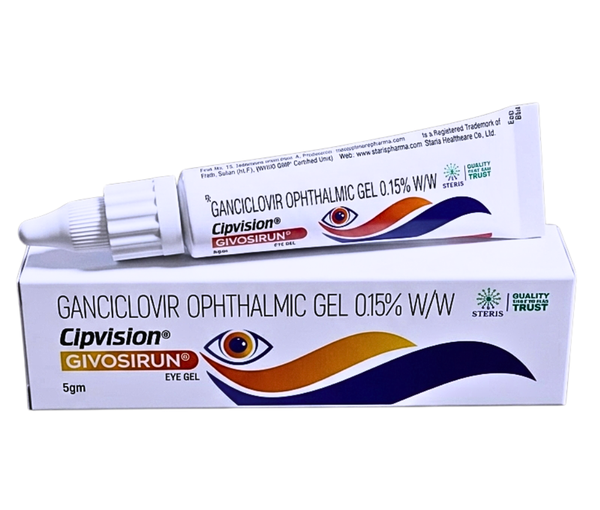
"name": "ganciclovir opthalmic gel",
"description": "Ganciclovir Ophthalmic Gel 0.15%\n\nWhen it comes to treating viral eye infections caused by the herpes simplex virus (HSV), Ganciclovir Ophthalmic Gel 0.15% is a trusted and clinically proven antiviral medication. Specifically formulated for ocular use, this ophthalmic gel helps combat viral replication, promotes corneal healing, and reduces symptoms associated with herpetic eye infections.\n\nHerpes simplex keratitis is a serious eye condition that can affect the cornea and potentially lead to vision impairment if left untreated. Ganciclovir Ophthalmic Gel 0.15% offers targeted antiviral therapy that helps eliminate active viral infection while supporting recovery of the affected eye.\n\nWidely prescribed by ophthalmologists, Ganciclovir Ophthalmic Gel 0.15% is known for its effectiveness, excellent tolerability, and ability to provide localized treatment directly to the site of infection.\n\nThis comprehensive guide covers everything buyers need to know about Ganciclovir Ophthalmic Gel 0.15%, including its uses, benefits, mechanism of action, dosage guidance, side effects, precautions, and reasons why it remains a preferred treatment option for viral eye infections.\n\nWhat Is Ganciclovir Ophthalmic Gel 0.15%?\n\nGanciclovir Ophthalmic Gel 0.15% is an antiviral eye medication specifically designed to treat acute herpetic keratitis caused by the herpes simplex virus.\n\nThe active ingredient, Ganciclovir, belongs to a class of antiviral medications that inhibit viral DNA replication. By preventing the virus from multiplying, the gel helps control infection and allows the cornea to heal more effectively.\n\nThis ophthalmic gel is commonly prescribed for:\n\nHerpes simplex keratitis\nDendritic corneal ulcers\nOcular herpes infections\nViral corneal inflammation caused by HSV\nManagement of active herpes eye disease\n\nUnlike antibiotics, which target bacteria, Ganciclovir Ophthalmic Gel is specifically effective against certain viral infections affecting the eye.\n\nHow Ganciclovir Ophthalmic Gel 0.15% Works\n\nThe effectiveness of Ganciclovir Ophthalmic Gel lies in its targeted antiviral action.\n\nMechanism of Action\n\nAfter application, Ganciclovir:\n\nPenetrates infected corneal cells\nInterferes with viral DNA synthesis\nPrevents herpes simplex virus replication\nLimits the spread of infection\nSupports healing of damaged corneal tissue\n\nBy reducing viral activity, the medication helps relieve symptoms and promotes recovery while minimizing the risk of complications.\n\nThe gel formulation also allows prolonged contact with the eye surface, enhancing therapeutic effectiveness.\n\nUses of Ganciclovir Ophthalmic Gel 0.15%\n1. Herpes Simplex Keratitis\n\nThis is the primary indication for Ganciclovir Ophthalmic Gel. The medication helps treat active corneal infections caused by herpes simplex virus.\n\n2. Dendritic Corneal Ulcers\n\nHerpes infections can produce characteristic dendritic ulcers on the cornea. Ganciclovir helps eliminate the virus and facilitate healing.\n\n3. Viral Corneal Infections\n\nThe gel is used to manage viral infections affecting the corneal surface and surrounding tissues.\n\n4. Prevention of Disease Progression\n\nPrompt antiviral treatment helps reduce the risk of deeper corneal involvement and long-term visual complications.\n\n5. Recurrent Ocular Herpes Episodes\n\nPatients with recurrent herpes eye infections may receive Ganciclovir as part of their treatment plan during active episodes.\n\nKey Benefits of Ganciclovir Ophthalmic Gel 0.15%\nTargeted Antiviral Activity\n\nThe medication specifically targets herpes simplex virus replication within infected cells.\n\nSupports Corneal Healing\n\nBy controlling viral infection, the gel helps create an environment that promotes tissue recovery.\n\nReduced Risk of Vision Complications\n\nEarly treatment may help prevent corneal scarring and vision impairment associated with untreated herpes infections.\n\nConvenient Gel Formulation\n\nThe gel remains on the eye surface longer than many liquid drops, allowing sustained therapeutic action.\n\nEffective Symptom Relief\n\nMany patients experience improvement in eye discomfort, redness, and irritation as treatment progresses.\n\nMinimal Systemic Absorption\n\nLocalized application reduces exposure to the rest of the body while delivering effective treatment to the infected area.\n\nTrusted Ophthalmic Therapy\n\nGanciclovir Ophthalmic Gel is widely recognized as a standard treatment for herpes simplex keratitis.\n\nWhy Buyers Choose Ganciclovir Ophthalmic Gel 0.15%\n\nWhen searching for treatment for viral eye infections, patients and healthcare providers prioritize effectiveness, safety, and targeted antiviral action.\n\nBuyer-Focused Advantages\nSpecifically designed for herpes eye infections\nClinically proven antiviral effectiveness\nSupports faster corneal recovery\nEasy-to-apply gel formulation\nDirect treatment at the site of infection\nWell tolerated by most patients\nTrusted by ophthalmologists worldwide\nHelps preserve corneal health and vision\n\nThese benefits make Ganciclovir Ophthalmic Gel 0.15% a preferred option for managing ocular herpes infections.\n\nWho Can Benefit from Ganciclovir Ophthalmic Gel 0.15%?\n\nThis medication may be suitable for:\n\nAdults diagnosed with herpes simplex keratitis\nPatients with dendritic corneal ulcers\nIndividuals experiencing recurrent ocular herpes infections\nPatients requiring antiviral eye treatment\nIndividuals with active HSV-related corneal disease\nPatients seeking localized antiviral therapy\n\nA qualified ophthalmologist should confirm the diagnosis before treatment begins.\n\nHow to Use Ganciclovir Ophthalmic Gel 0.15%\n\nAlways follow your healthcare provider’s instructions regarding dosage and treatment duration.\n\nGeneral Directions\nWash your hands thoroughly before application.\nTilt your head backward.\nPull down the lower eyelid gently.\nApply the prescribed amount of gel into the conjunctival sac.\nClose your eyes gently for a few moments.\nAvoid touching the tube tip to the eye or surrounding surfaces.\nReplace the cap securely after use.\n\nContinue treatment for the full prescribed period, even if symptoms improve earlier.\n\nImportant Precautions\n\nBefore using Ganciclovir Ophthalmic Gel 0.15%, inform your healthcare provider if you:\n\nHave allergies to ganciclovir or related medications\nWear contact lenses\nAre pregnant or breastfeeding\nHave other eye disorders\nAre using additional ophthalmic medications\nHave a weakened immune system\n\nAvoid wearing contact lenses during active eye infections unless specifically advised by your ophthalmologist.\n\nPossible Side Effects of Ganciclovir Ophthalmic Gel 0.15%\n\nLike all medications, side effects may occur in some individuals.\n\nCommon Side Effects\nTemporary blurred vision\nMild eye irritation\nBurning sensation after application\nEye redness\nIncreased tearing\nMild discomfort\nLess Common Side Effects\nEye inflammation\nSensitivity to light\nItching\nForeign body sensation\nSerious Side Effects\n\nSeek immediate medical attention if you experience:\n\nSevere eye pain\nSignificant swelling\nSudden vision changes\nSevere allergic reactions\nPersistent worsening of symptoms\n\nMost side effects are mild and temporary, resolving as treatment continues.\n\nStorage Instructions\n\nProper storage helps maintain the effectiveness and sterility of the medication.\n\nRecommended Storage Conditions\nStore according to the manufacturer's instructions.\nKeep away from direct sunlight.\nProtect from excessive heat and moisture.\nKeep the tube tightly closed.\nDo not use after the expiration date.\nKeep out of reach of children.\n\nAlways follow the storage information provided on the product packaging.\n\nFrequently Asked Questions\nWhat is Ganciclovir Ophthalmic Gel 0.15% used for?\n\nIt is primarily used to treat herpes simplex keratitis and other herpes-related corneal infections.\n\nIs it an antibiotic?\n\nNo. Ganciclovir is an antiviral medication, not an antibiotic.\n\nHow quickly does it work?\n\nMany patients begin experiencing symptom improvement within several days, although complete healing may require longer treatment.\n\nCan it cure herpes eye infections permanently?\n\nThe medication treats active infections but does not eliminate the herpes virus from the body. Recurrences may still occur.\n\nCan contact lenses be worn during treatment?\n\nContact lens use is generally avoided during active infection and treatment unless specifically approved by your eye specialist.\n\nConclusion\n\nGanciclovir Ophthalmic Gel 0.15% is a highly effective antiviral treatment designed specifically for herpes simplex eye infections and herpetic keratitis. By inhibiting viral replication directly within infected corneal cells, it helps control infection, promote healing, and reduce the risk of serious ocular complications.\n\nIts targeted antiviral action, convenient gel formulation, and proven clinical effectiveness make it a preferred choice among ophthalmologists and patients managing herpes-related eye conditions. Whether treating an active episode of herpes simplex keratitis or preventing progression of corneal disease, Ganciclovir Ophthalmic Gel 0.15% provides reliable and effective support for maintaining eye health and preserving vision.\n\nFor optimal treatment outcomes, always use Ganciclovir Ophthalmic Gel 0.15% exactly as prescribed by your healthcare professional and attend recommended follow-up eye examinations to monitor recovery and ocular health.",
"price": 150.0,
"discountamount": 45.0,
"currencycode": "INR",
"priority": 1000000,
"isfreeshipmentavailable": false,
"shipmentduration": 1,
"_keywords": null,
"isarchived": false,
"isavailable": true,
"applicationid": null,
"productindex": 2445,
"imageuri": "https://productimages.withfloats.com/actual/6a2680c8662adef16dd45d06.png",
"tileimageuri": "https://productimages.withfloats.com/tile/6a2680c8662adef16dd45d06.png",
"images": null,
"totalqueries": 0,
"gpid": null,
"groupproductid": null,
"createdon": "2026-06-08T08:43:50.781Z",
"updatedon": "2026-06-10T11:15:23.861Z",
"buyonlinelink": null,
"producturl": "http://WWW.STERISINDIA.COM//ganciclovir-opthalmic-gel/2445",
"availableunits": -1.0,
"iscodavailable": false,
"isprepaidonlineavailable": false,
"maxcodorders": 0,
"maxprepaidonlineorders": 0,
"uniquepaymenturl": null,
"brandname": "CIPVISION GIVOSIRUN",
"category": "Opthalmology Range",
"tags": [
"ganciclovir opthalmic gel",
"Ganciclovir ophthalmic gel brands in india"
],
"variants": false,
"keyspecification": null,
"otherspecifications": null,
"pickupaddressreferenceid": null,
"paymenttype": "UniquePaymentUrl",
"producttype": "products",
"hsncode": null,
"gstslab": 0.0,
"isnotforsale": false
},
{
"_id": "6a26799d5f38850c17a50ba3",
"fptag": "STERISHEALTHCARE",
"merchantname": null,
"customwidgets": null,
"externalsourceid": null,
"name": "moxifloxacin and loteprednol etabonate ophthalmic suspension eye drops",
"description": "Moxifloxacin and Loteprednol Etabonate Ophthalmic Suspension Eye Drops\n\nIf you are looking for an effective eye care solution that addresses both bacterial eye infections and inflammation, Moxifloxacin and Loteprednol Etabonate Ophthalmic Suspension Eye Drops offer a powerful dual-action treatment. This ophthalmic suspension combines a broad-spectrum antibiotic with a corticosteroid to help eliminate infection-causing bacteria while reducing redness, swelling, irritation, and discomfort.\n\nEye infections are often accompanied by inflammation, which can cause significant discomfort and affect daily activities. Using a combination therapy such as Moxifloxacin and Loteprednol Etabonate Ophthalmic Suspension Eye Drops can provide comprehensive relief by targeting both the underlying infection and the associated inflammatory response.\n\nWidely prescribed by ophthalmologists, these eye drops are commonly used after eye surgery, for bacterial eye infections with inflammation, and for various ocular conditions requiring antimicrobial and anti-inflammatory treatment.\n\nThis detailed guide explains the uses, benefits, mechanism of action, dosage information, precautions, side effects, and reasons why buyers choose Moxifloxacin and Loteprednol Etabonate Ophthalmic Suspension Eye Drops.\n\nWhat Are Moxifloxacin and Loteprednol Etabonate Ophthalmic Suspension Eye Drops?\n\nMoxifloxacin and Loteprednol Etabonate Ophthalmic Suspension Eye Drops are a prescription eye medication that combines two clinically proven active ingredients:\n\nMoxifloxacin\n\nMoxifloxacin is a fourth-generation fluoroquinolone antibiotic that effectively treats a wide range of bacterial eye infections by stopping bacterial growth and eliminating harmful microorganisms.\n\nLoteprednol Etabonate\n\nLoteprednol Etabonate is a corticosteroid that helps reduce inflammation, swelling, redness, itching, and discomfort associated with eye infections and ocular procedures.\n\nTogether, these ingredients provide a comprehensive treatment approach that addresses both infection and inflammation simultaneously.\n\nHow Moxifloxacin and Loteprednol Etabonate Eye Drops Work\n\nThe effectiveness of this ophthalmic suspension comes from the complementary actions of its two active components.\n\nMoxifloxacin Action\n\nMoxifloxacin works by:\n\nInhibiting bacterial DNA replication\nPreventing bacterial growth and multiplication\nEliminating infection-causing bacteria\nReducing bacterial contamination within the eye\nLoteprednol Etabonate Action\n\nLoteprednol Etabonate helps by:\n\nReducing inflammatory responses\nControlling redness and swelling\nMinimizing irritation and discomfort\nPromoting improved ocular comfort\nDual-Action Benefits\n\nThe combination ensures:\n\nEffective infection control\nRapid symptom relief\nReduced inflammation\nFaster recovery\nEnhanced patient comfort\n\nThis makes the formulation particularly useful in conditions where infection and inflammation occur together.\n\nUses of Moxifloxacin and Loteprednol Etabonate Ophthalmic Suspension Eye Drops\n1. Bacterial Eye Infections with Inflammation\n\nThese eye drops are commonly prescribed when bacterial infections are accompanied by redness, swelling, and irritation.\n\n2. Post-Operative Eye Care\n\nFollowing cataract surgery and other ophthalmic procedures, patients may require both antibacterial protection and inflammation control.\n\n3. Conjunctivitis with Inflammatory Symptoms\n\nBacterial conjunctivitis often causes discomfort, redness, and discharge. This combination treatment helps address multiple symptoms simultaneously.\n\n4. Ocular Surface Inflammation\n\nInflammatory conditions associated with bacterial contamination may benefit from the combined action of antibiotic and steroid therapy.\n\n5. Eye Injury Recovery\n\nIn some cases, healthcare providers may prescribe these drops following minor ocular trauma when infection prevention and inflammation control are necessary.\n\n6. Post-Surgical Infection Prevention\n\nThe medication may be recommended after certain eye surgeries to help reduce infection risk and support healing.\n\nKey Benefits of Moxifloxacin and Loteprednol Etabonate Eye Drops\nBroad-Spectrum Antibacterial Protection\n\nMoxifloxacin provides effective coverage against many bacteria commonly responsible for eye infections.\n\nFast Relief from Inflammation\n\nLoteprednol Etabonate helps reduce redness, swelling, burning, and irritation.\n\nDual-Action Convenience\n\nTreats infection and inflammation with a single ophthalmic product.\n\nSupports Faster Recovery\n\nControlling both bacterial growth and inflammation helps create favorable conditions for healing.\n\nEnhanced Eye Comfort\n\nMany patients experience improved comfort shortly after beginning treatment.\n\nTrusted by Eye Specialists\n\nThe combination is frequently prescribed by ophthalmologists for postoperative care and inflammatory ocular infections.\n\nConvenient Administration\n\nThe suspension formulation allows direct application to the affected eye for targeted treatment.\n\nWhy Buyers Choose Moxifloxacin and Loteprednol Etabonate Eye Drops\n\nWhen selecting an eye medication, buyers often seek products that provide comprehensive treatment and reliable results. Moxifloxacin and Loteprednol Etabonate Ophthalmic Suspension Eye Drops are preferred because they offer multiple therapeutic benefits in one formulation.\n\nBuyer-Focused Advantages\nTreats bacterial infection and inflammation together\nReduces redness and irritation quickly\nSupports post-surgical recovery\nBroad-spectrum antibacterial activity\nConvenient combination therapy\nClinically proven ingredients\nHelps improve patient compliance\nWidely recommended by ophthalmologists\n\nThese advantages make the product a popular choice for managing complex ocular conditions.\n\nWho Can Benefit from Moxifloxacin and Loteprednol Etabonate Eye Drops?\n\nThis medication may be suitable for:\n\nAdults with bacterial eye infections\nPatients experiencing inflammatory eye conditions\nIndividuals recovering from eye surgery\nPeople with bacterial conjunctivitis and redness\nPatients requiring combined antibiotic and steroid therapy\nIndividuals needing post-operative eye care\n\nA healthcare professional should determine whether this treatment is appropriate based on the specific diagnosis.\n\nHow to Use Moxifloxacin and Loteprednol Etabonate Eye Drops\n\nAlways use the medication exactly as prescribed by your doctor.\n\nGeneral Directions for Use\nWash your hands thoroughly.\nShake the bottle well before use.\nTilt your head backward.\nPull down the lower eyelid gently.\nInstill the prescribed number of drops.\nClose your eyes for one to two minutes.\nAvoid touching the dropper tip to any surface.\nReplace the cap securely after use.\n\nFollow the complete treatment schedule even if symptoms begin improving earlier.\n\nImportant Precautions\n\nBefore using Moxifloxacin and Loteprednol Etabonate Eye Drops, inform your healthcare provider if you have:\n\nGlaucoma\nViral eye infections\nFungal eye infections\nPrevious allergic reactions to quinolone antibiotics\nRecent eye surgery complications\nContact lens use\nOther ongoing eye disorders\n\nRegular monitoring may be recommended during prolonged use.\n\nPossible Side Effects of Moxifloxacin and Loteprednol Etabonate Eye Drops\n\nLike all medications, side effects may occur in some individuals.\n\nCommon Side Effects\nMild eye irritation\nTemporary blurred vision\nBurning or stinging sensation\nEye discomfort\nIncreased tearing\nDry eye sensation\nLess Common Side Effects\nEye redness\nItching\nSensitivity to light\nForeign body sensation\nPotential Steroid-Related Effects\n\nWith prolonged or inappropriate use, corticosteroids may increase the risk of:\n\nElevated intraocular pressure\nGlaucoma progression\nCataract formation\nDelayed wound healing\nSerious Reactions\n\nSeek immediate medical attention if you experience:\n\nSevere eye pain\nSignificant swelling\nVision changes\nSevere allergic reactions\nPersistent worsening of symptoms\nStorage Instructions\n\nProper storage helps preserve the medication’s effectiveness and sterility.\n\nRecommended Storage Guidelines\nStore at room temperature.\nProtect from direct sunlight.\nKeep the bottle tightly closed.\nAvoid excessive heat and moisture.\nDo not use after the expiry date.\nKeep out of reach of children.\n\nAlways follow the storage instructions provided on the product packaging.\n\nFrequently Asked Questions\nWhat is Moxifloxacin and Loteprednol Etabonate Eye Drops used for?\n\nIt is used to treat bacterial eye infections accompanied by inflammation, redness, and swelling.\n\nCan these eye drops be used after eye surgery?\n\nYes. Ophthalmologists commonly prescribe them following certain eye surgeries to prevent infection and control inflammation.\n\nHow quickly do they work?\n\nMany patients notice improvement in symptoms within a few days, although full treatment should be completed as prescribed.\n\nCan I stop using the drops once symptoms improve?\n\nNo. Complete the full course recommended by your healthcare provider unless instructed otherwise.\n\nAre these drops suitable for all eye infections?\n\nNo. They are intended for bacterial infections and certain inflammatory conditions. They are not effective against viral or fungal eye infections.\n\nConclusion\n\nMoxifloxacin and Loteprednol Etabonate Ophthalmic Suspension Eye Drops provide a comprehensive solution for managing bacterial eye infections and associated inflammation. By combining the powerful antibacterial action of Moxifloxacin with the anti-inflammatory benefits of Loteprednol Etabonate, this dual-action therapy helps reduce infection, relieve discomfort, and support faster recovery.\n\nWhether prescribed for bacterial conjunctivitis, postoperative care, or inflammatory ocular conditions, these eye drops offer effective treatment and enhanced patient convenience. Their broad-spectrum antibacterial coverage, rapid inflammation control, and trusted clinical performance make them a preferred choice among ophthalmologists and patients alike.",
"price": 190.0,
"discountamount": 57.0,
"currencycode": "INR",
"priority": 1000000,
"isfreeshipmentavailable": false,
"shipmentduration": 1,
"_keywords": null,
"isarchived": false,
"isavailable": true,
"applicationid": null,
"productindex": 2444,
"imageuri": "https://productimages.withfloats.com/actual/6a26799e8e3984b7a4a7735a.png",
"tileimageuri": "https://productimages.withfloats.com/tile/6a26799e8e3984b7a4a7735a.png",
"images": null,
"totalqueries": 0,
"gpid": null,
"groupproductid": null,
"createdon": "2026-06-08T08:13:17.076Z",
"updatedon": "2026-06-08T08:13:17.076Z",
"buyonlinelink": null,
"producturl": "http://WWW.STERISINDIA.COM//moxifloxacin-and-loteprednol-etabonate-ophthalmic-suspension-eye-drops/2444",
"availableunits": -1.0,
"iscodavailable": false,
"isprepaidonlineavailable": false,
"maxcodorders": 0,
"maxprepaidonlineorders": 0,
"uniquepaymenturl": null,
"brandname": "CIPVISION LOPEDIUM MOXI",
"category": "Opthalmology Range",
"tags": [
"moxifloxacin and loteprednol etabonate eye drops",
"moxifloxacin and loteprednol etabonate ophthalmic suspension eye drops",
"moxifloxacin and loteprednol etabonate ophthalmic suspension",
"moxifloxacin and loteprednol etabonate eye drops uses",
"moxifloxacin and loteprednol etabonate ophthalmic suspension eye drops uses",
"moxifloxacin and loteprednol etabonate eye drops uses",
"moxifloxacin and loteprednol etabonate ophthalmic suspension eye drops uses",
"moxifloxacin and loteprednol etabonate eye drops uses in hindi",
"moxifloxacin and loteprednol etabonate eye drops side effects",
"moxifloxacin and loteprednol etabonate",
"moxifloxacin and loteprednol etabonate eye drop",
"moxifloxacin and loteprednol etabonate eye drops price",
"moxifloxacin and loteprednol etabonate ophthalmic"
],
"variants": false,
"keyspecification": null,
"otherspecifications": null,
"pickupaddressreferenceid": null,
"paymenttype": "UniquePaymentUrl",
"producttype": "products",
"hsncode": null,
"gstslab": 0.0,
"isnotforsale": false
},
{
"_id": "6a1ec0fb574466f5ec21abe8",
"fptag": "STERISHEALTHCARE",
"merchantname": null,
"customwidgets": null,
"externalsourceid": null,
"name": "Benfotiamine,Mecobalamin,Pyridoxine Hydrochloride,Folic Acid,Inositol & Alpha Lipoic Acid Capsules",
"description": "Generate unique content Seo geo friendly At least 1500 words humanizes and long and detailed articles on composition “ gliclazide and dapagliflozin combination\n\n” using brand name “ GLICLAGLAZE DAPA 60-10” use composition in heading “gliclazide and dapagliflozin combination ” and also use brand name Steris healthcare……. H1 How works……H2 Why its important …….H2 Key Benefits of ……….H3 What are the benefits …….H2 Side effects………H3 Serious Side Effects Of ……….H3 Available Substitute For ……….H2 Dosage Guidelines For …..H2 Precautions & Warnings: …..H2 with using and also Mechanism to action also with composition“gliclazide and dapagliflozin combination” Target Buyer intent INDICATIONS, EFFICACY AND CLINICAL EVIDENCE keywords”” : Conclusion: keep conclusion and Frequently Asked Questions 1 Is it safe to take gliclazide and dapagliflozin together? 2 What are the benefits of taking gliclazide and dapagliflozin concurrently? 3 Which pharmacies offer combined treatment options involving gliclazide and dapagliflozin? 4 Where can I find a doctor specializing in diabetes management who prescribes this combination? 5 Where can I buy gliclazide and dapagliflozin in one prescription? 6 Which pharmacies offer combined treatment options involving gliclazide and dapagliflozin?\n\nFor Further More Information: \n\nMail Us: contact@sterispharma.com or info@sterispharma.com\n\nCall Now: +918824175417, +919982524671\n\nBuy Now\n\nBelow is SEO-friendly, GEO-optimized, buyer-intent content for your product page targeting “gliclazide and dapagliflozin combination” and branded as GLICLAGLAZE DAPA 60-10 from Steris Healthcare.\n\nGliclazide and Dapagliflozin Combination – Complete Guide to GLICLAGLAZE DAPA 60-10 by Steris Healthcare\nGliclazide and Dapagliflozin Combination – Complete Guide to GLICLAGLAZE DAPA 60-10 by Steris Healthcare\n\nDiabetes mellitus is one of the most common chronic metabolic disorders affecting millions of people worldwide. Effective blood sugar management requires a comprehensive treatment approach that helps control glucose levels, reduce complications, and improve overall quality of life. The gliclazide and dapagliflozin combination has emerged as an effective therapeutic option for patients with Type 2 Diabetes Mellitus (T2DM) who require better glycemic control.\n\nGLICLAGLAZE DAPA 60-10, developed by Steris Healthcare, combines the proven efficacy of Gliclazide 60 mg Sustained Release and Dapagliflozin 10 mg to provide dual-action blood glucose control. This innovative combination works through complementary mechanisms to help diabetic patients achieve target blood sugar levels effectively.\n\nThis detailed guide covers the mechanism of action, indications, benefits, dosage guidelines, precautions, efficacy, clinical evidence, side effects, and frequently asked questions regarding the gliclazide and dapagliflozin combination.\n\nHow Gliclazide and Dapagliflozin Combination Works\n\nThe gliclazide and dapagliflozin combination utilizes two distinct yet complementary mechanisms to lower blood glucose levels.\n\nGliclazide Mechanism of Action\n\nGliclazide belongs to the sulfonylurea class of antidiabetic medications. It stimulates the pancreatic beta cells to release insulin, helping the body reduce elevated blood sugar levels.\n\nKey actions include:\n\nIncreases insulin secretion from the pancreas\nImproves glucose utilization\nReduces fasting blood glucose\nEnhances post-meal glucose control\nHelps maintain long-term glycemic stability\nDapagliflozin Mechanism of Action\n\nDapagliflozin belongs to the SGLT2 (Sodium-Glucose Cotransporter-2) inhibitor class.\n\nIt works by:\n\nBlocking glucose reabsorption in the kidneys\nIncreasing glucose excretion through urine\nReducing blood sugar independently of insulin\nPromoting mild weight reduction\nSupporting cardiovascular and renal protection\nCombined Mechanism of Action\n\nWhen combined, Gliclazide and Dapagliflozin provide:\n\nIncreased insulin secretion\nReduced renal glucose reabsorption\nBetter fasting and postprandial glucose control\nLower HbA1c levels\nImproved metabolic outcomes\n\nThis dual-action approach makes GLICLAGLAZE DAPA 60-10 a highly effective treatment for Type 2 Diabetes Mellitus.\n\nWhy Its Important\n\nManaging diabetes effectively is essential to prevent serious complications such as:\n\nHeart disease\nStroke\nKidney damage\nNerve damage\nVision loss\nDiabetic foot complications\n\nThe gliclazide and dapagliflozin combination is important because it addresses multiple aspects of blood sugar regulation while offering additional metabolic and cardiovascular benefits.\n\nFor patients whose diabetes remains uncontrolled with single-drug therapy, combination treatment provides enhanced glucose management and improved treatment outcomes.\n\nKey Benefits of Gliclazide and Dapagliflozin Combination\n\nGLICLAGLAZE DAPA 60-10 offers several significant benefits for diabetic patients.\n\nBetter Blood Sugar Control\n\nThe combination effectively lowers fasting and post-meal blood glucose levels.\n\nSignificant HbA1c Reduction\n\nClinical studies demonstrate meaningful reductions in HbA1c levels, helping patients achieve glycemic targets.\n\nWeight Management Support\n\nDapagliflozin promotes urinary glucose excretion, which may contribute to modest weight loss.\n\nReduced Risk of Diabetes Complications\n\nConsistent glycemic control lowers the risk of long-term diabetic complications.\n\nCardiovascular Benefits\n\nDapagliflozin has demonstrated cardiovascular protective effects in high-risk diabetic patients.\n\nRenal Protection\n\nThe medication supports kidney health and may slow progression of diabetic kidney disease.\n\nConvenient Once-Daily Dosing\n\nThe formulation enhances patient compliance through simple administration.\n\nWhat Are the Benefits of Gliclazide and Dapagliflozin Combination?\n\nPatients taking GLICLAGLAZE DAPA 60-10 may experience:\n\nImproved glycemic control\nBetter insulin utilization\nLower HbA1c values\nEnhanced metabolic function\nReduced fasting blood sugar\nBetter postprandial glucose management\nWeight management support\nImproved cardiovascular outcomes\nRenal protective effects\nIncreased treatment adherence\nIndications of Gliclazide and Dapagliflozin Combination\n\nGLICLAGLAZE DAPA 60-10 is indicated for:\n\nType 2 Diabetes Mellitus\n\nUsed in adults when diet, exercise, and monotherapy do not adequately control blood glucose.\n\nInadequate Glycemic Control\n\nRecommended for patients requiring intensified diabetes treatment.\n\nLong-Term Diabetes Management\n\nSupports sustained blood glucose control and prevention of complications.\n\nPatients with Cardiovascular Risk Factors\n\nMay provide additional cardiovascular benefits alongside glycemic management.\n\nEfficacy and Clinical Evidence\n\nSeveral clinical studies support the effectiveness of combining sulfonylureas such as Gliclazide with SGLT2 inhibitors like Dapagliflozin.\n\nHbA1c Reduction\n\nClinical trials demonstrate:\n\nSignificant reductions in HbA1c levels\nImproved fasting plasma glucose\nEnhanced postprandial glucose control\nWeight Reduction\n\nDapagliflozin contributes to calorie loss through urinary glucose excretion, leading to modest weight reduction.\n\nCardiovascular Outcomes\n\nResearch indicates that SGLT2 inhibitors may reduce hospitalization for heart failure and improve cardiovascular outcomes.\n\nRenal Outcomes\n\nStudies have shown benefits in slowing progression of diabetic kidney disease and improving renal function markers.\n\nThese findings make the gliclazide and dapagliflozin combination a valuable therapeutic option for comprehensive diabetes management.\n\nSide Effects of Gliclazide and Dapagliflozin Combination\n\nLike all medications, GLICLAGLAZE DAPA 60-10 may cause side effects.\n\nCommon side effects include:\n\nHeadache\nDizziness\nFrequent urination\nIncreased thirst\nNausea\nFatigue\nMild urinary tract infections\nGenital fungal infections\nLow blood sugar (hypoglycemia)\n\nMost side effects are mild and manageable.\n\nSerious Side Effects Of Gliclazide and Dapagliflozin Combination\n\nAlthough uncommon, serious side effects may include:\n\nSevere hypoglycemia\nDiabetic ketoacidosis\nSevere dehydration\nAcute kidney injury\nSerious urinary tract infections\nAllergic reactions\nSevere skin reactions\n\nSeek immediate medical attention if serious symptoms occur.\n\nAvailable Substitute For Gliclazide and Dapagliflozin Combination\n\nAlternative antidiabetic combinations may include:\n\nMetformin + Dapagliflozin\nSitagliptin + Dapagliflozin\nGliclazide + Metformin\nGlimepiride + Dapagliflozin\nEmpagliflozin-based combinations\n\nThe choice of therapy should always be determined by a healthcare professional based on individual patient needs.\n\nDosage Guidelines For Gliclazide and Dapagliflozin Combination\nRecommended Dose\n\nTake GLICLAGLAZE DAPA 60-10 exactly as prescribed by your physician.\n\nAdministration Instructions\nUsually taken once daily\nSwallow the tablet whole\nDo not crush or chew sustained-release tablets\nTake with or after food if advised\nMaintain adequate hydration\nMissed Dose\n\nIf a dose is missed:\n\nTake it as soon as remembered\nSkip if close to the next scheduled dose\nDo not double the dose\nOverdose\n\nSeek immediate medical attention in case of overdose.\n\nPrecautions & Warnings: Gliclazide and Dapagliflozin Combination\nMonitor Blood Sugar Regularly\n\nFrequent blood glucose monitoring helps optimize treatment outcomes.\n\nRisk of Hypoglycemia\n\nPatients should recognize symptoms such as:\n\nSweating\nTremors\nHunger\nConfusion\nDizziness\nMaintain Hydration\n\nDapagliflozin increases urinary glucose excretion and may increase fluid loss.\n\nKidney Function Monitoring\n\nRegular renal function assessments are recommended.\n\nLiver Function Monitoring\n\nPeriodic liver function evaluation may be necessary.\n\nPregnancy and Breastfeeding\n\nConsult a healthcare professional before use during pregnancy or lactation.\n\nAlcohol Consumption\n\nAlcohol may increase the risk of hypoglycemia and should be used cautiously.\n\nElderly Patients\n\nAdditional monitoring may be required due to increased sensitivity to treatment effects.\n\nWhy Choose GLICLAGLAZE DAPA 60-10 from Steris Healthcare?\n\nSteris Healthcare is committed to providing high-quality pharmaceutical products that support better patient outcomes.\n\nBenefits include:\n\nHigh manufacturing standards\nReliable quality assurance\nEffective diabetes management solution\nAdvanced combination therapy\nImproved patient compliance\nTrusted healthcare support\n\nGLICLAGLAZE DAPA 60-10 reflects Steris Healthcare’s dedication to innovation and excellence in diabetes care.\n\nConclusion\n\nThe gliclazide and dapagliflozin combination found in GLICLAGLAZE DAPA 60-10 offers a comprehensive and effective approach to Type 2 Diabetes Mellitus management. By combining the insulin-stimulating effects of Gliclazide with the glucose-excreting action of Dapagliflozin, this therapy provides superior blood sugar control, improved HbA1c reduction, cardiovascular support, renal protection, and enhanced patient convenience.\n\nFor patients seeking better glycemic control and long-term diabetes management, GLICLAGLAZE DAPA 60-10 from Steris Healthcare represents a scientifically supported and clinically effective treatment option.\n\nBuy Now\n\nFor product inquiries, bulk orders, franchise opportunities, and distribution partnerships:\n\nMail Us: contact@sterispharma.com or info@sterispharma.com\n\nCall Now: +91 8824175417, +91 9982524671\n\nBuy Now: Contact Steris Healthcare for product availability and ordering information.\n\nFrequently Asked Questions (FAQs)\n1. Is it safe to take gliclazide and dapagliflozin together?\n\nYes. Under medical supervision, the combination is considered safe and effective for managing Type 2 Diabetes Mellitus.\n\n2. What are the benefits of taking gliclazide and dapagliflozin concurrently?\n\nThe combination offers improved blood sugar control, HbA1c reduction, weight management support, cardiovascular benefits, and renal protection.\n\n3. Which pharmacies offer combined treatment options involving gliclazide and dapagliflozin?\n\nMany retail pharmacies, hospital pharmacies, and authorized pharmaceutical distributors stock gliclazide and dapagliflozin combination products. Availability may vary by location.\n\n4. Where can I find a doctor specializing in diabetes management who prescribes this combination?\n\nEndocrinologists, diabetologists, and experienced physicians commonly prescribe this combination for Type 2 Diabetes management.\n\n5. Where can I buy gliclazide and dapagliflozin in one prescription?\n\nYou can obtain the medication through a valid prescription from a registered healthcare professional and purchase it from authorized pharmacies.\n\n6. Which pharmacies offer combined treatment options involving gliclazide and dapagliflozin?\n\nLicensed pharmacies, diabetes specialty centers, and authorized pharmaceutical distributors often provide combination antidiabetic therapies, including GLICLAGLAZE DAPA 60-10.\n\ncreate 3d image without changing product image\nEdit\ncreate 3d image without changing product image please regenerate again\nEdit\nThis is my product page H1 Title “ Benfotiamine Mecobalamin,Pyridoxine Hydrochloride Folic Acid,Inositol & Alpha Lipoic Acid Capsules” generate complete as a buyer intent reading content on this targted keyword. content must between 1000- 1200 words \nBenfotiamine Mecobalamin, Pyridoxine Hydrochloride, Folic Acid, Inositol & Alpha Lipoic Acid Capsules – Complete Guide for Nerve Health and Diabetic Neuropathy Support\n\nMaintaining healthy nerves is essential for overall well-being, especially for individuals living with diabetes, nutritional deficiencies, metabolic disorders, and nerve-related complications. Benfotiamine Mecobalamin, Pyridoxine Hydrochloride, Folic Acid, Inositol & Alpha Lipoic Acid Capsules are scientifically formulated to provide comprehensive nutritional support for nerve health, improve nerve function, and help manage symptoms associated with diabetic neuropathy and peripheral nerve disorders.\n\nThis advanced combination contains essential neurotropic vitamins and antioxidants that work together to nourish damaged nerves, improve nerve conduction, reduce oxidative stress, and support overall neurological health. These capsules are widely prescribed by healthcare professionals for patients experiencing tingling, numbness, burning sensations, nerve pain, and vitamin B deficiencies.\n\nWhether you are searching for an effective solution for diabetic neuropathy or looking to support long-term nerve health, Benfotiamine Mecobalamin, Pyridoxine Hydrochloride, Folic Acid, Inositol & Alpha Lipoic Acid Capsules offer a comprehensive approach to neurological wellness.\n\nWhat Are Benfotiamine Mecobalamin, Pyridoxine Hydrochloride, Folic Acid, Inositol & Alpha Lipoic Acid Capsules?\n\nThese capsules combine six powerful ingredients known for their nerve-protective and restorative properties:\n\nBenfotiamine\nMecobalamin (Methylcobalamin)\nPyridoxine Hydrochloride (Vitamin B6)\nFolic Acid (Vitamin B9)\nInositol\nAlpha Lipoic Acid\n\nTogether, these ingredients help support healthy nerve function, improve metabolic processes, and protect nerve tissues from damage caused by oxidative stress and elevated blood sugar levels.\n\nHow Do Benfotiamine Mecobalamin, Pyridoxine Hydrochloride, Folic Acid, Inositol & Alpha Lipoic Acid Capsules Work?\n\nThe effectiveness of this formulation lies in its multi-dimensional mechanism of action.\n\nBenfotiamine\n\nBenfotiamine is a fat-soluble derivative of Vitamin B1 that offers superior absorption.\n\nIt helps:\n\nProtect nerves from glucose-induced damage\nImprove nerve conductivity\nReduce diabetic complications\nSupport healthy metabolism\nMecobalamin\n\nMecobalamin is an active form of Vitamin B12 that plays a critical role in nerve regeneration.\n\nBenefits include:\n\nRepairing damaged nerve cells\nSupporting myelin sheath formation\nEnhancing nerve signal transmission\nReducing neuropathic symptoms\nPyridoxine Hydrochloride\n\nVitamin B6 supports neurological and metabolic functions.\n\nIt helps:\n\nMaintain healthy nerve cells\nImprove neurotransmitter production\nSupport brain and nervous system function\nFolic Acid\n\nFolic Acid contributes to:\n\nDNA synthesis\nRed blood cell production\nNerve cell development\nHomocysteine reduction\nInositol\n\nInositol assists in:\n\nNerve signaling pathways\nCellular communication\nMetabolic regulation\nNeurological function support\nAlpha Lipoic Acid\n\nAlpha Lipoic Acid is a potent antioxidant.\n\nIt helps:\n\nNeutralize free radicals\nReduce oxidative stress\nImprove nerve blood flow\nRelieve symptoms of diabetic neuropathy\nKey Benefits of Benfotiamine Mecobalamin, Pyridoxine Hydrochloride, Folic Acid, Inositol & Alpha Lipoic Acid Capsules\n\nThis unique formulation offers multiple health benefits.\n\nSupports Nerve Regeneration\n\nThe combination promotes repair and regeneration of damaged nerve tissues.\n\nHelps Manage Diabetic Neuropathy\n\nMany diabetic patients experience:\n\nTingling sensations\nBurning feet\nNumbness\nSharp nerve pain\n\nThese capsules help manage such symptoms effectively.\n\nReduces Oxidative Stress\n\nAlpha Lipoic Acid protects nerves from oxidative damage caused by free radicals.\n\nImproves Nerve Conduction\n\nMecobalamin and Benfotiamine help restore healthy nerve signaling pathways.\n\nEnhances Energy Metabolism\n\nB-complex vitamins improve cellular energy production and metabolic efficiency.\n\nSupports Brain and Cognitive Function\n\nEssential vitamins support neurological health and mental performance.\n\nHelps Prevent Vitamin Deficiencies\n\nProvides important nutrients often deficient in diabetic and elderly patients.\n\nWhy Doctors Recommend Benfotiamine Mecobalamin, Pyridoxine Hydrochloride, Folic Acid, Inositol & Alpha Lipoic Acid Capsules\n\nHealthcare professionals commonly prescribe this combination because it addresses the underlying nutritional and oxidative factors contributing to nerve damage.\n\nDoctors often recommend these capsules for:\n\nDiabetic neuropathy\nPeripheral neuropathy\nVitamin B12 deficiency\nNerve pain management\nNutritional supplementation\nNeurological disorders\nRecovery from nerve injuries\n\nThe synergistic action of these ingredients offers broader therapeutic benefits than single-nutrient supplements.\n\nIndications\n\nBenfotiamine Mecobalamin, Pyridoxine Hydrochloride, Folic Acid, Inositol & Alpha Lipoic Acid Capsules are commonly indicated for:\n\nDiabetic Neuropathy\n\nHelps reduce symptoms associated with diabetes-related nerve damage.\n\nPeripheral Neuropathy\n\nSupports nerve health in patients experiencing nerve dysfunction.\n\nVitamin B Complex Deficiencies\n\nProvides nutritional support for individuals with inadequate vitamin intake.\n\nNerve Pain\n\nHelps manage neuropathic discomfort and sensory disturbances.\n\nMetabolic Neuropathy\n\nSupports patients affected by metabolic conditions impacting nerve function.\n\nNeurological Support\n\nUseful in maintaining healthy nervous system function.\n\nWho Should Consider These Capsules?\n\nThese capsules may benefit:\n\nIndividuals with diabetes\nPatients experiencing numbness or tingling\nElderly individuals with nerve weakness\nPeople recovering from neurological disorders\nIndividuals with vitamin B deficiencies\nPatients with chronic nerve pain\n\nA healthcare professional can determine if this supplement is appropriate based on individual medical needs.\n\nDosage and Administration\n\nAlways take Benfotiamine Mecobalamin, Pyridoxine Hydrochloride, Folic Acid, Inositol & Alpha Lipoic Acid Capsules as directed by your healthcare provider.\n\nGeneral Guidelines\nUsually taken once daily or as prescribed\nSwallow the capsule whole with water\nPreferably taken after meals\nFollow the recommended dosage schedule\n\nDo not exceed the prescribed dose without medical advice.\n\nPossible Side Effects\n\nMost patients tolerate these capsules well. However, some individuals may experience mild side effects.\n\nCommon side effects may include:\n\nNausea\nStomach discomfort\nMild headache\nDizziness\nBloating\nSkin rash\nAllergic reactions\n\nThese side effects are generally temporary and manageable.\n\nPrecautions and Warnings\n\nBefore taking these capsules, consider the following precautions:\n\nConsult Your Doctor If You Have:\nKidney disease\nLiver disorders\nSevere diabetes complications\nAllergies to any ingredient\nPregnancy and Breastfeeding\n\nUse only under medical supervision during pregnancy and lactation.\n\nDrug Interactions\n\nInform your doctor about:\n\nAntidiabetic medications\nAnticonvulsants\nVitamin supplements\nPrescription medications\nRegular Monitoring\n\nPatients with diabetes should continue monitoring blood glucose levels as advised.\n\nWhy Choose This Advanced Nerve Health Formula?\n\nThe combination of Benfotiamine, Mecobalamin, Pyridoxine Hydrochloride, Folic Acid, Inositol, and Alpha Lipoic Acid provides comprehensive support through multiple mechanisms.\n\nKey advantages include:\n\nMulti-nutrient nerve support\nEnhanced antioxidant protection\nImproved nerve regeneration\nBetter diabetic neuropathy management\nConvenient single-capsule formulation\nLong-term neurological health benefits\n\nThis makes it an excellent choice for individuals seeking a scientifically formulated nerve support supplement.\n\nConclusion\n\nBenfotiamine Mecobalamin, Pyridoxine Hydrochloride, Folic Acid, Inositol & Alpha Lipoic Acid Capsules represent a comprehensive solution for supporting nerve health, managing diabetic neuropathy, and addressing nutritional deficiencies that affect neurological function. The synergistic combination of neurotropic vitamins and powerful antioxidants helps repair damaged nerves, improve nerve conduction, reduce oxidative stress, and promote overall neurological wellness.\n\nFor individuals experiencing nerve pain, numbness, tingling sensations, or diabetic neuropathy symptoms, these capsules offer an effective and clinically trusted option. When used under medical supervision, they can play a valuable role in maintaining healthy nerve function and improving quality of life.\n\nFrequently Asked Questions (FAQs)\n1. What are Benfotiamine Mecobalamin, Pyridoxine Hydrochloride, Folic Acid, Inositol & Alpha Lipoic Acid Capsules used for?\n\nThey are primarily used to support nerve health, manage diabetic neuropathy, and treat vitamin B deficiencies.\n\n2. Can these capsules help with diabetic neuropathy?\n\nYes. The combination is commonly prescribed to help reduce symptoms such as tingling, numbness, burning sensations, and nerve pain associated with diabetic neuropathy.\n\n3. How long does it take to see results?\n\nResults vary depending on the severity of nerve damage and individual health conditions. Consistent use as prescribed is important.\n\n4. Are these capsules safe for long-term use?\n\nWhen taken under medical supervision, they are generally considered safe for long-term nutritional and neurological support.\n\n5. Can non-diabetic patients take these capsules?\n\nYes. They may also be prescribed for vitamin deficiencies, peripheral neuropathy, and other nerve-related conditions.\n\n6. Do these capsules require a prescription?\n\nAvailability may vary by region, but it is always recommended to use them under the guidance of a healthcare professional.",
"price": 390.0,
"discountamount": 117.0,
"currencycode": "INR",
"priority": 1000000,
"isfreeshipmentavailable": false,
"shipmentduration": 1,
"_keywords": null,
"isarchived": false,
"isavailable": true,
"applicationid": null,
"productindex": 2435,
"imageuri": "https://productimages.withfloats.com/actual/6a1ec0fefe6140386d7a9074.png",
"tileimageuri": "https://productimages.withfloats.com/tile/6a1ec0fefe6140386d7a9074.png",
"images": null,
"totalqueries": 0,
"gpid": null,
"groupproductid": null,
"createdon": "2026-06-02T11:39:39.761Z",
"updatedon": "2026-06-04T07:08:32.501Z",
"buyonlinelink": null,
"producturl": "http://WWW.STERISINDIA.COM//benfotiamine-mecobalamin-pyridoxine-hydrochloride-folic-acid-inositol-alpha-lipoic-acid-capsules/2435",
"availableunits": -1.0,
"iscodavailable": false,
"isprepaidonlineavailable": false,
"maxcodorders": 0,
"maxprepaidonlineorders": 0,
"uniquepaymenturl": null,
"brandname": "NUTRIDIAB PN",
"category": "NEUROLOGY RANGE",
"tags": [
"Benfotiamine,Mecobalamin,Pyridoxine Hydrochloride,Folic Acid,Inositol & Alpha Lipoic Acid Capsules",
"Methylcobalamin alpha lipoic acid Pyridoxine Folic Acid Benfotiamine",
"Benfotiamine Mecobalamin Pyridoxine Hydrochloride Folic Acid Inositol Alpha Lipoic Acid Capsules",
"Buy Benfotiamine Mecobalamin Alpha Lipoic Acid Capsules Online",
"Buy Benfotiamine Mecobalamin Alpha Lipoic Acid Capsules Online",
"Diabetic Neuropathy Treatment Capsules",
"Benfotiamine and Mecobalamin Capsules for Nerve Pain",
"Alpha Lipoic Acid Capsules for Diabetic Neuropathy",
"Vitamin B Complex and Alpha Lipoic Acid Capsules",
"Benfotiamine Mecobalamin Capsules Product Image",
"Best Capsules for Diabetic Nerve Damage",
"Nerve Regeneration and Nerve Support Capsules",
"Vitamin B12 and Alpha Lipoic Acid Capsules",
"Nerve Strengthening Capsules with Benfotiamine",
"Benfotiamine Mecobalamin Alpha Lipoic Acid Capsules for Neuropathy"
],
"variants": false,
"keyspecification": null,
"otherspecifications": null,
"pickupaddressreferenceid": null,
"paymenttype": "UniquePaymentUrl",
"producttype": "products",
"hsncode": null,
"gstslab": 0.0,
"isnotforsale": false
},
{
"_id": "6a057d8bd63de57b5424b7eb",
"fptag": "STERISHEALTHCARE",
"merchantname": null,
"customwidgets": null,
"externalsourceid": null,
"name": "Molnupiravir 200mg",
"description": "Molnupiravir 200mg is an oral antiviral medication widely used in the management of mild to moderate viral infections caused by SARS-CoV-2, the virus responsible for COVID-19. It is designed to reduce the replication of the virus inside the human body, thereby helping in faster recovery and lowering the risk of severe complications when used at the early stage of infection.\n\nThis medicine gained significant attention during the COVID-19 pandemic as an effective oral treatment option, especially for patients who do not require hospitalization but still need antiviral therapy. Molnupiravir 200mg is typically prescribed under medical supervision and is used as part of a complete treatment plan based on patient condition and clinical evaluation.\n\nWhat is Molnupiravir 200mg?\n\nMolnupiravir is an antiviral prodrug that works by interfering with the replication process of viruses. Once inside the body, it is converted into an active form that introduces errors into viral RNA, preventing the virus from multiplying effectively.\n\nThis mechanism helps reduce viral load in the early phase of infection, which can limit disease progression and improve recovery outcomes.\n\nUses of Molnupiravir 200mg\n\nMolnupiravir 200mg is primarily used for:\n\nTreatment of mild to moderate COVID-19\nReducing viral load in infected patients\nPreventing progression of infection in high-risk individuals\nSupporting early-stage antiviral therapy\nReducing chances of hospitalization when taken timely\n\nIt is generally recommended for adult patients who have tested positive and are experiencing early symptoms.\n\nHow Molnupiravir Works (Mechanism of Action)\n\nMolnupiravir works by targeting viral RNA replication. After ingestion, it converts into an active metabolite that integrates into the viral RNA chain during replication.\n\nInstead of allowing the virus to copy itself accurately, it causes “copying errors” in the genetic structure of the virus. This process is known as viral mutagenesis, which ultimately weakens the virus and stops its spread inside the body.\n\nBecause of this mechanism, the viral load decreases over time, helping the immune system fight the infection more effectively.\n\nBenefits of Molnupiravir 200mg\n\nMolnupiravir offers several clinically important benefits when used appropriately:\n\n1. Early Viral Control\n\nIt helps reduce viral replication in the initial stage of infection.\n\n2. Oral Administration Convenience\n\nBeing an oral tablet, it can be taken at home without the need for hospitalization.\n\n3. Reduces Disease Progression\n\nEarly use may help prevent worsening of symptoms in high-risk patients.\n\n4. Supports Faster Recovery\n\nBy lowering viral load, it may contribute to quicker symptom relief.\n\n5. Suitable for Outpatient Treatment\n\nIt is often used for patients who are stable but need antiviral support.\n\nDosage and Administration\n\nThe dosage of Molnupiravir 200mg depends on the severity of infection and the doctor’s prescription.\n\nGeneral guidelines (for informational purposes only):\n\nUsually taken orally twice daily\nTreatment duration commonly lasts for 5 days\nShould be taken with or without food\nTablets should be swallowed whole with water\n\nIt is very important to complete the full prescribed course even if symptoms improve early.\n\n⚠️ Always follow medical advice before starting or stopping this medication.\n\nSide Effects of Molnupiravir 200mg\n\nLike all medicines, Molnupiravir may cause some side effects, although not everyone experiences them.\n\nCommon side effects:\nHeadache\nNausea\nDiarrhea\nDizziness\nFatigue\nLess common effects:\nSkin rash\nMild allergic reactions\nGastrointestinal discomfort\n\nIf any severe or unusual reaction occurs, immediate medical attention should be sought.\n\nPrecautions and Warnings\n\nBefore using Molnupiravir 200mg, certain precautions must be considered:\n\nNot recommended for use during pregnancy unless advised by a doctor\nBreastfeeding women should consult a healthcare professional\nPatients with severe liver or kidney conditions should use with caution\nNot intended for prevention of infection (only treatment)\nShould only be used after confirmed diagnosis\n\nIt is important not to self-medicate, as improper use may reduce effectiveness or cause unwanted effects.\n\nWho Should Avoid Molnupiravir?\n\nMolnupiravir may not be suitable for:\n\nPregnant women (unless specifically prescribed)\nChildren and adolescents under 18 years\nIndividuals allergic to any ingredient in the formulation\nPatients without confirmed viral infection\n\nMedical consultation is essential before starting treatment.\n\nStorage Instructions\n\nProper storage helps maintain the effectiveness of the medicine:\n\nStore at room temperature (below 30°C)\nKeep away from moisture and direct sunlight\nDo not freeze\nKeep out of reach of children\nUse before expiry date mentioned on packaging\nWhy Choose Molnupiravir 200mg Tablets?\n\nMolnupiravir 200mg is preferred in clinical practice due to its:\n\nProven antiviral action\nOral dosage convenience\nEarly-stage effectiveness\nSuitability for home-based treatment\nRole in reducing viral spread inside the body\n\nIt is an important supportive option in modern antiviral therapy protocols for viral respiratory infections.\n\nImportant Safety Note\n\nMolnupiravir should always be used under the supervision of a registered healthcare professional. Self-medication or incorrect dosage may reduce treatment effectiveness or lead to complications.\n\nThis medicine is part of a comprehensive treatment approach and should be combined with proper rest, hydration, and medical monitoring.\n\nConclusion\n\nMolnupiravir 200 mg is a clinically important antiviral medication used for managing mild to moderate cases of COVID-19. Its unique mechanism of action helps stop viral replication, reduce viral load, and support faster recovery when used at the right stage of infection.",
"price": 2362.0,
"discountamount": 708.0,
"currencycode": "INR",
"priority": 1000000,
"isfreeshipmentavailable": false,
"shipmentduration": 1,
"_keywords": null,
"isarchived": false,
"isavailable": true,
"applicationid": null,
"productindex": 2420,
"imageuri": "https://productimages.withfloats.com/actual/6a057d8df237845cd63444e2.jpg",
"tileimageuri": "https://productimages.withfloats.com/tile/6a057d8df237845cd63444e2.jpg",
"images": null,
"totalqueries": 0,
"gpid": null,
"groupproductid": null,
"createdon": "2026-05-14T07:45:15.983Z",
"updatedon": "2026-05-23T08:35:26.503Z",
"buyonlinelink": null,
"producturl": "http://WWW.STERISINDIA.COM//molnupiravir-200mg/2420",
"availableunits": -1.0,
"iscodavailable": false,
"isprepaidonlineavailable": false,
"maxcodorders": 0,
"maxprepaidonlineorders": 0,
"uniquepaymenturl": null,
"brandname": "MOLNUPRIVE 200",
"category": "GENERAL RANGE",
"tags": [
"molnupiravir 200mg",
"molnupiravir 200mg uses",
"molnupiravir 200mg capsules",
"tab molnupiravir 200mg",
"molnupiravir 200mg tablet",
"molnupiravir 200mg india",
"molnupiravir 200mg price",
"tab. molnupiravir 200mg",
"Buy Molnupiravir 200mg Online",
"COVID-19 Treatment Medicine Molnupiravir 200mg",
"Molnupiravir 200mg Capsules for Viral Infection",
"Molnupiravir 200mg Product Image",
"Best Antiviral Medicine Molnupiravir 200mg",
"Molnupiravir 200mg Capsules for COVID Treatment",
"High Quality Molnupiravir 200mg Medicine",
"Molnupiravir 200mg Pharma Product",
"Molnupiravir 200mg Capsule Box Image",
"Trusted Molnupiravir 200mg Antiviral Capsules"
],
"variants": false,
"keyspecification": null,
"otherspecifications": null,
"pickupaddressreferenceid": null,
"paymenttype": "UniquePaymentUrl",
"producttype": "products",
"hsncode": null,
"gstslab": 0.0,
"isnotforsale": false
}
],
"hasmoreitems": false,
"isapirequest": false,
"totalresults": 27,
"query": null,
"floatingpoint": null
}