STERISHEALTHCARE
Products
08042755542
91918824471531
Chat with us


Chat with us on WhatsApp
×
This is your website preview.
Currently it only shows your basic business info. Start adding relevant business details such as description, images and products or services to gain your customers attention by using Boost 360 android app / iOS App / web portal.
Home
 significant role
 significant role
Items tagged with 'significant role'
{
"products": [
{
"_id": "6a952f8fed078617ad2e762a",
"fptag": "STERISHEALTHCARE",
"merchantname": null,
"customwidgets": null,
"externalsourceid": null,
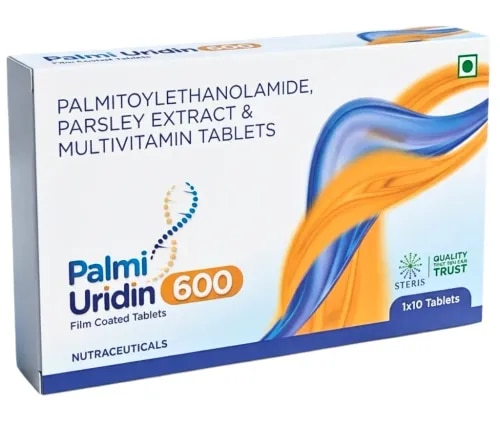
"name": "Palmitoylethanolamide,Parsley Extract & Multivitamin Tablets",
"description": "What Are Palmitoylethanolamide, Parsley Extract & Multivitamin Tablets?\n\nPalmitoylethanolamide, Parsley Extract & Multivitamin Tablets are a combination of nutritional supplements formulated with **palmitoylethanolamide (PEA), parsley extract, vitamins, and minerals**. The precise ingredients and quantities can differ between products, so the product label should always be checked for the exact composition and recommended serving.\n\nEach component has a different nutritional or biological role. **Palmitoylethanolamide (PEA)** is a naturally occurring fatty-acid amide that has been researched for its potential contribution to pain-related and inflammatory processes. Clinical research has shown particular interest in PEA for pain-management outcomes, especially when specific formulations such as micronized or ultramicronized PEA are used.\n\n**Parsley extract**, obtained from *Petroselinum crispum*, contains naturally occurring plant compounds, including flavonoids and phenolic constituents. Research has identified compounds such as apigenin and apiin in parsley and has demonstrated antioxidant activity in experimental settings. However, laboratory antioxidant activity should not be interpreted as proof that parsley extract prevents or treats a particular disease.\n\nThe multivitamin component supplies selected vitamins and minerals that contribute to normal nutritional requirements. Such supplements can be useful when dietary intake does not provide adequate amounts of particular nutrients, but they are intended to complement rather than replace a balanced diet.\n\nHow Do Palmitoylethanolamide, Parsley Extract & Multivitamin Tablets Work?\n\nThe combination works through the individual characteristics of its principal ingredients rather than through a single mechanism.\n\n1. Palmitoylethanolamide\n\nPalmitoylethanolamide (PEA) is an endogenous lipid compound found naturally in the body. It has been investigated for its potential analgesic, anti-inflammatory, and neuroprotective activities.\n\nClinical research has examined PEA in various pain-related and neurological settings. Evidence from randomized controlled trials has been particularly promising for pain-related outcomes. However, different PEA products can contain different formulations, and results from one preparation should not automatically be applied to every PEA supplement.\n\n 2. Parsley Extract\n\nParsley contains several naturally occurring phytochemicals, including flavonoids and phenolic compounds. These substances have demonstrated antioxidant properties in experimental research.\n\nThe presence of parsley extract therefore adds a plant-derived nutritional component to the formulation. However, human evidence remains more limited than laboratory research, so claims about disease prevention or treatment should be avoided unless supported by appropriate clinical evidence.\n\n3. Vitamins and Minerals\n\nThe multivitamin portion is designed to provide selected micronutrients that contribute to normal body functions. Vitamins and minerals participate in numerous physiological processes, including energy metabolism, immune function, nervous-system function, and maintenance of tissues.\n\nThe actual nutritional contribution depends on which vitamins and minerals are included and their quantities per tablet or serving.\n\nPotential Benefits of Palmitoylethanolamide, Parsley Extract & Multivitamin Tablets\n\nThe potential benefits of this combination depend on its exact formulation and the nutritional requirements of the individual.\n\nSupport for Pain-Management Strategies\n\nPEA is the component in this combination with the most relevant clinical research. Studies have evaluated PEA as a complementary nutritional approach in different pain conditions, with evidence showing particular interest in pain-related outcomes.\n\nHowever, the presence of PEA does not mean that every PEA-containing supplement is clinically proven to treat chronic pain, neuropathy, or other medical disorders.\n\nNutritional Support\n\nThe vitamin and mineral component can help increase nutrient intake when normal dietary consumption is inadequate.\n\nPeople with restricted diets, reduced food intake, or specific nutritional gaps may sometimes benefit from supplementation. However, supplements are not intended to replace a varied and nutritionally balanced diet.\n\nAntioxidant Nutritional Support\n\nParsley provides naturally occurring flavonoids and phenolic compounds that demonstrate antioxidant activity in experimental research.\n\nThese properties make parsley an interesting botanical ingredient in nutritional formulations, although laboratory findings do not necessarily establish a specific clinical benefit in humans.\n\nConvenient Combination Formula\n\nA combination tablet can offer convenience by bringing PEA, parsley extract, vitamins, and minerals together in one formulation.\n\nConsumers should focus on the actual quantities provided per tablet rather than simply the number of ingredients listed on the packaging.\n\nPalmitoylethanolamide, Parsley Extract & Multivitamin Tablets: Uses\n\nDepending on the specific product formulation and labeling, these tablets may be used as a nutritional supplement to\n\n* Support daily nutritional intake\n* Provide selected vitamins and minerals\n* Supply palmitoylethanolamide as part of a complementary wellness or pain-management approach\n* Provide naturally occurring compounds from parsley extract\n* Complement overall nutritional and antioxidant intake\n\nThese supplements should not be promoted as guaranteed treatments or cures for neuropathy, arthritis, inflammation, nerve injury, or other medical diseases.\n\n How to Select the Right Product\n\n 1. Check the PEA Quantity\n\nReview the label to determine the actual amount of **palmitoylethanolamide per tablet or daily serving**.\n\n 2. Consider the PEA Formulation\n\nDifferent clinical studies have evaluated different PEA preparations. Micronized, ultramicronized, and water-dispersible forms have received particular attention in clinical research.\n\n3. Review the Vitamin and Mineral Profile\n\nExamine the complete nutritional panel rather than assuming all multivitamin formulations contain the same nutrients and quantities.\n\n4. Avoid Nutrient Duplication\n\nIf you already use a multivitamin or individual supplements containing nutrients such as vitamin A, iron, zinc, or other minerals, compare the total daily intake to avoid unnecessary excess.\n\n 5. Check Product Information\n\nLook for transparent labeling, manufacturer details, batch information, expiry information, and appropriate quality-control details.\n\n 6. Choose According to Individual Requirements\n\nA product containing more ingredients or higher quantities is not necessarily more beneficial. Selection should be based on individual nutritional requirements and professional guidance when necessary.\n\nPossible Side Effects and Safety\n\nDietary supplements are generally well tolerated when appropriately formulated and used according to directions, but adverse effects and interactions can occur.\n\nPossible problems may include:\n\n* Nausea\n* Stomach discomfort\n* Changes in bowel habits\n* Headache\n* Sensitivity or allergic reactions to individual ingredients\n* Excessive intake of particular vitamins or minerals\n\nThe exact safety profile depends on the complete ingredient list and quantities in the individual product.\n\nPeople who take prescription medicines, have significant medical conditions, are pregnant or breastfeeding, or are preparing for surgery should discuss supplementation with a qualified healthcare professional.\n\nWho Should Use Extra Caution?\n\nAdditional care may be appropriate for individuals who:\n\n* Take several nutritional supplements\n* Regularly use prescription medicines\n* Have an existing medical condition\n* Are pregnant or breastfeeding\n* Have an allergy or sensitivity to an ingredient\n* Are preparing for surgery\n* Are considering supplementation for persistent or unexplained pain\n\nMultivitamins should also not be used as a substitute for a consistently varied diet.\n\nFrequently Asked Questions\n\n1. What are Palmitoylethanolamide, Parsley Extract & Multivitamin Tablets used for?\n\nThey are combination nutritional supplements containing PEA, parsley extract, vitamins, and minerals. Depending on the formulation, they may provide nutritional support and PEA as a complementary component of a wellness or pain-management approach.\n\n2. What are the main benefits of these tablets?\n\nPotential benefits depend on the formulation. PEA has been clinically studied mainly for pain-related outcomes; parsley provides naturally occurring plant compounds; and vitamins and minerals help support nutritional intake when dietary consumption is insufficient.\n\n3. Can Palmitoylethanolamide help with nerve pain?\n\nPEA has been investigated in several pain-related and neurological conditions, with clinical research showing promising findings for some pain outcomes. However, it should not automatically be considered a proven treatment for every type of nerve pain or neuropathy.\n\n4. Are Palmitoylethanolamide, Parsley Extract & Multivitamin Tablets safe?\n\nSafety depends on the ingredients, quantities, individual health status, and medicines being used. Most appropriately used basic nutritional supplements are tolerated by many people, but excessive nutrient intake and interactions can occur.\n\n5. What side effects can these tablets cause?\n\nPotential effects can include stomach discomfort, nausea, bowel changes, headache, or sensitivity to an ingredient. The exact side effects depend on the complete formulation.\n\n6. Can these tablets be taken with another multivitamin?\n\nCombining multivitamins should be approached carefully because overlapping ingredients can result in excessive intake of certain vitamins or minerals. Compare both labels before combining supplements.\n\n7. How should I choose palmitoylethanolamide tablets?\n\nCheck the PEA quantity, formulation, parsley extract amount, complete vitamin and mineral profile, serving instructions, manufacturer information, and product quality details.\n\n8. Can these tablets replace prescribed pain medicines?\n\nNo. A nutritional supplement should not automatically replace prescribed medication or professional medical care. Persistent, severe, worsening, or unexplained pain should be evaluated appropriately.\n\n9. Do multivitamins provide long-term health benefits?\n\nMultivitamins can increase nutrient intake when dietary intake is inadequate, but this does not mean they universally prevent chronic diseases or extend lifespan in healthy individuals.\n\n10. Can I take these tablets every day?\n\nFollow the dosage or serving instructions provided for the specific product. Taking more than the recommended amount does not necessarily provide greater benefits and may increase the risk of excessive nutrient intake.\n\nConclusion\n\nPalmitoylethanolamide, Parsley Extract & Multivitamin Tablets** combine **PEA, parsley extract, vitamins, and minerals** into a single nutritional formulation. PEA is the component with the most relevant clinical research, particularly in relation to pain-related outcomes, while parsley contributes naturally occurring botanical compounds and the multivitamin component supports dietary micronutrient intake.\n\nThe benefits and appropriate use of the combination depend on the exact formulation, ingredient quantities, and individual nutritional requirements. Therefore, consumers should review the complete product label and use the supplement according to its recommended directions.",
"price": 579.0,
"discountamount": 170.0,
"currencycode": "INR",
"priority": 1000000,
"isfreeshipmentavailable": false,
"shipmentduration": 1,
"_keywords": null,
"isarchived": false,
"isavailable": true,
"applicationid": null,
"productindex": 2499,
"imageuri": "https://productimages.withfloats.com/actual/6a952f923833cb5247c5da2d.png",
"tileimageuri": "https://productimages.withfloats.com/tile/6a952f923833cb5247c5da2d.png",
"images": null,
"totalqueries": 0,
"gpid": null,
"groupproductid": null,
"createdon": "2026-08-31T07:38:55.369Z",
"updatedon": "2026-08-31T07:38:55.369Z",
"buyonlinelink": null,
"producturl": "http://WWW.STERISINDIA.COM/products/palmitoylethanolamide-parsley-extract-multivitamin-tablets/2499",
"availableunits": -1.0,
"iscodavailable": false,
"isprepaidonlineavailable": false,
"maxcodorders": 0,
"maxprepaidonlineorders": 0,
"uniquepaymenturl": null,
"brandname": "PALMI URIDIN 600",
"category": "NEUROLOGY RANGE",
"tags": [
"Palmitoylethanolamide,Parsley Extract & Multivitamin Tablets",
"palmitoylethanolamide",
"multivitamin tablets",
"best multivitamin tablets",
"multivitamin tablets uses"
],
"variants": false,
"keyspecification": null,
"otherspecifications": null,
"pickupaddressreferenceid": null,
"paymenttype": "UniquePaymentUrl",
"producttype": "products",
"hsncode": null,
"gstslab": 0.0,
"isnotforsale": false
},
{
"_id": "6a7086f82b0b79e070b58c02",
"fptag": "STERISHEALTHCARE",
"merchantname": null,
"customwidgets": null,
"externalsourceid": null,
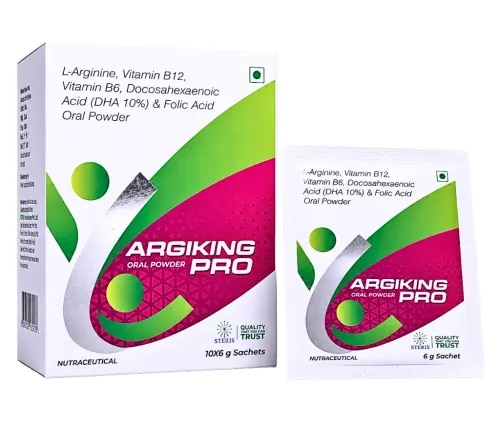
"name": "L-Arginine,Vitamin B12,Vitamin B6,Docosahexaenoic Acid (DHA 10%) & Folic Acid Oral Powder",
"description": "ARGIKING PRO is a thoughtfully developed oral nutrition powder that brings together five key nutrients — L-Arginine, Docosahexaenoic Acid (DHA 10%), Vitamin B6, Vitamin B12, and Folic Acid — in one convenient sachet. It's built for people who want a structured way to fill common nutritional gaps as part of a well-rounded diet.\n\nEvery nutrient in this formulation earns its place through a well-documented role in the body. Collectively, they support everyday energy production, healthy nerve function, and general nutritional balance — always best used alongside guidance from a healthcare professional.\n\nWhether it's suggested by a doctor or added as part of a personal wellness routine, ARGIKING PRO gives users a practical, single-sachet approach to covering several nutritional bases at once.\n\nThe Core Ingredients Behind ARGIKING PRO\n1. L-Arginine\n\nL-Arginine is classified as a conditionally essential amino acid — meaning the body can usually produce enough on its own, except during periods of higher physical demand. It's best known as the raw material the body uses to generate nitric oxide, a compound tied to healthy blood vessel behavior.\n\nHow L-Arginine Contributes:\n\nAids the body's normal protein-building processes\nFeeds into nitric oxide generation\nPlays a part in everyday metabolic activity\nHelps round out general nutrient intake\n2. Docosahexaenoic Acid (DHA 10%)\n\nDHA belongs to the omega-3 family of fatty acids and makes up a significant structural share of both brain tissue and the retina. Because the body can only synthesize limited amounts on its own, getting DHA through diet or supplementation matters.\n\nHow DHA Contributes:\n\nSupports everyday cognitive and brain activity\nHelps maintain normal eyesight\nDelivers a meaningful source of omega-3 nutrition\nRounds out an individual's broader dietary intake\n3. Vitamin B6\n\nThis water-soluble vitamin is a working partner in more than a hundred different enzyme reactions across the body.\n\nHow Vitamin B6 Contributes:\n\nPlays into how the body generates usable energy from food\nBacks up healthy nervous system activity\nAssists in processing proteins and stored glycogen\nMay ease fatigue that stems from insufficient intake\n4. Vitamin B12\n\nVitamin B12 is a must-have nutrient tied to several critical processes that keep the body functioning smoothly.\n\nHow Vitamin B12 Contributes:\n\nBacks the normal production of red blood cells\nSupports everyday neurological performance\nFeeds into the body's energy-generating pathways\nHas a hand in DNA construction\n5. Folic Acid\n\nAs a B-vitamin, folic acid is central to how cells divide and how blood is formed.\n\nHow Folic Acid Contributes:\n\nHelps cells grow the way they should\nPlays into normal blood formation\nAssists with building amino acids\nTeams up with Vitamin B12 in shared metabolic tasks\nWhat Sets ARGIKING PRO Apart?\n\nARGIKING PRO brings amino acids, an omega-3 fatty acid, and a trio of essential vitamins together in one balanced formula built to help meet everyday nutritional targets.\n\nStandout Features:\n\nA well-thought-out nutritional blend\nBuilt around L-Arginine\nBoosted with DHA (10%)\nRounded out with Vitamin B6 and Vitamin B12\nStrengthened with Folic Acid\nComes in an easy-to-take powder form\nMade with quality-checked ingredients\nMeant to be used with healthcare professional guidance\nHow ARGIKING PRO Supports Everyday Wellness\n\nThe ingredient set inside ARGIKING PRO is designed to work toward these outcomes:\n\nHelping meet daily nutrient targets\nSupporting the body's regular energy-production cycle\nBacking nervous system wellness\nDelivering essential vitamins alongside an omega-3 source\nSupporting the body's normal metabolic activity\nContributing to overall nutritional upkeep\nFitting alongside a balanced diet and active lifestyle\nWho Might Consider ARGIKING PRO?\n\nA healthcare professional might point patients toward ARGIKING PRO if they fall into categories such as:\n\nAdults whose nutritional needs have increased\nThose looking to add amino acid support to their routine\nPeople whose diets run low on core vitamins\nIndividuals wanting an added omega-3 source\nAnyone seeking a broader, all-in-one nutritional supplement\n\nAlways use ARGIKING PRO on the recommendation of a qualified healthcare professional.\n\nWhy L-Arginine Deserves Attention\n\nL-Arginine holds a well-established place in protein metabolism and in the body's nitric oxide production pathway. Since it's only “conditionally” essential, it becomes more important precisely when the body's demands rise.\n\nGetting enough L-Arginine through diet or supplementation helps keep normal physiological function on track and supports a well-rounded nutritional profile.\n\nWhy DHA Can't Be Overlooked\n\nDHA stands out as one of the most important omega-3 fatty acids the body uses. Because natural production inside the body is limited, dietary sources carry real weight.\n\nWorking DHA into a balanced supplement routine is one way to support ongoing brain function and general health.\n\nHow the B-Vitamins Work Together\n\nVitamin B6, Vitamin B12, and Folic Acid don't work in isolation — they support a shared set of metabolic processes, including:\n\nEveryday energy generation\nA well-functioning nervous system\nRed blood cell development\nBalanced homocysteine metabolism\nDNA construction\nCell division\n\nTaken together, this trio plays a meaningful role in maintaining overall nutritional health.\n\nDesigned for Everyday Convenience\n\nARGIKING PRO comes as an oral powder that's simple to prepare and take exactly as a healthcare professional recommends — making it a practical option for anyone looking for straightforward supplementation.\n\nBuilt on Quality\n\nQuality sits at the center of how ARGIKING PRO is made. Steris Healthcare selects each ingredient with care to keep quality and nutritional value consistent from batch to batch. The product is meant to work alongside — never replace — a healthy, balanced lifestyle.\n\nHow to Store ARGIKING PRO\nKeep in a cool, dry location\nShield from direct sunlight\nStore well out of children's reach\nUse strictly as advised by a healthcare professional\nConclusion\n\nARGIKING PRO is a carefully built oral nutrition powder that unites L-Arginine, DHA (10%), Vitamin B6, Vitamin B12, and Folic Acid to help cover everyday nutritional needs. With ingredients chosen for their established roles in the body, it offers well-rounded nutritional backing for anyone aiming to support their overall wellness alongside a balanced diet and active lifestyle.\n\nFrequently Asked Questions\n\nWhat exactly is ARGIKING PRO? It's an oral nutrition powder built around L-Arginine, DHA (10%), Vitamin B6, Vitamin B12, and Folic Acid.\n\nWhat makes this formulation stand out? Bringing together an amino acid, an omega-3 fatty acid, and key B-vitamins in one sachet gives it a broader nutritional reach than single-ingredient supplements.\n\nIs ARGIKING PRO meant to substitute for regular meals? No — it's designed to work alongside a balanced diet and healthy routine, not replace either.\n\nWho is a good candidate for ARGIKING PRO? Anyone whose healthcare professional identifies a nutritional need it can help address, based on their individual health picture.\n\nWhat's the right way to take ARGIKING PRO? Follow the preparation and dosage instructions given by your healthcare professional, or those printed on the product label.",
"price": 790.0,
"discountamount": 237.0,
"currencycode": "INR",
"priority": 1000000,
"isfreeshipmentavailable": false,
"shipmentduration": 1,
"_keywords": null,
"isarchived": false,
"isavailable": true,
"applicationid": null,
"productindex": 2491,
"imageuri": "https://productimages.withfloats.com/actual/6a7086fab72239cbcf85b426.png",
"tileimageuri": "https://productimages.withfloats.com/tile/6a7086fab72239cbcf85b426.png",
"images": null,
"totalqueries": 0,
"gpid": null,
"groupproductid": null,
"createdon": "2026-08-03T12:18:00.955Z",
"updatedon": "2026-08-03T12:18:00.955Z",
"buyonlinelink": null,
"producturl": "http://WWW.STERISINDIA.COM//l-arginine-vitamin-b12-vitamin-b6-docosahexaenoic-acid-dha-10-folic-acid-oral-powder/2491",
"availableunits": -1.0,
"iscodavailable": false,
"isprepaidonlineavailable": false,
"maxcodorders": 0,
"maxprepaidonlineorders": 0,
"uniquepaymenturl": null,
"brandname": "ARGIKING PRO",
"category": "GENERAL RANGE",
"tags": [],
"variants": false,
"keyspecification": null,
"otherspecifications": null,
"pickupaddressreferenceid": null,
"paymenttype": "UniquePaymentUrl",
"producttype": "products",
"hsncode": null,
"gstslab": 0.0,
"isnotforsale": false
},
{
"_id": "6a5df061d66a990c450a1aea",
"fptag": "STERISHEALTHCARE",
"merchantname": null,
"customwidgets": null,
"externalsourceid": null,
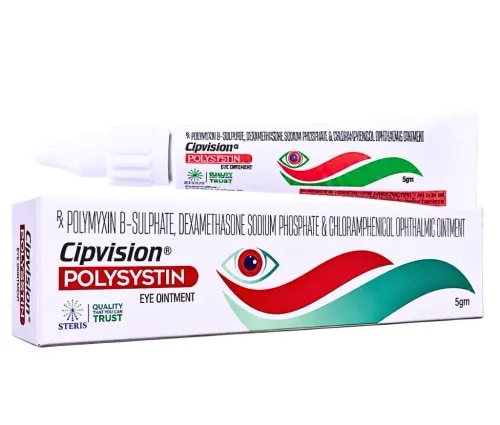
"name": "Polymyxin B Sulphate,Dexamethasone Sodium Phosphate & Chloramphenicol Ophthalmic Ointment",
"description": "CIPVISION POLYSYSTIN is a prescription-only ophthalmic ointment from Steris Healthcare Pvt. Ltd., formulated with a dual-antibiotic and corticosteroid combination — Polymyxin B Sulphate, Chloramphenicol, and Dexamethasone Sodium Phosphate. It is designed for bacterial eye infections that come with visible inflammation, pairing antibacterial action with relief from swelling and irritation, always under an ophthalmologist's care.\n\nBacterial eye infections often bring a cluster of uncomfortable symptoms: redness, puffiness, stinging, discharge, watering, and general soreness. When inflammation sets in alongside the infection, the eye can feel even more sensitive. CIPVISION POLYSYSTIN is built to tackle both fronts at once — clearing susceptible bacteria while calming the inflammatory response for a more comfortable recovery.\n\nThis ointment is meant strictly for bacterial eye conditions confirmed by a qualified doctor. It should not be used for viral, fungal, or unresolved parasitic infections, since the steroid component can make these conditions worse.\n\nComposition\n\nEach application of the ophthalmic ointment delivers:\n\nPolymyxin B Sulphate\nDexamethasone Sodium Phosphate\nChloramphenicol\nWhat Is CIPVISION POLYSYSTIN Used For?\n\nDoctors may prescribe this ointment for:\n\nBacterial conjunctivitis (commonly called pink eye)\nBlepharitis, or bacterial infection of the eyelids\nBlepharoconjunctivitis\nBacterial infections accompanied by noticeable inflammation\nInflammation risk following certain eye procedures, where a bacterial infection is a concern (as directed by the treating doctor)\nOther bacterial eye infections identified by an ophthalmologist as responsive to this combination\n\nA proper eye exam and clear diagnosis should always come before starting this medicine.\n\nHow Does CIPVISION POLYSYSTIN Work?\n\nThe formulation brings together two antibiotics and one corticosteroid, each playing a distinct role in resolving bacterial eye infections with inflammation.\n\nPolymyxin B Sulphate breaks down the outer protective membrane of susceptible bacteria, causing the bacterial cells to die off. It's especially effective against a range of Gram-negative organisms.\n\nChloramphenicol works differently — it blocks bacterial protein synthesis, stopping bacteria from multiplying further. This broad-spectrum antibiotic covers many of the Gram-positive and Gram-negative bacteria typically responsible for eye infections.\n\nDexamethasone Sodium Phosphate is the corticosteroid in the mix. It dials down the body's inflammatory response, easing redness, swelling, irritation, and general discomfort wherever bacterial infection has triggered inflammation.\n\nCombined, these three ingredients fight the underlying bacterial cause while simultaneously easing the inflammation it produces — supporting a smoother, more comfortable recovery.\n\nBenefits of CIPVISION POLYSYSTIN Eye Ointment\n\nUsed correctly and under medical supervision, this ointment may help to:\n\nClear susceptible bacterial eye infections\nBring down redness and swelling\nEase irritation and general discomfort\nKeep bacterial growth in check\nSpeed healing of inflamed eye tissue\nAid recovery after certain ophthalmic procedures, when prescribed\nDeliver medication directly to the affected eye for targeted, localized relief\nHow to Apply CIPVISION POLYSYSTIN Eye Ointment\n\nFollow these steps for correct application:\n\nWash your hands thoroughly before starting.\nTilt your head slightly backward.\nGently pull the lower eyelid down to form a small pocket.\nSqueeze a thin line of ointment into that pocket.\nKeep the tube tip away from your eye, eyelid, or any other surface.\nClose your eyes softly and keep them shut for one to two minutes.\nWash your hands again once done.\n\nAlways use the ointment exactly as your doctor prescribes, and finish the entire course even if symptoms improve early.\n\nDosage\n\nUse CIPVISION POLYSYSTIN Eye Ointment strictly according to your ophthalmologist's instructions. Because it contains a corticosteroid, do not extend use beyond the prescribed period or discontinue it early without medical advice.\n\nPossible Side Effects\n\nAs with any medicine, some people may notice side effects while using CIPVISION POLYSYSTIN, though not everyone will.\n\nCommonly reported effects:\n\nBrief blurring of vision\nMild stinging or burning sensation\nEye irritation\nWatery eyes\nSlight itching\nShort-lived discomfort\n\nSeek medical help right away if you notice:\n\nIntense eye pain\nSudden or significant vision changes\nSwelling around the face or eyelids\nTrouble breathing\nSigns of a severe allergic reaction\nRedness that persists or worsens over time\nPrecautions and Warnings\n\nBefore starting this ointment, let your doctor know if you:\n\nHave a known allergy to Polymyxin B, Chloramphenicol, Dexamethasone, or any related ingredient\nHave glaucoma or elevated eye pressure\nHave a viral eye condition such as herpes simplex keratitis\nHave a fungal or tubercular eye infection\nWear contact lenses\nAre pregnant or nursing\nAre currently using any other eye medications\n\nExtended or improper use of corticosteroid-based eye treatments can raise the risk of higher eye pressure, slower wound healing, cataract formation, or new infections taking hold. Stick to the exact duration your ophthalmologist prescribes.\n\nStorage Instructions\nStore at temperatures below 25°C.\nKeep away from heat, direct light, and moisture.\nClose the tube tightly after each use.\nStore out of children's reach.\nDiscard after the expiry date printed on the pack.\nWhy Choose CIPVISION POLYSYSTIN from Steris Healthcare Pvt. Ltd.?\n\nManufactured under strict quality control by Steris Healthcare Pvt. Ltd., CIPVISION POLYSYSTIN Eye Ointment brings together Polymyxin B Sulphate, Chloramphenicol, and Dexamethasone Sodium Phosphate to offer focused antibacterial action alongside anti-inflammatory support for appropriately diagnosed bacterial eye infections.\n\nUnder an ophthalmologist's guidance, this ointment helps ease infection-related symptoms, reduce inflammation, and support a smoother recovery — all backed by consistent, high-quality pharmaceutical manufacturing.\n\nDisclaimer: CIPVISION POLYSYSTIN Eye Ointment is a prescription medicine intended for use only under the supervision of a qualified healthcare professional. It is meant for susceptible bacterial eye infections with associated inflammation and should not be used for viral, fungal, or other non-bacterial eye conditions unless an ophthalmologist specifically advises otherwise.\n\nFrequently Asked Questions (FAQs)\n\nWhat is CIPVISION POLYSYSTIN Eye Ointment used for? It treats susceptible bacterial eye infections that come with inflammation, under an ophthalmologist's supervision.\n\nHow does CIPVISION POLYSYSTIN work? It pairs two antibiotics to eliminate susceptible bacteria with a corticosteroid that calms inflammation, redness, and swelling.\n\nCan CIPVISION POLYSYSTIN treat viral eye infections? No — it has no effect against viral, fungal, or parasitic eye infections and is meant strictly for bacterial infections, as prescribed.\n\nCan I stop applying it once my eyes feel better? No. Finish the full course your doctor prescribes to lower the chances of the infection returning or bacteria becoming resistant.\n\nIs it safe to wear contact lenses during treatment? It's generally best to avoid lenses while an active eye infection is present. Check with your ophthalmologist about when it's safe to resume wearing them.\n\nIs brief blurry vision after application something to worry about? Not usually. A short spell of blurred vision right after applying the ointment is common and typically clears up within a few minutes.\n",
"price": 135.0,
"discountamount": 40.0,
"currencycode": "INR",
"priority": 1000000,
"isfreeshipmentavailable": false,
"shipmentduration": 1,
"_keywords": null,
"isarchived": false,
"isavailable": true,
"applicationid": null,
"productindex": 2476,
"imageuri": "https://productimages.withfloats.com/actual/6a5df064ce4f2e40a81a29a3.png",
"tileimageuri": "https://productimages.withfloats.com/tile/6a5df064ce4f2e40a81a29a3.png",
"images": null,
"totalqueries": 0,
"gpid": null,
"groupproductid": null,
"createdon": "2026-07-20T09:54:41.109Z",
"updatedon": "2026-07-20T09:54:41.109Z",
"buyonlinelink": null,
"producturl": "http://WWW.STERISINDIA.COM//polymyxin-b-sulphate-dexamethasone-sodium-phosphate-chloramphenicol-ophthalmic-ointment/2476",
"availableunits": -1.0,
"iscodavailable": false,
"isprepaidonlineavailable": false,
"maxcodorders": 0,
"maxprepaidonlineorders": 0,
"uniquepaymenturl": null,
"brandname": "CIPVISION POLYSYSTIN",
"category": "Opthalmology Range",
"tags": [],
"variants": false,
"keyspecification": null,
"otherspecifications": null,
"pickupaddressreferenceid": null,
"paymenttype": "UniquePaymentUrl",
"producttype": "products",
"hsncode": null,
"gstslab": 0.0,
"isnotforsale": false
},
{
"_id": "6a50a30c9e1ef0fb4df551b0",
"fptag": "STERISHEALTHCARE",
"merchantname": null,
"customwidgets": null,
"externalsourceid": null,
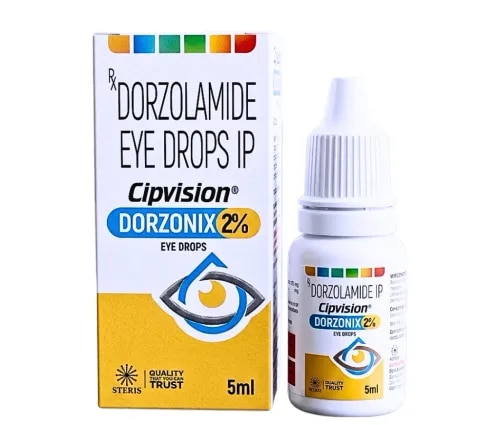
"name": "dorzolamide eye drops ip",
"description": "Dorzolamide eye drops IP are a prescription ophthalmic solution used to lower elevated intraocular pressure (IOP) in patients with open-angle glaucoma or ocular hypertension. Dorzolamide belongs to a class of drugs called carbonic anhydrase inhibitors, which work by reducing the production of aqueous humor (the fluid inside the eye), thereby lowering pressure within the eye. It is typically used two to three times daily and begins measurably lowering eye pressure within about 2 hours, though consistent long-term use is essential for sustained control. Common side effects include a temporary bitter or unusual taste in the mouth, burning or stinging on instillation, and blurred vision. Because dorzolamide is chemically a sulfonamide derivative, it should be used cautiously in patients with known sulfa allergies or significant kidney impairment, and only under an ophthalmologist's supervision. It is a Schedule H prescription-only medicine in India.\n\nWhat Is Dorzolamide Eye Drops IP?\nDorzolamide Eye Drops IP is a topical prescription medication used primarily to manage glaucoma and ocular hypertension — conditions characterized by abnormally elevated pressure inside the eye that, if left uncontrolled, can damage the optic nerve and lead to progressive, irreversible vision loss.\nThe “IP” designation indicates the formulation conforms to standards set out in the Indian Pharmacopoeia, ensuring consistent quality, purity, and potency.\nDorzolamide belongs to the carbonic anhydrase inhibitor (CAI) class of anti-glaucoma medications. Unlike oral carbonic anhydrase inhibitors (such as acetazolamide), which act systemically and often cause more pronounced side effects, topical dorzolamide is designed to act locally within the eye, offering effective IOP reduction with comparatively lower systemic exposure — though some systemic absorption can still occur.\nIt is frequently prescribed either as a standalone treatment or in combination with other IOP-lowering agents, such as beta-blockers (e.g., timolol) or prostaglandin analogues, when a single agent does not achieve adequate pressure control.\n\nHow Does Dorzolamide Work? (Mechanism of Action)\n\nAqueous humor production – The ciliary body inside the eye continuously produces aqueous humor, the clear fluid that maintains intraocular pressure and nourishes ocular tissues.\nCarbonic anhydrase enzyme – This enzyme, found in the ciliary body, plays a key role in the chemical reactions that generate bicarbonate ions, which drive fluid secretion into the eye.\nEnzyme inhibition – Dorzolamide inhibits carbonic anhydrase (specifically the II isoenzyme) within the ciliary processes.\nReduced fluid production – With the enzyme inhibited, bicarbonate-dependent fluid transport slows down, resulting in decreased aqueous humor formation.\nLowered intraocular pressure – Less fluid production means less pressure buildup inside the eye, helping protect the optic nerve from pressure-related damage over time.\n\n\nClinical Indications\nIndicationDetailsOpen-angle glaucomaPrimary indication; helps control chronic elevated IOPOcular hypertensionUsed to reduce elevated eye pressure even before glaucoma-related damage occursAdjunct therapyCombined with beta-blockers or prostaglandin analogues when monotherapy is insufficientPost-laser or post-surgical IOP spikesSometimes used short-term under specialist guidance\n\nDosage & Administration\nParameterRecommendationStandard dose (monotherapy)One drop in the affected eye(s), three times dailyStandard dose (with other IOP-lowering drops)Often reduced to twice daily when combined, per doctor's instructionsOnset of actionMeasurable IOP reduction typically begins within about 2 hoursPeak effectGenerally within a few hours of instillationIf using multiple eye dropsSpace different eye medications at least 10 minutes apartMissed doseApply as soon as remembered; skip if near the next scheduled dose — do not double upDuration of useLong-term, ongoing therapy as glaucoma is a chronic condition requiring continuous management\nNote: Consistency is critical — missed doses can allow intraocular pressure to rise, increasing the risk of progressive optic nerve damage.\n\nKey Benefits\n\nEffectively lowers intraocular pressure in both glaucoma and ocular hypertension\nActs locally in the eye, generally producing lower systemic side effects compared to oral carbonic anhydrase inhibitors\nCan be used as monotherapy or in combination with other classes of glaucoma medication for enhanced pressure control\nHelps protect the optic nerve from pressure-related damage with consistent long-term use\nAvailable in a well-established, pharmacopoeia-standardized formulation (IP grade)\nSuitable for long-term, chronic disease management in glaucoma patients\n\n\nPrecautions\n\nUse strictly as prescribed and do not adjust dosing without consulting your ophthalmologist\nInform your doctor if you have a known sulfonamide (sulfa) allergy, since dorzolamide is chemically related to sulfa drugs\nUse with caution in patients with significant kidney (renal) impairment, due to potential for systemic absorption\nNot typically recommended in patients with severe corneal disease without specialist evaluation\nIf using contact lenses, remove before instillation and reinsert only after the interval advised by your doctor\nRegular eye pressure monitoring and follow-up visits are essential during treatment\nInform your doctor of all other eye medications and systemic drugs you are using\nAvoid touching the dropper tip to the eye or any surface to prevent contamination\n\n\nSide Effects\nCommon (Usually Mild and Temporary)\n\nTemporary bitter or unusual taste in the mouth after application\nBurning or stinging sensation on instillation\nBlurred vision immediately after use\nEye redness or itching\nMild eye discomfort\n\nLess Common / Serious (Consult Your Doctor Promptly)\n\nSigns of an allergic reaction (rash, swelling, severe itching)\nPersistent eye pain or significant vision changes\nSigns of corneal problems (persistent redness, discharge, sensitivity to light)\nSystemic effects related to sulfonamide sensitivity, in rare cases\n\nIf any serious or persistent symptom occurs, discontinue use and contact your ophthalmologist immediately.\n\nComparison: Dorzolamide vs. Other Anti-Glaucoma Therapies\nTreatmentClassMechanismKey ConsiderationDorzolamide eye dropsCarbonic anhydrase inhibitorReduces aqueous humor productionSulfa-related caution; often used as adjunct therapyTimolol eye dropsBeta-blockerReduces aqueous humor production via a different pathwayCaution in asthma, heart conditionsLatanoprost / prostaglandin analoguesProstaglandin analogueIncreases aqueous humor outflowOnce-daily dosing; may darken iris/eyelash growthBrimonidineAlpha-2 agonistReduces production and increases outflowCan cause drowsiness, dry mouthOral acetazolamideSystemic carbonic anhydrase inhibitorReduces aqueous humor production systemicallyMore pronounced systemic side effects than topical dorzolamide\n\nKey Statistics (Placeholder — Pending Clinical Reviewer Verification)\nMetricValueAverage IOP reduction achieved with dorzolamide monotherapy[Placeholder – insert verified clinical trial statistic]Prevalence of open-angle glaucoma in adults over 40[Placeholder – insert epidemiological reference]Proportion of patients requiring combination glaucoma therapy[Placeholder – insert verified reference]\nAll statistics above are placeholders and must be verified and populated by a qualified clinical reviewer prior to publication.\n\nExpert Insight\n\n[Placeholder — Expert quote pending. To be added only after review and approval by a licensed ophthalmologist/medical reviewer associated with Steris Healthcare. Do not fabricate or publish without sign-off.]\n\n\nPrice of Dorzolamide Eye Drops IP\nThe price of dorzolamide eye drops IP varies depending on pack size, brand, and region. For current pricing, availability, and prescription verification, please consult your ophthalmologist or an authorized pharmacy.\nPrescription only – consult your doctor.\n\nConclusion\nDorzolamide Eye Drops IP play a well-established role in the long-term management of glaucoma and ocular hypertension, offering targeted, localized reduction of intraocular pressure through carbonic anhydrase inhibition. Whether used alone or alongside other classes of IOP-lowering medication, consistent, correctly timed use is essential to protect the optic nerve from progressive, irreversible damage. Because dorzolamide is a sulfonamide derivative with potential for systemic absorption, patients with sulfa allergies or kidney impairment should discuss suitability carefully with their ophthalmologist. As with all glaucoma therapy, regular monitoring and adherence to the prescribed regimen — rather than occasional or as-needed use — are what ultimately safeguard long-term vision.\n\nFrequently Asked Questions\n\n1. What is dorzolamide eye drops used for?\nDorzolamide eye drops are used to lower elevated intraocular pressure in patients with open-angle glaucoma or ocular hypertension, helping protect the optic nerve from pressure-related damage.\n\n2. How long does it take dorzolamide to lower eye pressure?\nDorzolamide typically begins measurably lowering intraocular pressure within about 2 hours of application, though consistent, long-term use is needed to maintain stable pressure control over time.\n\n3. What are the side effects of dorzolamide?\nCommon side effects include a temporary bitter or unusual taste in the mouth, burning or stinging upon application, blurred vision, and mild eye redness or discomfort. Less commonly, allergic reactions or persistent eye irritation can occur and should be reported to a doctor.\n4. Does dorzolamide affect the kidneys?\nDorzolamide is a sulfonamide derivative, and although it is applied topically with generally low systemic absorption, caution is advised in patients with significant kidney impairment. Patients with known kidney disease or sulfa allergies should inform their doctor before starting treatment.\n\n5. How often should dorzolamide eye drops be used?\nDorzolamide is typically used three times daily as monotherapy, or twice daily when combined with other glaucoma medications, exactly as directed by your ophthalmologist.\n\n6. Can dorzolamide be used with other glaucoma eye drops?\nYes, dorzolamide is commonly combined with beta-blockers, prostaglandin analogues, or other IOP-lowering agents when a single medication does not achieve adequate pressure control. Different eye drops should be spaced at least 10 minutes apart.\n\n7. Is dorzolamide safe for long-term use?\nYes, dorzolamide is designed for long-term, ongoing use in chronic glaucoma management, provided it is used under regular ophthalmologist supervision with periodic eye pressure monitoring.\n\n8. Who should not use dorzolamide eye drops?\nPatients with known hypersensitivity to sulfonamides, significant kidney impairment, or specific contraindications identified by their doctor should use dorzolamide only under close medical supervision, if at all.\n\n9. Does dorzolamide cause blurred vision?\nTemporary blurred vision can occur immediately after applying dorzolamide. This is usually short-lived, but if it persists, you should consult your ophthalmologist.\n\n10. Can dorzolamide eye drops be used with contact lenses?\nIt's generally recommended to remove contact lenses before applying dorzolamide and reinsert them only after the interval advised by your doctor, as certain preservatives in eye drops can affect contact lens materials.\n\n11. What happens if I miss a dose of dorzolamide?\nApply the missed dose as soon as you remember, unless it is almost time for your next scheduled dose — in that case, skip the missed dose and continue your regular schedule. Do not double up doses.\n\n12. Why does dorzolamide cause a bitter taste?\nThe bitter taste occurs because a small amount of the eye drop drains through the tear duct into the nasal passage and throat, where it can be tasted. This is a recognized, generally harmless effect of topical carbonic anhydrase inhibitors.\n13. Is dorzolamide the same as timolol eye drops?\nNo. Dorzolamide is a carbonic anhydrase inhibitor, while timolol is a beta-blocker. Both lower eye pressure but through different mechanisms, and they are sometimes prescribed together for enhanced effect.\n\n14. Can dorzolamide be used during pregnancy?\nUse during pregnancy or breastfeeding should only occur under direct medical supervision. Inform your doctor if you are pregnant, planning pregnancy, or breastfeeding before starting dorzolamide.\n\n15. How is dorzolamide different from oral glaucoma medications?\nTopical dorzolamide acts locally in the eye and generally causes fewer systemic side effects than oral carbonic anhydrase inhibitors like acetazolamide, which act throughout the body and can cause more pronounced systemic effects.\n16. Can stopping dorzolamide suddenly cause problems?\nStopping dorzolamide abruptly can allow intraocular pressure to rise again, increasing the risk of progressive optic nerve damage. Always consult your ophthalmologist before discontinuing treatment.\n\n17. Does dorzolamide need to be refrigerated?\nStorage requirements can vary by brand and formulation; always follow the storage instructions printed on your specific product's packaging or as advised by your pharmacist.",
"price": 350.0,
"discountamount": 105.0,
"currencycode": "INR",
"priority": 1000000,
"isfreeshipmentavailable": false,
"shipmentduration": 1,
"_keywords": null,
"isarchived": false,
"isavailable": true,
"applicationid": null,
"productindex": 2470,
"imageuri": "https://productimages.withfloats.com/actual/6a50a30e9569e07de66607f4.png",
"tileimageuri": "https://productimages.withfloats.com/tile/6a50a30e9569e07de66607f4.png",
"images": null,
"totalqueries": 0,
"gpid": null,
"groupproductid": null,
"createdon": "2026-07-10T07:45:16.262Z",
"updatedon": "2026-07-10T07:45:16.262Z",
"buyonlinelink": null,
"producturl": "http://WWW.STERISINDIA.COM//dorzolamide-eye-drops-ip/2470",
"availableunits": -1.0,
"iscodavailable": false,
"isprepaidonlineavailable": false,
"maxcodorders": 0,
"maxprepaidonlineorders": 0,
"uniquepaymenturl": null,
"brandname": "CIPVISION DORZONIX 2%",
"category": "Opthalmology Range",
"tags": [
"dorzolamide eye drops ip",
"dorzolamide eye drops",
"dorzolamide eye drops uses",
"dorzolamide eye drops uses in hindi",
"dorzolamide eye drops price",
"dorzolamide eye drops ip",
"dorzolamide eye drops brand name",
"dorzolamide eye drops brands"
],
"variants": false,
"keyspecification": null,
"otherspecifications": null,
"pickupaddressreferenceid": null,
"paymenttype": "UniquePaymentUrl",
"producttype": "products",
"hsncode": null,
"gstslab": 0.0,
"isnotforsale": false
},
{
"_id": "6a509bf6f44be736283180cf",
"fptag": "STERISHEALTHCARE",
"merchantname": null,
"customwidgets": null,
"externalsourceid": null,
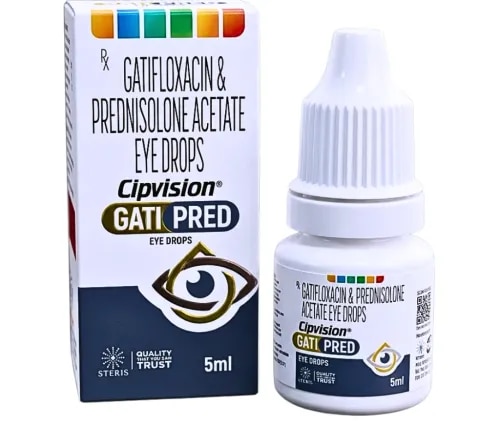
"name": "gatifloxacin & prednisolone acetate ophthalmic suspension",
"description": "Gatifloxacin and prednisolone acetate ophthalmic suspension is a prescription combination eye medicine that pairs a fourth-generation fluoroquinolone antibiotic (gatifloxacin) with a corticosteroid (prednisolone acetate) in a single formulation. It is used to treat steroid-responsive ocular inflammation where there is also a risk of, or existing, bacterial eye infection — most commonly after cataract or other ocular surgery, and in certain inflammatory eye conditions requiring both anti-infective and anti-inflammatory action together. Gatifloxacin fights the bacteria, while prednisolone acetate reduces inflammation, redness, and swelling. This combination is not the same as a plain antibiotic drop — because it contains a steroid, it requires closer monitoring, a defined tapering schedule, and should never be self-prescribed or used beyond the duration your ophthalmologist recommends. It is a Schedule H prescription-only medicine in India, commonly marketed under brand names such as Gatiquin P.\n\nWhat Is Gatifloxacin and Prednisolone Acetate Ophthalmic Suspension?\nGatifloxacin and prednisolone acetate ophthalmic suspension is a fixed-dose combination eye drop that brings together two distinct classes of medication in one bottle:\n\nGatifloxacin — a fourth-generation fluoroquinolone antibiotic effective against a broad range of gram-positive and gram-negative bacteria commonly implicated in ocular infections.\nPrednisolone acetate — a corticosteroid that suppresses inflammation, swelling, and associated redness or discomfort in the eye.\n\nThis combination is typically prescribed when a clinician determines that an eye condition involves both active or potential bacterial infection and significant inflammation — a situation where using either drug alone would be insufficient. The most frequent use case is post-operative care following ocular surgery, such as cataract extraction, where inflammation control speeds recovery while the antibiotic component guards against surgical-site infection.\nA commonly recognized branded version of this combination in the Indian market is Gatiquin P, and patients often search specifically for this brand name alongside the generic combination name.\n\nHow Does This Combination Work? (Mechanism of Action)\n\nAntibacterial action (Gatifloxacin) – Gatifloxacin inhibits bacterial DNA gyrase and topoisomerase IV, enzymes bacteria need to replicate their DNA, resulting in bactericidal activity against susceptible organisms.\nAnti-inflammatory action (Prednisolone acetate) – Prednisolone acetate suppresses the inflammatory cascade by inhibiting phospholipase A2 and reducing the release of inflammatory mediators, which decreases swelling, redness, and discomfort.\nCombined surgical/inflammatory coverage – Together, the two components address both the infective and inflammatory components of a single ocular condition, which is particularly useful in the immediate post-surgical period when both risks are elevated simultaneously.\nLocalized ocular delivery – As a topical suspension, the combination acts directly at the site of application, minimizing systemic absorption compared to oral antibiotics or steroids.\n\n\nClinical Indications\nIndicationDetailsPost-operative inflammation with infection riskMost common use — following cataract surgery or other intraocular proceduresSteroid-responsive inflammatory ocular conditionsWhere a bacterial infection is present or risk is significantChronic anterior uveitis with secondary infection riskUsed under specialist supervisionBlepharoconjunctivitis with inflammatory componentWhen combined anti-infective and anti-inflammatory action is clinically indicated\nNot indicated for: viral eye infections (e.g., herpes simplex keratitis), fungal eye infections, mycobacterial infections, or uncomplicated bacterial conjunctivitis without an inflammatory component — a steroid is not appropriate in these settings.\n\nDosage & Administration\nParameterRecommendationStandard dose1–2 drops in the affected eye, typically 4 times daily, or as directedPost-surgical regimenOften started with a higher frequency and gradually tapered per surgeon's protocolShake before useYes — this is a suspension; shake well before each applicationDurationDetermined by your ophthalmologist; steroid-containing drops are not for indefinite useTaperingMust be tapered gradually rather than stopped abruptly, especially after prolonged useContact lensesAvoid wearing contact lenses during treatment unless your doctor advises otherwiseMissed doseApply as soon as remembered; do not double the next dose\nImportant: Never extend use beyond the prescribed duration or restart the medication without consulting your ophthalmologist, as prolonged steroid exposure carries specific ocular risks (see Precautions below).\n\nKey Benefits\n\nProvides dual-action therapy — infection control and inflammation control — in a single formulation\nReduces the need for two separate eye drop regimens after surgery, simplifying the treatment schedule\nSpeeds resolution of post-surgical redness, swelling, and discomfort while covering infection risk\nBroad-spectrum antibacterial coverage from a fourth-generation fluoroquinolone\nCommonly trusted and prescribed by ophthalmic surgeons as part of standard post-operative protocols\nAvailable in a suspension formulation designed for effective ocular surface contact time\n\n\nPrecautions\n\nUse strictly under ophthalmologist supervision — this is not an over-the-counter product\nNot suitable for viral, fungal, or mycobacterial eye infections\nLong-term or unsupervised steroid use can raise intraocular pressure (IOP) and increase glaucoma risk\nProlonged use may increase the risk of posterior subcapsular cataract formation\nSteroid component may mask signs of a worsening infection or delay wound healing if misused\nRegular monitoring of intraocular pressure is recommended with extended use\nInform your doctor of any history of glaucoma, herpes eye infection, or corneal thinning before starting\nShake the suspension well before each use for accurate dosing\nAvoid touching the dropper tip to the eye or any surface\n\n\nSide Effects\nCommon (Usually Mild and Temporary)\n\nTransient burning or stinging on instillation\nBlurred vision immediately after application\nEye discomfort or foreign-body sensation\nMild eye redness\n\nLess Common / Serious (Consult Your Doctor Promptly)\n\nIncreased intraocular pressure / glaucoma symptoms (eye pain, halos around lights)\nDelayed wound healing at a surgical site\nSecondary or masked ocular infection\nSigns of cataract progression with prolonged use\nCorneal or scleral thinning (rare, with extended steroid exposure)\nAllergic reaction (eyelid swelling, itching, rash)\n\nDiscontinue and consult your ophthalmologist immediately if any serious symptom develops.\n\nComparison: Combination vs. Standalone Therapies\nTreatmentCompositionBest Suited ForKey ConsiderationGatifloxacin + Prednisolone acetate suspensionAntibiotic + steroidPost-surgical care; infection + inflammation togetherRequires tapering; steroid monitoring neededGatifloxacin eye drops (alone)Antibiotic onlyUncomplicated bacterial conjunctivitis/keratitisNo steroid-related risk, but no anti-inflammatory actionPrednisolone acetate eye drops (alone)Steroid onlyNon-infectious inflammatory conditions (e.g., uveitis)Not appropriate if active infection is presentPlain lubricant/antibiotic-only regimensVariesMild post-op cases without significant inflammationMay be insufficient for higher-risk surgical cases\n\nKey Statistics (Placeholder — Pending Clinical Reviewer Verification)\nMetricValueReported post-operative infection rate reduction with prophylactic use[Placeholder – insert verified clinical trial statistic]Typical duration of post-cataract-surgery combination therapy[Placeholder – insert verified reference range]Incidence of steroid-induced IOP elevation with short-course use[Placeholder – insert epidemiological reference]\nAll statistics above are placeholders and must be verified and populated by a qualified clinical reviewer prior to publication.\n\nExpert Insight\n\n[Placeholder — Expert quote pending. To be added only after review and approval by a licensed ophthalmologist/medical reviewer associated with Steris Healthcare. Do not fabricate or publish without sign-off.]\n\n\nPrice of Gatifloxacin and Prednisolone Acetate Ophthalmic Suspension\nThe price of this combination suspension varies depending on brand, pack size, and region. For current pricing, availability, and prescription verification, please consult your ophthalmologist or an authorized pharmacy.\nPrescription only – consult your doctor.\n\nConclusion\nGatifloxacin and prednisolone acetate ophthalmic suspension serves an important clinical role wherever bacterial infection risk and ocular inflammation occur together — most notably in the sensitive period following eye surgery. By combining a potent fourth-generation antibiotic with a well-established corticosteroid, this formulation streamlines post-operative and steroid-responsive inflammatory care into a single, clinician-directed regimen. Because the steroid component carries specific long-term risks — including elevated eye pressure, cataract progression, and delayed healing if misused — this medication should always be used exactly as prescribed, for the duration recommended, and with appropriate tapering and follow-up. Patients should never self-adjust dosing or extend use without their ophthalmologist's explicit guidance.\n\nFrequently Asked Questions\n\n1. What is Gatifloxacin and prednisolone acetate ophthalmic suspension used for?\nIt is used to treat eye conditions that involve both inflammation and a risk of bacterial infection — most commonly after eye surgery such as cataract surgery, where it reduces post-operative swelling and redness while protecting against infection.\n\n2. Is Gatifloxacin eye drops safe for children?\nGatifloxacin eye drops are generally considered usable in children for appropriate bacterial eye infections under a pediatric ophthalmologist's guidance. However, the gatifloxacin-prednisolone combination includes a steroid, which requires closer specialist supervision in children due to potential effects on eye pressure and healing, so it should only be used if specifically prescribed for a child.\n\n3. What is Gatifloxacin and prednisolone acetate ophthalmic suspension (Gatiquin P) used for?\nGatiquin P is a branded formulation of gatifloxacin and prednisolone acetate ophthalmic suspension. It is used for the same core purpose — managing post-surgical or steroid-responsive ocular inflammation where there is also a bacterial infection risk, most often following cataract or other intraocular surgery.\n\n4. Is prednisolone acetate safe for eyes?\nPrednisolone acetate is a corticosteroid that is generally safe for eyes when used exactly as prescribed and for the recommended duration under an ophthalmologist's supervision. However, unsupervised or prolonged use can raise intraocular pressure, increase glaucoma risk, contribute to cataract formation, and delay wound healing, so it should never be used without medical guidance or beyond the prescribed course.\n\n5. How is this eye drop different from regular antibiotic eye drops?\nRegular antibiotic eye drops only target bacteria, while this combination also contains a steroid to control inflammation. This dual action is useful specifically when both infection risk and significant inflammation are present, such as after eye surgery.\n\n6. How long should I use gatifloxacin and prednisolone acetate suspension?\nDuration is determined by your ophthalmologist based on your specific condition, often following a tapering schedule after surgery. It should not be used longer than prescribed, and stopping should be discussed with your doctor rather than done abruptly.\n\n7. Can this eye drop increase eye pressure?\nYes, because it contains a steroid, prolonged or unsupervised use can raise intraocular pressure. Regular monitoring is recommended, especially with extended use or in patients with a history of glaucoma.\n\n8. Can I use this suspension for a common bacterial eye infection without inflammation?\nThis combination is generally reserved for cases where both infection risk and notable inflammation are present, such as post-surgical care. For uncomplicated bacterial conjunctivitis without significant inflammation, your doctor may prescribe an antibiotic-only formulation instead.\n\n9. Do I need to shake the bottle before use?\nYes. This is a suspension, so the bottle should be shaken well before each use to ensure even distribution of both active ingredients.\n10. Can this eye drop be used for viral or fungal eye infections?\nNo. This combination is not appropriate for viral, fungal, or mycobacterial eye infections, since it contains a steroid that can worsen these conditions if used inappropriately.\n\n11. What are the signs I should stop using this eye drop and see my doctor?\nIncreasing eye pain, blurred vision that doesn't improve, halos around lights, worsening redness, or signs of an allergic reaction warrant immediate medical attention.\n\n12. Can this eye drop be used after cataract surgery?\nYes, this combination is commonly prescribed after cataract surgery to manage post-operative inflammation while covering the risk of surgical-site infection during the healing period.\n\n13. Does this medication require a prescription?\nYes, gatifloxacin and prednisolone acetate ophthalmic suspension is a prescription-only (Schedule H) medicine and should only be used under an ophthalmologist's direction.\n14. Can contact lenses be worn during treatment?\nIt is generally advised to avoid wearing contact lenses while using this medication unless your ophthalmologist specifically advises otherwise, particularly during the post-surgical period.\n\n15. What happens if I stop this eye drop too early?\nStopping too early, especially without proper tapering, may lead to a rebound of inflammation or leave a lingering infection insufficiently treated. Always follow your doctor's full course and tapering instructions.\n\n16. Is this eye drop safe for long-term daily use?\nNo — because it contains a steroid, it is intended for short-term, supervised use rather than long-term daily use. Extended use significantly raises the risk of elevated eye pressure and cataract.\n\n17. Can this suspension be used in both eyes at once?\nIt can be used in both eyes if both are affected and your doctor has prescribed it for bilateral use; otherwise, apply only to the eye(s) specifically directed by your ophthalmologist.\n",
"price": 155.0,
"discountamount": 47.0,
"currencycode": "INR",
"priority": 1000000,
"isfreeshipmentavailable": false,
"shipmentduration": 1,
"_keywords": null,
"isarchived": false,
"isavailable": true,
"applicationid": null,
"productindex": 2469,
"imageuri": "https://productimages.withfloats.com/actual/6a509bf79c2198e9ddf06962.png",
"tileimageuri": "https://productimages.withfloats.com/tile/6a509bf79c2198e9ddf06962.png",
"images": null,
"totalqueries": 0,
"gpid": null,
"groupproductid": null,
"createdon": "2026-07-10T07:15:02.084Z",
"updatedon": "2026-07-10T07:15:02.084Z",
"buyonlinelink": null,
"producturl": "http://WWW.STERISINDIA.COM//gatifloxacin-prednisolone-acetate-ophthalmic-suspension/2469",
"availableunits": -1.0,
"iscodavailable": false,
"isprepaidonlineavailable": false,
"maxcodorders": 0,
"maxprepaidonlineorders": 0,
"uniquepaymenturl": null,
"brandname": "CIPVISION GATIPRED",
"category": "Opthalmology Range",
"tags": [
"gatifloxacin & prednisolone acetate ophthalmic suspension",
"gatifloxacin & prednisolone ophthalmic suspension"
],
"variants": false,
"keyspecification": null,
"otherspecifications": null,
"pickupaddressreferenceid": null,
"paymenttype": "UniquePaymentUrl",
"producttype": "products",
"hsncode": null,
"gstslab": 0.0,
"isnotforsale": false
},
{
"_id": "6a460bf90c11f3c74a816c87",
"fptag": "STERISHEALTHCARE",
"merchantname": null,
"customwidgets": null,
"externalsourceid": null,
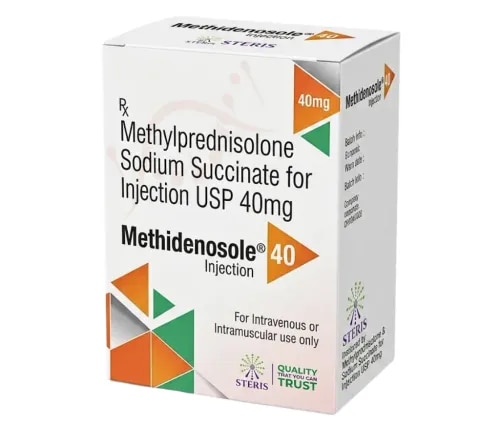
"name": "methylprednisolone sodium succinate for injection usp",
"description": "Methylprednisolone Sodium Succinate for Injection USP is a fast-acting corticosteroid administered intravenously or intramuscularly to control severe inflammation, allergic reactions, and autoimmune flare-ups. It works by rapidly suppressing the immune and inflammatory response and is used in hospital or clinical settings for acute conditions such as severe asthma attacks, anaphylaxis, autoimmune disease flares, and spinal cord injury protocols. It is a Schedule H prescription drug administered only under medical supervision.\n\nWhat Is Methylprednisolone Sodium Succinate for Injection USP?\n\nMethylprednisolone Sodium Succinate for Injection USP is a water-soluble, injectable corticosteroid used for rapid control of severe inflammatory, allergic, and autoimmune conditions. It is manufactured to United States Pharmacopeia (USP) standards and is typically administered by a healthcare professional via intravenous (IV) or intramuscular (IM) route when fast, high-potency anti-inflammatory or immunosuppressive action is required — situations where oral steroids act too slowly or oral intake isn't feasible.\n\nHow It Works\n\nMethylprednisolone sodium succinate is a synthetic glucocorticoid that acts rapidly once reconstituted and injected.\n\n\nBinds glucocorticoid receptors – enters cells and binds intracellular receptors that regulate inflammatory gene expression.\nSuppresses inflammatory mediators – reduces production of prostaglandins, leukotrienes, and cytokines responsible for swelling, redness, and pain.\nStabilizes cell membranes – reduces capillary permeability, limiting fluid leakage and tissue swelling at the site of inflammation.\nDampens immune overactivity – suppresses lymphocyte and macrophage activity, calming autoimmune or allergic overreactions.\nDelivers rapid systemic action – because it's water-soluble and given IV/IM, onset of anti-inflammatory effect is significantly faster than oral steroids.\n\n\nClinical Indications\n\nConditionWhy Methylprednisolone Injection Is UsedSevere Allergic Reactions / AnaphylaxisRapidly controls swelling, airway inflammation, and allergic cascadeAcute Asthma Exacerbation / COPD FlareReduces airway inflammation when inhalers alone are insufficientAutoimmune Disease Flares (Lupus, Rheumatoid Arthritis)High-dose pulse therapy to control acute flaresSpinal Cord Injury (acute, under specialist protocol)Used in specific clinical protocols to limit secondary inflammationSevere Dermatologic ReactionsControls widespread inflammatory skin reactionsPost-Transplant / Organ Rejection ManagementUsed as part of immunosuppressive regimens\n\nDosage & Administration\n\nParameterRecommendationTypical Adult Dose10–40 mg IV, may range up to 30 mg/kg in high-dose pulse therapy for specific conditionsRouteIntravenous (IV) injection/infusion or Intramuscular (IM) injectionFrequencyAs directed by the treating physician; often single dose or short tapering courseReconstitutionMust be reconstituted only with the accompanying diluent as per product insert, immediately before useAdministration SettingHospital, clinic, or under direct medical/nursing supervision onlyDurationShort-term acute use unless otherwise directed; long-term use requires specialist monitoring\n\nThis is a Schedule H prescription-only medicine. Dosage must be determined and administered by a qualified healthcare professional.\n\nPrecautions\n\n\nTo be administered only by or under the supervision of a healthcare professional.\nNot for self-administration or home use.\nInform the doctor of any active infections, as corticosteroids can mask symptoms and suppress immune response.\nUse with caution in patients with diabetes, hypertension, peptic ulcer disease, osteoporosis, or psychiatric history.\nAvoid live vaccines during treatment due to immunosuppressive effects.\nPregnant or breastfeeding patients should use only under strict medical guidance.\nAbrupt discontinuation after prolonged use should be avoided; tapering may be required as advised by the physician.\n\n\nPossible Side Effects\n\nMost side effects relate to the drug's systemic corticosteroid action and are monitored by the administering clinician:\n\n\nElevated blood sugar levels\nFluid retention, increased blood pressure\nMood changes, insomnia, or restlessness\nNausea or gastrointestinal discomfort\nIncreased susceptibility to infection\nInjection site reactions\n\n\nSerious side effects requiring immediate medical attention include severe allergic reaction, signs of infection (fever, chills), significant mood or behavioral changes, unusual swelling, or vision disturbances. Because this is administered in a clinical setting, the healthcare team monitors for these actively.\n\nComparison: Methylprednisolone vs. Other Injectable Corticosteroids\n\nDrugRelative PotencyCommon Use CaseRouteMethylprednisolone Sodium SuccinateHighAcute severe inflammation, autoimmune flaresIV/IMHydrocortisone Sodium SuccinateLowerAdrenal insufficiency, milder acute inflammationIV/IMDexamethasone Sodium PhosphateVery HighCerebral edema, severe allergic/inflammatory conditionsIV/IMBetamethasone Sodium PhosphateHighAllergic and inflammatory conditions, fetal lung maturityIV/IMTriamcinolone AcetonideModerate (depot)Localized/intra-articular inflammationIM/Intra-articular\n\nKey Statistics\n\nStatisticData PointSourceOnset of anti-inflammatory action after IV administrationWithin 1–2 hours for measurable effectClinical pharmacology references, USP monographUse in acute severe asthma protocolsRecommended as part of systemic corticosteroid therapy in emergency guidelinesGlobal Initiative for Asthma (GINA) guidelinesHospital use in anaphylaxis managementIncluded as an adjunct in anaphylaxis treatment protocols alongside epinephrineWorld Allergy Organization guidanceHigh-dose pulse therapy applicationUsed in select autoimmune flare protocols under specialist supervisionPublished rheumatology treatment guidelines\n\nExpert Insight\n\n[Insert verified physician or clinical pharmacologist commentary here — Claude has not fabricated a quote. Recommend sourcing a short, attributable statement from a Steris Healthcare medical advisor or a cited clinical guideline before publishing.]\n\nConclusion\n\nMethylprednisolone Sodium Succinate for Injection USP is a high-potency, fast-acting corticosteroid reserved for situations where rapid control of severe inflammation, allergic reaction, or autoimmune flare is essential. Administered only under clinical supervision, it plays a critical role in emergency and hospital-based treatment protocols — from anaphylaxis and acute asthma to autoimmune disease management. As a Schedule H medicine, it must never be self-administered; dosage, route, and duration should always be determined by a qualified physician based on the patient's condition. For pharmacopoeia-grade quality and reliable hospital supply, source this injection through a WHO-GMP certified manufacturer.\n\nPrescription only – consult your doctor.\n\n\nHigh-Ranking FAQs (Google Search & Voice Search Optimized)\n\n1. What is methylprednisolone sodium succinate injection used for?\nIt is used to rapidly control severe inflammation, allergic reactions, and autoimmune flare-ups, such as anaphylaxis, acute asthma attacks, and lupus or rheumatoid arthritis flares. It is administered under medical supervision in hospital or clinical settings.\n\n2. Is methylprednisolone injection a steroid?\nYes, it is a synthetic corticosteroid (glucocorticoid) that works by suppressing inflammatory and immune responses in the body, providing rapid relief in acute, severe conditions.\n\n3. How is methylprednisolone sodium succinate injection given?\nIt is given by a healthcare professional via intravenous (IV) or intramuscular (IM) injection, after being reconstituted with the correct diluent immediately before administration. It is not for self-injection or home use.\n\n4. How fast does methylprednisolone injection start working?\nBecause it is water-soluble and given directly into the bloodstream or muscle, measurable anti-inflammatory effects typically begin within one to two hours of administration.\n\n5. What are the side effects of methylprednisolone injection?\nCommon effects include elevated blood sugar, fluid retention, mood changes, and increased infection risk. These are monitored by the administering healthcare team, and serious reactions are managed promptly in a clinical setting.\n\n6. Is methylprednisolone sodium succinate injection available without a prescription?\nNo. It is a Schedule H prescription-only medicine that must be administered by or under the direct supervision of a qualified healthcare professional.\n\n7. What is the difference between methylprednisolone and dexamethasone injection?\nBoth are injectable corticosteroids, but dexamethasone has a longer duration of action and higher relative potency, while methylprednisolone is often preferred for acute pulse therapy and shorter-acting systemic control. The choice depends on the clinical scenario and physician judgment.\n\n8. Can methylprednisolone injection be used in pregnancy?\nIt may be used in pregnancy only when clearly necessary and under strict medical supervision, as the treating physician will weigh the benefits against potential risks for the specific condition being treated.",
"price": 47.0,
"discountamount": 19.0,
"currencycode": "INR",
"priority": 1000000,
"isfreeshipmentavailable": false,
"shipmentduration": 1,
"_keywords": null,
"isarchived": false,
"isavailable": true,
"applicationid": null,
"productindex": 2465,
"imageuri": "https://productimages.withfloats.com/actual/6a460bfb9f5529389b8b15b8.png",
"tileimageuri": "https://productimages.withfloats.com/tile/6a460bfb9f5529389b8b15b8.png",
"images": null,
"totalqueries": 0,
"gpid": null,
"groupproductid": null,
"createdon": "2026-07-02T06:58:01.631Z",
"updatedon": "2026-07-02T06:58:01.631Z",
"buyonlinelink": null,
"producturl": "http://WWW.STERISINDIA.COM//methylprednisolone-sodium-succinate-for-injection-usp/2465",
"availableunits": -1.0,
"iscodavailable": false,
"isprepaidonlineavailable": false,
"maxcodorders": 0,
"maxprepaidonlineorders": 0,
"uniquepaymenturl": null,
"brandname": "METHIDENOSOLE 40 INJ",
"category": "GENERAL RANGE",
"tags": [
"methylprednisolone sodium succinate injection uses",
"methylprednisolone sodium succinate injection uses in hindi",
"methylprednisolone sodium succinate",
"methylprednisolone sodium succinate injection",
"inj methylprednisolone sodium succinate",
"methylprednisolone sodium succinate uses in hindi",
"methylprednisolone sodium succinate for injection",
"methylprednisolone sodium succinate injection usp"
],
"variants": false,
"keyspecification": null,
"otherspecifications": null,
"pickupaddressreferenceid": null,
"paymenttype": "UniquePaymentUrl",
"producttype": "products",
"hsncode": null,
"gstslab": 0.0,
"isnotforsale": false
},
{
"_id": "6a3a2e167b4b828cf7870160",
"fptag": "STERISHEALTHCARE",
"merchantname": null,
"customwidgets": null,
"externalsourceid": null,
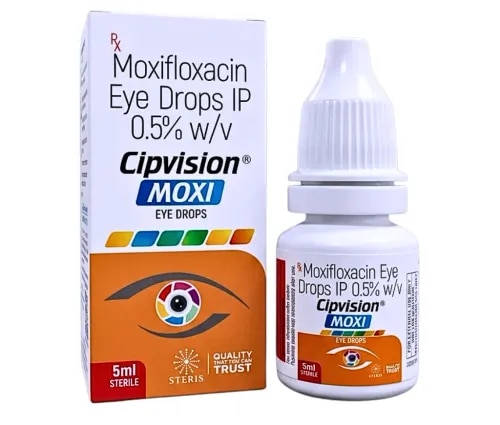
"name": "moxifloxacin eye drops ip 0.5 w/v",
"description": "Eye infections can develop suddenly and cause symptoms such as redness, itching, watering, irritation, swelling, and discharge. If left untreated, bacterial eye infections may affect vision and lead to serious ocular complications. Moxifloxacin Eye Drops IP 0.5% w/v is a trusted ophthalmic antibiotic formulation widely prescribed to treat bacterial eye infections effectively and support faster recovery.\n\nKnown for its broad-spectrum antibacterial activity, Moxifloxacin Eye Drops IP 0.5% w/v helps eliminate infection-causing bacteria directly at the site of infection. Whether you are looking for a reliable treatment for bacterial conjunctivitis or seeking information before purchasing a prescribed medication, this comprehensive guide covers everything you need to know about Moxifloxacin Eye Drops IP 0.5% w/v, including its uses, benefits, dosage, precautions, and frequently asked questions.\n\nWhat is Moxifloxacin Eye Drops IP 0.5% w/v?\n\nMoxifloxacin Eye Drops IP 0.5% w/v is a sterile ophthalmic solution containing Moxifloxacin Hydrochloride, a fourth-generation fluoroquinolone antibiotic. It is specifically formulated for eye use and is designed to treat bacterial infections affecting the external structures of the eye.\n\nThe medication works against a broad range of gram-positive and gram-negative bacteria, making it an effective choice for treating common bacterial eye infections. Due to its potent antibacterial action and excellent ocular penetration, ophthalmologists frequently recommend Moxifloxacin Eye Drops IP 0.5% w/v for patients experiencing bacterial conjunctivitis and related infections.\n\nHow Does Moxifloxacin Eye Drops IP 0.5% w/v Work?\n\nMoxifloxacin works by inhibiting bacterial enzymes known as DNA gyrase and topoisomerase IV. These enzymes are essential for bacterial DNA replication, repair, and cell division.\n\nBy blocking these critical enzymes, Moxifloxacin prevents bacteria from multiplying and surviving. As the bacterial population decreases, the infection gradually clears, and symptoms such as redness, discharge, irritation, and swelling begin to improve.\n\nIts advanced antibacterial mechanism helps provide rapid and effective treatment against susceptible bacterial pathogens.\n\nWhy is Moxifloxacin Eye Drops IP 0.5% w/v Important?\n\nPrompt treatment of bacterial eye infections is crucial for maintaining eye health and preventing complications. Moxifloxacin Eye Drops IP 0.5% w/v plays a significant role in ophthalmic care because it:\n\nTargets infection-causing bacteria directly\nHelps reduce redness and inflammation\nControls bacterial growth effectively\nSupports faster symptom relief\nHelps prevent infection-related complications\nPromotes healthy recovery of ocular tissues\n\nIts broad-spectrum antibacterial activity makes it one of the preferred antibiotic eye drops used in modern ophthalmology.\n\nCommon Uses of Moxifloxacin Eye Drops IP 0.5% w/v\n\nHealthcare professionals may prescribe Moxifloxacin Eye Drops IP 0.5% w/v for several bacterial eye conditions.\n\nBacterial Conjunctivitis\n\nOne of the most common uses is the treatment of bacterial conjunctivitis, often referred to as pink eye. Symptoms include redness, sticky discharge, irritation, and excessive tearing.\n\nPost-Operative Eye Care\n\nMoxifloxacin Eye Drops IP 0.5% w/v may be prescribed before or after eye surgeries to reduce the risk of bacterial infection.\n\nBacterial Keratitis\n\nCertain bacterial infections affecting the cornea may require treatment with broad-spectrum antibiotics like Moxifloxacin.\n\nExternal Ocular Infections\n\nThe medication may also be used to treat various bacterial infections affecting the outer structures of the eye when deemed appropriate by an ophthalmologist.\n\nKey Benefits of Moxifloxacin Eye Drops IP 0.5% w/v\nBroad-Spectrum Antibacterial Protection\n\nMoxifloxacin is effective against numerous bacterial strains commonly associated with ocular infections.\n\nFast-Acting Formula\n\nMany patients experience noticeable symptom improvement within a few days of starting treatment.\n\nExcellent Ocular Penetration\n\nThe formulation reaches infected eye tissues effectively, helping maximize treatment success.\n\nConvenient Eye Drop Administration\n\nThe easy-to-use eye drop format supports patient compliance and accurate dosing.\n\nReduced Risk of Infection Progression\n\nPrompt treatment helps minimize the risk of complications associated with untreated bacterial infections.\n\nTrusted by Eye Care Specialists\n\nMoxifloxacin remains one of the most frequently prescribed ophthalmic antibiotics worldwide.\n\nWho Can Benefit from Moxifloxacin Eye Drops IP 0.5% w/v?\n\nMoxifloxacin Eye Drops IP 0.5% w/v may be recommended for:\n\nAdults diagnosed with bacterial eye infections\nPatients experiencing bacterial conjunctivitis\nIndividuals recovering from ophthalmic surgery\nPatients requiring broad-spectrum ocular antibiotic therapy\nIndividuals with susceptible bacterial eye conditions\n\nOnly a qualified healthcare provider can determine whether this medication is suitable for a specific infection.\n\nHow to Use Moxifloxacin Eye Drops IP 0.5% w/v\n\nProper administration is important for achieving optimal treatment outcomes.\n\nGeneral instructions include:\n\nWash your hands thoroughly before application.\nShake the bottle if instructed.\nTilt your head slightly backward.\nPull down the lower eyelid gently.\nInstill the prescribed number of drops.\nClose your eyes for a few moments.\nAvoid touching the dropper tip to any surface.\n\nAlways follow the dosage instructions provided by your healthcare professional.\n\nRecommended Dosage\n\nThe dosage and treatment duration depend on:\n\nSeverity of infection\nType of bacterial infection\nAge of the patient\nClinical response to therapy\n\nMost bacterial conjunctivitis cases require regular administration over several days. Your ophthalmologist will determine the appropriate treatment plan based on your condition.\n\nNever alter the prescribed dosage without consulting your doctor.\n\nPrecautions Before Using Moxifloxacin Eye Drops IP 0.5% w/v\n\nBefore starting treatment, consider the following precautions:\n\nUse only for eye application.\nInform your doctor about any allergy to fluoroquinolone antibiotics.\nDo not share eye drops with others.\nAvoid touching the dropper tip.\nFollow the complete prescribed treatment course.\nInform your doctor about any other eye medications being used.\n\nThese precautions help ensure safe and effective treatment.\n\nPossible Side Effects\n\nLike all medications, Moxifloxacin Eye Drops IP 0.5% w/v may cause side effects in some patients.\n\nCommon side effects include:\n\nMild eye irritation\nTemporary burning sensation\nEye discomfort\nDry eyes\nItching\nRedness\nBlurred vision immediately after administration\n\nThese effects are usually mild and temporary. Persistent or severe symptoms should be reported to a healthcare provider promptly.\n\nStorage Instructions\n\nTo maintain product effectiveness:\n\nStore at room temperature.\nKeep away from direct sunlight.\nProtect from excessive moisture.\nKeep the bottle tightly closed.\nDo not freeze.\nKeep out of reach of children.\n\nProper storage helps preserve sterility and medication quality.\n\nWhy Doctors Prefer Moxifloxacin Eye Drops IP 0.5% w/v\n\nMoxifloxacin has become a preferred ophthalmic antibiotic because of its:\n\nBroad antibacterial spectrum\nRapid bacterial eradication\nExcellent tissue penetration\nStrong safety profile\nProven clinical effectiveness\n\nIts advanced fluoroquinolone formulation provides reliable treatment outcomes for a wide range of bacterial eye infections.\n\nBuying Guide for Moxifloxacin Eye Drops IP 0.5% w/v\n\nIf you are considering purchasing Moxifloxacin Eye Drops IP 0.5% w/v, ensure that:\n\nThe product is sourced from a reputable pharmaceutical manufacturer.\nPackaging is intact and properly sealed.\nThe medicine has not expired.\nYou possess a valid prescription if required by local regulations.\nThe product complies with IP quality standards.\n\nPurchasing genuine ophthalmic medications helps ensure treatment effectiveness and patient safety.\n\nConclusion\n\nMoxifloxacin Eye Drops IP 0.5% w/v is a highly effective broad-spectrum antibiotic eye drop used for treating bacterial eye infections such as bacterial conjunctivitis and other susceptible ocular infections. Its advanced antibacterial mechanism, excellent ocular penetration, and proven clinical performance make it a trusted choice among eye care professionals.\n\nBy helping eliminate harmful bacteria, reducing symptoms, and supporting faster healing, Moxifloxacin Eye Drops IP 0.5% w/v plays an important role in maintaining eye health and preventing infection-related complications. Always use this medication according to your ophthalmologist’s instructions and complete the full course of treatment for the best results.\n\nFrequently Asked Questions (FAQs)\nWhat is Moxifloxacin Eye Drops IP 0.5% w/v used for?\n\nMoxifloxacin Eye Drops IP 0.5% w/v is used to treat bacterial eye infections, including bacterial conjunctivitis and other susceptible ocular infections.\n\nHow does Moxifloxacin Eye Drops IP 0.5% w/v work?\n\nIt works by blocking bacterial DNA replication enzymes, preventing bacteria from growing and multiplying.\n\nIs Moxifloxacin Eye Drops IP 0.5% w/v an antibiotic?\n\nYes, it is a fourth-generation fluoroquinolone antibiotic specifically formulated for ophthalmic use.\n\nHow long does it take for Moxifloxacin Eye Drops IP 0.5% w/v to work?\n\nMany patients notice symptom improvement within a few days, although full recovery may take longer depending on the infection.\n\nCan Moxifloxacin Eye Drops IP 0.5% w/v treat viral eye infections?\n\nNo. It is effective only against bacterial infections and does not treat viral or fungal eye infections.\n\nCan I wear contact lenses while using Moxifloxacin Eye Drops IP 0.5% w/v?\n\nYour ophthalmologist may recommend avoiding contact lenses until the infection has completely resolved.\n\nAre Moxifloxacin Eye Drops IP 0.5% w/v safe for children?\n\nA healthcare professional can determine whether the medication is appropriate for pediatric patients.\n\nWhat should I do if I miss a dose?\n\nApply the missed dose as soon as possible unless it is almost time for your next scheduled dose.\n\nCan I stop treatment when my eyes feel better?\n\nNo. Complete the full prescribed course to ensure complete bacterial eradication and reduce the risk of recurrence.\n\nWhat are the common side effects of Moxifloxacin Eye Drops IP 0.5% w/v?\n\nCommon side effects include mild irritation, burning sensation, redness, itching, and temporary blurred vision.\n\nDo I need a prescription for Moxifloxacin Eye Drops IP 0.5% w/v?\n\nPrescription requirements may vary by region. Always follow local healthcare regulations and physician recommendations.\n\nHow should Moxifloxacin Eye Drops IP 0.5% w/v be stored?\n\nStore at room temperature away from sunlight, moisture, and excessive heat while keeping the bottle tightly closed.\n\nCan Moxifloxacin Eye Drops IP 0.5% w/v be used after eye surgery?\n\nYes. Eye specialists may prescribe it to help reduce the risk of bacterial infections before or after certain eye procedures.\n\nIs Moxifloxacin Eye Drops IP 0.5% w/v effective against resistant bacteria?\n\nMoxifloxacin offers broad-spectrum antibacterial activity and may be effective against many bacteria, depending on susceptibility patterns.\n\nWhen should I contact my doctor?\n\nSeek medical advice if symptoms worsen, severe irritation occurs, vision changes develop, or the infection does not improve after treatment.",
"price": 79.0,
"discountamount": 23.0,
"currencycode": "INR",
"priority": 1000000,
"isfreeshipmentavailable": false,
"shipmentduration": 1,
"_keywords": null,
"isarchived": false,
"isavailable": true,
"applicationid": null,
"productindex": 2460,
"imageuri": "https://productimages.withfloats.com/actual/6a3a2e195c4269cab6243f7b.png",
"tileimageuri": "https://productimages.withfloats.com/tile/6a3a2e195c4269cab6243f7b.png",
"images": null,
"totalqueries": 0,
"gpid": null,
"groupproductid": null,
"createdon": "2026-06-23T06:56:22.062Z",
"updatedon": "2026-06-23T06:56:22.062Z",
"buyonlinelink": null,
"producturl": "http://WWW.STERISINDIA.COM//moxifloxacin-eye-drops-ip-0-5-w-v/2460",
"availableunits": -1.0,
"iscodavailable": false,
"isprepaidonlineavailable": false,
"maxcodorders": 0,
"maxprepaidonlineorders": 0,
"uniquepaymenturl": null,
"brandname": "CIPVISION MOXI EYE DROPS",
"category": "Opthalmology Range",
"tags": [
"moxifloxacin eye drops ip 0.5 w/v",
"moxifloxacin eye drops ip 0.5 w/v uses",
"moxifloxacin eye drops ip 0.5 w/v uses in hindi",
"moxifloxacin eye drops ip 0.5 w/v uses in telugu",
"moxifloxacin eye drops ip 0.5 w/v uses in tamil",
"moxifloxacin eye drops ip 0.5 w/v in hindi",
"moxifloxacin eye drops ip 0.5 w/v price",
"moxifloxacin eye drops ip 0.5 w/v for baby"
],
"variants": false,
"keyspecification": null,
"otherspecifications": null,
"pickupaddressreferenceid": null,
"paymenttype": "UniquePaymentUrl",
"producttype": "products",
"hsncode": null,
"gstslab": 0.0,
"isnotforsale": false
},
{
"_id": "6a3a28e1f86185e41b2d185a",
"fptag": "STERISHEALTHCARE",
"merchantname": null,
"customwidgets": null,
"externalsourceid": null,
"name": "ciprofloxacin eye drops ip",
"description": "Eye infections can cause discomfort, redness, irritation, excessive tearing, and blurred vision, affecting daily activities and overall eye health. When bacterial infections affect the eyes, prompt treatment becomes essential to prevent complications and support faster recovery. Ciprofloxacin Eye Drops IP is a widely prescribed ophthalmic antibiotic formulation designed to treat bacterial eye infections effectively by eliminating infection-causing bacteria and reducing associated symptoms.\n\nWhether you are searching for a reliable treatment for bacterial conjunctivitis, corneal ulcers, or other bacterial eye conditions, understanding how Ciprofloxacin Eye Drops IP works can help you make an informed healthcare decision. This guide provides comprehensive information about its uses, benefits, mechanism of action, dosage guidelines, safety precautions, and frequently asked questions.\n\nWhat is Ciprofloxacin Eye Drops IP?\n\nCiprofloxacin Eye Drops IP is an antibiotic eye medication containing Ciprofloxacin, a fluoroquinolone antibiotic known for its broad-spectrum antibacterial activity. It is formulated specifically for ophthalmic use and is commonly prescribed by healthcare professionals to treat bacterial infections affecting the eye and surrounding tissues.\n\nThe formulation works against a wide range of gram-positive and gram-negative bacteria responsible for common eye infections. Because it targets bacterial infections directly, it helps reduce symptoms such as redness, swelling, discharge, burning sensation, and irritation.\n\nHow Does Ciprofloxacin Eye Drops IP Work?\n\nCiprofloxacin belongs to the fluoroquinolone class of antibiotics. It works by inhibiting bacterial DNA gyrase and topoisomerase IV, enzymes that are essential for bacterial DNA replication and repair.\n\nWithout these enzymes, bacteria cannot multiply or survive, leading to the elimination of the infection. As the bacterial load decreases, symptoms gradually improve, allowing the eye to heal naturally.\n\nThis targeted antibacterial action makes Ciprofloxacin Eye Drops IP highly effective against various bacterial strains commonly responsible for ophthalmic infections.\n\nWhy is Ciprofloxacin Eye Drops IP Important?\n\nEye infections should never be ignored because untreated bacterial infections can lead to serious complications, including corneal damage and vision impairment. Ciprofloxacin Eye Drops IP plays a crucial role in managing bacterial eye infections by:\n\nProviding targeted antibacterial treatment\nPreventing the spread of infection\nReducing inflammation and discomfort\nSupporting faster recovery\nProtecting vision by preventing complications\nTreating both mild and severe bacterial eye conditions\n\nTimely use under medical supervision can significantly improve treatment outcomes and patient comfort.\n\nCommon Uses of Ciprofloxacin Eye Drops IP\n\nHealthcare professionals commonly prescribe Ciprofloxacin Eye Drops IP for:\n\nBacterial Conjunctivitis\n\nAlso known as pink eye, bacterial conjunctivitis causes redness, irritation, discharge, and swelling. Ciprofloxacin helps eliminate the bacteria causing the infection.\n\nCorneal Ulcers\n\nCorneal ulcers are serious infections that can threaten vision if not treated promptly. Ciprofloxacin Eye Drops IP helps control bacterial growth and supports healing.\n\nBlepharitis\n\nInfections affecting the eyelids may respond well to antibiotic treatment with Ciprofloxacin.\n\nPost-Surgical Eye Infection Prevention\n\nDoctors may prescribe Ciprofloxacin Eye Drops IP after certain ophthalmic procedures to reduce the risk of bacterial infection.\n\nOther Susceptible Bacterial Eye Infections\n\nIt may also be recommended for other eye infections caused by bacteria sensitive to Ciprofloxacin.\n\nKey Benefits of Ciprofloxacin Eye Drops IP\nBroad-Spectrum Antibacterial Coverage\n\nThe formulation works against a wide variety of bacteria commonly associated with eye infections.\n\nRapid Symptom Relief\n\nMany patients experience improvement in redness, irritation, discharge, and discomfort within a few days of treatment.\n\nDirect Application\n\nSince the medication is applied directly to the eye, it delivers targeted treatment at the infection site.\n\nHelps Prevent Complications\n\nPrompt treatment can reduce the risk of infection progression and vision-related complications.\n\nConvenient Administration\n\nEasy-to-use eye drop formulation supports patient compliance and effective treatment.\n\nSuitable for Various Bacterial Eye Conditions\n\nIt is widely utilized across multiple ophthalmic bacterial infections.\n\nWho May Benefit from Ciprofloxacin Eye Drops IP?\n\nCiprofloxacin Eye Drops IP may be recommended for:\n\nAdults with bacterial eye infections\nPatients diagnosed with bacterial conjunctivitis\nIndividuals with bacterial corneal ulcers\nPatients recovering from eye surgery\nPeople experiencing bacterial eye inflammation under medical supervision\n\nA healthcare provider should always confirm whether the infection is bacterial before initiating treatment.\n\nHow to Use Ciprofloxacin Eye Drops IP\n\nFor optimal results, follow your doctor's instructions carefully.\n\nGeneral administration guidelines include:\n\nWash hands thoroughly before use.\nAvoid touching the dropper tip.\nTilt the head backward.\nPull down the lower eyelid gently.\nInstill the prescribed number of drops.\nClose the eyes for a few moments.\nAvoid rubbing the eyes immediately after application.\n\nContinue the full prescribed course even if symptoms improve earlier to ensure complete eradication of the infection.\n\nDosage Information\n\nThe dosage and duration depend on:\n\nType of infection\nSeverity of symptoms\nPatient age\nClinical response to treatment\n\nMild infections may require less frequent dosing, while severe infections such as corneal ulcers may require intensive administration during the initial treatment phase.\n\nAlways follow the prescription provided by your ophthalmologist.\n\nImportant Precautions\n\nBefore using Ciprofloxacin Eye Drops IP, consider the following precautions:\n\nUse only for ophthalmic application.\nDo not share eye drops with others.\nRemove contact lenses if advised by your doctor.\nAvoid contaminating the dropper tip.\nInform your physician about any allergies to fluoroquinolone antibiotics.\nComplete the entire prescribed treatment course.\n\nIf symptoms worsen or fail to improve, seek medical attention promptly.\n\nPossible Side Effects\n\nLike all medications, Ciprofloxacin Eye Drops IP may cause side effects in some individuals.\n\nCommon side effects may include:\n\nTemporary eye irritation\nMild burning sensation\nEye discomfort\nItching\nRedness\nBlurred vision immediately after administration\nForeign body sensation\n\nThese effects are generally mild and temporary. Persistent or severe reactions should be reported to a healthcare professional.\n\nStorage Instructions\n\nTo maintain product quality:\n\nStore at room temperature.\nKeep the bottle tightly closed.\nProtect from excessive heat and moisture.\nKeep away from direct sunlight.\nKeep out of reach of children.\nDo not use after the expiration date.\n\nProper storage helps preserve the effectiveness and sterility of the formulation.\n\nWhy Healthcare Professionals Trust Ciprofloxacin Eye Drops IP\n\nCiprofloxacin has been extensively used in ophthalmology due to its proven antibacterial efficacy and broad-spectrum activity. Its ability to target common ocular pathogens makes it a preferred treatment option for bacterial eye infections.\n\nDoctors often choose Ciprofloxacin Eye Drops IP because of:\n\nStrong antibacterial performance\nEstablished clinical use\nBroad pathogen coverage\nEffective symptom control\nDirect ocular delivery system\n\nWhen prescribed appropriately, it remains an important treatment option for bacterial eye care management.\n\nConclusion\n\nCiprofloxacin Eye Drops IP is a trusted ophthalmic antibiotic solution designed to combat bacterial eye infections effectively. By targeting infection-causing bacteria directly, it helps relieve redness, irritation, discharge, and discomfort while supporting faster healing and protecting eye health.\n\nWhether treating bacterial conjunctivitis, corneal ulcers, or post-surgical infections, Ciprofloxacin Eye Drops IP offers targeted antibacterial action and reliable clinical results. Always use this medication under the guidance of a qualified healthcare professional and complete the prescribed treatment course for optimal outcomes.\n\nFrequently Asked Questions (FAQs)\nWhat is Ciprofloxacin Eye Drops IP used for?\n\nCiprofloxacin Eye Drops IP is used to treat bacterial eye infections such as bacterial conjunctivitis, corneal ulcers, and other susceptible ocular infections.\n\nHow quickly does Ciprofloxacin Eye Drops IP start working?\n\nMany patients notice symptom improvement within a few days, although complete recovery depends on the severity of the infection.\n\nCan Ciprofloxacin Eye Drops IP treat viral eye infections?\n\nNo. Ciprofloxacin Eye Drops IP is an antibiotic and is only effective against bacterial infections, not viral or fungal infections.\n\nCan I wear contact lenses while using Ciprofloxacin Eye Drops IP?\n\nYour doctor may advise avoiding contact lenses during treatment until the infection has fully resolved.\n\nHow many times a day should I use Ciprofloxacin Eye Drops IP?\n\nThe dosing schedule varies depending on the infection and your doctor's recommendation. Always follow prescribed instructions.\n\nIs Ciprofloxacin Eye Drops IP safe for children?\n\nIt may be prescribed for pediatric patients when considered appropriate by a healthcare professional.\n\nWhat should I do if I miss a dose?\n\nApply the missed dose as soon as you remember unless it is nearly time for the next scheduled dose.\n\nCan I stop using the drops once symptoms improve?\n\nNo. Complete the full prescribed course to ensure the infection is fully treated and to help prevent bacterial resistance.\n\nAre there any side effects of Ciprofloxacin Eye Drops IP?\n\nPossible side effects include temporary burning, irritation, redness, itching, and mild discomfort after application.\n\nCan Ciprofloxacin Eye Drops IP cause blurred vision?\n\nTemporary blurred vision may occur immediately after administration and usually resolves quickly.\n\nDo I need a prescription for Ciprofloxacin Eye Drops IP?\n\nYes. Ciprofloxacin Eye Drops IP should be used under the supervision of a qualified healthcare professional.\n\nHow should Ciprofloxacin Eye Drops IP be stored?\n\nStore at room temperature, away from direct sunlight, heat, and moisture, and keep the bottle tightly closed after use.\n\nCan Ciprofloxacin Eye Drops IP be used after eye surgery?\n\nDoctors may prescribe it after certain ophthalmic procedures to help prevent bacterial infections.\n\nWhat bacteria does Ciprofloxacin Eye Drops IP treat?\n\nIt is effective against many gram-positive and gram-negative bacteria commonly associated with eye infections.\n\nWhen should I contact a doctor while using Ciprofloxacin Eye Drops IP?\n\nSeek medical advice if symptoms worsen, vision changes occur, severe irritation develops, or the infection does not improve as expected.",
"price": 11.0,
"discountamount": 0.0,
"currencycode": "INR",
"priority": 1000000,
"isfreeshipmentavailable": false,
"shipmentduration": 1,
"_keywords": null,
"isarchived": false,
"isavailable": true,
"applicationid": null,
"productindex": 2459,
"imageuri": "https://productimages.withfloats.com/actual/6a3a28e3a030eaa17eb84d32.png",
"tileimageuri": "https://productimages.withfloats.com/tile/6a3a28e3a030eaa17eb84d32.png",
"images": null,
"totalqueries": 0,
"gpid": null,
"groupproductid": null,
"createdon": "2026-06-23T06:34:09.197Z",
"updatedon": "2026-06-23T06:34:09.197Z",
"buyonlinelink": null,
"producturl": "http://WWW.STERISINDIA.COM//ciprofloxacin-eye-drops-ip/2459",
"availableunits": -1.0,
"iscodavailable": false,
"isprepaidonlineavailable": false,
"maxcodorders": 0,
"maxprepaidonlineorders": 0,
"uniquepaymenturl": null,
"brandname": "CIPVISION CIPRO",
"category": "Opthalmology Range",
"tags": [
"ciprofloxacin eye drops ip",
"ciprofloxacin eye drops",
"ciprofloxacin eye drops uses in hindi",
"ciprofloxacin eye drops uses",
"ciprofloxacin eye drops ip uses in hindi",
"ciprofloxacin eye drops ip",
"ciprofloxacin eye drops price",
"ciprofloxacin eye drops side effects",
"ciprofloxacin eye drops in hindi",
"ciprofloxacin eye drops ip uses",
"ciprofloxacin eye drops uses in tamil",
"ciprofloxacin eye drops ip in hindi",
"ciprofloxacin eye drops how many times a day",
"ciprofloxacin eye drops use"
],
"variants": false,
"keyspecification": null,
"otherspecifications": null,
"pickupaddressreferenceid": null,
"paymenttype": "UniquePaymentUrl",
"producttype": "products",
"hsncode": null,
"gstslab": 0.0,
"isnotforsale": false
},
{
"_id": "6a39319c101c04258fdcc793",
"fptag": "STERISHEALTHCARE",
"merchantname": null,
"customwidgets": null,
"externalsourceid": null,
"name": "hypromellose 0.3% eye drops",
"description": "Hypromellose 0.3% w/v Eye Drops are widely recommended for individuals experiencing dry, irritated, or uncomfortable eyes caused by environmental factors, prolonged screen exposure, aging, contact lens use, or certain medical conditions. As an effective ocular lubricant, Hypromellose provides long-lasting moisture and protection to the eye surface, helping maintain optimal eye comfort throughout the day.\n\nIf you are searching for Hypromellose 0.3% w/v Eye Drops, Hypromellose eye drops uses, dry eye treatment, artificial tears, or lubricating eye drops, this comprehensive guide will help you understand how this product works, its benefits, dosage recommendations, precautions, and frequently asked questions.\n\nWhat Are Hypromellose 0.3% w/v Eye Drops?\n\nHypromellose 0.3% w/v Eye Drops contain Hydroxypropyl Methylcellulose (Hypromellose), a synthetic polymer that acts as an artificial tear substitute. It helps lubricate the eye surface and provides temporary relief from dryness, burning, irritation, and discomfort.\n\nThe formulation mimics natural tears and creates a protective moisture layer over the eye, helping reduce friction caused by blinking and environmental exposure.\n\nHow Do Hypromellose 0.3% w/v Eye Drops Work?\n\nHypromellose acts as a lubricant and tear substitute.\n\nMechanism of Action\n\nAfter instillation into the eye:\n\nForms a protective film over the cornea.\nRetains moisture on the ocular surface.\nReduces tear evaporation.\nImproves tear film stability.\nMinimizes irritation and discomfort.\nProtects delicate eye tissues from dryness-related damage.\n\nThis soothing action helps relieve symptoms associated with dry eye syndrome and environmental eye irritation.\n\nWhy Are Hypromellose Eye Drops Important?\n\nThe tear film plays a critical role in maintaining eye health. When tear production decreases or tears evaporate too quickly, dryness and irritation can occur.\n\nUntreated dry eyes may lead to:\n\nPersistent discomfort\nBurning sensation\nRedness\nBlurred vision\nEye fatigue\nIncreased sensitivity to light\nCorneal surface damage\n\nHypromellose 0.3% w/v Eye Drops help restore moisture balance and improve overall ocular comfort.\n\nKey Benefits of Hypromellose 0.3% w/v Eye Drops\nProvides Long-Lasting Lubrication\n\nCreates a moisture-retaining protective layer over the eye surface.\n\nRelieves Dry Eye Symptoms\n\nHelps reduce dryness, irritation, itching, and burning sensations.\n\nEnhances Eye Comfort\n\nProvides soothing relief throughout the day.\n\nSupports Ocular Surface Health\n\nProtects the cornea from damage associated with chronic dryness.\n\nReduces Environmental Irritation\n\nUseful for exposure to:\n\nAir conditioning\nPollution\nWind\nDust\nSmoke\nImproves Visual Comfort\n\nMay help reduce intermittent blurred vision caused by tear film instability.\n\nHypromellose Eye Drops Uses\n\nHypromellose 0.3% w/v Eye Drops are commonly used for:\n\nDry Eye Syndrome\n\nProvides lubrication when natural tear production is insufficient.\n\nEye Irritation\n\nRelieves discomfort caused by environmental irritants.\n\nComputer Vision Syndrome\n\nHelpful for people who spend extended periods using digital screens.\n\nContact Lens Discomfort\n\nMay be recommended by eye care professionals for lubrication support.\n\nPost-Surgical Eye Care\n\nSometimes prescribed after eye procedures to support healing and comfort.\n\nAge-Related Dryness\n\nUseful for individuals experiencing reduced tear production with age.\n\nWho Can Benefit from Hypromellose 0.3% w/v Eye Drops?\n\nThese eye drops may be beneficial for:\n\nOffice workers\nComputer users\nElderly individuals\nContact lens wearers\nFrequent travelers\nIndividuals exposed to dry environments\nPatients with chronic dry eye disease\nEfficacy and Clinical Benefits\n\nClinical experience and ophthalmic practice support the effectiveness of Hypromellose-based lubricating eye drops for managing dry eye symptoms.\n\nBenefits observed include:\n\nImproved tear film stability\nBetter ocular surface hydration\nReduced eye irritation\nEnhanced patient comfort\nImproved visual quality in dry eye sufferers\n\nRegular use can contribute significantly to symptom control and eye health maintenance.\n\nDosage Guidelines for Hypromellose 0.3% w/v Eye Drops\n\nAlways use as directed by your healthcare professional.\n\nGeneral Usage Instructions\nWash your hands thoroughly.\nTilt your head backward.\nPull down the lower eyelid gently.\nInstill the prescribed number of drops.\nClose your eyes for a few seconds.\nAvoid touching the dropper tip to any surface.\nTypical Dosage\n\nThe frequency of use depends on symptom severity and physician recommendations.\n\nPatients may use the drops several times daily as needed for lubrication and relief.\n\nSide Effects of Hypromellose 0.3% w/v Eye Drops\n\nMost users tolerate Hypromellose Eye Drops very well.\n\nCommon Side Effects\nTemporary blurred vision\nMild eye irritation\nSticky sensation\nMild burning immediately after application\n\nThese effects usually resolve quickly.\n\nRare Side Effects\nEye redness\nPersistent discomfort\nAllergic reactions\nExcessive tearing\n\nIf symptoms worsen or persist, consult your eye care professional.\n\nPrecautions and Warnings\n\nBefore using Hypromellose 0.3% w/v Eye Drops, consider the following:\n\nContact Lens Users\n\nRemove contact lenses before applying the drops unless specifically advised otherwise.\n\nEye Infections\n\nConsult a healthcare provider if you have an active eye infection.\n\nAllergies\n\nDo not use if allergic to Hypromellose or any ingredient in the formulation.\n\nPregnancy and Breastfeeding\n\nConsult your doctor before use during pregnancy or breastfeeding.\n\nChildren\n\nUse under medical guidance when required.\n\nDrug Interactions\n\nAlthough Hypromellose Eye Drops have minimal systemic absorption, patients using multiple eye medications should:\n\nMaintain an interval between different eye drops.\nFollow ophthalmologist recommendations.\nInform healthcare providers about ongoing eye treatments.\nStorage Instructions\n\nTo maintain product effectiveness:\n\nStore in a cool, dry place.\nProtect from direct sunlight.\nKeep the bottle tightly closed.\nDo not freeze.\nKeep out of reach of children.\n\nAlways check the expiry date before use.\n\nWhy Choose Hypromellose 0.3% w/v Eye Drops?\nFast Relief\n\nProvides quick soothing action for dry, irritated eyes.\n\nReliable Lubrication\n\nSupports prolonged moisture retention.\n\nEasy Application\n\nConvenient dropper bottle for daily use.\n\nSuitable for Long-Term Use\n\nOften recommended for ongoing dry eye management.\n\nImproves Daily Comfort\n\nHelps maintain eye comfort during work, travel, and screen exposure.\n\nBuying Guide for Hypromellose 0.3% w/v Eye Drops\n\nWhen purchasing lubricating eye drops, consider:\n\nProduct quality\nManufacturing standards\nPreservative profile\nPhysician recommendation\nBrand reputation\nStorage requirements\n\nPurchasing from trusted pharmaceutical manufacturers helps ensure safety, quality, and efficacy.\n\nConclusion\n\nHypromellose 0.3% w/v Eye Drops are a trusted and effective solution for managing dry eye symptoms, ocular irritation, and discomfort caused by environmental factors or reduced tear production. By forming a protective lubricating layer over the eye surface, these drops help restore moisture, improve comfort, and support long-term eye health.\n\nWhether you experience occasional dryness from screen use or chronic dry eye syndrome, Hypromellose Eye Drops provide reliable lubrication and soothing relief. For best results, use as directed by your eye care professional and maintain regular eye health checkups.\n\nFrequently Asked Questions (FAQs)\nWhat are Hypromellose 0.3% w/v Eye Drops used for?\n\nThey are used to relieve dry eyes, irritation, burning, and discomfort caused by insufficient tear production.\n\nHow do Hypromellose Eye Drops work?\n\nThey create a protective lubricating film on the eye surface that helps retain moisture and reduce dryness.\n\nCan Hypromellose Eye Drops be used daily?\n\nYes, they are commonly used daily as recommended by healthcare professionals.\n\nAre Hypromellose Eye Drops safe for long-term use?\n\nGenerally, yes. Many patients use them long-term for chronic dry eye management under medical supervision.\n\nCan I use Hypromellose Eye Drops with contact lenses?\n\nContact lenses should usually be removed before application unless otherwise directed by your eye doctor.\n\nHow quickly do Hypromellose Eye Drops work?\n\nMost users experience soothing relief within minutes after application.\n\nDo Hypromellose Eye Drops cause blurred vision?\n\nTemporary blurred vision may occur immediately after instillation but usually resolves quickly.\n\nCan these eye drops help with computer-related eye strain?\n\nYes. They are frequently used to relieve dryness and discomfort associated with prolonged screen exposure.\n\nAre Hypromellose Eye Drops available without a prescription?\n\nAvailability may vary by region and local regulations.\n\nWho should use Hypromellose 0.3% w/v Eye Drops?\n\nAnyone experiencing dry eye symptoms, irritation, environmental dryness, or tear film instability may benefit, following professional advice.",
"price": 65.0,
"discountamount": 19.0,
"currencycode": "INR",
"priority": 1000000,
"isfreeshipmentavailable": false,
"shipmentduration": 1,
"_keywords": null,
"isarchived": false,
"isavailable": true,
"applicationid": null,
"productindex": 2458,
"imageuri": "https://productimages.withfloats.com/actual/6a39319e4a216b5764aec100.png",
"tileimageuri": "https://productimages.withfloats.com/tile/6a39319e4a216b5764aec100.png",
"images": null,
"totalqueries": 0,
"gpid": null,
"groupproductid": null,
"createdon": "2026-06-22T12:59:08.284Z",
"updatedon": "2026-06-23T07:02:02.885Z",
"buyonlinelink": null,
"producturl": "http://WWW.STERISINDIA.COM//hypromellose-0-3-eye-drops/2458",
"availableunits": -1.0,
"iscodavailable": false,
"isprepaidonlineavailable": false,
"maxcodorders": 0,
"maxprepaidonlineorders": 0,
"uniquepaymenturl": null,
"brandname": "CIPVISION HPMC",
"category": "Opthalmology Range",
"tags": [
"hypromellose 0.3% eye drops",
"hypromellose 0.3% eye drops side effects",
"hypromellose 0.3% eye drops for child",
"hypromellose 0.3% eye drops uses",
"hypromellose 0.3%",
"hypromellose 0.3% eye drop"
],
"variants": false,
"keyspecification": null,
"otherspecifications": null,
"pickupaddressreferenceid": null,
"paymenttype": "UniquePaymentUrl",
"producttype": "products",
"hsncode": null,
"gstslab": 0.0,
"isnotforsale": false
}
],
"hasmoreitems": false,
"isapirequest": false,
"totalresults": 27,
"query": null,
"floatingpoint": null
}