STERISHEALTHCARE
Products
08042755542
91918824471531
Chat with us


Chat with us on WhatsApp
×
This is your website preview.
Currently it only shows your basic business info. Start adding relevant business details such as description, images and products or services to gain your customers attention by using Boost 360 android app / iOS App / web portal.
Home
 significant irritation
 significant irritation
Items tagged with 'significant irritation'
{
"products": [
{
"_id": "6a952bdada41ea9aeeec5e4a",
"fptag": "STERISHEALTHCARE",
"merchantname": null,
"customwidgets": null,
"externalsourceid": null,
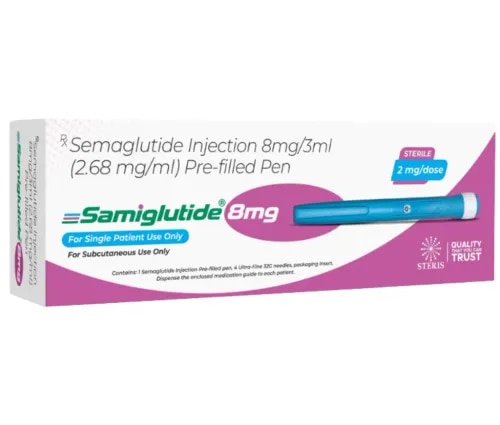
"name": "Semaglutide injection 8 mg",
"description": "The semaglutide injection, 8 mg, contains a total of 8 mg of semaglutide, a long-acting GLP-1 receptor agonist. It is used under medical supervision as part of treatment for appropriate adults with type 2 diabetes mellitus and, depending on the specific approved product and indication, for cardiovascular risk reduction and chronic weight management.\n1. Product Overview & Specifications\nAn 8 mg/3 mL semaglutide pen contains 8 mg of the active medicine in a 3 mL delivery system. When specifically designed to provide 2 mg per weekly dose, the total quantity can provide four 2 mg doses.\nActive Ingredient: Semaglutide\nTotal Strength: 8 mg\nExample Presentation: 8 mg/3 mL multi-dose pen\nDrug Class: GLP-1 receptor agonist\nRoute: Subcutaneous injection\nCommon Injection Areas: Abdomen, thigh, or upper arm\nAdministration: Once weekly, according to the prescribed schedule\nMechanism of Action\nSemaglutide mimics the activity of the naturally occurring hormone GLP-1 (glucagon-like peptide-1). It acts on GLP-1 receptors involved in blood-glucose regulation, digestion, and appetite.\nImproves glucose-dependent insulin release: Semaglutide encourages the pancreas to release insulin when blood glucose levels are elevated.\nReduces glucagon secretion: It lowers inappropriate glucagon release, helping reduce the amount of glucose produced by the liver.\nSlows gastric emptying: Semaglutide can delay the movement of food from the stomach, contributing to prolonged fullness.\nReduces appetite: Its effects on appetite-regulating pathways in the brain can decrease hunger and food intake.\n2. Primary Indications & Uses\nSemaglutide may be prescribed for several clinically established purposes depending on the specific formulation, approved labeling, and patient's medical condition.\nType 2 Diabetes Management\nSemaglutide can be used alongside appropriate diet and physical activity to improve blood-glucose control in adults with type 2 diabetes.\nCardiovascular Risk Reduction\nIn eligible adults with type 2 diabetes and established cardiovascular disease, certain semaglutide products have demonstrated a reduction in the risk of major cardiovascular events, including cardiovascular death, non-fatal heart attack, and non-fatal stroke.\nKidney Disease\nCertain semaglutide formulations and indications have demonstrated kidney-related benefits in specific populations. The appropriate product and indication should be determined by a healthcare professional.\nChronic Weight Management\nSemaglutide is also used for long-term weight management in eligible adults with obesity or overweight accompanied by weight-related health conditions, depending on the approved formulation and local prescribing guidance.\n3. Key Benefits of Semaglutide 8 mg Therapy\nClinical Area\nPotential Therapeutic Role\nBlood-Glucose Control\nHelps lower elevated blood glucose and improve glycemic control in appropriate patients.\nWeight Management\nReduces appetite and food intake, supporting sustained weight reduction when prescribed for this purpose.\nCardiovascular Health\nCertain approved semaglutide indications can reduce major cardiovascular event risk in eligible patients.\nMetabolic Support\nInfluences glucose regulation, appetite, insulin secretion, and glucagon activity.\nWeekly Administration\nA once-weekly injection can provide a convenient treatment schedule when prescribed.\n\n4. Side Effects & Safety Warnings\nCommon Adverse Reactions\nDigestive symptoms are among the most frequently reported adverse effects, particularly when treatment is initiated or the dose is increased.\nPossible side effects include:\nNausea\nVomiting\nDiarrhea\nConstipation\nAbdominal discomfort\nBloating\nBelching\nIndigestion or heartburn\nReduced appetite\nThese effects may improve as the body becomes accustomed to treatment.\nFrequently Asked Questions\n1. How much weight can you lose with semaglutide?\nWeight reduction varies significantly between individuals and depends on the prescribed formulation, dose, treatment duration, diet, physical activity, and adherence. Clinical trials of approved weight-management regimens have demonstrated substantial average percentage weight loss over extended treatment periods.\n2. How much is 8 units of semaglutide in mL?\nOn a U-100 insulin syringe, 100 units corresponds to 1 mL, so 8 units corresponds to 0.08 mL. However, this conversion only describes syringe volume. It does not determine the amount of semaglutide in mg because the medication concentration varies between products. Always verify the exact concentration before measuring any dose.\n3. Is semaglutide injection safe for weight loss?\nSemaglutide can be an effective treatment for weight management when an approved formulation is prescribed to an eligible patient and used under appropriate medical supervision. It has important contraindications and warnings, including risks involving the gastrointestinal system, gallbladder, pancreas, kidneys, and thyroid C-cell tumors.\n4. How many mg of semaglutide are used for weight loss?\nThe appropriate dose depends on the specific semaglutide product. Weight-management treatment commonly begins with a lower dose and is gradually increased to a maintenance dose to improve tolerability. The maintenance dose should be determined according to the product's approved prescribing information and the healthcare professional's instructions.\n5. How much weight can I lose in 2 months with semaglutide?\nThere is no guaranteed amount of weight loss during the first two months. Individual results vary because treatment generally begins at a lower dose and is increased gradually. Diet, physical activity, starting weight, medical conditions, and adherence also affect the result.\n6. What happens when you stop semaglutide?\nAfter discontinuation, semaglutide gradually leaves the body. Appetite and food intake may increase as its effects decrease, and some people regain weight. Maintaining healthy eating and physical activity habits may help support weight management after treatment, but discontinuation should be discussed with a healthcare professional.\n7. How long does an 8 mg/3 mL semaglutide pen last?\nIf a specific 8 mg/3 mL pen is designed to deliver 2 mg per weekly dose, it contains four 2 mg doses and therefore provides approximately four weeks of treatment. The actual duration depends on the specific device and prescribed dosing instructions.\n8. What is semaglutide injection 8 mg used for?\nSemaglutide is used for approved indications such as improving blood-glucose control in type 2 diabetes and, depending on the formulation, supporting chronic weight management and reducing cardiovascular risk in eligible patients.\n9. What foods should be avoided while taking semaglutide?\nLarge, high-fat, greasy, or fried meals may worsen gastrointestinal symptoms such as nausea, bloating, and reflux. Smaller meals and balanced food choices may be easier to tolerate. Alcohol intake should also be discussed with a healthcare professional.\n10. Can you eat bananas while taking semaglutide?\nYes, bananas can generally be included in a balanced diet while using semaglutide. Portion size should be considered as part of an individual's overall calorie and carbohydrate intake, particularly for people managing diabetes.\n11. What is the best time of day to inject semaglutide?\nSemaglutide injections can generally be administered at any time of day, with or without meals, depending on the specific product instructions. The injection should be taken on the same day each week as prescribed.\n12. Will I lose weight during the first week of semaglutide?\nSome people may notice an early change in appetite or body weight, while others may not see a significant difference initially. Early treatment doses are generally introduced gradually to help the body adjust rather than to produce immediate maximum weight loss.\n13. How quickly does semaglutide start lowering blood sugar?\nSemaglutide begins acting after administration, but the degree and timing of blood-glucose improvement vary. Significant treatment effects develop progressively, particularly as the prescribed dose is gradually adjusted.\n14. What should I do if I miss a semaglutide dose?\nThe correct missed-dose procedure depends on the specific semaglutide product. Follow the instructions supplied with your prescribed product. Do not take an extra dose to compensate for a missed injection.\n15. Where is the best place to inject semaglutide?\nSemaglutide is administered subcutaneously. Common injection sites include the abdomen, front of the thigh, or upper arm, according to the product instructions. Rotating injection locations can help reduce repeated irritation at one site.\nConclusion\nSemaglutide injection 8 mg contains semaglutide, a long-acting GLP-1 receptor agonist that influences blood-glucose regulation, glucagon secretion, gastric emptying, and appetite. Depending on the specific formulation and approved indication, semaglutide may be used for type 2 diabetes management, chronic weight management, and cardiovascular risk reduction in eligible patients.\nAn 8 mg/3 mL presentation designed for 2 mg weekly dosing can provide four weekly doses. However, semaglutide concentrations, pen designs, approved doses, and indications can differ between products. Treatment should therefore follow the exact product instructions and a healthcare professional's prescription.",
"price": 7800.0,
"discountamount": 2340.0,
"currencycode": "INR",
"priority": 1000000,
"isfreeshipmentavailable": false,
"shipmentduration": 1,
"_keywords": null,
"isarchived": false,
"isavailable": true,
"applicationid": null,
"productindex": 2498,
"imageuri": "https://productimages.withfloats.com/actual/6a952bdd8359c1b7edbc7468.png",
"tileimageuri": "https://productimages.withfloats.com/tile/6a952bdd8359c1b7edbc7468.png",
"images": null,
"totalqueries": 0,
"gpid": null,
"groupproductid": null,
"createdon": "2026-08-31T07:23:06.814Z",
"updatedon": "2026-08-31T07:23:06.814Z",
"buyonlinelink": null,
"producturl": "http://WWW.STERISINDIA.COM/products/semaglutide-injection-8-mg/2498",
"availableunits": -1.0,
"iscodavailable": false,
"isprepaidonlineavailable": false,
"maxcodorders": 0,
"maxprepaidonlineorders": 0,
"uniquepaymenturl": null,
"brandname": "SAMIGLUTIDE 8MG",
"category": "DIABETIC RANGE",
"tags": [
"Semaglutide injection 8 mg",
"semaglutide injection 8 mg",
"semaglutide 8 mg injection uses",
"semaglutide 8 mg injection benefits",
"semaglutide 8 mg injection dosage"
],
"variants": false,
"keyspecification": null,
"otherspecifications": null,
"pickupaddressreferenceid": null,
"paymenttype": "UniquePaymentUrl",
"producttype": "products",
"hsncode": null,
"gstslab": 0.0,
"isnotforsale": false
},
{
"_id": "6a86e496cc4491de1ed77dfd",
"fptag": "STERISHEALTHCARE",
"merchantname": null,
"customwidgets": null,
"externalsourceid": null,
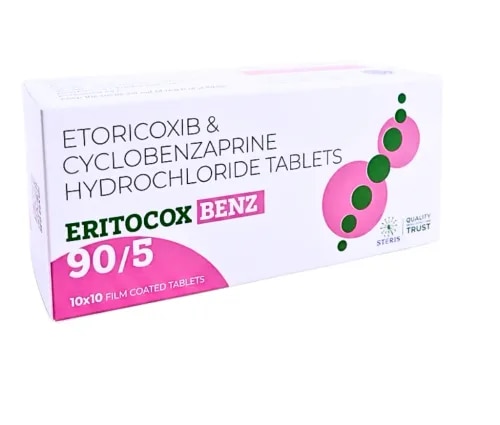
"name": "Etoricoxib & Cyclobenzaprine Hydrochloride Tablets",
"description": "ERITOCOX BENZ 90/5 is a fixed-dose combination tablet pairing Etoricoxib 90 mg, a selective COX-2 anti-inflammatory, with Cyclobenzaprine Hydrochloride 5 mg, a centrally acting muscle relaxant. It is prescribed for short-term relief of acute musculoskeletal problems where pain, swelling, and muscle tightness occur together — think a sudden low-back strain, a stiff neck, or a flare-up of arthritis where the surrounding muscles clamp down defensively. Rather than treating the inflammation alone or the spasm alone, this tablet addresses both mechanisms in one dose, which can mean fewer pills and a more complete response for short, acute episodes. It is a prescription-only (Schedule H) medicine, produced under WHO-GMP and ISO-certified manufacturing standards by Steris Healthcare Pvt. Ltd. Typical side effects include drowsiness, dry mouth, and mild stomach upset; because the combination carries cardiovascular, gastrointestinal, and kidney considerations, it should only be used under a doctor's supervision. This page walks through what the tablet does, how it works, correct usage, safety information, and answers to the questions people most often ask.\n\nWhat Is ERITOCOX BENZ 90/5?\n\nPain from an acute back injury, a wrenched neck, or an arthritis episode almost never travels alone — it tends to bring a tense, guarded muscle along with it that makes every movement feel worse. ERITOCOX BENZ 90/5 was formulated with that pattern in mind, folding two separate mechanisms into a single tablet rather than requiring two prescriptions.\n\nActive Ingredient\tStrength\tRole\nEtoricoxib\t90 mg\tSelective COX-2 inhibitor for inflammatory pain\nCyclobenzaprine Hydrochloride\t5 mg\tCentrally acting skeletal muscle relaxant\n\nEach tablet is manufactured by Steris Healthcare Pvt. Ltd., a WHO-GMP and ISO-certified pharmaceutical company, so every batch meets verified potency and quality benchmarks.\n\nWhy This Combination Makes Sense\n\nMusculoskeletal pain is rarely a single-track problem. When tissue is injured or irritated, inflammation flares up locally — and nearby muscles frequently respond by tightening protectively. That protective tightening, the spasm, often becomes a pain generator of its own. Treat only the inflammation and the spasm can linger; treat only the spasm and the underlying inflammation keeps driving discomfort.\n\nERITOCOX BENZ 90/5 is built to intervene on both fronts at once:\n\nEtoricoxib addresses the chemical cascade responsible for pain and swelling at the injured site.\nCyclobenzaprine works through the central nervous system to calm the muscle guarding that so often rides alongside that pain.\nMechanism of Action: How ERITOCOX BENZ 90/5 Works\n\nEtoricoxib selectively inhibits the COX-2 enzyme — the enzyme the body ramps up at sites of tissue damage or irritation to manufacture prostaglandins, the chemical messengers behind pain, swelling, and localized heat. Because it targets COX-2 specifically rather than blocking both COX-1 and COX-2 the way older, non-selective NSAIDs do, etoricoxib is designed to control inflammatory pain while leaving more of the COX-1 activity that protects the stomach lining relatively undisturbed.\n\nCyclobenzaprine Hydrochloride takes a different route entirely — its primary site of action is the brainstem, not the muscle fiber itself. By dampening excessive motor signaling sent to skeletal muscle, it reduces spasm and stiffness without producing the broad muscle weakness that a directly-acting muscle agent might cause.\n\nPut together, the tablet delivers a two-pronged effect: peripheral anti-inflammatory action from etoricoxib, layered with central muscle relaxation from cyclobenzaprine.\n\n[Reviewer placeholder: insert verified pharmacokinetic data (onset, half-life, bioavailability) once confirmed by medical/regulatory team — do not publish unverified figures.]\n\nClinical Uses of ERITOCOX BENZ 90/5\n\nA physician may prescribe this combination for short-term management of acute conditions where pain, inflammation, and spasm show up together, including:\n\nCondition\tTypical Presentation\nAcute lower back pain\tPain with associated muscle guarding/spasm\nNeck strain / cervical spasm\tStiff, restricted neck movement\nSprains, strains, overuse injuries\tMusculoskeletal trauma with inflammatory pain\nOsteoarthritis flare-ups\tJoint pain accompanied by surrounding muscle tightness\nPostural or occupational muscle pain\tWork- or posture-related inflammation and tension\nMovement restriction linked to spasm\tReduced range of motion driven by muscular guarding\n\nSuitability for any of the above must be confirmed by a doctor based on your specific diagnosis and medical history.\n\nKey Benefits of ERITOCOX BENZ 90/5\nOne tablet, two mechanisms — anti-inflammatory pain relief and muscle-spasm relief combined, simplifying an otherwise two-drug regimen.\nSite-focused inflammation control — etoricoxib's COX-2 selectivity is intended to concentrate its effect where inflammation is actually active.\nA comparatively gentler GI footprint — COX-2-selective action is generally linked to lower gastrointestinal irritation risk than older non-selective NSAIDs, though vigilance is still warranted.\nLoosens spasm-related stiffness — cyclobenzaprine's central action helps release tight, guarded muscles restricting movement.\nAids functional recovery — easing both pain and spasm can make it more realistic to resume light activity, stretching, or physiotherapy once your doctor clears you.\nStreamlined short-course dosing — a once-daily schedule (as prescribed) cuts down pill burden versus taking an NSAID and a muscle relaxant separately.\nDosage & Administration\n\nThe following is general reference information — your doctor's specific prescription always takes precedence.\n\nTake ERITOCOX BENZ 90/5 exactly as prescribed, generally once a day, with or without food.\nSwallow the tablet whole with water; avoid crushing or chewing unless your doctor tells you otherwise.\nTreatment is typically short — anywhere from a few days to roughly two weeks — reflecting the acute, self-limiting nature of most pain-and-spasm episodes.\nIf a dose is missed, take it as soon as you remember, but skip it entirely if the next dose is nearly due. Never double up to make up for a missed dose.\nDo not extend the treatment period or adjust your dose independently, even if symptoms haven't fully resolved.\nSide Effects of ERITOCOX BENZ 90/5\nCommon Side Effects\nDrowsiness or sleepiness\nDizziness\nDry mouth\nHeadache\nStomach discomfort or indigestion\nNausea\nFatigue\nMild elevation in blood pressure in some individuals\nSerious Side Effects — Seek Medical Help Promptly\nSigns of gastrointestinal bleeding, such as black stools or vomiting blood\nA severe allergic reaction — swelling of the face or throat, breathing difficulty, or widespread rash\nChest pain, irregular heartbeat, or other symptoms suggestive of a cardiovascular event\nYellowing of the skin or eyes, which may point to liver involvement\nA noticeable drop in urine output, which may suggest kidney impairment\nSevere dizziness, confusion, or fainting\n\nIf any of these serious symptoms appear, stop the medicine and get medical attention immediately.\n\nPrecautions & Warnings\nShare your full medical history with your doctor before starting, including any heart, kidney, or liver conditions.\nUse cautiously — or avoid altogether — if you have a history of stomach ulcers or gastrointestinal bleeding.\nGenerally not advised for people with uncontrolled high blood pressure, existing heart disease, or a prior stroke, unless a doctor specifically clears its use.\nSteer clear of alcohol, since it can amplify cyclobenzaprine's sedative effect and add to gastrointestinal risk.\nCyclobenzaprine may cause drowsiness or dizziness — hold off on driving or operating machinery until you know how the tablet affects you.\nDon't combine ERITOCOX BENZ 90/5 with other NSAIDs, painkillers, or sedating medicines without checking with your doctor first.\nAvoid the medicine if you have known hypersensitivity to etoricoxib, cyclobenzaprine, or related compounds.\nNot generally recommended during pregnancy or breastfeeding unless a doctor specifically advises otherwise.\nAvoid combining with MAO inhibitors, or using shortly after stopping them.\nDrug Interactions to Flag With Your Doctor\n\nDisclose every prescription medicine, over-the-counter product, and supplement you take. Extra caution is needed around medicines affecting:\n\nBlood pressure regulation\nKidney function\nBlood clotting\nCentral nervous system activity (sedatives, other muscle relaxants)\nLiver metabolism\nOther anti-inflammatory or pain-relief medicines\nConclusion\n\nERITOCOX BENZ 90/5 brings Etoricoxib 90 mg and Cyclobenzaprine Hydrochloride 5 mg together to tackle a problem that rarely presents as a single issue — pain, inflammation, and muscle spasm that reinforce one another in acute musculoskeletal conditions. By acting on both the inflammatory and muscular sides of that cycle, it offers a more rounded short-term response than either ingredient could provide alone.\n\nGiven the genuine cardiovascular, gastrointestinal, kidney, and central-nervous-system considerations involved, ERITOCOX BENZ 90/5 is meant strictly for short, doctor-supervised courses — not casual or extended self-treatment. Always check with your doctor to confirm whether this combination is right for your condition, medical history, and current medications.\n\nPrescription only – consult your doctor.\n\nFrequently Asked Questions (Google & AI Mode / Voice Search Optimized)\n\n1. What is ERITOCOX BENZ 90/5 used for? It's typically prescribed for short-term relief of acute musculoskeletal issues — such as back pain, neck strain, or an arthritis flare-up — where pain, inflammation, and muscle spasm show up together.\n\n2. Is ERITOCOX BENZ 90/5 a muscle relaxant? It's a combination tablet: the muscle-relaxing effect comes from its Cyclobenzaprine Hydrochloride component, while Etoricoxib supplies the pain-relieving, anti-inflammatory action.\n\n3. Is Etoricoxib a strong painkiller? Etoricoxib is an effective selective COX-2 inhibitor typically used for moderate inflammation-related pain, such as arthritis or an acute musculoskeletal injury. Its appropriateness for your level of pain should be assessed by a doctor.\n\n4. Is Etoricoxib safe for the kidneys? As with other NSAIDs, etoricoxib can influence kidney function, particularly with extended use, higher doses, dehydration, or existing kidney disease. It should be used carefully and only under medical guidance if kidney health is a concern.\n\n5. Should ERITOCOX BENZ 90/5 be taken in the morning or at night? It's usually taken once a day at a time your doctor sets. Since cyclobenzaprine can cause drowsiness, many doctors lean toward an evening dose — but always stick to your specific prescription.\n\n6. What are the common side effects of ERITOCOX BENZ 90/5? Frequently reported effects include drowsiness, dizziness, dry mouth, headache, stomach discomfort, and mild fatigue. Most fade on their own, but persistent symptoms should be reported to your doctor.\n\n7. How fast does ERITOCOX BENZ 90/5 start working? Etoricoxib tends to absorb fairly quickly, and many people feel pain relief within roughly an hour, though onset can vary by individual and whether the tablet is taken with food.\n\n8. What should be avoided while on ERITOCOX BENZ 90/5? Skip alcohol, avoid taking other NSAIDs or painkillers without medical advice, and hold off on driving or operating machinery if you're feeling drowsy or dizzy.\n\n9. How many days can ERITOCOX BENZ 90/5 be taken? It's usually prescribed for a short stretch — a few days up to around two weeks — matching how acute conditions typically resolve. Anything longer needs your doctor's review.\n\n10. What are the benefits of ERITOCOX BENZ 90/5? It delivers combined relief from pain, inflammation, and muscle spasm in one tablet, which can make it easier to move normally and get back to daily activity sooner when used as directed.\n\n11. How safe is ERITOCOX BENZ 90/5? Taken exactly as prescribed and for the recommended duration, it's generally considered safe for most adults. It does carry cardiovascular, gastrointestinal, kidney, and liver-related risks that call for medical supervision, especially if you already have related conditions.\n\n12. Can ERITOCOX BENZ 90/5 be used for knee pain? Yes — its etoricoxib component is commonly used for joint pain tied to osteoarthritis or an acute injury, including the knee, by reducing the underlying inflammation. A doctor should confirm suitability first.\n\n13. Does ERITOCOX BENZ 90/5 cause drowsiness? Yes — drowsiness and dizziness are known effects linked to its cyclobenzaprine component. Avoid driving or tasks requiring full alertness until you know how it affects you.\n\n14. Can ERITOCOX BENZ 90/5 be bought without a prescription? No. This is a prescription-only medicine meant to be taken solely under a qualified doctor's supervision — it isn't meant for self-prescribing or extended use without medical oversight.\n\n15. Can ERITOCOX BENZ 90/5 be taken with food? It can generally be taken with or without food, though taking it with food may ease stomach discomfort for some people. Follow your doctor's specific instructions.\n\n16. Is ERITOCOX BENZ 90/5 habit-forming? Cyclobenzaprine isn't considered addictive with typical short-term use, but the tablet should still be taken only for the prescribed duration and not restarted on your own without medical advice.\n\n17. Who should avoid taking ERITOCOX BENZ 90/5? People with active stomach ulcers, significant heart, kidney, or liver disease, known hypersensitivity to NSAIDs, or those who are pregnant or breastfeeding should avoid it unless a doctor specifically clears its use.",
"price": 222.0,
"discountamount": 67.0,
"currencycode": "INR",
"priority": 1000000,
"isfreeshipmentavailable": false,
"shipmentduration": 1,
"_keywords": null,
"isarchived": false,
"isavailable": true,
"applicationid": null,
"productindex": 2495,
"imageuri": "https://productimages.withfloats.com/actual/6a86e4990f089c4695c57658.png",
"tileimageuri": "https://productimages.withfloats.com/tile/6a86e4990f089c4695c57658.png",
"images": null,
"totalqueries": 0,
"gpid": null,
"groupproductid": null,
"createdon": "2026-08-20T11:27:18.403Z",
"updatedon": "2026-08-20T11:27:18.403Z",
"buyonlinelink": null,
"producturl": "http://WWW.STERISINDIA.COM//etoricoxib-cyclobenzaprine-hydrochloride-tablets/2495",
"availableunits": -1.0,
"iscodavailable": false,
"isprepaidonlineavailable": false,
"maxcodorders": 0,
"maxprepaidonlineorders": 0,
"uniquepaymenturl": null,
"brandname": "ERITOCOX BENZ 90/5",
"category": "",
"tags": [],
"variants": false,
"keyspecification": null,
"otherspecifications": null,
"pickupaddressreferenceid": null,
"paymenttype": "UniquePaymentUrl",
"producttype": "products",
"hsncode": null,
"gstslab": 0.0,
"isnotforsale": false
},
{
"_id": "6a685f3a5315456e18559082",
"fptag": "STERISHEALTHCARE",
"merchantname": null,
"customwidgets": null,
"externalsourceid": null,
"name": "Acebrophylline and Erdosteine Tablets",
"description": "Acebrophylline and Erdosteine Tablets are a clinically trusted combination used in the management of chronic respiratory disorders associated with excessive mucus production, airway inflammation, and breathing difficulties. This dual-action formulation combines the bronchodilator and anti-inflammatory properties of Acebrophylline with the mucolytic and antioxidant benefits of Erdosteine, making it an effective treatment option for patients suffering from chronic obstructive pulmonary disease (COPD), chronic bronchitis, bronchial asthma, and other mucus-related respiratory conditions.\n\nAt [Your Company Name], we manufacture and supply premium-quality Acebrophylline and Erdosteine Tablets that comply with WHO-GMP standards and international pharmaceutical quality guidelines. Our formulations are trusted by healthcare professionals, hospitals, distributors, and pharmaceutical companies seeking reliable respiratory medicines.\n\nComposition\nEach film-coated tablet typically contains:\n\nAcebrophylline – 200 mg\nErdosteine – 300 mg\nComposition can be customized based on customer requirements and regulatory approvals.\n\nHow Acebrophylline and Erdosteine Tablets Work\nThe combination provides comprehensive respiratory support through complementary mechanisms.\n\nAcebrophylline\nAcebrophylline acts as a bronchodilator and anti-inflammatory agent. It helps relax bronchial muscles, widens the airways, improves airflow, and reduces inflammation, making breathing easier for patients with chronic respiratory diseases.\n\nErdosteine\nErdosteine is a powerful mucolytic agent that reduces the thickness and stickiness of mucus. It facilitates easier expectoration, reduces coughing, and provides antioxidant protection against airway damage caused by inflammation.\n\nTogether, these ingredients improve lung function, reduce respiratory symptoms, and enhance patient comfort.\n\nKey Benefits of Acebrophylline and Erdosteine Tablets\nHelps improve breathing by relaxing bronchial muscles\nEffectively reduces thick mucus accumulation\nSupports easier mucus clearance from the lungs\nReduces chronic cough and chest congestion\nHelps manage COPD and chronic bronchitis symptoms\nProvides antioxidant protection to respiratory tissues\nImproves oxygen exchange and lung function\nEnhances quality of life in patients with chronic respiratory disorders\nSuitable for long-term respiratory disease management under medical supervision\nMedical Uses of Acebrophylline and Erdosteine Tablets\nHealthcare professionals commonly prescribe Acebrophylline and Erdosteine Tablets for:\n\nChronic Obstructive Pulmonary Disease (COPD)\nChronic Bronchitis\nBronchial Asthma\nRespiratory Tract Infections with Excessive Mucus\nChronic Productive Cough\nAirway Inflammation\nBronchiectasis\nSmoking-related Respiratory Conditions\nThese tablets should always be used under the supervision of a qualified healthcare professional.\n\nAdvantages of the Acebrophylline and Erdosteine Combination\nThe combination therapy offers several clinical advantages over single-drug treatment.\n\nDual Mechanism of Action\nIt simultaneously opens the airways while reducing mucus thickness, providing comprehensive respiratory relief.\n\nImproved Lung Function\nPatients experience better airflow and enhanced breathing comfort due to bronchodilation and mucus clearance.\n\nReduced Frequency of Exacerbations\nRegular use, as prescribed, may help decrease episodes of worsening respiratory symptoms in chronic lung diseases.\n\nBetter Patient Compliance\nA fixed-dose combination simplifies treatment by reducing the need for multiple medications.\n\nRecommended Dosage\nThe dosage of Acebrophylline and Erdosteine Tablets should be determined by a registered healthcare provider based on the patient's age, condition, and medical history.\n\nGeneral recommendations include:\n\nTake the tablet after meals with water.\nSwallow whole without crushing or chewing.\nFollow the prescribed duration of therapy.\nDo not exceed the recommended dose.\nPossible Side Effects\nLike all medicines, Acebrophylline and Erdosteine Tablets may cause side effects in some individuals.\n\nCommon side effects include:\n\nNausea\nStomach discomfort\nHeadache\nDizziness\nMild diarrhea\nDry mouth\nGastric irritation\nSeek immediate medical attention if severe allergic reactions, breathing difficulty, or persistent adverse effects occur.\n\nPrecautions\nBefore using Acebrophylline and Erdosteine Tablets, patients should inform their healthcare provider if they have:\n\nLiver disease\nKidney impairment\nGastric ulcer\nHeart disease\nPregnancy or breastfeeding\nKnown allergy to methylxanthines or Erdosteine\nAvoid self-medication and always follow professional medical advice.\n\nStorage Instructions\nStore below 25°C in a cool and dry place.\nProtect from direct sunlight and moisture.\nKeep out of reach of children.\nDo not use after the expiry date.\nWhy Choose Our Acebrophylline and Erdosteine Tablets?\nWe are committed to delivering pharmaceutical products that meet international quality standards.\n\nOur advantages include:\n\nWHO-GMP Certified Manufacturing\nISO Certified Production Facilities\nStringent Quality Control\nDCGI-Compliant Manufacturing\nCompetitive Pricing\nBulk Supply Capability\nThird-Party Manufacturing Services\nPrivate Label Packaging\nTimely Global Deliveries\nCustom Packaging Solutions\nWe serve pharmaceutical distributors, hospitals, government tenders, exporters, wholesalers, and healthcare institutions worldwide.\n\nFrequently Asked Questions (FAQs)\n1. What are Acebrophylline and Erdosteine Tablets used for?\nAcebrophylline and Erdosteine Tablets are primarily used to treat respiratory conditions such as COPD, chronic bronchitis, asthma, and other diseases associated with excessive mucus production and airway obstruction.\n\n2. How do Acebrophylline and Erdosteine Tablets work?\nAcebrophylline relaxes the bronchial muscles and reduces inflammation, while Erdosteine breaks down thick mucus, making it easier to remove from the lungs.\n\n3. Can Acebrophylline and Erdosteine Tablets treat chronic cough?\nYes. These tablets help relieve chronic productive cough by reducing mucus viscosity and improving airway clearance when prescribed by a healthcare professional.\n\n4. Are Acebrophylline and Erdosteine Tablets safe for long-term use?\nThey may be prescribed for long-term management of chronic respiratory diseases, but treatment duration should always be determined by a physician.\n\n5. Can these tablets be used for asthma?\nYes. Doctors may prescribe Acebrophylline and Erdosteine Tablets as part of asthma management when mucus accumulation and airway inflammation are significant.\n\n6. Do Acebrophylline and Erdosteine Tablets have side effects?\nMost side effects are mild and temporary, including nausea, headache, dizziness, stomach upset, and dry mouth. Serious reactions are uncommon but require immediate medical attention.\n\n7. Should Acebrophylline and Erdosteine Tablets be taken before or after food?\nThey are generally recommended after meals to reduce the risk of stomach irritation. Follow your doctor's advice regarding dosage and timing.\n\n8. Can smokers use Acebrophylline and Erdosteine Tablets?\nYes. Physicians often prescribe them to smokers suffering from chronic bronchitis, COPD, or mucus-related respiratory disorders.\n\n9. Are Acebrophylline and Erdosteine Tablets available for third-party manufacturing?\nYes. We offer third-party manufacturing, private labeling, customized packaging, and bulk pharmaceutical supply for domestic and international markets.\n\n10. Why buy Acebrophylline and Erdosteine Tablets from us?\nOur products are manufactured in WHO-GMP-certified facilities using premium-quality raw materials, strict quality control processes, competitive pricing, and reliable global distribution, making us a trusted pharmaceutical manufacturing partner.\n\nThis version is optimized for buyer intent, includes keyword-rich headings and FAQs designed for Google Search and voice search, and naturally targets the primary keyword “Acebrophylline and Erdosteine Tablets” throughout the content without excessive keyword stuffing.",
"price": 360.0,
"discountamount": 108.0,
"currencycode": "INR",
"priority": 1000000,
"isfreeshipmentavailable": false,
"shipmentduration": 1,
"_keywords": null,
"isarchived": false,
"isavailable": true,
"applicationid": null,
"productindex": 2487,
"imageuri": "https://productimages.withfloats.com/actual/6a685f3db435445dbdc3d469.png",
"tileimageuri": "https://productimages.withfloats.com/tile/6a685f3db435445dbdc3d469.png",
"images": null,
"totalqueries": 0,
"gpid": null,
"groupproductid": null,
"createdon": "2026-07-28T07:50:18.551Z",
"updatedon": "2026-07-28T07:50:18.551Z",
"buyonlinelink": null,
"producturl": "http://WWW.STERISINDIA.COM//acebrophylline-and-erdosteine-tablets/2487",
"availableunits": -1.0,
"iscodavailable": false,
"isprepaidonlineavailable": false,
"maxcodorders": 0,
"maxprepaidonlineorders": 0,
"uniquepaymenturl": null,
"brandname": "STERIPHYLLIN ERDO",
"category": "ASTHMA RANGE",
"tags": [],
"variants": false,
"keyspecification": null,
"otherspecifications": null,
"pickupaddressreferenceid": null,
"paymenttype": "UniquePaymentUrl",
"producttype": "products",
"hsncode": null,
"gstslab": 0.0,
"isnotforsale": false
},
{
"_id": "6a68576d4f0b0886fc04ae84",
"fptag": "STERISHEALTHCARE",
"merchantname": null,
"customwidgets": null,
"externalsourceid": null,
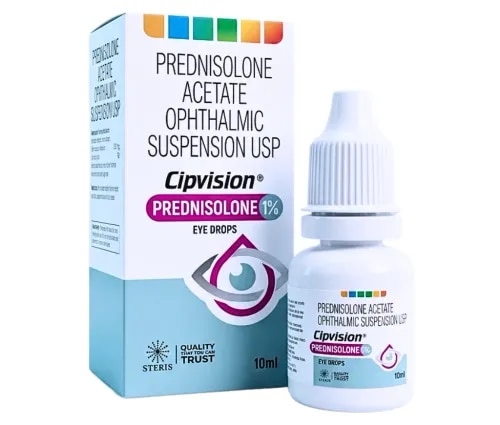
"name": "Prednisolone Acetate Ophthalmic Suspension USP",
"description": "Prednisolone Acetate Ophthalmic Suspension USP is a prescription corticosteroid eye drop formulated to reduce inflammation, redness, swelling, and discomfort associated with various eye conditions. It is commonly prescribed by ophthalmologists after eye surgery or for inflammatory eye disorders that respond to steroid treatment.\n\nThis ophthalmic suspension works by suppressing the body's inflammatory response, helping relieve symptoms such as eye pain, irritation, and light sensitivity while supporting the healing process. Because it is a prescription medicine, it should only be used under the supervision of a qualified healthcare professional.\n\nWhether you are a healthcare provider, pharmacy, hospital, or licensed distributor, choosing a reliable source for Prednisolone Acetate Ophthalmic Suspension USP ensures consistent quality, regulatory compliance, and patient safety.\n\nWhat Is Prednisolone Acetate Ophthalmic Suspension USP?\nPrednisolone Acetate Ophthalmic Suspension USP is a sterile corticosteroid eye suspension intended for ophthalmic use. It is designed to treat steroid-responsive inflammation affecting the anterior segment of the eye when bacterial, viral, or fungal infections have been ruled out or are being appropriately managed.\n\nDoctors may prescribe this medication for conditions including:\n\nPost-operative eye inflammation\nAllergic eye inflammation\nUveitis\nIritis\nCertain inflammatory eye disorders\nCorneal or conjunctival inflammation that responds to corticosteroids\nAlways use this medication exactly as directed by your eye care specialist.\n\nHow Does Prednisolone Acetate Ophthalmic Suspension USP Work?\nPrednisolone acetate belongs to the corticosteroid class of medicines. It works by reducing the release of inflammatory substances that cause swelling, redness, pain, and irritation within the eye.\n\nBy controlling inflammation, the medication helps:\n\nReduce eye redness\nMinimize swelling\nRelieve discomfort\nImprove patient comfort during recovery\nSupport healing following eye procedures\nThe suspension should be shaken well before each use to ensure even distribution of the active ingredient.\n\nKey Benefits\nPrednisolone Acetate Ophthalmic Suspension USP offers several important benefits when prescribed appropriately:\n\nHelps reduce eye inflammation quickly\nRelieves redness and swelling\nSupports recovery after ophthalmic surgery\nReduces eye discomfort and irritation\nSterile ophthalmic formulation\nSuitable for professional ophthalmic treatment plans\nManufactured according to pharmaceutical quality standards\nIndications\nYour healthcare provider may recommend Prednisolone Acetate Ophthalmic Suspension USP for:\n\nEye inflammation after cataract surgery\nSteroid-responsive conjunctival inflammation\nCorneal inflammation\nUveitis\nIritis\nAllergic inflammatory eye conditions\nOther ophthalmic inflammatory disorders as determined by an eye specialist\nThis medication should not be used without a prescription.\n\nDirections for Use\nUse Prednisolone Acetate Ophthalmic Suspension USP only as prescribed.\n\nGeneral instructions include:\n\nWash your hands before application.\nShake the bottle well.\nTilt your head back.\nInstill the prescribed number of drops into the affected eye.\nAvoid touching the dropper tip to any surface.\nClose the bottle tightly after use.\nFollow the complete treatment schedule even if symptoms improve.\nDo not stop treatment suddenly unless advised by your healthcare provider.\n\nPrecautions\nBefore using Prednisolone Acetate Ophthalmic Suspension USP, inform your doctor if you:\n\nHave glaucoma\nHave a viral, fungal, or bacterial eye infection\nWear contact lenses\nAre pregnant or breastfeeding\nHave recently undergone eye surgery\nAre allergic to corticosteroids\nLong-term or excessive use may increase the risk of elevated intraocular pressure, cataracts, or secondary eye infections. Regular eye examinations may be recommended during extended treatment.\n\nPossible Side Effects\nLike all medicines, Prednisolone Acetate Ophthalmic Suspension USP may cause side effects.\n\nCommon side effects may include:\n\nTemporary blurred vision\nMild burning or stinging\nEye irritation\nWatery eyes\nLess common but more serious effects may include:\n\nIncreased eye pressure\nDelayed wound healing\nCataract formation with prolonged use\nSecondary eye infections\nVision changes\nSeek prompt medical attention if you experience severe eye pain, sudden vision changes, significant redness, or signs of an allergic reaction.\n\nStorage Instructions\nStore Prednisolone Acetate Ophthalmic Suspension USP according to the instructions on the product label.\n\nGeneral recommendations include:\n\nStore at controlled room temperature.\nKeep the bottle tightly closed.\nProtect from excessive heat and direct sunlight.\nDo not freeze unless instructed by the manufacturer.\nKeep out of reach of children.\nDiscard the bottle after the recommended period following opening, as advised by your pharmacist or healthcare provider.\n\nWhy Choose Our Prednisolone Acetate Ophthalmic Suspension USP?\nWe are committed to supplying quality pharmaceutical products that meet applicable manufacturing standards. Our products are carefully handled to help maintain product integrity throughout storage and distribution.\n\nWe offer:\n\nHigh-quality pharmaceutical products\nSecure packaging\nReliable supply\nBulk order support\nTimely delivery\nResponsive customer assistance\nFor product specifications, availability, and ordering information, please contact our sales team.\n\nFrequently Asked Questions (FAQs)\n1. What is Prednisolone Acetate Ophthalmic Suspension USP used for?\nIt is used to treat steroid-responsive inflammation of the eye, including inflammation following eye surgery and certain inflammatory eye conditions, when prescribed by a healthcare professional.\n\n2. Is Prednisolone Acetate Ophthalmic Suspension USP an antibiotic?\nNo. It is a corticosteroid that reduces inflammation. It does not treat bacterial infections.\n\n3. Do I need a prescription?\nYes. Prednisolone Acetate Ophthalmic Suspension USP should only be used under the guidance of a licensed healthcare provider.\n\n4. How long should I use these eye drops?\nThe duration of treatment depends on your diagnosis and your doctor's recommendation. Do not discontinue treatment without medical advice.\n\n5. Should I shake the bottle before use?\nYes. As an ophthalmic suspension, the bottle should be shaken well before each application to ensure the medication is evenly mixed.\n\n6. Can I wear contact lenses while using Prednisolone Acetate Ophthalmic Suspension USP?\nYour eye care professional may advise you to avoid wearing contact lenses during treatment, especially if your eyes are inflamed or recovering from surgery.\n\n7. What happens if I miss a dose?\nUse the missed dose as soon as you remember unless it is nearly time for your next scheduled dose. Do not use extra medication to make up for a missed dose.\n\n8. Can these eye drops cause blurred vision?\nTemporary blurred vision may occur immediately after application. Wait until your vision clears before driving or operating machinery.\n\n9. Are there any serious side effects?\nLong-term use may increase the risk of elevated intraocular pressure, cataracts, delayed healing, or secondary infections. Regular follow-up appointments are important if prolonged treatment is required.\n\n10. How should Prednisolone Acetate Ophthalmic Suspension USP be stored?\nStore it according to the product labeling, keep the bottle tightly closed, protect it from excessive heat and light, and keep it out of the reach of children.\n\n11. Can children use Prednisolone Acetate Ophthalmic Suspension USP?\nUse in children should only occur when prescribed and monitored by a qualified healthcare professional.\n\n12. Can I use Prednisolone Acetate Ophthalmic Suspension USP for red eyes without consulting a doctor?\nNo. Red eyes can have many causes, including infections that may worsen with corticosteroid treatment. Always consult an eye care professional before using steroid eye drops.\n\nIf you're targeting SEO for a pharmaceutical manufacturer, wholesaler, or exporter, I can also tailor this page for commercial/B2B intent while keeping it medically responsible and aligned with search quality guidelines.\n",
"price": 62.0,
"discountamount": 18.0,
"currencycode": "INR",
"priority": 1000000,
"isfreeshipmentavailable": false,
"shipmentduration": 1,
"_keywords": null,
"isarchived": false,
"isavailable": true,
"applicationid": null,
"productindex": 2485,
"imageuri": "https://productimages.withfloats.com/actual/6a685772440c6b3927c66b54.png",
"tileimageuri": "https://productimages.withfloats.com/tile/6a685772440c6b3927c66b54.png",
"images": null,
"totalqueries": 0,
"gpid": null,
"groupproductid": null,
"createdon": "2026-07-28T07:17:01.827Z",
"updatedon": "2026-07-28T07:17:01.827Z",
"buyonlinelink": null,
"producturl": "http://WWW.STERISINDIA.COM//prednisolone-acetate-ophthalmic-suspension-usp/2485",
"availableunits": -1.0,
"iscodavailable": false,
"isprepaidonlineavailable": false,
"maxcodorders": 0,
"maxprepaidonlineorders": 0,
"uniquepaymenturl": null,
"brandname": "CIPVISION PREDNISOLONE 1%",
"category": "Opthalmology Range",
"tags": [],
"variants": false,
"keyspecification": null,
"otherspecifications": null,
"pickupaddressreferenceid": null,
"paymenttype": "UniquePaymentUrl",
"producttype": "products",
"hsncode": null,
"gstslab": 0.0,
"isnotforsale": false
},
{
"_id": "6a5df3dbdd71cfb29edfb400",
"fptag": "STERISHEALTHCARE",
"merchantname": null,
"customwidgets": null,
"externalsourceid": null,
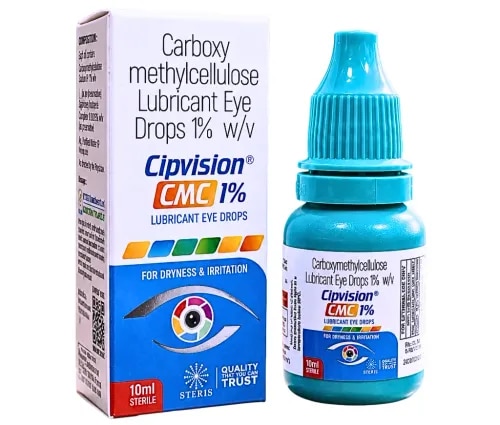
"name": "Carboxymethylcellulose Lubricant Eye Drops IP 1% w/v",
"description": "CIPVISION CMC 1% is an artificial tear formulated with Carboxymethylcellulose Sodium 1% w/v, designed to ease dry, irritated, and fatigued eyes. It coats the eye's surface with a moisture-retaining film, cutting down tear evaporation and easing the friction that causes burning and grittiness. It's commonly used for dry eye syndrome, digital eye strain from long screen hours, and dryness linked to pollution, dust, or air-conditioned spaces. The drops can also support comfort after certain eye procedures when an ophthalmologist recommends them. Apply as directed, avoid touching the dropper tip to the eye, and consult a doctor if symptoms persist.\n\nMeta Title Options (50–60 characters)\nCIPVISION CMC 1% Eye Drops – Buy Online | Steris (Recommended)\nCIPVISION CMC 1% Lubricant Eye Drops – Dry Eye Relief\nBuy CIPVISION CMC 1% – CMC Artificial Tears Online\nCIPVISION CMC 1% – Relief for Dry, Tired Eyes\nCIPVISION CMC 1% Eye Drops Price – Order Online\n\nRationale: Option 1 leads with the brand and the transactional “Buy Online” anchor appropriate for this OTC ophthalmic product, stays within the 50–60 character band, and pairs well with search intent around both the product name and purchase action.\n\nMeta Description (140–160 characters)\n\nCIPVISION CMC 1% eases dry, burning eyes with long-lasting CMC-based lubrication. Buy online now. For persistent dryness, consult your ophthalmologist.\n\nFull CMS Article\nCIPVISION CMC 1%: Lasting Comfort for Dry, Tired Eyes\nTL;DR / AI Mode Summary\n\nCIPVISION CMC 1% is a sterile artificial tear solution containing Carboxymethylcellulose Sodium 1% w/v. It's built to relieve dryness, burning, and irritation caused by low tear production, long hours on screens, or exposure to dust, smoke, and air-conditioned environments. The formula spreads a lubricating layer across the eye's surface, holding moisture in place and reducing the friction of blinking. It's suitable for everyday dry-eye relief and, when advised by an eye specialist, for comfort after certain eye procedures.\n\nWhat Is CIPVISION CMC 1%?\n\nCIPVISION CMC 1% is built around Carboxymethylcellulose Sodium, a polymer that thickens and stabilizes the tear film once applied to the eye. Rather than simply adding moisture the way a saline rinse would, it forms a cushioning layer that clings to the ocular surface for longer, which is why many people find CMC-based drops more effective than plain saline for ongoing dryness.\n\nComposition at a Glance\nAttribute\tDetail\nBrand Name\tCIPVISION CMC 1%\nActive Ingredient\tCarboxymethylcellulose Sodium\nStrength\t1% w/v\nForm\tSterile Ophthalmic Solution\nPack Size\tAs prescribed by dispensing pharmacy\nSchedule Status\tOTC (not a Schedule H drug)\nCommon Indications\nDry eye syndrome\nBurning or gritty sensation in the eyes\nForeign-body sensation\nRedness linked to dryness rather than infection\nDigital eye strain / Computer Vision Syndrome\nGeneral eye fatigue from long working hours\nPost-LASIK or post-cataract surgery dryness (under ophthalmologist guidance)\nDryness from air conditioning, dust, or pollution\nReduced natural tear production, including age-related dryness\nMechanism of Action\n\nTears aren't just water — they're a layered film that keeps the eye's surface smooth, clear, and protected. When that film thins out or evaporates too fast, the eye reacts with irritation, redness, and a burning feeling.\n\nCarboxymethylcellulose Sodium works by:\n\nStanding in for the eye's own depleted tear layer\nThickening and stabilizing the tear film so it doesn't evaporate as quickly\nCutting down the friction between the eyelid and eye surface during blinking\nKeeping the corneal surface hydrated and shielded\nSupporting the eye's own recovery process after irritation\n\nBecause the polymer is more viscous than saline, its lubricating effect tends to last longer between applications.\n\nHow to Use CIPVISION CMC 1%\nWash hands thoroughly before handling the bottle.\nShake gently if the label instructs it.\nTilt the head back slightly.\nPull the lower eyelid down to form a small pocket.\nInstill the number of drops advised by your doctor or the label.\nClose the eyes gently for a minute or two without blinking rapidly.\nAvoid letting the dropper tip touch the eye, lashes, or any surface.\nScrew the cap back on tightly right after use.\n\nAlways follow the frequency and duration your ophthalmologist recommends, especially if you're using it alongside other eye medications.\n\nPossible Side Effects\n\nMost people tolerate CIPVISION CMC 1% without issue. A few may notice:\n\nBrief blurring right after application\nMild stinging or irritation\nSlight redness\nWatery eyes\nA temporary sticky feeling\n\nPlaceholder: clinical incidence rates and comparative trial data pending qualified reviewer sign-off before publication.\n\nSeek prompt medical attention if you notice significant pain, swelling, sudden vision changes, or signs of an allergic reaction.\n\nWho Should Be Cautious\nPeople with an active eye infection should check with a doctor before using any lubricant drop.\nContact lens wearers should confirm timing with their eye specialist — lenses are often removed before application and reinserted only after a short waiting period.\nAnyone using other eye medications should space them out as advised, since lubricants can dilute or wash away other drops if used too close together.\nPrecautions & Storage\nUse strictly as directed; don't exceed the recommended frequency without medical advice.\nNever let the dropper tip touch the eye, fingers, or any surface, to avoid contamination.\nDon't share the bottle with anyone else.\nDiscard the solution if its color or clarity changes.\nOnce opened, use within the period stated on the pack, then discard.\nStore below 25°C, away from direct sunlight and moisture.\nDo not freeze.\nKeep out of reach of children.\nComparable Lubricant Options\nProduct Type\tTypical Use Case\tRelative Duration of Relief\nPlain Saline Drops\tMild, occasional dryness\tShort\nCIPVISION CMC 1%\tModerate dryness, digital eye strain, post-procedure comfort\tExtended\nHigher-viscosity Gel Drops\tSevere or nighttime dryness\tLongest, may blur vision briefly\n\nNote: Choice between lubricant types should be guided by an eye care professional based on severity and cause of dryness.\n\nWhy People Choose CIPVISION CMC 1%\n\nIt's manufactured to consistent pharmaceutical quality standards and formulated at a concentration that many clinicians consider a solid middle ground — strong enough to outlast basic saline, without the heavier feel of high-viscosity gels. That balance makes it a practical everyday option for people whose dryness comes from screens, environment, or reduced natural tear flow.\n\nConclusion\n\nDry, irritated eyes can quietly wear down comfort and focus over the course of a day, whether the cause is hours at a screen, air-conditioned offices, or the eyes' own reduced tear output. CIPVISION CMC 1% is formulated to restore that missing moisture, stabilize the tear film, and ease the burning or gritty feeling that comes with dryness. Used as directed by an eye care professional, it's a straightforward way to support day-to-day eye comfort.\n\nFrequently Asked Questions\nWhat is CIPVISION CMC 1% used for? It relieves dryness, burning, irritation, and dryness-related redness caused by insufficient natural tear production.\nCan I use it every day? Yes, when used at the frequency your ophthalmologist recommends.\nWill it improve my eyesight? No — it doesn't correct vision, but it improves comfort by keeping the eyes properly lubricated. Vision may blur briefly right after applying.\nIs it safe to use after eye surgery? Lubricating drops are often recommended post-surgery, but only use it after surgery if your ophthalmologist specifically advises it.\nCan I use this while working on a computer? Yes, it's commonly used to ease digital eye strain and screen-related dryness.\nCan contact lens wearers use it? Check with your eye specialist first — lenses are typically removed before the drop is applied and reinserted after a short interval.\nHow long does one bottle last? That depends on your prescribed frequency and dosage; always discard the bottle per the printed usage window once opened.\nDoes it sting when applied? Some users notice brief mild stinging or a sticky sensation, which usually passes quickly.\nCan children use CIPVISION CMC 1%? Use in children should only happen under a doctor's guidance.\nWhat causes the dryness this product treats? Reduced natural tear production, prolonged screen time, air conditioning, dust, pollution, and post-surgical recovery are common contributors.\nIs CIPVISION CMC 1% a steroid or antibiotic? No, it's a lubricant only — it contains no steroid or antimicrobial ingredient.\nCan it be used alongside other eye drops? Yes, but space applications apart as advised so the lubricant doesn't dilute the other medication.\nWhat if I miss a dose? Simply apply at the next scheduled time; there's no need to double up.\nDoes the bottle need refrigeration? No, store below 25°C away from sunlight and moisture — refrigeration and freezing aren't required.\nWhat should I do if irritation worsens after use? Stop use and consult your ophthalmologist if irritation, redness, or discomfort increases rather than improves.\nIs a prescription required to buy CIPVISION CMC 1%? No, it's available over the counter, though a doctor's guidance is recommended for persistent symptoms.",
"price": 177.0,
"discountamount": 54.0,
"currencycode": "INR",
"priority": 1000000,
"isfreeshipmentavailable": false,
"shipmentduration": 1,
"_keywords": null,
"isarchived": false,
"isavailable": true,
"applicationid": null,
"productindex": 2477,
"imageuri": "https://productimages.withfloats.com/actual/6a5df3ddd95692d4f7d457b8.png",
"tileimageuri": "https://productimages.withfloats.com/tile/6a5df3ddd95692d4f7d457b8.png",
"images": null,
"totalqueries": 0,
"gpid": null,
"groupproductid": null,
"createdon": "2026-07-20T10:09:31.769Z",
"updatedon": "2026-07-20T10:09:31.769Z",
"buyonlinelink": null,
"producturl": "http://WWW.STERISINDIA.COM//carboxymethylcellulose-lubricant-eye-drops-ip-1-w-v/2477",
"availableunits": -1.0,
"iscodavailable": false,
"isprepaidonlineavailable": false,
"maxcodorders": 0,
"maxprepaidonlineorders": 0,
"uniquepaymenturl": null,
"brandname": "CIPVISION CMC 1%",
"category": "Opthalmology Range",
"tags": [],
"variants": false,
"keyspecification": null,
"otherspecifications": null,
"pickupaddressreferenceid": null,
"paymenttype": "UniquePaymentUrl",
"producttype": "products",
"hsncode": null,
"gstslab": 0.0,
"isnotforsale": false
},
{
"_id": "6a5df061d66a990c450a1aea",
"fptag": "STERISHEALTHCARE",
"merchantname": null,
"customwidgets": null,
"externalsourceid": null,
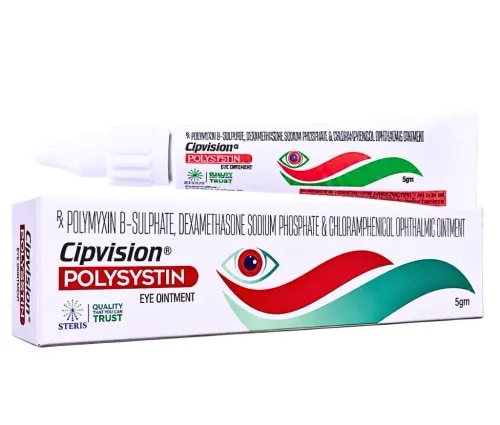
"name": "Polymyxin B Sulphate,Dexamethasone Sodium Phosphate & Chloramphenicol Ophthalmic Ointment",
"description": "CIPVISION POLYSYSTIN is a prescription-only ophthalmic ointment from Steris Healthcare Pvt. Ltd., formulated with a dual-antibiotic and corticosteroid combination — Polymyxin B Sulphate, Chloramphenicol, and Dexamethasone Sodium Phosphate. It is designed for bacterial eye infections that come with visible inflammation, pairing antibacterial action with relief from swelling and irritation, always under an ophthalmologist's care.\n\nBacterial eye infections often bring a cluster of uncomfortable symptoms: redness, puffiness, stinging, discharge, watering, and general soreness. When inflammation sets in alongside the infection, the eye can feel even more sensitive. CIPVISION POLYSYSTIN is built to tackle both fronts at once — clearing susceptible bacteria while calming the inflammatory response for a more comfortable recovery.\n\nThis ointment is meant strictly for bacterial eye conditions confirmed by a qualified doctor. It should not be used for viral, fungal, or unresolved parasitic infections, since the steroid component can make these conditions worse.\n\nComposition\n\nEach application of the ophthalmic ointment delivers:\n\nPolymyxin B Sulphate\nDexamethasone Sodium Phosphate\nChloramphenicol\nWhat Is CIPVISION POLYSYSTIN Used For?\n\nDoctors may prescribe this ointment for:\n\nBacterial conjunctivitis (commonly called pink eye)\nBlepharitis, or bacterial infection of the eyelids\nBlepharoconjunctivitis\nBacterial infections accompanied by noticeable inflammation\nInflammation risk following certain eye procedures, where a bacterial infection is a concern (as directed by the treating doctor)\nOther bacterial eye infections identified by an ophthalmologist as responsive to this combination\n\nA proper eye exam and clear diagnosis should always come before starting this medicine.\n\nHow Does CIPVISION POLYSYSTIN Work?\n\nThe formulation brings together two antibiotics and one corticosteroid, each playing a distinct role in resolving bacterial eye infections with inflammation.\n\nPolymyxin B Sulphate breaks down the outer protective membrane of susceptible bacteria, causing the bacterial cells to die off. It's especially effective against a range of Gram-negative organisms.\n\nChloramphenicol works differently — it blocks bacterial protein synthesis, stopping bacteria from multiplying further. This broad-spectrum antibiotic covers many of the Gram-positive and Gram-negative bacteria typically responsible for eye infections.\n\nDexamethasone Sodium Phosphate is the corticosteroid in the mix. It dials down the body's inflammatory response, easing redness, swelling, irritation, and general discomfort wherever bacterial infection has triggered inflammation.\n\nCombined, these three ingredients fight the underlying bacterial cause while simultaneously easing the inflammation it produces — supporting a smoother, more comfortable recovery.\n\nBenefits of CIPVISION POLYSYSTIN Eye Ointment\n\nUsed correctly and under medical supervision, this ointment may help to:\n\nClear susceptible bacterial eye infections\nBring down redness and swelling\nEase irritation and general discomfort\nKeep bacterial growth in check\nSpeed healing of inflamed eye tissue\nAid recovery after certain ophthalmic procedures, when prescribed\nDeliver medication directly to the affected eye for targeted, localized relief\nHow to Apply CIPVISION POLYSYSTIN Eye Ointment\n\nFollow these steps for correct application:\n\nWash your hands thoroughly before starting.\nTilt your head slightly backward.\nGently pull the lower eyelid down to form a small pocket.\nSqueeze a thin line of ointment into that pocket.\nKeep the tube tip away from your eye, eyelid, or any other surface.\nClose your eyes softly and keep them shut for one to two minutes.\nWash your hands again once done.\n\nAlways use the ointment exactly as your doctor prescribes, and finish the entire course even if symptoms improve early.\n\nDosage\n\nUse CIPVISION POLYSYSTIN Eye Ointment strictly according to your ophthalmologist's instructions. Because it contains a corticosteroid, do not extend use beyond the prescribed period or discontinue it early without medical advice.\n\nPossible Side Effects\n\nAs with any medicine, some people may notice side effects while using CIPVISION POLYSYSTIN, though not everyone will.\n\nCommonly reported effects:\n\nBrief blurring of vision\nMild stinging or burning sensation\nEye irritation\nWatery eyes\nSlight itching\nShort-lived discomfort\n\nSeek medical help right away if you notice:\n\nIntense eye pain\nSudden or significant vision changes\nSwelling around the face or eyelids\nTrouble breathing\nSigns of a severe allergic reaction\nRedness that persists or worsens over time\nPrecautions and Warnings\n\nBefore starting this ointment, let your doctor know if you:\n\nHave a known allergy to Polymyxin B, Chloramphenicol, Dexamethasone, or any related ingredient\nHave glaucoma or elevated eye pressure\nHave a viral eye condition such as herpes simplex keratitis\nHave a fungal or tubercular eye infection\nWear contact lenses\nAre pregnant or nursing\nAre currently using any other eye medications\n\nExtended or improper use of corticosteroid-based eye treatments can raise the risk of higher eye pressure, slower wound healing, cataract formation, or new infections taking hold. Stick to the exact duration your ophthalmologist prescribes.\n\nStorage Instructions\nStore at temperatures below 25°C.\nKeep away from heat, direct light, and moisture.\nClose the tube tightly after each use.\nStore out of children's reach.\nDiscard after the expiry date printed on the pack.\nWhy Choose CIPVISION POLYSYSTIN from Steris Healthcare Pvt. Ltd.?\n\nManufactured under strict quality control by Steris Healthcare Pvt. Ltd., CIPVISION POLYSYSTIN Eye Ointment brings together Polymyxin B Sulphate, Chloramphenicol, and Dexamethasone Sodium Phosphate to offer focused antibacterial action alongside anti-inflammatory support for appropriately diagnosed bacterial eye infections.\n\nUnder an ophthalmologist's guidance, this ointment helps ease infection-related symptoms, reduce inflammation, and support a smoother recovery — all backed by consistent, high-quality pharmaceutical manufacturing.\n\nDisclaimer: CIPVISION POLYSYSTIN Eye Ointment is a prescription medicine intended for use only under the supervision of a qualified healthcare professional. It is meant for susceptible bacterial eye infections with associated inflammation and should not be used for viral, fungal, or other non-bacterial eye conditions unless an ophthalmologist specifically advises otherwise.\n\nFrequently Asked Questions (FAQs)\n\nWhat is CIPVISION POLYSYSTIN Eye Ointment used for? It treats susceptible bacterial eye infections that come with inflammation, under an ophthalmologist's supervision.\n\nHow does CIPVISION POLYSYSTIN work? It pairs two antibiotics to eliminate susceptible bacteria with a corticosteroid that calms inflammation, redness, and swelling.\n\nCan CIPVISION POLYSYSTIN treat viral eye infections? No — it has no effect against viral, fungal, or parasitic eye infections and is meant strictly for bacterial infections, as prescribed.\n\nCan I stop applying it once my eyes feel better? No. Finish the full course your doctor prescribes to lower the chances of the infection returning or bacteria becoming resistant.\n\nIs it safe to wear contact lenses during treatment? It's generally best to avoid lenses while an active eye infection is present. Check with your ophthalmologist about when it's safe to resume wearing them.\n\nIs brief blurry vision after application something to worry about? Not usually. A short spell of blurred vision right after applying the ointment is common and typically clears up within a few minutes.\n",
"price": 135.0,
"discountamount": 40.0,
"currencycode": "INR",
"priority": 1000000,
"isfreeshipmentavailable": false,
"shipmentduration": 1,
"_keywords": null,
"isarchived": false,
"isavailable": true,
"applicationid": null,
"productindex": 2476,
"imageuri": "https://productimages.withfloats.com/actual/6a5df064ce4f2e40a81a29a3.png",
"tileimageuri": "https://productimages.withfloats.com/tile/6a5df064ce4f2e40a81a29a3.png",
"images": null,
"totalqueries": 0,
"gpid": null,
"groupproductid": null,
"createdon": "2026-07-20T09:54:41.109Z",
"updatedon": "2026-07-20T09:54:41.109Z",
"buyonlinelink": null,
"producturl": "http://WWW.STERISINDIA.COM//polymyxin-b-sulphate-dexamethasone-sodium-phosphate-chloramphenicol-ophthalmic-ointment/2476",
"availableunits": -1.0,
"iscodavailable": false,
"isprepaidonlineavailable": false,
"maxcodorders": 0,
"maxprepaidonlineorders": 0,
"uniquepaymenturl": null,
"brandname": "CIPVISION POLYSYSTIN",
"category": "Opthalmology Range",
"tags": [],
"variants": false,
"keyspecification": null,
"otherspecifications": null,
"pickupaddressreferenceid": null,
"paymenttype": "UniquePaymentUrl",
"producttype": "products",
"hsncode": null,
"gstslab": 0.0,
"isnotforsale": false
},
{
"_id": "6a50a30c9e1ef0fb4df551b0",
"fptag": "STERISHEALTHCARE",
"merchantname": null,
"customwidgets": null,
"externalsourceid": null,
"name": "dorzolamide eye drops ip",
"description": "Dorzolamide eye drops IP are a prescription ophthalmic solution used to lower elevated intraocular pressure (IOP) in patients with open-angle glaucoma or ocular hypertension. Dorzolamide belongs to a class of drugs called carbonic anhydrase inhibitors, which work by reducing the production of aqueous humor (the fluid inside the eye), thereby lowering pressure within the eye. It is typically used two to three times daily and begins measurably lowering eye pressure within about 2 hours, though consistent long-term use is essential for sustained control. Common side effects include a temporary bitter or unusual taste in the mouth, burning or stinging on instillation, and blurred vision. Because dorzolamide is chemically a sulfonamide derivative, it should be used cautiously in patients with known sulfa allergies or significant kidney impairment, and only under an ophthalmologist's supervision. It is a Schedule H prescription-only medicine in India.\n\nWhat Is Dorzolamide Eye Drops IP?\nDorzolamide Eye Drops IP is a topical prescription medication used primarily to manage glaucoma and ocular hypertension — conditions characterized by abnormally elevated pressure inside the eye that, if left uncontrolled, can damage the optic nerve and lead to progressive, irreversible vision loss.\nThe “IP” designation indicates the formulation conforms to standards set out in the Indian Pharmacopoeia, ensuring consistent quality, purity, and potency.\nDorzolamide belongs to the carbonic anhydrase inhibitor (CAI) class of anti-glaucoma medications. Unlike oral carbonic anhydrase inhibitors (such as acetazolamide), which act systemically and often cause more pronounced side effects, topical dorzolamide is designed to act locally within the eye, offering effective IOP reduction with comparatively lower systemic exposure — though some systemic absorption can still occur.\nIt is frequently prescribed either as a standalone treatment or in combination with other IOP-lowering agents, such as beta-blockers (e.g., timolol) or prostaglandin analogues, when a single agent does not achieve adequate pressure control.\n\nHow Does Dorzolamide Work? (Mechanism of Action)\n\nAqueous humor production – The ciliary body inside the eye continuously produces aqueous humor, the clear fluid that maintains intraocular pressure and nourishes ocular tissues.\nCarbonic anhydrase enzyme – This enzyme, found in the ciliary body, plays a key role in the chemical reactions that generate bicarbonate ions, which drive fluid secretion into the eye.\nEnzyme inhibition – Dorzolamide inhibits carbonic anhydrase (specifically the II isoenzyme) within the ciliary processes.\nReduced fluid production – With the enzyme inhibited, bicarbonate-dependent fluid transport slows down, resulting in decreased aqueous humor formation.\nLowered intraocular pressure – Less fluid production means less pressure buildup inside the eye, helping protect the optic nerve from pressure-related damage over time.\n\n\nClinical Indications\nIndicationDetailsOpen-angle glaucomaPrimary indication; helps control chronic elevated IOPOcular hypertensionUsed to reduce elevated eye pressure even before glaucoma-related damage occursAdjunct therapyCombined with beta-blockers or prostaglandin analogues when monotherapy is insufficientPost-laser or post-surgical IOP spikesSometimes used short-term under specialist guidance\n\nDosage & Administration\nParameterRecommendationStandard dose (monotherapy)One drop in the affected eye(s), three times dailyStandard dose (with other IOP-lowering drops)Often reduced to twice daily when combined, per doctor's instructionsOnset of actionMeasurable IOP reduction typically begins within about 2 hoursPeak effectGenerally within a few hours of instillationIf using multiple eye dropsSpace different eye medications at least 10 minutes apartMissed doseApply as soon as remembered; skip if near the next scheduled dose — do not double upDuration of useLong-term, ongoing therapy as glaucoma is a chronic condition requiring continuous management\nNote: Consistency is critical — missed doses can allow intraocular pressure to rise, increasing the risk of progressive optic nerve damage.\n\nKey Benefits\n\nEffectively lowers intraocular pressure in both glaucoma and ocular hypertension\nActs locally in the eye, generally producing lower systemic side effects compared to oral carbonic anhydrase inhibitors\nCan be used as monotherapy or in combination with other classes of glaucoma medication for enhanced pressure control\nHelps protect the optic nerve from pressure-related damage with consistent long-term use\nAvailable in a well-established, pharmacopoeia-standardized formulation (IP grade)\nSuitable for long-term, chronic disease management in glaucoma patients\n\n\nPrecautions\n\nUse strictly as prescribed and do not adjust dosing without consulting your ophthalmologist\nInform your doctor if you have a known sulfonamide (sulfa) allergy, since dorzolamide is chemically related to sulfa drugs\nUse with caution in patients with significant kidney (renal) impairment, due to potential for systemic absorption\nNot typically recommended in patients with severe corneal disease without specialist evaluation\nIf using contact lenses, remove before instillation and reinsert only after the interval advised by your doctor\nRegular eye pressure monitoring and follow-up visits are essential during treatment\nInform your doctor of all other eye medications and systemic drugs you are using\nAvoid touching the dropper tip to the eye or any surface to prevent contamination\n\n\nSide Effects\nCommon (Usually Mild and Temporary)\n\nTemporary bitter or unusual taste in the mouth after application\nBurning or stinging sensation on instillation\nBlurred vision immediately after use\nEye redness or itching\nMild eye discomfort\n\nLess Common / Serious (Consult Your Doctor Promptly)\n\nSigns of an allergic reaction (rash, swelling, severe itching)\nPersistent eye pain or significant vision changes\nSigns of corneal problems (persistent redness, discharge, sensitivity to light)\nSystemic effects related to sulfonamide sensitivity, in rare cases\n\nIf any serious or persistent symptom occurs, discontinue use and contact your ophthalmologist immediately.\n\nComparison: Dorzolamide vs. Other Anti-Glaucoma Therapies\nTreatmentClassMechanismKey ConsiderationDorzolamide eye dropsCarbonic anhydrase inhibitorReduces aqueous humor productionSulfa-related caution; often used as adjunct therapyTimolol eye dropsBeta-blockerReduces aqueous humor production via a different pathwayCaution in asthma, heart conditionsLatanoprost / prostaglandin analoguesProstaglandin analogueIncreases aqueous humor outflowOnce-daily dosing; may darken iris/eyelash growthBrimonidineAlpha-2 agonistReduces production and increases outflowCan cause drowsiness, dry mouthOral acetazolamideSystemic carbonic anhydrase inhibitorReduces aqueous humor production systemicallyMore pronounced systemic side effects than topical dorzolamide\n\nKey Statistics (Placeholder — Pending Clinical Reviewer Verification)\nMetricValueAverage IOP reduction achieved with dorzolamide monotherapy[Placeholder – insert verified clinical trial statistic]Prevalence of open-angle glaucoma in adults over 40[Placeholder – insert epidemiological reference]Proportion of patients requiring combination glaucoma therapy[Placeholder – insert verified reference]\nAll statistics above are placeholders and must be verified and populated by a qualified clinical reviewer prior to publication.\n\nExpert Insight\n\n[Placeholder — Expert quote pending. To be added only after review and approval by a licensed ophthalmologist/medical reviewer associated with Steris Healthcare. Do not fabricate or publish without sign-off.]\n\n\nPrice of Dorzolamide Eye Drops IP\nThe price of dorzolamide eye drops IP varies depending on pack size, brand, and region. For current pricing, availability, and prescription verification, please consult your ophthalmologist or an authorized pharmacy.\nPrescription only – consult your doctor.\n\nConclusion\nDorzolamide Eye Drops IP play a well-established role in the long-term management of glaucoma and ocular hypertension, offering targeted, localized reduction of intraocular pressure through carbonic anhydrase inhibition. Whether used alone or alongside other classes of IOP-lowering medication, consistent, correctly timed use is essential to protect the optic nerve from progressive, irreversible damage. Because dorzolamide is a sulfonamide derivative with potential for systemic absorption, patients with sulfa allergies or kidney impairment should discuss suitability carefully with their ophthalmologist. As with all glaucoma therapy, regular monitoring and adherence to the prescribed regimen — rather than occasional or as-needed use — are what ultimately safeguard long-term vision.\n\nFrequently Asked Questions\n\n1. What is dorzolamide eye drops used for?\nDorzolamide eye drops are used to lower elevated intraocular pressure in patients with open-angle glaucoma or ocular hypertension, helping protect the optic nerve from pressure-related damage.\n\n2. How long does it take dorzolamide to lower eye pressure?\nDorzolamide typically begins measurably lowering intraocular pressure within about 2 hours of application, though consistent, long-term use is needed to maintain stable pressure control over time.\n\n3. What are the side effects of dorzolamide?\nCommon side effects include a temporary bitter or unusual taste in the mouth, burning or stinging upon application, blurred vision, and mild eye redness or discomfort. Less commonly, allergic reactions or persistent eye irritation can occur and should be reported to a doctor.\n4. Does dorzolamide affect the kidneys?\nDorzolamide is a sulfonamide derivative, and although it is applied topically with generally low systemic absorption, caution is advised in patients with significant kidney impairment. Patients with known kidney disease or sulfa allergies should inform their doctor before starting treatment.\n\n5. How often should dorzolamide eye drops be used?\nDorzolamide is typically used three times daily as monotherapy, or twice daily when combined with other glaucoma medications, exactly as directed by your ophthalmologist.\n\n6. Can dorzolamide be used with other glaucoma eye drops?\nYes, dorzolamide is commonly combined with beta-blockers, prostaglandin analogues, or other IOP-lowering agents when a single medication does not achieve adequate pressure control. Different eye drops should be spaced at least 10 minutes apart.\n\n7. Is dorzolamide safe for long-term use?\nYes, dorzolamide is designed for long-term, ongoing use in chronic glaucoma management, provided it is used under regular ophthalmologist supervision with periodic eye pressure monitoring.\n\n8. Who should not use dorzolamide eye drops?\nPatients with known hypersensitivity to sulfonamides, significant kidney impairment, or specific contraindications identified by their doctor should use dorzolamide only under close medical supervision, if at all.\n\n9. Does dorzolamide cause blurred vision?\nTemporary blurred vision can occur immediately after applying dorzolamide. This is usually short-lived, but if it persists, you should consult your ophthalmologist.\n\n10. Can dorzolamide eye drops be used with contact lenses?\nIt's generally recommended to remove contact lenses before applying dorzolamide and reinsert them only after the interval advised by your doctor, as certain preservatives in eye drops can affect contact lens materials.\n\n11. What happens if I miss a dose of dorzolamide?\nApply the missed dose as soon as you remember, unless it is almost time for your next scheduled dose — in that case, skip the missed dose and continue your regular schedule. Do not double up doses.\n\n12. Why does dorzolamide cause a bitter taste?\nThe bitter taste occurs because a small amount of the eye drop drains through the tear duct into the nasal passage and throat, where it can be tasted. This is a recognized, generally harmless effect of topical carbonic anhydrase inhibitors.\n13. Is dorzolamide the same as timolol eye drops?\nNo. Dorzolamide is a carbonic anhydrase inhibitor, while timolol is a beta-blocker. Both lower eye pressure but through different mechanisms, and they are sometimes prescribed together for enhanced effect.\n\n14. Can dorzolamide be used during pregnancy?\nUse during pregnancy or breastfeeding should only occur under direct medical supervision. Inform your doctor if you are pregnant, planning pregnancy, or breastfeeding before starting dorzolamide.\n\n15. How is dorzolamide different from oral glaucoma medications?\nTopical dorzolamide acts locally in the eye and generally causes fewer systemic side effects than oral carbonic anhydrase inhibitors like acetazolamide, which act throughout the body and can cause more pronounced systemic effects.\n16. Can stopping dorzolamide suddenly cause problems?\nStopping dorzolamide abruptly can allow intraocular pressure to rise again, increasing the risk of progressive optic nerve damage. Always consult your ophthalmologist before discontinuing treatment.\n\n17. Does dorzolamide need to be refrigerated?\nStorage requirements can vary by brand and formulation; always follow the storage instructions printed on your specific product's packaging or as advised by your pharmacist.",
"price": 350.0,
"discountamount": 105.0,
"currencycode": "INR",
"priority": 1000000,
"isfreeshipmentavailable": false,
"shipmentduration": 1,
"_keywords": null,
"isarchived": false,
"isavailable": true,
"applicationid": null,
"productindex": 2470,
"imageuri": "https://productimages.withfloats.com/actual/6a50a30e9569e07de66607f4.png",
"tileimageuri": "https://productimages.withfloats.com/tile/6a50a30e9569e07de66607f4.png",
"images": null,
"totalqueries": 0,
"gpid": null,
"groupproductid": null,
"createdon": "2026-07-10T07:45:16.262Z",
"updatedon": "2026-07-10T07:45:16.262Z",
"buyonlinelink": null,
"producturl": "http://WWW.STERISINDIA.COM//dorzolamide-eye-drops-ip/2470",
"availableunits": -1.0,
"iscodavailable": false,
"isprepaidonlineavailable": false,
"maxcodorders": 0,
"maxprepaidonlineorders": 0,
"uniquepaymenturl": null,
"brandname": "CIPVISION DORZONIX 2%",
"category": "Opthalmology Range",
"tags": [
"dorzolamide eye drops ip",
"dorzolamide eye drops",
"dorzolamide eye drops uses",
"dorzolamide eye drops uses in hindi",
"dorzolamide eye drops price",
"dorzolamide eye drops ip",
"dorzolamide eye drops brand name",
"dorzolamide eye drops brands"
],
"variants": false,
"keyspecification": null,
"otherspecifications": null,
"pickupaddressreferenceid": null,
"paymenttype": "UniquePaymentUrl",
"producttype": "products",
"hsncode": null,
"gstslab": 0.0,
"isnotforsale": false
},
{
"_id": "6a4cf32ff4503514c0b03999",
"fptag": "STERISHEALTHCARE",
"merchantname": null,
"customwidgets": null,
"externalsourceid": null,
"name": "tropicamide eye drops ip",
"description": "Tropicamide eye drops IP are a prescription ophthalmic solution used to dilate the pupil (mydriasis) and temporarily paralyze the eye's focusing muscles (cycloplegia) before eye examinations and certain ocular procedures. Dilation typically begins within 20–40 minutes of application and lasts around 4–6 hours, though effects can occasionally persist longer. Tropicamide is widely used by ophthalmologists and optometrists to get a clear, detailed view of the retina, optic nerve, and back of the eye — something that isn't possible through an undilated pupil. It's generally well tolerated, though temporary blurred vision and light sensitivity are expected effects rather than side effects to worry about.\nWhat Is Tropicamide Eye Drops IP?\nTropicamide eye drops IP (manufactured to Indian Pharmacopoeia standards) are an anticholinergic (antimuscarinic) ophthalmic solution, commonly available in 0.5% and 1% strengths. “IP” indicates the formulation meets the quality and purity standards set by the Indian Pharmacopoeia.\nTropicamide belongs to the same broad drug family as atropine but has a much shorter duration of action, which is precisely why it's the preferred choice for routine eye examinations — it does its job quickly and wears off within hours rather than days. It's typically administered directly by a healthcare provider in a clinical or hospital setting, rather than self-administered at home.\nHow Tropicamide Works (Mechanism of Action)\n\nMuscarinic receptor blockade — Tropicamide blocks acetylcholine from binding to muscarinic receptors in the eye's iris sphincter and ciliary muscles.\nPupil dilation (mydriasis) — With the sphincter muscle relaxed, the pupil's natural constricting reflex is blocked, allowing it to widen.\nParalysis of accommodation (cycloplegia) — The ciliary muscle, responsible for adjusting eye focus for near vision, is also relaxed, temporarily reducing the eye's ability to focus on close objects.\nClear visualization of the fundus — With the pupil fully dilated, the examining doctor can clearly view the retina, macula, optic nerve, and vitreous — structures that are otherwise obscured behind an undilated pupil.\nNatural wearing-off — As the drug is metabolized and clears from the eye tissue, muscle tone gradually returns, and the pupil returns to its normal size and reactivity.\n\nClinical Indications\nUse CaseWhy Tropicamide Is UsedDilated fundus examinationAllows a detailed view of the retina, optic nerve, and maculaPre- and post-cataract surgeryAchieves adequate pupil dilation for surgical visibility and reduces post-operative inflammation-related discomfortDiagnosis of refractive errors in childrenCycloplegic effect prevents the eye from actively focusing, giving a more accurate refraction measurementRetinal and posterior segment proceduresSupports clear visualization for laser treatments and retinal surgeryEvaluation of optic nerve or cranial nerve abnormalitiesHelps assess disc swelling, cup-to-disc ratio, and pupillary responsesAnterior uveitis management (adjunctive use)Cycloplegic effect can reduce pain and the risk of complications like posterior synechiae\nDosage Guidelines\nParameterTypical GuidanceStandard strength0.5% or 1% ophthalmic solutionTypical doseOne drop instilled into the eye(s), as directed by the examining doctorOnset of actionDilation usually begins within 20–40 minutesDuration of effectCommonly 4–6 hours; can occasionally last longer depending on individual responseAdministration techniqueTilt the head back, pull down the lower eyelid, instill the drop, then close the eye gently for 2–3 minutes without blinking; applying gentle pressure at the inner corner of the eye can help limit systemic absorptionRepeat dosingA second drop may be used after several minutes if dilation is insufficient, at the doctor's discretion\nTropicamide is typically administered by a healthcare professional in a clinical setting rather than self-instilled at home, and dosing should always follow the specific instructions of the treating doctor.\nKey Benefits\n\nProvides fast, reliable pupil dilation, enabling a thorough examination of the back of the eye\nShort duration of action (compared to atropine) means vision and eye function return to normal within hours, not days\nWell-established, widely used mydriatic with a strong long-term safety record in clinical practice\nSupports more accurate diagnosis of refractive errors in children through its cycloplegic effect\nUseful both for routine diagnostic eye exams and as part of pre-/post-surgical eye care\nAvailable in two strengths (0.5% and 1%), allowing the examining doctor to tailor the degree of dilation needed\n\nPrecautions\n\nShould only be administered by, or under the direct guidance of, a qualified eye care professional\nWear sunglasses after application, since dilated pupils let in significantly more light and cause noticeable light sensitivity\nAvoid driving or operating machinery until vision returns to normal, as focusing on nearby objects (like a dashboard or phone) will be impaired\nDo not wear contact lenses during instillation, as the preservative in some formulations can discolor soft lenses\nUse caution in patients with a history of narrow-angle glaucoma, as pupil dilation can rarely trigger a sudden, serious rise in eye pressure (angle-closure glaucoma)\nIn children, wash hands thoroughly after administration, since rare but serious anticholinergic effects (including psychosis) have been reported, particularly with higher doses or accidental ingestion\nInform the doctor of any history of heart conditions, as anticholinergic effects can occasionally affect heart rate\n\nSide Effects\nCommon side effects (expected and temporary):\n\nBlurred vision, especially for near objects\nIncreased sensitivity to light (photophobia)\nMild stinging or burning sensation on application\nTransient increase in intraocular pressure\n\nLess common side effects:\n\nDry mouth\nHeadache\nIncreased heart rate\nFlushing or mild fever\nEye surface irritation\n\nRare but serious side effects — seek immediate medical attention:\n\nSigns of an allergic reaction: hives, difficulty breathing, swelling of the face, lips, tongue, or throat\nConfusion, slurred speech, agitation, or hallucinations (rare anticholinergic toxicity, more often reported in children)\nSudden eye pain, severe headache, nausea, or vomiting (possible signs of angle-closure glaucoma)\n\nMost side effects resolve on their own as the drug wears off within a few hours; however, any signs of a serious reaction should be reported to a doctor right away.\nComparison with Alternatives\nFeatureTropicamideAtropineOnset of action20–40 minutes30–40 minutesDuration of effect4–6 hours (short-acting)Up to 1–2 weeks (long-acting)Common useRoutine diagnostic dilation, fundus examsCycloplegic refraction in select cases, anterior uveitis managementPreferred settingOutpatient eye exams, same-day proceduresCases needing prolonged cycloplegia\nTropicamide's shorter duration makes it the preferred first choice for most routine eye examinations, where rapid return to normal vision is desirable.\nKey Statistics\n[Placeholder — pending clinical/regulatory team verification. Do not publish without confirmed source citation for dilation success rates, comparative onset/duration data, or incidence rates of rare adverse effects.]\nExpert Insight\n[Placeholder — reserved for a quote from a qualified ophthalmologist or clinical reviewer. Do not publish without a verified, attributable expert quote.]\nFrequently Asked Questions\n1. What is tropicamide eye drops used for?\nTropicamide eye drops are used to dilate the pupil and temporarily relax the eye's focusing muscles, allowing an eye doctor to clearly examine the retina, optic nerve, and back of the eye during routine eye exams and certain procedures.\n2. How long does dilation last with tropicamide?\nDilation typically begins within 20–40 minutes and lasts about 4–6 hours, though this can vary slightly from person to person. Vision usually returns to normal well within the same day.\n3. What are the risks of tropicamide eye drops?\nCommon effects include temporary blurred vision and light sensitivity. Less commonly, dry mouth, headache, or a faster heartbeat can occur. Rare but serious risks include an allergic reaction or, in susceptible individuals, a sudden rise in eye pressure (angle-closure glaucoma) — these require immediate medical attention.\n4. What are the benefits of tropicamide?\nTropicamide allows for fast, reliable pupil dilation with a much shorter recovery time than older agents like atropine, enabling accurate diagnosis of retinal and optic nerve conditions while letting patients return to normal vision within hours.\nConclusion\nTropicamide eye drops IP remain one of the most widely used and trusted tools in modern eye care, offering fast-acting, short-duration pupil dilation that allows eye care professionals to thoroughly examine the structures at the back of the eye. Its short window of action compared to older cycloplegic agents like atropine makes it especially well suited for routine diagnostic exams, where patients need their vision to return to normal within the same day. While temporary blurred vision and light sensitivity are expected parts of the experience, tropicamide has a strong long-term safety record when administered appropriately by a qualified eye care professional. As with any prescription ophthalmic agent, it should only be used under medical supervision, with simple precautions like wearing sunglasses afterward and avoiding driving until vision normalizes.\n\nDisclaimer: This content is for informational purposes only and is not a substitute for professional medical advice. Tropicamide eye drops IP are a prescription medicine and should only be administered by, or under the direct guidance of, a qualified eye care professional.\nManufactured by:\nSteris Healthcare Pvt. Ltd.\nWHO-GMP & ISO Certified Pharmaceutical Manufacturer\nEmail: contact@sterispharma.com | info@sterispharma.com\nContent last reviewed: July 2026",
"price": 50.0,
"discountamount": 15.0,
"currencycode": "INR",
"priority": 1000000,
"isfreeshipmentavailable": false,
"shipmentduration": 1,
"_keywords": null,
"isarchived": false,
"isavailable": true,
"applicationid": null,
"productindex": 2466,
"imageuri": "https://productimages.withfloats.com/actual/6a4cf331dd4ec8cc0aa1b9e4.png",
"tileimageuri": "https://productimages.withfloats.com/tile/6a4cf331dd4ec8cc0aa1b9e4.png",
"images": null,
"totalqueries": 0,
"gpid": null,
"groupproductid": null,
"createdon": "2026-07-07T12:38:07.8Z",
"updatedon": "2026-07-07T12:38:07.8Z",
"buyonlinelink": null,
"producturl": "http://WWW.STERISINDIA.COM//tropicamide-eye-drops-ip/2466",
"availableunits": -1.0,
"iscodavailable": false,
"isprepaidonlineavailable": false,
"maxcodorders": 0,
"maxprepaidonlineorders": 0,
"uniquepaymenturl": null,
"brandname": "CIPVISION TRACOPA 1%",
"category": "Opthalmology Range",
"tags": [
"tropicamide eye drops ip",
"tropicamide eye drops ip uses in hindi",
"tropicamide eye drops",
"tropicamide eye drops uses",
"tropicamide eye drops uses in hindi",
"tropicamide eye drops price",
"tropicamide eye drops bottle",
"tropicamide eye drops side effects",
"tropicamide eye drops brand name"
],
"variants": false,
"keyspecification": null,
"otherspecifications": null,
"pickupaddressreferenceid": null,
"paymenttype": "UniquePaymentUrl",
"producttype": "products",
"hsncode": null,
"gstslab": 0.0,
"isnotforsale": false
},
{
"_id": "6a3a2e167b4b828cf7870160",
"fptag": "STERISHEALTHCARE",
"merchantname": null,
"customwidgets": null,
"externalsourceid": null,
"name": "moxifloxacin eye drops ip 0.5 w/v",
"description": "Eye infections can develop suddenly and cause symptoms such as redness, itching, watering, irritation, swelling, and discharge. If left untreated, bacterial eye infections may affect vision and lead to serious ocular complications. Moxifloxacin Eye Drops IP 0.5% w/v is a trusted ophthalmic antibiotic formulation widely prescribed to treat bacterial eye infections effectively and support faster recovery.\n\nKnown for its broad-spectrum antibacterial activity, Moxifloxacin Eye Drops IP 0.5% w/v helps eliminate infection-causing bacteria directly at the site of infection. Whether you are looking for a reliable treatment for bacterial conjunctivitis or seeking information before purchasing a prescribed medication, this comprehensive guide covers everything you need to know about Moxifloxacin Eye Drops IP 0.5% w/v, including its uses, benefits, dosage, precautions, and frequently asked questions.\n\nWhat is Moxifloxacin Eye Drops IP 0.5% w/v?\n\nMoxifloxacin Eye Drops IP 0.5% w/v is a sterile ophthalmic solution containing Moxifloxacin Hydrochloride, a fourth-generation fluoroquinolone antibiotic. It is specifically formulated for eye use and is designed to treat bacterial infections affecting the external structures of the eye.\n\nThe medication works against a broad range of gram-positive and gram-negative bacteria, making it an effective choice for treating common bacterial eye infections. Due to its potent antibacterial action and excellent ocular penetration, ophthalmologists frequently recommend Moxifloxacin Eye Drops IP 0.5% w/v for patients experiencing bacterial conjunctivitis and related infections.\n\nHow Does Moxifloxacin Eye Drops IP 0.5% w/v Work?\n\nMoxifloxacin works by inhibiting bacterial enzymes known as DNA gyrase and topoisomerase IV. These enzymes are essential for bacterial DNA replication, repair, and cell division.\n\nBy blocking these critical enzymes, Moxifloxacin prevents bacteria from multiplying and surviving. As the bacterial population decreases, the infection gradually clears, and symptoms such as redness, discharge, irritation, and swelling begin to improve.\n\nIts advanced antibacterial mechanism helps provide rapid and effective treatment against susceptible bacterial pathogens.\n\nWhy is Moxifloxacin Eye Drops IP 0.5% w/v Important?\n\nPrompt treatment of bacterial eye infections is crucial for maintaining eye health and preventing complications. Moxifloxacin Eye Drops IP 0.5% w/v plays a significant role in ophthalmic care because it:\n\nTargets infection-causing bacteria directly\nHelps reduce redness and inflammation\nControls bacterial growth effectively\nSupports faster symptom relief\nHelps prevent infection-related complications\nPromotes healthy recovery of ocular tissues\n\nIts broad-spectrum antibacterial activity makes it one of the preferred antibiotic eye drops used in modern ophthalmology.\n\nCommon Uses of Moxifloxacin Eye Drops IP 0.5% w/v\n\nHealthcare professionals may prescribe Moxifloxacin Eye Drops IP 0.5% w/v for several bacterial eye conditions.\n\nBacterial Conjunctivitis\n\nOne of the most common uses is the treatment of bacterial conjunctivitis, often referred to as pink eye. Symptoms include redness, sticky discharge, irritation, and excessive tearing.\n\nPost-Operative Eye Care\n\nMoxifloxacin Eye Drops IP 0.5% w/v may be prescribed before or after eye surgeries to reduce the risk of bacterial infection.\n\nBacterial Keratitis\n\nCertain bacterial infections affecting the cornea may require treatment with broad-spectrum antibiotics like Moxifloxacin.\n\nExternal Ocular Infections\n\nThe medication may also be used to treat various bacterial infections affecting the outer structures of the eye when deemed appropriate by an ophthalmologist.\n\nKey Benefits of Moxifloxacin Eye Drops IP 0.5% w/v\nBroad-Spectrum Antibacterial Protection\n\nMoxifloxacin is effective against numerous bacterial strains commonly associated with ocular infections.\n\nFast-Acting Formula\n\nMany patients experience noticeable symptom improvement within a few days of starting treatment.\n\nExcellent Ocular Penetration\n\nThe formulation reaches infected eye tissues effectively, helping maximize treatment success.\n\nConvenient Eye Drop Administration\n\nThe easy-to-use eye drop format supports patient compliance and accurate dosing.\n\nReduced Risk of Infection Progression\n\nPrompt treatment helps minimize the risk of complications associated with untreated bacterial infections.\n\nTrusted by Eye Care Specialists\n\nMoxifloxacin remains one of the most frequently prescribed ophthalmic antibiotics worldwide.\n\nWho Can Benefit from Moxifloxacin Eye Drops IP 0.5% w/v?\n\nMoxifloxacin Eye Drops IP 0.5% w/v may be recommended for:\n\nAdults diagnosed with bacterial eye infections\nPatients experiencing bacterial conjunctivitis\nIndividuals recovering from ophthalmic surgery\nPatients requiring broad-spectrum ocular antibiotic therapy\nIndividuals with susceptible bacterial eye conditions\n\nOnly a qualified healthcare provider can determine whether this medication is suitable for a specific infection.\n\nHow to Use Moxifloxacin Eye Drops IP 0.5% w/v\n\nProper administration is important for achieving optimal treatment outcomes.\n\nGeneral instructions include:\n\nWash your hands thoroughly before application.\nShake the bottle if instructed.\nTilt your head slightly backward.\nPull down the lower eyelid gently.\nInstill the prescribed number of drops.\nClose your eyes for a few moments.\nAvoid touching the dropper tip to any surface.\n\nAlways follow the dosage instructions provided by your healthcare professional.\n\nRecommended Dosage\n\nThe dosage and treatment duration depend on:\n\nSeverity of infection\nType of bacterial infection\nAge of the patient\nClinical response to therapy\n\nMost bacterial conjunctivitis cases require regular administration over several days. Your ophthalmologist will determine the appropriate treatment plan based on your condition.\n\nNever alter the prescribed dosage without consulting your doctor.\n\nPrecautions Before Using Moxifloxacin Eye Drops IP 0.5% w/v\n\nBefore starting treatment, consider the following precautions:\n\nUse only for eye application.\nInform your doctor about any allergy to fluoroquinolone antibiotics.\nDo not share eye drops with others.\nAvoid touching the dropper tip.\nFollow the complete prescribed treatment course.\nInform your doctor about any other eye medications being used.\n\nThese precautions help ensure safe and effective treatment.\n\nPossible Side Effects\n\nLike all medications, Moxifloxacin Eye Drops IP 0.5% w/v may cause side effects in some patients.\n\nCommon side effects include:\n\nMild eye irritation\nTemporary burning sensation\nEye discomfort\nDry eyes\nItching\nRedness\nBlurred vision immediately after administration\n\nThese effects are usually mild and temporary. Persistent or severe symptoms should be reported to a healthcare provider promptly.\n\nStorage Instructions\n\nTo maintain product effectiveness:\n\nStore at room temperature.\nKeep away from direct sunlight.\nProtect from excessive moisture.\nKeep the bottle tightly closed.\nDo not freeze.\nKeep out of reach of children.\n\nProper storage helps preserve sterility and medication quality.\n\nWhy Doctors Prefer Moxifloxacin Eye Drops IP 0.5% w/v\n\nMoxifloxacin has become a preferred ophthalmic antibiotic because of its:\n\nBroad antibacterial spectrum\nRapid bacterial eradication\nExcellent tissue penetration\nStrong safety profile\nProven clinical effectiveness\n\nIts advanced fluoroquinolone formulation provides reliable treatment outcomes for a wide range of bacterial eye infections.\n\nBuying Guide for Moxifloxacin Eye Drops IP 0.5% w/v\n\nIf you are considering purchasing Moxifloxacin Eye Drops IP 0.5% w/v, ensure that:\n\nThe product is sourced from a reputable pharmaceutical manufacturer.\nPackaging is intact and properly sealed.\nThe medicine has not expired.\nYou possess a valid prescription if required by local regulations.\nThe product complies with IP quality standards.\n\nPurchasing genuine ophthalmic medications helps ensure treatment effectiveness and patient safety.\n\nConclusion\n\nMoxifloxacin Eye Drops IP 0.5% w/v is a highly effective broad-spectrum antibiotic eye drop used for treating bacterial eye infections such as bacterial conjunctivitis and other susceptible ocular infections. Its advanced antibacterial mechanism, excellent ocular penetration, and proven clinical performance make it a trusted choice among eye care professionals.\n\nBy helping eliminate harmful bacteria, reducing symptoms, and supporting faster healing, Moxifloxacin Eye Drops IP 0.5% w/v plays an important role in maintaining eye health and preventing infection-related complications. Always use this medication according to your ophthalmologist’s instructions and complete the full course of treatment for the best results.\n\nFrequently Asked Questions (FAQs)\nWhat is Moxifloxacin Eye Drops IP 0.5% w/v used for?\n\nMoxifloxacin Eye Drops IP 0.5% w/v is used to treat bacterial eye infections, including bacterial conjunctivitis and other susceptible ocular infections.\n\nHow does Moxifloxacin Eye Drops IP 0.5% w/v work?\n\nIt works by blocking bacterial DNA replication enzymes, preventing bacteria from growing and multiplying.\n\nIs Moxifloxacin Eye Drops IP 0.5% w/v an antibiotic?\n\nYes, it is a fourth-generation fluoroquinolone antibiotic specifically formulated for ophthalmic use.\n\nHow long does it take for Moxifloxacin Eye Drops IP 0.5% w/v to work?\n\nMany patients notice symptom improvement within a few days, although full recovery may take longer depending on the infection.\n\nCan Moxifloxacin Eye Drops IP 0.5% w/v treat viral eye infections?\n\nNo. It is effective only against bacterial infections and does not treat viral or fungal eye infections.\n\nCan I wear contact lenses while using Moxifloxacin Eye Drops IP 0.5% w/v?\n\nYour ophthalmologist may recommend avoiding contact lenses until the infection has completely resolved.\n\nAre Moxifloxacin Eye Drops IP 0.5% w/v safe for children?\n\nA healthcare professional can determine whether the medication is appropriate for pediatric patients.\n\nWhat should I do if I miss a dose?\n\nApply the missed dose as soon as possible unless it is almost time for your next scheduled dose.\n\nCan I stop treatment when my eyes feel better?\n\nNo. Complete the full prescribed course to ensure complete bacterial eradication and reduce the risk of recurrence.\n\nWhat are the common side effects of Moxifloxacin Eye Drops IP 0.5% w/v?\n\nCommon side effects include mild irritation, burning sensation, redness, itching, and temporary blurred vision.\n\nDo I need a prescription for Moxifloxacin Eye Drops IP 0.5% w/v?\n\nPrescription requirements may vary by region. Always follow local healthcare regulations and physician recommendations.\n\nHow should Moxifloxacin Eye Drops IP 0.5% w/v be stored?\n\nStore at room temperature away from sunlight, moisture, and excessive heat while keeping the bottle tightly closed.\n\nCan Moxifloxacin Eye Drops IP 0.5% w/v be used after eye surgery?\n\nYes. Eye specialists may prescribe it to help reduce the risk of bacterial infections before or after certain eye procedures.\n\nIs Moxifloxacin Eye Drops IP 0.5% w/v effective against resistant bacteria?\n\nMoxifloxacin offers broad-spectrum antibacterial activity and may be effective against many bacteria, depending on susceptibility patterns.\n\nWhen should I contact my doctor?\n\nSeek medical advice if symptoms worsen, severe irritation occurs, vision changes develop, or the infection does not improve after treatment.",
"price": 79.0,
"discountamount": 23.0,
"currencycode": "INR",
"priority": 1000000,
"isfreeshipmentavailable": false,
"shipmentduration": 1,
"_keywords": null,
"isarchived": false,
"isavailable": true,
"applicationid": null,
"productindex": 2460,
"imageuri": "https://productimages.withfloats.com/actual/6a3a2e195c4269cab6243f7b.png",
"tileimageuri": "https://productimages.withfloats.com/tile/6a3a2e195c4269cab6243f7b.png",
"images": null,
"totalqueries": 0,
"gpid": null,
"groupproductid": null,
"createdon": "2026-06-23T06:56:22.062Z",
"updatedon": "2026-06-23T06:56:22.062Z",
"buyonlinelink": null,
"producturl": "http://WWW.STERISINDIA.COM//moxifloxacin-eye-drops-ip-0-5-w-v/2460",
"availableunits": -1.0,
"iscodavailable": false,
"isprepaidonlineavailable": false,
"maxcodorders": 0,
"maxprepaidonlineorders": 0,
"uniquepaymenturl": null,
"brandname": "CIPVISION MOXI EYE DROPS",
"category": "Opthalmology Range",
"tags": [
"moxifloxacin eye drops ip 0.5 w/v",
"moxifloxacin eye drops ip 0.5 w/v uses",
"moxifloxacin eye drops ip 0.5 w/v uses in hindi",
"moxifloxacin eye drops ip 0.5 w/v uses in telugu",
"moxifloxacin eye drops ip 0.5 w/v uses in tamil",
"moxifloxacin eye drops ip 0.5 w/v in hindi",
"moxifloxacin eye drops ip 0.5 w/v price",
"moxifloxacin eye drops ip 0.5 w/v for baby"
],
"variants": false,
"keyspecification": null,
"otherspecifications": null,
"pickupaddressreferenceid": null,
"paymenttype": "UniquePaymentUrl",
"producttype": "products",
"hsncode": null,
"gstslab": 0.0,
"isnotforsale": false
}
],
"hasmoreitems": false,
"isapirequest": false,
"totalresults": 27,
"query": null,
"floatingpoint": null
}