STERISHEALTHCARE
Products
08042755542
91918824471531
Chat with us


Chat with us on WhatsApp
×
This is your website preview.
Currently it only shows your basic business info. Start adding relevant business details such as description, images and products or services to gain your customers attention by using Boost 360 android app / iOS App / web portal.
Home
 serious adverse effects
 serious adverse effects
Items tagged with 'serious adverse effects'
{
"products": [
{
"_id": "6a8c3838c90065ecdc86c757",
"fptag": "STERISHEALTHCARE",
"merchantname": null,
"customwidgets": null,
"externalsourceid": null,
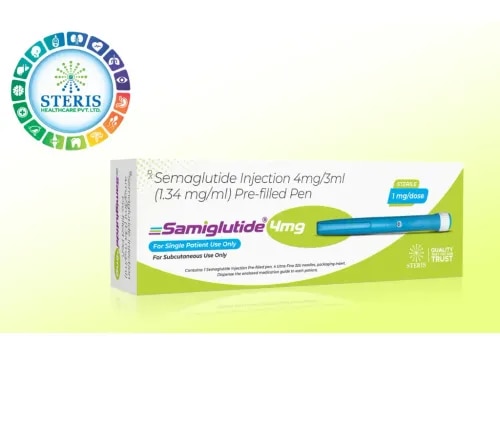
"name": "Semaglutide Injection 4mg",
"description": "SAMIGLUTIDE 4 MG is a semaglutide-containing injectable medicine supplied in a pre-filled pen. The stated formulation contains 4 mg of semaglutide in 3 mL of solution, corresponding to approximately 1.34 mg/mL.\n\nSemaglutide is a GLP-1 receptor agonist that acts on physiological pathways involved in blood-glucose control, appetite, and gastrointestinal function. Its use should be based on the approved indication for the specific product and the advice of a qualified healthcare professional.\n\nProduct Overview\nProduct: SAMIGLUTIDE 4 MG\nActive substance: Semaglutide\nStrength: 4 mg/3 mL\nApproximate concentration: 1.34 mg/mL\nDosage form: Injectable solution\nPresentation: Pre-filled pen\nRoute: Subcutaneous administration, according to the applicable product instructions\n\nThe 4 mg/3 mL concentration is also associated with certain approved semaglutide products. However, this does not mean that their dosing schedules, indications, or administration instructions automatically apply to SAMIGLUTIDE 4 MG. The product-specific labeling should always be followed.\n\nWhat Is Semaglutide?\n\nSemaglutide is a medication belonging to the GLP-1 receptor agonist class. It acts similarly to the naturally occurring hormone glucagon-like peptide-1 (GLP-1).\n\nGLP-1 is involved in several processes related to metabolism. Its activity can influence insulin secretion, glucagon regulation, stomach emptying, and appetite. Depending on the particular semaglutide product and its regulatory authorization, semaglutide may be prescribed for conditions such as type 2 diabetes or chronic weight management in appropriately selected patients.\n\nBecause different semaglutide products can have different approved uses and formulations, treatment decisions should be based on the specific medicine being prescribed.\n\nSAMIGLUTIDE 4 MG Pre-Filled Pen\n\nSAMIGLUTIDE 4 MG is supplied in a pre-filled pen intended to provide a convenient format for subcutaneous administration.\n\nPre-filled devices can eliminate the need to draw medication from a conventional vial. Nevertheless, patients should be properly trained before using an injectable pen and should follow the instructions supplied with the specific product.\n\nThe pen should only be used according to its approved instructions, including the prescribed dose and administration schedule.\n\nStrength and Formulation\n\nEach stated 3 mL presentation contains 4 mg of semaglutide, giving a concentration of approximately 1.34 mg/mL.\n\nThe concentration of a medicine should not be confused with the amount delivered in every injection. The quantity administered depends on the design and dose settings of the particular pen.\n\nFor this reason, patients should not calculate or select their own dose based solely on the concentration printed on the package. The prescribed dose should come from the product's authorized instructions and the treating healthcare professional.\n\nHow Semaglutide Acts\n\nSemaglutide activates GLP-1 receptors, which are involved in the regulation of blood glucose and appetite.\n\nAmong its physiological effects, GLP-1 receptor activation can:\n\nSupport glucose-dependent insulin secretion.\nReduce inappropriate glucagon secretion when blood glucose is elevated.\nAffect gastrointestinal activity, including gastric emptying.\nInfluence appetite and food intake.\n\nThe overall response to treatment can vary between individuals and depends on factors such as the medical indication, prescribed dose, treatment duration, and other medicines being used.\n\nPotential Therapeutic Benefits\n\nWhen prescribed for an appropriate, authorized indication, semaglutide may form part of a broader treatment program.\n\nFor eligible individuals with type 2 diabetes, certain approved semaglutide medicines are used to improve glycemic control. Other approved semaglutide formulations have indications involving chronic weight management for qualifying patients.\n\nMedication should be considered alongside the broader treatment strategy recommended by a healthcare professional, which may include nutritional management, physical activity, glucose monitoring, and other appropriate interventions.\n\nPossible Side Effects\n\nLike other prescription medicines, semaglutide can cause unwanted effects.\n\nFrequently reported gastrointestinal reactions associated with semaglutide products include:\n\nNausea\nVomiting\nDiarrhea\nConstipation\nAbdominal discomfort or pain\n\nNot every patient experiences these effects, and their severity can vary.\n\nSemaglutide products also have important safety considerations. Depending on the specific approved product, labeling includes warnings concerning conditions such as pancreatitis, gallbladder-related problems, severe gastrointestinal reactions, kidney problems associated with dehydration, and serious hypersensitivity reactions.\n\nPatients should provide their healthcare professional with a complete medical history before treatment begins.\n\nImportant Contraindications and Warnings\n\nCertain semaglutide products carry a contraindication for individuals with a personal or family history of medullary thyroid carcinoma (MTC) or those with Multiple Endocrine Neoplasia syndrome type 2 (MEN 2). Serious hypersensitivity to semaglutide or an applicable component is also an important contraindication.\n\nThe exact warnings and contraindications applicable to SAMIGLUTIDE 4 MG should be confirmed against its current authorized product information in the relevant country.\n\nPatients should seek professional medical advice if they develop concerning symptoms during treatment.\n\nCorrect Administration\n\nSAMIGLUTIDE 4 MG should be administered only according to the prescription and instructions applicable to the product.\n\nBefore using a pre-filled pen, patients should receive appropriate instruction regarding:\n\nDose selection\nInjection technique\nInjection sites\nPen operation\nStorage\nDisposal of used needles or injection equipment\n\nThe dose or frequency should never be changed independently.\n\nA pre-filled injection pen should not be shared with another person, even if a new needle is attached. Sharing injectable medication devices can create a risk of transmitting infections and is contrary to appropriate safe-use practices.\n\nStorage\n\nStorage requirements should be determined from the official SAMIGLUTIDE 4 MG packaging and product information supplied with the medicine.\n\nPatients should not rely on storage instructions from a different semaglutide brand because formulations, devices, and stability requirements can differ between products.\n\nUse by Healthcare Professionals\n\nHealthcare professionals should assess whether SAMIGLUTIDE 4 MG is appropriate for an individual patient by considering the relevant diagnosis, treatment objectives, medical history, contraindications, concurrent medicines, and applicable regulatory requirements.\n\nParticular attention should be given to the distinction between different semaglutide products. Although they contain the same active ingredient, products may differ in:\n\nApproved indications\nConcentration\nPen design\nDose increments\nAdministration schedules\nStorage conditions\nRegulatory labeling\n\nThe product-specific prescribing information should therefore be consulted before treatment is initiated or adjusted.\n\nAdvantages of a Pre-Filled Pen\n\nA pre-filled pen can provide a practical method of administering an injectable medicine. Compared with a conventional vial-and-syringe presentation, the device may reduce some preparation steps and can be convenient for patients who have been appropriately trained.\n\nConvenience, however, should not take precedence over product authenticity, regulatory approval, correct dosing, proper storage, and professional medical supervision.\n\nSAMIGLUTIDE 4 MG: Key Points\n\nSAMIGLUTIDE 4 MG is described as a semaglutide injection containing 4 mg in 3 mL, supplied in a pre-filled pen.\n\nThe most important considerations are:\n\nSemaglutide is a GLP-1 receptor agonist.\nThe stated formulation is 4 mg/3 mL (approximately 1.34 mg/mL).\nAdministration is by the subcutaneous route when prescribed for that route.\nThe appropriate dose and frequency must come from the product-specific instructions and prescription.\nDosing information from another semaglutide brand should not automatically be applied.\nPatients should be informed about possible adverse reactions and relevant contraindications.\nThe pen must not be shared between patients.\nStorage and handling should follow the official product information.\nTreatment should be supervised by an appropriately qualified healthcare professional.\nFrequently Asked Questions\nWhat is SAMIGLUTIDE 4 MG?\n\nSAMIGLUTIDE 4 MG is a semaglutide-containing injectable formulation described as 4 mg/3 mL, supplied in a pre-filled pen. Its approved use depends on the regulatory authorization applicable to the product and market.\n\nWhat does 4 mg/3 mL mean?\n\nIt indicates that the stated 3 mL presentation contains a total of 4 mg of semaglutide, equivalent to approximately 1.34 mg of semaglutide per mL.\n\nThis concentration alone should not be used to determine an individual's injection dose.\n\nIs SAMIGLUTIDE 4 MG a prescription medicine?\n\nSemaglutide medicines are prescription products in many jurisdictions. SAMIGLUTIDE 4 MG should be used only in accordance with applicable regulations, authorized product information, and professional medical advice.\n\nHow is SAMIGLUTIDE 4 MG administered?\n\nThe product is described as a subcutaneous injection. However, the exact dose, injection frequency, and pen operation should be determined from the SAMIGLUTIDE 4 MG product information and the patient's prescription.\n\nCan SAMIGLUTIDE 4 MG be taken together with another semaglutide medicine?\n\nPatients should not combine semaglutide-containing medicines or switch between them without medical supervision. Some approved semaglutide labels specifically advise against combining their product with another semaglutide-containing medicine or another GLP-1 receptor agonist.\n\nCan the dose be changed without consulting a doctor?\n\nNo. Patients should not increase, decrease, or otherwise modify the prescribed dose or injection schedule without guidance from their healthcare professional.\n\nConclusion\n\nSAMIGLUTIDE 4 MG – Semaglutide Injection 4 mg/3 mL (approximately 1.34 mg/mL) Pre-Filled Pen is a semaglutide-based injectable formulation designed for subcutaneous use according to its applicable product instructions.\n\nBecause semaglutide products can vary substantially in their approved indications, concentrations, devices, and dosing regimens, information from another semaglutide product should not be assumed to apply to SAMIGLUTIDE 4 MG.\n\nFor appropriate and safe use, patients and healthcare professionals should rely on the current official product information, local regulatory authorization, and individualized medical advice. Any questions concerning suitability, dosing, interactions, contraindications, or adverse effects should be discussed with a qualified healthcare professional.",
"price": 6600.0,
"discountamount": 1980.0,
"currencycode": "INR",
"priority": 1000000,
"isfreeshipmentavailable": false,
"shipmentduration": 1,
"_keywords": null,
"isarchived": false,
"isavailable": true,
"applicationid": null,
"productindex": 2497,
"imageuri": "https://productimages.withfloats.com/actual/6a8c383c0e00e8a5dab0c9d5.png",
"tileimageuri": "https://productimages.withfloats.com/tile/6a8c383c0e00e8a5dab0c9d5.png",
"images": null,
"totalqueries": 0,
"gpid": null,
"groupproductid": null,
"createdon": "2026-08-24T12:25:28.659Z",
"updatedon": "2026-08-24T12:25:28.659Z",
"buyonlinelink": null,
"producturl": "http://WWW.STERISINDIA.COM/products/semaglutide-injection-4mg/2497",
"availableunits": -1.0,
"iscodavailable": false,
"isprepaidonlineavailable": false,
"maxcodorders": 0,
"maxprepaidonlineorders": 0,
"uniquepaymenturl": null,
"brandname": "SAMIGLUTIDE 4 MG",
"category": "DIABETIC RANGE",
"tags": [],
"variants": false,
"keyspecification": null,
"otherspecifications": null,
"pickupaddressreferenceid": null,
"paymenttype": "UniquePaymentUrl",
"producttype": "products",
"hsncode": null,
"gstslab": 0.0,
"isnotforsale": false
},
{
"_id": "6a8c35e76d1f6b0cbc0e2e40",
"fptag": "STERISHEALTHCARE",
"merchantname": null,
"customwidgets": null,
"externalsourceid": null,
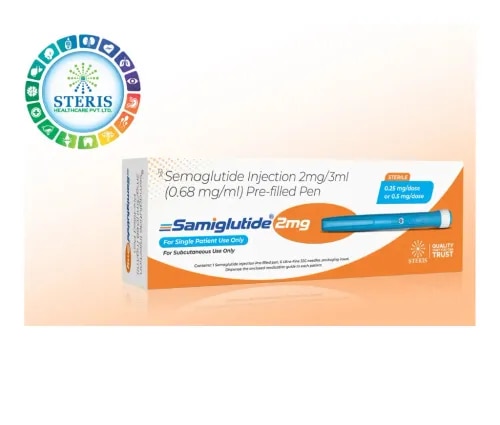
"name": "Semaglutide Injection 2 mg",
"description": "SAMIGLUTIDE 2 MG is a semaglutide-containing injectable medicine supplied in a pre-filled pen. The stated formulation is Semaglutide Injection 2 mg/3 mL (0.68 mg/mL). Semaglutide belongs to the GLP-1 receptor agonist class and is a prescription medicine that should be used only under the supervision of an appropriately qualified healthcare professional.\n\nSAMIGLUTIDE 2 MG Composition\n\nEach 3 mL pre-filled pen is stated to contain:\n\nActive substance: Semaglutide\nStrength: 2 mg/3 mL\nConcentration: 0.68 mg/mL\nDosage form: Injectable solution\nPresentation: Pre-filled pen\nRoute of administration: Subcutaneous, according to the applicable product instructions\n\nSemaglutide acts on GLP-1 receptors, which are involved in blood-glucose regulation and appetite control. The approved uses, dosage regimen and strength available can differ according to the specific product and the regulations of the country in which it is supplied.\n\nWhat Is Semaglutide?\n\nSemaglutide is a synthetic peptide that mimics the activity of the naturally occurring hormone glucagon-like peptide-1 (GLP-1). By activating GLP-1 receptors, it can influence several physiological processes, including glucose-dependent insulin release, glucagon secretion, gastric emptying and appetite.\n\nThe appropriate dose and treatment schedule depend on the individual patient and the particular semaglutide formulation. Patients should follow their healthcare professional's instructions and should not alter the prescribed regimen independently.\n\nSAMIGLUTIDE 2 MG Pre-Filled Pen\n\nSAMIGLUTIDE 2 MG is presented as a pre-filled injection pen intended to provide a convenient method of administration when the medicine has been prescribed.\n\nSince semaglutide products can differ in concentration, pen design and dose-delivery mechanism, users should carefully verify the product label and prescribed dose before each administration. Particular care is important with injectable semaglutide products because differences in concentration or measurement methods can result in medication errors.\n\nPotential Medical Uses\n\nSemaglutide may be used for particular medical conditions depending on the formulation, regulatory approval and prescribing information applicable to the product.\n\nCertain approved semaglutide medicines are indicated for the treatment of type 2 diabetes, while other formulations have approved indications involving chronic weight management in eligible patients. Some products may also have additional approved indications for reducing specific cardiovascular risks.\n\nThe fact that semaglutide can be used for weight management does not mean that every semaglutide product is approved for that purpose. The authorization and labeling of SAMIGLUTIDE should therefore be confirmed from current official product documentation.\n\nHow Semaglutide Works\n\nSemaglutide activates GLP-1 receptors in the body. Its effects can contribute to improved regulation of blood glucose and reduced appetite and food intake. Depending on the approved indication, it may be prescribed together with dietary, physical-activity or other appropriate medical measures.\n\nIndividual responses can vary. Medical follow-up helps healthcare professionals evaluate treatment response, tolerability and whether treatment should be continued or modified.\n\nDosage and Administration\n\nSAMIGLUTIDE 2 MG should be administered only in accordance with the prescription and the manufacturer's current instructions.\n\nThe amount of semaglutide contained in a pen should not automatically be interpreted as the amount to inject at one time. Different products may use different concentrations, dose settings and administration schedules.\n\nFor approved semaglutide products, treatment may involve gradual dose increases for certain indications. Patients should never increase the dose, inject more frequently or repeat a missed dose without receiving appropriate medical instructions.\n\nPossible Side Effects\n\nSemaglutide can cause adverse effects, particularly gastrointestinal symptoms. Frequently reported effects may include:\n\nNausea\nVomiting\nDiarrhea\nConstipation\nAbdominal discomfort\nAbdominal pain\n\nMore serious reactions are also possible. Product information for semaglutide medicines includes warnings relating to conditions such as pancreatitis and gallbladder disorders, among other potential risks.\n\nPersistent, severe or unusual symptoms should be discussed promptly with a healthcare professional. Patients should review the complete prescribing information supplied with their particular product.\n\nImportant Safety Information\n\nSemaglutide is not appropriate for everyone. For example, certain approved semaglutide products in the United States carry a contraindication for individuals with a personal or family history of medullary thyroid carcinoma (MTC), people with Multiple Endocrine Neoplasia syndrome type 2 (MEN 2), and individuals with a serious hypersensitivity to semaglutide or an ingredient in the relevant product.\n\nThese precautions should not automatically be assumed to apply identically to every semaglutide product worldwide. The manufacturer's labeling and the regulatory requirements of the relevant country should always be consulted.\n\nPatients should inform their healthcare professional about their medical history and other medicines before starting treatment.\n\nAdvantages of a Pre-Filled Pen\n\nA pre-filled pen can make injectable treatment more convenient by providing the medication in a ready-to-use delivery device. When used according to the manufacturer's instructions, the pen may simplify administration and help patients maintain their prescribed treatment routine.\n\nPatients should nevertheless receive appropriate guidance regarding injection technique, storage, handling and disposal. The convenience of a pen does not eliminate the need for medical supervision.\n\nStorage and Handling\n\nSAMIGLUTIDE 2 MG should be stored exactly as stated on its packaging and official product information. Appropriate storage conditions are important for maintaining the quality and stability of the medicine.\n\nBefore use, check the expiry date and inspect the packaging and medicine according to the manufacturer's instructions. Do not use the product if the packaging is damaged or if the solution has an appearance that does not meet the stated product requirements.\n\nConclusion\n\nSAMIGLUTIDE 2 MG – Semaglutide Injection 2 mg/3 mL (0.68 mg/mL) is a semaglutide-based injectable formulation supplied in a pre-filled pen. Semaglutide is a GLP-1 receptor agonist with established medical applications for appropriately selected patients, depending on the specific product and its regulatory authorization.\n\nSafe use requires adherence to the prescribed dose and administration schedule. Patients should not independently change their dose or frequency and should seek professional advice if they experience concerning adverse effects.\n\nBecause formulations, indications, strengths and regulatory requirements can vary between products and countries, the current official package insert and applicable regulatory labeling should be used to verify product-specific information.\n\nFrequently Asked Questions\nWhat is SAMIGLUTIDE 2 MG?\n\nSAMIGLUTIDE 2 MG is described as a semaglutide injection containing 2 mg of semaglutide in 3 mL, with a stated concentration of 0.68 mg/mL, supplied in a pre-filled pen.\n\nIs SAMIGLUTIDE 2 MG used for weight management?\n\nSemaglutide is included in certain approved medicines used for chronic weight management in eligible patients. However, the indication for a specific SAMIGLUTIDE product must be confirmed from its current regulatory approval and official labeling.\n\nHow frequently is SAMIGLUTIDE 2 MG injected?\n\nThe correct frequency depends on the specific product and the prescription issued by the healthcare professional. Patients should not determine the injection schedule based solely on the amount printed on the pen.\n\nCan SAMIGLUTIDE 2 MG be taken without medical supervision?\n\nNo. Semaglutide is a prescription medicine in many jurisdictions and should be obtained and used through legitimate, appropriately regulated healthcare channels.\n\nIs SAMIGLUTIDE the same as other branded semaglutide medicines?\n\nNot necessarily. Products containing semaglutide can differ in manufacturer, formulation, concentration, delivery device, regulatory approval and approved indications. A specific product should not be described as identical to an approved branded medicine unless that claim can be verified through reliable regulatory and product documentation.\n\nWhat should patients check before using the pen?\n\nPatients should verify the medicine name, strength, prescribed dose, expiry date, storage conditions and administration instructions. If there is any uncertainty about the dose or operation of the pen, they should consult their pharmacist, prescriber or another qualified healthcare professional rather than guessing.",
"price": 5600.0,
"discountamount": 1680.0,
"currencycode": "INR",
"priority": 1000000,
"isfreeshipmentavailable": false,
"shipmentduration": 1,
"_keywords": null,
"isarchived": false,
"isavailable": true,
"applicationid": null,
"productindex": 2496,
"imageuri": "https://productimages.withfloats.com/actual/6a8c35eaca4d2575d78e3716.png",
"tileimageuri": "https://productimages.withfloats.com/tile/6a8c35eaca4d2575d78e3716.png",
"images": null,
"totalqueries": 0,
"gpid": null,
"groupproductid": null,
"createdon": "2026-08-24T12:15:35.873Z",
"updatedon": "2026-08-24T12:15:35.873Z",
"buyonlinelink": null,
"producturl": "http://WWW.STERISINDIA.COM//semaglutide-injection-2-mg/2496",
"availableunits": -1.0,
"iscodavailable": false,
"isprepaidonlineavailable": false,
"maxcodorders": 0,
"maxprepaidonlineorders": 0,
"uniquepaymenturl": null,
"brandname": "SAMIGLUTIDE 2 MG",
"category": "DIABETIC RANGE",
"tags": [],
"variants": false,
"keyspecification": null,
"otherspecifications": null,
"pickupaddressreferenceid": null,
"paymenttype": "UniquePaymentUrl",
"producttype": "products",
"hsncode": null,
"gstslab": 0.0,
"isnotforsale": false
},
{
"_id": "6a50b1ae8f6638fa60654b85",
"fptag": "STERISHEALTHCARE",
"merchantname": null,
"customwidgets": null,
"externalsourceid": null,
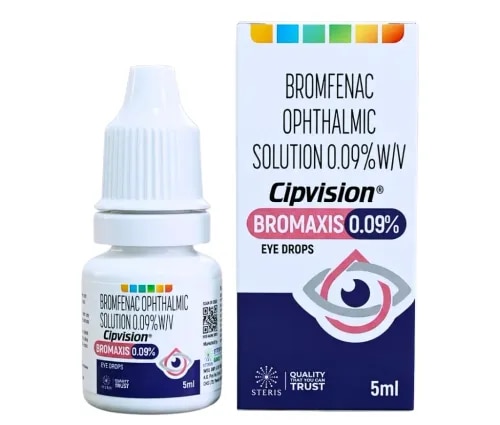
"name": "Bromfenac Ophthalmic Solution 0.09% w/v",
"description": "Bromfenac ophthalmic solution 0.09% w/v is a prescription non-steroidal anti-inflammatory drug (NSAID) eye drop used primarily to treat pain and inflammation following cataract surgery and to reduce the risk of post-operative cystoid macular edema. Unlike corticosteroid eye drops, bromfenac is not a steroid — it works by inhibiting the cyclooxygenase (COX) enzyme, blocking the production of prostaglandins that drive inflammation, redness, and pain. A key advantage of bromfenac is its once-daily dosing, compared to the multiple daily doses required by many other topical NSAIDs and steroids, which improves ease of use during post-surgical recovery. Common side effects include mild burning or stinging on instillation and temporary blurred vision, while rare but serious risks include corneal complications with prolonged or inappropriate use. It is a Schedule H prescription-only medicine in India.\n\nWhat Is Bromfenac Ophthalmic Solution 0.09% w/v?\nBromfenac ophthalmic solution 0.09% w/v is a topical non-steroidal anti-inflammatory drug (NSAID) formulated for use in the eye. It is most commonly prescribed to manage inflammation and pain following ocular surgery, particularly cataract surgery, and is also used to help reduce the risk of post-operative cystoid macular edema, a swelling of the central retina that can occur after intraocular procedures.\nAs an NSAID, bromfenac differs fundamentally from corticosteroid eye drops. It does not carry the risk of raising intraocular pressure (IOP) that steroids do, making it a valuable option — often used alongside or instead of a steroid — in the post-surgical care protocol, depending on the surgeon's assessment.\nOne of bromfenac's most notable practical advantages is its once-daily dosing schedule, which sets it apart from several other ophthalmic NSAIDs that require two to four applications per day. This simplified regimen can improve patient adherence during the post-operative recovery period.\n\nHow Does Bromfenac Work? (Mechanism of Action)\n\nTissue injury response – Ocular surgery and inflammation trigger the release of arachidonic acid from damaged cell membranes.\nCyclooxygenase (COX) enzyme activity – The COX-1 and COX-2 enzymes convert arachidonic acid into prostaglandins, which are key mediators of inflammation, pain, and vascular permeability.\nCOX inhibition by bromfenac – Bromfenac inhibits both COX-1 and COX-2 enzymes, blocking the prostaglandin synthesis pathway.\nReduced inflammation and pain – With prostaglandin production suppressed, inflammation, redness, and post-surgical discomfort are reduced.\nProtection against macular edema – By limiting prostaglandin-driven vascular permeability, bromfenac also helps lower the risk of fluid accumulation in the macula following surgery.\n\n\nClinical Indications\nIndicationDetailsPost-operative inflammationPrimary use following cataract surgeryPost-operative pain managementReduces surgical site discomfort during recoveryPrevention of post-operative cystoid macular edemaUsed prophylactically around the time of cataract surgeryAdjunct to steroid therapySometimes used alongside corticosteroid drops for comprehensive post-surgical control\n\nDosage & Administration\nParameterRecommendationStandard doseOne drop in the operated eye, once dailyTimingOften started shortly before surgery and continued through the recovery period, as directedDurationTypically a defined post-operative course as prescribed by your ophthalmic surgeonContact lensesAvoid wearing contact lenses during the immediate post-operative period unless advised otherwiseMissed doseApply as soon as remembered; do not double the next doseCombination useMay be prescribed alongside antibiotic and/or steroid eye drops as part of a full post-surgical regimen — space applications as directed\nNote: Always follow your surgeon's specific pre- and post-operative dosing schedule, as timing around the surgery date is clinically important.\n\nKey Benefits\n\nEffectively reduces post-surgical pain and inflammation without the IOP-related risks of steroids\nOnce-daily dosing improves convenience and adherence compared to multi-dose NSAID or steroid regimens\nHelps lower the risk of post-operative cystoid macular edema, a potentially vision-affecting complication\nCan be used alongside steroid and antibiotic eye drops as part of a comprehensive post-surgical protocol\nGenerally does not raise intraocular pressure, unlike corticosteroid alternatives\nSupports a smoother, more comfortable post-operative recovery experience\n\n\nPrecautions\n\nUse strictly as directed by your ophthalmic surgeon, particularly regarding timing before and after surgery\nUse with caution in patients with known bleeding disorders or those taking medications that increase bleeding tendency, as NSAIDs can affect clotting\nRare but serious corneal complications (including delayed healing or, very rarely, corneal thinning) have been reported with prolonged or inappropriate NSAID use — report any unusual eye pain or vision change immediately\nNot recommended for patients with known hypersensitivity to bromfenac or other NSAIDs\nCaution advised in patients with complicated ocular surgeries, pre-existing corneal disease, or dry eye, as these may increase sensitivity to corneal side effects\nAvoid contact lens wear during the treatment period unless specifically advised by your doctor\nInform your doctor of all other eye medications and systemic drugs, especially blood thinners\n\n\nSide Effects\nCommon (Usually Mild and Temporary)\n\nMild burning or stinging sensation on instillation\nTemporary blurred vision\nEye redness\nEye discomfort or itching\n\nLess Common / Serious (Consult Your Doctor Promptly)\n\nPersistent or worsening eye pain\nDelayed corneal healing\nRare corneal complications, including corneal thinning or perforation with prolonged/inappropriate use\nIncreased risk of bleeding at the ocular surface in susceptible individuals\nSigns of an allergic reaction (swelling, itching, rash)\n\nDiscontinue and contact your ophthalmologist immediately if any serious or persistent symptom develops.\n\nComparison: Bromfenac vs. Other Post-Surgical Anti-Inflammatory Options\nTreatmentClassDosing FrequencyKey ConsiderationBromfenac ophthalmic solution 0.09%NSAIDOnce dailyConvenient dosing; no IOP risk; rare corneal risk with prolonged usePrednisolone acetateCorticosteroidMultiple times dailyEffective anti-inflammatory; carries IOP and cataract risk with prolonged useKetorolac ophthalmic solutionNSAIDMultiple times dailySimilar NSAID mechanism; more frequent dosing than bromfenacNepafenac ophthalmic suspensionNSAID (prodrug)1–3 times daily depending on formulationAlternative NSAID option; dosing varies by strength\n\nKey Statistics (Placeholder — Pending Clinical Reviewer Verification)\nMetricValueReported reduction in post-operative cystoid macular edema incidence with prophylactic NSAID use[Placeholder – insert verified clinical trial statistic]Typical duration of post-cataract-surgery bromfenac therapy[Placeholder – insert verified reference range]Reported rate of corneal adverse events with appropriate short-course use[Placeholder – insert epidemiological reference]\nAll statistics above are placeholders and must be verified and populated by a qualified clinical reviewer prior to publication.\n\nExpert Insight\n\n[Placeholder — Expert quote pending. To be added only after review and approval by a licensed ophthalmologist/medical reviewer associated with Steris Healthcare. Do not fabricate or publish without sign-off.]\n\n\nPrice of Bromfenac Ophthalmic Solution 0.09% w/v\nThe price of bromfenac ophthalmic solution 0.09% w/v varies depending on brand, pack size, and region. For current pricing, availability, and prescription verification, please consult your ophthalmologist or an authorized pharmacy.\nPrescription only – consult your doctor.\n\nConclusion\nBromfenac ophthalmic solution 0.09% w/v has become a widely used part of modern post-cataract-surgery care, offering effective pain and inflammation control along with a meaningful reduction in the risk of post-operative cystoid macular edema — all with the convenience of once-daily dosing. As an NSAID rather than a steroid, it avoids the intraocular pressure concerns associated with corticosteroid therapy, though it carries its own specific precautions, particularly around rare corneal complications with prolonged or inappropriate use. Used exactly as directed by your ophthalmic surgeon, within the prescribed post-operative window, bromfenac supports a smoother, more comfortable surgical recovery.\n\nFrequently Asked Questions\n\n1. What is bromfenac ophthalmic solution 0.09% used for?\nIt is used to treat pain and inflammation following cataract surgery and to help reduce the risk of post-operative cystoid macular edema, a swelling of the central retina that can occur after eye surgery.\n\n2. Is bromfenac a steroid?\nNo. Bromfenac is a non-steroidal anti-inflammatory drug (NSAID). It works by inhibiting the cyclooxygenase (COX) enzyme rather than acting through the steroid pathway, and it does not carry the intraocular pressure risks associated with corticosteroids.\n\n3. How often should bromfenac eye drops be used?\nBromfenac ophthalmic solution 0.09% is typically used once daily in the operated eye, making it more convenient than many other post-surgical eye drops that require multiple daily doses.\n\n4. How long is bromfenac used after cataract surgery?\nThe duration is determined by your ophthalmic surgeon based on your individual recovery, often continuing through a defined post-operative period as part of your overall surgical care protocol.\n\n5. Can bromfenac be used with steroid eye drops?\nYes, bromfenac is often prescribed alongside corticosteroid and/or antibiotic eye drops as part of a comprehensive post-surgical regimen, with applications spaced as directed by your doctor.\n\n6. What are the side effects of bromfenac eye drops?\nCommon side effects include mild burning or stinging upon application, temporary blurred vision, and eye redness. Rare but serious effects can include delayed corneal healing or corneal complications with prolonged or inappropriate use.\n\n7. Does bromfenac raise eye pressure?\nNo, as an NSAID, bromfenac does not typically raise intraocular pressure the way corticosteroid eye drops can, which is one of its key advantages in post-surgical care.\n\n8. Can bromfenac cause corneal problems?\nRare but serious corneal complications, including delayed healing or corneal thinning, have been reported with prolonged or inappropriate NSAID use. Any unusual eye pain or vision change should be reported to your doctor immediately.\n\n9. Is bromfenac safe for people on blood thinners?\nNSAIDs like bromfenac can affect bleeding tendency, so patients on blood-thinning medications or with known bleeding disorders should inform their doctor before starting treatment.\n10. Can contact lenses be worn while using bromfenac?\nIt is generally advised to avoid wearing contact lenses during the post-operative treatment period unless your ophthalmologist specifically advises otherwise.\n11. What happens if I miss a dose of bromfenac?\nApply the missed dose as soon as you remember, unless it is nearly time for your next scheduled dose, in which case skip the missed dose. Do not double up doses.\n12. How is bromfenac different from ketorolac eye drops?\nBoth are NSAIDs with a similar mechanism of action, but bromfenac typically requires only once-daily dosing, while ketorolac usually requires multiple applications per day.\n13. Can bromfenac prevent macular edema after cataract surgery?\nBromfenac is commonly used prophylactically around the time of cataract surgery to help reduce the risk of post-operative cystoid macular edema, a recognized complication of intraocular surgery.\n\n14. Is bromfenac safe for long-term use?\nBromfenac is generally prescribed for a defined post-operative course rather than continuous long-term use, and prolonged or unsupervised use should be avoided due to rare corneal risks.\n\n15. Who should not use bromfenac eye drops?\nPatients with known hypersensitivity to bromfenac or other NSAIDs, or those with certain pre-existing corneal or bleeding conditions, should use bromfenac only under close medical supervision, if at all.\n\n16. Does bromfenac cause blurred vision?\nTemporary blurred vision can occur immediately after instillation in some patients and usually resolves quickly. Persistent blurred vision should be reported to your doctor.\n\n17. Can bromfenac be used before cataract surgery as well as after?\nYes, bromfenac is often started shortly before surgery and continued through the post-operative recovery period, following the specific schedule set by your ophthalmic surgeon.\n",
"price": 195.0,
"discountamount": 136.0,
"currencycode": "INR",
"priority": 1000000,
"isfreeshipmentavailable": false,
"shipmentduration": 1,
"_keywords": null,
"isarchived": false,
"isavailable": true,
"applicationid": null,
"productindex": 2472,
"imageuri": "https://productimages.withfloats.com/actual/6a50b1b32d7a16f0f95be110.png",
"tileimageuri": "https://productimages.withfloats.com/tile/6a50b1b32d7a16f0f95be110.png",
"images": null,
"totalqueries": 0,
"gpid": null,
"groupproductid": null,
"createdon": "2026-07-10T08:47:42.715Z",
"updatedon": "2026-07-10T08:47:42.715Z",
"buyonlinelink": null,
"producturl": "http://WWW.STERISINDIA.COM//bromfenac-ophthalmic-solution-0-09-w-v/2472",
"availableunits": -1.0,
"iscodavailable": false,
"isprepaidonlineavailable": false,
"maxcodorders": 0,
"maxprepaidonlineorders": 0,
"uniquepaymenturl": null,
"brandname": "CIPVISION BROMAXIS 0.09%",
"category": "Opthalmology Range",
"tags": [
"Bromfenac Ophthalmic Solution 0.09% w/v",
"bromfenac ophthalmic solution 0.09%"
],
"variants": false,
"keyspecification": null,
"otherspecifications": null,
"pickupaddressreferenceid": null,
"paymenttype": "UniquePaymentUrl",
"producttype": "products",
"hsncode": null,
"gstslab": 0.0,
"isnotforsale": false
},
{
"_id": "6a4cf84af44be73628317db4",
"fptag": "STERISHEALTHCARE",
"merchantname": null,
"customwidgets": null,
"externalsourceid": null,
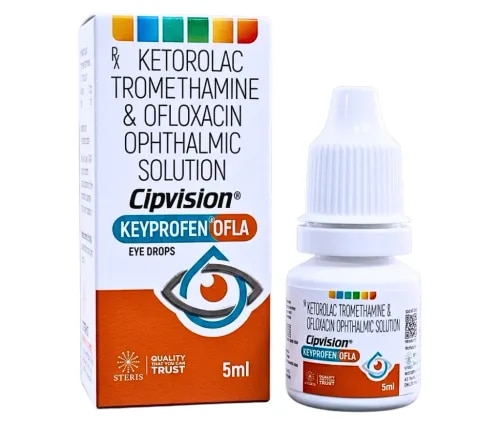
"name": "ketorolac tromethamine ofloxacin eye drops",
"description": "Ketorolac tromethamine ofloxacin eye drops are a prescription combination formulation that pairs an NSAID (ketorolac tromethamine) with a fluoroquinolone antibiotic (ofloxacin) in a single ophthalmic solution. Ketorolac reduces pain, inflammation, and irritation, while ofloxacin treats or prevents bacterial eye infections — making this combination especially useful after eye surgery, such as cataract or corneal refractive procedures, when both inflammation control and infection prevention are needed at the same time. It's generally well tolerated, with mild stinging or burning being the most common effect, and should only be used exactly as prescribed by an eye care professional.\nWhat Is Ketorolac Tromethamine Ofloxacin Eye Drops?\nThis is a fixed-dose combination ophthalmic solution bringing together two distinct classes of medication:\n\nKetorolac tromethamine — a nonsteroidal anti-inflammatory drug (NSAID) that blocks prostaglandin synthesis in the eye, reducing pain, inflammation, and irritation\nOfloxacin — a fluoroquinolone antibiotic that treats bacterial infections of the eye, including conjunctivitis and corneal ulcers, by inhibiting bacterial DNA replication\n\nCombining the two addresses two separate clinical needs at once: controlling post-operative or allergy-related inflammation, and reducing the risk of bacterial infection during the eye's vulnerable healing period. This combination is commonly prescribed following cataract surgery, corneal refractive surgery, and other ocular procedures where both inflammation and infection risk need to be managed together.\nHow This Combination Works (Mechanism of Action)\n\nKetorolac's anti-inflammatory action — Blocks the cyclooxygenase (COX) enzyme pathway, reducing the production of prostaglandins, the chemical messengers responsible for pain, redness, and swelling in the eye.\nReduced pain and irritation — With prostaglandin production suppressed, patients experience less post-surgical discomfort, itching, and burning.\nOfloxacin's antibacterial action — Inhibits bacterial DNA gyrase and topoisomerase IV, enzymes bacteria need to replicate their DNA, effectively stopping bacterial growth.\nInfection prevention/control — By suppressing bacterial replication, ofloxacin helps prevent or treat infections that could otherwise complicate the eye's healing process after surgery or injury.\nCombined post-operative support — Together, the two components address both major risks during ocular recovery: uncontrolled inflammation and secondary bacterial infection.\n\nClinical Indications\nUse CaseRole of the CombinationPost-cataract surgery careControls inflammation and pain while preventing bacterial infection during healingPost-corneal refractive surgery (e.g., LASIK)Reduces post-operative discomfort and infection riskBacterial conjunctivitis with inflammationTreats the underlying infection while easing associated redness and irritationCorneal injury or minor trauma (as directed)Supports healing by addressing both inflammation and infection riskSeasonal allergic conjunctivitis (ketorolac component)Relieves itching associated with seasonal eye allergies\nThis combination is intended for short-term, doctor-directed use — not for long-term or repeated self-administration.\nDosage Guidelines\nParameterTypical GuidanceStandard doseOne drop in the affected eye(s), frequency as prescribed by your doctorCommon frequencyOften 2 to 4 times daily, depending on the condition being treated and product-specific labelingPost-surgical useUsually started shortly after surgery and continued for a defined post-operative period, as directedAdministration techniqueTilt head back, pull down the lower eyelid, instill the drop without touching the dropper tip to the eye, then close the eye gently for a minute or twoContact lens useAvoid wearing contact lenses during treatment unless your doctor says otherwiseDurationComplete the full prescribed course, even if symptoms improve early, to reduce the risk of antibiotic resistance or incomplete healing\nExact dosing frequency and treatment duration vary by brand formulation and the specific condition being treated — always follow your prescribing doctor's exact instructions rather than a generic schedule.\nKey Benefits\n\nAddresses two major post-surgical risks — inflammation/pain and bacterial infection — in a single combination product\nReduces the need for two separate eye drop bottles, simplifying the post-operative care routine\nKetorolac's anti-inflammatory action helps improve comfort during the critical early healing window after eye surgery\nOfloxacin's broad-spectrum antibacterial activity covers many common eye pathogens\nUseful for both surgical recovery and certain inflammatory/infectious conditions like allergic or bacterial conjunctivitis with associated discomfort\n\nPrecautions\n\nShould be used strictly under the guidance of an ophthalmologist — not for self-directed or prolonged use\nDo not use alongside other NSAID eye drops, as this can increase the risk of bleeding and delayed healing\nUse with caution alongside steroid-containing eye drops, as combined use may increase infection risk\nUse with caution in patients who bleed easily or are on blood-thinning medication, due to ketorolac's NSAID effects\nIf symptoms do not improve within the expected timeframe, or worsen, contact your doctor rather than continuing use independently\nAvoid contact lens wear during treatment unless specifically advised otherwise\nDiscontinue immediately and contact your doctor at the first sign of a rash or allergic reaction\nNot recommended for infants under 1 year old (based on the ofloxacin component's approved age range)\n\nSide Effects\nCommon side effects:\n\nStinging or burning on application\nTemporary blurred vision\nEye redness or irritation\nDryness or excess tearing\nSensitivity to light (photophobia)\n\nLess common side effects:\n\nItching or foreign body sensation in the eye\nEyelid swelling\nMild headache\n\nRare but serious side effects — seek immediate medical attention:\n\nSigns of an allergic reaction: hives, difficulty breathing, swelling of the face, lips, tongue, or throat\nSevere skin reaction: fever, sore throat, facial or tongue swelling, skin pain followed by a spreading red or purple rash with blistering\nCorneal problems: persistent eye pain, corneal thinning, erosion, or non-healing of the eye surface\nWorsening infection symptoms despite treatment\n\nMost side effects are mild and temporary; however, any signs of a serious allergic or corneal reaction require prompt medical attention.\nComparison with Alternatives\nFeatureKetorolac + Ofloxacin CombinationSteroid + Antibiotic Combination (e.g., Dexamethasone + Tobramycin)Anti-inflammatory mechanismNSAID (COX inhibition)Corticosteroid (broader immune suppression)Infection risk with prolonged useLower relative infection-masking riskHigher risk of masking infection with prolonged steroid useTypical use casePost-operative pain/inflammation with infection preventionBroader inflammatory eye conditions requiring stronger anti-inflammatory controlIntraocular pressure effectMinimal IOP effect from ketorolacSteroids can raise intraocular pressure with prolonged use\nYour ophthalmologist will select the combination best suited to your specific procedure, condition, and risk factors.\nKey Statistics\n[Placeholder — pending clinical/regulatory team verification. Do not publish without confirmed source citation for post-operative infection rate reduction data, comparative efficacy figures, or incidence rates of reported adverse effects for this specific combination product.]\nExpert Insight\n[Placeholder — reserved for a quote from a qualified ophthalmologist or clinical reviewer. Do not publish without a verified, attributable expert quote.]\nFrequently Asked Questions\n1. What is ketorolac and ofloxacin eye drops used for?\nThis combination is used to control pain, inflammation, and irritation while also preventing or treating bacterial infection in the eye — most commonly after cataract or corneal refractive surgery, and sometimes for infected, inflamed conditions like bacterial conjunctivitis.\n2. Is ketorolac eye drops safe to use?\nKetorolac eye drops are generally safe when used as prescribed by a doctor for approved indications like post-surgical inflammation or allergic conjunctivitis. As with any NSAID, it should be used with caution in people who bleed easily or take blood thinners, and not combined with other NSAID eye drops.\n3. Is ofloxacin safe for eyes?\nYes, ofloxacin eye drops are considered safe and are widely prescribed for bacterial eye infections when used as directed. Common effects are mild and temporary, such as stinging or light sensitivity; serious reactions are rare but should be reported to a doctor immediately if they occur.\n4. Is ketorolac safe for eyes?\nKetorolac eye drops are safe for ophthalmic use when prescribed appropriately and used according to your doctor's instructions. It's an established NSAID with a long history of use for post-surgical pain and allergic conjunctivitis, though it requires caution in certain patients, such as those with bleeding disorders.\n5. How many times a day can you use ketorolac eye drops?\nThis depends on the condition being treated and your doctor's specific prescription — commonly this is 2 to 4 times daily. Always follow your doctor's exact dosing instructions rather than a generic schedule, since frequency varies by indication and product.\n6. Does ketorolac reduce eye pressure?\nNo, ketorolac is not used to reduce intraocular eye pressure. It works as an anti-inflammatory pain reliever by blocking prostaglandin production, not as a pressure-lowering agent. Medications specifically designed to reduce eye pressure, such as those used in glaucoma, work through different mechanisms and are a separate category of treatment.\nConclusion\nKetorolac tromethamine ofloxacin eye drops offer a practical, combined solution for two of the most important concerns during eye recovery: controlling inflammation and pain, and preventing bacterial infection. By pairing an established NSAID with a trusted fluoroquinolone antibiotic, this combination simplifies post-operative care, particularly after cataract or corneal refractive surgery, while addressing allergic and infectious inflammatory conditions when appropriate. Most side effects are mild and temporary, though the combination should always be used exactly as prescribed, with attention to precautions around other eye medications, bleeding risk, and contact lens use. As with any prescription ophthalmic treatment, ongoing follow-up with your ophthalmologist ensures the medication is working as intended and any concerns are addressed early.",
"price": 90.0,
"discountamount": 27.0,
"currencycode": "INR",
"priority": 1000000,
"isfreeshipmentavailable": false,
"shipmentduration": 1,
"_keywords": null,
"isarchived": false,
"isavailable": true,
"applicationid": null,
"productindex": 2467,
"imageuri": "https://productimages.withfloats.com/actual/6a4cf84ca50a3eb7ed21b13b.png",
"tileimageuri": "https://productimages.withfloats.com/tile/6a4cf84ca50a3eb7ed21b13b.png",
"images": null,
"totalqueries": 0,
"gpid": null,
"groupproductid": null,
"createdon": "2026-07-07T12:59:54.142Z",
"updatedon": "2026-07-07T12:59:54.142Z",
"buyonlinelink": null,
"producturl": "http://WWW.STERISINDIA.COM//ketorolac-tromethamine-ofloxacin-eye-drops/2467",
"availableunits": -1.0,
"iscodavailable": false,
"isprepaidonlineavailable": false,
"maxcodorders": 0,
"maxprepaidonlineorders": 0,
"uniquepaymenturl": null,
"brandname": "CIPVISION KEYPROFEN OFLA",
"category": "Opthalmology Range",
"tags": [
"ketorolac tromethamine ofloxacin eye drops",
"ketorolac tromethamine",
"ketorolac tromethamine uses",
"ketorolac tromethamine uses in hindi",
"ketorolac tromethamine dispersible tablets uses in hindi",
"ketorolac tromethamine tablet uses in hindi",
"ketorolac tromethamine use in hindi",
"ketorolac tromethamine use"
],
"variants": false,
"keyspecification": null,
"otherspecifications": null,
"pickupaddressreferenceid": null,
"paymenttype": "UniquePaymentUrl",
"producttype": "products",
"hsncode": null,
"gstslab": 0.0,
"isnotforsale": false
},
{
"_id": "6a4cf32ff4503514c0b03999",
"fptag": "STERISHEALTHCARE",
"merchantname": null,
"customwidgets": null,
"externalsourceid": null,
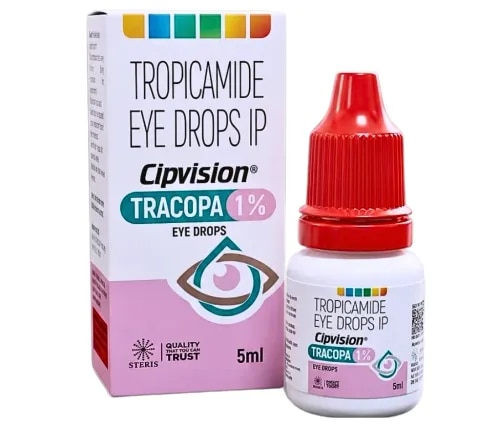
"name": "tropicamide eye drops ip",
"description": "Tropicamide eye drops IP are a prescription ophthalmic solution used to dilate the pupil (mydriasis) and temporarily paralyze the eye's focusing muscles (cycloplegia) before eye examinations and certain ocular procedures. Dilation typically begins within 20–40 minutes of application and lasts around 4–6 hours, though effects can occasionally persist longer. Tropicamide is widely used by ophthalmologists and optometrists to get a clear, detailed view of the retina, optic nerve, and back of the eye — something that isn't possible through an undilated pupil. It's generally well tolerated, though temporary blurred vision and light sensitivity are expected effects rather than side effects to worry about.\nWhat Is Tropicamide Eye Drops IP?\nTropicamide eye drops IP (manufactured to Indian Pharmacopoeia standards) are an anticholinergic (antimuscarinic) ophthalmic solution, commonly available in 0.5% and 1% strengths. “IP” indicates the formulation meets the quality and purity standards set by the Indian Pharmacopoeia.\nTropicamide belongs to the same broad drug family as atropine but has a much shorter duration of action, which is precisely why it's the preferred choice for routine eye examinations — it does its job quickly and wears off within hours rather than days. It's typically administered directly by a healthcare provider in a clinical or hospital setting, rather than self-administered at home.\nHow Tropicamide Works (Mechanism of Action)\n\nMuscarinic receptor blockade — Tropicamide blocks acetylcholine from binding to muscarinic receptors in the eye's iris sphincter and ciliary muscles.\nPupil dilation (mydriasis) — With the sphincter muscle relaxed, the pupil's natural constricting reflex is blocked, allowing it to widen.\nParalysis of accommodation (cycloplegia) — The ciliary muscle, responsible for adjusting eye focus for near vision, is also relaxed, temporarily reducing the eye's ability to focus on close objects.\nClear visualization of the fundus — With the pupil fully dilated, the examining doctor can clearly view the retina, macula, optic nerve, and vitreous — structures that are otherwise obscured behind an undilated pupil.\nNatural wearing-off — As the drug is metabolized and clears from the eye tissue, muscle tone gradually returns, and the pupil returns to its normal size and reactivity.\n\nClinical Indications\nUse CaseWhy Tropicamide Is UsedDilated fundus examinationAllows a detailed view of the retina, optic nerve, and maculaPre- and post-cataract surgeryAchieves adequate pupil dilation for surgical visibility and reduces post-operative inflammation-related discomfortDiagnosis of refractive errors in childrenCycloplegic effect prevents the eye from actively focusing, giving a more accurate refraction measurementRetinal and posterior segment proceduresSupports clear visualization for laser treatments and retinal surgeryEvaluation of optic nerve or cranial nerve abnormalitiesHelps assess disc swelling, cup-to-disc ratio, and pupillary responsesAnterior uveitis management (adjunctive use)Cycloplegic effect can reduce pain and the risk of complications like posterior synechiae\nDosage Guidelines\nParameterTypical GuidanceStandard strength0.5% or 1% ophthalmic solutionTypical doseOne drop instilled into the eye(s), as directed by the examining doctorOnset of actionDilation usually begins within 20–40 minutesDuration of effectCommonly 4–6 hours; can occasionally last longer depending on individual responseAdministration techniqueTilt the head back, pull down the lower eyelid, instill the drop, then close the eye gently for 2–3 minutes without blinking; applying gentle pressure at the inner corner of the eye can help limit systemic absorptionRepeat dosingA second drop may be used after several minutes if dilation is insufficient, at the doctor's discretion\nTropicamide is typically administered by a healthcare professional in a clinical setting rather than self-instilled at home, and dosing should always follow the specific instructions of the treating doctor.\nKey Benefits\n\nProvides fast, reliable pupil dilation, enabling a thorough examination of the back of the eye\nShort duration of action (compared to atropine) means vision and eye function return to normal within hours, not days\nWell-established, widely used mydriatic with a strong long-term safety record in clinical practice\nSupports more accurate diagnosis of refractive errors in children through its cycloplegic effect\nUseful both for routine diagnostic eye exams and as part of pre-/post-surgical eye care\nAvailable in two strengths (0.5% and 1%), allowing the examining doctor to tailor the degree of dilation needed\n\nPrecautions\n\nShould only be administered by, or under the direct guidance of, a qualified eye care professional\nWear sunglasses after application, since dilated pupils let in significantly more light and cause noticeable light sensitivity\nAvoid driving or operating machinery until vision returns to normal, as focusing on nearby objects (like a dashboard or phone) will be impaired\nDo not wear contact lenses during instillation, as the preservative in some formulations can discolor soft lenses\nUse caution in patients with a history of narrow-angle glaucoma, as pupil dilation can rarely trigger a sudden, serious rise in eye pressure (angle-closure glaucoma)\nIn children, wash hands thoroughly after administration, since rare but serious anticholinergic effects (including psychosis) have been reported, particularly with higher doses or accidental ingestion\nInform the doctor of any history of heart conditions, as anticholinergic effects can occasionally affect heart rate\n\nSide Effects\nCommon side effects (expected and temporary):\n\nBlurred vision, especially for near objects\nIncreased sensitivity to light (photophobia)\nMild stinging or burning sensation on application\nTransient increase in intraocular pressure\n\nLess common side effects:\n\nDry mouth\nHeadache\nIncreased heart rate\nFlushing or mild fever\nEye surface irritation\n\nRare but serious side effects — seek immediate medical attention:\n\nSigns of an allergic reaction: hives, difficulty breathing, swelling of the face, lips, tongue, or throat\nConfusion, slurred speech, agitation, or hallucinations (rare anticholinergic toxicity, more often reported in children)\nSudden eye pain, severe headache, nausea, or vomiting (possible signs of angle-closure glaucoma)\n\nMost side effects resolve on their own as the drug wears off within a few hours; however, any signs of a serious reaction should be reported to a doctor right away.\nComparison with Alternatives\nFeatureTropicamideAtropineOnset of action20–40 minutes30–40 minutesDuration of effect4–6 hours (short-acting)Up to 1–2 weeks (long-acting)Common useRoutine diagnostic dilation, fundus examsCycloplegic refraction in select cases, anterior uveitis managementPreferred settingOutpatient eye exams, same-day proceduresCases needing prolonged cycloplegia\nTropicamide's shorter duration makes it the preferred first choice for most routine eye examinations, where rapid return to normal vision is desirable.\nKey Statistics\n[Placeholder — pending clinical/regulatory team verification. Do not publish without confirmed source citation for dilation success rates, comparative onset/duration data, or incidence rates of rare adverse effects.]\nExpert Insight\n[Placeholder — reserved for a quote from a qualified ophthalmologist or clinical reviewer. Do not publish without a verified, attributable expert quote.]\nFrequently Asked Questions\n1. What is tropicamide eye drops used for?\nTropicamide eye drops are used to dilate the pupil and temporarily relax the eye's focusing muscles, allowing an eye doctor to clearly examine the retina, optic nerve, and back of the eye during routine eye exams and certain procedures.\n2. How long does dilation last with tropicamide?\nDilation typically begins within 20–40 minutes and lasts about 4–6 hours, though this can vary slightly from person to person. Vision usually returns to normal well within the same day.\n3. What are the risks of tropicamide eye drops?\nCommon effects include temporary blurred vision and light sensitivity. Less commonly, dry mouth, headache, or a faster heartbeat can occur. Rare but serious risks include an allergic reaction or, in susceptible individuals, a sudden rise in eye pressure (angle-closure glaucoma) — these require immediate medical attention.\n4. What are the benefits of tropicamide?\nTropicamide allows for fast, reliable pupil dilation with a much shorter recovery time than older agents like atropine, enabling accurate diagnosis of retinal and optic nerve conditions while letting patients return to normal vision within hours.\nConclusion\nTropicamide eye drops IP remain one of the most widely used and trusted tools in modern eye care, offering fast-acting, short-duration pupil dilation that allows eye care professionals to thoroughly examine the structures at the back of the eye. Its short window of action compared to older cycloplegic agents like atropine makes it especially well suited for routine diagnostic exams, where patients need their vision to return to normal within the same day. While temporary blurred vision and light sensitivity are expected parts of the experience, tropicamide has a strong long-term safety record when administered appropriately by a qualified eye care professional. As with any prescription ophthalmic agent, it should only be used under medical supervision, with simple precautions like wearing sunglasses afterward and avoiding driving until vision normalizes.\n\nDisclaimer: This content is for informational purposes only and is not a substitute for professional medical advice. Tropicamide eye drops IP are a prescription medicine and should only be administered by, or under the direct guidance of, a qualified eye care professional.\nManufactured by:\nSteris Healthcare Pvt. Ltd.\nWHO-GMP & ISO Certified Pharmaceutical Manufacturer\nEmail: contact@sterispharma.com | info@sterispharma.com\nContent last reviewed: July 2026",
"price": 50.0,
"discountamount": 15.0,
"currencycode": "INR",
"priority": 1000000,
"isfreeshipmentavailable": false,
"shipmentduration": 1,
"_keywords": null,
"isarchived": false,
"isavailable": true,
"applicationid": null,
"productindex": 2466,
"imageuri": "https://productimages.withfloats.com/actual/6a4cf331dd4ec8cc0aa1b9e4.png",
"tileimageuri": "https://productimages.withfloats.com/tile/6a4cf331dd4ec8cc0aa1b9e4.png",
"images": null,
"totalqueries": 0,
"gpid": null,
"groupproductid": null,
"createdon": "2026-07-07T12:38:07.8Z",
"updatedon": "2026-07-07T12:38:07.8Z",
"buyonlinelink": null,
"producturl": "http://WWW.STERISINDIA.COM//tropicamide-eye-drops-ip/2466",
"availableunits": -1.0,
"iscodavailable": false,
"isprepaidonlineavailable": false,
"maxcodorders": 0,
"maxprepaidonlineorders": 0,
"uniquepaymenturl": null,
"brandname": "CIPVISION TRACOPA 1%",
"category": "Opthalmology Range",
"tags": [
"tropicamide eye drops ip",
"tropicamide eye drops ip uses in hindi",
"tropicamide eye drops",
"tropicamide eye drops uses",
"tropicamide eye drops uses in hindi",
"tropicamide eye drops price",
"tropicamide eye drops bottle",
"tropicamide eye drops side effects",
"tropicamide eye drops brand name"
],
"variants": false,
"keyspecification": null,
"otherspecifications": null,
"pickupaddressreferenceid": null,
"paymenttype": "UniquePaymentUrl",
"producttype": "products",
"hsncode": null,
"gstslab": 0.0,
"isnotforsale": false
},
{
"_id": "6a2170e5601d6f71f99335c5",
"fptag": "STERISHEALTHCARE",
"merchantname": null,
"customwidgets": null,
"externalsourceid": null,
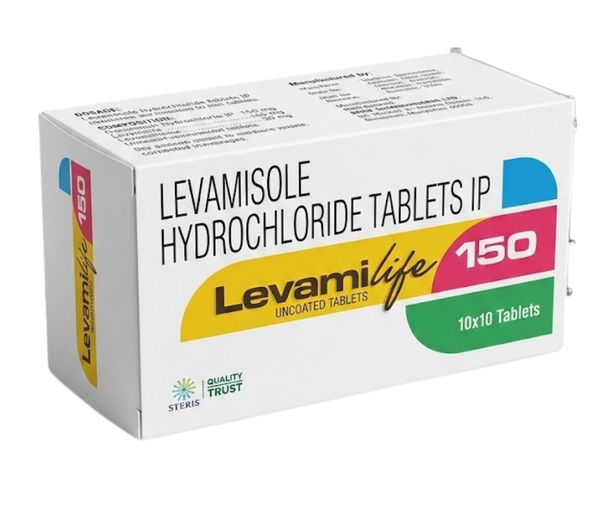
"name": "levamisole hydrochloride tablet 150 mg",
"description": "Introduction to Levamisole Hydrochloride Tablet 150 mg\n\nLevamisole Hydrochloride Tablet 150 mg is a widely used antiparasitic medication primarily prescribed for the treatment of intestinal worm infections. Parasitic infestations remain a significant health concern in many parts of the world, affecting both children and adults. These infections can lead to digestive disturbances, nutritional deficiencies, weakness, weight loss, and impaired overall well-being.\n\nLevamisole Hydrochloride works by eliminating parasitic worms from the body, helping restore digestive health and improve nutrient absorption. Due to its proven efficacy and safety profile when used under medical supervision, Levamisole Hydrochloride 150 mg has become a trusted choice among healthcare professionals for deworming therapy.\n\nThis comprehensive guide explores everything you need to know about Levamisole Hydrochloride Tablet 150 mg, including its uses, mechanism of action, benefits, side effects, precautions, and frequently asked questions.\n\nWhat is Levamisole Hydrochloride Tablet 150 mg?\n\nLevamisole Hydrochloride is an antihelminthic (deworming) medicine designed to treat infections caused by various intestinal parasites. It belongs to a class of medications that interfere with the nervous system of worms, causing paralysis and eventual elimination of the parasites from the body.\n\nThe medicine is commonly prescribed for infections caused by:\n\nRoundworms (Ascariasis)\nHookworms\nCertain mixed intestinal worm infestations\nOther susceptible parasitic infections\n\nBy removing these parasites, Levamisole helps restore normal digestive function and improves overall health.\n\nComposition\nActive Ingredient\n\nLevamisole Hydrochloride 150 mg\n\nEach tablet contains 150 mg of Levamisole Hydrochloride as the active pharmaceutical ingredient.\n\nHow Does Levamisole Hydrochloride Tablet 150 mg Work?\n\nLevamisole Hydrochloride acts directly on the nervous system of parasitic worms.\n\nMechanism of Action\n\nThe medicine:\n\nCauses paralysis of worms by affecting their neuromuscular system.\nPrevents parasites from maintaining their grip on the intestinal wall.\nAllows the body's natural intestinal movements to expel the dead or paralyzed worms.\nReduces worm burden effectively and rapidly.\n\nAs a result, the infection is cleared and symptoms associated with parasitic infestations begin to improve.\n\nUses of Levamisole Hydrochloride Tablet 150 mg\n\nLevamisole Hydrochloride Tablet 150 mg is primarily prescribed for the treatment of parasitic worm infections.\n\n1. Treatment of Roundworm Infection\n\nRoundworms are among the most common intestinal parasites affecting humans.\n\nSymptoms may include:\n\nAbdominal pain\nNausea\nVomiting\nPoor appetite\nNutritional deficiencies\n\nLevamisole effectively eliminates these parasites and helps restore digestive health.\n\n2. Treatment of Hookworm Infection\n\nHookworms can cause significant blood loss and anemia if left untreated.\n\nBenefits of treatment include:\n\nReduction of worm load\nImprovement in iron levels\nRelief from fatigue\nBetter nutritional status\n3. Management of Mixed Helminthic Infections\n\nIn some individuals, multiple intestinal parasites may coexist. Levamisole helps control susceptible worm infestations and improves overall intestinal health.\n\n4. Community Deworming Programs\n\nLevamisole has been used in various public health initiatives aimed at reducing the prevalence of intestinal worm infections in endemic regions.\n\n5. Improvement of Nutritional Health\n\nParasitic worms consume nutrients from the host's body.\n\nRemoving these parasites can help:\n\nImprove nutrient absorption\nEnhance growth in children\nSupport weight gain\nPromote better overall health\nKey Benefits of Levamisole Hydrochloride Tablet 150 mg\nEffective Deworming Action\n\nOne of the major advantages of Levamisole is its ability to rapidly eliminate intestinal worms.\n\nBenefits include:\nFast action against susceptible parasites\nEffective worm paralysis\nEasy elimination of worms from the body\nImproves Digestive Health\n\nParasitic infections often cause digestive discomfort.\n\nLevamisole helps reduce:\n\nStomach pain\nBloating\nNausea\nDigestive disturbances\nEnhances Nutrient Absorption\n\nWorm infestations interfere with nutrient uptake.\n\nAfter treatment, patients may experience:\n\nImproved appetite\nBetter absorption of vitamins and minerals\nIncreased energy levels\nSupports Growth and Development\n\nChildren suffering from chronic worm infections may experience delayed growth.\n\nDeworming can help:\n\nImprove physical development\nEnhance weight gain\nSupport healthy growth patterns\nHelps Prevent Complications\n\nUntreated parasitic infections can lead to:\n\nAnemia\nMalnutrition\nWeakness\nIntestinal complications\n\nTimely treatment helps minimize these risks.\n\nSymptoms of Worm Infections That May Require Treatment\n\nIndividuals experiencing the following symptoms should seek medical advice:\n\nAbdominal discomfort\nPersistent stomach pain\nNausea\nVomiting\nDiarrhea\nLoss of appetite\nWeight loss\nFatigue\nItching around the anal area\nVisible worms in stool\n\nA healthcare professional can determine whether Levamisole Hydrochloride is appropriate.\n\nRecommended Usage\n\nLevamisole Hydrochloride Tablet 150 mg should be taken exactly as prescribed by a healthcare provider.\n\nGeneral Guidelines\nSwallow the tablet with water.\nFollow the prescribed dosage schedule.\nDo not exceed the recommended dose.\nComplete the treatment as advised.\n\nDosage may vary depending on:\n\nAge\nBody weight\nType of infection\nSeverity of infestation\n\nAlways consult a qualified healthcare professional before use.\n\nWho Can Benefit from Levamisole Hydrochloride Tablet 150 mg?\n\nThis medication may be beneficial for:\n\nAdults with Worm Infections\n\nIndividuals suffering from confirmed parasitic infestations can benefit significantly from treatment.\n\nChildren (Under Medical Supervision)\n\nHealthcare professionals may recommend age-appropriate dosing for pediatric patients.\n\nIndividuals in High-Risk Areas\n\nPeople living in regions with a high prevalence of parasitic infections may require periodic deworming as advised by healthcare providers.\n\nSide Effects of Levamisole Hydrochloride Tablet 150 mg\n\nLike all medications, Levamisole Hydrochloride may cause side effects in some individuals.\n\nMost side effects are mild and temporary.\n\nCommon Side Effects\nNausea\nVomiting\nAbdominal discomfort\nDiarrhea\nHeadache\nDizziness\nFatigue\n\nThese symptoms generally resolve without medical intervention.\n\nLess Common Side Effects\nSkin rash\nMild allergic reactions\nMuscle aches\nFever\n\nPatients experiencing persistent symptoms should consult their healthcare provider.\n\nSerious Side Effects\n\nAlthough rare, serious adverse reactions may occur.\n\nSeek immediate medical attention if you experience:\n\nSevere allergic reactions\nSwelling of the face or throat\nDifficulty breathing\nSevere skin reactions\nHigh fever\nSigns of infection\n\nPrompt medical evaluation is important in such situations.\n\nPrecautions and Warnings\n\nBefore taking Levamisole Hydrochloride Tablet 150 mg, discuss your medical history with your healthcare provider.\n\nInform Your Doctor If You Have:\nLiver disease\nKidney disorders\nBlood-related disorders\nKnown allergy to Levamisole\nAny chronic medical condition\nPregnancy and Breastfeeding\n\nPregnant or breastfeeding women should use Levamisole only under medical supervision.\n\nHealthcare providers will evaluate the potential benefits and risks before recommending treatment.\n\nAlcohol Consumption\n\nAlcohol may increase certain side effects such as dizziness or stomach discomfort.\n\nConsult your healthcare provider regarding alcohol use during treatment.\n\nDrug Interactions\n\nLevamisole Hydrochloride may interact with certain medications.\n\nInform your healthcare professional if you are taking:\n\nBlood thinners\nImmunosuppressive medicines\nOther antiparasitic drugs\nPrescription medications\nOver-the-counter medicines\nHerbal supplements\n\nProper disclosure helps minimize the risk of interactions.\n\nStorage Instructions\n\nTo maintain effectiveness:\n\nStore in a cool and dry place.\nProtect from direct sunlight.\nKeep away from moisture.\nKeep out of reach of children.\nDo not use expired medication.\n\nProper storage ensures medicine quality and safety.\n\nFrequently Asked Questions (FAQs)\nIs Levamisole Hydrochloride Tablet 150 mg an antibiotic?\n\nNo. Levamisole Hydrochloride is an antihelminthic medication used to treat parasitic worm infections.\n\nHow quickly does Levamisole work?\n\nThe medication begins acting soon after administration by paralyzing susceptible worms, which are then expelled naturally from the body.\n\nCan Levamisole be used for routine deworming?\n\nHealthcare professionals may recommend it in certain situations, depending on individual needs and local deworming guidelines.\n\nCan children take Levamisole Hydrochloride?\n\nYes, but only under the supervision of a qualified healthcare provider who can determine the appropriate dosage.\n\nWhat should I do if I miss a dose?\n\nFollow your healthcare provider's instructions. Do not double the dose to compensate for a missed dose.\n\nWhy Levamisole Hydrochloride Tablet 150 mg Remains a Trusted Deworming Solution\n\nLevamisole has been used extensively in the management of intestinal worm infections due to its:\n\nProven efficacy\nRapid action\nEase of administration\nGood safety profile when used correctly\nAbility to improve overall health by eliminating parasites\n\nBy addressing the root cause of parasitic infestations, it contributes significantly to digestive wellness and nutritional recovery.\n\nConclusion\n\nLevamisole Hydrochloride Tablet 150 mg is a reliable and effective antihelminthic medication used to treat intestinal worm infections caused by susceptible parasites. By paralyzing and eliminating worms from the body, it helps restore digestive health, improve nutrient absorption, reduce gastrointestinal symptoms, and support overall well-being.\n\nThe medication offers several important benefits, including effective deworming, improved appetite, enhanced nutritional status, and prevention of complications associated with untreated parasitic infections. While generally well tolerated, it is essential to use Levamisole Hydrochloride under proper medical guidance and follow recommended dosing instructions.",
"price": 280.0,
"discountamount": 196.0,
"currencycode": "INR",
"priority": 1000000,
"isfreeshipmentavailable": false,
"shipmentduration": 1,
"_keywords": null,
"isarchived": false,
"isavailable": true,
"applicationid": null,
"productindex": 2437,
"imageuri": "https://productimages.withfloats.com/actual/6a2170e7315c59e12b05193b.png",
"tileimageuri": "https://productimages.withfloats.com/tile/6a2170e7315c59e12b05193b.png",
"images": null,
"totalqueries": 0,
"gpid": null,
"groupproductid": null,
"createdon": "2026-06-04T12:34:45.308Z",
"updatedon": "2026-06-05T05:50:11.384Z",
"buyonlinelink": null,
"producturl": "http://WWW.STERISINDIA.COM//levamisole-hydrochloride-tablet-150-mg/2437",
"availableunits": -1.0,
"iscodavailable": false,
"isprepaidonlineavailable": false,
"maxcodorders": 0,
"maxprepaidonlineorders": 0,
"uniquepaymenturl": null,
"brandname": "LEVAMILIFE 150",
"category": "GENERAL RANGE",
"tags": [
"levamisole hydrochloride",
"levamisole hydrochloride uses in hindi",
"levamisole hydrochloride tablet uses",
"levamisole hydrochloride tablet uses in hindi",
"levamisole hydrochloride uses",
"levamisole hydrochloride tablet 150 mg",
"buy levamisole hydrochloride",
"levamisole hydrochloride tablet 150 mg",
"levamisole hydrochloride tablet 150 mg price",
"levamisole hydrochloride tablet 150 mg side effects",
"anti-parasitic",
"levamisole 150 mg brand name"
],
"variants": false,
"keyspecification": null,
"otherspecifications": null,
"pickupaddressreferenceid": null,
"paymenttype": "UniquePaymentUrl",
"producttype": "products",
"hsncode": null,
"gstslab": 0.0,
"isnotforsale": false
},
{
"_id": "69902dc8911df6d4b0db4385",
"fptag": "STERISHEALTHCARE",
"merchantname": null,
"customwidgets": null,
"externalsourceid": null,
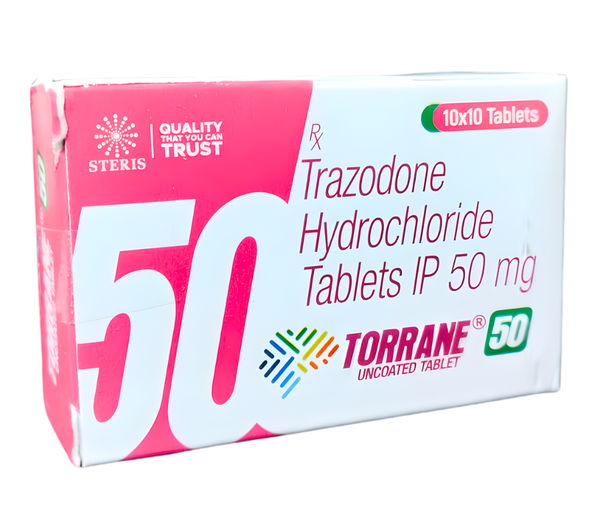
"name": "Trazodone Hydrochloride 50 mg",
"description": "TORRANE 50 is a pharmaceutical formulation containing Trazodone Hydrochloride 50 mg as its active ingredient. This medication belongs to the class of serotonin antagonist and reuptake inhibitors (SARIs), primarily prescribed for the management of major depressive disorder and associated sleep disturbances. TORRANE 50 represents a trusted therapeutic option that has been helping individuals regain emotional balance and improve their quality of life for decades. The medication works by modulating serotonin levels in the brain, offering relief from depression while simultaneously addressing insomnia that often accompanies mood disorders.\nUnderstanding Trazodone Hydrochloride\nTrazodone Hydrochloride is a unique antidepressant that distinguishes itself from other medications in its class through its dual-action mechanism. Unlike traditional selective serotonin reuptake inhibitors (SSRIs), TORRANE 50 not only helps restore serotonin balance but also possesses sedative properties that make it particularly valuable for patients struggling with both depression and sleep difficulties. The 50mg dosage represents a common starting point for treatment, allowing healthcare providers to carefully titrate the dose according to individual patient needs and responses.\nPrimary Uses and Applications\nTORRANE 50 serves multiple therapeutic purposes, making it a versatile option in psychiatric and general medical practice. The primary indication for this medication is major depressive disorder, where it helps alleviate symptoms such as persistent sadness, loss of interest in daily activities, feelings of worthlessness, and difficulty concentrating. Beyond its antidepressant properties, TORRANE 50 has gained significant recognition for its effectiveness in treating insomnia, particularly when sleep disturbances are related to depression or anxiety.\nHealthcare providers may also prescribe TORRANE 50 off-label for various conditions including generalized anxiety disorder, panic disorder, and chronic pain conditions where sleep disturbance is a prominent feature. The medication's ability to improve sleep architecture without the dependency risks associated with traditional benzodiazepines makes it an attractive option for long-term management of sleep-related issues.\nKey Benefits and Therapeutic Advantages\nThe benefits of TORRANE 50 extend far beyond simple symptom management, offering patients a comprehensive approach to mental health wellness. One of the most significant advantages is its dual-action profile, addressing both mood and sleep disturbances simultaneously. This is particularly beneficial because depression and insomnia often exist in a cyclical relationship, where each condition exacerbates the other.\nTORRANE 50 demonstrates a relatively favorable side effect profile compared to some other antidepressants, with lower risks of sexual dysfunction, which is a common concern with many SSRI medications. This makes it an excellent alternative for patients who have experienced these troublesome side effects with other antidepressants. Additionally, the medication is not associated with significant weight gain in most patients, addressing another common concern that can affect medication adherence.\nThe sedative properties of TORRANE 50, while beneficial for sleep, are dose-dependent, allowing physicians to customize treatment strategies. At lower doses, the medication primarily promotes sleep, while higher doses deliver more pronounced antidepressant effects. This flexibility enables healthcare providers to tailor treatment to individual patient needs effectively.\nAnother notable benefit is that TORRANE 50 has a relatively low potential for abuse compared to benzodiazepines and other sleep medications, making it safer for long-term use in appropriate patients. The medication also begins to improve sleep quality relatively quickly, often within the first week of treatment, though the full antidepressant effects may take several weeks to manifest fully.\nPotential Side Effects and Considerations\nLike all medications, TORRANE 50 may cause side effects, though not everyone experiences them. Understanding these potential effects helps patients and healthcare providers work together to optimize treatment outcomes. Common side effects include drowsiness and dizziness, particularly when starting the medication or increasing the dose. These effects are often most pronounced in the first few days of treatment and typically diminish as the body adjusts to the medication.\nSome patients may experience dry mouth, blurred vision, constipation, or headaches. These anticholinergic effects are generally mild and manageable. Nausea and gastrointestinal discomfort can occur, particularly if the medication is taken on an empty stomach. Taking TORRANE 50 with food can help minimize these digestive concerns.\nMore serious but less common side effects include orthostatic hypotension, which is a sudden drop in blood pressure upon standing that can lead to dizziness or fainting. Patients, especially older adults, should be cautioned to rise slowly from sitting or lying positions. In rare cases, TORRANE 50 may cause priapism, a prolonged and painful erection requiring immediate medical attention.\nCardiac considerations include potential changes in heart rhythm, and patients with pre-existing heart conditions should be monitored carefully. Some individuals may experience changes in alertness or cognitive function, which can affect the ability to drive or operate machinery safely, particularly when first starting treatment.\nAs with many antidepressants, there is a theoretical risk of increased suicidal thoughts, particularly in young adults and adolescents during the initial weeks of treatment. Close monitoring during this period is essential, and patients should immediately report any worsening of depression or emergence of suicidal thoughts.\nImportant Safety Information\nPatients should inform their healthcare provider about all medications, supplements, and herbal products they are taking, as TORRANE 50 can interact with numerous substances. Particularly significant interactions occur with monoamine oxidase inhibitors (MAOIs), other antidepressants, blood thinners, and medications affecting the central nervous system. Alcohol should be avoided during treatment as it can intensify sedation and increase the risk of adverse effects.\nTORRANE 50 should not be stopped abruptly without medical supervision, as discontinuation syndrome can occur, causing symptoms such as anxiety, agitation, and sleep disturbances. Healthcare providers will typically recommend gradual dose reduction when discontinuing the medication.\nConclusion\nTORRANE 50 (Trazodone Hydrochloride 50 mg) represents a valuable therapeutic option for individuals struggling with depression and sleep disturbances. Its unique dual-action mechanism, addressing both mood regulation and sleep quality, sets it apart in the landscape of psychiatric medications. The favorable side effect profile, particularly regarding sexual function and weight concerns, combined with its low abuse potential, makes TORRANE 50 an attractive choice for both patients and healthcare providers.",
"price": 76.0,
"discountamount": 23.0,
"currencycode": "INR",
"priority": 1000000,
"isfreeshipmentavailable": false,
"shipmentduration": 1,
"_keywords": null,
"isarchived": false,
"isavailable": true,
"applicationid": null,
"productindex": 2305,
"imageuri": "https://productimages.withfloats.com/actual/69902dca78523277e04db86e.png",
"tileimageuri": "https://productimages.withfloats.com/tile/69902dca78523277e04db86e.png",
"images": null,
"totalqueries": 0,
"gpid": null,
"groupproductid": null,
"createdon": "2026-02-14T08:09:44.427Z",
"updatedon": "2026-03-13T07:58:53.427Z",
"buyonlinelink": null,
"producturl": "http://WWW.STERISINDIA.COM//trazodone-hydrochloride-50-mg/2305",
"availableunits": -1.0,
"iscodavailable": false,
"isprepaidonlineavailable": false,
"maxcodorders": 0,
"maxprepaidonlineorders": 0,
"uniquepaymenturl": null,
"brandname": "TORRANE 50",
"category": "NEUROLOGYRANGE",
"tags": [
"trazodone hydrochloride 50 mg tablet uses",
"what is trazodone hydrochloride 50 mg prescribed for",
"trazodone hydrochloride 50 mg for insomnia reviews",
"trazodone hydrochloride 50 mg for anxiety dosage",
"is trazodone hydrochloride 50 mg enough for sleep",
"trazodone hydrochloride 50 mg weight gain",
"can you take trazodone hydrochloride 50 mg every night",
"trazodone hydrochloride 50 mg withdrawal symptoms",
"trazodone hydrochloride 50 mg overdose risk",
"buy trazodone hydrochloride 50 mg online prescription",
"trazodone hydrochloride 50 mg price without insurance",
"trazodone hydrochloride 50 mg manufacturer",
"trazodone hydrochloride 50 mg vs mirtazapine"
],
"variants": false,
"keyspecification": null,
"otherspecifications": null,
"pickupaddressreferenceid": null,
"paymenttype": "UniquePaymentUrl",
"producttype": "products",
"hsncode": null,
"gstslab": 0.0,
"isnotforsale": false
},
{
"_id": "6979b09d927481ba212bc573",
"fptag": "STERISHEALTHCARE",
"merchantname": null,
"customwidgets": null,
"externalsourceid": null,
"name": "Tedizolid Phosphate 200 mg ",
"description": "TEDIZOLINE 200 is a state-of-the-art pharmaceutical formulation containing Tedizolid Phosphate 200 mg, representing a significant advancement in the treatment of serious bacterial skin infections. This next-generation oxazolidinone antibiotic offers a powerful solution for patients battling acute bacterial skin and skin structure infections (ABSSSI), including those caused by methicillin-resistant Staphylococcus aureus (MRSA) and other resistant bacterial strains. Developed to address the growing challenge of antibiotic resistance, TEDIZOLINE 200 provides healthcare professionals with an effective therapeutic option when conventional antibiotics may fall short.\nThe active ingredient, Tedizolid Phosphate, functions as a prodrug that is rapidly converted in the body to its active form, tedizolid. This sophisticated mechanism ensures optimal bioavailability and targeted antibacterial action. Each tablet of TEDIZOLINE 200 delivers a precise 200 mg dose, carefully calibrated to provide maximum efficacy while minimizing the risk of adverse effects. The medication is available in convenient oral tablet form, offering flexibility in treatment administration and improving patient compliance compared to intravenous-only alternatives.\nClinical Applications and Therapeutic Uses\nTEDIZOLINE 200 is specifically indicated for the treatment of acute bacterial skin and skin structure infections caused by susceptible strains of various gram-positive bacteria. These infections include cellulitis, major cutaneous abscesses, and wound infections that require systemic antibiotic therapy. The medication demonstrates exceptional efficacy against problematic pathogens including Staphylococcus aureus (both methicillin-susceptible and methicillin-resistant strains), various Streptococcus species, and Enterococcus faecalis.\nHealthcare providers prescribe TEDIZOLINE 200 when patients present with complicated skin infections characterized by significant inflammation, purulent discharge, or systemic signs of infection such as fever and elevated white blood cell counts. The medication is particularly valuable in hospital settings where antibiotic-resistant organisms pose significant treatment challenges, though it is equally effective for outpatient management of appropriate cases.\nThe standard treatment duration with TEDIZOLINE 200 is notably shorter than many traditional antibiotics, typically requiring only six days of therapy. This abbreviated course represents a significant advantage, potentially improving patient adherence, reducing the risk of developing resistance, and minimizing healthcare costs while maintaining excellent clinical outcomes.\nKey Benefits and Therapeutic Advantages\nSuperior Antimicrobial Potency: TEDIZOLINE 200 exhibits exceptional bactericidal activity against resistant gram-positive organisms, making it a frontline weapon against infections that have failed to respond to first-line antibiotics. Its unique mechanism of action—inhibiting bacterial protein synthesis by binding to the 23S ribosomal RNA of the 50S subunit—prevents bacteria from producing essential proteins necessary for survival and reproduction.\nShortened Treatment Duration: Unlike conventional antibiotics that may require ten to fourteen days of therapy, TEDIZOLINE 200 achieves comparable or superior outcomes with just six days of treatment. This condensed regimen reduces the pill burden for patients, improves treatment completion rates, and decreases the opportunity for resistance development.\nFlexible Administration Options: The medication offers both oral and intravenous formulations with nearly identical bioavailability, allowing seamless transitions between routes of administration. This flexibility enables early hospital discharge with continuation of oral therapy at home, reducing healthcare costs and improving patient comfort and quality of life.\nOnce-Daily Dosing Convenience: TEDIZOLINE 200's pharmacokinetic profile supports convenient once-daily administration, simplifying treatment schedules and enhancing patient compliance. The sustained therapeutic levels achieved with this dosing frequency ensure continuous antibacterial activity throughout the treatment course.\nReduced Drug Interaction Profile: Compared to its predecessor oxazolidinone antibiotics, TEDIZOLINE 200 demonstrates minimal interactions with dietary tyramine and requires less stringent dietary restrictions. Additionally, it exhibits reduced potential for serotonin syndrome, offering improved safety when used in patients taking certain antidepressants or other serotonergic medications.\nProven Clinical Efficacy: Extensive clinical trials have demonstrated that TEDIZOLINE 200 achieves cure rates comparable to or exceeding those of vancomycin and linezolid, the traditional gold standards for treating MRSA infections. These studies confirm both the non-inferiority and, in some parameters, the superiority of tedizolid phosphate in treating complicated skin infections.\nPotential Side Effects and Safety Considerations\nWhile TEDIZOLINE 200 is generally well-tolerated, patients and healthcare providers should be aware of potential adverse effects. The most commonly reported side effects include nausea, headache, diarrhea, and vomiting, which typically manifest as mild to moderate in severity and often resolve without intervention.\nGastrointestinal disturbances affect approximately five to ten percent of patients, with nausea being the most frequent complaint. Taking the medication with food may help minimize these symptoms without compromising absorption. Headaches occur in a similar percentage of patients and usually respond well to over-the-counter analgesics.\nMore serious but less common adverse effects include myelosuppression, manifesting as decreased blood cell counts. Although TEDIZOLINE 200 demonstrates less bone marrow suppression than older oxazolidinones, monitoring of complete blood counts is recommended for treatment courses extending beyond the standard six days or in patients with pre-existing hematologic conditions.\nPeripheral and optic neuropathy have been reported with prolonged oxazolidinone use, though the shorter treatment duration of TEDIZOLINE 200 substantially reduces this risk. Patients should report any vision changes, numbness, tingling, or weakness in extremities promptly to their healthcare provider.\nClostridium difficile-associated diarrhea can occur with virtually any antibiotic, including TEDIZOLINE 200. Patients experiencing severe, persistent, or bloody diarrhea during or following treatment should seek immediate medical attention.\nHypersensitivity reactions, though rare, may occur and can range from mild rash to severe anaphylaxis. Any signs of allergic reaction warrant immediate discontinuation and appropriate medical intervention.\nConclusion\nTEDIZOLINE 200 represents a significant therapeutic advancement in the management of acute bacterial skin and skin structure infections, particularly those involving antibiotic-resistant organisms. Its potent antimicrobial activity, convenient once-daily dosing, shortened treatment duration, and improved safety profile compared to earlier oxazolidinones make it an invaluable addition to the antimicrobial arsenal. The medication addresses critical unmet needs in infectious disease management, offering effective treatment options when traditional antibiotics prove insufficient.",
"price": 1250.0,
"discountamount": 375.0,
"currencycode": "INR",
"priority": 1000000,
"isfreeshipmentavailable": false,
"shipmentduration": 1,
"_keywords": null,
"isarchived": false,
"isavailable": true,
"applicationid": null,
"productindex": 2288,
"imageuri": "https://productimages.withfloats.com/actual/6979b0c4b75d7c0b79b08e15.png",
"tileimageuri": "https://productimages.withfloats.com/tile/6979b0c4b75d7c0b79b08e15.png",
"images": null,
"totalqueries": 0,
"gpid": null,
"groupproductid": null,
"createdon": "2026-01-28T06:45:49.837Z",
"updatedon": "2026-04-17T11:40:48.569Z",
"buyonlinelink": null,
"producturl": "http://WWW.STERISINDIA.COM//tedizolid-phosphate-200-mg-/2288",
"availableunits": -1.0,
"iscodavailable": false,
"isprepaidonlineavailable": false,
"maxcodorders": 0,
"maxprepaidonlineorders": 0,
"uniquepaymenturl": null,
"brandname": "TEDIZOLINE 200",
"category": "DERMATALOGY",
"tags": [
"tedizolid phosphate 200 mg tablet",
"tedizolid phosphate 200 mg uses",
"tedizolid phosphate 200 mg dosage",
"tedizolid phosphate tablets 200 mg price",
"tedizolid phosphate 200 mg side effects",
"tedizolid phosphate 200 mg brand name",
"tedizolid phosphate 200 mg mechanism of action",
"buy tedizolid phosphate 200 mg tablet",
"tedizolid phosphate 200 mg prescription info",
"tedizolid phosphate 200 mg tablet details",
"tedizolid phosphate 200 mg for skin infection",
"tedizolid phosphate 200 mg once daily tablet",
"tedizolid phosphate 200 mg tablet working"
],
"variants": false,
"keyspecification": null,
"otherspecifications": null,
"pickupaddressreferenceid": null,
"paymenttype": "UniquePaymentUrl",
"producttype": "products",
"hsncode": null,
"gstslab": 0.0,
"isnotforsale": false
},
{
"_id": "69623e6c95697555dd1afd67",
"fptag": "STERISHEALTHCARE",
"merchantname": null,
"customwidgets": null,
"externalsourceid": null,
"name": "Esomeprazole and Itopride",
"description": "ESMOSTRUM IT: Comprehensive Product Guide\nProduct Overview\nESMOSTRUM IT is an advanced pharmaceutical formulation that combines two potent active ingredients—Esomeprazole and Itopride—to provide comprehensive relief from gastrointestinal disorders. This dual-action medication represents a significant advancement in the management of acid-related digestive conditions and motility disorders. By combining a proton pump inhibitor with a prokinetic agent, ESMOSTRUM IT addresses both the underlying causes and symptomatic manifestations of various digestive ailments, offering patients a complete therapeutic solution in a single, convenient dosage form.\nThe synergistic combination of Esomeprazole and Itopride makes ESMOSTRUM IT particularly effective for individuals suffering from gastroesophageal reflux disease (GERD), functional dyspepsia, and other conditions where both excessive acid production and impaired gastric motility contribute to discomfort and disease progression.\nActive Pharmaceutical Ingredients\nEsomeprazole\nEsomeprazole is the S-isomer of omeprazole and belongs to the class of medications known as proton pump inhibitors (PPIs). It works by specifically and irreversibly blocking the hydrogen-potassium adenosine triphosphatase enzyme system (the proton pump) located in the gastric parietal cells. This mechanism effectively reduces gastric acid secretion, providing sustained relief from acid-related symptoms and allowing damaged esophageal and gastric tissue to heal.\nItopride\nItopride is a prokinetic agent that enhances gastrointestinal motility through a dual mechanism of action. It acts as both a dopamine D2 receptor antagonist and an acetylcholinesterase inhibitor. By blocking dopamine receptors, it removes the inhibitory effect of dopamine on gastrointestinal motility, while its acetylcholinesterase inhibition increases acetylcholine levels, further promoting coordinated gastric contractions and improved gastric emptying.\nTherapeutic Uses and Indications\nESMOSTRUM IT is prescribed for a wide range of gastrointestinal conditions where both acid suppression and enhanced motility are therapeutically beneficial:\nGastroesophageal Reflux Disease (GERD)\nESMOSTRUM IT provides exceptional relief for patients suffering from GERD, a chronic condition where stomach acid frequently flows back into the esophagus. The esomeprazole component reduces acid production, while itopride improves the tone of the lower esophageal sphincter and accelerates gastric emptying, thereby reducing the frequency and severity of reflux episodes.\nFunctional Dyspepsia\nFor patients experiencing persistent or recurrent upper abdominal discomfort without an identifiable organic cause, ESMOSTRUM IT addresses multiple pathophysiological mechanisms. It relieves symptoms such as early satiety, postprandial fullness, epigastric pain, and bloating by normalizing gastric acid levels and improving gastric accommodation and emptying.\nPeptic Ulcer Disease\nESMOSTRUM IT aids in the healing of gastric and duodenal ulcers by creating an optimal healing environment through sustained acid suppression. The prokinetic action of itopride helps prevent stasis of gastric contents, which can exacerbate ulcer symptoms.\nNon-Ulcer Dyspepsia\nMany patients experience dyspeptic symptoms without evidence of ulceration. ESMOSTRUM IT effectively manages these symptoms by addressing both acid hypersecretion and delayed gastric emptying, two key factors in non-ulcer dyspepsia.\nGastroparesis-Related Symptoms\nIn conditions where gastric emptying is significantly delayed, the itopride component of ESMOSTRUM IT helps restore more normal gastric motility patterns, reducing associated symptoms like nausea, vomiting, and abdominal distension.\nKey Benefits and Advantages\nDual Mechanism of Action\nThe primary advantage of ESMOSTRUM IT lies in its comprehensive approach to gastrointestinal health. Rather than addressing only acid production or motility in isolation, this combination therapy tackles both aspects simultaneously, providing more complete symptom relief and better therapeutic outcomes.\nSuperior Acid Suppression\nEsomeprazole offers more consistent and prolonged acid suppression compared to many other acid-reducing medications. It provides sustained relief throughout the day and night, allowing patients to experience fewer breakthrough symptoms and better quality of life.\nEnhanced Gastric Motility\nThe itopride component specifically targets motility issues without crossing the blood-brain barrier significantly, meaning it provides prokinetic benefits with minimal central nervous system side effects. This results in improved gastric emptying, reduced bloating, and decreased feelings of fullness after meals.\nRapid Symptom Relief\nMany patients experience noticeable improvement in their symptoms within the first few days of treatment with ESMOSTRUM IT. The combination therapy addresses multiple symptom pathways simultaneously, leading to faster and more comprehensive relief.\nImproved Quality of Life\nBy effectively managing symptoms such as heartburn, regurgitation, nausea, bloating, and early satiety, ESMOSTRUM IT significantly enhances patients' daily functioning and overall well-being. Patients report better sleep quality, improved dietary tolerance, and reduced anxiety related to their digestive symptoms.\nConvenient Dosing\nThe combination of two active ingredients in a single formulation improves medication adherence by reducing pill burden. Patients appreciate the simplicity of taking one medication instead of multiple separate preparations.\nMucosal Healing Properties\nBeyond symptom relief, ESMOSTRUM IT promotes actual healing of damaged esophageal and gastric mucosa. The reduced acid environment created by esomeprazole allows inflamed and eroded tissue to regenerate properly.\nReduced Risk of Complications\nBy effectively controlling acid reflux and improving gastric emptying, ESMOSTRUM IT helps prevent potential complications of chronic GERD, such as esophageal strictures, Barrett's esophagus, and respiratory complications from aspiration.\nDosage and Administration\nESMOSTRUM IT should be taken exactly as prescribed by a healthcare professional. Typically, the medication is administered orally, preferably before meals to optimize its therapeutic effects. The standard dosing regimen usually involves once or twice daily administration, though individual requirements may vary based on the severity of the condition and patient response.\nThe medication should be swallowed whole with water and should not be crushed, chewed, or split, as this may affect the drug's release mechanism and therapeutic efficacy. Patients should maintain regular dosing schedules to ensure optimal acid suppression and motility enhancement throughout the day.\nSide Effects and Safety Considerations\nLike all medications, ESMOSTRUM IT may cause side effects in some individuals, though not everyone experiences them. Understanding potential adverse effects helps patients identify and report concerning symptoms promptly.\nCommon Side Effects\nGastrointestinal Effects: Some patients may experience diarrhea, constipation, abdominal pain, nausea, or flatulence, particularly during initial treatment. These effects are usually mild and often resolve as the body adjusts to the medication.\nHeadache: Mild to moderate headaches occur in a small percentage of patients and typically diminish with continued use.\nDizziness: Some individuals may experience lightheadedness or dizziness, particularly when standing up quickly.\nDry Mouth: Reduced saliva production may occur, leading to oral dryness and discomfort.\nLess Common Side Effects\nSkin Reactions: Rash, itching, or other dermatological manifestations may develop in sensitive individuals.\nSleep Disturbances: Some patients report insomnia or unusual dreams while taking the medication.\nIncreased Prolactin Levels: Itopride may cause mild elevation in prolactin levels, though clinical manifestations are rare.\nTaste Alterations: Changes in taste perception or metallic taste may occur temporarily.\nSerious Side Effects (Rare)\nWhile uncommon, certain serious adverse effects require immediate medical attention:\n\nSevere allergic reactions including difficulty breathing, facial swelling, or severe skin reactions\nSevere diarrhea that persists or contains blood\nIrregular heartbeat or palpitations\nMuscle weakness or pain\nSeizures or tremors\nSigns of liver problems including jaundice, dark urine, or persistent nausea\n\nLong-Term Considerations\nExtended use of proton pump inhibitors like esomeprazole has been associated with certain risks that patients should discuss with their healthcare providers:\n\nPotential reduction in calcium, magnesium, and vitamin B12 absorption\nSlightly increased risk of bone fractures with prolonged use\nPossible increased susceptibility to certain gastrointestinal infections\nRare cases of kidney problems\n\nRegular monitoring and periodic assessment by healthcare professionals help minimize these risks while maintaining therapeutic benefits.\nPrecautions and Contraindications\nPatients should inform their healthcare provider about all existing medical conditions, particularly liver disease, kidney problems, osteoporosis, low magnesium levels, or any gastrointestinal bleeding. ESMOSTRUM IT may interact with certain medications, including blood thinners, antifungals, HIV medications, and certain antibiotics. A complete medication review ensures safe and effective therapy.\nPregnant or breastfeeding women should only use ESMOSTRUM IT under strict medical supervision, as the safety profile in these populations requires careful consideration of potential risks and benefits.\nLifestyle Recommendations\nFor optimal therapeutic outcomes, patients taking ESMOSTRUM IT should complement their medication regimen with appropriate lifestyle modifications:\n\nAvoid trigger foods that exacerbate acid reflux, such as spicy foods, citrus, chocolate, caffeine, and alcohol\nMaintain a healthy body weight to reduce abdominal pressure\nEat smaller, more frequent meals rather than large portions\nAvoid lying down immediately after eating; wait at least two to three hours\nElevate the head of the bed if nighttime symptoms occur\nQuit smoking, as tobacco use significantly worsens reflux symptoms\nManage stress through relaxation techniques, as stress can exacerbate digestive symptoms\n\nConclusion\nESMOSTRUM IT represents a sophisticated and effective pharmaceutical solution for individuals struggling with complex gastrointestinal disorders involving both acid hypersecretion and impaired motility. By combining the powerful acid-suppressing capabilities of esomeprazole with the prokinetic benefits of itopride, this medication offers comprehensive symptom management that addresses the multifaceted nature of digestive disorders.",
"price": 182.0,
"discountamount": 54.0,
"currencycode": "INR",
"priority": 1000000,
"isfreeshipmentavailable": false,
"shipmentduration": 1,
"_keywords": null,
"isarchived": false,
"isavailable": true,
"applicationid": null,
"productindex": 2273,
"imageuri": "https://productimages.withfloats.com/actual/69623e6fd8491171373812e3.png",
"tileimageuri": "https://productimages.withfloats.com/tile/69623e6fd8491171373812e3.png",
"images": null,
"totalqueries": 0,
"gpid": null,
"groupproductid": null,
"createdon": "2026-01-10T11:56:28.061Z",
"updatedon": "2026-04-21T09:38:56.999Z",
"buyonlinelink": null,
"producturl": "http://WWW.STERISINDIA.COM//esomeprazole-and-itopride/2273",
"availableunits": -1.0,
"iscodavailable": false,
"isprepaidonlineavailable": false,
"maxcodorders": 0,
"maxprepaidonlineorders": 0,
"uniquepaymenturl": null,
"brandname": "ESMOSTRUM IT",
"category": "GASTROLOGYRANGE",
"tags": [
"esomeprazole and itopride",
"esomeprazole and itopride capsules uses in hindi",
"esomeprazole and itopride capsules uses",
"esomeprazole and itopride brand name",
"esomeprazole and itopride hydrochloride",
"esomeprazole and itopride capsules",
"esomeprazole and itopride uses",
"esomeprazole and itopride hydrochloride capsules",
"esomeprazole and itopride hydrochloride uses",
"esomeprazole and itopride hydrochloride price",
"esomeprazole and itopride hydrochloride price in india",
"buy online Esomeprazole and Itopride"
],
"variants": false,
"keyspecification": null,
"otherspecifications": null,
"pickupaddressreferenceid": null,
"paymenttype": "UniquePaymentUrl",
"producttype": "products",
"hsncode": null,
"gstslab": 0.0,
"isnotforsale": false
}
],
"hasmoreitems": false,
"isapirequest": false,
"totalresults": 27,
"query": null,
"floatingpoint": null
}