STERISHEALTHCARE
Products
08042755542
91918824471531
Chat with us


Chat with us on WhatsApp
×
This is your website preview.
Currently it only shows your basic business info. Start adding relevant business details such as description, images and products or services to gain your customers attention by using Boost 360 android app / iOS App / web portal.
Home
 safety profile empowers
 safety profile empowers
Items tagged with 'safety profile empowers'
{
"products": [
{
"_id": "692ebab58b1b9a33636fefc6",
"fptag": "STERISHEALTHCARE",
"merchantname": null,
"customwidgets": null,
"externalsourceid": null,
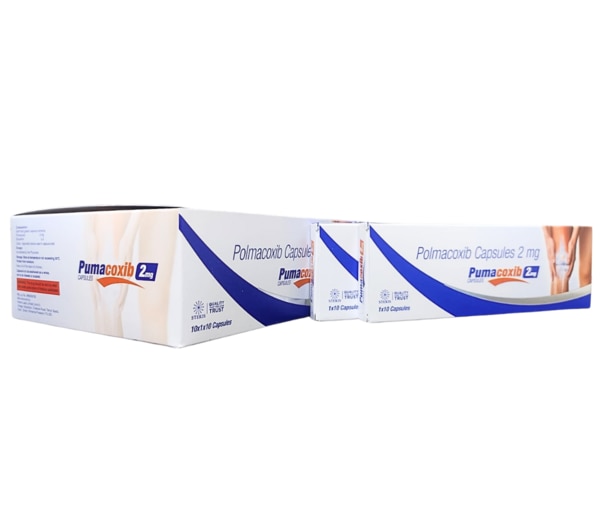
"name": "Polmacoxib 2mg",
"description": "Polmacoxib 2 mg capsules represent a targeted selective COX-2 inhibitor designed specifically for managing pain and inflammation in conditions like osteoarthritis, rheumatoid arthritis, and chronic joint issues. Each capsule delivers 2 mg of Polmacoxib, offering once-daily dosing for convenient, long-term use with a reduced risk of gastrointestinal complications compared to traditional NSAIDs. This formulation supports joint health by inhibiting the COX-2 enzyme responsible for producing prostaglandins that trigger pain, swelling, and stiffness.\nTherapeutic Uses of Polmacoxib 2mg\nPolmacoxib 2 mg excels in treating osteoarthritis of the hip and knee, where cartilage breakdown leads to joint pain and reduced mobility. Healthcare providers prescribe it to alleviate symptoms of rheumatoid arthritis, ankylosing spondylitis, acute injuries like sprains, postoperative swelling, and chronic inflammatory disorders. By focusing on inflammation at its source, it helps patients regain daily functionality, from walking without stiffness to performing routine tasks with less discomfort.\nThe medication proves particularly valuable for active individuals or those in later years seeking mobility support. It addresses post-surgery inflammation and muscle strains by quickly reducing localized swelling and pain, promoting faster recovery. Standard administration involves one 2mg capsule daily, with or without food, as directed by a physician to optimize absorption and efficacy.\nKey Benefits and Advantages\nPolmacoxib 2mg stands out for its selective COX-2 inhibition, sparing the COX-1 enzyme that protects the stomach lining, thus minimizing risks like ulcers and bleeding common in non-selective NSAIDs. Patients experience rapid pain relief alongside improved joint flexibility, enabling better movement and reduced stiffness for enhanced quality of life.\n\nEffective inflammation control targets swelling in osteoarthritis and rheumatoid arthritis, preserving cartilage and supporting long-term joint function.\n\nLower gastrointestinal risks make it suitable for extended use, ideal for chronic conditions without frequent stomach upset.\n\nConvenient once-daily dosing boosts adherence, while potential cardiovascular safety offers reassurance for those with heart concerns when used appropriately.\n\nPromotes mobility in aging populations, reducing wear on joints and aiding independence during daily activities.\n\nCompared to older NSAIDs, Polmacoxib provides comparable efficacy with a safer profile for prolonged therapy.\n\nPotential Side Effects and Precautions\nWhile generally well-tolerated, Polmacoxib 2 mg may cause common mild effects such as nausea, headache, dizziness, or stomach discomfort, which often resolve with continued use. Metabolic changes like elevated blood pressure can occur, especially in hypertensive patients, alongside rare renal issues or allergic reactions.\n\nSerious risks, though less frequent, include cardiovascular events like heart attack or stroke with long-term high-dose use, particularly in those with pre-existing heart disease, and potential kidney impairment. Contraindications cover third-trimester pregnancy, severe heart or kidney conditions, and allergies to NSAIDs; interactions with blood thinners, diuretics, or ACE inhibitors require monitoring. Always consult a doctor before starting, especially if combining with other medications.\n\nAspect\tCommon Side Effects\tSerious Risks\tPrecautions\nGastrointestinal\tNausea, upset stomach\tUlcers (reduced risk)\tTake with food if needed \nCardiovascular\tBlood pressure rise\tHeart attack, stroke\tMonitor in heart patients \nRenal\tMild changes\tKidney failure (rare)\tHydrate well \nGeneral\tHeadache, dizziness\tAllergic reactions\tAvoid alcohol \nDosage Guidelines and Best Practices\nAdults typically take one 2 mg capsule once daily for osteoarthritis or related pains, adjusting based on response and tolerance under medical supervision. Swallow whole without crushing; maintain consistent timing for steady relief. For acute pain, relief starts within hours, while chronic benefits build over days.\n\nDo not exceed the prescribed dose to avoid amplified risks. Regular checkups ensure safety, particularly for long-term users. Store in a cool, dry place away from children.\n\nConclusion: Empower Your Joint Health with Polmacoxib 2 mg\nPolmacoxib 2 mg capsules deliver precise, effective relief for osteoarthritis, rheumatoid arthritis, and inflammatory pains, balancing potent COX-2 inhibition with a favorable safety profile for sustained use. By easing pain, curbing inflammation, and enhancing mobility, it empowers patients to reclaim active lifestyles with fewer compromises. Consult healthcare professionals for personalized advice to maximize benefits while managing risks effectively.",
"price": 180.0,
"discountamount": 54.0,
"currencycode": "INR",
"priority": 1000000,
"isfreeshipmentavailable": false,
"shipmentduration": 1,
"_keywords": null,
"isarchived": false,
"isavailable": true,
"applicationid": null,
"productindex": 2225,
"imageuri": "https://productimages.withfloats.com/actual/692ebabc525aa88c1a67d995.png",
"tileimageuri": "https://productimages.withfloats.com/tile/692ebabc525aa88c1a67d995.png",
"images": null,
"totalqueries": 0,
"gpid": null,
"groupproductid": null,
"createdon": "2025-12-02T10:08:53.463Z",
"updatedon": "2026-02-26T06:53:08.037Z",
"buyonlinelink": null,
"producturl": "http://WWW.STERISINDIA.COM/products/polmacoxib-2mg/2225",
"availableunits": -1.0,
"iscodavailable": false,
"isprepaidonlineavailable": false,
"maxcodorders": 0,
"maxprepaidonlineorders": 0,
"uniquepaymenturl": null,
"brandname": "PUMACOXIB 2 MG",
"category": "ORTHOPEDICS RANGE",
"tags": [
"Polmacoxib 2mg",
"chronic joint issues",
"COX-2 enzymes",
"osteoarthritis of the hip and knee",
"Joint Health with Polmacoxib 2 mg",
"pain curbing inflammation.",
"prolonged therapy"
],
"variants": false,
"keyspecification": null,
"otherspecifications": null,
"pickupaddressreferenceid": null,
"paymenttype": "UniquePaymentUrl",
"producttype": "products",
"hsncode": null,
"gstslab": 0.0,
"isnotforsale": false
},
{
"_id": "6661a73687f0960e14a2c739",
"fptag": "STERISHEALTHCARE",
"merchantname": null,
"customwidgets": null,
"externalsourceid": null,
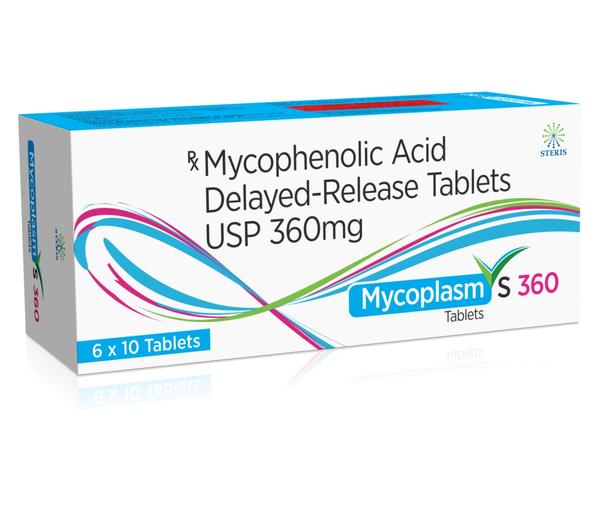
"name": "mycophenolate sodium 360 mg",
"description": "MYCOPLASM S 360 \nMycophenolate sodium 360 mg is an essential immunosuppressant medication designed to prevent organ transplant rejection, particularly for kidney, heart, and liver transplants. As the sodium salt of mycophenolic acid, it delivers 360 mg of the active moiety per tablet, providing targeted immune suppression to help patients maintain their new organs long-term. This product stands out for its enteric-coated formulation, which enhances gastrointestinal tolerability compared to other forms, making it a preferred choice in post-transplant care regimens.\n\nUses of Mycophenolate Sodium 360 mg\nMycophenolate sodium 360 mg primarily serves as a prophylactic agent against acute rejection in adult and pediatric patients receiving allogeneic renal, cardiac, or hepatic transplants. It works alongside other immunosuppressants like cyclosporine and corticosteroids to create a balanced regimen that minimizes the risk of graft loss. Clinically, it proves effective in de novo transplant recipients, where starting therapy early post-surgery significantly reduces rejection episodes. Beyond transplants, off-label applications include managing refractory autoimmune conditions such as lupus nephritis or myasthenia gravis, where immune overactivity damages tissues.\n\nThe drug targets the proliferation of T- and B-lymphocytes, key players in immune responses that can attack transplanted organs. In renal transplant patients, for instance, it helps preserve kidney function by curbing antibody-mediated rejection. Its role extends to maintenance therapy, where consistent dosing sustains immunosuppression without excessive toxicity. Healthcare providers often adjust it based on patient response and trough levels of the active metabolite, mycophenolic acid (MPA), ensuring optimal therapeutic outcomes.\n\nKey Benefits of Mycophenolate Sodium 360 mg\nMycophenolate sodium 360 mg offers several advantages that make it a cornerstone in transplant medicine. One primary benefit is its selective inhibition of lymphocyte proliferation, sparing other cell types and reducing broad-spectrum immunosuppression risks. This leads to fewer opportunistic infections compared to older agents like azathioprine. The enteric coating minimizes upper GI upset, improving patient compliance—studies show higher adherence rates with this formulation.\n\nEnhanced Graft Survival: Prolongs organ viability by effectively suppressing cell-mediated and humoral immunity, with clinical data showing reduced biopsy-proven rejection rates.\n\nImproved Tolerability: Lower incidence of nausea and diarrhea due to delayed-release technology, allowing twice-daily dosing without food restrictions.\n\nFlexible Dosing: Equivalent to 720 mg mycophenolate mofetil, but with predictable MPA exposure via enterohepatic recirculation for steady-state efficacy.\n\nPediatric Suitability: Approved for children over 2 years in renal transplants, supporting growth without compromising safety.\n\nCost-Effective Long-Term Option: Balances efficacy and side effect profile, potentially lowering overall healthcare costs from fewer rejections or hospitalizations.\n\nPatients experience better quality of life, with sustained energy levels and fewer interruptions from acute rejection crises. Its metabolism to MPA via liver glucuronidation ensures reliable pharmacokinetics, even in patients with mild renal impairment.\n\nSide Effects of Mycophenolate Sodium 360 mg\nWhile highly effective, mycophenolate sodium 360 mg carries risks typical of immunosuppressants, necessitating vigilant monitoring. Common adverse effects stem from its impact on rapidly dividing cells, particularly in the gut and bone marrow.\n\nCommon Side Effects\nGastrointestinal issues like diarrhea, nausea, vomiting, and abdominal pain, affecting up to 30-50% of users.\n\nHeadache, insomnia, and tremor, often mild and transient.\n\nInfections such as urinary tract or respiratory, due to moderated immunity.\n\nHypertension or peripheral edema, manageable with supportive care.\n\nLeukopenia or anemia, requiring periodic blood counts.\n\nSerious Side Effects\nSevere myelosuppression leading to neutropenia or thrombocytopenia, which can increase infection or bleeding risks.\n\nProgressive multifocal leukoencephalopathy (PML), a rare brain infection linked to JC virus reactivation.\n\nGastrointestinal perforation or bleeding, especially in at-risk patients.\n\nIncreased malignancy risk, including lymphoma or skin cancers, over long-term use.\n\nHypersensitivity reactions like rash or anaphylaxis.\n\nRegular complete blood counts, viral monitoring (e.g., CMV, BK virus), and skin exams mitigate these risks. Dose reductions or discontinuation may be needed if counts drop significantly.\n\nMechanism of Action\nMycophenolate sodium 360 mg rapidly hydrolyzes to mycophenolic acid (MPA), a potent, reversible, non-competitive inhibitor of inosine-5'-monophosphate dehydrogenase (IMPDH). This enzyme catalyzes the rate-limiting step in de novo guanine nucleotide synthesis, depleting guanosine nucleotides essential for T- and B-cell DNA replication. Lymphocytes, reliant on this pathway, undergo proliferation arrest, suppressing both cell-mediated immunity and antibody production.\n\nMPA also hinders glycosylation of adhesion molecules on lymphocytes and monocytes, impeding their migration to graft sites. It reduces nitric oxide production in macrophages without affecting endothelial cells, curbing inflammation. Enterohepatic recirculation of the glucuronide metabolite (MPAG) prolongs MPA exposure, enhancing efficacy. Protein binding to albumin (around 97%) ensures targeted delivery, with clearance primarily renal for the inactive form.\n\nDosage and Administration Guidelines\nStandard dosing for renal transplant is 720 mg (two 360 mg tablets) twice daily, starting within 72 hours post-surgery. Adjustments occur for hepatic or cardiac transplants, often alongside cyclosporine. Therapeutic drug monitoring of MPA AUC (area under curve) optimizes levels between 30-60 mcg·h/mL. Take on an empty stomach for best absorption, though food has minimal impact due to the coating.\n\nPrecautions and Warnings\nAvoid in pregnancy (Category D) due to teratogenicity—use contraception and regular pregnancy tests. Contraindicated in active untreated infections. Monitor for GI bleeding in ulcerative colitis patients. Drug interactions with antacids, cholestyramine, or rifampin alter MPA levels. Live vaccines are prohibited.\n\nConclusion\nMycophenolate sodium 360 mg represents a vital advancement in transplant immunosuppression, offering robust protection against rejection with a favorable benefit-risk profile. Its targeted action on lymphocytes, combined with improved GI tolerance, empowers patients to thrive post-transplant. By integrating it into comprehensive regimens with close monitoring, healthcare teams maximize graft success and patient well-being. Always consult a specialist for personalized guidance to harness its full potential safely.\nEmail: info@sterispharma.com / contact@sterispharma.com\nCall/WhatsApp: 7877551268, 7849827488\nORDER Now: \nhttps://www.sterisonline.com/product/mycoplasm-s-360-133670\n\n\n\n\n\n\n",
"price": 767.0,
"discountamount": 567.0,
"currencycode": "INR",
"priority": 1000000,
"isfreeshipmentavailable": false,
"shipmentduration": 7,
"_keywords": [
"dose",
"risk",
"body",
"part",
"ORDER",
"360mg",
"Email",
"cells",
"dosage",
"nausea",
"vomiting",
"schedule",
"headache",
"strength",
"WhatsApp",
"diarrhea",
"activity",
"rejection",
"treatment",
"infections",
"supplements",
"information",
"MYCOPLASM S",
"sterispharma",
"sterisonline",
"stomach pain",
"blood counts",
"immune system",
"complications",
"liver problems",
"liver function",
"other medications",
"Regular monitoring",
"medical conditions",
"healthcare provider",
"Common side effects",
"Serious side effects",
"white blood cell count",
"potential drug interactions",
"optimal therapeutic effects",
"combination therapy regimen",
"organ transplant recipients",
"Mycophenolate Sodium therapy",
"other immunosuppressive drugs"
],
"isarchived": false,
"isavailable": true,
"applicationid": null,
"productindex": 1474,
"imageuri": "https://productimages.withfloats.com/actual/6661a739c749b7962dbc08c6.jpg",
"tileimageuri": "https://productimages.withfloats.com/tile/6661a739c749b7962dbc08c6.jpg",
"images": null,
"totalqueries": 0,
"gpid": null,
"groupproductid": null,
"createdon": "2024-06-06T12:10:30.488Z",
"updatedon": "2026-03-12T08:02:36.733Z",
"buyonlinelink": null,
"producturl": "http://WWW.STERISINDIA.COM//mycophenolate-sodium-360-mg/1474",
"availableunits": -1.0,
"iscodavailable": false,
"isprepaidonlineavailable": false,
"maxcodorders": 0,
"maxprepaidonlineorders": 0,
"uniquepaymenturl": null,
"brandname": "MYCOPLASM S 360 ",
"category": "Oncology",
"tags": [
"MYCOPLASM S 360",
"Mycophenolate sodium (360mg)",
"Mycophenolate sodium 360 mg price",
"Mycophenolate sodium 360 mg brands",
"Mycophenolate sodium 360 mg side effects",
"Myfortic 360 alternative",
"Myfortic 500"
],
"variants": false,
"keyspecification": null,
"otherspecifications": null,
"pickupaddressreferenceid": "",
"paymenttype": "UniquePaymentUrl",
"producttype": "products",
"hsncode": null,
"gstslab": 0.001,
"isnotforsale": false
},
{
"_id": "6630b5c94793c41fd8f762b8",
"fptag": "STERISHEALTHCARE",
"merchantname": null,
"customwidgets": null,
"externalsourceid": null,
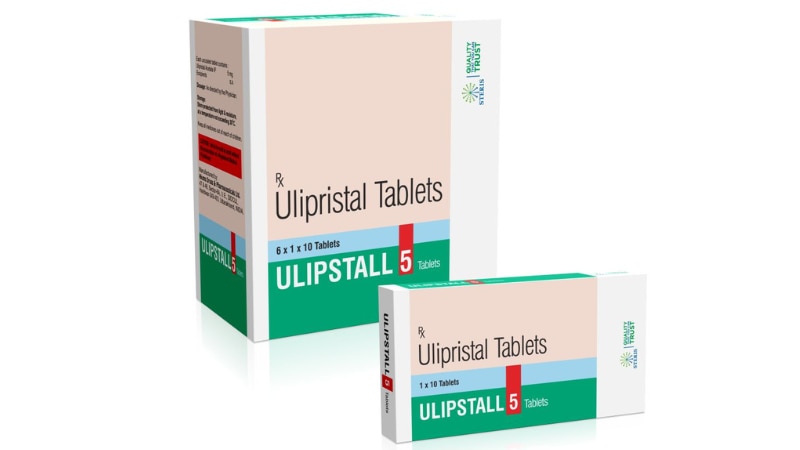
"name": "ulipristal 5mg",
"description": "ULIPSTALL 5 \nULIPSTALL 5 Ulipristal Acetate Tablets 5mg serves as a selective progesterone receptor modulator (SPRM) designed for adult women managing moderate to severe uterine fibroid symptoms before menopause. This prescription medication from Steris Healthcare reduces fibroid volume, controls heavy menstrual bleeding, and alleviates associated pelvic pain, offering a non-surgical option for improved daily life. Each tablet delivers 5 mg of ulipristal acetate, which precisely targets progesterone pathways without affecting estrogen.\n\nKey Uses of ULIPSTALL 5 Ulipristal Acetate Tablets 5 mg\nULIPSTALL 5 primarily treats uterine fibroids by shrinking their size and regulating excessive bleeding that leads to anemia. Healthcare providers prescribe it for women not planning pregnancy soon, often as a bridge to surgery or long-term management. It proves effective in reducing fibroid-related discomfort, enhancing hemoglobin levels, and restoring menstrual normalcy over treatment courses.\n\nUterine Fibroid Management: Inhibits fibroid growth, leading to 20-50% volume reduction in many cases, easing pressure on the uterus.\n\nHeavy Menstrual Bleeding Control: Decreases blood loss by up to 75%, preventing iron deficiency and fatigue.\n\nPelvic Pain Relief: Alleviates bloating, cramping, and discomfort from enlarged fibroids.\n\nPre-Surgical Preparation: Shrinks fibroids to simplify procedures like myomectomy or hysterectomy.\n\nNote that ULIPSTALL 5 at 5 mg differs from the 30mg emergency contraceptive dose; it focuses solely on fibroid therapy under gynecological supervision.\n\nKey Benefits of ULIPSTALL 5 Ulipristal Acetate Tablets 5 mg\nPatients experience rapid symptom relief, with many noticing lighter periods within weeks of starting ULIPSTALL 5. Its targeted action preserves fertility potential while delaying invasive interventions, boosting quality of life scores significantly in clinical use. The oral format ensures convenience over injectables or daily hormone therapies.\n\nFibroid Shrinkage: Promotes apoptosis in fibroid cells, reducing size and symptoms without systemic hormone disruption.\n\nAnemia Prevention: Corrects heavy bleeding-induced low hemoglobin, restoring energy and vitality.\nImproved Daily Functioning: Lessens pain and bleeding, enabling better work, exercise, and intimacy.\nRepeatable Treatment Cycles: Allows up to three-month courses with breaks, offering flexible long-term control.\n\nMinimal Impact on Ovulation: Maintains cycle predictability post-treatment for family planning.\n\nRegular monitoring enhances these outcomes, making ULIPSTALL 5 a cornerstone in modern fibroid care.\n\nPotential Side Effects of ULIPSTALL 5\nULIPSTALL 5 remains well-tolerated in most users, with transient effects resolving after discontinuation. Liver function checks prove essential due to rare hepatic risks.\nCommon Side Effects:\nHeadaches and hot flashes, affecting initial days.\n\nAbdominal pain, nausea, or mild breast tenderness.\n\nFatigue or menstrual spotting during therapy.\n\nSerious Side Effects (Rare):\n\nLiver enzyme elevations requiring immediate tests.\n\nEndometrial thickening (reversible) or severe allergic reactions like rash/swelling.\n\nPersistent jaundice, unexplained bleeding, or intense pain demands urgent care.\n\nAvoid in pregnancy, breastfeeding, or liver disease; report changes promptly.\nDosage Guidelines and Precautions\nTake one ULIPSTALL 5 tablet (5 mg) daily at the same time, with or without food, for up to three months per cycle. Doctors may repeat after a drug-free interval based on ultrasounds and bloodwork. Use non-hormonal contraception during and for four weeks post-treatment.\n\nPrecautions include avoiding CYP3A4 drugs like rifampicin (reduces efficacy) or ketoconazole (increases levels) and St. John’s Wort. Baseline and monthly liver tests ensure safety; discontinue if ALT exceeds three times normal.\nConclusion: Transform Fibroid Management with ULIPSTALL 5 Ulipristal Acetate Tablets 5 mg\nULIPSTALL 5 Ulipristal Acetate Tablets 5mg empowers women with uterine fibroids through precise progesterone modulation, delivering substantial reductions in size, bleeding, and pain for enhanced well-being. Backed by its fibroid-shrinking prowess and manageable profile, it stands as a vital tool in gynecology from Steris Healthcare. Consult specialists to integrate it safely and reclaim control over reproductive health",
"price": 1124.0,
"discountamount": 338.0,
"currencycode": "INR",
"priority": 1000000,
"isfreeshipmentavailable": false,
"shipmentduration": 7,
"_keywords": [
"5mg",
"nausea",
"tablet",
"headache",
"72 hours",
"ovulation",
"ULIPSTALL",
"infections",
"medication",
"endometrium",
"implantation",
"abdominal pain",
"Ulipristal tab",
"menstrual changes",
"ulipristal acetate",
"Common side effects",
"regular contraception",
"contraceptive failure",
"unprotected intercourse",
"emergency contraception",
"healthcare professional",
"selective progesterone receptor modulator"
],
"isarchived": false,
"isavailable": true,
"applicationid": null,
"productindex": 880,
"imageuri": "https://productimages.withfloats.com/actual/6630b5cb2a7a7008cb609a71.png",
"tileimageuri": "https://productimages.withfloats.com/tile/6630b5cb2a7a7008cb609a71.png",
"images": null,
"totalqueries": 0,
"gpid": null,
"groupproductid": null,
"createdon": "2024-04-30T09:11:37.328Z",
"updatedon": "2026-04-08T10:30:27.245Z",
"buyonlinelink": null,
"producturl": "http://WWW.STERISINDIA.COM//ulipristal-5mg/880",
"availableunits": -1.0,
"iscodavailable": false,
"isprepaidonlineavailable": false,
"maxcodorders": 0,
"maxprepaidonlineorders": 0,
"uniquepaymenturl": null,
"brandname": "ULIPSTALL 5",
"category": "GYANECOLOGYRANGE",
"tags": [
"ulipristal 5mg",
"ulipristal 5mg tablet",
"ulipristal 5mg cost",
"ulipristal 5mg tablets",
"ulipristal 5mg price in india",
"ulipristal 5mg tab",
"ulipristal 5mg tablet uses",
"ulipristal 5 mg tablet side effects",
"ulipristal 5 mg tablet price",
"ulipristal acetate 5mg tablets price in india"
],
"variants": false,
"keyspecification": null,
"otherspecifications": null,
"pickupaddressreferenceid": "",
"paymenttype": "UniquePaymentUrl",
"producttype": "products",
"hsncode": null,
"gstslab": 0.001,
"isnotforsale": false
},
{
"_id": "6a952f8fed078617ad2e762a",
"fptag": "STERISHEALTHCARE",
"merchantname": null,
"customwidgets": null,
"externalsourceid": null,
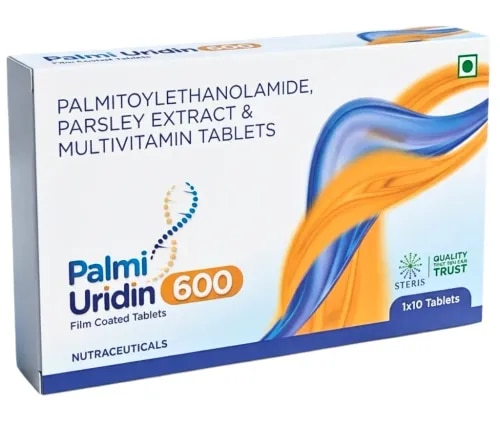
"name": "Palmitoylethanolamide,Parsley Extract & Multivitamin Tablets",
"description": "What Are Palmitoylethanolamide, Parsley Extract & Multivitamin Tablets?\n\nPalmitoylethanolamide, Parsley Extract & Multivitamin Tablets are a combination of nutritional supplements formulated with **palmitoylethanolamide (PEA), parsley extract, vitamins, and minerals**. The precise ingredients and quantities can differ between products, so the product label should always be checked for the exact composition and recommended serving.\n\nEach component has a different nutritional or biological role. **Palmitoylethanolamide (PEA)** is a naturally occurring fatty-acid amide that has been researched for its potential contribution to pain-related and inflammatory processes. Clinical research has shown particular interest in PEA for pain-management outcomes, especially when specific formulations such as micronized or ultramicronized PEA are used.\n\n**Parsley extract**, obtained from *Petroselinum crispum*, contains naturally occurring plant compounds, including flavonoids and phenolic constituents. Research has identified compounds such as apigenin and apiin in parsley and has demonstrated antioxidant activity in experimental settings. However, laboratory antioxidant activity should not be interpreted as proof that parsley extract prevents or treats a particular disease.\n\nThe multivitamin component supplies selected vitamins and minerals that contribute to normal nutritional requirements. Such supplements can be useful when dietary intake does not provide adequate amounts of particular nutrients, but they are intended to complement rather than replace a balanced diet.\n\nHow Do Palmitoylethanolamide, Parsley Extract & Multivitamin Tablets Work?\n\nThe combination works through the individual characteristics of its principal ingredients rather than through a single mechanism.\n\n1. Palmitoylethanolamide\n\nPalmitoylethanolamide (PEA) is an endogenous lipid compound found naturally in the body. It has been investigated for its potential analgesic, anti-inflammatory, and neuroprotective activities.\n\nClinical research has examined PEA in various pain-related and neurological settings. Evidence from randomized controlled trials has been particularly promising for pain-related outcomes. However, different PEA products can contain different formulations, and results from one preparation should not automatically be applied to every PEA supplement.\n\n 2. Parsley Extract\n\nParsley contains several naturally occurring phytochemicals, including flavonoids and phenolic compounds. These substances have demonstrated antioxidant properties in experimental research.\n\nThe presence of parsley extract therefore adds a plant-derived nutritional component to the formulation. However, human evidence remains more limited than laboratory research, so claims about disease prevention or treatment should be avoided unless supported by appropriate clinical evidence.\n\n3. Vitamins and Minerals\n\nThe multivitamin portion is designed to provide selected micronutrients that contribute to normal body functions. Vitamins and minerals participate in numerous physiological processes, including energy metabolism, immune function, nervous-system function, and maintenance of tissues.\n\nThe actual nutritional contribution depends on which vitamins and minerals are included and their quantities per tablet or serving.\n\nPotential Benefits of Palmitoylethanolamide, Parsley Extract & Multivitamin Tablets\n\nThe potential benefits of this combination depend on its exact formulation and the nutritional requirements of the individual.\n\nSupport for Pain-Management Strategies\n\nPEA is the component in this combination with the most relevant clinical research. Studies have evaluated PEA as a complementary nutritional approach in different pain conditions, with evidence showing particular interest in pain-related outcomes.\n\nHowever, the presence of PEA does not mean that every PEA-containing supplement is clinically proven to treat chronic pain, neuropathy, or other medical disorders.\n\nNutritional Support\n\nThe vitamin and mineral component can help increase nutrient intake when normal dietary consumption is inadequate.\n\nPeople with restricted diets, reduced food intake, or specific nutritional gaps may sometimes benefit from supplementation. However, supplements are not intended to replace a varied and nutritionally balanced diet.\n\nAntioxidant Nutritional Support\n\nParsley provides naturally occurring flavonoids and phenolic compounds that demonstrate antioxidant activity in experimental research.\n\nThese properties make parsley an interesting botanical ingredient in nutritional formulations, although laboratory findings do not necessarily establish a specific clinical benefit in humans.\n\nConvenient Combination Formula\n\nA combination tablet can offer convenience by bringing PEA, parsley extract, vitamins, and minerals together in one formulation.\n\nConsumers should focus on the actual quantities provided per tablet rather than simply the number of ingredients listed on the packaging.\n\nPalmitoylethanolamide, Parsley Extract & Multivitamin Tablets: Uses\n\nDepending on the specific product formulation and labeling, these tablets may be used as a nutritional supplement to\n\n* Support daily nutritional intake\n* Provide selected vitamins and minerals\n* Supply palmitoylethanolamide as part of a complementary wellness or pain-management approach\n* Provide naturally occurring compounds from parsley extract\n* Complement overall nutritional and antioxidant intake\n\nThese supplements should not be promoted as guaranteed treatments or cures for neuropathy, arthritis, inflammation, nerve injury, or other medical diseases.\n\n How to Select the Right Product\n\n 1. Check the PEA Quantity\n\nReview the label to determine the actual amount of **palmitoylethanolamide per tablet or daily serving**.\n\n 2. Consider the PEA Formulation\n\nDifferent clinical studies have evaluated different PEA preparations. Micronized, ultramicronized, and water-dispersible forms have received particular attention in clinical research.\n\n3. Review the Vitamin and Mineral Profile\n\nExamine the complete nutritional panel rather than assuming all multivitamin formulations contain the same nutrients and quantities.\n\n4. Avoid Nutrient Duplication\n\nIf you already use a multivitamin or individual supplements containing nutrients such as vitamin A, iron, zinc, or other minerals, compare the total daily intake to avoid unnecessary excess.\n\n 5. Check Product Information\n\nLook for transparent labeling, manufacturer details, batch information, expiry information, and appropriate quality-control details.\n\n 6. Choose According to Individual Requirements\n\nA product containing more ingredients or higher quantities is not necessarily more beneficial. Selection should be based on individual nutritional requirements and professional guidance when necessary.\n\nPossible Side Effects and Safety\n\nDietary supplements are generally well tolerated when appropriately formulated and used according to directions, but adverse effects and interactions can occur.\n\nPossible problems may include:\n\n* Nausea\n* Stomach discomfort\n* Changes in bowel habits\n* Headache\n* Sensitivity or allergic reactions to individual ingredients\n* Excessive intake of particular vitamins or minerals\n\nThe exact safety profile depends on the complete ingredient list and quantities in the individual product.\n\nPeople who take prescription medicines, have significant medical conditions, are pregnant or breastfeeding, or are preparing for surgery should discuss supplementation with a qualified healthcare professional.\n\nWho Should Use Extra Caution?\n\nAdditional care may be appropriate for individuals who:\n\n* Take several nutritional supplements\n* Regularly use prescription medicines\n* Have an existing medical condition\n* Are pregnant or breastfeeding\n* Have an allergy or sensitivity to an ingredient\n* Are preparing for surgery\n* Are considering supplementation for persistent or unexplained pain\n\nMultivitamins should also not be used as a substitute for a consistently varied diet.\n\nFrequently Asked Questions\n\n1. What are Palmitoylethanolamide, Parsley Extract & Multivitamin Tablets used for?\n\nThey are combination nutritional supplements containing PEA, parsley extract, vitamins, and minerals. Depending on the formulation, they may provide nutritional support and PEA as a complementary component of a wellness or pain-management approach.\n\n2. What are the main benefits of these tablets?\n\nPotential benefits depend on the formulation. PEA has been clinically studied mainly for pain-related outcomes; parsley provides naturally occurring plant compounds; and vitamins and minerals help support nutritional intake when dietary consumption is insufficient.\n\n3. Can Palmitoylethanolamide help with nerve pain?\n\nPEA has been investigated in several pain-related and neurological conditions, with clinical research showing promising findings for some pain outcomes. However, it should not automatically be considered a proven treatment for every type of nerve pain or neuropathy.\n\n4. Are Palmitoylethanolamide, Parsley Extract & Multivitamin Tablets safe?\n\nSafety depends on the ingredients, quantities, individual health status, and medicines being used. Most appropriately used basic nutritional supplements are tolerated by many people, but excessive nutrient intake and interactions can occur.\n\n5. What side effects can these tablets cause?\n\nPotential effects can include stomach discomfort, nausea, bowel changes, headache, or sensitivity to an ingredient. The exact side effects depend on the complete formulation.\n\n6. Can these tablets be taken with another multivitamin?\n\nCombining multivitamins should be approached carefully because overlapping ingredients can result in excessive intake of certain vitamins or minerals. Compare both labels before combining supplements.\n\n7. How should I choose palmitoylethanolamide tablets?\n\nCheck the PEA quantity, formulation, parsley extract amount, complete vitamin and mineral profile, serving instructions, manufacturer information, and product quality details.\n\n8. Can these tablets replace prescribed pain medicines?\n\nNo. A nutritional supplement should not automatically replace prescribed medication or professional medical care. Persistent, severe, worsening, or unexplained pain should be evaluated appropriately.\n\n9. Do multivitamins provide long-term health benefits?\n\nMultivitamins can increase nutrient intake when dietary intake is inadequate, but this does not mean they universally prevent chronic diseases or extend lifespan in healthy individuals.\n\n10. Can I take these tablets every day?\n\nFollow the dosage or serving instructions provided for the specific product. Taking more than the recommended amount does not necessarily provide greater benefits and may increase the risk of excessive nutrient intake.\n\nConclusion\n\nPalmitoylethanolamide, Parsley Extract & Multivitamin Tablets** combine **PEA, parsley extract, vitamins, and minerals** into a single nutritional formulation. PEA is the component with the most relevant clinical research, particularly in relation to pain-related outcomes, while parsley contributes naturally occurring botanical compounds and the multivitamin component supports dietary micronutrient intake.\n\nThe benefits and appropriate use of the combination depend on the exact formulation, ingredient quantities, and individual nutritional requirements. Therefore, consumers should review the complete product label and use the supplement according to its recommended directions.",
"price": 579.0,
"discountamount": 170.0,
"currencycode": "INR",
"priority": 1000000,
"isfreeshipmentavailable": false,
"shipmentduration": 1,
"_keywords": null,
"isarchived": false,
"isavailable": true,
"applicationid": null,
"productindex": 2499,
"imageuri": "https://productimages.withfloats.com/actual/6a952f923833cb5247c5da2d.png",
"tileimageuri": "https://productimages.withfloats.com/tile/6a952f923833cb5247c5da2d.png",
"images": null,
"totalqueries": 0,
"gpid": null,
"groupproductid": null,
"createdon": "2026-08-31T07:38:55.369Z",
"updatedon": "2026-08-31T07:38:55.369Z",
"buyonlinelink": null,
"producturl": "http://WWW.STERISINDIA.COM//palmitoylethanolamide-parsley-extract-multivitamin-tablets/2499",
"availableunits": -1.0,
"iscodavailable": false,
"isprepaidonlineavailable": false,
"maxcodorders": 0,
"maxprepaidonlineorders": 0,
"uniquepaymenturl": null,
"brandname": "PALMI URIDIN 600",
"category": "NEUROLOGY RANGE",
"tags": [
"Palmitoylethanolamide,Parsley Extract & Multivitamin Tablets",
"palmitoylethanolamide",
"multivitamin tablets",
"best multivitamin tablets",
"multivitamin tablets uses"
],
"variants": false,
"keyspecification": null,
"otherspecifications": null,
"pickupaddressreferenceid": null,
"paymenttype": "UniquePaymentUrl",
"producttype": "products",
"hsncode": null,
"gstslab": 0.0,
"isnotforsale": false
},
{
"_id": "6a50a78a75263abd944f583a",
"fptag": "STERISHEALTHCARE",
"merchantname": null,
"customwidgets": null,
"externalsourceid": null,
"name": "Loteprednol Etabonate Ophthalmic Suspension",
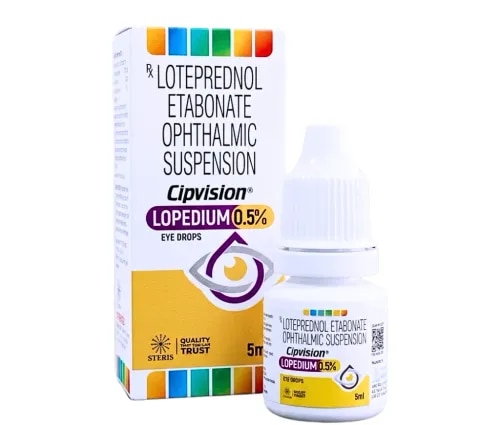
"description": "Loteprednol etabonate ophthalmic suspension is a prescription corticosteroid eye drop used to treat steroid-responsive inflammatory conditions of the eye, including post-surgical inflammation, allergic conjunctivitis, and certain forms of anterior uveitis. What sets loteprednol apart from older ophthalmic steroids is its “ester-based” chemical structure, which is designed to break down into inactive components after acting on eye tissue — giving it a comparatively lower risk of raising intraocular pressure (IOP) than traditional steroids like prednisolone or dexamethasone, while still delivering effective anti-inflammatory action. The typical dose is one to two drops in the affected eye, four times daily, or as directed, usually for a short, defined course rather than indefinite use. Common side effects include burning, stinging, and blurred vision, while prolonged or unsupervised use can still carry steroid-related risks such as elevated eye pressure. It is a Schedule H prescription-only medicine in India.\n\nWhat Is Loteprednol Etabonate Ophthalmic Suspension?\nLoteprednol etabonate ophthalmic suspension is a topical corticosteroid formulated specifically for use in the eye. It belongs to a category sometimes referred to as “site-specific” or “soft” steroids — a design approach where the drug is engineered to be highly active at the site of application (the eye) but rapidly metabolized into inactive by-products once it has acted, reducing the potential for the cumulative steroid-related side effects seen with older ophthalmic corticosteroids.\nThis suspension is commonly prescribed for:\n\nManaging inflammation following eye surgery, such as cataract surgery\nTreating allergic conjunctivitis, including seasonal allergic conjunctivitis\nCertain anterior segment inflammatory conditions, such as uveitis, under specialist supervision\nGiant papillary conjunctivitis and other steroid-responsive ocular surface conditions\n\nBecause of its comparatively favorable IOP profile, loteprednol is often considered by ophthalmologists for patients who need effective anti-inflammatory therapy but may be at higher risk from more potent steroids — though it is important to note that no ophthalmic steroid is entirely free of IOP-related risk, and monitoring remains necessary.\n\nHow Does Loteprednol Etabonate Work? (Mechanism of Action)\n\nCorticosteroid receptor binding – Loteprednol etabonate binds to glucocorticoid receptors within ocular tissue, initiating anti-inflammatory gene expression changes.\nSuppression of inflammatory mediators – This binding reduces the production of key inflammatory substances, including prostaglandins and cytokines, that drive redness, swelling, and discomfort.\nReduced vascular permeability – By calming the inflammatory cascade, the drug helps reduce leakage of fluid and inflammatory cells into ocular tissue, easing swelling.\nEster-based metabolism – Unlike ketone-based steroids, loteprednol's ester structure allows ocular esterases to break it down into inactive metabolites after it exerts its effect, which is thought to underlie its comparatively lower propensity to raise intraocular pressure.\nLocalized anti-inflammatory effect – The net result is effective control of ocular surface and anterior segment inflammation with a more favorable safety profile than some older steroid formulations, when used for the intended short duration.\n\n\nClinical Indications\nIndicationDetailsPost-operative ocular inflammationCommon after cataract and other intraocular surgeriesAllergic conjunctivitisIncluding seasonal allergic conjunctivitisGiant papillary conjunctivitisOften associated with contact lens wearAnterior uveitisUnder specialist supervisionOther steroid-responsive inflammatory conditions of the palpebral and bulbar conjunctiva, cornea, and anterior segmentAs directed by an ophthalmologist\nNot indicated for: viral (e.g., herpes simplex), fungal, or mycobacterial eye infections, where corticosteroid use can worsen the underlying condition.\n\nDosage & Administration\nParameterRecommendationStandard dose1–2 drops in the affected eye(s), typically 4 times dailyPost-surgical regimenOften started at higher frequency and tapered per surgeon's protocolShake before useYes — this is a suspension; shake well before each applicationDurationShort, defined course as prescribed; not intended for indefinite useTaperingGradual reduction recommended rather than abrupt discontinuation after extended useContact lensesRemove before instillation; reinsert only per your doctor's adviceMissed doseApply as soon as remembered; do not double the next dose\nImportant: Even with its comparatively favorable safety profile, loteprednol should be used strictly for the duration prescribed. Extended, unsupervised use is not recommended.\n\nKey Benefits\n\nEffective anti-inflammatory action for a range of steroid-responsive ocular conditions\nEster-based design associated with a comparatively lower risk of raising intraocular pressure than some older ophthalmic steroids\nUseful for patients needing steroid therapy who may be more sensitive to IOP elevation, under appropriate monitoring\nSuitable for both post-surgical inflammation control and allergic conjunctivitis management\nAvailable in a suspension formulation designed for good ocular surface contact\nOften used as part of a short, defined treatment course, reducing exposure duration compared to continuous long-term steroid regimens\n\n\nPrecautions\n\nUse strictly under ophthalmologist supervision — this is not an over-the-counter product\nNot suitable for viral, fungal, or mycobacterial eye infections\nEven with its favorable profile, prolonged use can still raise intraocular pressure in susceptible individuals — periodic IOP monitoring is recommended\nExtended use may increase the risk of cataract formation, as with other ophthalmic steroids\nMay mask signs of infection or delay wound healing if used inappropriately\nInform your doctor of any history of glaucoma, herpes eye infection, or corneal thinning before starting\nShake the suspension well before each use for accurate dosing\nAvoid touching the dropper tip to the eye or any surface\n\n\nSide Effects\nCommon (Usually Mild and Temporary)\n\nBurning or stinging sensation on instillation\nBlurred vision immediately after application\nEye discomfort or a foreign-body sensation\nMild eye redness\n\nLess Common / Serious (Consult Your Doctor Promptly)\n\nElevated intraocular pressure (comparatively less frequent than with older steroids, but still possible)\nDelayed wound healing\nSigns of secondary or masked ocular infection\nCataract progression with prolonged use\nAllergic reaction (eyelid swelling, itching, rash)\n\nDiscontinue and consult your ophthalmologist promptly if any serious symptom develops.\n\nComparison: Loteprednol vs. Other Ophthalmic Corticosteroids\nTreatmentClassIOP Risk ProfileBest Suited ForLoteprednol etabonate suspensionEster-based (“soft”) corticosteroidComparatively lowerPatients needing effective anti-inflammatory action with reduced IOP concernPrednisolone acetateKetone-based corticosteroidHigher with prolonged useRobust anti-inflammatory action; requires closer IOP monitoringDexamethasoneKetone-based corticosteroidHigher, potent effectSevere inflammatory conditions; typically shorter coursesFluorometholoneKetone-based corticosteroidModerateMild to moderate inflammation with somewhat reduced IOP risk\n\nKey Statistics (Placeholder — Pending Clinical Reviewer Verification)\nMetricValueReported incidence of clinically significant IOP elevation with short-course loteprednol use[Placeholder – insert verified clinical trial statistic]Comparative IOP-elevation rate vs. prednisolone acetate in controlled studies[Placeholder – insert verified reference]Typical duration of post-operative loteprednol therapy[Placeholder – insert reference range]\nAll statistics above are placeholders and must be verified and populated by a qualified clinical reviewer prior to publication.\n\nExpert Insight\n\n[Placeholder — Expert quote pending. To be added only after review and approval by a licensed ophthalmologist/medical reviewer associated with Steris Healthcare. Do not fabricate or publish without sign-off.]\n\n\nPrice of Loteprednol Etabonate Ophthalmic Suspension\nThe price of loteprednol etabonate ophthalmic suspension varies depending on brand, pack size, and region. For current pricing, availability, and prescription verification, please consult your ophthalmologist or an authorized pharmacy.\nPrescription only – consult your doctor.\n\nConclusion\nLoteprednol etabonate ophthalmic suspension offers a valuable option for managing steroid-responsive ocular inflammation — from post-surgical recovery to allergic conjunctivitis — with a design intended to reduce the intraocular pressure risks historically associated with ophthalmic corticosteroids. While its ester-based structure gives it a comparatively favorable safety profile, it remains a steroid, and prolonged or unsupervised use can still carry risks such as elevated eye pressure, cataract progression, and delayed healing. For this reason, loteprednol should always be used for the specific duration prescribed, with appropriate tapering and regular ophthalmic follow-up, rather than as a long-term, self-managed therapy.\n\nFrequently Asked Questions\n\n1. What is loteprednol etabonate ophthalmic suspension used for?\nIt is used to treat steroid-responsive eye inflammation, including inflammation after eye surgery, allergic conjunctivitis, and certain anterior segment inflammatory conditions such as uveitis, under an ophthalmologist's guidance.\n\n2. Is loteprednol a steroid?\nYes, loteprednol etabonate is a corticosteroid. It is specifically designed with an ester-based structure intended to reduce the risk of raising intraocular pressure compared to some older ophthalmic steroids, though it still requires medical supervision.\n\n3. How long can I use loteprednol eye drops?\nLoteprednol is typically prescribed for a short, defined course as determined by your ophthalmologist, often with a tapering schedule. It is not intended for indefinite, unsupervised long-term use.\n\n4. Does loteprednol raise eye pressure?\nLoteprednol has a comparatively lower risk of raising intraocular pressure than some older ophthalmic steroids due to its ester-based design, but it can still cause elevated eye pressure in susceptible individuals, especially with prolonged use, so periodic monitoring is recommended.\n\n5. Can loteprednol cause cataracts?\nProlonged use of any ophthalmic corticosteroid, including loteprednol, can increase the risk of cataract formation, particularly posterior subcapsular cataracts, which is why short, supervised courses are recommended.\n\n6. How is loteprednol different from prednisolone acetate?\nLoteprednol has an ester-based chemical structure designed to break down into inactive components after acting on the eye, which is associated with a lower risk of raising intraocular pressure compared to prednisolone acetate, a ketone-based steroid with a higher IOP-elevation potential.\n\n7. Can loteprednol be used for allergic conjunctivitis?\nYes, loteprednol etabonate ophthalmic suspension is commonly used to manage allergic conjunctivitis, including seasonal allergic conjunctivitis, especially when symptoms are significant or not controlled by other treatments.\n\n8. Is loteprednol safe after cataract surgery?\nYes, loteprednol is frequently prescribed to manage post-operative inflammation following cataract surgery, typically as part of a tapering regimen directed by the operating ophthalmologist.\n\n9. Can loteprednol be used for viral eye infections?\nNo, loteprednol and other corticosteroids are not appropriate for viral eye infections such as herpes simplex keratitis, as steroids can worsen these conditions if used inappropriately.\n\n10. What are the common side effects of loteprednol eye drops?\nCommon side effects include burning or stinging upon application, temporary blurred vision, mild eye redness, and eye discomfort. These are usually mild and resolve quickly.\n11. Does loteprednol need to be shaken before use?\nYes, since it is a suspension, the bottle should be shaken well before each use to ensure the medication is evenly distributed.\n\n12. Can loteprednol be stopped suddenly?\nStopping abruptly, especially after extended use, is generally not recommended. A gradual tapering schedule, as advised by your ophthalmologist, helps prevent rebound inflammation.\n\n13. Is loteprednol safe for long-term daily use?\nNo, loteprednol is generally intended for short, supervised courses rather than continuous long-term daily use, due to steroid-related risks with prolonged exposure.\n\n14. Can contact lenses be worn while using loteprednol?\nIt's generally recommended to remove contact lenses before applying loteprednol and reinsert them only after the interval advised by your doctor.\n\n15. Who should avoid using loteprednol eye drops?\nPatients with active untreated viral, fungal, or mycobacterial eye infections, or known hypersensitivity to the medication, should avoid loteprednol unless specifically directed otherwise by their ophthalmologist.\n\n16. Can loteprednol be used in children?\nUse in children should only occur under the direct guidance and prescription of a pediatric ophthalmologist, based on individual clinical assessment.\n17. Does loteprednol cause blurred vision?\nTemporary blurred vision can occur immediately after instillation in some patients and usually resolves quickly. Persistent blurred vision should be reported to your doctor.",
"price": 150.0,
"discountamount": 45.0,
"currencycode": "INR",
"priority": 1000000,
"isfreeshipmentavailable": false,
"shipmentduration": 1,
"_keywords": null,
"isarchived": false,
"isavailable": true,
"applicationid": null,
"productindex": 2471,
"imageuri": "https://productimages.withfloats.com/actual/6a50a78cd95cad00a915a6d8.png",
"tileimageuri": "https://productimages.withfloats.com/tile/6a50a78cd95cad00a915a6d8.png",
"images": null,
"totalqueries": 0,
"gpid": null,
"groupproductid": null,
"createdon": "2026-07-10T08:04:26.663Z",
"updatedon": "2026-07-10T08:04:26.663Z",
"buyonlinelink": null,
"producturl": "http://WWW.STERISINDIA.COM//loteprednol-etabonate-ophthalmic-suspension/2471",
"availableunits": -1.0,
"iscodavailable": false,
"isprepaidonlineavailable": false,
"maxcodorders": 0,
"maxprepaidonlineorders": 0,
"uniquepaymenturl": null,
"brandname": "CIPVISION LOPEDIUM 0.5%",
"category": "Opthalmology Range",
"tags": [
"Loteprednol Etabonate Ophthalmic Suspension",
"loteprednol etabonate ophthalmic suspension uses",
"loteprednol etabonate ophthalmic suspension uses in hindi",
"loteprednol etabonate ophthalmic suspension in hindi",
"loteprednol etabonate ophthalmic suspension eye drops uses",
"loteprednol etabonate ophthalmic suspension eye drops",
"loteprednol etabonate ophthalmic suspension use"
],
"variants": false,
"keyspecification": null,
"otherspecifications": null,
"pickupaddressreferenceid": null,
"paymenttype": "UniquePaymentUrl",
"producttype": "products",
"hsncode": null,
"gstslab": 0.0,
"isnotforsale": false
},
{
"_id": "6a46068a3a7982b6888cdba1",
"fptag": "STERISHEALTHCARE",
"merchantname": null,
"customwidgets": null,
"externalsourceid": null,
"name": "Polyethylene Glycol 400 & Propylene Glycol Eye Drops",
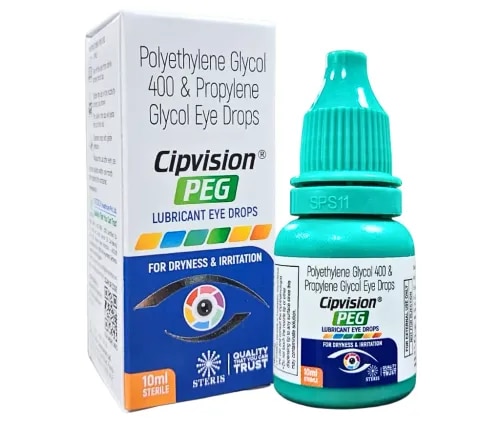
"description": "Carboxymethylcellulose (CMC) Eye Drops IP 0.5% w/v is an over-the-counter lubricant eye drop used to relieve dryness, burning, and irritation caused by insufficient tear production. It works by coating the eye's surface with a moisture-retaining film, is safe for regular daily use, and is suitable for adults experiencing dry eye syndrome, screen-related eye strain, or contact lens discomfort.\n\nWhat Is Carboxymethylcellulose Eye Drops IP 0.5% w/v?\n\nCarboxymethylcellulose Sodium Eye Drops IP 0.5% w/v is a lubricating eye drop (artificial tear) formulated to relieve symptoms of dry eye — including burning, stinging, grittiness, and light sensitivity caused by inadequate natural tear film. It is manufactured to Indian Pharmacopoeia (IP) standards and is classified as an over-the-counter (OTC) ophthalmic lubricant, meaning it does not require a prescription for routine dry-eye relief, though a doctor's guidance is recommended for chronic or unexplained symptoms.\n\nHow It Works\n\nCarboxymethylcellulose is a viscosity-enhancing, water-retentive polymer that mimics the mucin and aqueous layers of the natural tear film.\n\n\nCoats the ocular surface – forms a smooth, even film across the cornea and conjunctiva immediately after application.\nRetains moisture – its water-binding structure slows tear evaporation, keeping the eye surface hydrated for longer.\nReduces friction – lubricates the eyelid-cornea interface, easing the grating or gritty sensation typical of dry eye.\nSupports healing – a stable tear film reduces micro-abrasion of surface cells, helping symptomatic recovery with regular use.\nExtends comfort duration – the 0.5% concentration is calibrated to balance lubrication strength with comfortable, non-blurring application.\n\n\nClinical Indications\n\nConditionHow CMC 0.5% HelpsDry Eye Syndrome (Keratoconjunctivitis Sicca)Restores moisture balance, relieves burning and grittinessDigital Eye Strain (screen-related dryness)Rehydrates surface dried by reduced blink rateContact Lens–Related DrynessLubricates lens-eye interface, improves comfortPost-LASIK/Ocular Surgery DrynessSupports surface comfort during recovery (as advised by ophthalmologist)Environmental Irritation (dust, AC, wind exposure)Flushes and cushions irritants, restores comfort\n\nDosage & How to Use\n\nParameterRecommendationStandard Dose1–2 drops in the affected eye(s)Frequency3–4 times daily, or as needed for symptom reliefMaximum UseCan be used more frequently under doctor guidance for severe drynessApplication MethodTilt head back, pull lower eyelid down, instill drop without touching tip to eyeContact Lens UseRemove lenses before application unless the product is lens-compatible; reinsert after 15 minutesStorageStore below 25°C, away from direct sunlight; discard 4 weeks after opening\n\nPrecautions\n\n\nDo not touch the dropper tip to the eye, eyelid, or any surface to avoid contamination.\nDiscontinue and consult a doctor if eye pain, vision change, redness, or irritation persists beyond 72 hours.\nWait at least 5–10 minutes between this and any other eye medication.\nNot a substitute for treating underlying causes of chronic dry eye (e.g., blepharitis, Sjögren's syndrome) — seek medical evaluation for persistent cases.\nSafety in pregnancy and breastfeeding should be confirmed with a physician, though topical ocular absorption is minimal.\nKeep out of reach of children.\n\n\nPossible Side Effects\n\nMost users tolerate carboxymethylcellulose eye drops well. Reported effects are typically mild and transient:\n\n\nTemporary blurred vision immediately after application\nMild stinging or watering on instillation\nEye irritation or redness (uncommon)\nRare allergic reaction (itching, swelling, rash) — discontinue and seek medical advice if this occurs\n\n\nSerious side effects are rare. Seek immediate medical attention for severe eye pain, sudden vision loss, or signs of infection (discharge, swelling, fever).\n\nComparison: CMC 0.5% vs. Other Lubricant Eye Drops\n\nIngredientViscosityBest ForPrescription NeededCarboxymethylcellulose 0.5%MediumGeneral dry eye, daily useNo (OTC)Sodium Hyaluronate 0.1–0.3%Low–MediumMild dryness, contact lens comfortNo (OTC)Carbomer Gel 0.2%HighSevere/nighttime drynessNo (OTC)Polyethylene Glycol + Propylene GlycolMediumCombination dryness reliefNo (OTC)Hydroxypropyl Methylcellulose 0.3%MediumShort-term irritation reliefNo (OTC)\n\nKey Statistics\n\nStatisticData PointSourceGlobal dry eye disease prevalence5–50% depending on population and diagnostic criteriaTear Film & Ocular Surface Society (TFOS DEWS II)India dry eye prevalence in urban adultsApprox. 32–40% in screen-exposed populationsIndian Journal of Ophthalmology, published studiesCMC as first-line OTC therapyRecommended as first-line lubricant in dry eye management guidelinesTFOS DEWS II Management ReportAdults reporting digital eye strain symptomsOver 60% among regular screen usersAmerican Optometric Association survey data\n\nExpert Insight\n\n[Insert verified ophthalmologist or optometrist commentary here — Claude has not fabricated a quote. Recommend sourcing a short, attributable statement from a Steris Healthcare medical advisor or a cited clinical reference before publishing.]\n\nConclusion\n\nCarboxymethylcellulose Eye Drops IP 0.5% w/v is a reliable, first-line OTC lubricant for anyone dealing with dry, tired, or irritated eyes — whether the cause is long screen hours, contact lens wear, environmental exposure, or general dry eye syndrome. Its moisture-retentive formula coats and hydrates the eye surface on contact, offering fast, non-prescription relief suitable for daily use. While generally safe and well-tolerated, persistent or worsening symptoms should always be evaluated by an eye care professional. For consistent, pharmacopoeia-grade quality, choose a WHO-GMP certified formulation and buy online through a trusted pharmaceutical source.\n\n\nHigh-Ranking FAQs (Google Search & Voice Search Optimized)\n\n1. What is carboxymethylcellulose eye drops IP 0.5% w/v used for?\nIt is used to relieve dry, irritated, or burning eyes caused by insufficient natural tear production, screen use, contact lenses, or environmental exposure. It works as an artificial tear that lubricates and hydrates the eye surface.\n\n2. How often can I use carboxymethylcellulose eye drops?\nMost people use 1–2 drops, 3–4 times a day, or as needed for comfort. For severe dryness, frequency can be increased under a doctor's guidance, since this OTC lubricant has a strong safety profile for repeated daily use.\n\n3. Can I use carboxymethylcellulose eye drops with contact lenses?\nYes, but check the product label first. Many formulations require lens removal before application, with reinsertion after about 15 minutes, unless the specific product is labeled as contact-lens compatible.\n\n4. Is carboxymethylcellulose 0.5% safe for daily long-term use?\nYes, it is considered safe for regular daily use as a lubricant, and is often recommended as a first-line therapy for chronic dry eye. Persistent symptoms despite regular use should still be discussed with an eye specialist.\n\n5. What is the difference between carboxymethylcellulose and hyaluronic acid eye drops?\nCarboxymethylcellulose offers medium viscosity and longer-lasting lubrication, while sodium hyaluronate drops are typically lighter and better suited for mild dryness or lens comfort. Both are OTC options; choice depends on symptom severity.\n\n6. Are there side effects of carboxymethylcellulose eye drops?\nSide effects are generally mild, such as temporary blurred vision or slight stinging right after application. Serious reactions are rare, but persistent redness, pain, or vision changes warrant medical attention.\n\n7. How long does it take for carboxymethylcellulose eye drops to work?\nRelief is typically immediate to within a few minutes of application, as the drop forms a lubricating film over the eye surface right away. Full symptom control with consistent daily use may take a few days.\n\n8. Can pregnant or breastfeeding women use carboxymethylcellulose eye drops?\nTopical ocular absorption is minimal, and it's generally considered low-risk, but pregnant or breastfeeding women should confirm use with their doctor before starting any eye medication.",
"price": 379.0,
"discountamount": 113.0,
"currencycode": "INR",
"priority": 1000000,
"isfreeshipmentavailable": false,
"shipmentduration": 1,
"_keywords": null,
"isarchived": false,
"isavailable": true,
"applicationid": null,
"productindex": 2464,
"imageuri": "https://productimages.withfloats.com/actual/6a46068dc94d045c2e16dd26.png",
"tileimageuri": "https://productimages.withfloats.com/tile/6a46068dc94d045c2e16dd26.png",
"images": null,
"totalqueries": 0,
"gpid": null,
"groupproductid": null,
"createdon": "2026-07-02T06:34:50.994Z",
"updatedon": "2026-07-02T06:34:50.994Z",
"buyonlinelink": null,
"producturl": "http://WWW.STERISINDIA.COM//polyethylene-glycol-400-propylene-glycol-eye-drops/2464",
"availableunits": -1.0,
"iscodavailable": false,
"isprepaidonlineavailable": false,
"maxcodorders": 0,
"maxprepaidonlineorders": 0,
"uniquepaymenturl": null,
"brandname": "CIPVISION PEG",
"category": "Opthalmology Range",
"tags": [
"polyethylene glycol 400 & propylene glycol eye drops",
"polyethylene glycol 400 & propylene glycol eye drops uses"
],
"variants": false,
"keyspecification": null,
"otherspecifications": null,
"pickupaddressreferenceid": null,
"paymenttype": "UniquePaymentUrl",
"producttype": "products",
"hsncode": null,
"gstslab": 0.0,
"isnotforsale": false
},
{
"_id": "6a46005294601f207d73196c",
"fptag": "STERISHEALTHCARE",
"merchantname": null,
"customwidgets": null,
"externalsourceid": null,
"name": "carboxymethylcellulose eye drops ip 0.5 w/v",
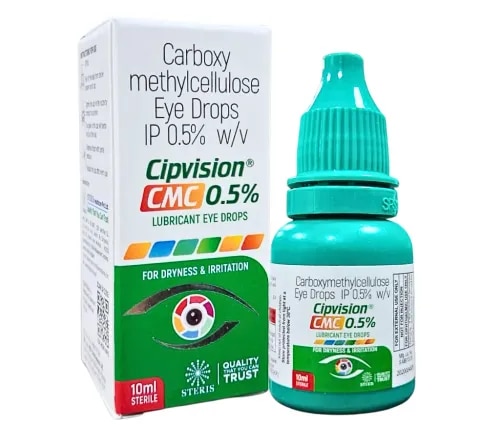
"description": "Carboxymethylcellulose (CMC) Eye Drops IP 0.5% w/v is an over-the-counter lubricant eye drop used to relieve dryness, burning, and irritation caused by insufficient tear production. It works by coating the eye's surface with a moisture-retaining film, is safe for regular daily use, and is suitable for adults experiencing dry eye syndrome, screen-related eye strain, or contact lens discomfort.\n\nWhat Is Carboxymethylcellulose Eye Drops IP 0.5% w/v?\n\nCarboxymethylcellulose Sodium Eye Drops IP 0.5% w/v is a lubricating eye drop (artificial tear) formulated to relieve symptoms of dry eye — including burning, stinging, grittiness, and light sensitivity caused by inadequate natural tear film. It is manufactured to Indian Pharmacopoeia (IP) standards and is classified as an over-the-counter (OTC) ophthalmic lubricant, meaning it does not require a prescription for routine dry-eye relief, though a doctor's guidance is recommended for chronic or unexplained symptoms.\n\nHow It Works\n\nCarboxymethylcellulose is a viscosity-enhancing, water-retentive polymer that mimics the mucin and aqueous layers of the natural tear film.\n\n\nCoats the ocular surface – forms a smooth, even film across the cornea and conjunctiva immediately after application.\nRetains moisture – its water-binding structure slows tear evaporation, keeping the eye surface hydrated for longer.\nReduces friction – lubricates the eyelid-cornea interface, easing the grating or gritty sensation typical of dry eye.\nSupports healing – a stable tear film reduces micro-abrasion of surface cells, helping symptomatic recovery with regular use.\nExtends comfort duration – the 0.5% concentration is calibrated to balance lubrication strength with comfortable, non-blurring application.\n\n\nClinical Indications\n\nConditionHow CMC 0.5% HelpsDry Eye Syndrome (Keratoconjunctivitis Sicca)Restores moisture balance, relieves burning and grittinessDigital Eye Strain (screen-related dryness)Rehydrates surface dried by reduced blink rateContact Lens–Related DrynessLubricates lens-eye interface, improves comfortPost-LASIK/Ocular Surgery DrynessSupports surface comfort during recovery (as advised by ophthalmologist)Environmental Irritation (dust, AC, wind exposure)Flushes and cushions irritants, restores comfort\n\nDosage & How to Use\n\nParameterRecommendationStandard Dose1–2 drops in the affected eye(s)Frequency3–4 times daily, or as needed for symptom reliefMaximum UseCan be used more frequently under doctor guidance for severe drynessApplication MethodTilt head back, pull lower eyelid down, instill drop without touching tip to eyeContact Lens UseRemove lenses before application unless the product is lens-compatible; reinsert after 15 minutesStorageStore below 25°C, away from direct sunlight; discard 4 weeks after opening\n\nPrecautions\n\n\nDo not touch the dropper tip to the eye, eyelid, or any surface to avoid contamination.\nDiscontinue and consult a doctor if eye pain, vision change, redness, or irritation persists beyond 72 hours.\nWait at least 5–10 minutes between this and any other eye medication.\nNot a substitute for treating underlying causes of chronic dry eye (e.g., blepharitis, Sjögren's syndrome) — seek medical evaluation for persistent cases.\nSafety in pregnancy and breastfeeding should be confirmed with a physician, though topical ocular absorption is minimal.\nKeep out of reach of children.\n\n\nPossible Side Effects\n\nMost users tolerate carboxymethylcellulose eye drops well. Reported effects are typically mild and transient:\n\n\nTemporary blurred vision immediately after application\nMild stinging or watering on instillation\nEye irritation or redness (uncommon)\nRare allergic reaction (itching, swelling, rash) — discontinue and seek medical advice if this occurs\n\n\nSerious side effects are rare. Seek immediate medical attention for severe eye pain, sudden vision loss, or signs of infection (discharge, swelling, fever).\n\nComparison: CMC 0.5% vs. Other Lubricant Eye Drops\n\nIngredientViscosityBest ForPrescription NeededCarboxymethylcellulose 0.5%MediumGeneral dry eye, daily useNo (OTC)Sodium Hyaluronate 0.1–0.3%Low–MediumMild dryness, contact lens comfortNo (OTC)Carbomer Gel 0.2%HighSevere/nighttime drynessNo (OTC)Polyethylene Glycol + Propylene GlycolMediumCombination dryness reliefNo (OTC)Hydroxypropyl Methylcellulose 0.3%MediumShort-term irritation reliefNo (OTC)\n\nKey Statistics\n\nStatisticData PointSourceGlobal dry eye disease prevalence5–50% depending on population and diagnostic criteriaTear Film & Ocular Surface Society (TFOS DEWS II)India dry eye prevalence in urban adultsApprox. 32–40% in screen-exposed populationsIndian Journal of Ophthalmology, published studiesCMC as first-line OTC therapyRecommended as first-line lubricant in dry eye management guidelinesTFOS DEWS II Management ReportAdults reporting digital eye strain symptomsOver 60% among regular screen usersAmerican Optometric Association survey data\n\nExpert Insight\n\n[Insert verified ophthalmologist or optometrist commentary here — Claude has not fabricated a quote. Recommend sourcing a short, attributable statement from a Steris Healthcare medical advisor or a cited clinical reference before publishing.]\n\nConclusion\n\nCarboxymethylcellulose Eye Drops IP 0.5% w/v is a reliable, first-line OTC lubricant for anyone dealing with dry, tired, or irritated eyes — whether the cause is long screen hours, contact lens wear, environmental exposure, or general dry eye syndrome. Its moisture-retentive formula coats and hydrates the eye surface on contact, offering fast, non-prescription relief suitable for daily use. While generally safe and well-tolerated, persistent or worsening symptoms should always be evaluated by an eye care professional. For consistent, pharmacopoeia-grade quality, choose a WHO-GMP certified formulation and buy online through a trusted pharmaceutical source.\n\n\nHigh-Ranking FAQs (Google Search & Voice Search Optimized)\n\n1. What is carboxymethylcellulose eye drops IP 0.5% w/v used for?\nIt is used to relieve dry, irritated, or burning eyes caused by insufficient natural tear production, screen use, contact lenses, or environmental exposure. It works as an artificial tear that lubricates and hydrates the eye surface.\n\n2. How often can I use carboxymethylcellulose eye drops?\nMost people use 1–2 drops, 3–4 times a day, or as needed for comfort. For severe dryness, frequency can be increased under a doctor's guidance, since this OTC lubricant has a strong safety profile for repeated daily use.\n\n3. Can I use carboxymethylcellulose eye drops with contact lenses?\nYes, but check the product label first. Many formulations require lens removal before application, with reinsertion after about 15 minutes, unless the specific product is labeled as contact-lens compatible.\n\n4. Is carboxymethylcellulose 0.5% safe for daily long-term use?\nYes, it is considered safe for regular daily use as a lubricant, and is often recommended as a first-line therapy for chronic dry eye. Persistent symptoms despite regular use should still be discussed with an eye specialist.\n\n5. What is the difference between carboxymethylcellulose and hyaluronic acid eye drops?\nCarboxymethylcellulose offers medium viscosity and longer-lasting lubrication, while sodium hyaluronate drops are typically lighter and better suited for mild dryness or lens comfort. Both are OTC options; choice depends on symptom severity.\n\n6. Are there side effects of carboxymethylcellulose eye drops?\nSide effects are generally mild, such as temporary blurred vision or slight stinging right after application. Serious reactions are rare, but persistent redness, pain, or vision changes warrant medical attention.\n\n7. How long does it take for carboxymethylcellulose eye drops to work?\nRelief is typically immediate to within a few minutes of application, as the drop forms a lubricating film over the eye surface right away. Full symptom control with consistent daily use may take a few days.\n\n8. Can pregnant or breastfeeding women use carboxymethylcellulose eye drops?\nTopical ocular absorption is minimal, and it's generally considered low-risk, but pregnant or breastfeeding women should confirm use with their doctor before starting any eye medication.",
"price": 131.0,
"discountamount": 39.0,
"currencycode": "INR",
"priority": 1000000,
"isfreeshipmentavailable": false,
"shipmentduration": 1,
"_keywords": null,
"isarchived": false,
"isavailable": true,
"applicationid": null,
"productindex": 2463,
"imageuri": "https://productimages.withfloats.com/actual/6a460054097cf641f38a4758.png",
"tileimageuri": "https://productimages.withfloats.com/tile/6a460054097cf641f38a4758.png",
"images": null,
"totalqueries": 0,
"gpid": null,
"groupproductid": null,
"createdon": "2026-07-02T06:08:18.439Z",
"updatedon": "2026-07-02T06:58:19.559Z",
"buyonlinelink": null,
"producturl": "http://WWW.STERISINDIA.COM//carboxymethylcellulose-eye-drops-ip-0-5-w-v/2463",
"availableunits": -1.0,
"iscodavailable": false,
"isprepaidonlineavailable": false,
"maxcodorders": 0,
"maxprepaidonlineorders": 0,
"uniquepaymenturl": null,
"brandname": "CIPVISION CMC 0.5%",
"category": "Opthalmology Range",
"tags": [
"carboxymethylcellulose eye drops ip 0.5 w/v",
"carboxymethylcellulose eye drops ip 0.5 w/v uses",
"carboxymethylcellulose eye drops ip 0.5 w/v price"
],
"variants": false,
"keyspecification": null,
"otherspecifications": null,
"pickupaddressreferenceid": null,
"paymenttype": "UniquePaymentUrl",
"producttype": "products",
"hsncode": null,
"gstslab": 0.0,
"isnotforsale": false
},
{
"_id": "6a3a2e167b4b828cf7870160",
"fptag": "STERISHEALTHCARE",
"merchantname": null,
"customwidgets": null,
"externalsourceid": null,
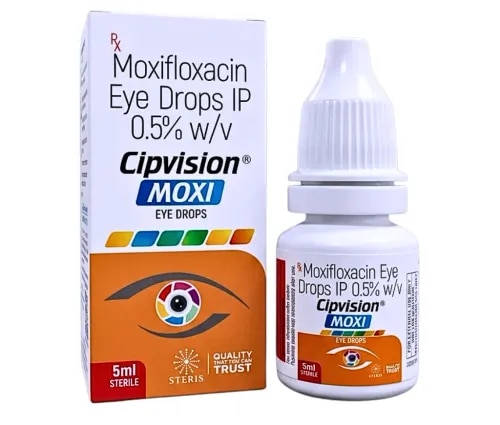
"name": "moxifloxacin eye drops ip 0.5 w/v",
"description": "Eye infections can develop suddenly and cause symptoms such as redness, itching, watering, irritation, swelling, and discharge. If left untreated, bacterial eye infections may affect vision and lead to serious ocular complications. Moxifloxacin Eye Drops IP 0.5% w/v is a trusted ophthalmic antibiotic formulation widely prescribed to treat bacterial eye infections effectively and support faster recovery.\n\nKnown for its broad-spectrum antibacterial activity, Moxifloxacin Eye Drops IP 0.5% w/v helps eliminate infection-causing bacteria directly at the site of infection. Whether you are looking for a reliable treatment for bacterial conjunctivitis or seeking information before purchasing a prescribed medication, this comprehensive guide covers everything you need to know about Moxifloxacin Eye Drops IP 0.5% w/v, including its uses, benefits, dosage, precautions, and frequently asked questions.\n\nWhat is Moxifloxacin Eye Drops IP 0.5% w/v?\n\nMoxifloxacin Eye Drops IP 0.5% w/v is a sterile ophthalmic solution containing Moxifloxacin Hydrochloride, a fourth-generation fluoroquinolone antibiotic. It is specifically formulated for eye use and is designed to treat bacterial infections affecting the external structures of the eye.\n\nThe medication works against a broad range of gram-positive and gram-negative bacteria, making it an effective choice for treating common bacterial eye infections. Due to its potent antibacterial action and excellent ocular penetration, ophthalmologists frequently recommend Moxifloxacin Eye Drops IP 0.5% w/v for patients experiencing bacterial conjunctivitis and related infections.\n\nHow Does Moxifloxacin Eye Drops IP 0.5% w/v Work?\n\nMoxifloxacin works by inhibiting bacterial enzymes known as DNA gyrase and topoisomerase IV. These enzymes are essential for bacterial DNA replication, repair, and cell division.\n\nBy blocking these critical enzymes, Moxifloxacin prevents bacteria from multiplying and surviving. As the bacterial population decreases, the infection gradually clears, and symptoms such as redness, discharge, irritation, and swelling begin to improve.\n\nIts advanced antibacterial mechanism helps provide rapid and effective treatment against susceptible bacterial pathogens.\n\nWhy is Moxifloxacin Eye Drops IP 0.5% w/v Important?\n\nPrompt treatment of bacterial eye infections is crucial for maintaining eye health and preventing complications. Moxifloxacin Eye Drops IP 0.5% w/v plays a significant role in ophthalmic care because it:\n\nTargets infection-causing bacteria directly\nHelps reduce redness and inflammation\nControls bacterial growth effectively\nSupports faster symptom relief\nHelps prevent infection-related complications\nPromotes healthy recovery of ocular tissues\n\nIts broad-spectrum antibacterial activity makes it one of the preferred antibiotic eye drops used in modern ophthalmology.\n\nCommon Uses of Moxifloxacin Eye Drops IP 0.5% w/v\n\nHealthcare professionals may prescribe Moxifloxacin Eye Drops IP 0.5% w/v for several bacterial eye conditions.\n\nBacterial Conjunctivitis\n\nOne of the most common uses is the treatment of bacterial conjunctivitis, often referred to as pink eye. Symptoms include redness, sticky discharge, irritation, and excessive tearing.\n\nPost-Operative Eye Care\n\nMoxifloxacin Eye Drops IP 0.5% w/v may be prescribed before or after eye surgeries to reduce the risk of bacterial infection.\n\nBacterial Keratitis\n\nCertain bacterial infections affecting the cornea may require treatment with broad-spectrum antibiotics like Moxifloxacin.\n\nExternal Ocular Infections\n\nThe medication may also be used to treat various bacterial infections affecting the outer structures of the eye when deemed appropriate by an ophthalmologist.\n\nKey Benefits of Moxifloxacin Eye Drops IP 0.5% w/v\nBroad-Spectrum Antibacterial Protection\n\nMoxifloxacin is effective against numerous bacterial strains commonly associated with ocular infections.\n\nFast-Acting Formula\n\nMany patients experience noticeable symptom improvement within a few days of starting treatment.\n\nExcellent Ocular Penetration\n\nThe formulation reaches infected eye tissues effectively, helping maximize treatment success.\n\nConvenient Eye Drop Administration\n\nThe easy-to-use eye drop format supports patient compliance and accurate dosing.\n\nReduced Risk of Infection Progression\n\nPrompt treatment helps minimize the risk of complications associated with untreated bacterial infections.\n\nTrusted by Eye Care Specialists\n\nMoxifloxacin remains one of the most frequently prescribed ophthalmic antibiotics worldwide.\n\nWho Can Benefit from Moxifloxacin Eye Drops IP 0.5% w/v?\n\nMoxifloxacin Eye Drops IP 0.5% w/v may be recommended for:\n\nAdults diagnosed with bacterial eye infections\nPatients experiencing bacterial conjunctivitis\nIndividuals recovering from ophthalmic surgery\nPatients requiring broad-spectrum ocular antibiotic therapy\nIndividuals with susceptible bacterial eye conditions\n\nOnly a qualified healthcare provider can determine whether this medication is suitable for a specific infection.\n\nHow to Use Moxifloxacin Eye Drops IP 0.5% w/v\n\nProper administration is important for achieving optimal treatment outcomes.\n\nGeneral instructions include:\n\nWash your hands thoroughly before application.\nShake the bottle if instructed.\nTilt your head slightly backward.\nPull down the lower eyelid gently.\nInstill the prescribed number of drops.\nClose your eyes for a few moments.\nAvoid touching the dropper tip to any surface.\n\nAlways follow the dosage instructions provided by your healthcare professional.\n\nRecommended Dosage\n\nThe dosage and treatment duration depend on:\n\nSeverity of infection\nType of bacterial infection\nAge of the patient\nClinical response to therapy\n\nMost bacterial conjunctivitis cases require regular administration over several days. Your ophthalmologist will determine the appropriate treatment plan based on your condition.\n\nNever alter the prescribed dosage without consulting your doctor.\n\nPrecautions Before Using Moxifloxacin Eye Drops IP 0.5% w/v\n\nBefore starting treatment, consider the following precautions:\n\nUse only for eye application.\nInform your doctor about any allergy to fluoroquinolone antibiotics.\nDo not share eye drops with others.\nAvoid touching the dropper tip.\nFollow the complete prescribed treatment course.\nInform your doctor about any other eye medications being used.\n\nThese precautions help ensure safe and effective treatment.\n\nPossible Side Effects\n\nLike all medications, Moxifloxacin Eye Drops IP 0.5% w/v may cause side effects in some patients.\n\nCommon side effects include:\n\nMild eye irritation\nTemporary burning sensation\nEye discomfort\nDry eyes\nItching\nRedness\nBlurred vision immediately after administration\n\nThese effects are usually mild and temporary. Persistent or severe symptoms should be reported to a healthcare provider promptly.\n\nStorage Instructions\n\nTo maintain product effectiveness:\n\nStore at room temperature.\nKeep away from direct sunlight.\nProtect from excessive moisture.\nKeep the bottle tightly closed.\nDo not freeze.\nKeep out of reach of children.\n\nProper storage helps preserve sterility and medication quality.\n\nWhy Doctors Prefer Moxifloxacin Eye Drops IP 0.5% w/v\n\nMoxifloxacin has become a preferred ophthalmic antibiotic because of its:\n\nBroad antibacterial spectrum\nRapid bacterial eradication\nExcellent tissue penetration\nStrong safety profile\nProven clinical effectiveness\n\nIts advanced fluoroquinolone formulation provides reliable treatment outcomes for a wide range of bacterial eye infections.\n\nBuying Guide for Moxifloxacin Eye Drops IP 0.5% w/v\n\nIf you are considering purchasing Moxifloxacin Eye Drops IP 0.5% w/v, ensure that:\n\nThe product is sourced from a reputable pharmaceutical manufacturer.\nPackaging is intact and properly sealed.\nThe medicine has not expired.\nYou possess a valid prescription if required by local regulations.\nThe product complies with IP quality standards.\n\nPurchasing genuine ophthalmic medications helps ensure treatment effectiveness and patient safety.\n\nConclusion\n\nMoxifloxacin Eye Drops IP 0.5% w/v is a highly effective broad-spectrum antibiotic eye drop used for treating bacterial eye infections such as bacterial conjunctivitis and other susceptible ocular infections. Its advanced antibacterial mechanism, excellent ocular penetration, and proven clinical performance make it a trusted choice among eye care professionals.\n\nBy helping eliminate harmful bacteria, reducing symptoms, and supporting faster healing, Moxifloxacin Eye Drops IP 0.5% w/v plays an important role in maintaining eye health and preventing infection-related complications. Always use this medication according to your ophthalmologist’s instructions and complete the full course of treatment for the best results.\n\nFrequently Asked Questions (FAQs)\nWhat is Moxifloxacin Eye Drops IP 0.5% w/v used for?\n\nMoxifloxacin Eye Drops IP 0.5% w/v is used to treat bacterial eye infections, including bacterial conjunctivitis and other susceptible ocular infections.\n\nHow does Moxifloxacin Eye Drops IP 0.5% w/v work?\n\nIt works by blocking bacterial DNA replication enzymes, preventing bacteria from growing and multiplying.\n\nIs Moxifloxacin Eye Drops IP 0.5% w/v an antibiotic?\n\nYes, it is a fourth-generation fluoroquinolone antibiotic specifically formulated for ophthalmic use.\n\nHow long does it take for Moxifloxacin Eye Drops IP 0.5% w/v to work?\n\nMany patients notice symptom improvement within a few days, although full recovery may take longer depending on the infection.\n\nCan Moxifloxacin Eye Drops IP 0.5% w/v treat viral eye infections?\n\nNo. It is effective only against bacterial infections and does not treat viral or fungal eye infections.\n\nCan I wear contact lenses while using Moxifloxacin Eye Drops IP 0.5% w/v?\n\nYour ophthalmologist may recommend avoiding contact lenses until the infection has completely resolved.\n\nAre Moxifloxacin Eye Drops IP 0.5% w/v safe for children?\n\nA healthcare professional can determine whether the medication is appropriate for pediatric patients.\n\nWhat should I do if I miss a dose?\n\nApply the missed dose as soon as possible unless it is almost time for your next scheduled dose.\n\nCan I stop treatment when my eyes feel better?\n\nNo. Complete the full prescribed course to ensure complete bacterial eradication and reduce the risk of recurrence.\n\nWhat are the common side effects of Moxifloxacin Eye Drops IP 0.5% w/v?\n\nCommon side effects include mild irritation, burning sensation, redness, itching, and temporary blurred vision.\n\nDo I need a prescription for Moxifloxacin Eye Drops IP 0.5% w/v?\n\nPrescription requirements may vary by region. Always follow local healthcare regulations and physician recommendations.\n\nHow should Moxifloxacin Eye Drops IP 0.5% w/v be stored?\n\nStore at room temperature away from sunlight, moisture, and excessive heat while keeping the bottle tightly closed.\n\nCan Moxifloxacin Eye Drops IP 0.5% w/v be used after eye surgery?\n\nYes. Eye specialists may prescribe it to help reduce the risk of bacterial infections before or after certain eye procedures.\n\nIs Moxifloxacin Eye Drops IP 0.5% w/v effective against resistant bacteria?\n\nMoxifloxacin offers broad-spectrum antibacterial activity and may be effective against many bacteria, depending on susceptibility patterns.\n\nWhen should I contact my doctor?\n\nSeek medical advice if symptoms worsen, severe irritation occurs, vision changes develop, or the infection does not improve after treatment.",
"price": 79.0,
"discountamount": 23.0,
"currencycode": "INR",
"priority": 1000000,
"isfreeshipmentavailable": false,
"shipmentduration": 1,
"_keywords": null,
"isarchived": false,
"isavailable": true,
"applicationid": null,
"productindex": 2460,
"imageuri": "https://productimages.withfloats.com/actual/6a3a2e195c4269cab6243f7b.png",
"tileimageuri": "https://productimages.withfloats.com/tile/6a3a2e195c4269cab6243f7b.png",
"images": null,
"totalqueries": 0,
"gpid": null,
"groupproductid": null,
"createdon": "2026-06-23T06:56:22.062Z",
"updatedon": "2026-06-23T06:56:22.062Z",
"buyonlinelink": null,
"producturl": "http://WWW.STERISINDIA.COM//moxifloxacin-eye-drops-ip-0-5-w-v/2460",
"availableunits": -1.0,
"iscodavailable": false,
"isprepaidonlineavailable": false,
"maxcodorders": 0,
"maxprepaidonlineorders": 0,
"uniquepaymenturl": null,
"brandname": "CIPVISION MOXI EYE DROPS",
"category": "Opthalmology Range",
"tags": [
"moxifloxacin eye drops ip 0.5 w/v",
"moxifloxacin eye drops ip 0.5 w/v uses",
"moxifloxacin eye drops ip 0.5 w/v uses in hindi",
"moxifloxacin eye drops ip 0.5 w/v uses in telugu",
"moxifloxacin eye drops ip 0.5 w/v uses in tamil",
"moxifloxacin eye drops ip 0.5 w/v in hindi",
"moxifloxacin eye drops ip 0.5 w/v price",
"moxifloxacin eye drops ip 0.5 w/v for baby"
],
"variants": false,
"keyspecification": null,
"otherspecifications": null,
"pickupaddressreferenceid": null,
"paymenttype": "UniquePaymentUrl",
"producttype": "products",
"hsncode": null,
"gstslab": 0.0,
"isnotforsale": false
},
{
"_id": "6a39319c101c04258fdcc793",
"fptag": "STERISHEALTHCARE",
"merchantname": null,
"customwidgets": null,
"externalsourceid": null,
"name": "hypromellose 0.3% eye drops",
"description": "Hypromellose 0.3% w/v Eye Drops are widely recommended for individuals experiencing dry, irritated, or uncomfortable eyes caused by environmental factors, prolonged screen exposure, aging, contact lens use, or certain medical conditions. As an effective ocular lubricant, Hypromellose provides long-lasting moisture and protection to the eye surface, helping maintain optimal eye comfort throughout the day.\n\nIf you are searching for Hypromellose 0.3% w/v Eye Drops, Hypromellose eye drops uses, dry eye treatment, artificial tears, or lubricating eye drops, this comprehensive guide will help you understand how this product works, its benefits, dosage recommendations, precautions, and frequently asked questions.\n\nWhat Are Hypromellose 0.3% w/v Eye Drops?\n\nHypromellose 0.3% w/v Eye Drops contain Hydroxypropyl Methylcellulose (Hypromellose), a synthetic polymer that acts as an artificial tear substitute. It helps lubricate the eye surface and provides temporary relief from dryness, burning, irritation, and discomfort.\n\nThe formulation mimics natural tears and creates a protective moisture layer over the eye, helping reduce friction caused by blinking and environmental exposure.\n\nHow Do Hypromellose 0.3% w/v Eye Drops Work?\n\nHypromellose acts as a lubricant and tear substitute.\n\nMechanism of Action\n\nAfter instillation into the eye:\n\nForms a protective film over the cornea.\nRetains moisture on the ocular surface.\nReduces tear evaporation.\nImproves tear film stability.\nMinimizes irritation and discomfort.\nProtects delicate eye tissues from dryness-related damage.\n\nThis soothing action helps relieve symptoms associated with dry eye syndrome and environmental eye irritation.\n\nWhy Are Hypromellose Eye Drops Important?\n\nThe tear film plays a critical role in maintaining eye health. When tear production decreases or tears evaporate too quickly, dryness and irritation can occur.\n\nUntreated dry eyes may lead to:\n\nPersistent discomfort\nBurning sensation\nRedness\nBlurred vision\nEye fatigue\nIncreased sensitivity to light\nCorneal surface damage\n\nHypromellose 0.3% w/v Eye Drops help restore moisture balance and improve overall ocular comfort.\n\nKey Benefits of Hypromellose 0.3% w/v Eye Drops\nProvides Long-Lasting Lubrication\n\nCreates a moisture-retaining protective layer over the eye surface.\n\nRelieves Dry Eye Symptoms\n\nHelps reduce dryness, irritation, itching, and burning sensations.\n\nEnhances Eye Comfort\n\nProvides soothing relief throughout the day.\n\nSupports Ocular Surface Health\n\nProtects the cornea from damage associated with chronic dryness.\n\nReduces Environmental Irritation\n\nUseful for exposure to:\n\nAir conditioning\nPollution\nWind\nDust\nSmoke\nImproves Visual Comfort\n\nMay help reduce intermittent blurred vision caused by tear film instability.\n\nHypromellose Eye Drops Uses\n\nHypromellose 0.3% w/v Eye Drops are commonly used for:\n\nDry Eye Syndrome\n\nProvides lubrication when natural tear production is insufficient.\n\nEye Irritation\n\nRelieves discomfort caused by environmental irritants.\n\nComputer Vision Syndrome\n\nHelpful for people who spend extended periods using digital screens.\n\nContact Lens Discomfort\n\nMay be recommended by eye care professionals for lubrication support.\n\nPost-Surgical Eye Care\n\nSometimes prescribed after eye procedures to support healing and comfort.\n\nAge-Related Dryness\n\nUseful for individuals experiencing reduced tear production with age.\n\nWho Can Benefit from Hypromellose 0.3% w/v Eye Drops?\n\nThese eye drops may be beneficial for:\n\nOffice workers\nComputer users\nElderly individuals\nContact lens wearers\nFrequent travelers\nIndividuals exposed to dry environments\nPatients with chronic dry eye disease\nEfficacy and Clinical Benefits\n\nClinical experience and ophthalmic practice support the effectiveness of Hypromellose-based lubricating eye drops for managing dry eye symptoms.\n\nBenefits observed include:\n\nImproved tear film stability\nBetter ocular surface hydration\nReduced eye irritation\nEnhanced patient comfort\nImproved visual quality in dry eye sufferers\n\nRegular use can contribute significantly to symptom control and eye health maintenance.\n\nDosage Guidelines for Hypromellose 0.3% w/v Eye Drops\n\nAlways use as directed by your healthcare professional.\n\nGeneral Usage Instructions\nWash your hands thoroughly.\nTilt your head backward.\nPull down the lower eyelid gently.\nInstill the prescribed number of drops.\nClose your eyes for a few seconds.\nAvoid touching the dropper tip to any surface.\nTypical Dosage\n\nThe frequency of use depends on symptom severity and physician recommendations.\n\nPatients may use the drops several times daily as needed for lubrication and relief.\n\nSide Effects of Hypromellose 0.3% w/v Eye Drops\n\nMost users tolerate Hypromellose Eye Drops very well.\n\nCommon Side Effects\nTemporary blurred vision\nMild eye irritation\nSticky sensation\nMild burning immediately after application\n\nThese effects usually resolve quickly.\n\nRare Side Effects\nEye redness\nPersistent discomfort\nAllergic reactions\nExcessive tearing\n\nIf symptoms worsen or persist, consult your eye care professional.\n\nPrecautions and Warnings\n\nBefore using Hypromellose 0.3% w/v Eye Drops, consider the following:\n\nContact Lens Users\n\nRemove contact lenses before applying the drops unless specifically advised otherwise.\n\nEye Infections\n\nConsult a healthcare provider if you have an active eye infection.\n\nAllergies\n\nDo not use if allergic to Hypromellose or any ingredient in the formulation.\n\nPregnancy and Breastfeeding\n\nConsult your doctor before use during pregnancy or breastfeeding.\n\nChildren\n\nUse under medical guidance when required.\n\nDrug Interactions\n\nAlthough Hypromellose Eye Drops have minimal systemic absorption, patients using multiple eye medications should:\n\nMaintain an interval between different eye drops.\nFollow ophthalmologist recommendations.\nInform healthcare providers about ongoing eye treatments.\nStorage Instructions\n\nTo maintain product effectiveness:\n\nStore in a cool, dry place.\nProtect from direct sunlight.\nKeep the bottle tightly closed.\nDo not freeze.\nKeep out of reach of children.\n\nAlways check the expiry date before use.\n\nWhy Choose Hypromellose 0.3% w/v Eye Drops?\nFast Relief\n\nProvides quick soothing action for dry, irritated eyes.\n\nReliable Lubrication\n\nSupports prolonged moisture retention.\n\nEasy Application\n\nConvenient dropper bottle for daily use.\n\nSuitable for Long-Term Use\n\nOften recommended for ongoing dry eye management.\n\nImproves Daily Comfort\n\nHelps maintain eye comfort during work, travel, and screen exposure.\n\nBuying Guide for Hypromellose 0.3% w/v Eye Drops\n\nWhen purchasing lubricating eye drops, consider:\n\nProduct quality\nManufacturing standards\nPreservative profile\nPhysician recommendation\nBrand reputation\nStorage requirements\n\nPurchasing from trusted pharmaceutical manufacturers helps ensure safety, quality, and efficacy.\n\nConclusion\n\nHypromellose 0.3% w/v Eye Drops are a trusted and effective solution for managing dry eye symptoms, ocular irritation, and discomfort caused by environmental factors or reduced tear production. By forming a protective lubricating layer over the eye surface, these drops help restore moisture, improve comfort, and support long-term eye health.\n\nWhether you experience occasional dryness from screen use or chronic dry eye syndrome, Hypromellose Eye Drops provide reliable lubrication and soothing relief. For best results, use as directed by your eye care professional and maintain regular eye health checkups.\n\nFrequently Asked Questions (FAQs)\nWhat are Hypromellose 0.3% w/v Eye Drops used for?\n\nThey are used to relieve dry eyes, irritation, burning, and discomfort caused by insufficient tear production.\n\nHow do Hypromellose Eye Drops work?\n\nThey create a protective lubricating film on the eye surface that helps retain moisture and reduce dryness.\n\nCan Hypromellose Eye Drops be used daily?\n\nYes, they are commonly used daily as recommended by healthcare professionals.\n\nAre Hypromellose Eye Drops safe for long-term use?\n\nGenerally, yes. Many patients use them long-term for chronic dry eye management under medical supervision.\n\nCan I use Hypromellose Eye Drops with contact lenses?\n\nContact lenses should usually be removed before application unless otherwise directed by your eye doctor.\n\nHow quickly do Hypromellose Eye Drops work?\n\nMost users experience soothing relief within minutes after application.\n\nDo Hypromellose Eye Drops cause blurred vision?\n\nTemporary blurred vision may occur immediately after instillation but usually resolves quickly.\n\nCan these eye drops help with computer-related eye strain?\n\nYes. They are frequently used to relieve dryness and discomfort associated with prolonged screen exposure.\n\nAre Hypromellose Eye Drops available without a prescription?\n\nAvailability may vary by region and local regulations.\n\nWho should use Hypromellose 0.3% w/v Eye Drops?\n\nAnyone experiencing dry eye symptoms, irritation, environmental dryness, or tear film instability may benefit, following professional advice.",
"price": 65.0,
"discountamount": 19.0,
"currencycode": "INR",
"priority": 1000000,
"isfreeshipmentavailable": false,
"shipmentduration": 1,
"_keywords": null,
"isarchived": false,
"isavailable": true,
"applicationid": null,
"productindex": 2458,
"imageuri": "https://productimages.withfloats.com/actual/6a39319e4a216b5764aec100.png",
"tileimageuri": "https://productimages.withfloats.com/tile/6a39319e4a216b5764aec100.png",
"images": null,
"totalqueries": 0,
"gpid": null,
"groupproductid": null,
"createdon": "2026-06-22T12:59:08.284Z",
"updatedon": "2026-06-23T07:02:02.885Z",
"buyonlinelink": null,
"producturl": "http://WWW.STERISINDIA.COM//hypromellose-0-3-eye-drops/2458",
"availableunits": -1.0,
"iscodavailable": false,
"isprepaidonlineavailable": false,
"maxcodorders": 0,
"maxprepaidonlineorders": 0,
"uniquepaymenturl": null,
"brandname": "CIPVISION HPMC",
"category": "Opthalmology Range",
"tags": [
"hypromellose 0.3% eye drops",
"hypromellose 0.3% eye drops side effects",
"hypromellose 0.3% eye drops for child",
"hypromellose 0.3% eye drops uses",
"hypromellose 0.3%",
"hypromellose 0.3% eye drop"
],
"variants": false,
"keyspecification": null,
"otherspecifications": null,
"pickupaddressreferenceid": null,
"paymenttype": "UniquePaymentUrl",
"producttype": "products",
"hsncode": null,
"gstslab": 0.0,
"isnotforsale": false
}
],
"hasmoreitems": false,
"isapirequest": false,
"totalresults": 27,
"query": null,
"floatingpoint": null
}