STERISHEALTHCARE
Products
08042755542
91918824471531
Chat with us


Chat with us on WhatsApp
×
This is your website preview.
Currently it only shows your basic business info. Start adding relevant business details such as description, images and products or services to gain your customers attention by using Boost 360 android app / iOS App / web portal.
Home
 reversible inhibitor
 reversible inhibitor
Items tagged with 'reversible inhibitor'
{
"products": [
{
"_id": "6a50a30c9e1ef0fb4df551b0",
"fptag": "STERISHEALTHCARE",
"merchantname": null,
"customwidgets": null,
"externalsourceid": null,
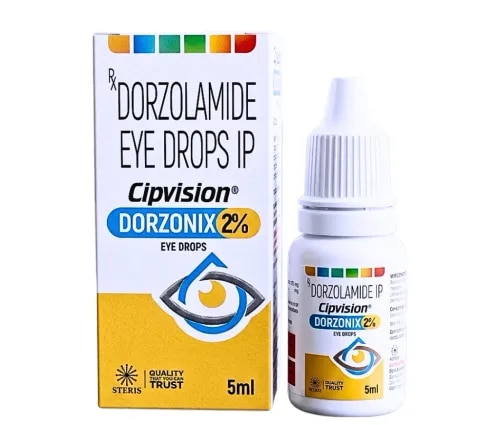
"name": "dorzolamide eye drops ip",
"description": "Dorzolamide eye drops IP are a prescription ophthalmic solution used to lower elevated intraocular pressure (IOP) in patients with open-angle glaucoma or ocular hypertension. Dorzolamide belongs to a class of drugs called carbonic anhydrase inhibitors, which work by reducing the production of aqueous humor (the fluid inside the eye), thereby lowering pressure within the eye. It is typically used two to three times daily and begins measurably lowering eye pressure within about 2 hours, though consistent long-term use is essential for sustained control. Common side effects include a temporary bitter or unusual taste in the mouth, burning or stinging on instillation, and blurred vision. Because dorzolamide is chemically a sulfonamide derivative, it should be used cautiously in patients with known sulfa allergies or significant kidney impairment, and only under an ophthalmologist's supervision. It is a Schedule H prescription-only medicine in India.\n\nWhat Is Dorzolamide Eye Drops IP?\nDorzolamide Eye Drops IP is a topical prescription medication used primarily to manage glaucoma and ocular hypertension — conditions characterized by abnormally elevated pressure inside the eye that, if left uncontrolled, can damage the optic nerve and lead to progressive, irreversible vision loss.\nThe “IP” designation indicates the formulation conforms to standards set out in the Indian Pharmacopoeia, ensuring consistent quality, purity, and potency.\nDorzolamide belongs to the carbonic anhydrase inhibitor (CAI) class of anti-glaucoma medications. Unlike oral carbonic anhydrase inhibitors (such as acetazolamide), which act systemically and often cause more pronounced side effects, topical dorzolamide is designed to act locally within the eye, offering effective IOP reduction with comparatively lower systemic exposure — though some systemic absorption can still occur.\nIt is frequently prescribed either as a standalone treatment or in combination with other IOP-lowering agents, such as beta-blockers (e.g., timolol) or prostaglandin analogues, when a single agent does not achieve adequate pressure control.\n\nHow Does Dorzolamide Work? (Mechanism of Action)\n\nAqueous humor production – The ciliary body inside the eye continuously produces aqueous humor, the clear fluid that maintains intraocular pressure and nourishes ocular tissues.\nCarbonic anhydrase enzyme – This enzyme, found in the ciliary body, plays a key role in the chemical reactions that generate bicarbonate ions, which drive fluid secretion into the eye.\nEnzyme inhibition – Dorzolamide inhibits carbonic anhydrase (specifically the II isoenzyme) within the ciliary processes.\nReduced fluid production – With the enzyme inhibited, bicarbonate-dependent fluid transport slows down, resulting in decreased aqueous humor formation.\nLowered intraocular pressure – Less fluid production means less pressure buildup inside the eye, helping protect the optic nerve from pressure-related damage over time.\n\n\nClinical Indications\nIndicationDetailsOpen-angle glaucomaPrimary indication; helps control chronic elevated IOPOcular hypertensionUsed to reduce elevated eye pressure even before glaucoma-related damage occursAdjunct therapyCombined with beta-blockers or prostaglandin analogues when monotherapy is insufficientPost-laser or post-surgical IOP spikesSometimes used short-term under specialist guidance\n\nDosage & Administration\nParameterRecommendationStandard dose (monotherapy)One drop in the affected eye(s), three times dailyStandard dose (with other IOP-lowering drops)Often reduced to twice daily when combined, per doctor's instructionsOnset of actionMeasurable IOP reduction typically begins within about 2 hoursPeak effectGenerally within a few hours of instillationIf using multiple eye dropsSpace different eye medications at least 10 minutes apartMissed doseApply as soon as remembered; skip if near the next scheduled dose — do not double upDuration of useLong-term, ongoing therapy as glaucoma is a chronic condition requiring continuous management\nNote: Consistency is critical — missed doses can allow intraocular pressure to rise, increasing the risk of progressive optic nerve damage.\n\nKey Benefits\n\nEffectively lowers intraocular pressure in both glaucoma and ocular hypertension\nActs locally in the eye, generally producing lower systemic side effects compared to oral carbonic anhydrase inhibitors\nCan be used as monotherapy or in combination with other classes of glaucoma medication for enhanced pressure control\nHelps protect the optic nerve from pressure-related damage with consistent long-term use\nAvailable in a well-established, pharmacopoeia-standardized formulation (IP grade)\nSuitable for long-term, chronic disease management in glaucoma patients\n\n\nPrecautions\n\nUse strictly as prescribed and do not adjust dosing without consulting your ophthalmologist\nInform your doctor if you have a known sulfonamide (sulfa) allergy, since dorzolamide is chemically related to sulfa drugs\nUse with caution in patients with significant kidney (renal) impairment, due to potential for systemic absorption\nNot typically recommended in patients with severe corneal disease without specialist evaluation\nIf using contact lenses, remove before instillation and reinsert only after the interval advised by your doctor\nRegular eye pressure monitoring and follow-up visits are essential during treatment\nInform your doctor of all other eye medications and systemic drugs you are using\nAvoid touching the dropper tip to the eye or any surface to prevent contamination\n\n\nSide Effects\nCommon (Usually Mild and Temporary)\n\nTemporary bitter or unusual taste in the mouth after application\nBurning or stinging sensation on instillation\nBlurred vision immediately after use\nEye redness or itching\nMild eye discomfort\n\nLess Common / Serious (Consult Your Doctor Promptly)\n\nSigns of an allergic reaction (rash, swelling, severe itching)\nPersistent eye pain or significant vision changes\nSigns of corneal problems (persistent redness, discharge, sensitivity to light)\nSystemic effects related to sulfonamide sensitivity, in rare cases\n\nIf any serious or persistent symptom occurs, discontinue use and contact your ophthalmologist immediately.\n\nComparison: Dorzolamide vs. Other Anti-Glaucoma Therapies\nTreatmentClassMechanismKey ConsiderationDorzolamide eye dropsCarbonic anhydrase inhibitorReduces aqueous humor productionSulfa-related caution; often used as adjunct therapyTimolol eye dropsBeta-blockerReduces aqueous humor production via a different pathwayCaution in asthma, heart conditionsLatanoprost / prostaglandin analoguesProstaglandin analogueIncreases aqueous humor outflowOnce-daily dosing; may darken iris/eyelash growthBrimonidineAlpha-2 agonistReduces production and increases outflowCan cause drowsiness, dry mouthOral acetazolamideSystemic carbonic anhydrase inhibitorReduces aqueous humor production systemicallyMore pronounced systemic side effects than topical dorzolamide\n\nKey Statistics (Placeholder — Pending Clinical Reviewer Verification)\nMetricValueAverage IOP reduction achieved with dorzolamide monotherapy[Placeholder – insert verified clinical trial statistic]Prevalence of open-angle glaucoma in adults over 40[Placeholder – insert epidemiological reference]Proportion of patients requiring combination glaucoma therapy[Placeholder – insert verified reference]\nAll statistics above are placeholders and must be verified and populated by a qualified clinical reviewer prior to publication.\n\nExpert Insight\n\n[Placeholder — Expert quote pending. To be added only after review and approval by a licensed ophthalmologist/medical reviewer associated with Steris Healthcare. Do not fabricate or publish without sign-off.]\n\n\nPrice of Dorzolamide Eye Drops IP\nThe price of dorzolamide eye drops IP varies depending on pack size, brand, and region. For current pricing, availability, and prescription verification, please consult your ophthalmologist or an authorized pharmacy.\nPrescription only – consult your doctor.\n\nConclusion\nDorzolamide Eye Drops IP play a well-established role in the long-term management of glaucoma and ocular hypertension, offering targeted, localized reduction of intraocular pressure through carbonic anhydrase inhibition. Whether used alone or alongside other classes of IOP-lowering medication, consistent, correctly timed use is essential to protect the optic nerve from progressive, irreversible damage. Because dorzolamide is a sulfonamide derivative with potential for systemic absorption, patients with sulfa allergies or kidney impairment should discuss suitability carefully with their ophthalmologist. As with all glaucoma therapy, regular monitoring and adherence to the prescribed regimen — rather than occasional or as-needed use — are what ultimately safeguard long-term vision.\n\nFrequently Asked Questions\n\n1. What is dorzolamide eye drops used for?\nDorzolamide eye drops are used to lower elevated intraocular pressure in patients with open-angle glaucoma or ocular hypertension, helping protect the optic nerve from pressure-related damage.\n\n2. How long does it take dorzolamide to lower eye pressure?\nDorzolamide typically begins measurably lowering intraocular pressure within about 2 hours of application, though consistent, long-term use is needed to maintain stable pressure control over time.\n\n3. What are the side effects of dorzolamide?\nCommon side effects include a temporary bitter or unusual taste in the mouth, burning or stinging upon application, blurred vision, and mild eye redness or discomfort. Less commonly, allergic reactions or persistent eye irritation can occur and should be reported to a doctor.\n4. Does dorzolamide affect the kidneys?\nDorzolamide is a sulfonamide derivative, and although it is applied topically with generally low systemic absorption, caution is advised in patients with significant kidney impairment. Patients with known kidney disease or sulfa allergies should inform their doctor before starting treatment.\n\n5. How often should dorzolamide eye drops be used?\nDorzolamide is typically used three times daily as monotherapy, or twice daily when combined with other glaucoma medications, exactly as directed by your ophthalmologist.\n\n6. Can dorzolamide be used with other glaucoma eye drops?\nYes, dorzolamide is commonly combined with beta-blockers, prostaglandin analogues, or other IOP-lowering agents when a single medication does not achieve adequate pressure control. Different eye drops should be spaced at least 10 minutes apart.\n\n7. Is dorzolamide safe for long-term use?\nYes, dorzolamide is designed for long-term, ongoing use in chronic glaucoma management, provided it is used under regular ophthalmologist supervision with periodic eye pressure monitoring.\n\n8. Who should not use dorzolamide eye drops?\nPatients with known hypersensitivity to sulfonamides, significant kidney impairment, or specific contraindications identified by their doctor should use dorzolamide only under close medical supervision, if at all.\n\n9. Does dorzolamide cause blurred vision?\nTemporary blurred vision can occur immediately after applying dorzolamide. This is usually short-lived, but if it persists, you should consult your ophthalmologist.\n\n10. Can dorzolamide eye drops be used with contact lenses?\nIt's generally recommended to remove contact lenses before applying dorzolamide and reinsert them only after the interval advised by your doctor, as certain preservatives in eye drops can affect contact lens materials.\n\n11. What happens if I miss a dose of dorzolamide?\nApply the missed dose as soon as you remember, unless it is almost time for your next scheduled dose — in that case, skip the missed dose and continue your regular schedule. Do not double up doses.\n\n12. Why does dorzolamide cause a bitter taste?\nThe bitter taste occurs because a small amount of the eye drop drains through the tear duct into the nasal passage and throat, where it can be tasted. This is a recognized, generally harmless effect of topical carbonic anhydrase inhibitors.\n13. Is dorzolamide the same as timolol eye drops?\nNo. Dorzolamide is a carbonic anhydrase inhibitor, while timolol is a beta-blocker. Both lower eye pressure but through different mechanisms, and they are sometimes prescribed together for enhanced effect.\n\n14. Can dorzolamide be used during pregnancy?\nUse during pregnancy or breastfeeding should only occur under direct medical supervision. Inform your doctor if you are pregnant, planning pregnancy, or breastfeeding before starting dorzolamide.\n\n15. How is dorzolamide different from oral glaucoma medications?\nTopical dorzolamide acts locally in the eye and generally causes fewer systemic side effects than oral carbonic anhydrase inhibitors like acetazolamide, which act throughout the body and can cause more pronounced systemic effects.\n16. Can stopping dorzolamide suddenly cause problems?\nStopping dorzolamide abruptly can allow intraocular pressure to rise again, increasing the risk of progressive optic nerve damage. Always consult your ophthalmologist before discontinuing treatment.\n\n17. Does dorzolamide need to be refrigerated?\nStorage requirements can vary by brand and formulation; always follow the storage instructions printed on your specific product's packaging or as advised by your pharmacist.",
"price": 350.0,
"discountamount": 105.0,
"currencycode": "INR",
"priority": 1000000,
"isfreeshipmentavailable": false,
"shipmentduration": 1,
"_keywords": null,
"isarchived": false,
"isavailable": true,
"applicationid": null,
"productindex": 2470,
"imageuri": "https://productimages.withfloats.com/actual/6a50a30e9569e07de66607f4.png",
"tileimageuri": "https://productimages.withfloats.com/tile/6a50a30e9569e07de66607f4.png",
"images": null,
"totalqueries": 0,
"gpid": null,
"groupproductid": null,
"createdon": "2026-07-10T07:45:16.262Z",
"updatedon": "2026-07-10T07:45:16.262Z",
"buyonlinelink": null,
"producturl": "http://WWW.STERISINDIA.COM/products/dorzolamide-eye-drops-ip/2470",
"availableunits": -1.0,
"iscodavailable": false,
"isprepaidonlineavailable": false,
"maxcodorders": 0,
"maxprepaidonlineorders": 0,
"uniquepaymenturl": null,
"brandname": "CIPVISION DORZONIX 2%",
"category": "Opthalmology Range",
"tags": [
"dorzolamide eye drops ip",
"dorzolamide eye drops",
"dorzolamide eye drops uses",
"dorzolamide eye drops uses in hindi",
"dorzolamide eye drops price",
"dorzolamide eye drops ip",
"dorzolamide eye drops brand name",
"dorzolamide eye drops brands"
],
"variants": false,
"keyspecification": null,
"otherspecifications": null,
"pickupaddressreferenceid": null,
"paymenttype": "UniquePaymentUrl",
"producttype": "products",
"hsncode": null,
"gstslab": 0.0,
"isnotforsale": false
},
{
"_id": "69f9caa4e32cd06b842dfa21",
"fptag": "STERISHEALTHCARE",
"merchantname": null,
"customwidgets": null,
"externalsourceid": null,
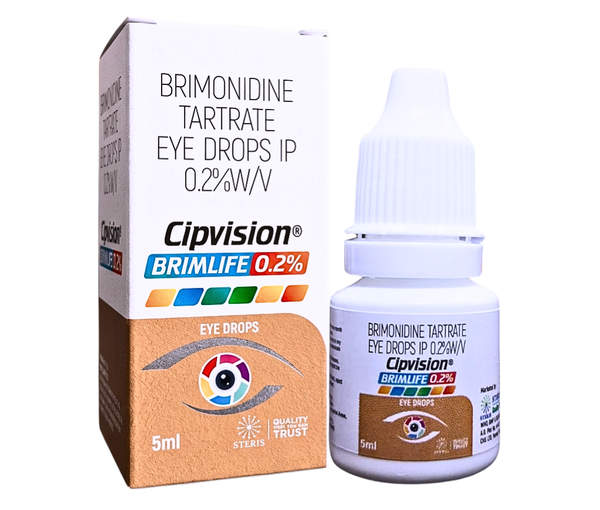
"name": "Brimonidine Tartrate Eye Drops IP 0.2 W/V",
"description": "Brimonidine Tartrate Eye Drops IP 0.2% w/v – Complete Buyer Intent Guide\n\nIf you’re looking for a reliable and clinically proven solution to control elevated eye pressure and protect your vision, Brimonidine Tartrate Eye Drops IP 0.2% w/v are a widely prescribed and effective option. Designed specifically for patients with glaucoma or ocular hypertension, this medication helps reduce intraocular pressure (IOP), lowering the risk of optic nerve damage and vision loss. This buyer-focused guide will walk you through everything you need to know before purchasing—ensuring informed, confident decisions.\n\nWhat is Brimonidine Tartrate Eye Drops IP 0.2% w/v?\n\nBrimonidine Tartrate Eye Drops IP 0.2% w/v is a prescription ophthalmic solution used to lower increased pressure inside the eye. It belongs to a class of drugs known as alpha-2 adrenergic receptor agonists, which act directly on the eye’s fluid dynamics.\n\nElevated intraocular pressure is a major cause of glaucoma, a serious eye condition that can lead to irreversible blindness if not treated properly. Brimonidine is commonly recommended either as a standalone therapy or in combination with other eye drops for better pressure control.\n\nHow Does Brimonidine Tartrate Work?\n\nBrimonidine works through a dual mechanism of action, making it highly effective:\n\n1. Reduces Aqueous Humor Production\n\nIt decreases the amount of fluid produced inside the eye, lowering pressure.\n\n2. Increases Uveoscleral Outflow\n\nIt improves the drainage of fluid from the eye, preventing buildup.\n\nThis combination helps maintain optimal eye pressure levels, protecting the optic nerve and preserving vision over time.\n\nWhat Conditions Does It Treat?\n\nBrimonidine Tartrate Eye Drops IP 0.2% w/v is primarily used for:\n\n✔ Open-Angle Glaucoma\n\nThe most common type of glaucoma, characterized by gradual pressure buildup.\n\n✔ Ocular Hypertension\n\nA condition where eye pressure is elevated without visible damage yet.\n\n✔ Adjunct Therapy\n\nUsed along with other medications like beta-blockers when additional pressure reduction is needed.\n\nKey Benefits of Brimonidine Tartrate Eye Drops\n\nWhen evaluating treatment options, here’s why Brimonidine stands out:\n\n✔ Effective IOP Reduction\n\nClinically proven to significantly lower intraocular pressure.\n\n✔ Dual Action Formula\n\nTargets both fluid production and drainage for better results.\n\n✔ Neuroprotective Potential\n\nMay help protect optic nerve cells from damage (under ongoing research).\n\n✔ Convenient Dosage\n\nTypically used 2–3 times daily, making it manageable for long-term therapy.\n\n✔ Suitable for Combination Therapy\n\nWorks well with other glaucoma medications for enhanced effectiveness.\n\nHow to Use Brimonidine Tartrate Eye Drops\n\nProper application is essential for best results.\n\nStep-by-Step Instructions:\nWash your hands thoroughly\nTilt your head backward\nPull down the lower eyelid to form a pocket\nHold the dropper above the eye\nInstill one drop into the affected eye\nClose your eyes gently for 1–2 minutes\nAvoid touching the dropper tip\nDosage Guidelines:\nUsually 1 drop in the affected eye(s), 2–3 times daily\nFollow your doctor’s instructions strictly\nDo not skip doses or stop suddenly\nWho Should Use This Medication?\n\nBrimonidine Tartrate Eye Drops are ideal for:\n\nPatients diagnosed with glaucoma\nIndividuals with elevated intraocular pressure\nThose requiring additional pressure control alongside other treatments\n\nNote: Always use under medical supervision.\n\nPossible Side Effects\n\nWhile generally well tolerated, some side effects may occur.\n\nCommon Side Effects:\nEye redness or irritation\nDry mouth\nBurning or stinging sensation\nBlurred vision temporarily\nLess Common but Serious Effects:\nLow blood pressure\nFatigue or drowsiness\nAllergic reactions\nEye inflammation\n\nIf symptoms persist or worsen, consult a healthcare professional immediately.\n\nPrecautions and Warnings\n\nBefore buying or using Brimonidine Tartrate Eye Drops IP 0.2% w/v, consider the following:\n\nAvoid Use If:\nYou are allergic to Brimonidine\nYou are taking MAO inhibitors (certain antidepressants)\nUse With Caution If:\nYou have cardiovascular disease\nYou experience low blood pressure\nYou have depression\nYou are pregnant or breastfeeding\nSafety Tips:\nRemove contact lenses before use\nWait at least 10–15 minutes before reinserting lenses\nAvoid driving immediately after use if vision is blurred\nDrug Interactions\n\nBrimonidine may interact with:\n\nAntidepressants (MAO inhibitors, tricyclics)\nBlood pressure medications\nCNS depressants (may increase drowsiness)\n\nAlways inform your doctor about all medications you are currently taking.\n\nStorage Instructions\nStore in a cool, dry place\nProtect from direct sunlight\nDo not freeze\nKeep the bottle tightly closed\nKeep out of reach of children\nWhy Choose Brimonidine Tartrate Eye Drops IP 0.2% w/v?\n\nFrom a buyer’s perspective, this medication offers several advantages:\n\nProven efficacy in lowering eye pressure\nDual-action mechanism for better control\nSuitable for long-term glaucoma management\nWidely recommended by ophthalmologists\nCost-effective compared to advanced therapies\n\nIt is a dependable choice for maintaining eye health and preventing vision complications.\n\nBuying Guide – What to Check Before Purchase\n\nBefore purchasing Brimonidine Tartrate Eye Drops, ensure:\n\nIt meets IP (Indian Pharmacopoeia) standards\nThe packaging is sealed and tamper-proof\nThe expiry date is valid\nIt is sourced from a trusted pharmaceutical brand\nStorage conditions have been properly maintained\n\nBuying from a reputable supplier ensures product authenticity and safety.\n\nConclusion\n\nBrimonidine Tartrate Eye Drops IP 0.2% w/v is a highly effective and trusted treatment for managing intraocular pressure in patients with glaucoma or ocular hypertension. Its dual-action approach, ease of use, and strong safety profile make it a preferred choice for both patients and healthcare providers.",
"price": 260.0,
"discountamount": 78.0,
"currencycode": "INR",
"priority": 1000000,
"isfreeshipmentavailable": false,
"shipmentduration": 1,
"_keywords": null,
"isarchived": false,
"isavailable": true,
"applicationid": null,
"productindex": 2403,
"imageuri": "https://productimages.withfloats.com/actual/69f9cadfcb1bdeb7ff24d5a5.png",
"tileimageuri": "https://productimages.withfloats.com/tile/69f9cadfcb1bdeb7ff24d5a5.png",
"images": null,
"totalqueries": 0,
"gpid": null,
"groupproductid": null,
"createdon": "2026-05-05T10:47:00.988Z",
"updatedon": "2026-06-05T06:47:20.7Z",
"buyonlinelink": null,
"producturl": "http://WWW.STERISINDIA.COM//brimonidine-tartrate-eye-drops-ip-0-2-w-v/2403",
"availableunits": -1.0,
"iscodavailable": false,
"isprepaidonlineavailable": false,
"maxcodorders": 0,
"maxprepaidonlineorders": 0,
"uniquepaymenturl": null,
"brandname": "CIPVISION BRIMLIFE 0.2%",
"category": "Opthalmology Range",
"tags": [
"Brimonidine Tartrate Eye Drops IP 0.2 W/V",
"brimonidine tartrate eye drops",
"brinzolamide and brimonidine tartrate eye drops",
"brimonidine tartrate eye drops uses in hindi",
"brimonidine tartrate eye drops price",
"brimonidine tartrate eye drops uses",
"brimonidine tartrate eye drops ip 0.2 w/v",
"brimonidine tartrate eye drops ip",
"brimonidine tartrate eye drops ip 0.15%",
"buy brimonidine tartrate eye drops",
"brimonidine tartrate eye drops dosage",
"brimonidine tartrate eye drops dosage",
"brimonidine tartrate eye drops in hindi",
"brimonidine tartrate eye drops packaging",
"brimonidine tartrate eye drops ip 0.1 w/v",
"Brimonidine tartrate and timolol eye drops",
"Brimonidine Tartrate Timolol Maleate Eye Drops Price"
],
"variants": false,
"keyspecification": null,
"otherspecifications": null,
"pickupaddressreferenceid": null,
"paymenttype": "UniquePaymentUrl",
"producttype": "products",
"hsncode": null,
"gstslab": 0.0,
"isnotforsale": false
},
{
"_id": "69142bf71d499513a92e5772",
"fptag": "STERISHEALTHCARE",
"merchantname": null,
"customwidgets": null,
"externalsourceid": null,
"name": "Nicorandil Tablets 5mg",
"description": "Nicorandil Tablets 5 mg is a vasodilatory anti-anginal medication widely prescribed for the management and prevention of angina pectoris (chest pain) associated with coronary artery disease (CAD). Angina results from an imbalance between the heart’s oxygen demand and supply due to restricted blood flow in the coronary arteries. Nicorandil offers a dual mechanism of action — acting both as a nitrate-like vasodilator and a potassium channel opener, making it unique among anti-anginal agents.\n\nBy improving oxygen delivery to the myocardium and reducing cardiac workload, Nicorandil 5 mg Tablets provide effective relief from anginal pain and reduce the frequency and severity of ischemic episodes. It is also beneficial in preventing future attacks, improving exercise tolerance, and enhancing the overall quality of life in patients with chronic stable angina.\n\nComposition\n\nEach tablet contains:\n\nNicorandil IP – 5 mg\n\nExcipients – q.s.\n\nNicorandil tablets are available in film-coated form to ensure stability, easy swallowing, and optimal absorption. They are manufactured in compliance with Good Manufacturing Practices (GMP) standards to ensure safety, purity, and efficacy.\n\nPharmacological Action / Mechanism of Action\n\nNicorandil exhibits a dual mechanism that makes it distinct among anti-anginal drugs:\n\nNitrate-Like Effect:\nNicorandil acts as a nitric oxide (NO) donor. Nitric oxide activates guanylate cyclase, increasing cyclic GMP (cGMP) levels in vascular smooth muscle. This leads to relaxation of blood vessels, particularly veins and large arteries, thereby reducing preload and afterload on the heart. This nitrate-like activity lowers myocardial oxygen demand.\n\nPotassium Channel Opening Effect:\nNicorandil opens ATP-sensitive potassium (KATP) channels in vascular smooth muscle, resulting in arteriolar vasodilation. This increases coronary blood flow and improves oxygen supply to ischemic heart tissues.\n\nTogether, these effects reduce cardiac workload, enhance coronary perfusion, and prevent anginal pain by correcting the oxygen supply-demand mismatch in the heart muscle.\n\nUses and Indications\n\nNicorandil Tablets 5 mg are indicated for the treatment and prevention of angina pectoris in adults, particularly:\n\nChronic Stable Angina:\n\nHelps reduce the frequency and severity of chest pain associated with exertion or emotional stress.\n\nProphylaxis of Angina Attacks:\n\nUsed regularly to prevent anginal episodes, especially in patients with known coronary artery disease.\n\nAdjunct Therapy in Ischemic Heart Disease (IHD):\n\nCan be used alongside beta-blockers, calcium channel blockers, or antiplatelet drugs for enhanced symptom control and long-term protection.\n\nImprovement of Exercise Tolerance:\n\nReduces the likelihood of anginal pain during physical activity, enabling patients to perform daily tasks comfortably.\n\nIn some clinical cases, Nicorandil is also considered for post-myocardial infarction recovery, as it improves coronary perfusion, although this is at the discretion of a cardiologist.\n\nDosage and Administration\n\nRecommended Starting Dose: 5 mg to 10 mg twice daily.\n\nMaintenance Dose: May be increased gradually to 10–20 mg twice daily, depending on clinical response and tolerance.\n\nThe tablets should be swallowed whole with water, preferably at the same times each day.\n\nNicorandil should not be stopped abruptly; dosage tapering is recommended to avoid rebound angina.\n\nAlways follow the dosage instructions provided by the physician.\n\nKey Benefits\n\nDual Mechanism for Comprehensive Relief:\nCombines nitrate-like and potassium channel-opening properties for both arterial and venous dilation, providing superior protection against anginal attacks.\n\nImproves Coronary Blood Flow:\nDilates coronary arteries, increasing oxygen delivery to ischemic myocardial tissues.\n\nReduces Cardiac Workload:\nBy decreasing preload (venous return) and afterload (arterial resistance), Nicorandil minimizes the heart’s oxygen consumption.\n\nRapid Onset of Action:\nNicorandil acts within a short duration, offering quick relief from anginal discomfort.\n\nPrevents Future Angina Episodes:\nRegular use helps maintain steady control of chest pain, improving exercise capacity and quality of life.\n\nCompatible with Other Cardiac Medications:\nCan be safely used alongside antiplatelet agents, beta-blockers, ACE inhibitors, and statins as part of comprehensive cardiac care.\n\nFavorable Safety Profile:\nCompared to nitrates, Nicorandil carries a lower risk of tolerance development, making it suitable for long-term therapy.\n\nEnhances Myocardial Protection:\nNicorandil’s KATP channel activation provides additional cardioprotective effects by improving microvascular blood flow and limiting ischemic damage during stress.\n\nPrecautions and Warnings\n\nAlthough Nicorandil is generally well-tolerated, certain precautions are advised:\n\nHypotension:\nNicorandil may cause a drop in blood pressure due to vasodilation. Caution is advised in patients with hypotension or dehydration.\n\nConcurrent Use with Nitrates:\nShould not be used together with other nitrate medications to avoid severe hypotension.\n\nOral or Gastrointestinal Ulcers:\nRarely, Nicorandil may cause ulcerations in the mouth, intestines, or skin. Treatment should be discontinued if ulceration occurs.\n\nPatients with Low Blood Volume:\nUse cautiously in individuals with hypovolemia or those on diuretics.\n\nDriving and Machinery:\nDizziness or light-headedness may occur; avoid driving until effects are known.\n\nPregnancy and Lactation:\nShould be used only if prescribed by a physician when the potential benefits outweigh the risks.\n\nPossible Side Effects\n\nNicorandil is generally safe but may cause some side effects, particularly at the start of therapy or with higher doses. Common and rare adverse reactions include:\n\nCommon Side Effects:\n\nHeadache (due to vasodilation)\n\nFlushing or warmth sensation\n\nDizziness or light-headedness\n\nNausea or mild stomach upset\n\nFatigue or weakness\n\nLess Common / Rare Side Effects:\n\nHypotension (low blood pressure)\n\nPalpitations or tachycardia\n\nMouth ulcers, anal ulcers, or skin ulceration (uncommon but serious — discontinue if occurs)\n\nRash or allergic reaction\n\nVisual disturbances (rare and usually reversible)\n\nIf any severe reaction or persistent discomfort occurs, medical attention should be sought promptly.\n\nDrug Interactions\n\nAvoid concomitant use with nitrates or phosphodiesterase type-5 inhibitors (e.g., Sildenafil, Tadalafil), as it may cause a dangerous fall in blood pressure.\n\nCaution with antihypertensive drugs or diuretics, which may enhance hypotensive effects.\n\nAlcohol consumption can potentiate dizziness or hypotension and should be limited.\n\nStorage and Handling\n\nStore below 30°C, protected from moisture and direct sunlight.\n\nKeep out of reach of children.\n\nDo not use tablets past the expiry date or if the packaging is damaged.\n\nConclusion\n\nNicorandil Tablets 5 mg offer a modern and effective approach to managing angina pectoris, providing reliable relief through their dual-action mechanism. By combining nitrate-like vasodilation with potassium channel opening, Nicorandil ensures both oxygen supply improvement and reduction of cardiac workload — the cornerstone of angina management.\n\nIt is well-tolerated, fast-acting, and suitable for long-term therapy, making it a preferred choice for patients with chronic stable angina. Regular use under medical supervision helps reduce the frequency of chest pain, improve physical endurance, and enhance the overall quality of life in individuals with coronary artery disease.",
"price": 381.0,
"discountamount": 115.0,
"currencycode": "INR",
"priority": 1000000,
"isfreeshipmentavailable": false,
"shipmentduration": 1,
"_keywords": null,
"isarchived": false,
"isavailable": true,
"applicationid": null,
"productindex": 2202,
"imageuri": "https://productimages.withfloats.com/actual/69142c03b53db80943abd33d.png",
"tileimageuri": "https://productimages.withfloats.com/tile/69142c03b53db80943abd33d.png",
"images": null,
"totalqueries": 0,
"gpid": null,
"groupproductid": null,
"createdon": "2025-11-12T06:40:55.795Z",
"updatedon": "2026-03-16T08:18:00.245Z",
"buyonlinelink": null,
"producturl": "http://WWW.STERISINDIA.COM//nicorandil-tablets-5mg/2202",
"availableunits": -1.0,
"iscodavailable": false,
"isprepaidonlineavailable": false,
"maxcodorders": 0,
"maxprepaidonlineorders": 0,
"uniquepaymenturl": null,
"brandname": "MAYORANDIL 5 ",
"category": "CARDIOLOGYRANGE",
"tags": [
"nicorandil tablets 5mg",
"nicorandil 5 mg tablets uses",
"nicorandil tablet 5mg benefits",
"nicorandil 5mg medicine",
"nicorandil tablets ip 5 mg",
"what is nicorandil 5mg used for",
"how does nicorandil tablet work",
"nicorandil 5mg mechanism of action",
"nicorandil tablets for angina treatment",
"nicorandil tablet uses in heart disease",
"nicorandil 5mg tablet price in india",
"buy nicorandil 5mg tablets online",
"nicorandil 5mg tablet brands",
"nicorandil tablets manufacturer",
"nicorandil tablets wholesale supplier"
],
"variants": false,
"keyspecification": null,
"otherspecifications": null,
"pickupaddressreferenceid": null,
"paymenttype": "UniquePaymentUrl",
"producttype": "products",
"hsncode": null,
"gstslab": 0.0,
"isnotforsale": false
},
{
"_id": "6662e74687f0960e14a2d95a",
"fptag": "STERISHEALTHCARE",
"merchantname": null,
"customwidgets": null,
"externalsourceid": null,
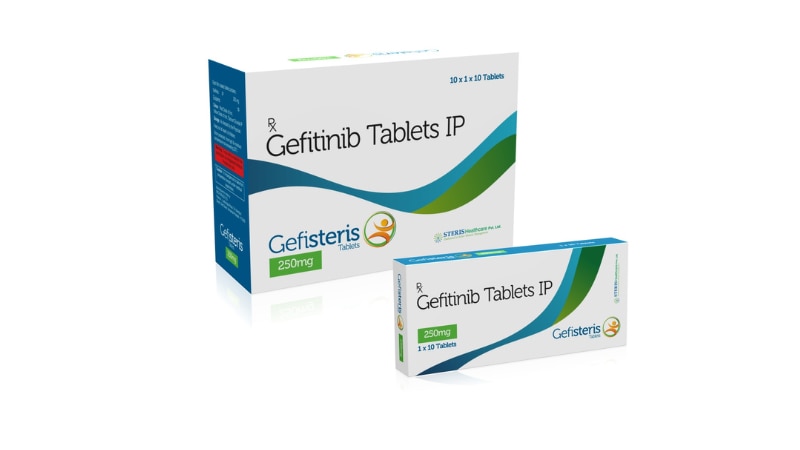
"name": "Gefitinib 250mg",
"description": "\n\nGEFISTERIS 250 is a premium pharmaceutical formulation containing Gefitinib 250mg, a breakthrough targeted therapy medication manufactured by Steris Healthcare. This innovative oral medication represents a significant advancement in the treatment of non-small cell lung cancer (NSCLC), offering patients a precise, scientifically-designed approach to combating one of the world's most challenging malignancies. GEFISTERIS 250 is specifically engineered to target the underlying molecular mechanisms that drive certain types of lung cancer, providing hope and extended survival for patients who carry specific genetic mutations.\nAs a tyrosine kinase inhibitor, GEFISTERIS 250 works at the cellular level to interrupt the signals that tell cancer cells to grow and divide. This targeted approach differs fundamentally from traditional chemotherapy, which affects both healthy and cancerous cells. By focusing specifically on cancer cells with epidermal growth factor receptor (EGFR) mutations, GEFISTERIS 250 offers a more refined treatment strategy with potentially fewer systemic side effects and improved quality of life during treatment.\nUnderstanding Gefitinib 250mg: The Science Behind GEFISTERIS 250\nGefitinib 250mg, the active pharmaceutical ingredient in GEFISTERIS 250, belongs to a revolutionary class of medications known as epidermal growth factor receptor tyrosine kinase inhibitors (EGFR-TKIs). The development of this medication marked a paradigm shift in oncology, moving from one-size-fits-all chemotherapy approaches to personalized, mutation-specific treatments.\nThe EGFR protein is found on the surface of cells and plays a crucial role in cell growth and division. In normal cells, EGFR activation is carefully regulated. However, in certain lung cancers, mutations in the EGFR gene cause the receptor to remain constantly active, sending continuous signals for the cell to grow, divide, and survive—leading to uncontrolled cancer growth. GEFISTERIS 250 works by blocking the tyrosine kinase activity of the mutated EGFR protein, effectively turning off the growth signal and causing cancer cells to stop proliferating and eventually die.\nThis precision targeting is what makes GEFISTERIS 250 particularly effective for patients whose tumors harbor activating EGFR mutations, particularly the common exon 19 deletions or exon 21 L858R substitution mutations. Before initiating treatment with GEFISTERIS 250, patients undergo molecular testing to confirm the presence of these mutations, ensuring that the therapy is appropriately matched to their specific cancer biology.\nPrimary Uses and Indications of GEFISTERIS 250\nGEFISTERIS 250 is primarily indicated for the treatment of adult patients with metastatic non-small cell lung cancer whose tumors have specific EGFR mutations. The medication is approved for both first-line treatment in newly diagnosed patients and for those whose disease has progressed after platinum-based chemotherapy.\nFirst-Line Treatment: When EGFR mutations are detected in treatment-naïve patients, GEFISTERIS 250 offers an excellent first-line option, often providing superior progression-free survival compared to traditional chemotherapy regimens. Patients starting with targeted therapy typically experience better tolerability and quality of life during initial treatment phases.\nSecond-Line and Beyond: For patients whose cancer has progressed after chemotherapy, GEFISTERIS 250 provides an effective alternative treatment option, particularly when EGFR mutation testing was not performed initially or when the mutation status was unknown at the time of first treatment.\nThe medication is taken orally as a once-daily tablet, offering significant convenience compared to intravenous chemotherapy that requires hospital visits and lengthy infusion times. This oral administration allows patients to maintain greater independence and normalcy in their daily lives while receiving effective cancer treatment.\nKey Benefits of GEFISTERIS 250\n1. Targeted Cancer Fighting Action\nThe primary benefit of GEFISTERIS 250 lies in its precision targeting mechanism. Unlike conventional chemotherapy that attacks all rapidly dividing cells in the body, GEFISTERIS 250 specifically targets cancer cells bearing EGFR mutations. This selective action means that healthy cells are largely spared, resulting in a more favorable side effect profile and better preservation of normal bodily functions during treatment.\n2. Superior Efficacy in EGFR-Mutant NSCLC\nClinical trials have consistently demonstrated that GEFISTERIS 250 and other EGFR-TKIs provide superior progression-free survival compared to chemotherapy in patients with EGFR-mutant NSCLC. Response rates typically range from 60-80% in appropriate patient populations, with many patients experiencing significant tumor shrinkage and symptomatic improvement within weeks of starting treatment.\n3. Improved Quality of Life\nPatients taking GEFISTERIS 250 often report better quality of life compared to those receiving traditional chemotherapy. The medication's targeted nature results in fewer debilitating side effects such as severe nausea, hair loss, and profound fatigue. Many patients can continue working, traveling, and engaging in normal daily activities while on treatment.\n4. Convenient Oral Administration\nGEFISTERIS 250's once-daily oral dosing eliminates the need for frequent hospital visits for intravenous chemotherapy infusions. Patients take one tablet daily at home, providing tremendous convenience and reducing the burden of treatment. This ease of administration contributes significantly to treatment adherence and patient satisfaction.\n5. Rapid Symptom Relief\nMany patients experience rapid improvement in cancer-related symptoms such as cough, shortness of breath, chest pain, and fatigue within the first few weeks of GEFISTERIS 250 treatment. This quick symptomatic relief can dramatically improve quality of life even before significant tumor shrinkage is visible on imaging studies.\n6. Extended Survival Benefits\nLong-term data demonstrates that appropriate use of EGFR-TKIs like GEFISTERIS 250 contributes to extended overall survival in patients with EGFR-mutant lung cancer. When used as part of a comprehensive treatment strategy, including potential sequential therapies after progression, patients can achieve survival times that were unimaginable before the advent of targeted therapies.\n7. Manageable Side Effect Profile\nWhile GEFISTERIS 250 does cause side effects, they are generally more manageable than those associated with traditional chemotherapy. Most side effects can be effectively controlled with supportive medications, dose modifications, or temporary treatment interruptions, allowing patients to continue benefiting from therapy.\n8. Quality Manufacturing by Steris Healthcare\nGEFISTERIS 250 benefits from Steris Healthcare's commitment to pharmaceutical excellence. Each tablet undergoes rigorous quality testing to ensure consistent potency, purity, and bioavailability. This quality assurance means patients receive reliable, effective medication with every dose.\nSide Effects of GEFISTERIS 250 (Gefitinib 250mg)\nWhile GEFISTERIS 250 offers significant therapeutic benefits, patients should be aware of potential side effects. Understanding these effects enables early recognition and appropriate management.\nCommon Side Effects (Affecting 20% or More of Patients):\nSkin Reactions: The most characteristic side effect of GEFISTERIS 250 is an acne-like rash, typically appearing on the face, chest, and back within the first few weeks of treatment. This rash, while cosmetically concerning for some patients, actually correlates with better treatment response. The rash can be managed with topical antibiotics, moisturizers, and sun protection. In severe cases, temporary dose reduction may be necessary.\nDiarrhea: Approximately 50-60% of patients experience diarrhea of varying severity. Mild diarrhea can often be managed with dietary modifications and over-the-counter anti-diarrheal medications like loperamide. Patients should stay well-hydrated and contact their healthcare provider if diarrhea becomes severe or persistent, as dose adjustments may be needed.\nNail Changes: Some patients develop paronychia (nail bed inflammation) or other nail abnormalities. Proper nail care, avoiding trauma to the nail beds, and wearing protective gloves during housework can help minimize these effects.\nDry Skin: Many patients experience skin dryness and itching. Regular use of fragrance-free moisturizers, gentle cleansers, and avoidance of hot showers can help manage these symptoms.\nMouth Sores: Oral mucositis or stomatitis can develop in some patients. Good oral hygiene, avoiding spicy or acidic foods, and using alcohol-free mouthwashes can provide relief.\nLess Common but Serious Side Effects:\nInterstitial Lung Disease (ILD): While rare (1-2% of patients), ILD is the most serious potential side effect of GEFISTERIS 250. Symptoms include sudden onset or worsening of respiratory symptoms such as difficulty breathing, cough, or fever. This requires immediate medical attention and usually necessitates permanent discontinuation of the medication.\nLiver Function Abnormalities: Elevated liver enzymes can occur, requiring regular monitoring through blood tests. Most cases are asymptomatic and reversible with dose modification or temporary discontinuation.\nEye Problems: Dry eyes, corneal erosion, or other ocular issues may develop. Regular use of lubricating eye drops and ophthalmological evaluation when symptoms occur can prevent serious complications.\nGastrointestinal Perforation: Though rare, serious gastrointestinal complications including perforation can occur, particularly in patients with underlying GI conditions.\nManagement Strategies:\nMost side effects can be effectively managed through:\n\nProactive supportive care and prophylactic measures\nDose modifications (reduction to 250mg every other day in some cases)\nTemporary treatment interruptions allowing recovery\nSymptomatic treatment with appropriate medications\nPatient education about early recognition and reporting of symptoms\n\nPatients should maintain open communication with their healthcare team, reporting any new or worsening symptoms promptly. Regular monitoring through clinical visits and laboratory testing helps identify and address side effects before they become serious.\nDosage and Administration Guidelines\nThe standard dose of GEFISTERIS 250 is one 250mg tablet taken orally once daily, with or without food. The tablet should be swallowed whole with water and should not be crushed or chewed. If a dose is missed and it's been less than 12 hours since the scheduled time, patients should take the missed dose. If more than 12 hours have passed, skip the missed dose and resume the regular schedule—never double up on doses.\nTreatment continues until disease progression or unacceptable toxicity occurs. Some patients remain on GEFISTERIS 250 for months or even years if they continue to benefit without prohibitive side effects. Dose modifications may be necessary based on individual tolerance, typically reducing the frequency to every other day rather than lowering the individual dose.\nPrecautions and Important Considerations\nPatients taking GEFISTERIS 250 should be aware of several important precautions. The medication can cause harm to developing fetuses, so women of childbearing potential must use effective contraception during treatment and for at least two weeks after the last dose. Breastfeeding should be avoided during treatment and for two weeks after completion.\nGEFISTERIS 250 can interact with medications that affect stomach acid, including proton pump inhibitors and H2-receptor antagonists. If antacids are needed, they should be taken several hours apart from GEFISTERIS 250. The medication may also interact with certain other drugs metabolized by the liver, so patients should inform their healthcare provider about all medications, supplements, and herbal products they're taking.\nRegular monitoring is essential during GEFISTERIS 250 treatment, including periodic liver function tests, pulmonary symptom assessment, and clinical evaluation for skin and other toxicities. Patients should avoid prolonged sun exposure and use high-SPF sunscreen, as the medication can increase photosensitivity.\nConclusion\nGEFISTERIS 250 represents a transformative treatment option for patients with EGFR-mutant non-small cell lung cancer, offering targeted, effective therapy with a manageable side effect profile. Manufactured by Steris Healthcare with unwavering commitment to quality and patient outcomes, GEFISTERIS 250 delivers Gefitinib 250mg in a formulation designed for optimal bioavailability and consistent therapeutic effect.\nThe medication's precision targeting of cancer-driving mutations, combined with convenient oral administration and generally tolerable side effects, makes GEFISTERIS 250 an excellent choice for eligible patients. While side effects do occur and require monitoring and management, the potential benefits—including tumor response, symptom improvement, extended progression-free survival, and enhanced quality of life—often significantly outweigh the risks for appropriately selected patients.\nSuccess with GEFISTERIS 250 requires partnership between patients and their healthcare teams. Molecular testing to confirm EGFR mutation status before treatment, adherence to the prescribed regimen, proactive management of side effects, and regular monitoring all contribute to optimal outcomes. For many patients with EGFR-mutant lung cancer, GEFISTERIS 250 offers not just treatment, but genuine hope for extended, quality life.\nAs personalized medicine continues to evolve, medications like GEFISTERIS 250 exemplify the power of matching treatments to individual tumor characteristics. Steris Healthcare's commitment to delivering this advanced therapy with assured quality and accessibility ensures that more patients can benefit from the remarkable advances in targeted cancer treatment that Gefitinib 250mg represents.\n",
"price": 2760.0,
"discountamount": 828.0,
"currencycode": "INR",
"priority": 1000000,
"isfreeshipmentavailable": false,
"shipmentduration": 7,
"_keywords": [
"food",
"Call",
"Uses",
"Rash",
"Note",
"NSCLC",
"Email",
"nausea",
"Dosage",
"spread",
"WhatsApp",
"diarrhea",
"Gefitinib",
"treatment",
"One tablet",
"GEFISTERIS",
"information",
"sterispharma",
"consultation",
"sterisonline",
"Side Effects",
"cancer cells",
"targeted therapy",
"Regular monitoring",
"healthcare provider",
"small cell lung cancer",
"healthcare professional",
"specific EGFR mutations",
"epidermal growth factor receptor",
"potential liver function alterations"
],
"isarchived": false,
"isavailable": true,
"applicationid": null,
"productindex": 1530,
"imageuri": "https://productimages.withfloats.com/actual/667d25ffb56721898510e93e.png",
"tileimageuri": "https://productimages.withfloats.com/tile/667d25ffb56721898510e93e.png",
"images": null,
"totalqueries": 0,
"gpid": null,
"groupproductid": null,
"createdon": "2024-06-07T10:56:06.808Z",
"updatedon": "2026-04-15T10:04:00.767Z",
"buyonlinelink": null,
"producturl": "http://WWW.STERISINDIA.COM//gefitinib-250mg/1530",
"availableunits": -1.0,
"iscodavailable": false,
"isprepaidonlineavailable": false,
"maxcodorders": 0,
"maxprepaidonlineorders": 0,
"uniquepaymenturl": null,
"brandname": "GEFISTERIS 250",
"category": "Oncology",
"tags": [
"gefitinib 250 mg uses",
"gefitinib 250 mg online purchase",
"gefitinib 250 mg tablets price in india",
"non-small cell lung cancer (NSCLC).",
"triggered by chemotherapy.",
"cancer biology.",
"Superior Efficacy in EGFR-Mutant NSCLC",
"gefitinib 250mg",
"gefitinib 250mg tablet",
"gefitinib 250mg tab",
"gefitinib 250 mg tablet uses in lung cancer",
"gefitinib tablets 250 mg dosage and benefits",
"gefitinib 250 mg price in india",
"gefitinib 250 mg EGFR inhibitor for NSCLC treatment india"
],
"variants": false,
"keyspecification": null,
"otherspecifications": null,
"pickupaddressreferenceid": "",
"paymenttype": "UniquePaymentUrl",
"producttype": "products",
"hsncode": null,
"gstslab": 0.001,
"isnotforsale": false
},
{
"_id": "6662e3b87247ae19c482b97c",
"fptag": "STERISHEALTHCARE",
"merchantname": null,
"customwidgets": null,
"externalsourceid": null,
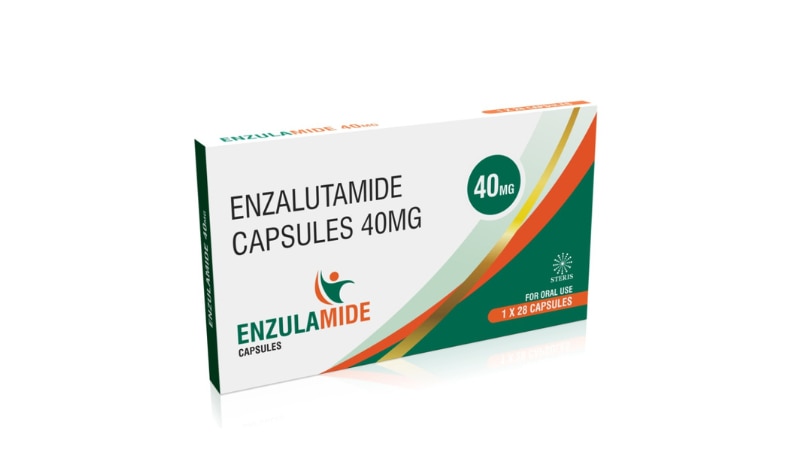
"name": "Enzalutamide 40mg",
"description": "Enzalutamide 40 mg capsules represent a breakthrough in targeted therapy for advanced prostate cancer, particularly in metastatic castration-resistant prostate cancer (mCRPC) and metastatic castration-sensitive prostate cancer (mCSPC). This second-generation androgen receptor inhibitor works by disrupting multiple steps in the androgen signaling pathway, offering patients a chance to slow disease progression, reduce tumor burden, and extend survival even after other treatments fail. Administered as a once-daily oral capsule, enzalutamide 40 mg provides four capsules per day (total 160 mg), making it convenient for long-term use in clinical settings where hormone therapy alone proves insufficient.\n\nPatients often turn to enzalutamide when facing rising PSA levels despite androgen deprivation therapy (ADT), experiencing bone pain, or dealing with cancer spread to lymph nodes or distant sites. Its high affinity for androgen receptors—5-8 times stronger than first-generation antiandrogens like bicalutamide—ensures potent blockade without agonist activity, translating to real-world benefits like delayed chemotherapy needs and improved quality of life during treatment.\n\nProduct Use and Indications\nEnzalutamide 40 mg primarily treats metastatic castration-resistant prostate cancer (mCRPC) in patients previously treated with docetaxel or progressing despite ADT. The FDA and EMA approvals extend to non-metastatic CRPC (nmCRPC) with high-risk biochemical recurrence and metastatic castration-sensitive prostate cancer (mCSPC) alongside ADT, based on landmark trials like AFFIRM, PREVAIL, PROSPER, and ARCHES.\n\nKey uses include:\n\nSlowing tumor growth in hormone-refractory stages by inhibiting androgen-driven proliferation.\n\nReducing skeletal-related events like fractures or spinal cord compression in bone metastases.\n\nDelaying progression to chemotherapy in pre-chemotherapy mCRPC, with PREVAIL showing 17-month median radiographic progression-free survival (rPFS) versus 4 months for placebo.\n\nIn mCSPC, ARCHES trial data demonstrated 61% risk reduction in progression or death when combined with ADT. Clinicians monitor PSA response (≥50% decline in 70-80% of patients) and imaging every 3 months to assess efficacy.\n\nMechanism of Action\nEnzalutamide 40 mg exerts a threefold blockade on androgen receptor (AR) signaling: it competitively inhibits androgen binding to AR (with affinity rivaling dihydrotestosterone), prevents nuclear translocation of the ligand-receptor complex, and disrupts DNA binding and coactivator recruitment at androgen response elements. This comprehensive inhibition downregulates oncogenes like TMPRSS2-ERG fusion genes common in prostate cancer, inducing apoptosis and halting cell proliferation without lowering systemic testosterone levels.\n\nUnlike earlier antiandrogens, enzalutamide avoids partial agonist effects, ensuring pure antagonism even in AR-overexpressing tumors. Its active metabolite, N-desmethyl enzalutamide (via CYP2C8), contributes 30% to activity, with steady-state levels achieved in 4 weeks.\n\nKey Benefits\nExtended Progression-Free Survival: In PREVAIL (pre-chemo mCRPC), median overall survival reached 32.4 months versus 30.2 for placebo; PROSPER (nmCRPC) delayed metastasis by 22 months.\n\nPSA Response and Tumor Shrinkage: 78% PSA90 response rate; radiographic responses in 29% with measurable disease.\n\nQuality of Life Preservation: Delays pain progression (hazard ratio 0.40) and chemotherapy (by 17 months), maintaining daily function.\n\nBone Protection: Reduces fractures by 30% in high-risk patients via AR inhibition in osteoblasts.\n\nCombination Synergy: Enhances ADT efficacy in mCSPC, cutting death risk by 33% per ARCHES.\n\nThese benefits position enzalutamide 40 mg as a cornerstone in modern prostate cancer protocols, especially for fit patients tolerating oral therapy.\n\nSide Effects\nEnzalutamide 40 mg carries a manageable profile, with most effects dose-related and reversible upon discontinuation.\n\nCommon Side Effects\nFatigue/Asthenia (34-50%): Often mild, peaking in first months; rest and nutrition help.\n\nArthralgia/Myalgia (14-21%): Joint/muscle pain managed with NSAIDs.\n\nHot Flashes (20%): Androgen blockade mimic; hydration aids.\n\nHeadache/Dizziness (12-19%): Transient; avoid driving if severe.\n\nHypertension (6-13%): Monitor BP monthly; antihypertensives as needed.\n\nGI Issues (diarrhea 12%, nausea 11%): Antiemetics support compliance.\n\nSerious Side Effects\nSeizures (0.9%): Highest risk in epileptics or brain mets; EEG baseline, avoid triggers.\n\nPosterior Reversible Encephalopathy (PRES): Rare (<0.1%); headache, confusion—MRI confirms.\n\nFalls/Fractures (15% increased risk): Due to weakness/falls; DEXA scans recommended.\n\nCardiac Events (2-5%): MI/arrhythmias; ECG monitoring in CVD history.\n\nHepatic Injury (1%): ALT/AST elevation; monthly labs first 3 months.\n\nDiscontinuation occurs in 8-10%; supportive care mitigates most.\n\nDosage and Administration\nStandard dose: 160 mg (four 40 mg capsules) once daily, with or without food. Swallow intact; no crushing. Adjust for CYP2A4 inducers (e.g., rifampin—increase to 240 mg) or strong inhibitors (reduce to 80 mg). Continue until progression/toxicity; no dose interruptions beyond 28 days without reassessment.\n\nPrecautions and Monitoring\nContraindicated in pregnancy (teratogenic; absolute contraception for men/ partners). Screen for seizure history; CYP2C8/3A4 interactions (e.g., ketoconazole). Baseline LFTs, PSA, testosterone; imaging q8-12 weeks. Elderly (>75) monitor falls.\nConclusion\nEnzalutamide 40 mg stands as a transformative therapy, empowering prostate cancer patients with prolonged control over aggressive disease through precise AR inhibition. Balancing robust efficacy—evidenced by landmark trials delaying metastasis and death—with proactive side effect management, it enhances survival and daily living. Patients achieve meaningful milestones, from family events to travel, underscoring its role in personalized oncology. Consult oncologists for integration into care plans, ensuring optimal outcomes in this challenging journey.\nEmail: info@sterispharma.com / contact@sterispharma.com\nCall/WhatsApp: 7877551268, 7849827488\n\n\n\n\n\n\n\n\n",
"price": 10781.0,
"discountamount": 3235.0,
"currencycode": "INR",
"priority": 1000000,
"isfreeshipmentavailable": false,
"shipmentduration": 7,
"_keywords": [
"Call",
"Email",
"doctor",
"product",
"fatigue",
"WhatsApp",
"treatment",
"schedules",
"ENZULAMIDE",
"monitoring",
"hot flashes",
"information",
"sterisonline",
"hypertension",
"sterispharma",
"prostate cancer",
"Enzalutamide 40mg",
"prescribed dosages",
"androgen receptors",
"cancer cell growth",
"Common side effects",
"comprehensive guidance"
],
"isarchived": false,
"isavailable": true,
"applicationid": null,
"productindex": 1527,
"imageuri": "https://productimages.withfloats.com/actual/667d2a356c582d228f45a098.png",
"tileimageuri": "https://productimages.withfloats.com/tile/667d2a356c582d228f45a098.png",
"images": null,
"totalqueries": 0,
"gpid": null,
"groupproductid": null,
"createdon": "2024-06-07T10:40:56.587Z",
"updatedon": "2026-03-16T08:18:18.117Z",
"buyonlinelink": null,
"producturl": "http://WWW.STERISINDIA.COM//enzalutamide-40mg/1527",
"availableunits": -1.0,
"iscodavailable": false,
"isprepaidonlineavailable": false,
"maxcodorders": 0,
"maxprepaidonlineorders": 0,
"uniquepaymenturl": null,
"brandname": "ENZULAMIDE 40",
"category": "Oncology",
"tags": [
"enzalutamide 40 mg side effects",
"enzalutamide 40 mg brands in india",
"enzalutamide 40 mg uses in hindi",
"enzalutamide 40 mg dosage",
"advanced prostate cancer",
"prostate cancer",
"metastatic castration-resistant prostate cancer",
"enzalutamide 40mg tablets",
"enzalutamide 40 mg capsule",
"enzalutamide 40mg uses",
"enzalutamide 40mg dosage",
"enzalutamide 40mg price in india",
"enzalutamide 40mg composition",
"enzalutamide 40mg working mechanism",
"enzalutamide 40mg side effects",
"enzalutamide 40mg benefits",
"enzalutamide 40mg drug information",
"enzalutamide 40mg therapy details",
"enzalutamide 40mg oral capsule",
"enzalutamide 40mg treatment option",
"enzalutamide 40mg pharmaceutical uses",
"enzalutamide 40mg branded tablets",
"enzalutamide 40mg generic medicine",
"enzalutamide 40mg manufacturer in india",
"what is enzalutamide 40mg used for",
"how enzalutamide 40mg works",
"is enzalutamide 40mg safe",
"enzalutamide 40mg tablet information",
"enzalutamide 40mg dosage guidelines"
],
"variants": false,
"keyspecification": null,
"otherspecifications": null,
"pickupaddressreferenceid": "",
"paymenttype": "UniquePaymentUrl",
"producttype": "products",
"hsncode": null,
"gstslab": 0.001,
"isnotforsale": false
},
{
"_id": "6661a73687f0960e14a2c739",
"fptag": "STERISHEALTHCARE",
"merchantname": null,
"customwidgets": null,
"externalsourceid": null,
"name": "mycophenolate sodium 360 mg",
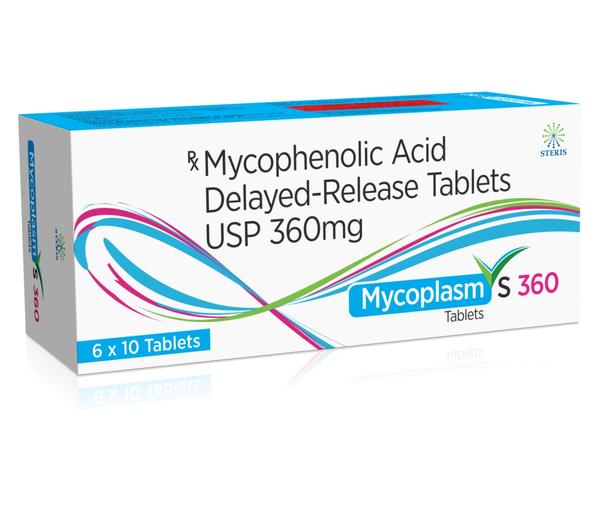
"description": "MYCOPLASM S 360 \nMycophenolate sodium 360 mg is an essential immunosuppressant medication designed to prevent organ transplant rejection, particularly for kidney, heart, and liver transplants. As the sodium salt of mycophenolic acid, it delivers 360 mg of the active moiety per tablet, providing targeted immune suppression to help patients maintain their new organs long-term. This product stands out for its enteric-coated formulation, which enhances gastrointestinal tolerability compared to other forms, making it a preferred choice in post-transplant care regimens.\n\nUses of Mycophenolate Sodium 360 mg\nMycophenolate sodium 360 mg primarily serves as a prophylactic agent against acute rejection in adult and pediatric patients receiving allogeneic renal, cardiac, or hepatic transplants. It works alongside other immunosuppressants like cyclosporine and corticosteroids to create a balanced regimen that minimizes the risk of graft loss. Clinically, it proves effective in de novo transplant recipients, where starting therapy early post-surgery significantly reduces rejection episodes. Beyond transplants, off-label applications include managing refractory autoimmune conditions such as lupus nephritis or myasthenia gravis, where immune overactivity damages tissues.\n\nThe drug targets the proliferation of T- and B-lymphocytes, key players in immune responses that can attack transplanted organs. In renal transplant patients, for instance, it helps preserve kidney function by curbing antibody-mediated rejection. Its role extends to maintenance therapy, where consistent dosing sustains immunosuppression without excessive toxicity. Healthcare providers often adjust it based on patient response and trough levels of the active metabolite, mycophenolic acid (MPA), ensuring optimal therapeutic outcomes.\n\nKey Benefits of Mycophenolate Sodium 360 mg\nMycophenolate sodium 360 mg offers several advantages that make it a cornerstone in transplant medicine. One primary benefit is its selective inhibition of lymphocyte proliferation, sparing other cell types and reducing broad-spectrum immunosuppression risks. This leads to fewer opportunistic infections compared to older agents like azathioprine. The enteric coating minimizes upper GI upset, improving patient compliance—studies show higher adherence rates with this formulation.\n\nEnhanced Graft Survival: Prolongs organ viability by effectively suppressing cell-mediated and humoral immunity, with clinical data showing reduced biopsy-proven rejection rates.\n\nImproved Tolerability: Lower incidence of nausea and diarrhea due to delayed-release technology, allowing twice-daily dosing without food restrictions.\n\nFlexible Dosing: Equivalent to 720 mg mycophenolate mofetil, but with predictable MPA exposure via enterohepatic recirculation for steady-state efficacy.\n\nPediatric Suitability: Approved for children over 2 years in renal transplants, supporting growth without compromising safety.\n\nCost-Effective Long-Term Option: Balances efficacy and side effect profile, potentially lowering overall healthcare costs from fewer rejections or hospitalizations.\n\nPatients experience better quality of life, with sustained energy levels and fewer interruptions from acute rejection crises. Its metabolism to MPA via liver glucuronidation ensures reliable pharmacokinetics, even in patients with mild renal impairment.\n\nSide Effects of Mycophenolate Sodium 360 mg\nWhile highly effective, mycophenolate sodium 360 mg carries risks typical of immunosuppressants, necessitating vigilant monitoring. Common adverse effects stem from its impact on rapidly dividing cells, particularly in the gut and bone marrow.\n\nCommon Side Effects\nGastrointestinal issues like diarrhea, nausea, vomiting, and abdominal pain, affecting up to 30-50% of users.\n\nHeadache, insomnia, and tremor, often mild and transient.\n\nInfections such as urinary tract or respiratory, due to moderated immunity.\n\nHypertension or peripheral edema, manageable with supportive care.\n\nLeukopenia or anemia, requiring periodic blood counts.\n\nSerious Side Effects\nSevere myelosuppression leading to neutropenia or thrombocytopenia, which can increase infection or bleeding risks.\n\nProgressive multifocal leukoencephalopathy (PML), a rare brain infection linked to JC virus reactivation.\n\nGastrointestinal perforation or bleeding, especially in at-risk patients.\n\nIncreased malignancy risk, including lymphoma or skin cancers, over long-term use.\n\nHypersensitivity reactions like rash or anaphylaxis.\n\nRegular complete blood counts, viral monitoring (e.g., CMV, BK virus), and skin exams mitigate these risks. Dose reductions or discontinuation may be needed if counts drop significantly.\n\nMechanism of Action\nMycophenolate sodium 360 mg rapidly hydrolyzes to mycophenolic acid (MPA), a potent, reversible, non-competitive inhibitor of inosine-5'-monophosphate dehydrogenase (IMPDH). This enzyme catalyzes the rate-limiting step in de novo guanine nucleotide synthesis, depleting guanosine nucleotides essential for T- and B-cell DNA replication. Lymphocytes, reliant on this pathway, undergo proliferation arrest, suppressing both cell-mediated immunity and antibody production.\n\nMPA also hinders glycosylation of adhesion molecules on lymphocytes and monocytes, impeding their migration to graft sites. It reduces nitric oxide production in macrophages without affecting endothelial cells, curbing inflammation. Enterohepatic recirculation of the glucuronide metabolite (MPAG) prolongs MPA exposure, enhancing efficacy. Protein binding to albumin (around 97%) ensures targeted delivery, with clearance primarily renal for the inactive form.\n\nDosage and Administration Guidelines\nStandard dosing for renal transplant is 720 mg (two 360 mg tablets) twice daily, starting within 72 hours post-surgery. Adjustments occur for hepatic or cardiac transplants, often alongside cyclosporine. Therapeutic drug monitoring of MPA AUC (area under curve) optimizes levels between 30-60 mcg·h/mL. Take on an empty stomach for best absorption, though food has minimal impact due to the coating.\n\nPrecautions and Warnings\nAvoid in pregnancy (Category D) due to teratogenicity—use contraception and regular pregnancy tests. Contraindicated in active untreated infections. Monitor for GI bleeding in ulcerative colitis patients. Drug interactions with antacids, cholestyramine, or rifampin alter MPA levels. Live vaccines are prohibited.\n\nConclusion\nMycophenolate sodium 360 mg represents a vital advancement in transplant immunosuppression, offering robust protection against rejection with a favorable benefit-risk profile. Its targeted action on lymphocytes, combined with improved GI tolerance, empowers patients to thrive post-transplant. By integrating it into comprehensive regimens with close monitoring, healthcare teams maximize graft success and patient well-being. Always consult a specialist for personalized guidance to harness its full potential safely.\nEmail: info@sterispharma.com / contact@sterispharma.com\nCall/WhatsApp: 7877551268, 7849827488\nORDER Now: \nhttps://www.sterisonline.com/product/mycoplasm-s-360-133670\n\n\n\n\n\n\n",
"price": 767.0,
"discountamount": 567.0,
"currencycode": "INR",
"priority": 1000000,
"isfreeshipmentavailable": false,
"shipmentduration": 7,
"_keywords": [
"dose",
"risk",
"body",
"part",
"ORDER",
"360mg",
"Email",
"cells",
"dosage",
"nausea",
"vomiting",
"schedule",
"headache",
"strength",
"WhatsApp",
"diarrhea",
"activity",
"rejection",
"treatment",
"infections",
"supplements",
"information",
"MYCOPLASM S",
"sterispharma",
"sterisonline",
"stomach pain",
"blood counts",
"immune system",
"complications",
"liver problems",
"liver function",
"other medications",
"Regular monitoring",
"medical conditions",
"healthcare provider",
"Common side effects",
"Serious side effects",
"white blood cell count",
"potential drug interactions",
"optimal therapeutic effects",
"combination therapy regimen",
"organ transplant recipients",
"Mycophenolate Sodium therapy",
"other immunosuppressive drugs"
],
"isarchived": false,
"isavailable": true,
"applicationid": null,
"productindex": 1474,
"imageuri": "https://productimages.withfloats.com/actual/6661a739c749b7962dbc08c6.jpg",
"tileimageuri": "https://productimages.withfloats.com/tile/6661a739c749b7962dbc08c6.jpg",
"images": null,
"totalqueries": 0,
"gpid": null,
"groupproductid": null,
"createdon": "2024-06-06T12:10:30.488Z",
"updatedon": "2026-03-12T08:02:36.733Z",
"buyonlinelink": null,
"producturl": "http://WWW.STERISINDIA.COM//mycophenolate-sodium-360-mg/1474",
"availableunits": -1.0,
"iscodavailable": false,
"isprepaidonlineavailable": false,
"maxcodorders": 0,
"maxprepaidonlineorders": 0,
"uniquepaymenturl": null,
"brandname": "MYCOPLASM S 360 ",
"category": "Oncology",
"tags": [
"MYCOPLASM S 360",
"Mycophenolate sodium (360mg)",
"Mycophenolate sodium 360 mg price",
"Mycophenolate sodium 360 mg brands",
"Mycophenolate sodium 360 mg side effects",
"Myfortic 360 alternative",
"Myfortic 500"
],
"variants": false,
"keyspecification": null,
"otherspecifications": null,
"pickupaddressreferenceid": "",
"paymenttype": "UniquePaymentUrl",
"producttype": "products",
"hsncode": null,
"gstslab": 0.001,
"isnotforsale": false
},
{
"_id": "665db7b2a743fd235821cb30",
"fptag": "STERISHEALTHCARE",
"merchantname": null,
"customwidgets": null,
"externalsourceid": null,
"name": "Apixaban 5mg",
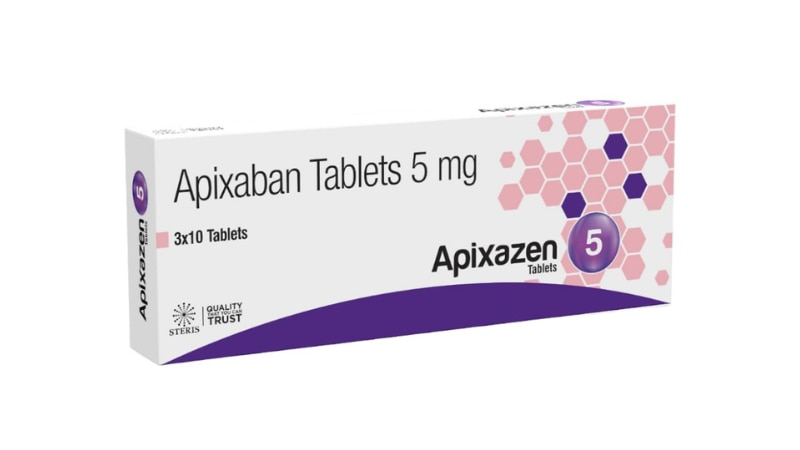
"description": "APIXAZEN 5 \nAPIXAZEN 5 is a branded pharmaceutical formulation containing apixaban 5 mg as its active ingredient. It belongs to a modern class of anticoagulant medications known as Factor Xa inhibitors'—also referred to as 'direct oral anticoagulants (DOACs). ' Unlike traditional blood thinners such as warfarin, Apixaban works by selectively blocking Factor Xa, a crucial enzyme in the coagulation cascade, thereby preventing the formation of dangerous blood clots.\n\nBlood clots, when formed within veins or arteries, can travel to critical organs such as the lungs, brain, or heart—causing life-threatening events like pulmonary embolism, stroke, or deep vein thrombosis (DVT). APIXAZEN 5 is clinically indicated to reduce this risk in a wide range of patients, making it one of the most widely prescribed anticoagulants in contemporary cardiovascular medicine.\n\nEach film-coated tablet of APIXAZEN 5 contains exactly 5 milligrams of Apixaban and is designed for convenient twice-daily oral administration, with or without food. Its predictable pharmacokinetics and minimal drug-food interactions make it significantly more patient-friendly than older anticoagulant alternatives.\nWho Should Not Take APIXAZEN 5?\nAPIXAZEN 5 is contraindicated in the following conditions:\n\nPatients with known hypersensitivity to Apixaban or any excipients should not use this medication. It is contraindicated in patients with active clinically significant bleeding, hepatic disease associated with coagulopathy, and in those with prosthetic heart valves or haemodynamically significant rheumatic heart disease. APIXAZEN 5 is not recommended during pregnancy or breastfeeding unless clearly indicated by a physician. Concomitant use with other anticoagulants should be avoided except during transitions between therapies.\n\nFinal Assessment\n\nConclusion\nAPIXAZEN 5 (Apixaban 5mg) represents a significant advancement in oral anticoagulation therapy. As a selective, reversible inhibitor of Factor Xa, it delivers clinically proven protection against stroke, deep vein thrombosis, and pulmonary embolism — conditions that remain among the leading causes of morbidity and mortality worldwide.\n\nIts superior safety profile compared to traditional anticoagulants like warfarin — particularly its reduced risk of intracranial bleeding—combined with the absence of routine monitoring requirements and dietary restrictions, has made APIXAZEN 5 a preferred choice among cardiologists and haematologists globally.\n\nThe APIXAZEN 5 brand is formulated to meet the highest pharmaceutical standards, ensuring consistent bioavailability and reliable therapeutic outcomes for patients across a spectrum of cardiovascular and thromboembolic conditions. Whether used for long-term stroke prevention in atrial fibrillation or for short-term post-surgical thromboprophylaxis, this medication has a well-established evidence base supporting its efficacy and tolerability.\n\nAs with all prescription anticoagulants, APIXAZEN 5 must be taken strictly under the guidance of a qualified healthcare professional. Patients are encouraged to adhere to prescribed dosing schedules, report any unusual bleeding symptoms promptly, and keep all follow-up appointments. When used appropriately, APIXAZEN 5 can meaningfully reduce the burden of clot-related disease and significantly improve quality of life.\n",
"price": 220.0,
"discountamount": 66.0,
"currencycode": "INR",
"priority": 1000000,
"isfreeshipmentavailable": false,
"shipmentduration": 7,
"_keywords": [
"PE",
"DVT",
"risk",
"food",
"need",
"legs",
"EMAIL",
"doses",
"class",
"drugs",
"DOACs",
"water",
"lungs",
"safety",
"stroke",
"Action",
"product",
"surgery",
"patients",
"Overview",
"Benefits",
"APIXAZEN",
"warfarin",
"schedule",
"Mechanism",
"Treatment",
"Adherence",
"selective",
"conversion",
"Guidelines",
"same times",
"one tablet",
"full glass",
"key enzyme",
"deep veins",
"blood clots",
"Optimal Use",
"prothrombin",
"information",
"Consistency",
"Apixaban 5mg",
"crucial role",
"instructions",
"Introduction",
"sterispharma",
"fibrin clots",
"best results",
"sterisonline",
"typical dose",
"harmful clots",
"CALL/WHATSAPP",
"Medical Advice",
"safer blood flow",
"serious condition",
"systemic embolism",
"Recommended Dosage",
"pulmonary embolism",
"thrombin formation",
"coagulation cascade",
"Predictable Effects",
"individual response",
"essential component",
"healthcare provider",
"Oral Administration",
"Embolism Prevention",
"reversible inhibitor",
"other anticoagulants",
"Factor Xa Inhibition",
"blood clot formation",
"deep vein thrombosis",
"thromboembolic events",
"optimal effectiveness",
"blood clot development",
"convenient alternative",
"Consistent blood levels",
"anticoagulant medication",
"routine blood monitoring",
"other medical conditions",
"severe respiratory issues",
"effective anticoagulation",
"injectable anticoagulants",
"blood coagulation process",
"direct oral anticoagulants",
"valvular atrial fibrillation",
"common heart rhythm disorder",
"predictable anticoagulant effects"
],
"isarchived": false,
"isavailable": true,
"applicationid": null,
"productindex": 1251,
"imageuri": "https://productimages.withfloats.com/actual/665db7d4480b81124f842847.png",
"tileimageuri": "https://productimages.withfloats.com/tile/665db7d4480b81124f842847.png",
"images": null,
"totalqueries": 0,
"gpid": null,
"groupproductid": null,
"createdon": "2024-06-03T12:31:46.903Z",
"updatedon": "2026-04-06T10:35:35.143Z",
"buyonlinelink": null,
"producturl": "http://WWW.STERISINDIA.COM//apixaban-5mg/1251",
"availableunits": -1.0,
"iscodavailable": false,
"isprepaidonlineavailable": false,
"maxcodorders": 0,
"maxprepaidonlineorders": 0,
"uniquepaymenturl": null,
"brandname": "APIXAZEN 5 ",
"category": "DIABETIC RANGE",
"tags": [
"apixaban 5mg",
"apixaban 5mg tablet",
"apixaban 5mg uses",
"apixaban 5mg price",
"apixaban 5mg tablet uses",
"apixaban 5mg side effects",
"tab apixaban 5mg",
"side effect of apixaban 5mg",
"apixaban 5mg uses in hindi",
"tab apixaban 5mg"
],
"variants": false,
"keyspecification": null,
"otherspecifications": null,
"pickupaddressreferenceid": "",
"paymenttype": "UniquePaymentUrl",
"producttype": "products",
"hsncode": null,
"gstslab": 0.001,
"isnotforsale": false
},
{
"_id": "665db5c17de2b5203089961f",
"fptag": "STERISHEALTHCARE",
"merchantname": null,
"customwidgets": null,
"externalsourceid": null,
"name": "APIXAZEN 2.5 ",
"description": "APIXAZEN 2.5 \nApixaban (2.5mg)\nIntroduction to APIXAZEN 2.5\nAPIXAZEN 2.5 contains Apixaban 2.5mg, an anticoagulant medication used to prevent and treat blood clots. Apixaban belongs to a class of drugs known as direct oral anticoagulants (DOACs) and works by inhibiting factor Xa, an essential component in the blood coagulation process. This medication is commonly prescribed to reduce the risk of stroke and systemic embolism in patients with non-valvular atrial fibrillation, and to prevent and treat deep vein thrombosis (DVT) and pulmonary embolism (PE).\n\nWhat is Apixaban?\nOverview of Apixaban\nApixaban is a selective and reversible inhibitor of factor Xa, a key enzyme in the coagulation cascade that plays a crucial role in thrombin formation and blood clot development. By inhibiting factor Xa, Apixaban helps to prevent the formation of harmful clots and allows for better blood flow.\n\nMechanism of Action\nFactor Xa Inhibition: Apixaban directly inhibits factor Xa, reducing the conversion of prothrombin to thrombin, and subsequently decreasing the formation of fibrin clots.\nAnticoagulant Effect: This inhibition results in an anticoagulant effect, reducing the risk of blood clot formation and promoting safer blood flow.\nBenefits of APIXAZEN 2.5\nStroke and Embolism Prevention\nAtrial Fibrillation: APIXAZEN 2.5 is effective in reducing the risk of stroke and systemic embolism in patients with non-valvular atrial fibrillation, a common heart rhythm disorder that increases the risk of clot formation.\nThromboembolism Prevention: The medication helps prevent thromboembolic events in patients undergoing surgery or those at risk due to other medical conditions.\nTreatment and Prevention of DVT and PE\nDeep Vein Thrombosis (DVT): APIXAZEN 2.5 is used to treat DVT, a condition where blood clots form in the deep veins, usually in the legs.\nPulmonary Embolism (PE): It is also used to treat PE, a serious condition where clots travel to the lungs, causing severe respiratory issues.\nConvenient and Effective\nOral Administration: APIXAZEN 2.5 is taken orally, offering a convenient alternative to injectable anticoagulants.\nPredictable Effects: The medication provides predictable anticoagulant effects, reducing the need for routine blood monitoring that is necessary with other anticoagulants like warfarin.\nHow to Use APIXAZEN 2.5\nDosage and Administration\nRecommended Dosage: The typical dose of APIXAZEN 2.5 is one tablet taken twice daily. Your healthcare provider may adjust the dosage based on your individual response and medical condition.\nAdministration: Take the tablet with or without food. Swallow it whole with a full glass of water. Consistency is key, so take the medication at the same times each day.\nGuidelines for Optimal Use\nAdherence: For best results, adhere to the prescribed schedule and do not miss doses. Consistent blood levels of the medication are essential for effective anticoagulation.\nFollow Medical Advice: Always follow your healthcare provider’s instructions regarding dosage and administration to ensure optimal effectiveness and safety.\nFor further information: \nEMAIL: info@sterispharma.com / contact@sterispharma.com \n CALL/WHATSAPP: 7877551268, 7849827488 \n Order Now\nhttps://www.sterisonline.com/product/apixazen-2-5-134179",
"price": 155.0,
"discountamount": 46.5,
"currencycode": "INR",
"priority": 1000000,
"isfreeshipmentavailable": false,
"shipmentduration": 7,
"_keywords": [
"PE",
"DVT",
"risk",
"legs",
"need",
"food",
"lungs",
"DOACs",
"drugs",
"class",
"doses",
"EMAIL",
"water",
"safety",
"stroke",
"Action",
"surgery",
"product",
"Apixaban",
"patients",
"Benefits",
"APIXAZEN",
"warfarin",
"schedule",
"Overview",
"selective",
"Mechanism",
"Treatment",
"Adherence",
"conversion",
"Guidelines",
"same times",
"one tablet",
"deep veins",
"full glass",
"key enzyme",
"Optimal Use",
"Consistency",
"information",
"prothrombin",
"blood clots",
"sterispharma",
"crucial role",
"typical dose",
"Introduction",
"instructions",
"best results",
"fibrin clots",
"sterisonline",
"harmful clots",
"CALL/WHATSAPP",
"Medical Advice",
"safer blood flow",
"serious condition",
"systemic embolism",
"Recommended Dosage",
"thrombin formation",
"pulmonary embolism",
"Oral Administration",
"healthcare provider",
"Embolism Prevention",
"coagulation cascade",
"essential component",
"Predictable Effects",
"individual response",
"deep vein thrombosis",
"blood clot formation",
"Factor Xa Inhibition",
"reversible inhibitor",
"other anticoagulants",
"thromboembolic events",
"optimal effectiveness",
"convenient alternative",
"blood clot development",
"Consistent blood levels",
"anticoagulant medication",
"other medical conditions",
"routine blood monitoring",
"severe respiratory issues",
"injectable anticoagulants",
"blood coagulation process",
"effective anticoagulation",
"direct oral anticoagulants",
"valvular atrial fibrillation",
"common heart rhythm disorder",
"predictable anticoagulant effects"
],
"isarchived": false,
"isavailable": true,
"applicationid": null,
"productindex": 1250,
"imageuri": "https://productimages.withfloats.com/actual/665db5c5cb068c914cfcf1d3.jpeg",
"tileimageuri": "https://productimages.withfloats.com/tile/665db5c5cb068c914cfcf1d3.jpeg",
"images": null,
"totalqueries": 0,
"gpid": null,
"groupproductid": null,
"createdon": "2024-06-03T12:23:29.902Z",
"updatedon": "2026-03-13T07:08:23.343Z",
"buyonlinelink": null,
"producturl": "http://WWW.STERISINDIA.COM//apixazen-2-5-/1250",
"availableunits": -1.0,
"iscodavailable": false,
"isprepaidonlineavailable": false,
"maxcodorders": 0,
"maxprepaidonlineorders": 0,
"uniquepaymenturl": null,
"brandname": "APIXAZEN 2.5 ",
"category": "DIABETIC RANGE",
"tags": [],
"variants": false,
"keyspecification": null,
"otherspecifications": null,
"pickupaddressreferenceid": "",
"paymenttype": "UniquePaymentUrl",
"producttype": "products",
"hsncode": null,
"gstslab": 0.001,
"isnotforsale": false
},
{
"_id": "6abe4471401ae1a1106d67d9",
"fptag": "STERISHEALTHCARE",
"merchantname": null,
"customwidgets": null,
"externalsourceid": null,
"name": "Bisoprolol 1.25mg",
"description": "Bisoprolol 1.25mg is the smallest tablet strength of bisoprolol, a heart-selective beta-1 blocker. Doctors usually prescribe it to start treatment or to build up the dose gradually in people with high blood pressure, chronic stable heart failure, or fast heart rhythms. It suits older adults, people with mild heart failure, and anyone who reacts strongly to beta-blockers. The medicine slows the heartbeat and eases the force of each contraction, so the heart works less hard. BISOGARD 1.25 from Steris Healthcare Pvt. Ltd. comes in a strip pack of 15 tablets. It is a Schedule H medicine, so it must only be started, changed, or stopped on a doctor's advice.\n\nProduct Snapshot\n\nBrand: BISOGARD 1.25\nManufacturer/Marketer: Steris Healthcare Pvt. Ltd., a WHO-GMP and ISO-certified pharmaceutical company in India\nActive ingredient: Bisoprolol Fumarate 1.25mg\nForm: Tablet\nPack size: 15 tablets\nDrug class: Cardioselective beta-1 blocker\nLegal status: Schedule H (valid prescription required)\nAvailability: Through Steris Healthcare's authorized pharmacies and its B2B PCD franchise network across India\nWhat Is Bisoprolol 1.25mg?\n\nIf your doctor has just prescribed bisoprolol 1.25mg, you have been given the lowest dose on purpose. Bisoprolol is a cardioselective beta-1 blocker, meaning it acts mostly on receptors in the heart and has much less effect on the lungs and blood vessels. This is a major reason it is preferred over older, non-selective beta-blockers, especially for people who also have a mild breathing problem.\n\nThe 1.25mg tablet is not a “light” medicine for mild illness. It is a carefully chosen entry point. In heart failure, a weakened heart can struggle if its rate or pressure drops too quickly, so cardiologists follow a “start low, go slow” approach. Treatment begins at 1.25mg, the response is watched for one to two weeks, and the dose is raised step by step (commonly 2.5mg, 3.75mg, 5mg, 7.5mg, and up to 10mg) as the heart adapts. That is why BISOGARD 1.25 is often the first tablet a newly diagnosed heart failure patient takes.\n\nWhat Is Bisoprolol 1.25mg Used For?\n\nDoctors commonly prescribe this strength for:\n\nChronic heart failure (HFrEF): as the first step of dose titration in patients with a reduced ejection fraction, alongside ACE inhibitors/ARBs and diuretics\nHigh blood pressure: especially in older adults, people with low body weight, and those who are sensitive to blood-pressure-lowering drugs\nStable angina: to reduce the heart's oxygen demand and relieve chest discomfort\nAfter a heart attack: in selected patients, under a cardiologist's care\nHeart rate control in some arrhythmias: sometimes used off-label at a low dose to gently bring down a fast heart rate\n\nAt 1.25mg, bisoprolol is seldom meant as the long-term sole treatment for high blood pressure in an otherwise healthy adult. It is usually the first rung of a titration ladder, or a steady maintenance dose for patients who are unusually beta-blocker sensitive (older age, low body weight, or borderline low pressure or pulse).\n\nHow Does Bisoprolol Work?\n\nBisoprolol selectively blocks beta-1 adrenergic receptors, which are packed mainly into heart muscle. This leads to several effects:\n\nSlower heart rate: the heart has more time to fill and rest between beats\nGentler contractions: the heart muscle needs less oxygen and energy\nLess renin from the kidneys: this helps blood pressure fall gradually over time\nLower overall cardiac workload: a real advantage for a heart that already struggles to pump well, as in heart failure\nKey Benefits of BISOGARD 1.25\nA gentle starting dose, well suited to careful titration in frail or elderly patients\nHeart-focused action, with less effect on the lungs and peripheral blood vessels than non-selective beta-blockers\nOnce-daily dosing, which makes it easier to stay on treatment\nA guideline-recommended beta-blocker for HFrEF with well-established outcomes data [Reviewer note: insert specific outcome statistics/trial citation pending medical sign-off]\nMade by Steris Healthcare Pvt. Ltd. under WHO-GMP and ISO-certified standards\nDosage Guidance\nUsual starting dose (heart failure): 1.25mg once a day, preferably in the morning\nDose increases: typically every 1–2 weeks (2.5mg, 3.75mg, 5mg, 7.5mg, up to a maximum of 10mg daily), depending on how well you tolerate it and on your pulse and blood pressure\nHigh blood pressure (sensitive patients): 1.25mg to 5mg once daily, as set by your doctor\nHow to take it: at the same time every day, with or without food, swallowed whole with water\nIf you miss a dose: take it when you remember, unless the next dose is almost due. Never take a double dose.\nNever stop suddenly: abrupt withdrawal can cause a rebound rise in heart rate, blood pressure, or chest pain. The dose must be reduced gradually under medical supervision.\nIs It Better to Take Bisoprolol in the Morning or at Night?\n\nMost doctors advise a morning dose. Bisoprolol lowers pulse and blood pressure, and taking it early matches its action to your daytime activity. A night-time dose could add to the body's natural overnight dip in blood pressure and raise the chance of dizziness when getting up in the dark. Some people who feel tired during the day are told by their doctor to switch to the evening. Do not change your dosing time without your doctor's approval.\n\nSide Effects of Bisoprolol 1.25mg\n\nCommon side effects\n\nTiredness or fatigue\nDizziness or light-headedness, especially on standing quickly\nCold hands or feet\nSlow pulse (bradycardia)\nHeadache\nMild stomach upset (nausea, loose stools)\nDisturbed sleep\n\nSerious side effects (get medical help promptly)\n\nVery slow heartbeat or fainting\nIncreasing breathlessness or swollen legs/ankles, which may mean heart failure is worsening\nAllergic reaction: rash, swelling of the face or throat, trouble breathing\nCold, numb, or bluish fingers and toes\nWheezing or new breathing difficulty, particularly in people with asthma or COPD\nMood changes, low mood, or confusion\nWhat Are the Bad Side Effects of Bisoprolol?\n\nThe effects that need urgent attention are a dangerously slow pulse, fainting, signs of worsening heart failure (swelling, breathlessness), severe allergic reactions, and airway tightening in people with lung disease. These are uncommon at the 1.25mg dose, but anyone who notices them should seek medical help right away. [Reviewer note: specific incidence rates pending clinical/medical sign-off]\n\nSubstitutes & Comparable Beta-Blockers\nMolecule\tSelectivity\tTypical Use Case\nBisoprolol\tHighly cardioselective\tHeart failure titration, hypertension\nMetoprolol Succinate ER\tCardioselective\tHypertension, angina, heart failure\nAtenolol\tCardioselective (older agent)\tHypertension\nCarvedilol\tNon-selective with alpha-blocking action\tHeart failure (adds vasodilation)\nPropranolol\tNon-selective\tMigraine prevention, anxiety-related fast heartbeat, essential tremor\nPrecautions & Who Should Avoid Bisoprolol\nNot suitable for people with severe bradycardia, certain forms of heart block (unless a pacemaker is fitted), unstable or acutely decompensated heart failure, or severe uncontrolled asthma\nUse carefully in diabetes, because beta-blockers can hide the warning signs of low blood sugar\nTake care in peripheral vascular disease, as cold extremities or leg pain on walking may worsen\nNever stop it abruptly; always taper under a doctor's guidance\nTell your doctor about every medicine you use, especially other blood-pressure drugs, calcium channel blockers, and certain antiarrhythmics\nIn pregnancy and breastfeeding, use only if your doctor advises it after weighing benefits and risks\nIs Bisoprolol Safe for Kidneys?\n\nThe body clears bisoprolol through both the liver and the kidneys in roughly equal measure. It is generally considered safe for people with normal or mildly reduced kidney function. When kidney impairment is significant, drug levels in the blood can rise, so your doctor may lower the dose or monitor you more closely. Always tell your prescriber about any kidney disease before starting.\n\nIs Bisoprolol a High-Risk Medication?\n\nBisoprolol is not a narrow therapeutic index drug like tacrolimus or warfarin, where small dose differences matter greatly. Even so, it needs supervised use because it directly affects heart rate and blood pressure. The main dangers are stopping it suddenly, which can set off rebound cardiac events, and using it with certain existing rhythm disorders. Taken as prescribed and checked regularly, it has a long and reassuring safety record.\n\nDoes 1.25mg Bisoprolol Lower Blood Pressure?\n\nYes. Even the smallest dose measurably reduces heart rate and blood pressure by lightening the heart's workload and reducing renin-driven narrowing of blood vessels. At this strength the effect on blood pressure is fairly mild, which is exactly why it is a safe place to begin, especially for older adults or people starting heart failure treatment. The dose is then raised gradually to reach full benefit.\n\nFrequently Asked Questions\n\n1. What is 1.25 mg of bisoprolol used for?\nMainly as a low starting dose when building up treatment for chronic heart failure, and for high blood pressure in people who are very sensitive to beta-blockers, such as older adults.\n\n2. What are the bad side effects of bisoprolol?\nThe more serious ones are a very slow pulse, fainting, worsening heart failure signs (swelling, breathlessness), severe allergy, and breathing trouble in people with lung conditions.\n\n3. What are the common side effects of bisoprolol fumarate 1.25 mg tablets?\nTiredness, dizziness, cold hands and feet, mild headache, and a slightly slower pulse.\n\n4. Is it better to take bisoprolol in the morning or at night?\nMorning is usually preferred so its effect fits daytime activity, though your doctor may suggest evenings in some cases.\n\n5. What is the cost of bisoprolol?\nPrice depends on strength, pack size, and brand. Use the “Check Price” option above for current BISOGARD 1.25 pricing from Steris Healthcare.\n\n6. Does 1.25 mg bisoprolol lower blood pressure?\nYes, though only modestly at this dose. The dose is often stepped up over time.\n\n7. Is bisoprolol safe for kidneys?\nGenerally yes for normal or mildly reduced kidney function. People with significant kidney impairment need dose adjustment and monitoring.\n\n8. Is bisoprolol a high-risk medication?\nIt is not a narrow therapeutic index drug, but it must never be stopped suddenly and should be used under medical supervision because of its direct effect on the heart.\n\n9. Can I take bisoprolol 1.25mg for the rest of my life?\nMany people with chronic heart failure or hypertension do take bisoprolol long term, but the dose usually rises as tolerated. Your doctor should review it regularly.\n\n10. What happens if I miss a dose of bisoprolol?\nTake it when you remember, unless the next dose is nearly due. In that case skip the missed one. Never take two together.\n\n11. Can bisoprolol 1.25mg cause weight gain?\nIt is not commonly reported at this dose. Fluid retention linked to heart failure itself should be reported to your doctor.\n\n12. Is bisoprolol safe for diabetic patients?\nIt can be used, with care, because beta-blockers may hide warning signs of low blood sugar such as a racing heartbeat.\n\n13. Can I stop taking bisoprolol suddenly if I feel fine?\nNo. Stopping abruptly can cause a rebound rise in heart rate, blood pressure, or chest pain. Reduce the dose gradually under medical guidance.\n\n14. Does bisoprolol interact with other blood pressure medicines?\nYes. Combining it with other drugs that lower heart rate or pressure (such as calcium channel blockers) can cause a very low pulse or pressure. Tell your doctor about all your medicines.\n\n15. Is BISOGARD 1.25 available without a prescription?\nNo. Bisoprolol is a Schedule H medicine in India and needs a valid prescription.\n\n16. How long does it take for bisoprolol 1.25mg to start working?\nSome effect on heart rate appears within hours, but the full benefit for blood pressure or heart failure symptoms builds over several weeks of regular use.\n\n17. Can pregnant women take bisoprolol?\nOnly if clearly necessary and prescribed by a doctor, as it may affect the baby's heart rate and growth.",
"price": 39.0,
"discountamount": 12.0,
"currencycode": "INR",
"priority": 1000000,
"isfreeshipmentavailable": false,
"shipmentduration": 1,
"_keywords": null,
"isarchived": false,
"isavailable": true,
"applicationid": null,
"productindex": 2501,
"imageuri": "https://productimages.withfloats.com/actual/6abe4474c205678e0b16a23a.png",
"tileimageuri": "https://productimages.withfloats.com/tile/6abe4474c205678e0b16a23a.png",
"images": null,
"totalqueries": 0,
"gpid": null,
"groupproductid": null,
"createdon": "2026-10-01T11:30:57.88Z",
"updatedon": "2026-10-01T11:30:57.88Z",
"buyonlinelink": null,
"producturl": "http://WWW.STERISINDIA.COM//bisoprolol-1-25mg/2501",
"availableunits": -1.0,
"iscodavailable": false,
"isprepaidonlineavailable": false,
"maxcodorders": 0,
"maxprepaidonlineorders": 0,
"uniquepaymenturl": null,
"brandname": "Bisogard 1.25",
"category": "CARDIOLOGYRANGE",
"tags": [],
"variants": false,
"keyspecification": null,
"otherspecifications": null,
"pickupaddressreferenceid": null,
"paymenttype": "UniquePaymentUrl",
"producttype": "products",
"hsncode": null,
"gstslab": 0.0,
"isnotforsale": false
}
],
"hasmoreitems": false,
"isapirequest": false,
"totalresults": 27,
"query": null,
"floatingpoint": null
}