STERISHEALTHCARE
Products
08042755542
91918824471531
Chat with us


Chat with us on WhatsApp
×
This is your website preview.
Currently it only shows your basic business info. Start adding relevant business details such as description, images and products or services to gain your customers attention by using Boost 360 android app / iOS App / web portal.
Home
 remove plaque
 remove plaque
Items tagged with 'remove plaque'
{
"products": [
{
"_id": "69b7b6ef962dfe078dadbb10",
"fptag": "STERISHEALTHCARE",
"merchantname": null,
"customwidgets": null,
"externalsourceid": null,
"name": "Tannic acid 5%, Choline Salicylate 8% & Cetrimide 0.01% Gum Paint",
"description": "Advanced Oral Care with Tannic Acid 5%, Choline Salicylate 8% & Cetrimide 0.01%\n\nMaintaining healthy gums is a vital part of overall oral hygiene. While most people focus mainly on their teeth, the condition of the gums plays an equally important role in preventing oral health problems. Issues such as gum inflammation, bleeding gums, mouth ulcers, and minor infections can cause discomfort and affect daily activities like eating, drinking, and speaking. Poor oral hygiene, bacterial buildup, plaque accumulation, and certain nutritional deficiencies can contribute to gum-related problems.\n\nDENT GLOW GUM PAINT is a specially formulated oral care solution designed to support gum health and relieve discomfort associated with gum irritation and inflammation. It contains a combination of Tannic Acid 5%, Choline Salicylate 8%, and Cetrimide 0.01%, which work together to soothe gum tissues, reduce inflammation, and control harmful bacteria in the oral cavity.\n\nWith its targeted action and easy application, DENT GLOW GUM PAINT helps promote healthier gums and improve overall oral hygiene.\n\nComposition of DENT GLOW GUM PAINT\n\nEach formulation of DENT GLOW GUM PAINT contains the following active ingredients:\n\nTannic Acid 5%\nCholine Salicylate 8%\nCetrimide 0.01%\n\nThese ingredients work together to provide anti-inflammatory, antiseptic, and soothing effects for the gums.\n\nUnderstanding the Active Ingredients\nTannic Acid\n\nTannic acid is known for its astringent properties, which help tighten gum tissues and reduce minor bleeding. It also helps protect the gums by forming a protective layer over irritated areas.\n\nCholine Salicylate\n\nCholine salicylate acts as a pain-relieving and anti-inflammatory agent. It helps reduce swelling, inflammation, and pain in the gums, providing relief from discomfort caused by gum irritation or mouth ulcers.\n\nCetrimide\n\nCetrimide is a mild antiseptic agent that helps control bacterial growth in the mouth. By reducing harmful bacteria, it helps prevent infections and supports better oral hygiene.\n\nUses of DENT GLOW GUM PAINT\n\nDENT GLOW GUM PAINT is commonly used to manage several oral and gum-related conditions. Some of its key uses include:\n\n1. Gum Inflammation (Gingivitis)\n\nGingivitis is one of the most common gum problems, characterized by redness, swelling, and bleeding of the gums. DENT GLOW GUM PAINT helps reduce inflammation and soothe irritated gum tissues.\n\n2. Bleeding Gums\n\nBleeding gums can occur due to plaque buildup, vitamin deficiencies, or gum infections. The astringent action of tannic acid helps strengthen gum tissues and reduce bleeding.\n\n3. Mouth Ulcers\n\nPainful mouth ulcers can make eating and speaking difficult. The anti-inflammatory and soothing effects of DENT GLOW GUM PAINT help reduce irritation and promote healing.\n\n4. Gum Pain and Irritation\n\nPeople experiencing gum discomfort due to dental procedures, plaque accumulation, or infection may benefit from the soothing action of this gum paint.\n\n5. Minor Oral Infections\n\nThe antiseptic property of cetrimide helps control bacterial growth and prevents minor infections in the oral cavity.\n\nHow DENT GLOW GUM PAINT Works\n\nThe effectiveness of DENT GLOW GUM PAINT comes from the combined action of its ingredients.\n\nTannic acid tightens and protects gum tissues while reducing bleeding.\n\nCholine salicylate relieves pain and reduces inflammation in the gums.\n\nCetrimide eliminates harmful bacteria and prevents infection.\n\nTogether, these ingredients help soothe irritated gums, promote healing, and maintain oral hygiene.\n\nKey Benefits of DENT GLOW GUM PAINT\n1. Relieves Gum Pain and Discomfort\n\nThe anti-inflammatory action of choline salicylate helps reduce gum pain and provides quick relief from discomfort.\n\n2. Reduces Gum Inflammation\n\nRegular use can help reduce swelling and redness associated with gum irritation.\n\n3. Controls Bacterial Growth\n\nThe antiseptic action of cetrimide helps prevent bacterial infections and supports healthier gums.\n\n4. Helps Reduce Bleeding Gums\n\nTannic acid helps strengthen gum tissues and minimize bleeding.\n\n5. Promotes Faster Healing of Mouth Ulcers\n\nThe soothing properties of the gum paint help speed up the healing process of minor oral ulcers.\n\n6. Supports Overall Oral Hygiene\n\nBy reducing bacteria and inflammation, DENT GLOW GUM PAINT contributes to improved oral health.\n\nHow to Use DENT GLOW GUM PAINT\n\nFor effective results, DENT GLOW GUM PAINT should be used as directed by a healthcare professional or dentist.\n\nGeneral usage instructions include:\n\nWash your hands thoroughly before application.\n\nUse a clean cotton swab or fingertip to apply the gum paint.\n\nApply a small amount directly to the affected gum area.\n\nGently massage the solution onto the gums.\n\nAvoid eating or drinking for at least 20–30 minutes after application.\n\nThe gum paint may be used two to three times daily or as recommended by a healthcare professional.\n\nTips for Maintaining Healthy Gums\n\nUsing DENT GLOW GUM PAINT along with proper oral care habits can significantly improve gum health. Some helpful tips include:\n\nBrush teeth twice daily with a soft-bristle toothbrush\n\nUse dental floss to remove plaque between teeth\n\nAvoid excessive consumption of sugary foods\n\nRinse the mouth after meals\n\nVisit a dentist regularly for checkups\n\nMaintain a balanced diet rich in vitamins and minerals\n\nGood oral hygiene habits help prevent gum diseases and maintain healthy teeth and gums.\n\nPossible Side Effects of DENT GLOW GUM PAINT\n\nDENT GLOW GUM PAINT is generally safe when used as directed. However, some individuals may experience mild side effects such as:\n\nTemporary burning sensation in the mouth\n\nMild irritation of the gums\n\nUnusual taste after application\n\nAllergic reactions in rare cases\n\nThese effects are usually mild and temporary. If severe irritation or allergic reactions occur, discontinue use and consult a healthcare professional.\n\nPrecautions and Safety Information\n\nBefore using DENT GLOW GUM PAINT, consider the following precautions:\n\nUse only as directed by a healthcare professional or dentist\n\nAvoid swallowing the product\n\nDo not apply to large open wounds inside the mouth\n\nInform your doctor if you are allergic to any of the ingredients\n\nPregnant or breastfeeding women should consult a doctor before use\n\nKeep out of reach of children\n\nFollowing these precautions helps ensure safe and effective use of the gum paint.\n\nStorage Instructions\n\nTo maintain the effectiveness of DENT GLOW GUM PAINT, proper storage is important.\n\nStore in a cool and dry place\n\nProtect from direct sunlight and heat\n\nKeep the container tightly closed after use\n\nKeep away from children\n\nConclusion\nHealthy gums are essential for maintaining strong teeth and overall oral health. Gum problems such as inflammation, bleeding, and mouth ulcers can cause discomfort and affect daily activities. Early treatment and proper oral hygiene are key to preventing serious dental issues.",
"price": 64.0,
"discountamount": 19.0,
"currencycode": "INR",
"priority": 1000000,
"isfreeshipmentavailable": false,
"shipmentduration": 1,
"_keywords": null,
"isarchived": false,
"isavailable": true,
"applicationid": null,
"productindex": 2332,
"imageuri": "https://productimages.withfloats.com/actual/69b7b6f24640656e596af204.png",
"tileimageuri": "https://productimages.withfloats.com/tile/69b7b6f24640656e596af204.png",
"images": null,
"totalqueries": 0,
"gpid": null,
"groupproductid": null,
"createdon": "2026-03-16T07:53:19.47Z",
"updatedon": "2026-04-16T07:25:42.569Z",
"buyonlinelink": null,
"producturl": "http://WWW.STERISINDIA.COM/products/tannic-acid-5-choline-salicylate-8-cetrimide-0-01-gum-paint/2332",
"availableunits": -1.0,
"iscodavailable": false,
"isprepaidonlineavailable": false,
"maxcodorders": 0,
"maxprepaidonlineorders": 0,
"uniquepaymenturl": null,
"brandname": "DENT GLOW GUM PAINT",
"category": "DENTAL",
"tags": [
"tannic acid choline salicylate cetrimide gum paint uses",
"gum paint for mouth ulcers treatment",
"choline salicylate gum paint benefits",
"gum paint for gum pain and inflammation",
"gum paint for swollen gums treatment",
"choline salicylate cetrimide oral gel uses",
"tannic acid gum paint benefits for gums",
"gum paint for dental pain relief",
"buy gum paint for mouth ulcers online",
"tannic acid choline salicylate gum paint price in India",
"gum paint manufacturer in India",
"oral gum paint wholesale price",
"best gum paint for mouth ulcer treatment",
"what is tannic acid choline salicylate cetrimide gum paint used for",
"gum paint for mouth ulcers and gum pain relief",
"benefits of choline salicylate gum paint for dental pain",
"gum paint medicine for oral ulcer treatment",
"mouth sore treatment gel"
],
"variants": false,
"keyspecification": null,
"otherspecifications": null,
"pickupaddressreferenceid": null,
"paymenttype": "UniquePaymentUrl",
"producttype": "products",
"hsncode": null,
"gstslab": 0.0,
"isnotforsale": false
},
{
"_id": "681c8454456b9f00e9d28061",
"fptag": "STERISHEALTHCARE",
"merchantname": null,
"customwidgets": null,
"externalsourceid": null,
"name": "CHARCOAL TOOTHPASTE",
"description": "Charcoal Toothpaste is a modern oral care solution formulated with activated charcoal and a blend of natural and scientifically backed ingredients. It is designed to help whiten teeth, eliminate bad breath, and remove plaque without compromising gum health. With its deep-cleansing action and refreshing flavor, it provides a comprehensive approach to maintaining oral hygiene while being gentle on teeth and gums.\n\nKey Ingredients\nAqua: Acts as a solvent and helps in blending the ingredients evenly.\n\nCalcium Carbonate PPT & Natural: Provides mild abrasion to help remove surface stains and plaque.\n\nSorbitol: A natural humectant that prevents the toothpaste from drying out.\n\nHydrated Silica: Offers gentle polishing to maintain enamel health.\n\nXylitol: A natural sweetener that also helps reduce the risk of tooth decay.\n\nSodium Saccharin: Adds sweetness without contributing to cavities.\n\nSodium Lauryl Sulfate Liquid: A foaming agent that helps disperse the paste evenly.\n\nGlycerin: Keeps the formulation smooth and moist.\n\nXanthan Gum: A natural thickener that stabilizes the formula.\n\nCharcoal: Known for its natural whitening properties and ability to draw out toxins.\n\nCoconut Oil: Supports oral health with antibacterial properties and adds a smooth texture.\n\nSodium Carboxymethyl Cellulose: Improves the texture and stability of the toothpaste.\nMethyl Paraben & Propyl Paraben: Preservatives that help maintain the shelf life.\nFlavor: Adds a pleasant and refreshing taste after brushing.\n\nKey Benefits\nHelps whiten teeth naturally by removing surface stains\n\nAids in plaque removal and reduces the risk of tartar build-up\n\nHelps fight bad breath with activated charcoal and coconut oil\n\nSupports gum health through antibacterial and soothing ingredients\n\nProvides a fresh, clean mouthfeel after every use\n\nFree from harsh chemicals that may erode tooth enamel\n\nContains xylitol, which discourages cavity-causing bacteria\n\nHow Does It Work?\nCharcoal Toothpaste works by leveraging the absorbent power of activated charcoal to bind and lift away stains and toxins from the surface of the teeth. Calcium carbonates and hydrated silica gently scrub away plaque while being safe for enamel. Coconut oil and xylitol work synergistically to fight harmful bacteria, helping to prevent cavities and gum issues. The foaming agents ensure even distribution during brushing, and flavoring agents leave the mouth feeling clean and refreshed.\n\nDirections for Use\nSqueeze a pea-sized amount of Charcoal Toothpaste onto your toothbrush\n\nBrush thoroughly for 2 minutes, preferably after meals or at least twice daily\n\nRinse mouth thoroughly with water after brushing\n\nDo not swallow\n\nFor best results, use regularly and follow with flossing and mouthwash\n\nSide Effects\nMild irritation may occur in people with sensitive gums\n\nOveruse may lead to enamel thinning due to abrasiveness if used excessively\n\nRare allergic reactions to any ingredient may cause discomfort\n\nDiscontinue use if you notice unusual sensitivity or gum bleeding and consult a dentist",
"price": 173.0,
"discountamount": 86.0,
"currencycode": "INR",
"priority": 1000000,
"isfreeshipmentavailable": false,
"shipmentduration": 1,
"_keywords": [
"helps disperse",
"helps reduce",
"plaque removal",
"plaque sorbitol",
"discomfort discontinue",
"2 minutes preferably",
"toothbrush brush",
"peasized amount",
"refreshed directions",
"prevent cavities",
"absorbent power",
"harsh chemicals",
"refreshing taste",
"antibacterial properties",
"natural thickener",
"formulation smooth",
"natural sweetener",
"natural humectant",
"mild abrasion",
"comprehensive approach",
"refreshing flavor",
"deepcleansing action",
"charcoal toothpaste",
"formula charcoal",
"activated charcoal",
"remove plaque",
"gum bleeding",
"gum issues",
"soothing ingredients",
"foaming agent",
"remove surface stains",
"charcoal toothpastecharcoal toothpaste",
"natural whitening properties",
"xylitol work synergistically",
"teeth calcium carbonates",
"foaming agents ensure",
"moist xanthan gum",
"compromising gum health",
"scientifically backed ingredients",
"notice unusual sensitivity",
"enamel thinning due",
"sensitive gums overuse",
"daily rinse mouth",
"mouth feeling clean",
"flavoring agents leave",
"enamel coconut oil",
"discourages cavitycausing bacteria",
"erode tooth enamel",
"fresh clean mouthfeel",
"paste evenly glycerin",
"maintaining oral hygiene"
],
"isarchived": false,
"isavailable": true,
"applicationid": null,
"productindex": 2109,
"imageuri": "https://productimages.withfloats.com/actual/681c8457f73cfba094dbc9b7.png",
"tileimageuri": "https://productimages.withfloats.com/tile/681c8457f73cfba094dbc9b7.png",
"images": null,
"totalqueries": 0,
"gpid": null,
"groupproductid": null,
"createdon": "2025-05-08T10:15:48.815Z",
"updatedon": "2026-03-12T08:43:15.162Z",
"buyonlinelink": null,
"producturl": "http://WWW.STERISINDIA.COM//charcoal-toothpaste/2109",
"availableunits": -1.0,
"iscodavailable": false,
"isprepaidonlineavailable": false,
"maxcodorders": 0,
"maxprepaidonlineorders": 0,
"uniquepaymenturl": null,
"brandname": "Aqua, Calcium Carbonate PPT, Calcium Carbonate Natural, Sorbitol, Hydrated Silica, Xylitol, Sodium saccharin, Sodium Lauryl Sulphate Liquid, Glycerin, Xanthan Gum, Charcoal, Coconut Oil, Sodium Carboxymethyl Cellulose, Methyl Paraben, Propyl Paraben & Flavour",
"category": "DENTAL",
"tags": [
"help whiten teeth",
"bad breath",
"gum health",
"refreshing flavor",
"oral hygiene while being gentle on teeth and gums",
"Charcoal",
"Coconut Oil",
"Charcoal Toothpaste"
],
"variants": false,
"keyspecification": null,
"otherspecifications": null,
"pickupaddressreferenceid": null,
"paymenttype": "UniquePaymentUrl",
"producttype": "products",
"hsncode": null,
"gstslab": 0.001,
"isnotforsale": false
},
{
"_id": "6ad7442bf24c5a4bbccf4b10",
"fptag": "STERISHEALTHCARE",
"merchantname": null,
"customwidgets": null,
"externalsourceid": null,
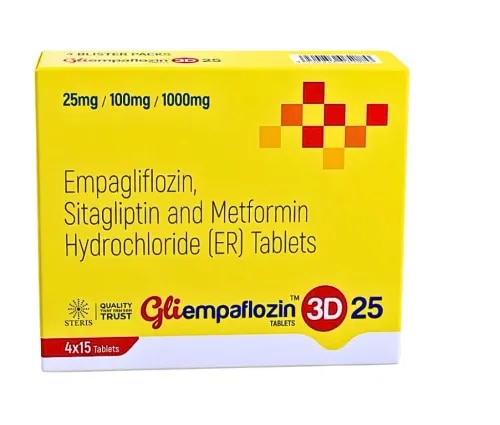
"name": "Empagliflozin,Sitagliptin And Metformin Hydrochloride (ER) Tablets",
"description": "GLIEMPAFLOZIN 3D 25 is a combination pharmaceutical product containing Empagliflozin 25 mg, Sitagliptin 100 mg, and Metformin Hydrochloride Extended Release (ER) 1000 mg. This triple-combination formulation is intended for the management of type 2 diabetes mellitus in appropriate patients, as determined by a qualified healthcare professional.\n\nThe three active ingredients work through different mechanisms to help control blood glucose levels. Empagliflozin belongs to the sodium-glucose cotransporter 2 (SGLT2) inhibitor class, Sitagliptin is a dipeptidyl peptidase-4 (DPP-4) inhibitor, and Metformin is a biguanide antidiabetic medicine. Together, these ingredients target different pathways involved in glucose regulation.\n\nGLIEMPAFLOZIN 3D 25 provides a combination of three established antidiabetic agents in a single tablet. Its suitability depends on the patient's blood glucose levels, kidney function, current diabetes treatment, medical history, and the approved prescribing information.\n\nComposition of GLIEMPAFLOZIN 3D 25\nEach tablet contains the following stated active ingredients:\n\nEmpagliflozin 25 mg: An SGLT2 inhibitor that helps the kidneys remove glucose from the bloodstream through urine.\nSitagliptin 100 mg: A DPP-4 inhibitor that increases the activity of incretin hormones involved in glucose-dependent insulin release and glucagon regulation.\nMetformin Hydrochloride ER 1000 mg: An extended-release biguanide that primarily reduces glucose production in the liver and improves the body's response to insulin.\nThe exact formulation, excipients, administration instructions, and approved indications should be verified against the product packaging and official prescribing information.\n\nKey Features of GLIEMPAFLOZIN 3D 25\nGLIEMPAFLOZIN 3D 25 combines three antidiabetic ingredients with complementary mechanisms of action.\n\nTriple-combination formulation: Contains Empagliflozin, Sitagliptin, and Metformin Hydrochloride ER.\nMultiple glucose-control pathways: The ingredients act through different mechanisms involved in blood glucose regulation.\nExtended-release metformin: The ER formulation is designed to release metformin over an extended period.\nOral tablet dosage form: Provides oral administration according to the prescribed regimen.\nIndividualized diabetes management: May be considered by a healthcare professional when combination therapy is appropriate.\nThe benefits of this combination depend on the patient's clinical needs and the suitability of all three ingredients.\n\nUses of GLIEMPAFLOZIN 3D 25 Tablets\nGLIEMPAFLOZIN 3D 25 is intended for the management of type 2 diabetes mellitus, subject to the product's approved indications and the prescribing healthcare professional's judgment.\n\nType 2 diabetes is a chronic metabolic condition in which the body does not use insulin effectively or does not produce enough insulin to maintain healthy blood glucose levels. Long-term elevated blood glucose can increase the risk of complications affecting the eyes, kidneys, nerves, heart, and blood vessels.\n\nThe three medicines in GLIEMPAFLOZIN 3D 25 target different aspects of glucose regulation. A healthcare professional may consider a combination regimen when an individual's treatment goals are not adequately achieved with a simpler regimen or when the combination is otherwise clinically appropriate.\n\nThe medicine should be used alongside an individualized diabetes-management plan that may include a balanced diet, physical activity, glucose monitoring, and regular medical follow-up. It is not intended for the treatment of type 1 diabetes or diabetic ketoacidosis.\n\nHow Does GLIEMPAFLOZIN 3D 25 Work?\nThe three active ingredients contribute to blood glucose management through distinct mechanisms.\n\n1. Empagliflozin 25 mg\nEmpagliflozin inhibits SGLT2, a protein responsible for reabsorbing much of the glucose filtered by the kidneys. By reducing glucose reabsorption, it increases glucose excretion through urine and helps lower blood glucose levels.\n\nEmpagliflozin has also demonstrated cardiovascular and kidney benefits in certain eligible patient populations. These benefits depend on the patient's condition and the applicable prescribing information and should not be assumed to apply identically to every patient.\n\n2. Sitagliptin 100 mg\nSitagliptin inhibits the DPP-4 enzyme, which breaks down incretin hormones. Increasing incretin activity helps stimulate insulin release when blood glucose is elevated and reduces glucagon secretion when appropriate. This helps regulate glucose levels, particularly after meals.\n\n3. Metformin Hydrochloride ER 1000 mg\nMetformin primarily decreases glucose production in the liver and improves insulin sensitivity. The extended-release formulation is designed to release the medicine gradually over time.\n\nBy combining these mechanisms, GLIEMPAFLOZIN 3D 25 targets several pathways involved in type 2 diabetes. Its overall effectiveness and safety depend on appropriate patient selection, dosing, and ongoing monitoring.\n\nPotential Benefits of GLIEMPAFLOZIN 3D 25\nWhen prescribed for an appropriate patient, this combination may offer the following treatment advantages:\n\nMultiple mechanisms of action: Addresses glucose regulation through three different pharmacological pathways.\nBlood glucose management: Helps improve glycemic control in eligible adults with type 2 diabetes.\nOral combination therapy: Combines three medicines in one tablet, which may simplify a prescribed regimen compared with taking each ingredient separately.\nExtended-release component: Includes Metformin Hydrochloride ER for gradual drug release.\nIndividualized treatment options: May be considered when a healthcare professional determines that all three ingredients are appropriate.\nThese potential advantages do not guarantee a particular result. Treatment effectiveness depends on adherence, diet, physical activity, individual health status, and medical supervision.\n\nDirections for Use\nGLIEMPAFLOZIN 3D 25 should be taken only as prescribed by a qualified healthcare professional.\n\nFollow the prescribed dose and administration schedule.\nTake the tablet with food if directed by the product labeling or prescriber.\nSwallow the extended-release tablet whole unless the specific product instructions state otherwise. Do not crush, chew, or split it without professional guidance.\nDo not change the dose or discontinue treatment without consulting your prescriber.\nAttend recommended appointments for blood glucose monitoring and kidney-function assessment.\nIf a dose is missed, follow the official patient information or ask your healthcare professional or pharmacist for advice. Do not take an extra dose to compensate for a missed dose unless specifically instructed.\n\nPrecautions and Safety Information\nGLIEMPAFLOZIN 3D 25 is a prescription medicine and is not suitable for everyone.\n\nKidney function: Kidney function should be assessed before and during treatment as appropriate. Metformin and Empagliflozin have important renal considerations, and the combination may be unsuitable at certain levels of kidney impairment.\n\nDehydration: Empagliflozin increases glucose excretion through urine and may increase urination. Patients should discuss dehydration risk, low blood pressure, and fluid intake with their healthcare professional.\n\nGenital and urinary infections: Empagliflozin can increase the risk of genital fungal infections and may be associated with urinary tract infections.\n\nLactic acidosis: Metformin can rarely cause a serious condition called lactic acidosis. Risk may increase with significant kidney impairment, severe dehydration, certain acute illnesses, excessive alcohol intake, or other predisposing conditions.\n\nPancreatitis: Pancreatitis has been reported in patients taking Sitagliptin. Severe, persistent abdominal pain requires prompt medical assessment.\n\nLow blood glucose: The risk of hypoglycemia may increase when this combination is used with insulin or insulin secretagogues, such as sulfonylureas.\n\nInform your healthcare professional about existing medical conditions, all medicines you take, pregnancy or breastfeeding, planned surgery, prolonged fasting, or an upcoming medical procedure involving iodinated contrast. Follow professional instructions about temporary medicine interruption during acute illness or other high-risk situations.\n\nSeek urgent medical care for severe abdominal pain, difficulty breathing, unusual weakness, persistent vomiting, severe dehydration, or other serious symptoms.\n\nWhy Choose GLIEMPAFLOZIN 3D 25?\nGLIEMPAFLOZIN 3D 25 brings together Empagliflozin, Sitagliptin, and Metformin Hydrochloride ER in a triple-combination tablet designed for the management of type 2 diabetes in appropriately selected patients.\n\nFor pharmaceutical product catalogues, distributors, pharmacies, and healthcare professionals, accurate information about the composition, mechanism of action, approved indications, and safety profile supports responsible product awareness.\n\nTreatment decisions should always be based on the patient's medical assessment and the approved product information.\n\nConclusion\nGLIEMPAFLOZIN 3D 25 Tablets combine Empagliflozin 25 mg, Sitagliptin 100 mg, and Metformin Hydrochloride ER 1000 mg to target multiple pathways involved in blood glucose regulation. This combination may be appropriate for selected adults with type 2 diabetes under medical supervision.\n\nFor complete information about dosage, contraindications, warnings, storage, and approved indications, consult the official product packaging and prescribing information. Use this medicine only under the direction of a qualified healthcare professional.\n\nFrequently Asked Questions (FAQs)\n1. What is GLIEMPAFLOZIN 3D 25?\n\nGLIEMPAFLOZIN 3D 25 is a combination tablet containing Empagliflozin 25 mg, Sitagliptin 100 mg, and Metformin Hydrochloride ER 1000 mg.\n\n2. What is GLIEMPAFLOZIN 3D 25 used for?\n\nIt is intended for the management of type 2 diabetes mellitus in patients for whom the combination is considered appropriate by a healthcare professional.\n\n3. How does GLIEMPAFLOZIN 3D 25 work?\n\nEmpagliflozin increases urinary glucose excretion, Sitagliptin supports glucose-dependent insulin regulation, and Metformin reduces glucose production in the liver and improves insulin sensitivity.\n\n4. Can GLIEMPAFLOZIN 3D 25 replace diet and exercise?\n\nNo. Medication should be combined with an individualized diet, physical activity, and monitoring plan as recommended by a healthcare professional.\n\n5. Is GLIEMPAFLOZIN 3D 25 suitable for everyone with diabetes?\n\nNo. Its suitability depends on the type of diabetes, kidney function, other medical conditions, concurrent medicines, and the approved prescribing information.",
"price": 230.0,
"discountamount": 69.0,
"currencycode": "INR",
"priority": 1000000,
"isfreeshipmentavailable": false,
"shipmentduration": 1,
"_keywords": null,
"isarchived": false,
"isavailable": true,
"applicationid": null,
"productindex": 2504,
"imageuri": "https://productimages.withfloats.com/actual/6ad7442d6e565c5fe6e5b7cb.png",
"tileimageuri": "https://productimages.withfloats.com/tile/6ad7442d6e565c5fe6e5b7cb.png",
"images": null,
"totalqueries": 0,
"gpid": null,
"groupproductid": null,
"createdon": "2026-10-20T10:36:27.325Z",
"updatedon": "2026-10-20T10:36:27.325Z",
"buyonlinelink": null,
"producturl": "http://WWW.STERISINDIA.COM//empagliflozin-sitagliptin-and-metformin-hydrochloride-er-tablets/2504",
"availableunits": -1.0,
"iscodavailable": false,
"isprepaidonlineavailable": false,
"maxcodorders": 0,
"maxprepaidonlineorders": 0,
"uniquepaymenturl": null,
"brandname": "GLIEMPAFLOZIN 3D 25",
"category": "DIABETIC RANGE",
"tags": [],
"variants": false,
"keyspecification": null,
"otherspecifications": null,
"pickupaddressreferenceid": null,
"paymenttype": "UniquePaymentUrl",
"producttype": "products",
"hsncode": null,
"gstslab": 0.0,
"isnotforsale": false
},
{
"_id": "6a685f3a5315456e18559082",
"fptag": "STERISHEALTHCARE",
"merchantname": null,
"customwidgets": null,
"externalsourceid": null,
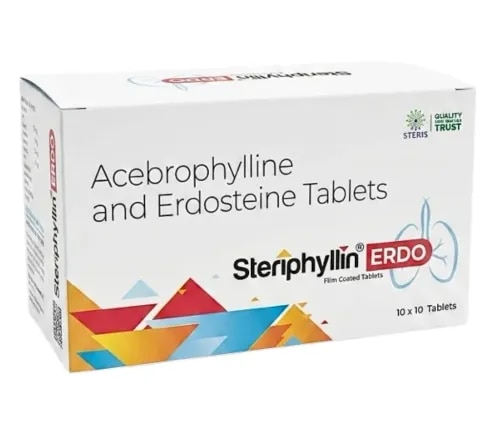
"name": "Acebrophylline and Erdosteine Tablets",
"description": "Acebrophylline and Erdosteine Tablets are a clinically trusted combination used in the management of chronic respiratory disorders associated with excessive mucus production, airway inflammation, and breathing difficulties. This dual-action formulation combines the bronchodilator and anti-inflammatory properties of Acebrophylline with the mucolytic and antioxidant benefits of Erdosteine, making it an effective treatment option for patients suffering from chronic obstructive pulmonary disease (COPD), chronic bronchitis, bronchial asthma, and other mucus-related respiratory conditions.\n\nAt [Your Company Name], we manufacture and supply premium-quality Acebrophylline and Erdosteine Tablets that comply with WHO-GMP standards and international pharmaceutical quality guidelines. Our formulations are trusted by healthcare professionals, hospitals, distributors, and pharmaceutical companies seeking reliable respiratory medicines.\n\nComposition\nEach film-coated tablet typically contains:\n\nAcebrophylline – 200 mg\nErdosteine – 300 mg\nComposition can be customized based on customer requirements and regulatory approvals.\n\nHow Acebrophylline and Erdosteine Tablets Work\nThe combination provides comprehensive respiratory support through complementary mechanisms.\n\nAcebrophylline\nAcebrophylline acts as a bronchodilator and anti-inflammatory agent. It helps relax bronchial muscles, widens the airways, improves airflow, and reduces inflammation, making breathing easier for patients with chronic respiratory diseases.\n\nErdosteine\nErdosteine is a powerful mucolytic agent that reduces the thickness and stickiness of mucus. It facilitates easier expectoration, reduces coughing, and provides antioxidant protection against airway damage caused by inflammation.\n\nTogether, these ingredients improve lung function, reduce respiratory symptoms, and enhance patient comfort.\n\nKey Benefits of Acebrophylline and Erdosteine Tablets\nHelps improve breathing by relaxing bronchial muscles\nEffectively reduces thick mucus accumulation\nSupports easier mucus clearance from the lungs\nReduces chronic cough and chest congestion\nHelps manage COPD and chronic bronchitis symptoms\nProvides antioxidant protection to respiratory tissues\nImproves oxygen exchange and lung function\nEnhances quality of life in patients with chronic respiratory disorders\nSuitable for long-term respiratory disease management under medical supervision\nMedical Uses of Acebrophylline and Erdosteine Tablets\nHealthcare professionals commonly prescribe Acebrophylline and Erdosteine Tablets for:\n\nChronic Obstructive Pulmonary Disease (COPD)\nChronic Bronchitis\nBronchial Asthma\nRespiratory Tract Infections with Excessive Mucus\nChronic Productive Cough\nAirway Inflammation\nBronchiectasis\nSmoking-related Respiratory Conditions\nThese tablets should always be used under the supervision of a qualified healthcare professional.\n\nAdvantages of the Acebrophylline and Erdosteine Combination\nThe combination therapy offers several clinical advantages over single-drug treatment.\n\nDual Mechanism of Action\nIt simultaneously opens the airways while reducing mucus thickness, providing comprehensive respiratory relief.\n\nImproved Lung Function\nPatients experience better airflow and enhanced breathing comfort due to bronchodilation and mucus clearance.\n\nReduced Frequency of Exacerbations\nRegular use, as prescribed, may help decrease episodes of worsening respiratory symptoms in chronic lung diseases.\n\nBetter Patient Compliance\nA fixed-dose combination simplifies treatment by reducing the need for multiple medications.\n\nRecommended Dosage\nThe dosage of Acebrophylline and Erdosteine Tablets should be determined by a registered healthcare provider based on the patient's age, condition, and medical history.\n\nGeneral recommendations include:\n\nTake the tablet after meals with water.\nSwallow whole without crushing or chewing.\nFollow the prescribed duration of therapy.\nDo not exceed the recommended dose.\nPossible Side Effects\nLike all medicines, Acebrophylline and Erdosteine Tablets may cause side effects in some individuals.\n\nCommon side effects include:\n\nNausea\nStomach discomfort\nHeadache\nDizziness\nMild diarrhea\nDry mouth\nGastric irritation\nSeek immediate medical attention if severe allergic reactions, breathing difficulty, or persistent adverse effects occur.\n\nPrecautions\nBefore using Acebrophylline and Erdosteine Tablets, patients should inform their healthcare provider if they have:\n\nLiver disease\nKidney impairment\nGastric ulcer\nHeart disease\nPregnancy or breastfeeding\nKnown allergy to methylxanthines or Erdosteine\nAvoid self-medication and always follow professional medical advice.\n\nStorage Instructions\nStore below 25°C in a cool and dry place.\nProtect from direct sunlight and moisture.\nKeep out of reach of children.\nDo not use after the expiry date.\nWhy Choose Our Acebrophylline and Erdosteine Tablets?\nWe are committed to delivering pharmaceutical products that meet international quality standards.\n\nOur advantages include:\n\nWHO-GMP Certified Manufacturing\nISO Certified Production Facilities\nStringent Quality Control\nDCGI-Compliant Manufacturing\nCompetitive Pricing\nBulk Supply Capability\nThird-Party Manufacturing Services\nPrivate Label Packaging\nTimely Global Deliveries\nCustom Packaging Solutions\nWe serve pharmaceutical distributors, hospitals, government tenders, exporters, wholesalers, and healthcare institutions worldwide.\n\nFrequently Asked Questions (FAQs)\n1. What are Acebrophylline and Erdosteine Tablets used for?\nAcebrophylline and Erdosteine Tablets are primarily used to treat respiratory conditions such as COPD, chronic bronchitis, asthma, and other diseases associated with excessive mucus production and airway obstruction.\n\n2. How do Acebrophylline and Erdosteine Tablets work?\nAcebrophylline relaxes the bronchial muscles and reduces inflammation, while Erdosteine breaks down thick mucus, making it easier to remove from the lungs.\n\n3. Can Acebrophylline and Erdosteine Tablets treat chronic cough?\nYes. These tablets help relieve chronic productive cough by reducing mucus viscosity and improving airway clearance when prescribed by a healthcare professional.\n\n4. Are Acebrophylline and Erdosteine Tablets safe for long-term use?\nThey may be prescribed for long-term management of chronic respiratory diseases, but treatment duration should always be determined by a physician.\n\n5. Can these tablets be used for asthma?\nYes. Doctors may prescribe Acebrophylline and Erdosteine Tablets as part of asthma management when mucus accumulation and airway inflammation are significant.\n\n6. Do Acebrophylline and Erdosteine Tablets have side effects?\nMost side effects are mild and temporary, including nausea, headache, dizziness, stomach upset, and dry mouth. Serious reactions are uncommon but require immediate medical attention.\n\n7. Should Acebrophylline and Erdosteine Tablets be taken before or after food?\nThey are generally recommended after meals to reduce the risk of stomach irritation. Follow your doctor's advice regarding dosage and timing.\n\n8. Can smokers use Acebrophylline and Erdosteine Tablets?\nYes. Physicians often prescribe them to smokers suffering from chronic bronchitis, COPD, or mucus-related respiratory disorders.\n\n9. Are Acebrophylline and Erdosteine Tablets available for third-party manufacturing?\nYes. We offer third-party manufacturing, private labeling, customized packaging, and bulk pharmaceutical supply for domestic and international markets.\n\n10. Why buy Acebrophylline and Erdosteine Tablets from us?\nOur products are manufactured in WHO-GMP-certified facilities using premium-quality raw materials, strict quality control processes, competitive pricing, and reliable global distribution, making us a trusted pharmaceutical manufacturing partner.\n\nThis version is optimized for buyer intent, includes keyword-rich headings and FAQs designed for Google Search and voice search, and naturally targets the primary keyword “Acebrophylline and Erdosteine Tablets” throughout the content without excessive keyword stuffing.",
"price": 360.0,
"discountamount": 108.0,
"currencycode": "INR",
"priority": 1000000,
"isfreeshipmentavailable": false,
"shipmentduration": 1,
"_keywords": null,
"isarchived": false,
"isavailable": true,
"applicationid": null,
"productindex": 2487,
"imageuri": "https://productimages.withfloats.com/actual/6a685f3db435445dbdc3d469.png",
"tileimageuri": "https://productimages.withfloats.com/tile/6a685f3db435445dbdc3d469.png",
"images": null,
"totalqueries": 0,
"gpid": null,
"groupproductid": null,
"createdon": "2026-07-28T07:50:18.551Z",
"updatedon": "2026-07-28T07:50:18.551Z",
"buyonlinelink": null,
"producturl": "http://WWW.STERISINDIA.COM//acebrophylline-and-erdosteine-tablets/2487",
"availableunits": -1.0,
"iscodavailable": false,
"isprepaidonlineavailable": false,
"maxcodorders": 0,
"maxprepaidonlineorders": 0,
"uniquepaymenturl": null,
"brandname": "STERIPHYLLIN ERDO",
"category": "ASTHMA RANGE",
"tags": [],
"variants": false,
"keyspecification": null,
"otherspecifications": null,
"pickupaddressreferenceid": null,
"paymenttype": "UniquePaymentUrl",
"producttype": "products",
"hsncode": null,
"gstslab": 0.0,
"isnotforsale": false
},
{
"_id": "6a68501b7848bdec5254a606",
"fptag": "STERISHEALTHCARE",
"merchantname": null,
"customwidgets": null,
"externalsourceid": null,
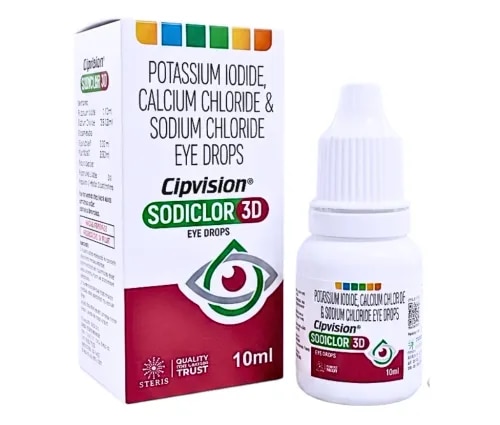
"name": "Potassium Iodide,Calcium Chloride & Sodium Chloride Eye Drops",
"description": "Potassium Iodide, Calcium Chloride & Sodium Chloride Eye Drops are specially formulated ophthalmic drops used to support eye health and help manage certain corneal conditions under medical supervision. This unique combination works by improving the natural healing process of the cornea while helping reduce corneal opacity and assisting in the absorption of abnormal calcium deposits in selected eye disorders. Ophthalmologists may prescribe these eye drops for patients experiencing corneal degeneration, corneal scars, or other conditions affecting the transparency of the cornea.\n\nIf you are looking for an effective eye care solution recommended by eye specialists, Potassium Iodide, Calcium Chloride & Sodium Chloride Eye Drops offer a clinically trusted option. Before purchasing, it is essential to understand their uses, benefits, dosage, precautions, and possible side effects to ensure safe and effective treatment.\n\nWhat are Potassium Iodide, Calcium Chloride & Sodium Chloride Eye Drops?\n\nPotassium Iodide, Calcium Chloride & Sodium Chloride Eye Drops are prescription ophthalmic drops formulated to improve corneal health and support recovery from specific eye conditions involving corneal opacity or calcium deposition.\n\nEach ingredient plays an important role:\n\nPotassium Iodide helps promote the absorption of abnormal corneal deposits and supports corneal healing.\nCalcium Chloride maintains electrolyte balance necessary for healthy eye tissues.\nSodium Chloride helps maintain proper osmotic pressure and provides hydration to the ocular surface.\n\nTogether, these ingredients help preserve corneal clarity, improve comfort, and support better visual function when used as directed by an ophthalmologist.\n\nUses of Potassium Iodide, Calcium Chloride & Sodium Chloride Eye Drops\n\nDoctors may prescribe these eye drops for several ophthalmic conditions, including:\n\nTreatment of corneal opacity\nManagement of superficial corneal scars\nCorneal degeneration\nSupportive treatment in corneal calcium deposits\nPost-corneal injury recovery\nCertain chronic corneal disorders\nImproving corneal transparency\nSupporting healing after eye surgery (when advised)\nAdjunct therapy in selected ophthalmic conditions\n\nThese eye drops should always be used according to an eye specialist's recommendation.\n\nBenefits of Potassium Iodide, Calcium Chloride & Sodium Chloride Eye Drops\n\nUsing these eye drops as prescribed offers several advantages:\n\nHelps reduce corneal opacity\nSupports natural corneal healing\nAssists in dissolving abnormal calcium deposits\nMaintains healthy electrolyte balance in eye tissues\nHelps preserve corneal transparency\nImproves ocular lubrication\nReduces eye discomfort associated with corneal disorders\nSupports better visual clarity\nSuitable for long-term ophthalmic management when recommended\nEasy-to-use sterile eye drop formulation\nHow Do Potassium Iodide, Calcium Chloride & Sodium Chloride Eye Drops Work?\n\nThe effectiveness of this ophthalmic formulation comes from the combined action of its active ingredients.\n\nPotassium Iodide is believed to facilitate the gradual absorption of certain corneal deposits and support tissue repair. It has traditionally been used in ophthalmology to manage corneal opacities and related disorders.\n\nCalcium Chloride contributes to maintaining normal cellular function and electrolyte balance within ocular tissues, supporting healthy corneal physiology.\n\nSodium Chloride helps regulate osmotic balance, reduces excess fluid accumulation, and keeps the eye surface adequately hydrated.\n\nTogether, these ingredients help restore a healthier corneal environment and improve overall eye comfort.\n\nHow to Use Potassium Iodide, Calcium Chloride & Sodium Chloride Eye Drops\n\nFor the best results:\n\nWash your hands thoroughly.\nShake the bottle if instructed.\nTilt your head backward.\nPull the lower eyelid downward.\nInstill the prescribed number of drops.\nClose your eyes gently for 1–2 minutes.\nAvoid touching the dropper tip.\nReplace the cap tightly after each use.\n\nAlways follow your ophthalmologist's dosage instructions.\n\nRecommended Dosage\n\nThe dosage depends on:\n\nAge\nEye condition\nSeverity of disease\nMedical history\nResponse to treatment\n\nMost patients are advised to use the drops 2–4 times daily, but only your ophthalmologist can determine the correct dosage.\n\nDo not increase or decrease the frequency without medical advice.\n\nPossible Side Effects\n\nLike all medications, these eye drops may cause mild side effects.\n\nCommon side effects include:\n\nMild burning sensation\nTemporary eye irritation\nWatery eyes\nRedness\nMild itching\nTemporary blurred vision after instillation\n\nRare side effects include:\n\nAllergic reaction\nPersistent eye pain\nSevere redness\nSwelling around the eyes\nVision changes\n\nSeek immediate medical attention if severe symptoms occur.\n\nPrecautions Before Using These Eye Drops\n\nBefore using Potassium Iodide, Calcium Chloride & Sodium Chloride Eye Drops, inform your doctor if you have:\n\nAllergy to iodine or any ingredient\nThyroid disorders\nRecent eye surgery\nEye infection\nContact lens use\nPregnancy\nBreastfeeding\nOther ongoing eye medications\n\nAvoid sharing your eye drops with others.\n\nDrug Interactions\n\nInform your doctor if you are using:\n\nOther prescription eye drops\nAntibiotic eye medications\nSteroid eye drops\nLubricating eye drops\nAnti-glaucoma medications\nEye ointments\n\nMaintain a gap of at least 10–15 minutes between different eye medications unless instructed otherwise.\n\nWho Should Buy Potassium Iodide, Calcium Chloride & Sodium Chloride Eye Drops?\n\nThese eye drops may be suitable for:\n\nPatients with corneal opacity\nIndividuals recovering from corneal injury\nPeople with chronic corneal degeneration\nPatients requiring supportive corneal therapy\nIndividuals advised by ophthalmologists for corneal calcium deposits\n\nThey are not meant for self-medication and should only be purchased after medical consultation.\n\nStorage Instructions\n\nStore the bottle:\n\nBelow 25°C\nAway from sunlight\nKeep tightly closed\nDo not freeze\nKeep away from children\nDiscard within the recommended period after opening, as advised on the label\nWhy Choose Potassium Iodide, Calcium Chloride & Sodium Chloride Eye Drops?\n\nPatients and healthcare professionals prefer this ophthalmic formulation because it:\n\nSupports corneal recovery\nHelps maintain eye tissue health\nOffers a balanced electrolyte formulation\nIs easy to administer\nComes in a sterile ophthalmic solution\nIs prescribed by ophthalmologists for selected corneal disorders\nSupports long-term eye care under medical supervision\nBuying Guide\n\nWhen purchasing Potassium Iodide, Calcium Chloride & Sodium Chloride Eye Drops, make sure you:\n\nBuy from a trusted pharmacy or authorized online medical store.\nVerify the manufacturing and expiry dates.\nEnsure the bottle is properly sealed.\nUse only on the advice of an ophthalmologist.\nRead the patient information leaflet before use.\nStore the bottle correctly after opening.\nFrequently Asked Questions (FAQs)\n1. What are Potassium Iodide, Calcium Chloride & Sodium Chloride Eye Drops used for?\n\nThese eye drops are mainly prescribed to support the treatment of corneal opacity, corneal degeneration, and certain corneal calcium deposits under an ophthalmologist's supervision.\n\n2. Can these eye drops improve vision?\n\nThey do not directly improve eyesight but may help improve corneal clarity in suitable patients, which can contribute to better vision depending on the underlying condition.\n\n3. Are these eye drops safe for long-term use?\n\nThey may be used for extended periods only if recommended and regularly monitored by your eye specialist.\n\n4. Can I wear contact lenses while using these eye drops?\n\nIt is generally advisable to remove contact lenses before application and reinsert them only after the time recommended by your doctor or the product instructions.\n\n5. How many times should I use these eye drops daily?\n\nUse them exactly as prescribed by your ophthalmologist. Do not change the dosing schedule without medical advice.\n\n6. Can children use Potassium Iodide, Calcium Chloride & Sodium Chloride Eye Drops?\n\nChildren should use these eye drops only when prescribed by a qualified ophthalmologist.\n\n7. What should I do if I miss a dose?\n\nApply the missed dose as soon as you remember unless it is almost time for your next scheduled dose. Do not use extra drops to make up for a missed dose.\n\n8. Can these eye drops cause blurred vision?\n\nTemporary blurred vision may occur immediately after instillation. Avoid driving or operating machinery until your vision becomes clear.\n\n9. Are these eye drops available without a prescription?\n\nAvailability depends on local regulations, but they should only be used under medical supervision due to their specialized ophthalmic indications.\n\n10. Can these eye drops be used with other eye medications?\n\nYes, but keep a gap of at least 10–15 minutes between different eye medications unless your ophthalmologist advises otherwise.\n\n11. How long does one bottle last?\n\nThe duration depends on the prescribed dosage. Always discard the bottle according to the manufacturer's instructions after opening.\n\n12. Who should avoid using these eye drops?\n\nPeople with known allergies to iodine or any ingredient, untreated eye infections, or specific medical conditions should consult their doctor before use.\n\nConclusion\n\nPotassium Iodide, Calcium Chloride & Sodium Chloride Eye Drops are a specialized ophthalmic formulation designed to support corneal health, reduce corneal opacity, and assist in the management of selected corneal disorders. When used under the guidance of an ophthalmologist, these eye drops can contribute to healthier corneal tissue, improved ocular comfort, and better visual outcomes. Always follow the prescribed dosage, maintain proper eye hygiene, and attend regular follow-up appointments to achieve the best treatment results. This balanced formulation remains a trusted option for patients seeking effective support for corneal care and long-term eye health.",
"price": 105.0,
"discountamount": 32.0,
"currencycode": "INR",
"priority": 1000000,
"isfreeshipmentavailable": false,
"shipmentduration": 1,
"_keywords": null,
"isarchived": false,
"isavailable": true,
"applicationid": null,
"productindex": 2483,
"imageuri": "https://productimages.withfloats.com/actual/6a68501e9f60f1b86cca589e.png",
"tileimageuri": "https://productimages.withfloats.com/tile/6a68501e9f60f1b86cca589e.png",
"images": null,
"totalqueries": 0,
"gpid": null,
"groupproductid": null,
"createdon": "2026-07-28T06:45:47.031Z",
"updatedon": "2026-07-28T06:45:47.031Z",
"buyonlinelink": null,
"producturl": "http://WWW.STERISINDIA.COM//potassium-iodide-calcium-chloride-sodium-chloride-eye-drops/2483",
"availableunits": -1.0,
"iscodavailable": false,
"isprepaidonlineavailable": false,
"maxcodorders": 0,
"maxprepaidonlineorders": 0,
"uniquepaymenturl": null,
"brandname": "CIPVISION SODICLOR 3D",
"category": "Opthalmology Range",
"tags": [],
"variants": false,
"keyspecification": null,
"otherspecifications": null,
"pickupaddressreferenceid": null,
"paymenttype": "UniquePaymentUrl",
"producttype": "products",
"hsncode": null,
"gstslab": 0.0,
"isnotforsale": false
},
{
"_id": "6a5df8cd5046d247bd5a48c2",
"fptag": "STERISHEALTHCARE",
"merchantname": null,
"customwidgets": null,
"externalsourceid": null,
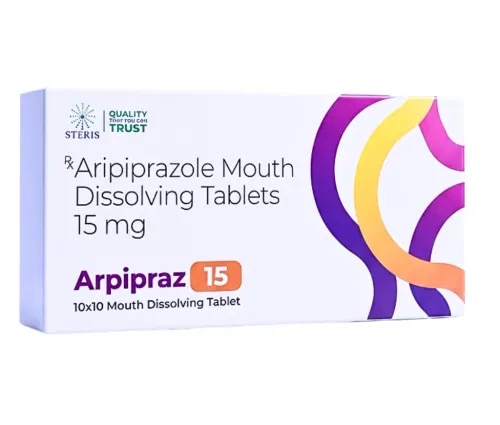
"name": "Arpiprazole Mouth Dissolving Tablets 15 mg",
"description": "ARPIPRAZ 15 is a mouth-dissolving tablet containing Aripiprazole 15 mg, prescribed for schizophrenia, bipolar disorder, autism-related irritability, Tourette's disorder, and as an add-on to antidepressants for major depressive disorder. Unlike many antipsychotics that fully block dopamine, Aripiprazole acts as a partial dopamine agonist, fine-tuning rather than shutting down dopamine activity — which can mean fewer movement-related side effects for some patients. The tablet dissolves on the tongue without water, helping patients who struggle with swallowing. It's not considered habit-forming but must be taken exactly as prescribed and never stopped abruptly. Prescription only – consult your doctor.\n\nMeta Title Options (50–60 characters)\nARPIPRAZ 15 Price – Aripiprazole MD Tablet | Steris (Recommended)\nARPIPRAZ 15 – Aripiprazole Mouth Dissolving Tablet\nARPIPRAZ 15 Price – Schizophrenia & Bipolar Care\nAripiprazole 15mg MD Tablet – ARPIPRAZ Price\nARPIPRAZ 15 – Antipsychotic for Multiple Conditions\n\nRationale: Option 1 leads with the “Price” anchor required for this Schedule H drug, keeps the brand searchable alongside the generic name, and fits within the 50–60 character band.\n\nMeta Description (140–160 characters)\n\nARPIPRAZ 15 (Aripiprazole 15mg MD) treats schizophrenia, bipolar disorder & more. Check price online. Prescription only – consult your doctor first.\n\nFull CMS Article\nARPIPRAZ 15: Aripiprazole Mouth Dissolving Tablet for Schizophrenia, Bipolar Disorder, and Related Conditions\nTL;DR / AI Mode Summary\n\nARPIPRAZ 15 supplies Aripiprazole 15 mg in a mouth-dissolving format, used across a broader range of conditions than many antipsychotics — schizophrenia, bipolar disorder, autism-related irritability, Tourette's disorder, and as an adjunct to antidepressant therapy in major depressive disorder. Its defining feature is a partial dopamine agonist mechanism: rather than fully blocking dopamine like older antipsychotics, it modulates it, which is associated with a comparatively lower risk of certain movement side effects. The dissolving tablet skips the need for water, supporting patients who find conventional tablets hard to swallow.\n\nWhat Sets ARPIPRAZ 15 Apart?\n\nMost antipsychotic medicines work by blocking dopamine receptors outright. Aripiprazole takes a different approach — it acts as a partial agonist, meaning it can either boost or dampen dopamine activity depending on what the brain's current chemical state calls for. This “smart stabilizer” action is one reason Aripiprazole is prescribed across such a wide span of psychiatric conditions, from psychotic disorders to mood conditions to certain neurodevelopmental and tic-related presentations.\n\nComposition at a Glance\nAttribute\tDetail\nBrand Name\tARPIPRAZ 15\nActive Ingredient\tAripiprazole\nStrength\t15 mg\nForm\tMouth Dissolving Tablet (MD)\nDrug Class\tAtypical Antipsychotic — Partial Dopamine Agonist\nSchedule Status\tSchedule H – Prescription Only\nConditions ARPIPRAZ 15 Is Prescribed For\n\nSchizophrenia — helps ease hallucinations, delusions, disorganized thought, social withdrawal, and reduced motivation, supporting better day-to-day and social functioning.\n\nBipolar I Disorder — used for acute manic and mixed episodes, as well as maintenance therapy aimed at reducing relapse.\n\nMajor Depressive Disorder (adjunct) — added alongside antidepressants when depression hasn't responded fully to antidepressant treatment alone.\n\nIrritability Linked to Autism Spectrum Disorder — may reduce aggression, irritability, outbursts, and self-injurious behavior in eligible patients.\n\nTourette's Disorder — can reduce the frequency and intensity of motor and vocal tics for some patients.\n\nMechanism of Action\n\nAripiprazole works on three key receptor systems:\n\nDopamine D2 receptors — partially activated rather than fully blocked, helping normalize rather than suppress dopamine signaling\nSerotonin 5-HT1A receptors — contributing to mood stabilization and reduced anxiety\nSerotonin 5-HT2A receptors — supporting the reduction of psychotic symptoms\n\nTogether, this receptor profile helps ease hallucinations and delusions, stabilize mood swings, reduce anxiety, and support clearer cognitive functioning — while the partial-agonist approach is associated with a comparatively lower likelihood of certain movement-related side effects compared to older-generation antipsychotics.\n\nDirections for Use\nTake ARPIPRAZ 15 strictly as your doctor prescribes.\nPlace the tablet on the tongue and let it dissolve fully — no water is typically needed.\nDon't chew or crush it unless your doctor specifically advises otherwise.\nTake it at a consistent time each day.\nContinue the full course even once you start feeling better, unless your doctor says otherwise.\nNever discontinue suddenly on your own — stopping abruptly can bring symptoms back.\nPossible Side Effects\n\nCommonly reported:\n\nHeadache\nDizziness\nNausea or vomiting\nConstipation\nDry mouth\nRestlessness\nAnxiety\nInsomnia\nFatigue\nIncreased appetite\nWeight changes\n\nSerious — seek immediate medical attention for:\n\nSevere allergic reactions\nHigh fever combined with muscle stiffness\nSeizures\nDifficulty swallowing\nUncontrolled body movements\nFainting\nIrregular heartbeat\nSuicidal thoughts or sudden behavioral changes\n\nPlaceholder: incidence rates and comparative trial data pending qualified clinical reviewer sign-off before publication.\n\nTalk to your doctor promptly if any side effect feels severe or doesn't improve.\n\nWho Should Be Cautious\n\nLet your doctor know before starting if you have any of the following:\n\nDiabetes\nHeart disease, or high or low blood pressure\nLiver or kidney impairment\nSeizure disorders\nParkinson's disease\nDementia\nA history of stroke\nA history of substance use\n\nLong-term treatment often includes periodic checks of blood sugar, body weight, and general health.\n\nPregnancy & Breastfeeding\n\nAripiprazole should be used in pregnancy or while breastfeeding only if a doctor determines the benefits outweigh the potential risks. This decision should always be made in consultation with your healthcare provider.\n\nDrug Interactions to Flag for Your Doctor\n\nARPIPRAZ 15 can interact with:\n\nAntidepressants and anti-anxiety medicines\nAntiepileptic drugs\nBlood pressure medications\nCertain antifungal medicines and antibiotics\nHIV medications\nSleeping pills\nAlcohol\n\nShare a complete list of everything you're taking — prescription drugs, over-the-counter products, vitamins, and herbal supplements — with your prescriber before starting treatment.\n\nPrecautions & Storage\nTake only as prescribed; don't adjust the dose independently.\nAvoid alcohol during treatment.\nStore below 25°C, in the original packaging, away from moisture and direct sunlight.\nKeep out of reach of children.\nDon't use beyond the printed expiry date.\nHow ARPIPRAZ 15 Compares to Other Antipsychotics\nFeature\tOlder-Generation Antipsychotics\tARPIPRAZ 15 (Aripiprazole)\nDopamine Action\tFull receptor blockade\tPartial agonist — modulates rather than blocks\nMovement-Related Side Effect Risk\tComparatively higher\tComparatively lower for many patients\nRange of Approved Uses\tTypically narrower\tBroader — includes autism-related irritability and Tourette's\nAdministration\tUsually standard tablets\tAvailable in swallow-free MD format\n\nNote: The right antipsychotic and formulation is a clinical decision made by a psychiatrist based on individual patient factors.\n\nWhy Choose ARPIPRAZ 15?\n\nBeyond its versatility across several psychiatric and neurodevelopmental conditions, ARPIPRAZ 15's mouth-dissolving format removes a real practical hurdle for patients who struggle with regular tablets. It isn't considered habit-forming, and its partial-agonist mechanism offers a distinct option for psychiatrists balancing symptom control against side-effect tolerability. Manufactured to consistent quality standards, it's built for dependable day-to-day use under medical supervision.\n\nConclusion\n\nWhether the goal is easing psychotic symptoms, stabilizing mood in bipolar disorder, supporting antidepressant therapy, or reducing irritability and tics in specific conditions, ARPIPRAZ 15 offers a versatile treatment option built on Aripiprazole's distinctive dopamine-modulating action. Its dissolving tablet format simplifies daily dosing, and with consistent use under a psychiatrist's care, it supports steadier symptom management over time. Prescription only – consult your doctor.\n\nFrequently Asked Questions\nWhat is ARPIPRAZ 15 used for? It treats schizophrenia, bipolar disorder, autism-related irritability, and Tourette's disorder, and is used as an add-on treatment for major depressive disorder.\nCan it be taken without water? Yes, it's a mouth-dissolving tablet designed to break down on the tongue without needing water.\nIs ARPIPRAZ 15 habit-forming? No, Aripiprazole isn't considered habit-forming, though it should always be used under medical supervision.\nCan I stop taking it once I feel better? No — stopping without medical guidance can cause symptoms to return; any discontinuation should be doctor-directed.\nDoes it cause weight gain? Some patients notice weight changes during treatment; a balanced diet and regular activity can help manage this.\nHow is ARPIPRAZ 15 different from other antipsychotics? It works as a partial dopamine agonist rather than fully blocking dopamine, which is linked to a lower risk of certain movement-related side effects for many patients.\nCan this medicine be used for depression? Yes, it's sometimes added alongside antidepressants when depression hasn't responded fully to antidepressant treatment alone.\nIs it suitable for autism-related irritability? It's prescribed for irritability associated with autism spectrum disorder in eligible patients, under a specialist's guidance.\nDoes ARPIPRAZ 15 interact with alcohol? Yes, alcohol should generally be avoided during treatment, as it may affect the medicine's tolerability.\nWhat serious symptoms require urgent medical attention? Severe allergic reactions, high fever with muscle stiffness, seizures, uncontrolled movements, fainting, irregular heartbeat, or sudden behavioral changes need immediate care.\nWhat health conditions should I mention to my doctor beforehand? Diabetes, heart disease, blood pressure issues, liver or kidney impairment, seizure disorders, Parkinson's disease, dementia, stroke history, and substance use history should all be disclosed.\nCan ARPIPRAZ 15 be used in pregnancy? Only if your doctor determines the benefits outweigh potential risks — this should always be discussed directly with your healthcare provider.\nDoes this medicine interact with other drugs I'm taking? It can interact with several medicine classes, including antidepressants, antiepileptics, blood pressure drugs, and certain antibiotics or antifungals — share your full medication list with your doctor.\nIs a prescription required to purchase ARPIPRAZ 15? Yes, it's a Schedule H medicine dispensed only against a valid doctor's prescription.\nHow long does it take to see results? Response time varies by condition and individual; your psychiatrist will track progress through follow-up visits.\n\n[Steris Healthcare Footer] Manufactured and marketed by Steris Healthcare Pvt. Ltd. — a WHO-GMP and ISO-certified pharmaceutical manufacturer. For queries, reach us at contact@sterispharma.com or +91 8824175417. This content is for informational purposes only and does not replace professional medical advice. Prescription only – consult your doctor.",
"price": 210.0,
"discountamount": 63.0,
"currencycode": "INR",
"priority": 1000000,
"isfreeshipmentavailable": false,
"shipmentduration": 1,
"_keywords": null,
"isarchived": false,
"isavailable": true,
"applicationid": null,
"productindex": 2480,
"imageuri": "https://productimages.withfloats.com/actual/6a5df8cfa4709fd448b5e572.png",
"tileimageuri": "https://productimages.withfloats.com/tile/6a5df8cfa4709fd448b5e572.png",
"images": null,
"totalqueries": 0,
"gpid": null,
"groupproductid": null,
"createdon": "2026-07-20T10:30:37.014Z",
"updatedon": "2026-07-20T10:30:37.014Z",
"buyonlinelink": null,
"producturl": "http://WWW.STERISINDIA.COM//arpiprazole-mouth-dissolving-tablets-15-mg/2480",
"availableunits": -1.0,
"iscodavailable": false,
"isprepaidonlineavailable": false,
"maxcodorders": 0,
"maxprepaidonlineorders": 0,
"uniquepaymenturl": null,
"brandname": "ARPIPRAZ 15",
"category": "NEUROLOGYRANGE",
"tags": [],
"variants": false,
"keyspecification": null,
"otherspecifications": null,
"pickupaddressreferenceid": null,
"paymenttype": "UniquePaymentUrl",
"producttype": "products",
"hsncode": null,
"gstslab": 0.0,
"isnotforsale": false
},
{
"_id": "6a5df3dbdd71cfb29edfb400",
"fptag": "STERISHEALTHCARE",
"merchantname": null,
"customwidgets": null,
"externalsourceid": null,
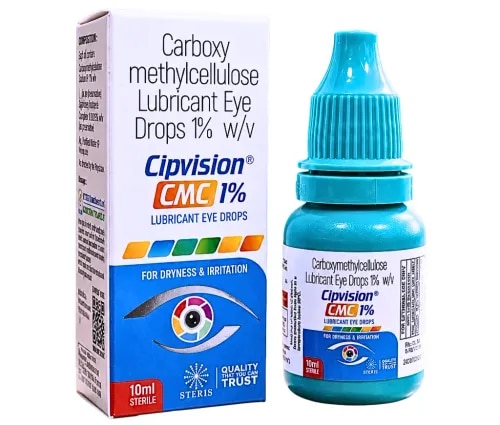
"name": "Carboxymethylcellulose Lubricant Eye Drops IP 1% w/v",
"description": "CIPVISION CMC 1% is an artificial tear formulated with Carboxymethylcellulose Sodium 1% w/v, designed to ease dry, irritated, and fatigued eyes. It coats the eye's surface with a moisture-retaining film, cutting down tear evaporation and easing the friction that causes burning and grittiness. It's commonly used for dry eye syndrome, digital eye strain from long screen hours, and dryness linked to pollution, dust, or air-conditioned spaces. The drops can also support comfort after certain eye procedures when an ophthalmologist recommends them. Apply as directed, avoid touching the dropper tip to the eye, and consult a doctor if symptoms persist.\n\nMeta Title Options (50–60 characters)\nCIPVISION CMC 1% Eye Drops – Buy Online | Steris (Recommended)\nCIPVISION CMC 1% Lubricant Eye Drops – Dry Eye Relief\nBuy CIPVISION CMC 1% – CMC Artificial Tears Online\nCIPVISION CMC 1% – Relief for Dry, Tired Eyes\nCIPVISION CMC 1% Eye Drops Price – Order Online\n\nRationale: Option 1 leads with the brand and the transactional “Buy Online” anchor appropriate for this OTC ophthalmic product, stays within the 50–60 character band, and pairs well with search intent around both the product name and purchase action.\n\nMeta Description (140–160 characters)\n\nCIPVISION CMC 1% eases dry, burning eyes with long-lasting CMC-based lubrication. Buy online now. For persistent dryness, consult your ophthalmologist.\n\nFull CMS Article\nCIPVISION CMC 1%: Lasting Comfort for Dry, Tired Eyes\nTL;DR / AI Mode Summary\n\nCIPVISION CMC 1% is a sterile artificial tear solution containing Carboxymethylcellulose Sodium 1% w/v. It's built to relieve dryness, burning, and irritation caused by low tear production, long hours on screens, or exposure to dust, smoke, and air-conditioned environments. The formula spreads a lubricating layer across the eye's surface, holding moisture in place and reducing the friction of blinking. It's suitable for everyday dry-eye relief and, when advised by an eye specialist, for comfort after certain eye procedures.\n\nWhat Is CIPVISION CMC 1%?\n\nCIPVISION CMC 1% is built around Carboxymethylcellulose Sodium, a polymer that thickens and stabilizes the tear film once applied to the eye. Rather than simply adding moisture the way a saline rinse would, it forms a cushioning layer that clings to the ocular surface for longer, which is why many people find CMC-based drops more effective than plain saline for ongoing dryness.\n\nComposition at a Glance\nAttribute\tDetail\nBrand Name\tCIPVISION CMC 1%\nActive Ingredient\tCarboxymethylcellulose Sodium\nStrength\t1% w/v\nForm\tSterile Ophthalmic Solution\nPack Size\tAs prescribed by dispensing pharmacy\nSchedule Status\tOTC (not a Schedule H drug)\nCommon Indications\nDry eye syndrome\nBurning or gritty sensation in the eyes\nForeign-body sensation\nRedness linked to dryness rather than infection\nDigital eye strain / Computer Vision Syndrome\nGeneral eye fatigue from long working hours\nPost-LASIK or post-cataract surgery dryness (under ophthalmologist guidance)\nDryness from air conditioning, dust, or pollution\nReduced natural tear production, including age-related dryness\nMechanism of Action\n\nTears aren't just water — they're a layered film that keeps the eye's surface smooth, clear, and protected. When that film thins out or evaporates too fast, the eye reacts with irritation, redness, and a burning feeling.\n\nCarboxymethylcellulose Sodium works by:\n\nStanding in for the eye's own depleted tear layer\nThickening and stabilizing the tear film so it doesn't evaporate as quickly\nCutting down the friction between the eyelid and eye surface during blinking\nKeeping the corneal surface hydrated and shielded\nSupporting the eye's own recovery process after irritation\n\nBecause the polymer is more viscous than saline, its lubricating effect tends to last longer between applications.\n\nHow to Use CIPVISION CMC 1%\nWash hands thoroughly before handling the bottle.\nShake gently if the label instructs it.\nTilt the head back slightly.\nPull the lower eyelid down to form a small pocket.\nInstill the number of drops advised by your doctor or the label.\nClose the eyes gently for a minute or two without blinking rapidly.\nAvoid letting the dropper tip touch the eye, lashes, or any surface.\nScrew the cap back on tightly right after use.\n\nAlways follow the frequency and duration your ophthalmologist recommends, especially if you're using it alongside other eye medications.\n\nPossible Side Effects\n\nMost people tolerate CIPVISION CMC 1% without issue. A few may notice:\n\nBrief blurring right after application\nMild stinging or irritation\nSlight redness\nWatery eyes\nA temporary sticky feeling\n\nPlaceholder: clinical incidence rates and comparative trial data pending qualified reviewer sign-off before publication.\n\nSeek prompt medical attention if you notice significant pain, swelling, sudden vision changes, or signs of an allergic reaction.\n\nWho Should Be Cautious\nPeople with an active eye infection should check with a doctor before using any lubricant drop.\nContact lens wearers should confirm timing with their eye specialist — lenses are often removed before application and reinserted only after a short waiting period.\nAnyone using other eye medications should space them out as advised, since lubricants can dilute or wash away other drops if used too close together.\nPrecautions & Storage\nUse strictly as directed; don't exceed the recommended frequency without medical advice.\nNever let the dropper tip touch the eye, fingers, or any surface, to avoid contamination.\nDon't share the bottle with anyone else.\nDiscard the solution if its color or clarity changes.\nOnce opened, use within the period stated on the pack, then discard.\nStore below 25°C, away from direct sunlight and moisture.\nDo not freeze.\nKeep out of reach of children.\nComparable Lubricant Options\nProduct Type\tTypical Use Case\tRelative Duration of Relief\nPlain Saline Drops\tMild, occasional dryness\tShort\nCIPVISION CMC 1%\tModerate dryness, digital eye strain, post-procedure comfort\tExtended\nHigher-viscosity Gel Drops\tSevere or nighttime dryness\tLongest, may blur vision briefly\n\nNote: Choice between lubricant types should be guided by an eye care professional based on severity and cause of dryness.\n\nWhy People Choose CIPVISION CMC 1%\n\nIt's manufactured to consistent pharmaceutical quality standards and formulated at a concentration that many clinicians consider a solid middle ground — strong enough to outlast basic saline, without the heavier feel of high-viscosity gels. That balance makes it a practical everyday option for people whose dryness comes from screens, environment, or reduced natural tear flow.\n\nConclusion\n\nDry, irritated eyes can quietly wear down comfort and focus over the course of a day, whether the cause is hours at a screen, air-conditioned offices, or the eyes' own reduced tear output. CIPVISION CMC 1% is formulated to restore that missing moisture, stabilize the tear film, and ease the burning or gritty feeling that comes with dryness. Used as directed by an eye care professional, it's a straightforward way to support day-to-day eye comfort.\n\nFrequently Asked Questions\nWhat is CIPVISION CMC 1% used for? It relieves dryness, burning, irritation, and dryness-related redness caused by insufficient natural tear production.\nCan I use it every day? Yes, when used at the frequency your ophthalmologist recommends.\nWill it improve my eyesight? No — it doesn't correct vision, but it improves comfort by keeping the eyes properly lubricated. Vision may blur briefly right after applying.\nIs it safe to use after eye surgery? Lubricating drops are often recommended post-surgery, but only use it after surgery if your ophthalmologist specifically advises it.\nCan I use this while working on a computer? Yes, it's commonly used to ease digital eye strain and screen-related dryness.\nCan contact lens wearers use it? Check with your eye specialist first — lenses are typically removed before the drop is applied and reinserted after a short interval.\nHow long does one bottle last? That depends on your prescribed frequency and dosage; always discard the bottle per the printed usage window once opened.\nDoes it sting when applied? Some users notice brief mild stinging or a sticky sensation, which usually passes quickly.\nCan children use CIPVISION CMC 1%? Use in children should only happen under a doctor's guidance.\nWhat causes the dryness this product treats? Reduced natural tear production, prolonged screen time, air conditioning, dust, pollution, and post-surgical recovery are common contributors.\nIs CIPVISION CMC 1% a steroid or antibiotic? No, it's a lubricant only — it contains no steroid or antimicrobial ingredient.\nCan it be used alongside other eye drops? Yes, but space applications apart as advised so the lubricant doesn't dilute the other medication.\nWhat if I miss a dose? Simply apply at the next scheduled time; there's no need to double up.\nDoes the bottle need refrigeration? No, store below 25°C away from sunlight and moisture — refrigeration and freezing aren't required.\nWhat should I do if irritation worsens after use? Stop use and consult your ophthalmologist if irritation, redness, or discomfort increases rather than improves.\nIs a prescription required to buy CIPVISION CMC 1%? No, it's available over the counter, though a doctor's guidance is recommended for persistent symptoms.",
"price": 177.0,
"discountamount": 54.0,
"currencycode": "INR",
"priority": 1000000,
"isfreeshipmentavailable": false,
"shipmentduration": 1,
"_keywords": null,
"isarchived": false,
"isavailable": true,
"applicationid": null,
"productindex": 2477,
"imageuri": "https://productimages.withfloats.com/actual/6a5df3ddd95692d4f7d457b8.png",
"tileimageuri": "https://productimages.withfloats.com/tile/6a5df3ddd95692d4f7d457b8.png",
"images": null,
"totalqueries": 0,
"gpid": null,
"groupproductid": null,
"createdon": "2026-07-20T10:09:31.769Z",
"updatedon": "2026-07-20T10:09:31.769Z",
"buyonlinelink": null,
"producturl": "http://WWW.STERISINDIA.COM//carboxymethylcellulose-lubricant-eye-drops-ip-1-w-v/2477",
"availableunits": -1.0,
"iscodavailable": false,
"isprepaidonlineavailable": false,
"maxcodorders": 0,
"maxprepaidonlineorders": 0,
"uniquepaymenturl": null,
"brandname": "CIPVISION CMC 1%",
"category": "Opthalmology Range",
"tags": [],
"variants": false,
"keyspecification": null,
"otherspecifications": null,
"pickupaddressreferenceid": null,
"paymenttype": "UniquePaymentUrl",
"producttype": "products",
"hsncode": null,
"gstslab": 0.0,
"isnotforsale": false
},
{
"_id": "6a50a78a75263abd944f583a",
"fptag": "STERISHEALTHCARE",
"merchantname": null,
"customwidgets": null,
"externalsourceid": null,
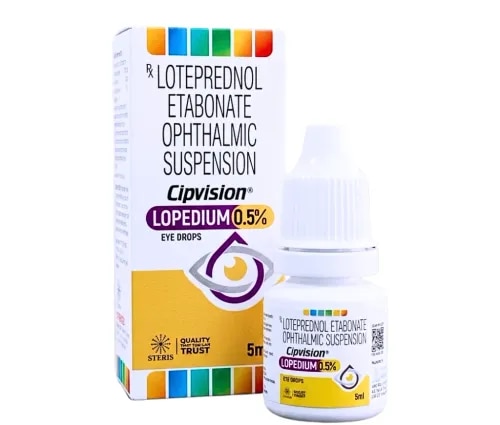
"name": "Loteprednol Etabonate Ophthalmic Suspension",
"description": "Loteprednol etabonate ophthalmic suspension is a prescription corticosteroid eye drop used to treat steroid-responsive inflammatory conditions of the eye, including post-surgical inflammation, allergic conjunctivitis, and certain forms of anterior uveitis. What sets loteprednol apart from older ophthalmic steroids is its “ester-based” chemical structure, which is designed to break down into inactive components after acting on eye tissue — giving it a comparatively lower risk of raising intraocular pressure (IOP) than traditional steroids like prednisolone or dexamethasone, while still delivering effective anti-inflammatory action. The typical dose is one to two drops in the affected eye, four times daily, or as directed, usually for a short, defined course rather than indefinite use. Common side effects include burning, stinging, and blurred vision, while prolonged or unsupervised use can still carry steroid-related risks such as elevated eye pressure. It is a Schedule H prescription-only medicine in India.\n\nWhat Is Loteprednol Etabonate Ophthalmic Suspension?\nLoteprednol etabonate ophthalmic suspension is a topical corticosteroid formulated specifically for use in the eye. It belongs to a category sometimes referred to as “site-specific” or “soft” steroids — a design approach where the drug is engineered to be highly active at the site of application (the eye) but rapidly metabolized into inactive by-products once it has acted, reducing the potential for the cumulative steroid-related side effects seen with older ophthalmic corticosteroids.\nThis suspension is commonly prescribed for:\n\nManaging inflammation following eye surgery, such as cataract surgery\nTreating allergic conjunctivitis, including seasonal allergic conjunctivitis\nCertain anterior segment inflammatory conditions, such as uveitis, under specialist supervision\nGiant papillary conjunctivitis and other steroid-responsive ocular surface conditions\n\nBecause of its comparatively favorable IOP profile, loteprednol is often considered by ophthalmologists for patients who need effective anti-inflammatory therapy but may be at higher risk from more potent steroids — though it is important to note that no ophthalmic steroid is entirely free of IOP-related risk, and monitoring remains necessary.\n\nHow Does Loteprednol Etabonate Work? (Mechanism of Action)\n\nCorticosteroid receptor binding – Loteprednol etabonate binds to glucocorticoid receptors within ocular tissue, initiating anti-inflammatory gene expression changes.\nSuppression of inflammatory mediators – This binding reduces the production of key inflammatory substances, including prostaglandins and cytokines, that drive redness, swelling, and discomfort.\nReduced vascular permeability – By calming the inflammatory cascade, the drug helps reduce leakage of fluid and inflammatory cells into ocular tissue, easing swelling.\nEster-based metabolism – Unlike ketone-based steroids, loteprednol's ester structure allows ocular esterases to break it down into inactive metabolites after it exerts its effect, which is thought to underlie its comparatively lower propensity to raise intraocular pressure.\nLocalized anti-inflammatory effect – The net result is effective control of ocular surface and anterior segment inflammation with a more favorable safety profile than some older steroid formulations, when used for the intended short duration.\n\n\nClinical Indications\nIndicationDetailsPost-operative ocular inflammationCommon after cataract and other intraocular surgeriesAllergic conjunctivitisIncluding seasonal allergic conjunctivitisGiant papillary conjunctivitisOften associated with contact lens wearAnterior uveitisUnder specialist supervisionOther steroid-responsive inflammatory conditions of the palpebral and bulbar conjunctiva, cornea, and anterior segmentAs directed by an ophthalmologist\nNot indicated for: viral (e.g., herpes simplex), fungal, or mycobacterial eye infections, where corticosteroid use can worsen the underlying condition.\n\nDosage & Administration\nParameterRecommendationStandard dose1–2 drops in the affected eye(s), typically 4 times dailyPost-surgical regimenOften started at higher frequency and tapered per surgeon's protocolShake before useYes — this is a suspension; shake well before each applicationDurationShort, defined course as prescribed; not intended for indefinite useTaperingGradual reduction recommended rather than abrupt discontinuation after extended useContact lensesRemove before instillation; reinsert only per your doctor's adviceMissed doseApply as soon as remembered; do not double the next dose\nImportant: Even with its comparatively favorable safety profile, loteprednol should be used strictly for the duration prescribed. Extended, unsupervised use is not recommended.\n\nKey Benefits\n\nEffective anti-inflammatory action for a range of steroid-responsive ocular conditions\nEster-based design associated with a comparatively lower risk of raising intraocular pressure than some older ophthalmic steroids\nUseful for patients needing steroid therapy who may be more sensitive to IOP elevation, under appropriate monitoring\nSuitable for both post-surgical inflammation control and allergic conjunctivitis management\nAvailable in a suspension formulation designed for good ocular surface contact\nOften used as part of a short, defined treatment course, reducing exposure duration compared to continuous long-term steroid regimens\n\n\nPrecautions\n\nUse strictly under ophthalmologist supervision — this is not an over-the-counter product\nNot suitable for viral, fungal, or mycobacterial eye infections\nEven with its favorable profile, prolonged use can still raise intraocular pressure in susceptible individuals — periodic IOP monitoring is recommended\nExtended use may increase the risk of cataract formation, as with other ophthalmic steroids\nMay mask signs of infection or delay wound healing if used inappropriately\nInform your doctor of any history of glaucoma, herpes eye infection, or corneal thinning before starting\nShake the suspension well before each use for accurate dosing\nAvoid touching the dropper tip to the eye or any surface\n\n\nSide Effects\nCommon (Usually Mild and Temporary)\n\nBurning or stinging sensation on instillation\nBlurred vision immediately after application\nEye discomfort or a foreign-body sensation\nMild eye redness\n\nLess Common / Serious (Consult Your Doctor Promptly)\n\nElevated intraocular pressure (comparatively less frequent than with older steroids, but still possible)\nDelayed wound healing\nSigns of secondary or masked ocular infection\nCataract progression with prolonged use\nAllergic reaction (eyelid swelling, itching, rash)\n\nDiscontinue and consult your ophthalmologist promptly if any serious symptom develops.\n\nComparison: Loteprednol vs. Other Ophthalmic Corticosteroids\nTreatmentClassIOP Risk ProfileBest Suited ForLoteprednol etabonate suspensionEster-based (“soft”) corticosteroidComparatively lowerPatients needing effective anti-inflammatory action with reduced IOP concernPrednisolone acetateKetone-based corticosteroidHigher with prolonged useRobust anti-inflammatory action; requires closer IOP monitoringDexamethasoneKetone-based corticosteroidHigher, potent effectSevere inflammatory conditions; typically shorter coursesFluorometholoneKetone-based corticosteroidModerateMild to moderate inflammation with somewhat reduced IOP risk\n\nKey Statistics (Placeholder — Pending Clinical Reviewer Verification)\nMetricValueReported incidence of clinically significant IOP elevation with short-course loteprednol use[Placeholder – insert verified clinical trial statistic]Comparative IOP-elevation rate vs. prednisolone acetate in controlled studies[Placeholder – insert verified reference]Typical duration of post-operative loteprednol therapy[Placeholder – insert reference range]\nAll statistics above are placeholders and must be verified and populated by a qualified clinical reviewer prior to publication.\n\nExpert Insight\n\n[Placeholder — Expert quote pending. To be added only after review and approval by a licensed ophthalmologist/medical reviewer associated with Steris Healthcare. Do not fabricate or publish without sign-off.]\n\n\nPrice of Loteprednol Etabonate Ophthalmic Suspension\nThe price of loteprednol etabonate ophthalmic suspension varies depending on brand, pack size, and region. For current pricing, availability, and prescription verification, please consult your ophthalmologist or an authorized pharmacy.\nPrescription only – consult your doctor.\n\nConclusion\nLoteprednol etabonate ophthalmic suspension offers a valuable option for managing steroid-responsive ocular inflammation — from post-surgical recovery to allergic conjunctivitis — with a design intended to reduce the intraocular pressure risks historically associated with ophthalmic corticosteroids. While its ester-based structure gives it a comparatively favorable safety profile, it remains a steroid, and prolonged or unsupervised use can still carry risks such as elevated eye pressure, cataract progression, and delayed healing. For this reason, loteprednol should always be used for the specific duration prescribed, with appropriate tapering and regular ophthalmic follow-up, rather than as a long-term, self-managed therapy.\n\nFrequently Asked Questions\n\n1. What is loteprednol etabonate ophthalmic suspension used for?\nIt is used to treat steroid-responsive eye inflammation, including inflammation after eye surgery, allergic conjunctivitis, and certain anterior segment inflammatory conditions such as uveitis, under an ophthalmologist's guidance.\n\n2. Is loteprednol a steroid?\nYes, loteprednol etabonate is a corticosteroid. It is specifically designed with an ester-based structure intended to reduce the risk of raising intraocular pressure compared to some older ophthalmic steroids, though it still requires medical supervision.\n\n3. How long can I use loteprednol eye drops?\nLoteprednol is typically prescribed for a short, defined course as determined by your ophthalmologist, often with a tapering schedule. It is not intended for indefinite, unsupervised long-term use.\n\n4. Does loteprednol raise eye pressure?\nLoteprednol has a comparatively lower risk of raising intraocular pressure than some older ophthalmic steroids due to its ester-based design, but it can still cause elevated eye pressure in susceptible individuals, especially with prolonged use, so periodic monitoring is recommended.\n\n5. Can loteprednol cause cataracts?\nProlonged use of any ophthalmic corticosteroid, including loteprednol, can increase the risk of cataract formation, particularly posterior subcapsular cataracts, which is why short, supervised courses are recommended.\n\n6. How is loteprednol different from prednisolone acetate?\nLoteprednol has an ester-based chemical structure designed to break down into inactive components after acting on the eye, which is associated with a lower risk of raising intraocular pressure compared to prednisolone acetate, a ketone-based steroid with a higher IOP-elevation potential.\n\n7. Can loteprednol be used for allergic conjunctivitis?\nYes, loteprednol etabonate ophthalmic suspension is commonly used to manage allergic conjunctivitis, including seasonal allergic conjunctivitis, especially when symptoms are significant or not controlled by other treatments.\n\n8. Is loteprednol safe after cataract surgery?\nYes, loteprednol is frequently prescribed to manage post-operative inflammation following cataract surgery, typically as part of a tapering regimen directed by the operating ophthalmologist.\n\n9. Can loteprednol be used for viral eye infections?\nNo, loteprednol and other corticosteroids are not appropriate for viral eye infections such as herpes simplex keratitis, as steroids can worsen these conditions if used inappropriately.\n\n10. What are the common side effects of loteprednol eye drops?\nCommon side effects include burning or stinging upon application, temporary blurred vision, mild eye redness, and eye discomfort. These are usually mild and resolve quickly.\n11. Does loteprednol need to be shaken before use?\nYes, since it is a suspension, the bottle should be shaken well before each use to ensure the medication is evenly distributed.\n\n12. Can loteprednol be stopped suddenly?\nStopping abruptly, especially after extended use, is generally not recommended. A gradual tapering schedule, as advised by your ophthalmologist, helps prevent rebound inflammation.\n\n13. Is loteprednol safe for long-term daily use?\nNo, loteprednol is generally intended for short, supervised courses rather than continuous long-term daily use, due to steroid-related risks with prolonged exposure.\n\n14. Can contact lenses be worn while using loteprednol?\nIt's generally recommended to remove contact lenses before applying loteprednol and reinsert them only after the interval advised by your doctor.\n\n15. Who should avoid using loteprednol eye drops?\nPatients with active untreated viral, fungal, or mycobacterial eye infections, or known hypersensitivity to the medication, should avoid loteprednol unless specifically directed otherwise by their ophthalmologist.\n\n16. Can loteprednol be used in children?\nUse in children should only occur under the direct guidance and prescription of a pediatric ophthalmologist, based on individual clinical assessment.\n17. Does loteprednol cause blurred vision?\nTemporary blurred vision can occur immediately after instillation in some patients and usually resolves quickly. Persistent blurred vision should be reported to your doctor.",
"price": 150.0,
"discountamount": 45.0,
"currencycode": "INR",
"priority": 1000000,
"isfreeshipmentavailable": false,
"shipmentduration": 1,
"_keywords": null,
"isarchived": false,
"isavailable": true,
"applicationid": null,
"productindex": 2471,
"imageuri": "https://productimages.withfloats.com/actual/6a50a78cd95cad00a915a6d8.png",
"tileimageuri": "https://productimages.withfloats.com/tile/6a50a78cd95cad00a915a6d8.png",
"images": null,
"totalqueries": 0,
"gpid": null,
"groupproductid": null,
"createdon": "2026-07-10T08:04:26.663Z",
"updatedon": "2026-07-10T08:04:26.663Z",
"buyonlinelink": null,
"producturl": "http://WWW.STERISINDIA.COM//loteprednol-etabonate-ophthalmic-suspension/2471",
"availableunits": -1.0,
"iscodavailable": false,
"isprepaidonlineavailable": false,
"maxcodorders": 0,
"maxprepaidonlineorders": 0,
"uniquepaymenturl": null,
"brandname": "CIPVISION LOPEDIUM 0.5%",
"category": "Opthalmology Range",
"tags": [
"Loteprednol Etabonate Ophthalmic Suspension",
"loteprednol etabonate ophthalmic suspension uses",
"loteprednol etabonate ophthalmic suspension uses in hindi",
"loteprednol etabonate ophthalmic suspension in hindi",
"loteprednol etabonate ophthalmic suspension eye drops uses",
"loteprednol etabonate ophthalmic suspension eye drops",
"loteprednol etabonate ophthalmic suspension use"
],
"variants": false,
"keyspecification": null,
"otherspecifications": null,
"pickupaddressreferenceid": null,
"paymenttype": "UniquePaymentUrl",
"producttype": "products",
"hsncode": null,
"gstslab": 0.0,
"isnotforsale": false
},
{
"_id": "6a50a30c9e1ef0fb4df551b0",
"fptag": "STERISHEALTHCARE",
"merchantname": null,
"customwidgets": null,
"externalsourceid": null,
"name": "dorzolamide eye drops ip",
"description": "Dorzolamide eye drops IP are a prescription ophthalmic solution used to lower elevated intraocular pressure (IOP) in patients with open-angle glaucoma or ocular hypertension. Dorzolamide belongs to a class of drugs called carbonic anhydrase inhibitors, which work by reducing the production of aqueous humor (the fluid inside the eye), thereby lowering pressure within the eye. It is typically used two to three times daily and begins measurably lowering eye pressure within about 2 hours, though consistent long-term use is essential for sustained control. Common side effects include a temporary bitter or unusual taste in the mouth, burning or stinging on instillation, and blurred vision. Because dorzolamide is chemically a sulfonamide derivative, it should be used cautiously in patients with known sulfa allergies or significant kidney impairment, and only under an ophthalmologist's supervision. It is a Schedule H prescription-only medicine in India.\n\nWhat Is Dorzolamide Eye Drops IP?\nDorzolamide Eye Drops IP is a topical prescription medication used primarily to manage glaucoma and ocular hypertension — conditions characterized by abnormally elevated pressure inside the eye that, if left uncontrolled, can damage the optic nerve and lead to progressive, irreversible vision loss.\nThe “IP” designation indicates the formulation conforms to standards set out in the Indian Pharmacopoeia, ensuring consistent quality, purity, and potency.\nDorzolamide belongs to the carbonic anhydrase inhibitor (CAI) class of anti-glaucoma medications. Unlike oral carbonic anhydrase inhibitors (such as acetazolamide), which act systemically and often cause more pronounced side effects, topical dorzolamide is designed to act locally within the eye, offering effective IOP reduction with comparatively lower systemic exposure — though some systemic absorption can still occur.\nIt is frequently prescribed either as a standalone treatment or in combination with other IOP-lowering agents, such as beta-blockers (e.g., timolol) or prostaglandin analogues, when a single agent does not achieve adequate pressure control.\n\nHow Does Dorzolamide Work? (Mechanism of Action)\n\nAqueous humor production – The ciliary body inside the eye continuously produces aqueous humor, the clear fluid that maintains intraocular pressure and nourishes ocular tissues.\nCarbonic anhydrase enzyme – This enzyme, found in the ciliary body, plays a key role in the chemical reactions that generate bicarbonate ions, which drive fluid secretion into the eye.\nEnzyme inhibition – Dorzolamide inhibits carbonic anhydrase (specifically the II isoenzyme) within the ciliary processes.\nReduced fluid production – With the enzyme inhibited, bicarbonate-dependent fluid transport slows down, resulting in decreased aqueous humor formation.\nLowered intraocular pressure – Less fluid production means less pressure buildup inside the eye, helping protect the optic nerve from pressure-related damage over time.\n\n\nClinical Indications\nIndicationDetailsOpen-angle glaucomaPrimary indication; helps control chronic elevated IOPOcular hypertensionUsed to reduce elevated eye pressure even before glaucoma-related damage occursAdjunct therapyCombined with beta-blockers or prostaglandin analogues when monotherapy is insufficientPost-laser or post-surgical IOP spikesSometimes used short-term under specialist guidance\n\nDosage & Administration\nParameterRecommendationStandard dose (monotherapy)One drop in the affected eye(s), three times dailyStandard dose (with other IOP-lowering drops)Often reduced to twice daily when combined, per doctor's instructionsOnset of actionMeasurable IOP reduction typically begins within about 2 hoursPeak effectGenerally within a few hours of instillationIf using multiple eye dropsSpace different eye medications at least 10 minutes apartMissed doseApply as soon as remembered; skip if near the next scheduled dose — do not double upDuration of useLong-term, ongoing therapy as glaucoma is a chronic condition requiring continuous management\nNote: Consistency is critical — missed doses can allow intraocular pressure to rise, increasing the risk of progressive optic nerve damage.\n\nKey Benefits\n\nEffectively lowers intraocular pressure in both glaucoma and ocular hypertension\nActs locally in the eye, generally producing lower systemic side effects compared to oral carbonic anhydrase inhibitors\nCan be used as monotherapy or in combination with other classes of glaucoma medication for enhanced pressure control\nHelps protect the optic nerve from pressure-related damage with consistent long-term use\nAvailable in a well-established, pharmacopoeia-standardized formulation (IP grade)\nSuitable for long-term, chronic disease management in glaucoma patients\n\n\nPrecautions\n\nUse strictly as prescribed and do not adjust dosing without consulting your ophthalmologist\nInform your doctor if you have a known sulfonamide (sulfa) allergy, since dorzolamide is chemically related to sulfa drugs\nUse with caution in patients with significant kidney (renal) impairment, due to potential for systemic absorption\nNot typically recommended in patients with severe corneal disease without specialist evaluation\nIf using contact lenses, remove before instillation and reinsert only after the interval advised by your doctor\nRegular eye pressure monitoring and follow-up visits are essential during treatment\nInform your doctor of all other eye medications and systemic drugs you are using\nAvoid touching the dropper tip to the eye or any surface to prevent contamination\n\n\nSide Effects\nCommon (Usually Mild and Temporary)\n\nTemporary bitter or unusual taste in the mouth after application\nBurning or stinging sensation on instillation\nBlurred vision immediately after use\nEye redness or itching\nMild eye discomfort\n\nLess Common / Serious (Consult Your Doctor Promptly)\n\nSigns of an allergic reaction (rash, swelling, severe itching)\nPersistent eye pain or significant vision changes\nSigns of corneal problems (persistent redness, discharge, sensitivity to light)\nSystemic effects related to sulfonamide sensitivity, in rare cases\n\nIf any serious or persistent symptom occurs, discontinue use and contact your ophthalmologist immediately.\n\nComparison: Dorzolamide vs. Other Anti-Glaucoma Therapies\nTreatmentClassMechanismKey ConsiderationDorzolamide eye dropsCarbonic anhydrase inhibitorReduces aqueous humor productionSulfa-related caution; often used as adjunct therapyTimolol eye dropsBeta-blockerReduces aqueous humor production via a different pathwayCaution in asthma, heart conditionsLatanoprost / prostaglandin analoguesProstaglandin analogueIncreases aqueous humor outflowOnce-daily dosing; may darken iris/eyelash growthBrimonidineAlpha-2 agonistReduces production and increases outflowCan cause drowsiness, dry mouthOral acetazolamideSystemic carbonic anhydrase inhibitorReduces aqueous humor production systemicallyMore pronounced systemic side effects than topical dorzolamide\n\nKey Statistics (Placeholder — Pending Clinical Reviewer Verification)\nMetricValueAverage IOP reduction achieved with dorzolamide monotherapy[Placeholder – insert verified clinical trial statistic]Prevalence of open-angle glaucoma in adults over 40[Placeholder – insert epidemiological reference]Proportion of patients requiring combination glaucoma therapy[Placeholder – insert verified reference]\nAll statistics above are placeholders and must be verified and populated by a qualified clinical reviewer prior to publication.\n\nExpert Insight\n\n[Placeholder — Expert quote pending. To be added only after review and approval by a licensed ophthalmologist/medical reviewer associated with Steris Healthcare. Do not fabricate or publish without sign-off.]\n\n\nPrice of Dorzolamide Eye Drops IP\nThe price of dorzolamide eye drops IP varies depending on pack size, brand, and region. For current pricing, availability, and prescription verification, please consult your ophthalmologist or an authorized pharmacy.\nPrescription only – consult your doctor.\n\nConclusion\nDorzolamide Eye Drops IP play a well-established role in the long-term management of glaucoma and ocular hypertension, offering targeted, localized reduction of intraocular pressure through carbonic anhydrase inhibition. Whether used alone or alongside other classes of IOP-lowering medication, consistent, correctly timed use is essential to protect the optic nerve from progressive, irreversible damage. Because dorzolamide is a sulfonamide derivative with potential for systemic absorption, patients with sulfa allergies or kidney impairment should discuss suitability carefully with their ophthalmologist. As with all glaucoma therapy, regular monitoring and adherence to the prescribed regimen — rather than occasional or as-needed use — are what ultimately safeguard long-term vision.\n\nFrequently Asked Questions\n\n1. What is dorzolamide eye drops used for?\nDorzolamide eye drops are used to lower elevated intraocular pressure in patients with open-angle glaucoma or ocular hypertension, helping protect the optic nerve from pressure-related damage.\n\n2. How long does it take dorzolamide to lower eye pressure?\nDorzolamide typically begins measurably lowering intraocular pressure within about 2 hours of application, though consistent, long-term use is needed to maintain stable pressure control over time.\n\n3. What are the side effects of dorzolamide?\nCommon side effects include a temporary bitter or unusual taste in the mouth, burning or stinging upon application, blurred vision, and mild eye redness or discomfort. Less commonly, allergic reactions or persistent eye irritation can occur and should be reported to a doctor.\n4. Does dorzolamide affect the kidneys?\nDorzolamide is a sulfonamide derivative, and although it is applied topically with generally low systemic absorption, caution is advised in patients with significant kidney impairment. Patients with known kidney disease or sulfa allergies should inform their doctor before starting treatment.\n\n5. How often should dorzolamide eye drops be used?\nDorzolamide is typically used three times daily as monotherapy, or twice daily when combined with other glaucoma medications, exactly as directed by your ophthalmologist.\n\n6. Can dorzolamide be used with other glaucoma eye drops?\nYes, dorzolamide is commonly combined with beta-blockers, prostaglandin analogues, or other IOP-lowering agents when a single medication does not achieve adequate pressure control. Different eye drops should be spaced at least 10 minutes apart.\n\n7. Is dorzolamide safe for long-term use?\nYes, dorzolamide is designed for long-term, ongoing use in chronic glaucoma management, provided it is used under regular ophthalmologist supervision with periodic eye pressure monitoring.\n\n8. Who should not use dorzolamide eye drops?\nPatients with known hypersensitivity to sulfonamides, significant kidney impairment, or specific contraindications identified by their doctor should use dorzolamide only under close medical supervision, if at all.\n\n9. Does dorzolamide cause blurred vision?\nTemporary blurred vision can occur immediately after applying dorzolamide. This is usually short-lived, but if it persists, you should consult your ophthalmologist.\n\n10. Can dorzolamide eye drops be used with contact lenses?\nIt's generally recommended to remove contact lenses before applying dorzolamide and reinsert them only after the interval advised by your doctor, as certain preservatives in eye drops can affect contact lens materials.\n\n11. What happens if I miss a dose of dorzolamide?\nApply the missed dose as soon as you remember, unless it is almost time for your next scheduled dose — in that case, skip the missed dose and continue your regular schedule. Do not double up doses.\n\n12. Why does dorzolamide cause a bitter taste?\nThe bitter taste occurs because a small amount of the eye drop drains through the tear duct into the nasal passage and throat, where it can be tasted. This is a recognized, generally harmless effect of topical carbonic anhydrase inhibitors.\n13. Is dorzolamide the same as timolol eye drops?\nNo. Dorzolamide is a carbonic anhydrase inhibitor, while timolol is a beta-blocker. Both lower eye pressure but through different mechanisms, and they are sometimes prescribed together for enhanced effect.\n\n14. Can dorzolamide be used during pregnancy?\nUse during pregnancy or breastfeeding should only occur under direct medical supervision. Inform your doctor if you are pregnant, planning pregnancy, or breastfeeding before starting dorzolamide.\n\n15. How is dorzolamide different from oral glaucoma medications?\nTopical dorzolamide acts locally in the eye and generally causes fewer systemic side effects than oral carbonic anhydrase inhibitors like acetazolamide, which act throughout the body and can cause more pronounced systemic effects.\n16. Can stopping dorzolamide suddenly cause problems?\nStopping dorzolamide abruptly can allow intraocular pressure to rise again, increasing the risk of progressive optic nerve damage. Always consult your ophthalmologist before discontinuing treatment.\n\n17. Does dorzolamide need to be refrigerated?\nStorage requirements can vary by brand and formulation; always follow the storage instructions printed on your specific product's packaging or as advised by your pharmacist.",
"price": 350.0,
"discountamount": 105.0,
"currencycode": "INR",
"priority": 1000000,
"isfreeshipmentavailable": false,
"shipmentduration": 1,
"_keywords": null,
"isarchived": false,
"isavailable": true,
"applicationid": null,
"productindex": 2470,
"imageuri": "https://productimages.withfloats.com/actual/6a50a30e9569e07de66607f4.png",
"tileimageuri": "https://productimages.withfloats.com/tile/6a50a30e9569e07de66607f4.png",
"images": null,
"totalqueries": 0,
"gpid": null,
"groupproductid": null,
"createdon": "2026-07-10T07:45:16.262Z",
"updatedon": "2026-07-10T07:45:16.262Z",
"buyonlinelink": null,
"producturl": "http://WWW.STERISINDIA.COM//dorzolamide-eye-drops-ip/2470",
"availableunits": -1.0,
"iscodavailable": false,
"isprepaidonlineavailable": false,
"maxcodorders": 0,
"maxprepaidonlineorders": 0,
"uniquepaymenturl": null,
"brandname": "CIPVISION DORZONIX 2%",
"category": "Opthalmology Range",
"tags": [
"dorzolamide eye drops ip",
"dorzolamide eye drops",
"dorzolamide eye drops uses",
"dorzolamide eye drops uses in hindi",
"dorzolamide eye drops price",
"dorzolamide eye drops ip",
"dorzolamide eye drops brand name",
"dorzolamide eye drops brands"
],
"variants": false,
"keyspecification": null,
"otherspecifications": null,
"pickupaddressreferenceid": null,
"paymenttype": "UniquePaymentUrl",
"producttype": "products",
"hsncode": null,
"gstslab": 0.0,
"isnotforsale": false
}
],
"hasmoreitems": false,
"isapirequest": false,
"totalresults": 27,
"query": null,
"floatingpoint": null
}