STERISHEALTHCARE
Products
08042755542
91918824471531
Chat with us


Chat with us on WhatsApp
×
This is your website preview.
Currently it only shows your basic business info. Start adding relevant business details such as description, images and products or services to gain your customers attention by using Boost 360 android app / iOS App / web portal.
Home
 patients
 patients
Items tagged with 'patients'
{
"products": [
{
"_id": "6afd8360645e70166ac83e98",
"fptag": "STERISHEALTHCARE",
"merchantname": null,
"customwidgets": null,
"externalsourceid": null,
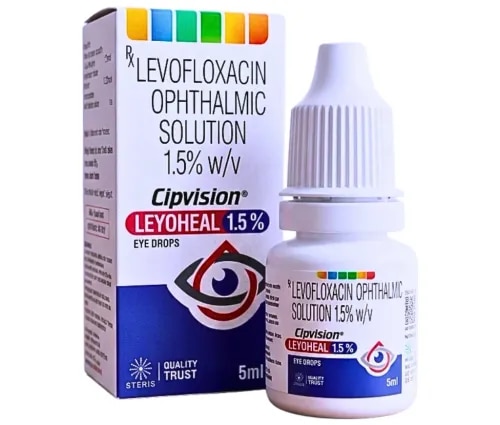
"name": "Levofloxacin Ophthalmic Solution 1.5% w/v",
"description": "About Levofloxacin Ophthalmic Solution 1.5% w/v\n\nCIPVISION LEYOHEAL 1.5% is a sterile antibiotic eye drop containing levofloxacin at a strength of 1.5% w/v. This works out to 1.5 g of the drug in 100 mL of liquid, or 15 mg in each mL. It is three times as concentrated as the 0.5% levofloxacin drops usually given for routine bacterial conjunctivitis.\n\nThe extra strength has a purpose. A corneal ulcer is an infection on the transparent dome at the front of the eye, and the antibiotic must reach high levels in the cornea and tear film to beat tough bacteria such as Pseudomonas aeruginosa and Staphylococcus aureus. Data on the reference 1.5% product show that tear levels peak soon after a drop is applied, which is why frequent dosing in the first days works well.\n\nProduct Snapshot\nParameter\tDetail\nBrand name\tCIPVISION LEYOHEAL 1.5%\nActive ingredient\tLevofloxacin (as hemihydrate) 1.5% w/v\nForm\tSterile eye drop solution\nDrug class\tFluoroquinolone antibiotic\nMarketed by\tSteris Healthcare Pvt. Ltd.\nPack size\t[PLACEHOLDER – confirm against carton]\nLegal status\tSchedule H (prescription only)\nManufacturing standards\tWHO-GMP and ISO-certified\nUses of Levofloxacin 1.5% Eye Drops\n\nThis strength is prescribed for bacterial corneal ulcers caused by susceptible microbes. The reference label names these organisms:\n\nGroup\tSusceptible organisms\nGram-positive\tCorynebacterium species, Staphylococcus aureus, Staphylococcus epidermidis, Streptococcus pneumoniae, viridans group streptococci\nGram-negative\tPseudomonas aeruginosa, Serratia marcescens\n\nAn ophthalmologist may also choose it for other serious corneal infections (bacterial keratitis), such as those that follow an eye injury or surgery. Only a doctor should make that call.\n\nWarning signs of a possible corneal ulcer (seek urgent care):\n\nModerate to severe eye pain, or a sensation of grit or a foreign body\nPronounced redness and excess tearing\nSticky or pus-like discharge\nA white or grey patch on the cornea\nSensitivity to light, with blurred or reduced vision\nMechanism of Action\n\nLevofloxacin belongs to the fluoroquinolone family and is bactericidal, so it kills bacteria outright instead of only halting their growth. It blocks two bacterial enzymes:\n\nDNA gyrase, which manages the coiling of DNA while it is copied\nTopoisomerase IV, which separates the newly made DNA strands\n\nOnce both enzymes are disabled, bacteria cannot multiply or repair damage, and they die. Because two targets are hit at once, resistance tends to build up more slowly than with antibiotics that act on a single target. Misuse or very long exposure can still lead to resistance.\n\nKey Benefits\nStrong, targeted action: 15 mg/mL puts high drug levels in the tears and corneal tissue, right where the infection is.\nWide coverage: works against many common Gram-positive and Gram-negative eye pathogens, including Pseudomonas aeruginosa.\nTwo-enzyme attack: acts on both DNA gyrase and topoisomerase IV.\nProven against a standard therapy: in two randomised, double-masked studies of 280 culture-positive patients using the reference 1.5% product, about 80% were clinically cured, versus about 84% with ofloxacin 0.3%, a comparable result.\nMinimal absorption into the body: blood levels after eye use are very low compared with oral levofloxacin.\nGood tolerability: side effects are mostly mild to moderate, short-lived and limited to the eye.\nFormulation details: [PLACEHOLDER – confirm excipients and preservative status against the approved Steris composition before publishing].\nQuality-controlled production: made by a WHO-GMP and ISO-certified manufacturer.\nDosage and Administration\nPhase\tTypical schedule\nDays 1–3\t1–2 drops in the affected eye(s) every 30 minutes to 2 hours while awake, plus about 4 and 6 hours after going to sleep\nDay 4 until treatment ends\t1–2 drops in the affected eye(s) every 1–4 hours while awake\nSteps for using the drops\nWash your hands well.\nTilt your head back and pull the lower eyelid down gently to make a small pocket.\nHold the bottle upside down near the eye, keeping the tip away from the eye, eyelid, fingers and all other surfaces.\nSqueeze 1–2 drops into the pocket and close the eye softly for a minute or two.\nPress gently on the inner corner of the eye to limit drainage toward the nose.\nPut the cap back on straight away and wash your hands again.\nIf you use other eye medicines, leave 5–15 minutes between them, or follow your doctor’s advice.\nPossible Side Effects\n\nCommon\n\nHeadache (around 8–10% in the reference label)\nPassing change in taste or an unpleasant aftertaste (around 8–10%)\nShort-lived blurred or reduced vision after instillation (around 1–2%)\nStinging, burning, irritation or discomfort when the drops go in\nEye pain, discomfort, or mild signs of infection\nNausea, diarrhoea, indigestion, fever or sore throat (less common, around 1–2%)\n\nUncommon (below 1%)\n\nSwollen or red eyelids\nChemosis (swollen conjunctiva), corneal erosion, floaters, double vision, increased redness of the eye\n\nSerious reactions: stop the drops and seek medical help at once if you notice\n\nRash, itching, hives, or swelling of the face, lips, tongue or throat\nTrouble breathing or a feeling of faintness\nSevere or worsening eye pain, swelling or redness after starting treatment\nPrecautions and Warnings\nAllergy: Avoid if you are allergic to levofloxacin, other quinolone antibiotics, or any ingredient in the product.\nContact lenses: Do not wear lenses while you have signs of a corneal ulcer.\nHygiene: Never let the dropper tip touch anything, and never share the bottle.\nFor the eye only: Do not inject the solution in or around the eye.\nPregnancy and breastfeeding: The reference label lists Pregnancy Category C. Use only when your doctor decides the benefit outweighs the risk.\nChildren: The reference 1.5% product has been used for corneal ulcers in children aged 6 and above under medical supervision. Younger children should use it only if prescribed.\nOlder adults: No overall differences in safety or effectiveness have been reported.\nOther medicines: Tell your doctor about everything you take. Oral levofloxacin interacts with some heart-rhythm and diabetes medicines, among others. Exposure from eye drops is low, but your doctor should still know.\nDriving: If your vision is blurred after using the drops, wait until it clears before driving.\nCIPVISION LEYOHEAL 1.5% vs Other Levofloxacin 1.5% Eye Drops\nFeature\tCIPVISION LEYOHEAL 1.5%\tOftaquix 1.5% (Santen India)\tIQUIX 1.5% (reference product)\nActive ingredient\tLevofloxacin 1.5% w/v\tLevofloxacin 15 mg/mL\tLevofloxacin 1.5%\nClass\tFluoroquinolone\tFluoroquinolone\tFluoroquinolone\nLegal status\tSchedule H\tPrescription drug\tPrescription drug\nMarketed by\tSteris Healthcare Pvt. Ltd.\tSanten India Pvt. Ltd.\tReference brand (US)\nPack\t[PLACEHOLDER]\t5 mL\t5 mL\nBuying Guide: What to Check First\nGet a prescription. Keep it handy and ask the pharmacist to supply exactly what was written.\nConfirm the strength. The carton should say 1.5% w/v, not 0.5%.\nExamine the pack. Look for an intact seal, batch number, manufacturing and expiry dates, and the Steris Healthcare Pvt. Ltd. details.\nUse licensed sellers only. Fake or opened eye drops can cause a serious infection.\nComplete the prescribed course. Do not extend it on your own, and go back for review as advised.\nPrice and stock. These differ by pack size and seller. Use Check Price for current availability of CIPVISION LEYOHEAL 1.5%.\nWhen to Return to Your Doctor\n\nContact your eye specialist soon if:\n\nPain, redness or discharge has not improved within 48–72 hours of starting (or sooner if it is getting worse)\nYour vision worsens, or a white spot on the cornea gets bigger\nYou develop a rash, swelling or difficulty breathing\nSymptoms come back after you finish the course\nConclusion\n\nCIPVISION LEYOHEAL 1.5% (levofloxacin ophthalmic solution 1.5% w/v) from Steris Healthcare Pvt. Ltd. is a high-strength fluoroquinolone eye drop for bacterial corneal ulcers. Its two-enzyme action, broad antibacterial reach and low absorption into the body make it a dependable option when the cornea is under threat. It is generally well tolerated, and headache and a brief change in taste are the most frequent effects.",
"price": 75.0,
"discountamount": 22.0,
"currencycode": "INR",
"priority": 1000000,
"isfreeshipmentavailable": false,
"shipmentduration": 1,
"_keywords": null,
"isarchived": false,
"isavailable": true,
"applicationid": null,
"productindex": 2514,
"imageuri": "https://productimages.withfloats.com/actual/6afd83626a40b5666adbdad4.png",
"tileimageuri": "https://productimages.withfloats.com/tile/6afd83626a40b5666adbdad4.png",
"images": null,
"totalqueries": 0,
"gpid": null,
"groupproductid": null,
"createdon": "2026-11-18T10:52:16.446Z",
"updatedon": "2026-11-18T10:52:16.446Z",
"buyonlinelink": null,
"producturl": "http://WWW.STERISINDIA.COM/products/levofloxacin-ophthalmic-solution-1-5-w-v/2514",
"availableunits": -1.0,
"iscodavailable": false,
"isprepaidonlineavailable": false,
"maxcodorders": 0,
"maxprepaidonlineorders": 0,
"uniquepaymenturl": null,
"brandname": "CIPVISION LEYOHEAL 1.5%",
"category": "Opthalmology Range",
"tags": [],
"variants": false,
"keyspecification": null,
"otherspecifications": null,
"pickupaddressreferenceid": null,
"paymenttype": "UniquePaymentUrl",
"producttype": "products",
"hsncode": null,
"gstslab": 0.0,
"isnotforsale": false
},
{
"_id": "6afd8125907a69858e813c04",
"fptag": "STERISHEALTHCARE",
"merchantname": null,
"customwidgets": null,
"externalsourceid": null,
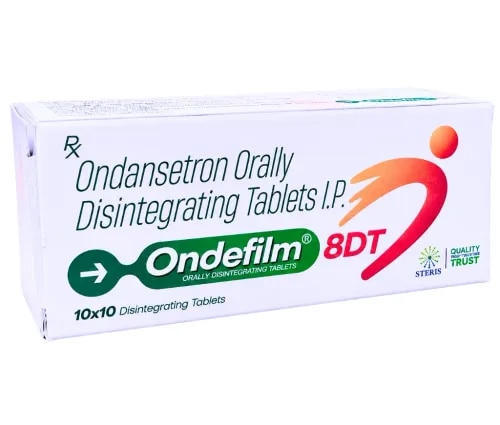
"name": "Ondansetron 8 mg Orally Disintegrating Tablets IP",
"description": "ONDEFILM 8 DT is a prescription anti-sickness tablet with Ondansetron IP 8 mg per dose. It is meant for people who need protection from persistent nausea and vomiting caused by certain therapies or procedures. Because it is an orally disintegrating tablet, it melts on the tongue and does not need to be swallowed whole, which helps patients who find ordinary tablets hard to take. The medicine should be used only as directed by a qualified doctor.\n\nOndansetron is a 5-HT3 receptor antagonist. It stops serotonin from triggering the signals that set off the urge to vomit.\n\nComposition\n\nEach tablet contains:\n\nOndansetron IP: 8 mg\nExcipients: as per the approved formulation\nUnderstanding the Active Ingredient\n\nOndansetron is a well-established antiemetic. Doctors commonly use it for nausea and vomiting linked to cancer chemotherapy, radiotherapy and surgery. It interrupts the chemical messaging that tells the body to vomit.\n\nUses of ONDEFILM 8 DT\n\nYour doctor may prescribe this tablet in the following situations. The exact indication, dose and duration are always the doctor’s decision.\n\n1. Chemotherapy-induced nausea and vomiting\nMany anticancer drugs prompt the release of serotonin in the gut, which sets off sickness. Ondansetron blocks this pathway and is usually given as one component of a wider antiemetic plan.\n\n2. Radiotherapy-related nausea and vomiting\nRadiation aimed at certain parts of the body can upset the digestive system. Depending on the treatment plan, Ondansetron may be advised to ease these symptoms.\n\n3. Post-operative nausea and vomiting\nAnaesthesia and other factors around surgery can leave patients feeling sick. Ondansetron may be used to prevent or manage this and make recovery more comfortable.\n\n4. Other situations at the doctor’s discretion\nIn some cases, a physician may consider Ondansetron for serotonin-related nausea and vomiting, based on the patient’s condition and prescribing guidelines.\n\nHow It Works\n\nSerotonin is a natural chemical messenger that helps regulate digestion, among other functions. Chemotherapy and similar treatments can cause a sudden release of serotonin in the gut. It then binds to 5-HT3 receptors on the stomach and intestinal lining and on the vagus nerve, which carries a “feel sick” message to the vomiting centre in the brain.\n\nOndansetron works by:\n\nOccupying and blocking 5-HT3 receptors\nCutting down the nausea signals sent to the brain\nKeeping the vomiting reflex from being triggered\nOffering dependable antiemetic cover where treatment is clinically needed\nKey Highlights\n8 mg Ondansetron IP in every tablet\nOrally disintegrating (mouth-dissolving) format\nA selective 5-HT3 receptor antagonist\nPrescribed for specific types of nausea and vomiting\nDissolves in the mouth, so no whole-tablet swallowing is needed\nSuited to chemotherapy, radiotherapy and post-surgical care\nPart of the Steris Pharma product range\nBenefits of Ondansetron 8 mg Mouth-Dissolving Tablets\n\nWhen prescribed for the right reason, patients and doctors may value the following:\n\nEffective symptom control: Targets the serotonin pathway behind vomiting.\nEasy to take: Melts on the tongue, which is handy when swallowing is uncomfortable.\nProven track record: A widely used antiemetic in oncology and surgical settings.\nSupport during cancer care: Helps patients stay more comfortable through demanding treatment cycles.\nFlexible dosing format: An alternative to standard swallowed tablets, subject to the product’s instructions.\nSmoother recovery: Can reduce sickness after surgery when clinically appropriate.\nHow to Use ONDEFILM 8 DT\n\nFollow your doctor’s prescription. The regimen depends on why the medicine is needed, your age, your medical history and other factors.\n\nGeneral steps:\n\nWash and thoroughly dry your hands.\nOpen the blister pack carefully as per the pack instructions.\nTake the tablet out gently so it does not crumble.\nPlace it on your tongue and let it dissolve.\nFollow the product leaflet on swallowing once it has dissolved.\nDo not take extra tablets unless your doctor tells you to.\nPossible Side Effects\n\nSome people may notice:\n\nHeadache\nConstipation\nLoose stools\nDizziness\nTiredness\nA general feeling of being unwell\n\nSeek medical help immediately if you experience:\n\nA fast, uneven or fluttering heartbeat\nQT prolongation (a heart-rhythm change)\nSigns of a serious allergy\nFainting or blackouts\nSymptoms of serotonin syndrome, especially if you also take other serotonin-raising medicines\nPrecautions and Safety Advice\n\nTell your doctor about your health history and everything you currently take before starting this medicine.\n\nAllergy: Do not use it if you are allergic to Ondansetron or any ingredient in the tablet.\nHeart problems: Mention any rhythm disorder, congenital long QT syndrome or past cardiac issues.\nElectrolytes: Low potassium or magnesium can raise the risk of rhythm problems and may need to be corrected or monitored.\nLiver disease: A dose adjustment may be needed for reduced liver function.\nOther medicines: Share details of prescription drugs, over-the-counter products and supplements.\nSerotonergic drugs: Combining them with Ondansetron may increase the chance of serotonin syndrome.\nPregnancy and breastfeeding: Use only after medical evaluation and advice.\nDose: Never take more, or more often, than prescribed.\nWhy Steris Pharma?\n\nSteris Pharma develops a broad portfolio of medicines for varied therapeutic needs, with an emphasis on consistent quality, product reliability and the evolving expectations of doctors, distributors and patients. ONDEFILM 8 DT is part of this range as a convenient Ondansetron 8 mg mouth-dissolving option for patients who need antiemetic therapy under medical supervision.\n\nConclusion\n\nONDEFILM 8 DT delivers Ondansetron IP 8 mg in a tablet that dissolves in the mouth. It is used to prevent and treat nausea and vomiting arising from chemotherapy, radiotherapy and surgery. By blocking 5-HT3 receptors, it stops the signals that trigger vomiting, and its easy-to-take format suits patients who struggle with conventional tablets. Always use it under a doctor’s guidance.\n\nFrequently Asked Questions\n\nQ1. What is ONDEFILM 8 DT prescribed for?\nIt is prescribed to prevent and control nausea and vomiting caused by treatments such as chemotherapy, radiotherapy and surgery.\n\nQ2. What does each tablet contain?\nEach tablet has 8 mg of Ondansetron IP plus approved excipients.\n\nQ3. What is Ondansetron 8 mg used for?\nIt is an anti-sickness medicine used to prevent or relieve nausea and vomiting when a doctor considers it appropriate.\n\nQ4. What does “DT” stand for?\nDT means Disintegrating Tablet, a tablet that breaks down in the mouth instead of being swallowed whole.\n\nQ5. How does this medicine work?\nIt blocks 5-HT3 serotonin receptors, so the nausea and vomiting signals do not reach the brain.\n\nQ6. Is it an antiemetic?\nYes. Ondansetron belongs to the 5-HT3 receptor antagonist group of antiemetics.\n\nQ7. Does it help with chemotherapy-induced vomiting?\nYes. It is widely included in treatment plans to prevent chemotherapy-induced nausea and vomiting.\n\nQ8. Is it used after surgery?\nIt may be, to prevent or manage post-operative nausea and vomiting, depending on the doctor’s assessment.\n\nQ9. Can I buy it without a prescription?\nNo. It must be used only on the advice of a qualified healthcare professional.\n\nQ10. How do I take it?\nPlace the tablet on your tongue and let it dissolve, following the pack instructions and your doctor’s advice.",
"price": 97.0,
"discountamount": 29.0,
"currencycode": "INR",
"priority": 1000000,
"isfreeshipmentavailable": false,
"shipmentduration": 1,
"_keywords": null,
"isarchived": false,
"isavailable": true,
"applicationid": null,
"productindex": 2513,
"imageuri": "https://productimages.withfloats.com/actual/6afd8129a836274a90032451.png",
"tileimageuri": "https://productimages.withfloats.com/tile/6afd8129a836274a90032451.png",
"images": null,
"totalqueries": 0,
"gpid": null,
"groupproductid": null,
"createdon": "2026-11-18T10:42:45.31Z",
"updatedon": "2026-11-18T10:42:45.31Z",
"buyonlinelink": null,
"producturl": "http://WWW.STERISINDIA.COM//ondansetron-8-mg-orally-disintegrating-tablets-ip/2513",
"availableunits": -1.0,
"iscodavailable": false,
"isprepaidonlineavailable": false,
"maxcodorders": 0,
"maxprepaidonlineorders": 0,
"uniquepaymenturl": null,
"brandname": "ONDEFILM 8 DT",
"category": "Gastrology",
"tags": [],
"variants": false,
"keyspecification": null,
"otherspecifications": null,
"pickupaddressreferenceid": null,
"paymenttype": "UniquePaymentUrl",
"producttype": "products",
"hsncode": null,
"gstslab": 0.0,
"isnotforsale": false
},
{
"_id": "6afd7dd19d17e024ee47e07c",
"fptag": "STERISHEALTHCARE",
"merchantname": null,
"customwidgets": null,
"externalsourceid": null,
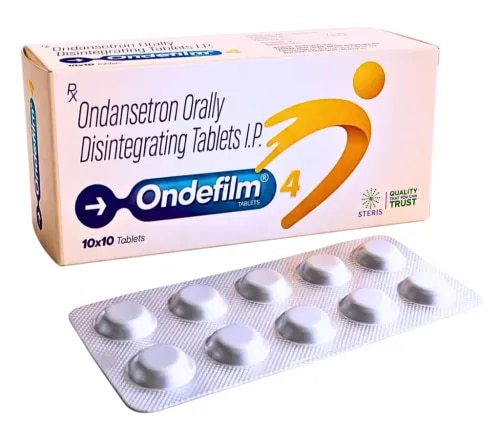
"name": "Ondansetron 4 mg Orally Disintegrating Tablets IP",
"description": "Product Overview\n\nONDEFILM 4 is an antiemetic medicine that provides 4 mg of Ondansetron IP in an orally disintegrating tablet. It is used to prevent and relieve nausea and vomiting linked to certain medical treatments and clinical situations, as advised by a healthcare professional.\n\nIts active ingredient, Ondansetron, is a selective 5-HT3 receptor antagonist. It stops serotonin from triggering the receptors that set off the body’s vomiting reflex, which lowers the signals behind nausea and vomiting.\n\nComposition\n\nEach orally disintegrating tablet contains:\n\nOndansetron IP: 4 mg\nExcipients: As per the approved product formulation\nAbout Ondansetron\n\nOndansetron is a widely used 5-HT3 receptor antagonist in clinical practice. Doctors rely on it to prevent and manage nausea and vomiting caused by chemotherapy, radiation therapy, and surgery. It works by interrupting the serotonin-driven signals that activate the vomiting reflex.\n\nWhat Is ONDEFILM 4 Used For?\n\nONDEFILM 4 is prescribed in specific situations where nausea and vomiting need to be prevented or kept under control, especially in supportive care.\n\n1. Chemotherapy-induced nausea and vomiting\nSome cancer medicines cause the gut to release serotonin, which brings on nausea and vomiting. Ondansetron blocks 5-HT3 receptors to help prevent this and is included in standard antiemetic protocols for chemotherapy.\n\n2. Radiation therapy-related vomiting\nDepending on the area treated and the radiation schedule, radiotherapy can cause nausea and vomiting. Ondansetron may be advised to ease these symptoms when appropriate.\n\n3. Postoperative nausea and vomiting\nAnaesthesia and other factors around surgery can leave some patients feeling sick afterwards. Ondansetron is used in suitable cases to prevent or treat this.\n\n4. Other medically indicated uses\nDoctors may also consider Ondansetron in selected situations of nausea and vomiting, depending on the cause and current treatment guidance.\n\nThe treating physician decides the dose and duration based on the patient’s history and treatment needs.\n\nHow Does ONDEFILM 4 Work?\n\nSerotonin is a natural chemical messenger that helps regulate digestion and the vomiting reflex. During some treatments, the body releases extra serotonin, which activates 5-HT3 receptors in the gut and in nerve pathways leading to the brain. This sends the signals that cause nausea and vomiting.\n\nMechanism of action:\n\nOndansetron attaches to 5-HT3 receptors and blocks them.\nThis reduces serotonin’s stimulation of the related nerve pathways.\nThe signals that trigger the vomiting reflex are interrupted.\nAs a result, nausea and vomiting are prevented or controlled.\nKey Features\n4 mg of Ondansetron IP in every tablet\nOrally disintegrating form that dissolves in the mouth\nBelongs to the selective 5-HT3 receptor antagonist class\nMeant for preventing and managing nausea and vomiting\nA different option from tablets that must be swallowed whole\nUsed in medical and supportive care settings\nPart of the Steris Pharma product range\nBenefits of Ondansetron 4 mg Orally Disintegrating Tablets\n\nWhen taken as medically advised, Ondansetron 4 mg offers these advantages:\n\nEases nausea and vomiting: It acts on the serotonin receptors involved in the vomiting response.\nDissolves in the mouth: The tablet breaks down on the tongue, which can help patients who find swallowing regular tablets hard.\nProven mechanism: Ondansetron has a long-standing place in antiemetic therapy, including chemotherapy and postoperative care.\nSimple to take: The mouth-dissolving format gives selected patients a more convenient way to take their dose.\nSupports patients during treatment: Controlling nausea and vomiting can make certain treatments and procedures easier to get through.\nTargeted action: It works on a specific serotonin pathway that plays a major role in nausea and vomiting.\nHow to Take ONDEFILM 4\n\nGeneral guidance for orally disintegrating tablets:\n\nWash and dry your hands before touching the tablet.\nOpen the pack carefully as the instructions describe.\nTake the tablet out gently, without crushing or breaking it.\nPlace it on your tongue and let it dissolve.\nFollow the product instructions on swallowing once it has dissolved.\nDo not take more than the prescribed amount.\nIf you miss a dose, ask your healthcare professional what to do next. Never double the next dose to make up for it.\nPossible Side Effects\n\nOndansetron can cause unwanted effects in some people, and how often and how strongly they occur differs from patient to patient.\n\nCommonly reported:\n\nHeadache\nConstipation\nDiarrhoea\nDizziness\nTiredness\n\nPotentially serious reactions:\n\nOndansetron may rarely cause QT interval prolongation, irregular heart rhythms, and severe allergic reactions. Serotonin syndrome can also occur, particularly when it is taken with other medicines that raise serotonin activity.\n\nGet medical help straight away if you experience fainting, an unusual heartbeat, difficulty breathing, swelling of the face, severe dizziness, or any other worrying symptom.\n\nPrecautions and Safety Information\n\nBefore starting ONDEFILM 4, give your doctor your full medical history and a list of the medicines you take.\n\nAllergies: Do not use it if you are allergic to Ondansetron or any ingredient in the tablet.\nHeart rhythm problems: Tell your doctor about any past arrhythmia, QT prolongation, or congenital long QT syndrome.\nElectrolyte imbalance: Low potassium or magnesium raises the chance of heart rhythm complications.\nLiver conditions: Patients with significant liver impairment may need special care and a dose adjustment.\nDrug interactions: Mention all prescription medicines, over-the-counter products, and supplements.\nSerotonin syndrome risk: Let your doctor know if you take antidepressants or other medicines that act on serotonin.\nPregnancy and breastfeeding: Use it only after your doctor has weighed the benefits against the risks.\nDosage: Stick to the prescribed schedule and do not take extra doses without medical advice.\nWhy Choose Steris Pharma?\n\nSteris Pharma offers a range of medicines and healthcare formulations covering varied therapeutic needs. The company focuses on pharmaceutical quality, product reliability, and the requirements of healthcare professionals and patients.\n\nONDEFILM 4 belongs to this range and offers Ondansetron 4 mg as an orally disintegrating tablet, giving patients who need antiemetic treatment another dosage option under professional guidance.\n\nConclusion\n\nONDEFILM 4 is an Ondansetron 4 mg orally disintegrating tablet used to prevent and manage nausea and vomiting tied to specific treatments and clinical situations. Its active ingredient blocks the serotonin 5-HT3 receptors that drive the vomiting response. Because the tablet dissolves in the mouth, it can also be a handy alternative for people who struggle to swallow conventional tablets.\n\nFrequently Asked Questions (FAQs)\n\nQ1. What is ONDEFILM 4 used for?\nIt is used to prevent and manage nausea and vomiting linked to chemotherapy, radiotherapy, and surgery, as prescribed by a healthcare professional.\n\nQ2. What does ONDEFILM 4 contain?\nEach tablet has 4 mg of Ondansetron IP plus the excipients listed in the approved formulation.\n\nQ3. What is Ondansetron 4 mg used for?\nIt is an antiemetic prescribed to prevent or control nausea and vomiting in suitable clinical situations.\n\nQ4. What kind of medicine is ONDEFILM 4?\nIt is a selective serotonin 5-HT3 receptor antagonist, a class of medicines used against nausea and vomiting.\n\nQ5. How does ONDEFILM 4 stop vomiting?\nIt blocks the 5-HT3 receptors that pass on the signals triggering the vomiting reflex, which reduces nausea and vomiting.\n\nQ6. What does DT mean in ONDEFILM 4?\nDT stands for disintegrating tablet, a form made to break down in the mouth rather than be swallowed whole.\n\nQ7. Can ONDEFILM 4 help with chemotherapy-induced nausea?\nYes. Ondansetron is a common part of antiemetic protocols for preventing chemotherapy-related nausea and vomiting.\n\nQ8. Is Ondansetron 4 mg used after surgery?\nYes. Doctors may prescribe it to prevent or treat postoperative nausea and vomiting, depending on the patient’s needs.\n\nQ9. Can I take ONDEFILM 4 without a doctor’s advice?\nNo. Use it only as directed by a qualified healthcare professional.\n\nQ10. How do I take ONDEFILM 4?\nPlace the tablet on your tongue and let it dissolve, following the instructions that come with the product.\n\nQ11. What are the common side effects of ONDEFILM 4?\nThey include headache, constipation, diarrhoea, dizziness, and tiredness.\n\nQ12. Can ONDEFILM 4 affect the heart’s rhythm?\nIn some people, Ondansetron can prolong the QT interval. Anyone with a heart rhythm disorder or electrolyte imbalance should talk to their doctor first.\n\nQ13. Is ONDEFILM 4 suitable if I have trouble swallowing?\nThe mouth-dissolving form can be a convenient alternative to regular tablets for some patients, subject to medical advice and the product instructions.\n\nQ14. Can I use Ondansetron 4 mg during pregnancy?\nConsult your doctor first. The decision depends on an individual assessment of benefits and risks.\n\nQ15. Does ONDEFILM 4 cause constipation?\nYes. Constipation is a recognised side effect and may affect some patients.\n\nQ16. Can ONDEFILM 4 be used for motion sickness?\nOndansetron is not usually a first-choice treatment for motion sickness. The right medicine depends on the cause of the nausea, so ask a healthcare professional.\n\nQ17. Who markets ONDEFILM 4?\nIt is marketed under the Steris Pharma brand.\n\nQ18. Is ONDEFILM 4 an antibiotic?\nNo. It is an antiemetic for nausea and vomiting and does not treat bacterial infections.",
"price": 55.0,
"discountamount": 16.0,
"currencycode": "INR",
"priority": 1000000,
"isfreeshipmentavailable": false,
"shipmentduration": 1,
"_keywords": null,
"isarchived": false,
"isavailable": true,
"applicationid": null,
"productindex": 2512,
"imageuri": "https://productimages.withfloats.com/actual/6afd7e24e81314fd1baff0a1.png",
"tileimageuri": "https://productimages.withfloats.com/tile/6afd7e24e81314fd1baff0a1.png",
"images": null,
"totalqueries": 0,
"gpid": null,
"groupproductid": null,
"createdon": "2026-11-18T10:28:33.741Z",
"updatedon": "2026-11-18T10:29:51.37Z",
"buyonlinelink": null,
"producturl": "http://WWW.STERISINDIA.COM//ondansetron-4-mg-orally-disintegrating-tablets-ip/2512",
"availableunits": -1.0,
"iscodavailable": false,
"isprepaidonlineavailable": false,
"maxcodorders": 0,
"maxprepaidonlineorders": 0,
"uniquepaymenturl": null,
"brandname": "ONDEFILM 4",
"category": "GASTROLOGYRANGE",
"tags": [],
"variants": false,
"keyspecification": null,
"otherspecifications": null,
"pickupaddressreferenceid": null,
"paymenttype": "UniquePaymentUrl",
"producttype": "products",
"hsncode": null,
"gstslab": 0.0,
"isnotforsale": false
},
{
"_id": "6ae5ddc42400c0ad258fb750",
"fptag": "STERISHEALTHCARE",
"merchantname": null,
"customwidgets": null,
"externalsourceid": null,
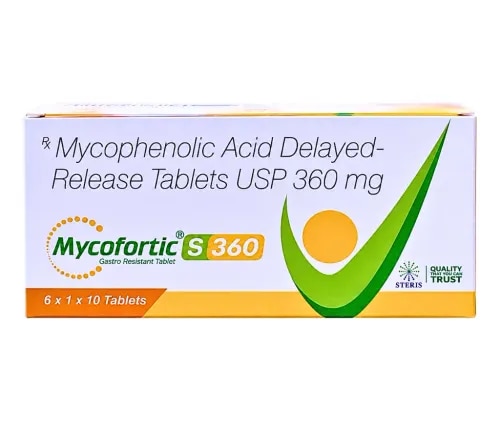
"name": "Mycophenolic Acid Delayed-Release Tablets USP 360 mg",
"description": "MYCOFORTIC S 360 is a pharmaceutical formulation containing Mycophenolic Acid Delayed-Release Tablets USP 360 mg. Mycophenolic Acid belongs to a class of medicines known as immunosuppressants. It is used to help prevent organ rejection in patients who have undergone kidney transplantation, as part of a combination immunosuppressive treatment regimen prescribed by a qualified healthcare professional.\n\nOrgan transplantation is an important medical procedure that helps patients with end-stage organ disease improve their quality of life. However, the body's immune system may recognize a transplanted organ as foreign and attempt to attack it. This immune response can lead to organ rejection.\n\nMYCOFORTIC S 360 contains Mycophenolic Acid, an active pharmaceutical ingredient that helps suppress certain immune responses. It works by inhibiting the proliferation of lymphocytes, which are important cells involved in the body's immune response.\n\nWith its delayed-release tablet formulation, MYCOFORTIC S 360 is designed to deliver Mycophenolic Acid through a specialized release mechanism. It is intended for use under strict medical supervision as part of an individualized post-transplant treatment plan.",
"price": 816.0,
"discountamount": 245.0,
"currencycode": "INR",
"priority": 1000000,
"isfreeshipmentavailable": false,
"shipmentduration": 1,
"_keywords": null,
"isarchived": false,
"isavailable": true,
"applicationid": null,
"productindex": 2510,
"imageuri": "https://productimages.withfloats.com/actual/6ae5ddc7bc27d43423ad0aec.png",
"tileimageuri": "https://productimages.withfloats.com/tile/6ae5ddc7bc27d43423ad0aec.png",
"images": null,
"totalqueries": 0,
"gpid": null,
"groupproductid": null,
"createdon": "2026-10-31T12:23:32.198Z",
"updatedon": "2026-10-31T12:23:32.198Z",
"buyonlinelink": null,
"producturl": "http://WWW.STERISINDIA.COM//mycophenolic-acid-delayed-release-tablets-usp-360-mg/2510",
"availableunits": -1.0,
"iscodavailable": false,
"isprepaidonlineavailable": false,
"maxcodorders": 0,
"maxprepaidonlineorders": 0,
"uniquepaymenturl": null,
"brandname": "MYCOFORTIC S 360",
"category": null,
"tags": [],
"variants": false,
"keyspecification": null,
"otherspecifications": null,
"pickupaddressreferenceid": null,
"paymenttype": "UniquePaymentUrl",
"producttype": "products",
"hsncode": null,
"gstslab": 0.0,
"isnotforsale": false
},
{
"_id": "6ae2fef4545d3197abde920c",
"fptag": "STERISHEALTHCARE",
"merchantname": null,
"customwidgets": null,
"externalsourceid": null,
"name": "Faropenem Disperible Tablets 100 mg",
"description": "Faropinom 100 DT is a prescription-only antibiotic that provides 100 mg of Faropenem in a dispersible tablet. Faropenem is a penem-type beta-lactam, and doctors use it to treat bacterial infections only when the causative organism is likely to respond to it.\n\nAbout Faropinom 100 DT\n\nThe active ingredient, Faropenem, stops bacteria from building a proper cell wall. The weakened bacteria cannot survive, which helps the body clear a susceptible infection.\n\nThe tablet is meant to be mixed into water before it is taken. This can suit patients who find whole tablets hard to swallow. It should be used strictly as prescribed and according to the leaflet in the pack.\n\nProduct Snapshot\nFeature\tDetails\nBrand\tFaropinom 100 DT\nActive ingredient\tFaropenem 100 mg\nClass\tPenem beta-lactam antibiotic\nForm\tDispersible tablet\nMode of action\tBlocks bacterial cell-wall synthesis\nAvailability\tPrescription-only; subject to Indian regulations\nPurpose\tTreating susceptible bacterial infections on a doctor’s advice\nWhere Faropenem May Be Used\n\nWhether Faropenem is chosen depends on the patient’s condition, the bacteria involved (suspected or confirmed), prevailing treatment guidelines and the approved product information. Infections for which it may be considered include:\n\nRespiratory infections: bacterial infections of the airways or lungs, where the organism is sensitive to Faropenem.\nUrinary infections: bacterial infections of the bladder or wider urinary tract, at a clinician’s discretion.\nEar, nose and throat infections: certain bacterial infections of the ears, throat or sinuses, after examination.\nSkin and soft-tissue infections: selected bacterial skin infections, depending on severity and the organisms responsible.\nOther infections: any further use must follow approved indications, laboratory susceptibility and the treating doctor’s judgement.\n\nPlease note: This antibiotic does not suit every infection. It should never be assumed appropriate for all chest, urinary, skin or genital conditions. Only a qualified healthcare professional can decide whether it is right for a particular patient.\n\nNotable Characteristics\n\n1. Bactericidal action. Faropenem attacks susceptible bacteria by interfering with the machinery that builds their cell walls. How well it works depends on the species and its susceptibility.\n\n2. Activity against some enzyme-producing bacteria. Certain bacteria make beta-lactamase enzymes that disable some beta-lactam antibiotics. Faropenem can work against some of these organisms, but results differ by bacterium and resistance mechanism. It is not a universal answer to resistant infections.\n\n3. Easy-to-prepare format. The tablet is dispersed in water following the pack instructions, which helps those who struggle with swallowing conventional tablets.\n\n4. Focused treatment. Matched to the right infection, it targets the responsible bacteria. Choosing the right antibiotic improves outcomes and limits needless antibiotic exposure.\n\n5. Oral route. When oral therapy is clinically suitable, treatment can proceed without injections. The prescriber decides the route based on the patient’s condition.\n\nHow Faropenem Works\n\nFaropenem attaches to penicillin-binding proteins, which bacteria rely on to assemble and maintain their cell walls. With these proteins blocked, the wall cannot form properly, the bacterial structure weakens and the cell dies. This makes Faropenem bactericidal against susceptible organisms. It does not act on viruses and cannot treat every bacterial infection.\n\nDosing and Administration\n\nThe dose is set by the doctor after considering age, body weight (where relevant), the type and seriousness of the infection, and kidney function.\n\nDose: use only the strength and quantity prescribed.\nFrequency: follow the daily schedule given to you; do not alter it yourself.\nDuration: finish the prescribed course without lengthening or shortening it unless your doctor says so.\nPreparation: disperse the tablet as directed in the leaflet or by your pharmacist.\nMissed dose: check the leaflet or ask a pharmacist. Never double up to make up for a forgotten dose.\n\nNo single dosing plan fits all patients, so a general range should never replace a personal prescription.\n\nPossible Side Effects\n\nAs with other antibiotics, reactions can occur, and they vary from person to person.\n\nMilder effects may include:\n\nNausea or stomach upset\nAbdominal discomfort\nLoose stools or diarrhoea\nRash or itching\nHeadache or dizziness\n\nSpeak to a healthcare professional if these continue, become bothersome or get worse.\n\nGet medical help promptly for:\n\nSerious allergy: swelling of the face, lips, tongue or throat, or trouble breathing is an emergency.\nSevere diarrhoea: persistent, watery or bloody stools may signal a serious antibiotic-related complication.\nSevere skin reaction: widespread rash, blisters or peeling skin needs urgent assessment.\nLiver concerns: yellow skin or eyes, or dark urine, should be checked quickly.\n\nThis list is not exhaustive. Refer to the product information and your doctor for advice specific to you.\n\nPrecautions and Warnings\nAllergies: tell your doctor about any past allergy to Faropenem, penicillins, cephalosporins or other beta-lactams.\nKidney health: report any kidney disease or reduced function, as it can affect suitability and dosing.\nPregnancy and breastfeeding: consult your doctor first if you are pregnant, planning pregnancy or nursing. Use only after a personal benefit–risk assessment.\nOther medicines: share a full list of prescription drugs, over-the-counter products and supplements so interactions can be checked.\nAntibiotic resistance: take Faropenem only for a suitable bacterial infection. Misuse and incorrect dosing fuel resistance.\nMedical history: discuss existing conditions and earlier drug reactions before starting.\nWho Is It For?\n\nFaropinom 100 DT may be considered for patients who need an antibiotic for a susceptible bacterial infection and for whom this dispersible form is suitable. The prescriber decides based on examination, the likely or confirmed organism, individual risk factors and current guidance. It should not be self-started for fever, cough or sore throat without first establishing that an antibiotic is needed.\n\nBuying Faropinom 100 DT in India\n\nBefore purchasing, confirm the brand, strength, manufacturer and the legitimacy of the seller. For safety:\n\nGet a prescription from a registered medical practitioner.\nBuy from a licensed pharmacy or a duly authorised online pharmacy.\nInspect the name, strength, batch number, expiry date and pack condition.\nStore it as the packaging directs.\nAsk the pharmacist if anything is unclear.\n\nPrice and availability: these differ by manufacturer, pack size, pharmacy and location. Confirm current details with a licensed seller rather than an unverified figure.\n\nFrequently Asked Questions\n\n1. What is Faropinom 100 DT prescribed for?\nIt contains Faropenem 100 mg and is used for certain bacterial infections when the organism is susceptible and the medicine is clinically suitable.\n\n2. Is it an antibiotic?\nYes. Faropenem is a penem-class beta-lactam that disrupts bacterial cell-wall formation.\n\n3. What is the active ingredient?\nFaropenem 100 mg. Check the pack for full composition details.\n\n4. Will it cure a common cold?\nNo. Colds are viral, and antibiotics do not act on viruses.\n\n5. How do I take it?\nExactly as prescribed. Prepare the dispersible tablet in water as described in the leaflet or by your pharmacist.\n\n6. What is the right dose?\nIt depends on the infection, your age, kidney function and other individual factors. Follow your doctor’s prescription.\n\n7. How long is the course?\nThe duration depends on the infection and your response. Complete the course unless your doctor changes it.\n\n8. What side effects can occur?\nStomach upset, nausea, diarrhoea, headache and skin reactions are possible. Seek advice if they persist or become severe.\n\n9. Can it cause diarrhoea?\nYes, as antibiotics can. Contact a healthcare professional quickly if it is severe, long-lasting or bloody.\n\n10. Can I stop once I feel better?\nDo not stop or alter treatment on your own. Talk to your doctor about side effects or if you think treatment is no longer needed.\n\n11. Is it safe in pregnancy?\nA doctor must assess this individually. Do not use it in pregnancy without medical advice.\n\n12. Can I use it while breastfeeding?\nAsk your doctor first. The decision rests on available safety data and your circumstances.\n\n13. Can people with kidney problems take it?\nThey should tell their doctor beforehand, who will decide on suitability and any adjustment.\n\n14. Is Faropenem a penicillin?\nNo, it is a penem. Both are beta-lactams, so discuss any antibiotic allergy history with your prescriber.\n\n15. Is alcohol allowed during treatment?\nAsk your doctor or pharmacist, especially if you have other conditions or take other medicines. Avoid alcohol if it worsens symptoms.\n\n16. What if I miss a dose?\nConsult the leaflet or your pharmacist. Do not take a double dose unless a professional tells you to.\n\n17. Does it work on resistant bacteria?\nIt may act on certain bacteria that resist some other antibiotics, but this depends on the organism and resistance mechanism. Medical assessment is essential.\n\n18. Can it be used for any infection?\nNo. It is for suitable bacterial infections only, chosen through clinical assessment and, where needed, lab testing.\n\n19. What does it cost in India?\nConfirm the current price with a licensed pharmacy, as it varies by pack size, maker and location.\n\n20. Where can I buy it?\nEnquire at a licensed local or authorised online pharmacy. A valid prescription may be required under applicable rules.\n\nConclusion\n\nFaropinom 100 DT is a dispersible Faropenem 100 mg antibiotic for selected bacterial infections, to be used under a qualified healthcare professional’s guidance. It works by disrupting bacterial cell-wall formation, and the dispersible form offers an alternative for patients who find standard tablets difficult.\n\nResponsible use depends on accurate diagnosis, the right antibiotic choice, sticking to the prescribed regimen and watching for side effects. Always consult a healthcare professional before starting, stopping or changing antibiotic treatment.",
"price": 590.0,
"discountamount": 177.0,
"currencycode": "INR",
"priority": 1000000,
"isfreeshipmentavailable": false,
"shipmentduration": 1,
"_keywords": null,
"isarchived": false,
"isavailable": true,
"applicationid": null,
"productindex": 2506,
"imageuri": "https://productimages.withfloats.com/actual/6ae2fef754689b1ff0217bf5.png",
"tileimageuri": "https://productimages.withfloats.com/tile/6ae2fef754689b1ff0217bf5.png",
"images": null,
"totalqueries": 0,
"gpid": null,
"groupproductid": null,
"createdon": "2026-10-29T08:08:20.798Z",
"updatedon": "2026-10-29T08:08:20.798Z",
"buyonlinelink": null,
"producturl": "http://WWW.STERISINDIA.COM//faropenem-disperible-tablets-100-mg/2506",
"availableunits": -1.0,
"iscodavailable": false,
"isprepaidonlineavailable": false,
"maxcodorders": 0,
"maxprepaidonlineorders": 0,
"uniquepaymenturl": null,
"brandname": "Faropinom 100 DT",
"category": null,
"tags": [],
"variants": false,
"keyspecification": null,
"otherspecifications": null,
"pickupaddressreferenceid": null,
"paymenttype": "UniquePaymentUrl",
"producttype": "products",
"hsncode": null,
"gstslab": 0.0,
"isnotforsale": false
},
{
"_id": "6ad74702e53c888beeab308d",
"fptag": "STERISHEALTHCARE",
"merchantname": null,
"customwidgets": null,
"externalsourceid": null,
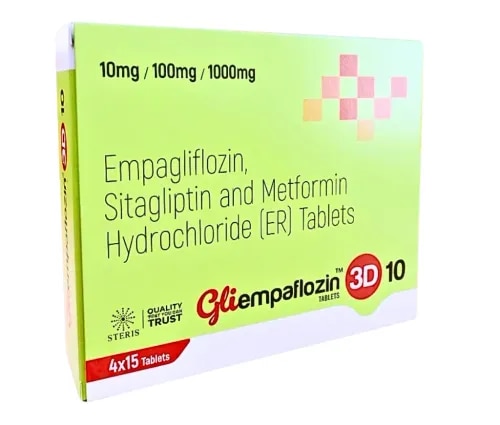
"name": "Empagliozin 10 mg, Sitagliptin 100 mg and Metformin hydrochloride 1000 mg ER Tablets",
"description": "GLIEMPAFLOZIN 3D 10 is a triple-combination antidiabetic tablet containing Empagliflozin 10 mg, Sitagliptin 100 mg, and Metformin Hydrochloride Extended Release (ER) 1000 mg. This combination is intended for the management of type 2 diabetes mellitus in appropriately selected patients under the supervision of a qualified healthcare professional.\n\nThe three active ingredients work through different mechanisms to help regulate blood glucose levels. Empagliflozin helps the kidneys eliminate glucose through urine, Sitagliptin supports glucose-dependent insulin regulation, and Metformin helps reduce glucose production in the liver while improving insulin sensitivity.\n\nBy combining these ingredients in one tablet, GLIEMPAFLOZIN 3D 10 provides a multi-mechanism approach to blood glucose management. Its suitability depends on the patient's clinical condition, kidney function, existing treatment, and the approved prescribing information.\n\nComposition of GLIEMPAFLOZIN 3D 10\nEach tablet contains the following stated active ingredients:\n\nEmpagliflozin 10 mg: A sodium-glucose cotransporter 2 (SGLT2) inhibitor that reduces glucose reabsorption by the kidneys and increases glucose excretion through urine.\nSitagliptin 100 mg: A dipeptidyl peptidase-4 (DPP-4) inhibitor that helps regulate insulin and glucagon responses according to blood glucose levels.\nMetformin Hydrochloride ER 1000 mg: An extended-release biguanide that primarily reduces glucose production in the liver and improves the body's response to insulin.\nThe exact formulation, excipients, approved indications, and administration instructions should be confirmed from the product packaging and official prescribing information.\n\nKey Features of GLIEMPAFLOZIN 3D 10 Tablets\nGLIEMPAFLOZIN 3D 10 combines three established antidiabetic medicines with complementary mechanisms of action.\n\nTriple-combination formulation: Contains Empagliflozin, Sitagliptin, and Metformin Hydrochloride ER.\nMultiple glucose-control pathways: Targets different processes involved in blood glucose regulation.\nExtended-release metformin: Provides a formulation designed to release Metformin gradually over time.\nOral tablet dosage form: Allows administration according to the prescribed regimen.\nIndividualized diabetes management: May be considered when a healthcare professional determines that all three ingredients are appropriate.\nThe combination is not suitable for every person with diabetes. Treatment decisions should be based on individual medical needs and the approved product information.\n\nUses of GLIEMPAFLOZIN 3D 10\nGLIEMPAFLOZIN 3D 10 is intended for the management of type 2 diabetes mellitus, subject to its approved indications and the prescribing healthcare professional's assessment.\n\nType 2 diabetes is a chronic metabolic condition characterized by impaired insulin action and, in many patients, insufficient insulin production. Persistently elevated blood glucose can increase the risk of complications affecting the eyes, kidneys, nerves, heart, and blood vessels.\n\nThe three active ingredients in GLIEMPAFLOZIN 3D 10 address different aspects of glucose regulation. A healthcare professional may consider this combination when multiple medicines are required to achieve an individual's treatment goals and when the combination is clinically appropriate.\n\nThe medicine should be used as part of a comprehensive diabetes-management plan that may include balanced nutrition, regular physical activity, blood glucose monitoring, and routine medical assessments. It is not intended for the treatment of type 1 diabetes or diabetic ketoacidosis.\n\nHow Does GLIEMPAFLOZIN 3D 10 Work?\n1. Empagliflozin 10 mg\nEmpagliflozin belongs to the SGLT2 inhibitor class. It blocks a protein responsible for reabsorbing glucose filtered by the kidneys. This allows more glucose to be eliminated through urine, helping reduce blood glucose levels.\n\nEmpagliflozin has also demonstrated cardiovascular and kidney benefits in certain eligible patient populations. Whether these benefits apply to an individual depends on their clinical condition and the applicable prescribing information.\n\n2. Sitagliptin 100 mg\nSitagliptin inhibits the DPP-4 enzyme, which breaks down incretin hormones. By increasing incretin activity, Sitagliptin supports insulin release when blood glucose is elevated and helps regulate glucagon secretion. These actions contribute to blood glucose control.\n\n3. Metformin Hydrochloride ER 1000 mg\nMetformin primarily reduces glucose production in the liver and improves insulin sensitivity. The extended-release formulation is designed to release the medicine gradually over time.\n\nTogether, these ingredients target several pathways involved in type 2 diabetes. Their combined effectiveness and safety depend on appropriate prescribing, correct administration, and regular monitoring.\n\nPotential Benefits of GLIEMPAFLOZIN 3D 10\nWhen prescribed for an appropriate patient, GLIEMPAFLOZIN 3D 10 may offer the following treatment advantages:\n\nMultiple mechanisms of action: Combines three medicines that influence different aspects of glucose regulation.\nBlood glucose management: Helps improve glycemic control in eligible adults with type 2 diabetes.\nCombination therapy: May simplify a treatment regimen compared with taking the same ingredients as separate tablets.\nExtended-release component: Includes Metformin Hydrochloride ER for gradual drug release.\nPersonalized treatment options: May be considered when a healthcare professional determines that triple therapy is appropriate.\nIndividual outcomes vary, and the medicine does not replace a suitable diet, physical activity, or routine diabetes care.\n\nDirections for Use\nTake GLIEMPAFLOZIN 3D 10 only as prescribed by your healthcare professional.\n\nFollow the prescribed dose and administration schedule.\nTake the tablet with food if directed by the product labeling or your prescriber.\nSwallow the extended-release tablet whole unless the specific product instructions state otherwise. Do not crush, chew, or split it without professional guidance.\nDo not change the dose or stop treatment without consulting your prescriber.\nAttend recommended appointments for kidney-function assessment and blood glucose monitoring.\nIf you miss a dose, follow the official patient information or ask your healthcare professional or pharmacist what to do. Do not take an extra dose to compensate for a missed dose unless specifically instructed.\n\nPrecautions and Safety Information\nGLIEMPAFLOZIN 3D 10 is a prescription medicine and may not be suitable for everyone.\n\nKidney function: Kidney function should be assessed before and during treatment as appropriate. Metformin and Empagliflozin have important kidney-related prescribing considerations.\n\nDehydration: Empagliflozin increases glucose excretion through urine and may increase urination. Patients at risk of dehydration or low blood pressure should discuss appropriate precautions with their healthcare professional.\n\nGenital and urinary infections: Empagliflozin may increase the risk of genital fungal infections and can be associated with urinary tract infections.\n\nLactic acidosis: Metformin can rarely cause a serious condition called lactic acidosis. Risk may increase with significant kidney impairment, severe dehydration, certain acute illnesses, or excessive alcohol intake.\n\nPancreatitis: Pancreatitis has been reported in patients taking Sitagliptin. Severe, persistent abdominal pain requires prompt medical assessment.\n\nHypoglycemia: Low blood glucose may occur, particularly when the combination is used with insulin or insulin secretagogues such as sulfonylureas.\n\nInform your healthcare professional about existing medical conditions, all medicines you take, pregnancy or breastfeeding, planned surgery, prolonged fasting, and upcoming procedures involving iodinated contrast. Follow professional instructions about temporary medicine interruption during acute illness or other high-risk situations.\n\nSeek urgent medical care for severe abdominal pain, difficulty breathing, persistent vomiting, severe dehydration, or other serious symptoms.\n\nWhy Choose GLIEMPAFLOZIN 3D 10?\nGLIEMPAFLOZIN 3D 10 brings together Empagliflozin 10 mg, Sitagliptin 100 mg, and Metformin Hydrochloride ER 1000 mg in a triple-combination tablet intended for selected patients with type 2 diabetes.\n\nFor pharmaceutical websites, pharmacies, distributors, and healthcare professionals, clear information about composition, mechanism of action, potential uses, and precautions supports responsible product awareness.\n\nAlways refer to the approved product label for the exact composition, indications, dosage, contraindications, storage requirements, and instructions for use.\n\nConclusion\nGLIEMPAFLOZIN 3D 10 Tablets combine Empagliflozin 10 mg, Sitagliptin 100 mg, and Metformin Hydrochloride ER 1000 mg to target multiple pathways involved in blood glucose regulation. The combination may be appropriate for selected adults with type 2 diabetes under medical supervision.\n\nFor complete information about dosage, contraindications, warnings, storage, and approved indications, consult the official product packaging and prescribing information. Use this medicine only under the direction of a qualified healthcare professional.\n\nFrequently Asked Questions (FAQs)\n1. What is GLIEMPAFLOZIN 3D 10?\n\nGLIEMPAFLOZIN 3D 10 is a combination tablet containing Empagliflozin 10 mg, Sitagliptin 100 mg, and Metformin Hydrochloride ER 1000 mg.\n\n2. What is GLIEMPAFLOZIN 3D 10 used for?\n\nIt is intended for the management of type 2 diabetes mellitus in patients for whom this combination is considered appropriate by a healthcare professional.\n\n3. How does GLIEMPAFLOZIN 3D 10 work?\n\nEmpagliflozin increases urinary glucose excretion, Sitagliptin supports glucose-dependent insulin regulation, and Metformin reduces glucose production in the liver and improves insulin sensitivity.\n\n4. Can GLIEMPAFLOZIN 3D 10 replace diet and exercise?\n\nNo. Medication should be combined with an individualized diet, physical activity, and monitoring plan recommended by a healthcare professional.\n\n5. Is GLIEMPAFLOZIN 3D 10 suitable for everyone with diabetes?\n\nNo. Suitability depends on the type of diabetes, kidney function, other medical conditions, concurrent medicines, and approved prescribing information.\n\n",
"price": 210.0,
"discountamount": 147.0,
"currencycode": "INR",
"priority": 1000000,
"isfreeshipmentavailable": false,
"shipmentduration": 1,
"_keywords": null,
"isarchived": false,
"isavailable": true,
"applicationid": null,
"productindex": 2505,
"imageuri": "https://productimages.withfloats.com/actual/6ad7470422551901df6e5493.png",
"tileimageuri": "https://productimages.withfloats.com/tile/6ad7470422551901df6e5493.png",
"images": null,
"totalqueries": 0,
"gpid": null,
"groupproductid": null,
"createdon": "2026-10-20T10:48:34.116Z",
"updatedon": "2026-10-20T10:48:34.116Z",
"buyonlinelink": null,
"producturl": "http://WWW.STERISINDIA.COM//empagliozin-10-mg-sitagliptin-100-mg-and-metformin-hydrochloride-1000-mg-er-tablets/2505",
"availableunits": -1.0,
"iscodavailable": false,
"isprepaidonlineavailable": false,
"maxcodorders": 0,
"maxprepaidonlineorders": 0,
"uniquepaymenturl": null,
"brandname": "GLIEMPAFLOZIN 3D 10",
"category": "DIABETIC RANGE",
"tags": [],
"variants": false,
"keyspecification": null,
"otherspecifications": null,
"pickupaddressreferenceid": null,
"paymenttype": "UniquePaymentUrl",
"producttype": "products",
"hsncode": null,
"gstslab": 0.0,
"isnotforsale": false
},
{
"_id": "6ad7442bf24c5a4bbccf4b10",
"fptag": "STERISHEALTHCARE",
"merchantname": null,
"customwidgets": null,
"externalsourceid": null,
"name": "Empagliflozin,Sitagliptin And Metformin Hydrochloride (ER) Tablets",
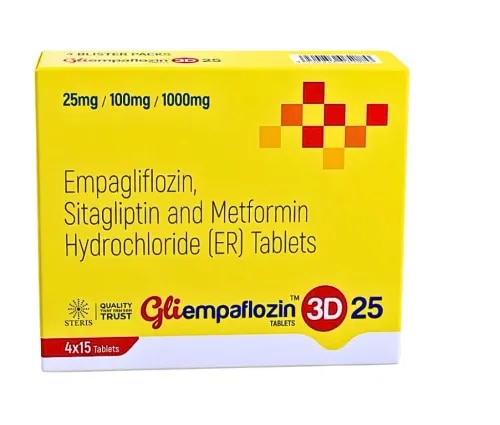
"description": "GLIEMPAFLOZIN 3D 25 is a combination pharmaceutical product containing Empagliflozin 25 mg, Sitagliptin 100 mg, and Metformin Hydrochloride Extended Release (ER) 1000 mg. This triple-combination formulation is intended for the management of type 2 diabetes mellitus in appropriate patients, as determined by a qualified healthcare professional.\n\nThe three active ingredients work through different mechanisms to help control blood glucose levels. Empagliflozin belongs to the sodium-glucose cotransporter 2 (SGLT2) inhibitor class, Sitagliptin is a dipeptidyl peptidase-4 (DPP-4) inhibitor, and Metformin is a biguanide antidiabetic medicine. Together, these ingredients target different pathways involved in glucose regulation.\n\nGLIEMPAFLOZIN 3D 25 provides a combination of three established antidiabetic agents in a single tablet. Its suitability depends on the patient's blood glucose levels, kidney function, current diabetes treatment, medical history, and the approved prescribing information.\n\nComposition of GLIEMPAFLOZIN 3D 25\nEach tablet contains the following stated active ingredients:\n\nEmpagliflozin 25 mg: An SGLT2 inhibitor that helps the kidneys remove glucose from the bloodstream through urine.\nSitagliptin 100 mg: A DPP-4 inhibitor that increases the activity of incretin hormones involved in glucose-dependent insulin release and glucagon regulation.\nMetformin Hydrochloride ER 1000 mg: An extended-release biguanide that primarily reduces glucose production in the liver and improves the body's response to insulin.\nThe exact formulation, excipients, administration instructions, and approved indications should be verified against the product packaging and official prescribing information.\n\nKey Features of GLIEMPAFLOZIN 3D 25\nGLIEMPAFLOZIN 3D 25 combines three antidiabetic ingredients with complementary mechanisms of action.\n\nTriple-combination formulation: Contains Empagliflozin, Sitagliptin, and Metformin Hydrochloride ER.\nMultiple glucose-control pathways: The ingredients act through different mechanisms involved in blood glucose regulation.\nExtended-release metformin: The ER formulation is designed to release metformin over an extended period.\nOral tablet dosage form: Provides oral administration according to the prescribed regimen.\nIndividualized diabetes management: May be considered by a healthcare professional when combination therapy is appropriate.\nThe benefits of this combination depend on the patient's clinical needs and the suitability of all three ingredients.\n\nUses of GLIEMPAFLOZIN 3D 25 Tablets\nGLIEMPAFLOZIN 3D 25 is intended for the management of type 2 diabetes mellitus, subject to the product's approved indications and the prescribing healthcare professional's judgment.\n\nType 2 diabetes is a chronic metabolic condition in which the body does not use insulin effectively or does not produce enough insulin to maintain healthy blood glucose levels. Long-term elevated blood glucose can increase the risk of complications affecting the eyes, kidneys, nerves, heart, and blood vessels.\n\nThe three medicines in GLIEMPAFLOZIN 3D 25 target different aspects of glucose regulation. A healthcare professional may consider a combination regimen when an individual's treatment goals are not adequately achieved with a simpler regimen or when the combination is otherwise clinically appropriate.\n\nThe medicine should be used alongside an individualized diabetes-management plan that may include a balanced diet, physical activity, glucose monitoring, and regular medical follow-up. It is not intended for the treatment of type 1 diabetes or diabetic ketoacidosis.\n\nHow Does GLIEMPAFLOZIN 3D 25 Work?\nThe three active ingredients contribute to blood glucose management through distinct mechanisms.\n\n1. Empagliflozin 25 mg\nEmpagliflozin inhibits SGLT2, a protein responsible for reabsorbing much of the glucose filtered by the kidneys. By reducing glucose reabsorption, it increases glucose excretion through urine and helps lower blood glucose levels.\n\nEmpagliflozin has also demonstrated cardiovascular and kidney benefits in certain eligible patient populations. These benefits depend on the patient's condition and the applicable prescribing information and should not be assumed to apply identically to every patient.\n\n2. Sitagliptin 100 mg\nSitagliptin inhibits the DPP-4 enzyme, which breaks down incretin hormones. Increasing incretin activity helps stimulate insulin release when blood glucose is elevated and reduces glucagon secretion when appropriate. This helps regulate glucose levels, particularly after meals.\n\n3. Metformin Hydrochloride ER 1000 mg\nMetformin primarily decreases glucose production in the liver and improves insulin sensitivity. The extended-release formulation is designed to release the medicine gradually over time.\n\nBy combining these mechanisms, GLIEMPAFLOZIN 3D 25 targets several pathways involved in type 2 diabetes. Its overall effectiveness and safety depend on appropriate patient selection, dosing, and ongoing monitoring.\n\nPotential Benefits of GLIEMPAFLOZIN 3D 25\nWhen prescribed for an appropriate patient, this combination may offer the following treatment advantages:\n\nMultiple mechanisms of action: Addresses glucose regulation through three different pharmacological pathways.\nBlood glucose management: Helps improve glycemic control in eligible adults with type 2 diabetes.\nOral combination therapy: Combines three medicines in one tablet, which may simplify a prescribed regimen compared with taking each ingredient separately.\nExtended-release component: Includes Metformin Hydrochloride ER for gradual drug release.\nIndividualized treatment options: May be considered when a healthcare professional determines that all three ingredients are appropriate.\nThese potential advantages do not guarantee a particular result. Treatment effectiveness depends on adherence, diet, physical activity, individual health status, and medical supervision.\n\nDirections for Use\nGLIEMPAFLOZIN 3D 25 should be taken only as prescribed by a qualified healthcare professional.\n\nFollow the prescribed dose and administration schedule.\nTake the tablet with food if directed by the product labeling or prescriber.\nSwallow the extended-release tablet whole unless the specific product instructions state otherwise. Do not crush, chew, or split it without professional guidance.\nDo not change the dose or discontinue treatment without consulting your prescriber.\nAttend recommended appointments for blood glucose monitoring and kidney-function assessment.\nIf a dose is missed, follow the official patient information or ask your healthcare professional or pharmacist for advice. Do not take an extra dose to compensate for a missed dose unless specifically instructed.\n\nPrecautions and Safety Information\nGLIEMPAFLOZIN 3D 25 is a prescription medicine and is not suitable for everyone.\n\nKidney function: Kidney function should be assessed before and during treatment as appropriate. Metformin and Empagliflozin have important renal considerations, and the combination may be unsuitable at certain levels of kidney impairment.\n\nDehydration: Empagliflozin increases glucose excretion through urine and may increase urination. Patients should discuss dehydration risk, low blood pressure, and fluid intake with their healthcare professional.\n\nGenital and urinary infections: Empagliflozin can increase the risk of genital fungal infections and may be associated with urinary tract infections.\n\nLactic acidosis: Metformin can rarely cause a serious condition called lactic acidosis. Risk may increase with significant kidney impairment, severe dehydration, certain acute illnesses, excessive alcohol intake, or other predisposing conditions.\n\nPancreatitis: Pancreatitis has been reported in patients taking Sitagliptin. Severe, persistent abdominal pain requires prompt medical assessment.\n\nLow blood glucose: The risk of hypoglycemia may increase when this combination is used with insulin or insulin secretagogues, such as sulfonylureas.\n\nInform your healthcare professional about existing medical conditions, all medicines you take, pregnancy or breastfeeding, planned surgery, prolonged fasting, or an upcoming medical procedure involving iodinated contrast. Follow professional instructions about temporary medicine interruption during acute illness or other high-risk situations.\n\nSeek urgent medical care for severe abdominal pain, difficulty breathing, unusual weakness, persistent vomiting, severe dehydration, or other serious symptoms.\n\nWhy Choose GLIEMPAFLOZIN 3D 25?\nGLIEMPAFLOZIN 3D 25 brings together Empagliflozin, Sitagliptin, and Metformin Hydrochloride ER in a triple-combination tablet designed for the management of type 2 diabetes in appropriately selected patients.\n\nFor pharmaceutical product catalogues, distributors, pharmacies, and healthcare professionals, accurate information about the composition, mechanism of action, approved indications, and safety profile supports responsible product awareness.\n\nTreatment decisions should always be based on the patient's medical assessment and the approved product information.\n\nConclusion\nGLIEMPAFLOZIN 3D 25 Tablets combine Empagliflozin 25 mg, Sitagliptin 100 mg, and Metformin Hydrochloride ER 1000 mg to target multiple pathways involved in blood glucose regulation. This combination may be appropriate for selected adults with type 2 diabetes under medical supervision.\n\nFor complete information about dosage, contraindications, warnings, storage, and approved indications, consult the official product packaging and prescribing information. Use this medicine only under the direction of a qualified healthcare professional.\n\nFrequently Asked Questions (FAQs)\n1. What is GLIEMPAFLOZIN 3D 25?\n\nGLIEMPAFLOZIN 3D 25 is a combination tablet containing Empagliflozin 25 mg, Sitagliptin 100 mg, and Metformin Hydrochloride ER 1000 mg.\n\n2. What is GLIEMPAFLOZIN 3D 25 used for?\n\nIt is intended for the management of type 2 diabetes mellitus in patients for whom the combination is considered appropriate by a healthcare professional.\n\n3. How does GLIEMPAFLOZIN 3D 25 work?\n\nEmpagliflozin increases urinary glucose excretion, Sitagliptin supports glucose-dependent insulin regulation, and Metformin reduces glucose production in the liver and improves insulin sensitivity.\n\n4. Can GLIEMPAFLOZIN 3D 25 replace diet and exercise?\n\nNo. Medication should be combined with an individualized diet, physical activity, and monitoring plan as recommended by a healthcare professional.\n\n5. Is GLIEMPAFLOZIN 3D 25 suitable for everyone with diabetes?\n\nNo. Its suitability depends on the type of diabetes, kidney function, other medical conditions, concurrent medicines, and the approved prescribing information.",
"price": 230.0,
"discountamount": 69.0,
"currencycode": "INR",
"priority": 1000000,
"isfreeshipmentavailable": false,
"shipmentduration": 1,
"_keywords": null,
"isarchived": false,
"isavailable": true,
"applicationid": null,
"productindex": 2504,
"imageuri": "https://productimages.withfloats.com/actual/6ad7442d6e565c5fe6e5b7cb.png",
"tileimageuri": "https://productimages.withfloats.com/tile/6ad7442d6e565c5fe6e5b7cb.png",
"images": null,
"totalqueries": 0,
"gpid": null,
"groupproductid": null,
"createdon": "2026-10-20T10:36:27.325Z",
"updatedon": "2026-10-20T10:36:27.325Z",
"buyonlinelink": null,
"producturl": "http://WWW.STERISINDIA.COM//empagliflozin-sitagliptin-and-metformin-hydrochloride-er-tablets/2504",
"availableunits": -1.0,
"iscodavailable": false,
"isprepaidonlineavailable": false,
"maxcodorders": 0,
"maxprepaidonlineorders": 0,
"uniquepaymenturl": null,
"brandname": "GLIEMPAFLOZIN 3D 25",
"category": "DIABETIC RANGE",
"tags": [],
"variants": false,
"keyspecification": null,
"otherspecifications": null,
"pickupaddressreferenceid": null,
"paymenttype": "UniquePaymentUrl",
"producttype": "products",
"hsncode": null,
"gstslab": 0.0,
"isnotforsale": false
},
{
"_id": "6ad73c502f1fbe0284e2dcb5",
"fptag": "STERISHEALTHCARE",
"merchantname": null,
"customwidgets": null,
"externalsourceid": null,
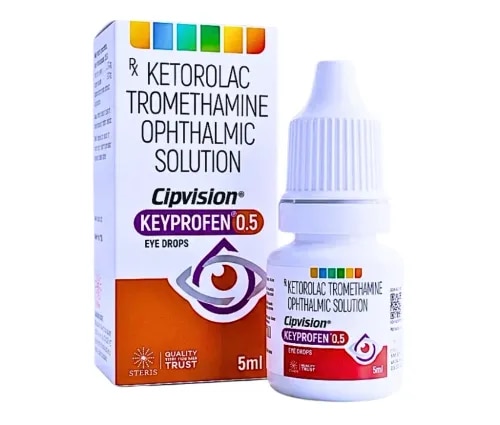
"name": "Ketorolac Tromethamine Ophthalmic Solution",
"description": "CIPVISION KEYPROFEN 0.5 is an ophthalmic formulation containing Ketorolac Tromethamine 0.5% w/v, a non-steroidal anti-inflammatory drug (NSAID) used in specific eye-care situations. It works by reducing the production of prostaglandins, chemical substances that contribute to pain and inflammation. This action may help manage certain inflammatory eye symptoms when the medicine is prescribed for an appropriate condition.\n\nCIPVISION KEYPROFEN 0.5 is intended for topical application to the eyes under the supervision of a qualified healthcare professional. Its suitability depends on the patient's symptoms, clinical diagnosis, and the approved product information.\n\nFor pharmacies, medical distributors, healthcare professionals, and pharmaceutical product catalogues, CIPVISION KEYPROFEN 0.5 represents an ophthalmic product containing a recognised anti-inflammatory ingredient. Appropriate product information helps users understand its intended role, administration requirements, and important precautions.\nComposition of CIPVISION KEYPROFEN 0.5\nThe stated active ingredient in CIPVISION KEYPROFEN 0.5 is:\n\nKetorolac Tromethamine 0.5% w/v: This medicine belongs to the NSAID class. It inhibits cyclooxygenase enzymes involved in the production of prostaglandins, helping reduce inflammatory activity and associated discomfort in suitable ophthalmic conditions.\n\nThe complete formulation, inactive ingredients, pack size, and approved therapeutic indications should be verified using the product packaging and official prescribing information.\nKey Features of CIPVISION KEYPROFEN 0.5 Eye Drops\nCIPVISION KEYPROFEN 0.5 has several important characteristics relevant to ophthalmic care:\n- NSAID-based formulation: Contains Ketorolac Tromethamine, a non-steroidal anti-inflammatory medicine.\n- Inflammation control: Helps manage inflammation in specific eye conditions when prescribed appropriately.\n- Prostaglandin reduction: Acts by inhibiting enzymes involved in the formation of inflammatory mediators.\n- Topical eye application: Designed for administration directly into the eye according to prescribed directions.\n- Clinically guided use: Requires an appropriate diagnosis and advice from an eye-care professional.\nThe potential role of this medicine depends on the underlying eye condition, the approved product indications, and the patient's individual health requirements.\nWhat Is CIPVISION KEYPROFEN 0.5 Used For?\nCIPVISION KEYPROFEN 0.5 may be prescribed for selected eye conditions in which reducing inflammation, itching, or pain is clinically appropriate. The precise indication should be confirmed from the approved product information.\n1. Management of Selected Inflammatory Eye Conditions\nInflammation of the eye may cause redness, irritation, watering, and discomfort. Ketorolac Tromethamine reduces the production of prostaglandins involved in the inflammatory response. An ophthalmologist can determine whether this medicine is suitable after assessing the cause of the symptoms.\n2. Relief of Certain Types of Eye Discomfort\nKetorolac Tromethamine ophthalmic preparations may help relieve ocular pain in approved clinical situations. Some formulations are also indicated for itching associated with seasonal allergic conjunctivitis. These uses depend on the specific product's approved labelling.\n\nPersistent eye pain, redness, or irritation should not be treated through self-medication because these symptoms can arise from infections, injuries, or other conditions requiring different treatment.\n3. Eye Care Following Certain Surgical Procedures\nSome Ketorolac Tromethamine ophthalmic products are used to manage pain and inflammation associated with eye surgery, including cataract procedures. Postoperative treatment must follow the ophthalmologist's instructions because the appropriate medicine, dosage, and duration depend on the procedure and the patient's recovery.\n\nAlways verify whether CIPVISION KEYPROFEN 0.5 is approved for the intended postoperative use before including a specific surgical indication in product information.\nHow Does CIPVISION KEYPROFEN 0.5 Work?\nKetorolac Tromethamine belongs to the non-steroidal anti-inflammatory drug category. Its action involves inhibiting cyclooxygenase (COX) enzymes, which help produce prostaglandins.\n\nProstaglandins participate in inflammatory processes and pain signalling. By reducing their production, Ketorolac Tromethamine can help control inflammation and associated discomfort in certain eye conditions.\n\nUnlike corticosteroids, Ketorolac Tromethamine is a non-steroidal anti-inflammatory medicine. However, it is not appropriate for every eye complaint. It does not treat all causes of eye redness or pain, and suspected infections may require a different treatment approach.\nPotential Benefits of CIPVISION KEYPROFEN 0.5\nWhen prescribed for an appropriate indication, CIPVISION KEYPROFEN 0.5 may offer the following benefits:\n- Anti-inflammatory action: Helps reduce inflammatory activity in selected ophthalmic conditions.\n- Management of eye pain: May relieve pain in specific clinical situations covered by the relevant product indication.\n- Non-steroidal treatment option: Provides an alternative mechanism to corticosteroid-based medicines for appropriate cases.\n- Local administration: Allows the active ingredient to be delivered directly to the eye.\n- Support for ophthalmic treatment: May be included in a treatment plan developed by an eye-care professional.\nThe response to treatment varies according to the diagnosis, severity of the condition, individual health factors, and adherence to the prescribed instructions. The product should not be considered a universal treatment for eye pain or inflammation.\nHow to Use CIPVISION KEYPROFEN 0.5 Eye Drops\nUse CIPVISION KEYPROFEN 0.5 only according to your ophthalmologist's instructions and the product leaflet.\n1. Clean your hands: Wash and dry your hands before handling the eye-drop bottle.\n2. Check the bottle: Confirm the product name, expiry date, and administration instructions before use.\n3. Prevent contamination: Keep the dropper tip away from your eyes, eyelids, fingers, and other surfaces.\n4. Follow the prescribed dosage: Use only the recommended number of drops and the prescribed frequency.\n5. Use other eye medicines carefully: Ask your healthcare professional how much time to leave between different ophthalmic preparations.\n6. Avoid prolonged use: Do not continue treatment longer than recommended, as extended NSAID use may increase the risk of eye complications.\n7. Follow storage instructions: Store the medicine as directed on its packaging and observe any instructions concerning use after opening.\n8. Do not share the bottle: Sharing eye drops can increase the risk of contamination.\n9. Attend follow-up appointments: Follow your ophthalmologist's advice, particularly when using the medicine after eye surgery.\nIf you miss a dose, follow the instructions in the product leaflet or consult your healthcare professional. Do not double the next dose to compensate for a missed application.\nPrecautions and Safety Information\nAlthough Ketorolac Tromethamine eye drops can be useful in appropriate clinical settings, they may cause side effects and require additional caution in certain patients.\nPossible Side Effects\nSome people may experience temporary burning, stinging, irritation, or discomfort after applying the drops. Ophthalmic NSAIDs can also delay healing and, in susceptible individuals, increase the risk of corneal complications. Rare cases of serious corneal damage have been reported.\n\nContact your ophthalmologist if symptoms persist or worsen. Seek urgent medical assessment if you experience severe eye pain, significant changes in vision, marked redness, or other serious symptoms.\nImportant Precautions\n- Corneal conditions: Tell your doctor if you have corneal disease, a damaged eye surface, or delayed healing.\n- Dry eyes: Inform your healthcare professional if you have severe dry eye symptoms or another condition affecting the eye surface.\n- Allergies: Disclose any previous allergic reaction to Ketorolac, aspirin, or other NSAIDs.\n- Bleeding risks: Discuss any bleeding disorder or medicine that may increase bleeding risk.\n- Eye surgery: Follow your surgeon's instructions, as postoperative use requires appropriate monitoring.\n- Pregnancy and breastfeeding: Consult your doctor before using the medicine during pregnancy or while breastfeeding.\n- Other medicines: Inform your healthcare professional about all medicines and eye preparations you currently use.\nCIPVISION KEYPROFEN 0.5 is intended for ophthalmic use only. Keep it out of children's reach and never use it beyond the labelled expiry date.\nWhy Consider CIPVISION KEYPROFEN 0.5 for Pharmaceutical Product Portfolios?\nCIPVISION KEYPROFEN 0.5 combines a distinct pharmaceutical brand identity with Ketorolac Tromethamine 0.5% ophthalmic solution. The formulation may be relevant to product catalogues serving pharmacies, medical distributors, and healthcare professionals involved in ophthalmic care.\n\nClear product information supports responsible pharmaceutical communication by explaining the active ingredient, its mechanism of action, appropriate clinical applications, and safety considerations.\n\nFor accurate product representation, always verify the approved strength, indications, contraindications, dosage, storage requirements, and instructions against the official packaging and prescribing information.\nConclusion\nCIPVISION KEYPROFEN 0.5 Eye Drops contains Ketorolac Tromethamine 0.5% w/v, a non-steroidal anti-inflammatory ingredient used in selected ophthalmic conditions. By inhibiting prostaglandin production, it helps manage inflammation and may relieve pain in specific approved clinical settings.\n\nCorrect administration, appropriate patient selection, and awareness of potential side effects are essential for responsible use. Consult a qualified eye-care professional for treatment guidance and refer to the approved product information for complete details.\nFrequently Asked Questions (FAQs)\n1. What is CIPVISION KEYPROFEN 0.5?\nCIPVISION KEYPROFEN 0.5 is an ophthalmic solution containing Ketorolac Tromethamine 0.5% w/v, according to the composition provided. It is intended for specific eye-care applications under professional guidance.\n2. What is CIPVISION KEYPROFEN 0.5 used for?\nKetorolac Tromethamine ophthalmic preparations may be prescribed for certain inflammatory eye conditions, itching associated with seasonal allergic conjunctivitis, or pain and inflammation following specific eye procedures. The approved uses of CIPVISION KEYPROFEN 0.5 must be confirmed from its official product information.\n3. How does Ketorolac Tromethamine work in the eyes?\nKetorolac Tromethamine inhibits cyclooxygenase enzymes involved in prostaglandin production. This helps reduce inflammatory activity and associated pain in appropriate ophthalmic conditions.\n4. Can CIPVISION KEYPROFEN 0.5 be used without a prescription?\nUse this medicine only under appropriate medical guidance. An eye-care professional should determine whether it is suitable, particularly because NSAID eye drops can affect healing and may cause complications in susceptible patients.\n5. What precautions should be taken while using CIPVISION KEYPROFEN 0.5?\nAvoid contaminating the dropper tip, follow the prescribed dosage, and do not use the drops for longer than recommended. Inform your doctor about corneal problems, allergies to NSAIDs, bleeding disorders, and other medicines you use.\n6. How should CIPVISION KEYPROFEN 0.5 be stored?\nFollow the storage instructions on the product packaging. Keep the container closed as directed, protect it from unsuitable storage conditions, and observe any instructions concerning disposal after opening.\n\n\n",
"price": 80.0,
"discountamount": 56.0,
"currencycode": "INR",
"priority": 1000000,
"isfreeshipmentavailable": false,
"shipmentduration": 1,
"_keywords": null,
"isarchived": false,
"isavailable": true,
"applicationid": null,
"productindex": 2503,
"imageuri": "https://productimages.withfloats.com/actual/6ad73c52dc6a6c6c9945f376.png",
"tileimageuri": "https://productimages.withfloats.com/tile/6ad73c52dc6a6c6c9945f376.png",
"images": null,
"totalqueries": 0,
"gpid": null,
"groupproductid": null,
"createdon": "2026-10-20T10:02:56.893Z",
"updatedon": "2026-10-20T10:02:56.893Z",
"buyonlinelink": null,
"producturl": "http://WWW.STERISINDIA.COM//ketorolac-tromethamine-ophthalmic-solution/2503",
"availableunits": -1.0,
"iscodavailable": false,
"isprepaidonlineavailable": false,
"maxcodorders": 0,
"maxprepaidonlineorders": 0,
"uniquepaymenturl": null,
"brandname": "CIPVISION KEYPROFEN 0.5",
"category": "Opthalmology Range",
"tags": [],
"variants": false,
"keyspecification": null,
"otherspecifications": null,
"pickupaddressreferenceid": null,
"paymenttype": "UniquePaymentUrl",
"producttype": "products",
"hsncode": null,
"gstslab": 0.0,
"isnotforsale": false
},
{
"_id": "6abe4471401ae1a1106d67d9",
"fptag": "STERISHEALTHCARE",
"merchantname": null,
"customwidgets": null,
"externalsourceid": null,
"name": "Bisoprolol 1.25mg",
"description": "Bisoprolol 1.25mg is the smallest tablet strength of bisoprolol, a heart-selective beta-1 blocker. Doctors usually prescribe it to start treatment or to build up the dose gradually in people with high blood pressure, chronic stable heart failure, or fast heart rhythms. It suits older adults, people with mild heart failure, and anyone who reacts strongly to beta-blockers. The medicine slows the heartbeat and eases the force of each contraction, so the heart works less hard. BISOGARD 1.25 from Steris Healthcare Pvt. Ltd. comes in a strip pack of 15 tablets. It is a Schedule H medicine, so it must only be started, changed, or stopped on a doctor's advice.\n\nProduct Snapshot\n\nBrand: BISOGARD 1.25\nManufacturer/Marketer: Steris Healthcare Pvt. Ltd., a WHO-GMP and ISO-certified pharmaceutical company in India\nActive ingredient: Bisoprolol Fumarate 1.25mg\nForm: Tablet\nPack size: 15 tablets\nDrug class: Cardioselective beta-1 blocker\nLegal status: Schedule H (valid prescription required)\nAvailability: Through Steris Healthcare's authorized pharmacies and its B2B PCD franchise network across India\nWhat Is Bisoprolol 1.25mg?\n\nIf your doctor has just prescribed bisoprolol 1.25mg, you have been given the lowest dose on purpose. Bisoprolol is a cardioselective beta-1 blocker, meaning it acts mostly on receptors in the heart and has much less effect on the lungs and blood vessels. This is a major reason it is preferred over older, non-selective beta-blockers, especially for people who also have a mild breathing problem.\n\nThe 1.25mg tablet is not a “light” medicine for mild illness. It is a carefully chosen entry point. In heart failure, a weakened heart can struggle if its rate or pressure drops too quickly, so cardiologists follow a “start low, go slow” approach. Treatment begins at 1.25mg, the response is watched for one to two weeks, and the dose is raised step by step (commonly 2.5mg, 3.75mg, 5mg, 7.5mg, and up to 10mg) as the heart adapts. That is why BISOGARD 1.25 is often the first tablet a newly diagnosed heart failure patient takes.\n\nWhat Is Bisoprolol 1.25mg Used For?\n\nDoctors commonly prescribe this strength for:\n\nChronic heart failure (HFrEF): as the first step of dose titration in patients with a reduced ejection fraction, alongside ACE inhibitors/ARBs and diuretics\nHigh blood pressure: especially in older adults, people with low body weight, and those who are sensitive to blood-pressure-lowering drugs\nStable angina: to reduce the heart's oxygen demand and relieve chest discomfort\nAfter a heart attack: in selected patients, under a cardiologist's care\nHeart rate control in some arrhythmias: sometimes used off-label at a low dose to gently bring down a fast heart rate\n\nAt 1.25mg, bisoprolol is seldom meant as the long-term sole treatment for high blood pressure in an otherwise healthy adult. It is usually the first rung of a titration ladder, or a steady maintenance dose for patients who are unusually beta-blocker sensitive (older age, low body weight, or borderline low pressure or pulse).\n\nHow Does Bisoprolol Work?\n\nBisoprolol selectively blocks beta-1 adrenergic receptors, which are packed mainly into heart muscle. This leads to several effects:\n\nSlower heart rate: the heart has more time to fill and rest between beats\nGentler contractions: the heart muscle needs less oxygen and energy\nLess renin from the kidneys: this helps blood pressure fall gradually over time\nLower overall cardiac workload: a real advantage for a heart that already struggles to pump well, as in heart failure\nKey Benefits of BISOGARD 1.25\nA gentle starting dose, well suited to careful titration in frail or elderly patients\nHeart-focused action, with less effect on the lungs and peripheral blood vessels than non-selective beta-blockers\nOnce-daily dosing, which makes it easier to stay on treatment\nA guideline-recommended beta-blocker for HFrEF with well-established outcomes data [Reviewer note: insert specific outcome statistics/trial citation pending medical sign-off]\nMade by Steris Healthcare Pvt. Ltd. under WHO-GMP and ISO-certified standards\nDosage Guidance\nUsual starting dose (heart failure): 1.25mg once a day, preferably in the morning\nDose increases: typically every 1–2 weeks (2.5mg, 3.75mg, 5mg, 7.5mg, up to a maximum of 10mg daily), depending on how well you tolerate it and on your pulse and blood pressure\nHigh blood pressure (sensitive patients): 1.25mg to 5mg once daily, as set by your doctor\nHow to take it: at the same time every day, with or without food, swallowed whole with water\nIf you miss a dose: take it when you remember, unless the next dose is almost due. Never take a double dose.\nNever stop suddenly: abrupt withdrawal can cause a rebound rise in heart rate, blood pressure, or chest pain. The dose must be reduced gradually under medical supervision.\nIs It Better to Take Bisoprolol in the Morning or at Night?\n\nMost doctors advise a morning dose. Bisoprolol lowers pulse and blood pressure, and taking it early matches its action to your daytime activity. A night-time dose could add to the body's natural overnight dip in blood pressure and raise the chance of dizziness when getting up in the dark. Some people who feel tired during the day are told by their doctor to switch to the evening. Do not change your dosing time without your doctor's approval.\n\nSide Effects of Bisoprolol 1.25mg\n\nCommon side effects\n\nTiredness or fatigue\nDizziness or light-headedness, especially on standing quickly\nCold hands or feet\nSlow pulse (bradycardia)\nHeadache\nMild stomach upset (nausea, loose stools)\nDisturbed sleep\n\nSerious side effects (get medical help promptly)\n\nVery slow heartbeat or fainting\nIncreasing breathlessness or swollen legs/ankles, which may mean heart failure is worsening\nAllergic reaction: rash, swelling of the face or throat, trouble breathing\nCold, numb, or bluish fingers and toes\nWheezing or new breathing difficulty, particularly in people with asthma or COPD\nMood changes, low mood, or confusion\nWhat Are the Bad Side Effects of Bisoprolol?\n\nThe effects that need urgent attention are a dangerously slow pulse, fainting, signs of worsening heart failure (swelling, breathlessness), severe allergic reactions, and airway tightening in people with lung disease. These are uncommon at the 1.25mg dose, but anyone who notices them should seek medical help right away. [Reviewer note: specific incidence rates pending clinical/medical sign-off]\n\nSubstitutes & Comparable Beta-Blockers\nMolecule\tSelectivity\tTypical Use Case\nBisoprolol\tHighly cardioselective\tHeart failure titration, hypertension\nMetoprolol Succinate ER\tCardioselective\tHypertension, angina, heart failure\nAtenolol\tCardioselective (older agent)\tHypertension\nCarvedilol\tNon-selective with alpha-blocking action\tHeart failure (adds vasodilation)\nPropranolol\tNon-selective\tMigraine prevention, anxiety-related fast heartbeat, essential tremor\nPrecautions & Who Should Avoid Bisoprolol\nNot suitable for people with severe bradycardia, certain forms of heart block (unless a pacemaker is fitted), unstable or acutely decompensated heart failure, or severe uncontrolled asthma\nUse carefully in diabetes, because beta-blockers can hide the warning signs of low blood sugar\nTake care in peripheral vascular disease, as cold extremities or leg pain on walking may worsen\nNever stop it abruptly; always taper under a doctor's guidance\nTell your doctor about every medicine you use, especially other blood-pressure drugs, calcium channel blockers, and certain antiarrhythmics\nIn pregnancy and breastfeeding, use only if your doctor advises it after weighing benefits and risks\nIs Bisoprolol Safe for Kidneys?\n\nThe body clears bisoprolol through both the liver and the kidneys in roughly equal measure. It is generally considered safe for people with normal or mildly reduced kidney function. When kidney impairment is significant, drug levels in the blood can rise, so your doctor may lower the dose or monitor you more closely. Always tell your prescriber about any kidney disease before starting.\n\nIs Bisoprolol a High-Risk Medication?\n\nBisoprolol is not a narrow therapeutic index drug like tacrolimus or warfarin, where small dose differences matter greatly. Even so, it needs supervised use because it directly affects heart rate and blood pressure. The main dangers are stopping it suddenly, which can set off rebound cardiac events, and using it with certain existing rhythm disorders. Taken as prescribed and checked regularly, it has a long and reassuring safety record.\n\nDoes 1.25mg Bisoprolol Lower Blood Pressure?\n\nYes. Even the smallest dose measurably reduces heart rate and blood pressure by lightening the heart's workload and reducing renin-driven narrowing of blood vessels. At this strength the effect on blood pressure is fairly mild, which is exactly why it is a safe place to begin, especially for older adults or people starting heart failure treatment. The dose is then raised gradually to reach full benefit.\n\nFrequently Asked Questions\n\n1. What is 1.25 mg of bisoprolol used for?\nMainly as a low starting dose when building up treatment for chronic heart failure, and for high blood pressure in people who are very sensitive to beta-blockers, such as older adults.\n\n2. What are the bad side effects of bisoprolol?\nThe more serious ones are a very slow pulse, fainting, worsening heart failure signs (swelling, breathlessness), severe allergy, and breathing trouble in people with lung conditions.\n\n3. What are the common side effects of bisoprolol fumarate 1.25 mg tablets?\nTiredness, dizziness, cold hands and feet, mild headache, and a slightly slower pulse.\n\n4. Is it better to take bisoprolol in the morning or at night?\nMorning is usually preferred so its effect fits daytime activity, though your doctor may suggest evenings in some cases.\n\n5. What is the cost of bisoprolol?\nPrice depends on strength, pack size, and brand. Use the “Check Price” option above for current BISOGARD 1.25 pricing from Steris Healthcare.\n\n6. Does 1.25 mg bisoprolol lower blood pressure?\nYes, though only modestly at this dose. The dose is often stepped up over time.\n\n7. Is bisoprolol safe for kidneys?\nGenerally yes for normal or mildly reduced kidney function. People with significant kidney impairment need dose adjustment and monitoring.\n\n8. Is bisoprolol a high-risk medication?\nIt is not a narrow therapeutic index drug, but it must never be stopped suddenly and should be used under medical supervision because of its direct effect on the heart.\n\n9. Can I take bisoprolol 1.25mg for the rest of my life?\nMany people with chronic heart failure or hypertension do take bisoprolol long term, but the dose usually rises as tolerated. Your doctor should review it regularly.\n\n10. What happens if I miss a dose of bisoprolol?\nTake it when you remember, unless the next dose is nearly due. In that case skip the missed one. Never take two together.\n\n11. Can bisoprolol 1.25mg cause weight gain?\nIt is not commonly reported at this dose. Fluid retention linked to heart failure itself should be reported to your doctor.\n\n12. Is bisoprolol safe for diabetic patients?\nIt can be used, with care, because beta-blockers may hide warning signs of low blood sugar such as a racing heartbeat.\n\n13. Can I stop taking bisoprolol suddenly if I feel fine?\nNo. Stopping abruptly can cause a rebound rise in heart rate, blood pressure, or chest pain. Reduce the dose gradually under medical guidance.\n\n14. Does bisoprolol interact with other blood pressure medicines?\nYes. Combining it with other drugs that lower heart rate or pressure (such as calcium channel blockers) can cause a very low pulse or pressure. Tell your doctor about all your medicines.\n\n15. Is BISOGARD 1.25 available without a prescription?\nNo. Bisoprolol is a Schedule H medicine in India and needs a valid prescription.\n\n16. How long does it take for bisoprolol 1.25mg to start working?\nSome effect on heart rate appears within hours, but the full benefit for blood pressure or heart failure symptoms builds over several weeks of regular use.\n\n17. Can pregnant women take bisoprolol?\nOnly if clearly necessary and prescribed by a doctor, as it may affect the baby's heart rate and growth.",
"price": 39.0,
"discountamount": 12.0,
"currencycode": "INR",
"priority": 1000000,
"isfreeshipmentavailable": false,
"shipmentduration": 1,
"_keywords": null,
"isarchived": false,
"isavailable": true,
"applicationid": null,
"productindex": 2501,
"imageuri": "https://productimages.withfloats.com/actual/6abe4474c205678e0b16a23a.png",
"tileimageuri": "https://productimages.withfloats.com/tile/6abe4474c205678e0b16a23a.png",
"images": null,
"totalqueries": 0,
"gpid": null,
"groupproductid": null,
"createdon": "2026-10-01T11:30:57.88Z",
"updatedon": "2026-10-01T11:30:57.88Z",
"buyonlinelink": null,
"producturl": "http://WWW.STERISINDIA.COM//bisoprolol-1-25mg/2501",
"availableunits": -1.0,
"iscodavailable": false,
"isprepaidonlineavailable": false,
"maxcodorders": 0,
"maxprepaidonlineorders": 0,
"uniquepaymenturl": null,
"brandname": "Bisogard 1.25",
"category": "CARDIOLOGYRANGE",
"tags": [],
"variants": false,
"keyspecification": null,
"otherspecifications": null,
"pickupaddressreferenceid": null,
"paymenttype": "UniquePaymentUrl",
"producttype": "products",
"hsncode": null,
"gstslab": 0.0,
"isnotforsale": false
}
],
"hasmoreitems": false,
"isapirequest": false,
"totalresults": 27,
"query": null,
"floatingpoint": null
}