STERISHEALTHCARE
Products
08042755542
91918824471531
Chat with us


Chat with us on WhatsApp
×
This is your website preview.
Currently it only shows your basic business info. Start adding relevant business details such as description, images and products or services to gain your customers attention by using Boost 360 android app / iOS App / web portal.
Home
 other products
 other products
Items tagged with 'other products'
{
"products": [
{
"_id": "6afd8eac5641def759722703",
"fptag": "STERISHEALTHCARE",
"merchantname": null,
"customwidgets": null,
"externalsourceid": null,
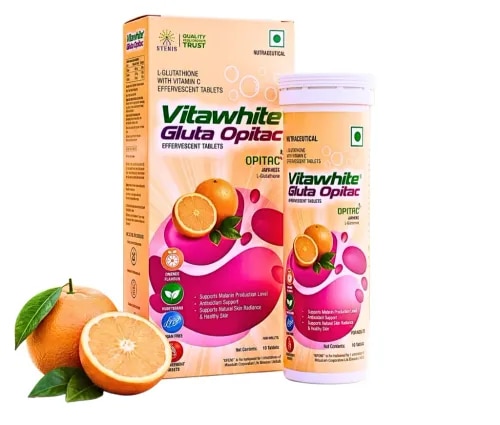
"name": "L-Glutathione With Vitamin C Effervescent Tablets",
"description": "VITAWHITE GLUTA OPITAC is a fizzing, drink-style supplement. Each tablet pairs L-Glutathione with Vitamin C, two nutrients widely discussed in antioxidant nutrition. It suits people who want to add antioxidant support to their daily diet and skin-care habits, and who would rather sip a supplement than swallow a pill.\n\nL-Glutathione is a compound the body makes on its own, and it is present in nearly every cell. One of its jobs is to help cells cope with free-radical stress. Vitamin C (ascorbic acid) is an essential vitamin the body cannot store or make, so it has to come from food or supplements. It supports immune function, helps the body build collagen, and shields cells from oxidative stress.\n\nThe tablet dissolves in water, so you can prepare it in under a minute. Opitac manufactures it and Steris Pharma markets it.\n\nProduct at a Glance\nDetail\tInformation\nBrand Name\tVITAWHITE GLUTA OPITAC\nFormulation\tL-Glutathione + Vitamin C\nDosage Form\tEffervescent tablet\nCategory\tAntioxidant nutritional supplement\nActive Ingredients\tL-Glutathione, Vitamin C (ascorbic acid)\nManufacturer\tOpitac\nMarketed By\tSteris Pharma\nPurpose\tAntioxidant and general nutritional support\nHighlights\nCombines two well-known antioxidant nutrients in one tablet\nSupports the body’s own defences against oxidative stress\nVitamin C contributes to normal collagen formation\nVitamin C also supports normal immune function\nFizzes into a ready-to-drink solution in a glass of water\nFits alongside a balanced diet and a sensible skin-care routine\nHow VITAWHITE GLUTA OPITAC May Help\n1. Backs Up Your Antioxidant Defences\n\nPollution, sun exposure and ordinary metabolism all generate free radicals. When too many build up, cells can experience oxidative stress. L-Glutathione and Vitamin C both take part in the body’s protective response, and this tablet delivers them together.\n\n2. Nutritional Support for Skin\n\nHealthy skin depends on good nutrition, hydration, sun protection and daily habits. Vitamin C is needed to form collagen, a protein that gives skin its structure. L-Glutathione has been studied in relation to pigmentation pathways in the body. Together, they offer nutritional support as part of a wider skin-wellness routine.\n\n3. Helps Skin Look Healthy\n\nOxidative stress is one factor that can affect how skin looks and feels. Both ingredients are linked to antioxidant activity. This product is not a guaranteed skin-lightening or whitening treatment, and any visible change varies from person to person.\n\n4. Supports Normal Immune Function\n\nVitamin C contributes to the normal working of immune cells and helps protect them from oxidative damage. Getting enough of it, through food and, where appropriate, supplements, helps meet daily nutritional needs.\n\n5. Contributes to Collagen Formation\n\nCollagen is found in skin, bones, cartilage, blood vessels and other connective tissue. The body needs Vitamin C to make it, which is why this vitamin features in supplements aimed at skin and connective-tissue health.\n\n6. Easy to Prepare and Drink\n\nIf you dislike swallowing tablets, the effervescent form offers a simple alternative. Drop it in water, let it dissolve, and drink. Use it as directed on the label.\n\nThe Active Ingredients Explained\nL-Glutathione\n\nThis small molecule is built from three amino acids: glutamic acid, cysteine and glycine. Cells use it in several ways:\n\nAntioxidant action: helps neutralise free radicals\nCell protection: helps keep oxidants and antioxidants in balance\nDetoxification support: assists enzyme processes that handle certain compounds\nRedox balance: contributes to normal oxidation-reduction status in cells\nPigmentation research: has been studied for its link to melanin pathways\n\nDiet, metabolism, age and individual factors all influence natural glutathione levels.\n\nVitamin C (Ascorbic Acid)\n\nHumans cannot manufacture this vitamin, so it must come from outside. Its main roles include:\n\nCollagen synthesis for skin, bones and connective tissue\nImmune support for normal immune function\nAntioxidant protection for cells\nBetter iron uptake, especially non-haem iron from plant foods\nTissue maintenance for connective tissues\nHow to Take It\n\nFollow the serving size and directions on the pack, or the advice of your healthcare professional. [Reviewer: insert exact label serving and water volume.]\n\nRead the label for the serving size and preparation directions.\nTake one tablet only if that matches the labelled or prescribed serving.\nPour the stated amount of drinking water into a clean glass.\nDrop in the tablet and let it dissolve fully.\nWait for the fizzing to stop, then drink it as directed.\nReseal the tube or container tightly to keep the remaining tablets dry.\n\nEffervescent tablets are meant to be dissolved in water, not swallowed whole. Do not exceed the recommended daily intake.\n\nPrecautions\nSpeak to a healthcare professional before starting, especially if you have a medical condition.\nIf you have allergies or sensitivities, check the full ingredient list first.\nPregnant and breastfeeding women should seek medical advice before use.\nTell your doctor about any medicines or supplements you already take.\nStick to the serving size on the pack.\nAvoid stacking several high-dose Vitamin C products without professional guidance.\nAnyone with a history of kidney stones or kidney problems should check with a doctor first.\nStore as directed, away from moisture.\nKeep out of reach of children.\nStop using it and consult a healthcare professional if you notice an unexpected reaction.\nWhy Choose VITAWHITE GLUTA OPITAC from Steris Pharma?\n\nA good supplement choice starts with knowing the ingredients, the format, the purpose and who makes it. This product brings L-Glutathione and Vitamin C together in an effervescent tablet made by Opitac and marketed by Steris Pharma. Steris Pharma offers products across a range of healthcare and nutrition categories, with a focus on accessible solutions.\n\nIt is meant to complement a healthy diet and good skin-care habits. It does not replace a balanced diet, medical treatment or sun protection.\n\nConclusion\n\nVITAWHITE GLUTA OPITAC is a convenient antioxidant supplement for people who want nutritional support for skin wellness and general health. Vitamin C supports collagen formation, immune function and iron absorption, while L-Glutathione is a key part of the body’s own antioxidant system. When used as directed and with professional advice where needed, it can sit comfortably within a balanced nutrition and skin-care routine.",
"price": 1050.0,
"discountamount": 315.0,
"currencycode": "INR",
"priority": 1000000,
"isfreeshipmentavailable": false,
"shipmentduration": 1,
"_keywords": null,
"isarchived": false,
"isavailable": true,
"applicationid": null,
"productindex": 2518,
"imageuri": "https://productimages.withfloats.com/actual/6afd8eb256490cdcd0066fcd.png",
"tileimageuri": "https://productimages.withfloats.com/tile/6afd8eb256490cdcd0066fcd.png",
"images": null,
"totalqueries": 0,
"gpid": null,
"groupproductid": null,
"createdon": "2026-11-18T11:40:28.166Z",
"updatedon": "2026-11-18T11:40:28.166Z",
"buyonlinelink": null,
"producturl": "http://WWW.STERISINDIA.COM/products/l-glutathione-with-vitamin-c-effervescent-tablets/2518",
"availableunits": -1.0,
"iscodavailable": false,
"isprepaidonlineavailable": false,
"maxcodorders": 0,
"maxprepaidonlineorders": 0,
"uniquepaymenturl": null,
"brandname": "VITAWHITE GLUTA OPITAC",
"category": "Opthalmology Range",
"tags": [],
"variants": false,
"keyspecification": null,
"otherspecifications": null,
"pickupaddressreferenceid": null,
"paymenttype": "UniquePaymentUrl",
"producttype": "products",
"hsncode": null,
"gstslab": 0.0,
"isnotforsale": false
},
{
"_id": "6afd8688f26739925f1e90be",
"fptag": "STERISHEALTHCARE",
"merchantname": null,
"customwidgets": null,
"externalsourceid": null,
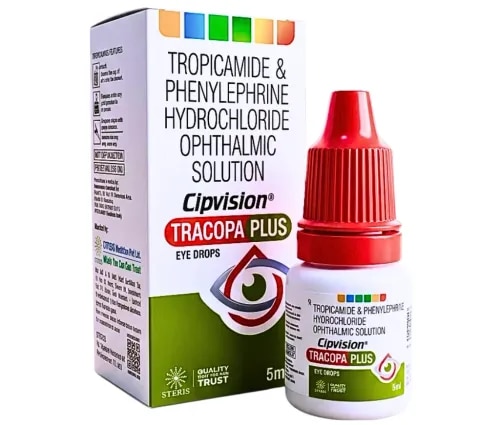
"name": "Tropicamide and phenylephrine hydrochloride ophthalmic solution",
"description": "Product Overview\n\nCIPVISION TRACOPA PLUS is a dual-ingredient mydriatic eye drop containing Tropicamide and Phenylephrine Hydrochloride. It is made for ophthalmologists who need a dilated pupil during eye examinations, retinal imaging or preparation for eye procedures.\n\nThe two drugs enlarge the pupil by different routes. Together they give the examiner a wider, clearer window into the eye, which supports accurate diagnosis and treatment planning.\n\nComposition\n\nEach ingredient plays a distinct role.\n\n1. Tropicamide (anticholinergic)\nTropicamide blocks muscarinic receptors in the eye. This relaxes the sphincter muscle that normally narrows the pupil, so the pupil opens up. It can also briefly weaken the eye’s focusing ability, which makes near vision blurry for a while.\n\n2. Phenylephrine Hydrochloride (alpha-adrenergic agonist)\nPhenylephrine activates alpha-1 receptors on the iris dilator muscle. The muscle tightens and pulls the pupil wider.\n\nWorking together: One drug eases the muscle that closes the pupil and the other stimulates the muscle that opens it. Using both is a common way for eye specialists to get dilation when an examination or procedure calls for it.\n\nWhat Is It Used For?\n\nEye care professionals use CIPVISION TRACOPA PLUS when a widened pupil is needed for assessment or treatment preparation. Typical uses include:\n\nRoutine eye examinations: gives a broader view of the eye’s internal structures.\nFundus examination: allows inspection of the retina, optic disc and other posterior structures.\nRetinal evaluation: supports detailed viewing during targeted retinal investigations.\nDiagnostic eye tests: readies the eye for tests that need an enlarged pupil.\nPre-procedure preparation: may be given before certain ophthalmic procedures when the clinician considers it appropriate.\nHow Tropicamide and Phenylephrine Eye Drops Work\n\nTropicamide’s role: It blocks muscarinic receptors in the iris sphincter. With that muscle’s constricting action switched off for a time, the pupil widens. Because focusing is also affected, close-up vision may be difficult during this period.\n\nPhenylephrine’s role: It stimulates alpha-1 adrenergic receptors in the iris dilator. The muscle contracts and the pupil diameter increases.\n\nWhy combine them? The two drugs target opposite muscle systems that control pupil size. Their separate effects add up, which helps achieve dilation for diagnostic and procedural needs.\n\nKey Features\nContains Tropicamide and Phenylephrine Hydrochloride\nPairs two well-established ophthalmic agents\nMade for pupil dilation in clinical eye care\nSupports fundus and retinal examinations\nImproves visibility of deeper eye structures during diagnosis\nFor selected clinical uses under professional supervision\nPart of the CIPVISION ophthalmic range from Steris Pharma\nBenefits of Tropicamide and Phenylephrine Eye Drops\n\nWhen prescribed and used correctly, this combination offers several practical advantages in the clinic.\n\n1. Effective pupil enlargement\nTwo active ingredients acting on different receptors help open the pupil for examinations that require it.\n\n2. Clearer internal eye assessment\nA wider pupil gives the doctor a larger field of view, so important structures are easier to evaluate.\n\n3. Better retinal access\nDilation improves the view of the retina, optic nerve and back of the eye.\n\n4. Dual-pathway pharmacology\nBecause the drugs act on separate receptors, they provide complementary support for dilation.\n\n5. Helpful in select procedures\nIt can be part of preparation for procedures requiring mydriasis, as decided by the treating ophthalmologist.\n\nPossible Side Effects\n\nAs with other dilating eye drops, some short-lived effects may follow instillation:\n\nBlurred vision for a time\nGreater sensitivity to light\nMild stinging or burning on application\nTemporary eye discomfort\nTrouble focusing on near objects\nShort-term redness or irritation\nPrecautions and Safety Advice\n\nA proper medical evaluation should come before using these drops.\n\nUse only as prescribed and instructed by your ophthalmologist.\nTell your doctor about any eye condition, especially narrow-angle glaucoma or a tendency toward angle closure.\nMention any heart disease, high blood pressure or other relevant health issues.\nList every medicine you use, including other eye drops.\nExpect blurred vision and light sensitivity for some time after the drops.\nDo not drive, cycle or run machinery until your vision is back to normal.\nKeep the dropper tip away from your eye, fingers and any surface to avoid contamination.\nClose the bottle tightly after use.\nFollow the storage and handling directions on the pack.\nKeep out of reach of children.\nHow It Is Used\n\nCIPVISION TRACOPA PLUS is meant to be administered by an ophthalmologist or other qualified healthcare professional, depending on the clinical purpose. The number of drops, the interval between them and the timing of the examination depend on the patient’s age, eye condition and medical needs.\n\nWhy Choose Steris Pharma?\n\nSteris Pharma supplies pharmaceutical products that respond to the changing needs of healthcare professionals and the wider industry. Its CIPVISION ophthalmic range offers formulations for a variety of eye care needs, built around established active ingredients and their clinical uses.\n\nCIPVISION TRACOPA PLUS belongs to this range and brings Tropicamide and Phenylephrine Hydrochloride together for professional pupil dilation.\n\nConclusion\n\nCIPVISION TRACOPA PLUS is a combination eye drop of Tropicamide and Phenylephrine Hydrochloride, intended to dilate the pupil during selected eye examinations and procedures. Tropicamide eases the muscle that narrows the pupil, while Phenylephrine stimulates the muscle that widens it. Together they help ophthalmolog",
"price": 90.0,
"discountamount": 27.0,
"currencycode": "INR",
"priority": 1000000,
"isfreeshipmentavailable": false,
"shipmentduration": 1,
"_keywords": null,
"isarchived": false,
"isavailable": true,
"applicationid": null,
"productindex": 2515,
"imageuri": "https://productimages.withfloats.com/actual/6afd868b4954e0b067f47757.png",
"tileimageuri": "https://productimages.withfloats.com/tile/6afd868b4954e0b067f47757.png",
"images": null,
"totalqueries": 0,
"gpid": null,
"groupproductid": null,
"createdon": "2026-11-18T11:05:44.104Z",
"updatedon": "2026-11-18T11:05:44.104Z",
"buyonlinelink": null,
"producturl": "http://WWW.STERISINDIA.COM//tropicamide-and-phenylephrine-hydrochloride-ophthalmic-solution/2515",
"availableunits": -1.0,
"iscodavailable": false,
"isprepaidonlineavailable": false,
"maxcodorders": 0,
"maxprepaidonlineorders": 0,
"uniquepaymenturl": null,
"brandname": "CIPVISION TRACOPA PLUS",
"category": "Opthalmology Range",
"tags": [],
"variants": false,
"keyspecification": null,
"otherspecifications": null,
"pickupaddressreferenceid": null,
"paymenttype": "UniquePaymentUrl",
"producttype": "products",
"hsncode": null,
"gstslab": 0.0,
"isnotforsale": false
},
{
"_id": "6afd8125907a69858e813c04",
"fptag": "STERISHEALTHCARE",
"merchantname": null,
"customwidgets": null,
"externalsourceid": null,
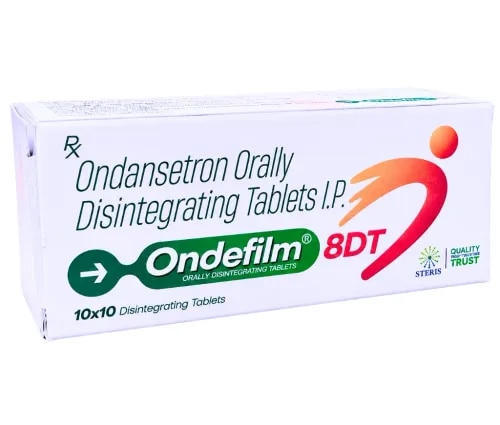
"name": "Ondansetron 8 mg Orally Disintegrating Tablets IP",
"description": "ONDEFILM 8 DT is a prescription anti-sickness tablet with Ondansetron IP 8 mg per dose. It is meant for people who need protection from persistent nausea and vomiting caused by certain therapies or procedures. Because it is an orally disintegrating tablet, it melts on the tongue and does not need to be swallowed whole, which helps patients who find ordinary tablets hard to take. The medicine should be used only as directed by a qualified doctor.\n\nOndansetron is a 5-HT3 receptor antagonist. It stops serotonin from triggering the signals that set off the urge to vomit.\n\nComposition\n\nEach tablet contains:\n\nOndansetron IP: 8 mg\nExcipients: as per the approved formulation\nUnderstanding the Active Ingredient\n\nOndansetron is a well-established antiemetic. Doctors commonly use it for nausea and vomiting linked to cancer chemotherapy, radiotherapy and surgery. It interrupts the chemical messaging that tells the body to vomit.\n\nUses of ONDEFILM 8 DT\n\nYour doctor may prescribe this tablet in the following situations. The exact indication, dose and duration are always the doctor’s decision.\n\n1. Chemotherapy-induced nausea and vomiting\nMany anticancer drugs prompt the release of serotonin in the gut, which sets off sickness. Ondansetron blocks this pathway and is usually given as one component of a wider antiemetic plan.\n\n2. Radiotherapy-related nausea and vomiting\nRadiation aimed at certain parts of the body can upset the digestive system. Depending on the treatment plan, Ondansetron may be advised to ease these symptoms.\n\n3. Post-operative nausea and vomiting\nAnaesthesia and other factors around surgery can leave patients feeling sick. Ondansetron may be used to prevent or manage this and make recovery more comfortable.\n\n4. Other situations at the doctor’s discretion\nIn some cases, a physician may consider Ondansetron for serotonin-related nausea and vomiting, based on the patient’s condition and prescribing guidelines.\n\nHow It Works\n\nSerotonin is a natural chemical messenger that helps regulate digestion, among other functions. Chemotherapy and similar treatments can cause a sudden release of serotonin in the gut. It then binds to 5-HT3 receptors on the stomach and intestinal lining and on the vagus nerve, which carries a “feel sick” message to the vomiting centre in the brain.\n\nOndansetron works by:\n\nOccupying and blocking 5-HT3 receptors\nCutting down the nausea signals sent to the brain\nKeeping the vomiting reflex from being triggered\nOffering dependable antiemetic cover where treatment is clinically needed\nKey Highlights\n8 mg Ondansetron IP in every tablet\nOrally disintegrating (mouth-dissolving) format\nA selective 5-HT3 receptor antagonist\nPrescribed for specific types of nausea and vomiting\nDissolves in the mouth, so no whole-tablet swallowing is needed\nSuited to chemotherapy, radiotherapy and post-surgical care\nPart of the Steris Pharma product range\nBenefits of Ondansetron 8 mg Mouth-Dissolving Tablets\n\nWhen prescribed for the right reason, patients and doctors may value the following:\n\nEffective symptom control: Targets the serotonin pathway behind vomiting.\nEasy to take: Melts on the tongue, which is handy when swallowing is uncomfortable.\nProven track record: A widely used antiemetic in oncology and surgical settings.\nSupport during cancer care: Helps patients stay more comfortable through demanding treatment cycles.\nFlexible dosing format: An alternative to standard swallowed tablets, subject to the product’s instructions.\nSmoother recovery: Can reduce sickness after surgery when clinically appropriate.\nHow to Use ONDEFILM 8 DT\n\nFollow your doctor’s prescription. The regimen depends on why the medicine is needed, your age, your medical history and other factors.\n\nGeneral steps:\n\nWash and thoroughly dry your hands.\nOpen the blister pack carefully as per the pack instructions.\nTake the tablet out gently so it does not crumble.\nPlace it on your tongue and let it dissolve.\nFollow the product leaflet on swallowing once it has dissolved.\nDo not take extra tablets unless your doctor tells you to.\nPossible Side Effects\n\nSome people may notice:\n\nHeadache\nConstipation\nLoose stools\nDizziness\nTiredness\nA general feeling of being unwell\n\nSeek medical help immediately if you experience:\n\nA fast, uneven or fluttering heartbeat\nQT prolongation (a heart-rhythm change)\nSigns of a serious allergy\nFainting or blackouts\nSymptoms of serotonin syndrome, especially if you also take other serotonin-raising medicines\nPrecautions and Safety Advice\n\nTell your doctor about your health history and everything you currently take before starting this medicine.\n\nAllergy: Do not use it if you are allergic to Ondansetron or any ingredient in the tablet.\nHeart problems: Mention any rhythm disorder, congenital long QT syndrome or past cardiac issues.\nElectrolytes: Low potassium or magnesium can raise the risk of rhythm problems and may need to be corrected or monitored.\nLiver disease: A dose adjustment may be needed for reduced liver function.\nOther medicines: Share details of prescription drugs, over-the-counter products and supplements.\nSerotonergic drugs: Combining them with Ondansetron may increase the chance of serotonin syndrome.\nPregnancy and breastfeeding: Use only after medical evaluation and advice.\nDose: Never take more, or more often, than prescribed.\nWhy Steris Pharma?\n\nSteris Pharma develops a broad portfolio of medicines for varied therapeutic needs, with an emphasis on consistent quality, product reliability and the evolving expectations of doctors, distributors and patients. ONDEFILM 8 DT is part of this range as a convenient Ondansetron 8 mg mouth-dissolving option for patients who need antiemetic therapy under medical supervision.\n\nConclusion\n\nONDEFILM 8 DT delivers Ondansetron IP 8 mg in a tablet that dissolves in the mouth. It is used to prevent and treat nausea and vomiting arising from chemotherapy, radiotherapy and surgery. By blocking 5-HT3 receptors, it stops the signals that trigger vomiting, and its easy-to-take format suits patients who struggle with conventional tablets. Always use it under a doctor’s guidance.\n\nFrequently Asked Questions\n\nQ1. What is ONDEFILM 8 DT prescribed for?\nIt is prescribed to prevent and control nausea and vomiting caused by treatments such as chemotherapy, radiotherapy and surgery.\n\nQ2. What does each tablet contain?\nEach tablet has 8 mg of Ondansetron IP plus approved excipients.\n\nQ3. What is Ondansetron 8 mg used for?\nIt is an anti-sickness medicine used to prevent or relieve nausea and vomiting when a doctor considers it appropriate.\n\nQ4. What does “DT” stand for?\nDT means Disintegrating Tablet, a tablet that breaks down in the mouth instead of being swallowed whole.\n\nQ5. How does this medicine work?\nIt blocks 5-HT3 serotonin receptors, so the nausea and vomiting signals do not reach the brain.\n\nQ6. Is it an antiemetic?\nYes. Ondansetron belongs to the 5-HT3 receptor antagonist group of antiemetics.\n\nQ7. Does it help with chemotherapy-induced vomiting?\nYes. It is widely included in treatment plans to prevent chemotherapy-induced nausea and vomiting.\n\nQ8. Is it used after surgery?\nIt may be, to prevent or manage post-operative nausea and vomiting, depending on the doctor’s assessment.\n\nQ9. Can I buy it without a prescription?\nNo. It must be used only on the advice of a qualified healthcare professional.\n\nQ10. How do I take it?\nPlace the tablet on your tongue and let it dissolve, following the pack instructions and your doctor’s advice.",
"price": 97.0,
"discountamount": 29.0,
"currencycode": "INR",
"priority": 1000000,
"isfreeshipmentavailable": false,
"shipmentduration": 1,
"_keywords": null,
"isarchived": false,
"isavailable": true,
"applicationid": null,
"productindex": 2513,
"imageuri": "https://productimages.withfloats.com/actual/6afd8129a836274a90032451.png",
"tileimageuri": "https://productimages.withfloats.com/tile/6afd8129a836274a90032451.png",
"images": null,
"totalqueries": 0,
"gpid": null,
"groupproductid": null,
"createdon": "2026-11-18T10:42:45.31Z",
"updatedon": "2026-11-18T10:42:45.31Z",
"buyonlinelink": null,
"producturl": "http://WWW.STERISINDIA.COM//ondansetron-8-mg-orally-disintegrating-tablets-ip/2513",
"availableunits": -1.0,
"iscodavailable": false,
"isprepaidonlineavailable": false,
"maxcodorders": 0,
"maxprepaidonlineorders": 0,
"uniquepaymenturl": null,
"brandname": "ONDEFILM 8 DT",
"category": "Gastrology",
"tags": [],
"variants": false,
"keyspecification": null,
"otherspecifications": null,
"pickupaddressreferenceid": null,
"paymenttype": "UniquePaymentUrl",
"producttype": "products",
"hsncode": null,
"gstslab": 0.0,
"isnotforsale": false
},
{
"_id": "6afd7dd19d17e024ee47e07c",
"fptag": "STERISHEALTHCARE",
"merchantname": null,
"customwidgets": null,
"externalsourceid": null,
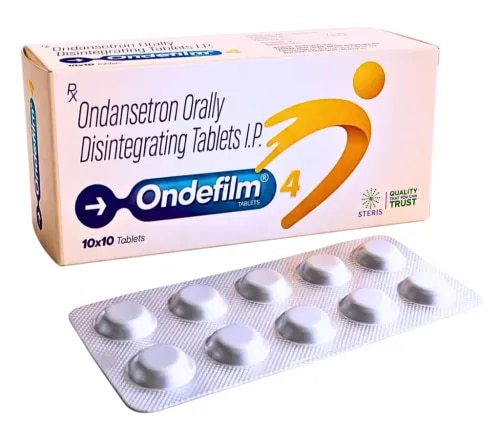
"name": "Ondansetron 4 mg Orally Disintegrating Tablets IP",
"description": "Product Overview\n\nONDEFILM 4 is an antiemetic medicine that provides 4 mg of Ondansetron IP in an orally disintegrating tablet. It is used to prevent and relieve nausea and vomiting linked to certain medical treatments and clinical situations, as advised by a healthcare professional.\n\nIts active ingredient, Ondansetron, is a selective 5-HT3 receptor antagonist. It stops serotonin from triggering the receptors that set off the body’s vomiting reflex, which lowers the signals behind nausea and vomiting.\n\nComposition\n\nEach orally disintegrating tablet contains:\n\nOndansetron IP: 4 mg\nExcipients: As per the approved product formulation\nAbout Ondansetron\n\nOndansetron is a widely used 5-HT3 receptor antagonist in clinical practice. Doctors rely on it to prevent and manage nausea and vomiting caused by chemotherapy, radiation therapy, and surgery. It works by interrupting the serotonin-driven signals that activate the vomiting reflex.\n\nWhat Is ONDEFILM 4 Used For?\n\nONDEFILM 4 is prescribed in specific situations where nausea and vomiting need to be prevented or kept under control, especially in supportive care.\n\n1. Chemotherapy-induced nausea and vomiting\nSome cancer medicines cause the gut to release serotonin, which brings on nausea and vomiting. Ondansetron blocks 5-HT3 receptors to help prevent this and is included in standard antiemetic protocols for chemotherapy.\n\n2. Radiation therapy-related vomiting\nDepending on the area treated and the radiation schedule, radiotherapy can cause nausea and vomiting. Ondansetron may be advised to ease these symptoms when appropriate.\n\n3. Postoperative nausea and vomiting\nAnaesthesia and other factors around surgery can leave some patients feeling sick afterwards. Ondansetron is used in suitable cases to prevent or treat this.\n\n4. Other medically indicated uses\nDoctors may also consider Ondansetron in selected situations of nausea and vomiting, depending on the cause and current treatment guidance.\n\nThe treating physician decides the dose and duration based on the patient’s history and treatment needs.\n\nHow Does ONDEFILM 4 Work?\n\nSerotonin is a natural chemical messenger that helps regulate digestion and the vomiting reflex. During some treatments, the body releases extra serotonin, which activates 5-HT3 receptors in the gut and in nerve pathways leading to the brain. This sends the signals that cause nausea and vomiting.\n\nMechanism of action:\n\nOndansetron attaches to 5-HT3 receptors and blocks them.\nThis reduces serotonin’s stimulation of the related nerve pathways.\nThe signals that trigger the vomiting reflex are interrupted.\nAs a result, nausea and vomiting are prevented or controlled.\nKey Features\n4 mg of Ondansetron IP in every tablet\nOrally disintegrating form that dissolves in the mouth\nBelongs to the selective 5-HT3 receptor antagonist class\nMeant for preventing and managing nausea and vomiting\nA different option from tablets that must be swallowed whole\nUsed in medical and supportive care settings\nPart of the Steris Pharma product range\nBenefits of Ondansetron 4 mg Orally Disintegrating Tablets\n\nWhen taken as medically advised, Ondansetron 4 mg offers these advantages:\n\nEases nausea and vomiting: It acts on the serotonin receptors involved in the vomiting response.\nDissolves in the mouth: The tablet breaks down on the tongue, which can help patients who find swallowing regular tablets hard.\nProven mechanism: Ondansetron has a long-standing place in antiemetic therapy, including chemotherapy and postoperative care.\nSimple to take: The mouth-dissolving format gives selected patients a more convenient way to take their dose.\nSupports patients during treatment: Controlling nausea and vomiting can make certain treatments and procedures easier to get through.\nTargeted action: It works on a specific serotonin pathway that plays a major role in nausea and vomiting.\nHow to Take ONDEFILM 4\n\nGeneral guidance for orally disintegrating tablets:\n\nWash and dry your hands before touching the tablet.\nOpen the pack carefully as the instructions describe.\nTake the tablet out gently, without crushing or breaking it.\nPlace it on your tongue and let it dissolve.\nFollow the product instructions on swallowing once it has dissolved.\nDo not take more than the prescribed amount.\nIf you miss a dose, ask your healthcare professional what to do next. Never double the next dose to make up for it.\nPossible Side Effects\n\nOndansetron can cause unwanted effects in some people, and how often and how strongly they occur differs from patient to patient.\n\nCommonly reported:\n\nHeadache\nConstipation\nDiarrhoea\nDizziness\nTiredness\n\nPotentially serious reactions:\n\nOndansetron may rarely cause QT interval prolongation, irregular heart rhythms, and severe allergic reactions. Serotonin syndrome can also occur, particularly when it is taken with other medicines that raise serotonin activity.\n\nGet medical help straight away if you experience fainting, an unusual heartbeat, difficulty breathing, swelling of the face, severe dizziness, or any other worrying symptom.\n\nPrecautions and Safety Information\n\nBefore starting ONDEFILM 4, give your doctor your full medical history and a list of the medicines you take.\n\nAllergies: Do not use it if you are allergic to Ondansetron or any ingredient in the tablet.\nHeart rhythm problems: Tell your doctor about any past arrhythmia, QT prolongation, or congenital long QT syndrome.\nElectrolyte imbalance: Low potassium or magnesium raises the chance of heart rhythm complications.\nLiver conditions: Patients with significant liver impairment may need special care and a dose adjustment.\nDrug interactions: Mention all prescription medicines, over-the-counter products, and supplements.\nSerotonin syndrome risk: Let your doctor know if you take antidepressants or other medicines that act on serotonin.\nPregnancy and breastfeeding: Use it only after your doctor has weighed the benefits against the risks.\nDosage: Stick to the prescribed schedule and do not take extra doses without medical advice.\nWhy Choose Steris Pharma?\n\nSteris Pharma offers a range of medicines and healthcare formulations covering varied therapeutic needs. The company focuses on pharmaceutical quality, product reliability, and the requirements of healthcare professionals and patients.\n\nONDEFILM 4 belongs to this range and offers Ondansetron 4 mg as an orally disintegrating tablet, giving patients who need antiemetic treatment another dosage option under professional guidance.\n\nConclusion\n\nONDEFILM 4 is an Ondansetron 4 mg orally disintegrating tablet used to prevent and manage nausea and vomiting tied to specific treatments and clinical situations. Its active ingredient blocks the serotonin 5-HT3 receptors that drive the vomiting response. Because the tablet dissolves in the mouth, it can also be a handy alternative for people who struggle to swallow conventional tablets.\n\nFrequently Asked Questions (FAQs)\n\nQ1. What is ONDEFILM 4 used for?\nIt is used to prevent and manage nausea and vomiting linked to chemotherapy, radiotherapy, and surgery, as prescribed by a healthcare professional.\n\nQ2. What does ONDEFILM 4 contain?\nEach tablet has 4 mg of Ondansetron IP plus the excipients listed in the approved formulation.\n\nQ3. What is Ondansetron 4 mg used for?\nIt is an antiemetic prescribed to prevent or control nausea and vomiting in suitable clinical situations.\n\nQ4. What kind of medicine is ONDEFILM 4?\nIt is a selective serotonin 5-HT3 receptor antagonist, a class of medicines used against nausea and vomiting.\n\nQ5. How does ONDEFILM 4 stop vomiting?\nIt blocks the 5-HT3 receptors that pass on the signals triggering the vomiting reflex, which reduces nausea and vomiting.\n\nQ6. What does DT mean in ONDEFILM 4?\nDT stands for disintegrating tablet, a form made to break down in the mouth rather than be swallowed whole.\n\nQ7. Can ONDEFILM 4 help with chemotherapy-induced nausea?\nYes. Ondansetron is a common part of antiemetic protocols for preventing chemotherapy-related nausea and vomiting.\n\nQ8. Is Ondansetron 4 mg used after surgery?\nYes. Doctors may prescribe it to prevent or treat postoperative nausea and vomiting, depending on the patient’s needs.\n\nQ9. Can I take ONDEFILM 4 without a doctor’s advice?\nNo. Use it only as directed by a qualified healthcare professional.\n\nQ10. How do I take ONDEFILM 4?\nPlace the tablet on your tongue and let it dissolve, following the instructions that come with the product.\n\nQ11. What are the common side effects of ONDEFILM 4?\nThey include headache, constipation, diarrhoea, dizziness, and tiredness.\n\nQ12. Can ONDEFILM 4 affect the heart’s rhythm?\nIn some people, Ondansetron can prolong the QT interval. Anyone with a heart rhythm disorder or electrolyte imbalance should talk to their doctor first.\n\nQ13. Is ONDEFILM 4 suitable if I have trouble swallowing?\nThe mouth-dissolving form can be a convenient alternative to regular tablets for some patients, subject to medical advice and the product instructions.\n\nQ14. Can I use Ondansetron 4 mg during pregnancy?\nConsult your doctor first. The decision depends on an individual assessment of benefits and risks.\n\nQ15. Does ONDEFILM 4 cause constipation?\nYes. Constipation is a recognised side effect and may affect some patients.\n\nQ16. Can ONDEFILM 4 be used for motion sickness?\nOndansetron is not usually a first-choice treatment for motion sickness. The right medicine depends on the cause of the nausea, so ask a healthcare professional.\n\nQ17. Who markets ONDEFILM 4?\nIt is marketed under the Steris Pharma brand.\n\nQ18. Is ONDEFILM 4 an antibiotic?\nNo. It is an antiemetic for nausea and vomiting and does not treat bacterial infections.",
"price": 55.0,
"discountamount": 16.0,
"currencycode": "INR",
"priority": 1000000,
"isfreeshipmentavailable": false,
"shipmentduration": 1,
"_keywords": null,
"isarchived": false,
"isavailable": true,
"applicationid": null,
"productindex": 2512,
"imageuri": "https://productimages.withfloats.com/actual/6afd7e24e81314fd1baff0a1.png",
"tileimageuri": "https://productimages.withfloats.com/tile/6afd7e24e81314fd1baff0a1.png",
"images": null,
"totalqueries": 0,
"gpid": null,
"groupproductid": null,
"createdon": "2026-11-18T10:28:33.741Z",
"updatedon": "2026-11-18T10:29:51.37Z",
"buyonlinelink": null,
"producturl": "http://WWW.STERISINDIA.COM//ondansetron-4-mg-orally-disintegrating-tablets-ip/2512",
"availableunits": -1.0,
"iscodavailable": false,
"isprepaidonlineavailable": false,
"maxcodorders": 0,
"maxprepaidonlineorders": 0,
"uniquepaymenturl": null,
"brandname": "ONDEFILM 4",
"category": "GASTROLOGYRANGE",
"tags": [],
"variants": false,
"keyspecification": null,
"otherspecifications": null,
"pickupaddressreferenceid": null,
"paymenttype": "UniquePaymentUrl",
"producttype": "products",
"hsncode": null,
"gstslab": 0.0,
"isnotforsale": false
},
{
"_id": "6ae2fef4545d3197abde920c",
"fptag": "STERISHEALTHCARE",
"merchantname": null,
"customwidgets": null,
"externalsourceid": null,
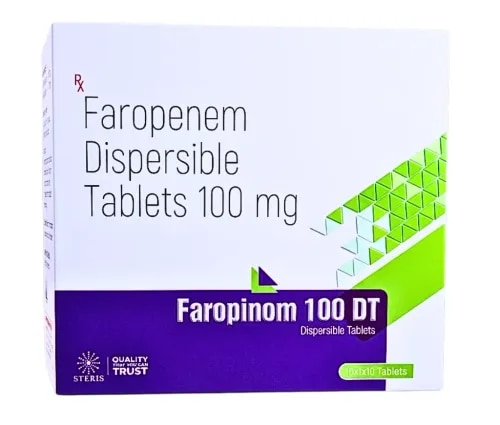
"name": "Faropenem Disperible Tablets 100 mg",
"description": "Faropinom 100 DT is a prescription-only antibiotic that provides 100 mg of Faropenem in a dispersible tablet. Faropenem is a penem-type beta-lactam, and doctors use it to treat bacterial infections only when the causative organism is likely to respond to it.\n\nAbout Faropinom 100 DT\n\nThe active ingredient, Faropenem, stops bacteria from building a proper cell wall. The weakened bacteria cannot survive, which helps the body clear a susceptible infection.\n\nThe tablet is meant to be mixed into water before it is taken. This can suit patients who find whole tablets hard to swallow. It should be used strictly as prescribed and according to the leaflet in the pack.\n\nProduct Snapshot\nFeature\tDetails\nBrand\tFaropinom 100 DT\nActive ingredient\tFaropenem 100 mg\nClass\tPenem beta-lactam antibiotic\nForm\tDispersible tablet\nMode of action\tBlocks bacterial cell-wall synthesis\nAvailability\tPrescription-only; subject to Indian regulations\nPurpose\tTreating susceptible bacterial infections on a doctor’s advice\nWhere Faropenem May Be Used\n\nWhether Faropenem is chosen depends on the patient’s condition, the bacteria involved (suspected or confirmed), prevailing treatment guidelines and the approved product information. Infections for which it may be considered include:\n\nRespiratory infections: bacterial infections of the airways or lungs, where the organism is sensitive to Faropenem.\nUrinary infections: bacterial infections of the bladder or wider urinary tract, at a clinician’s discretion.\nEar, nose and throat infections: certain bacterial infections of the ears, throat or sinuses, after examination.\nSkin and soft-tissue infections: selected bacterial skin infections, depending on severity and the organisms responsible.\nOther infections: any further use must follow approved indications, laboratory susceptibility and the treating doctor’s judgement.\n\nPlease note: This antibiotic does not suit every infection. It should never be assumed appropriate for all chest, urinary, skin or genital conditions. Only a qualified healthcare professional can decide whether it is right for a particular patient.\n\nNotable Characteristics\n\n1. Bactericidal action. Faropenem attacks susceptible bacteria by interfering with the machinery that builds their cell walls. How well it works depends on the species and its susceptibility.\n\n2. Activity against some enzyme-producing bacteria. Certain bacteria make beta-lactamase enzymes that disable some beta-lactam antibiotics. Faropenem can work against some of these organisms, but results differ by bacterium and resistance mechanism. It is not a universal answer to resistant infections.\n\n3. Easy-to-prepare format. The tablet is dispersed in water following the pack instructions, which helps those who struggle with swallowing conventional tablets.\n\n4. Focused treatment. Matched to the right infection, it targets the responsible bacteria. Choosing the right antibiotic improves outcomes and limits needless antibiotic exposure.\n\n5. Oral route. When oral therapy is clinically suitable, treatment can proceed without injections. The prescriber decides the route based on the patient’s condition.\n\nHow Faropenem Works\n\nFaropenem attaches to penicillin-binding proteins, which bacteria rely on to assemble and maintain their cell walls. With these proteins blocked, the wall cannot form properly, the bacterial structure weakens and the cell dies. This makes Faropenem bactericidal against susceptible organisms. It does not act on viruses and cannot treat every bacterial infection.\n\nDosing and Administration\n\nThe dose is set by the doctor after considering age, body weight (where relevant), the type and seriousness of the infection, and kidney function.\n\nDose: use only the strength and quantity prescribed.\nFrequency: follow the daily schedule given to you; do not alter it yourself.\nDuration: finish the prescribed course without lengthening or shortening it unless your doctor says so.\nPreparation: disperse the tablet as directed in the leaflet or by your pharmacist.\nMissed dose: check the leaflet or ask a pharmacist. Never double up to make up for a forgotten dose.\n\nNo single dosing plan fits all patients, so a general range should never replace a personal prescription.\n\nPossible Side Effects\n\nAs with other antibiotics, reactions can occur, and they vary from person to person.\n\nMilder effects may include:\n\nNausea or stomach upset\nAbdominal discomfort\nLoose stools or diarrhoea\nRash or itching\nHeadache or dizziness\n\nSpeak to a healthcare professional if these continue, become bothersome or get worse.\n\nGet medical help promptly for:\n\nSerious allergy: swelling of the face, lips, tongue or throat, or trouble breathing is an emergency.\nSevere diarrhoea: persistent, watery or bloody stools may signal a serious antibiotic-related complication.\nSevere skin reaction: widespread rash, blisters or peeling skin needs urgent assessment.\nLiver concerns: yellow skin or eyes, or dark urine, should be checked quickly.\n\nThis list is not exhaustive. Refer to the product information and your doctor for advice specific to you.\n\nPrecautions and Warnings\nAllergies: tell your doctor about any past allergy to Faropenem, penicillins, cephalosporins or other beta-lactams.\nKidney health: report any kidney disease or reduced function, as it can affect suitability and dosing.\nPregnancy and breastfeeding: consult your doctor first if you are pregnant, planning pregnancy or nursing. Use only after a personal benefit–risk assessment.\nOther medicines: share a full list of prescription drugs, over-the-counter products and supplements so interactions can be checked.\nAntibiotic resistance: take Faropenem only for a suitable bacterial infection. Misuse and incorrect dosing fuel resistance.\nMedical history: discuss existing conditions and earlier drug reactions before starting.\nWho Is It For?\n\nFaropinom 100 DT may be considered for patients who need an antibiotic for a susceptible bacterial infection and for whom this dispersible form is suitable. The prescriber decides based on examination, the likely or confirmed organism, individual risk factors and current guidance. It should not be self-started for fever, cough or sore throat without first establishing that an antibiotic is needed.\n\nBuying Faropinom 100 DT in India\n\nBefore purchasing, confirm the brand, strength, manufacturer and the legitimacy of the seller. For safety:\n\nGet a prescription from a registered medical practitioner.\nBuy from a licensed pharmacy or a duly authorised online pharmacy.\nInspect the name, strength, batch number, expiry date and pack condition.\nStore it as the packaging directs.\nAsk the pharmacist if anything is unclear.\n\nPrice and availability: these differ by manufacturer, pack size, pharmacy and location. Confirm current details with a licensed seller rather than an unverified figure.\n\nFrequently Asked Questions\n\n1. What is Faropinom 100 DT prescribed for?\nIt contains Faropenem 100 mg and is used for certain bacterial infections when the organism is susceptible and the medicine is clinically suitable.\n\n2. Is it an antibiotic?\nYes. Faropenem is a penem-class beta-lactam that disrupts bacterial cell-wall formation.\n\n3. What is the active ingredient?\nFaropenem 100 mg. Check the pack for full composition details.\n\n4. Will it cure a common cold?\nNo. Colds are viral, and antibiotics do not act on viruses.\n\n5. How do I take it?\nExactly as prescribed. Prepare the dispersible tablet in water as described in the leaflet or by your pharmacist.\n\n6. What is the right dose?\nIt depends on the infection, your age, kidney function and other individual factors. Follow your doctor’s prescription.\n\n7. How long is the course?\nThe duration depends on the infection and your response. Complete the course unless your doctor changes it.\n\n8. What side effects can occur?\nStomach upset, nausea, diarrhoea, headache and skin reactions are possible. Seek advice if they persist or become severe.\n\n9. Can it cause diarrhoea?\nYes, as antibiotics can. Contact a healthcare professional quickly if it is severe, long-lasting or bloody.\n\n10. Can I stop once I feel better?\nDo not stop or alter treatment on your own. Talk to your doctor about side effects or if you think treatment is no longer needed.\n\n11. Is it safe in pregnancy?\nA doctor must assess this individually. Do not use it in pregnancy without medical advice.\n\n12. Can I use it while breastfeeding?\nAsk your doctor first. The decision rests on available safety data and your circumstances.\n\n13. Can people with kidney problems take it?\nThey should tell their doctor beforehand, who will decide on suitability and any adjustment.\n\n14. Is Faropenem a penicillin?\nNo, it is a penem. Both are beta-lactams, so discuss any antibiotic allergy history with your prescriber.\n\n15. Is alcohol allowed during treatment?\nAsk your doctor or pharmacist, especially if you have other conditions or take other medicines. Avoid alcohol if it worsens symptoms.\n\n16. What if I miss a dose?\nConsult the leaflet or your pharmacist. Do not take a double dose unless a professional tells you to.\n\n17. Does it work on resistant bacteria?\nIt may act on certain bacteria that resist some other antibiotics, but this depends on the organism and resistance mechanism. Medical assessment is essential.\n\n18. Can it be used for any infection?\nNo. It is for suitable bacterial infections only, chosen through clinical assessment and, where needed, lab testing.\n\n19. What does it cost in India?\nConfirm the current price with a licensed pharmacy, as it varies by pack size, maker and location.\n\n20. Where can I buy it?\nEnquire at a licensed local or authorised online pharmacy. A valid prescription may be required under applicable rules.\n\nConclusion\n\nFaropinom 100 DT is a dispersible Faropenem 100 mg antibiotic for selected bacterial infections, to be used under a qualified healthcare professional’s guidance. It works by disrupting bacterial cell-wall formation, and the dispersible form offers an alternative for patients who find standard tablets difficult.\n\nResponsible use depends on accurate diagnosis, the right antibiotic choice, sticking to the prescribed regimen and watching for side effects. Always consult a healthcare professional before starting, stopping or changing antibiotic treatment.",
"price": 590.0,
"discountamount": 177.0,
"currencycode": "INR",
"priority": 1000000,
"isfreeshipmentavailable": false,
"shipmentduration": 1,
"_keywords": null,
"isarchived": false,
"isavailable": true,
"applicationid": null,
"productindex": 2506,
"imageuri": "https://productimages.withfloats.com/actual/6ae2fef754689b1ff0217bf5.png",
"tileimageuri": "https://productimages.withfloats.com/tile/6ae2fef754689b1ff0217bf5.png",
"images": null,
"totalqueries": 0,
"gpid": null,
"groupproductid": null,
"createdon": "2026-10-29T08:08:20.798Z",
"updatedon": "2026-10-29T08:08:20.798Z",
"buyonlinelink": null,
"producturl": "http://WWW.STERISINDIA.COM//faropenem-disperible-tablets-100-mg/2506",
"availableunits": -1.0,
"iscodavailable": false,
"isprepaidonlineavailable": false,
"maxcodorders": 0,
"maxprepaidonlineorders": 0,
"uniquepaymenturl": null,
"brandname": "Faropinom 100 DT",
"category": null,
"tags": [],
"variants": false,
"keyspecification": null,
"otherspecifications": null,
"pickupaddressreferenceid": null,
"paymenttype": "UniquePaymentUrl",
"producttype": "products",
"hsncode": null,
"gstslab": 0.0,
"isnotforsale": false
},
{
"_id": "6ad73c502f1fbe0284e2dcb5",
"fptag": "STERISHEALTHCARE",
"merchantname": null,
"customwidgets": null,
"externalsourceid": null,
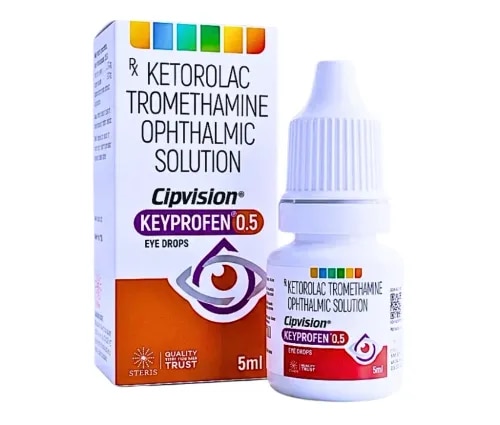
"name": "Ketorolac Tromethamine Ophthalmic Solution",
"description": "CIPVISION KEYPROFEN 0.5 is an ophthalmic formulation containing Ketorolac Tromethamine 0.5% w/v, a non-steroidal anti-inflammatory drug (NSAID) used in specific eye-care situations. It works by reducing the production of prostaglandins, chemical substances that contribute to pain and inflammation. This action may help manage certain inflammatory eye symptoms when the medicine is prescribed for an appropriate condition.\n\nCIPVISION KEYPROFEN 0.5 is intended for topical application to the eyes under the supervision of a qualified healthcare professional. Its suitability depends on the patient's symptoms, clinical diagnosis, and the approved product information.\n\nFor pharmacies, medical distributors, healthcare professionals, and pharmaceutical product catalogues, CIPVISION KEYPROFEN 0.5 represents an ophthalmic product containing a recognised anti-inflammatory ingredient. Appropriate product information helps users understand its intended role, administration requirements, and important precautions.\nComposition of CIPVISION KEYPROFEN 0.5\nThe stated active ingredient in CIPVISION KEYPROFEN 0.5 is:\n\nKetorolac Tromethamine 0.5% w/v: This medicine belongs to the NSAID class. It inhibits cyclooxygenase enzymes involved in the production of prostaglandins, helping reduce inflammatory activity and associated discomfort in suitable ophthalmic conditions.\n\nThe complete formulation, inactive ingredients, pack size, and approved therapeutic indications should be verified using the product packaging and official prescribing information.\nKey Features of CIPVISION KEYPROFEN 0.5 Eye Drops\nCIPVISION KEYPROFEN 0.5 has several important characteristics relevant to ophthalmic care:\n- NSAID-based formulation: Contains Ketorolac Tromethamine, a non-steroidal anti-inflammatory medicine.\n- Inflammation control: Helps manage inflammation in specific eye conditions when prescribed appropriately.\n- Prostaglandin reduction: Acts by inhibiting enzymes involved in the formation of inflammatory mediators.\n- Topical eye application: Designed for administration directly into the eye according to prescribed directions.\n- Clinically guided use: Requires an appropriate diagnosis and advice from an eye-care professional.\nThe potential role of this medicine depends on the underlying eye condition, the approved product indications, and the patient's individual health requirements.\nWhat Is CIPVISION KEYPROFEN 0.5 Used For?\nCIPVISION KEYPROFEN 0.5 may be prescribed for selected eye conditions in which reducing inflammation, itching, or pain is clinically appropriate. The precise indication should be confirmed from the approved product information.\n1. Management of Selected Inflammatory Eye Conditions\nInflammation of the eye may cause redness, irritation, watering, and discomfort. Ketorolac Tromethamine reduces the production of prostaglandins involved in the inflammatory response. An ophthalmologist can determine whether this medicine is suitable after assessing the cause of the symptoms.\n2. Relief of Certain Types of Eye Discomfort\nKetorolac Tromethamine ophthalmic preparations may help relieve ocular pain in approved clinical situations. Some formulations are also indicated for itching associated with seasonal allergic conjunctivitis. These uses depend on the specific product's approved labelling.\n\nPersistent eye pain, redness, or irritation should not be treated through self-medication because these symptoms can arise from infections, injuries, or other conditions requiring different treatment.\n3. Eye Care Following Certain Surgical Procedures\nSome Ketorolac Tromethamine ophthalmic products are used to manage pain and inflammation associated with eye surgery, including cataract procedures. Postoperative treatment must follow the ophthalmologist's instructions because the appropriate medicine, dosage, and duration depend on the procedure and the patient's recovery.\n\nAlways verify whether CIPVISION KEYPROFEN 0.5 is approved for the intended postoperative use before including a specific surgical indication in product information.\nHow Does CIPVISION KEYPROFEN 0.5 Work?\nKetorolac Tromethamine belongs to the non-steroidal anti-inflammatory drug category. Its action involves inhibiting cyclooxygenase (COX) enzymes, which help produce prostaglandins.\n\nProstaglandins participate in inflammatory processes and pain signalling. By reducing their production, Ketorolac Tromethamine can help control inflammation and associated discomfort in certain eye conditions.\n\nUnlike corticosteroids, Ketorolac Tromethamine is a non-steroidal anti-inflammatory medicine. However, it is not appropriate for every eye complaint. It does not treat all causes of eye redness or pain, and suspected infections may require a different treatment approach.\nPotential Benefits of CIPVISION KEYPROFEN 0.5\nWhen prescribed for an appropriate indication, CIPVISION KEYPROFEN 0.5 may offer the following benefits:\n- Anti-inflammatory action: Helps reduce inflammatory activity in selected ophthalmic conditions.\n- Management of eye pain: May relieve pain in specific clinical situations covered by the relevant product indication.\n- Non-steroidal treatment option: Provides an alternative mechanism to corticosteroid-based medicines for appropriate cases.\n- Local administration: Allows the active ingredient to be delivered directly to the eye.\n- Support for ophthalmic treatment: May be included in a treatment plan developed by an eye-care professional.\nThe response to treatment varies according to the diagnosis, severity of the condition, individual health factors, and adherence to the prescribed instructions. The product should not be considered a universal treatment for eye pain or inflammation.\nHow to Use CIPVISION KEYPROFEN 0.5 Eye Drops\nUse CIPVISION KEYPROFEN 0.5 only according to your ophthalmologist's instructions and the product leaflet.\n1. Clean your hands: Wash and dry your hands before handling the eye-drop bottle.\n2. Check the bottle: Confirm the product name, expiry date, and administration instructions before use.\n3. Prevent contamination: Keep the dropper tip away from your eyes, eyelids, fingers, and other surfaces.\n4. Follow the prescribed dosage: Use only the recommended number of drops and the prescribed frequency.\n5. Use other eye medicines carefully: Ask your healthcare professional how much time to leave between different ophthalmic preparations.\n6. Avoid prolonged use: Do not continue treatment longer than recommended, as extended NSAID use may increase the risk of eye complications.\n7. Follow storage instructions: Store the medicine as directed on its packaging and observe any instructions concerning use after opening.\n8. Do not share the bottle: Sharing eye drops can increase the risk of contamination.\n9. Attend follow-up appointments: Follow your ophthalmologist's advice, particularly when using the medicine after eye surgery.\nIf you miss a dose, follow the instructions in the product leaflet or consult your healthcare professional. Do not double the next dose to compensate for a missed application.\nPrecautions and Safety Information\nAlthough Ketorolac Tromethamine eye drops can be useful in appropriate clinical settings, they may cause side effects and require additional caution in certain patients.\nPossible Side Effects\nSome people may experience temporary burning, stinging, irritation, or discomfort after applying the drops. Ophthalmic NSAIDs can also delay healing and, in susceptible individuals, increase the risk of corneal complications. Rare cases of serious corneal damage have been reported.\n\nContact your ophthalmologist if symptoms persist or worsen. Seek urgent medical assessment if you experience severe eye pain, significant changes in vision, marked redness, or other serious symptoms.\nImportant Precautions\n- Corneal conditions: Tell your doctor if you have corneal disease, a damaged eye surface, or delayed healing.\n- Dry eyes: Inform your healthcare professional if you have severe dry eye symptoms or another condition affecting the eye surface.\n- Allergies: Disclose any previous allergic reaction to Ketorolac, aspirin, or other NSAIDs.\n- Bleeding risks: Discuss any bleeding disorder or medicine that may increase bleeding risk.\n- Eye surgery: Follow your surgeon's instructions, as postoperative use requires appropriate monitoring.\n- Pregnancy and breastfeeding: Consult your doctor before using the medicine during pregnancy or while breastfeeding.\n- Other medicines: Inform your healthcare professional about all medicines and eye preparations you currently use.\nCIPVISION KEYPROFEN 0.5 is intended for ophthalmic use only. Keep it out of children's reach and never use it beyond the labelled expiry date.\nWhy Consider CIPVISION KEYPROFEN 0.5 for Pharmaceutical Product Portfolios?\nCIPVISION KEYPROFEN 0.5 combines a distinct pharmaceutical brand identity with Ketorolac Tromethamine 0.5% ophthalmic solution. The formulation may be relevant to product catalogues serving pharmacies, medical distributors, and healthcare professionals involved in ophthalmic care.\n\nClear product information supports responsible pharmaceutical communication by explaining the active ingredient, its mechanism of action, appropriate clinical applications, and safety considerations.\n\nFor accurate product representation, always verify the approved strength, indications, contraindications, dosage, storage requirements, and instructions against the official packaging and prescribing information.\nConclusion\nCIPVISION KEYPROFEN 0.5 Eye Drops contains Ketorolac Tromethamine 0.5% w/v, a non-steroidal anti-inflammatory ingredient used in selected ophthalmic conditions. By inhibiting prostaglandin production, it helps manage inflammation and may relieve pain in specific approved clinical settings.\n\nCorrect administration, appropriate patient selection, and awareness of potential side effects are essential for responsible use. Consult a qualified eye-care professional for treatment guidance and refer to the approved product information for complete details.\nFrequently Asked Questions (FAQs)\n1. What is CIPVISION KEYPROFEN 0.5?\nCIPVISION KEYPROFEN 0.5 is an ophthalmic solution containing Ketorolac Tromethamine 0.5% w/v, according to the composition provided. It is intended for specific eye-care applications under professional guidance.\n2. What is CIPVISION KEYPROFEN 0.5 used for?\nKetorolac Tromethamine ophthalmic preparations may be prescribed for certain inflammatory eye conditions, itching associated with seasonal allergic conjunctivitis, or pain and inflammation following specific eye procedures. The approved uses of CIPVISION KEYPROFEN 0.5 must be confirmed from its official product information.\n3. How does Ketorolac Tromethamine work in the eyes?\nKetorolac Tromethamine inhibits cyclooxygenase enzymes involved in prostaglandin production. This helps reduce inflammatory activity and associated pain in appropriate ophthalmic conditions.\n4. Can CIPVISION KEYPROFEN 0.5 be used without a prescription?\nUse this medicine only under appropriate medical guidance. An eye-care professional should determine whether it is suitable, particularly because NSAID eye drops can affect healing and may cause complications in susceptible patients.\n5. What precautions should be taken while using CIPVISION KEYPROFEN 0.5?\nAvoid contaminating the dropper tip, follow the prescribed dosage, and do not use the drops for longer than recommended. Inform your doctor about corneal problems, allergies to NSAIDs, bleeding disorders, and other medicines you use.\n6. How should CIPVISION KEYPROFEN 0.5 be stored?\nFollow the storage instructions on the product packaging. Keep the container closed as directed, protect it from unsuitable storage conditions, and observe any instructions concerning disposal after opening.\n\n\n",
"price": 80.0,
"discountamount": 56.0,
"currencycode": "INR",
"priority": 1000000,
"isfreeshipmentavailable": false,
"shipmentduration": 1,
"_keywords": null,
"isarchived": false,
"isavailable": true,
"applicationid": null,
"productindex": 2503,
"imageuri": "https://productimages.withfloats.com/actual/6ad73c52dc6a6c6c9945f376.png",
"tileimageuri": "https://productimages.withfloats.com/tile/6ad73c52dc6a6c6c9945f376.png",
"images": null,
"totalqueries": 0,
"gpid": null,
"groupproductid": null,
"createdon": "2026-10-20T10:02:56.893Z",
"updatedon": "2026-10-20T10:02:56.893Z",
"buyonlinelink": null,
"producturl": "http://WWW.STERISINDIA.COM//ketorolac-tromethamine-ophthalmic-solution/2503",
"availableunits": -1.0,
"iscodavailable": false,
"isprepaidonlineavailable": false,
"maxcodorders": 0,
"maxprepaidonlineorders": 0,
"uniquepaymenturl": null,
"brandname": "CIPVISION KEYPROFEN 0.5",
"category": "Opthalmology Range",
"tags": [],
"variants": false,
"keyspecification": null,
"otherspecifications": null,
"pickupaddressreferenceid": null,
"paymenttype": "UniquePaymentUrl",
"producttype": "products",
"hsncode": null,
"gstslab": 0.0,
"isnotforsale": false
},
{
"_id": "6a952f8fed078617ad2e762a",
"fptag": "STERISHEALTHCARE",
"merchantname": null,
"customwidgets": null,
"externalsourceid": null,
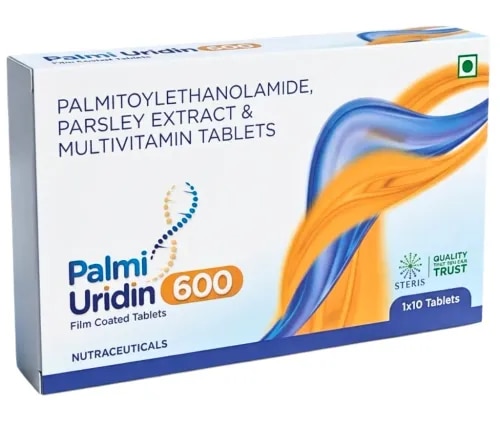
"name": "Palmitoylethanolamide,Parsley Extract & Multivitamin Tablets",
"description": "What Are Palmitoylethanolamide, Parsley Extract & Multivitamin Tablets?\n\nPalmitoylethanolamide, Parsley Extract & Multivitamin Tablets are a combination of nutritional supplements formulated with **palmitoylethanolamide (PEA), parsley extract, vitamins, and minerals**. The precise ingredients and quantities can differ between products, so the product label should always be checked for the exact composition and recommended serving.\n\nEach component has a different nutritional or biological role. **Palmitoylethanolamide (PEA)** is a naturally occurring fatty-acid amide that has been researched for its potential contribution to pain-related and inflammatory processes. Clinical research has shown particular interest in PEA for pain-management outcomes, especially when specific formulations such as micronized or ultramicronized PEA are used.\n\n**Parsley extract**, obtained from *Petroselinum crispum*, contains naturally occurring plant compounds, including flavonoids and phenolic constituents. Research has identified compounds such as apigenin and apiin in parsley and has demonstrated antioxidant activity in experimental settings. However, laboratory antioxidant activity should not be interpreted as proof that parsley extract prevents or treats a particular disease.\n\nThe multivitamin component supplies selected vitamins and minerals that contribute to normal nutritional requirements. Such supplements can be useful when dietary intake does not provide adequate amounts of particular nutrients, but they are intended to complement rather than replace a balanced diet.\n\nHow Do Palmitoylethanolamide, Parsley Extract & Multivitamin Tablets Work?\n\nThe combination works through the individual characteristics of its principal ingredients rather than through a single mechanism.\n\n1. Palmitoylethanolamide\n\nPalmitoylethanolamide (PEA) is an endogenous lipid compound found naturally in the body. It has been investigated for its potential analgesic, anti-inflammatory, and neuroprotective activities.\n\nClinical research has examined PEA in various pain-related and neurological settings. Evidence from randomized controlled trials has been particularly promising for pain-related outcomes. However, different PEA products can contain different formulations, and results from one preparation should not automatically be applied to every PEA supplement.\n\n 2. Parsley Extract\n\nParsley contains several naturally occurring phytochemicals, including flavonoids and phenolic compounds. These substances have demonstrated antioxidant properties in experimental research.\n\nThe presence of parsley extract therefore adds a plant-derived nutritional component to the formulation. However, human evidence remains more limited than laboratory research, so claims about disease prevention or treatment should be avoided unless supported by appropriate clinical evidence.\n\n3. Vitamins and Minerals\n\nThe multivitamin portion is designed to provide selected micronutrients that contribute to normal body functions. Vitamins and minerals participate in numerous physiological processes, including energy metabolism, immune function, nervous-system function, and maintenance of tissues.\n\nThe actual nutritional contribution depends on which vitamins and minerals are included and their quantities per tablet or serving.\n\nPotential Benefits of Palmitoylethanolamide, Parsley Extract & Multivitamin Tablets\n\nThe potential benefits of this combination depend on its exact formulation and the nutritional requirements of the individual.\n\nSupport for Pain-Management Strategies\n\nPEA is the component in this combination with the most relevant clinical research. Studies have evaluated PEA as a complementary nutritional approach in different pain conditions, with evidence showing particular interest in pain-related outcomes.\n\nHowever, the presence of PEA does not mean that every PEA-containing supplement is clinically proven to treat chronic pain, neuropathy, or other medical disorders.\n\nNutritional Support\n\nThe vitamin and mineral component can help increase nutrient intake when normal dietary consumption is inadequate.\n\nPeople with restricted diets, reduced food intake, or specific nutritional gaps may sometimes benefit from supplementation. However, supplements are not intended to replace a varied and nutritionally balanced diet.\n\nAntioxidant Nutritional Support\n\nParsley provides naturally occurring flavonoids and phenolic compounds that demonstrate antioxidant activity in experimental research.\n\nThese properties make parsley an interesting botanical ingredient in nutritional formulations, although laboratory findings do not necessarily establish a specific clinical benefit in humans.\n\nConvenient Combination Formula\n\nA combination tablet can offer convenience by bringing PEA, parsley extract, vitamins, and minerals together in one formulation.\n\nConsumers should focus on the actual quantities provided per tablet rather than simply the number of ingredients listed on the packaging.\n\nPalmitoylethanolamide, Parsley Extract & Multivitamin Tablets: Uses\n\nDepending on the specific product formulation and labeling, these tablets may be used as a nutritional supplement to\n\n* Support daily nutritional intake\n* Provide selected vitamins and minerals\n* Supply palmitoylethanolamide as part of a complementary wellness or pain-management approach\n* Provide naturally occurring compounds from parsley extract\n* Complement overall nutritional and antioxidant intake\n\nThese supplements should not be promoted as guaranteed treatments or cures for neuropathy, arthritis, inflammation, nerve injury, or other medical diseases.\n\n How to Select the Right Product\n\n 1. Check the PEA Quantity\n\nReview the label to determine the actual amount of **palmitoylethanolamide per tablet or daily serving**.\n\n 2. Consider the PEA Formulation\n\nDifferent clinical studies have evaluated different PEA preparations. Micronized, ultramicronized, and water-dispersible forms have received particular attention in clinical research.\n\n3. Review the Vitamin and Mineral Profile\n\nExamine the complete nutritional panel rather than assuming all multivitamin formulations contain the same nutrients and quantities.\n\n4. Avoid Nutrient Duplication\n\nIf you already use a multivitamin or individual supplements containing nutrients such as vitamin A, iron, zinc, or other minerals, compare the total daily intake to avoid unnecessary excess.\n\n 5. Check Product Information\n\nLook for transparent labeling, manufacturer details, batch information, expiry information, and appropriate quality-control details.\n\n 6. Choose According to Individual Requirements\n\nA product containing more ingredients or higher quantities is not necessarily more beneficial. Selection should be based on individual nutritional requirements and professional guidance when necessary.\n\nPossible Side Effects and Safety\n\nDietary supplements are generally well tolerated when appropriately formulated and used according to directions, but adverse effects and interactions can occur.\n\nPossible problems may include:\n\n* Nausea\n* Stomach discomfort\n* Changes in bowel habits\n* Headache\n* Sensitivity or allergic reactions to individual ingredients\n* Excessive intake of particular vitamins or minerals\n\nThe exact safety profile depends on the complete ingredient list and quantities in the individual product.\n\nPeople who take prescription medicines, have significant medical conditions, are pregnant or breastfeeding, or are preparing for surgery should discuss supplementation with a qualified healthcare professional.\n\nWho Should Use Extra Caution?\n\nAdditional care may be appropriate for individuals who:\n\n* Take several nutritional supplements\n* Regularly use prescription medicines\n* Have an existing medical condition\n* Are pregnant or breastfeeding\n* Have an allergy or sensitivity to an ingredient\n* Are preparing for surgery\n* Are considering supplementation for persistent or unexplained pain\n\nMultivitamins should also not be used as a substitute for a consistently varied diet.\n\nFrequently Asked Questions\n\n1. What are Palmitoylethanolamide, Parsley Extract & Multivitamin Tablets used for?\n\nThey are combination nutritional supplements containing PEA, parsley extract, vitamins, and minerals. Depending on the formulation, they may provide nutritional support and PEA as a complementary component of a wellness or pain-management approach.\n\n2. What are the main benefits of these tablets?\n\nPotential benefits depend on the formulation. PEA has been clinically studied mainly for pain-related outcomes; parsley provides naturally occurring plant compounds; and vitamins and minerals help support nutritional intake when dietary consumption is insufficient.\n\n3. Can Palmitoylethanolamide help with nerve pain?\n\nPEA has been investigated in several pain-related and neurological conditions, with clinical research showing promising findings for some pain outcomes. However, it should not automatically be considered a proven treatment for every type of nerve pain or neuropathy.\n\n4. Are Palmitoylethanolamide, Parsley Extract & Multivitamin Tablets safe?\n\nSafety depends on the ingredients, quantities, individual health status, and medicines being used. Most appropriately used basic nutritional supplements are tolerated by many people, but excessive nutrient intake and interactions can occur.\n\n5. What side effects can these tablets cause?\n\nPotential effects can include stomach discomfort, nausea, bowel changes, headache, or sensitivity to an ingredient. The exact side effects depend on the complete formulation.\n\n6. Can these tablets be taken with another multivitamin?\n\nCombining multivitamins should be approached carefully because overlapping ingredients can result in excessive intake of certain vitamins or minerals. Compare both labels before combining supplements.\n\n7. How should I choose palmitoylethanolamide tablets?\n\nCheck the PEA quantity, formulation, parsley extract amount, complete vitamin and mineral profile, serving instructions, manufacturer information, and product quality details.\n\n8. Can these tablets replace prescribed pain medicines?\n\nNo. A nutritional supplement should not automatically replace prescribed medication or professional medical care. Persistent, severe, worsening, or unexplained pain should be evaluated appropriately.\n\n9. Do multivitamins provide long-term health benefits?\n\nMultivitamins can increase nutrient intake when dietary intake is inadequate, but this does not mean they universally prevent chronic diseases or extend lifespan in healthy individuals.\n\n10. Can I take these tablets every day?\n\nFollow the dosage or serving instructions provided for the specific product. Taking more than the recommended amount does not necessarily provide greater benefits and may increase the risk of excessive nutrient intake.\n\nConclusion\n\nPalmitoylethanolamide, Parsley Extract & Multivitamin Tablets** combine **PEA, parsley extract, vitamins, and minerals** into a single nutritional formulation. PEA is the component with the most relevant clinical research, particularly in relation to pain-related outcomes, while parsley contributes naturally occurring botanical compounds and the multivitamin component supports dietary micronutrient intake.\n\nThe benefits and appropriate use of the combination depend on the exact formulation, ingredient quantities, and individual nutritional requirements. Therefore, consumers should review the complete product label and use the supplement according to its recommended directions.",
"price": 579.0,
"discountamount": 170.0,
"currencycode": "INR",
"priority": 1000000,
"isfreeshipmentavailable": false,
"shipmentduration": 1,
"_keywords": null,
"isarchived": false,
"isavailable": true,
"applicationid": null,
"productindex": 2499,
"imageuri": "https://productimages.withfloats.com/actual/6a952f923833cb5247c5da2d.png",
"tileimageuri": "https://productimages.withfloats.com/tile/6a952f923833cb5247c5da2d.png",
"images": null,
"totalqueries": 0,
"gpid": null,
"groupproductid": null,
"createdon": "2026-08-31T07:38:55.369Z",
"updatedon": "2026-08-31T07:38:55.369Z",
"buyonlinelink": null,
"producturl": "http://WWW.STERISINDIA.COM//palmitoylethanolamide-parsley-extract-multivitamin-tablets/2499",
"availableunits": -1.0,
"iscodavailable": false,
"isprepaidonlineavailable": false,
"maxcodorders": 0,
"maxprepaidonlineorders": 0,
"uniquepaymenturl": null,
"brandname": "PALMI URIDIN 600",
"category": "NEUROLOGY RANGE",
"tags": [
"Palmitoylethanolamide,Parsley Extract & Multivitamin Tablets",
"palmitoylethanolamide",
"multivitamin tablets",
"best multivitamin tablets",
"multivitamin tablets uses"
],
"variants": false,
"keyspecification": null,
"otherspecifications": null,
"pickupaddressreferenceid": null,
"paymenttype": "UniquePaymentUrl",
"producttype": "products",
"hsncode": null,
"gstslab": 0.0,
"isnotforsale": false
},
{
"_id": "6a952bdada41ea9aeeec5e4a",
"fptag": "STERISHEALTHCARE",
"merchantname": null,
"customwidgets": null,
"externalsourceid": null,
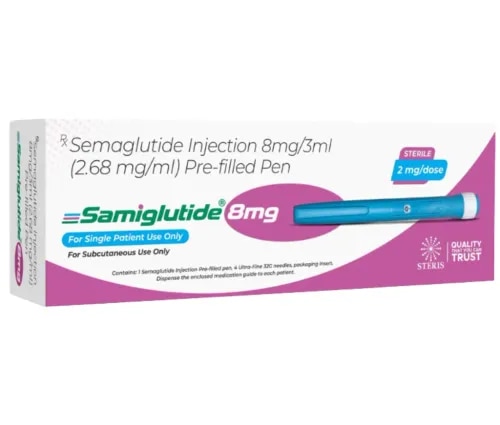
"name": "Semaglutide injection 8 mg",
"description": "The semaglutide injection, 8 mg, contains a total of 8 mg of semaglutide, a long-acting GLP-1 receptor agonist. It is used under medical supervision as part of treatment for appropriate adults with type 2 diabetes mellitus and, depending on the specific approved product and indication, for cardiovascular risk reduction and chronic weight management.\n1. Product Overview & Specifications\nAn 8 mg/3 mL semaglutide pen contains 8 mg of the active medicine in a 3 mL delivery system. When specifically designed to provide 2 mg per weekly dose, the total quantity can provide four 2 mg doses.\nActive Ingredient: Semaglutide\nTotal Strength: 8 mg\nExample Presentation: 8 mg/3 mL multi-dose pen\nDrug Class: GLP-1 receptor agonist\nRoute: Subcutaneous injection\nCommon Injection Areas: Abdomen, thigh, or upper arm\nAdministration: Once weekly, according to the prescribed schedule\nMechanism of Action\nSemaglutide mimics the activity of the naturally occurring hormone GLP-1 (glucagon-like peptide-1). It acts on GLP-1 receptors involved in blood-glucose regulation, digestion, and appetite.\nImproves glucose-dependent insulin release: Semaglutide encourages the pancreas to release insulin when blood glucose levels are elevated.\nReduces glucagon secretion: It lowers inappropriate glucagon release, helping reduce the amount of glucose produced by the liver.\nSlows gastric emptying: Semaglutide can delay the movement of food from the stomach, contributing to prolonged fullness.\nReduces appetite: Its effects on appetite-regulating pathways in the brain can decrease hunger and food intake.\n2. Primary Indications & Uses\nSemaglutide may be prescribed for several clinically established purposes depending on the specific formulation, approved labeling, and patient's medical condition.\nType 2 Diabetes Management\nSemaglutide can be used alongside appropriate diet and physical activity to improve blood-glucose control in adults with type 2 diabetes.\nCardiovascular Risk Reduction\nIn eligible adults with type 2 diabetes and established cardiovascular disease, certain semaglutide products have demonstrated a reduction in the risk of major cardiovascular events, including cardiovascular death, non-fatal heart attack, and non-fatal stroke.\nKidney Disease\nCertain semaglutide formulations and indications have demonstrated kidney-related benefits in specific populations. The appropriate product and indication should be determined by a healthcare professional.\nChronic Weight Management\nSemaglutide is also used for long-term weight management in eligible adults with obesity or overweight accompanied by weight-related health conditions, depending on the approved formulation and local prescribing guidance.\n3. Key Benefits of Semaglutide 8 mg Therapy\nClinical Area\nPotential Therapeutic Role\nBlood-Glucose Control\nHelps lower elevated blood glucose and improve glycemic control in appropriate patients.\nWeight Management\nReduces appetite and food intake, supporting sustained weight reduction when prescribed for this purpose.\nCardiovascular Health\nCertain approved semaglutide indications can reduce major cardiovascular event risk in eligible patients.\nMetabolic Support\nInfluences glucose regulation, appetite, insulin secretion, and glucagon activity.\nWeekly Administration\nA once-weekly injection can provide a convenient treatment schedule when prescribed.\n\n4. Side Effects & Safety Warnings\nCommon Adverse Reactions\nDigestive symptoms are among the most frequently reported adverse effects, particularly when treatment is initiated or the dose is increased.\nPossible side effects include:\nNausea\nVomiting\nDiarrhea\nConstipation\nAbdominal discomfort\nBloating\nBelching\nIndigestion or heartburn\nReduced appetite\nThese effects may improve as the body becomes accustomed to treatment.\nFrequently Asked Questions\n1. How much weight can you lose with semaglutide?\nWeight reduction varies significantly between individuals and depends on the prescribed formulation, dose, treatment duration, diet, physical activity, and adherence. Clinical trials of approved weight-management regimens have demonstrated substantial average percentage weight loss over extended treatment periods.\n2. How much is 8 units of semaglutide in mL?\nOn a U-100 insulin syringe, 100 units corresponds to 1 mL, so 8 units corresponds to 0.08 mL. However, this conversion only describes syringe volume. It does not determine the amount of semaglutide in mg because the medication concentration varies between products. Always verify the exact concentration before measuring any dose.\n3. Is semaglutide injection safe for weight loss?\nSemaglutide can be an effective treatment for weight management when an approved formulation is prescribed to an eligible patient and used under appropriate medical supervision. It has important contraindications and warnings, including risks involving the gastrointestinal system, gallbladder, pancreas, kidneys, and thyroid C-cell tumors.\n4. How many mg of semaglutide are used for weight loss?\nThe appropriate dose depends on the specific semaglutide product. Weight-management treatment commonly begins with a lower dose and is gradually increased to a maintenance dose to improve tolerability. The maintenance dose should be determined according to the product's approved prescribing information and the healthcare professional's instructions.\n5. How much weight can I lose in 2 months with semaglutide?\nThere is no guaranteed amount of weight loss during the first two months. Individual results vary because treatment generally begins at a lower dose and is increased gradually. Diet, physical activity, starting weight, medical conditions, and adherence also affect the result.\n6. What happens when you stop semaglutide?\nAfter discontinuation, semaglutide gradually leaves the body. Appetite and food intake may increase as its effects decrease, and some people regain weight. Maintaining healthy eating and physical activity habits may help support weight management after treatment, but discontinuation should be discussed with a healthcare professional.\n7. How long does an 8 mg/3 mL semaglutide pen last?\nIf a specific 8 mg/3 mL pen is designed to deliver 2 mg per weekly dose, it contains four 2 mg doses and therefore provides approximately four weeks of treatment. The actual duration depends on the specific device and prescribed dosing instructions.\n8. What is semaglutide injection 8 mg used for?\nSemaglutide is used for approved indications such as improving blood-glucose control in type 2 diabetes and, depending on the formulation, supporting chronic weight management and reducing cardiovascular risk in eligible patients.\n9. What foods should be avoided while taking semaglutide?\nLarge, high-fat, greasy, or fried meals may worsen gastrointestinal symptoms such as nausea, bloating, and reflux. Smaller meals and balanced food choices may be easier to tolerate. Alcohol intake should also be discussed with a healthcare professional.\n10. Can you eat bananas while taking semaglutide?\nYes, bananas can generally be included in a balanced diet while using semaglutide. Portion size should be considered as part of an individual's overall calorie and carbohydrate intake, particularly for people managing diabetes.\n11. What is the best time of day to inject semaglutide?\nSemaglutide injections can generally be administered at any time of day, with or without meals, depending on the specific product instructions. The injection should be taken on the same day each week as prescribed.\n12. Will I lose weight during the first week of semaglutide?\nSome people may notice an early change in appetite or body weight, while others may not see a significant difference initially. Early treatment doses are generally introduced gradually to help the body adjust rather than to produce immediate maximum weight loss.\n13. How quickly does semaglutide start lowering blood sugar?\nSemaglutide begins acting after administration, but the degree and timing of blood-glucose improvement vary. Significant treatment effects develop progressively, particularly as the prescribed dose is gradually adjusted.\n14. What should I do if I miss a semaglutide dose?\nThe correct missed-dose procedure depends on the specific semaglutide product. Follow the instructions supplied with your prescribed product. Do not take an extra dose to compensate for a missed injection.\n15. Where is the best place to inject semaglutide?\nSemaglutide is administered subcutaneously. Common injection sites include the abdomen, front of the thigh, or upper arm, according to the product instructions. Rotating injection locations can help reduce repeated irritation at one site.\nConclusion\nSemaglutide injection 8 mg contains semaglutide, a long-acting GLP-1 receptor agonist that influences blood-glucose regulation, glucagon secretion, gastric emptying, and appetite. Depending on the specific formulation and approved indication, semaglutide may be used for type 2 diabetes management, chronic weight management, and cardiovascular risk reduction in eligible patients.\nAn 8 mg/3 mL presentation designed for 2 mg weekly dosing can provide four weekly doses. However, semaglutide concentrations, pen designs, approved doses, and indications can differ between products. Treatment should therefore follow the exact product instructions and a healthcare professional's prescription.",
"price": 7800.0,
"discountamount": 2340.0,
"currencycode": "INR",
"priority": 1000000,
"isfreeshipmentavailable": false,
"shipmentduration": 1,
"_keywords": null,
"isarchived": false,
"isavailable": true,
"applicationid": null,
"productindex": 2498,
"imageuri": "https://productimages.withfloats.com/actual/6a952bdd8359c1b7edbc7468.png",
"tileimageuri": "https://productimages.withfloats.com/tile/6a952bdd8359c1b7edbc7468.png",
"images": null,
"totalqueries": 0,
"gpid": null,
"groupproductid": null,
"createdon": "2026-08-31T07:23:06.814Z",
"updatedon": "2026-08-31T07:23:06.814Z",
"buyonlinelink": null,
"producturl": "http://WWW.STERISINDIA.COM//semaglutide-injection-8-mg/2498",
"availableunits": -1.0,
"iscodavailable": false,
"isprepaidonlineavailable": false,
"maxcodorders": 0,
"maxprepaidonlineorders": 0,
"uniquepaymenturl": null,
"brandname": "SAMIGLUTIDE 8MG",
"category": "DIABETIC RANGE",
"tags": [
"Semaglutide injection 8 mg",
"semaglutide injection 8 mg",
"semaglutide 8 mg injection uses",
"semaglutide 8 mg injection benefits",
"semaglutide 8 mg injection dosage"
],
"variants": false,
"keyspecification": null,
"otherspecifications": null,
"pickupaddressreferenceid": null,
"paymenttype": "UniquePaymentUrl",
"producttype": "products",
"hsncode": null,
"gstslab": 0.0,
"isnotforsale": false
},
{
"_id": "6a8c3838c90065ecdc86c757",
"fptag": "STERISHEALTHCARE",
"merchantname": null,
"customwidgets": null,
"externalsourceid": null,
"name": "Semaglutide Injection 4mg",
"description": "SAMIGLUTIDE 4 MG is a semaglutide-containing injectable medicine supplied in a pre-filled pen. The stated formulation contains 4 mg of semaglutide in 3 mL of solution, corresponding to approximately 1.34 mg/mL.\n\nSemaglutide is a GLP-1 receptor agonist that acts on physiological pathways involved in blood-glucose control, appetite, and gastrointestinal function. Its use should be based on the approved indication for the specific product and the advice of a qualified healthcare professional.\n\nProduct Overview\nProduct: SAMIGLUTIDE 4 MG\nActive substance: Semaglutide\nStrength: 4 mg/3 mL\nApproximate concentration: 1.34 mg/mL\nDosage form: Injectable solution\nPresentation: Pre-filled pen\nRoute: Subcutaneous administration, according to the applicable product instructions\n\nThe 4 mg/3 mL concentration is also associated with certain approved semaglutide products. However, this does not mean that their dosing schedules, indications, or administration instructions automatically apply to SAMIGLUTIDE 4 MG. The product-specific labeling should always be followed.\n\nWhat Is Semaglutide?\n\nSemaglutide is a medication belonging to the GLP-1 receptor agonist class. It acts similarly to the naturally occurring hormone glucagon-like peptide-1 (GLP-1).\n\nGLP-1 is involved in several processes related to metabolism. Its activity can influence insulin secretion, glucagon regulation, stomach emptying, and appetite. Depending on the particular semaglutide product and its regulatory authorization, semaglutide may be prescribed for conditions such as type 2 diabetes or chronic weight management in appropriately selected patients.\n\nBecause different semaglutide products can have different approved uses and formulations, treatment decisions should be based on the specific medicine being prescribed.\n\nSAMIGLUTIDE 4 MG Pre-Filled Pen\n\nSAMIGLUTIDE 4 MG is supplied in a pre-filled pen intended to provide a convenient format for subcutaneous administration.\n\nPre-filled devices can eliminate the need to draw medication from a conventional vial. Nevertheless, patients should be properly trained before using an injectable pen and should follow the instructions supplied with the specific product.\n\nThe pen should only be used according to its approved instructions, including the prescribed dose and administration schedule.\n\nStrength and Formulation\n\nEach stated 3 mL presentation contains 4 mg of semaglutide, giving a concentration of approximately 1.34 mg/mL.\n\nThe concentration of a medicine should not be confused with the amount delivered in every injection. The quantity administered depends on the design and dose settings of the particular pen.\n\nFor this reason, patients should not calculate or select their own dose based solely on the concentration printed on the package. The prescribed dose should come from the product's authorized instructions and the treating healthcare professional.\n\nHow Semaglutide Acts\n\nSemaglutide activates GLP-1 receptors, which are involved in the regulation of blood glucose and appetite.\n\nAmong its physiological effects, GLP-1 receptor activation can:\n\nSupport glucose-dependent insulin secretion.\nReduce inappropriate glucagon secretion when blood glucose is elevated.\nAffect gastrointestinal activity, including gastric emptying.\nInfluence appetite and food intake.\n\nThe overall response to treatment can vary between individuals and depends on factors such as the medical indication, prescribed dose, treatment duration, and other medicines being used.\n\nPotential Therapeutic Benefits\n\nWhen prescribed for an appropriate, authorized indication, semaglutide may form part of a broader treatment program.\n\nFor eligible individuals with type 2 diabetes, certain approved semaglutide medicines are used to improve glycemic control. Other approved semaglutide formulations have indications involving chronic weight management for qualifying patients.\n\nMedication should be considered alongside the broader treatment strategy recommended by a healthcare professional, which may include nutritional management, physical activity, glucose monitoring, and other appropriate interventions.\n\nPossible Side Effects\n\nLike other prescription medicines, semaglutide can cause unwanted effects.\n\nFrequently reported gastrointestinal reactions associated with semaglutide products include:\n\nNausea\nVomiting\nDiarrhea\nConstipation\nAbdominal discomfort or pain\n\nNot every patient experiences these effects, and their severity can vary.\n\nSemaglutide products also have important safety considerations. Depending on the specific approved product, labeling includes warnings concerning conditions such as pancreatitis, gallbladder-related problems, severe gastrointestinal reactions, kidney problems associated with dehydration, and serious hypersensitivity reactions.\n\nPatients should provide their healthcare professional with a complete medical history before treatment begins.\n\nImportant Contraindications and Warnings\n\nCertain semaglutide products carry a contraindication for individuals with a personal or family history of medullary thyroid carcinoma (MTC) or those with Multiple Endocrine Neoplasia syndrome type 2 (MEN 2). Serious hypersensitivity to semaglutide or an applicable component is also an important contraindication.\n\nThe exact warnings and contraindications applicable to SAMIGLUTIDE 4 MG should be confirmed against its current authorized product information in the relevant country.\n\nPatients should seek professional medical advice if they develop concerning symptoms during treatment.\n\nCorrect Administration\n\nSAMIGLUTIDE 4 MG should be administered only according to the prescription and instructions applicable to the product.\n\nBefore using a pre-filled pen, patients should receive appropriate instruction regarding:\n\nDose selection\nInjection technique\nInjection sites\nPen operation\nStorage\nDisposal of used needles or injection equipment\n\nThe dose or frequency should never be changed independently.\n\nA pre-filled injection pen should not be shared with another person, even if a new needle is attached. Sharing injectable medication devices can create a risk of transmitting infections and is contrary to appropriate safe-use practices.\n\nStorage\n\nStorage requirements should be determined from the official SAMIGLUTIDE 4 MG packaging and product information supplied with the medicine.\n\nPatients should not rely on storage instructions from a different semaglutide brand because formulations, devices, and stability requirements can differ between products.\n\nUse by Healthcare Professionals\n\nHealthcare professionals should assess whether SAMIGLUTIDE 4 MG is appropriate for an individual patient by considering the relevant diagnosis, treatment objectives, medical history, contraindications, concurrent medicines, and applicable regulatory requirements.\n\nParticular attention should be given to the distinction between different semaglutide products. Although they contain the same active ingredient, products may differ in:\n\nApproved indications\nConcentration\nPen design\nDose increments\nAdministration schedules\nStorage conditions\nRegulatory labeling\n\nThe product-specific prescribing information should therefore be consulted before treatment is initiated or adjusted.\n\nAdvantages of a Pre-Filled Pen\n\nA pre-filled pen can provide a practical method of administering an injectable medicine. Compared with a conventional vial-and-syringe presentation, the device may reduce some preparation steps and can be convenient for patients who have been appropriately trained.\n\nConvenience, however, should not take precedence over product authenticity, regulatory approval, correct dosing, proper storage, and professional medical supervision.\n\nSAMIGLUTIDE 4 MG: Key Points\n\nSAMIGLUTIDE 4 MG is described as a semaglutide injection containing 4 mg in 3 mL, supplied in a pre-filled pen.\n\nThe most important considerations are:\n\nSemaglutide is a GLP-1 receptor agonist.\nThe stated formulation is 4 mg/3 mL (approximately 1.34 mg/mL).\nAdministration is by the subcutaneous route when prescribed for that route.\nThe appropriate dose and frequency must come from the product-specific instructions and prescription.\nDosing information from another semaglutide brand should not automatically be applied.\nPatients should be informed about possible adverse reactions and relevant contraindications.\nThe pen must not be shared between patients.\nStorage and handling should follow the official product information.\nTreatment should be supervised by an appropriately qualified healthcare professional.\nFrequently Asked Questions\nWhat is SAMIGLUTIDE 4 MG?\n\nSAMIGLUTIDE 4 MG is a semaglutide-containing injectable formulation described as 4 mg/3 mL, supplied in a pre-filled pen. Its approved use depends on the regulatory authorization applicable to the product and market.\n\nWhat does 4 mg/3 mL mean?\n\nIt indicates that the stated 3 mL presentation contains a total of 4 mg of semaglutide, equivalent to approximately 1.34 mg of semaglutide per mL.\n\nThis concentration alone should not be used to determine an individual's injection dose.\n\nIs SAMIGLUTIDE 4 MG a prescription medicine?\n\nSemaglutide medicines are prescription products in many jurisdictions. SAMIGLUTIDE 4 MG should be used only in accordance with applicable regulations, authorized product information, and professional medical advice.\n\nHow is SAMIGLUTIDE 4 MG administered?\n\nThe product is described as a subcutaneous injection. However, the exact dose, injection frequency, and pen operation should be determined from the SAMIGLUTIDE 4 MG product information and the patient's prescription.\n\nCan SAMIGLUTIDE 4 MG be taken together with another semaglutide medicine?\n\nPatients should not combine semaglutide-containing medicines or switch between them without medical supervision. Some approved semaglutide labels specifically advise against combining their product with another semaglutide-containing medicine or another GLP-1 receptor agonist.\n\nCan the dose be changed without consulting a doctor?\n\nNo. Patients should not increase, decrease, or otherwise modify the prescribed dose or injection schedule without guidance from their healthcare professional.\n\nConclusion\n\nSAMIGLUTIDE 4 MG – Semaglutide Injection 4 mg/3 mL (approximately 1.34 mg/mL) Pre-Filled Pen is a semaglutide-based injectable formulation designed for subcutaneous use according to its applicable product instructions.\n\nBecause semaglutide products can vary substantially in their approved indications, concentrations, devices, and dosing regimens, information from another semaglutide product should not be assumed to apply to SAMIGLUTIDE 4 MG.\n\nFor appropriate and safe use, patients and healthcare professionals should rely on the current official product information, local regulatory authorization, and individualized medical advice. Any questions concerning suitability, dosing, interactions, contraindications, or adverse effects should be discussed with a qualified healthcare professional.",
"price": 6600.0,
"discountamount": 1980.0,
"currencycode": "INR",
"priority": 1000000,
"isfreeshipmentavailable": false,
"shipmentduration": 1,
"_keywords": null,
"isarchived": false,
"isavailable": true,
"applicationid": null,
"productindex": 2497,
"imageuri": "https://productimages.withfloats.com/actual/6a8c383c0e00e8a5dab0c9d5.png",
"tileimageuri": "https://productimages.withfloats.com/tile/6a8c383c0e00e8a5dab0c9d5.png",
"images": null,
"totalqueries": 0,
"gpid": null,
"groupproductid": null,
"createdon": "2026-08-24T12:25:28.659Z",
"updatedon": "2026-08-24T12:25:28.659Z",
"buyonlinelink": null,
"producturl": "http://WWW.STERISINDIA.COM//semaglutide-injection-4mg/2497",
"availableunits": -1.0,
"iscodavailable": false,
"isprepaidonlineavailable": false,
"maxcodorders": 0,
"maxprepaidonlineorders": 0,
"uniquepaymenturl": null,
"brandname": "SAMIGLUTIDE 4 MG",
"category": "DIABETIC RANGE",
"tags": [],
"variants": false,
"keyspecification": null,
"otherspecifications": null,
"pickupaddressreferenceid": null,
"paymenttype": "UniquePaymentUrl",
"producttype": "products",
"hsncode": null,
"gstslab": 0.0,
"isnotforsale": false
}
],
"hasmoreitems": false,
"isapirequest": false,
"totalresults": 27,
"query": null,
"floatingpoint": null
}