STERISHEALTHCARE
Products
08042755542
91918824471531
Chat with us


Chat with us on WhatsApp
×
This is your website preview.
Currently it only shows your basic business info. Start adding relevant business details such as description, images and products or services to gain your customers attention by using Boost 360 android app / iOS App / web portal.
Home
 ofloxacin ophthalmic solution ip
 ofloxacin ophthalmic solution ip
Items tagged with 'ofloxacin ophthalmic solution ip'
{
"products": [
{
"_id": "6a3a28e1f86185e41b2d185a",
"fptag": "STERISHEALTHCARE",
"merchantname": null,
"customwidgets": null,
"externalsourceid": null,
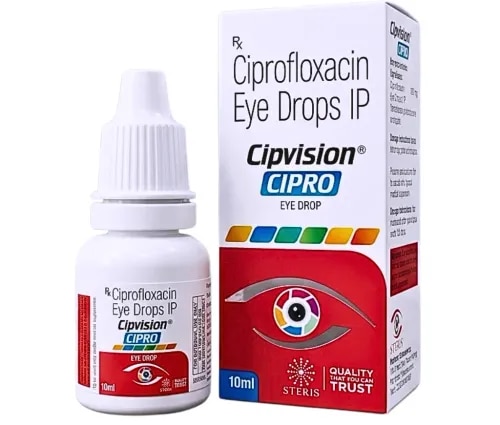
"name": "ciprofloxacin eye drops ip",
"description": "Eye infections can cause discomfort, redness, irritation, excessive tearing, and blurred vision, affecting daily activities and overall eye health. When bacterial infections affect the eyes, prompt treatment becomes essential to prevent complications and support faster recovery. Ciprofloxacin Eye Drops IP is a widely prescribed ophthalmic antibiotic formulation designed to treat bacterial eye infections effectively by eliminating infection-causing bacteria and reducing associated symptoms.\n\nWhether you are searching for a reliable treatment for bacterial conjunctivitis, corneal ulcers, or other bacterial eye conditions, understanding how Ciprofloxacin Eye Drops IP works can help you make an informed healthcare decision. This guide provides comprehensive information about its uses, benefits, mechanism of action, dosage guidelines, safety precautions, and frequently asked questions.\n\nWhat is Ciprofloxacin Eye Drops IP?\n\nCiprofloxacin Eye Drops IP is an antibiotic eye medication containing Ciprofloxacin, a fluoroquinolone antibiotic known for its broad-spectrum antibacterial activity. It is formulated specifically for ophthalmic use and is commonly prescribed by healthcare professionals to treat bacterial infections affecting the eye and surrounding tissues.\n\nThe formulation works against a wide range of gram-positive and gram-negative bacteria responsible for common eye infections. Because it targets bacterial infections directly, it helps reduce symptoms such as redness, swelling, discharge, burning sensation, and irritation.\n\nHow Does Ciprofloxacin Eye Drops IP Work?\n\nCiprofloxacin belongs to the fluoroquinolone class of antibiotics. It works by inhibiting bacterial DNA gyrase and topoisomerase IV, enzymes that are essential for bacterial DNA replication and repair.\n\nWithout these enzymes, bacteria cannot multiply or survive, leading to the elimination of the infection. As the bacterial load decreases, symptoms gradually improve, allowing the eye to heal naturally.\n\nThis targeted antibacterial action makes Ciprofloxacin Eye Drops IP highly effective against various bacterial strains commonly responsible for ophthalmic infections.\n\nWhy is Ciprofloxacin Eye Drops IP Important?\n\nEye infections should never be ignored because untreated bacterial infections can lead to serious complications, including corneal damage and vision impairment. Ciprofloxacin Eye Drops IP plays a crucial role in managing bacterial eye infections by:\n\nProviding targeted antibacterial treatment\nPreventing the spread of infection\nReducing inflammation and discomfort\nSupporting faster recovery\nProtecting vision by preventing complications\nTreating both mild and severe bacterial eye conditions\n\nTimely use under medical supervision can significantly improve treatment outcomes and patient comfort.\n\nCommon Uses of Ciprofloxacin Eye Drops IP\n\nHealthcare professionals commonly prescribe Ciprofloxacin Eye Drops IP for:\n\nBacterial Conjunctivitis\n\nAlso known as pink eye, bacterial conjunctivitis causes redness, irritation, discharge, and swelling. Ciprofloxacin helps eliminate the bacteria causing the infection.\n\nCorneal Ulcers\n\nCorneal ulcers are serious infections that can threaten vision if not treated promptly. Ciprofloxacin Eye Drops IP helps control bacterial growth and supports healing.\n\nBlepharitis\n\nInfections affecting the eyelids may respond well to antibiotic treatment with Ciprofloxacin.\n\nPost-Surgical Eye Infection Prevention\n\nDoctors may prescribe Ciprofloxacin Eye Drops IP after certain ophthalmic procedures to reduce the risk of bacterial infection.\n\nOther Susceptible Bacterial Eye Infections\n\nIt may also be recommended for other eye infections caused by bacteria sensitive to Ciprofloxacin.\n\nKey Benefits of Ciprofloxacin Eye Drops IP\nBroad-Spectrum Antibacterial Coverage\n\nThe formulation works against a wide variety of bacteria commonly associated with eye infections.\n\nRapid Symptom Relief\n\nMany patients experience improvement in redness, irritation, discharge, and discomfort within a few days of treatment.\n\nDirect Application\n\nSince the medication is applied directly to the eye, it delivers targeted treatment at the infection site.\n\nHelps Prevent Complications\n\nPrompt treatment can reduce the risk of infection progression and vision-related complications.\n\nConvenient Administration\n\nEasy-to-use eye drop formulation supports patient compliance and effective treatment.\n\nSuitable for Various Bacterial Eye Conditions\n\nIt is widely utilized across multiple ophthalmic bacterial infections.\n\nWho May Benefit from Ciprofloxacin Eye Drops IP?\n\nCiprofloxacin Eye Drops IP may be recommended for:\n\nAdults with bacterial eye infections\nPatients diagnosed with bacterial conjunctivitis\nIndividuals with bacterial corneal ulcers\nPatients recovering from eye surgery\nPeople experiencing bacterial eye inflammation under medical supervision\n\nA healthcare provider should always confirm whether the infection is bacterial before initiating treatment.\n\nHow to Use Ciprofloxacin Eye Drops IP\n\nFor optimal results, follow your doctor's instructions carefully.\n\nGeneral administration guidelines include:\n\nWash hands thoroughly before use.\nAvoid touching the dropper tip.\nTilt the head backward.\nPull down the lower eyelid gently.\nInstill the prescribed number of drops.\nClose the eyes for a few moments.\nAvoid rubbing the eyes immediately after application.\n\nContinue the full prescribed course even if symptoms improve earlier to ensure complete eradication of the infection.\n\nDosage Information\n\nThe dosage and duration depend on:\n\nType of infection\nSeverity of symptoms\nPatient age\nClinical response to treatment\n\nMild infections may require less frequent dosing, while severe infections such as corneal ulcers may require intensive administration during the initial treatment phase.\n\nAlways follow the prescription provided by your ophthalmologist.\n\nImportant Precautions\n\nBefore using Ciprofloxacin Eye Drops IP, consider the following precautions:\n\nUse only for ophthalmic application.\nDo not share eye drops with others.\nRemove contact lenses if advised by your doctor.\nAvoid contaminating the dropper tip.\nInform your physician about any allergies to fluoroquinolone antibiotics.\nComplete the entire prescribed treatment course.\n\nIf symptoms worsen or fail to improve, seek medical attention promptly.\n\nPossible Side Effects\n\nLike all medications, Ciprofloxacin Eye Drops IP may cause side effects in some individuals.\n\nCommon side effects may include:\n\nTemporary eye irritation\nMild burning sensation\nEye discomfort\nItching\nRedness\nBlurred vision immediately after administration\nForeign body sensation\n\nThese effects are generally mild and temporary. Persistent or severe reactions should be reported to a healthcare professional.\n\nStorage Instructions\n\nTo maintain product quality:\n\nStore at room temperature.\nKeep the bottle tightly closed.\nProtect from excessive heat and moisture.\nKeep away from direct sunlight.\nKeep out of reach of children.\nDo not use after the expiration date.\n\nProper storage helps preserve the effectiveness and sterility of the formulation.\n\nWhy Healthcare Professionals Trust Ciprofloxacin Eye Drops IP\n\nCiprofloxacin has been extensively used in ophthalmology due to its proven antibacterial efficacy and broad-spectrum activity. Its ability to target common ocular pathogens makes it a preferred treatment option for bacterial eye infections.\n\nDoctors often choose Ciprofloxacin Eye Drops IP because of:\n\nStrong antibacterial performance\nEstablished clinical use\nBroad pathogen coverage\nEffective symptom control\nDirect ocular delivery system\n\nWhen prescribed appropriately, it remains an important treatment option for bacterial eye care management.\n\nConclusion\n\nCiprofloxacin Eye Drops IP is a trusted ophthalmic antibiotic solution designed to combat bacterial eye infections effectively. By targeting infection-causing bacteria directly, it helps relieve redness, irritation, discharge, and discomfort while supporting faster healing and protecting eye health.\n\nWhether treating bacterial conjunctivitis, corneal ulcers, or post-surgical infections, Ciprofloxacin Eye Drops IP offers targeted antibacterial action and reliable clinical results. Always use this medication under the guidance of a qualified healthcare professional and complete the prescribed treatment course for optimal outcomes.\n\nFrequently Asked Questions (FAQs)\nWhat is Ciprofloxacin Eye Drops IP used for?\n\nCiprofloxacin Eye Drops IP is used to treat bacterial eye infections such as bacterial conjunctivitis, corneal ulcers, and other susceptible ocular infections.\n\nHow quickly does Ciprofloxacin Eye Drops IP start working?\n\nMany patients notice symptom improvement within a few days, although complete recovery depends on the severity of the infection.\n\nCan Ciprofloxacin Eye Drops IP treat viral eye infections?\n\nNo. Ciprofloxacin Eye Drops IP is an antibiotic and is only effective against bacterial infections, not viral or fungal infections.\n\nCan I wear contact lenses while using Ciprofloxacin Eye Drops IP?\n\nYour doctor may advise avoiding contact lenses during treatment until the infection has fully resolved.\n\nHow many times a day should I use Ciprofloxacin Eye Drops IP?\n\nThe dosing schedule varies depending on the infection and your doctor's recommendation. Always follow prescribed instructions.\n\nIs Ciprofloxacin Eye Drops IP safe for children?\n\nIt may be prescribed for pediatric patients when considered appropriate by a healthcare professional.\n\nWhat should I do if I miss a dose?\n\nApply the missed dose as soon as you remember unless it is nearly time for the next scheduled dose.\n\nCan I stop using the drops once symptoms improve?\n\nNo. Complete the full prescribed course to ensure the infection is fully treated and to help prevent bacterial resistance.\n\nAre there any side effects of Ciprofloxacin Eye Drops IP?\n\nPossible side effects include temporary burning, irritation, redness, itching, and mild discomfort after application.\n\nCan Ciprofloxacin Eye Drops IP cause blurred vision?\n\nTemporary blurred vision may occur immediately after administration and usually resolves quickly.\n\nDo I need a prescription for Ciprofloxacin Eye Drops IP?\n\nYes. Ciprofloxacin Eye Drops IP should be used under the supervision of a qualified healthcare professional.\n\nHow should Ciprofloxacin Eye Drops IP be stored?\n\nStore at room temperature, away from direct sunlight, heat, and moisture, and keep the bottle tightly closed after use.\n\nCan Ciprofloxacin Eye Drops IP be used after eye surgery?\n\nDoctors may prescribe it after certain ophthalmic procedures to help prevent bacterial infections.\n\nWhat bacteria does Ciprofloxacin Eye Drops IP treat?\n\nIt is effective against many gram-positive and gram-negative bacteria commonly associated with eye infections.\n\nWhen should I contact a doctor while using Ciprofloxacin Eye Drops IP?\n\nSeek medical advice if symptoms worsen, vision changes occur, severe irritation develops, or the infection does not improve as expected.",
"price": 11.0,
"discountamount": 0.0,
"currencycode": "INR",
"priority": 1000000,
"isfreeshipmentavailable": false,
"shipmentduration": 1,
"_keywords": null,
"isarchived": false,
"isavailable": true,
"applicationid": null,
"productindex": 2459,
"imageuri": "https://productimages.withfloats.com/actual/6a3a28e3a030eaa17eb84d32.png",
"tileimageuri": "https://productimages.withfloats.com/tile/6a3a28e3a030eaa17eb84d32.png",
"images": null,
"totalqueries": 0,
"gpid": null,
"groupproductid": null,
"createdon": "2026-06-23T06:34:09.197Z",
"updatedon": "2026-06-23T06:34:09.197Z",
"buyonlinelink": null,
"producturl": "http://WWW.STERISINDIA.COM/products/ciprofloxacin-eye-drops-ip/2459",
"availableunits": -1.0,
"iscodavailable": false,
"isprepaidonlineavailable": false,
"maxcodorders": 0,
"maxprepaidonlineorders": 0,
"uniquepaymenturl": null,
"brandname": "CIPVISION CIPRO",
"category": "Opthalmology Range",
"tags": [
"ciprofloxacin eye drops ip",
"ciprofloxacin eye drops",
"ciprofloxacin eye drops uses in hindi",
"ciprofloxacin eye drops uses",
"ciprofloxacin eye drops ip uses in hindi",
"ciprofloxacin eye drops ip",
"ciprofloxacin eye drops price",
"ciprofloxacin eye drops side effects",
"ciprofloxacin eye drops in hindi",
"ciprofloxacin eye drops ip uses",
"ciprofloxacin eye drops uses in tamil",
"ciprofloxacin eye drops ip in hindi",
"ciprofloxacin eye drops how many times a day",
"ciprofloxacin eye drops use"
],
"variants": false,
"keyspecification": null,
"otherspecifications": null,
"pickupaddressreferenceid": null,
"paymenttype": "UniquePaymentUrl",
"producttype": "products",
"hsncode": null,
"gstslab": 0.0,
"isnotforsale": false
},
{
"_id": "6afd8360645e70166ac83e98",
"fptag": "STERISHEALTHCARE",
"merchantname": null,
"customwidgets": null,
"externalsourceid": null,
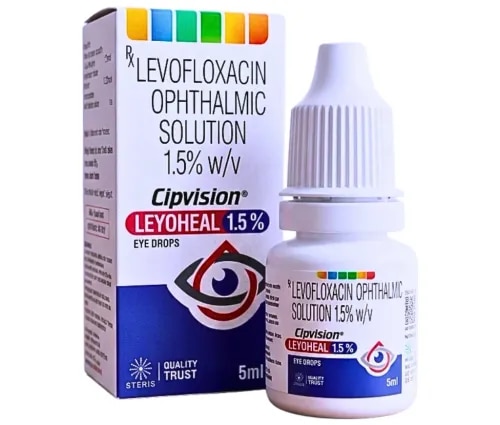
"name": "Levofloxacin Ophthalmic Solution 1.5% w/v",
"description": "About Levofloxacin Ophthalmic Solution 1.5% w/v\n\nCIPVISION LEYOHEAL 1.5% is a sterile antibiotic eye drop containing levofloxacin at a strength of 1.5% w/v. This works out to 1.5 g of the drug in 100 mL of liquid, or 15 mg in each mL. It is three times as concentrated as the 0.5% levofloxacin drops usually given for routine bacterial conjunctivitis.\n\nThe extra strength has a purpose. A corneal ulcer is an infection on the transparent dome at the front of the eye, and the antibiotic must reach high levels in the cornea and tear film to beat tough bacteria such as Pseudomonas aeruginosa and Staphylococcus aureus. Data on the reference 1.5% product show that tear levels peak soon after a drop is applied, which is why frequent dosing in the first days works well.\n\nProduct Snapshot\nParameter\tDetail\nBrand name\tCIPVISION LEYOHEAL 1.5%\nActive ingredient\tLevofloxacin (as hemihydrate) 1.5% w/v\nForm\tSterile eye drop solution\nDrug class\tFluoroquinolone antibiotic\nMarketed by\tSteris Healthcare Pvt. Ltd.\nPack size\t[PLACEHOLDER – confirm against carton]\nLegal status\tSchedule H (prescription only)\nManufacturing standards\tWHO-GMP and ISO-certified\nUses of Levofloxacin 1.5% Eye Drops\n\nThis strength is prescribed for bacterial corneal ulcers caused by susceptible microbes. The reference label names these organisms:\n\nGroup\tSusceptible organisms\nGram-positive\tCorynebacterium species, Staphylococcus aureus, Staphylococcus epidermidis, Streptococcus pneumoniae, viridans group streptococci\nGram-negative\tPseudomonas aeruginosa, Serratia marcescens\n\nAn ophthalmologist may also choose it for other serious corneal infections (bacterial keratitis), such as those that follow an eye injury or surgery. Only a doctor should make that call.\n\nWarning signs of a possible corneal ulcer (seek urgent care):\n\nModerate to severe eye pain, or a sensation of grit or a foreign body\nPronounced redness and excess tearing\nSticky or pus-like discharge\nA white or grey patch on the cornea\nSensitivity to light, with blurred or reduced vision\nMechanism of Action\n\nLevofloxacin belongs to the fluoroquinolone family and is bactericidal, so it kills bacteria outright instead of only halting their growth. It blocks two bacterial enzymes:\n\nDNA gyrase, which manages the coiling of DNA while it is copied\nTopoisomerase IV, which separates the newly made DNA strands\n\nOnce both enzymes are disabled, bacteria cannot multiply or repair damage, and they die. Because two targets are hit at once, resistance tends to build up more slowly than with antibiotics that act on a single target. Misuse or very long exposure can still lead to resistance.\n\nKey Benefits\nStrong, targeted action: 15 mg/mL puts high drug levels in the tears and corneal tissue, right where the infection is.\nWide coverage: works against many common Gram-positive and Gram-negative eye pathogens, including Pseudomonas aeruginosa.\nTwo-enzyme attack: acts on both DNA gyrase and topoisomerase IV.\nProven against a standard therapy: in two randomised, double-masked studies of 280 culture-positive patients using the reference 1.5% product, about 80% were clinically cured, versus about 84% with ofloxacin 0.3%, a comparable result.\nMinimal absorption into the body: blood levels after eye use are very low compared with oral levofloxacin.\nGood tolerability: side effects are mostly mild to moderate, short-lived and limited to the eye.\nFormulation details: [PLACEHOLDER – confirm excipients and preservative status against the approved Steris composition before publishing].\nQuality-controlled production: made by a WHO-GMP and ISO-certified manufacturer.\nDosage and Administration\nPhase\tTypical schedule\nDays 1–3\t1–2 drops in the affected eye(s) every 30 minutes to 2 hours while awake, plus about 4 and 6 hours after going to sleep\nDay 4 until treatment ends\t1–2 drops in the affected eye(s) every 1–4 hours while awake\nSteps for using the drops\nWash your hands well.\nTilt your head back and pull the lower eyelid down gently to make a small pocket.\nHold the bottle upside down near the eye, keeping the tip away from the eye, eyelid, fingers and all other surfaces.\nSqueeze 1–2 drops into the pocket and close the eye softly for a minute or two.\nPress gently on the inner corner of the eye to limit drainage toward the nose.\nPut the cap back on straight away and wash your hands again.\nIf you use other eye medicines, leave 5–15 minutes between them, or follow your doctor’s advice.\nPossible Side Effects\n\nCommon\n\nHeadache (around 8–10% in the reference label)\nPassing change in taste or an unpleasant aftertaste (around 8–10%)\nShort-lived blurred or reduced vision after instillation (around 1–2%)\nStinging, burning, irritation or discomfort when the drops go in\nEye pain, discomfort, or mild signs of infection\nNausea, diarrhoea, indigestion, fever or sore throat (less common, around 1–2%)\n\nUncommon (below 1%)\n\nSwollen or red eyelids\nChemosis (swollen conjunctiva), corneal erosion, floaters, double vision, increased redness of the eye\n\nSerious reactions: stop the drops and seek medical help at once if you notice\n\nRash, itching, hives, or swelling of the face, lips, tongue or throat\nTrouble breathing or a feeling of faintness\nSevere or worsening eye pain, swelling or redness after starting treatment\nPrecautions and Warnings\nAllergy: Avoid if you are allergic to levofloxacin, other quinolone antibiotics, or any ingredient in the product.\nContact lenses: Do not wear lenses while you have signs of a corneal ulcer.\nHygiene: Never let the dropper tip touch anything, and never share the bottle.\nFor the eye only: Do not inject the solution in or around the eye.\nPregnancy and breastfeeding: The reference label lists Pregnancy Category C. Use only when your doctor decides the benefit outweighs the risk.\nChildren: The reference 1.5% product has been used for corneal ulcers in children aged 6 and above under medical supervision. Younger children should use it only if prescribed.\nOlder adults: No overall differences in safety or effectiveness have been reported.\nOther medicines: Tell your doctor about everything you take. Oral levofloxacin interacts with some heart-rhythm and diabetes medicines, among others. Exposure from eye drops is low, but your doctor should still know.\nDriving: If your vision is blurred after using the drops, wait until it clears before driving.\nCIPVISION LEYOHEAL 1.5% vs Other Levofloxacin 1.5% Eye Drops\nFeature\tCIPVISION LEYOHEAL 1.5%\tOftaquix 1.5% (Santen India)\tIQUIX 1.5% (reference product)\nActive ingredient\tLevofloxacin 1.5% w/v\tLevofloxacin 15 mg/mL\tLevofloxacin 1.5%\nClass\tFluoroquinolone\tFluoroquinolone\tFluoroquinolone\nLegal status\tSchedule H\tPrescription drug\tPrescription drug\nMarketed by\tSteris Healthcare Pvt. Ltd.\tSanten India Pvt. Ltd.\tReference brand (US)\nPack\t[PLACEHOLDER]\t5 mL\t5 mL\nBuying Guide: What to Check First\nGet a prescription. Keep it handy and ask the pharmacist to supply exactly what was written.\nConfirm the strength. The carton should say 1.5% w/v, not 0.5%.\nExamine the pack. Look for an intact seal, batch number, manufacturing and expiry dates, and the Steris Healthcare Pvt. Ltd. details.\nUse licensed sellers only. Fake or opened eye drops can cause a serious infection.\nComplete the prescribed course. Do not extend it on your own, and go back for review as advised.\nPrice and stock. These differ by pack size and seller. Use Check Price for current availability of CIPVISION LEYOHEAL 1.5%.\nWhen to Return to Your Doctor\n\nContact your eye specialist soon if:\n\nPain, redness or discharge has not improved within 48–72 hours of starting (or sooner if it is getting worse)\nYour vision worsens, or a white spot on the cornea gets bigger\nYou develop a rash, swelling or difficulty breathing\nSymptoms come back after you finish the course\nConclusion\n\nCIPVISION LEYOHEAL 1.5% (levofloxacin ophthalmic solution 1.5% w/v) from Steris Healthcare Pvt. Ltd. is a high-strength fluoroquinolone eye drop for bacterial corneal ulcers. Its two-enzyme action, broad antibacterial reach and low absorption into the body make it a dependable option when the cornea is under threat. It is generally well tolerated, and headache and a brief change in taste are the most frequent effects.",
"price": 75.0,
"discountamount": 22.0,
"currencycode": "INR",
"priority": 1000000,
"isfreeshipmentavailable": false,
"shipmentduration": 1,
"_keywords": null,
"isarchived": false,
"isavailable": true,
"applicationid": null,
"productindex": 2514,
"imageuri": "https://productimages.withfloats.com/actual/6afd83626a40b5666adbdad4.png",
"tileimageuri": "https://productimages.withfloats.com/tile/6afd83626a40b5666adbdad4.png",
"images": null,
"totalqueries": 0,
"gpid": null,
"groupproductid": null,
"createdon": "2026-11-18T10:52:16.446Z",
"updatedon": "2026-11-18T10:52:16.446Z",
"buyonlinelink": null,
"producturl": "http://WWW.STERISINDIA.COM//levofloxacin-ophthalmic-solution-1-5-w-v/2514",
"availableunits": -1.0,
"iscodavailable": false,
"isprepaidonlineavailable": false,
"maxcodorders": 0,
"maxprepaidonlineorders": 0,
"uniquepaymenturl": null,
"brandname": "CIPVISION LEYOHEAL 1.5%",
"category": "Opthalmology Range",
"tags": [],
"variants": false,
"keyspecification": null,
"otherspecifications": null,
"pickupaddressreferenceid": null,
"paymenttype": "UniquePaymentUrl",
"producttype": "products",
"hsncode": null,
"gstslab": 0.0,
"isnotforsale": false
},
{
"_id": "6a4cf84af44be73628317db4",
"fptag": "STERISHEALTHCARE",
"merchantname": null,
"customwidgets": null,
"externalsourceid": null,
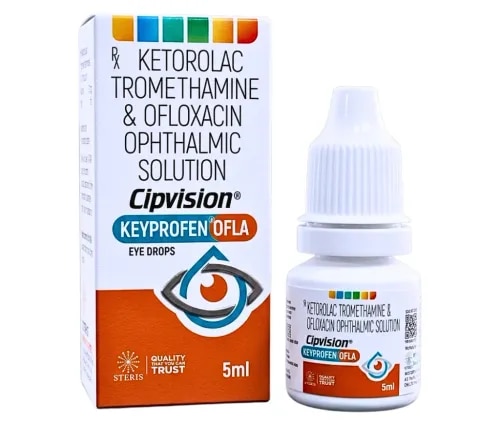
"name": "ketorolac tromethamine ofloxacin eye drops",
"description": "Ketorolac tromethamine ofloxacin eye drops are a prescription combination formulation that pairs an NSAID (ketorolac tromethamine) with a fluoroquinolone antibiotic (ofloxacin) in a single ophthalmic solution. Ketorolac reduces pain, inflammation, and irritation, while ofloxacin treats or prevents bacterial eye infections — making this combination especially useful after eye surgery, such as cataract or corneal refractive procedures, when both inflammation control and infection prevention are needed at the same time. It's generally well tolerated, with mild stinging or burning being the most common effect, and should only be used exactly as prescribed by an eye care professional.\nWhat Is Ketorolac Tromethamine Ofloxacin Eye Drops?\nThis is a fixed-dose combination ophthalmic solution bringing together two distinct classes of medication:\n\nKetorolac tromethamine — a nonsteroidal anti-inflammatory drug (NSAID) that blocks prostaglandin synthesis in the eye, reducing pain, inflammation, and irritation\nOfloxacin — a fluoroquinolone antibiotic that treats bacterial infections of the eye, including conjunctivitis and corneal ulcers, by inhibiting bacterial DNA replication\n\nCombining the two addresses two separate clinical needs at once: controlling post-operative or allergy-related inflammation, and reducing the risk of bacterial infection during the eye's vulnerable healing period. This combination is commonly prescribed following cataract surgery, corneal refractive surgery, and other ocular procedures where both inflammation and infection risk need to be managed together.\nHow This Combination Works (Mechanism of Action)\n\nKetorolac's anti-inflammatory action — Blocks the cyclooxygenase (COX) enzyme pathway, reducing the production of prostaglandins, the chemical messengers responsible for pain, redness, and swelling in the eye.\nReduced pain and irritation — With prostaglandin production suppressed, patients experience less post-surgical discomfort, itching, and burning.\nOfloxacin's antibacterial action — Inhibits bacterial DNA gyrase and topoisomerase IV, enzymes bacteria need to replicate their DNA, effectively stopping bacterial growth.\nInfection prevention/control — By suppressing bacterial replication, ofloxacin helps prevent or treat infections that could otherwise complicate the eye's healing process after surgery or injury.\nCombined post-operative support — Together, the two components address both major risks during ocular recovery: uncontrolled inflammation and secondary bacterial infection.\n\nClinical Indications\nUse CaseRole of the CombinationPost-cataract surgery careControls inflammation and pain while preventing bacterial infection during healingPost-corneal refractive surgery (e.g., LASIK)Reduces post-operative discomfort and infection riskBacterial conjunctivitis with inflammationTreats the underlying infection while easing associated redness and irritationCorneal injury or minor trauma (as directed)Supports healing by addressing both inflammation and infection riskSeasonal allergic conjunctivitis (ketorolac component)Relieves itching associated with seasonal eye allergies\nThis combination is intended for short-term, doctor-directed use — not for long-term or repeated self-administration.\nDosage Guidelines\nParameterTypical GuidanceStandard doseOne drop in the affected eye(s), frequency as prescribed by your doctorCommon frequencyOften 2 to 4 times daily, depending on the condition being treated and product-specific labelingPost-surgical useUsually started shortly after surgery and continued for a defined post-operative period, as directedAdministration techniqueTilt head back, pull down the lower eyelid, instill the drop without touching the dropper tip to the eye, then close the eye gently for a minute or twoContact lens useAvoid wearing contact lenses during treatment unless your doctor says otherwiseDurationComplete the full prescribed course, even if symptoms improve early, to reduce the risk of antibiotic resistance or incomplete healing\nExact dosing frequency and treatment duration vary by brand formulation and the specific condition being treated — always follow your prescribing doctor's exact instructions rather than a generic schedule.\nKey Benefits\n\nAddresses two major post-surgical risks — inflammation/pain and bacterial infection — in a single combination product\nReduces the need for two separate eye drop bottles, simplifying the post-operative care routine\nKetorolac's anti-inflammatory action helps improve comfort during the critical early healing window after eye surgery\nOfloxacin's broad-spectrum antibacterial activity covers many common eye pathogens\nUseful for both surgical recovery and certain inflammatory/infectious conditions like allergic or bacterial conjunctivitis with associated discomfort\n\nPrecautions\n\nShould be used strictly under the guidance of an ophthalmologist — not for self-directed or prolonged use\nDo not use alongside other NSAID eye drops, as this can increase the risk of bleeding and delayed healing\nUse with caution alongside steroid-containing eye drops, as combined use may increase infection risk\nUse with caution in patients who bleed easily or are on blood-thinning medication, due to ketorolac's NSAID effects\nIf symptoms do not improve within the expected timeframe, or worsen, contact your doctor rather than continuing use independently\nAvoid contact lens wear during treatment unless specifically advised otherwise\nDiscontinue immediately and contact your doctor at the first sign of a rash or allergic reaction\nNot recommended for infants under 1 year old (based on the ofloxacin component's approved age range)\n\nSide Effects\nCommon side effects:\n\nStinging or burning on application\nTemporary blurred vision\nEye redness or irritation\nDryness or excess tearing\nSensitivity to light (photophobia)\n\nLess common side effects:\n\nItching or foreign body sensation in the eye\nEyelid swelling\nMild headache\n\nRare but serious side effects — seek immediate medical attention:\n\nSigns of an allergic reaction: hives, difficulty breathing, swelling of the face, lips, tongue, or throat\nSevere skin reaction: fever, sore throat, facial or tongue swelling, skin pain followed by a spreading red or purple rash with blistering\nCorneal problems: persistent eye pain, corneal thinning, erosion, or non-healing of the eye surface\nWorsening infection symptoms despite treatment\n\nMost side effects are mild and temporary; however, any signs of a serious allergic or corneal reaction require prompt medical attention.\nComparison with Alternatives\nFeatureKetorolac + Ofloxacin CombinationSteroid + Antibiotic Combination (e.g., Dexamethasone + Tobramycin)Anti-inflammatory mechanismNSAID (COX inhibition)Corticosteroid (broader immune suppression)Infection risk with prolonged useLower relative infection-masking riskHigher risk of masking infection with prolonged steroid useTypical use casePost-operative pain/inflammation with infection preventionBroader inflammatory eye conditions requiring stronger anti-inflammatory controlIntraocular pressure effectMinimal IOP effect from ketorolacSteroids can raise intraocular pressure with prolonged use\nYour ophthalmologist will select the combination best suited to your specific procedure, condition, and risk factors.\nKey Statistics\n[Placeholder — pending clinical/regulatory team verification. Do not publish without confirmed source citation for post-operative infection rate reduction data, comparative efficacy figures, or incidence rates of reported adverse effects for this specific combination product.]\nExpert Insight\n[Placeholder — reserved for a quote from a qualified ophthalmologist or clinical reviewer. Do not publish without a verified, attributable expert quote.]\nFrequently Asked Questions\n1. What is ketorolac and ofloxacin eye drops used for?\nThis combination is used to control pain, inflammation, and irritation while also preventing or treating bacterial infection in the eye — most commonly after cataract or corneal refractive surgery, and sometimes for infected, inflamed conditions like bacterial conjunctivitis.\n2. Is ketorolac eye drops safe to use?\nKetorolac eye drops are generally safe when used as prescribed by a doctor for approved indications like post-surgical inflammation or allergic conjunctivitis. As with any NSAID, it should be used with caution in people who bleed easily or take blood thinners, and not combined with other NSAID eye drops.\n3. Is ofloxacin safe for eyes?\nYes, ofloxacin eye drops are considered safe and are widely prescribed for bacterial eye infections when used as directed. Common effects are mild and temporary, such as stinging or light sensitivity; serious reactions are rare but should be reported to a doctor immediately if they occur.\n4. Is ketorolac safe for eyes?\nKetorolac eye drops are safe for ophthalmic use when prescribed appropriately and used according to your doctor's instructions. It's an established NSAID with a long history of use for post-surgical pain and allergic conjunctivitis, though it requires caution in certain patients, such as those with bleeding disorders.\n5. How many times a day can you use ketorolac eye drops?\nThis depends on the condition being treated and your doctor's specific prescription — commonly this is 2 to 4 times daily. Always follow your doctor's exact dosing instructions rather than a generic schedule, since frequency varies by indication and product.\n6. Does ketorolac reduce eye pressure?\nNo, ketorolac is not used to reduce intraocular eye pressure. It works as an anti-inflammatory pain reliever by blocking prostaglandin production, not as a pressure-lowering agent. Medications specifically designed to reduce eye pressure, such as those used in glaucoma, work through different mechanisms and are a separate category of treatment.\nConclusion\nKetorolac tromethamine ofloxacin eye drops offer a practical, combined solution for two of the most important concerns during eye recovery: controlling inflammation and pain, and preventing bacterial infection. By pairing an established NSAID with a trusted fluoroquinolone antibiotic, this combination simplifies post-operative care, particularly after cataract or corneal refractive surgery, while addressing allergic and infectious inflammatory conditions when appropriate. Most side effects are mild and temporary, though the combination should always be used exactly as prescribed, with attention to precautions around other eye medications, bleeding risk, and contact lens use. As with any prescription ophthalmic treatment, ongoing follow-up with your ophthalmologist ensures the medication is working as intended and any concerns are addressed early.",
"price": 90.0,
"discountamount": 27.0,
"currencycode": "INR",
"priority": 1000000,
"isfreeshipmentavailable": false,
"shipmentduration": 1,
"_keywords": null,
"isarchived": false,
"isavailable": true,
"applicationid": null,
"productindex": 2467,
"imageuri": "https://productimages.withfloats.com/actual/6a4cf84ca50a3eb7ed21b13b.png",
"tileimageuri": "https://productimages.withfloats.com/tile/6a4cf84ca50a3eb7ed21b13b.png",
"images": null,
"totalqueries": 0,
"gpid": null,
"groupproductid": null,
"createdon": "2026-07-07T12:59:54.142Z",
"updatedon": "2026-07-07T12:59:54.142Z",
"buyonlinelink": null,
"producturl": "http://WWW.STERISINDIA.COM//ketorolac-tromethamine-ofloxacin-eye-drops/2467",
"availableunits": -1.0,
"iscodavailable": false,
"isprepaidonlineavailable": false,
"maxcodorders": 0,
"maxprepaidonlineorders": 0,
"uniquepaymenturl": null,
"brandname": "CIPVISION KEYPROFEN OFLA",
"category": "Opthalmology Range",
"tags": [
"ketorolac tromethamine ofloxacin eye drops",
"ketorolac tromethamine",
"ketorolac tromethamine uses",
"ketorolac tromethamine uses in hindi",
"ketorolac tromethamine dispersible tablets uses in hindi",
"ketorolac tromethamine tablet uses in hindi",
"ketorolac tromethamine use in hindi",
"ketorolac tromethamine use"
],
"variants": false,
"keyspecification": null,
"otherspecifications": null,
"pickupaddressreferenceid": null,
"paymenttype": "UniquePaymentUrl",
"producttype": "products",
"hsncode": null,
"gstslab": 0.0,
"isnotforsale": false
},
{
"_id": "6afd8688f26739925f1e90be",
"fptag": "STERISHEALTHCARE",
"merchantname": null,
"customwidgets": null,
"externalsourceid": null,
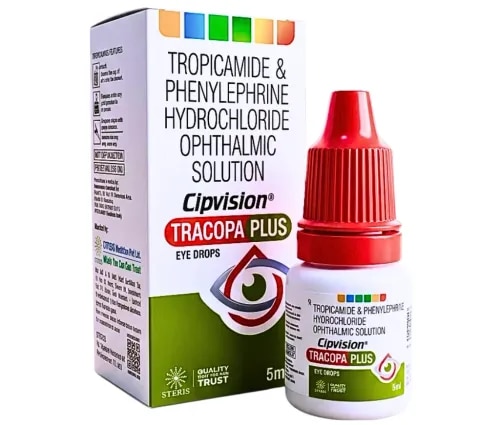
"name": "Tropicamide and phenylephrine hydrochloride ophthalmic solution",
"description": "Product Overview\n\nCIPVISION TRACOPA PLUS is a dual-ingredient mydriatic eye drop containing Tropicamide and Phenylephrine Hydrochloride. It is made for ophthalmologists who need a dilated pupil during eye examinations, retinal imaging or preparation for eye procedures.\n\nThe two drugs enlarge the pupil by different routes. Together they give the examiner a wider, clearer window into the eye, which supports accurate diagnosis and treatment planning.\n\nComposition\n\nEach ingredient plays a distinct role.\n\n1. Tropicamide (anticholinergic)\nTropicamide blocks muscarinic receptors in the eye. This relaxes the sphincter muscle that normally narrows the pupil, so the pupil opens up. It can also briefly weaken the eye’s focusing ability, which makes near vision blurry for a while.\n\n2. Phenylephrine Hydrochloride (alpha-adrenergic agonist)\nPhenylephrine activates alpha-1 receptors on the iris dilator muscle. The muscle tightens and pulls the pupil wider.\n\nWorking together: One drug eases the muscle that closes the pupil and the other stimulates the muscle that opens it. Using both is a common way for eye specialists to get dilation when an examination or procedure calls for it.\n\nWhat Is It Used For?\n\nEye care professionals use CIPVISION TRACOPA PLUS when a widened pupil is needed for assessment or treatment preparation. Typical uses include:\n\nRoutine eye examinations: gives a broader view of the eye’s internal structures.\nFundus examination: allows inspection of the retina, optic disc and other posterior structures.\nRetinal evaluation: supports detailed viewing during targeted retinal investigations.\nDiagnostic eye tests: readies the eye for tests that need an enlarged pupil.\nPre-procedure preparation: may be given before certain ophthalmic procedures when the clinician considers it appropriate.\nHow Tropicamide and Phenylephrine Eye Drops Work\n\nTropicamide’s role: It blocks muscarinic receptors in the iris sphincter. With that muscle’s constricting action switched off for a time, the pupil widens. Because focusing is also affected, close-up vision may be difficult during this period.\n\nPhenylephrine’s role: It stimulates alpha-1 adrenergic receptors in the iris dilator. The muscle contracts and the pupil diameter increases.\n\nWhy combine them? The two drugs target opposite muscle systems that control pupil size. Their separate effects add up, which helps achieve dilation for diagnostic and procedural needs.\n\nKey Features\nContains Tropicamide and Phenylephrine Hydrochloride\nPairs two well-established ophthalmic agents\nMade for pupil dilation in clinical eye care\nSupports fundus and retinal examinations\nImproves visibility of deeper eye structures during diagnosis\nFor selected clinical uses under professional supervision\nPart of the CIPVISION ophthalmic range from Steris Pharma\nBenefits of Tropicamide and Phenylephrine Eye Drops\n\nWhen prescribed and used correctly, this combination offers several practical advantages in the clinic.\n\n1. Effective pupil enlargement\nTwo active ingredients acting on different receptors help open the pupil for examinations that require it.\n\n2. Clearer internal eye assessment\nA wider pupil gives the doctor a larger field of view, so important structures are easier to evaluate.\n\n3. Better retinal access\nDilation improves the view of the retina, optic nerve and back of the eye.\n\n4. Dual-pathway pharmacology\nBecause the drugs act on separate receptors, they provide complementary support for dilation.\n\n5. Helpful in select procedures\nIt can be part of preparation for procedures requiring mydriasis, as decided by the treating ophthalmologist.\n\nPossible Side Effects\n\nAs with other dilating eye drops, some short-lived effects may follow instillation:\n\nBlurred vision for a time\nGreater sensitivity to light\nMild stinging or burning on application\nTemporary eye discomfort\nTrouble focusing on near objects\nShort-term redness or irritation\nPrecautions and Safety Advice\n\nA proper medical evaluation should come before using these drops.\n\nUse only as prescribed and instructed by your ophthalmologist.\nTell your doctor about any eye condition, especially narrow-angle glaucoma or a tendency toward angle closure.\nMention any heart disease, high blood pressure or other relevant health issues.\nList every medicine you use, including other eye drops.\nExpect blurred vision and light sensitivity for some time after the drops.\nDo not drive, cycle or run machinery until your vision is back to normal.\nKeep the dropper tip away from your eye, fingers and any surface to avoid contamination.\nClose the bottle tightly after use.\nFollow the storage and handling directions on the pack.\nKeep out of reach of children.\nHow It Is Used\n\nCIPVISION TRACOPA PLUS is meant to be administered by an ophthalmologist or other qualified healthcare professional, depending on the clinical purpose. The number of drops, the interval between them and the timing of the examination depend on the patient’s age, eye condition and medical needs.\n\nWhy Choose Steris Pharma?\n\nSteris Pharma supplies pharmaceutical products that respond to the changing needs of healthcare professionals and the wider industry. Its CIPVISION ophthalmic range offers formulations for a variety of eye care needs, built around established active ingredients and their clinical uses.\n\nCIPVISION TRACOPA PLUS belongs to this range and brings Tropicamide and Phenylephrine Hydrochloride together for professional pupil dilation.\n\nConclusion\n\nCIPVISION TRACOPA PLUS is a combination eye drop of Tropicamide and Phenylephrine Hydrochloride, intended to dilate the pupil during selected eye examinations and procedures. Tropicamide eases the muscle that narrows the pupil, while Phenylephrine stimulates the muscle that widens it. Together they help ophthalmolog",
"price": 90.0,
"discountamount": 27.0,
"currencycode": "INR",
"priority": 1000000,
"isfreeshipmentavailable": false,
"shipmentduration": 1,
"_keywords": null,
"isarchived": false,
"isavailable": true,
"applicationid": null,
"productindex": 2515,
"imageuri": "https://productimages.withfloats.com/actual/6afd868b4954e0b067f47757.png",
"tileimageuri": "https://productimages.withfloats.com/tile/6afd868b4954e0b067f47757.png",
"images": null,
"totalqueries": 0,
"gpid": null,
"groupproductid": null,
"createdon": "2026-11-18T11:05:44.104Z",
"updatedon": "2026-11-18T11:05:44.104Z",
"buyonlinelink": null,
"producturl": "http://WWW.STERISINDIA.COM//tropicamide-and-phenylephrine-hydrochloride-ophthalmic-solution/2515",
"availableunits": -1.0,
"iscodavailable": false,
"isprepaidonlineavailable": false,
"maxcodorders": 0,
"maxprepaidonlineorders": 0,
"uniquepaymenturl": null,
"brandname": "CIPVISION TRACOPA PLUS",
"category": "Opthalmology Range",
"tags": [],
"variants": false,
"keyspecification": null,
"otherspecifications": null,
"pickupaddressreferenceid": null,
"paymenttype": "UniquePaymentUrl",
"producttype": "products",
"hsncode": null,
"gstslab": 0.0,
"isnotforsale": false
},
{
"_id": "6a50a30c9e1ef0fb4df551b0",
"fptag": "STERISHEALTHCARE",
"merchantname": null,
"customwidgets": null,
"externalsourceid": null,
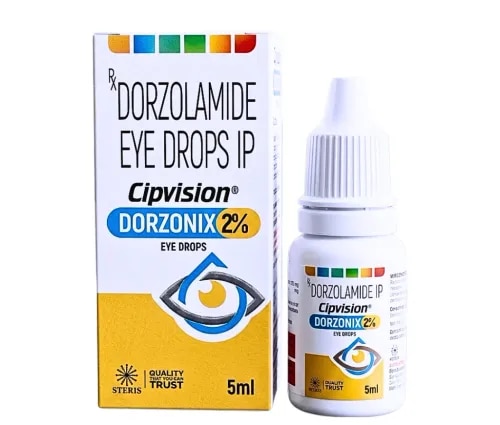
"name": "dorzolamide eye drops ip",
"description": "Dorzolamide eye drops IP are a prescription ophthalmic solution used to lower elevated intraocular pressure (IOP) in patients with open-angle glaucoma or ocular hypertension. Dorzolamide belongs to a class of drugs called carbonic anhydrase inhibitors, which work by reducing the production of aqueous humor (the fluid inside the eye), thereby lowering pressure within the eye. It is typically used two to three times daily and begins measurably lowering eye pressure within about 2 hours, though consistent long-term use is essential for sustained control. Common side effects include a temporary bitter or unusual taste in the mouth, burning or stinging on instillation, and blurred vision. Because dorzolamide is chemically a sulfonamide derivative, it should be used cautiously in patients with known sulfa allergies or significant kidney impairment, and only under an ophthalmologist's supervision. It is a Schedule H prescription-only medicine in India.\n\nWhat Is Dorzolamide Eye Drops IP?\nDorzolamide Eye Drops IP is a topical prescription medication used primarily to manage glaucoma and ocular hypertension — conditions characterized by abnormally elevated pressure inside the eye that, if left uncontrolled, can damage the optic nerve and lead to progressive, irreversible vision loss.\nThe “IP” designation indicates the formulation conforms to standards set out in the Indian Pharmacopoeia, ensuring consistent quality, purity, and potency.\nDorzolamide belongs to the carbonic anhydrase inhibitor (CAI) class of anti-glaucoma medications. Unlike oral carbonic anhydrase inhibitors (such as acetazolamide), which act systemically and often cause more pronounced side effects, topical dorzolamide is designed to act locally within the eye, offering effective IOP reduction with comparatively lower systemic exposure — though some systemic absorption can still occur.\nIt is frequently prescribed either as a standalone treatment or in combination with other IOP-lowering agents, such as beta-blockers (e.g., timolol) or prostaglandin analogues, when a single agent does not achieve adequate pressure control.\n\nHow Does Dorzolamide Work? (Mechanism of Action)\n\nAqueous humor production – The ciliary body inside the eye continuously produces aqueous humor, the clear fluid that maintains intraocular pressure and nourishes ocular tissues.\nCarbonic anhydrase enzyme – This enzyme, found in the ciliary body, plays a key role in the chemical reactions that generate bicarbonate ions, which drive fluid secretion into the eye.\nEnzyme inhibition – Dorzolamide inhibits carbonic anhydrase (specifically the II isoenzyme) within the ciliary processes.\nReduced fluid production – With the enzyme inhibited, bicarbonate-dependent fluid transport slows down, resulting in decreased aqueous humor formation.\nLowered intraocular pressure – Less fluid production means less pressure buildup inside the eye, helping protect the optic nerve from pressure-related damage over time.\n\n\nClinical Indications\nIndicationDetailsOpen-angle glaucomaPrimary indication; helps control chronic elevated IOPOcular hypertensionUsed to reduce elevated eye pressure even before glaucoma-related damage occursAdjunct therapyCombined with beta-blockers or prostaglandin analogues when monotherapy is insufficientPost-laser or post-surgical IOP spikesSometimes used short-term under specialist guidance\n\nDosage & Administration\nParameterRecommendationStandard dose (monotherapy)One drop in the affected eye(s), three times dailyStandard dose (with other IOP-lowering drops)Often reduced to twice daily when combined, per doctor's instructionsOnset of actionMeasurable IOP reduction typically begins within about 2 hoursPeak effectGenerally within a few hours of instillationIf using multiple eye dropsSpace different eye medications at least 10 minutes apartMissed doseApply as soon as remembered; skip if near the next scheduled dose — do not double upDuration of useLong-term, ongoing therapy as glaucoma is a chronic condition requiring continuous management\nNote: Consistency is critical — missed doses can allow intraocular pressure to rise, increasing the risk of progressive optic nerve damage.\n\nKey Benefits\n\nEffectively lowers intraocular pressure in both glaucoma and ocular hypertension\nActs locally in the eye, generally producing lower systemic side effects compared to oral carbonic anhydrase inhibitors\nCan be used as monotherapy or in combination with other classes of glaucoma medication for enhanced pressure control\nHelps protect the optic nerve from pressure-related damage with consistent long-term use\nAvailable in a well-established, pharmacopoeia-standardized formulation (IP grade)\nSuitable for long-term, chronic disease management in glaucoma patients\n\n\nPrecautions\n\nUse strictly as prescribed and do not adjust dosing without consulting your ophthalmologist\nInform your doctor if you have a known sulfonamide (sulfa) allergy, since dorzolamide is chemically related to sulfa drugs\nUse with caution in patients with significant kidney (renal) impairment, due to potential for systemic absorption\nNot typically recommended in patients with severe corneal disease without specialist evaluation\nIf using contact lenses, remove before instillation and reinsert only after the interval advised by your doctor\nRegular eye pressure monitoring and follow-up visits are essential during treatment\nInform your doctor of all other eye medications and systemic drugs you are using\nAvoid touching the dropper tip to the eye or any surface to prevent contamination\n\n\nSide Effects\nCommon (Usually Mild and Temporary)\n\nTemporary bitter or unusual taste in the mouth after application\nBurning or stinging sensation on instillation\nBlurred vision immediately after use\nEye redness or itching\nMild eye discomfort\n\nLess Common / Serious (Consult Your Doctor Promptly)\n\nSigns of an allergic reaction (rash, swelling, severe itching)\nPersistent eye pain or significant vision changes\nSigns of corneal problems (persistent redness, discharge, sensitivity to light)\nSystemic effects related to sulfonamide sensitivity, in rare cases\n\nIf any serious or persistent symptom occurs, discontinue use and contact your ophthalmologist immediately.\n\nComparison: Dorzolamide vs. Other Anti-Glaucoma Therapies\nTreatmentClassMechanismKey ConsiderationDorzolamide eye dropsCarbonic anhydrase inhibitorReduces aqueous humor productionSulfa-related caution; often used as adjunct therapyTimolol eye dropsBeta-blockerReduces aqueous humor production via a different pathwayCaution in asthma, heart conditionsLatanoprost / prostaglandin analoguesProstaglandin analogueIncreases aqueous humor outflowOnce-daily dosing; may darken iris/eyelash growthBrimonidineAlpha-2 agonistReduces production and increases outflowCan cause drowsiness, dry mouthOral acetazolamideSystemic carbonic anhydrase inhibitorReduces aqueous humor production systemicallyMore pronounced systemic side effects than topical dorzolamide\n\nKey Statistics (Placeholder — Pending Clinical Reviewer Verification)\nMetricValueAverage IOP reduction achieved with dorzolamide monotherapy[Placeholder – insert verified clinical trial statistic]Prevalence of open-angle glaucoma in adults over 40[Placeholder – insert epidemiological reference]Proportion of patients requiring combination glaucoma therapy[Placeholder – insert verified reference]\nAll statistics above are placeholders and must be verified and populated by a qualified clinical reviewer prior to publication.\n\nExpert Insight\n\n[Placeholder — Expert quote pending. To be added only after review and approval by a licensed ophthalmologist/medical reviewer associated with Steris Healthcare. Do not fabricate or publish without sign-off.]\n\n\nPrice of Dorzolamide Eye Drops IP\nThe price of dorzolamide eye drops IP varies depending on pack size, brand, and region. For current pricing, availability, and prescription verification, please consult your ophthalmologist or an authorized pharmacy.\nPrescription only – consult your doctor.\n\nConclusion\nDorzolamide Eye Drops IP play a well-established role in the long-term management of glaucoma and ocular hypertension, offering targeted, localized reduction of intraocular pressure through carbonic anhydrase inhibition. Whether used alone or alongside other classes of IOP-lowering medication, consistent, correctly timed use is essential to protect the optic nerve from progressive, irreversible damage. Because dorzolamide is a sulfonamide derivative with potential for systemic absorption, patients with sulfa allergies or kidney impairment should discuss suitability carefully with their ophthalmologist. As with all glaucoma therapy, regular monitoring and adherence to the prescribed regimen — rather than occasional or as-needed use — are what ultimately safeguard long-term vision.\n\nFrequently Asked Questions\n\n1. What is dorzolamide eye drops used for?\nDorzolamide eye drops are used to lower elevated intraocular pressure in patients with open-angle glaucoma or ocular hypertension, helping protect the optic nerve from pressure-related damage.\n\n2. How long does it take dorzolamide to lower eye pressure?\nDorzolamide typically begins measurably lowering intraocular pressure within about 2 hours of application, though consistent, long-term use is needed to maintain stable pressure control over time.\n\n3. What are the side effects of dorzolamide?\nCommon side effects include a temporary bitter or unusual taste in the mouth, burning or stinging upon application, blurred vision, and mild eye redness or discomfort. Less commonly, allergic reactions or persistent eye irritation can occur and should be reported to a doctor.\n4. Does dorzolamide affect the kidneys?\nDorzolamide is a sulfonamide derivative, and although it is applied topically with generally low systemic absorption, caution is advised in patients with significant kidney impairment. Patients with known kidney disease or sulfa allergies should inform their doctor before starting treatment.\n\n5. How often should dorzolamide eye drops be used?\nDorzolamide is typically used three times daily as monotherapy, or twice daily when combined with other glaucoma medications, exactly as directed by your ophthalmologist.\n\n6. Can dorzolamide be used with other glaucoma eye drops?\nYes, dorzolamide is commonly combined with beta-blockers, prostaglandin analogues, or other IOP-lowering agents when a single medication does not achieve adequate pressure control. Different eye drops should be spaced at least 10 minutes apart.\n\n7. Is dorzolamide safe for long-term use?\nYes, dorzolamide is designed for long-term, ongoing use in chronic glaucoma management, provided it is used under regular ophthalmologist supervision with periodic eye pressure monitoring.\n\n8. Who should not use dorzolamide eye drops?\nPatients with known hypersensitivity to sulfonamides, significant kidney impairment, or specific contraindications identified by their doctor should use dorzolamide only under close medical supervision, if at all.\n\n9. Does dorzolamide cause blurred vision?\nTemporary blurred vision can occur immediately after applying dorzolamide. This is usually short-lived, but if it persists, you should consult your ophthalmologist.\n\n10. Can dorzolamide eye drops be used with contact lenses?\nIt's generally recommended to remove contact lenses before applying dorzolamide and reinsert them only after the interval advised by your doctor, as certain preservatives in eye drops can affect contact lens materials.\n\n11. What happens if I miss a dose of dorzolamide?\nApply the missed dose as soon as you remember, unless it is almost time for your next scheduled dose — in that case, skip the missed dose and continue your regular schedule. Do not double up doses.\n\n12. Why does dorzolamide cause a bitter taste?\nThe bitter taste occurs because a small amount of the eye drop drains through the tear duct into the nasal passage and throat, where it can be tasted. This is a recognized, generally harmless effect of topical carbonic anhydrase inhibitors.\n13. Is dorzolamide the same as timolol eye drops?\nNo. Dorzolamide is a carbonic anhydrase inhibitor, while timolol is a beta-blocker. Both lower eye pressure but through different mechanisms, and they are sometimes prescribed together for enhanced effect.\n\n14. Can dorzolamide be used during pregnancy?\nUse during pregnancy or breastfeeding should only occur under direct medical supervision. Inform your doctor if you are pregnant, planning pregnancy, or breastfeeding before starting dorzolamide.\n\n15. How is dorzolamide different from oral glaucoma medications?\nTopical dorzolamide acts locally in the eye and generally causes fewer systemic side effects than oral carbonic anhydrase inhibitors like acetazolamide, which act throughout the body and can cause more pronounced systemic effects.\n16. Can stopping dorzolamide suddenly cause problems?\nStopping dorzolamide abruptly can allow intraocular pressure to rise again, increasing the risk of progressive optic nerve damage. Always consult your ophthalmologist before discontinuing treatment.\n\n17. Does dorzolamide need to be refrigerated?\nStorage requirements can vary by brand and formulation; always follow the storage instructions printed on your specific product's packaging or as advised by your pharmacist.",
"price": 350.0,
"discountamount": 105.0,
"currencycode": "INR",
"priority": 1000000,
"isfreeshipmentavailable": false,
"shipmentduration": 1,
"_keywords": null,
"isarchived": false,
"isavailable": true,
"applicationid": null,
"productindex": 2470,
"imageuri": "https://productimages.withfloats.com/actual/6a50a30e9569e07de66607f4.png",
"tileimageuri": "https://productimages.withfloats.com/tile/6a50a30e9569e07de66607f4.png",
"images": null,
"totalqueries": 0,
"gpid": null,
"groupproductid": null,
"createdon": "2026-07-10T07:45:16.262Z",
"updatedon": "2026-07-10T07:45:16.262Z",
"buyonlinelink": null,
"producturl": "http://WWW.STERISINDIA.COM//dorzolamide-eye-drops-ip/2470",
"availableunits": -1.0,
"iscodavailable": false,
"isprepaidonlineavailable": false,
"maxcodorders": 0,
"maxprepaidonlineorders": 0,
"uniquepaymenturl": null,
"brandname": "CIPVISION DORZONIX 2%",
"category": "Opthalmology Range",
"tags": [
"dorzolamide eye drops ip",
"dorzolamide eye drops",
"dorzolamide eye drops uses",
"dorzolamide eye drops uses in hindi",
"dorzolamide eye drops price",
"dorzolamide eye drops ip",
"dorzolamide eye drops brand name",
"dorzolamide eye drops brands"
],
"variants": false,
"keyspecification": null,
"otherspecifications": null,
"pickupaddressreferenceid": null,
"paymenttype": "UniquePaymentUrl",
"producttype": "products",
"hsncode": null,
"gstslab": 0.0,
"isnotforsale": false
},
{
"_id": "6a509bf6f44be736283180cf",
"fptag": "STERISHEALTHCARE",
"merchantname": null,
"customwidgets": null,
"externalsourceid": null,
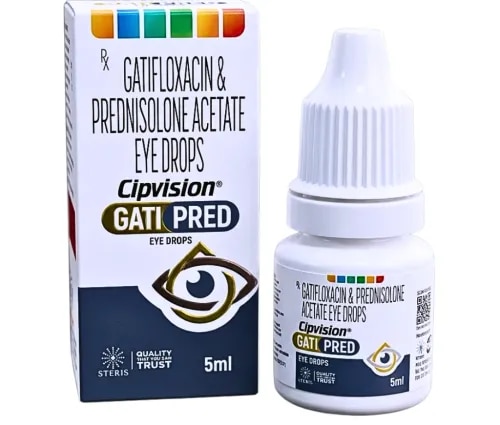
"name": "gatifloxacin & prednisolone acetate ophthalmic suspension",
"description": "Gatifloxacin and prednisolone acetate ophthalmic suspension is a prescription combination eye medicine that pairs a fourth-generation fluoroquinolone antibiotic (gatifloxacin) with a corticosteroid (prednisolone acetate) in a single formulation. It is used to treat steroid-responsive ocular inflammation where there is also a risk of, or existing, bacterial eye infection — most commonly after cataract or other ocular surgery, and in certain inflammatory eye conditions requiring both anti-infective and anti-inflammatory action together. Gatifloxacin fights the bacteria, while prednisolone acetate reduces inflammation, redness, and swelling. This combination is not the same as a plain antibiotic drop — because it contains a steroid, it requires closer monitoring, a defined tapering schedule, and should never be self-prescribed or used beyond the duration your ophthalmologist recommends. It is a Schedule H prescription-only medicine in India, commonly marketed under brand names such as Gatiquin P.\n\nWhat Is Gatifloxacin and Prednisolone Acetate Ophthalmic Suspension?\nGatifloxacin and prednisolone acetate ophthalmic suspension is a fixed-dose combination eye drop that brings together two distinct classes of medication in one bottle:\n\nGatifloxacin — a fourth-generation fluoroquinolone antibiotic effective against a broad range of gram-positive and gram-negative bacteria commonly implicated in ocular infections.\nPrednisolone acetate — a corticosteroid that suppresses inflammation, swelling, and associated redness or discomfort in the eye.\n\nThis combination is typically prescribed when a clinician determines that an eye condition involves both active or potential bacterial infection and significant inflammation — a situation where using either drug alone would be insufficient. The most frequent use case is post-operative care following ocular surgery, such as cataract extraction, where inflammation control speeds recovery while the antibiotic component guards against surgical-site infection.\nA commonly recognized branded version of this combination in the Indian market is Gatiquin P, and patients often search specifically for this brand name alongside the generic combination name.\n\nHow Does This Combination Work? (Mechanism of Action)\n\nAntibacterial action (Gatifloxacin) – Gatifloxacin inhibits bacterial DNA gyrase and topoisomerase IV, enzymes bacteria need to replicate their DNA, resulting in bactericidal activity against susceptible organisms.\nAnti-inflammatory action (Prednisolone acetate) – Prednisolone acetate suppresses the inflammatory cascade by inhibiting phospholipase A2 and reducing the release of inflammatory mediators, which decreases swelling, redness, and discomfort.\nCombined surgical/inflammatory coverage – Together, the two components address both the infective and inflammatory components of a single ocular condition, which is particularly useful in the immediate post-surgical period when both risks are elevated simultaneously.\nLocalized ocular delivery – As a topical suspension, the combination acts directly at the site of application, minimizing systemic absorption compared to oral antibiotics or steroids.\n\n\nClinical Indications\nIndicationDetailsPost-operative inflammation with infection riskMost common use — following cataract surgery or other intraocular proceduresSteroid-responsive inflammatory ocular conditionsWhere a bacterial infection is present or risk is significantChronic anterior uveitis with secondary infection riskUsed under specialist supervisionBlepharoconjunctivitis with inflammatory componentWhen combined anti-infective and anti-inflammatory action is clinically indicated\nNot indicated for: viral eye infections (e.g., herpes simplex keratitis), fungal eye infections, mycobacterial infections, or uncomplicated bacterial conjunctivitis without an inflammatory component — a steroid is not appropriate in these settings.\n\nDosage & Administration\nParameterRecommendationStandard dose1–2 drops in the affected eye, typically 4 times daily, or as directedPost-surgical regimenOften started with a higher frequency and gradually tapered per surgeon's protocolShake before useYes — this is a suspension; shake well before each applicationDurationDetermined by your ophthalmologist; steroid-containing drops are not for indefinite useTaperingMust be tapered gradually rather than stopped abruptly, especially after prolonged useContact lensesAvoid wearing contact lenses during treatment unless your doctor advises otherwiseMissed doseApply as soon as remembered; do not double the next dose\nImportant: Never extend use beyond the prescribed duration or restart the medication without consulting your ophthalmologist, as prolonged steroid exposure carries specific ocular risks (see Precautions below).\n\nKey Benefits\n\nProvides dual-action therapy — infection control and inflammation control — in a single formulation\nReduces the need for two separate eye drop regimens after surgery, simplifying the treatment schedule\nSpeeds resolution of post-surgical redness, swelling, and discomfort while covering infection risk\nBroad-spectrum antibacterial coverage from a fourth-generation fluoroquinolone\nCommonly trusted and prescribed by ophthalmic surgeons as part of standard post-operative protocols\nAvailable in a suspension formulation designed for effective ocular surface contact time\n\n\nPrecautions\n\nUse strictly under ophthalmologist supervision — this is not an over-the-counter product\nNot suitable for viral, fungal, or mycobacterial eye infections\nLong-term or unsupervised steroid use can raise intraocular pressure (IOP) and increase glaucoma risk\nProlonged use may increase the risk of posterior subcapsular cataract formation\nSteroid component may mask signs of a worsening infection or delay wound healing if misused\nRegular monitoring of intraocular pressure is recommended with extended use\nInform your doctor of any history of glaucoma, herpes eye infection, or corneal thinning before starting\nShake the suspension well before each use for accurate dosing\nAvoid touching the dropper tip to the eye or any surface\n\n\nSide Effects\nCommon (Usually Mild and Temporary)\n\nTransient burning or stinging on instillation\nBlurred vision immediately after application\nEye discomfort or foreign-body sensation\nMild eye redness\n\nLess Common / Serious (Consult Your Doctor Promptly)\n\nIncreased intraocular pressure / glaucoma symptoms (eye pain, halos around lights)\nDelayed wound healing at a surgical site\nSecondary or masked ocular infection\nSigns of cataract progression with prolonged use\nCorneal or scleral thinning (rare, with extended steroid exposure)\nAllergic reaction (eyelid swelling, itching, rash)\n\nDiscontinue and consult your ophthalmologist immediately if any serious symptom develops.\n\nComparison: Combination vs. Standalone Therapies\nTreatmentCompositionBest Suited ForKey ConsiderationGatifloxacin + Prednisolone acetate suspensionAntibiotic + steroidPost-surgical care; infection + inflammation togetherRequires tapering; steroid monitoring neededGatifloxacin eye drops (alone)Antibiotic onlyUncomplicated bacterial conjunctivitis/keratitisNo steroid-related risk, but no anti-inflammatory actionPrednisolone acetate eye drops (alone)Steroid onlyNon-infectious inflammatory conditions (e.g., uveitis)Not appropriate if active infection is presentPlain lubricant/antibiotic-only regimensVariesMild post-op cases without significant inflammationMay be insufficient for higher-risk surgical cases\n\nKey Statistics (Placeholder — Pending Clinical Reviewer Verification)\nMetricValueReported post-operative infection rate reduction with prophylactic use[Placeholder – insert verified clinical trial statistic]Typical duration of post-cataract-surgery combination therapy[Placeholder – insert verified reference range]Incidence of steroid-induced IOP elevation with short-course use[Placeholder – insert epidemiological reference]\nAll statistics above are placeholders and must be verified and populated by a qualified clinical reviewer prior to publication.\n\nExpert Insight\n\n[Placeholder — Expert quote pending. To be added only after review and approval by a licensed ophthalmologist/medical reviewer associated with Steris Healthcare. Do not fabricate or publish without sign-off.]\n\n\nPrice of Gatifloxacin and Prednisolone Acetate Ophthalmic Suspension\nThe price of this combination suspension varies depending on brand, pack size, and region. For current pricing, availability, and prescription verification, please consult your ophthalmologist or an authorized pharmacy.\nPrescription only – consult your doctor.\n\nConclusion\nGatifloxacin and prednisolone acetate ophthalmic suspension serves an important clinical role wherever bacterial infection risk and ocular inflammation occur together — most notably in the sensitive period following eye surgery. By combining a potent fourth-generation antibiotic with a well-established corticosteroid, this formulation streamlines post-operative and steroid-responsive inflammatory care into a single, clinician-directed regimen. Because the steroid component carries specific long-term risks — including elevated eye pressure, cataract progression, and delayed healing if misused — this medication should always be used exactly as prescribed, for the duration recommended, and with appropriate tapering and follow-up. Patients should never self-adjust dosing or extend use without their ophthalmologist's explicit guidance.\n\nFrequently Asked Questions\n\n1. What is Gatifloxacin and prednisolone acetate ophthalmic suspension used for?\nIt is used to treat eye conditions that involve both inflammation and a risk of bacterial infection — most commonly after eye surgery such as cataract surgery, where it reduces post-operative swelling and redness while protecting against infection.\n\n2. Is Gatifloxacin eye drops safe for children?\nGatifloxacin eye drops are generally considered usable in children for appropriate bacterial eye infections under a pediatric ophthalmologist's guidance. However, the gatifloxacin-prednisolone combination includes a steroid, which requires closer specialist supervision in children due to potential effects on eye pressure and healing, so it should only be used if specifically prescribed for a child.\n\n3. What is Gatifloxacin and prednisolone acetate ophthalmic suspension (Gatiquin P) used for?\nGatiquin P is a branded formulation of gatifloxacin and prednisolone acetate ophthalmic suspension. It is used for the same core purpose — managing post-surgical or steroid-responsive ocular inflammation where there is also a bacterial infection risk, most often following cataract or other intraocular surgery.\n\n4. Is prednisolone acetate safe for eyes?\nPrednisolone acetate is a corticosteroid that is generally safe for eyes when used exactly as prescribed and for the recommended duration under an ophthalmologist's supervision. However, unsupervised or prolonged use can raise intraocular pressure, increase glaucoma risk, contribute to cataract formation, and delay wound healing, so it should never be used without medical guidance or beyond the prescribed course.\n\n5. How is this eye drop different from regular antibiotic eye drops?\nRegular antibiotic eye drops only target bacteria, while this combination also contains a steroid to control inflammation. This dual action is useful specifically when both infection risk and significant inflammation are present, such as after eye surgery.\n\n6. How long should I use gatifloxacin and prednisolone acetate suspension?\nDuration is determined by your ophthalmologist based on your specific condition, often following a tapering schedule after surgery. It should not be used longer than prescribed, and stopping should be discussed with your doctor rather than done abruptly.\n\n7. Can this eye drop increase eye pressure?\nYes, because it contains a steroid, prolonged or unsupervised use can raise intraocular pressure. Regular monitoring is recommended, especially with extended use or in patients with a history of glaucoma.\n\n8. Can I use this suspension for a common bacterial eye infection without inflammation?\nThis combination is generally reserved for cases where both infection risk and notable inflammation are present, such as post-surgical care. For uncomplicated bacterial conjunctivitis without significant inflammation, your doctor may prescribe an antibiotic-only formulation instead.\n\n9. Do I need to shake the bottle before use?\nYes. This is a suspension, so the bottle should be shaken well before each use to ensure even distribution of both active ingredients.\n10. Can this eye drop be used for viral or fungal eye infections?\nNo. This combination is not appropriate for viral, fungal, or mycobacterial eye infections, since it contains a steroid that can worsen these conditions if used inappropriately.\n\n11. What are the signs I should stop using this eye drop and see my doctor?\nIncreasing eye pain, blurred vision that doesn't improve, halos around lights, worsening redness, or signs of an allergic reaction warrant immediate medical attention.\n\n12. Can this eye drop be used after cataract surgery?\nYes, this combination is commonly prescribed after cataract surgery to manage post-operative inflammation while covering the risk of surgical-site infection during the healing period.\n\n13. Does this medication require a prescription?\nYes, gatifloxacin and prednisolone acetate ophthalmic suspension is a prescription-only (Schedule H) medicine and should only be used under an ophthalmologist's direction.\n14. Can contact lenses be worn during treatment?\nIt is generally advised to avoid wearing contact lenses while using this medication unless your ophthalmologist specifically advises otherwise, particularly during the post-surgical period.\n\n15. What happens if I stop this eye drop too early?\nStopping too early, especially without proper tapering, may lead to a rebound of inflammation or leave a lingering infection insufficiently treated. Always follow your doctor's full course and tapering instructions.\n\n16. Is this eye drop safe for long-term daily use?\nNo — because it contains a steroid, it is intended for short-term, supervised use rather than long-term daily use. Extended use significantly raises the risk of elevated eye pressure and cataract.\n\n17. Can this suspension be used in both eyes at once?\nIt can be used in both eyes if both are affected and your doctor has prescribed it for bilateral use; otherwise, apply only to the eye(s) specifically directed by your ophthalmologist.\n",
"price": 155.0,
"discountamount": 47.0,
"currencycode": "INR",
"priority": 1000000,
"isfreeshipmentavailable": false,
"shipmentduration": 1,
"_keywords": null,
"isarchived": false,
"isavailable": true,
"applicationid": null,
"productindex": 2469,
"imageuri": "https://productimages.withfloats.com/actual/6a509bf79c2198e9ddf06962.png",
"tileimageuri": "https://productimages.withfloats.com/tile/6a509bf79c2198e9ddf06962.png",
"images": null,
"totalqueries": 0,
"gpid": null,
"groupproductid": null,
"createdon": "2026-07-10T07:15:02.084Z",
"updatedon": "2026-07-10T07:15:02.084Z",
"buyonlinelink": null,
"producturl": "http://WWW.STERISINDIA.COM//gatifloxacin-prednisolone-acetate-ophthalmic-suspension/2469",
"availableunits": -1.0,
"iscodavailable": false,
"isprepaidonlineavailable": false,
"maxcodorders": 0,
"maxprepaidonlineorders": 0,
"uniquepaymenturl": null,
"brandname": "CIPVISION GATIPRED",
"category": "Opthalmology Range",
"tags": [
"gatifloxacin & prednisolone acetate ophthalmic suspension",
"gatifloxacin & prednisolone ophthalmic suspension"
],
"variants": false,
"keyspecification": null,
"otherspecifications": null,
"pickupaddressreferenceid": null,
"paymenttype": "UniquePaymentUrl",
"producttype": "products",
"hsncode": null,
"gstslab": 0.0,
"isnotforsale": false
},
{
"_id": "6a4cf32ff4503514c0b03999",
"fptag": "STERISHEALTHCARE",
"merchantname": null,
"customwidgets": null,
"externalsourceid": null,
"name": "tropicamide eye drops ip",
"description": "Tropicamide eye drops IP are a prescription ophthalmic solution used to dilate the pupil (mydriasis) and temporarily paralyze the eye's focusing muscles (cycloplegia) before eye examinations and certain ocular procedures. Dilation typically begins within 20–40 minutes of application and lasts around 4–6 hours, though effects can occasionally persist longer. Tropicamide is widely used by ophthalmologists and optometrists to get a clear, detailed view of the retina, optic nerve, and back of the eye — something that isn't possible through an undilated pupil. It's generally well tolerated, though temporary blurred vision and light sensitivity are expected effects rather than side effects to worry about.\nWhat Is Tropicamide Eye Drops IP?\nTropicamide eye drops IP (manufactured to Indian Pharmacopoeia standards) are an anticholinergic (antimuscarinic) ophthalmic solution, commonly available in 0.5% and 1% strengths. “IP” indicates the formulation meets the quality and purity standards set by the Indian Pharmacopoeia.\nTropicamide belongs to the same broad drug family as atropine but has a much shorter duration of action, which is precisely why it's the preferred choice for routine eye examinations — it does its job quickly and wears off within hours rather than days. It's typically administered directly by a healthcare provider in a clinical or hospital setting, rather than self-administered at home.\nHow Tropicamide Works (Mechanism of Action)\n\nMuscarinic receptor blockade — Tropicamide blocks acetylcholine from binding to muscarinic receptors in the eye's iris sphincter and ciliary muscles.\nPupil dilation (mydriasis) — With the sphincter muscle relaxed, the pupil's natural constricting reflex is blocked, allowing it to widen.\nParalysis of accommodation (cycloplegia) — The ciliary muscle, responsible for adjusting eye focus for near vision, is also relaxed, temporarily reducing the eye's ability to focus on close objects.\nClear visualization of the fundus — With the pupil fully dilated, the examining doctor can clearly view the retina, macula, optic nerve, and vitreous — structures that are otherwise obscured behind an undilated pupil.\nNatural wearing-off — As the drug is metabolized and clears from the eye tissue, muscle tone gradually returns, and the pupil returns to its normal size and reactivity.\n\nClinical Indications\nUse CaseWhy Tropicamide Is UsedDilated fundus examinationAllows a detailed view of the retina, optic nerve, and maculaPre- and post-cataract surgeryAchieves adequate pupil dilation for surgical visibility and reduces post-operative inflammation-related discomfortDiagnosis of refractive errors in childrenCycloplegic effect prevents the eye from actively focusing, giving a more accurate refraction measurementRetinal and posterior segment proceduresSupports clear visualization for laser treatments and retinal surgeryEvaluation of optic nerve or cranial nerve abnormalitiesHelps assess disc swelling, cup-to-disc ratio, and pupillary responsesAnterior uveitis management (adjunctive use)Cycloplegic effect can reduce pain and the risk of complications like posterior synechiae\nDosage Guidelines\nParameterTypical GuidanceStandard strength0.5% or 1% ophthalmic solutionTypical doseOne drop instilled into the eye(s), as directed by the examining doctorOnset of actionDilation usually begins within 20–40 minutesDuration of effectCommonly 4–6 hours; can occasionally last longer depending on individual responseAdministration techniqueTilt the head back, pull down the lower eyelid, instill the drop, then close the eye gently for 2–3 minutes without blinking; applying gentle pressure at the inner corner of the eye can help limit systemic absorptionRepeat dosingA second drop may be used after several minutes if dilation is insufficient, at the doctor's discretion\nTropicamide is typically administered by a healthcare professional in a clinical setting rather than self-instilled at home, and dosing should always follow the specific instructions of the treating doctor.\nKey Benefits\n\nProvides fast, reliable pupil dilation, enabling a thorough examination of the back of the eye\nShort duration of action (compared to atropine) means vision and eye function return to normal within hours, not days\nWell-established, widely used mydriatic with a strong long-term safety record in clinical practice\nSupports more accurate diagnosis of refractive errors in children through its cycloplegic effect\nUseful both for routine diagnostic eye exams and as part of pre-/post-surgical eye care\nAvailable in two strengths (0.5% and 1%), allowing the examining doctor to tailor the degree of dilation needed\n\nPrecautions\n\nShould only be administered by, or under the direct guidance of, a qualified eye care professional\nWear sunglasses after application, since dilated pupils let in significantly more light and cause noticeable light sensitivity\nAvoid driving or operating machinery until vision returns to normal, as focusing on nearby objects (like a dashboard or phone) will be impaired\nDo not wear contact lenses during instillation, as the preservative in some formulations can discolor soft lenses\nUse caution in patients with a history of narrow-angle glaucoma, as pupil dilation can rarely trigger a sudden, serious rise in eye pressure (angle-closure glaucoma)\nIn children, wash hands thoroughly after administration, since rare but serious anticholinergic effects (including psychosis) have been reported, particularly with higher doses or accidental ingestion\nInform the doctor of any history of heart conditions, as anticholinergic effects can occasionally affect heart rate\n\nSide Effects\nCommon side effects (expected and temporary):\n\nBlurred vision, especially for near objects\nIncreased sensitivity to light (photophobia)\nMild stinging or burning sensation on application\nTransient increase in intraocular pressure\n\nLess common side effects:\n\nDry mouth\nHeadache\nIncreased heart rate\nFlushing or mild fever\nEye surface irritation\n\nRare but serious side effects — seek immediate medical attention:\n\nSigns of an allergic reaction: hives, difficulty breathing, swelling of the face, lips, tongue, or throat\nConfusion, slurred speech, agitation, or hallucinations (rare anticholinergic toxicity, more often reported in children)\nSudden eye pain, severe headache, nausea, or vomiting (possible signs of angle-closure glaucoma)\n\nMost side effects resolve on their own as the drug wears off within a few hours; however, any signs of a serious reaction should be reported to a doctor right away.\nComparison with Alternatives\nFeatureTropicamideAtropineOnset of action20–40 minutes30–40 minutesDuration of effect4–6 hours (short-acting)Up to 1–2 weeks (long-acting)Common useRoutine diagnostic dilation, fundus examsCycloplegic refraction in select cases, anterior uveitis managementPreferred settingOutpatient eye exams, same-day proceduresCases needing prolonged cycloplegia\nTropicamide's shorter duration makes it the preferred first choice for most routine eye examinations, where rapid return to normal vision is desirable.\nKey Statistics\n[Placeholder — pending clinical/regulatory team verification. Do not publish without confirmed source citation for dilation success rates, comparative onset/duration data, or incidence rates of rare adverse effects.]\nExpert Insight\n[Placeholder — reserved for a quote from a qualified ophthalmologist or clinical reviewer. Do not publish without a verified, attributable expert quote.]\nFrequently Asked Questions\n1. What is tropicamide eye drops used for?\nTropicamide eye drops are used to dilate the pupil and temporarily relax the eye's focusing muscles, allowing an eye doctor to clearly examine the retina, optic nerve, and back of the eye during routine eye exams and certain procedures.\n2. How long does dilation last with tropicamide?\nDilation typically begins within 20–40 minutes and lasts about 4–6 hours, though this can vary slightly from person to person. Vision usually returns to normal well within the same day.\n3. What are the risks of tropicamide eye drops?\nCommon effects include temporary blurred vision and light sensitivity. Less commonly, dry mouth, headache, or a faster heartbeat can occur. Rare but serious risks include an allergic reaction or, in susceptible individuals, a sudden rise in eye pressure (angle-closure glaucoma) — these require immediate medical attention.\n4. What are the benefits of tropicamide?\nTropicamide allows for fast, reliable pupil dilation with a much shorter recovery time than older agents like atropine, enabling accurate diagnosis of retinal and optic nerve conditions while letting patients return to normal vision within hours.\nConclusion\nTropicamide eye drops IP remain one of the most widely used and trusted tools in modern eye care, offering fast-acting, short-duration pupil dilation that allows eye care professionals to thoroughly examine the structures at the back of the eye. Its short window of action compared to older cycloplegic agents like atropine makes it especially well suited for routine diagnostic exams, where patients need their vision to return to normal within the same day. While temporary blurred vision and light sensitivity are expected parts of the experience, tropicamide has a strong long-term safety record when administered appropriately by a qualified eye care professional. As with any prescription ophthalmic agent, it should only be used under medical supervision, with simple precautions like wearing sunglasses afterward and avoiding driving until vision normalizes.\n\nDisclaimer: This content is for informational purposes only and is not a substitute for professional medical advice. Tropicamide eye drops IP are a prescription medicine and should only be administered by, or under the direct guidance of, a qualified eye care professional.\nManufactured by:\nSteris Healthcare Pvt. Ltd.\nWHO-GMP & ISO Certified Pharmaceutical Manufacturer\nEmail: contact@sterispharma.com | info@sterispharma.com\nContent last reviewed: July 2026",
"price": 50.0,
"discountamount": 15.0,
"currencycode": "INR",
"priority": 1000000,
"isfreeshipmentavailable": false,
"shipmentduration": 1,
"_keywords": null,
"isarchived": false,
"isavailable": true,
"applicationid": null,
"productindex": 2466,
"imageuri": "https://productimages.withfloats.com/actual/6a4cf331dd4ec8cc0aa1b9e4.png",
"tileimageuri": "https://productimages.withfloats.com/tile/6a4cf331dd4ec8cc0aa1b9e4.png",
"images": null,
"totalqueries": 0,
"gpid": null,
"groupproductid": null,
"createdon": "2026-07-07T12:38:07.8Z",
"updatedon": "2026-07-07T12:38:07.8Z",
"buyonlinelink": null,
"producturl": "http://WWW.STERISINDIA.COM//tropicamide-eye-drops-ip/2466",
"availableunits": -1.0,
"iscodavailable": false,
"isprepaidonlineavailable": false,
"maxcodorders": 0,
"maxprepaidonlineorders": 0,
"uniquepaymenturl": null,
"brandname": "CIPVISION TRACOPA 1%",
"category": "Opthalmology Range",
"tags": [
"tropicamide eye drops ip",
"tropicamide eye drops ip uses in hindi",
"tropicamide eye drops",
"tropicamide eye drops uses",
"tropicamide eye drops uses in hindi",
"tropicamide eye drops price",
"tropicamide eye drops bottle",
"tropicamide eye drops side effects",
"tropicamide eye drops brand name"
],
"variants": false,
"keyspecification": null,
"otherspecifications": null,
"pickupaddressreferenceid": null,
"paymenttype": "UniquePaymentUrl",
"producttype": "products",
"hsncode": null,
"gstslab": 0.0,
"isnotforsale": false
},
{
"_id": "6a3a2e167b4b828cf7870160",
"fptag": "STERISHEALTHCARE",
"merchantname": null,
"customwidgets": null,
"externalsourceid": null,
"name": "moxifloxacin eye drops ip 0.5 w/v",
"description": "Eye infections can develop suddenly and cause symptoms such as redness, itching, watering, irritation, swelling, and discharge. If left untreated, bacterial eye infections may affect vision and lead to serious ocular complications. Moxifloxacin Eye Drops IP 0.5% w/v is a trusted ophthalmic antibiotic formulation widely prescribed to treat bacterial eye infections effectively and support faster recovery.\n\nKnown for its broad-spectrum antibacterial activity, Moxifloxacin Eye Drops IP 0.5% w/v helps eliminate infection-causing bacteria directly at the site of infection. Whether you are looking for a reliable treatment for bacterial conjunctivitis or seeking information before purchasing a prescribed medication, this comprehensive guide covers everything you need to know about Moxifloxacin Eye Drops IP 0.5% w/v, including its uses, benefits, dosage, precautions, and frequently asked questions.\n\nWhat is Moxifloxacin Eye Drops IP 0.5% w/v?\n\nMoxifloxacin Eye Drops IP 0.5% w/v is a sterile ophthalmic solution containing Moxifloxacin Hydrochloride, a fourth-generation fluoroquinolone antibiotic. It is specifically formulated for eye use and is designed to treat bacterial infections affecting the external structures of the eye.\n\nThe medication works against a broad range of gram-positive and gram-negative bacteria, making it an effective choice for treating common bacterial eye infections. Due to its potent antibacterial action and excellent ocular penetration, ophthalmologists frequently recommend Moxifloxacin Eye Drops IP 0.5% w/v for patients experiencing bacterial conjunctivitis and related infections.\n\nHow Does Moxifloxacin Eye Drops IP 0.5% w/v Work?\n\nMoxifloxacin works by inhibiting bacterial enzymes known as DNA gyrase and topoisomerase IV. These enzymes are essential for bacterial DNA replication, repair, and cell division.\n\nBy blocking these critical enzymes, Moxifloxacin prevents bacteria from multiplying and surviving. As the bacterial population decreases, the infection gradually clears, and symptoms such as redness, discharge, irritation, and swelling begin to improve.\n\nIts advanced antibacterial mechanism helps provide rapid and effective treatment against susceptible bacterial pathogens.\n\nWhy is Moxifloxacin Eye Drops IP 0.5% w/v Important?\n\nPrompt treatment of bacterial eye infections is crucial for maintaining eye health and preventing complications. Moxifloxacin Eye Drops IP 0.5% w/v plays a significant role in ophthalmic care because it:\n\nTargets infection-causing bacteria directly\nHelps reduce redness and inflammation\nControls bacterial growth effectively\nSupports faster symptom relief\nHelps prevent infection-related complications\nPromotes healthy recovery of ocular tissues\n\nIts broad-spectrum antibacterial activity makes it one of the preferred antibiotic eye drops used in modern ophthalmology.\n\nCommon Uses of Moxifloxacin Eye Drops IP 0.5% w/v\n\nHealthcare professionals may prescribe Moxifloxacin Eye Drops IP 0.5% w/v for several bacterial eye conditions.\n\nBacterial Conjunctivitis\n\nOne of the most common uses is the treatment of bacterial conjunctivitis, often referred to as pink eye. Symptoms include redness, sticky discharge, irritation, and excessive tearing.\n\nPost-Operative Eye Care\n\nMoxifloxacin Eye Drops IP 0.5% w/v may be prescribed before or after eye surgeries to reduce the risk of bacterial infection.\n\nBacterial Keratitis\n\nCertain bacterial infections affecting the cornea may require treatment with broad-spectrum antibiotics like Moxifloxacin.\n\nExternal Ocular Infections\n\nThe medication may also be used to treat various bacterial infections affecting the outer structures of the eye when deemed appropriate by an ophthalmologist.\n\nKey Benefits of Moxifloxacin Eye Drops IP 0.5% w/v\nBroad-Spectrum Antibacterial Protection\n\nMoxifloxacin is effective against numerous bacterial strains commonly associated with ocular infections.\n\nFast-Acting Formula\n\nMany patients experience noticeable symptom improvement within a few days of starting treatment.\n\nExcellent Ocular Penetration\n\nThe formulation reaches infected eye tissues effectively, helping maximize treatment success.\n\nConvenient Eye Drop Administration\n\nThe easy-to-use eye drop format supports patient compliance and accurate dosing.\n\nReduced Risk of Infection Progression\n\nPrompt treatment helps minimize the risk of complications associated with untreated bacterial infections.\n\nTrusted by Eye Care Specialists\n\nMoxifloxacin remains one of the most frequently prescribed ophthalmic antibiotics worldwide.\n\nWho Can Benefit from Moxifloxacin Eye Drops IP 0.5% w/v?\n\nMoxifloxacin Eye Drops IP 0.5% w/v may be recommended for:\n\nAdults diagnosed with bacterial eye infections\nPatients experiencing bacterial conjunctivitis\nIndividuals recovering from ophthalmic surgery\nPatients requiring broad-spectrum ocular antibiotic therapy\nIndividuals with susceptible bacterial eye conditions\n\nOnly a qualified healthcare provider can determine whether this medication is suitable for a specific infection.\n\nHow to Use Moxifloxacin Eye Drops IP 0.5% w/v\n\nProper administration is important for achieving optimal treatment outcomes.\n\nGeneral instructions include:\n\nWash your hands thoroughly before application.\nShake the bottle if instructed.\nTilt your head slightly backward.\nPull down the lower eyelid gently.\nInstill the prescribed number of drops.\nClose your eyes for a few moments.\nAvoid touching the dropper tip to any surface.\n\nAlways follow the dosage instructions provided by your healthcare professional.\n\nRecommended Dosage\n\nThe dosage and treatment duration depend on:\n\nSeverity of infection\nType of bacterial infection\nAge of the patient\nClinical response to therapy\n\nMost bacterial conjunctivitis cases require regular administration over several days. Your ophthalmologist will determine the appropriate treatment plan based on your condition.\n\nNever alter the prescribed dosage without consulting your doctor.\n\nPrecautions Before Using Moxifloxacin Eye Drops IP 0.5% w/v\n\nBefore starting treatment, consider the following precautions:\n\nUse only for eye application.\nInform your doctor about any allergy to fluoroquinolone antibiotics.\nDo not share eye drops with others.\nAvoid touching the dropper tip.\nFollow the complete prescribed treatment course.\nInform your doctor about any other eye medications being used.\n\nThese precautions help ensure safe and effective treatment.\n\nPossible Side Effects\n\nLike all medications, Moxifloxacin Eye Drops IP 0.5% w/v may cause side effects in some patients.\n\nCommon side effects include:\n\nMild eye irritation\nTemporary burning sensation\nEye discomfort\nDry eyes\nItching\nRedness\nBlurred vision immediately after administration\n\nThese effects are usually mild and temporary. Persistent or severe symptoms should be reported to a healthcare provider promptly.\n\nStorage Instructions\n\nTo maintain product effectiveness:\n\nStore at room temperature.\nKeep away from direct sunlight.\nProtect from excessive moisture.\nKeep the bottle tightly closed.\nDo not freeze.\nKeep out of reach of children.\n\nProper storage helps preserve sterility and medication quality.\n\nWhy Doctors Prefer Moxifloxacin Eye Drops IP 0.5% w/v\n\nMoxifloxacin has become a preferred ophthalmic antibiotic because of its:\n\nBroad antibacterial spectrum\nRapid bacterial eradication\nExcellent tissue penetration\nStrong safety profile\nProven clinical effectiveness\n\nIts advanced fluoroquinolone formulation provides reliable treatment outcomes for a wide range of bacterial eye infections.\n\nBuying Guide for Moxifloxacin Eye Drops IP 0.5% w/v\n\nIf you are considering purchasing Moxifloxacin Eye Drops IP 0.5% w/v, ensure that:\n\nThe product is sourced from a reputable pharmaceutical manufacturer.\nPackaging is intact and properly sealed.\nThe medicine has not expired.\nYou possess a valid prescription if required by local regulations.\nThe product complies with IP quality standards.\n\nPurchasing genuine ophthalmic medications helps ensure treatment effectiveness and patient safety.\n\nConclusion\n\nMoxifloxacin Eye Drops IP 0.5% w/v is a highly effective broad-spectrum antibiotic eye drop used for treating bacterial eye infections such as bacterial conjunctivitis and other susceptible ocular infections. Its advanced antibacterial mechanism, excellent ocular penetration, and proven clinical performance make it a trusted choice among eye care professionals.\n\nBy helping eliminate harmful bacteria, reducing symptoms, and supporting faster healing, Moxifloxacin Eye Drops IP 0.5% w/v plays an important role in maintaining eye health and preventing infection-related complications. Always use this medication according to your ophthalmologist’s instructions and complete the full course of treatment for the best results.\n\nFrequently Asked Questions (FAQs)\nWhat is Moxifloxacin Eye Drops IP 0.5% w/v used for?\n\nMoxifloxacin Eye Drops IP 0.5% w/v is used to treat bacterial eye infections, including bacterial conjunctivitis and other susceptible ocular infections.\n\nHow does Moxifloxacin Eye Drops IP 0.5% w/v work?\n\nIt works by blocking bacterial DNA replication enzymes, preventing bacteria from growing and multiplying.\n\nIs Moxifloxacin Eye Drops IP 0.5% w/v an antibiotic?\n\nYes, it is a fourth-generation fluoroquinolone antibiotic specifically formulated for ophthalmic use.\n\nHow long does it take for Moxifloxacin Eye Drops IP 0.5% w/v to work?\n\nMany patients notice symptom improvement within a few days, although full recovery may take longer depending on the infection.\n\nCan Moxifloxacin Eye Drops IP 0.5% w/v treat viral eye infections?\n\nNo. It is effective only against bacterial infections and does not treat viral or fungal eye infections.\n\nCan I wear contact lenses while using Moxifloxacin Eye Drops IP 0.5% w/v?\n\nYour ophthalmologist may recommend avoiding contact lenses until the infection has completely resolved.\n\nAre Moxifloxacin Eye Drops IP 0.5% w/v safe for children?\n\nA healthcare professional can determine whether the medication is appropriate for pediatric patients.\n\nWhat should I do if I miss a dose?\n\nApply the missed dose as soon as possible unless it is almost time for your next scheduled dose.\n\nCan I stop treatment when my eyes feel better?\n\nNo. Complete the full prescribed course to ensure complete bacterial eradication and reduce the risk of recurrence.\n\nWhat are the common side effects of Moxifloxacin Eye Drops IP 0.5% w/v?\n\nCommon side effects include mild irritation, burning sensation, redness, itching, and temporary blurred vision.\n\nDo I need a prescription for Moxifloxacin Eye Drops IP 0.5% w/v?\n\nPrescription requirements may vary by region. Always follow local healthcare regulations and physician recommendations.\n\nHow should Moxifloxacin Eye Drops IP 0.5% w/v be stored?\n\nStore at room temperature away from sunlight, moisture, and excessive heat while keeping the bottle tightly closed.\n\nCan Moxifloxacin Eye Drops IP 0.5% w/v be used after eye surgery?\n\nYes. Eye specialists may prescribe it to help reduce the risk of bacterial infections before or after certain eye procedures.\n\nIs Moxifloxacin Eye Drops IP 0.5% w/v effective against resistant bacteria?\n\nMoxifloxacin offers broad-spectrum antibacterial activity and may be effective against many bacteria, depending on susceptibility patterns.\n\nWhen should I contact my doctor?\n\nSeek medical advice if symptoms worsen, severe irritation occurs, vision changes develop, or the infection does not improve after treatment.",
"price": 79.0,
"discountamount": 23.0,
"currencycode": "INR",
"priority": 1000000,
"isfreeshipmentavailable": false,
"shipmentduration": 1,
"_keywords": null,
"isarchived": false,
"isavailable": true,
"applicationid": null,
"productindex": 2460,
"imageuri": "https://productimages.withfloats.com/actual/6a3a2e195c4269cab6243f7b.png",
"tileimageuri": "https://productimages.withfloats.com/tile/6a3a2e195c4269cab6243f7b.png",
"images": null,
"totalqueries": 0,
"gpid": null,
"groupproductid": null,
"createdon": "2026-06-23T06:56:22.062Z",
"updatedon": "2026-06-23T06:56:22.062Z",
"buyonlinelink": null,
"producturl": "http://WWW.STERISINDIA.COM//moxifloxacin-eye-drops-ip-0-5-w-v/2460",
"availableunits": -1.0,
"iscodavailable": false,
"isprepaidonlineavailable": false,
"maxcodorders": 0,
"maxprepaidonlineorders": 0,
"uniquepaymenturl": null,
"brandname": "CIPVISION MOXI EYE DROPS",
"category": "Opthalmology Range",
"tags": [
"moxifloxacin eye drops ip 0.5 w/v",
"moxifloxacin eye drops ip 0.5 w/v uses",
"moxifloxacin eye drops ip 0.5 w/v uses in hindi",
"moxifloxacin eye drops ip 0.5 w/v uses in telugu",
"moxifloxacin eye drops ip 0.5 w/v uses in tamil",
"moxifloxacin eye drops ip 0.5 w/v in hindi",
"moxifloxacin eye drops ip 0.5 w/v price",
"moxifloxacin eye drops ip 0.5 w/v for baby"
],
"variants": false,
"keyspecification": null,
"otherspecifications": null,
"pickupaddressreferenceid": null,
"paymenttype": "UniquePaymentUrl",
"producttype": "products",
"hsncode": null,
"gstslab": 0.0,
"isnotforsale": false
},
{
"_id": "6a2690808559614b49126cd0",
"fptag": "STERISHEALTHCARE",
"merchantname": null,
"customwidgets": null,
"externalsourceid": null,
"name": "Flurbiprofen Sodium With Hydroxypropyl Methylcellulose Eye Drops",
"description": "Flurbiprofen Sodium With Hydroxypropyl Methylcellulose Eye Drops\n\nIf you are looking for an ophthalmic solution that helps manage eye inflammation while providing soothing lubrication, Flurbiprofen Sodium With Hydroxypropyl Methylcellulose Eye Drops offer a comprehensive approach to ocular care. This combination formulation is designed to reduce inflammation, relieve discomfort, and maintain adequate moisture on the eye surface, making it a valuable option for patients experiencing irritation, postoperative inflammation, or dry eye symptoms.\n\nThe combination of Flurbiprofen Sodium, a non-steroidal anti-inflammatory drug (NSAID), and Hydroxypropyl Methylcellulose (HPMC), a trusted ocular lubricant, provides dual benefits. While Flurbiprofen Sodium helps control inflammation and pain, Hydroxypropyl Methylcellulose helps keep the eyes hydrated and comfortable by stabilizing the tear film.\n\nWidely used in ophthalmic practice, these eye drops are often prescribed before and after eye surgery, during inflammatory eye conditions, and in situations where lubrication and anti-inflammatory action are both required.\n\nThis detailed guide explains the uses, benefits, mechanism of action, dosage guidance, precautions, side effects, and reasons why buyers choose Flurbiprofen Sodium With Hydroxypropyl Methylcellulose Eye Drops.\n\nWhat Are Flurbiprofen Sodium With Hydroxypropyl Methylcellulose Eye Drops?\n\nFlurbiprofen Sodium With Hydroxypropyl Methylcellulose Eye Drops are a combination ophthalmic preparation containing:\n\nFlurbiprofen Sodium\n\nFlurbiprofen Sodium is a non-steroidal anti-inflammatory drug (NSAID) that helps reduce inflammation, pain, redness, and swelling in the eye. It works by inhibiting the production of inflammatory substances responsible for discomfort and tissue irritation.\n\nHydroxypropyl Methylcellulose (HPMC)\n\nHydroxypropyl Methylcellulose is a lubricating agent commonly used in artificial tears and ophthalmic solutions. It helps retain moisture on the eye surface, reducing dryness, irritation, and friction during blinking.\n\nTogether, these ingredients provide both therapeutic and comfort-enhancing benefits for various ocular conditions.\n\nHow Flurbiprofen Sodium With Hydroxypropyl Methylcellulose Eye Drops Work\n\nThe effectiveness of this ophthalmic solution comes from the combined actions of its two active components.\n\nFlurbiprofen Sodium Action\n\nFlurbiprofen Sodium works by:\n\nBlocking cyclooxygenase (COX) enzymes\nReducing prostaglandin production\nDecreasing inflammation and swelling\nMinimizing eye pain and discomfort\nPreventing inflammatory responses during eye procedures\nHydroxypropyl Methylcellulose Action\n\nHydroxypropyl Methylcellulose works by:\n\nForming a protective lubricating layer on the eye surface\nImproving tear film stability\nReducing dryness and irritation\nEnhancing eye comfort\nSupporting ocular surface protection\nDual Benefits\n\nThe combination helps:\n\nControl inflammation\nRelieve discomfort\nImprove lubrication\nSupport postoperative recovery\nPromote overall eye comfort\nUses of Flurbiprofen Sodium With Hydroxypropyl Methylcellulose Eye Drops\n1. Postoperative Eye Inflammation\n\nThese eye drops are frequently used after cataract surgery and other ophthalmic procedures to reduce inflammation and improve patient comfort.\n\n2. Prevention of Intraoperative Miosis\n\nFlurbiprofen Sodium may be used before certain eye surgeries to help maintain pupil dilation during the procedure.\n\n3. Ocular Inflammation\n\nThe medication helps manage inflammatory conditions affecting the eye surface and surrounding tissues.\n\n4. Eye Irritation and Discomfort\n\nThe lubricating action of Hydroxypropyl Methylcellulose helps soothe irritated eyes and improve comfort.\n\n5. Dry Eye Symptoms Associated with Inflammation\n\nPatients experiencing dryness alongside ocular inflammation may benefit from the combined anti-inflammatory and lubricating effects.\n\n6. Recovery After Eye Procedures\n\nThe formulation may support healing and comfort during the postoperative recovery period.\n\nKey Benefits of Flurbiprofen Sodium With Hydroxypropyl Methylcellulose Eye Drops\nEffective Inflammation Control\n\nFlurbiprofen Sodium helps reduce redness, swelling, and discomfort caused by inflammatory processes.\n\nEnhanced Eye Lubrication\n\nHydroxypropyl Methylcellulose provides long-lasting moisture and tear film support.\n\nImproved Post-Surgical Comfort\n\nThe combination is particularly beneficial for patients recovering from ophthalmic procedures.\n\nDual-Action Formula\n\nProvides both therapeutic anti-inflammatory effects and soothing lubrication in a single product.\n\nReduced Eye Irritation\n\nThe protective lubricating layer helps minimize friction and discomfort.\n\nSupports Ocular Surface Health\n\nMaintaining hydration and controlling inflammation contribute to healthier eye tissues.\n\nConvenient Administration\n\nCombining two functions in one ophthalmic solution simplifies treatment.\n\nWhy Buyers Choose Flurbiprofen Sodium With Hydroxypropyl Methylcellulose Eye Drops\n\nPatients and healthcare providers often prefer this combination because it addresses multiple eye care needs simultaneously.\n\nBuyer-Focused Advantages\nAnti-inflammatory and lubricating benefits in one product\nHelps reduce postoperative discomfort\nSupports eye hydration\nPromotes patient comfort\nSuitable for inflammatory eye conditions\nTrusted ophthalmic ingredients\nConvenient treatment option\nRecommended by eye care professionals\n\nThese benefits make Flurbiprofen Sodium With Hydroxypropyl Methylcellulose Eye Drops a valuable addition to ocular treatment plans.\n\nWho Can Benefit from Flurbiprofen Sodium With Hydroxypropyl Methylcellulose Eye Drops?\n\nThis ophthalmic solution may be suitable for:\n\nPatients recovering from eye surgery\nIndividuals experiencing ocular inflammation\nPeople with irritation associated with inflammatory eye conditions\nPatients requiring lubrication and inflammation control\nIndividuals suffering from postoperative eye discomfort\nPatients under ophthalmologist supervision for ocular treatment\n\nA healthcare professional should determine whether this medication is appropriate for your specific condition.\n\nHow to Use Flurbiprofen Sodium With Hydroxypropyl Methylcellulose Eye Drops\n\nAlways follow your doctor's instructions regarding dosage and frequency.\n\nGeneral Directions for Use\nWash your hands thoroughly before application.\nShake the bottle if instructed.\nTilt your head backward.\nPull down the lower eyelid gently.\nInstill the prescribed number of drops into the affected eye.\nClose your eyes for a few moments.\nAvoid touching the dropper tip to any surface.\nReplace the cap securely after use.\n\nUse the medication exactly as directed to achieve the best therapeutic results.\n\nImportant Precautions\n\nBefore using Flurbiprofen Sodium With Hydroxypropyl Methylcellulose Eye Drops, inform your healthcare provider if you:\n\nHave allergies to NSAIDs\nHave asthma sensitive to aspirin or NSAIDs\nWear contact lenses\nHave bleeding disorders\nAre pregnant or breastfeeding\nHave other eye diseases or infections\nAre using additional ophthalmic medications\n\nRegular follow-up may be necessary during prolonged treatment.\n\nPossible Side Effects of Flurbiprofen Sodium With Hydroxypropyl Methylcellulose Eye Drops\n\nLike all medications, side effects may occur in some individuals.\n\nCommon Side Effects\nTemporary burning sensation\nMild eye irritation\nTemporary blurred vision\nStinging after application\nIncreased tearing\nEye discomfort\nLess Common Side Effects\nEye redness\nSensitivity to light\nItching\nForeign body sensation\nRare but Serious Side Effects\n\nSeek immediate medical attention if you experience:\n\nSevere eye pain\nSignificant vision changes\nPersistent swelling\nSevere allergic reactions\nWorsening inflammation\n\nMost side effects are mild and temporary.\n\nStorage Instructions\n\nProper storage helps maintain product quality and effectiveness.\n\nRecommended Storage Guidelines\nStore at room temperature.\nProtect from direct sunlight.\nKeep the bottle tightly closed.\nAvoid excessive heat and moisture.\nDo not use after the expiration date.\nKeep out of reach of children.\n\nAlways follow the storage instructions provided on the packaging.\n\nFrequently Asked Questions\nWhat are Flurbiprofen Sodium With Hydroxypropyl Methylcellulose Eye Drops used for?\n\nThey are used to reduce eye inflammation while providing lubrication and comfort, particularly before and after eye surgery.\n\nCan these eye drops help with dry eyes?\n\nYes. The Hydroxypropyl Methylcellulose component helps improve moisture retention and tear film stability.\n\nAre these eye drops a steroid?\n\nNo. Flurbiprofen Sodium is a non-steroidal anti-inflammatory drug (NSAID).\n\nCan they be used after cataract surgery?\n\nYes. They are commonly prescribed as part of postoperative eye care under medical supervision.\n\nHow quickly do they work?\n\nMany patients experience symptom relief shortly after use, although full therapeutic benefits depend on the condition being treated.\n\nConclusion\n\nFlurbiprofen Sodium With Hydroxypropyl Methylcellulose Eye Drops offer an effective dual-action solution for managing eye inflammation and maintaining ocular comfort. By combining the anti-inflammatory properties of Flurbiprofen Sodium with the lubricating benefits of Hydroxypropyl Methylcellulose, these eye drops help reduce redness, swelling, irritation, and dryness while supporting overall eye health.\n\nWhether used for postoperative care, inflammatory eye conditions, or enhanced ocular lubrication, this ophthalmic formulation provides reliable relief and improved patient comfort. Its proven ingredients, convenient application, and comprehensive therapeutic benefits make it a preferred choice among ophthalmologists and patients seeking effective eye care solutions.",
"price": 70.0,
"discountamount": 21.0,
"currencycode": "INR",
"priority": 1000000,
"isfreeshipmentavailable": false,
"shipmentduration": 1,
"_keywords": null,
"isarchived": false,
"isavailable": true,
"applicationid": null,
"productindex": 2448,
"imageuri": "https://productimages.withfloats.com/actual/6a2690827b0ec610dc39435b.png",
"tileimageuri": "https://productimages.withfloats.com/tile/6a2690827b0ec610dc39435b.png",
"images": null,
"totalqueries": 0,
"gpid": null,
"groupproductid": null,
"createdon": "2026-06-08T09:50:56.63Z",
"updatedon": "2026-06-12T05:50:01.776Z",
"buyonlinelink": null,
"producturl": "http://WWW.STERISINDIA.COM//flurbiprofen-sodium-with-hydroxypropyl-methylcellulose-eye-drops/2448",
"availableunits": -1.0,
"iscodavailable": false,
"isprepaidonlineavailable": false,
"maxcodorders": 0,
"maxprepaidonlineorders": 0,
"uniquepaymenturl": null,
"brandname": "CIPVISION FLUBIPROFEN PLUS",
"category": "Opthalmology Range",
"tags": [
"flurbiprofen sodium eye drops",
"flurbiprofen sodium eye drops uses in hindi",
"gatifloxacin flurbiprofen sodium eye drops",
"flurbiprofen sodium eye drops uses",
"flurbiprofen sodium ophthalmic solution",
"flurbiprofen sodium eye drops ip uses",
"flurbiprofen sodium ophthalmic solution ip",
"what is flurbiprofen sodium",
"flurbiprofen sodium ophthalmic",
"flurbiprofen sodium ophthalmic solution usp",
"flurbiprofen sodium price"
],
"variants": false,
"keyspecification": null,
"otherspecifications": null,
"pickupaddressreferenceid": null,
"paymenttype": "UniquePaymentUrl",
"producttype": "products",
"hsncode": null,
"gstslab": 0.0,
"isnotforsale": false
}
],
"hasmoreitems": false,
"isapirequest": false,
"totalresults": 27,
"query": null,
"floatingpoint": null
}