STERISHEALTHCARE
Products
08042755542
91918824471531
Chat with us


Chat with us on WhatsApp
×
This is your website preview.
Currently it only shows your basic business info. Start adding relevant business details such as description, images and products or services to gain your customers attention by using Boost 360 android app / iOS App / web portal.
Home
 milk secretion
 milk secretion
Items tagged with 'milk secretion'
{
"products": [
{
"_id": "6a392f71ac59196530375cb2",
"fptag": "STERISHEALTHCARE",
"merchantname": null,
"customwidgets": null,
"externalsourceid": null,
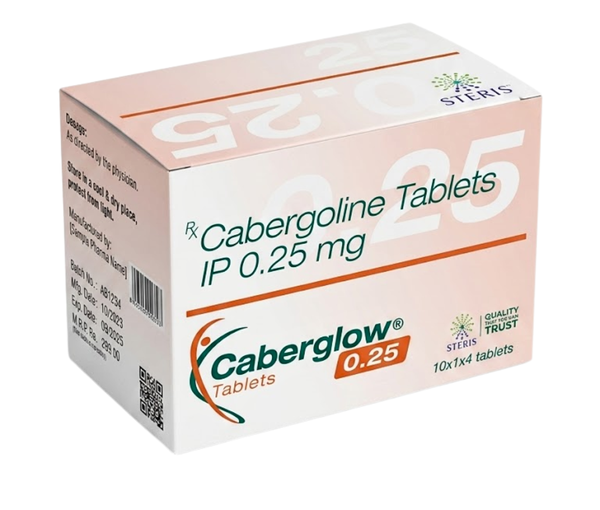
"name": "cabergoline tablets 0.25 mg",
"description": "Cabergoline Tablets 0.25 mg are widely prescribed for the treatment of conditions associated with elevated prolactin levels in the body. This medication belongs to a class of drugs known as dopamine agonists and is highly effective in managing hormonal imbalances that can affect fertility, menstrual health, and pituitary gland function.\n\nPatients searching for cabergoline tablets 0.25 mg, cabergoline 0.25 mg uses, cabergoline tablet price, cabergoline side effects, and cabergoline dosage often want detailed information before making a purchase decision. This comprehensive guide explains everything you need to know about Cabergoline Tablets 0.25 mg, including benefits, mechanism of action, dosage recommendations, precautions, and frequently asked questions.\n\nWhat Are Cabergoline Tablets 0.25 mg?\n\nCabergoline Tablets 0.25 mg contain cabergoline as the active pharmaceutical ingredient. The medicine is primarily used to lower abnormally high prolactin levels in the blood, a condition known as hyperprolactinemia.\n\nHigh prolactin levels can lead to:\n\nIrregular menstrual cycles\nInfertility\nUnwanted breast milk production\nReduced libido\nErectile dysfunction in men\nPituitary gland disorders\n\nCabergoline works by restoring hormonal balance and helping patients regain normal reproductive and endocrine function.\n\nHow Does Cabergoline 0.25 mg Work?\n\nCabergoline acts as a dopamine receptor agonist. Dopamine is a natural chemical in the brain that helps regulate prolactin secretion.\n\nMechanism of Action\n\nThe medication stimulates dopamine D2 receptors located in the pituitary gland. This action suppresses prolactin production and release.\n\nAs prolactin levels decrease:\n\nMenstrual cycles become more regular.\nFertility may improve.\nSymptoms of prolactin-producing tumors may reduce.\nBreast milk production caused by elevated prolactin decreases.\nHormonal balance improves.\n\nThe long duration of action of cabergoline allows for less frequent dosing compared to some alternative therapies.\n\nWhy Is Cabergoline Tablets 0.25 mg Important?\n\nMaintaining normal prolactin levels is crucial for reproductive health and hormonal stability.\n\nUntreated hyperprolactinemia may lead to:\n\nInfertility\nMenstrual disorders\nOsteoporosis\nSexual dysfunction\nPituitary tumor progression\n\nCabergoline Tablets 0.25 mg help address the root cause of these symptoms and improve overall quality of life.\n\nKey Benefits of Cabergoline Tablets 0.25 mg\nEffective Prolactin Control\n\nCabergoline significantly lowers elevated prolactin levels and helps restore hormonal balance.\n\nImproves Fertility\n\nWomen struggling with infertility due to elevated prolactin levels may experience improved reproductive function.\n\nRestores Menstrual Regularity\n\nThe medication helps normalize menstrual cycles in women with hormonal imbalances.\n\nReduces Galactorrhea\n\nCabergoline effectively decreases inappropriate breast milk production.\n\nSupports Pituitary Health\n\nIt helps manage prolactin-secreting pituitary tumors (prolactinomas).\n\nConvenient Dosing Schedule\n\nDue to its long half-life, Cabergoline often requires fewer doses per week than many alternative medications.\n\nIndications of Cabergoline Tablets 0.25 mg\n\nDoctors commonly prescribe Cabergoline Tablets 0.25 mg for:\n\nHyperprolactinemia\nProlactin-secreting pituitary adenomas (prolactinomas)\nMenstrual irregularities caused by elevated prolactin\nFemale infertility associated with high prolactin\nGalactorrhea\nHormonal imbalance disorders\nCertain endocrine conditions requiring prolactin suppression\nEfficacy and Clinical Evidence\n\nClinical studies have consistently demonstrated the effectiveness of cabergoline in reducing prolactin levels.\n\nResearch has shown that Cabergoline:\n\nProduces significant prolactin reduction\nRestores ovulation in many women\nImproves fertility outcomes\nReduces tumor size in prolactinoma patients\nOffers long-term symptom control\n\nIts favorable efficacy profile makes it one of the most commonly prescribed dopamine agonists for hyperprolactinemia management.\n\nDosage Guidelines for Cabergoline Tablets 0.25 mg\n\nAlways follow your healthcare provider's instructions.\n\nTypical Dosage\n\nThe dosage depends on:\n\nSeverity of the condition\nProlactin levels\nPatient response\nMedical history\n\nTreatment usually begins with a low dose and may be adjusted gradually based on clinical response.\n\nAdministration Tips\nTake the tablet exactly as prescribed.\nSwallow with water.\nCan be taken with food to minimize stomach discomfort.\nMaintain a consistent dosing schedule.\nMissed Dose\n\nIf you miss a dose:\n\nTake it as soon as remembered.\nSkip if the next scheduled dose is near.\nNever double the dose.\nSide Effects of Cabergoline Tablets 0.25 mg\n\nLike all medicines, Cabergoline may cause side effects.\n\nCommon Side Effects\nNausea\nHeadache\nDizziness\nFatigue\nConstipation\nAbdominal discomfort\nLow blood pressure\nSleepiness\n\nMost side effects are mild and improve as the body adjusts to treatment.\n\nSerious Side Effects\n\nSeek immediate medical attention if you experience:\n\nChest pain\nShortness of breath\nSevere dizziness\nPersistent swelling\nFainting episodes\nSevere allergic reactions\nSignificant mood changes\nPrecautions and Warnings\n\nBefore using Cabergoline Tablets 0.25 mg, inform your doctor if you have:\n\nHeart Disease\n\nPatients with cardiovascular conditions require careful monitoring.\n\nLiver Disorders\n\nDose adjustments may be necessary in certain cases.\n\nPregnancy\n\nUse only when specifically prescribed by a healthcare provider.\n\nBreastfeeding\n\nConsult your physician before taking Cabergoline during breastfeeding.\n\nMental Health Conditions\n\nPatients with psychiatric disorders should discuss their medical history with their doctor.\n\nLow Blood Pressure\n\nCabergoline may further reduce blood pressure in susceptible individuals.\n\nDrug Interactions\n\nCabergoline may interact with:\n\nAntipsychotic medications\nBlood pressure medications\nDopamine antagonists\nCertain antibiotics\nOther hormonal therapies\n\nAlways inform your doctor about all medications and supplements you are taking.\n\nCabergoline Tablets 0.25 mg Price\n\nPatients frequently search for information regarding cabergoline tablet price before purchasing treatment.\n\nThe cost may vary depending on:\n\nBrand\nPharmacy location\nPack size\nAvailability\nPrescription requirements\n\nFor accurate pricing and availability, consult your local pharmacy or authorized pharmaceutical distributor.\n\nStorage Instructions\nStore below recommended room temperature.\nKeep away from moisture and direct sunlight.\nKeep out of reach of children.\nWhy Choose Steris Healthcare Products?\n\nSteris Healthcare Pvt. Ltd. is committed to delivering high-quality pharmaceutical products manufactured under strict quality standards.\n\nAdvantages Include:\nWHO-GMP certified manufacturing facilities\nStringent quality control\nReliable pharmaceutical formulations\nPatient-focused healthcare solutions\nConsistent product quality\n\nHealthcare professionals trust Steris Healthcare for dependable pharmaceutical products that meet industry standards.\n\nConclusion\n\nCabergoline Tablets 0.25 mg are an effective treatment option for managing elevated prolactin levels, prolactinomas, hormonal imbalance, infertility, and related endocrine disorders. By acting directly on dopamine receptors, the medication helps restore normal prolactin levels and improves reproductive health outcomes.\n\nPatients seeking a proven therapy for hyperprolactinemia often benefit from the convenience, efficacy, and long-lasting action of Cabergoline. However, treatment should always be undertaken under medical supervision with regular monitoring and follow-up.\n\nFrequently Asked Questions (FAQs)\nWhat is Cabergoline Tablets 0.25 mg used for?\n\nCabergoline Tablets 0.25 mg are primarily used to treat hyperprolactinemia, prolactinomas, infertility associated with high prolactin levels, and hormonal disorders.\n\nHow does Cabergoline work?\n\nCabergoline stimulates dopamine receptors in the pituitary gland, reducing prolactin production and restoring hormonal balance.\n\nCan Cabergoline improve fertility?\n\nYes. In many women, lowering elevated prolactin levels can help restore ovulation and improve fertility.\n\nHow long does Cabergoline take to work?\n\nMany patients experience a reduction in prolactin levels within a few weeks, although results vary depending on the condition being treated.\n\nWhat are the common side effects of Cabergoline?\n\nCommon side effects include nausea, headache, dizziness, constipation, fatigue, and abdominal discomfort.\n\nCan Cabergoline be taken with food?\n\nYes. Taking Cabergoline with food may help reduce stomach-related side effects.\n\nIs Cabergoline safe for long-term use?\n\nWhen prescribed and monitored by a healthcare professional, Cabergoline can be used safely for long-term treatment in appropriate patients.\n\nCan men take Cabergoline Tablets 0.25 mg?\n\nYes. Men with elevated prolactin levels or prolactin-related disorders may benefit from Cabergoline therapy.\n\nIs a prescription required for Cabergoline?\n\nYes. Cabergoline Tablets 0.25 mg are prescription-only medications and should be used under medical supervision.\n\nHow should Cabergoline tablets be stored?\n\nStore the medication in a cool, dry place away from moisture, sunlight, and the reach of children.\nProduct Information Template\n\n",
"price": 240.0,
"discountamount": 72.0,
"currencycode": "INR",
"priority": 1000000,
"isfreeshipmentavailable": false,
"shipmentduration": 1,
"_keywords": null,
"isarchived": false,
"isavailable": true,
"applicationid": null,
"productindex": 2457,
"imageuri": "https://productimages.withfloats.com/actual/6a392f73cf03f058fecf81dc.png",
"tileimageuri": "https://productimages.withfloats.com/tile/6a392f73cf03f058fecf81dc.png",
"images": null,
"totalqueries": 0,
"gpid": null,
"groupproductid": null,
"createdon": "2026-06-22T12:49:53.333Z",
"updatedon": "2026-06-22T12:49:53.333Z",
"buyonlinelink": null,
"producturl": "http://WWW.STERISINDIA.COM/products/cabergoline-tablets-0-25-mg/2457",
"availableunits": -1.0,
"iscodavailable": false,
"isprepaidonlineavailable": false,
"maxcodorders": 0,
"maxprepaidonlineorders": 0,
"uniquepaymenturl": null,
"brandname": "CABERGLOW 0.25",
"category": "GYANECOLOGYRANGE",
"tags": [],
"variants": false,
"keyspecification": null,
"otherspecifications": null,
"pickupaddressreferenceid": null,
"paymenttype": "UniquePaymentUrl",
"producttype": "products",
"hsncode": null,
"gstslab": 0.0,
"isnotforsale": false
},
{
"_id": "6908575f0c31b1295dc50d7e",
"fptag": "STERISHEALTHCARE",
"merchantname": null,
"customwidgets": null,
"externalsourceid": null,
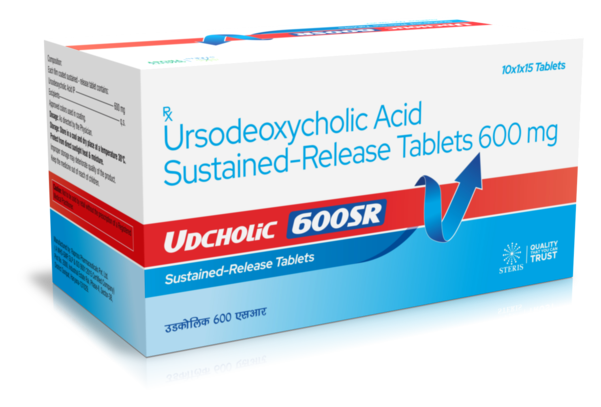
"name": "Ursodeoxycholic Acid 600 mg",
"description": "Ursodeoxycholic Acid 600 mg is a clinically trusted and widely prescribed medication used in the management of liver and gallbladder disorders. Belonging to the class of bile acid derivatives, it plays a vital role in improving liver function and dissolving certain types of gallstones without surgery. This medicine is commonly prescribed to patients suffering from cholestatic liver diseases, such as primary biliary cholangitis (PBC), non-alcoholic fatty liver disease (NAFLD), and bile reflux gastritis.\n\nIn the Indian healthcare setting, Ursodeoxycholic Acid (also known as UDCA) has become a cornerstone therapy for liver protection. It is known not only for its effectiveness in improving bile flow but also for its anti-inflammatory, immunomodulatory, and cytoprotective properties. The 600 mg strength formulation provides an optimal dose for adult patients, ensuring consistent bile regulation and liver cell protection.\n\nProduced under stringent quality control by leading pharmaceutical companies like Steris Healthcare Pvt. Ltd., Ursodeoxycholic Acid 600 mg ensures purity, efficacy, and patient safety. This makes it a dependable choice for clinicians and patients managing chronic liver diseases in India.\n\nWhat is Ursodeoxycholic Acid?\n\nUrsodeoxycholic Acid (UDCA) is a naturally occurring bile acid that is present in small amounts in the human body. It is synthesized and used as a medication to treat liver and gallbladder conditions by altering bile composition and reducing the production of toxic bile acids.\n\nChemically, Ursodeoxycholic Acid is a hydrophilic bile acid, meaning it has a high affinity for water and helps replace harmful hydrophobic bile acids that can damage liver cells. It is known for its ability to protect hepatocytes (liver cells) from injury, enhance bile secretion, and dissolve cholesterol-based gallstones.\n\nBy reducing bile cholesterol saturation and promoting bile flow, UDCA helps maintain liver function, especially in conditions where bile flow is obstructed or impaired.\n\nMechanism of Action\n\nThe therapeutic action of Ursodeoxycholic Acid is multifaceted:\n\nBile Flow Regulation:\nUDCA improves bile secretion and reduces bile stasis (retention). This helps in clearing toxic bile acids from the liver, thereby preventing inflammation and fibrosis.\n\nCytoprotective Effect:\nIt stabilizes the hepatocyte (liver cell) membrane and reduces damage caused by bile acid-induced oxidative stress.\n\nImmunomodulatory Action:\nUrsodeoxycholic Acid reduces autoimmune destruction of bile ducts in diseases like primary biliary cholangitis by modulating immune response.\n\nCholesterol Reduction:\nUDCA decreases the cholesterol content of bile and suppresses hepatic cholesterol synthesis, leading to the gradual dissolution of cholesterol gallstones.\n\nAntifibrotic and Anti-inflammatory Role:\nBy reducing inflammation and fibrosis markers, UDCA helps slow the progression of chronic liver diseases.\n\nTherapeutic Uses of Ursodeoxycholic Acid 600 mg\n\nUrsodeoxycholic Acid 600 mg tablets are prescribed for a wide range of liver and gallbladder-related conditions. Below are the major medical indications:\n\n1. Primary Biliary Cholangitis (PBC):\n\nOne of the most common uses of UDCA is in treating primary biliary cholangitis, an autoimmune condition that causes slow, progressive destruction of bile ducts within the liver. Ursodeoxycholic Acid helps improve bile flow, reduce bilirubin levels, and delay the need for liver transplantation in many patients.\n\n2. Cholestatic Liver Diseases:\n\nIt is used to treat cholestatic conditions where bile secretion is impaired, such as:\n\nIntrahepatic cholestasis during pregnancy\n\nDrug-induced cholestasis\n\nChronic cholestatic hepatitis\n\nPost-surgical biliary obstruction\n\n3. Gallstone Dissolution (Cholesterol Gallstones):\n\nUrsodeoxycholic Acid 600 mg is effective in dissolving small, non-calcified cholesterol gallstones in patients who cannot undergo surgery. It works by reducing cholesterol saturation in bile, gradually breaking down gallstones over several months.\n\n4. Non-Alcoholic Fatty Liver Disease (NAFLD) and Non-Alcoholic Steatohepatitis (NASH):\n\nIn patients with fatty liver or metabolic liver disorders, UDCA helps improve liver enzyme levels and reduces oxidative stress, supporting better liver health.\n\n5. Bile Reflux Gastritis:\n\nUDCA is used to relieve symptoms caused by bile reflux into the stomach, such as epigastric pain, bloating, and nausea.\n\n6. Cystic Fibrosis-Related Liver Disease:\n\nIt can be used to improve bile flow and prevent hepatic complications in patients with cystic fibrosis.\n\n7. Post Liver Transplantation:\n\nUDCA is sometimes used as supportive therapy to prevent graft-related cholestasis and maintain optimal liver function after transplantation.\n\nKey Benefits of Ursodeoxycholic Acid 600 mg\n1. Promotes Healthy Liver Function\n\nUrsodeoxycholic Acid supports liver detoxification and enhances bile secretion, reducing bile stasis and protecting hepatocytes from toxic damage.\n\n2. Dissolves Cholesterol Gallstones Naturally\n\nUnlike surgical interventions, UDCA provides a non-invasive way to dissolve cholesterol gallstones, especially in patients unfit for surgery.\n\n3. Protects Liver Cells from Damage\n\nUDCA stabilizes the hepatocyte membrane and reduces cell injury caused by bile acids, alcohol, or medications.\n\n4. Reduces Inflammation and Fibrosis\n\nIts anti-inflammatory and antifibrotic properties help slow down the progression of chronic liver diseases.\n\n5. Regulates Cholesterol Levels\n\nUrsodeoxycholic Acid lowers bile cholesterol concentration, which helps maintain a balanced lipid profile and prevents gallstone formation.\n\n6. Supports Recovery in Liver Disorders\n\nIn patients with hepatitis, fatty liver, or cirrhosis, UDCA helps improve liver enzyme levels (ALT, AST, ALP), signaling better liver recovery.\n\n7. Improves Digestive Function\n\nBy improving bile flow, UDCA enhances fat digestion and reduces symptoms like bloating, nausea, and postprandial discomfort.\n\n8. Safe for Long-Term Use\n\nWhen prescribed under medical supervision, Ursodeoxycholic Acid 600 mg is well-tolerated and safe for prolonged treatment of chronic liver diseases.\n\nDosage and Administration\n\nRecommended Dose: The typical adult dose of Ursodeoxycholic Acid ranges between 8–12 mg per kilogram of body weight per day, which equals about 600 mg once or twice daily depending on the patient’s condition.\n\nFormulation: Tablet form (Ursodeoxycholic Acid 600 mg)\n\nMode of Administration: Oral\n\nTiming: It should be taken with meals to enhance absorption and reduce gastrointestinal side effects.\n\nTreatment Duration:\n\nFor gallstone dissolution, therapy may last for 6 months to 2 years.\n\nFor chronic liver conditions, treatment may be long-term or lifelong under physician guidance.\n\nImportant Note:\nThe dosage should be individualized based on body weight, liver function, and medical condition. Patients must not self-medicate and should take the medicine only as prescribed by a healthcare professional.\n\nPrecautions and Warnings\n\nBefore using Ursodeoxycholic Acid 600 mg, patients should consider the following precautions:\n\nMedical Supervision Required:\nAlways use this medicine under the guidance of a doctor, particularly if you have a history of severe liver or gallbladder disease.\n\nAvoid in Certain Gallstones:\nUDCA is not effective for calcified or pigment gallstones.\n\nPregnancy and Breastfeeding:\nWhile UDCA is considered relatively safe during pregnancy, it should only be used when prescribed by a physician. Minimal amounts may pass into breast milk.\n\nMonitor Liver Function:\nRegular liver function tests (LFTs) are advised during treatment to monitor therapeutic response and liver health.\n\nDrug Interactions:\nAvoid concurrent use with:\n\nAluminum-based antacids (reduce UDCA absorption)\n\nCholestyramine or Colestipol (interfere with bile acid absorption)\n\nCiclosporin or Estrogens (may alter bile composition)\n\nAlcohol Consumption:\nAlcohol can strain the liver and reduce the effectiveness of UDCA therapy. Patients should limit or avoid alcohol during treatment.\n\nGastrointestinal Disorders:\nUse with caution in patients with peptic ulcer, severe diarrhea, or gastrointestinal inflammation.\n\nPossible Side Effects of Ursodeoxycholic Acid 600 mg\n\nUrsodeoxycholic Acid is generally well-tolerated, but some patients may experience mild to moderate side effects. These are typically temporary and improve as the body adjusts to the medication.\n\nCommon Side Effects:\n\nDiarrhea or loose stools\n\nNausea and vomiting\n\nAbdominal discomfort\n\nIndigestion or bloating\n\nHeadache\n\nDizziness\n\nLess Common Side Effects:\n\nRash or itching (urticaria)\n\nIncreased liver enzymes (temporary)\n\nBack pain or joint pain\n\nCough or upper respiratory infection symptoms\n\nRare but Serious Side Effects:\n\nSevere right upper abdominal pain (may indicate gallstone complications)\n\nJaundice or dark urine (signs of liver stress)\n\nPersistent diarrhea or dehydration\n\nAllergic reaction (swelling, rash, or shortness of breath)\n\nNote:\nIf any of these side effects persist or worsen, it is important to inform your doctor immediately. Never stop or alter the dosage without consulting your healthcare provider.\n\nSafety in Special Populations\nPregnancy:\n\nUDCA is sometimes used to treat intrahepatic cholestasis of pregnancy (ICP) under strict medical supervision. While generally safe, dosage adjustment and monitoring are essential.\n\nLactation:\n\nIt is considered safe in breastfeeding mothers as minimal quantities are excreted into breast milk.\n\nElderly Patients:\n\nNo specific dosage adjustment is needed, but liver function should be monitored regularly.\n\nChildren:\n\nUrsodeoxycholic Acid can be prescribed in pediatric doses for liver-related disorders, particularly biliary atresia, under pediatric supervision.\n\nStorage and Handling\n\nStore in a cool, dry place below 25°C.\n\nProtect from moisture and direct sunlight.\n\nKeep out of reach of children.\n\nDo not use after the expiry date printed on the pack.\n\nClinical Efficacy and Research Insights\n\nClinical studies across India and globally have confirmed the efficacy of Ursodeoxycholic Acid in managing chronic liver and biliary diseases. Long-term use of UDCA has shown:\n\nImprovement in liver enzyme profiles (AST, ALT, ALP).\n\nReduction in bilirubin levels in cholestatic conditions.\n\nDelay in disease progression in primary biliary cholangitis.\n\nReduction in gallstone size and formation rate with consistent therapy.\n\nBetter quality of life scores among patients with chronic liver conditions.\n\nIts established safety profile and biochemical benefits make Ursodeoxycholic Acid a cornerstone therapy in hepatology.\n\nLifestyle and Dietary Recommendations During Treatment\n\nTo enhance the effectiveness of UDCA therapy and support liver health, patients are advised to:\n\nMaintain a Balanced Diet:\nInclude fresh fruits, vegetables, whole grains, and lean proteins. Avoid fatty, fried, and processed foods.\n\nStay Hydrated:\nDrink sufficient water to aid digestion and toxin elimination.\n\nLimit Alcohol and Caffeine:\nBoth can strain liver metabolism and interfere with medication effectiveness.\n\nExercise Regularly:\nModerate physical activity helps improve liver function and reduce fat accumulation.\n\nAvoid Self-Medication:\nConsult your doctor before using any over-the-counter supplements or herbal products.\n\nFrequently Asked Questions (FAQs)\n\nQ1. How long should Ursodeoxycholic Acid 600 mg be taken?\nThe duration depends on your condition. For gallstone dissolution, treatment may last 6–24 months. For chronic liver diseases, long-term therapy may be recommended.\n\nQ2. Can Ursodeoxycholic Acid cure liver disease completely?\nWhile it does not cure liver disease, UDCA can slow its progression, protect liver cells, and improve biochemical and clinical outcomes.\n\nQ3. Can I take Ursodeoxycholic Acid on an empty stomach?\nIt is best taken with food to enhance absorption and minimize stomach upset.\n\nQ4. Does it interact with other medications?\nYes. Antacids, cholesterol-binding resins, and estrogens may interfere with UDCA absorption or activity. Always inform your doctor about all medications you’re taking.\n\nQ5. How long does it take to see results?\nLiver function improvement can often be observed within a few weeks, but gallstone dissolution may take several months of consistent use.\n\nConclusion\n\nUrsodeoxycholic Acid 600 mg is a trusted and clinically validated therapy for various liver and gallbladder conditions. Its unique ability to enhance bile flow, protect liver cells, and dissolve cholesterol gallstones makes it an indispensable part of hepatology treatment protocols.",
"price": 1385.0,
"discountamount": 415.0,
"currencycode": "INR",
"priority": 1000000,
"isfreeshipmentavailable": false,
"shipmentduration": 1,
"_keywords": null,
"isarchived": false,
"isavailable": true,
"applicationid": null,
"productindex": 2195,
"imageuri": "https://productimages.withfloats.com/actual/69099314f017379146dfffdc.png",
"tileimageuri": "https://productimages.withfloats.com/tile/69099314f017379146dfffdc.png",
"images": null,
"totalqueries": 0,
"gpid": null,
"groupproductid": null,
"createdon": "2025-11-03T07:18:55.866Z",
"updatedon": "2026-03-12T11:04:38.325Z",
"buyonlinelink": null,
"producturl": "http://WWW.STERISINDIA.COM//ursodeoxycholic-acid-600-mg/2195",
"availableunits": -1.0,
"iscodavailable": false,
"isprepaidonlineavailable": false,
"maxcodorders": 0,
"maxprepaidonlineorders": 0,
"uniquepaymenturl": null,
"brandname": "UDCHOLIC 600 SR",
"category": "GASTROLOGYRANGE",
"tags": [
"ursodeoxycholic acid 600 mg",
"ursodeoxycholic acid tablets 600 mg",
"ursodeoxycholic acid 600 mg uses",
"ursodeoxycholic acid 600 mg dosage",
"what is ursodeoxycholic acid 600 mg",
"how ursodeoxycholic acid works",
"ursodeoxycholic acid used for liver disease",
"ursodeoxycholic acid for gallstones treatment",
"ursodeoxycholic acid benefits for liver",
"ursodeoxycholic acid for fatty liver",
"ursodeoxycholic acid 600 mg price in india",
"ursodeoxycholic acid 600 mg tablet brands",
"buy ursodeoxycholic acid 600 mg online",
"best ursodeoxycholic acid tablets 600 mg",
"what is ursodeoxycholic acid 600 mg used for",
"how long to take ursodeoxycholic acid",
"does ursodeoxycholic acid cure fatty liver"
],
"variants": false,
"keyspecification": null,
"otherspecifications": null,
"pickupaddressreferenceid": null,
"paymenttype": "UniquePaymentUrl",
"producttype": "products",
"hsncode": null,
"gstslab": 0.0,
"isnotforsale": false
},
{
"_id": "6a952bdada41ea9aeeec5e4a",
"fptag": "STERISHEALTHCARE",
"merchantname": null,
"customwidgets": null,
"externalsourceid": null,
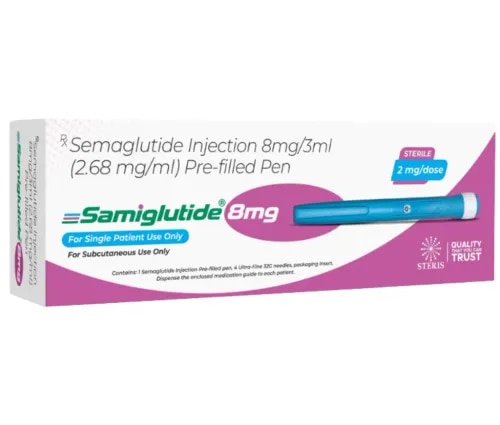
"name": "Semaglutide injection 8 mg",
"description": "The semaglutide injection, 8 mg, contains a total of 8 mg of semaglutide, a long-acting GLP-1 receptor agonist. It is used under medical supervision as part of treatment for appropriate adults with type 2 diabetes mellitus and, depending on the specific approved product and indication, for cardiovascular risk reduction and chronic weight management.\n1. Product Overview & Specifications\nAn 8 mg/3 mL semaglutide pen contains 8 mg of the active medicine in a 3 mL delivery system. When specifically designed to provide 2 mg per weekly dose, the total quantity can provide four 2 mg doses.\nActive Ingredient: Semaglutide\nTotal Strength: 8 mg\nExample Presentation: 8 mg/3 mL multi-dose pen\nDrug Class: GLP-1 receptor agonist\nRoute: Subcutaneous injection\nCommon Injection Areas: Abdomen, thigh, or upper arm\nAdministration: Once weekly, according to the prescribed schedule\nMechanism of Action\nSemaglutide mimics the activity of the naturally occurring hormone GLP-1 (glucagon-like peptide-1). It acts on GLP-1 receptors involved in blood-glucose regulation, digestion, and appetite.\nImproves glucose-dependent insulin release: Semaglutide encourages the pancreas to release insulin when blood glucose levels are elevated.\nReduces glucagon secretion: It lowers inappropriate glucagon release, helping reduce the amount of glucose produced by the liver.\nSlows gastric emptying: Semaglutide can delay the movement of food from the stomach, contributing to prolonged fullness.\nReduces appetite: Its effects on appetite-regulating pathways in the brain can decrease hunger and food intake.\n2. Primary Indications & Uses\nSemaglutide may be prescribed for several clinically established purposes depending on the specific formulation, approved labeling, and patient's medical condition.\nType 2 Diabetes Management\nSemaglutide can be used alongside appropriate diet and physical activity to improve blood-glucose control in adults with type 2 diabetes.\nCardiovascular Risk Reduction\nIn eligible adults with type 2 diabetes and established cardiovascular disease, certain semaglutide products have demonstrated a reduction in the risk of major cardiovascular events, including cardiovascular death, non-fatal heart attack, and non-fatal stroke.\nKidney Disease\nCertain semaglutide formulations and indications have demonstrated kidney-related benefits in specific populations. The appropriate product and indication should be determined by a healthcare professional.\nChronic Weight Management\nSemaglutide is also used for long-term weight management in eligible adults with obesity or overweight accompanied by weight-related health conditions, depending on the approved formulation and local prescribing guidance.\n3. Key Benefits of Semaglutide 8 mg Therapy\nClinical Area\nPotential Therapeutic Role\nBlood-Glucose Control\nHelps lower elevated blood glucose and improve glycemic control in appropriate patients.\nWeight Management\nReduces appetite and food intake, supporting sustained weight reduction when prescribed for this purpose.\nCardiovascular Health\nCertain approved semaglutide indications can reduce major cardiovascular event risk in eligible patients.\nMetabolic Support\nInfluences glucose regulation, appetite, insulin secretion, and glucagon activity.\nWeekly Administration\nA once-weekly injection can provide a convenient treatment schedule when prescribed.\n\n4. Side Effects & Safety Warnings\nCommon Adverse Reactions\nDigestive symptoms are among the most frequently reported adverse effects, particularly when treatment is initiated or the dose is increased.\nPossible side effects include:\nNausea\nVomiting\nDiarrhea\nConstipation\nAbdominal discomfort\nBloating\nBelching\nIndigestion or heartburn\nReduced appetite\nThese effects may improve as the body becomes accustomed to treatment.\nFrequently Asked Questions\n1. How much weight can you lose with semaglutide?\nWeight reduction varies significantly between individuals and depends on the prescribed formulation, dose, treatment duration, diet, physical activity, and adherence. Clinical trials of approved weight-management regimens have demonstrated substantial average percentage weight loss over extended treatment periods.\n2. How much is 8 units of semaglutide in mL?\nOn a U-100 insulin syringe, 100 units corresponds to 1 mL, so 8 units corresponds to 0.08 mL. However, this conversion only describes syringe volume. It does not determine the amount of semaglutide in mg because the medication concentration varies between products. Always verify the exact concentration before measuring any dose.\n3. Is semaglutide injection safe for weight loss?\nSemaglutide can be an effective treatment for weight management when an approved formulation is prescribed to an eligible patient and used under appropriate medical supervision. It has important contraindications and warnings, including risks involving the gastrointestinal system, gallbladder, pancreas, kidneys, and thyroid C-cell tumors.\n4. How many mg of semaglutide are used for weight loss?\nThe appropriate dose depends on the specific semaglutide product. Weight-management treatment commonly begins with a lower dose and is gradually increased to a maintenance dose to improve tolerability. The maintenance dose should be determined according to the product's approved prescribing information and the healthcare professional's instructions.\n5. How much weight can I lose in 2 months with semaglutide?\nThere is no guaranteed amount of weight loss during the first two months. Individual results vary because treatment generally begins at a lower dose and is increased gradually. Diet, physical activity, starting weight, medical conditions, and adherence also affect the result.\n6. What happens when you stop semaglutide?\nAfter discontinuation, semaglutide gradually leaves the body. Appetite and food intake may increase as its effects decrease, and some people regain weight. Maintaining healthy eating and physical activity habits may help support weight management after treatment, but discontinuation should be discussed with a healthcare professional.\n7. How long does an 8 mg/3 mL semaglutide pen last?\nIf a specific 8 mg/3 mL pen is designed to deliver 2 mg per weekly dose, it contains four 2 mg doses and therefore provides approximately four weeks of treatment. The actual duration depends on the specific device and prescribed dosing instructions.\n8. What is semaglutide injection 8 mg used for?\nSemaglutide is used for approved indications such as improving blood-glucose control in type 2 diabetes and, depending on the formulation, supporting chronic weight management and reducing cardiovascular risk in eligible patients.\n9. What foods should be avoided while taking semaglutide?\nLarge, high-fat, greasy, or fried meals may worsen gastrointestinal symptoms such as nausea, bloating, and reflux. Smaller meals and balanced food choices may be easier to tolerate. Alcohol intake should also be discussed with a healthcare professional.\n10. Can you eat bananas while taking semaglutide?\nYes, bananas can generally be included in a balanced diet while using semaglutide. Portion size should be considered as part of an individual's overall calorie and carbohydrate intake, particularly for people managing diabetes.\n11. What is the best time of day to inject semaglutide?\nSemaglutide injections can generally be administered at any time of day, with or without meals, depending on the specific product instructions. The injection should be taken on the same day each week as prescribed.\n12. Will I lose weight during the first week of semaglutide?\nSome people may notice an early change in appetite or body weight, while others may not see a significant difference initially. Early treatment doses are generally introduced gradually to help the body adjust rather than to produce immediate maximum weight loss.\n13. How quickly does semaglutide start lowering blood sugar?\nSemaglutide begins acting after administration, but the degree and timing of blood-glucose improvement vary. Significant treatment effects develop progressively, particularly as the prescribed dose is gradually adjusted.\n14. What should I do if I miss a semaglutide dose?\nThe correct missed-dose procedure depends on the specific semaglutide product. Follow the instructions supplied with your prescribed product. Do not take an extra dose to compensate for a missed injection.\n15. Where is the best place to inject semaglutide?\nSemaglutide is administered subcutaneously. Common injection sites include the abdomen, front of the thigh, or upper arm, according to the product instructions. Rotating injection locations can help reduce repeated irritation at one site.\nConclusion\nSemaglutide injection 8 mg contains semaglutide, a long-acting GLP-1 receptor agonist that influences blood-glucose regulation, glucagon secretion, gastric emptying, and appetite. Depending on the specific formulation and approved indication, semaglutide may be used for type 2 diabetes management, chronic weight management, and cardiovascular risk reduction in eligible patients.\nAn 8 mg/3 mL presentation designed for 2 mg weekly dosing can provide four weekly doses. However, semaglutide concentrations, pen designs, approved doses, and indications can differ between products. Treatment should therefore follow the exact product instructions and a healthcare professional's prescription.",
"price": 7800.0,
"discountamount": 2340.0,
"currencycode": "INR",
"priority": 1000000,
"isfreeshipmentavailable": false,
"shipmentduration": 1,
"_keywords": null,
"isarchived": false,
"isavailable": true,
"applicationid": null,
"productindex": 2498,
"imageuri": "https://productimages.withfloats.com/actual/6a952bdd8359c1b7edbc7468.png",
"tileimageuri": "https://productimages.withfloats.com/tile/6a952bdd8359c1b7edbc7468.png",
"images": null,
"totalqueries": 0,
"gpid": null,
"groupproductid": null,
"createdon": "2026-08-31T07:23:06.814Z",
"updatedon": "2026-08-31T07:23:06.814Z",
"buyonlinelink": null,
"producturl": "http://WWW.STERISINDIA.COM//semaglutide-injection-8-mg/2498",
"availableunits": -1.0,
"iscodavailable": false,
"isprepaidonlineavailable": false,
"maxcodorders": 0,
"maxprepaidonlineorders": 0,
"uniquepaymenturl": null,
"brandname": "SAMIGLUTIDE 8MG",
"category": "DIABETIC RANGE",
"tags": [
"Semaglutide injection 8 mg",
"semaglutide injection 8 mg",
"semaglutide 8 mg injection uses",
"semaglutide 8 mg injection benefits",
"semaglutide 8 mg injection dosage"
],
"variants": false,
"keyspecification": null,
"otherspecifications": null,
"pickupaddressreferenceid": null,
"paymenttype": "UniquePaymentUrl",
"producttype": "products",
"hsncode": null,
"gstslab": 0.0,
"isnotforsale": false
},
{
"_id": "6a8c3838c90065ecdc86c757",
"fptag": "STERISHEALTHCARE",
"merchantname": null,
"customwidgets": null,
"externalsourceid": null,
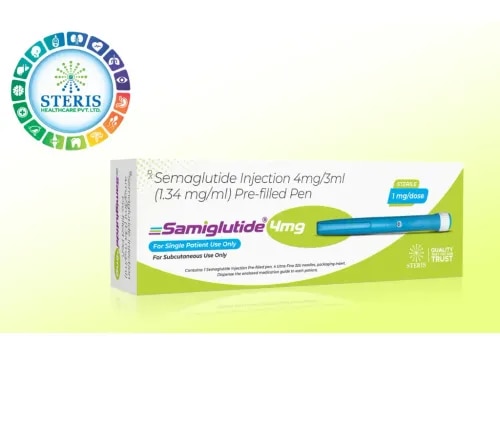
"name": "Semaglutide Injection 4mg",
"description": "SAMIGLUTIDE 4 MG is a semaglutide-containing injectable medicine supplied in a pre-filled pen. The stated formulation contains 4 mg of semaglutide in 3 mL of solution, corresponding to approximately 1.34 mg/mL.\n\nSemaglutide is a GLP-1 receptor agonist that acts on physiological pathways involved in blood-glucose control, appetite, and gastrointestinal function. Its use should be based on the approved indication for the specific product and the advice of a qualified healthcare professional.\n\nProduct Overview\nProduct: SAMIGLUTIDE 4 MG\nActive substance: Semaglutide\nStrength: 4 mg/3 mL\nApproximate concentration: 1.34 mg/mL\nDosage form: Injectable solution\nPresentation: Pre-filled pen\nRoute: Subcutaneous administration, according to the applicable product instructions\n\nThe 4 mg/3 mL concentration is also associated with certain approved semaglutide products. However, this does not mean that their dosing schedules, indications, or administration instructions automatically apply to SAMIGLUTIDE 4 MG. The product-specific labeling should always be followed.\n\nWhat Is Semaglutide?\n\nSemaglutide is a medication belonging to the GLP-1 receptor agonist class. It acts similarly to the naturally occurring hormone glucagon-like peptide-1 (GLP-1).\n\nGLP-1 is involved in several processes related to metabolism. Its activity can influence insulin secretion, glucagon regulation, stomach emptying, and appetite. Depending on the particular semaglutide product and its regulatory authorization, semaglutide may be prescribed for conditions such as type 2 diabetes or chronic weight management in appropriately selected patients.\n\nBecause different semaglutide products can have different approved uses and formulations, treatment decisions should be based on the specific medicine being prescribed.\n\nSAMIGLUTIDE 4 MG Pre-Filled Pen\n\nSAMIGLUTIDE 4 MG is supplied in a pre-filled pen intended to provide a convenient format for subcutaneous administration.\n\nPre-filled devices can eliminate the need to draw medication from a conventional vial. Nevertheless, patients should be properly trained before using an injectable pen and should follow the instructions supplied with the specific product.\n\nThe pen should only be used according to its approved instructions, including the prescribed dose and administration schedule.\n\nStrength and Formulation\n\nEach stated 3 mL presentation contains 4 mg of semaglutide, giving a concentration of approximately 1.34 mg/mL.\n\nThe concentration of a medicine should not be confused with the amount delivered in every injection. The quantity administered depends on the design and dose settings of the particular pen.\n\nFor this reason, patients should not calculate or select their own dose based solely on the concentration printed on the package. The prescribed dose should come from the product's authorized instructions and the treating healthcare professional.\n\nHow Semaglutide Acts\n\nSemaglutide activates GLP-1 receptors, which are involved in the regulation of blood glucose and appetite.\n\nAmong its physiological effects, GLP-1 receptor activation can:\n\nSupport glucose-dependent insulin secretion.\nReduce inappropriate glucagon secretion when blood glucose is elevated.\nAffect gastrointestinal activity, including gastric emptying.\nInfluence appetite and food intake.\n\nThe overall response to treatment can vary between individuals and depends on factors such as the medical indication, prescribed dose, treatment duration, and other medicines being used.\n\nPotential Therapeutic Benefits\n\nWhen prescribed for an appropriate, authorized indication, semaglutide may form part of a broader treatment program.\n\nFor eligible individuals with type 2 diabetes, certain approved semaglutide medicines are used to improve glycemic control. Other approved semaglutide formulations have indications involving chronic weight management for qualifying patients.\n\nMedication should be considered alongside the broader treatment strategy recommended by a healthcare professional, which may include nutritional management, physical activity, glucose monitoring, and other appropriate interventions.\n\nPossible Side Effects\n\nLike other prescription medicines, semaglutide can cause unwanted effects.\n\nFrequently reported gastrointestinal reactions associated with semaglutide products include:\n\nNausea\nVomiting\nDiarrhea\nConstipation\nAbdominal discomfort or pain\n\nNot every patient experiences these effects, and their severity can vary.\n\nSemaglutide products also have important safety considerations. Depending on the specific approved product, labeling includes warnings concerning conditions such as pancreatitis, gallbladder-related problems, severe gastrointestinal reactions, kidney problems associated with dehydration, and serious hypersensitivity reactions.\n\nPatients should provide their healthcare professional with a complete medical history before treatment begins.\n\nImportant Contraindications and Warnings\n\nCertain semaglutide products carry a contraindication for individuals with a personal or family history of medullary thyroid carcinoma (MTC) or those with Multiple Endocrine Neoplasia syndrome type 2 (MEN 2). Serious hypersensitivity to semaglutide or an applicable component is also an important contraindication.\n\nThe exact warnings and contraindications applicable to SAMIGLUTIDE 4 MG should be confirmed against its current authorized product information in the relevant country.\n\nPatients should seek professional medical advice if they develop concerning symptoms during treatment.\n\nCorrect Administration\n\nSAMIGLUTIDE 4 MG should be administered only according to the prescription and instructions applicable to the product.\n\nBefore using a pre-filled pen, patients should receive appropriate instruction regarding:\n\nDose selection\nInjection technique\nInjection sites\nPen operation\nStorage\nDisposal of used needles or injection equipment\n\nThe dose or frequency should never be changed independently.\n\nA pre-filled injection pen should not be shared with another person, even if a new needle is attached. Sharing injectable medication devices can create a risk of transmitting infections and is contrary to appropriate safe-use practices.\n\nStorage\n\nStorage requirements should be determined from the official SAMIGLUTIDE 4 MG packaging and product information supplied with the medicine.\n\nPatients should not rely on storage instructions from a different semaglutide brand because formulations, devices, and stability requirements can differ between products.\n\nUse by Healthcare Professionals\n\nHealthcare professionals should assess whether SAMIGLUTIDE 4 MG is appropriate for an individual patient by considering the relevant diagnosis, treatment objectives, medical history, contraindications, concurrent medicines, and applicable regulatory requirements.\n\nParticular attention should be given to the distinction between different semaglutide products. Although they contain the same active ingredient, products may differ in:\n\nApproved indications\nConcentration\nPen design\nDose increments\nAdministration schedules\nStorage conditions\nRegulatory labeling\n\nThe product-specific prescribing information should therefore be consulted before treatment is initiated or adjusted.\n\nAdvantages of a Pre-Filled Pen\n\nA pre-filled pen can provide a practical method of administering an injectable medicine. Compared with a conventional vial-and-syringe presentation, the device may reduce some preparation steps and can be convenient for patients who have been appropriately trained.\n\nConvenience, however, should not take precedence over product authenticity, regulatory approval, correct dosing, proper storage, and professional medical supervision.\n\nSAMIGLUTIDE 4 MG: Key Points\n\nSAMIGLUTIDE 4 MG is described as a semaglutide injection containing 4 mg in 3 mL, supplied in a pre-filled pen.\n\nThe most important considerations are:\n\nSemaglutide is a GLP-1 receptor agonist.\nThe stated formulation is 4 mg/3 mL (approximately 1.34 mg/mL).\nAdministration is by the subcutaneous route when prescribed for that route.\nThe appropriate dose and frequency must come from the product-specific instructions and prescription.\nDosing information from another semaglutide brand should not automatically be applied.\nPatients should be informed about possible adverse reactions and relevant contraindications.\nThe pen must not be shared between patients.\nStorage and handling should follow the official product information.\nTreatment should be supervised by an appropriately qualified healthcare professional.\nFrequently Asked Questions\nWhat is SAMIGLUTIDE 4 MG?\n\nSAMIGLUTIDE 4 MG is a semaglutide-containing injectable formulation described as 4 mg/3 mL, supplied in a pre-filled pen. Its approved use depends on the regulatory authorization applicable to the product and market.\n\nWhat does 4 mg/3 mL mean?\n\nIt indicates that the stated 3 mL presentation contains a total of 4 mg of semaglutide, equivalent to approximately 1.34 mg of semaglutide per mL.\n\nThis concentration alone should not be used to determine an individual's injection dose.\n\nIs SAMIGLUTIDE 4 MG a prescription medicine?\n\nSemaglutide medicines are prescription products in many jurisdictions. SAMIGLUTIDE 4 MG should be used only in accordance with applicable regulations, authorized product information, and professional medical advice.\n\nHow is SAMIGLUTIDE 4 MG administered?\n\nThe product is described as a subcutaneous injection. However, the exact dose, injection frequency, and pen operation should be determined from the SAMIGLUTIDE 4 MG product information and the patient's prescription.\n\nCan SAMIGLUTIDE 4 MG be taken together with another semaglutide medicine?\n\nPatients should not combine semaglutide-containing medicines or switch between them without medical supervision. Some approved semaglutide labels specifically advise against combining their product with another semaglutide-containing medicine or another GLP-1 receptor agonist.\n\nCan the dose be changed without consulting a doctor?\n\nNo. Patients should not increase, decrease, or otherwise modify the prescribed dose or injection schedule without guidance from their healthcare professional.\n\nConclusion\n\nSAMIGLUTIDE 4 MG – Semaglutide Injection 4 mg/3 mL (approximately 1.34 mg/mL) Pre-Filled Pen is a semaglutide-based injectable formulation designed for subcutaneous use according to its applicable product instructions.\n\nBecause semaglutide products can vary substantially in their approved indications, concentrations, devices, and dosing regimens, information from another semaglutide product should not be assumed to apply to SAMIGLUTIDE 4 MG.\n\nFor appropriate and safe use, patients and healthcare professionals should rely on the current official product information, local regulatory authorization, and individualized medical advice. Any questions concerning suitability, dosing, interactions, contraindications, or adverse effects should be discussed with a qualified healthcare professional.",
"price": 6600.0,
"discountamount": 1980.0,
"currencycode": "INR",
"priority": 1000000,
"isfreeshipmentavailable": false,
"shipmentduration": 1,
"_keywords": null,
"isarchived": false,
"isavailable": true,
"applicationid": null,
"productindex": 2497,
"imageuri": "https://productimages.withfloats.com/actual/6a8c383c0e00e8a5dab0c9d5.png",
"tileimageuri": "https://productimages.withfloats.com/tile/6a8c383c0e00e8a5dab0c9d5.png",
"images": null,
"totalqueries": 0,
"gpid": null,
"groupproductid": null,
"createdon": "2026-08-24T12:25:28.659Z",
"updatedon": "2026-08-24T12:25:28.659Z",
"buyonlinelink": null,
"producturl": "http://WWW.STERISINDIA.COM//semaglutide-injection-4mg/2497",
"availableunits": -1.0,
"iscodavailable": false,
"isprepaidonlineavailable": false,
"maxcodorders": 0,
"maxprepaidonlineorders": 0,
"uniquepaymenturl": null,
"brandname": "SAMIGLUTIDE 4 MG",
"category": "DIABETIC RANGE",
"tags": [],
"variants": false,
"keyspecification": null,
"otherspecifications": null,
"pickupaddressreferenceid": null,
"paymenttype": "UniquePaymentUrl",
"producttype": "products",
"hsncode": null,
"gstslab": 0.0,
"isnotforsale": false
},
{
"_id": "6a8c35e76d1f6b0cbc0e2e40",
"fptag": "STERISHEALTHCARE",
"merchantname": null,
"customwidgets": null,
"externalsourceid": null,
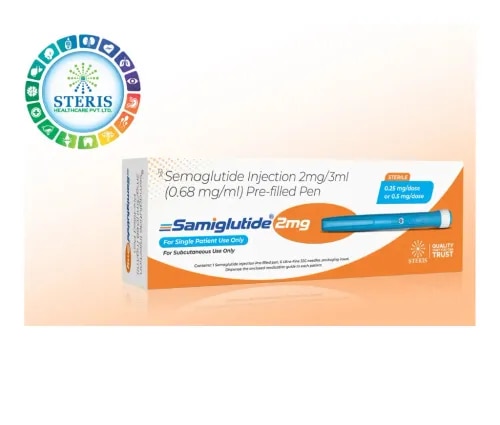
"name": "Semaglutide Injection 2 mg",
"description": "SAMIGLUTIDE 2 MG is a semaglutide-containing injectable medicine supplied in a pre-filled pen. The stated formulation is Semaglutide Injection 2 mg/3 mL (0.68 mg/mL). Semaglutide belongs to the GLP-1 receptor agonist class and is a prescription medicine that should be used only under the supervision of an appropriately qualified healthcare professional.\n\nSAMIGLUTIDE 2 MG Composition\n\nEach 3 mL pre-filled pen is stated to contain:\n\nActive substance: Semaglutide\nStrength: 2 mg/3 mL\nConcentration: 0.68 mg/mL\nDosage form: Injectable solution\nPresentation: Pre-filled pen\nRoute of administration: Subcutaneous, according to the applicable product instructions\n\nSemaglutide acts on GLP-1 receptors, which are involved in blood-glucose regulation and appetite control. The approved uses, dosage regimen and strength available can differ according to the specific product and the regulations of the country in which it is supplied.\n\nWhat Is Semaglutide?\n\nSemaglutide is a synthetic peptide that mimics the activity of the naturally occurring hormone glucagon-like peptide-1 (GLP-1). By activating GLP-1 receptors, it can influence several physiological processes, including glucose-dependent insulin release, glucagon secretion, gastric emptying and appetite.\n\nThe appropriate dose and treatment schedule depend on the individual patient and the particular semaglutide formulation. Patients should follow their healthcare professional's instructions and should not alter the prescribed regimen independently.\n\nSAMIGLUTIDE 2 MG Pre-Filled Pen\n\nSAMIGLUTIDE 2 MG is presented as a pre-filled injection pen intended to provide a convenient method of administration when the medicine has been prescribed.\n\nSince semaglutide products can differ in concentration, pen design and dose-delivery mechanism, users should carefully verify the product label and prescribed dose before each administration. Particular care is important with injectable semaglutide products because differences in concentration or measurement methods can result in medication errors.\n\nPotential Medical Uses\n\nSemaglutide may be used for particular medical conditions depending on the formulation, regulatory approval and prescribing information applicable to the product.\n\nCertain approved semaglutide medicines are indicated for the treatment of type 2 diabetes, while other formulations have approved indications involving chronic weight management in eligible patients. Some products may also have additional approved indications for reducing specific cardiovascular risks.\n\nThe fact that semaglutide can be used for weight management does not mean that every semaglutide product is approved for that purpose. The authorization and labeling of SAMIGLUTIDE should therefore be confirmed from current official product documentation.\n\nHow Semaglutide Works\n\nSemaglutide activates GLP-1 receptors in the body. Its effects can contribute to improved regulation of blood glucose and reduced appetite and food intake. Depending on the approved indication, it may be prescribed together with dietary, physical-activity or other appropriate medical measures.\n\nIndividual responses can vary. Medical follow-up helps healthcare professionals evaluate treatment response, tolerability and whether treatment should be continued or modified.\n\nDosage and Administration\n\nSAMIGLUTIDE 2 MG should be administered only in accordance with the prescription and the manufacturer's current instructions.\n\nThe amount of semaglutide contained in a pen should not automatically be interpreted as the amount to inject at one time. Different products may use different concentrations, dose settings and administration schedules.\n\nFor approved semaglutide products, treatment may involve gradual dose increases for certain indications. Patients should never increase the dose, inject more frequently or repeat a missed dose without receiving appropriate medical instructions.\n\nPossible Side Effects\n\nSemaglutide can cause adverse effects, particularly gastrointestinal symptoms. Frequently reported effects may include:\n\nNausea\nVomiting\nDiarrhea\nConstipation\nAbdominal discomfort\nAbdominal pain\n\nMore serious reactions are also possible. Product information for semaglutide medicines includes warnings relating to conditions such as pancreatitis and gallbladder disorders, among other potential risks.\n\nPersistent, severe or unusual symptoms should be discussed promptly with a healthcare professional. Patients should review the complete prescribing information supplied with their particular product.\n\nImportant Safety Information\n\nSemaglutide is not appropriate for everyone. For example, certain approved semaglutide products in the United States carry a contraindication for individuals with a personal or family history of medullary thyroid carcinoma (MTC), people with Multiple Endocrine Neoplasia syndrome type 2 (MEN 2), and individuals with a serious hypersensitivity to semaglutide or an ingredient in the relevant product.\n\nThese precautions should not automatically be assumed to apply identically to every semaglutide product worldwide. The manufacturer's labeling and the regulatory requirements of the relevant country should always be consulted.\n\nPatients should inform their healthcare professional about their medical history and other medicines before starting treatment.\n\nAdvantages of a Pre-Filled Pen\n\nA pre-filled pen can make injectable treatment more convenient by providing the medication in a ready-to-use delivery device. When used according to the manufacturer's instructions, the pen may simplify administration and help patients maintain their prescribed treatment routine.\n\nPatients should nevertheless receive appropriate guidance regarding injection technique, storage, handling and disposal. The convenience of a pen does not eliminate the need for medical supervision.\n\nStorage and Handling\n\nSAMIGLUTIDE 2 MG should be stored exactly as stated on its packaging and official product information. Appropriate storage conditions are important for maintaining the quality and stability of the medicine.\n\nBefore use, check the expiry date and inspect the packaging and medicine according to the manufacturer's instructions. Do not use the product if the packaging is damaged or if the solution has an appearance that does not meet the stated product requirements.\n\nConclusion\n\nSAMIGLUTIDE 2 MG – Semaglutide Injection 2 mg/3 mL (0.68 mg/mL) is a semaglutide-based injectable formulation supplied in a pre-filled pen. Semaglutide is a GLP-1 receptor agonist with established medical applications for appropriately selected patients, depending on the specific product and its regulatory authorization.\n\nSafe use requires adherence to the prescribed dose and administration schedule. Patients should not independently change their dose or frequency and should seek professional advice if they experience concerning adverse effects.\n\nBecause formulations, indications, strengths and regulatory requirements can vary between products and countries, the current official package insert and applicable regulatory labeling should be used to verify product-specific information.\n\nFrequently Asked Questions\nWhat is SAMIGLUTIDE 2 MG?\n\nSAMIGLUTIDE 2 MG is described as a semaglutide injection containing 2 mg of semaglutide in 3 mL, with a stated concentration of 0.68 mg/mL, supplied in a pre-filled pen.\n\nIs SAMIGLUTIDE 2 MG used for weight management?\n\nSemaglutide is included in certain approved medicines used for chronic weight management in eligible patients. However, the indication for a specific SAMIGLUTIDE product must be confirmed from its current regulatory approval and official labeling.\n\nHow frequently is SAMIGLUTIDE 2 MG injected?\n\nThe correct frequency depends on the specific product and the prescription issued by the healthcare professional. Patients should not determine the injection schedule based solely on the amount printed on the pen.\n\nCan SAMIGLUTIDE 2 MG be taken without medical supervision?\n\nNo. Semaglutide is a prescription medicine in many jurisdictions and should be obtained and used through legitimate, appropriately regulated healthcare channels.\n\nIs SAMIGLUTIDE the same as other branded semaglutide medicines?\n\nNot necessarily. Products containing semaglutide can differ in manufacturer, formulation, concentration, delivery device, regulatory approval and approved indications. A specific product should not be described as identical to an approved branded medicine unless that claim can be verified through reliable regulatory and product documentation.\n\nWhat should patients check before using the pen?\n\nPatients should verify the medicine name, strength, prescribed dose, expiry date, storage conditions and administration instructions. If there is any uncertainty about the dose or operation of the pen, they should consult their pharmacist, prescriber or another qualified healthcare professional rather than guessing.",
"price": 5600.0,
"discountamount": 1680.0,
"currencycode": "INR",
"priority": 1000000,
"isfreeshipmentavailable": false,
"shipmentduration": 1,
"_keywords": null,
"isarchived": false,
"isavailable": true,
"applicationid": null,
"productindex": 2496,
"imageuri": "https://productimages.withfloats.com/actual/6a8c35eaca4d2575d78e3716.png",
"tileimageuri": "https://productimages.withfloats.com/tile/6a8c35eaca4d2575d78e3716.png",
"images": null,
"totalqueries": 0,
"gpid": null,
"groupproductid": null,
"createdon": "2026-08-24T12:15:35.873Z",
"updatedon": "2026-08-24T12:15:35.873Z",
"buyonlinelink": null,
"producturl": "http://WWW.STERISINDIA.COM//semaglutide-injection-2-mg/2496",
"availableunits": -1.0,
"iscodavailable": false,
"isprepaidonlineavailable": false,
"maxcodorders": 0,
"maxprepaidonlineorders": 0,
"uniquepaymenturl": null,
"brandname": "SAMIGLUTIDE 2 MG",
"category": "DIABETIC RANGE",
"tags": [],
"variants": false,
"keyspecification": null,
"otherspecifications": null,
"pickupaddressreferenceid": null,
"paymenttype": "UniquePaymentUrl",
"producttype": "products",
"hsncode": null,
"gstslab": 0.0,
"isnotforsale": false
},
{
"_id": "6a50a30c9e1ef0fb4df551b0",
"fptag": "STERISHEALTHCARE",
"merchantname": null,
"customwidgets": null,
"externalsourceid": null,
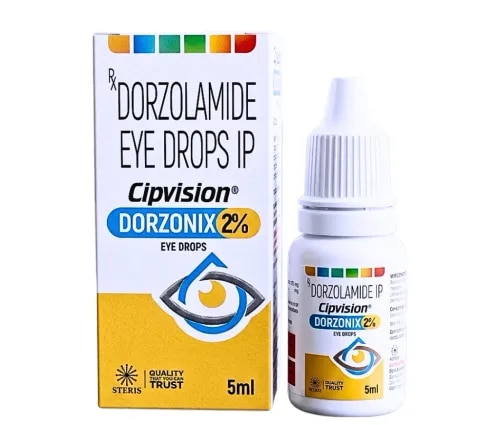
"name": "dorzolamide eye drops ip",
"description": "Dorzolamide eye drops IP are a prescription ophthalmic solution used to lower elevated intraocular pressure (IOP) in patients with open-angle glaucoma or ocular hypertension. Dorzolamide belongs to a class of drugs called carbonic anhydrase inhibitors, which work by reducing the production of aqueous humor (the fluid inside the eye), thereby lowering pressure within the eye. It is typically used two to three times daily and begins measurably lowering eye pressure within about 2 hours, though consistent long-term use is essential for sustained control. Common side effects include a temporary bitter or unusual taste in the mouth, burning or stinging on instillation, and blurred vision. Because dorzolamide is chemically a sulfonamide derivative, it should be used cautiously in patients with known sulfa allergies or significant kidney impairment, and only under an ophthalmologist's supervision. It is a Schedule H prescription-only medicine in India.\n\nWhat Is Dorzolamide Eye Drops IP?\nDorzolamide Eye Drops IP is a topical prescription medication used primarily to manage glaucoma and ocular hypertension — conditions characterized by abnormally elevated pressure inside the eye that, if left uncontrolled, can damage the optic nerve and lead to progressive, irreversible vision loss.\nThe “IP” designation indicates the formulation conforms to standards set out in the Indian Pharmacopoeia, ensuring consistent quality, purity, and potency.\nDorzolamide belongs to the carbonic anhydrase inhibitor (CAI) class of anti-glaucoma medications. Unlike oral carbonic anhydrase inhibitors (such as acetazolamide), which act systemically and often cause more pronounced side effects, topical dorzolamide is designed to act locally within the eye, offering effective IOP reduction with comparatively lower systemic exposure — though some systemic absorption can still occur.\nIt is frequently prescribed either as a standalone treatment or in combination with other IOP-lowering agents, such as beta-blockers (e.g., timolol) or prostaglandin analogues, when a single agent does not achieve adequate pressure control.\n\nHow Does Dorzolamide Work? (Mechanism of Action)\n\nAqueous humor production – The ciliary body inside the eye continuously produces aqueous humor, the clear fluid that maintains intraocular pressure and nourishes ocular tissues.\nCarbonic anhydrase enzyme – This enzyme, found in the ciliary body, plays a key role in the chemical reactions that generate bicarbonate ions, which drive fluid secretion into the eye.\nEnzyme inhibition – Dorzolamide inhibits carbonic anhydrase (specifically the II isoenzyme) within the ciliary processes.\nReduced fluid production – With the enzyme inhibited, bicarbonate-dependent fluid transport slows down, resulting in decreased aqueous humor formation.\nLowered intraocular pressure – Less fluid production means less pressure buildup inside the eye, helping protect the optic nerve from pressure-related damage over time.\n\n\nClinical Indications\nIndicationDetailsOpen-angle glaucomaPrimary indication; helps control chronic elevated IOPOcular hypertensionUsed to reduce elevated eye pressure even before glaucoma-related damage occursAdjunct therapyCombined with beta-blockers or prostaglandin analogues when monotherapy is insufficientPost-laser or post-surgical IOP spikesSometimes used short-term under specialist guidance\n\nDosage & Administration\nParameterRecommendationStandard dose (monotherapy)One drop in the affected eye(s), three times dailyStandard dose (with other IOP-lowering drops)Often reduced to twice daily when combined, per doctor's instructionsOnset of actionMeasurable IOP reduction typically begins within about 2 hoursPeak effectGenerally within a few hours of instillationIf using multiple eye dropsSpace different eye medications at least 10 minutes apartMissed doseApply as soon as remembered; skip if near the next scheduled dose — do not double upDuration of useLong-term, ongoing therapy as glaucoma is a chronic condition requiring continuous management\nNote: Consistency is critical — missed doses can allow intraocular pressure to rise, increasing the risk of progressive optic nerve damage.\n\nKey Benefits\n\nEffectively lowers intraocular pressure in both glaucoma and ocular hypertension\nActs locally in the eye, generally producing lower systemic side effects compared to oral carbonic anhydrase inhibitors\nCan be used as monotherapy or in combination with other classes of glaucoma medication for enhanced pressure control\nHelps protect the optic nerve from pressure-related damage with consistent long-term use\nAvailable in a well-established, pharmacopoeia-standardized formulation (IP grade)\nSuitable for long-term, chronic disease management in glaucoma patients\n\n\nPrecautions\n\nUse strictly as prescribed and do not adjust dosing without consulting your ophthalmologist\nInform your doctor if you have a known sulfonamide (sulfa) allergy, since dorzolamide is chemically related to sulfa drugs\nUse with caution in patients with significant kidney (renal) impairment, due to potential for systemic absorption\nNot typically recommended in patients with severe corneal disease without specialist evaluation\nIf using contact lenses, remove before instillation and reinsert only after the interval advised by your doctor\nRegular eye pressure monitoring and follow-up visits are essential during treatment\nInform your doctor of all other eye medications and systemic drugs you are using\nAvoid touching the dropper tip to the eye or any surface to prevent contamination\n\n\nSide Effects\nCommon (Usually Mild and Temporary)\n\nTemporary bitter or unusual taste in the mouth after application\nBurning or stinging sensation on instillation\nBlurred vision immediately after use\nEye redness or itching\nMild eye discomfort\n\nLess Common / Serious (Consult Your Doctor Promptly)\n\nSigns of an allergic reaction (rash, swelling, severe itching)\nPersistent eye pain or significant vision changes\nSigns of corneal problems (persistent redness, discharge, sensitivity to light)\nSystemic effects related to sulfonamide sensitivity, in rare cases\n\nIf any serious or persistent symptom occurs, discontinue use and contact your ophthalmologist immediately.\n\nComparison: Dorzolamide vs. Other Anti-Glaucoma Therapies\nTreatmentClassMechanismKey ConsiderationDorzolamide eye dropsCarbonic anhydrase inhibitorReduces aqueous humor productionSulfa-related caution; often used as adjunct therapyTimolol eye dropsBeta-blockerReduces aqueous humor production via a different pathwayCaution in asthma, heart conditionsLatanoprost / prostaglandin analoguesProstaglandin analogueIncreases aqueous humor outflowOnce-daily dosing; may darken iris/eyelash growthBrimonidineAlpha-2 agonistReduces production and increases outflowCan cause drowsiness, dry mouthOral acetazolamideSystemic carbonic anhydrase inhibitorReduces aqueous humor production systemicallyMore pronounced systemic side effects than topical dorzolamide\n\nKey Statistics (Placeholder — Pending Clinical Reviewer Verification)\nMetricValueAverage IOP reduction achieved with dorzolamide monotherapy[Placeholder – insert verified clinical trial statistic]Prevalence of open-angle glaucoma in adults over 40[Placeholder – insert epidemiological reference]Proportion of patients requiring combination glaucoma therapy[Placeholder – insert verified reference]\nAll statistics above are placeholders and must be verified and populated by a qualified clinical reviewer prior to publication.\n\nExpert Insight\n\n[Placeholder — Expert quote pending. To be added only after review and approval by a licensed ophthalmologist/medical reviewer associated with Steris Healthcare. Do not fabricate or publish without sign-off.]\n\n\nPrice of Dorzolamide Eye Drops IP\nThe price of dorzolamide eye drops IP varies depending on pack size, brand, and region. For current pricing, availability, and prescription verification, please consult your ophthalmologist or an authorized pharmacy.\nPrescription only – consult your doctor.\n\nConclusion\nDorzolamide Eye Drops IP play a well-established role in the long-term management of glaucoma and ocular hypertension, offering targeted, localized reduction of intraocular pressure through carbonic anhydrase inhibition. Whether used alone or alongside other classes of IOP-lowering medication, consistent, correctly timed use is essential to protect the optic nerve from progressive, irreversible damage. Because dorzolamide is a sulfonamide derivative with potential for systemic absorption, patients with sulfa allergies or kidney impairment should discuss suitability carefully with their ophthalmologist. As with all glaucoma therapy, regular monitoring and adherence to the prescribed regimen — rather than occasional or as-needed use — are what ultimately safeguard long-term vision.\n\nFrequently Asked Questions\n\n1. What is dorzolamide eye drops used for?\nDorzolamide eye drops are used to lower elevated intraocular pressure in patients with open-angle glaucoma or ocular hypertension, helping protect the optic nerve from pressure-related damage.\n\n2. How long does it take dorzolamide to lower eye pressure?\nDorzolamide typically begins measurably lowering intraocular pressure within about 2 hours of application, though consistent, long-term use is needed to maintain stable pressure control over time.\n\n3. What are the side effects of dorzolamide?\nCommon side effects include a temporary bitter or unusual taste in the mouth, burning or stinging upon application, blurred vision, and mild eye redness or discomfort. Less commonly, allergic reactions or persistent eye irritation can occur and should be reported to a doctor.\n4. Does dorzolamide affect the kidneys?\nDorzolamide is a sulfonamide derivative, and although it is applied topically with generally low systemic absorption, caution is advised in patients with significant kidney impairment. Patients with known kidney disease or sulfa allergies should inform their doctor before starting treatment.\n\n5. How often should dorzolamide eye drops be used?\nDorzolamide is typically used three times daily as monotherapy, or twice daily when combined with other glaucoma medications, exactly as directed by your ophthalmologist.\n\n6. Can dorzolamide be used with other glaucoma eye drops?\nYes, dorzolamide is commonly combined with beta-blockers, prostaglandin analogues, or other IOP-lowering agents when a single medication does not achieve adequate pressure control. Different eye drops should be spaced at least 10 minutes apart.\n\n7. Is dorzolamide safe for long-term use?\nYes, dorzolamide is designed for long-term, ongoing use in chronic glaucoma management, provided it is used under regular ophthalmologist supervision with periodic eye pressure monitoring.\n\n8. Who should not use dorzolamide eye drops?\nPatients with known hypersensitivity to sulfonamides, significant kidney impairment, or specific contraindications identified by their doctor should use dorzolamide only under close medical supervision, if at all.\n\n9. Does dorzolamide cause blurred vision?\nTemporary blurred vision can occur immediately after applying dorzolamide. This is usually short-lived, but if it persists, you should consult your ophthalmologist.\n\n10. Can dorzolamide eye drops be used with contact lenses?\nIt's generally recommended to remove contact lenses before applying dorzolamide and reinsert them only after the interval advised by your doctor, as certain preservatives in eye drops can affect contact lens materials.\n\n11. What happens if I miss a dose of dorzolamide?\nApply the missed dose as soon as you remember, unless it is almost time for your next scheduled dose — in that case, skip the missed dose and continue your regular schedule. Do not double up doses.\n\n12. Why does dorzolamide cause a bitter taste?\nThe bitter taste occurs because a small amount of the eye drop drains through the tear duct into the nasal passage and throat, where it can be tasted. This is a recognized, generally harmless effect of topical carbonic anhydrase inhibitors.\n13. Is dorzolamide the same as timolol eye drops?\nNo. Dorzolamide is a carbonic anhydrase inhibitor, while timolol is a beta-blocker. Both lower eye pressure but through different mechanisms, and they are sometimes prescribed together for enhanced effect.\n\n14. Can dorzolamide be used during pregnancy?\nUse during pregnancy or breastfeeding should only occur under direct medical supervision. Inform your doctor if you are pregnant, planning pregnancy, or breastfeeding before starting dorzolamide.\n\n15. How is dorzolamide different from oral glaucoma medications?\nTopical dorzolamide acts locally in the eye and generally causes fewer systemic side effects than oral carbonic anhydrase inhibitors like acetazolamide, which act throughout the body and can cause more pronounced systemic effects.\n16. Can stopping dorzolamide suddenly cause problems?\nStopping dorzolamide abruptly can allow intraocular pressure to rise again, increasing the risk of progressive optic nerve damage. Always consult your ophthalmologist before discontinuing treatment.\n\n17. Does dorzolamide need to be refrigerated?\nStorage requirements can vary by brand and formulation; always follow the storage instructions printed on your specific product's packaging or as advised by your pharmacist.",
"price": 350.0,
"discountamount": 105.0,
"currencycode": "INR",
"priority": 1000000,
"isfreeshipmentavailable": false,
"shipmentduration": 1,
"_keywords": null,
"isarchived": false,
"isavailable": true,
"applicationid": null,
"productindex": 2470,
"imageuri": "https://productimages.withfloats.com/actual/6a50a30e9569e07de66607f4.png",
"tileimageuri": "https://productimages.withfloats.com/tile/6a50a30e9569e07de66607f4.png",
"images": null,
"totalqueries": 0,
"gpid": null,
"groupproductid": null,
"createdon": "2026-07-10T07:45:16.262Z",
"updatedon": "2026-07-10T07:45:16.262Z",
"buyonlinelink": null,
"producturl": "http://WWW.STERISINDIA.COM//dorzolamide-eye-drops-ip/2470",
"availableunits": -1.0,
"iscodavailable": false,
"isprepaidonlineavailable": false,
"maxcodorders": 0,
"maxprepaidonlineorders": 0,
"uniquepaymenturl": null,
"brandname": "CIPVISION DORZONIX 2%",
"category": "Opthalmology Range",
"tags": [
"dorzolamide eye drops ip",
"dorzolamide eye drops",
"dorzolamide eye drops uses",
"dorzolamide eye drops uses in hindi",
"dorzolamide eye drops price",
"dorzolamide eye drops ip",
"dorzolamide eye drops brand name",
"dorzolamide eye drops brands"
],
"variants": false,
"keyspecification": null,
"otherspecifications": null,
"pickupaddressreferenceid": null,
"paymenttype": "UniquePaymentUrl",
"producttype": "products",
"hsncode": null,
"gstslab": 0.0,
"isnotforsale": false
},
{
"_id": "6a43bee2d208c802be053f9d",
"fptag": "STERISHEALTHCARE",
"merchantname": null,
"customwidgets": null,
"externalsourceid": null,
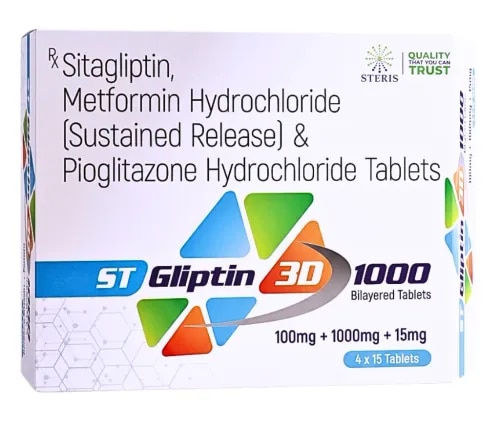
"name": "Sitagliptin 100mg Metformin Hydrochloride 1000mg Sustained Release Pioglitazone 15 mg",
"description": "Managing type 2 diabetes often requires more than a single medication to achieve long-term blood sugar control. Sitagliptin 100mg Metformin Hydrochloride 1000mg Sustained Release Pioglitazone 15 mg is a triple-combination prescription medicine formulated to help adults with type 2 diabetes maintain healthy glucose levels when diet, exercise, and single-drug therapy are not enough.\n\nThis advanced combination works through three different mechanisms to improve insulin sensitivity, reduce glucose production by the liver, and enhance the body's natural insulin response after meals. Because of its multi-action approach, it is frequently prescribed by healthcare professionals for patients requiring comprehensive glycemic control.\n\nIf you are searching for Sitagliptin 100mg Metformin Hydrochloride 1000mg Sustained Release Pioglitazone 15 mg, this guide covers everything you need to know—including how it works, benefits, dosage information, side effects, precautions, storage, and frequently asked questions.\n\nWhat is Sitagliptin 100mg Metformin Hydrochloride 1000mg Sustained Release Pioglitazone 15 mg?\n\nSitagliptin 100mg Metformin Hydrochloride 1000mg Sustained Release Pioglitazone 15 mg is a prescription oral anti-diabetic medicine used to manage Type 2 Diabetes Mellitus. It combines three clinically proven medicines into one convenient tablet to provide better blood sugar management throughout the day.\n\nThe formulation contains:\n\nSitagliptin 100 mg – A DPP-4 inhibitor that increases incretin hormones to improve insulin secretion.\nMetformin Hydrochloride 1000 mg Sustained Release – A biguanide that lowers glucose production by the liver and improves insulin sensitivity.\nPioglitazone 15 mg – A thiazolidinedione that enhances the body's response to insulin.\n\nTogether, these ingredients target multiple causes of high blood sugar, helping patients achieve better diabetes control while reducing the need for multiple separate medications.\n\nHow Does Sitagliptin 100mg Metformin Hydrochloride 1000mg Sustained Release Pioglitazone 15 mg Work?\n\nThis triple-combination tablet works through complementary mechanisms:\n\n1. Sitagliptin\n\nSitagliptin inhibits the DPP-4 enzyme, allowing incretin hormones to remain active longer. These hormones increase insulin release after meals and reduce excess glucagon production.\n\n2. Metformin SR\n\nMetformin Sustained Release decreases glucose production in the liver, reduces intestinal glucose absorption, and improves insulin sensitivity without causing excessive insulin release.\n\n3. Pioglitazone\n\nPioglitazone improves insulin sensitivity in muscle and fat tissues, enabling cells to utilize glucose more effectively.\n\nThe combination helps maintain consistent blood sugar levels throughout the day while lowering both fasting and post-meal glucose.\n\nWhy is This Triple Combination Important?\n\nType 2 diabetes progresses over time, making it difficult for many patients to control blood sugar using a single medication. A triple therapy offers several advantages:\n\nBetter HbA1c reduction\nMultiple mechanisms of action\nReduced insulin resistance\nImproved post-meal glucose control\nLower fasting blood sugar\nSimplified treatment with one tablet\nImproved medication adherence\nReduced need for additional medications\n\nHealthcare providers often prescribe this combination when dual therapy no longer provides adequate glucose control.\n\nKey Benefits of Sitagliptin 100mg Metformin Hydrochloride 1000mg Sustained Release Pioglitazone 15 mg\nExcellent Blood Sugar Control\n\nThe medicine helps reduce both fasting and postprandial blood glucose levels effectively.\n\nTriple Mechanism of Action\n\nEach ingredient targets a different pathway involved in diabetes, resulting in more comprehensive glycemic control.\n\nImproved Insulin Sensitivity\n\nPioglitazone increases insulin responsiveness, helping the body utilize glucose more efficiently.\n\nReduced Liver Glucose Production\n\nMetformin decreases glucose release from the liver, preventing unnecessary increases in blood sugar.\n\nSupports Long-Term Diabetes Management\n\nRegular use, alongside lifestyle modifications, contributes to improved HbA1c levels and reduced diabetes-related complications.\n\nConvenient Once-Daily Regimen\n\nCombining three medicines into a single tablet improves treatment convenience and supports better compliance.\n\nWho May Benefit from This Medicine?\n\nHealthcare professionals may prescribe this medication for adults with Type 2 Diabetes who:\n\nHave uncontrolled blood sugar despite dual therapy\nRequire triple oral anti-diabetic therapy\nHave elevated HbA1c levels\nNeed improved insulin sensitivity\nPrefer fewer tablets in their treatment plan\nAre following dietary and exercise recommendations but require additional glucose control\n\nThis medicine is not intended for Type 1 Diabetes or diabetic ketoacidosis.\n\nHow to Take Sitagliptin 100mg Metformin Hydrochloride 1000mg Sustained Release Pioglitazone 15 mg\n\nAlways follow your physician's instructions.\n\nGeneral recommendations include:\n\nTake once daily or as prescribed.\nSwallow the tablet whole.\nDo not crush, split, or chew the sustained-release tablet.\nTake with food to reduce stomach discomfort.\nTake it at the same time each day.\nContinue exercising and following a diabetic meal plan.\n\nNever stop treatment without consulting your healthcare provider.\n\nPossible Side Effects\n\nLike all prescription medicines, this combination may cause side effects, although not everyone experiences them.\n\nCommon side effects include:\n\nNausea\nStomach discomfort\nDiarrhea\nHeadache\nUpper respiratory infection\nWeight gain\nSwelling of feet or ankles\nMuscle aches\nDizziness\n\nSeek immediate medical attention if you experience:\n\nSevere allergic reaction\nPersistent vomiting\nDifficulty breathing\nSevere abdominal pain\nUnusual fatigue\nYellowing of skin or eyes\nSymptoms of lactic acidosis\nSigns of heart failure, such as rapid weight gain or shortness of breath\nPrecautions Before Using This Medicine\n\nInform your healthcare provider if you have:\n\nKidney disease\nLiver disease\nHeart failure\nBladder cancer history\nPancreatitis\nSevere dehydration\nAlcohol dependence\nVitamin B12 deficiency\nPlanned surgery or imaging with contrast dye\n\nWomen who are pregnant or breastfeeding should use this medicine only under medical supervision.\n\nDrug Interactions\n\nTell your doctor about all medicines you take, including:\n\nInsulin\nSulfonylureas\nDiuretics\nCorticosteroids\nThyroid medicines\nBlood pressure medicines\nRifampicin\nAlcohol\nCimetidine\nCertain antifungal medicines\n\nProper medication review helps minimize interaction risks.\n\nLifestyle Tips for Better Diabetes Control\n\nMedicine works best when combined with healthy lifestyle habits.\n\nRecommended practices include:\n\nFollow a balanced diabetic diet.\nExercise for at least 30 minutes most days.\nMonitor blood sugar regularly.\nMaintain a healthy body weight.\nStay hydrated.\nAvoid smoking.\nLimit alcohol intake.\nGet regular HbA1c tests.\nManage stress effectively.\nAttend routine medical check-ups.\nStorage Instructions\n\nStore the tablets:\n\nBelow 25°C\nIn a cool, dry place\nAway from moisture and direct sunlight\nIn the original packaging\nOut of reach of children and pets\n\nDo not use expired medicine.\n\nWhy Healthcare Professionals Choose This Triple Combination\n\nDoctors frequently recommend Sitagliptin 100mg Metformin Hydrochloride 1000mg Sustained Release Pioglitazone 15 mg because it addresses multiple aspects of diabetes management in a single formulation. By improving insulin secretion, reducing hepatic glucose production, and enhancing insulin sensitivity, it provides comprehensive glycemic control while simplifying treatment. When combined with a healthy lifestyle and regular medical follow-up, it can support long-term diabetes management and help reduce the risk of complications associated with uncontrolled blood sugar.\n\nConclusion\n\nSitagliptin 100mg Metformin Hydrochloride 1000mg Sustained Release Pioglitazone 15 mg is an effective prescription medication designed for adults with Type 2 Diabetes Mellitus who require stronger blood sugar management than single or dual therapy can provide. Its triple-action formula offers improved glycemic control, better insulin utilization, and convenient once-daily dosing. While highly effective, it should always be used under the guidance of a qualified healthcare professional, together with a balanced diet, regular physical activity, and routine blood sugar monitoring for the best long-term outcomes.\n\nHigh-Ranking FAQs (Google Search & Voice Search Optimized)\n1. What is Sitagliptin 100mg Metformin Hydrochloride 1000mg Sustained Release Pioglitazone 15 mg used for?\n\nIt is prescribed to help adults with Type 2 Diabetes Mellitus control blood sugar when lifestyle changes and other oral medicines do not provide adequate glycemic control.\n\n2. How does this triple-combination tablet work?\n\nIt combines three medicines that increase insulin release after meals, reduce glucose production by the liver, and improve the body's sensitivity to insulin, resulting in better overall blood sugar control.\n\n3. Can this medicine be taken once daily?\n\nYes. Many patients take it once daily, but the exact dosage and timing should always follow the prescribing doctor's instructions.\n\n4. Should I take this tablet with food?\n\nYes. Taking it with meals helps reduce stomach-related side effects associated with metformin and improves tolerability.\n\n5. Can this medicine cure diabetes?\n\nNo. It helps control blood sugar levels but does not cure Type 2 Diabetes. Long-term treatment, healthy eating, exercise, and regular monitoring remain essential.\n\n6. What should I do if I miss a dose?\n\nTake the missed dose as soon as you remember unless it is nearly time for your next scheduled dose. Do not take two doses together to make up for a missed dose.\n\n7. Can this medicine cause low blood sugar?\n\nOn its own, the risk is relatively low. However, the likelihood increases when it is used with insulin or sulfonylurea medicines, or if meals are skipped.\n\n8. Is this medicine safe for patients with kidney disease?\n\nPatients with kidney impairment require medical evaluation before using this medicine, particularly because metformin may not be suitable in severe kidney dysfunction.\n\n9. Can I drink alcohol while taking this medication?\n\nAlcohol intake should be limited or avoided, as excessive consumption may increase the risk of serious side effects, including lactic acidosis.\n\n10. Who should not use Sitagliptin 100mg Metformin Hydrochloride 1000mg Sustained Release Pioglitazone 15 mg?\n\nIt should not be used without medical advice by individuals with Type 1 Diabetes, diabetic ketoacidosis, severe kidney disease, certain liver conditions, or a history of serious hypersensitivity to any of its ingredients. Always consult your healthcare provider before starting treatment.",
"price": 243.0,
"discountamount": 73.0,
"currencycode": "INR",
"priority": 1000000,
"isfreeshipmentavailable": false,
"shipmentduration": 1,
"_keywords": null,
"isarchived": false,
"isavailable": true,
"applicationid": null,
"productindex": 2462,
"imageuri": "https://productimages.withfloats.com/actual/6a43bee3de301bd6de277db2.png",
"tileimageuri": "https://productimages.withfloats.com/tile/6a43bee3de301bd6de277db2.png",
"images": null,
"totalqueries": 0,
"gpid": null,
"groupproductid": null,
"createdon": "2026-06-30T13:04:34Z",
"updatedon": "2026-06-30T13:04:34Z",
"buyonlinelink": null,
"producturl": "http://WWW.STERISINDIA.COM//sitagliptin-100mg-metformin-hydrochloride-1000mg-sustained-release-pioglitazone-15-mg/2462",
"availableunits": -1.0,
"iscodavailable": false,
"isprepaidonlineavailable": false,
"maxcodorders": 0,
"maxprepaidonlineorders": 0,
"uniquepaymenturl": null,
"brandname": "ST GLIPTIN 3D 1000",
"category": "DIABETIC RANGE",
"tags": [],
"variants": false,
"keyspecification": null,
"otherspecifications": null,
"pickupaddressreferenceid": null,
"paymenttype": "UniquePaymentUrl",
"producttype": "products",
"hsncode": null,
"gstslab": 0.0,
"isnotforsale": false
},
{
"_id": "6a26651c361d386066cf8fe4",
"fptag": "STERISHEALTHCARE",
"merchantname": null,
"customwidgets": null,
"externalsourceid": null,
"name": "Sodium Hyaluronate Eye Drops",
"description": "Sodium Hyaluronate Eye Drops\n\nIf you are searching for an effective solution to relieve dry, irritated, burning, or tired eyes, Sodium Hyaluronate Eye Drops are among the most trusted ophthalmic lubricants recommended by eye care professionals. These eye drops are specially formulated to provide long-lasting hydration and protection to the ocular surface, helping maintain optimal eye comfort throughout the day.\n\nSodium Hyaluronate is a naturally occurring substance found in the human body. Its exceptional water-retaining capacity makes it highly effective in moisturizing the eyes and supporting the natural tear film. Whether your eye discomfort is caused by prolonged screen exposure, environmental factors, contact lens wear, or age-related tear deficiency, Sodium Hyaluronate Eye Drops can provide soothing and sustained relief.\n\nThis guide explores everything buyers need to know about Sodium Hyaluronate Eye Drops, including their uses, benefits, mechanism of action, proper usage, potential side effects, and why they are a preferred choice for dry eye management.\n\nWhat Are Sodium Hyaluronate Eye Drops?\n\nSodium Hyaluronate Eye Drops are lubricating ophthalmic solutions designed to hydrate and protect the surface of the eyes. The active ingredient, sodium hyaluronate, is a salt form of hyaluronic acid that possesses remarkable moisture-retaining properties.\n\nUnlike ordinary artificial tears, sodium hyaluronate forms a protective and stable lubricating layer over the cornea and conjunctiva. This helps reduce friction caused by blinking and environmental irritants while promoting natural healing of the ocular surface.\n\nThese eye drops are commonly used for:\n\nDry eye syndrome\nEye irritation\nBurning sensation in the eyes\nForeign body sensation\nEye fatigue due to screen use\nContact lens-related dryness\nPost-operative eye care\nEnvironmental eye stress\nHow Sodium Hyaluronate Eye Drops Work\n\nThe effectiveness of Sodium Hyaluronate Eye Drops lies in their unique viscoelastic properties. Sodium hyaluronate can attract and retain large amounts of water, creating a stable moisture reservoir on the eye surface.\n\nMechanism of Action\nHydrates the Ocular Surface\nRetains moisture and prevents excessive tear evaporation.\nStabilizes the Tear Film\nSupports the natural tear layer and enhances eye lubrication.\nProtects Corneal Cells\nForms a protective barrier against environmental irritants.\nReduces Friction During Blinking\nMinimizes discomfort and irritation associated with dry eyes.\nSupports Tissue Healing\nHelps maintain a healthy ocular environment for surface recovery.\n\nThis comprehensive action provides prolonged comfort and relief compared to many conventional eye lubricants.\n\nUses of Sodium Hyaluronate Eye Drops\n1. Dry Eye Syndrome\n\nOne of the primary uses of Sodium Hyaluronate Eye Drops is the management of dry eye disease. Individuals who produce insufficient tears or experience rapid tear evaporation can benefit significantly from regular use.\n\n2. Digital Eye Strain\n\nExtended screen exposure reduces blinking frequency, leading to eye dryness and fatigue. Sodium Hyaluronate Eye Drops help restore moisture and comfort during prolonged computer or mobile device use.\n\n3. Contact Lens Discomfort\n\nContact lens wearers often experience dryness and irritation. These eye drops provide additional lubrication that improves wearing comfort.\n\n4. Environmental Irritation\n\nDust, pollution, smoke, air conditioning, and windy environments can affect eye moisture levels. Sodium Hyaluronate Eye Drops help protect the eyes from these external stressors.\n\n5. Post-Surgical Eye Care\n\nMany ophthalmologists recommend Sodium Hyaluronate Eye Drops after procedures such as cataract surgery, LASIK, or other eye surgeries to promote healing and maintain comfort.\n\n6. Age-Related Dryness\n\nAs people age, natural tear production often decreases. Sodium Hyaluronate Eye Drops help compensate for reduced tear secretion and maintain ocular comfort.\n\nKey Benefits of Sodium Hyaluronate Eye Drops\nLong-Lasting Hydration\n\nThe superior water-binding ability of sodium hyaluronate provides prolonged eye moisture and reduces the need for frequent reapplication.\n\nImmediate Comfort\n\nUsers often experience rapid relief from dryness, burning, itching, and irritation after application.\n\nEnhanced Tear Film Stability\n\nSupports the natural tear layer, helping maintain consistent eye lubrication throughout the day.\n\nImproved Visual Comfort\n\nDry eyes can cause fluctuating vision and discomfort. Regular use helps improve overall visual quality and comfort.\n\nSuitable for Sensitive Eyes\n\nMany formulations are designed to be gentle and well tolerated by individuals with sensitive eyes.\n\nSupports Eye Surface Recovery\n\nHelps create an environment that supports natural healing and ocular surface protection.\n\nReduced Eye Fatigue\n\nParticularly beneficial for individuals who spend long hours working on computers, tablets, and smartphones.\n\nWho Can Benefit from Sodium Hyaluronate Eye Drops?\n\nSodium Hyaluronate Eye Drops are suitable for a wide range of users, including:\n\nOffice professionals\nStudents\nSenior citizens\nFrequent travelers\nContact lens users\nPeople exposed to air-conditioned environments\nIndividuals with chronic dry eye syndrome\nPatients recovering from eye surgery\nDrivers who spend extended hours on the road\n\nThese eye drops offer versatile relief for both occasional and chronic eye dryness.\n\nHow to Use Sodium Hyaluronate Eye Drops\n\nFor optimal results, follow these general application guidelines:\n\nWash your hands thoroughly.\nTilt your head backward.\nPull down the lower eyelid gently.\nInstill the recommended number of drops into the affected eye.\nClose your eyes for a few seconds.\nAvoid touching the dropper tip to any surface.\n\nAlways follow your healthcare professional's instructions regarding dosage and frequency of use.\n\nWhy Buyers Prefer Sodium Hyaluronate Eye Drops\n\nWhen purchasing eye lubricants, buyers often look for products that provide both immediate and long-lasting relief. Sodium Hyaluronate Eye Drops have become a preferred choice because they combine advanced hydration technology with excellent tolerability.\n\nReasons buyers choose these eye drops include:\n\nProven effectiveness for dry eyes\nLong-lasting lubrication\nEnhanced comfort during screen use\nSupport for contact lens wearers\nSuitable for daily use\nRecommended by eye care specialists\nEffective tear film stabilization\nReliable moisture retention\n\nThese benefits make Sodium Hyaluronate Eye Drops one of the most sought-after ocular lubricants in the market.\n\nPossible Side Effects of Sodium Hyaluronate Eye Drops\n\nSodium Hyaluronate Eye Drops are generally safe and well tolerated. However, some users may occasionally experience:\n\nMild temporary blurred vision\nSlight eye irritation\nTemporary stinging sensation\nMild redness\nIncreased tearing immediately after application\n\nThese effects are usually short-lived and resolve on their own. If severe discomfort, persistent redness, swelling, or allergic reactions occur, discontinue use and consult an eye care professional promptly.\n\nStorage Instructions\n\nTo maintain product quality and effectiveness:\n\nStore at room temperature.\nKeep away from direct sunlight and excessive heat.\nEnsure the bottle is tightly closed after use.\nDo not use after the expiry date.\nKeep out of reach of children.\n\nFollowing proper storage practices helps preserve the sterility and efficacy of the eye drops.\n\nConclusion\n\nSodium Hyaluronate Eye Drops are a highly effective solution for individuals seeking reliable relief from dry, irritated, and fatigued eyes. Their advanced moisture-retaining properties help stabilize the tear film, protect the ocular surface, and provide long-lasting comfort throughout the day.\n\nWhether you experience occasional dryness from screen exposure or require ongoing support for chronic dry eye syndrome, Sodium Hyaluronate Eye Drops offer a trusted and clinically preferred option. With benefits such as prolonged hydration, enhanced eye comfort, and support for ocular health, these eye drops remain an essential choice for maintaining clear, comfortable, and healthy eyes.\n\nFor best results, use Sodium Hyaluronate Eye Drops as directed by your healthcare professional and incorporate them into your daily eye care routine to enjoy sustained hydration and protection.",
"price": 385.0,
"discountamount": 116.0,
"currencycode": "INR",
"priority": 1000000,
"isfreeshipmentavailable": false,
"shipmentduration": 1,
"_keywords": null,
"isarchived": false,
"isavailable": true,
"applicationid": null,
"productindex": 2440,
"imageuri": "https://productimages.withfloats.com/actual/6a26651e3f3beb25af32ed18.png",
"tileimageuri": "https://productimages.withfloats.com/tile/6a26651e3f3beb25af32ed18.png",
"images": null,
"totalqueries": 0,
"gpid": null,
"groupproductid": null,
"createdon": "2026-06-08T06:45:48.328Z",
"updatedon": "2026-06-08T06:45:48.328Z",
"buyonlinelink": null,
"producturl": "http://WWW.STERISINDIA.COM//sodium-hyaluronate-eye-drops/2440",
"availableunits": -1.0,
"iscodavailable": false,
"isprepaidonlineavailable": false,
"maxcodorders": 0,
"maxprepaidonlineorders": 0,
"uniquepaymenturl": null,
"brandname": "CIPVISION HYALUROZYME",
"category": "Opthalmology Range",
"tags": [
"sodium hyaluronate eye drops",
"sodium hyaluronate eye drops uses in hindi",
"sodium hyaluronate eye drops uses",
"sodium hyaluronate eye drops price",
"sodium hyaluronate eye drops side effects",
"sodium hyaluronate eye drops mankind",
"sodium hyaluronate eye drops uses in tamil",
"sodium hyaluronate eye drops benefits",
"sodium hyaluronate eye drops brands in india",
"sodium hyaluronate eye drops price in india",
"sodium hyaluronate eye drops use",
"sodium hyaluronate eye drops brand name"
],
"variants": false,
"keyspecification": null,
"otherspecifications": null,
"pickupaddressreferenceid": null,
"paymenttype": "UniquePaymentUrl",
"producttype": "products",
"hsncode": null,
"gstslab": 0.0,
"isnotforsale": false
},
{
"_id": "6a1ec0fb574466f5ec21abe8",
"fptag": "STERISHEALTHCARE",
"merchantname": null,
"customwidgets": null,
"externalsourceid": null,
"name": "Benfotiamine,Mecobalamin,Pyridoxine Hydrochloride,Folic Acid,Inositol & Alpha Lipoic Acid Capsules",
"description": "Generate unique content Seo geo friendly At least 1500 words humanizes and long and detailed articles on composition “ gliclazide and dapagliflozin combination\n\n” using brand name “ GLICLAGLAZE DAPA 60-10” use composition in heading “gliclazide and dapagliflozin combination ” and also use brand name Steris healthcare……. H1 How works……H2 Why its important …….H2 Key Benefits of ……….H3 What are the benefits …….H2 Side effects………H3 Serious Side Effects Of ……….H3 Available Substitute For ……….H2 Dosage Guidelines For …..H2 Precautions & Warnings: …..H2 with using and also Mechanism to action also with composition“gliclazide and dapagliflozin combination” Target Buyer intent INDICATIONS, EFFICACY AND CLINICAL EVIDENCE keywords”” : Conclusion: keep conclusion and Frequently Asked Questions 1 Is it safe to take gliclazide and dapagliflozin together? 2 What are the benefits of taking gliclazide and dapagliflozin concurrently? 3 Which pharmacies offer combined treatment options involving gliclazide and dapagliflozin? 4 Where can I find a doctor specializing in diabetes management who prescribes this combination? 5 Where can I buy gliclazide and dapagliflozin in one prescription? 6 Which pharmacies offer combined treatment options involving gliclazide and dapagliflozin?\n\nFor Further More Information: \n\nMail Us: contact@sterispharma.com or info@sterispharma.com\n\nCall Now: +918824175417, +919982524671\n\nBuy Now\n\nBelow is SEO-friendly, GEO-optimized, buyer-intent content for your product page targeting “gliclazide and dapagliflozin combination” and branded as GLICLAGLAZE DAPA 60-10 from Steris Healthcare.\n\nGliclazide and Dapagliflozin Combination – Complete Guide to GLICLAGLAZE DAPA 60-10 by Steris Healthcare\nGliclazide and Dapagliflozin Combination – Complete Guide to GLICLAGLAZE DAPA 60-10 by Steris Healthcare\n\nDiabetes mellitus is one of the most common chronic metabolic disorders affecting millions of people worldwide. Effective blood sugar management requires a comprehensive treatment approach that helps control glucose levels, reduce complications, and improve overall quality of life. The gliclazide and dapagliflozin combination has emerged as an effective therapeutic option for patients with Type 2 Diabetes Mellitus (T2DM) who require better glycemic control.\n\nGLICLAGLAZE DAPA 60-10, developed by Steris Healthcare, combines the proven efficacy of Gliclazide 60 mg Sustained Release and Dapagliflozin 10 mg to provide dual-action blood glucose control. This innovative combination works through complementary mechanisms to help diabetic patients achieve target blood sugar levels effectively.\n\nThis detailed guide covers the mechanism of action, indications, benefits, dosage guidelines, precautions, efficacy, clinical evidence, side effects, and frequently asked questions regarding the gliclazide and dapagliflozin combination.\n\nHow Gliclazide and Dapagliflozin Combination Works\n\nThe gliclazide and dapagliflozin combination utilizes two distinct yet complementary mechanisms to lower blood glucose levels.\n\nGliclazide Mechanism of Action\n\nGliclazide belongs to the sulfonylurea class of antidiabetic medications. It stimulates the pancreatic beta cells to release insulin, helping the body reduce elevated blood sugar levels.\n\nKey actions include:\n\nIncreases insulin secretion from the pancreas\nImproves glucose utilization\nReduces fasting blood glucose\nEnhances post-meal glucose control\nHelps maintain long-term glycemic stability\nDapagliflozin Mechanism of Action\n\nDapagliflozin belongs to the SGLT2 (Sodium-Glucose Cotransporter-2) inhibitor class.\n\nIt works by:\n\nBlocking glucose reabsorption in the kidneys\nIncreasing glucose excretion through urine\nReducing blood sugar independently of insulin\nPromoting mild weight reduction\nSupporting cardiovascular and renal protection\nCombined Mechanism of Action\n\nWhen combined, Gliclazide and Dapagliflozin provide:\n\nIncreased insulin secretion\nReduced renal glucose reabsorption\nBetter fasting and postprandial glucose control\nLower HbA1c levels\nImproved metabolic outcomes\n\nThis dual-action approach makes GLICLAGLAZE DAPA 60-10 a highly effective treatment for Type 2 Diabetes Mellitus.\n\nWhy Its Important\n\nManaging diabetes effectively is essential to prevent serious complications such as:\n\nHeart disease\nStroke\nKidney damage\nNerve damage\nVision loss\nDiabetic foot complications\n\nThe gliclazide and dapagliflozin combination is important because it addresses multiple aspects of blood sugar regulation while offering additional metabolic and cardiovascular benefits.\n\nFor patients whose diabetes remains uncontrolled with single-drug therapy, combination treatment provides enhanced glucose management and improved treatment outcomes.\n\nKey Benefits of Gliclazide and Dapagliflozin Combination\n\nGLICLAGLAZE DAPA 60-10 offers several significant benefits for diabetic patients.\n\nBetter Blood Sugar Control\n\nThe combination effectively lowers fasting and post-meal blood glucose levels.\n\nSignificant HbA1c Reduction\n\nClinical studies demonstrate meaningful reductions in HbA1c levels, helping patients achieve glycemic targets.\n\nWeight Management Support\n\nDapagliflozin promotes urinary glucose excretion, which may contribute to modest weight loss.\n\nReduced Risk of Diabetes Complications\n\nConsistent glycemic control lowers the risk of long-term diabetic complications.\n\nCardiovascular Benefits\n\nDapagliflozin has demonstrated cardiovascular protective effects in high-risk diabetic patients.\n\nRenal Protection\n\nThe medication supports kidney health and may slow progression of diabetic kidney disease.\n\nConvenient Once-Daily Dosing\n\nThe formulation enhances patient compliance through simple administration.\n\nWhat Are the Benefits of Gliclazide and Dapagliflozin Combination?\n\nPatients taking GLICLAGLAZE DAPA 60-10 may experience:\n\nImproved glycemic control\nBetter insulin utilization\nLower HbA1c values\nEnhanced metabolic function\nReduced fasting blood sugar\nBetter postprandial glucose management\nWeight management support\nImproved cardiovascular outcomes\nRenal protective effects\nIncreased treatment adherence\nIndications of Gliclazide and Dapagliflozin Combination\n\nGLICLAGLAZE DAPA 60-10 is indicated for:\n\nType 2 Diabetes Mellitus\n\nUsed in adults when diet, exercise, and monotherapy do not adequately control blood glucose.\n\nInadequate Glycemic Control\n\nRecommended for patients requiring intensified diabetes treatment.\n\nLong-Term Diabetes Management\n\nSupports sustained blood glucose control and prevention of complications.\n\nPatients with Cardiovascular Risk Factors\n\nMay provide additional cardiovascular benefits alongside glycemic management.\n\nEfficacy and Clinical Evidence\n\nSeveral clinical studies support the effectiveness of combining sulfonylureas such as Gliclazide with SGLT2 inhibitors like Dapagliflozin.\n\nHbA1c Reduction\n\nClinical trials demonstrate:\n\nSignificant reductions in HbA1c levels\nImproved fasting plasma glucose\nEnhanced postprandial glucose control\nWeight Reduction\n\nDapagliflozin contributes to calorie loss through urinary glucose excretion, leading to modest weight reduction.\n\nCardiovascular Outcomes\n\nResearch indicates that SGLT2 inhibitors may reduce hospitalization for heart failure and improve cardiovascular outcomes.\n\nRenal Outcomes\n\nStudies have shown benefits in slowing progression of diabetic kidney disease and improving renal function markers.\n\nThese findings make the gliclazide and dapagliflozin combination a valuable therapeutic option for comprehensive diabetes management.\n\nSide Effects of Gliclazide and Dapagliflozin Combination\n\nLike all medications, GLICLAGLAZE DAPA 60-10 may cause side effects.\n\nCommon side effects include:\n\nHeadache\nDizziness\nFrequent urination\nIncreased thirst\nNausea\nFatigue\nMild urinary tract infections\nGenital fungal infections\nLow blood sugar (hypoglycemia)\n\nMost side effects are mild and manageable.\n\nSerious Side Effects Of Gliclazide and Dapagliflozin Combination\n\nAlthough uncommon, serious side effects may include:\n\nSevere hypoglycemia\nDiabetic ketoacidosis\nSevere dehydration\nAcute kidney injury\nSerious urinary tract infections\nAllergic reactions\nSevere skin reactions\n\nSeek immediate medical attention if serious symptoms occur.\n\nAvailable Substitute For Gliclazide and Dapagliflozin Combination\n\nAlternative antidiabetic combinations may include:\n\nMetformin + Dapagliflozin\nSitagliptin + Dapagliflozin\nGliclazide + Metformin\nGlimepiride + Dapagliflozin\nEmpagliflozin-based combinations\n\nThe choice of therapy should always be determined by a healthcare professional based on individual patient needs.\n\nDosage Guidelines For Gliclazide and Dapagliflozin Combination\nRecommended Dose\n\nTake GLICLAGLAZE DAPA 60-10 exactly as prescribed by your physician.\n\nAdministration Instructions\nUsually taken once daily\nSwallow the tablet whole\nDo not crush or chew sustained-release tablets\nTake with or after food if advised\nMaintain adequate hydration\nMissed Dose\n\nIf a dose is missed:\n\nTake it as soon as remembered\nSkip if close to the next scheduled dose\nDo not double the dose\nOverdose\n\nSeek immediate medical attention in case of overdose.\n\nPrecautions & Warnings: Gliclazide and Dapagliflozin Combination\nMonitor Blood Sugar Regularly\n\nFrequent blood glucose monitoring helps optimize treatment outcomes.\n\nRisk of Hypoglycemia\n\nPatients should recognize symptoms such as:\n\nSweating\nTremors\nHunger\nConfusion\nDizziness\nMaintain Hydration\n\nDapagliflozin increases urinary glucose excretion and may increase fluid loss.\n\nKidney Function Monitoring\n\nRegular renal function assessments are recommended.\n\nLiver Function Monitoring\n\nPeriodic liver function evaluation may be necessary.\n\nPregnancy and Breastfeeding\n\nConsult a healthcare professional before use during pregnancy or lactation.\n\nAlcohol Consumption\n\nAlcohol may increase the risk of hypoglycemia and should be used cautiously.\n\nElderly Patients\n\nAdditional monitoring may be required due to increased sensitivity to treatment effects.\n\nWhy Choose GLICLAGLAZE DAPA 60-10 from Steris Healthcare?\n\nSteris Healthcare is committed to providing high-quality pharmaceutical products that support better patient outcomes.\n\nBenefits include:\n\nHigh manufacturing standards\nReliable quality assurance\nEffective diabetes management solution\nAdvanced combination therapy\nImproved patient compliance\nTrusted healthcare support\n\nGLICLAGLAZE DAPA 60-10 reflects Steris Healthcare’s dedication to innovation and excellence in diabetes care.\n\nConclusion\n\nThe gliclazide and dapagliflozin combination found in GLICLAGLAZE DAPA 60-10 offers a comprehensive and effective approach to Type 2 Diabetes Mellitus management. By combining the insulin-stimulating effects of Gliclazide with the glucose-excreting action of Dapagliflozin, this therapy provides superior blood sugar control, improved HbA1c reduction, cardiovascular support, renal protection, and enhanced patient convenience.\n\nFor patients seeking better glycemic control and long-term diabetes management, GLICLAGLAZE DAPA 60-10 from Steris Healthcare represents a scientifically supported and clinically effective treatment option.\n\nBuy Now\n\nFor product inquiries, bulk orders, franchise opportunities, and distribution partnerships:\n\nMail Us: contact@sterispharma.com or info@sterispharma.com\n\nCall Now: +91 8824175417, +91 9982524671\n\nBuy Now: Contact Steris Healthcare for product availability and ordering information.\n\nFrequently Asked Questions (FAQs)\n1. Is it safe to take gliclazide and dapagliflozin together?\n\nYes. Under medical supervision, the combination is considered safe and effective for managing Type 2 Diabetes Mellitus.\n\n2. What are the benefits of taking gliclazide and dapagliflozin concurrently?\n\nThe combination offers improved blood sugar control, HbA1c reduction, weight management support, cardiovascular benefits, and renal protection.\n\n3. Which pharmacies offer combined treatment options involving gliclazide and dapagliflozin?\n\nMany retail pharmacies, hospital pharmacies, and authorized pharmaceutical distributors stock gliclazide and dapagliflozin combination products. Availability may vary by location.\n\n4. Where can I find a doctor specializing in diabetes management who prescribes this combination?\n\nEndocrinologists, diabetologists, and experienced physicians commonly prescribe this combination for Type 2 Diabetes management.\n\n5. Where can I buy gliclazide and dapagliflozin in one prescription?\n\nYou can obtain the medication through a valid prescription from a registered healthcare professional and purchase it from authorized pharmacies.\n\n6. Which pharmacies offer combined treatment options involving gliclazide and dapagliflozin?\n\nLicensed pharmacies, diabetes specialty centers, and authorized pharmaceutical distributors often provide combination antidiabetic therapies, including GLICLAGLAZE DAPA 60-10.\n\ncreate 3d image without changing product image\nEdit\ncreate 3d image without changing product image please regenerate again\nEdit\nThis is my product page H1 Title “ Benfotiamine Mecobalamin,Pyridoxine Hydrochloride Folic Acid,Inositol & Alpha Lipoic Acid Capsules” generate complete as a buyer intent reading content on this targted keyword. content must between 1000- 1200 words \nBenfotiamine Mecobalamin, Pyridoxine Hydrochloride, Folic Acid, Inositol & Alpha Lipoic Acid Capsules – Complete Guide for Nerve Health and Diabetic Neuropathy Support\n\nMaintaining healthy nerves is essential for overall well-being, especially for individuals living with diabetes, nutritional deficiencies, metabolic disorders, and nerve-related complications. Benfotiamine Mecobalamin, Pyridoxine Hydrochloride, Folic Acid, Inositol & Alpha Lipoic Acid Capsules are scientifically formulated to provide comprehensive nutritional support for nerve health, improve nerve function, and help manage symptoms associated with diabetic neuropathy and peripheral nerve disorders.\n\nThis advanced combination contains essential neurotropic vitamins and antioxidants that work together to nourish damaged nerves, improve nerve conduction, reduce oxidative stress, and support overall neurological health. These capsules are widely prescribed by healthcare professionals for patients experiencing tingling, numbness, burning sensations, nerve pain, and vitamin B deficiencies.\n\nWhether you are searching for an effective solution for diabetic neuropathy or looking to support long-term nerve health, Benfotiamine Mecobalamin, Pyridoxine Hydrochloride, Folic Acid, Inositol & Alpha Lipoic Acid Capsules offer a comprehensive approach to neurological wellness.\n\nWhat Are Benfotiamine Mecobalamin, Pyridoxine Hydrochloride, Folic Acid, Inositol & Alpha Lipoic Acid Capsules?\n\nThese capsules combine six powerful ingredients known for their nerve-protective and restorative properties:\n\nBenfotiamine\nMecobalamin (Methylcobalamin)\nPyridoxine Hydrochloride (Vitamin B6)\nFolic Acid (Vitamin B9)\nInositol\nAlpha Lipoic Acid\n\nTogether, these ingredients help support healthy nerve function, improve metabolic processes, and protect nerve tissues from damage caused by oxidative stress and elevated blood sugar levels.\n\nHow Do Benfotiamine Mecobalamin, Pyridoxine Hydrochloride, Folic Acid, Inositol & Alpha Lipoic Acid Capsules Work?\n\nThe effectiveness of this formulation lies in its multi-dimensional mechanism of action.\n\nBenfotiamine\n\nBenfotiamine is a fat-soluble derivative of Vitamin B1 that offers superior absorption.\n\nIt helps:\n\nProtect nerves from glucose-induced damage\nImprove nerve conductivity\nReduce diabetic complications\nSupport healthy metabolism\nMecobalamin\n\nMecobalamin is an active form of Vitamin B12 that plays a critical role in nerve regeneration.\n\nBenefits include:\n\nRepairing damaged nerve cells\nSupporting myelin sheath formation\nEnhancing nerve signal transmission\nReducing neuropathic symptoms\nPyridoxine Hydrochloride\n\nVitamin B6 supports neurological and metabolic functions.\n\nIt helps:\n\nMaintain healthy nerve cells\nImprove neurotransmitter production\nSupport brain and nervous system function\nFolic Acid\n\nFolic Acid contributes to:\n\nDNA synthesis\nRed blood cell production\nNerve cell development\nHomocysteine reduction\nInositol\n\nInositol assists in:\n\nNerve signaling pathways\nCellular communication\nMetabolic regulation\nNeurological function support\nAlpha Lipoic Acid\n\nAlpha Lipoic Acid is a potent antioxidant.\n\nIt helps:\n\nNeutralize free radicals\nReduce oxidative stress\nImprove nerve blood flow\nRelieve symptoms of diabetic neuropathy\nKey Benefits of Benfotiamine Mecobalamin, Pyridoxine Hydrochloride, Folic Acid, Inositol & Alpha Lipoic Acid Capsules\n\nThis unique formulation offers multiple health benefits.\n\nSupports Nerve Regeneration\n\nThe combination promotes repair and regeneration of damaged nerve tissues.\n\nHelps Manage Diabetic Neuropathy\n\nMany diabetic patients experience:\n\nTingling sensations\nBurning feet\nNumbness\nSharp nerve pain\n\nThese capsules help manage such symptoms effectively.\n\nReduces Oxidative Stress\n\nAlpha Lipoic Acid protects nerves from oxidative damage caused by free radicals.\n\nImproves Nerve Conduction\n\nMecobalamin and Benfotiamine help restore healthy nerve signaling pathways.\n\nEnhances Energy Metabolism\n\nB-complex vitamins improve cellular energy production and metabolic efficiency.\n\nSupports Brain and Cognitive Function\n\nEssential vitamins support neurological health and mental performance.\n\nHelps Prevent Vitamin Deficiencies\n\nProvides important nutrients often deficient in diabetic and elderly patients.\n\nWhy Doctors Recommend Benfotiamine Mecobalamin, Pyridoxine Hydrochloride, Folic Acid, Inositol & Alpha Lipoic Acid Capsules\n\nHealthcare professionals commonly prescribe this combination because it addresses the underlying nutritional and oxidative factors contributing to nerve damage.\n\nDoctors often recommend these capsules for:\n\nDiabetic neuropathy\nPeripheral neuropathy\nVitamin B12 deficiency\nNerve pain management\nNutritional supplementation\nNeurological disorders\nRecovery from nerve injuries\n\nThe synergistic action of these ingredients offers broader therapeutic benefits than single-nutrient supplements.\n\nIndications\n\nBenfotiamine Mecobalamin, Pyridoxine Hydrochloride, Folic Acid, Inositol & Alpha Lipoic Acid Capsules are commonly indicated for:\n\nDiabetic Neuropathy\n\nHelps reduce symptoms associated with diabetes-related nerve damage.\n\nPeripheral Neuropathy\n\nSupports nerve health in patients experiencing nerve dysfunction.\n\nVitamin B Complex Deficiencies\n\nProvides nutritional support for individuals with inadequate vitamin intake.\n\nNerve Pain\n\nHelps manage neuropathic discomfort and sensory disturbances.\n\nMetabolic Neuropathy\n\nSupports patients affected by metabolic conditions impacting nerve function.\n\nNeurological Support\n\nUseful in maintaining healthy nervous system function.\n\nWho Should Consider These Capsules?\n\nThese capsules may benefit:\n\nIndividuals with diabetes\nPatients experiencing numbness or tingling\nElderly individuals with nerve weakness\nPeople recovering from neurological disorders\nIndividuals with vitamin B deficiencies\nPatients with chronic nerve pain\n\nA healthcare professional can determine if this supplement is appropriate based on individual medical needs.\n\nDosage and Administration\n\nAlways take Benfotiamine Mecobalamin, Pyridoxine Hydrochloride, Folic Acid, Inositol & Alpha Lipoic Acid Capsules as directed by your healthcare provider.\n\nGeneral Guidelines\nUsually taken once daily or as prescribed\nSwallow the capsule whole with water\nPreferably taken after meals\nFollow the recommended dosage schedule\n\nDo not exceed the prescribed dose without medical advice.\n\nPossible Side Effects\n\nMost patients tolerate these capsules well. However, some individuals may experience mild side effects.\n\nCommon side effects may include:\n\nNausea\nStomach discomfort\nMild headache\nDizziness\nBloating\nSkin rash\nAllergic reactions\n\nThese side effects are generally temporary and manageable.\n\nPrecautions and Warnings\n\nBefore taking these capsules, consider the following precautions:\n\nConsult Your Doctor If You Have:\nKidney disease\nLiver disorders\nSevere diabetes complications\nAllergies to any ingredient\nPregnancy and Breastfeeding\n\nUse only under medical supervision during pregnancy and lactation.\n\nDrug Interactions\n\nInform your doctor about:\n\nAntidiabetic medications\nAnticonvulsants\nVitamin supplements\nPrescription medications\nRegular Monitoring\n\nPatients with diabetes should continue monitoring blood glucose levels as advised.\n\nWhy Choose This Advanced Nerve Health Formula?\n\nThe combination of Benfotiamine, Mecobalamin, Pyridoxine Hydrochloride, Folic Acid, Inositol, and Alpha Lipoic Acid provides comprehensive support through multiple mechanisms.\n\nKey advantages include:\n\nMulti-nutrient nerve support\nEnhanced antioxidant protection\nImproved nerve regeneration\nBetter diabetic neuropathy management\nConvenient single-capsule formulation\nLong-term neurological health benefits\n\nThis makes it an excellent choice for individuals seeking a scientifically formulated nerve support supplement.\n\nConclusion\n\nBenfotiamine Mecobalamin, Pyridoxine Hydrochloride, Folic Acid, Inositol & Alpha Lipoic Acid Capsules represent a comprehensive solution for supporting nerve health, managing diabetic neuropathy, and addressing nutritional deficiencies that affect neurological function. The synergistic combination of neurotropic vitamins and powerful antioxidants helps repair damaged nerves, improve nerve conduction, reduce oxidative stress, and promote overall neurological wellness.\n\nFor individuals experiencing nerve pain, numbness, tingling sensations, or diabetic neuropathy symptoms, these capsules offer an effective and clinically trusted option. When used under medical supervision, they can play a valuable role in maintaining healthy nerve function and improving quality of life.\n\nFrequently Asked Questions (FAQs)\n1. What are Benfotiamine Mecobalamin, Pyridoxine Hydrochloride, Folic Acid, Inositol & Alpha Lipoic Acid Capsules used for?\n\nThey are primarily used to support nerve health, manage diabetic neuropathy, and treat vitamin B deficiencies.\n\n2. Can these capsules help with diabetic neuropathy?\n\nYes. The combination is commonly prescribed to help reduce symptoms such as tingling, numbness, burning sensations, and nerve pain associated with diabetic neuropathy.\n\n3. How long does it take to see results?\n\nResults vary depending on the severity of nerve damage and individual health conditions. Consistent use as prescribed is important.\n\n4. Are these capsules safe for long-term use?\n\nWhen taken under medical supervision, they are generally considered safe for long-term nutritional and neurological support.\n\n5. Can non-diabetic patients take these capsules?\n\nYes. They may also be prescribed for vitamin deficiencies, peripheral neuropathy, and other nerve-related conditions.\n\n6. Do these capsules require a prescription?\n\nAvailability may vary by region, but it is always recommended to use them under the guidance of a healthcare professional.",
"price": 390.0,
"discountamount": 117.0,
"currencycode": "INR",
"priority": 1000000,
"isfreeshipmentavailable": false,
"shipmentduration": 1,
"_keywords": null,
"isarchived": false,
"isavailable": true,
"applicationid": null,
"productindex": 2435,
"imageuri": "https://productimages.withfloats.com/actual/6a1ec0fefe6140386d7a9074.png",
"tileimageuri": "https://productimages.withfloats.com/tile/6a1ec0fefe6140386d7a9074.png",
"images": null,
"totalqueries": 0,
"gpid": null,
"groupproductid": null,
"createdon": "2026-06-02T11:39:39.761Z",
"updatedon": "2026-06-04T07:08:32.501Z",
"buyonlinelink": null,
"producturl": "http://WWW.STERISINDIA.COM//benfotiamine-mecobalamin-pyridoxine-hydrochloride-folic-acid-inositol-alpha-lipoic-acid-capsules/2435",
"availableunits": -1.0,
"iscodavailable": false,
"isprepaidonlineavailable": false,
"maxcodorders": 0,
"maxprepaidonlineorders": 0,
"uniquepaymenturl": null,
"brandname": "NUTRIDIAB PN",
"category": "NEUROLOGY RANGE",
"tags": [
"Benfotiamine,Mecobalamin,Pyridoxine Hydrochloride,Folic Acid,Inositol & Alpha Lipoic Acid Capsules",
"Methylcobalamin alpha lipoic acid Pyridoxine Folic Acid Benfotiamine",
"Benfotiamine Mecobalamin Pyridoxine Hydrochloride Folic Acid Inositol Alpha Lipoic Acid Capsules",
"Buy Benfotiamine Mecobalamin Alpha Lipoic Acid Capsules Online",
"Buy Benfotiamine Mecobalamin Alpha Lipoic Acid Capsules Online",
"Diabetic Neuropathy Treatment Capsules",
"Benfotiamine and Mecobalamin Capsules for Nerve Pain",
"Alpha Lipoic Acid Capsules for Diabetic Neuropathy",
"Vitamin B Complex and Alpha Lipoic Acid Capsules",
"Benfotiamine Mecobalamin Capsules Product Image",
"Best Capsules for Diabetic Nerve Damage",
"Nerve Regeneration and Nerve Support Capsules",
"Vitamin B12 and Alpha Lipoic Acid Capsules",
"Nerve Strengthening Capsules with Benfotiamine",
"Benfotiamine Mecobalamin Alpha Lipoic Acid Capsules for Neuropathy"
],
"variants": false,
"keyspecification": null,
"otherspecifications": null,
"pickupaddressreferenceid": null,
"paymenttype": "UniquePaymentUrl",
"producttype": "products",
"hsncode": null,
"gstslab": 0.0,
"isnotforsale": false
}
],
"hasmoreitems": false,
"isapirequest": false,
"totalresults": 27,
"query": null,
"floatingpoint": null
}