STERISHEALTHCARE
Products
08042755542
91918824471531
Chat with us


Chat with us on WhatsApp
×
This is your website preview.
Currently it only shows your basic business info. Start adding relevant business details such as description, images and products or services to gain your customers attention by using Boost 360 android app / iOS App / web portal.
Home
 lung scarring
 lung scarring
Items tagged with 'lung scarring'
{
"products": [
{
"_id": "66d999cc236afd258ed10348",
"fptag": "STERISHEALTHCARE",
"merchantname": null,
"customwidgets": null,
"externalsourceid": null,
"name": "Nintedanib 100 mg",
"description": "NINTEDONE 100 \nNintedanib 100 mg is a cutting-edge oral medication designed to combat progressive lung conditions and certain cancers, offering hope to patients facing debilitating fibrotic diseases. As a small-molecule tyrosine kinase inhibitor, it targets key pathways involved in abnormal cell growth and tissue scarring, making it a vital therapy for idiopathic pulmonary fibrosis (IPF), systemic sclerosis-associated interstitial lung disease (SSc-ILD), and progressive fibrosing interstitial lung diseases (PF-ILD). Manufactured to high standards, this formulation delivers precise dosing in a convenient capsule form, ensuring consistent absorption and efficacy for long-term management.\n\nUses of Nintedanib 100 mg\nNintedanib 100 mg stands out for its approved indications in slowing the decline of lung function in adults with IPF, a chronic and fatal lung disease characterized by progressive scarring of lung tissue. It is also indicated for SSc-ILD, where it helps manage lung fibrosis associated with systemic sclerosis, and PF-ILD, covering other chronic fibrosing lung conditions with a progressive phenotype. Beyond pulmonary fibrosis, Nintedanib has shown utility in oncology, particularly when combined with docetaxel for second-line treatment of advanced non-small cell lung cancer (NSCLC) of adenocarcinoma tumor histology, inhibiting tumor angiogenesis and growth.\n\nThis medication addresses the underlying fibrotic processes by restricting fibroblast proliferation and migration, which are central to lung tissue damage. In clinical practice, physicians prescribe Nintedanib 100 mg for patients with confirmed diagnoses via high-resolution CT scans or lung biopsies, often after other treatments fail. Its versatility extends to off-label considerations in other cancers like pancreatic or colorectal, though primary use remains in respiratory fibrosis and lung cancer, providing a targeted approach where traditional therapies fall short.\n\nKey Benefits of Nintedanib 100 mg\nOne of the primary benefits of Nintedanib 100 mg is its proven ability to reduce the rate of forced vital capacity (FVC) decline, a key measure of lung function, by up to 50% in IPF patients compared to placebo in landmark trials. This translates to slower disease progression, fewer acute exacerbations, and improved quality of life, allowing patients to maintain daily activities longer. The oral administration enhances patient compliance, avoiding the need for infusions or hospital visits.\n\nSlows Fibrosis Progression: By inhibiting multiple tyrosine kinases, it curbs excessive scar tissue formation in the lungs, preserving respiratory capacity over time.\n\nAnti-Angiogenic Effects: In cancer settings, it blocks vascular endothelial growth factor receptors (VEGFR), reducing tumor blood supply and metastasis risk.\n\nBroad-Spectrum Kinase Inhibition: Targets fibroblast growth factor receptors (FGFR), platelet-derived growth factor receptors (PDGFR), and others, addressing multifaceted disease pathways.\n\nManageable Long-Term Use: Clinical data supports sustained benefits with dose adjustments, minimizing hospitalizations for respiratory failure.\n\nImproved Survival Metrics: In combination therapies for NSCLC, it extends progression-free survival, offering valuable time for patients.\n\nThese advantages make Nintedanib 100 mg a cornerstone in modern pulmonology and oncology, backed by phase III trials demonstrating statistically significant outcomes in diverse patient populations.\n\nSide Effects of Nintedanib 100 mg\nWhile effective, Nintedanib 100 mg can cause gastrointestinal side effects as the most common issue, affecting over 60% of users primarily due to its impact on kinase signaling in the gut. Diarrhea often starts within the first two weeks and is typically manageable with dose reduction or antidiarrheal agents like loperamide. Other frequent effects include nausea, vomiting, and decreased appetite, which may lead to weight loss if not addressed.\n\nMore serious side effects warrant close monitoring:\n\nLiver Enzyme Elevations: Hepatotoxicity occurs in about 10-15% of patients, necessitating monthly liver function tests, especially in those with pre-existing liver conditions.\n\nCardiovascular Risks: Potential for arterial thromboembolism or hypertension; baseline cardiac evaluation is recommended.\n\nBleeding Events: Due to VEGF inhibition, minor bleeding like epistaxis is common, but gastrointestinal hemorrhage requires immediate attention.\n\nRare but Severe: Interstitial lung disease progression (paradoxical worsening), perforations, or severe infections in immunocompromised patients.\n\nPatients should report persistent diarrhea, abdominal pain, jaundice, or unusual fatigue promptly. Contraindications include pregnancy (category D), active bleeding, or hypersensitivity, with strong recommendations against use in moderate to severe hepatic impairment.\n\nDosage and Administration Insights\nTypically initiated at 150 mg twice daily for IPF and ILD, Nintedanib 100 mg allows for flexible dosing—starting lower at 100 mg BID if tolerated poorly, with food to reduce GI upset. For NSCLC, it's 200 mg BID with docetaxel cycles. Regular monitoring every 2-3 months adjusts for tolerance, emphasizing adherence to slow disease modification.\n\nConclusion\nNintedanib 100 mg represents a breakthrough in managing progressive fibrotic lung diseases and select cancers, delivering targeted inhibition of fibrotic and angiogenic pathways for tangible clinical benefits. Its ability to slow FVC decline, enhance patient quality of life, and integrate into combination regimens underscores its value, despite manageable side effects like diarrhea that respond well to supportive care. For those battling IPF, SSc-ILD, or NSCLC, Nintedanib 100 mg offers a proactive defense against relentless progression, empowering longer, more active lives under specialist guidance.",
"price": 795.0,
"discountamount": 296.0,
"currencycode": "INR",
"priority": 1000000,
"isfreeshipmentavailable": false,
"shipmentduration": 7,
"_keywords": [
"one capsule",
"weight loss",
"scar tissue",
"key players",
"Key Benefits",
"lung function",
"initial stages",
"abdominal pain",
"fibrous tissue",
"key ingredient",
"Bleeding Events",
"fibrotic tissue",
"daily activities",
"tyrosine kinases",
"fibrotic process",
"Nintedanib 100 mg",
"multiple pathways",
"active ingredient",
"sudden worsenings",
"crucial medication",
"recommended dosage",
"Decreased Appetite",
"signaling pathways",
"multiple receptors",
"overall well-being",
"disease progression",
"acute exacerbations",
"healthcare provider",
"Common side effects",
"elevated liver enzymes",
"Gastrointestinal Issues",
"other fibrotic diseases",
"Liver Enzyme Elevations",
"tyrosine kinase inhibitor",
"progressive lung conditions",
"other fibrotic lung diseases",
"idiopathic pulmonary fibrosis",
"potent pharmaceutical formulation",
"fibroblast growth factor receptor",
"platelet-derived growth factor receptor",
"vascular endothelial growth factor receptor"
],
"isarchived": false,
"isavailable": true,
"applicationid": null,
"productindex": 1971,
"imageuri": "https://productimages.withfloats.com/actual/66d999d4f2036c2969cdeca8.png",
"tileimageuri": "https://productimages.withfloats.com/tile/66d999d4f2036c2969cdeca8.png",
"images": null,
"totalqueries": 0,
"gpid": null,
"groupproductid": null,
"createdon": "2024-09-05T11:45:16.665Z",
"updatedon": "2026-03-14T06:46:45.85Z",
"buyonlinelink": null,
"producturl": "http://WWW.STERISINDIA.COM/products/nintedanib-100-mg/1971",
"availableunits": -1.0,
"iscodavailable": false,
"isprepaidonlineavailable": false,
"maxcodorders": 0,
"maxprepaidonlineorders": 0,
"uniquepaymenturl": null,
"brandname": "NINTEDONE 100 ",
"category": "NEPHROLOGYRANGE",
"tags": [
"lung conditions and certain cancers",
"Nintedanib 100 mg",
"pulmonary fibrosis (IPF)",
"fibrosis and lung cancer",
"nintedanib 100 mg",
"nintedanib capsules 100 mg",
"nintedanib 100 mg capsules",
"nintedanib 100 mg medicine",
"nintedanib 100 mg tablet uses",
"what is nintedanib 100 mg used for",
"how nintedanib 100 mg works",
"nintedanib 100 mg uses and benefits",
"nintedanib 100 mg for lung disease",
"nintedanib 100 mg for pulmonary fibrosis",
"nintedanib 100 mg for idiopathic pulmonary fibrosis",
"nintedanib 100 mg for interstitial lung disease",
"nintedanib capsules for chronic lung disease",
"nintedanib 100 mg price in india",
"nintedanib 100 mg capsules price",
"buy nintedanib 100 mg online",
"nintedanib 100 mg supplier india",
"nintedanib 100 mg manufacturer",
"when should nintedanib 100 mg be taken",
"who should take nintedanib 100 mg",
"can nintedanib slow lung fibrosis",
"how long to take nintedanib 100 mg",
"does nintedanib cure pulmonary fibrosis"
],
"variants": false,
"keyspecification": null,
"otherspecifications": null,
"pickupaddressreferenceid": "",
"paymenttype": "UniquePaymentUrl",
"producttype": "products",
"hsncode": null,
"gstslab": 0.001,
"isnotforsale": false
},
{
"_id": "66695161c91739182c954a1d",
"fptag": "STERISHEALTHCARE",
"merchantname": null,
"customwidgets": null,
"externalsourceid": null,
"name": "Pirfenidone 200mg",
"description": "Introduction\n\nRespiratory diseases affecting lung tissue have become a growing global concern due to increasing pollution, smoking habits, occupational exposure, infections, and age-related lung degeneration. One such serious chronic condition is Idiopathic Pulmonary Fibrosis (IPF), which leads to progressive scarring (fibrosis) of lung tissue, making breathing increasingly difficult over time.\n\nPirfenidone 200 mg is an antifibrotic and anti-inflammatory medicine widely used in the management of Idiopathic Pulmonary Fibrosis (IPF). It helps slow disease progression, reduce lung tissue scarring, and improve overall respiratory function when used under strict medical supervision.\n\nThis comprehensive SEO and GEO-optimized guide explains Pirfenidone 200 mg in detail, including its uses, mechanism of action, key benefits, side effects, precautions, and clinical relevance for patients and healthcare providers.\n\nWhat is Pirfenidone 200 mg?\n\nPirfenidone 200 mg is an oral antifibrotic medication used primarily for the treatment of Idiopathic Pulmonary Fibrosis (IPF), a chronic and progressive lung disease characterized by thickening and scarring of lung tissue.\n\nIt is classified as a lung fibrosis treatment drug that works by reducing fibroblast activity and slowing down the formation of scar tissue in the lungs.\n\nPirfenidone does not cure IPF but plays a crucial role in:\n\nSlowing disease progression\nPreserving lung function\nImproving quality of life\nReducing respiratory decline\nHow Does Pirfenidone 200 mg Work?\n\nPirfenidone works through multiple biological pathways involved in fibrosis and inflammation.\n\n1. Anti-Fibrotic Action\n\nPirfenidone helps inhibit the production of fibroblasts, which are cells responsible for forming scar tissue in the lungs. By controlling fibroblast activity, it slows the progression of lung fibrosis.\n\n2. Anti-Inflammatory Effect\n\nIt reduces inflammatory mediators such as cytokines that contribute to chronic lung inflammation and tissue damage.\n\n3. Reduction of Collagen Formation\n\nPirfenidone helps decrease excess collagen deposition in lung tissues, which is a key factor in pulmonary fibrosis.\n\n4. Oxidative Stress Reduction\n\nIt also reduces oxidative stress in lung cells, protecting them from further damage caused by free radicals.\n\nMechanism of Action of Pirfenidone 200 mg\n\nPirfenidone acts at the cellular level by modulating growth factors and cytokines involved in fibrosis, including:\n\nTransforming Growth Factor Beta (TGF-β)\nTumor Necrosis Factor Alpha (TNF-α)\nPlatelet-Derived Growth Factor (PDGF)\n\nBy regulating these pathways, Pirfenidone helps:\n\nSlow fibroblast proliferation\nReduce extracellular matrix buildup\nImprove lung tissue stability\nPreserve pulmonary function over time\nUses of Pirfenidone 200 mg\n\nPirfenidone 200 mg is primarily used in the management of:\n\n1. Idiopathic Pulmonary Fibrosis (IPF)\n\nThe main approved indication for Pirfenidone is IPF, a serious chronic lung condition that causes progressive scarring of lung tissue.\n\n2. Chronic Interstitial Lung Disease (ILD)\n\nIt may be used in certain cases of interstitial lung disease under medical supervision.\n\n3. Progressive Pulmonary Fibrosis\n\nHelps slow down progression of fibrosis in selected patients.\n\n4. Supportive Respiratory Therapy\n\nUsed as part of long-term treatment plans for maintaining lung function.\n\nKey Benefits of Pirfenidone 200 mg\n1. Slows Progression of Lung Fibrosis\n\nPirfenidone helps slow down the worsening of lung scarring in IPF patients.\n\n2. Improves Lung Function Stability\n\nIt helps maintain Forced Vital Capacity (FVC), a key measure of lung performance.\n\n3. Reduces Inflammation in Lungs\n\nBy lowering inflammatory activity, it supports healthier lung tissue environment.\n\n4. Antifibrotic Protection\n\nPrevents excessive formation of fibrotic tissue in the lungs.\n\n5. Improves Quality of Life\n\nPatients may experience better breathing capacity and reduced disease burden.\n\n6. Delays Disease Progression\n\nClinical studies show Pirfenidone can delay progression of IPF when taken regularly.\n\n7. Supports Long-Term Respiratory Health\n\nHelps preserve lung function over extended periods when used continuously.\n\n8. Reduces Risk of Acute Exacerbations\n\nMay lower the frequency of sudden worsening of lung symptoms.\n\nWho Can Benefit from Pirfenidone 200 mg?\n\nPirfenidone is generally prescribed for:\n\nPatients diagnosed with Idiopathic Pulmonary Fibrosis\nAdults with progressive lung scarring conditions\nIndividuals with declining lung function due to fibrosis\nPatients under pulmonologist supervision\n\nIt is not a general cough or asthma medicine and must only be used under strict medical guidance.\n\nDosage Guidelines for Pirfenidone 200 mg\n\nThe dosage is strictly individualized and should be determined by a healthcare professional.\n\nGeneral Approach:\nStarted at low dose\nGradually increased over time\nTaken multiple times per day with food\nImportant Instructions:\nAlways take with meals to reduce stomach upset\nDo not skip or double doses\nFollow pulmonologist’s prescription strictly\nSide Effects of Pirfenidone 200 mg\n\nLike all prescription medicines, Pirfenidone may cause side effects in some patients.\n\nCommon Side Effects:\nNausea\nLoss of appetite\nFatigue\nHeadache\nDizziness\nIndigestion\nSkin rash or sensitivity to sunlight\nGastrointestinal Effects:\nVomiting\nDiarrhea\nAbdominal discomfort\nSerious Side Effects of Pirfenidone 200 mg\n\nSeek immediate medical attention if any of the following occur:\n\nSevere allergic reactions\nLiver function abnormalities\nYellowing of skin or eyes (jaundice)\nSevere skin reactions\nPersistent vomiting\nBreathing difficulty worsening unexpectedly\n\nRegular liver function monitoring is often recommended during treatment.\n\nPrecautions and Warnings\nLiver Disease\n\nPatients with liver impairment require careful monitoring.\n\nSun Sensitivity\n\nPirfenidone may increase sensitivity to sunlight; protective clothing and sunscreen are recommended.\n\nPregnancy and Breastfeeding\n\nUse only if clearly advised by a doctor.\n\nDrug Interactions\n\nInform your doctor about all medications being taken, especially:\n\nAntibiotics\nAntifungal drugs\nOther antifibrotic therapies\nRegular Monitoring\n\nLiver function tests and lung function tests may be required periodically.\n\nClinical Importance of Pirfenidone 200 mg\n\nPirfenidone is considered a cornerstone therapy in IPF management. Clinical trials have demonstrated its ability to:\n\nSlow decline in lung function\nImprove progression-free survival\nReduce fibrosis-related complications\n\nIt is widely recommended in international pulmonology guidelines for IPF treatment.\n\nWhy Pirfenidone 200 mg is Important in IPF Treatment\n\nIdiopathic Pulmonary Fibrosis is a progressive and life-limiting disease. Without treatment, lung function continues to deteriorate.\n\nPirfenidone plays a vital role by:\n\nTargeting fibrosis pathways\nReducing inflammation\nPreserving respiratory capacity\nSupporting long-term disease management\nFrequently Asked Questions (FAQs)\nWhat is Pirfenidone 200 mg used for?\n\nIt is mainly used to treat Idiopathic Pulmonary Fibrosis (IPF), a chronic lung disease causing scarring.\n\nDoes Pirfenidone cure pulmonary fibrosis?\n\nNo, it does not cure IPF but helps slow disease progression.\n\nHow should Pirfenidone 200 mg be taken?\n\nIt should be taken orally with food as prescribed by a doctor.\n\nWhat are the most common side effects?\n\nNausea, fatigue, loss of appetite, and skin sensitivity to sunlight.\n\nIs long-term use safe?\n\nYes, under medical supervision and regular monitoring.\n\nCan Pirfenidone improve breathing?\n\nIt may help stabilize lung function and slow breathing deterioration.\n\nConclusion\n\nPirfenidone 200 mg is a clinically important antifibrotic medication used in the management of Idiopathic Pulmonary Fibrosis (IPF). By reducing lung inflammation, slowing fibrosis progression, and preserving lung function, it plays a crucial role in improving long-term respiratory outcomes.\n\nAlthough it is not a cure, its ability to slow disease progression makes it a valuable treatment option for patients suffering from progressive lung scarring conditions. When used under expert medical supervision with proper monitoring, Pirfenidone 200 mg can significantly contribute to better disease control and improved quality of life.",
"price": 329.0,
"discountamount": 99.0,
"currencycode": "INR",
"priority": 1000000,
"isfreeshipmentavailable": false,
"shipmentduration": 7,
"_keywords": [
"IPF",
"Call",
"rash",
"food",
"ORDER",
"Email",
"lungs",
"nausea",
"product",
"fatigue",
"WhatsApp",
"guidance",
"diarrhea",
"medicine",
"PIRFENOID",
"breathing",
"medication",
"absorption",
"information",
"tablet form",
"sterisonline",
"side effects",
"sterispharma",
"stomach upset",
"standard dosage",
"Pirfenidone 200mg",
"active ingredient",
"disease progression",
"healthcare professional",
"idiopathic pulmonary fibrosis"
],
"isarchived": false,
"isavailable": true,
"applicationid": null,
"productindex": 1776,
"imageuri": "https://productimages.withfloats.com/actual/66695164c9162f54a1557073.png",
"tileimageuri": "https://productimages.withfloats.com/tile/66695164c9162f54a1557073.png",
"images": null,
"totalqueries": 0,
"gpid": null,
"groupproductid": null,
"createdon": "2024-06-12T07:42:25.938Z",
"updatedon": "2026-06-09T11:32:12.197Z",
"buyonlinelink": null,
"producturl": "http://WWW.STERISINDIA.COM//pirfenidone-200mg/1776",
"availableunits": -1.0,
"iscodavailable": false,
"isprepaidonlineavailable": false,
"maxcodorders": 0,
"maxprepaidonlineorders": 0,
"uniquepaymenturl": null,
"brandname": "PIRFENOID 200",
"category": "RESPIRTORYRANGE",
"tags": [
"PIRFENOID 200 price",
"PIRFENOID 200 usses",
"PIRFENOID 200 side effects",
"pirfenidone 200 mg dosage",
"Pirfenidone (200mg)",
"Pirfenidone 200 mg dosage",
"pirfenidone 200 mg uses in hindi"
],
"variants": false,
"keyspecification": null,
"otherspecifications": null,
"pickupaddressreferenceid": "",
"paymenttype": "UniquePaymentUrl",
"producttype": "products",
"hsncode": null,
"gstslab": 0.001,
"isnotforsale": false
},
{
"_id": "66694f6bca84cd189c25ac3e",
"fptag": "STERISHEALTHCARE",
"merchantname": null,
"customwidgets": null,
"externalsourceid": null,
"name": "Pirfenidone 400mg",
"description": "PIRFENOID 400 is a pharmaceutical formulation containing Pirfenidone 400mg as its active ingredient. This medication represents a significant advancement in the treatment of idiopathic pulmonary fibrosis (IPF), a progressive lung disease characterized by scarring of lung tissue. PIRFENOID 400 belongs to a class of medications known as antifibrotic agents, designed to slow the progression of lung fibrosis and help patients maintain their quality of life.\nIdiopathic pulmonary fibrosis is a chronic, progressive condition where the lung tissue becomes thick and stiff over time, making it increasingly difficult for patients to breathe. PIRFENOID 400 works at the cellular level to address this scarring process, offering hope to those diagnosed with this challenging condition.\nUnderstanding How PIRFENOID 400 Works\nThe active ingredient in PIRFENOID 400, Pirfenidone, operates through multiple mechanisms to combat pulmonary fibrosis. While the exact mechanism is not completely understood, research suggests that Pirfenidone exhibits both antifibrotic and anti-inflammatory properties. It works by reducing the production of growth factors and procollagens, which are substances involved in the formation of scar tissue in the lungs.\nBy interfering with the fibrotic process, PIRFENOID 400 helps slow down the rate at which lung tissue becomes scarred and damaged. This intervention is crucial because once lung tissue becomes severely scarred, the damage is generally irreversible. The medication doesn't cure IPF, but it can significantly slow its progression, allowing patients to maintain better lung function for longer periods.\nPrimary Uses and Indications\nPIRFENOID 400 is primarily prescribed for the treatment of mild to moderate idiopathic pulmonary fibrosis. Healthcare providers recommend this medication for patients who have been diagnosed with IPF through comprehensive testing, including high-resolution CT scans, pulmonary function tests, and sometimes lung biopsies.\nThe medication is most effective when started early in the disease process, before extensive lung damage has occurred. It is intended for long-term use as part of a comprehensive treatment plan that may also include pulmonary rehabilitation, oxygen therapy, and other supportive measures.\nKey Benefits of PIRFENOID 400\nSlowing Disease Progression\nThe most significant benefit of PIRFENOID 400 is its ability to slow the progression of idiopathic pulmonary fibrosis. Clinical studies have demonstrated that patients taking Pirfenidone experience a reduced decline in lung function compared to those not receiving treatment. This means patients can maintain their breathing capacity and overall lung health for extended periods.\nImproved Quality of Life\nBy slowing disease progression, PIRFENOID 400 helps patients maintain their ability to perform daily activities. Patients often report being able to continue working, engaging in social activities, and maintaining independence longer than they might without treatment. This preservation of quality of life is invaluable for both patients and their families.\nReduced Risk of Acute Exacerbations\nResearch indicates that PIRFENOID 400 may help reduce the risk of acute exacerbations of IPF, which are sudden worsening episodes that can be life-threatening. By stabilizing the disease, the medication provides patients with more predictable disease management and fewer emergency situations.\nExtended Survival Rates\nStudies have shown that treatment with Pirfenidone may be associated with improved survival rates in IPF patients. While IPF remains a serious condition, PIRFENOID 400 offers patients additional time and better overall outcomes.\nWell-Established Safety Profile\nPIRFENOID 400 has been extensively studied in clinical trials involving thousands of patients worldwide. This extensive research has established a well-understood safety profile, allowing healthcare providers to effectively manage and monitor patients on this therapy.\nDosage and Administration\nPIRFENOID 400 is typically administered orally with food to reduce the likelihood of gastrointestinal side effects. The usual recommended dosage involves a gradual titration period where the dose is slowly increased over the initial weeks of treatment to help the body adjust to the medication. Patients should always follow their healthcare provider's specific dosing instructions and never adjust their dose without medical guidance.\nPotential Side Effects\nLike all medications, PIRFENOID 400 can cause side effects, though not everyone experiences them. Understanding these potential effects helps patients and healthcare providers monitor treatment effectively.\nCommon Side Effects\nThe most frequently reported side effects include nausea, loss of appetite, stomach upset, diarrhea, and indigestion. These gastrointestinal effects are often most noticeable when starting treatment but may improve over time. Taking the medication with food can help minimize these symptoms.\nSkin-related side effects are also common, including photosensitivity (increased sensitivity to sunlight), rash, and dry skin. Patients taking PIRFENOID 400 should use broad-spectrum sunscreen and protective clothing when exposed to sunlight.\nFatigue and dizziness are reported by some patients, particularly during the initial treatment period. These effects may impact daily activities and should be discussed with a healthcare provider if they persist or worsen.\nLess Common but Serious Side Effects\nElevated liver enzymes have been observed in some patients taking Pirfenidone, which is why regular liver function monitoring is essential during treatment. Most cases are mild and reversible with dose adjustment or temporary discontinuation.\nSome patients may experience significant weight loss, which requires nutritional monitoring and support. Rare cases of angioedema (severe swelling) and severe allergic reactions have been reported and require immediate medical attention.\nManaging Side Effects\nMost side effects can be effectively managed through dose adjustments, symptomatic treatment, or temporary interruption of therapy. Open communication with healthcare providers is essential for optimizing treatment while minimizing adverse effects.\nImportant Precautions and Monitoring\nPatients taking PIRFENOID 400 require regular monitoring, including liver function tests, typically performed monthly for the first six months and then periodically thereafter. Sun protection measures are crucial, including use of SPF 50+ sunscreen, protective clothing, and avoiding peak sun hours.\nWomen of childbearing potential should use effective contraception, as the safety of Pirfenidone during pregnancy has not been established. Patients should inform their healthcare provider of all other medications they are taking, as drug interactions may occur.\nSmoking can reduce the effectiveness of PIRFENOID 400, and patients are strongly encouraged to quit smoking as part of their comprehensive IPF management strategy.\nConclusion\nPIRFENOID 400 represents a valuable therapeutic option for patients diagnosed with idiopathic pulmonary fibrosis. By slowing disease progression, reducing the decline in lung function, and potentially improving survival outcomes, this medication offers meaningful benefits to those facing this challenging condition. While side effects can occur, they are generally manageable with appropriate monitoring and medical support.\n\n\n\n\n\n\n\n",
"price": 439.0,
"discountamount": 132.0,
"currencycode": "INR",
"priority": 1000000,
"isfreeshipmentavailable": false,
"shipmentduration": 7,
"_keywords": [
"IPF",
"rash",
"drug",
"400mg",
"ORDER",
"Email",
"801mg",
"nausea",
"doctor",
"fatigue",
"product",
"guidance",
"WhatsApp",
"PIRFENOID",
"medication",
"Pirfenidone",
"information",
"sterispharma",
"inflammation",
"Side effects",
"usual dosage",
"sterisonline",
"lung scarring",
"optimal results",
"disease progression",
"idiopathic pulmonary fibrosis"
],
"isarchived": false,
"isavailable": true,
"applicationid": null,
"productindex": 1774,
"imageuri": "https://productimages.withfloats.com/actual/66694f6d5e294343790b2279.png",
"tileimageuri": "https://productimages.withfloats.com/tile/66694f6d5e294343790b2279.png",
"images": null,
"totalqueries": 0,
"gpid": null,
"groupproductid": null,
"createdon": "2024-06-12T07:34:03.278Z",
"updatedon": "2026-05-20T07:10:29.655Z",
"buyonlinelink": null,
"producturl": "http://WWW.STERISINDIA.COM//pirfenidone-400mg/1774",
"availableunits": -1.0,
"iscodavailable": false,
"isprepaidonlineavailable": false,
"maxcodorders": 0,
"maxprepaidonlineorders": 0,
"uniquepaymenturl": null,
"brandname": "PIRFENOID 400",
"category": "RESPIRTORYRANGE",
"tags": [
"Pirfenidone (400mg) price",
"pirfenidone 400 mg uses in hindi",
"pirfenidone 400 mg side effects in hindi",
"pirfenidone (400mg) benefits",
"pirfenidone 400 mg tablet",
"pirfenidone 400 mg tablets",
"pirfenidone 400 mg price",
"pirfenidone 400 mg dosage",
"pirfenidone 400 mg composition",
"buy pirfenidone 400 mg tablet",
"pirfenidone 400 mg tablet manufacturer",
"pirfenidone 400 mg tablet supplier",
"pirfenidone 400 mg tablet wholesale",
"pirfenidone 400 mg for pulmonary fibrosis",
"pirfenidone 400 mg treatment benefits",
"pirfenidone 400 mg tablets in India",
"pirfenidone 400 mg supplier India",
"Buy Pirfenidone 400mg online",
"Order Pirfenidone 400mg online India",
"Pirfenidone 400mg wholesale price"
],
"variants": false,
"keyspecification": null,
"otherspecifications": null,
"pickupaddressreferenceid": "",
"paymenttype": "UniquePaymentUrl",
"producttype": "products",
"hsncode": null,
"gstslab": 0.001,
"isnotforsale": false
},
{
"_id": "66618cb9ea22b014e8af26c2",
"fptag": "STERISHEALTHCARE",
"merchantname": null,
"customwidgets": null,
"externalsourceid": null,
"name": "Nintedanib 150",
"description": "NINTENDO 150\nNintedone 150 is a prescription medicine containing Nintedanib 150 mg, an advanced targeted therapy widely used in the management of certain chronic and progressive lung diseases and specific types of cancer. It belongs to a class of medicines known as tyrosine kinase inhibitors (TKIs), which work by slowing disease progression at a cellular level.\n\nProgressive lung disorders such as Idiopathic Pulmonary Fibrosis (IPF) and other fibrosing interstitial lung diseases can significantly affect breathing capacity, quality of life, and long-term health outcomes. Nintedone 150 plays a crucial role in managing these conditions by reducing the rate of lung function decline and controlling abnormal tissue growth. Due to its disease-modifying potential, it is considered a cornerstone therapy in modern pulmonary and oncology care.\n\nProduct Composition\n\nActive Ingredient: Nintedanib 150 mg\n\nBrand Name: Nintedone 150\n\nDosage Form: Oral capsule\n\nNintedanib acts by inhibiting multiple growth factor receptors involved in disease progression, including vascular endothelial growth factor (VEGF), fibroblast growth factor (FGF), and platelet-derived growth factor (PDGF).\n\nUses of Nintedone 150\n\nNintedone 150 is prescribed for the following medical conditions:\n\nIdiopathic Pulmonary Fibrosis (IPF)\nHelps slow down the progressive scarring of lung tissue and preserves lung function over time.\n\nChronic Fibrosing Interstitial Lung Diseases (ILDs)\nUsed in patients with progressive fibrosing lung disorders associated with autoimmune or environmental causes.\n\nSystemic Sclerosis-Associated ILD\nReduces lung fibrosis progression in patients suffering from systemic sclerosis.\n\nCertain Types of Cancer (Oncological Use)\nIn some cases, Nintedanib is used in combination with chemotherapy for specific lung cancers under specialist supervision.\n\nHow the Nintendo 150 Works\n\nNintedone 150 works by blocking multiple signaling pathways responsible for:\n\nExcessive fibrous tissue formation\n\nAbnormal blood vessel growth\n\nInflammatory cell activity\n\nBy inhibiting tyrosine kinase receptors, the medicine slows the process of fibrosis and tumor growth. Rather than reversing damage, Nintedone 150 helps delay disease progression, making early diagnosis and consistent treatment extremely important.\n\nKey Benefits of Nintedone 150\n\nSlows Lung Function Decline\nClinical studies have shown that Nintedanib significantly reduces the rate of forced vital capacity (FVC) decline in IPF and ILD patients.\n\nDisease Progression Control\nHelps manage progressive fibrosing lung diseases where limited treatment options are available.\n\nImproves Long-Term Outcomes\nWhile it does not cure the disease, it enhances long-term stability and preserves respiratory function.\n\nTargeted Action\nWorks at the molecular level, offering precise control over disease-causing pathways.\n\nOnce-Daily or Twice-Daily Regimen\nSimplifies long-term treatment adherence under medical supervision.\n\nOncology Support\nProvides additional benefits in selected cancer treatment protocols when combined with other therapies.\n\nDosage and Administration\n\nThe usual recommended dose is Nintedone 150 mg twice daily, taken approximately 12 hours apart.\n\nCapsules should be swallowed whole with water.\n\nIt is advised to take the medicine with food to reduce gastrointestinal side effects.\n\nDosage adjustments may be required based on tolerability, liver function, or side effects.\n\n⚠️ Always follow your doctor’s instructions. Do not change the dose or stop the medicine without medical advice.\n\nPossible Side Effects\n\nLike all medicines, Nintedone 150 may cause side effects, although not everyone experiences them.\n\nCommon Side Effects\n\nDiarrhea\n\nNausea or vomiting\n\nAbdominal pain\n\nDecreased appetite\n\nWeight loss\n\nFatigue\n\nLess Common but Serious Side Effects\n\nElevated liver enzymes\n\nLiver function impairment\n\nBleeding complications\n\nHigh blood pressure\n\nCardiovascular events (rare)\n\nIf side effects become severe or persistent, immediate medical consultation is necessary. Early management often helps continue therapy safely.\n\nPrecautions and Warnings\n\nLiver Disorders: Regular liver function monitoring is essential.\n\nPregnancy and Breastfeeding: Not recommended due to potential risk to the fetus or infant.\n\nBleeding Risk: Use cautiously in patients on anticoagulant therapy.\n\nSmoking: Smoking may reduce the effectiveness of Nintedanib.\n\nDrug Interactions: Inform your doctor about all medicines and supplements you are taking.\n\nWho Should Avoid Nintedone 150\n\nPatients with severe liver impairment\n\nPregnant or breastfeeding women\n\nIndividuals with known hypersensitivity to Nintedanib\n\nPatients with uncontrolled bleeding disorders\n\nStorage Instructions\n\nStore below 25°C in a cool, dry place.\n\nProtect from moisture and direct sunlight.\n\nKeep out of reach of children.\n\nConclusion\n\nNintedone 150 (Nintedanib 150 mg) represents a major advancement in the treatment of progressive lung diseases and selected oncological conditions. Its targeted mechanism helps slow disease progression, preserve lung function, and improve long-term patient outcomes when used consistently under medical supervision.\n\nWhile it does not cure fibrotic lung diseases, Nintedone 150 offers hope, stability, and better disease control, making it an essential therapy for patients facing chronic and life-limiting conditions. With proper monitoring, adherence, and medical guidance, it plays a vital role in modern respiratory and oncology care.",
"price": 984.0,
"discountamount": 344.0,
"currencycode": "INR",
"priority": 1000000,
"isfreeshipmentavailable": false,
"shipmentduration": 7,
"_keywords": [
"IPF",
"ILDs",
"food",
"lungs",
"drugs",
"Email",
"class",
"ORDER",
"nausea",
"dosage",
"severe",
"doctor",
"SSc-ILD",
"appetite",
"WhatsApp",
"vomiting",
"diarrhea",
"formation",
"treatment",
"NINTEDONE",
"same times",
"medication",
"supervision",
"progression",
"scar tissue",
"prescription",
"instructions",
"sterispharma",
"sterisonline",
"effectiveness",
"lung function",
"abdominal pain",
"specific enzymes",
"healthcare provider",
"Common side effects",
"additional monitoring",
"healthcare professional",
"persistent side effects",
"liver enzyme elevations",
"Nintedanib 150mg tablets",
"tyrosine kinase inhibitors",
"idiopathic pulmonary fibrosis",
"chronic fibrosing interstitial lung diseases",
"systemic sclerosis-associated interstitial lung disease"
],
"isarchived": false,
"isavailable": true,
"applicationid": null,
"productindex": 1448,
"imageuri": "https://productimages.withfloats.com/actual/66618cbd0c19ea48b9484a3b.png",
"tileimageuri": "https://productimages.withfloats.com/tile/66618cbd0c19ea48b9484a3b.png",
"images": null,
"totalqueries": 0,
"gpid": null,
"groupproductid": null,
"createdon": "2024-06-06T10:17:29.618Z",
"updatedon": "2026-05-01T11:20:07.105Z",
"buyonlinelink": null,
"producturl": "http://WWW.STERISINDIA.COM//nintedanib-150/1448",
"availableunits": -1.0,
"iscodavailable": false,
"isprepaidonlineavailable": false,
"maxcodorders": 0,
"maxprepaidonlineorders": 0,
"uniquepaymenturl": null,
"brandname": "NINTEDONE 150",
"category": "Oncology",
"tags": [
"NINTEDONE 150",
"Nintedanib (150mg)",
"Nintedanib 150 mg price in India",
"Nintedanib 150 mg generic medicine",
"Nintedanib 150 mg brands in India",
"Nintedanib 150 mg side effects",
"lung diseases and specific types of cancer.",
"Uses of Nintedone 150",
"Abnormal blood vessel growth",
"Reduces lung fibrosis progression in patients suffering from systemic sclerosis."
],
"variants": false,
"keyspecification": null,
"otherspecifications": null,
"pickupaddressreferenceid": "",
"paymenttype": "UniquePaymentUrl",
"producttype": "products",
"hsncode": null,
"gstslab": 0.001,
"isnotforsale": false
},
{
"_id": "662b9f97a4eb611de48dd113",
"fptag": "STERISHEALTHCARE",
"merchantname": null,
"customwidgets": null,
"externalsourceid": null,
"name": "Nintedanib 150 mg",
"description": "\nIntroduction to Nintedanib 150 mg\n\nNintedanib 150 mg is a widely prescribed medicine used in the management of serious lung conditions that cause progressive scarring and breathing difficulties. It belongs to a class of medicines known as tyrosine kinase inhibitors, designed to slow down the progression of lung fibrosis and improve overall respiratory health. Doctors commonly recommend Nintedanib 150 mg for patients suffering from conditions such as idiopathic pulmonary fibrosis (IPF), chronic fibrosing interstitial lung diseases (ILDs), and systemic sclerosis-associated interstitial lung disease.\n\nPatients searching for an effective medicine to manage worsening lung fibrosis often choose Nintedanib 150 mg because of its clinically proven effectiveness in slowing disease progression. With growing awareness about pulmonary fibrosis treatment, this medicine has become an important therapeutic option in respiratory care.\n\nWhat is Nintedanib 150 mg?\nf(x)=e\n−kx\nA\nk\ny=Ae\n−kt\n≈6e\n−0.6t\ny\nt\n\nNintedanib 150 mg capsules are oral prescription medicines formulated to reduce the rate of decline in lung function. It works by blocking pathways responsible for abnormal tissue scarring in the lungs. The medicine helps prevent further fibrosis and supports patients in maintaining better breathing capacity over time.\n\nNintedanib is mainly prescribed for:\n\nIdiopathic Pulmonary Fibrosis (IPF)\nProgressive Fibrosing Interstitial Lung Disease (PF-ILD)\nSystemic Sclerosis-Associated ILD\nCertain chronic pulmonary disorders involving fibrosis\n\nThe medicine is generally taken twice daily or as directed by a healthcare professional.\n\nHow Does Nintedanib 150 mg Work?\n\nNintedanib 150 mg works by inhibiting multiple growth factor receptors involved in fibrosis formation. These receptors are responsible for the excessive production of fibrous tissue inside the lungs. By blocking these signals, the medicine slows the progression of lung scarring.\n\nThis mechanism helps in:\n\nSlowing lung function decline\nReducing fibrosis progression\nImproving breathing stability\nSupporting long-term respiratory health\n\nUnlike medicines that only relieve symptoms, Nintedanib focuses on controlling the progression of the disease itself.\n\nKey Benefits of Nintedanib 150 mg\n1. Slows Disease Progression\n\nOne of the major advantages of Nintedanib 150 mg is its ability to reduce the speed at which lung scarring worsens. This is especially important for patients with progressive pulmonary fibrosis.\n\n2. Helps Maintain Lung Function\n\nRegular use may help preserve lung capacity and improve the patient’s ability to perform daily activities with reduced breathlessness.\n\n3. Clinically Proven Therapy\n\nNintedanib has been extensively studied in clinical trials and is considered an effective treatment option for fibrotic lung diseases.\n\n4. Oral Capsule Form\n\nThe medicine is easy to administer in capsule form, making treatment more convenient for long-term use.\n\n5. Supports Quality of Life\n\nBy slowing disease progression, patients may experience better mobility, reduced respiratory complications, and improved overall quality of life.\n\nUses of Nintedanib 150 mg\nIdiopathic Pulmonary Fibrosis (IPF)\n\nIPF is a chronic lung disease that causes gradual scarring of lung tissue. Nintedanib helps slow the worsening of this condition.\n\nProgressive Fibrosing ILD\n\nPatients with fibrosing interstitial lung diseases may benefit from reduced progression and stabilized respiratory performance.\n\nSystemic Sclerosis-Associated ILD\n\nNintedanib is also prescribed for lung complications related to systemic sclerosis, an autoimmune disorder.\n\nChronic Lung Fibrosis Management\n\nDoctors may recommend Nintedanib 150 mg for other chronic pulmonary fibrosis conditions requiring anti-fibrotic treatment.\n\nDosage and Administration\n\nNintedanib 150 mg should always be taken exactly as prescribed by the healthcare provider.\n\nGeneral Dosage Guidelines\nUsually taken twice daily\nSwallow capsules whole with water\nPreferably taken with food\nMaintain a consistent dosing schedule\n\nPatients should not crush, chew, or open the capsules unless advised by a medical professional.\n\nImportant Precautions Before Using Nintedanib 150 mg\n\nBefore starting treatment, patients should inform their doctor about:\n\nLiver disorders\nHeart disease\nBleeding disorders\nRecent surgeries\nPregnancy or breastfeeding\nExisting medications or supplements\n\nRoutine monitoring may be required during treatment to assess liver function and overall health status.\n\nPossible Side Effects of Nintedanib 150 mg\n\nLike all medicines, Nintedanib 150 mg may cause side effects in some patients. Most side effects are manageable with proper medical supervision.\n\nCommon Side Effects\nDiarrhea\nNausea\nVomiting\nAbdominal pain\nLoss of appetite\nWeight loss\nSerious Side Effects\n\nSeek immediate medical attention if you notice:\n\nSevere liver problems\nChest pain\nUnusual bleeding\nSevere allergic reactions\nDifficulty breathing\n\nPatients should immediately consult their doctor if side effects become persistent or severe.\n\nWhy Patients Choose Nintedanib 150 mg\n\nPatients and healthcare professionals prefer Nintedanib 150 mg due to its targeted anti-fibrotic action and long-term clinical benefits. It addresses the root mechanism of fibrosis progression rather than only symptom management.\n\nKey reasons behind its growing demand include:\n\nProven effectiveness in IPF treatment\nImproved respiratory stability\nBetter long-term disease management\nTrusted anti-fibrotic therapy\nWidely recommended by specialists\nStorage Instructions\n\nTo maintain medicine effectiveness:\n\nStore below recommended temperature\nKeep away from direct sunlight\nProtect from moisture\nKeep out of reach of children\n\nAlways check the packaging for detailed storage guidelines.\n\nWho Should Avoid Nintedanib 150 mg?\n\nNintedanib may not be suitable for everyone. Patients with severe liver disease, high bleeding risk, or known hypersensitivity should avoid using this medicine unless specifically advised by a healthcare professional.\n\nPregnant women should avoid this medicine due to potential risks to the unborn baby.\n\nDrug Interactions\n\nNintedanib 150 mg may interact with certain medicines, including:\n\nBlood thinners\nAntibiotics\nAntifungal medicines\nLiver enzyme affecting drugs\nHerbal supplements\n\nAlways provide a complete medication history to the doctor before starting treatment.\n\nFrequently Asked Questions About Nintedanib 150 mg\nIs Nintedanib 150 mg used for lung fibrosis?\n\nYes, it is primarily used for treating pulmonary fibrosis and related lung disorders.\n\nCan Nintedanib cure pulmonary fibrosis?\n\nNo, it does not cure the disease but helps slow down disease progression.\n\nHow long should Nintedanib be taken?\n\nTreatment duration depends on the patient’s condition and doctor’s recommendation.\n\nCan I stop taking Nintedanib suddenly?\n\nDo not stop treatment without consulting your healthcare provider.\n\nIs Nintedanib a chemotherapy medicine?\n\nNo, it is an anti-fibrotic medicine used mainly for lung diseases.\n\nConclusion\n\nNintedanib 150 mg is an advanced anti-fibrotic medicine widely used for managing progressive lung diseases such as idiopathic pulmonary fibrosis and interstitial lung disorders. Its ability to slow fibrosis progression and preserve lung function makes it an important treatment option for patients seeking long-term respiratory support.",
"price": 1050.0,
"discountamount": 150.0,
"currencycode": "INR",
"priority": 1000000,
"isfreeshipmentavailable": false,
"shipmentduration": 7,
"_keywords": [
"ILD",
"IPF",
"part",
"scarring",
"pathways",
"mechanism",
"NINTEDONE",
"Nintedanib",
"lung tissue",
"inflammation",
"lung function",
"150mg strength",
"targeted medication",
"disease progression",
"prescription medicine",
"various lung diseases",
"healthcare professionals",
"comprehensive treatment plan",
"idiopathic pulmonary fibrosis",
"other interstitial lung diseases"
],
"isarchived": false,
"isavailable": true,
"applicationid": null,
"productindex": 771,
"imageuri": "https://productimages.withfloats.com/actual/662b9f99326a2039bea2891b.png",
"tileimageuri": "https://productimages.withfloats.com/tile/662b9f99326a2039bea2891b.png",
"images": null,
"totalqueries": 0,
"gpid": null,
"groupproductid": null,
"createdon": "2024-04-26T12:35:35.162Z",
"updatedon": "2026-05-20T06:37:55.747Z",
"buyonlinelink": null,
"producturl": "http://WWW.STERISINDIA.COM//nintedanib-150-mg/771",
"availableunits": -1.0,
"iscodavailable": false,
"isprepaidonlineavailable": false,
"maxcodorders": 0,
"maxprepaidonlineorders": 0,
"uniquepaymenturl": null,
"brandname": "NINTEDONE 150",
"category": "NEPHROLOGYRANGE",
"tags": [
"Nintedanib 150 mg",
"nintedanib 150 mg uses",
"nintedanib 150 mg uses in hindi",
"nintedanib 150 mg price",
"nintedanib 150 mg price in india",
"nintedanib 150 mg side effects",
"tab nintedanib 150 mg price",
"tab nintedanib 150 mg uses in hindi",
"tab nintedanib 150 mg uses",
"nintedanib 150 mg tablet",
"side effects of nintedanib 150 mg",
"nintedanib 150 mg brands in india",
"nintedanib 150 mg cost"
],
"variants": false,
"keyspecification": null,
"otherspecifications": null,
"pickupaddressreferenceid": "",
"paymenttype": "UniquePaymentUrl",
"producttype": "products",
"hsncode": null,
"gstslab": 0.001,
"isnotforsale": false
},
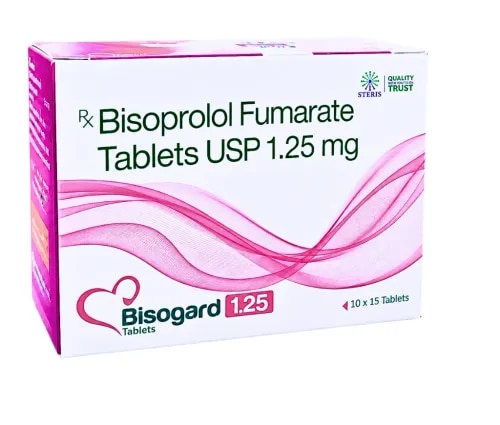
{
"_id": "6abe4471401ae1a1106d67d9",
"fptag": "STERISHEALTHCARE",
"merchantname": null,
"customwidgets": null,
"externalsourceid": null,
"name": "Bisoprolol 1.25mg",
"description": "Bisoprolol 1.25mg is the smallest tablet strength of bisoprolol, a heart-selective beta-1 blocker. Doctors usually prescribe it to start treatment or to build up the dose gradually in people with high blood pressure, chronic stable heart failure, or fast heart rhythms. It suits older adults, people with mild heart failure, and anyone who reacts strongly to beta-blockers. The medicine slows the heartbeat and eases the force of each contraction, so the heart works less hard. BISOGARD 1.25 from Steris Healthcare Pvt. Ltd. comes in a strip pack of 15 tablets. It is a Schedule H medicine, so it must only be started, changed, or stopped on a doctor's advice.\n\nProduct Snapshot\n\nBrand: BISOGARD 1.25\nManufacturer/Marketer: Steris Healthcare Pvt. Ltd., a WHO-GMP and ISO-certified pharmaceutical company in India\nActive ingredient: Bisoprolol Fumarate 1.25mg\nForm: Tablet\nPack size: 15 tablets\nDrug class: Cardioselective beta-1 blocker\nLegal status: Schedule H (valid prescription required)\nAvailability: Through Steris Healthcare's authorized pharmacies and its B2B PCD franchise network across India\nWhat Is Bisoprolol 1.25mg?\n\nIf your doctor has just prescribed bisoprolol 1.25mg, you have been given the lowest dose on purpose. Bisoprolol is a cardioselective beta-1 blocker, meaning it acts mostly on receptors in the heart and has much less effect on the lungs and blood vessels. This is a major reason it is preferred over older, non-selective beta-blockers, especially for people who also have a mild breathing problem.\n\nThe 1.25mg tablet is not a “light” medicine for mild illness. It is a carefully chosen entry point. In heart failure, a weakened heart can struggle if its rate or pressure drops too quickly, so cardiologists follow a “start low, go slow” approach. Treatment begins at 1.25mg, the response is watched for one to two weeks, and the dose is raised step by step (commonly 2.5mg, 3.75mg, 5mg, 7.5mg, and up to 10mg) as the heart adapts. That is why BISOGARD 1.25 is often the first tablet a newly diagnosed heart failure patient takes.\n\nWhat Is Bisoprolol 1.25mg Used For?\n\nDoctors commonly prescribe this strength for:\n\nChronic heart failure (HFrEF): as the first step of dose titration in patients with a reduced ejection fraction, alongside ACE inhibitors/ARBs and diuretics\nHigh blood pressure: especially in older adults, people with low body weight, and those who are sensitive to blood-pressure-lowering drugs\nStable angina: to reduce the heart's oxygen demand and relieve chest discomfort\nAfter a heart attack: in selected patients, under a cardiologist's care\nHeart rate control in some arrhythmias: sometimes used off-label at a low dose to gently bring down a fast heart rate\n\nAt 1.25mg, bisoprolol is seldom meant as the long-term sole treatment for high blood pressure in an otherwise healthy adult. It is usually the first rung of a titration ladder, or a steady maintenance dose for patients who are unusually beta-blocker sensitive (older age, low body weight, or borderline low pressure or pulse).\n\nHow Does Bisoprolol Work?\n\nBisoprolol selectively blocks beta-1 adrenergic receptors, which are packed mainly into heart muscle. This leads to several effects:\n\nSlower heart rate: the heart has more time to fill and rest between beats\nGentler contractions: the heart muscle needs less oxygen and energy\nLess renin from the kidneys: this helps blood pressure fall gradually over time\nLower overall cardiac workload: a real advantage for a heart that already struggles to pump well, as in heart failure\nKey Benefits of BISOGARD 1.25\nA gentle starting dose, well suited to careful titration in frail or elderly patients\nHeart-focused action, with less effect on the lungs and peripheral blood vessels than non-selective beta-blockers\nOnce-daily dosing, which makes it easier to stay on treatment\nA guideline-recommended beta-blocker for HFrEF with well-established outcomes data [Reviewer note: insert specific outcome statistics/trial citation pending medical sign-off]\nMade by Steris Healthcare Pvt. Ltd. under WHO-GMP and ISO-certified standards\nDosage Guidance\nUsual starting dose (heart failure): 1.25mg once a day, preferably in the morning\nDose increases: typically every 1–2 weeks (2.5mg, 3.75mg, 5mg, 7.5mg, up to a maximum of 10mg daily), depending on how well you tolerate it and on your pulse and blood pressure\nHigh blood pressure (sensitive patients): 1.25mg to 5mg once daily, as set by your doctor\nHow to take it: at the same time every day, with or without food, swallowed whole with water\nIf you miss a dose: take it when you remember, unless the next dose is almost due. Never take a double dose.\nNever stop suddenly: abrupt withdrawal can cause a rebound rise in heart rate, blood pressure, or chest pain. The dose must be reduced gradually under medical supervision.\nIs It Better to Take Bisoprolol in the Morning or at Night?\n\nMost doctors advise a morning dose. Bisoprolol lowers pulse and blood pressure, and taking it early matches its action to your daytime activity. A night-time dose could add to the body's natural overnight dip in blood pressure and raise the chance of dizziness when getting up in the dark. Some people who feel tired during the day are told by their doctor to switch to the evening. Do not change your dosing time without your doctor's approval.\n\nSide Effects of Bisoprolol 1.25mg\n\nCommon side effects\n\nTiredness or fatigue\nDizziness or light-headedness, especially on standing quickly\nCold hands or feet\nSlow pulse (bradycardia)\nHeadache\nMild stomach upset (nausea, loose stools)\nDisturbed sleep\n\nSerious side effects (get medical help promptly)\n\nVery slow heartbeat or fainting\nIncreasing breathlessness or swollen legs/ankles, which may mean heart failure is worsening\nAllergic reaction: rash, swelling of the face or throat, trouble breathing\nCold, numb, or bluish fingers and toes\nWheezing or new breathing difficulty, particularly in people with asthma or COPD\nMood changes, low mood, or confusion\nWhat Are the Bad Side Effects of Bisoprolol?\n\nThe effects that need urgent attention are a dangerously slow pulse, fainting, signs of worsening heart failure (swelling, breathlessness), severe allergic reactions, and airway tightening in people with lung disease. These are uncommon at the 1.25mg dose, but anyone who notices them should seek medical help right away. [Reviewer note: specific incidence rates pending clinical/medical sign-off]\n\nSubstitutes & Comparable Beta-Blockers\nMolecule\tSelectivity\tTypical Use Case\nBisoprolol\tHighly cardioselective\tHeart failure titration, hypertension\nMetoprolol Succinate ER\tCardioselective\tHypertension, angina, heart failure\nAtenolol\tCardioselective (older agent)\tHypertension\nCarvedilol\tNon-selective with alpha-blocking action\tHeart failure (adds vasodilation)\nPropranolol\tNon-selective\tMigraine prevention, anxiety-related fast heartbeat, essential tremor\nPrecautions & Who Should Avoid Bisoprolol\nNot suitable for people with severe bradycardia, certain forms of heart block (unless a pacemaker is fitted), unstable or acutely decompensated heart failure, or severe uncontrolled asthma\nUse carefully in diabetes, because beta-blockers can hide the warning signs of low blood sugar\nTake care in peripheral vascular disease, as cold extremities or leg pain on walking may worsen\nNever stop it abruptly; always taper under a doctor's guidance\nTell your doctor about every medicine you use, especially other blood-pressure drugs, calcium channel blockers, and certain antiarrhythmics\nIn pregnancy and breastfeeding, use only if your doctor advises it after weighing benefits and risks\nIs Bisoprolol Safe for Kidneys?\n\nThe body clears bisoprolol through both the liver and the kidneys in roughly equal measure. It is generally considered safe for people with normal or mildly reduced kidney function. When kidney impairment is significant, drug levels in the blood can rise, so your doctor may lower the dose or monitor you more closely. Always tell your prescriber about any kidney disease before starting.\n\nIs Bisoprolol a High-Risk Medication?\n\nBisoprolol is not a narrow therapeutic index drug like tacrolimus or warfarin, where small dose differences matter greatly. Even so, it needs supervised use because it directly affects heart rate and blood pressure. The main dangers are stopping it suddenly, which can set off rebound cardiac events, and using it with certain existing rhythm disorders. Taken as prescribed and checked regularly, it has a long and reassuring safety record.\n\nDoes 1.25mg Bisoprolol Lower Blood Pressure?\n\nYes. Even the smallest dose measurably reduces heart rate and blood pressure by lightening the heart's workload and reducing renin-driven narrowing of blood vessels. At this strength the effect on blood pressure is fairly mild, which is exactly why it is a safe place to begin, especially for older adults or people starting heart failure treatment. The dose is then raised gradually to reach full benefit.\n\nFrequently Asked Questions\n\n1. What is 1.25 mg of bisoprolol used for?\nMainly as a low starting dose when building up treatment for chronic heart failure, and for high blood pressure in people who are very sensitive to beta-blockers, such as older adults.\n\n2. What are the bad side effects of bisoprolol?\nThe more serious ones are a very slow pulse, fainting, worsening heart failure signs (swelling, breathlessness), severe allergy, and breathing trouble in people with lung conditions.\n\n3. What are the common side effects of bisoprolol fumarate 1.25 mg tablets?\nTiredness, dizziness, cold hands and feet, mild headache, and a slightly slower pulse.\n\n4. Is it better to take bisoprolol in the morning or at night?\nMorning is usually preferred so its effect fits daytime activity, though your doctor may suggest evenings in some cases.\n\n5. What is the cost of bisoprolol?\nPrice depends on strength, pack size, and brand. Use the “Check Price” option above for current BISOGARD 1.25 pricing from Steris Healthcare.\n\n6. Does 1.25 mg bisoprolol lower blood pressure?\nYes, though only modestly at this dose. The dose is often stepped up over time.\n\n7. Is bisoprolol safe for kidneys?\nGenerally yes for normal or mildly reduced kidney function. People with significant kidney impairment need dose adjustment and monitoring.\n\n8. Is bisoprolol a high-risk medication?\nIt is not a narrow therapeutic index drug, but it must never be stopped suddenly and should be used under medical supervision because of its direct effect on the heart.\n\n9. Can I take bisoprolol 1.25mg for the rest of my life?\nMany people with chronic heart failure or hypertension do take bisoprolol long term, but the dose usually rises as tolerated. Your doctor should review it regularly.\n\n10. What happens if I miss a dose of bisoprolol?\nTake it when you remember, unless the next dose is nearly due. In that case skip the missed one. Never take two together.\n\n11. Can bisoprolol 1.25mg cause weight gain?\nIt is not commonly reported at this dose. Fluid retention linked to heart failure itself should be reported to your doctor.\n\n12. Is bisoprolol safe for diabetic patients?\nIt can be used, with care, because beta-blockers may hide warning signs of low blood sugar such as a racing heartbeat.\n\n13. Can I stop taking bisoprolol suddenly if I feel fine?\nNo. Stopping abruptly can cause a rebound rise in heart rate, blood pressure, or chest pain. Reduce the dose gradually under medical guidance.\n\n14. Does bisoprolol interact with other blood pressure medicines?\nYes. Combining it with other drugs that lower heart rate or pressure (such as calcium channel blockers) can cause a very low pulse or pressure. Tell your doctor about all your medicines.\n\n15. Is BISOGARD 1.25 available without a prescription?\nNo. Bisoprolol is a Schedule H medicine in India and needs a valid prescription.\n\n16. How long does it take for bisoprolol 1.25mg to start working?\nSome effect on heart rate appears within hours, but the full benefit for blood pressure or heart failure symptoms builds over several weeks of regular use.\n\n17. Can pregnant women take bisoprolol?\nOnly if clearly necessary and prescribed by a doctor, as it may affect the baby's heart rate and growth.",
"price": 39.0,
"discountamount": 12.0,
"currencycode": "INR",
"priority": 1000000,
"isfreeshipmentavailable": false,
"shipmentduration": 1,
"_keywords": null,
"isarchived": false,
"isavailable": true,
"applicationid": null,
"productindex": 2501,
"imageuri": "https://productimages.withfloats.com/actual/6abe4474c205678e0b16a23a.png",
"tileimageuri": "https://productimages.withfloats.com/tile/6abe4474c205678e0b16a23a.png",
"images": null,
"totalqueries": 0,
"gpid": null,
"groupproductid": null,
"createdon": "2026-10-01T11:30:57.88Z",
"updatedon": "2026-10-01T11:30:57.88Z",
"buyonlinelink": null,
"producturl": "http://WWW.STERISINDIA.COM//bisoprolol-1-25mg/2501",
"availableunits": -1.0,
"iscodavailable": false,
"isprepaidonlineavailable": false,
"maxcodorders": 0,
"maxprepaidonlineorders": 0,
"uniquepaymenturl": null,
"brandname": "Bisogard 1.25",
"category": "CARDIOLOGYRANGE",
"tags": [],
"variants": false,
"keyspecification": null,
"otherspecifications": null,
"pickupaddressreferenceid": null,
"paymenttype": "UniquePaymentUrl",
"producttype": "products",
"hsncode": null,
"gstslab": 0.0,
"isnotforsale": false
},
{
"_id": "6a685f3a5315456e18559082",
"fptag": "STERISHEALTHCARE",
"merchantname": null,
"customwidgets": null,
"externalsourceid": null,
"name": "Acebrophylline and Erdosteine Tablets",
"description": "Acebrophylline and Erdosteine Tablets are a clinically trusted combination used in the management of chronic respiratory disorders associated with excessive mucus production, airway inflammation, and breathing difficulties. This dual-action formulation combines the bronchodilator and anti-inflammatory properties of Acebrophylline with the mucolytic and antioxidant benefits of Erdosteine, making it an effective treatment option for patients suffering from chronic obstructive pulmonary disease (COPD), chronic bronchitis, bronchial asthma, and other mucus-related respiratory conditions.\n\nAt [Your Company Name], we manufacture and supply premium-quality Acebrophylline and Erdosteine Tablets that comply with WHO-GMP standards and international pharmaceutical quality guidelines. Our formulations are trusted by healthcare professionals, hospitals, distributors, and pharmaceutical companies seeking reliable respiratory medicines.\n\nComposition\nEach film-coated tablet typically contains:\n\nAcebrophylline – 200 mg\nErdosteine – 300 mg\nComposition can be customized based on customer requirements and regulatory approvals.\n\nHow Acebrophylline and Erdosteine Tablets Work\nThe combination provides comprehensive respiratory support through complementary mechanisms.\n\nAcebrophylline\nAcebrophylline acts as a bronchodilator and anti-inflammatory agent. It helps relax bronchial muscles, widens the airways, improves airflow, and reduces inflammation, making breathing easier for patients with chronic respiratory diseases.\n\nErdosteine\nErdosteine is a powerful mucolytic agent that reduces the thickness and stickiness of mucus. It facilitates easier expectoration, reduces coughing, and provides antioxidant protection against airway damage caused by inflammation.\n\nTogether, these ingredients improve lung function, reduce respiratory symptoms, and enhance patient comfort.\n\nKey Benefits of Acebrophylline and Erdosteine Tablets\nHelps improve breathing by relaxing bronchial muscles\nEffectively reduces thick mucus accumulation\nSupports easier mucus clearance from the lungs\nReduces chronic cough and chest congestion\nHelps manage COPD and chronic bronchitis symptoms\nProvides antioxidant protection to respiratory tissues\nImproves oxygen exchange and lung function\nEnhances quality of life in patients with chronic respiratory disorders\nSuitable for long-term respiratory disease management under medical supervision\nMedical Uses of Acebrophylline and Erdosteine Tablets\nHealthcare professionals commonly prescribe Acebrophylline and Erdosteine Tablets for:\n\nChronic Obstructive Pulmonary Disease (COPD)\nChronic Bronchitis\nBronchial Asthma\nRespiratory Tract Infections with Excessive Mucus\nChronic Productive Cough\nAirway Inflammation\nBronchiectasis\nSmoking-related Respiratory Conditions\nThese tablets should always be used under the supervision of a qualified healthcare professional.\n\nAdvantages of the Acebrophylline and Erdosteine Combination\nThe combination therapy offers several clinical advantages over single-drug treatment.\n\nDual Mechanism of Action\nIt simultaneously opens the airways while reducing mucus thickness, providing comprehensive respiratory relief.\n\nImproved Lung Function\nPatients experience better airflow and enhanced breathing comfort due to bronchodilation and mucus clearance.\n\nReduced Frequency of Exacerbations\nRegular use, as prescribed, may help decrease episodes of worsening respiratory symptoms in chronic lung diseases.\n\nBetter Patient Compliance\nA fixed-dose combination simplifies treatment by reducing the need for multiple medications.\n\nRecommended Dosage\nThe dosage of Acebrophylline and Erdosteine Tablets should be determined by a registered healthcare provider based on the patient's age, condition, and medical history.\n\nGeneral recommendations include:\n\nTake the tablet after meals with water.\nSwallow whole without crushing or chewing.\nFollow the prescribed duration of therapy.\nDo not exceed the recommended dose.\nPossible Side Effects\nLike all medicines, Acebrophylline and Erdosteine Tablets may cause side effects in some individuals.\n\nCommon side effects include:\n\nNausea\nStomach discomfort\nHeadache\nDizziness\nMild diarrhea\nDry mouth\nGastric irritation\nSeek immediate medical attention if severe allergic reactions, breathing difficulty, or persistent adverse effects occur.\n\nPrecautions\nBefore using Acebrophylline and Erdosteine Tablets, patients should inform their healthcare provider if they have:\n\nLiver disease\nKidney impairment\nGastric ulcer\nHeart disease\nPregnancy or breastfeeding\nKnown allergy to methylxanthines or Erdosteine\nAvoid self-medication and always follow professional medical advice.\n\nStorage Instructions\nStore below 25°C in a cool and dry place.\nProtect from direct sunlight and moisture.\nKeep out of reach of children.\nDo not use after the expiry date.\nWhy Choose Our Acebrophylline and Erdosteine Tablets?\nWe are committed to delivering pharmaceutical products that meet international quality standards.\n\nOur advantages include:\n\nWHO-GMP Certified Manufacturing\nISO Certified Production Facilities\nStringent Quality Control\nDCGI-Compliant Manufacturing\nCompetitive Pricing\nBulk Supply Capability\nThird-Party Manufacturing Services\nPrivate Label Packaging\nTimely Global Deliveries\nCustom Packaging Solutions\nWe serve pharmaceutical distributors, hospitals, government tenders, exporters, wholesalers, and healthcare institutions worldwide.\n\nFrequently Asked Questions (FAQs)\n1. What are Acebrophylline and Erdosteine Tablets used for?\nAcebrophylline and Erdosteine Tablets are primarily used to treat respiratory conditions such as COPD, chronic bronchitis, asthma, and other diseases associated with excessive mucus production and airway obstruction.\n\n2. How do Acebrophylline and Erdosteine Tablets work?\nAcebrophylline relaxes the bronchial muscles and reduces inflammation, while Erdosteine breaks down thick mucus, making it easier to remove from the lungs.\n\n3. Can Acebrophylline and Erdosteine Tablets treat chronic cough?\nYes. These tablets help relieve chronic productive cough by reducing mucus viscosity and improving airway clearance when prescribed by a healthcare professional.\n\n4. Are Acebrophylline and Erdosteine Tablets safe for long-term use?\nThey may be prescribed for long-term management of chronic respiratory diseases, but treatment duration should always be determined by a physician.\n\n5. Can these tablets be used for asthma?\nYes. Doctors may prescribe Acebrophylline and Erdosteine Tablets as part of asthma management when mucus accumulation and airway inflammation are significant.\n\n6. Do Acebrophylline and Erdosteine Tablets have side effects?\nMost side effects are mild and temporary, including nausea, headache, dizziness, stomach upset, and dry mouth. Serious reactions are uncommon but require immediate medical attention.\n\n7. Should Acebrophylline and Erdosteine Tablets be taken before or after food?\nThey are generally recommended after meals to reduce the risk of stomach irritation. Follow your doctor's advice regarding dosage and timing.\n\n8. Can smokers use Acebrophylline and Erdosteine Tablets?\nYes. Physicians often prescribe them to smokers suffering from chronic bronchitis, COPD, or mucus-related respiratory disorders.\n\n9. Are Acebrophylline and Erdosteine Tablets available for third-party manufacturing?\nYes. We offer third-party manufacturing, private labeling, customized packaging, and bulk pharmaceutical supply for domestic and international markets.\n\n10. Why buy Acebrophylline and Erdosteine Tablets from us?\nOur products are manufactured in WHO-GMP-certified facilities using premium-quality raw materials, strict quality control processes, competitive pricing, and reliable global distribution, making us a trusted pharmaceutical manufacturing partner.\n\nThis version is optimized for buyer intent, includes keyword-rich headings and FAQs designed for Google Search and voice search, and naturally targets the primary keyword “Acebrophylline and Erdosteine Tablets” throughout the content without excessive keyword stuffing.",
"price": 360.0,
"discountamount": 108.0,
"currencycode": "INR",
"priority": 1000000,
"isfreeshipmentavailable": false,
"shipmentduration": 1,
"_keywords": null,
"isarchived": false,
"isavailable": true,
"applicationid": null,
"productindex": 2487,
"imageuri": "https://productimages.withfloats.com/actual/6a685f3db435445dbdc3d469.png",
"tileimageuri": "https://productimages.withfloats.com/tile/6a685f3db435445dbdc3d469.png",
"images": null,
"totalqueries": 0,
"gpid": null,
"groupproductid": null,
"createdon": "2026-07-28T07:50:18.551Z",
"updatedon": "2026-07-28T07:50:18.551Z",
"buyonlinelink": null,
"producturl": "http://WWW.STERISINDIA.COM//acebrophylline-and-erdosteine-tablets/2487",
"availableunits": -1.0,
"iscodavailable": false,
"isprepaidonlineavailable": false,
"maxcodorders": 0,
"maxprepaidonlineorders": 0,
"uniquepaymenturl": null,
"brandname": "STERIPHYLLIN ERDO",
"category": "ASTHMA RANGE",
"tags": [],
"variants": false,
"keyspecification": null,
"otherspecifications": null,
"pickupaddressreferenceid": null,
"paymenttype": "UniquePaymentUrl",
"producttype": "products",
"hsncode": null,
"gstslab": 0.0,
"isnotforsale": false
},
{
"_id": "6a460bf90c11f3c74a816c87",
"fptag": "STERISHEALTHCARE",
"merchantname": null,
"customwidgets": null,
"externalsourceid": null,
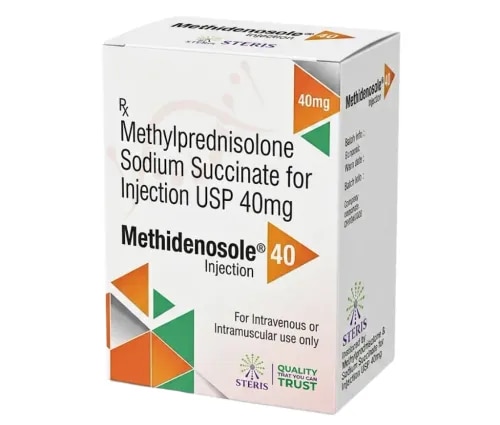
"name": "methylprednisolone sodium succinate for injection usp",
"description": "Methylprednisolone Sodium Succinate for Injection USP is a fast-acting corticosteroid administered intravenously or intramuscularly to control severe inflammation, allergic reactions, and autoimmune flare-ups. It works by rapidly suppressing the immune and inflammatory response and is used in hospital or clinical settings for acute conditions such as severe asthma attacks, anaphylaxis, autoimmune disease flares, and spinal cord injury protocols. It is a Schedule H prescription drug administered only under medical supervision.\n\nWhat Is Methylprednisolone Sodium Succinate for Injection USP?\n\nMethylprednisolone Sodium Succinate for Injection USP is a water-soluble, injectable corticosteroid used for rapid control of severe inflammatory, allergic, and autoimmune conditions. It is manufactured to United States Pharmacopeia (USP) standards and is typically administered by a healthcare professional via intravenous (IV) or intramuscular (IM) route when fast, high-potency anti-inflammatory or immunosuppressive action is required — situations where oral steroids act too slowly or oral intake isn't feasible.\n\nHow It Works\n\nMethylprednisolone sodium succinate is a synthetic glucocorticoid that acts rapidly once reconstituted and injected.\n\n\nBinds glucocorticoid receptors – enters cells and binds intracellular receptors that regulate inflammatory gene expression.\nSuppresses inflammatory mediators – reduces production of prostaglandins, leukotrienes, and cytokines responsible for swelling, redness, and pain.\nStabilizes cell membranes – reduces capillary permeability, limiting fluid leakage and tissue swelling at the site of inflammation.\nDampens immune overactivity – suppresses lymphocyte and macrophage activity, calming autoimmune or allergic overreactions.\nDelivers rapid systemic action – because it's water-soluble and given IV/IM, onset of anti-inflammatory effect is significantly faster than oral steroids.\n\n\nClinical Indications\n\nConditionWhy Methylprednisolone Injection Is UsedSevere Allergic Reactions / AnaphylaxisRapidly controls swelling, airway inflammation, and allergic cascadeAcute Asthma Exacerbation / COPD FlareReduces airway inflammation when inhalers alone are insufficientAutoimmune Disease Flares (Lupus, Rheumatoid Arthritis)High-dose pulse therapy to control acute flaresSpinal Cord Injury (acute, under specialist protocol)Used in specific clinical protocols to limit secondary inflammationSevere Dermatologic ReactionsControls widespread inflammatory skin reactionsPost-Transplant / Organ Rejection ManagementUsed as part of immunosuppressive regimens\n\nDosage & Administration\n\nParameterRecommendationTypical Adult Dose10–40 mg IV, may range up to 30 mg/kg in high-dose pulse therapy for specific conditionsRouteIntravenous (IV) injection/infusion or Intramuscular (IM) injectionFrequencyAs directed by the treating physician; often single dose or short tapering courseReconstitutionMust be reconstituted only with the accompanying diluent as per product insert, immediately before useAdministration SettingHospital, clinic, or under direct medical/nursing supervision onlyDurationShort-term acute use unless otherwise directed; long-term use requires specialist monitoring\n\nThis is a Schedule H prescription-only medicine. Dosage must be determined and administered by a qualified healthcare professional.\n\nPrecautions\n\n\nTo be administered only by or under the supervision of a healthcare professional.\nNot for self-administration or home use.\nInform the doctor of any active infections, as corticosteroids can mask symptoms and suppress immune response.\nUse with caution in patients with diabetes, hypertension, peptic ulcer disease, osteoporosis, or psychiatric history.\nAvoid live vaccines during treatment due to immunosuppressive effects.\nPregnant or breastfeeding patients should use only under strict medical guidance.\nAbrupt discontinuation after prolonged use should be avoided; tapering may be required as advised by the physician.\n\n\nPossible Side Effects\n\nMost side effects relate to the drug's systemic corticosteroid action and are monitored by the administering clinician:\n\n\nElevated blood sugar levels\nFluid retention, increased blood pressure\nMood changes, insomnia, or restlessness\nNausea or gastrointestinal discomfort\nIncreased susceptibility to infection\nInjection site reactions\n\n\nSerious side effects requiring immediate medical attention include severe allergic reaction, signs of infection (fever, chills), significant mood or behavioral changes, unusual swelling, or vision disturbances. Because this is administered in a clinical setting, the healthcare team monitors for these actively.\n\nComparison: Methylprednisolone vs. Other Injectable Corticosteroids\n\nDrugRelative PotencyCommon Use CaseRouteMethylprednisolone Sodium SuccinateHighAcute severe inflammation, autoimmune flaresIV/IMHydrocortisone Sodium SuccinateLowerAdrenal insufficiency, milder acute inflammationIV/IMDexamethasone Sodium PhosphateVery HighCerebral edema, severe allergic/inflammatory conditionsIV/IMBetamethasone Sodium PhosphateHighAllergic and inflammatory conditions, fetal lung maturityIV/IMTriamcinolone AcetonideModerate (depot)Localized/intra-articular inflammationIM/Intra-articular\n\nKey Statistics\n\nStatisticData PointSourceOnset of anti-inflammatory action after IV administrationWithin 1–2 hours for measurable effectClinical pharmacology references, USP monographUse in acute severe asthma protocolsRecommended as part of systemic corticosteroid therapy in emergency guidelinesGlobal Initiative for Asthma (GINA) guidelinesHospital use in anaphylaxis managementIncluded as an adjunct in anaphylaxis treatment protocols alongside epinephrineWorld Allergy Organization guidanceHigh-dose pulse therapy applicationUsed in select autoimmune flare protocols under specialist supervisionPublished rheumatology treatment guidelines\n\nExpert Insight\n\n[Insert verified physician or clinical pharmacologist commentary here — Claude has not fabricated a quote. Recommend sourcing a short, attributable statement from a Steris Healthcare medical advisor or a cited clinical guideline before publishing.]\n\nConclusion\n\nMethylprednisolone Sodium Succinate for Injection USP is a high-potency, fast-acting corticosteroid reserved for situations where rapid control of severe inflammation, allergic reaction, or autoimmune flare is essential. Administered only under clinical supervision, it plays a critical role in emergency and hospital-based treatment protocols — from anaphylaxis and acute asthma to autoimmune disease management. As a Schedule H medicine, it must never be self-administered; dosage, route, and duration should always be determined by a qualified physician based on the patient's condition. For pharmacopoeia-grade quality and reliable hospital supply, source this injection through a WHO-GMP certified manufacturer.\n\nPrescription only – consult your doctor.\n\n\nHigh-Ranking FAQs (Google Search & Voice Search Optimized)\n\n1. What is methylprednisolone sodium succinate injection used for?\nIt is used to rapidly control severe inflammation, allergic reactions, and autoimmune flare-ups, such as anaphylaxis, acute asthma attacks, and lupus or rheumatoid arthritis flares. It is administered under medical supervision in hospital or clinical settings.\n\n2. Is methylprednisolone injection a steroid?\nYes, it is a synthetic corticosteroid (glucocorticoid) that works by suppressing inflammatory and immune responses in the body, providing rapid relief in acute, severe conditions.\n\n3. How is methylprednisolone sodium succinate injection given?\nIt is given by a healthcare professional via intravenous (IV) or intramuscular (IM) injection, after being reconstituted with the correct diluent immediately before administration. It is not for self-injection or home use.\n\n4. How fast does methylprednisolone injection start working?\nBecause it is water-soluble and given directly into the bloodstream or muscle, measurable anti-inflammatory effects typically begin within one to two hours of administration.\n\n5. What are the side effects of methylprednisolone injection?\nCommon effects include elevated blood sugar, fluid retention, mood changes, and increased infection risk. These are monitored by the administering healthcare team, and serious reactions are managed promptly in a clinical setting.\n\n6. Is methylprednisolone sodium succinate injection available without a prescription?\nNo. It is a Schedule H prescription-only medicine that must be administered by or under the direct supervision of a qualified healthcare professional.\n\n7. What is the difference between methylprednisolone and dexamethasone injection?\nBoth are injectable corticosteroids, but dexamethasone has a longer duration of action and higher relative potency, while methylprednisolone is often preferred for acute pulse therapy and shorter-acting systemic control. The choice depends on the clinical scenario and physician judgment.\n\n8. Can methylprednisolone injection be used in pregnancy?\nIt may be used in pregnancy only when clearly necessary and under strict medical supervision, as the treating physician will weigh the benefits against potential risks for the specific condition being treated.",
"price": 47.0,
"discountamount": 19.0,
"currencycode": "INR",
"priority": 1000000,
"isfreeshipmentavailable": false,
"shipmentduration": 1,
"_keywords": null,
"isarchived": false,
"isavailable": true,
"applicationid": null,
"productindex": 2465,
"imageuri": "https://productimages.withfloats.com/actual/6a460bfb9f5529389b8b15b8.png",
"tileimageuri": "https://productimages.withfloats.com/tile/6a460bfb9f5529389b8b15b8.png",
"images": null,
"totalqueries": 0,
"gpid": null,
"groupproductid": null,
"createdon": "2026-07-02T06:58:01.631Z",
"updatedon": "2026-07-02T06:58:01.631Z",
"buyonlinelink": null,
"producturl": "http://WWW.STERISINDIA.COM//methylprednisolone-sodium-succinate-for-injection-usp/2465",
"availableunits": -1.0,
"iscodavailable": false,
"isprepaidonlineavailable": false,
"maxcodorders": 0,
"maxprepaidonlineorders": 0,
"uniquepaymenturl": null,
"brandname": "METHIDENOSOLE 40 INJ",
"category": "GENERAL RANGE",
"tags": [
"methylprednisolone sodium succinate injection uses",
"methylprednisolone sodium succinate injection uses in hindi",
"methylprednisolone sodium succinate",
"methylprednisolone sodium succinate injection",
"inj methylprednisolone sodium succinate",
"methylprednisolone sodium succinate uses in hindi",
"methylprednisolone sodium succinate for injection",
"methylprednisolone sodium succinate injection usp"
],
"variants": false,
"keyspecification": null,
"otherspecifications": null,
"pickupaddressreferenceid": null,
"paymenttype": "UniquePaymentUrl",
"producttype": "products",
"hsncode": null,
"gstslab": 0.0,
"isnotforsale": false
},
{
"_id": "6a268a228f0ee6285301028e",
"fptag": "STERISHEALTHCARE",
"merchantname": null,
"customwidgets": null,
"externalsourceid": null,
"name": "natamycin ophthalmic suspension ip",
"description": "Natamycin Ophthalmic Suspension IP\n\nWhen treating fungal eye infections, choosing the right medication is critical for protecting vision and promoting recovery. Natamycin Ophthalmic Suspension IP is a widely prescribed antifungal eye medication specifically formulated to treat fungal infections of the eye. Known for its targeted antifungal activity and proven clinical effectiveness, Natamycin Ophthalmic Suspension IP helps eliminate infection-causing fungi, reduce ocular inflammation, and support the healing process.\n\nFungal eye infections, particularly fungal keratitis, can be serious conditions that require prompt medical attention. Left untreated, these infections may lead to corneal damage, vision impairment, or even vision loss. Natamycin Ophthalmic Suspension IP provides direct treatment at the site of infection, making it one of the most trusted ophthalmic antifungal therapies available.\n\nWhether prescribed for fungal keratitis, corneal ulcers caused by fungi, or other susceptible fungal eye infections, Natamycin Ophthalmic Suspension IP remains a preferred choice among ophthalmologists worldwide.\n\nWhat Is Natamycin Ophthalmic Suspension IP?\n\nNatamycin Ophthalmic Suspension IP is an antifungal ophthalmic medication containing Natamycin as its active ingredient. Natamycin belongs to a class of medicines known as polyene antifungals and is specifically designed to treat fungal infections affecting the eye.\n\nUnlike antibiotics, which target bacteria, Natamycin works against a wide range of fungi that can infect the cornea and other external eye tissues.\n\nNatamycin Ophthalmic Suspension IP is commonly prescribed for:\n\nFungal keratitis\nFungal corneal ulcers\nOcular fungal infections\nCorneal infections caused by susceptible fungi\nEye infections caused by yeast and filamentous fungi\nPost-traumatic fungal eye infections\n\nIt is considered one of the first-line treatments for fungal infections involving the cornea.\n\nHow Natamycin Ophthalmic Suspension IP Works\n\nThe effectiveness of Natamycin Ophthalmic Suspension IP lies in its ability to target and destroy fungal cells.\n\nMechanism of Action\n\nNatamycin works by:\n\nBinding to sterols in fungal cell membranes\nDisrupting fungal cell membrane integrity\nPreventing fungal growth and reproduction\nDamaging fungal cells and reducing infection\nHelping eliminate the source of ocular infection\n\nBy directly attacking fungi responsible for the infection, Natamycin helps control disease progression and supports natural healing of the affected eye tissues.\n\nBecause it is applied directly to the eye, the medication delivers concentrated antifungal activity exactly where it is needed.\n\nUses of Natamycin Ophthalmic Suspension IP\n1. Fungal Keratitis\n\nFungal keratitis is one of the most common and serious fungal eye infections. Natamycin Ophthalmic Suspension IP is frequently prescribed as a first-line treatment for this condition.\n\n2. Fungal Corneal Ulcers\n\nFungal infections can cause ulceration of the cornea. Natamycin helps eliminate fungal organisms and supports corneal healing.\n\n3. Corneal Infections After Eye Trauma\n\nEye injuries involving plant material, soil, or contaminated objects may introduce fungi into the eye. Natamycin is often used in these situations.\n\n4. Yeast and Filamentous Fungal Infections\n\nNatamycin demonstrates activity against various fungal species responsible for ocular infections.\n\n5. Prevention of Disease Progression\n\nEarly treatment helps prevent deeper corneal involvement and reduces the risk of severe complications.\n\n6. Management of External Ocular Fungal Infections\n\nThe medication may also be prescribed for certain fungal infections affecting external eye tissues.\n\nKey Benefits of Natamycin Ophthalmic Suspension IP\nProven Antifungal Effectiveness\n\nNatamycin is specifically developed to treat fungal eye infections and remains a gold-standard therapy in ophthalmology.\n\nDirect Treatment at the Infection Site\n\nThe ophthalmic suspension delivers medication directly to the affected tissues for targeted action.\n\nHelps Preserve Vision\n\nPrompt treatment may reduce the risk of corneal scarring and vision impairment.\n\nSupports Corneal Healing\n\nBy controlling fungal growth, Natamycin creates favorable conditions for tissue recovery.\n\nBroad Antifungal Coverage\n\nThe medication is effective against many fungi commonly responsible for ocular infections.\n\nTrusted by Ophthalmologists\n\nNatamycin has a long history of successful clinical use in managing fungal keratitis and related conditions.\n\nConvenient Ophthalmic Formulation\n\nThe suspension is specifically designed for easy and effective ocular administration.\n\nWhy Buyers Choose Natamycin Ophthalmic Suspension IP\n\nPatients and healthcare professionals often select Natamycin Ophthalmic Suspension IP because fungal eye infections require specialized treatment that ordinary antibiotic eye drops cannot provide.\n\nBuyer-Focused Advantages\nSpecifically designed for fungal eye infections\nClinically proven antifungal action\nEffective treatment for fungal keratitis\nHelps reduce infection-related complications\nSupports corneal recovery\nDirect application to affected eye tissues\nRecommended by eye specialists\nTrusted worldwide for ocular fungal infections\n\nThese advantages make Natamycin Ophthalmic Suspension IP one of the most recognized antifungal eye medications available.\n\nWho Can Benefit from Natamycin Ophthalmic Suspension IP?\n\nThis medication may be suitable for:\n\nAdults diagnosed with fungal keratitis\nPatients with fungal corneal ulcers\nIndividuals with fungal eye infections after trauma\nPatients requiring targeted antifungal therapy\nIndividuals suffering from corneal fungal infections\nPatients under ophthalmologist supervision for fungal ocular diseases\n\nA proper diagnosis by an eye specialist is essential before initiating treatment.\n\nHow to Use Natamycin Ophthalmic Suspension IP\n\nAlways follow your healthcare provider’s instructions regarding dosage and frequency of use.\n\nGeneral Directions for Use\nWash your hands thoroughly before application.\nShake the suspension well before use.\nTilt your head backward.\nPull down the lower eyelid gently.\nInstill the prescribed number of drops into the affected eye.\nClose your eyes gently for a few moments.\nAvoid touching the dropper tip to any surface.\nReplace the cap securely after use.\n\nConsistent use according to the prescribed schedule is important for successful treatment outcomes.\n\nImportant Precautions\n\nBefore using Natamycin Ophthalmic Suspension IP, inform your healthcare provider if you:\n\nHave allergies to Natamycin or related medications\nWear contact lenses\nHave undergone recent eye surgery\nHave other eye disorders\nAre using additional eye medications\nAre pregnant or breastfeeding\n\nContact lens wear is generally avoided during active fungal eye infections unless specifically approved by your doctor.\n\nPossible Side Effects of Natamycin Ophthalmic Suspension IP\n\nLike all medications, side effects may occur in some individuals.\n\nCommon Side Effects\nTemporary eye irritation\nMild burning sensation\nEye discomfort\nIncreased tearing\nTemporary blurred vision\nForeign body sensation\nLess Common Side Effects\nEye redness\nSwelling around the eye\nSensitivity to light\nItching\nSerious Side Effects\n\nSeek immediate medical attention if you experience:\n\nSevere eye pain\nSignificant swelling\nSudden vision changes\nSevere allergic reactions\nWorsening symptoms despite treatment\n\nMost side effects are mild and temporary, resolving as treatment progresses.\n\nStorage Instructions\n\nProper storage helps preserve medication effectiveness and sterility.\n\nRecommended Storage Guidelines\nStore according to the instructions on the packaging.\nKeep away from direct sunlight.\nProtect from excessive heat and moisture.\nKeep the bottle tightly closed when not in use.\nDo not use after the expiration date.\nKeep out of reach of children.\n\nAlways follow manufacturer-specific storage recommendations.\n\nFrequently Asked Questions\nWhat is Natamycin Ophthalmic Suspension IP used for?\n\nIt is primarily used to treat fungal infections of the eye, particularly fungal keratitis and fungal corneal ulcers.\n\nIs Natamycin an antibiotic?\n\nNo. Natamycin is an antifungal medication and does not treat bacterial infections.\n\nHow quickly does Natamycin work?\n\nThe response varies depending on the severity of infection, but consistent use is essential for effective treatment.\n\nCan it treat viral eye infections?\n\nNo. Natamycin is effective only against susceptible fungal infections and does not work against viral infections.\n\nCan I stop treatment once symptoms improve?\n\nNo. Continue treatment for the full duration prescribed by your ophthalmologist to ensure complete infection control.\n\nConclusion\n\nNatamycin Ophthalmic Suspension IP is a highly effective antifungal eye medication specifically designed to treat fungal eye infections, including fungal keratitis and fungal corneal ulcers. Its targeted antifungal action helps eliminate infection-causing fungi, support corneal healing, and reduce the risk of serious ocular complications.\n\nWith its proven clinical effectiveness, broad antifungal coverage, and trusted use in ophthalmology, Natamycin Ophthalmic Suspension IP remains a preferred choice for managing fungal eye diseases. Whether treating a corneal fungal infection following trauma or managing an established case of fungal keratitis, this medication offers reliable support for recovery and vision preservation.\n\n",
"price": 125.0,
"discountamount": 37.0,
"currencycode": "INR",
"priority": 1000000,
"isfreeshipmentavailable": false,
"shipmentduration": 1,
"_keywords": null,
"isarchived": false,
"isavailable": true,
"applicationid": null,
"productindex": 2447,
"imageuri": "https://productimages.withfloats.com/actual/6a268a24684a6cad99223de6.png",
"tileimageuri": "https://productimages.withfloats.com/tile/6a268a24684a6cad99223de6.png",
"images": null,
"totalqueries": 0,
"gpid": null,
"groupproductid": null,
"createdon": "2026-06-08T09:23:46.534Z",
"updatedon": "2026-06-08T09:23:46.534Z",
"buyonlinelink": null,
"producturl": "http://WWW.STERISINDIA.COM//natamycin-ophthalmic-suspension-ip/2447",
"availableunits": -1.0,
"iscodavailable": false,
"isprepaidonlineavailable": false,
"maxcodorders": 0,
"maxprepaidonlineorders": 0,
"uniquepaymenturl": null,
"brandname": "CIPVISION NATREF 5%",
"category": "Opthalmology Range",
"tags": [
"natamycin ophthalmic suspension ip",
"natamycin ophthalmic suspension ip uses in hindi",
"natamycin ophthalmic suspension ip uses",
"natamycin ophthalmic suspension ip in hindi"
],
"variants": false,
"keyspecification": null,
"otherspecifications": null,
"pickupaddressreferenceid": null,
"paymenttype": "UniquePaymentUrl",
"producttype": "products",
"hsncode": null,
"gstslab": 0.0,
"isnotforsale": false
}
],
"hasmoreitems": false,
"isapirequest": false,
"totalresults": 27,
"query": null,
"floatingpoint": null
}