Currently it only shows your basic business info. Start adding relevant business details such as description, images and products or services to gain your customers attention by using Boost 360
android app
/
iOS App/ web portal.
{
"products": [
{
"_id": "6a68576d4f0b0886fc04ae84",
"fptag": "STERISHEALTHCARE",
"merchantname": null,
"customwidgets": null,
"externalsourceid": null,
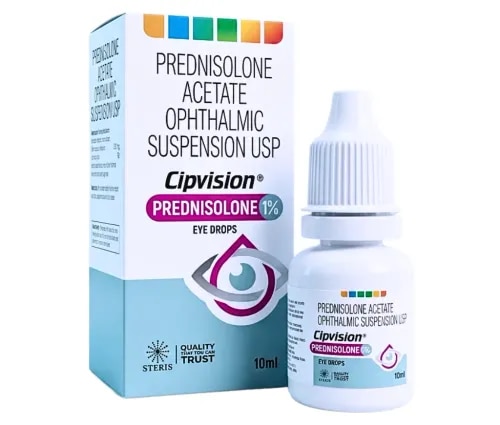
"name": "Prednisolone Acetate Ophthalmic Suspension USP",
"description": "Prednisolone Acetate Ophthalmic Suspension USP is a prescription corticosteroid eye drop formulated to reduce inflammation, redness, swelling, and discomfort associated with various eye conditions. It is commonly prescribed by ophthalmologists after eye surgery or for inflammatory eye disorders that respond to steroid treatment.\n\nThis ophthalmic suspension works by suppressing the body's inflammatory response, helping relieve symptoms such as eye pain, irritation, and light sensitivity while supporting the healing process. Because it is a prescription medicine, it should only be used under the supervision of a qualified healthcare professional.\n\nWhether you are a healthcare provider, pharmacy, hospital, or licensed distributor, choosing a reliable source for Prednisolone Acetate Ophthalmic Suspension USP ensures consistent quality, regulatory compliance, and patient safety.\n\nWhat Is Prednisolone Acetate Ophthalmic Suspension USP?\nPrednisolone Acetate Ophthalmic Suspension USP is a sterile corticosteroid eye suspension intended for ophthalmic use. It is designed to treat steroid-responsive inflammation affecting the anterior segment of the eye when bacterial, viral, or fungal infections have been ruled out or are being appropriately managed.\n\nDoctors may prescribe this medication for conditions including:\n\nPost-operative eye inflammation\nAllergic eye inflammation\nUveitis\nIritis\nCertain inflammatory eye disorders\nCorneal or conjunctival inflammation that responds to corticosteroids\nAlways use this medication exactly as directed by your eye care specialist.\n\nHow Does Prednisolone Acetate Ophthalmic Suspension USP Work?\nPrednisolone acetate belongs to the corticosteroid class of medicines. It works by reducing the release of inflammatory substances that cause swelling, redness, pain, and irritation within the eye.\n\nBy controlling inflammation, the medication helps:\n\nReduce eye redness\nMinimize swelling\nRelieve discomfort\nImprove patient comfort during recovery\nSupport healing following eye procedures\nThe suspension should be shaken well before each use to ensure even distribution of the active ingredient.\n\nKey Benefits\nPrednisolone Acetate Ophthalmic Suspension USP offers several important benefits when prescribed appropriately:\n\nHelps reduce eye inflammation quickly\nRelieves redness and swelling\nSupports recovery after ophthalmic surgery\nReduces eye discomfort and irritation\nSterile ophthalmic formulation\nSuitable for professional ophthalmic treatment plans\nManufactured according to pharmaceutical quality standards\nIndications\nYour healthcare provider may recommend Prednisolone Acetate Ophthalmic Suspension USP for:\n\nEye inflammation after cataract surgery\nSteroid-responsive conjunctival inflammation\nCorneal inflammation\nUveitis\nIritis\nAllergic inflammatory eye conditions\nOther ophthalmic inflammatory disorders as determined by an eye specialist\nThis medication should not be used without a prescription.\n\nDirections for Use\nUse Prednisolone Acetate Ophthalmic Suspension USP only as prescribed.\n\nGeneral instructions include:\n\nWash your hands before application.\nShake the bottle well.\nTilt your head back.\nInstill the prescribed number of drops into the affected eye.\nAvoid touching the dropper tip to any surface.\nClose the bottle tightly after use.\nFollow the complete treatment schedule even if symptoms improve.\nDo not stop treatment suddenly unless advised by your healthcare provider.\n\nPrecautions\nBefore using Prednisolone Acetate Ophthalmic Suspension USP, inform your doctor if you:\n\nHave glaucoma\nHave a viral, fungal, or bacterial eye infection\nWear contact lenses\nAre pregnant or breastfeeding\nHave recently undergone eye surgery\nAre allergic to corticosteroids\nLong-term or excessive use may increase the risk of elevated intraocular pressure, cataracts, or secondary eye infections. Regular eye examinations may be recommended during extended treatment.\n\nPossible Side Effects\nLike all medicines, Prednisolone Acetate Ophthalmic Suspension USP may cause side effects.\n\nCommon side effects may include:\n\nTemporary blurred vision\nMild burning or stinging\nEye irritation\nWatery eyes\nLess common but more serious effects may include:\n\nIncreased eye pressure\nDelayed wound healing\nCataract formation with prolonged use\nSecondary eye infections\nVision changes\nSeek prompt medical attention if you experience severe eye pain, sudden vision changes, significant redness, or signs of an allergic reaction.\n\nStorage Instructions\nStore Prednisolone Acetate Ophthalmic Suspension USP according to the instructions on the product label.\n\nGeneral recommendations include:\n\nStore at controlled room temperature.\nKeep the bottle tightly closed.\nProtect from excessive heat and direct sunlight.\nDo not freeze unless instructed by the manufacturer.\nKeep out of reach of children.\nDiscard the bottle after the recommended period following opening, as advised by your pharmacist or healthcare provider.\n\nWhy Choose Our Prednisolone Acetate Ophthalmic Suspension USP?\nWe are committed to supplying quality pharmaceutical products that meet applicable manufacturing standards. Our products are carefully handled to help maintain product integrity throughout storage and distribution.\n\nWe offer:\n\nHigh-quality pharmaceutical products\nSecure packaging\nReliable supply\nBulk order support\nTimely delivery\nResponsive customer assistance\nFor product specifications, availability, and ordering information, please contact our sales team.\n\nFrequently Asked Questions (FAQs)\n1. What is Prednisolone Acetate Ophthalmic Suspension USP used for?\nIt is used to treat steroid-responsive inflammation of the eye, including inflammation following eye surgery and certain inflammatory eye conditions, when prescribed by a healthcare professional.\n\n2. Is Prednisolone Acetate Ophthalmic Suspension USP an antibiotic?\nNo. It is a corticosteroid that reduces inflammation. It does not treat bacterial infections.\n\n3. Do I need a prescription?\nYes. Prednisolone Acetate Ophthalmic Suspension USP should only be used under the guidance of a licensed healthcare provider.\n\n4. How long should I use these eye drops?\nThe duration of treatment depends on your diagnosis and your doctor's recommendation. Do not discontinue treatment without medical advice.\n\n5. Should I shake the bottle before use?\nYes. As an ophthalmic suspension, the bottle should be shaken well before each application to ensure the medication is evenly mixed.\n\n6. Can I wear contact lenses while using Prednisolone Acetate Ophthalmic Suspension USP?\nYour eye care professional may advise you to avoid wearing contact lenses during treatment, especially if your eyes are inflamed or recovering from surgery.\n\n7. What happens if I miss a dose?\nUse the missed dose as soon as you remember unless it is nearly time for your next scheduled dose. Do not use extra medication to make up for a missed dose.\n\n8. Can these eye drops cause blurred vision?\nTemporary blurred vision may occur immediately after application. Wait until your vision clears before driving or operating machinery.\n\n9. Are there any serious side effects?\nLong-term use may increase the risk of elevated intraocular pressure, cataracts, delayed healing, or secondary infections. Regular follow-up appointments are important if prolonged treatment is required.\n\n10. How should Prednisolone Acetate Ophthalmic Suspension USP be stored?\nStore it according to the product labeling, keep the bottle tightly closed, protect it from excessive heat and light, and keep it out of the reach of children.\n\n11. Can children use Prednisolone Acetate Ophthalmic Suspension USP?\nUse in children should only occur when prescribed and monitored by a qualified healthcare professional.\n\n12. Can I use Prednisolone Acetate Ophthalmic Suspension USP for red eyes without consulting a doctor?\nNo. Red eyes can have many causes, including infections that may worsen with corticosteroid treatment. Always consult an eye care professional before using steroid eye drops.\n\nIf you're targeting SEO for a pharmaceutical manufacturer, wholesaler, or exporter, I can also tailor this page for commercial/B2B intent while keeping it medically responsible and aligned with search quality guidelines.\n",
"price": 62.0,
"discountamount": 18.0,
"currencycode": "INR",
"priority": 1000000,
"isfreeshipmentavailable": false,
"shipmentduration": 1,
"_keywords": null,
"isarchived": false,
"isavailable": true,
"applicationid": null,
"productindex": 2485,
"imageuri": "https://productimages.withfloats.com/actual/6a685772440c6b3927c66b54.png",
"tileimageuri": "https://productimages.withfloats.com/tile/6a685772440c6b3927c66b54.png",
"images": null,
"totalqueries": 0,
"gpid": null,
"groupproductid": null,
"createdon": "2026-07-28T07:17:01.827Z",
"updatedon": "2026-07-28T07:17:01.827Z",
"buyonlinelink": null,
"producturl": "http://WWW.STERISINDIA.COM/products/prednisolone-acetate-ophthalmic-suspension-usp/2485",
"availableunits": -1.0,
"iscodavailable": false,
"isprepaidonlineavailable": false,
"maxcodorders": 0,
"maxprepaidonlineorders": 0,
"uniquepaymenturl": null,
"brandname": "CIPVISION PREDNISOLONE 1%",
"category": "Opthalmology Range",
"tags": [],
"variants": false,
"keyspecification": null,
"otherspecifications": null,
"pickupaddressreferenceid": null,
"paymenttype": "UniquePaymentUrl",
"producttype": "products",
"hsncode": null,
"gstslab": 0.0,
"isnotforsale": false
},
{
"_id": "6a5df061d66a990c450a1aea",
"fptag": "STERISHEALTHCARE",
"merchantname": null,
"customwidgets": null,
"externalsourceid": null,
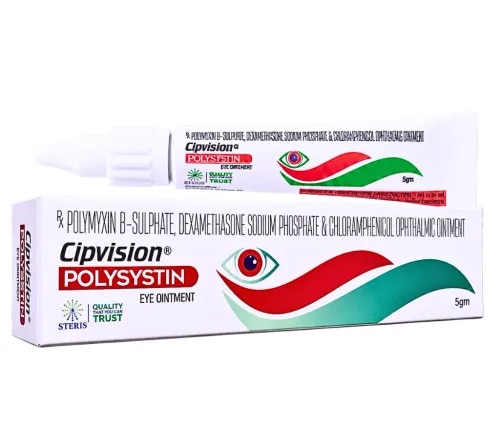
"name": "Polymyxin B Sulphate,Dexamethasone Sodium Phosphate & Chloramphenicol Ophthalmic Ointment",
"description": "CIPVISION POLYSYSTIN is a prescription-only ophthalmic ointment from Steris Healthcare Pvt. Ltd., formulated with a dual-antibiotic and corticosteroid combination — Polymyxin B Sulphate, Chloramphenicol, and Dexamethasone Sodium Phosphate. It is designed for bacterial eye infections that come with visible inflammation, pairing antibacterial action with relief from swelling and irritation, always under an ophthalmologist's care.\n\nBacterial eye infections often bring a cluster of uncomfortable symptoms: redness, puffiness, stinging, discharge, watering, and general soreness. When inflammation sets in alongside the infection, the eye can feel even more sensitive. CIPVISION POLYSYSTIN is built to tackle both fronts at once — clearing susceptible bacteria while calming the inflammatory response for a more comfortable recovery.\n\nThis ointment is meant strictly for bacterial eye conditions confirmed by a qualified doctor. It should not be used for viral, fungal, or unresolved parasitic infections, since the steroid component can make these conditions worse.\n\nComposition\n\nEach application of the ophthalmic ointment delivers:\n\nPolymyxin B Sulphate\nDexamethasone Sodium Phosphate\nChloramphenicol\nWhat Is CIPVISION POLYSYSTIN Used For?\n\nDoctors may prescribe this ointment for:\n\nBacterial conjunctivitis (commonly called pink eye)\nBlepharitis, or bacterial infection of the eyelids\nBlepharoconjunctivitis\nBacterial infections accompanied by noticeable inflammation\nInflammation risk following certain eye procedures, where a bacterial infection is a concern (as directed by the treating doctor)\nOther bacterial eye infections identified by an ophthalmologist as responsive to this combination\n\nA proper eye exam and clear diagnosis should always come before starting this medicine.\n\nHow Does CIPVISION POLYSYSTIN Work?\n\nThe formulation brings together two antibiotics and one corticosteroid, each playing a distinct role in resolving bacterial eye infections with inflammation.\n\nPolymyxin B Sulphate breaks down the outer protective membrane of susceptible bacteria, causing the bacterial cells to die off. It's especially effective against a range of Gram-negative organisms.\n\nChloramphenicol works differently — it blocks bacterial protein synthesis, stopping bacteria from multiplying further. This broad-spectrum antibiotic covers many of the Gram-positive and Gram-negative bacteria typically responsible for eye infections.\n\nDexamethasone Sodium Phosphate is the corticosteroid in the mix. It dials down the body's inflammatory response, easing redness, swelling, irritation, and general discomfort wherever bacterial infection has triggered inflammation.\n\nCombined, these three ingredients fight the underlying bacterial cause while simultaneously easing the inflammation it produces — supporting a smoother, more comfortable recovery.\n\nBenefits of CIPVISION POLYSYSTIN Eye Ointment\n\nUsed correctly and under medical supervision, this ointment may help to:\n\nClear susceptible bacterial eye infections\nBring down redness and swelling\nEase irritation and general discomfort\nKeep bacterial growth in check\nSpeed healing of inflamed eye tissue\nAid recovery after certain ophthalmic procedures, when prescribed\nDeliver medication directly to the affected eye for targeted, localized relief\nHow to Apply CIPVISION POLYSYSTIN Eye Ointment\n\nFollow these steps for correct application:\n\nWash your hands thoroughly before starting.\nTilt your head slightly backward.\nGently pull the lower eyelid down to form a small pocket.\nSqueeze a thin line of ointment into that pocket.\nKeep the tube tip away from your eye, eyelid, or any other surface.\nClose your eyes softly and keep them shut for one to two minutes.\nWash your hands again once done.\n\nAlways use the ointment exactly as your doctor prescribes, and finish the entire course even if symptoms improve early.\n\nDosage\n\nUse CIPVISION POLYSYSTIN Eye Ointment strictly according to your ophthalmologist's instructions. Because it contains a corticosteroid, do not extend use beyond the prescribed period or discontinue it early without medical advice.\n\nPossible Side Effects\n\nAs with any medicine, some people may notice side effects while using CIPVISION POLYSYSTIN, though not everyone will.\n\nCommonly reported effects:\n\nBrief blurring of vision\nMild stinging or burning sensation\nEye irritation\nWatery eyes\nSlight itching\nShort-lived discomfort\n\nSeek medical help right away if you notice:\n\nIntense eye pain\nSudden or significant vision changes\nSwelling around the face or eyelids\nTrouble breathing\nSigns of a severe allergic reaction\nRedness that persists or worsens over time\nPrecautions and Warnings\n\nBefore starting this ointment, let your doctor know if you:\n\nHave a known allergy to Polymyxin B, Chloramphenicol, Dexamethasone, or any related ingredient\nHave glaucoma or elevated eye pressure\nHave a viral eye condition such as herpes simplex keratitis\nHave a fungal or tubercular eye infection\nWear contact lenses\nAre pregnant or nursing\nAre currently using any other eye medications\n\nExtended or improper use of corticosteroid-based eye treatments can raise the risk of higher eye pressure, slower wound healing, cataract formation, or new infections taking hold. Stick to the exact duration your ophthalmologist prescribes.\n\nStorage Instructions\nStore at temperatures below 25°C.\nKeep away from heat, direct light, and moisture.\nClose the tube tightly after each use.\nStore out of children's reach.\nDiscard after the expiry date printed on the pack.\nWhy Choose CIPVISION POLYSYSTIN from Steris Healthcare Pvt. Ltd.?\n\nManufactured under strict quality control by Steris Healthcare Pvt. Ltd., CIPVISION POLYSYSTIN Eye Ointment brings together Polymyxin B Sulphate, Chloramphenicol, and Dexamethasone Sodium Phosphate to offer focused antibacterial action alongside anti-inflammatory support for appropriately diagnosed bacterial eye infections.\n\nUnder an ophthalmologist's guidance, this ointment helps ease infection-related symptoms, reduce inflammation, and support a smoother recovery — all backed by consistent, high-quality pharmaceutical manufacturing.\n\nDisclaimer: CIPVISION POLYSYSTIN Eye Ointment is a prescription medicine intended for use only under the supervision of a qualified healthcare professional. It is meant for susceptible bacterial eye infections with associated inflammation and should not be used for viral, fungal, or other non-bacterial eye conditions unless an ophthalmologist specifically advises otherwise.\n\nFrequently Asked Questions (FAQs)\n\nWhat is CIPVISION POLYSYSTIN Eye Ointment used for? It treats susceptible bacterial eye infections that come with inflammation, under an ophthalmologist's supervision.\n\nHow does CIPVISION POLYSYSTIN work? It pairs two antibiotics to eliminate susceptible bacteria with a corticosteroid that calms inflammation, redness, and swelling.\n\nCan CIPVISION POLYSYSTIN treat viral eye infections? No — it has no effect against viral, fungal, or parasitic eye infections and is meant strictly for bacterial infections, as prescribed.\n\nCan I stop applying it once my eyes feel better? No. Finish the full course your doctor prescribes to lower the chances of the infection returning or bacteria becoming resistant.\n\nIs it safe to wear contact lenses during treatment? It's generally best to avoid lenses while an active eye infection is present. Check with your ophthalmologist about when it's safe to resume wearing them.\n\nIs brief blurry vision after application something to worry about? Not usually. A short spell of blurred vision right after applying the ointment is common and typically clears up within a few minutes.\n",
"price": 135.0,
"discountamount": 40.0,
"currencycode": "INR",
"priority": 1000000,
"isfreeshipmentavailable": false,
"shipmentduration": 1,
"_keywords": null,
"isarchived": false,
"isavailable": true,
"applicationid": null,
"productindex": 2476,
"imageuri": "https://productimages.withfloats.com/actual/6a5df064ce4f2e40a81a29a3.png",
"tileimageuri": "https://productimages.withfloats.com/tile/6a5df064ce4f2e40a81a29a3.png",
"images": null,
"totalqueries": 0,
"gpid": null,
"groupproductid": null,
"createdon": "2026-07-20T09:54:41.109Z",
"updatedon": "2026-07-20T09:54:41.109Z",
"buyonlinelink": null,
"producturl": "http://WWW.STERISINDIA.COM//polymyxin-b-sulphate-dexamethasone-sodium-phosphate-chloramphenicol-ophthalmic-ointment/2476",
"availableunits": -1.0,
"iscodavailable": false,
"isprepaidonlineavailable": false,
"maxcodorders": 0,
"maxprepaidonlineorders": 0,
"uniquepaymenturl": null,
"brandname": "CIPVISION POLYSYSTIN",
"category": "Opthalmology Range",
"tags": [],
"variants": false,
"keyspecification": null,
"otherspecifications": null,
"pickupaddressreferenceid": null,
"paymenttype": "UniquePaymentUrl",
"producttype": "products",
"hsncode": null,
"gstslab": 0.0,
"isnotforsale": false
},
{
"_id": "6a50a30c9e1ef0fb4df551b0",
"fptag": "STERISHEALTHCARE",
"merchantname": null,
"customwidgets": null,
"externalsourceid": null,
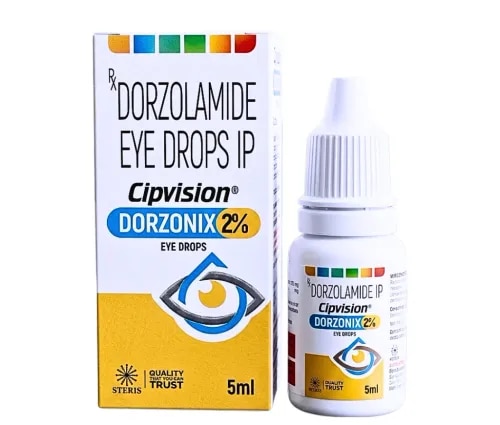
"name": "dorzolamide eye drops ip",
"description": "Dorzolamide eye drops IP are a prescription ophthalmic solution used to lower elevated intraocular pressure (IOP) in patients with open-angle glaucoma or ocular hypertension. Dorzolamide belongs to a class of drugs called carbonic anhydrase inhibitors, which work by reducing the production of aqueous humor (the fluid inside the eye), thereby lowering pressure within the eye. It is typically used two to three times daily and begins measurably lowering eye pressure within about 2 hours, though consistent long-term use is essential for sustained control. Common side effects include a temporary bitter or unusual taste in the mouth, burning or stinging on instillation, and blurred vision. Because dorzolamide is chemically a sulfonamide derivative, it should be used cautiously in patients with known sulfa allergies or significant kidney impairment, and only under an ophthalmologist's supervision. It is a Schedule H prescription-only medicine in India.\n\nWhat Is Dorzolamide Eye Drops IP?\nDorzolamide Eye Drops IP is a topical prescription medication used primarily to manage glaucoma and ocular hypertension — conditions characterized by abnormally elevated pressure inside the eye that, if left uncontrolled, can damage the optic nerve and lead to progressive, irreversible vision loss.\nThe “IP” designation indicates the formulation conforms to standards set out in the Indian Pharmacopoeia, ensuring consistent quality, purity, and potency.\nDorzolamide belongs to the carbonic anhydrase inhibitor (CAI) class of anti-glaucoma medications. Unlike oral carbonic anhydrase inhibitors (such as acetazolamide), which act systemically and often cause more pronounced side effects, topical dorzolamide is designed to act locally within the eye, offering effective IOP reduction with comparatively lower systemic exposure — though some systemic absorption can still occur.\nIt is frequently prescribed either as a standalone treatment or in combination with other IOP-lowering agents, such as beta-blockers (e.g., timolol) or prostaglandin analogues, when a single agent does not achieve adequate pressure control.\n\nHow Does Dorzolamide Work? (Mechanism of Action)\n\nAqueous humor production – The ciliary body inside the eye continuously produces aqueous humor, the clear fluid that maintains intraocular pressure and nourishes ocular tissues.\nCarbonic anhydrase enzyme – This enzyme, found in the ciliary body, plays a key role in the chemical reactions that generate bicarbonate ions, which drive fluid secretion into the eye.\nEnzyme inhibition – Dorzolamide inhibits carbonic anhydrase (specifically the II isoenzyme) within the ciliary processes.\nReduced fluid production – With the enzyme inhibited, bicarbonate-dependent fluid transport slows down, resulting in decreased aqueous humor formation.\nLowered intraocular pressure – Less fluid production means less pressure buildup inside the eye, helping protect the optic nerve from pressure-related damage over time.\n\n\nClinical Indications\nIndicationDetailsOpen-angle glaucomaPrimary indication; helps control chronic elevated IOPOcular hypertensionUsed to reduce elevated eye pressure even before glaucoma-related damage occursAdjunct therapyCombined with beta-blockers or prostaglandin analogues when monotherapy is insufficientPost-laser or post-surgical IOP spikesSometimes used short-term under specialist guidance\n\nDosage & Administration\nParameterRecommendationStandard dose (monotherapy)One drop in the affected eye(s), three times dailyStandard dose (with other IOP-lowering drops)Often reduced to twice daily when combined, per doctor's instructionsOnset of actionMeasurable IOP reduction typically begins within about 2 hoursPeak effectGenerally within a few hours of instillationIf using multiple eye dropsSpace different eye medications at least 10 minutes apartMissed doseApply as soon as remembered; skip if near the next scheduled dose — do not double upDuration of useLong-term, ongoing therapy as glaucoma is a chronic condition requiring continuous management\nNote: Consistency is critical — missed doses can allow intraocular pressure to rise, increasing the risk of progressive optic nerve damage.\n\nKey Benefits\n\nEffectively lowers intraocular pressure in both glaucoma and ocular hypertension\nActs locally in the eye, generally producing lower systemic side effects compared to oral carbonic anhydrase inhibitors\nCan be used as monotherapy or in combination with other classes of glaucoma medication for enhanced pressure control\nHelps protect the optic nerve from pressure-related damage with consistent long-term use\nAvailable in a well-established, pharmacopoeia-standardized formulation (IP grade)\nSuitable for long-term, chronic disease management in glaucoma patients\n\n\nPrecautions\n\nUse strictly as prescribed and do not adjust dosing without consulting your ophthalmologist\nInform your doctor if you have a known sulfonamide (sulfa) allergy, since dorzolamide is chemically related to sulfa drugs\nUse with caution in patients with significant kidney (renal) impairment, due to potential for systemic absorption\nNot typically recommended in patients with severe corneal disease without specialist evaluation\nIf using contact lenses, remove before instillation and reinsert only after the interval advised by your doctor\nRegular eye pressure monitoring and follow-up visits are essential during treatment\nInform your doctor of all other eye medications and systemic drugs you are using\nAvoid touching the dropper tip to the eye or any surface to prevent contamination\n\n\nSide Effects\nCommon (Usually Mild and Temporary)\n\nTemporary bitter or unusual taste in the mouth after application\nBurning or stinging sensation on instillation\nBlurred vision immediately after use\nEye redness or itching\nMild eye discomfort\n\nLess Common / Serious (Consult Your Doctor Promptly)\n\nSigns of an allergic reaction (rash, swelling, severe itching)\nPersistent eye pain or significant vision changes\nSigns of corneal problems (persistent redness, discharge, sensitivity to light)\nSystemic effects related to sulfonamide sensitivity, in rare cases\n\nIf any serious or persistent symptom occurs, discontinue use and contact your ophthalmologist immediately.\n\nComparison: Dorzolamide vs. Other Anti-Glaucoma Therapies\nTreatmentClassMechanismKey ConsiderationDorzolamide eye dropsCarbonic anhydrase inhibitorReduces aqueous humor productionSulfa-related caution; often used as adjunct therapyTimolol eye dropsBeta-blockerReduces aqueous humor production via a different pathwayCaution in asthma, heart conditionsLatanoprost / prostaglandin analoguesProstaglandin analogueIncreases aqueous humor outflowOnce-daily dosing; may darken iris/eyelash growthBrimonidineAlpha-2 agonistReduces production and increases outflowCan cause drowsiness, dry mouthOral acetazolamideSystemic carbonic anhydrase inhibitorReduces aqueous humor production systemicallyMore pronounced systemic side effects than topical dorzolamide\n\nKey Statistics (Placeholder — Pending Clinical Reviewer Verification)\nMetricValueAverage IOP reduction achieved with dorzolamide monotherapy[Placeholder – insert verified clinical trial statistic]Prevalence of open-angle glaucoma in adults over 40[Placeholder – insert epidemiological reference]Proportion of patients requiring combination glaucoma therapy[Placeholder – insert verified reference]\nAll statistics above are placeholders and must be verified and populated by a qualified clinical reviewer prior to publication.\n\nExpert Insight\n\n[Placeholder — Expert quote pending. To be added only after review and approval by a licensed ophthalmologist/medical reviewer associated with Steris Healthcare. Do not fabricate or publish without sign-off.]\n\n\nPrice of Dorzolamide Eye Drops IP\nThe price of dorzolamide eye drops IP varies depending on pack size, brand, and region. For current pricing, availability, and prescription verification, please consult your ophthalmologist or an authorized pharmacy.\nPrescription only – consult your doctor.\n\nConclusion\nDorzolamide Eye Drops IP play a well-established role in the long-term management of glaucoma and ocular hypertension, offering targeted, localized reduction of intraocular pressure through carbonic anhydrase inhibition. Whether used alone or alongside other classes of IOP-lowering medication, consistent, correctly timed use is essential to protect the optic nerve from progressive, irreversible damage. Because dorzolamide is a sulfonamide derivative with potential for systemic absorption, patients with sulfa allergies or kidney impairment should discuss suitability carefully with their ophthalmologist. As with all glaucoma therapy, regular monitoring and adherence to the prescribed regimen — rather than occasional or as-needed use — are what ultimately safeguard long-term vision.\n\nFrequently Asked Questions\n\n1. What is dorzolamide eye drops used for?\nDorzolamide eye drops are used to lower elevated intraocular pressure in patients with open-angle glaucoma or ocular hypertension, helping protect the optic nerve from pressure-related damage.\n\n2. How long does it take dorzolamide to lower eye pressure?\nDorzolamide typically begins measurably lowering intraocular pressure within about 2 hours of application, though consistent, long-term use is needed to maintain stable pressure control over time.\n\n3. What are the side effects of dorzolamide?\nCommon side effects include a temporary bitter or unusual taste in the mouth, burning or stinging upon application, blurred vision, and mild eye redness or discomfort. Less commonly, allergic reactions or persistent eye irritation can occur and should be reported to a doctor.\n4. Does dorzolamide affect the kidneys?\nDorzolamide is a sulfonamide derivative, and although it is applied topically with generally low systemic absorption, caution is advised in patients with significant kidney impairment. Patients with known kidney disease or sulfa allergies should inform their doctor before starting treatment.\n\n5. How often should dorzolamide eye drops be used?\nDorzolamide is typically used three times daily as monotherapy, or twice daily when combined with other glaucoma medications, exactly as directed by your ophthalmologist.\n\n6. Can dorzolamide be used with other glaucoma eye drops?\nYes, dorzolamide is commonly combined with beta-blockers, prostaglandin analogues, or other IOP-lowering agents when a single medication does not achieve adequate pressure control. Different eye drops should be spaced at least 10 minutes apart.\n\n7. Is dorzolamide safe for long-term use?\nYes, dorzolamide is designed for long-term, ongoing use in chronic glaucoma management, provided it is used under regular ophthalmologist supervision with periodic eye pressure monitoring.\n\n8. Who should not use dorzolamide eye drops?\nPatients with known hypersensitivity to sulfonamides, significant kidney impairment, or specific contraindications identified by their doctor should use dorzolamide only under close medical supervision, if at all.\n\n9. Does dorzolamide cause blurred vision?\nTemporary blurred vision can occur immediately after applying dorzolamide. This is usually short-lived, but if it persists, you should consult your ophthalmologist.\n\n10. Can dorzolamide eye drops be used with contact lenses?\nIt's generally recommended to remove contact lenses before applying dorzolamide and reinsert them only after the interval advised by your doctor, as certain preservatives in eye drops can affect contact lens materials.\n\n11. What happens if I miss a dose of dorzolamide?\nApply the missed dose as soon as you remember, unless it is almost time for your next scheduled dose — in that case, skip the missed dose and continue your regular schedule. Do not double up doses.\n\n12. Why does dorzolamide cause a bitter taste?\nThe bitter taste occurs because a small amount of the eye drop drains through the tear duct into the nasal passage and throat, where it can be tasted. This is a recognized, generally harmless effect of topical carbonic anhydrase inhibitors.\n13. Is dorzolamide the same as timolol eye drops?\nNo. Dorzolamide is a carbonic anhydrase inhibitor, while timolol is a beta-blocker. Both lower eye pressure but through different mechanisms, and they are sometimes prescribed together for enhanced effect.\n\n14. Can dorzolamide be used during pregnancy?\nUse during pregnancy or breastfeeding should only occur under direct medical supervision. Inform your doctor if you are pregnant, planning pregnancy, or breastfeeding before starting dorzolamide.\n\n15. How is dorzolamide different from oral glaucoma medications?\nTopical dorzolamide acts locally in the eye and generally causes fewer systemic side effects than oral carbonic anhydrase inhibitors like acetazolamide, which act throughout the body and can cause more pronounced systemic effects.\n16. Can stopping dorzolamide suddenly cause problems?\nStopping dorzolamide abruptly can allow intraocular pressure to rise again, increasing the risk of progressive optic nerve damage. Always consult your ophthalmologist before discontinuing treatment.\n\n17. Does dorzolamide need to be refrigerated?\nStorage requirements can vary by brand and formulation; always follow the storage instructions printed on your specific product's packaging or as advised by your pharmacist.",
"price": 350.0,
"discountamount": 105.0,
"currencycode": "INR",
"priority": 1000000,
"isfreeshipmentavailable": false,
"shipmentduration": 1,
"_keywords": null,
"isarchived": false,
"isavailable": true,
"applicationid": null,
"productindex": 2470,
"imageuri": "https://productimages.withfloats.com/actual/6a50a30e9569e07de66607f4.png",
"tileimageuri": "https://productimages.withfloats.com/tile/6a50a30e9569e07de66607f4.png",
"images": null,
"totalqueries": 0,
"gpid": null,
"groupproductid": null,
"createdon": "2026-07-10T07:45:16.262Z",
"updatedon": "2026-07-10T07:45:16.262Z",
"buyonlinelink": null,
"producturl": "http://WWW.STERISINDIA.COM//dorzolamide-eye-drops-ip/2470",
"availableunits": -1.0,
"iscodavailable": false,
"isprepaidonlineavailable": false,
"maxcodorders": 0,
"maxprepaidonlineorders": 0,
"uniquepaymenturl": null,
"brandname": "CIPVISION DORZONIX 2%",
"category": "Opthalmology Range",
"tags": [
"dorzolamide eye drops ip",
"dorzolamide eye drops",
"dorzolamide eye drops uses",
"dorzolamide eye drops uses in hindi",
"dorzolamide eye drops price",
"dorzolamide eye drops ip",
"dorzolamide eye drops brand name",
"dorzolamide eye drops brands"
],
"variants": false,
"keyspecification": null,
"otherspecifications": null,
"pickupaddressreferenceid": null,
"paymenttype": "UniquePaymentUrl",
"producttype": "products",
"hsncode": null,
"gstslab": 0.0,
"isnotforsale": false
},
{
"_id": "6a46068a3a7982b6888cdba1",
"fptag": "STERISHEALTHCARE",
"merchantname": null,
"customwidgets": null,
"externalsourceid": null,
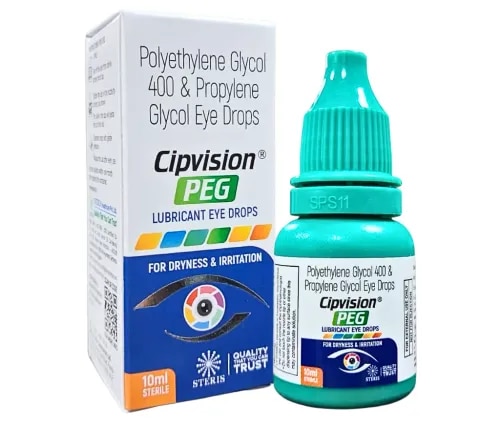
"name": "Polyethylene Glycol 400 & Propylene Glycol Eye Drops",
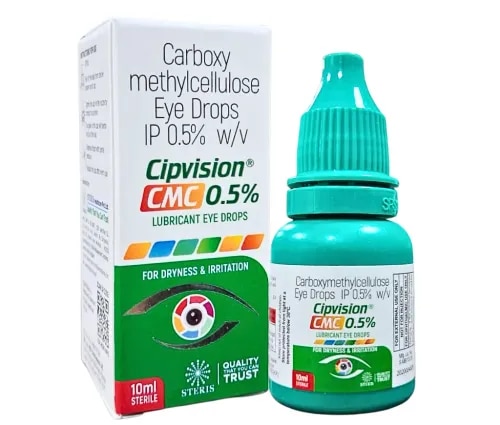
"description": "Carboxymethylcellulose (CMC) Eye Drops IP 0.5% w/v is an over-the-counter lubricant eye drop used to relieve dryness, burning, and irritation caused by insufficient tear production. It works by coating the eye's surface with a moisture-retaining film, is safe for regular daily use, and is suitable for adults experiencing dry eye syndrome, screen-related eye strain, or contact lens discomfort.\n\nWhat Is Carboxymethylcellulose Eye Drops IP 0.5% w/v?\n\nCarboxymethylcellulose Sodium Eye Drops IP 0.5% w/v is a lubricating eye drop (artificial tear) formulated to relieve symptoms of dry eye — including burning, stinging, grittiness, and light sensitivity caused by inadequate natural tear film. It is manufactured to Indian Pharmacopoeia (IP) standards and is classified as an over-the-counter (OTC) ophthalmic lubricant, meaning it does not require a prescription for routine dry-eye relief, though a doctor's guidance is recommended for chronic or unexplained symptoms.\n\nHow It Works\n\nCarboxymethylcellulose is a viscosity-enhancing, water-retentive polymer that mimics the mucin and aqueous layers of the natural tear film.\n\n\nCoats the ocular surface – forms a smooth, even film across the cornea and conjunctiva immediately after application.\nRetains moisture – its water-binding structure slows tear evaporation, keeping the eye surface hydrated for longer.\nReduces friction – lubricates the eyelid-cornea interface, easing the grating or gritty sensation typical of dry eye.\nSupports healing – a stable tear film reduces micro-abrasion of surface cells, helping symptomatic recovery with regular use.\nExtends comfort duration – the 0.5% concentration is calibrated to balance lubrication strength with comfortable, non-blurring application.\n\n\nClinical Indications\n\nConditionHow CMC 0.5% HelpsDry Eye Syndrome (Keratoconjunctivitis Sicca)Restores moisture balance, relieves burning and grittinessDigital Eye Strain (screen-related dryness)Rehydrates surface dried by reduced blink rateContact Lens–Related DrynessLubricates lens-eye interface, improves comfortPost-LASIK/Ocular Surgery DrynessSupports surface comfort during recovery (as advised by ophthalmologist)Environmental Irritation (dust, AC, wind exposure)Flushes and cushions irritants, restores comfort\n\nDosage & How to Use\n\nParameterRecommendationStandard Dose1–2 drops in the affected eye(s)Frequency3–4 times daily, or as needed for symptom reliefMaximum UseCan be used more frequently under doctor guidance for severe drynessApplication MethodTilt head back, pull lower eyelid down, instill drop without touching tip to eyeContact Lens UseRemove lenses before application unless the product is lens-compatible; reinsert after 15 minutesStorageStore below 25°C, away from direct sunlight; discard 4 weeks after opening\n\nPrecautions\n\n\nDo not touch the dropper tip to the eye, eyelid, or any surface to avoid contamination.\nDiscontinue and consult a doctor if eye pain, vision change, redness, or irritation persists beyond 72 hours.\nWait at least 5–10 minutes between this and any other eye medication.\nNot a substitute for treating underlying causes of chronic dry eye (e.g., blepharitis, Sjögren's syndrome) — seek medical evaluation for persistent cases.\nSafety in pregnancy and breastfeeding should be confirmed with a physician, though topical ocular absorption is minimal.\nKeep out of reach of children.\n\n\nPossible Side Effects\n\nMost users tolerate carboxymethylcellulose eye drops well. Reported effects are typically mild and transient:\n\n\nTemporary blurred vision immediately after application\nMild stinging or watering on instillation\nEye irritation or redness (uncommon)\nRare allergic reaction (itching, swelling, rash) — discontinue and seek medical advice if this occurs\n\n\nSerious side effects are rare. Seek immediate medical attention for severe eye pain, sudden vision loss, or signs of infection (discharge, swelling, fever).\n\nComparison: CMC 0.5% vs. Other Lubricant Eye Drops\n\nIngredientViscosityBest ForPrescription NeededCarboxymethylcellulose 0.5%MediumGeneral dry eye, daily useNo (OTC)Sodium Hyaluronate 0.1–0.3%Low–MediumMild dryness, contact lens comfortNo (OTC)Carbomer Gel 0.2%HighSevere/nighttime drynessNo (OTC)Polyethylene Glycol + Propylene GlycolMediumCombination dryness reliefNo (OTC)Hydroxypropyl Methylcellulose 0.3%MediumShort-term irritation reliefNo (OTC)\n\nKey Statistics\n\nStatisticData PointSourceGlobal dry eye disease prevalence5–50% depending on population and diagnostic criteriaTear Film & Ocular Surface Society (TFOS DEWS II)India dry eye prevalence in urban adultsApprox. 32–40% in screen-exposed populationsIndian Journal of Ophthalmology, published studiesCMC as first-line OTC therapyRecommended as first-line lubricant in dry eye management guidelinesTFOS DEWS II Management ReportAdults reporting digital eye strain symptomsOver 60% among regular screen usersAmerican Optometric Association survey data\n\nExpert Insight\n\n[Insert verified ophthalmologist or optometrist commentary here — Claude has not fabricated a quote. Recommend sourcing a short, attributable statement from a Steris Healthcare medical advisor or a cited clinical reference before publishing.]\n\nConclusion\n\nCarboxymethylcellulose Eye Drops IP 0.5% w/v is a reliable, first-line OTC lubricant for anyone dealing with dry, tired, or irritated eyes — whether the cause is long screen hours, contact lens wear, environmental exposure, or general dry eye syndrome. Its moisture-retentive formula coats and hydrates the eye surface on contact, offering fast, non-prescription relief suitable for daily use. While generally safe and well-tolerated, persistent or worsening symptoms should always be evaluated by an eye care professional. For consistent, pharmacopoeia-grade quality, choose a WHO-GMP certified formulation and buy online through a trusted pharmaceutical source.\n\n\nHigh-Ranking FAQs (Google Search & Voice Search Optimized)\n\n1. What is carboxymethylcellulose eye drops IP 0.5% w/v used for?\nIt is used to relieve dry, irritated, or burning eyes caused by insufficient natural tear production, screen use, contact lenses, or environmental exposure. It works as an artificial tear that lubricates and hydrates the eye surface.\n\n2. How often can I use carboxymethylcellulose eye drops?\nMost people use 1–2 drops, 3–4 times a day, or as needed for comfort. For severe dryness, frequency can be increased under a doctor's guidance, since this OTC lubricant has a strong safety profile for repeated daily use.\n\n3. Can I use carboxymethylcellulose eye drops with contact lenses?\nYes, but check the product label first. Many formulations require lens removal before application, with reinsertion after about 15 minutes, unless the specific product is labeled as contact-lens compatible.\n\n4. Is carboxymethylcellulose 0.5% safe for daily long-term use?\nYes, it is considered safe for regular daily use as a lubricant, and is often recommended as a first-line therapy for chronic dry eye. Persistent symptoms despite regular use should still be discussed with an eye specialist.\n\n5. What is the difference between carboxymethylcellulose and hyaluronic acid eye drops?\nCarboxymethylcellulose offers medium viscosity and longer-lasting lubrication, while sodium hyaluronate drops are typically lighter and better suited for mild dryness or lens comfort. Both are OTC options; choice depends on symptom severity.\n\n6. Are there side effects of carboxymethylcellulose eye drops?\nSide effects are generally mild, such as temporary blurred vision or slight stinging right after application. Serious reactions are rare, but persistent redness, pain, or vision changes warrant medical attention.\n\n7. How long does it take for carboxymethylcellulose eye drops to work?\nRelief is typically immediate to within a few minutes of application, as the drop forms a lubricating film over the eye surface right away. Full symptom control with consistent daily use may take a few days.\n\n8. Can pregnant or breastfeeding women use carboxymethylcellulose eye drops?\nTopical ocular absorption is minimal, and it's generally considered low-risk, but pregnant or breastfeeding women should confirm use with their doctor before starting any eye medication.",
"price": 379.0,
"discountamount": 113.0,
"currencycode": "INR",
"priority": 1000000,
"isfreeshipmentavailable": false,
"shipmentduration": 1,
"_keywords": null,
"isarchived": false,
"isavailable": true,
"applicationid": null,
"productindex": 2464,
"imageuri": "https://productimages.withfloats.com/actual/6a46068dc94d045c2e16dd26.png",
"tileimageuri": "https://productimages.withfloats.com/tile/6a46068dc94d045c2e16dd26.png",
"images": null,
"totalqueries": 0,
"gpid": null,
"groupproductid": null,
"createdon": "2026-07-02T06:34:50.994Z",
"updatedon": "2026-07-02T06:34:50.994Z",
"buyonlinelink": null,
"producturl": "http://WWW.STERISINDIA.COM//polyethylene-glycol-400-propylene-glycol-eye-drops/2464",
"availableunits": -1.0,
"iscodavailable": false,
"isprepaidonlineavailable": false,
"maxcodorders": 0,
"maxprepaidonlineorders": 0,
"uniquepaymenturl": null,
"brandname": "CIPVISION PEG",
"category": "Opthalmology Range",
"tags": [
"polyethylene glycol 400 & propylene glycol eye drops",
"polyethylene glycol 400 & propylene glycol eye drops uses"
],
"variants": false,
"keyspecification": null,
"otherspecifications": null,
"pickupaddressreferenceid": null,
"paymenttype": "UniquePaymentUrl",
"producttype": "products",
"hsncode": null,
"gstslab": 0.0,
"isnotforsale": false
},
{
"_id": "6a46005294601f207d73196c",
"fptag": "STERISHEALTHCARE",
"merchantname": null,
"customwidgets": null,
"externalsourceid": null,
"name": "carboxymethylcellulose eye drops ip 0.5 w/v",
"description": "Carboxymethylcellulose (CMC) Eye Drops IP 0.5% w/v is an over-the-counter lubricant eye drop used to relieve dryness, burning, and irritation caused by insufficient tear production. It works by coating the eye's surface with a moisture-retaining film, is safe for regular daily use, and is suitable for adults experiencing dry eye syndrome, screen-related eye strain, or contact lens discomfort.\n\nWhat Is Carboxymethylcellulose Eye Drops IP 0.5% w/v?\n\nCarboxymethylcellulose Sodium Eye Drops IP 0.5% w/v is a lubricating eye drop (artificial tear) formulated to relieve symptoms of dry eye — including burning, stinging, grittiness, and light sensitivity caused by inadequate natural tear film. It is manufactured to Indian Pharmacopoeia (IP) standards and is classified as an over-the-counter (OTC) ophthalmic lubricant, meaning it does not require a prescription for routine dry-eye relief, though a doctor's guidance is recommended for chronic or unexplained symptoms.\n\nHow It Works\n\nCarboxymethylcellulose is a viscosity-enhancing, water-retentive polymer that mimics the mucin and aqueous layers of the natural tear film.\n\n\nCoats the ocular surface – forms a smooth, even film across the cornea and conjunctiva immediately after application.\nRetains moisture – its water-binding structure slows tear evaporation, keeping the eye surface hydrated for longer.\nReduces friction – lubricates the eyelid-cornea interface, easing the grating or gritty sensation typical of dry eye.\nSupports healing – a stable tear film reduces micro-abrasion of surface cells, helping symptomatic recovery with regular use.\nExtends comfort duration – the 0.5% concentration is calibrated to balance lubrication strength with comfortable, non-blurring application.\n\n\nClinical Indications\n\nConditionHow CMC 0.5% HelpsDry Eye Syndrome (Keratoconjunctivitis Sicca)Restores moisture balance, relieves burning and grittinessDigital Eye Strain (screen-related dryness)Rehydrates surface dried by reduced blink rateContact Lens–Related DrynessLubricates lens-eye interface, improves comfortPost-LASIK/Ocular Surgery DrynessSupports surface comfort during recovery (as advised by ophthalmologist)Environmental Irritation (dust, AC, wind exposure)Flushes and cushions irritants, restores comfort\n\nDosage & How to Use\n\nParameterRecommendationStandard Dose1–2 drops in the affected eye(s)Frequency3–4 times daily, or as needed for symptom reliefMaximum UseCan be used more frequently under doctor guidance for severe drynessApplication MethodTilt head back, pull lower eyelid down, instill drop without touching tip to eyeContact Lens UseRemove lenses before application unless the product is lens-compatible; reinsert after 15 minutesStorageStore below 25°C, away from direct sunlight; discard 4 weeks after opening\n\nPrecautions\n\n\nDo not touch the dropper tip to the eye, eyelid, or any surface to avoid contamination.\nDiscontinue and consult a doctor if eye pain, vision change, redness, or irritation persists beyond 72 hours.\nWait at least 5–10 minutes between this and any other eye medication.\nNot a substitute for treating underlying causes of chronic dry eye (e.g., blepharitis, Sjögren's syndrome) — seek medical evaluation for persistent cases.\nSafety in pregnancy and breastfeeding should be confirmed with a physician, though topical ocular absorption is minimal.\nKeep out of reach of children.\n\n\nPossible Side Effects\n\nMost users tolerate carboxymethylcellulose eye drops well. Reported effects are typically mild and transient:\n\n\nTemporary blurred vision immediately after application\nMild stinging or watering on instillation\nEye irritation or redness (uncommon)\nRare allergic reaction (itching, swelling, rash) — discontinue and seek medical advice if this occurs\n\n\nSerious side effects are rare. Seek immediate medical attention for severe eye pain, sudden vision loss, or signs of infection (discharge, swelling, fever).\n\nComparison: CMC 0.5% vs. Other Lubricant Eye Drops\n\nIngredientViscosityBest ForPrescription NeededCarboxymethylcellulose 0.5%MediumGeneral dry eye, daily useNo (OTC)Sodium Hyaluronate 0.1–0.3%Low–MediumMild dryness, contact lens comfortNo (OTC)Carbomer Gel 0.2%HighSevere/nighttime drynessNo (OTC)Polyethylene Glycol + Propylene GlycolMediumCombination dryness reliefNo (OTC)Hydroxypropyl Methylcellulose 0.3%MediumShort-term irritation reliefNo (OTC)\n\nKey Statistics\n\nStatisticData PointSourceGlobal dry eye disease prevalence5–50% depending on population and diagnostic criteriaTear Film & Ocular Surface Society (TFOS DEWS II)India dry eye prevalence in urban adultsApprox. 32–40% in screen-exposed populationsIndian Journal of Ophthalmology, published studiesCMC as first-line OTC therapyRecommended as first-line lubricant in dry eye management guidelinesTFOS DEWS II Management ReportAdults reporting digital eye strain symptomsOver 60% among regular screen usersAmerican Optometric Association survey data\n\nExpert Insight\n\n[Insert verified ophthalmologist or optometrist commentary here — Claude has not fabricated a quote. Recommend sourcing a short, attributable statement from a Steris Healthcare medical advisor or a cited clinical reference before publishing.]\n\nConclusion\n\nCarboxymethylcellulose Eye Drops IP 0.5% w/v is a reliable, first-line OTC lubricant for anyone dealing with dry, tired, or irritated eyes — whether the cause is long screen hours, contact lens wear, environmental exposure, or general dry eye syndrome. Its moisture-retentive formula coats and hydrates the eye surface on contact, offering fast, non-prescription relief suitable for daily use. While generally safe and well-tolerated, persistent or worsening symptoms should always be evaluated by an eye care professional. For consistent, pharmacopoeia-grade quality, choose a WHO-GMP certified formulation and buy online through a trusted pharmaceutical source.\n\n\nHigh-Ranking FAQs (Google Search & Voice Search Optimized)\n\n1. What is carboxymethylcellulose eye drops IP 0.5% w/v used for?\nIt is used to relieve dry, irritated, or burning eyes caused by insufficient natural tear production, screen use, contact lenses, or environmental exposure. It works as an artificial tear that lubricates and hydrates the eye surface.\n\n2. How often can I use carboxymethylcellulose eye drops?\nMost people use 1–2 drops, 3–4 times a day, or as needed for comfort. For severe dryness, frequency can be increased under a doctor's guidance, since this OTC lubricant has a strong safety profile for repeated daily use.\n\n3. Can I use carboxymethylcellulose eye drops with contact lenses?\nYes, but check the product label first. Many formulations require lens removal before application, with reinsertion after about 15 minutes, unless the specific product is labeled as contact-lens compatible.\n\n4. Is carboxymethylcellulose 0.5% safe for daily long-term use?\nYes, it is considered safe for regular daily use as a lubricant, and is often recommended as a first-line therapy for chronic dry eye. Persistent symptoms despite regular use should still be discussed with an eye specialist.\n\n5. What is the difference between carboxymethylcellulose and hyaluronic acid eye drops?\nCarboxymethylcellulose offers medium viscosity and longer-lasting lubrication, while sodium hyaluronate drops are typically lighter and better suited for mild dryness or lens comfort. Both are OTC options; choice depends on symptom severity.\n\n6. Are there side effects of carboxymethylcellulose eye drops?\nSide effects are generally mild, such as temporary blurred vision or slight stinging right after application. Serious reactions are rare, but persistent redness, pain, or vision changes warrant medical attention.\n\n7. How long does it take for carboxymethylcellulose eye drops to work?\nRelief is typically immediate to within a few minutes of application, as the drop forms a lubricating film over the eye surface right away. Full symptom control with consistent daily use may take a few days.\n\n8. Can pregnant or breastfeeding women use carboxymethylcellulose eye drops?\nTopical ocular absorption is minimal, and it's generally considered low-risk, but pregnant or breastfeeding women should confirm use with their doctor before starting any eye medication.",
"price": 131.0,
"discountamount": 39.0,
"currencycode": "INR",
"priority": 1000000,
"isfreeshipmentavailable": false,
"shipmentduration": 1,
"_keywords": null,
"isarchived": false,
"isavailable": true,
"applicationid": null,
"productindex": 2463,
"imageuri": "https://productimages.withfloats.com/actual/6a460054097cf641f38a4758.png",
"tileimageuri": "https://productimages.withfloats.com/tile/6a460054097cf641f38a4758.png",
"images": null,
"totalqueries": 0,
"gpid": null,
"groupproductid": null,
"createdon": "2026-07-02T06:08:18.439Z",
"updatedon": "2026-07-02T06:58:19.559Z",
"buyonlinelink": null,
"producturl": "http://WWW.STERISINDIA.COM//carboxymethylcellulose-eye-drops-ip-0-5-w-v/2463",
"availableunits": -1.0,
"iscodavailable": false,
"isprepaidonlineavailable": false,
"maxcodorders": 0,
"maxprepaidonlineorders": 0,
"uniquepaymenturl": null,
"brandname": "CIPVISION CMC 0.5%",
"category": "Opthalmology Range",
"tags": [
"carboxymethylcellulose eye drops ip 0.5 w/v",
"carboxymethylcellulose eye drops ip 0.5 w/v uses",
"carboxymethylcellulose eye drops ip 0.5 w/v price"
],
"variants": false,
"keyspecification": null,
"otherspecifications": null,
"pickupaddressreferenceid": null,
"paymenttype": "UniquePaymentUrl",
"producttype": "products",
"hsncode": null,
"gstslab": 0.0,
"isnotforsale": false
},
{
"_id": "6a4266621f2199a803b27013",
"fptag": "STERISHEALTHCARE",
"merchantname": null,
"customwidgets": null,
"externalsourceid": null,
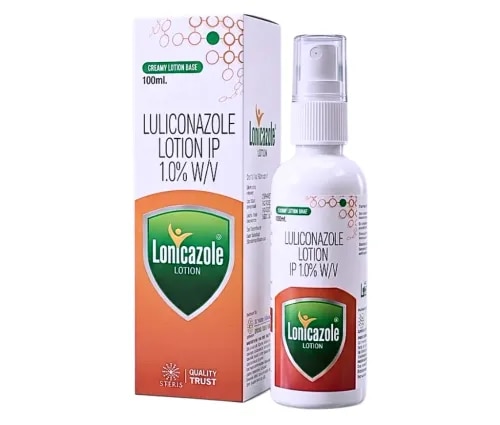
"name": "luliconazole lotion ip 1% w/v",
"description": "Luliconazole Lotion IP 1% w/v\n\nTL;DR: Luliconazole Lotion IP 1% w/v is a topical antifungal treatment used to treat fungal skin infections such as ringworm (tinea corporis), athlete's foot (tinea pedis), and jock itch (tinea cruris). It works by destroying the fungal cell membrane, typically showing improvement within 1–2 weeks of consistent use. Lightweight and fast-absorbing, it's applied once daily to the affected area for effective relief from itching, redness, and scaling. Check uses, price, dosage & side effects below before you buy.\n\nWhat Is Luliconazole Lotion IP 1% w/v?\n\nLuliconazole Lotion IP 1% w/v is a topical antifungal medication belonging to the azole class, formulated specifically to treat superficial fungal infections of the skin. Unlike traditional antifungal creams, the lotion base allows for quicker absorption and easier application over larger or hairier areas of the body, making it a practical choice for body fold infections and broader patches of skin involvement.\n\nIt is commonly prescribed or recommended for dermatophyte infections — fungal infections caused by organisms that thrive on keratin in skin, hair, and nails — including ringworm, athlete's foot, and jock itch. Its once-daily dosing schedule and relatively short treatment duration compared to older antifungals make it a convenient option for both short-term flare-ups and recurring fungal skin conditions.\n\nHow It Works (Mechanism of Action)\n\nC – Clarity: Luliconazole inhibits the enzyme lanosterol 14-alpha-demethylase, a key enzyme fungi need to produce ergosterol, an essential component of the fungal cell membrane.\n\nR – Relevance: Without sufficient ergosterol, the fungal cell membrane becomes structurally unstable and permeable, directly disrupting the fungus's ability to survive and multiply on the skin — which is precisely the mechanism needed to clear dermatophyte infections like ringworm and athlete's foot.\n\nA – Authority: Luliconazole's potency against common dermatophytes, including Trichophyton and Epidermophyton species, is well documented in dermatology literature, where it is recognized for its fungicidal (not just fungistatic) activity at the concentrations used in topical formulations.\n\nS – Structure: When applied topically, luliconazole penetrates the stratum corneum (the skin's outer layer) and accumulates at the site of infection, maintaining therapeutic concentrations in the skin for an extended period even after a single application, which supports its once-daily dosing.\n\nP – Precision: This sustained local concentration allows luliconazole to continue disrupting fungal cell membranes throughout the day, leading to a reduction in itching, redness, and scaling as the fungal load decreases and the skin barrier begins to heal.\n\nClinical Indications / Who Should Use It\n\nIndicationSuitabilityTinea corporis (ringworm on the body)Highly suitableTinea pedis (athlete's foot)Highly suitableTinea cruris (jock itch)Highly suitableRecurrent superficial fungal skin infectionsSuitableNail fungus (onychomycosis)Not suitable — requires different formulationPregnant or breastfeeding womenConsult doctor before use\n\nDosage Guidelines\n\nParameterRecommendationStandard applicationApply a thin layer once daily to the affected area and surrounding skinApplication areaClean and dry the skin before applicationCourse durationTypically 1–2 weeks for tinea corporis/cruris; up to 4 weeks for tinea pedisConsistencyContinue for the full prescribed duration even if symptoms improve earlyMissed applicationApply as soon as remembered; do not double up the next dose\n\nPrecautions & Drug Interactions\n\n\nFor external use only — avoid contact with eyes, mouth, nose, or open wounds.\nDiscontinue use and consult a doctor if irritation, burning, or worsening of symptoms occurs after application.\nAvoid using occlusive dressings or tight clothing over the treated area unless advised by a doctor, as this may increase skin irritation.\nInform your doctor if you are using other topical medications on the same area, to avoid interactions or reduced effectiveness.\nNot recommended for infections involving the scalp or nails, which often require oral antifungal therapy in addition to or instead of topical treatment.\nIf no improvement is seen after the recommended treatment duration, consult a doctor to reassess the diagnosis and treatment plan.\n\n\nSerious Side Effects (Rare but Important)\n\n\nSevere allergic reaction — swelling of the face or throat, difficulty breathing, or widespread rash\nPersistent burning, stinging, or blistering at the application site\nSigns of secondary skin infection, such as increasing redness, warmth, or pus\n\n\nIf any of these occur, discontinue use and seek medical attention promptly.\n\nComparison: Luliconazole vs Other Topical Antifungals\n\nFactorLuliconazole 1%ClotrimazoleTerbinafineKetoconazoleDosing frequencyOnce dailyTwice dailyOnce/twice dailyOnce/twice dailyMechanismFungicidal (azole)Fungistatic (azole)Fungicidal (allylamine)Fungistatic (azole)Typical treatment duration1–2 weeks (body), up to 4 weeks (feet)2–4 weeks1–2 weeks2–4 weeksBest forTinea corporis, cruris, pedisMild fungal infectionsAthlete's footTinea, seborrheic conditions\n\nKey Statistics\n\nMetricData PointStrength1% w/v luliconazoleDrug classAzole antifungal (topical)Typical onset of symptom reliefWithin 1–2 weeks of consistent useRecommended application frequencyOnce daily\n\nExpert Insight\n\n[Placeholder — to be completed pre-publish with a quote or review from a certified dermatologist. Do not publish without expert validation.]\n\nWhy Choose Luliconazole Lotion IP 1% w/v?\n\nFungal skin infections are common in humid climates and tend to recur, particularly in areas prone to sweating and friction such as the groin, feet, and skin folds. Luliconazole's fungicidal action — meaning it actively kills the fungus rather than just slowing its growth — gives it an edge over some older antifungal agents that are primarily fungistatic and rely more heavily on the body's own immune response to fully clear the infection.\n\nThe lotion formulation is particularly well-suited to larger affected areas or body folds, where creams can sometimes feel heavy or difficult to spread evenly. Its lightweight texture absorbs quickly, making it comfortable for daily use without leaving a greasy residue, which also supports better adherence to the treatment course — a key factor in successfully clearing fungal infections and reducing recurrence.\n\nBecause of its once-daily dosing and relatively short treatment duration compared to many alternatives, luliconazole lotion is often preferred by people looking for a convenient yet effective option for ringworm, athlete's foot, or jock itch, especially when consistent twice-daily application of other antifungals proves difficult to maintain.\n\nFrequently Asked Questions\n\nQ1: How long does it take for Luliconazole Lotion to work?\nMost people notice a reduction in itching, redness, and scaling within 1–2 weeks of consistent daily application. For tinea corporis and tinea cruris, treatment typically lasts 1–2 weeks, while tinea pedis (athlete's foot) may require up to 4 weeks for complete resolution. It's important to continue treatment for the full recommended duration even if symptoms improve earlier.\n\nQ2: How should I apply Luliconazole Lotion correctly?\nClean and dry the affected area thoroughly before applying a thin layer of the lotion, covering the infected skin and a small margin of surrounding healthy skin. Apply once daily, ideally at the same time each day, and wash your hands after application unless the hands are the area being treated.\n\nQ3: Can Luliconazole Lotion be used for athlete's foot?\nYes, Luliconazole Lotion is effective for tinea pedis (athlete's foot), though treatment duration is typically longer than for body or groin infections — often up to 4 weeks — due to the thicker skin and moist environment common on the feet, which can make fungal infections more persistent.\n\nQ4: Does Luliconazole Lotion have side effects?\nMost people tolerate it well with minimal side effects. Mild burning, stinging, or redness at the application site can occur but usually resolves on its own. Rare but serious reactions, such as severe allergic responses or blistering, should be reported to a doctor immediately if they occur.\n\nQ5: Can Luliconazole Lotion be used on the face or scalp?\nLuliconazole Lotion is generally formulated for body, groin, and foot fungal infections. Scalp fungal infections often require oral antifungal treatment alongside topical therapy, so it's best to consult a doctor before using it on the scalp or sensitive facial skin.\n\nQ6: What happens if I stop using Luliconazole Lotion too early?\nStopping treatment as soon as symptoms improve, rather than completing the full recommended course, increases the risk of the fungal infection returning or becoming harder to treat. Even after visible symptoms clear, some fungal organisms may remain in the skin, so completing the full duration is important for lasting results.\n\n\nThis content is reviewed periodically to ensure accuracy and relevance. Last updated: June 2026.\n\nFor queries, contact Steris Healthcare:\n📧 contact@sterispharma.com | info@sterispharma.com\n📞 +91 8824175417 | +91 9982524671",
"price": 580.0,
"discountamount": 174.0,
"currencycode": "INR",
"priority": 1000000,
"isfreeshipmentavailable": false,
"shipmentduration": 1,
"_keywords": null,
"isarchived": false,
"isavailable": true,
"applicationid": null,
"productindex": 2461,
"imageuri": "https://productimages.withfloats.com/actual/6a4266662d3bce0a42051cc2.png",
"tileimageuri": "https://productimages.withfloats.com/tile/6a4266662d3bce0a42051cc2.png",
"images": null,
"totalqueries": 0,
"gpid": null,
"groupproductid": null,
"createdon": "2026-06-29T12:34:42.967Z",
"updatedon": "2026-06-29T12:34:42.967Z",
"buyonlinelink": null,
"producturl": "http://WWW.STERISINDIA.COM//luliconazole-lotion-ip-1-w-v/2461",
"availableunits": -1.0,
"iscodavailable": false,
"isprepaidonlineavailable": false,
"maxcodorders": 0,
"maxprepaidonlineorders": 0,
"uniquepaymenturl": null,
"brandname": "LONICAZOLE LOTION",
"category": "DERMATALOGY",
"tags": [
"luliconazole lotion ip 1% w/v",
"luliconazole lotion",
"luliconazole lotion uses",
"luliconazole lotion uses in hindi",
"luliconazole lotion 1 w/v",
"luliconazole lotion ip uses in hindi",
"luliconazole lotion ip",
"luliconazole lotion ip 1 w/v",
"luliconazole lotion price",
"luliconazole lotion ip 1 w/v uses in hindi"
],
"variants": false,
"keyspecification": null,
"otherspecifications": null,
"pickupaddressreferenceid": null,
"paymenttype": "UniquePaymentUrl",
"producttype": "products",
"hsncode": null,
"gstslab": 0.0,
"isnotforsale": false
},
{
"_id": "6a26651c361d386066cf8fe4",
"fptag": "STERISHEALTHCARE",
"merchantname": null,
"customwidgets": null,
"externalsourceid": null,
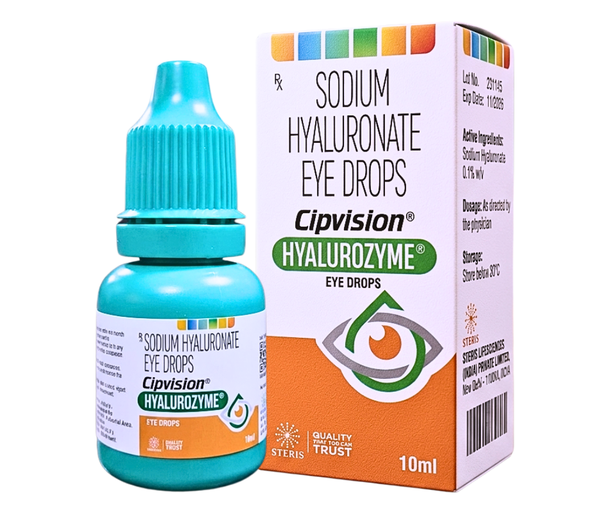
"name": "Sodium Hyaluronate Eye Drops",
"description": "Sodium Hyaluronate Eye Drops\n\nIf you are searching for an effective solution to relieve dry, irritated, burning, or tired eyes, Sodium Hyaluronate Eye Drops are among the most trusted ophthalmic lubricants recommended by eye care professionals. These eye drops are specially formulated to provide long-lasting hydration and protection to the ocular surface, helping maintain optimal eye comfort throughout the day.\n\nSodium Hyaluronate is a naturally occurring substance found in the human body. Its exceptional water-retaining capacity makes it highly effective in moisturizing the eyes and supporting the natural tear film. Whether your eye discomfort is caused by prolonged screen exposure, environmental factors, contact lens wear, or age-related tear deficiency, Sodium Hyaluronate Eye Drops can provide soothing and sustained relief.\n\nThis guide explores everything buyers need to know about Sodium Hyaluronate Eye Drops, including their uses, benefits, mechanism of action, proper usage, potential side effects, and why they are a preferred choice for dry eye management.\n\nWhat Are Sodium Hyaluronate Eye Drops?\n\nSodium Hyaluronate Eye Drops are lubricating ophthalmic solutions designed to hydrate and protect the surface of the eyes. The active ingredient, sodium hyaluronate, is a salt form of hyaluronic acid that possesses remarkable moisture-retaining properties.\n\nUnlike ordinary artificial tears, sodium hyaluronate forms a protective and stable lubricating layer over the cornea and conjunctiva. This helps reduce friction caused by blinking and environmental irritants while promoting natural healing of the ocular surface.\n\nThese eye drops are commonly used for:\n\nDry eye syndrome\nEye irritation\nBurning sensation in the eyes\nForeign body sensation\nEye fatigue due to screen use\nContact lens-related dryness\nPost-operative eye care\nEnvironmental eye stress\nHow Sodium Hyaluronate Eye Drops Work\n\nThe effectiveness of Sodium Hyaluronate Eye Drops lies in their unique viscoelastic properties. Sodium hyaluronate can attract and retain large amounts of water, creating a stable moisture reservoir on the eye surface.\n\nMechanism of Action\nHydrates the Ocular Surface\nRetains moisture and prevents excessive tear evaporation.\nStabilizes the Tear Film\nSupports the natural tear layer and enhances eye lubrication.\nProtects Corneal Cells\nForms a protective barrier against environmental irritants.\nReduces Friction During Blinking\nMinimizes discomfort and irritation associated with dry eyes.\nSupports Tissue Healing\nHelps maintain a healthy ocular environment for surface recovery.\n\nThis comprehensive action provides prolonged comfort and relief compared to many conventional eye lubricants.\n\nUses of Sodium Hyaluronate Eye Drops\n1. Dry Eye Syndrome\n\nOne of the primary uses of Sodium Hyaluronate Eye Drops is the management of dry eye disease. Individuals who produce insufficient tears or experience rapid tear evaporation can benefit significantly from regular use.\n\n2. Digital Eye Strain\n\nExtended screen exposure reduces blinking frequency, leading to eye dryness and fatigue. Sodium Hyaluronate Eye Drops help restore moisture and comfort during prolonged computer or mobile device use.\n\n3. Contact Lens Discomfort\n\nContact lens wearers often experience dryness and irritation. These eye drops provide additional lubrication that improves wearing comfort.\n\n4. Environmental Irritation\n\nDust, pollution, smoke, air conditioning, and windy environments can affect eye moisture levels. Sodium Hyaluronate Eye Drops help protect the eyes from these external stressors.\n\n5. Post-Surgical Eye Care\n\nMany ophthalmologists recommend Sodium Hyaluronate Eye Drops after procedures such as cataract surgery, LASIK, or other eye surgeries to promote healing and maintain comfort.\n\n6. Age-Related Dryness\n\nAs people age, natural tear production often decreases. Sodium Hyaluronate Eye Drops help compensate for reduced tear secretion and maintain ocular comfort.\n\nKey Benefits of Sodium Hyaluronate Eye Drops\nLong-Lasting Hydration\n\nThe superior water-binding ability of sodium hyaluronate provides prolonged eye moisture and reduces the need for frequent reapplication.\n\nImmediate Comfort\n\nUsers often experience rapid relief from dryness, burning, itching, and irritation after application.\n\nEnhanced Tear Film Stability\n\nSupports the natural tear layer, helping maintain consistent eye lubrication throughout the day.\n\nImproved Visual Comfort\n\nDry eyes can cause fluctuating vision and discomfort. Regular use helps improve overall visual quality and comfort.\n\nSuitable for Sensitive Eyes\n\nMany formulations are designed to be gentle and well tolerated by individuals with sensitive eyes.\n\nSupports Eye Surface Recovery\n\nHelps create an environment that supports natural healing and ocular surface protection.\n\nReduced Eye Fatigue\n\nParticularly beneficial for individuals who spend long hours working on computers, tablets, and smartphones.\n\nWho Can Benefit from Sodium Hyaluronate Eye Drops?\n\nSodium Hyaluronate Eye Drops are suitable for a wide range of users, including:\n\nOffice professionals\nStudents\nSenior citizens\nFrequent travelers\nContact lens users\nPeople exposed to air-conditioned environments\nIndividuals with chronic dry eye syndrome\nPatients recovering from eye surgery\nDrivers who spend extended hours on the road\n\nThese eye drops offer versatile relief for both occasional and chronic eye dryness.\n\nHow to Use Sodium Hyaluronate Eye Drops\n\nFor optimal results, follow these general application guidelines:\n\nWash your hands thoroughly.\nTilt your head backward.\nPull down the lower eyelid gently.\nInstill the recommended number of drops into the affected eye.\nClose your eyes for a few seconds.\nAvoid touching the dropper tip to any surface.\n\nAlways follow your healthcare professional's instructions regarding dosage and frequency of use.\n\nWhy Buyers Prefer Sodium Hyaluronate Eye Drops\n\nWhen purchasing eye lubricants, buyers often look for products that provide both immediate and long-lasting relief. Sodium Hyaluronate Eye Drops have become a preferred choice because they combine advanced hydration technology with excellent tolerability.\n\nReasons buyers choose these eye drops include:\n\nProven effectiveness for dry eyes\nLong-lasting lubrication\nEnhanced comfort during screen use\nSupport for contact lens wearers\nSuitable for daily use\nRecommended by eye care specialists\nEffective tear film stabilization\nReliable moisture retention\n\nThese benefits make Sodium Hyaluronate Eye Drops one of the most sought-after ocular lubricants in the market.\n\nPossible Side Effects of Sodium Hyaluronate Eye Drops\n\nSodium Hyaluronate Eye Drops are generally safe and well tolerated. However, some users may occasionally experience:\n\nMild temporary blurred vision\nSlight eye irritation\nTemporary stinging sensation\nMild redness\nIncreased tearing immediately after application\n\nThese effects are usually short-lived and resolve on their own. If severe discomfort, persistent redness, swelling, or allergic reactions occur, discontinue use and consult an eye care professional promptly.\n\nStorage Instructions\n\nTo maintain product quality and effectiveness:\n\nStore at room temperature.\nKeep away from direct sunlight and excessive heat.\nEnsure the bottle is tightly closed after use.\nDo not use after the expiry date.\nKeep out of reach of children.\n\nFollowing proper storage practices helps preserve the sterility and efficacy of the eye drops.\n\nConclusion\n\nSodium Hyaluronate Eye Drops are a highly effective solution for individuals seeking reliable relief from dry, irritated, and fatigued eyes. Their advanced moisture-retaining properties help stabilize the tear film, protect the ocular surface, and provide long-lasting comfort throughout the day.\n\nWhether you experience occasional dryness from screen exposure or require ongoing support for chronic dry eye syndrome, Sodium Hyaluronate Eye Drops offer a trusted and clinically preferred option. With benefits such as prolonged hydration, enhanced eye comfort, and support for ocular health, these eye drops remain an essential choice for maintaining clear, comfortable, and healthy eyes.\n\nFor best results, use Sodium Hyaluronate Eye Drops as directed by your healthcare professional and incorporate them into your daily eye care routine to enjoy sustained hydration and protection.",
"price": 385.0,
"discountamount": 116.0,
"currencycode": "INR",
"priority": 1000000,
"isfreeshipmentavailable": false,
"shipmentduration": 1,
"_keywords": null,
"isarchived": false,
"isavailable": true,
"applicationid": null,
"productindex": 2440,
"imageuri": "https://productimages.withfloats.com/actual/6a26651e3f3beb25af32ed18.png",
"tileimageuri": "https://productimages.withfloats.com/tile/6a26651e3f3beb25af32ed18.png",
"images": null,
"totalqueries": 0,
"gpid": null,
"groupproductid": null,
"createdon": "2026-06-08T06:45:48.328Z",
"updatedon": "2026-06-08T06:45:48.328Z",
"buyonlinelink": null,
"producturl": "http://WWW.STERISINDIA.COM//sodium-hyaluronate-eye-drops/2440",
"availableunits": -1.0,
"iscodavailable": false,
"isprepaidonlineavailable": false,
"maxcodorders": 0,
"maxprepaidonlineorders": 0,
"uniquepaymenturl": null,
"brandname": "CIPVISION HYALUROZYME",
"category": "Opthalmology Range",
"tags": [
"sodium hyaluronate eye drops",
"sodium hyaluronate eye drops uses in hindi",
"sodium hyaluronate eye drops uses",
"sodium hyaluronate eye drops price",
"sodium hyaluronate eye drops side effects",
"sodium hyaluronate eye drops mankind",
"sodium hyaluronate eye drops uses in tamil",
"sodium hyaluronate eye drops benefits",
"sodium hyaluronate eye drops brands in india",
"sodium hyaluronate eye drops price in india",
"sodium hyaluronate eye drops use",
"sodium hyaluronate eye drops brand name"
],
"variants": false,
"keyspecification": null,
"otherspecifications": null,
"pickupaddressreferenceid": null,
"paymenttype": "UniquePaymentUrl",
"producttype": "products",
"hsncode": null,
"gstslab": 0.0,
"isnotforsale": false
},
{
"_id": "69f9d46b7e136553ba02aae5",
"fptag": "STERISHEALTHCARE",
"merchantname": null,
"customwidgets": null,
"externalsourceid": null,
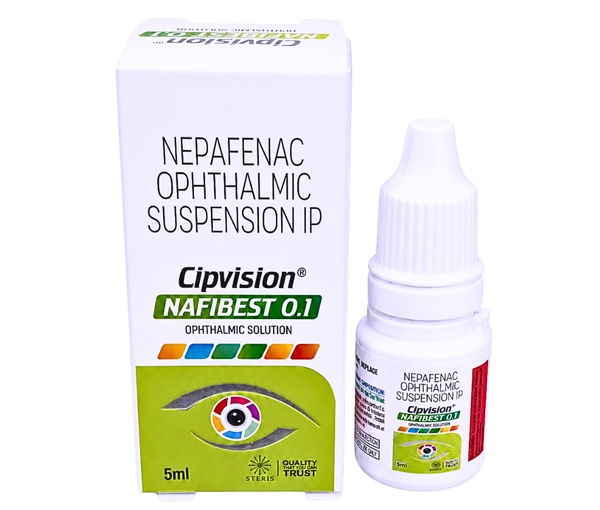
"name": "Nepafenac Ophthalmic Suspension IP",
"description": "Nepafenac Ophthalmic Suspension IP – Complete Buyer Intent Guide\n\nWhen it comes to managing post-operative eye pain and inflammation—especially after cataract surgery—choosing a fast-acting and reliable treatment is critical. Nepafenac Ophthalmic Suspension IP is a widely prescribed solution designed to reduce inflammation, relieve pain, and support faster recovery. This comprehensive, buyer-focused guide will help you understand everything you need before purchasing—ensuring you make an informed and confident decision.\n\nWhat is Nepafenac Ophthalmic Suspension IP?\n\nNepafenac Ophthalmic Suspension IP is a non-steroidal anti-inflammatory drug (NSAID) formulated specifically for ophthalmic use. It is commonly prescribed to reduce pain and inflammation following eye surgeries, particularly cataract procedures.\n\nUnlike many other eye drops, Nepafenac is a prodrug, meaning it penetrates the eye tissues effectively and converts into its active form (amfenac) inside the eye. This ensures targeted action and improved efficacy, making it highly effective in managing ocular inflammation.\n\nHow Does Nepafenac Work?\n\nNepafenac works by inhibiting the production of prostaglandins, which are chemicals responsible for inflammation and pain.\n\nMechanism of Action:\nPenetrates the cornea efficiently\nConverts into active amfenac within ocular tissues\nBlocks cyclooxygenase (COX) enzymes\nReduces inflammation, swelling, and pain\n\nThis targeted action ensures rapid relief and sustained anti-inflammatory effects, especially after surgical procedures.\n\nWhat Conditions Does It Treat?\n\nNepafenac Ophthalmic Suspension IP is primarily used for:\n\n✔ Post-Cataract Surgery Inflammation\n\nReduces swelling and discomfort after cataract removal procedures.\n\n✔ Post-Operative Eye Pain\n\nProvides effective pain relief following eye surgeries.\n\n✔ Prevention of Cystoid Macular Edema (CME)\n\nIn certain patients, it helps reduce the risk of fluid accumulation in the retina after surgery.\n\n✔ Other Inflammatory Eye Conditions\n\nMay be prescribed for non-infectious inflammation as advised by a doctor.\n\nKey Benefits of Nepafenac Ophthalmic Suspension\n✔ Powerful Anti-Inflammatory Action\n\nReduces swelling, redness, and irritation effectively.\n\n✔ Targeted Drug Delivery\n\nProdrug formulation ensures deeper penetration and better results.\n\n✔ Fast Pain Relief\n\nProvides quick comfort after eye surgery.\n\n✔ Supports Faster Recovery\n\nHelps improve healing time and patient comfort.\n\n✔ Convenient Dosage\n\nTypically used once or multiple times daily as prescribed.\n\n✔ Trusted by Ophthalmologists\n\nWidely used in post-surgical eye care protocols.\n\nHow to Use Nepafenac Ophthalmic Suspension\n\nCorrect usage is essential for maximum effectiveness.\n\nStep-by-Step Instructions:\nWash your hands thoroughly\nShake the bottle well before use\nTilt your head backward\nPull down the lower eyelid to create a pocket\nInstill 1 drop into the affected eye\nClose your eyes gently for 1–2 minutes\nAvoid touching the dropper tip\nDosage Guidelines:\nUsually 1 drop, 1–3 times daily, depending on the prescription\nStart as directed before or after surgery\nFollow your doctor’s instructions strictly\nDo not skip doses or discontinue early\nWho Should Use This Medication?\n\nNepafenac Ophthalmic Suspension IP is suitable for:\n\nPatients undergoing cataract surgery\nIndividuals experiencing post-operative eye inflammation\nPatients needing effective pain relief after eye procedures\n\nNote: It is a prescription medication and should be used under medical supervision.\n\nPossible Side Effects\n\nWhile generally safe, some side effects may occur.\n\nCommon Side Effects:\nMild burning or stinging sensation\nTemporary blurred vision\nEye irritation\nLess Common but Serious Effects:\nIncreased eye pressure\nDelayed wound healing\nCorneal complications (rare but serious)\nAllergic reactions\n\nSeek medical attention if you experience severe pain, vision changes, or persistent discomfort.\n\nPrecautions and Warnings\n\nBefore using Nepafenac Ophthalmic Suspension IP, consider the following:\n\nAvoid Use If:\nYou are allergic to NSAIDs\nYou have a history of sensitivity to similar medications\nUse With Caution If:\nYou have bleeding disorders\nYou are using other NSAIDs or steroids\nYou have diabetes (higher risk of complications)\nYou are pregnant or breastfeeding\nSafety Tips:\nDo not wear contact lenses during treatment\nMaintain proper hygiene to avoid contamination\nWait at least 10 minutes before using other eye drops\nAvoid driving immediately after use if vision is blurred\nDrug Interactions\n\nNepafenac may interact with:\n\nOther NSAIDs (increased risk of side effects)\nSteroid eye drops (may delay healing)\nBlood-thinning medications\n\nAlways inform your doctor about your current medications.\n\nStorage Instructions\nStore in a cool, dry place\nKeep away from direct sunlight\nDo not freeze\nShake well before use\nKeep out of reach of children\nWhy Choose Nepafenac Ophthalmic Suspension IP?\n\nFrom a buyer’s perspective, Nepafenac offers several advantages:\n\nAdvanced prodrug formulation for better penetration\nEffective pain and inflammation control\nWidely trusted in post-surgical eye care\nImproves patient comfort and recovery outcomes\nReduces risk of post-operative complications\n\nIt is a clinically proven and reliable solution for managing eye inflammation after surgery.\n\nBuying Guide – What to Check Before Purchase\n\nBefore purchasing Nepafenac Ophthalmic Suspension IP, ensure:\n\nIt meets IP (Indian Pharmacopoeia) standards\nThe packaging is sealed and tamper-proof\nThe expiry date is valid\nIt is sourced from a reputable pharmaceutical brand\nProper storage conditions have been maintained\n\nBuying from a trusted supplier ensures safety, authenticity, and effectiveness.\n\nConclusion\n\nNepafenac Ophthalmic Suspension IP is a highly effective anti-inflammatory eye drop designed to manage pain and inflammation, particularly after cataract surgery. Its unique prodrug formulation ensures targeted delivery, faster relief, and improved recovery outcomes.\n\nFor patients and healthcare providers seeking a dependable post-operative eye care solution, Nepafenac stands out as a safe, effective, and clinically trusted choice. Always use it as prescribed and under medical supervision to achieve the best results while protecting your vision.",
"price": 180.0,
"discountamount": 54.0,
"currencycode": "INR",
"priority": 1000000,
"isfreeshipmentavailable": false,
"shipmentduration": 1,
"_keywords": null,
"isarchived": false,
"isavailable": true,
"applicationid": null,
"productindex": 2406,
"imageuri": "https://productimages.withfloats.com/actual/69f9d46d2a6eb24956fa02b5.png",
"tileimageuri": "https://productimages.withfloats.com/tile/69f9d46d2a6eb24956fa02b5.png",
"images": null,
"totalqueries": 0,
"gpid": null,
"groupproductid": null,
"createdon": "2026-05-05T11:28:43.908Z",
"updatedon": "2026-05-06T11:37:40.673Z",
"buyonlinelink": null,
"producturl": "http://WWW.STERISINDIA.COM//nepafenac-ophthalmic-suspension-ip/2406",
"availableunits": -1.0,
"iscodavailable": false,
"isprepaidonlineavailable": false,
"maxcodorders": 0,
"maxprepaidonlineorders": 0,
"uniquepaymenturl": null,
"brandname": "CIPVISION NAFIBEST 0.1",
"category": "Opthalmology Range",
"tags": [
"nepafenac ophthalmic suspension ip",
"nepafenac ophthalmic suspension ip uses in hindi",
"nepafenac ophthalmic suspension ip uses",
"nepafenac ophthalmic suspension ip 0.1 w/v",
"nepafenac ophthalmic suspension ip 0.3 w/v",
"nepafenac ophthalmic suspension ip eye drops",
"nepafenac ophthalmic suspension ip 0.3 w/v",
"nepafenac ophthalmic suspension ip eye drops",
"nepafenac ophthalmic suspension how to use",
"nepafenac ophthalmic suspension ip eye drops"
],
"variants": false,
"keyspecification": null,
"otherspecifications": null,
"pickupaddressreferenceid": null,
"paymenttype": "UniquePaymentUrl",
"producttype": "products",
"hsncode": null,
"gstslab": 0.0,
"isnotforsale": false
},
{
"_id": "69f9d18b56297a4583167051",
"fptag": "STERISHEALTHCARE",
"merchantname": null,
"customwidgets": null,
"externalsourceid": null,
"name": "Carboxy-Methylcellulose,N-Acetyl-L-Carnosine & Glycerin Eye Drops",
"description": "Carboxy-Methylcellulose, N-Acetyl-L-Carnosine & Glycerin Eye Drops – Complete Buyer Intent Guide\n\nIf you’re experiencing dryness, irritation, burning, or tired eyes due to prolonged screen time, environmental stress, or aging, a multi-action lubricant can make a real difference. Carboxymethylcellulose, N-Acetyl-L-Carnosine & Glycerin Eye Drops are designed to hydrate, protect, and rejuvenate the ocular surface—making them an excellent choice for daily eye care. This buyer-focused guide explains how the formulation works, its benefits, correct usage, safety tips, and what to check before purchasing.\n\nWhat Are Carboxy-Methylcellulose, N-Acetyl-L-Carnosine & Glycerin Eye Drops?\n\nThis ophthalmic solution is a triple-action lubricating and protective eye drop that combines:\n\nCarboxymethylcellulose (CMC): A proven tear substitute that forms a soothing, protective film over the eye surface\nN-Acetyl-L-Carnosine (NAC): An antioxidant that helps combat oxidative stress in ocular tissues\nGlycerin: A hydrating agent that draws and retains moisture, keeping eyes comfortable for longer\n\nTogether, these ingredients provide long-lasting lubrication, enhanced hydration, and cellular protection, making the drops suitable for both symptom relief and ongoing eye wellness.\n\nHow Does This Combination Work?\n\nThe strength of this formulation lies in its complementary mechanisms:\n\n1. Surface Lubrication (Carboxymethylcellulose)\nMimics natural tears\nReduces friction during blinking\nSoothes irritation and dryness\n2. Deep Hydration (Glycerin)\nActs as a humectant to attract moisture\nMaintains tear film stability\nPrevents rapid evaporation\n3. Antioxidant Protection (N-Acetyl-L-Carnosine)\nHelps neutralize free radicals\nSupports ocular tissue health\nMay aid in protecting the lens and cornea from oxidative damage\n\nThe result is a balanced, long-acting relief for dry and fatigued eyes with added protective benefits.\n\nWhat Conditions Do These Eye Drops Help With?\n\nThese eye drops are commonly used for:\n\n✔ Dry Eye Syndrome\n\nRelieves symptoms like burning, itching, grittiness, and discomfort.\n\n✔ Digital Eye Strain\n\nIdeal for people using computers, mobiles, or tablets for long hours.\n\n✔ Environmental Irritation\n\nProtects against dryness caused by dust, pollution, wind, or air conditioning.\n\n✔ Age-Related Eye Dryness\n\nSupports natural tear film as tear production declines with age.\n\n✔ Post-LASIK or Eye Procedures\n\nHelps maintain moisture and comfort during recovery (as advised by a doctor).\n\nKey Benefits of Carboxy-Methylcellulose, NAC & Glycerin Eye Drops\n✔ Long-Lasting Lubrication\n\nForms a protective layer that keeps eyes moist for extended periods.\n\n✔ Enhanced Hydration\n\nGlycerin ensures deep moisture retention, reducing frequent reapplication.\n\n✔ Antioxidant Support\n\nNAC helps protect ocular tissues from oxidative stress.\n\n✔ Soothes Irritation Quickly\n\nProvides immediate comfort from dryness, burning, and redness.\n\n✔ Suitable for Daily Use\n\nGentle formulation makes it ideal for routine eye care.\n\n✔ Improves Visual Comfort\n\nReduces strain and enhances clarity during prolonged screen use.\n\nHow to Use These Eye Drops\n\nProper technique ensures optimal results and hygiene.\n\nStep-by-Step Instructions:\nWash your hands thoroughly\nShake the bottle if instructed\nTilt your head backward\nPull down the lower eyelid to form a small pocket\nInstill 1–2 drops into each affected eye\nClose your eyes gently for 1–2 minutes\nAvoid touching the dropper tip\nDosage Guidelines:\nTypically 1–2 drops, 3–4 times daily or as needed\nFollow your doctor’s recommendation for long-term use\nSafe for regular use in most cases\nWho Should Use This Product?\n\nThese eye drops are ideal for:\n\nIndividuals with chronic or occasional dry eyes\nOffice workers and heavy screen users\nElderly individuals with reduced tear production\nPeople exposed to air-conditioned or polluted environments\nContact lens users (remove lenses before use unless advised otherwise)\n\nNote: While generally safe, consult a healthcare professional for prolonged use or specific conditions.\n\nPossible Side Effects\n\nThese eye drops are usually well tolerated, but mild effects may occur.\n\nCommon Side Effects:\nTemporary blurred vision\nMild stinging or irritation\nStickiness in the eye\nRare Side Effects:\nAllergic reactions (redness, itching, swelling)\nPersistent discomfort\n\nIf symptoms persist or worsen, discontinue use and consult a doctor.\n\nPrecautions and Safety Tips\n\nBefore using these eye drops, consider the following:\n\nAvoid If:\nYou are allergic to any of the ingredients\nUse With Caution If:\nYou have a severe eye infection\nYou are undergoing eye surgery (consult doctor)\nImportant Tips:\nDo not touch the dropper tip to any surface\nKeep the bottle tightly closed\nWait 10–15 minutes before using other eye medications\nRemove contact lenses before application and reinsert after 10–15 minutes\nStorage Instructions\nStore in a cool, dry place\nKeep away from direct sunlight\nDo not freeze\nKeep out of reach of children\nUse within the recommended period after opening\nWhy Choose Carboxy-Methylcellulose, NAC & Glycerin Eye Drops?\n\nFrom a buyer’s perspective, this product offers:\n\nTriple-action formula for comprehensive eye care\nCombines lubrication, hydration, and antioxidant protection\nSuitable for both relief and preventive care\nConvenient and easy-to-use solution\nCost-effective alternative to multiple eye products\n\nIt’s an excellent choice for those seeking advanced eye lubrication with added protective benefits.\n\nBuying Guide – What to Check Before Purchase\n\nBefore purchasing, make sure to:\n\nVerify the ingredient composition and strength\nCheck the expiry date\nEnsure the packaging is sealed and intact\nBuy from a trusted manufacturer or supplier\nConfirm proper storage conditions\n\nThis ensures product quality, safety, and effectiveness.\n\nConclusion\n\nCarboxy-Methylcellulose, N-Acetyl-L-Carnosine & Glycerin Eye Drops provide a modern, multi-functional solution for dry, irritated, and fatigued eyes. By combining lubrication, hydration, and antioxidant protection, they go beyond basic artificial tears to deliver long-lasting comfort and ocular support.\n",
"price": 175.0,
"discountamount": 53.0,
"currencycode": "INR",
"priority": 1000000,
"isfreeshipmentavailable": false,
"shipmentduration": 1,
"_keywords": null,
"isarchived": false,
"isavailable": true,
"applicationid": null,
"productindex": 2405,
"imageuri": "https://productimages.withfloats.com/actual/69f9d18e0b3666bf968ddf5b.png",
"tileimageuri": "https://productimages.withfloats.com/tile/69f9d18e0b3666bf968ddf5b.png",
"images": null,
"totalqueries": 0,
"gpid": null,
"groupproductid": null,
"createdon": "2026-05-05T11:16:27.871Z",
"updatedon": "2026-05-06T11:35:52.109Z",
"buyonlinelink": null,
"producturl": "http://WWW.STERISINDIA.COM//carboxy-methylcellulose-n-acetyl-l-carnosine-glycerin-eye-drops/2405",
"availableunits": -1.0,
"iscodavailable": false,
"isprepaidonlineavailable": false,
"maxcodorders": 0,
"maxprepaidonlineorders": 0,
"uniquepaymenturl": null,
"brandname": "CIPVISION CMCLUBRI",
"category": "Opthalmology Range",
"tags": [
"Carboxy-Methylcellulose,N-Acetyl-L-Carnosine & Glycerin Eye Drops"
],
"variants": false,
"keyspecification": null,
"otherspecifications": null,
"pickupaddressreferenceid": null,
"paymenttype": "UniquePaymentUrl",
"producttype": "products",
"hsncode": null,
"gstslab": 0.0,
"isnotforsale": false
}
],
"hasmoreitems": false,
"isapirequest": false,
"totalresults": 27,
"query": null,
"floatingpoint": null
}