STERISHEALTHCARE
Products
08042755542
91918824471531
Chat with us


Chat with us on WhatsApp
×
This is your website preview.
Currently it only shows your basic business info. Start adding relevant business details such as description, images and products or services to gain your customers attention by using Boost 360 android app / iOS App / web portal.
Home
 hiv antiretroviral medication substitutes and alternatives
 hiv antiretroviral medication substitutes and alternatives
Items tagged with 'hiv antiretroviral medication substitutes and alternatives'
{
"products": [
{
"_id": "6960c83f3056ad8a5a1aecba",
"fptag": "STERISHEALTHCARE",
"merchantname": null,
"customwidgets": null,
"externalsourceid": null,
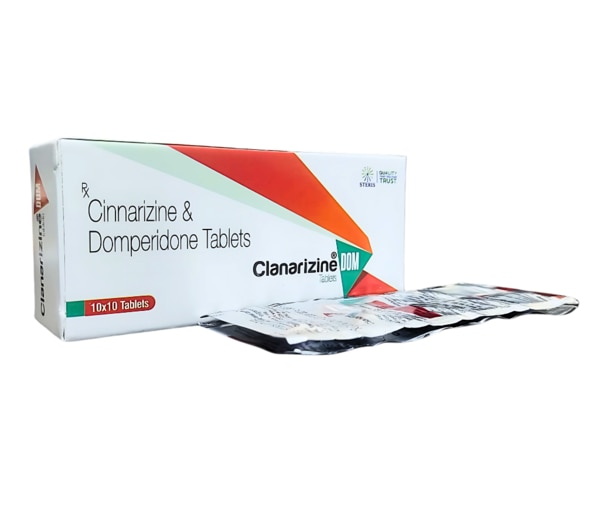
"name": "Cinnarizine and Domperidone Tablets ",
"description": "CLANARIZINE DOM represents an advanced pharmaceutical combination that brings together two potent therapeutic agents—Cinnarizine and Domperidone—in a single convenient tablet formulation. This innovative combination medication addresses multiple aspects of vestibular disorders, motion sickness, and associated nausea and vomiting, providing comprehensive relief for patients suffering from these debilitating conditions. Manufactured under stringent quality control standards, CLANARIZINE DOM offers a synergistic approach to managing symptoms that significantly impact quality of life and daily functioning.The combination of Cinnarizine and Domperidone in CLANARIZINE DOM is based on sound pharmacological principles. While Cinnarizine works primarily on the vestibular system to reduce dizziness and vertigo, Domperidone acts as an effective antiemetic to control nausea and vomiting. Together, these two active ingredients provide more comprehensive symptom control than either agent alone, making CLANARIZINE DOM an excellent choice for patients experiencing vestibular disturbances accompanied by gastrointestinal symptoms.This combination therapy is particularly valuable because vertigo, dizziness, and motion sickness are frequently accompanied by nausea and vomiting. Patients suffering from these conditions often find that addressing only one aspect of their symptoms provides insufficient relief. CLANARIZINE DOM's dual-action formula tackles both the underlying vestibular dysfunction and the accompanying gastrointestinal distress, offering patients a more complete therapeutic solution that improves both comfort and functional capacity.Understanding the Active IngredientsCinnarizine is a calcium channel blocker with specific antihistaminic and vestibular suppressant properties. Unlike systemic calcium channel blockers used for cardiovascular conditions, Cinnarizine selectively acts on the blood vessels in the inner ear and brain, improving blood flow to these areas. This enhanced circulation helps reduce the frequency and severity of vertigo attacks while also preventing motion sickness. Cinnarizine also possesses mild antihistaminic effects that contribute to its anti-nausea properties, though this is not its primary mechanism of action.The medication works by blocking calcium channels in the vestibular system, which helps stabilize the sensory organs responsible for balance. By reducing the excessive stimulation of the vestibular apparatus, Cinnarizine decreases the sensation of spinning or imbalance that characterizes vertigo. Additionally, its vasodilatory effects improve microcirculation in the inner ear, which can be beneficial for conditions where reduced blood flow contributes to symptoms.Domperidone is a peripheral dopamine antagonist that acts primarily as a prokinetic and antiemetic agent. Unlike some antiemetic medications that cross the blood-brain barrier and cause sedation or extrapyramidal side effects, Domperidone works predominantly in the peripheral nervous system. It blocks dopamine receptors in the chemoreceptor trigger zone (CTZ) located outside the blood-brain barrier, effectively preventing nausea and vomiting without causing significant central nervous system effects.Domperidone also enhances gastrointestinal motility by promoting coordinated contractions of the stomach and upper small intestine. This prokinetic effect helps empty the stomach more efficiently, reducing feelings of fullness, bloating, and discomfort that often accompany vestibular disorders. By accelerating gastric emptying, Domperidone also reduces the likelihood of gastroesophageal reflux, which can exacerbate nausea in some patients.The combination of these two medications in CLANARIZINE DOM creates a complementary therapeutic effect. While Cinnarizine addresses the vestibular component of dizziness and vertigo, Domperidone manages the gastrointestinal symptoms that frequently accompany these conditions. This dual approach provides more comprehensive symptom relief and improves overall treatment outcomes compared to monotherapy with either agent alone.Clinical Applications and UsesCLANARIZINE DOM is indicated for a wide range of conditions characterized by vertigo, dizziness, and associated nausea. Understanding these clinical applications helps healthcare providers select appropriate candidates for this combination therapy.Vestibular Disorders: The primary indication for CLANARIZINE DOM includes various vestibular disorders that cause vertigo and imbalance. These conditions include Ménière's disease, benign paroxysmal positional vertigo (BPPV), vestibular neuritis, and labyrinthitis. Patients with these disorders experience episodes of spinning sensation, loss of balance, and often severe nausea. CLANARIZINE DOM helps reduce the frequency and intensity of vertigo attacks while controlling the accompanying gastrointestinal symptoms.Motion Sickness: CLANARIZINE DOM is highly effective for preventing and treating motion sickness, whether related to travel by car, boat, airplane, or amusement park rides. The medication can be taken prophylactically before travel or at the onset of symptoms. The combination is particularly useful for individuals who experience severe nausea and vomiting with motion sickness, as Domperidone provides powerful antiemetic effects that complement Cinnarizine's anti-motion-sickness properties.Migraine-Associated Vertigo: Many patients with migraines experience vestibular symptoms, including dizziness, vertigo, and motion sensitivity, either during migraine attacks or as independent episodes. CLANARIZINE DOM can help manage these vestibular manifestations of migraine, reducing both the vertigo and the nausea that often accompany migraine headaches.Post-Concussion Syndrome: Following head injuries, some patients develop persistent dizziness, balance problems, and nausea as part of post-concussion syndrome. CLANARIZINE DOM may provide symptomatic relief for these patients during their recovery period, though it should be used as part of a comprehensive treatment approach that includes rest, gradual return to activities, and vestibular rehabilitation when appropriate.Cerebrovascular Insufficiency: In older adults with reduced blood flow to the brain, symptoms such as dizziness, vertigo, tinnitus (ringing in the ears), and cognitive difficulties may develop. Cinnarizine's vasodilatory properties can improve cerebral circulation, potentially reducing these symptoms. The addition of Domperidone helps manage any associated nausea.Radiation-Induced or Chemotherapy-Induced Nausea: While not a primary indication, some healthcare providers use CLANARIZINE DOM as adjunctive therapy for patients undergoing cancer treatment who experience both nausea and dizziness. Domperidone's strong antiemetic properties are particularly valuable in this context.Key Benefits of CLANARIZINE DOMThe unique combination of Cinnarizine and Domperidone in CLANARIZINE DOM offers numerous advantages that make it a preferred choice for managing vestibular disorders and associated symptoms.Comprehensive Symptom Control: The primary benefit of CLANARIZINE DOM is its ability to address multiple symptoms simultaneously. Rather than requiring patients to take separate medications for vertigo and nausea, this combination provides unified treatment in a single tablet. This comprehensive approach improves symptom control across the full spectrum of vestibular disorder manifestations, from the spinning sensation to the gastrointestinal distress that often accompanies it.Improved Patient Compliance: Taking multiple medications can be burdensome, particularly for patients who feel dizzy or nauseated. CLANARIZINE DOM simplifies the treatment regimen by combining two medications in one tablet, making it easier for patients to adhere to their prescribed therapy. Better compliance translates to better outcomes, as consistent medication use is essential for managing chronic vestibular conditions.Synergistic Therapeutic Effects: The combination of Cinnarizine and Domperidone creates synergistic effects that enhance overall efficacy. While Cinnarizine reduces vestibular stimulation and improves inner ear blood flow, Domperidone prevents nausea and promotes gastric emptying. This dual action addresses both the cause and consequences of vestibular dysfunction, providing more complete relief than either medication alone.Reduced Central Nervous System Side Effects: Because Domperidone works primarily in the peripheral nervous system rather than crossing the blood-brain barrier extensively, CLANARIZINE DOM causes less sedation and fewer cognitive effects compared to some alternative antiemetic medications. This allows patients to maintain better alertness and function during treatment, which is particularly important for those who need to continue working or performing daily activities.Enhanced Quality of Life: Vertigo and chronic dizziness significantly impair quality of life, limiting mobility, social interactions, and occupational functioning. The nausea and vomiting that accompany these conditions add another layer of disability. By effectively controlling both vestibular and gastrointestinal symptoms, CLANARIZINE DOM helps restore patients' ability to engage in normal activities, improving overall life satisfaction and functional independence.Fast Onset of Action: CLANARIZINE DOM provides relatively rapid symptom relief, with many patients experiencing improvement within 30 minutes to 2 hours after taking the medication. This quick onset is particularly valuable for acute episodes of vertigo or when taking the medication prophylactically before situations that might trigger motion sickness.Suitable for Long-Term Use: For patients with chronic vestibular disorders requiring ongoing treatment, CLANARIZINE DOM is generally safe for extended use when properly monitored by a healthcare provider. The medication maintains its effectiveness over time without significant tolerance development, making it suitable for long-term symptom management.Improved Gastric Emptying: The prokinetic effects of Domperidone benefit not only nausea but also other gastrointestinal symptoms such as early satiety, bloating, and upper abdominal discomfort. Patients with vestibular disorders often develop gastroparesis or delayed gastric emptying secondary to their condition, and Domperidone addresses this issue effectively.Vascular Benefits: Cinnarizine's ability to improve blood flow to the inner ear and brain provides additional benefits beyond symptom control. Enhanced microcirculation may support healing and recovery in conditions where vascular insufficiency contributes to vestibular dysfunction.Side Effects and Safety ConsiderationsLike all medications, CLANARIZINE DOM can cause side effects, though not everyone experiences them. Understanding potential adverse effects helps patients recognize when to seek medical attention and allows healthcare providers to monitor therapy appropriately.Common Side Effects:The most frequently reported side effect of CLANARIZINE DOM is drowsiness or sedation, occurring in approximately 10-20% of patients. This effect is primarily attributable to Cinnarizine's antihistaminic properties. Patients should avoid driving or operating machinery until they know how the medication affects them. Taking the medication at bedtime can minimize daytime drowsiness for some patients.Dry mouth is another common side effect, affecting roughly 10-15% of patients. This occurs due to anticholinergic effects and can be managed by sipping water frequently, chewing sugar-free gum, or using saliva substitutes if severe. Maintaining good oral hygiene is important to prevent dental problems associated with reduced saliva production.Mild gastrointestinal symptoms, including constipation, abdominal discomfort, or changes in bowel habits, may occur. While Domperidone promotes gastric emptying, it can occasionally alter bowel motility. These effects are usually mild and resolve with continued use or dose adjustment.",
"price": 55.0,
"discountamount": 17.0,
"currencycode": "INR",
"priority": 1000000,
"isfreeshipmentavailable": false,
"shipmentduration": 1,
"_keywords": null,
"isarchived": false,
"isavailable": true,
"applicationid": null,
"productindex": 2271,
"imageuri": "https://productimages.withfloats.com/actual/6960c8410b0da405bc908e58.png",
"tileimageuri": "https://productimages.withfloats.com/tile/6960c8410b0da405bc908e58.png",
"images": null,
"totalqueries": 0,
"gpid": null,
"groupproductid": null,
"createdon": "2026-01-09T09:19:59.281Z",
"updatedon": "2026-03-12T09:24:10.244Z",
"buyonlinelink": null,
"producturl": "http://WWW.STERISINDIA.COM/products/cinnarizine-and-domperidone-tablets-/2271",
"availableunits": -1.0,
"iscodavailable": false,
"isprepaidonlineavailable": false,
"maxcodorders": 0,
"maxprepaidonlineorders": 0,
"uniquepaymenturl": null,
"brandname": "CLANARIZINE DOM",
"category": "NEUROLOGY RANGE",
"tags": [
"cinnarizine and domperidone tablet uses",
"what is cinnarizine & domperidone tablet used for",
"cinnarizine domperidone combination medicine benefits",
"how cinnarizine domperidone tablet works",
"cinnarizine domperidone tablet for vertigo treatment",
"cinnarizine domperidone tablet for inner ear problem",
"cinnarizine domperidone tablet for balance disorder",
"cinnarizine domperidone tablet for travel sickness",
"cinnarizine domperidone tablet for gastric nausea",
"cinnarizine & domperidone tablet price in india",
"cinnarizine domperidone tablet brand name",
"cinnarizine domperidone tablet manufacturer in india"
],
"variants": false,
"keyspecification": null,
"otherspecifications": null,
"pickupaddressreferenceid": null,
"paymenttype": "UniquePaymentUrl",
"producttype": "products",
"hsncode": null,
"gstslab": 0.0,
"isnotforsale": false
},
{
"_id": "69316145bf2a5ce08905eadf",
"fptag": "STERISHEALTHCARE",
"merchantname": null,
"customwidgets": null,
"externalsourceid": null,
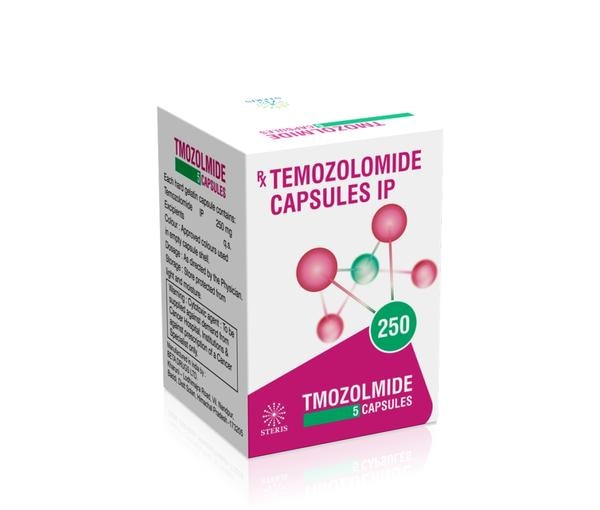
"name": "Temozolomide 250 mg",
"description": "Temozolomide 250 mg, marketed under the brand name TMOZOLMIDE 250 by Steris Healthcare, is a potent chemotherapy drug primarily used to treat certain aggressive brain tumors such as glioblastoma multiforme (GBM) and anaplastic astrocytoma. Its mechanism of action involves alkylation of DNA, which damages the cancer cells’ DNA strands, leading to their programmed death and inhibition of tumor growth. This effect is achieved through the addition of a methyl group at the O6 and N7 positions of guanine in DNA. Tumor cells damaged by this process are unable to reproduce and eventually die, making Temozolomide an effective agent in chemotherapy regimens[,].\n\nWhat are the benefits of temozolomide 250 mg?\nTemozolomide 250 mg offers significant benefits for patients battling brain cancers. It crosses the blood-brain barrier effectively, which allows it to reach tumor cells inside the brain where many other drugs cannot penetrate. This expands its efficacy in treating primary brain tumors and certain metastatic tumors that have spread to the brain. In clinical settings, it has been shown to improve progression-free survival rates and, in some cases, overall survival when used with radiation therapy or alone during maintenance treatment phases[,].\n\nKey Benefits of Temozolomide 250 mg\nEffective treatment of aggressive brain tumors like glioblastoma multiforme and anaplastic astrocytoma.\n\nCan be administered orally, offering convenience compared to intravenous chemotherapy.\n\nAbility to cross the blood-brain barrier, ensuring targeted therapy within the central nervous system.\n\nWell-established as part of the standard Stupp protocol (combined with radiotherapy).\n\nMay improve quality of life by slowing tumor progression and managing symptoms associated with brain tumors[,].\n\nSide Effects of Temozolomide 250 mg\nWhile Temozolomide is effective, it may cause side effects common to chemotherapy medications due to its impact on both cancerous and healthy rapidly dividing cells.\n\nCommon Side Effects of Temozolomide 250 mg\nNausea and vomiting, which can sometimes be severe.\n\nFatigue and weakness.\n\nHair thinning or hair loss.\n\nConstipation or diarrhea.\n\nLoss of appetite.\n\nMouth sores or changes in taste.\n\nDizziness or headache.\n\nMild skin rashes or itching[,].\n\nSerious Side Effects of Temozolomide 250 mg\nSignificant reduction in blood cell counts causing anemia, leukopenia, or thrombocytopenia (requiring close blood monitoring).\n\nSevere infections due to immune suppression.\n\nAllergic reactions, including swelling, itching, or rash.\n\nLiver dysfunction or jaundice.\n\nSeizures or neurological symptoms.\n\nUnusual bleeding or bruising.\n\nSigns of severe allergic reaction like difficulty breathing[,].\n\nAvailable Substitute for Temozolomide 250 mg\nThere are limited direct substitutes for Temozolomide due to its unique ability to treat brain tumors crossing the blood-brain barrier. Alternatives depend on tumor type and may include other chemotherapy drugs like lomustine (CCNU), carmustine (BCNU), or newer targeted therapies and immunotherapies under clinical trial. However, these alternatives may vary in efficacy and side effect profile and are generally used under oncologist guidance[,].\n\nDosage Guidelines for Temozolomide 250 mg\nThe dosage of Temozolomide 250 mg (TMOZOLMIDE 250) by Steris Healthcare is carefully tailored based on the type and stage of cancer, body surface area (BSA), and patient tolerance. The standard regimen for newly diagnosed glioblastoma is an oral dose of 75 mg/m² daily during radiotherapy, followed by maintenance cycles of 150 to 200 mg/m² for 5 days every 28 days. Dose adjustments are common based on blood counts and side effects. Strict adherence to the prescribed dosage schedule and monitoring are critical for safety and efficacy.",
"price": 12187.0,
"discountamount": 3657.0,
"currencycode": "INR",
"priority": 1000000,
"isfreeshipmentavailable": false,
"shipmentduration": 1,
"_keywords": null,
"isarchived": false,
"isavailable": true,
"applicationid": null,
"productindex": 2229,
"imageuri": "https://productimages.withfloats.com/actual/693161477743cf6a1359d094.jpg",
"tileimageuri": "https://productimages.withfloats.com/tile/693161477743cf6a1359d094.jpg",
"images": null,
"totalqueries": 0,
"gpid": null,
"groupproductid": null,
"createdon": "2025-12-04T10:24:05.165Z",
"updatedon": "2026-03-12T08:08:17.975Z",
"buyonlinelink": null,
"producturl": "http://WWW.STERISINDIA.COM//temozolomide-250-mg/2229",
"availableunits": -1.0,
"iscodavailable": false,
"isprepaidonlineavailable": false,
"maxcodorders": 0,
"maxprepaidonlineorders": 0,
"uniquepaymenturl": null,
"brandname": "TMOZOLMIDE 250",
"category": "Oncology",
"tags": [
"Temozolomide 250 mg",
"cancer",
"brain tumors",
"cancer cells",
"Tumor cells",
"chemotherapy",
"TMOZOLMIDE 250",
"Temozolomide 250 mg capsule uses",
"How to take Temozolomide 250 mg correctly",
"Temozolomide 250 mg dosage schedule guide",
"Temozolomide 250 mg dosage schedule guide",
"Temozolomide 250 mg for glioblastoma treatment",
"Temozolomide 250 mg empty stomach instructions",
"What is Temozolomide 250 mg prescribed for",
"Temozolomide 250 mg chemotherapy cycle details",
"Temozolomide 250 mg patient information leaflet",
"Temozolomide 250 mg storage instructions",
"Temozolomide 250 mg manufacturer price"
],
"variants": false,
"keyspecification": null,
"otherspecifications": null,
"pickupaddressreferenceid": null,
"paymenttype": "UniquePaymentUrl",
"producttype": "products",
"hsncode": null,
"gstslab": 0.0,
"isnotforsale": false
},
{
"_id": "6666b9a99f460208a41a62d2",
"fptag": "STERISHEALTHCARE",
"merchantname": null,
"customwidgets": null,
"externalsourceid": null,
"name": "tadalafil and dapoxetine tablets",
"description": "DAPOXETINE LONG \nDAPOXITIME LONG is a potent combination tablet containing Tadalafil 10mg and Dapoxetine 30mg, crafted to tackle erectile dysfunction (ED) and premature ejaculation (PE) in men aged 18-64. This dual-action formula empowers men to achieve firmer erections, extend intercourse duration, and regain sexual confidence effectively. Designed for on-demand use, it offers a convenient solution for enhancing intimate experiences without daily dosing.\n\nProduct Overview\nDAPOXETINE LONG stands out as an innovative pharmaceutical from Steris Healthcare, blending two clinically proven active ingredients into a single tablet. Tadalafil, a PDE5 inhibitor, relaxes penile blood vessels to boost blood flow during arousal, enabling strong, sustainable erections lasting up to 36 hours. Dapoxetine, a selective serotonin reuptake inhibitor (SSRI), modulates serotonin levels in the brain to delay ejaculation reflexes, providing better ejaculatory control.\n\nThis synergistic pairing addresses the root causes of common male sexual challenges, making DAPOXITIME LONG ideal for men experiencing both ED and PE concurrently. Unlike single-ingredient treatments, it delivers comprehensive results in one easy-to-swallow tablet, typically taken 1-3 hours before anticipated sexual activity with water. Available through trusted pharmacies like Steris Online, it prioritizes discretion and efficacy for modern lifestyles.\n\nKey Uses\nDAPOXITIME LONG primarily treats erectile dysfunction, where men struggle to attain or maintain an erection sufficient for satisfactory intercourse. It also effectively manages premature ejaculation, defined as ejaculation occurring sooner than desired, often within one minute of penetration.\n\nBeyond core indications, the medication enhances overall sexual stamina, allowing couples to enjoy prolonged intimacy without performance pressure. Men with mixed symptoms find it particularly valuable, as it restores natural sexual rhythms and fosters deeper partner satisfaction. Clinical data supports its role in reducing related distress, making it a go-to for revitalizing bedroom dynamics.\n\nMechanism of Action\nTadalafil inhibits phosphodiesterase type 5 (PDE5) enzymes, preventing cyclic guanosine monophosphate (cGMP) breakdown. This promotes smooth muscle relaxation in the corpus cavernosum, facilitating increased arterial inflow and reduced venous outflow for robust erections upon stimulation.\n\nDapoxetine rapidly absorbs into the bloodstream, peaking within 1-2 hours, to elevate synaptic serotonin. This heightens sensory thresholds and prolongs intravaginal ejaculatory latency time (IELT) by 2-3 fold, as shown in phase 3 trials. The combination ensures Tadalafil's prolonged window aligns seamlessly with Dapoxetine's quick-onset control, optimizing dual benefits without interference.\n\nKey Benefits\nSuperior Erection Quality: Tadalafil delivers reliable, long-lasting hardness, outperforming shorter-acting alternatives for spontaneous encounters.\n\nExtended Intercourse Duration: Dapoxetine significantly boosts IELT, transforming brief encounters into fulfilling sessions averaging 3-4 times longer.\n\nBoosted Confidence: Dual relief from ED and PE alleviates anxiety, enhancing self-esteem and relationship intimacy.\n\nConvenience and Flexibility: On-demand dosing up to 36 hours of readiness eliminates rigid schedules, fitting busy lives seamlessly.\n\nPartner Satisfaction: Improved performance leads to mutual pleasure, strengthening emotional bonds and reducing interpersonal distress.\n\nThese advantages position DAPOXETINE LONG as a game-changer, backed by pooled efficacy data showing consistent improvements across demographics.\n\nDosage and Administration\nTake one DAPOXITIME LONG tablet orally with a full glass of water 1-3 hours prior to sexual activity. Avoid grapefruit juice, heavy meals, or alcohol, as they may delay absorption or amplify side effects. Do not exceed one tablet per 24 hours or use more than once daily.\n\nStart with the standard 10mg Tadalafil/30mg Dapoxetine dose; healthcare providers may adjust based on response and tolerance. Sexual stimulation remains essential, as the medication enhances natural physiology rather than initiating arousal independently. Store in a cool, dry place away from children.\n\nPotential Side Effects\nCommon mild effects include headache, dizziness, nausea, flushing, nasal congestion, and indigestion, often resolving as the body adjusts. Dapoxetine-specific reactions like fatigue, dry mouth, or insomnia occur in about 10-20% of users initially.\n\nLess frequent but notable are blurred vision from Tadalafil or back pain or diarrhea from Dapoxetine. Rare serious issues like priapism (prolonged erection >4 hours), sudden vision/hearing loss, or severe allergic reactions (rash, swelling) demand immediate medical attention. Most resolve without intervention, but monitoring is advised during early use.\n\nPrecautions and Contraindications\nAvoid if allergic to either component or with nitrates, riociguat, alpha-blockers, or severe heart/liver/kidney issues. Consult a doctor for a history of low blood pressure, seizures, depression, glaucoma, or bleeding disorders. Not for women, children under 18, or men over 64 without guidance.\n\nLifestyle tips: Stay hydrated, limit alcohol to prevent orthostatic hypotension, and disclose all medications to avoid interactions like with antifungals or HIV protease inhibitors. Regular checkups ensure safe, ongoing use.\n\nConclusion\nDAPOXITIME LONG redefines male sexual wellness by merging Tadalafil's enduring erection support with Dapoxetine's precise ejaculation control, delivering unmatched performance gains. Men embracing this therapy report heightened satisfaction, confidence, and harmony in relationships, transforming intimacy from a concern to a strength. Prioritize professional consultation to tailor it to your health profile and unlock its full potential safely.\n\n",
"price": 355.0,
"discountamount": 107.0,
"currencycode": "INR",
"priority": 1000000,
"isfreeshipmentavailable": false,
"shipmentduration": 7,
"_keywords": [
"ED",
"Call",
"SSRI",
"Email",
"penis",
"ORDER",
"climax",
"control",
"WhatsApp",
"erections",
"Tadalafil",
"blood flow",
"information",
"combination",
"sterispharma",
"sterisonline",
"single tablet",
"PDE5 inhibitor",
"DAPOXITIME LONG",
"Dapoxetine Long",
"erectile dysfunction",
"premature ejaculation",
"comprehensive solution",
"sexual health concerns",
"selective serotonin reuptake inhibitor"
],
"isarchived": false,
"isavailable": true,
"applicationid": null,
"productindex": 1636,
"imageuri": "https://productimages.withfloats.com/actual/6666b9ac117f82c50b0351e7.png",
"tileimageuri": "https://productimages.withfloats.com/tile/6666b9ac117f82c50b0351e7.png",
"images": null,
"totalqueries": 0,
"gpid": null,
"groupproductid": null,
"createdon": "2024-06-10T08:30:33.181Z",
"updatedon": "2026-05-26T11:50:56.962Z",
"buyonlinelink": null,
"producturl": "http://WWW.STERISINDIA.COM//tadalafil-and-dapoxetine-tablets/1636",
"availableunits": -1.0,
"iscodavailable": false,
"isprepaidonlineavailable": false,
"maxcodorders": 0,
"maxprepaidonlineorders": 0,
"uniquepaymenturl": null,
"brandname": "DAPOXITIME LONG ",
"category": "UROLOGYRANGE",
"tags": [
"DAPOXITIME LONG",
"Tadalafil (10mg)",
"Dapoxetine (30mg)",
"dapoxetine 30mg uses",
"dapoxetine 30mg price in india",
"dapoxetine 30mg uses in hindi",
"dapoxetine 30mg side effects",
"relaxes penile blood vessels to boost blood flow during arousal",
"male sexual challenges.",
"sexual activity .",
"Partner Satisfaction."
],
"variants": false,
"keyspecification": null,
"otherspecifications": null,
"pickupaddressreferenceid": "",
"paymenttype": "UniquePaymentUrl",
"producttype": "products",
"hsncode": null,
"gstslab": 0.001,
"isnotforsale": false
},
{
"_id": "662ba238e68e121fa8860c41",
"fptag": "STERISHEALTHCARE",
"merchantname": null,
"customwidgets": null,
"externalsourceid": null,
"name": "TMOZOLMIDE 250 ",
"description": "TMOZOLMIDE 250 \nTemozolomide 250 mg, marketed under the brand name TMOZOLMIDE 250 by Steris Healthcare, is a potent chemotherapy drug primarily used to treat certain aggressive brain tumors such as glioblastoma multiforme (GBM) and anaplastic astrocytoma. Its mechanism of action involves alkylation of DNA, which damages the cancer cells’ DNA strands, leading to their programmed death and inhibition of tumor growth. This effect is achieved through the addition of a methyl group at the O6 and N7 positions of guanine in DNA. Tumor cells damaged by this process are unable to reproduce and eventually die, making Temozolomide an effective agent in chemotherapy regimens[,].\n\nWhat are the Benefits of Temozolomide 250 mg?\nTemozolomide 250 mg offers significant benefits for patients battling brain cancers. It crosses the blood-brain barrier effectively, which allows it to reach tumor cells inside the brain where many other drugs cannot penetrate. This expands its efficacy in treating primary brain tumors and certain metastatic tumors that have spread to the brain. In clinical settings, it has been shown to improve progression-free survival rates and, in some cases, overall survival when used with radiation therapy or alone during maintenance treatment phases[,].\n\nKey Benefits of Temozolomide 250 mg\nEffective treatment of aggressive brain tumors like glioblastoma multiforme and anaplastic astrocytoma.\n\nCan be administered orally, offering convenience compared to intravenous chemotherapy.\n\nAbility to cross the blood-brain barrier ensuring targeted therapy within the central nervous system.\n\nWell-established as part of the standard Stupp protocol (combined with radiotherapy).\n\nMay improve quality of life by slowing tumor progression and managing symptoms associated with brain tumors[,].\n\nSide Effects of Temozolomide 250 mg\nWhile Temozolomide is effective, it may cause side effects common to chemotherapy medications due to its impact on both cancerous and healthy rapidly dividing cells.\n\nCommon Side Effects of Temozolomide 250 mg\nNausea and vomiting, which can sometimes be severe.\n\nFatigue and weakness.\n\nHair thinning or hair loss.\n\nConstipation or diarrhea.\n\nLoss of appetite.\n\nMouth sores or changes in taste.\n\nDizziness or headache.\n\nMild skin rashes or itching[,].\n\nSerious Side Effects of Temozolomide 250 mg\nSignificant reduction in blood cell counts causing anemia, leukopenia, or thrombocytopenia (requiring close blood monitoring).\n\nSevere infections due to immune suppression.\n\nAllergic reactions including swelling, itching, or rash.\n\nLiver dysfunction or jaundice.\n\nSeizures or neurological symptoms.\n\nUnusual bleeding or bruising.\n\nSigns of severe allergic reaction like difficulty breathing[,].\n\nAvailable Substitute for Temozolomide 250 mg\nThere are limited direct substitutes for Temozolomide due to its unique ability to treat brain tumors crossing the blood-brain barrier. Alternatives depend on tumor type and may include other chemotherapy drugs like lomustine (CCNU), carmustine (BCNU), or newer targeted therapies and immunotherapies under clinical trial. However, these alternatives may vary in efficacy and side effect profile and are generally used under oncologist guidance[,].\n\nDosage Guidelines for Temozolomide 250 mg\nThe dosage of Temozolomide 250 mg (TMOZOLMIDE 250) by Steris Healthcare is carefully tailored based on the type and stage of cancer, body surface area (BSA), and patient tolerance. The standard regimen for newly diagnosed glioblastoma is an oral dose of 75 mg/m² daily during radiotherapy, followed by maintenance cycles of 150 to 200 mg/m² for 5 days every 28 days. Dose adjustments are common based on blood counts and side effects. Strict adherence to the prescribed dosage schedule and monitoring are critical for safety and efficacy[,]\nFor further information:\nEmail: info@sterispharma.com / contact@sterispharma.com\nCall/WhatsApp: 7877551268, 7849827488\nBuy Now: \n",
"price": 13000.0,
"discountamount": 3900.0,
"currencycode": "INR",
"priority": 1000000,
"isfreeshipmentavailable": false,
"shipmentduration": 7,
"_keywords": [
"usage",
"250 mg",
"nausea",
"fatigue",
"dosages",
"adherence",
"management",
"TMOZOLMIDE",
"Temozolomide",
"crucial role",
"brain tumors",
"vital medication",
"cancer treatment",
"oral chemotherapy",
"blood cell counts",
"careful monitoring",
"cancer cell growth",
"medical supervision",
"potential side effects",
"glioblastoma multiforme",
"aggressive brain cancers"
],
"isarchived": false,
"isavailable": true,
"applicationid": null,
"productindex": 774,
"imageuri": "https://productimages.withfloats.com/actual/662ba23b6b24b5f9e49ac624.png",
"tileimageuri": "https://productimages.withfloats.com/tile/662ba23b6b24b5f9e49ac624.png",
"images": null,
"totalqueries": 0,
"gpid": null,
"groupproductid": null,
"createdon": "2024-04-26T12:46:48.896Z",
"updatedon": "2026-03-12T08:07:56.663Z",
"buyonlinelink": null,
"producturl": "http://WWW.STERISINDIA.COM//tmozolmide-250-/774",
"availableunits": -1.0,
"iscodavailable": false,
"isprepaidonlineavailable": false,
"maxcodorders": 0,
"maxprepaidonlineorders": 0,
"uniquepaymenturl": null,
"brandname": "Temozolomide (250 mg)",
"category": "NEPHROLOGYRANGE",
"tags": [
"Temozolomide 250 mg",
"Tumor cells",
"brain cancers.",
"brain tumors",
"tumors"
],
"variants": false,
"keyspecification": null,
"otherspecifications": null,
"pickupaddressreferenceid": "",
"paymenttype": "UniquePaymentUrl",
"producttype": "products",
"hsncode": null,
"gstslab": 0.001,
"isnotforsale": false
},
{
"_id": "662b998cf7fe09029cbf4fe1",
"fptag": "STERISHEALTHCARE",
"merchantname": null,
"customwidgets": null,
"externalsourceid": null,
"name": "sacubitril 49mg and valsartan 51mg tablets",
"description": "SACUBRIGHT 100 \nSacubitril 49mg, Valsartan 51mg\nSACUBRIGHT 100 is a combination medication containing Sacubitril 49 mg and Valsartan 51 mg, formulated to support patients diagnosed with certain types of chronic heart failure. This dual-ingredient therapy belongs to a class of medicines known as angiotensin receptor neprilysin inhibitors (ARNIs). It is specifically designed to improve heart function, reduce strain on the cardiovascular system, and lower the risk of hospitalization related to heart failure.\n\nHeart failure is a long-term condition in which the heart is unable to pump blood efficiently enough to meet the body’s needs. SACUBRIGHT 100 works through two complementary mechanisms to enhance cardiovascular performance and promote better long-term outcomes when used under medical supervision.\n\nThis strength (100 mg total combination dose) is typically prescribed as part of a titration schedule, where dosage may be gradually increased based on patient tolerance and clinical response.\n\nHow SACUBRIGHT 100 Works\n\nSACUBRIGHT 100 combines two active ingredients that target different pathways involved in heart failure:\n\n1. Sacubitril (Neprilysin Inhibitor)\n\nSacubitril blocks the enzyme neprilysin, which is responsible for breaking down beneficial peptides in the body. By inhibiting this enzyme, sacubitril increases levels of natural substances that:\n\nRelax blood vessels\n\nReduce sodium retention\n\nDecrease fluid buildup\n\nLower blood pressure\n\nThis helps reduce the workload on the heart.\n\n2. Valsartan (Angiotensin II Receptor Blocker – ARB)\n\nValsartan blocks the action of angiotensin II, a hormone that causes blood vessels to constrict and increases blood pressure. By blocking this hormone, valsartan:\n\nDilates blood vessels\n\nReduces blood pressure\n\nDecreases strain on the heart\n\nPrevents harmful heart remodeling\n\nTogether, these two components provide a comprehensive approach to managing heart failure by improving circulation and reducing stress on the heart muscle.\n\nUses of SACUBRIGHT 100\n\nSACUBRIGHT 100 is primarily prescribed for:\n\n1. Chronic Heart Failure with Reduced Ejection Fraction (HFrEF)\n\nIt is indicated for patients whose heart pumping capacity is reduced. The medication helps:\n\nImprove heart efficiency\n\nReduce symptoms such as shortness of breath and fatigue\n\nLower the risk of hospitalization\n\nImprove overall survival in eligible patients\n\n2. Cardiovascular Risk Reduction\n\nIn certain patients, SACUBRIGHT 100 may reduce the risk of cardiovascular-related death when used as part of a comprehensive heart failure management plan.\n\nKey Benefits of SACUBRIGHT 100\n1. Improved Heart Function\n\nBy supporting both vasodilation and fluid balance, SACUBRIGHT 100 helps the heart pump more effectively.\n\n2. Reduced Hospitalizations\n\nClinical use of sacubitril and valsartan combination therapy has been associated with a lower rate of hospital admissions due to worsening heart failure.\n\n3. Lower Cardiovascular Mortality Risk\n\nAppropriate use may reduce the risk of heart-related death in patients with chronic heart failure.\n\n4. Dual Mechanism Advantage\n\nUnlike traditional single-mechanism therapies, SACUBRIGHT 100 works through two pathways, offering broader cardiovascular support.\n\n5. Enhanced Quality of Life\n\nPatients may experience improvements in:\n\nExercise tolerance\n\nEnergy levels\n\nBreathing comfort\n\nOverall daily functioning\n\n6. Structured Dose Flexibility\n\nThe 100 mg combination strength allows healthcare providers to adjust therapy progressively based on patient response and tolerability.\n\nDosage and Administration\n\nSACUBRIGHT 100 should be taken exactly as prescribed by a healthcare professional.\n\nIt is usually taken twice daily.\n\nTablets may be taken with or without food.\n\nDo not stop or change dosage without consulting your doctor.\n\nBefore starting SACUBRIGHT 100, patients may need to discontinue ACE inhibitors for a specified period to reduce the risk of complications.\n\nRegular monitoring of blood pressure, kidney function, and potassium levels is typically recommended during treatment.\n\nPossible Side Effects of SACUBRIGHT 100\n\nLike all medications, SACUBRIGHT 100 may cause side effects. Many are manageable and improve over time.\n\nCommon Side Effects\n\nLow blood pressure (hypotension)\n\nDizziness\n\nFatigue\n\nIncreased potassium levels (hyperkalemia)\n\nMild kidney function changes\n\nPatients may feel lightheaded, especially when standing up quickly.\n\nKidney-Related Effects\n\nMonitoring is important as the medication may affect kidney function in some individuals, particularly those with pre-existing kidney disease.\n\nElectrolyte Imbalance\n\nElevated potassium levels may occur, which can cause:\n\nMuscle weakness\n\nIrregular heartbeat\n\nNumbness or tingling\n\nRoutine blood tests help detect and manage this risk.\n\nRare but Serious Side Effects\n\nSeek immediate medical attention if you experience:\n\nSwelling of face, lips, or throat (angioedema)\n\nSevere allergic reactions\n\nPersistent fainting\n\nSevere decrease in urine output\n\nAngioedema is rare but potentially serious and requires urgent care.\n\nPrecautions and Warnings\n\nNot recommended during pregnancy due to risk of fetal harm.\n\nBreastfeeding mothers should consult a healthcare provider before use.\n\nPatients with severe liver impairment should use caution.\n\nAvoid potassium supplements or salt substitutes unless advised by a doctor.\n\nInform your physician about all medications being taken to avoid interactions.\n\nSACUBRIGHT 100 should not be used together with ACE inhibitors or certain other medications without proper medical guidance.\n\nWho Should Avoid SACUBRIGHT 100?\n\nThis medication may not be suitable for individuals who:\n\nHave a history of angioedema related to ACE inhibitors or ARBs\n\nAre pregnant\n\nHave severe liver dysfunction\n\nAre unable to tolerate ARB therapy\n\nA full medical evaluation is essential before starting treatment.\n\nStorage Instructions\n\nStore at room temperature.\n\nKeep away from moisture and direct sunlight.\n\nKeep out of reach of children.\n\nDo not use after the expiration date printed on the packaging.\n\nConclusion\nSACUBRIGHT 100 (Sacubitril 49 mg + Valsartan 51 mg) represents an advanced therapeutic approach in the management of chronic heart failure with reduced ejection fraction. By combining neprilysin inhibition with angiotensin receptor blockade, it delivers comprehensive cardiovascular protection and helps reduce the strain placed on the heart.\n",
"price": 690.0,
"discountamount": 207.0,
"currencycode": "INR",
"priority": 1000000,
"isfreeshipmentavailable": false,
"shipmentduration": 7,
"_keywords": [
"ARB",
"life",
"51mg",
"49mg",
"enzyme",
"quality",
"symptoms",
"Valsartan",
"neprilysin",
"Sacubitril",
"SACUBRIGHT",
"individuals",
"heart health",
"heart failure",
"blood vessels",
"dual benefits",
"blood pressure",
"increased levels",
"unique combination",
"beneficial peptides",
"pharmaceutical blend",
"comprehensive support",
"angiotensin receptor blocker"
],
"isarchived": false,
"isavailable": true,
"applicationid": null,
"productindex": 766,
"imageuri": "https://productimages.withfloats.com/actual/662b998e670596731f8d9f41.png",
"tileimageuri": "https://productimages.withfloats.com/tile/662b998e670596731f8d9f41.png",
"images": null,
"totalqueries": 0,
"gpid": null,
"groupproductid": null,
"createdon": "2024-04-26T12:09:48.199Z",
"updatedon": "2026-02-18T07:49:26.939Z",
"buyonlinelink": null,
"producturl": "http://WWW.STERISINDIA.COM//sacubitril-49mg-and-valsartan-51mg-tablets/766",
"availableunits": -1.0,
"iscodavailable": false,
"isprepaidonlineavailable": false,
"maxcodorders": 0,
"maxprepaidonlineorders": 0,
"uniquepaymenturl": null,
"brandname": "SACUBRIGHT 100",
"category": "CARDIOLOGYRANGE",
"tags": [
"sacubitril 49mg and valsartan 51mg tablet uses",
"sacubitril 49mg valsartan 51mg dosage guide",
"sacubitril valsartan 49/51 for heart failure",
"how does sacubitril 49mg valsartan 51mg work",
"sacubitril valsartan 49/51 side effects",
"when to take sacubitril valsartan 49/51",
"sacubitril 49mg valsartan 51mg twice daily dose",
"sacubitril valsartan 49/51 monitoring parameters",
"is sacubitril 49/51 a high dose",
"can sacubitril valsartan 49/51 cause low blood pressure",
"buy sacubitril valsartan 49/51 tablets online",
"sacubitril valsartan 49/51 pharmacy price"
],
"variants": false,
"keyspecification": null,
"otherspecifications": null,
"pickupaddressreferenceid": "",
"paymenttype": "UniquePaymentUrl",
"producttype": "products",
"hsncode": null,
"gstslab": 0.001,
"isnotforsale": false
},
{
"_id": "6a685f3a5315456e18559082",
"fptag": "STERISHEALTHCARE",
"merchantname": null,
"customwidgets": null,
"externalsourceid": null,
"name": "Acebrophylline and Erdosteine Tablets",
"description": "Acebrophylline and Erdosteine Tablets are a clinically trusted combination used in the management of chronic respiratory disorders associated with excessive mucus production, airway inflammation, and breathing difficulties. This dual-action formulation combines the bronchodilator and anti-inflammatory properties of Acebrophylline with the mucolytic and antioxidant benefits of Erdosteine, making it an effective treatment option for patients suffering from chronic obstructive pulmonary disease (COPD), chronic bronchitis, bronchial asthma, and other mucus-related respiratory conditions.\n\nAt [Your Company Name], we manufacture and supply premium-quality Acebrophylline and Erdosteine Tablets that comply with WHO-GMP standards and international pharmaceutical quality guidelines. Our formulations are trusted by healthcare professionals, hospitals, distributors, and pharmaceutical companies seeking reliable respiratory medicines.\n\nComposition\nEach film-coated tablet typically contains:\n\nAcebrophylline – 200 mg\nErdosteine – 300 mg\nComposition can be customized based on customer requirements and regulatory approvals.\n\nHow Acebrophylline and Erdosteine Tablets Work\nThe combination provides comprehensive respiratory support through complementary mechanisms.\n\nAcebrophylline\nAcebrophylline acts as a bronchodilator and anti-inflammatory agent. It helps relax bronchial muscles, widens the airways, improves airflow, and reduces inflammation, making breathing easier for patients with chronic respiratory diseases.\n\nErdosteine\nErdosteine is a powerful mucolytic agent that reduces the thickness and stickiness of mucus. It facilitates easier expectoration, reduces coughing, and provides antioxidant protection against airway damage caused by inflammation.\n\nTogether, these ingredients improve lung function, reduce respiratory symptoms, and enhance patient comfort.\n\nKey Benefits of Acebrophylline and Erdosteine Tablets\nHelps improve breathing by relaxing bronchial muscles\nEffectively reduces thick mucus accumulation\nSupports easier mucus clearance from the lungs\nReduces chronic cough and chest congestion\nHelps manage COPD and chronic bronchitis symptoms\nProvides antioxidant protection to respiratory tissues\nImproves oxygen exchange and lung function\nEnhances quality of life in patients with chronic respiratory disorders\nSuitable for long-term respiratory disease management under medical supervision\nMedical Uses of Acebrophylline and Erdosteine Tablets\nHealthcare professionals commonly prescribe Acebrophylline and Erdosteine Tablets for:\n\nChronic Obstructive Pulmonary Disease (COPD)\nChronic Bronchitis\nBronchial Asthma\nRespiratory Tract Infections with Excessive Mucus\nChronic Productive Cough\nAirway Inflammation\nBronchiectasis\nSmoking-related Respiratory Conditions\nThese tablets should always be used under the supervision of a qualified healthcare professional.\n\nAdvantages of the Acebrophylline and Erdosteine Combination\nThe combination therapy offers several clinical advantages over single-drug treatment.\n\nDual Mechanism of Action\nIt simultaneously opens the airways while reducing mucus thickness, providing comprehensive respiratory relief.\n\nImproved Lung Function\nPatients experience better airflow and enhanced breathing comfort due to bronchodilation and mucus clearance.\n\nReduced Frequency of Exacerbations\nRegular use, as prescribed, may help decrease episodes of worsening respiratory symptoms in chronic lung diseases.\n\nBetter Patient Compliance\nA fixed-dose combination simplifies treatment by reducing the need for multiple medications.\n\nRecommended Dosage\nThe dosage of Acebrophylline and Erdosteine Tablets should be determined by a registered healthcare provider based on the patient's age, condition, and medical history.\n\nGeneral recommendations include:\n\nTake the tablet after meals with water.\nSwallow whole without crushing or chewing.\nFollow the prescribed duration of therapy.\nDo not exceed the recommended dose.\nPossible Side Effects\nLike all medicines, Acebrophylline and Erdosteine Tablets may cause side effects in some individuals.\n\nCommon side effects include:\n\nNausea\nStomach discomfort\nHeadache\nDizziness\nMild diarrhea\nDry mouth\nGastric irritation\nSeek immediate medical attention if severe allergic reactions, breathing difficulty, or persistent adverse effects occur.\n\nPrecautions\nBefore using Acebrophylline and Erdosteine Tablets, patients should inform their healthcare provider if they have:\n\nLiver disease\nKidney impairment\nGastric ulcer\nHeart disease\nPregnancy or breastfeeding\nKnown allergy to methylxanthines or Erdosteine\nAvoid self-medication and always follow professional medical advice.\n\nStorage Instructions\nStore below 25°C in a cool and dry place.\nProtect from direct sunlight and moisture.\nKeep out of reach of children.\nDo not use after the expiry date.\nWhy Choose Our Acebrophylline and Erdosteine Tablets?\nWe are committed to delivering pharmaceutical products that meet international quality standards.\n\nOur advantages include:\n\nWHO-GMP Certified Manufacturing\nISO Certified Production Facilities\nStringent Quality Control\nDCGI-Compliant Manufacturing\nCompetitive Pricing\nBulk Supply Capability\nThird-Party Manufacturing Services\nPrivate Label Packaging\nTimely Global Deliveries\nCustom Packaging Solutions\nWe serve pharmaceutical distributors, hospitals, government tenders, exporters, wholesalers, and healthcare institutions worldwide.\n\nFrequently Asked Questions (FAQs)\n1. What are Acebrophylline and Erdosteine Tablets used for?\nAcebrophylline and Erdosteine Tablets are primarily used to treat respiratory conditions such as COPD, chronic bronchitis, asthma, and other diseases associated with excessive mucus production and airway obstruction.\n\n2. How do Acebrophylline and Erdosteine Tablets work?\nAcebrophylline relaxes the bronchial muscles and reduces inflammation, while Erdosteine breaks down thick mucus, making it easier to remove from the lungs.\n\n3. Can Acebrophylline and Erdosteine Tablets treat chronic cough?\nYes. These tablets help relieve chronic productive cough by reducing mucus viscosity and improving airway clearance when prescribed by a healthcare professional.\n\n4. Are Acebrophylline and Erdosteine Tablets safe for long-term use?\nThey may be prescribed for long-term management of chronic respiratory diseases, but treatment duration should always be determined by a physician.\n\n5. Can these tablets be used for asthma?\nYes. Doctors may prescribe Acebrophylline and Erdosteine Tablets as part of asthma management when mucus accumulation and airway inflammation are significant.\n\n6. Do Acebrophylline and Erdosteine Tablets have side effects?\nMost side effects are mild and temporary, including nausea, headache, dizziness, stomach upset, and dry mouth. Serious reactions are uncommon but require immediate medical attention.\n\n7. Should Acebrophylline and Erdosteine Tablets be taken before or after food?\nThey are generally recommended after meals to reduce the risk of stomach irritation. Follow your doctor's advice regarding dosage and timing.\n\n8. Can smokers use Acebrophylline and Erdosteine Tablets?\nYes. Physicians often prescribe them to smokers suffering from chronic bronchitis, COPD, or mucus-related respiratory disorders.\n\n9. Are Acebrophylline and Erdosteine Tablets available for third-party manufacturing?\nYes. We offer third-party manufacturing, private labeling, customized packaging, and bulk pharmaceutical supply for domestic and international markets.\n\n10. Why buy Acebrophylline and Erdosteine Tablets from us?\nOur products are manufactured in WHO-GMP-certified facilities using premium-quality raw materials, strict quality control processes, competitive pricing, and reliable global distribution, making us a trusted pharmaceutical manufacturing partner.\n\nThis version is optimized for buyer intent, includes keyword-rich headings and FAQs designed for Google Search and voice search, and naturally targets the primary keyword “Acebrophylline and Erdosteine Tablets” throughout the content without excessive keyword stuffing.",
"price": 360.0,
"discountamount": 108.0,
"currencycode": "INR",
"priority": 1000000,
"isfreeshipmentavailable": false,
"shipmentduration": 1,
"_keywords": null,
"isarchived": false,
"isavailable": true,
"applicationid": null,
"productindex": 2487,
"imageuri": "https://productimages.withfloats.com/actual/6a685f3db435445dbdc3d469.png",
"tileimageuri": "https://productimages.withfloats.com/tile/6a685f3db435445dbdc3d469.png",
"images": null,
"totalqueries": 0,
"gpid": null,
"groupproductid": null,
"createdon": "2026-07-28T07:50:18.551Z",
"updatedon": "2026-07-28T07:50:18.551Z",
"buyonlinelink": null,
"producturl": "http://WWW.STERISINDIA.COM//acebrophylline-and-erdosteine-tablets/2487",
"availableunits": -1.0,
"iscodavailable": false,
"isprepaidonlineavailable": false,
"maxcodorders": 0,
"maxprepaidonlineorders": 0,
"uniquepaymenturl": null,
"brandname": "STERIPHYLLIN ERDO",
"category": "ASTHMA RANGE",
"tags": [],
"variants": false,
"keyspecification": null,
"otherspecifications": null,
"pickupaddressreferenceid": null,
"paymenttype": "UniquePaymentUrl",
"producttype": "products",
"hsncode": null,
"gstslab": 0.0,
"isnotforsale": false
},
{
"_id": "6a50b1ae8f6638fa60654b85",
"fptag": "STERISHEALTHCARE",
"merchantname": null,
"customwidgets": null,
"externalsourceid": null,
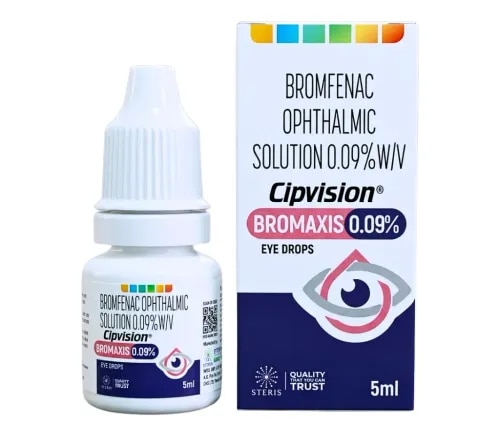
"name": "Bromfenac Ophthalmic Solution 0.09% w/v",
"description": "Bromfenac ophthalmic solution 0.09% w/v is a prescription non-steroidal anti-inflammatory drug (NSAID) eye drop used primarily to treat pain and inflammation following cataract surgery and to reduce the risk of post-operative cystoid macular edema. Unlike corticosteroid eye drops, bromfenac is not a steroid — it works by inhibiting the cyclooxygenase (COX) enzyme, blocking the production of prostaglandins that drive inflammation, redness, and pain. A key advantage of bromfenac is its once-daily dosing, compared to the multiple daily doses required by many other topical NSAIDs and steroids, which improves ease of use during post-surgical recovery. Common side effects include mild burning or stinging on instillation and temporary blurred vision, while rare but serious risks include corneal complications with prolonged or inappropriate use. It is a Schedule H prescription-only medicine in India.\n\nWhat Is Bromfenac Ophthalmic Solution 0.09% w/v?\nBromfenac ophthalmic solution 0.09% w/v is a topical non-steroidal anti-inflammatory drug (NSAID) formulated for use in the eye. It is most commonly prescribed to manage inflammation and pain following ocular surgery, particularly cataract surgery, and is also used to help reduce the risk of post-operative cystoid macular edema, a swelling of the central retina that can occur after intraocular procedures.\nAs an NSAID, bromfenac differs fundamentally from corticosteroid eye drops. It does not carry the risk of raising intraocular pressure (IOP) that steroids do, making it a valuable option — often used alongside or instead of a steroid — in the post-surgical care protocol, depending on the surgeon's assessment.\nOne of bromfenac's most notable practical advantages is its once-daily dosing schedule, which sets it apart from several other ophthalmic NSAIDs that require two to four applications per day. This simplified regimen can improve patient adherence during the post-operative recovery period.\n\nHow Does Bromfenac Work? (Mechanism of Action)\n\nTissue injury response – Ocular surgery and inflammation trigger the release of arachidonic acid from damaged cell membranes.\nCyclooxygenase (COX) enzyme activity – The COX-1 and COX-2 enzymes convert arachidonic acid into prostaglandins, which are key mediators of inflammation, pain, and vascular permeability.\nCOX inhibition by bromfenac – Bromfenac inhibits both COX-1 and COX-2 enzymes, blocking the prostaglandin synthesis pathway.\nReduced inflammation and pain – With prostaglandin production suppressed, inflammation, redness, and post-surgical discomfort are reduced.\nProtection against macular edema – By limiting prostaglandin-driven vascular permeability, bromfenac also helps lower the risk of fluid accumulation in the macula following surgery.\n\n\nClinical Indications\nIndicationDetailsPost-operative inflammationPrimary use following cataract surgeryPost-operative pain managementReduces surgical site discomfort during recoveryPrevention of post-operative cystoid macular edemaUsed prophylactically around the time of cataract surgeryAdjunct to steroid therapySometimes used alongside corticosteroid drops for comprehensive post-surgical control\n\nDosage & Administration\nParameterRecommendationStandard doseOne drop in the operated eye, once dailyTimingOften started shortly before surgery and continued through the recovery period, as directedDurationTypically a defined post-operative course as prescribed by your ophthalmic surgeonContact lensesAvoid wearing contact lenses during the immediate post-operative period unless advised otherwiseMissed doseApply as soon as remembered; do not double the next doseCombination useMay be prescribed alongside antibiotic and/or steroid eye drops as part of a full post-surgical regimen — space applications as directed\nNote: Always follow your surgeon's specific pre- and post-operative dosing schedule, as timing around the surgery date is clinically important.\n\nKey Benefits\n\nEffectively reduces post-surgical pain and inflammation without the IOP-related risks of steroids\nOnce-daily dosing improves convenience and adherence compared to multi-dose NSAID or steroid regimens\nHelps lower the risk of post-operative cystoid macular edema, a potentially vision-affecting complication\nCan be used alongside steroid and antibiotic eye drops as part of a comprehensive post-surgical protocol\nGenerally does not raise intraocular pressure, unlike corticosteroid alternatives\nSupports a smoother, more comfortable post-operative recovery experience\n\n\nPrecautions\n\nUse strictly as directed by your ophthalmic surgeon, particularly regarding timing before and after surgery\nUse with caution in patients with known bleeding disorders or those taking medications that increase bleeding tendency, as NSAIDs can affect clotting\nRare but serious corneal complications (including delayed healing or, very rarely, corneal thinning) have been reported with prolonged or inappropriate NSAID use — report any unusual eye pain or vision change immediately\nNot recommended for patients with known hypersensitivity to bromfenac or other NSAIDs\nCaution advised in patients with complicated ocular surgeries, pre-existing corneal disease, or dry eye, as these may increase sensitivity to corneal side effects\nAvoid contact lens wear during the treatment period unless specifically advised by your doctor\nInform your doctor of all other eye medications and systemic drugs, especially blood thinners\n\n\nSide Effects\nCommon (Usually Mild and Temporary)\n\nMild burning or stinging sensation on instillation\nTemporary blurred vision\nEye redness\nEye discomfort or itching\n\nLess Common / Serious (Consult Your Doctor Promptly)\n\nPersistent or worsening eye pain\nDelayed corneal healing\nRare corneal complications, including corneal thinning or perforation with prolonged/inappropriate use\nIncreased risk of bleeding at the ocular surface in susceptible individuals\nSigns of an allergic reaction (swelling, itching, rash)\n\nDiscontinue and contact your ophthalmologist immediately if any serious or persistent symptom develops.\n\nComparison: Bromfenac vs. Other Post-Surgical Anti-Inflammatory Options\nTreatmentClassDosing FrequencyKey ConsiderationBromfenac ophthalmic solution 0.09%NSAIDOnce dailyConvenient dosing; no IOP risk; rare corneal risk with prolonged usePrednisolone acetateCorticosteroidMultiple times dailyEffective anti-inflammatory; carries IOP and cataract risk with prolonged useKetorolac ophthalmic solutionNSAIDMultiple times dailySimilar NSAID mechanism; more frequent dosing than bromfenacNepafenac ophthalmic suspensionNSAID (prodrug)1–3 times daily depending on formulationAlternative NSAID option; dosing varies by strength\n\nKey Statistics (Placeholder — Pending Clinical Reviewer Verification)\nMetricValueReported reduction in post-operative cystoid macular edema incidence with prophylactic NSAID use[Placeholder – insert verified clinical trial statistic]Typical duration of post-cataract-surgery bromfenac therapy[Placeholder – insert verified reference range]Reported rate of corneal adverse events with appropriate short-course use[Placeholder – insert epidemiological reference]\nAll statistics above are placeholders and must be verified and populated by a qualified clinical reviewer prior to publication.\n\nExpert Insight\n\n[Placeholder — Expert quote pending. To be added only after review and approval by a licensed ophthalmologist/medical reviewer associated with Steris Healthcare. Do not fabricate or publish without sign-off.]\n\n\nPrice of Bromfenac Ophthalmic Solution 0.09% w/v\nThe price of bromfenac ophthalmic solution 0.09% w/v varies depending on brand, pack size, and region. For current pricing, availability, and prescription verification, please consult your ophthalmologist or an authorized pharmacy.\nPrescription only – consult your doctor.\n\nConclusion\nBromfenac ophthalmic solution 0.09% w/v has become a widely used part of modern post-cataract-surgery care, offering effective pain and inflammation control along with a meaningful reduction in the risk of post-operative cystoid macular edema — all with the convenience of once-daily dosing. As an NSAID rather than a steroid, it avoids the intraocular pressure concerns associated with corticosteroid therapy, though it carries its own specific precautions, particularly around rare corneal complications with prolonged or inappropriate use. Used exactly as directed by your ophthalmic surgeon, within the prescribed post-operative window, bromfenac supports a smoother, more comfortable surgical recovery.\n\nFrequently Asked Questions\n\n1. What is bromfenac ophthalmic solution 0.09% used for?\nIt is used to treat pain and inflammation following cataract surgery and to help reduce the risk of post-operative cystoid macular edema, a swelling of the central retina that can occur after eye surgery.\n\n2. Is bromfenac a steroid?\nNo. Bromfenac is a non-steroidal anti-inflammatory drug (NSAID). It works by inhibiting the cyclooxygenase (COX) enzyme rather than acting through the steroid pathway, and it does not carry the intraocular pressure risks associated with corticosteroids.\n\n3. How often should bromfenac eye drops be used?\nBromfenac ophthalmic solution 0.09% is typically used once daily in the operated eye, making it more convenient than many other post-surgical eye drops that require multiple daily doses.\n\n4. How long is bromfenac used after cataract surgery?\nThe duration is determined by your ophthalmic surgeon based on your individual recovery, often continuing through a defined post-operative period as part of your overall surgical care protocol.\n\n5. Can bromfenac be used with steroid eye drops?\nYes, bromfenac is often prescribed alongside corticosteroid and/or antibiotic eye drops as part of a comprehensive post-surgical regimen, with applications spaced as directed by your doctor.\n\n6. What are the side effects of bromfenac eye drops?\nCommon side effects include mild burning or stinging upon application, temporary blurred vision, and eye redness. Rare but serious effects can include delayed corneal healing or corneal complications with prolonged or inappropriate use.\n\n7. Does bromfenac raise eye pressure?\nNo, as an NSAID, bromfenac does not typically raise intraocular pressure the way corticosteroid eye drops can, which is one of its key advantages in post-surgical care.\n\n8. Can bromfenac cause corneal problems?\nRare but serious corneal complications, including delayed healing or corneal thinning, have been reported with prolonged or inappropriate NSAID use. Any unusual eye pain or vision change should be reported to your doctor immediately.\n\n9. Is bromfenac safe for people on blood thinners?\nNSAIDs like bromfenac can affect bleeding tendency, so patients on blood-thinning medications or with known bleeding disorders should inform their doctor before starting treatment.\n10. Can contact lenses be worn while using bromfenac?\nIt is generally advised to avoid wearing contact lenses during the post-operative treatment period unless your ophthalmologist specifically advises otherwise.\n11. What happens if I miss a dose of bromfenac?\nApply the missed dose as soon as you remember, unless it is nearly time for your next scheduled dose, in which case skip the missed dose. Do not double up doses.\n12. How is bromfenac different from ketorolac eye drops?\nBoth are NSAIDs with a similar mechanism of action, but bromfenac typically requires only once-daily dosing, while ketorolac usually requires multiple applications per day.\n13. Can bromfenac prevent macular edema after cataract surgery?\nBromfenac is commonly used prophylactically around the time of cataract surgery to help reduce the risk of post-operative cystoid macular edema, a recognized complication of intraocular surgery.\n\n14. Is bromfenac safe for long-term use?\nBromfenac is generally prescribed for a defined post-operative course rather than continuous long-term use, and prolonged or unsupervised use should be avoided due to rare corneal risks.\n\n15. Who should not use bromfenac eye drops?\nPatients with known hypersensitivity to bromfenac or other NSAIDs, or those with certain pre-existing corneal or bleeding conditions, should use bromfenac only under close medical supervision, if at all.\n\n16. Does bromfenac cause blurred vision?\nTemporary blurred vision can occur immediately after instillation in some patients and usually resolves quickly. Persistent blurred vision should be reported to your doctor.\n\n17. Can bromfenac be used before cataract surgery as well as after?\nYes, bromfenac is often started shortly before surgery and continued through the post-operative recovery period, following the specific schedule set by your ophthalmic surgeon.\n",
"price": 195.0,
"discountamount": 136.0,
"currencycode": "INR",
"priority": 1000000,
"isfreeshipmentavailable": false,
"shipmentduration": 1,
"_keywords": null,
"isarchived": false,
"isavailable": true,
"applicationid": null,
"productindex": 2472,
"imageuri": "https://productimages.withfloats.com/actual/6a50b1b32d7a16f0f95be110.png",
"tileimageuri": "https://productimages.withfloats.com/tile/6a50b1b32d7a16f0f95be110.png",
"images": null,
"totalqueries": 0,
"gpid": null,
"groupproductid": null,
"createdon": "2026-07-10T08:47:42.715Z",
"updatedon": "2026-07-10T08:47:42.715Z",
"buyonlinelink": null,
"producturl": "http://WWW.STERISINDIA.COM//bromfenac-ophthalmic-solution-0-09-w-v/2472",
"availableunits": -1.0,
"iscodavailable": false,
"isprepaidonlineavailable": false,
"maxcodorders": 0,
"maxprepaidonlineorders": 0,
"uniquepaymenturl": null,
"brandname": "CIPVISION BROMAXIS 0.09%",
"category": "Opthalmology Range",
"tags": [
"Bromfenac Ophthalmic Solution 0.09% w/v",
"bromfenac ophthalmic solution 0.09%"
],
"variants": false,
"keyspecification": null,
"otherspecifications": null,
"pickupaddressreferenceid": null,
"paymenttype": "UniquePaymentUrl",
"producttype": "products",
"hsncode": null,
"gstslab": 0.0,
"isnotforsale": false
},
{
"_id": "6a5092283075a19d4f2db6bd",
"fptag": "STERISHEALTHCARE",
"merchantname": null,
"customwidgets": null,
"externalsourceid": null,
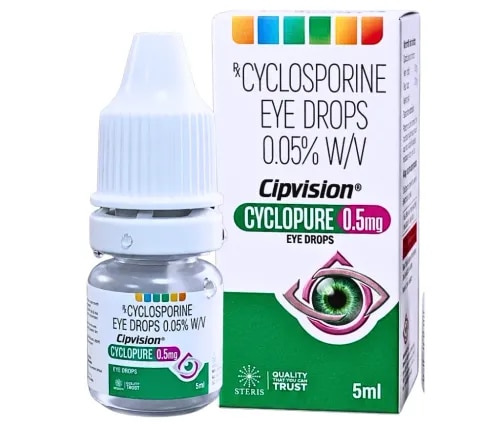
"name": "Cyclosporine Eye Drops 0.05% w/v",
"description": "Cyclosporine eye drops 0.05% are a prescription ophthalmic emulsion used to treat chronic dry eye disease (keratoconjunctivitis sicca) caused by ocular surface inflammation. Unlike lubricating tear substitutes that only manage symptoms, cyclosporine works as a calcineurin-inhibitor immunomodulator that calms the underlying inflammation suppressing your eyes' natural tear production. It is not a steroid. The standard dose is one drop in each affected eye, twice daily, about 12 hours apart, and visible improvement in tear production typically takes 6–12 weeks, with full benefit sometimes taking up to 3–6 months of consistent use. Common side effects include temporary burning, stinging, redness, and watery eyes at the time of instillation. It is a Schedule H prescription-only medicine in India and should be used only under a qualified ophthalmologist's guidance.\n\nWhat Is Cyclosporine Eye Drops 0.05%?\nCyclosporine eye drops 0.05% (ophthalmic emulsion) is a prescription formulation designed to manage chronic dry eye disease, a condition in which the eyes fail to produce enough tears or produce tears of poor quality, often because of an underlying inflammatory process on the ocular surface and in the lacrimal (tear-producing) gland.\nThis formulation is commonly prescribed for patients whose dry eye is presumed to be due to ocular inflammation — for example, those with moderate to severe dry eye, keratoconjunctivitis sicca, or dry eye associated with conditions like Sjögren's syndrome, that has not responded adequately to artificial tears alone.\nCyclosporine belongs to a class of drugs called calcineurin inhibitors. It differs fundamentally from corticosteroid eye drops, which suppress inflammation broadly and carry risks like raised intraocular pressure and cataract formation with long-term use. Cyclosporine instead selectively dampens the T-cell-mediated inflammatory response that is thought to suppress tear gland function, allowing the eye's own tear-producing mechanism to gradually recover.\n\nHow Do Cyclosporine Eye Drops Work? (Mechanism of Action)\n\nInflammation on the ocular surface – In chronic dry eye, T-lymphocytes infiltrate the conjunctiva and lacrimal gland, triggering a self-perpetuating inflammatory cycle.\nCalcineurin inhibition – Cyclosporine binds to a cellular protein (cyclophilin) and blocks calcineurin, an enzyme required to activate T-cells.\nReduced T-cell activation – With calcineurin blocked, T-cells cannot produce the inflammatory signals (such as interleukin-2) that damage the lacrimal gland and conjunctival tissue.\nRestoration of tear production – As local inflammation subsides over weeks to months, the lacrimal gland's ability to produce natural tears gradually improves.\nImproved tear film stability – With reduced inflammation and increased natural tear volume, patients typically notice less dryness, grittiness, and ocular surface damage over time.\n\nThis is why cyclosporine drops are described as disease-modifying for dry eye rather than purely symptomatic — they address a root inflammatory cause instead of simply lubricating the eye.\n\nClinical Indications\nIndicationDetailsChronic dry eye disease (keratoconjunctivitis sicca)Primary approved use; especially where tear production is suppressed due to ocular inflammationModerate to severe dry eye not controlled by artificial tearsSecond-line option when lubricants alone are insufficientDry eye associated with autoimmune conditionsE.g., Sjögren's syndrome-related dry eye, under specialist supervisionPost-refractive surgery dry eye (select cases)Sometimes used off-label under ophthalmologist guidance\n\nDosage & Administration\nParameterRecommendationStandard doseOne drop in each affected eye, twice dailyDosing intervalApproximately 12 hours apartContact lens useRemove lenses before instillation; wait at least 15 minutes before reinsertingOnset of noticeable effectUsually 6–12 weeksFull therapeutic benefitMay take up to 3–6 months of continuous useMissed doseContinue with next scheduled dose; do not double upDiscontinuationOnly under medical advice — symptoms may return if stopped prematurely\nNote: Cyclosporine eye drops are for long-term, continuous use as directed by your ophthalmologist. Improvement is gradual, not immediate, and consistent daily use is essential for benefit.\n\nKey Benefits\n\nTargets the underlying inflammatory cause of chronic dry eye rather than only masking symptoms\nCan increase natural tear production over sustained use\nGenerally well tolerated for long-term use, since it is not a steroid and does not carry steroid-related risks like elevated eye pressure or cataract with routine use\nMay reduce dependence on frequent artificial tear instillation over time\nSuitable for long-term maintenance therapy in chronic, relapsing dry eye disease\nCan improve comfort during visually demanding tasks (screen use, reading, driving) affected by chronic dryness\n\n\nPrecautions\n\nUse strictly as prescribed by an ophthalmologist; do not self-medicate\nNot intended for immediate relief of dry eye symptoms — artificial tears may be used concurrently for interim comfort as advised by your doctor\nShould not be used in the presence of an active ocular infection unless specifically directed by a physician\nInform your doctor if you are pregnant, breastfeeding, or have any known hypersensitivity to cyclosporine or emulsion components\nAvoid touching the dropper tip to the eye or any surface to prevent contamination\nIf wearing contact lenses, remove before application and reinsert only after 15 minutes\nDo not use expired or previously opened single-use vials, if applicable to your product format\nRegular ophthalmic follow-up is recommended to monitor treatment response\n\n\nSide Effects\nCommon (Usually Mild and Temporary)\n\nBurning or stinging sensation upon instillation\nEye redness\nWatery eyes (excessive tearing)\nEye discomfort or a feeling of something in the eye\nTemporary blurred vision immediately after application\n\nLess Common / Serious (Consult Your Doctor Promptly)\n\nPersistent or worsening eye pain\nSigns of eye infection (discharge, significant redness, swelling)\nVisual disturbance that does not resolve\nSigns of an allergic reaction (eyelid swelling, itching, rash)\n\nIf any serious or persistent symptom occurs, discontinue use and consult your ophthalmologist immediately.\n\nComparison: Cyclosporine Eye Drops vs. Other Dry Eye Treatments\nTreatmentMechanismOnset of ActionLong-Term Use ProfileCyclosporine 0.05% dropsCalcineurin inhibitor; reduces inflammation, restores natural tear productionWeeks to monthsGenerally suitable for continuous long-term useArtificial tears / lubricantsSymptomatic lubrication onlyImmediate, short-livedSafe but does not address inflammation; frequent reapplication neededCorticosteroid eye dropsBroad anti-inflammatory actionFast (days)Not recommended for long-term use due to risk of raised IOP, cataractLifitegrast ophthalmic solutionLFA-1 antagonist; blocks a different inflammatory pathwayWeeksAlternative option, mechanism differs from cyclosporine\n\nKey Statistics (Placeholder — Pending Clinical Reviewer Verification)\nMetricValueReported patients showing improved tear production at 6 months[Placeholder – insert verified clinical trial statistic]Prevalence of chronic dry eye disease in adults[Placeholder – insert epidemiological reference]Average time to symptomatic improvement[Placeholder – insert verified reference range]\nAll statistics above are placeholders and must be verified and populated by a qualified clinical reviewer prior to publication.\n\nExpert Insight\n\n[Placeholder — Expert quote pending. To be added only after review and approval by a licensed ophthalmologist/medical reviewer associated with Steris Healthcare. Do not fabricate or publish without sign-off.]\n\n\nPrice of Cyclosporine Eye Drops 0.05%\nThe price of cyclosporine eye drops 0.05% varies depending on pack size, brand, and region. For current pricing, availability, and prescription verification, please consult your ophthalmologist or authorized pharmacy.\nPrescription only – consult your doctor.\n\nConclusion\nCyclosporine eye drops 0.05% represent a meaningful shift in how chronic dry eye disease is managed — moving beyond temporary lubrication to address the underlying inflammatory process that suppresses natural tear production. For patients with moderate to severe dry eye that hasn't responded well to artificial tears alone, this calcineurin-inhibitor therapy offers a disease-modifying option that, with consistent long-term use, can meaningfully improve ocular comfort and tear film health. Because benefits build gradually over weeks to months, patience and adherence to the prescribed twice-daily regimen are essential. As with any prescription ophthalmic therapy, cyclosporine eye drops should only be used under the guidance of a qualified ophthalmologist, who can confirm suitability, monitor progress, and adjust care as needed.\n\nFrequently Asked Questions\n\n1. What are cyclosporine 0.05% eye drops used for?\nCyclosporine 0.05% eye drops are used to treat chronic dry eye disease caused by ocular surface inflammation. They help increase natural tear production in patients whose tear glands are suppressed due to inflammation, particularly when artificial tears alone aren't enough.\n\n2. How long can I use cyclosporine eye drops?\nCyclosporine eye drops are typically used long-term, as chronic dry eye is an ongoing condition. Many patients continue therapy for months to years under regular ophthalmologist supervision, since symptoms can return if the medication is stopped.\n\n3. Is Cyclomune a steroid?\nNo. Cyclomune (a brand of cyclosporine ophthalmic emulsion) is not a steroid. It is a calcineurin-inhibitor immunomodulator that works differently from steroid eye drops and does not carry the same risk of raised eye pressure or cataract associated with long-term steroid use.\n4. How quickly do cyclosporine eye drops start working?\nMost patients begin noticing improvement in tear production and dry eye symptoms within 6 to 12 weeks, though full benefit may take up to 3 to 6 months of consistent, twice-daily use.\n\n5. Can cyclosporine damage eyes?\nWhen used exactly as prescribed, cyclosporine eye drops are generally considered safe for long-term use. Temporary burning, stinging, or watering can occur at the time of instillation, but serious eye damage is uncommon. Any persistent pain, vision changes, or signs of infection should be reported to your ophthalmologist promptly.\n\n6. How much are cyclosporine 0.05% eye drops?\nPricing varies by brand, pack size, and region. Since this is a prescription-only medicine, please check current pricing with your prescribing doctor or a licensed pharmacy.\n\n7. Is cyclosporine a steroid?\nNo. Cyclosporine is a calcineurin inhibitor, a category of immunomodulating medication that is pharmacologically distinct from corticosteroids (steroids), even though both can reduce inflammation.\n\n8. Can I wear contact lenses while using cyclosporine eye drops?\nContact lenses should be removed before applying the drops and can typically be reinserted after about 15 minutes, unless your ophthalmologist gives different instructions.\n9. What happens if I stop using cyclosporine eye drops suddenly?\nStopping suddenly may cause dry eye symptoms to gradually return, since the underlying inflammation is no longer being managed. Always consult your doctor before discontinuing treatment.\n\n10. Can cyclosporine eye drops be used with artificial tears?\nYes, in many cases artificial tears can be used alongside cyclosporine drops for additional comfort, especially during the initial weeks before cyclosporine's full effect develops. Confirm timing and spacing with your doctor.\n\n11. Who should not use cyclosporine eye drops?\nPatients with known hypersensitivity to cyclosporine or its components, active untreated eye infections, or specific contraindications identified by their doctor should not use this medication without medical clearance.\n\n12. Are cyclosporine eye drops safe during pregnancy?\nUse during pregnancy or breastfeeding should only occur under medical supervision. Inform your doctor if you are pregnant, planning pregnancy, or breastfeeding before starting treatment.\n\n13. What is the difference between cyclosporine eye drops and lubricating eye drops?\nLubricating (artificial tear) drops provide temporary symptomatic relief by adding moisture to the eye, while cyclosporine drops target the underlying inflammation responsible for reduced natural tear production, offering a longer-term, disease-modifying approach.\n\n14. Can children use cyclosporine eye drops?\nUse in children should only be under the direct guidance and prescription of a pediatric ophthalmologist, based on individual clinical assessment.\n\n15. Do cyclosporine eye drops cause blurred vision?\nTemporary blurred vision can occur immediately after instillation in some patients. This usually resolves quickly. If blurred vision persists, consult your doctor.\n\n16. Can cyclosporine eye drops be used with other eye medications?\nOther eye medications, including other prescription drops, should only be combined with cyclosporine under your ophthalmologist's guidance, with appropriate spacing between different drops.\n\n17. Why do cyclosporine eye drops take so long to work?\nBecause cyclosporine works by gradually reducing chronic inflammation in the lacrimal gland and ocular surface rather than providing instant lubrication, visible improvement in natural tear production takes weeks to months rather than being immediate.",
"price": 495.0,
"discountamount": 149.0,
"currencycode": "INR",
"priority": 1000000,
"isfreeshipmentavailable": false,
"shipmentduration": 1,
"_keywords": null,
"isarchived": false,
"isavailable": true,
"applicationid": null,
"productindex": 2468,
"imageuri": "https://productimages.withfloats.com/actual/6a50922a464ced2a630398a1.png",
"tileimageuri": "https://productimages.withfloats.com/tile/6a50922a464ced2a630398a1.png",
"images": null,
"totalqueries": 0,
"gpid": null,
"groupproductid": null,
"createdon": "2026-07-10T06:33:12.096Z",
"updatedon": "2026-07-10T06:33:12.096Z",
"buyonlinelink": null,
"producturl": "http://WWW.STERISINDIA.COM//cyclosporine-eye-drops-0-05-w-v/2468",
"availableunits": -1.0,
"iscodavailable": false,
"isprepaidonlineavailable": false,
"maxcodorders": 0,
"maxprepaidonlineorders": 0,
"uniquepaymenturl": null,
"brandname": "CIPVISION CYCLOPURE 0.5 mg",
"category": "Opthalmology Range",
"tags": [
"Cyclosporine Eye Drops 0.05% w/v",
"cyclosporine eye drops",
"cyclosporine eye drops uses",
"cyclosporine eye drops ip 0.05 w/v",
"cyclosporine eye drops price",
"cyclosporine eye drops uses in hindi",
"cyclosporine eye drops side effects",
"cyclosporine eye drops 0.05",
"cyclosporine eye drops brand name",
"cyclosporine eye drops india"
],
"variants": false,
"keyspecification": null,
"otherspecifications": null,
"pickupaddressreferenceid": null,
"paymenttype": "UniquePaymentUrl",
"producttype": "products",
"hsncode": null,
"gstslab": 0.0,
"isnotforsale": false
},
{
"_id": "6a4cf84af44be73628317db4",
"fptag": "STERISHEALTHCARE",
"merchantname": null,
"customwidgets": null,
"externalsourceid": null,
"name": "ketorolac tromethamine ofloxacin eye drops",
"description": "Ketorolac tromethamine ofloxacin eye drops are a prescription combination formulation that pairs an NSAID (ketorolac tromethamine) with a fluoroquinolone antibiotic (ofloxacin) in a single ophthalmic solution. Ketorolac reduces pain, inflammation, and irritation, while ofloxacin treats or prevents bacterial eye infections — making this combination especially useful after eye surgery, such as cataract or corneal refractive procedures, when both inflammation control and infection prevention are needed at the same time. It's generally well tolerated, with mild stinging or burning being the most common effect, and should only be used exactly as prescribed by an eye care professional.\nWhat Is Ketorolac Tromethamine Ofloxacin Eye Drops?\nThis is a fixed-dose combination ophthalmic solution bringing together two distinct classes of medication:\n\nKetorolac tromethamine — a nonsteroidal anti-inflammatory drug (NSAID) that blocks prostaglandin synthesis in the eye, reducing pain, inflammation, and irritation\nOfloxacin — a fluoroquinolone antibiotic that treats bacterial infections of the eye, including conjunctivitis and corneal ulcers, by inhibiting bacterial DNA replication\n\nCombining the two addresses two separate clinical needs at once: controlling post-operative or allergy-related inflammation, and reducing the risk of bacterial infection during the eye's vulnerable healing period. This combination is commonly prescribed following cataract surgery, corneal refractive surgery, and other ocular procedures where both inflammation and infection risk need to be managed together.\nHow This Combination Works (Mechanism of Action)\n\nKetorolac's anti-inflammatory action — Blocks the cyclooxygenase (COX) enzyme pathway, reducing the production of prostaglandins, the chemical messengers responsible for pain, redness, and swelling in the eye.\nReduced pain and irritation — With prostaglandin production suppressed, patients experience less post-surgical discomfort, itching, and burning.\nOfloxacin's antibacterial action — Inhibits bacterial DNA gyrase and topoisomerase IV, enzymes bacteria need to replicate their DNA, effectively stopping bacterial growth.\nInfection prevention/control — By suppressing bacterial replication, ofloxacin helps prevent or treat infections that could otherwise complicate the eye's healing process after surgery or injury.\nCombined post-operative support — Together, the two components address both major risks during ocular recovery: uncontrolled inflammation and secondary bacterial infection.\n\nClinical Indications\nUse CaseRole of the CombinationPost-cataract surgery careControls inflammation and pain while preventing bacterial infection during healingPost-corneal refractive surgery (e.g., LASIK)Reduces post-operative discomfort and infection riskBacterial conjunctivitis with inflammationTreats the underlying infection while easing associated redness and irritationCorneal injury or minor trauma (as directed)Supports healing by addressing both inflammation and infection riskSeasonal allergic conjunctivitis (ketorolac component)Relieves itching associated with seasonal eye allergies\nThis combination is intended for short-term, doctor-directed use — not for long-term or repeated self-administration.\nDosage Guidelines\nParameterTypical GuidanceStandard doseOne drop in the affected eye(s), frequency as prescribed by your doctorCommon frequencyOften 2 to 4 times daily, depending on the condition being treated and product-specific labelingPost-surgical useUsually started shortly after surgery and continued for a defined post-operative period, as directedAdministration techniqueTilt head back, pull down the lower eyelid, instill the drop without touching the dropper tip to the eye, then close the eye gently for a minute or twoContact lens useAvoid wearing contact lenses during treatment unless your doctor says otherwiseDurationComplete the full prescribed course, even if symptoms improve early, to reduce the risk of antibiotic resistance or incomplete healing\nExact dosing frequency and treatment duration vary by brand formulation and the specific condition being treated — always follow your prescribing doctor's exact instructions rather than a generic schedule.\nKey Benefits\n\nAddresses two major post-surgical risks — inflammation/pain and bacterial infection — in a single combination product\nReduces the need for two separate eye drop bottles, simplifying the post-operative care routine\nKetorolac's anti-inflammatory action helps improve comfort during the critical early healing window after eye surgery\nOfloxacin's broad-spectrum antibacterial activity covers many common eye pathogens\nUseful for both surgical recovery and certain inflammatory/infectious conditions like allergic or bacterial conjunctivitis with associated discomfort\n\nPrecautions\n\nShould be used strictly under the guidance of an ophthalmologist — not for self-directed or prolonged use\nDo not use alongside other NSAID eye drops, as this can increase the risk of bleeding and delayed healing\nUse with caution alongside steroid-containing eye drops, as combined use may increase infection risk\nUse with caution in patients who bleed easily or are on blood-thinning medication, due to ketorolac's NSAID effects\nIf symptoms do not improve within the expected timeframe, or worsen, contact your doctor rather than continuing use independently\nAvoid contact lens wear during treatment unless specifically advised otherwise\nDiscontinue immediately and contact your doctor at the first sign of a rash or allergic reaction\nNot recommended for infants under 1 year old (based on the ofloxacin component's approved age range)\n\nSide Effects\nCommon side effects:\n\nStinging or burning on application\nTemporary blurred vision\nEye redness or irritation\nDryness or excess tearing\nSensitivity to light (photophobia)\n\nLess common side effects:\n\nItching or foreign body sensation in the eye\nEyelid swelling\nMild headache\n\nRare but serious side effects — seek immediate medical attention:\n\nSigns of an allergic reaction: hives, difficulty breathing, swelling of the face, lips, tongue, or throat\nSevere skin reaction: fever, sore throat, facial or tongue swelling, skin pain followed by a spreading red or purple rash with blistering\nCorneal problems: persistent eye pain, corneal thinning, erosion, or non-healing of the eye surface\nWorsening infection symptoms despite treatment\n\nMost side effects are mild and temporary; however, any signs of a serious allergic or corneal reaction require prompt medical attention.\nComparison with Alternatives\nFeatureKetorolac + Ofloxacin CombinationSteroid + Antibiotic Combination (e.g., Dexamethasone + Tobramycin)Anti-inflammatory mechanismNSAID (COX inhibition)Corticosteroid (broader immune suppression)Infection risk with prolonged useLower relative infection-masking riskHigher risk of masking infection with prolonged steroid useTypical use casePost-operative pain/inflammation with infection preventionBroader inflammatory eye conditions requiring stronger anti-inflammatory controlIntraocular pressure effectMinimal IOP effect from ketorolacSteroids can raise intraocular pressure with prolonged use\nYour ophthalmologist will select the combination best suited to your specific procedure, condition, and risk factors.\nKey Statistics\n[Placeholder — pending clinical/regulatory team verification. Do not publish without confirmed source citation for post-operative infection rate reduction data, comparative efficacy figures, or incidence rates of reported adverse effects for this specific combination product.]\nExpert Insight\n[Placeholder — reserved for a quote from a qualified ophthalmologist or clinical reviewer. Do not publish without a verified, attributable expert quote.]\nFrequently Asked Questions\n1. What is ketorolac and ofloxacin eye drops used for?\nThis combination is used to control pain, inflammation, and irritation while also preventing or treating bacterial infection in the eye — most commonly after cataract or corneal refractive surgery, and sometimes for infected, inflamed conditions like bacterial conjunctivitis.\n2. Is ketorolac eye drops safe to use?\nKetorolac eye drops are generally safe when used as prescribed by a doctor for approved indications like post-surgical inflammation or allergic conjunctivitis. As with any NSAID, it should be used with caution in people who bleed easily or take blood thinners, and not combined with other NSAID eye drops.\n3. Is ofloxacin safe for eyes?\nYes, ofloxacin eye drops are considered safe and are widely prescribed for bacterial eye infections when used as directed. Common effects are mild and temporary, such as stinging or light sensitivity; serious reactions are rare but should be reported to a doctor immediately if they occur.\n4. Is ketorolac safe for eyes?\nKetorolac eye drops are safe for ophthalmic use when prescribed appropriately and used according to your doctor's instructions. It's an established NSAID with a long history of use for post-surgical pain and allergic conjunctivitis, though it requires caution in certain patients, such as those with bleeding disorders.\n5. How many times a day can you use ketorolac eye drops?\nThis depends on the condition being treated and your doctor's specific prescription — commonly this is 2 to 4 times daily. Always follow your doctor's exact dosing instructions rather than a generic schedule, since frequency varies by indication and product.\n6. Does ketorolac reduce eye pressure?\nNo, ketorolac is not used to reduce intraocular eye pressure. It works as an anti-inflammatory pain reliever by blocking prostaglandin production, not as a pressure-lowering agent. Medications specifically designed to reduce eye pressure, such as those used in glaucoma, work through different mechanisms and are a separate category of treatment.\nConclusion\nKetorolac tromethamine ofloxacin eye drops offer a practical, combined solution for two of the most important concerns during eye recovery: controlling inflammation and pain, and preventing bacterial infection. By pairing an established NSAID with a trusted fluoroquinolone antibiotic, this combination simplifies post-operative care, particularly after cataract or corneal refractive surgery, while addressing allergic and infectious inflammatory conditions when appropriate. Most side effects are mild and temporary, though the combination should always be used exactly as prescribed, with attention to precautions around other eye medications, bleeding risk, and contact lens use. As with any prescription ophthalmic treatment, ongoing follow-up with your ophthalmologist ensures the medication is working as intended and any concerns are addressed early.",
"price": 90.0,
"discountamount": 27.0,
"currencycode": "INR",
"priority": 1000000,
"isfreeshipmentavailable": false,
"shipmentduration": 1,
"_keywords": null,
"isarchived": false,
"isavailable": true,
"applicationid": null,
"productindex": 2467,
"imageuri": "https://productimages.withfloats.com/actual/6a4cf84ca50a3eb7ed21b13b.png",
"tileimageuri": "https://productimages.withfloats.com/tile/6a4cf84ca50a3eb7ed21b13b.png",
"images": null,
"totalqueries": 0,
"gpid": null,
"groupproductid": null,
"createdon": "2026-07-07T12:59:54.142Z",
"updatedon": "2026-07-07T12:59:54.142Z",
"buyonlinelink": null,
"producturl": "http://WWW.STERISINDIA.COM//ketorolac-tromethamine-ofloxacin-eye-drops/2467",
"availableunits": -1.0,
"iscodavailable": false,
"isprepaidonlineavailable": false,
"maxcodorders": 0,
"maxprepaidonlineorders": 0,
"uniquepaymenturl": null,
"brandname": "CIPVISION KEYPROFEN OFLA",
"category": "Opthalmology Range",
"tags": [
"ketorolac tromethamine ofloxacin eye drops",
"ketorolac tromethamine",
"ketorolac tromethamine uses",
"ketorolac tromethamine uses in hindi",
"ketorolac tromethamine dispersible tablets uses in hindi",
"ketorolac tromethamine tablet uses in hindi",
"ketorolac tromethamine use in hindi",
"ketorolac tromethamine use"
],
"variants": false,
"keyspecification": null,
"otherspecifications": null,
"pickupaddressreferenceid": null,
"paymenttype": "UniquePaymentUrl",
"producttype": "products",
"hsncode": null,
"gstslab": 0.0,
"isnotforsale": false
}
],
"hasmoreitems": false,
"isapirequest": false,
"totalresults": 27,
"query": null,
"floatingpoint": null
}