STERISHEALTHCARE
Products
08042755542
91918824471531
Chat with us


Chat with us on WhatsApp
×
This is your website preview.
Currently it only shows your basic business info. Start adding relevant business details such as description, images and products or services to gain your customers attention by using Boost 360 android app / iOS App / web portal.
Home
 headache
 headache
Items tagged with 'headache'
{
"products": [
{
"_id": "6afd8360645e70166ac83e98",
"fptag": "STERISHEALTHCARE",
"merchantname": null,
"customwidgets": null,
"externalsourceid": null,
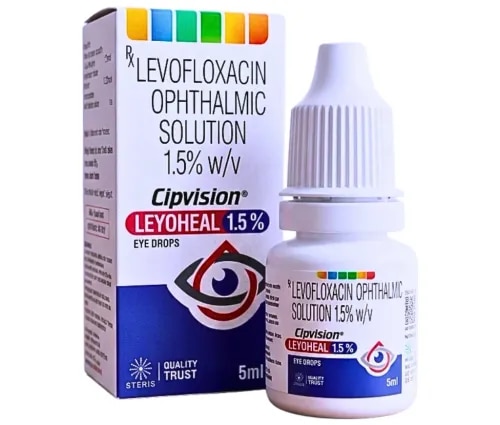
"name": "Levofloxacin Ophthalmic Solution 1.5% w/v",
"description": "About Levofloxacin Ophthalmic Solution 1.5% w/v\n\nCIPVISION LEYOHEAL 1.5% is a sterile antibiotic eye drop containing levofloxacin at a strength of 1.5% w/v. This works out to 1.5 g of the drug in 100 mL of liquid, or 15 mg in each mL. It is three times as concentrated as the 0.5% levofloxacin drops usually given for routine bacterial conjunctivitis.\n\nThe extra strength has a purpose. A corneal ulcer is an infection on the transparent dome at the front of the eye, and the antibiotic must reach high levels in the cornea and tear film to beat tough bacteria such as Pseudomonas aeruginosa and Staphylococcus aureus. Data on the reference 1.5% product show that tear levels peak soon after a drop is applied, which is why frequent dosing in the first days works well.\n\nProduct Snapshot\nParameter\tDetail\nBrand name\tCIPVISION LEYOHEAL 1.5%\nActive ingredient\tLevofloxacin (as hemihydrate) 1.5% w/v\nForm\tSterile eye drop solution\nDrug class\tFluoroquinolone antibiotic\nMarketed by\tSteris Healthcare Pvt. Ltd.\nPack size\t[PLACEHOLDER – confirm against carton]\nLegal status\tSchedule H (prescription only)\nManufacturing standards\tWHO-GMP and ISO-certified\nUses of Levofloxacin 1.5% Eye Drops\n\nThis strength is prescribed for bacterial corneal ulcers caused by susceptible microbes. The reference label names these organisms:\n\nGroup\tSusceptible organisms\nGram-positive\tCorynebacterium species, Staphylococcus aureus, Staphylococcus epidermidis, Streptococcus pneumoniae, viridans group streptococci\nGram-negative\tPseudomonas aeruginosa, Serratia marcescens\n\nAn ophthalmologist may also choose it for other serious corneal infections (bacterial keratitis), such as those that follow an eye injury or surgery. Only a doctor should make that call.\n\nWarning signs of a possible corneal ulcer (seek urgent care):\n\nModerate to severe eye pain, or a sensation of grit or a foreign body\nPronounced redness and excess tearing\nSticky or pus-like discharge\nA white or grey patch on the cornea\nSensitivity to light, with blurred or reduced vision\nMechanism of Action\n\nLevofloxacin belongs to the fluoroquinolone family and is bactericidal, so it kills bacteria outright instead of only halting their growth. It blocks two bacterial enzymes:\n\nDNA gyrase, which manages the coiling of DNA while it is copied\nTopoisomerase IV, which separates the newly made DNA strands\n\nOnce both enzymes are disabled, bacteria cannot multiply or repair damage, and they die. Because two targets are hit at once, resistance tends to build up more slowly than with antibiotics that act on a single target. Misuse or very long exposure can still lead to resistance.\n\nKey Benefits\nStrong, targeted action: 15 mg/mL puts high drug levels in the tears and corneal tissue, right where the infection is.\nWide coverage: works against many common Gram-positive and Gram-negative eye pathogens, including Pseudomonas aeruginosa.\nTwo-enzyme attack: acts on both DNA gyrase and topoisomerase IV.\nProven against a standard therapy: in two randomised, double-masked studies of 280 culture-positive patients using the reference 1.5% product, about 80% were clinically cured, versus about 84% with ofloxacin 0.3%, a comparable result.\nMinimal absorption into the body: blood levels after eye use are very low compared with oral levofloxacin.\nGood tolerability: side effects are mostly mild to moderate, short-lived and limited to the eye.\nFormulation details: [PLACEHOLDER – confirm excipients and preservative status against the approved Steris composition before publishing].\nQuality-controlled production: made by a WHO-GMP and ISO-certified manufacturer.\nDosage and Administration\nPhase\tTypical schedule\nDays 1–3\t1–2 drops in the affected eye(s) every 30 minutes to 2 hours while awake, plus about 4 and 6 hours after going to sleep\nDay 4 until treatment ends\t1–2 drops in the affected eye(s) every 1–4 hours while awake\nSteps for using the drops\nWash your hands well.\nTilt your head back and pull the lower eyelid down gently to make a small pocket.\nHold the bottle upside down near the eye, keeping the tip away from the eye, eyelid, fingers and all other surfaces.\nSqueeze 1–2 drops into the pocket and close the eye softly for a minute or two.\nPress gently on the inner corner of the eye to limit drainage toward the nose.\nPut the cap back on straight away and wash your hands again.\nIf you use other eye medicines, leave 5–15 minutes between them, or follow your doctor’s advice.\nPossible Side Effects\n\nCommon\n\nHeadache (around 8–10% in the reference label)\nPassing change in taste or an unpleasant aftertaste (around 8–10%)\nShort-lived blurred or reduced vision after instillation (around 1–2%)\nStinging, burning, irritation or discomfort when the drops go in\nEye pain, discomfort, or mild signs of infection\nNausea, diarrhoea, indigestion, fever or sore throat (less common, around 1–2%)\n\nUncommon (below 1%)\n\nSwollen or red eyelids\nChemosis (swollen conjunctiva), corneal erosion, floaters, double vision, increased redness of the eye\n\nSerious reactions: stop the drops and seek medical help at once if you notice\n\nRash, itching, hives, or swelling of the face, lips, tongue or throat\nTrouble breathing or a feeling of faintness\nSevere or worsening eye pain, swelling or redness after starting treatment\nPrecautions and Warnings\nAllergy: Avoid if you are allergic to levofloxacin, other quinolone antibiotics, or any ingredient in the product.\nContact lenses: Do not wear lenses while you have signs of a corneal ulcer.\nHygiene: Never let the dropper tip touch anything, and never share the bottle.\nFor the eye only: Do not inject the solution in or around the eye.\nPregnancy and breastfeeding: The reference label lists Pregnancy Category C. Use only when your doctor decides the benefit outweighs the risk.\nChildren: The reference 1.5% product has been used for corneal ulcers in children aged 6 and above under medical supervision. Younger children should use it only if prescribed.\nOlder adults: No overall differences in safety or effectiveness have been reported.\nOther medicines: Tell your doctor about everything you take. Oral levofloxacin interacts with some heart-rhythm and diabetes medicines, among others. Exposure from eye drops is low, but your doctor should still know.\nDriving: If your vision is blurred after using the drops, wait until it clears before driving.\nCIPVISION LEYOHEAL 1.5% vs Other Levofloxacin 1.5% Eye Drops\nFeature\tCIPVISION LEYOHEAL 1.5%\tOftaquix 1.5% (Santen India)\tIQUIX 1.5% (reference product)\nActive ingredient\tLevofloxacin 1.5% w/v\tLevofloxacin 15 mg/mL\tLevofloxacin 1.5%\nClass\tFluoroquinolone\tFluoroquinolone\tFluoroquinolone\nLegal status\tSchedule H\tPrescription drug\tPrescription drug\nMarketed by\tSteris Healthcare Pvt. Ltd.\tSanten India Pvt. Ltd.\tReference brand (US)\nPack\t[PLACEHOLDER]\t5 mL\t5 mL\nBuying Guide: What to Check First\nGet a prescription. Keep it handy and ask the pharmacist to supply exactly what was written.\nConfirm the strength. The carton should say 1.5% w/v, not 0.5%.\nExamine the pack. Look for an intact seal, batch number, manufacturing and expiry dates, and the Steris Healthcare Pvt. Ltd. details.\nUse licensed sellers only. Fake or opened eye drops can cause a serious infection.\nComplete the prescribed course. Do not extend it on your own, and go back for review as advised.\nPrice and stock. These differ by pack size and seller. Use Check Price for current availability of CIPVISION LEYOHEAL 1.5%.\nWhen to Return to Your Doctor\n\nContact your eye specialist soon if:\n\nPain, redness or discharge has not improved within 48–72 hours of starting (or sooner if it is getting worse)\nYour vision worsens, or a white spot on the cornea gets bigger\nYou develop a rash, swelling or difficulty breathing\nSymptoms come back after you finish the course\nConclusion\n\nCIPVISION LEYOHEAL 1.5% (levofloxacin ophthalmic solution 1.5% w/v) from Steris Healthcare Pvt. Ltd. is a high-strength fluoroquinolone eye drop for bacterial corneal ulcers. Its two-enzyme action, broad antibacterial reach and low absorption into the body make it a dependable option when the cornea is under threat. It is generally well tolerated, and headache and a brief change in taste are the most frequent effects.",
"price": 75.0,
"discountamount": 22.0,
"currencycode": "INR",
"priority": 1000000,
"isfreeshipmentavailable": false,
"shipmentduration": 1,
"_keywords": null,
"isarchived": false,
"isavailable": true,
"applicationid": null,
"productindex": 2514,
"imageuri": "https://productimages.withfloats.com/actual/6afd83626a40b5666adbdad4.png",
"tileimageuri": "https://productimages.withfloats.com/tile/6afd83626a40b5666adbdad4.png",
"images": null,
"totalqueries": 0,
"gpid": null,
"groupproductid": null,
"createdon": "2026-11-18T10:52:16.446Z",
"updatedon": "2026-11-18T10:52:16.446Z",
"buyonlinelink": null,
"producturl": "http://WWW.STERISINDIA.COM/products/levofloxacin-ophthalmic-solution-1-5-w-v/2514",
"availableunits": -1.0,
"iscodavailable": false,
"isprepaidonlineavailable": false,
"maxcodorders": 0,
"maxprepaidonlineorders": 0,
"uniquepaymenturl": null,
"brandname": "CIPVISION LEYOHEAL 1.5%",
"category": "Opthalmology Range",
"tags": [],
"variants": false,
"keyspecification": null,
"otherspecifications": null,
"pickupaddressreferenceid": null,
"paymenttype": "UniquePaymentUrl",
"producttype": "products",
"hsncode": null,
"gstslab": 0.0,
"isnotforsale": false
},
{
"_id": "6afd7dd19d17e024ee47e07c",
"fptag": "STERISHEALTHCARE",
"merchantname": null,
"customwidgets": null,
"externalsourceid": null,
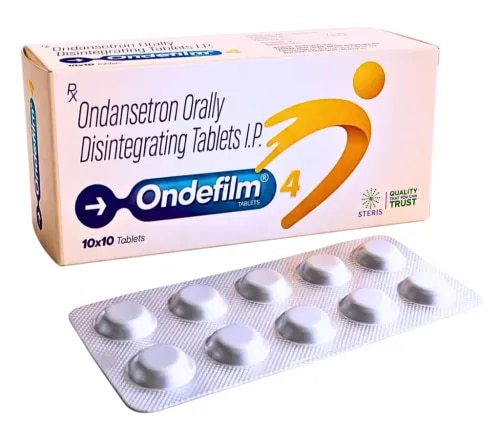
"name": "Ondansetron 4 mg Orally Disintegrating Tablets IP",
"description": "Product Overview\n\nONDEFILM 4 is an antiemetic medicine that provides 4 mg of Ondansetron IP in an orally disintegrating tablet. It is used to prevent and relieve nausea and vomiting linked to certain medical treatments and clinical situations, as advised by a healthcare professional.\n\nIts active ingredient, Ondansetron, is a selective 5-HT3 receptor antagonist. It stops serotonin from triggering the receptors that set off the body’s vomiting reflex, which lowers the signals behind nausea and vomiting.\n\nComposition\n\nEach orally disintegrating tablet contains:\n\nOndansetron IP: 4 mg\nExcipients: As per the approved product formulation\nAbout Ondansetron\n\nOndansetron is a widely used 5-HT3 receptor antagonist in clinical practice. Doctors rely on it to prevent and manage nausea and vomiting caused by chemotherapy, radiation therapy, and surgery. It works by interrupting the serotonin-driven signals that activate the vomiting reflex.\n\nWhat Is ONDEFILM 4 Used For?\n\nONDEFILM 4 is prescribed in specific situations where nausea and vomiting need to be prevented or kept under control, especially in supportive care.\n\n1. Chemotherapy-induced nausea and vomiting\nSome cancer medicines cause the gut to release serotonin, which brings on nausea and vomiting. Ondansetron blocks 5-HT3 receptors to help prevent this and is included in standard antiemetic protocols for chemotherapy.\n\n2. Radiation therapy-related vomiting\nDepending on the area treated and the radiation schedule, radiotherapy can cause nausea and vomiting. Ondansetron may be advised to ease these symptoms when appropriate.\n\n3. Postoperative nausea and vomiting\nAnaesthesia and other factors around surgery can leave some patients feeling sick afterwards. Ondansetron is used in suitable cases to prevent or treat this.\n\n4. Other medically indicated uses\nDoctors may also consider Ondansetron in selected situations of nausea and vomiting, depending on the cause and current treatment guidance.\n\nThe treating physician decides the dose and duration based on the patient’s history and treatment needs.\n\nHow Does ONDEFILM 4 Work?\n\nSerotonin is a natural chemical messenger that helps regulate digestion and the vomiting reflex. During some treatments, the body releases extra serotonin, which activates 5-HT3 receptors in the gut and in nerve pathways leading to the brain. This sends the signals that cause nausea and vomiting.\n\nMechanism of action:\n\nOndansetron attaches to 5-HT3 receptors and blocks them.\nThis reduces serotonin’s stimulation of the related nerve pathways.\nThe signals that trigger the vomiting reflex are interrupted.\nAs a result, nausea and vomiting are prevented or controlled.\nKey Features\n4 mg of Ondansetron IP in every tablet\nOrally disintegrating form that dissolves in the mouth\nBelongs to the selective 5-HT3 receptor antagonist class\nMeant for preventing and managing nausea and vomiting\nA different option from tablets that must be swallowed whole\nUsed in medical and supportive care settings\nPart of the Steris Pharma product range\nBenefits of Ondansetron 4 mg Orally Disintegrating Tablets\n\nWhen taken as medically advised, Ondansetron 4 mg offers these advantages:\n\nEases nausea and vomiting: It acts on the serotonin receptors involved in the vomiting response.\nDissolves in the mouth: The tablet breaks down on the tongue, which can help patients who find swallowing regular tablets hard.\nProven mechanism: Ondansetron has a long-standing place in antiemetic therapy, including chemotherapy and postoperative care.\nSimple to take: The mouth-dissolving format gives selected patients a more convenient way to take their dose.\nSupports patients during treatment: Controlling nausea and vomiting can make certain treatments and procedures easier to get through.\nTargeted action: It works on a specific serotonin pathway that plays a major role in nausea and vomiting.\nHow to Take ONDEFILM 4\n\nGeneral guidance for orally disintegrating tablets:\n\nWash and dry your hands before touching the tablet.\nOpen the pack carefully as the instructions describe.\nTake the tablet out gently, without crushing or breaking it.\nPlace it on your tongue and let it dissolve.\nFollow the product instructions on swallowing once it has dissolved.\nDo not take more than the prescribed amount.\nIf you miss a dose, ask your healthcare professional what to do next. Never double the next dose to make up for it.\nPossible Side Effects\n\nOndansetron can cause unwanted effects in some people, and how often and how strongly they occur differs from patient to patient.\n\nCommonly reported:\n\nHeadache\nConstipation\nDiarrhoea\nDizziness\nTiredness\n\nPotentially serious reactions:\n\nOndansetron may rarely cause QT interval prolongation, irregular heart rhythms, and severe allergic reactions. Serotonin syndrome can also occur, particularly when it is taken with other medicines that raise serotonin activity.\n\nGet medical help straight away if you experience fainting, an unusual heartbeat, difficulty breathing, swelling of the face, severe dizziness, or any other worrying symptom.\n\nPrecautions and Safety Information\n\nBefore starting ONDEFILM 4, give your doctor your full medical history and a list of the medicines you take.\n\nAllergies: Do not use it if you are allergic to Ondansetron or any ingredient in the tablet.\nHeart rhythm problems: Tell your doctor about any past arrhythmia, QT prolongation, or congenital long QT syndrome.\nElectrolyte imbalance: Low potassium or magnesium raises the chance of heart rhythm complications.\nLiver conditions: Patients with significant liver impairment may need special care and a dose adjustment.\nDrug interactions: Mention all prescription medicines, over-the-counter products, and supplements.\nSerotonin syndrome risk: Let your doctor know if you take antidepressants or other medicines that act on serotonin.\nPregnancy and breastfeeding: Use it only after your doctor has weighed the benefits against the risks.\nDosage: Stick to the prescribed schedule and do not take extra doses without medical advice.\nWhy Choose Steris Pharma?\n\nSteris Pharma offers a range of medicines and healthcare formulations covering varied therapeutic needs. The company focuses on pharmaceutical quality, product reliability, and the requirements of healthcare professionals and patients.\n\nONDEFILM 4 belongs to this range and offers Ondansetron 4 mg as an orally disintegrating tablet, giving patients who need antiemetic treatment another dosage option under professional guidance.\n\nConclusion\n\nONDEFILM 4 is an Ondansetron 4 mg orally disintegrating tablet used to prevent and manage nausea and vomiting tied to specific treatments and clinical situations. Its active ingredient blocks the serotonin 5-HT3 receptors that drive the vomiting response. Because the tablet dissolves in the mouth, it can also be a handy alternative for people who struggle to swallow conventional tablets.\n\nFrequently Asked Questions (FAQs)\n\nQ1. What is ONDEFILM 4 used for?\nIt is used to prevent and manage nausea and vomiting linked to chemotherapy, radiotherapy, and surgery, as prescribed by a healthcare professional.\n\nQ2. What does ONDEFILM 4 contain?\nEach tablet has 4 mg of Ondansetron IP plus the excipients listed in the approved formulation.\n\nQ3. What is Ondansetron 4 mg used for?\nIt is an antiemetic prescribed to prevent or control nausea and vomiting in suitable clinical situations.\n\nQ4. What kind of medicine is ONDEFILM 4?\nIt is a selective serotonin 5-HT3 receptor antagonist, a class of medicines used against nausea and vomiting.\n\nQ5. How does ONDEFILM 4 stop vomiting?\nIt blocks the 5-HT3 receptors that pass on the signals triggering the vomiting reflex, which reduces nausea and vomiting.\n\nQ6. What does DT mean in ONDEFILM 4?\nDT stands for disintegrating tablet, a form made to break down in the mouth rather than be swallowed whole.\n\nQ7. Can ONDEFILM 4 help with chemotherapy-induced nausea?\nYes. Ondansetron is a common part of antiemetic protocols for preventing chemotherapy-related nausea and vomiting.\n\nQ8. Is Ondansetron 4 mg used after surgery?\nYes. Doctors may prescribe it to prevent or treat postoperative nausea and vomiting, depending on the patient’s needs.\n\nQ9. Can I take ONDEFILM 4 without a doctor’s advice?\nNo. Use it only as directed by a qualified healthcare professional.\n\nQ10. How do I take ONDEFILM 4?\nPlace the tablet on your tongue and let it dissolve, following the instructions that come with the product.\n\nQ11. What are the common side effects of ONDEFILM 4?\nThey include headache, constipation, diarrhoea, dizziness, and tiredness.\n\nQ12. Can ONDEFILM 4 affect the heart’s rhythm?\nIn some people, Ondansetron can prolong the QT interval. Anyone with a heart rhythm disorder or electrolyte imbalance should talk to their doctor first.\n\nQ13. Is ONDEFILM 4 suitable if I have trouble swallowing?\nThe mouth-dissolving form can be a convenient alternative to regular tablets for some patients, subject to medical advice and the product instructions.\n\nQ14. Can I use Ondansetron 4 mg during pregnancy?\nConsult your doctor first. The decision depends on an individual assessment of benefits and risks.\n\nQ15. Does ONDEFILM 4 cause constipation?\nYes. Constipation is a recognised side effect and may affect some patients.\n\nQ16. Can ONDEFILM 4 be used for motion sickness?\nOndansetron is not usually a first-choice treatment for motion sickness. The right medicine depends on the cause of the nausea, so ask a healthcare professional.\n\nQ17. Who markets ONDEFILM 4?\nIt is marketed under the Steris Pharma brand.\n\nQ18. Is ONDEFILM 4 an antibiotic?\nNo. It is an antiemetic for nausea and vomiting and does not treat bacterial infections.",
"price": 55.0,
"discountamount": 16.0,
"currencycode": "INR",
"priority": 1000000,
"isfreeshipmentavailable": false,
"shipmentduration": 1,
"_keywords": null,
"isarchived": false,
"isavailable": true,
"applicationid": null,
"productindex": 2512,
"imageuri": "https://productimages.withfloats.com/actual/6afd7e24e81314fd1baff0a1.png",
"tileimageuri": "https://productimages.withfloats.com/tile/6afd7e24e81314fd1baff0a1.png",
"images": null,
"totalqueries": 0,
"gpid": null,
"groupproductid": null,
"createdon": "2026-11-18T10:28:33.741Z",
"updatedon": "2026-11-18T10:29:51.37Z",
"buyonlinelink": null,
"producturl": "http://WWW.STERISINDIA.COM//ondansetron-4-mg-orally-disintegrating-tablets-ip/2512",
"availableunits": -1.0,
"iscodavailable": false,
"isprepaidonlineavailable": false,
"maxcodorders": 0,
"maxprepaidonlineorders": 0,
"uniquepaymenturl": null,
"brandname": "ONDEFILM 4",
"category": "GASTROLOGYRANGE",
"tags": [],
"variants": false,
"keyspecification": null,
"otherspecifications": null,
"pickupaddressreferenceid": null,
"paymenttype": "UniquePaymentUrl",
"producttype": "products",
"hsncode": null,
"gstslab": 0.0,
"isnotforsale": false
},
{
"_id": "6ae2fef4545d3197abde920c",
"fptag": "STERISHEALTHCARE",
"merchantname": null,
"customwidgets": null,
"externalsourceid": null,
"name": "Faropenem Disperible Tablets 100 mg",
"description": "Faropinom 100 DT is a prescription-only antibiotic that provides 100 mg of Faropenem in a dispersible tablet. Faropenem is a penem-type beta-lactam, and doctors use it to treat bacterial infections only when the causative organism is likely to respond to it.\n\nAbout Faropinom 100 DT\n\nThe active ingredient, Faropenem, stops bacteria from building a proper cell wall. The weakened bacteria cannot survive, which helps the body clear a susceptible infection.\n\nThe tablet is meant to be mixed into water before it is taken. This can suit patients who find whole tablets hard to swallow. It should be used strictly as prescribed and according to the leaflet in the pack.\n\nProduct Snapshot\nFeature\tDetails\nBrand\tFaropinom 100 DT\nActive ingredient\tFaropenem 100 mg\nClass\tPenem beta-lactam antibiotic\nForm\tDispersible tablet\nMode of action\tBlocks bacterial cell-wall synthesis\nAvailability\tPrescription-only; subject to Indian regulations\nPurpose\tTreating susceptible bacterial infections on a doctor’s advice\nWhere Faropenem May Be Used\n\nWhether Faropenem is chosen depends on the patient’s condition, the bacteria involved (suspected or confirmed), prevailing treatment guidelines and the approved product information. Infections for which it may be considered include:\n\nRespiratory infections: bacterial infections of the airways or lungs, where the organism is sensitive to Faropenem.\nUrinary infections: bacterial infections of the bladder or wider urinary tract, at a clinician’s discretion.\nEar, nose and throat infections: certain bacterial infections of the ears, throat or sinuses, after examination.\nSkin and soft-tissue infections: selected bacterial skin infections, depending on severity and the organisms responsible.\nOther infections: any further use must follow approved indications, laboratory susceptibility and the treating doctor’s judgement.\n\nPlease note: This antibiotic does not suit every infection. It should never be assumed appropriate for all chest, urinary, skin or genital conditions. Only a qualified healthcare professional can decide whether it is right for a particular patient.\n\nNotable Characteristics\n\n1. Bactericidal action. Faropenem attacks susceptible bacteria by interfering with the machinery that builds their cell walls. How well it works depends on the species and its susceptibility.\n\n2. Activity against some enzyme-producing bacteria. Certain bacteria make beta-lactamase enzymes that disable some beta-lactam antibiotics. Faropenem can work against some of these organisms, but results differ by bacterium and resistance mechanism. It is not a universal answer to resistant infections.\n\n3. Easy-to-prepare format. The tablet is dispersed in water following the pack instructions, which helps those who struggle with swallowing conventional tablets.\n\n4. Focused treatment. Matched to the right infection, it targets the responsible bacteria. Choosing the right antibiotic improves outcomes and limits needless antibiotic exposure.\n\n5. Oral route. When oral therapy is clinically suitable, treatment can proceed without injections. The prescriber decides the route based on the patient’s condition.\n\nHow Faropenem Works\n\nFaropenem attaches to penicillin-binding proteins, which bacteria rely on to assemble and maintain their cell walls. With these proteins blocked, the wall cannot form properly, the bacterial structure weakens and the cell dies. This makes Faropenem bactericidal against susceptible organisms. It does not act on viruses and cannot treat every bacterial infection.\n\nDosing and Administration\n\nThe dose is set by the doctor after considering age, body weight (where relevant), the type and seriousness of the infection, and kidney function.\n\nDose: use only the strength and quantity prescribed.\nFrequency: follow the daily schedule given to you; do not alter it yourself.\nDuration: finish the prescribed course without lengthening or shortening it unless your doctor says so.\nPreparation: disperse the tablet as directed in the leaflet or by your pharmacist.\nMissed dose: check the leaflet or ask a pharmacist. Never double up to make up for a forgotten dose.\n\nNo single dosing plan fits all patients, so a general range should never replace a personal prescription.\n\nPossible Side Effects\n\nAs with other antibiotics, reactions can occur, and they vary from person to person.\n\nMilder effects may include:\n\nNausea or stomach upset\nAbdominal discomfort\nLoose stools or diarrhoea\nRash or itching\nHeadache or dizziness\n\nSpeak to a healthcare professional if these continue, become bothersome or get worse.\n\nGet medical help promptly for:\n\nSerious allergy: swelling of the face, lips, tongue or throat, or trouble breathing is an emergency.\nSevere diarrhoea: persistent, watery or bloody stools may signal a serious antibiotic-related complication.\nSevere skin reaction: widespread rash, blisters or peeling skin needs urgent assessment.\nLiver concerns: yellow skin or eyes, or dark urine, should be checked quickly.\n\nThis list is not exhaustive. Refer to the product information and your doctor for advice specific to you.\n\nPrecautions and Warnings\nAllergies: tell your doctor about any past allergy to Faropenem, penicillins, cephalosporins or other beta-lactams.\nKidney health: report any kidney disease or reduced function, as it can affect suitability and dosing.\nPregnancy and breastfeeding: consult your doctor first if you are pregnant, planning pregnancy or nursing. Use only after a personal benefit–risk assessment.\nOther medicines: share a full list of prescription drugs, over-the-counter products and supplements so interactions can be checked.\nAntibiotic resistance: take Faropenem only for a suitable bacterial infection. Misuse and incorrect dosing fuel resistance.\nMedical history: discuss existing conditions and earlier drug reactions before starting.\nWho Is It For?\n\nFaropinom 100 DT may be considered for patients who need an antibiotic for a susceptible bacterial infection and for whom this dispersible form is suitable. The prescriber decides based on examination, the likely or confirmed organism, individual risk factors and current guidance. It should not be self-started for fever, cough or sore throat without first establishing that an antibiotic is needed.\n\nBuying Faropinom 100 DT in India\n\nBefore purchasing, confirm the brand, strength, manufacturer and the legitimacy of the seller. For safety:\n\nGet a prescription from a registered medical practitioner.\nBuy from a licensed pharmacy or a duly authorised online pharmacy.\nInspect the name, strength, batch number, expiry date and pack condition.\nStore it as the packaging directs.\nAsk the pharmacist if anything is unclear.\n\nPrice and availability: these differ by manufacturer, pack size, pharmacy and location. Confirm current details with a licensed seller rather than an unverified figure.\n\nFrequently Asked Questions\n\n1. What is Faropinom 100 DT prescribed for?\nIt contains Faropenem 100 mg and is used for certain bacterial infections when the organism is susceptible and the medicine is clinically suitable.\n\n2. Is it an antibiotic?\nYes. Faropenem is a penem-class beta-lactam that disrupts bacterial cell-wall formation.\n\n3. What is the active ingredient?\nFaropenem 100 mg. Check the pack for full composition details.\n\n4. Will it cure a common cold?\nNo. Colds are viral, and antibiotics do not act on viruses.\n\n5. How do I take it?\nExactly as prescribed. Prepare the dispersible tablet in water as described in the leaflet or by your pharmacist.\n\n6. What is the right dose?\nIt depends on the infection, your age, kidney function and other individual factors. Follow your doctor’s prescription.\n\n7. How long is the course?\nThe duration depends on the infection and your response. Complete the course unless your doctor changes it.\n\n8. What side effects can occur?\nStomach upset, nausea, diarrhoea, headache and skin reactions are possible. Seek advice if they persist or become severe.\n\n9. Can it cause diarrhoea?\nYes, as antibiotics can. Contact a healthcare professional quickly if it is severe, long-lasting or bloody.\n\n10. Can I stop once I feel better?\nDo not stop or alter treatment on your own. Talk to your doctor about side effects or if you think treatment is no longer needed.\n\n11. Is it safe in pregnancy?\nA doctor must assess this individually. Do not use it in pregnancy without medical advice.\n\n12. Can I use it while breastfeeding?\nAsk your doctor first. The decision rests on available safety data and your circumstances.\n\n13. Can people with kidney problems take it?\nThey should tell their doctor beforehand, who will decide on suitability and any adjustment.\n\n14. Is Faropenem a penicillin?\nNo, it is a penem. Both are beta-lactams, so discuss any antibiotic allergy history with your prescriber.\n\n15. Is alcohol allowed during treatment?\nAsk your doctor or pharmacist, especially if you have other conditions or take other medicines. Avoid alcohol if it worsens symptoms.\n\n16. What if I miss a dose?\nConsult the leaflet or your pharmacist. Do not take a double dose unless a professional tells you to.\n\n17. Does it work on resistant bacteria?\nIt may act on certain bacteria that resist some other antibiotics, but this depends on the organism and resistance mechanism. Medical assessment is essential.\n\n18. Can it be used for any infection?\nNo. It is for suitable bacterial infections only, chosen through clinical assessment and, where needed, lab testing.\n\n19. What does it cost in India?\nConfirm the current price with a licensed pharmacy, as it varies by pack size, maker and location.\n\n20. Where can I buy it?\nEnquire at a licensed local or authorised online pharmacy. A valid prescription may be required under applicable rules.\n\nConclusion\n\nFaropinom 100 DT is a dispersible Faropenem 100 mg antibiotic for selected bacterial infections, to be used under a qualified healthcare professional’s guidance. It works by disrupting bacterial cell-wall formation, and the dispersible form offers an alternative for patients who find standard tablets difficult.\n\nResponsible use depends on accurate diagnosis, the right antibiotic choice, sticking to the prescribed regimen and watching for side effects. Always consult a healthcare professional before starting, stopping or changing antibiotic treatment.",
"price": 590.0,
"discountamount": 177.0,
"currencycode": "INR",
"priority": 1000000,
"isfreeshipmentavailable": false,
"shipmentduration": 1,
"_keywords": null,
"isarchived": false,
"isavailable": true,
"applicationid": null,
"productindex": 2506,
"imageuri": "https://productimages.withfloats.com/actual/6ae2fef754689b1ff0217bf5.png",
"tileimageuri": "https://productimages.withfloats.com/tile/6ae2fef754689b1ff0217bf5.png",
"images": null,
"totalqueries": 0,
"gpid": null,
"groupproductid": null,
"createdon": "2026-10-29T08:08:20.798Z",
"updatedon": "2026-10-29T08:08:20.798Z",
"buyonlinelink": null,
"producturl": "http://WWW.STERISINDIA.COM//faropenem-disperible-tablets-100-mg/2506",
"availableunits": -1.0,
"iscodavailable": false,
"isprepaidonlineavailable": false,
"maxcodorders": 0,
"maxprepaidonlineorders": 0,
"uniquepaymenturl": null,
"brandname": "Faropinom 100 DT",
"category": null,
"tags": [],
"variants": false,
"keyspecification": null,
"otherspecifications": null,
"pickupaddressreferenceid": null,
"paymenttype": "UniquePaymentUrl",
"producttype": "products",
"hsncode": null,
"gstslab": 0.0,
"isnotforsale": false
},
{
"_id": "6abe4471401ae1a1106d67d9",
"fptag": "STERISHEALTHCARE",
"merchantname": null,
"customwidgets": null,
"externalsourceid": null,
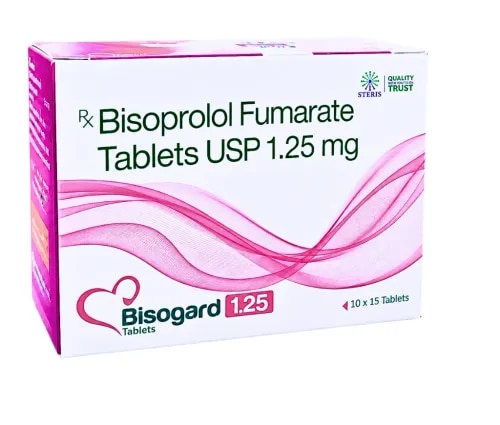
"name": "Bisoprolol 1.25mg",
"description": "Bisoprolol 1.25mg is the smallest tablet strength of bisoprolol, a heart-selective beta-1 blocker. Doctors usually prescribe it to start treatment or to build up the dose gradually in people with high blood pressure, chronic stable heart failure, or fast heart rhythms. It suits older adults, people with mild heart failure, and anyone who reacts strongly to beta-blockers. The medicine slows the heartbeat and eases the force of each contraction, so the heart works less hard. BISOGARD 1.25 from Steris Healthcare Pvt. Ltd. comes in a strip pack of 15 tablets. It is a Schedule H medicine, so it must only be started, changed, or stopped on a doctor's advice.\n\nProduct Snapshot\n\nBrand: BISOGARD 1.25\nManufacturer/Marketer: Steris Healthcare Pvt. Ltd., a WHO-GMP and ISO-certified pharmaceutical company in India\nActive ingredient: Bisoprolol Fumarate 1.25mg\nForm: Tablet\nPack size: 15 tablets\nDrug class: Cardioselective beta-1 blocker\nLegal status: Schedule H (valid prescription required)\nAvailability: Through Steris Healthcare's authorized pharmacies and its B2B PCD franchise network across India\nWhat Is Bisoprolol 1.25mg?\n\nIf your doctor has just prescribed bisoprolol 1.25mg, you have been given the lowest dose on purpose. Bisoprolol is a cardioselective beta-1 blocker, meaning it acts mostly on receptors in the heart and has much less effect on the lungs and blood vessels. This is a major reason it is preferred over older, non-selective beta-blockers, especially for people who also have a mild breathing problem.\n\nThe 1.25mg tablet is not a “light” medicine for mild illness. It is a carefully chosen entry point. In heart failure, a weakened heart can struggle if its rate or pressure drops too quickly, so cardiologists follow a “start low, go slow” approach. Treatment begins at 1.25mg, the response is watched for one to two weeks, and the dose is raised step by step (commonly 2.5mg, 3.75mg, 5mg, 7.5mg, and up to 10mg) as the heart adapts. That is why BISOGARD 1.25 is often the first tablet a newly diagnosed heart failure patient takes.\n\nWhat Is Bisoprolol 1.25mg Used For?\n\nDoctors commonly prescribe this strength for:\n\nChronic heart failure (HFrEF): as the first step of dose titration in patients with a reduced ejection fraction, alongside ACE inhibitors/ARBs and diuretics\nHigh blood pressure: especially in older adults, people with low body weight, and those who are sensitive to blood-pressure-lowering drugs\nStable angina: to reduce the heart's oxygen demand and relieve chest discomfort\nAfter a heart attack: in selected patients, under a cardiologist's care\nHeart rate control in some arrhythmias: sometimes used off-label at a low dose to gently bring down a fast heart rate\n\nAt 1.25mg, bisoprolol is seldom meant as the long-term sole treatment for high blood pressure in an otherwise healthy adult. It is usually the first rung of a titration ladder, or a steady maintenance dose for patients who are unusually beta-blocker sensitive (older age, low body weight, or borderline low pressure or pulse).\n\nHow Does Bisoprolol Work?\n\nBisoprolol selectively blocks beta-1 adrenergic receptors, which are packed mainly into heart muscle. This leads to several effects:\n\nSlower heart rate: the heart has more time to fill and rest between beats\nGentler contractions: the heart muscle needs less oxygen and energy\nLess renin from the kidneys: this helps blood pressure fall gradually over time\nLower overall cardiac workload: a real advantage for a heart that already struggles to pump well, as in heart failure\nKey Benefits of BISOGARD 1.25\nA gentle starting dose, well suited to careful titration in frail or elderly patients\nHeart-focused action, with less effect on the lungs and peripheral blood vessels than non-selective beta-blockers\nOnce-daily dosing, which makes it easier to stay on treatment\nA guideline-recommended beta-blocker for HFrEF with well-established outcomes data [Reviewer note: insert specific outcome statistics/trial citation pending medical sign-off]\nMade by Steris Healthcare Pvt. Ltd. under WHO-GMP and ISO-certified standards\nDosage Guidance\nUsual starting dose (heart failure): 1.25mg once a day, preferably in the morning\nDose increases: typically every 1–2 weeks (2.5mg, 3.75mg, 5mg, 7.5mg, up to a maximum of 10mg daily), depending on how well you tolerate it and on your pulse and blood pressure\nHigh blood pressure (sensitive patients): 1.25mg to 5mg once daily, as set by your doctor\nHow to take it: at the same time every day, with or without food, swallowed whole with water\nIf you miss a dose: take it when you remember, unless the next dose is almost due. Never take a double dose.\nNever stop suddenly: abrupt withdrawal can cause a rebound rise in heart rate, blood pressure, or chest pain. The dose must be reduced gradually under medical supervision.\nIs It Better to Take Bisoprolol in the Morning or at Night?\n\nMost doctors advise a morning dose. Bisoprolol lowers pulse and blood pressure, and taking it early matches its action to your daytime activity. A night-time dose could add to the body's natural overnight dip in blood pressure and raise the chance of dizziness when getting up in the dark. Some people who feel tired during the day are told by their doctor to switch to the evening. Do not change your dosing time without your doctor's approval.\n\nSide Effects of Bisoprolol 1.25mg\n\nCommon side effects\n\nTiredness or fatigue\nDizziness or light-headedness, especially on standing quickly\nCold hands or feet\nSlow pulse (bradycardia)\nHeadache\nMild stomach upset (nausea, loose stools)\nDisturbed sleep\n\nSerious side effects (get medical help promptly)\n\nVery slow heartbeat or fainting\nIncreasing breathlessness or swollen legs/ankles, which may mean heart failure is worsening\nAllergic reaction: rash, swelling of the face or throat, trouble breathing\nCold, numb, or bluish fingers and toes\nWheezing or new breathing difficulty, particularly in people with asthma or COPD\nMood changes, low mood, or confusion\nWhat Are the Bad Side Effects of Bisoprolol?\n\nThe effects that need urgent attention are a dangerously slow pulse, fainting, signs of worsening heart failure (swelling, breathlessness), severe allergic reactions, and airway tightening in people with lung disease. These are uncommon at the 1.25mg dose, but anyone who notices them should seek medical help right away. [Reviewer note: specific incidence rates pending clinical/medical sign-off]\n\nSubstitutes & Comparable Beta-Blockers\nMolecule\tSelectivity\tTypical Use Case\nBisoprolol\tHighly cardioselective\tHeart failure titration, hypertension\nMetoprolol Succinate ER\tCardioselective\tHypertension, angina, heart failure\nAtenolol\tCardioselective (older agent)\tHypertension\nCarvedilol\tNon-selective with alpha-blocking action\tHeart failure (adds vasodilation)\nPropranolol\tNon-selective\tMigraine prevention, anxiety-related fast heartbeat, essential tremor\nPrecautions & Who Should Avoid Bisoprolol\nNot suitable for people with severe bradycardia, certain forms of heart block (unless a pacemaker is fitted), unstable or acutely decompensated heart failure, or severe uncontrolled asthma\nUse carefully in diabetes, because beta-blockers can hide the warning signs of low blood sugar\nTake care in peripheral vascular disease, as cold extremities or leg pain on walking may worsen\nNever stop it abruptly; always taper under a doctor's guidance\nTell your doctor about every medicine you use, especially other blood-pressure drugs, calcium channel blockers, and certain antiarrhythmics\nIn pregnancy and breastfeeding, use only if your doctor advises it after weighing benefits and risks\nIs Bisoprolol Safe for Kidneys?\n\nThe body clears bisoprolol through both the liver and the kidneys in roughly equal measure. It is generally considered safe for people with normal or mildly reduced kidney function. When kidney impairment is significant, drug levels in the blood can rise, so your doctor may lower the dose or monitor you more closely. Always tell your prescriber about any kidney disease before starting.\n\nIs Bisoprolol a High-Risk Medication?\n\nBisoprolol is not a narrow therapeutic index drug like tacrolimus or warfarin, where small dose differences matter greatly. Even so, it needs supervised use because it directly affects heart rate and blood pressure. The main dangers are stopping it suddenly, which can set off rebound cardiac events, and using it with certain existing rhythm disorders. Taken as prescribed and checked regularly, it has a long and reassuring safety record.\n\nDoes 1.25mg Bisoprolol Lower Blood Pressure?\n\nYes. Even the smallest dose measurably reduces heart rate and blood pressure by lightening the heart's workload and reducing renin-driven narrowing of blood vessels. At this strength the effect on blood pressure is fairly mild, which is exactly why it is a safe place to begin, especially for older adults or people starting heart failure treatment. The dose is then raised gradually to reach full benefit.\n\nFrequently Asked Questions\n\n1. What is 1.25 mg of bisoprolol used for?\nMainly as a low starting dose when building up treatment for chronic heart failure, and for high blood pressure in people who are very sensitive to beta-blockers, such as older adults.\n\n2. What are the bad side effects of bisoprolol?\nThe more serious ones are a very slow pulse, fainting, worsening heart failure signs (swelling, breathlessness), severe allergy, and breathing trouble in people with lung conditions.\n\n3. What are the common side effects of bisoprolol fumarate 1.25 mg tablets?\nTiredness, dizziness, cold hands and feet, mild headache, and a slightly slower pulse.\n\n4. Is it better to take bisoprolol in the morning or at night?\nMorning is usually preferred so its effect fits daytime activity, though your doctor may suggest evenings in some cases.\n\n5. What is the cost of bisoprolol?\nPrice depends on strength, pack size, and brand. Use the “Check Price” option above for current BISOGARD 1.25 pricing from Steris Healthcare.\n\n6. Does 1.25 mg bisoprolol lower blood pressure?\nYes, though only modestly at this dose. The dose is often stepped up over time.\n\n7. Is bisoprolol safe for kidneys?\nGenerally yes for normal or mildly reduced kidney function. People with significant kidney impairment need dose adjustment and monitoring.\n\n8. Is bisoprolol a high-risk medication?\nIt is not a narrow therapeutic index drug, but it must never be stopped suddenly and should be used under medical supervision because of its direct effect on the heart.\n\n9. Can I take bisoprolol 1.25mg for the rest of my life?\nMany people with chronic heart failure or hypertension do take bisoprolol long term, but the dose usually rises as tolerated. Your doctor should review it regularly.\n\n10. What happens if I miss a dose of bisoprolol?\nTake it when you remember, unless the next dose is nearly due. In that case skip the missed one. Never take two together.\n\n11. Can bisoprolol 1.25mg cause weight gain?\nIt is not commonly reported at this dose. Fluid retention linked to heart failure itself should be reported to your doctor.\n\n12. Is bisoprolol safe for diabetic patients?\nIt can be used, with care, because beta-blockers may hide warning signs of low blood sugar such as a racing heartbeat.\n\n13. Can I stop taking bisoprolol suddenly if I feel fine?\nNo. Stopping abruptly can cause a rebound rise in heart rate, blood pressure, or chest pain. Reduce the dose gradually under medical guidance.\n\n14. Does bisoprolol interact with other blood pressure medicines?\nYes. Combining it with other drugs that lower heart rate or pressure (such as calcium channel blockers) can cause a very low pulse or pressure. Tell your doctor about all your medicines.\n\n15. Is BISOGARD 1.25 available without a prescription?\nNo. Bisoprolol is a Schedule H medicine in India and needs a valid prescription.\n\n16. How long does it take for bisoprolol 1.25mg to start working?\nSome effect on heart rate appears within hours, but the full benefit for blood pressure or heart failure symptoms builds over several weeks of regular use.\n\n17. Can pregnant women take bisoprolol?\nOnly if clearly necessary and prescribed by a doctor, as it may affect the baby's heart rate and growth.",
"price": 39.0,
"discountamount": 12.0,
"currencycode": "INR",
"priority": 1000000,
"isfreeshipmentavailable": false,
"shipmentduration": 1,
"_keywords": null,
"isarchived": false,
"isavailable": true,
"applicationid": null,
"productindex": 2501,
"imageuri": "https://productimages.withfloats.com/actual/6abe4474c205678e0b16a23a.png",
"tileimageuri": "https://productimages.withfloats.com/tile/6abe4474c205678e0b16a23a.png",
"images": null,
"totalqueries": 0,
"gpid": null,
"groupproductid": null,
"createdon": "2026-10-01T11:30:57.88Z",
"updatedon": "2026-10-01T11:30:57.88Z",
"buyonlinelink": null,
"producturl": "http://WWW.STERISINDIA.COM//bisoprolol-1-25mg/2501",
"availableunits": -1.0,
"iscodavailable": false,
"isprepaidonlineavailable": false,
"maxcodorders": 0,
"maxprepaidonlineorders": 0,
"uniquepaymenturl": null,
"brandname": "Bisogard 1.25",
"category": "CARDIOLOGYRANGE",
"tags": [],
"variants": false,
"keyspecification": null,
"otherspecifications": null,
"pickupaddressreferenceid": null,
"paymenttype": "UniquePaymentUrl",
"producttype": "products",
"hsncode": null,
"gstslab": 0.0,
"isnotforsale": false
},
{
"_id": "6a952f8fed078617ad2e762a",
"fptag": "STERISHEALTHCARE",
"merchantname": null,
"customwidgets": null,
"externalsourceid": null,
"name": "Palmitoylethanolamide,Parsley Extract & Multivitamin Tablets",
"description": "What Are Palmitoylethanolamide, Parsley Extract & Multivitamin Tablets?\n\nPalmitoylethanolamide, Parsley Extract & Multivitamin Tablets are a combination of nutritional supplements formulated with **palmitoylethanolamide (PEA), parsley extract, vitamins, and minerals**. The precise ingredients and quantities can differ between products, so the product label should always be checked for the exact composition and recommended serving.\n\nEach component has a different nutritional or biological role. **Palmitoylethanolamide (PEA)** is a naturally occurring fatty-acid amide that has been researched for its potential contribution to pain-related and inflammatory processes. Clinical research has shown particular interest in PEA for pain-management outcomes, especially when specific formulations such as micronized or ultramicronized PEA are used.\n\n**Parsley extract**, obtained from *Petroselinum crispum*, contains naturally occurring plant compounds, including flavonoids and phenolic constituents. Research has identified compounds such as apigenin and apiin in parsley and has demonstrated antioxidant activity in experimental settings. However, laboratory antioxidant activity should not be interpreted as proof that parsley extract prevents or treats a particular disease.\n\nThe multivitamin component supplies selected vitamins and minerals that contribute to normal nutritional requirements. Such supplements can be useful when dietary intake does not provide adequate amounts of particular nutrients, but they are intended to complement rather than replace a balanced diet.\n\nHow Do Palmitoylethanolamide, Parsley Extract & Multivitamin Tablets Work?\n\nThe combination works through the individual characteristics of its principal ingredients rather than through a single mechanism.\n\n1. Palmitoylethanolamide\n\nPalmitoylethanolamide (PEA) is an endogenous lipid compound found naturally in the body. It has been investigated for its potential analgesic, anti-inflammatory, and neuroprotective activities.\n\nClinical research has examined PEA in various pain-related and neurological settings. Evidence from randomized controlled trials has been particularly promising for pain-related outcomes. However, different PEA products can contain different formulations, and results from one preparation should not automatically be applied to every PEA supplement.\n\n 2. Parsley Extract\n\nParsley contains several naturally occurring phytochemicals, including flavonoids and phenolic compounds. These substances have demonstrated antioxidant properties in experimental research.\n\nThe presence of parsley extract therefore adds a plant-derived nutritional component to the formulation. However, human evidence remains more limited than laboratory research, so claims about disease prevention or treatment should be avoided unless supported by appropriate clinical evidence.\n\n3. Vitamins and Minerals\n\nThe multivitamin portion is designed to provide selected micronutrients that contribute to normal body functions. Vitamins and minerals participate in numerous physiological processes, including energy metabolism, immune function, nervous-system function, and maintenance of tissues.\n\nThe actual nutritional contribution depends on which vitamins and minerals are included and their quantities per tablet or serving.\n\nPotential Benefits of Palmitoylethanolamide, Parsley Extract & Multivitamin Tablets\n\nThe potential benefits of this combination depend on its exact formulation and the nutritional requirements of the individual.\n\nSupport for Pain-Management Strategies\n\nPEA is the component in this combination with the most relevant clinical research. Studies have evaluated PEA as a complementary nutritional approach in different pain conditions, with evidence showing particular interest in pain-related outcomes.\n\nHowever, the presence of PEA does not mean that every PEA-containing supplement is clinically proven to treat chronic pain, neuropathy, or other medical disorders.\n\nNutritional Support\n\nThe vitamin and mineral component can help increase nutrient intake when normal dietary consumption is inadequate.\n\nPeople with restricted diets, reduced food intake, or specific nutritional gaps may sometimes benefit from supplementation. However, supplements are not intended to replace a varied and nutritionally balanced diet.\n\nAntioxidant Nutritional Support\n\nParsley provides naturally occurring flavonoids and phenolic compounds that demonstrate antioxidant activity in experimental research.\n\nThese properties make parsley an interesting botanical ingredient in nutritional formulations, although laboratory findings do not necessarily establish a specific clinical benefit in humans.\n\nConvenient Combination Formula\n\nA combination tablet can offer convenience by bringing PEA, parsley extract, vitamins, and minerals together in one formulation.\n\nConsumers should focus on the actual quantities provided per tablet rather than simply the number of ingredients listed on the packaging.\n\nPalmitoylethanolamide, Parsley Extract & Multivitamin Tablets: Uses\n\nDepending on the specific product formulation and labeling, these tablets may be used as a nutritional supplement to\n\n* Support daily nutritional intake\n* Provide selected vitamins and minerals\n* Supply palmitoylethanolamide as part of a complementary wellness or pain-management approach\n* Provide naturally occurring compounds from parsley extract\n* Complement overall nutritional and antioxidant intake\n\nThese supplements should not be promoted as guaranteed treatments or cures for neuropathy, arthritis, inflammation, nerve injury, or other medical diseases.\n\n How to Select the Right Product\n\n 1. Check the PEA Quantity\n\nReview the label to determine the actual amount of **palmitoylethanolamide per tablet or daily serving**.\n\n 2. Consider the PEA Formulation\n\nDifferent clinical studies have evaluated different PEA preparations. Micronized, ultramicronized, and water-dispersible forms have received particular attention in clinical research.\n\n3. Review the Vitamin and Mineral Profile\n\nExamine the complete nutritional panel rather than assuming all multivitamin formulations contain the same nutrients and quantities.\n\n4. Avoid Nutrient Duplication\n\nIf you already use a multivitamin or individual supplements containing nutrients such as vitamin A, iron, zinc, or other minerals, compare the total daily intake to avoid unnecessary excess.\n\n 5. Check Product Information\n\nLook for transparent labeling, manufacturer details, batch information, expiry information, and appropriate quality-control details.\n\n 6. Choose According to Individual Requirements\n\nA product containing more ingredients or higher quantities is not necessarily more beneficial. Selection should be based on individual nutritional requirements and professional guidance when necessary.\n\nPossible Side Effects and Safety\n\nDietary supplements are generally well tolerated when appropriately formulated and used according to directions, but adverse effects and interactions can occur.\n\nPossible problems may include:\n\n* Nausea\n* Stomach discomfort\n* Changes in bowel habits\n* Headache\n* Sensitivity or allergic reactions to individual ingredients\n* Excessive intake of particular vitamins or minerals\n\nThe exact safety profile depends on the complete ingredient list and quantities in the individual product.\n\nPeople who take prescription medicines, have significant medical conditions, are pregnant or breastfeeding, or are preparing for surgery should discuss supplementation with a qualified healthcare professional.\n\nWho Should Use Extra Caution?\n\nAdditional care may be appropriate for individuals who:\n\n* Take several nutritional supplements\n* Regularly use prescription medicines\n* Have an existing medical condition\n* Are pregnant or breastfeeding\n* Have an allergy or sensitivity to an ingredient\n* Are preparing for surgery\n* Are considering supplementation for persistent or unexplained pain\n\nMultivitamins should also not be used as a substitute for a consistently varied diet.\n\nFrequently Asked Questions\n\n1. What are Palmitoylethanolamide, Parsley Extract & Multivitamin Tablets used for?\n\nThey are combination nutritional supplements containing PEA, parsley extract, vitamins, and minerals. Depending on the formulation, they may provide nutritional support and PEA as a complementary component of a wellness or pain-management approach.\n\n2. What are the main benefits of these tablets?\n\nPotential benefits depend on the formulation. PEA has been clinically studied mainly for pain-related outcomes; parsley provides naturally occurring plant compounds; and vitamins and minerals help support nutritional intake when dietary consumption is insufficient.\n\n3. Can Palmitoylethanolamide help with nerve pain?\n\nPEA has been investigated in several pain-related and neurological conditions, with clinical research showing promising findings for some pain outcomes. However, it should not automatically be considered a proven treatment for every type of nerve pain or neuropathy.\n\n4. Are Palmitoylethanolamide, Parsley Extract & Multivitamin Tablets safe?\n\nSafety depends on the ingredients, quantities, individual health status, and medicines being used. Most appropriately used basic nutritional supplements are tolerated by many people, but excessive nutrient intake and interactions can occur.\n\n5. What side effects can these tablets cause?\n\nPotential effects can include stomach discomfort, nausea, bowel changes, headache, or sensitivity to an ingredient. The exact side effects depend on the complete formulation.\n\n6. Can these tablets be taken with another multivitamin?\n\nCombining multivitamins should be approached carefully because overlapping ingredients can result in excessive intake of certain vitamins or minerals. Compare both labels before combining supplements.\n\n7. How should I choose palmitoylethanolamide tablets?\n\nCheck the PEA quantity, formulation, parsley extract amount, complete vitamin and mineral profile, serving instructions, manufacturer information, and product quality details.\n\n8. Can these tablets replace prescribed pain medicines?\n\nNo. A nutritional supplement should not automatically replace prescribed medication or professional medical care. Persistent, severe, worsening, or unexplained pain should be evaluated appropriately.\n\n9. Do multivitamins provide long-term health benefits?\n\nMultivitamins can increase nutrient intake when dietary intake is inadequate, but this does not mean they universally prevent chronic diseases or extend lifespan in healthy individuals.\n\n10. Can I take these tablets every day?\n\nFollow the dosage or serving instructions provided for the specific product. Taking more than the recommended amount does not necessarily provide greater benefits and may increase the risk of excessive nutrient intake.\n\nConclusion\n\nPalmitoylethanolamide, Parsley Extract & Multivitamin Tablets** combine **PEA, parsley extract, vitamins, and minerals** into a single nutritional formulation. PEA is the component with the most relevant clinical research, particularly in relation to pain-related outcomes, while parsley contributes naturally occurring botanical compounds and the multivitamin component supports dietary micronutrient intake.\n\nThe benefits and appropriate use of the combination depend on the exact formulation, ingredient quantities, and individual nutritional requirements. Therefore, consumers should review the complete product label and use the supplement according to its recommended directions.",
"price": 579.0,
"discountamount": 170.0,
"currencycode": "INR",
"priority": 1000000,
"isfreeshipmentavailable": false,
"shipmentduration": 1,
"_keywords": null,
"isarchived": false,
"isavailable": true,
"applicationid": null,
"productindex": 2499,
"imageuri": "https://productimages.withfloats.com/actual/6a952f923833cb5247c5da2d.png",
"tileimageuri": "https://productimages.withfloats.com/tile/6a952f923833cb5247c5da2d.png",
"images": null,
"totalqueries": 0,
"gpid": null,
"groupproductid": null,
"createdon": "2026-08-31T07:38:55.369Z",
"updatedon": "2026-08-31T07:38:55.369Z",
"buyonlinelink": null,
"producturl": "http://WWW.STERISINDIA.COM//palmitoylethanolamide-parsley-extract-multivitamin-tablets/2499",
"availableunits": -1.0,
"iscodavailable": false,
"isprepaidonlineavailable": false,
"maxcodorders": 0,
"maxprepaidonlineorders": 0,
"uniquepaymenturl": null,
"brandname": "PALMI URIDIN 600",
"category": "NEUROLOGY RANGE",
"tags": [
"Palmitoylethanolamide,Parsley Extract & Multivitamin Tablets",
"palmitoylethanolamide",
"multivitamin tablets",
"best multivitamin tablets",
"multivitamin tablets uses"
],
"variants": false,
"keyspecification": null,
"otherspecifications": null,
"pickupaddressreferenceid": null,
"paymenttype": "UniquePaymentUrl",
"producttype": "products",
"hsncode": null,
"gstslab": 0.0,
"isnotforsale": false
},
{
"_id": "6a86e496cc4491de1ed77dfd",
"fptag": "STERISHEALTHCARE",
"merchantname": null,
"customwidgets": null,
"externalsourceid": null,
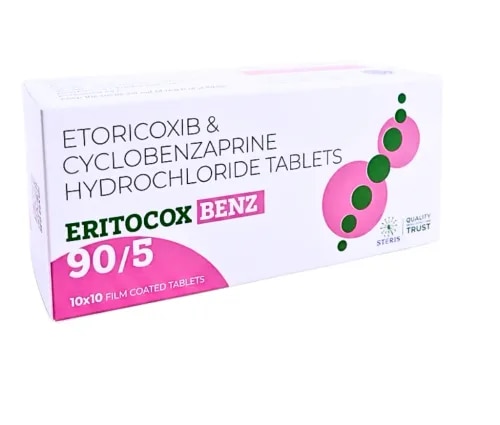
"name": "Etoricoxib & Cyclobenzaprine Hydrochloride Tablets",
"description": "ERITOCOX BENZ 90/5 is a fixed-dose combination tablet pairing Etoricoxib 90 mg, a selective COX-2 anti-inflammatory, with Cyclobenzaprine Hydrochloride 5 mg, a centrally acting muscle relaxant. It is prescribed for short-term relief of acute musculoskeletal problems where pain, swelling, and muscle tightness occur together — think a sudden low-back strain, a stiff neck, or a flare-up of arthritis where the surrounding muscles clamp down defensively. Rather than treating the inflammation alone or the spasm alone, this tablet addresses both mechanisms in one dose, which can mean fewer pills and a more complete response for short, acute episodes. It is a prescription-only (Schedule H) medicine, produced under WHO-GMP and ISO-certified manufacturing standards by Steris Healthcare Pvt. Ltd. Typical side effects include drowsiness, dry mouth, and mild stomach upset; because the combination carries cardiovascular, gastrointestinal, and kidney considerations, it should only be used under a doctor's supervision. This page walks through what the tablet does, how it works, correct usage, safety information, and answers to the questions people most often ask.\n\nWhat Is ERITOCOX BENZ 90/5?\n\nPain from an acute back injury, a wrenched neck, or an arthritis episode almost never travels alone — it tends to bring a tense, guarded muscle along with it that makes every movement feel worse. ERITOCOX BENZ 90/5 was formulated with that pattern in mind, folding two separate mechanisms into a single tablet rather than requiring two prescriptions.\n\nActive Ingredient\tStrength\tRole\nEtoricoxib\t90 mg\tSelective COX-2 inhibitor for inflammatory pain\nCyclobenzaprine Hydrochloride\t5 mg\tCentrally acting skeletal muscle relaxant\n\nEach tablet is manufactured by Steris Healthcare Pvt. Ltd., a WHO-GMP and ISO-certified pharmaceutical company, so every batch meets verified potency and quality benchmarks.\n\nWhy This Combination Makes Sense\n\nMusculoskeletal pain is rarely a single-track problem. When tissue is injured or irritated, inflammation flares up locally — and nearby muscles frequently respond by tightening protectively. That protective tightening, the spasm, often becomes a pain generator of its own. Treat only the inflammation and the spasm can linger; treat only the spasm and the underlying inflammation keeps driving discomfort.\n\nERITOCOX BENZ 90/5 is built to intervene on both fronts at once:\n\nEtoricoxib addresses the chemical cascade responsible for pain and swelling at the injured site.\nCyclobenzaprine works through the central nervous system to calm the muscle guarding that so often rides alongside that pain.\nMechanism of Action: How ERITOCOX BENZ 90/5 Works\n\nEtoricoxib selectively inhibits the COX-2 enzyme — the enzyme the body ramps up at sites of tissue damage or irritation to manufacture prostaglandins, the chemical messengers behind pain, swelling, and localized heat. Because it targets COX-2 specifically rather than blocking both COX-1 and COX-2 the way older, non-selective NSAIDs do, etoricoxib is designed to control inflammatory pain while leaving more of the COX-1 activity that protects the stomach lining relatively undisturbed.\n\nCyclobenzaprine Hydrochloride takes a different route entirely — its primary site of action is the brainstem, not the muscle fiber itself. By dampening excessive motor signaling sent to skeletal muscle, it reduces spasm and stiffness without producing the broad muscle weakness that a directly-acting muscle agent might cause.\n\nPut together, the tablet delivers a two-pronged effect: peripheral anti-inflammatory action from etoricoxib, layered with central muscle relaxation from cyclobenzaprine.\n\n[Reviewer placeholder: insert verified pharmacokinetic data (onset, half-life, bioavailability) once confirmed by medical/regulatory team — do not publish unverified figures.]\n\nClinical Uses of ERITOCOX BENZ 90/5\n\nA physician may prescribe this combination for short-term management of acute conditions where pain, inflammation, and spasm show up together, including:\n\nCondition\tTypical Presentation\nAcute lower back pain\tPain with associated muscle guarding/spasm\nNeck strain / cervical spasm\tStiff, restricted neck movement\nSprains, strains, overuse injuries\tMusculoskeletal trauma with inflammatory pain\nOsteoarthritis flare-ups\tJoint pain accompanied by surrounding muscle tightness\nPostural or occupational muscle pain\tWork- or posture-related inflammation and tension\nMovement restriction linked to spasm\tReduced range of motion driven by muscular guarding\n\nSuitability for any of the above must be confirmed by a doctor based on your specific diagnosis and medical history.\n\nKey Benefits of ERITOCOX BENZ 90/5\nOne tablet, two mechanisms — anti-inflammatory pain relief and muscle-spasm relief combined, simplifying an otherwise two-drug regimen.\nSite-focused inflammation control — etoricoxib's COX-2 selectivity is intended to concentrate its effect where inflammation is actually active.\nA comparatively gentler GI footprint — COX-2-selective action is generally linked to lower gastrointestinal irritation risk than older non-selective NSAIDs, though vigilance is still warranted.\nLoosens spasm-related stiffness — cyclobenzaprine's central action helps release tight, guarded muscles restricting movement.\nAids functional recovery — easing both pain and spasm can make it more realistic to resume light activity, stretching, or physiotherapy once your doctor clears you.\nStreamlined short-course dosing — a once-daily schedule (as prescribed) cuts down pill burden versus taking an NSAID and a muscle relaxant separately.\nDosage & Administration\n\nThe following is general reference information — your doctor's specific prescription always takes precedence.\n\nTake ERITOCOX BENZ 90/5 exactly as prescribed, generally once a day, with or without food.\nSwallow the tablet whole with water; avoid crushing or chewing unless your doctor tells you otherwise.\nTreatment is typically short — anywhere from a few days to roughly two weeks — reflecting the acute, self-limiting nature of most pain-and-spasm episodes.\nIf a dose is missed, take it as soon as you remember, but skip it entirely if the next dose is nearly due. Never double up to make up for a missed dose.\nDo not extend the treatment period or adjust your dose independently, even if symptoms haven't fully resolved.\nSide Effects of ERITOCOX BENZ 90/5\nCommon Side Effects\nDrowsiness or sleepiness\nDizziness\nDry mouth\nHeadache\nStomach discomfort or indigestion\nNausea\nFatigue\nMild elevation in blood pressure in some individuals\nSerious Side Effects — Seek Medical Help Promptly\nSigns of gastrointestinal bleeding, such as black stools or vomiting blood\nA severe allergic reaction — swelling of the face or throat, breathing difficulty, or widespread rash\nChest pain, irregular heartbeat, or other symptoms suggestive of a cardiovascular event\nYellowing of the skin or eyes, which may point to liver involvement\nA noticeable drop in urine output, which may suggest kidney impairment\nSevere dizziness, confusion, or fainting\n\nIf any of these serious symptoms appear, stop the medicine and get medical attention immediately.\n\nPrecautions & Warnings\nShare your full medical history with your doctor before starting, including any heart, kidney, or liver conditions.\nUse cautiously — or avoid altogether — if you have a history of stomach ulcers or gastrointestinal bleeding.\nGenerally not advised for people with uncontrolled high blood pressure, existing heart disease, or a prior stroke, unless a doctor specifically clears its use.\nSteer clear of alcohol, since it can amplify cyclobenzaprine's sedative effect and add to gastrointestinal risk.\nCyclobenzaprine may cause drowsiness or dizziness — hold off on driving or operating machinery until you know how the tablet affects you.\nDon't combine ERITOCOX BENZ 90/5 with other NSAIDs, painkillers, or sedating medicines without checking with your doctor first.\nAvoid the medicine if you have known hypersensitivity to etoricoxib, cyclobenzaprine, or related compounds.\nNot generally recommended during pregnancy or breastfeeding unless a doctor specifically advises otherwise.\nAvoid combining with MAO inhibitors, or using shortly after stopping them.\nDrug Interactions to Flag With Your Doctor\n\nDisclose every prescription medicine, over-the-counter product, and supplement you take. Extra caution is needed around medicines affecting:\n\nBlood pressure regulation\nKidney function\nBlood clotting\nCentral nervous system activity (sedatives, other muscle relaxants)\nLiver metabolism\nOther anti-inflammatory or pain-relief medicines\nConclusion\n\nERITOCOX BENZ 90/5 brings Etoricoxib 90 mg and Cyclobenzaprine Hydrochloride 5 mg together to tackle a problem that rarely presents as a single issue — pain, inflammation, and muscle spasm that reinforce one another in acute musculoskeletal conditions. By acting on both the inflammatory and muscular sides of that cycle, it offers a more rounded short-term response than either ingredient could provide alone.\n\nGiven the genuine cardiovascular, gastrointestinal, kidney, and central-nervous-system considerations involved, ERITOCOX BENZ 90/5 is meant strictly for short, doctor-supervised courses — not casual or extended self-treatment. Always check with your doctor to confirm whether this combination is right for your condition, medical history, and current medications.\n\nPrescription only – consult your doctor.\n\nFrequently Asked Questions (Google & AI Mode / Voice Search Optimized)\n\n1. What is ERITOCOX BENZ 90/5 used for? It's typically prescribed for short-term relief of acute musculoskeletal issues — such as back pain, neck strain, or an arthritis flare-up — where pain, inflammation, and muscle spasm show up together.\n\n2. Is ERITOCOX BENZ 90/5 a muscle relaxant? It's a combination tablet: the muscle-relaxing effect comes from its Cyclobenzaprine Hydrochloride component, while Etoricoxib supplies the pain-relieving, anti-inflammatory action.\n\n3. Is Etoricoxib a strong painkiller? Etoricoxib is an effective selective COX-2 inhibitor typically used for moderate inflammation-related pain, such as arthritis or an acute musculoskeletal injury. Its appropriateness for your level of pain should be assessed by a doctor.\n\n4. Is Etoricoxib safe for the kidneys? As with other NSAIDs, etoricoxib can influence kidney function, particularly with extended use, higher doses, dehydration, or existing kidney disease. It should be used carefully and only under medical guidance if kidney health is a concern.\n\n5. Should ERITOCOX BENZ 90/5 be taken in the morning or at night? It's usually taken once a day at a time your doctor sets. Since cyclobenzaprine can cause drowsiness, many doctors lean toward an evening dose — but always stick to your specific prescription.\n\n6. What are the common side effects of ERITOCOX BENZ 90/5? Frequently reported effects include drowsiness, dizziness, dry mouth, headache, stomach discomfort, and mild fatigue. Most fade on their own, but persistent symptoms should be reported to your doctor.\n\n7. How fast does ERITOCOX BENZ 90/5 start working? Etoricoxib tends to absorb fairly quickly, and many people feel pain relief within roughly an hour, though onset can vary by individual and whether the tablet is taken with food.\n\n8. What should be avoided while on ERITOCOX BENZ 90/5? Skip alcohol, avoid taking other NSAIDs or painkillers without medical advice, and hold off on driving or operating machinery if you're feeling drowsy or dizzy.\n\n9. How many days can ERITOCOX BENZ 90/5 be taken? It's usually prescribed for a short stretch — a few days up to around two weeks — matching how acute conditions typically resolve. Anything longer needs your doctor's review.\n\n10. What are the benefits of ERITOCOX BENZ 90/5? It delivers combined relief from pain, inflammation, and muscle spasm in one tablet, which can make it easier to move normally and get back to daily activity sooner when used as directed.\n\n11. How safe is ERITOCOX BENZ 90/5? Taken exactly as prescribed and for the recommended duration, it's generally considered safe for most adults. It does carry cardiovascular, gastrointestinal, kidney, and liver-related risks that call for medical supervision, especially if you already have related conditions.\n\n12. Can ERITOCOX BENZ 90/5 be used for knee pain? Yes — its etoricoxib component is commonly used for joint pain tied to osteoarthritis or an acute injury, including the knee, by reducing the underlying inflammation. A doctor should confirm suitability first.\n\n13. Does ERITOCOX BENZ 90/5 cause drowsiness? Yes — drowsiness and dizziness are known effects linked to its cyclobenzaprine component. Avoid driving or tasks requiring full alertness until you know how it affects you.\n\n14. Can ERITOCOX BENZ 90/5 be bought without a prescription? No. This is a prescription-only medicine meant to be taken solely under a qualified doctor's supervision — it isn't meant for self-prescribing or extended use without medical oversight.\n\n15. Can ERITOCOX BENZ 90/5 be taken with food? It can generally be taken with or without food, though taking it with food may ease stomach discomfort for some people. Follow your doctor's specific instructions.\n\n16. Is ERITOCOX BENZ 90/5 habit-forming? Cyclobenzaprine isn't considered addictive with typical short-term use, but the tablet should still be taken only for the prescribed duration and not restarted on your own without medical advice.\n\n17. Who should avoid taking ERITOCOX BENZ 90/5? People with active stomach ulcers, significant heart, kidney, or liver disease, known hypersensitivity to NSAIDs, or those who are pregnant or breastfeeding should avoid it unless a doctor specifically clears its use.",
"price": 222.0,
"discountamount": 67.0,
"currencycode": "INR",
"priority": 1000000,
"isfreeshipmentavailable": false,
"shipmentduration": 1,
"_keywords": null,
"isarchived": false,
"isavailable": true,
"applicationid": null,
"productindex": 2495,
"imageuri": "https://productimages.withfloats.com/actual/6a86e4990f089c4695c57658.png",
"tileimageuri": "https://productimages.withfloats.com/tile/6a86e4990f089c4695c57658.png",
"images": null,
"totalqueries": 0,
"gpid": null,
"groupproductid": null,
"createdon": "2026-08-20T11:27:18.403Z",
"updatedon": "2026-08-20T11:27:18.403Z",
"buyonlinelink": null,
"producturl": "http://WWW.STERISINDIA.COM//etoricoxib-cyclobenzaprine-hydrochloride-tablets/2495",
"availableunits": -1.0,
"iscodavailable": false,
"isprepaidonlineavailable": false,
"maxcodorders": 0,
"maxprepaidonlineorders": 0,
"uniquepaymenturl": null,
"brandname": "ERITOCOX BENZ 90/5",
"category": "",
"tags": [],
"variants": false,
"keyspecification": null,
"otherspecifications": null,
"pickupaddressreferenceid": null,
"paymenttype": "UniquePaymentUrl",
"producttype": "products",
"hsncode": null,
"gstslab": 0.0,
"isnotforsale": false
},
{
"_id": "6a685f3a5315456e18559082",
"fptag": "STERISHEALTHCARE",
"merchantname": null,
"customwidgets": null,
"externalsourceid": null,
"name": "Acebrophylline and Erdosteine Tablets",
"description": "Acebrophylline and Erdosteine Tablets are a clinically trusted combination used in the management of chronic respiratory disorders associated with excessive mucus production, airway inflammation, and breathing difficulties. This dual-action formulation combines the bronchodilator and anti-inflammatory properties of Acebrophylline with the mucolytic and antioxidant benefits of Erdosteine, making it an effective treatment option for patients suffering from chronic obstructive pulmonary disease (COPD), chronic bronchitis, bronchial asthma, and other mucus-related respiratory conditions.\n\nAt [Your Company Name], we manufacture and supply premium-quality Acebrophylline and Erdosteine Tablets that comply with WHO-GMP standards and international pharmaceutical quality guidelines. Our formulations are trusted by healthcare professionals, hospitals, distributors, and pharmaceutical companies seeking reliable respiratory medicines.\n\nComposition\nEach film-coated tablet typically contains:\n\nAcebrophylline – 200 mg\nErdosteine – 300 mg\nComposition can be customized based on customer requirements and regulatory approvals.\n\nHow Acebrophylline and Erdosteine Tablets Work\nThe combination provides comprehensive respiratory support through complementary mechanisms.\n\nAcebrophylline\nAcebrophylline acts as a bronchodilator and anti-inflammatory agent. It helps relax bronchial muscles, widens the airways, improves airflow, and reduces inflammation, making breathing easier for patients with chronic respiratory diseases.\n\nErdosteine\nErdosteine is a powerful mucolytic agent that reduces the thickness and stickiness of mucus. It facilitates easier expectoration, reduces coughing, and provides antioxidant protection against airway damage caused by inflammation.\n\nTogether, these ingredients improve lung function, reduce respiratory symptoms, and enhance patient comfort.\n\nKey Benefits of Acebrophylline and Erdosteine Tablets\nHelps improve breathing by relaxing bronchial muscles\nEffectively reduces thick mucus accumulation\nSupports easier mucus clearance from the lungs\nReduces chronic cough and chest congestion\nHelps manage COPD and chronic bronchitis symptoms\nProvides antioxidant protection to respiratory tissues\nImproves oxygen exchange and lung function\nEnhances quality of life in patients with chronic respiratory disorders\nSuitable for long-term respiratory disease management under medical supervision\nMedical Uses of Acebrophylline and Erdosteine Tablets\nHealthcare professionals commonly prescribe Acebrophylline and Erdosteine Tablets for:\n\nChronic Obstructive Pulmonary Disease (COPD)\nChronic Bronchitis\nBronchial Asthma\nRespiratory Tract Infections with Excessive Mucus\nChronic Productive Cough\nAirway Inflammation\nBronchiectasis\nSmoking-related Respiratory Conditions\nThese tablets should always be used under the supervision of a qualified healthcare professional.\n\nAdvantages of the Acebrophylline and Erdosteine Combination\nThe combination therapy offers several clinical advantages over single-drug treatment.\n\nDual Mechanism of Action\nIt simultaneously opens the airways while reducing mucus thickness, providing comprehensive respiratory relief.\n\nImproved Lung Function\nPatients experience better airflow and enhanced breathing comfort due to bronchodilation and mucus clearance.\n\nReduced Frequency of Exacerbations\nRegular use, as prescribed, may help decrease episodes of worsening respiratory symptoms in chronic lung diseases.\n\nBetter Patient Compliance\nA fixed-dose combination simplifies treatment by reducing the need for multiple medications.\n\nRecommended Dosage\nThe dosage of Acebrophylline and Erdosteine Tablets should be determined by a registered healthcare provider based on the patient's age, condition, and medical history.\n\nGeneral recommendations include:\n\nTake the tablet after meals with water.\nSwallow whole without crushing or chewing.\nFollow the prescribed duration of therapy.\nDo not exceed the recommended dose.\nPossible Side Effects\nLike all medicines, Acebrophylline and Erdosteine Tablets may cause side effects in some individuals.\n\nCommon side effects include:\n\nNausea\nStomach discomfort\nHeadache\nDizziness\nMild diarrhea\nDry mouth\nGastric irritation\nSeek immediate medical attention if severe allergic reactions, breathing difficulty, or persistent adverse effects occur.\n\nPrecautions\nBefore using Acebrophylline and Erdosteine Tablets, patients should inform their healthcare provider if they have:\n\nLiver disease\nKidney impairment\nGastric ulcer\nHeart disease\nPregnancy or breastfeeding\nKnown allergy to methylxanthines or Erdosteine\nAvoid self-medication and always follow professional medical advice.\n\nStorage Instructions\nStore below 25°C in a cool and dry place.\nProtect from direct sunlight and moisture.\nKeep out of reach of children.\nDo not use after the expiry date.\nWhy Choose Our Acebrophylline and Erdosteine Tablets?\nWe are committed to delivering pharmaceutical products that meet international quality standards.\n\nOur advantages include:\n\nWHO-GMP Certified Manufacturing\nISO Certified Production Facilities\nStringent Quality Control\nDCGI-Compliant Manufacturing\nCompetitive Pricing\nBulk Supply Capability\nThird-Party Manufacturing Services\nPrivate Label Packaging\nTimely Global Deliveries\nCustom Packaging Solutions\nWe serve pharmaceutical distributors, hospitals, government tenders, exporters, wholesalers, and healthcare institutions worldwide.\n\nFrequently Asked Questions (FAQs)\n1. What are Acebrophylline and Erdosteine Tablets used for?\nAcebrophylline and Erdosteine Tablets are primarily used to treat respiratory conditions such as COPD, chronic bronchitis, asthma, and other diseases associated with excessive mucus production and airway obstruction.\n\n2. How do Acebrophylline and Erdosteine Tablets work?\nAcebrophylline relaxes the bronchial muscles and reduces inflammation, while Erdosteine breaks down thick mucus, making it easier to remove from the lungs.\n\n3. Can Acebrophylline and Erdosteine Tablets treat chronic cough?\nYes. These tablets help relieve chronic productive cough by reducing mucus viscosity and improving airway clearance when prescribed by a healthcare professional.\n\n4. Are Acebrophylline and Erdosteine Tablets safe for long-term use?\nThey may be prescribed for long-term management of chronic respiratory diseases, but treatment duration should always be determined by a physician.\n\n5. Can these tablets be used for asthma?\nYes. Doctors may prescribe Acebrophylline and Erdosteine Tablets as part of asthma management when mucus accumulation and airway inflammation are significant.\n\n6. Do Acebrophylline and Erdosteine Tablets have side effects?\nMost side effects are mild and temporary, including nausea, headache, dizziness, stomach upset, and dry mouth. Serious reactions are uncommon but require immediate medical attention.\n\n7. Should Acebrophylline and Erdosteine Tablets be taken before or after food?\nThey are generally recommended after meals to reduce the risk of stomach irritation. Follow your doctor's advice regarding dosage and timing.\n\n8. Can smokers use Acebrophylline and Erdosteine Tablets?\nYes. Physicians often prescribe them to smokers suffering from chronic bronchitis, COPD, or mucus-related respiratory disorders.\n\n9. Are Acebrophylline and Erdosteine Tablets available for third-party manufacturing?\nYes. We offer third-party manufacturing, private labeling, customized packaging, and bulk pharmaceutical supply for domestic and international markets.\n\n10. Why buy Acebrophylline and Erdosteine Tablets from us?\nOur products are manufactured in WHO-GMP-certified facilities using premium-quality raw materials, strict quality control processes, competitive pricing, and reliable global distribution, making us a trusted pharmaceutical manufacturing partner.\n\nThis version is optimized for buyer intent, includes keyword-rich headings and FAQs designed for Google Search and voice search, and naturally targets the primary keyword “Acebrophylline and Erdosteine Tablets” throughout the content without excessive keyword stuffing.",
"price": 360.0,
"discountamount": 108.0,
"currencycode": "INR",
"priority": 1000000,
"isfreeshipmentavailable": false,
"shipmentduration": 1,
"_keywords": null,
"isarchived": false,
"isavailable": true,
"applicationid": null,
"productindex": 2487,
"imageuri": "https://productimages.withfloats.com/actual/6a685f3db435445dbdc3d469.png",
"tileimageuri": "https://productimages.withfloats.com/tile/6a685f3db435445dbdc3d469.png",
"images": null,
"totalqueries": 0,
"gpid": null,
"groupproductid": null,
"createdon": "2026-07-28T07:50:18.551Z",
"updatedon": "2026-07-28T07:50:18.551Z",
"buyonlinelink": null,
"producturl": "http://WWW.STERISINDIA.COM//acebrophylline-and-erdosteine-tablets/2487",
"availableunits": -1.0,
"iscodavailable": false,
"isprepaidonlineavailable": false,
"maxcodorders": 0,
"maxprepaidonlineorders": 0,
"uniquepaymenturl": null,
"brandname": "STERIPHYLLIN ERDO",
"category": "ASTHMA RANGE",
"tags": [],
"variants": false,
"keyspecification": null,
"otherspecifications": null,
"pickupaddressreferenceid": null,
"paymenttype": "UniquePaymentUrl",
"producttype": "products",
"hsncode": null,
"gstslab": 0.0,
"isnotforsale": false
},
{
"_id": "6a4cf84af44be73628317db4",
"fptag": "STERISHEALTHCARE",
"merchantname": null,
"customwidgets": null,
"externalsourceid": null,
"name": "ketorolac tromethamine ofloxacin eye drops",
"description": "Ketorolac tromethamine ofloxacin eye drops are a prescription combination formulation that pairs an NSAID (ketorolac tromethamine) with a fluoroquinolone antibiotic (ofloxacin) in a single ophthalmic solution. Ketorolac reduces pain, inflammation, and irritation, while ofloxacin treats or prevents bacterial eye infections — making this combination especially useful after eye surgery, such as cataract or corneal refractive procedures, when both inflammation control and infection prevention are needed at the same time. It's generally well tolerated, with mild stinging or burning being the most common effect, and should only be used exactly as prescribed by an eye care professional.\nWhat Is Ketorolac Tromethamine Ofloxacin Eye Drops?\nThis is a fixed-dose combination ophthalmic solution bringing together two distinct classes of medication:\n\nKetorolac tromethamine — a nonsteroidal anti-inflammatory drug (NSAID) that blocks prostaglandin synthesis in the eye, reducing pain, inflammation, and irritation\nOfloxacin — a fluoroquinolone antibiotic that treats bacterial infections of the eye, including conjunctivitis and corneal ulcers, by inhibiting bacterial DNA replication\n\nCombining the two addresses two separate clinical needs at once: controlling post-operative or allergy-related inflammation, and reducing the risk of bacterial infection during the eye's vulnerable healing period. This combination is commonly prescribed following cataract surgery, corneal refractive surgery, and other ocular procedures where both inflammation and infection risk need to be managed together.\nHow This Combination Works (Mechanism of Action)\n\nKetorolac's anti-inflammatory action — Blocks the cyclooxygenase (COX) enzyme pathway, reducing the production of prostaglandins, the chemical messengers responsible for pain, redness, and swelling in the eye.\nReduced pain and irritation — With prostaglandin production suppressed, patients experience less post-surgical discomfort, itching, and burning.\nOfloxacin's antibacterial action — Inhibits bacterial DNA gyrase and topoisomerase IV, enzymes bacteria need to replicate their DNA, effectively stopping bacterial growth.\nInfection prevention/control — By suppressing bacterial replication, ofloxacin helps prevent or treat infections that could otherwise complicate the eye's healing process after surgery or injury.\nCombined post-operative support — Together, the two components address both major risks during ocular recovery: uncontrolled inflammation and secondary bacterial infection.\n\nClinical Indications\nUse CaseRole of the CombinationPost-cataract surgery careControls inflammation and pain while preventing bacterial infection during healingPost-corneal refractive surgery (e.g., LASIK)Reduces post-operative discomfort and infection riskBacterial conjunctivitis with inflammationTreats the underlying infection while easing associated redness and irritationCorneal injury or minor trauma (as directed)Supports healing by addressing both inflammation and infection riskSeasonal allergic conjunctivitis (ketorolac component)Relieves itching associated with seasonal eye allergies\nThis combination is intended for short-term, doctor-directed use — not for long-term or repeated self-administration.\nDosage Guidelines\nParameterTypical GuidanceStandard doseOne drop in the affected eye(s), frequency as prescribed by your doctorCommon frequencyOften 2 to 4 times daily, depending on the condition being treated and product-specific labelingPost-surgical useUsually started shortly after surgery and continued for a defined post-operative period, as directedAdministration techniqueTilt head back, pull down the lower eyelid, instill the drop without touching the dropper tip to the eye, then close the eye gently for a minute or twoContact lens useAvoid wearing contact lenses during treatment unless your doctor says otherwiseDurationComplete the full prescribed course, even if symptoms improve early, to reduce the risk of antibiotic resistance or incomplete healing\nExact dosing frequency and treatment duration vary by brand formulation and the specific condition being treated — always follow your prescribing doctor's exact instructions rather than a generic schedule.\nKey Benefits\n\nAddresses two major post-surgical risks — inflammation/pain and bacterial infection — in a single combination product\nReduces the need for two separate eye drop bottles, simplifying the post-operative care routine\nKetorolac's anti-inflammatory action helps improve comfort during the critical early healing window after eye surgery\nOfloxacin's broad-spectrum antibacterial activity covers many common eye pathogens\nUseful for both surgical recovery and certain inflammatory/infectious conditions like allergic or bacterial conjunctivitis with associated discomfort\n\nPrecautions\n\nShould be used strictly under the guidance of an ophthalmologist — not for self-directed or prolonged use\nDo not use alongside other NSAID eye drops, as this can increase the risk of bleeding and delayed healing\nUse with caution alongside steroid-containing eye drops, as combined use may increase infection risk\nUse with caution in patients who bleed easily or are on blood-thinning medication, due to ketorolac's NSAID effects\nIf symptoms do not improve within the expected timeframe, or worsen, contact your doctor rather than continuing use independently\nAvoid contact lens wear during treatment unless specifically advised otherwise\nDiscontinue immediately and contact your doctor at the first sign of a rash or allergic reaction\nNot recommended for infants under 1 year old (based on the ofloxacin component's approved age range)\n\nSide Effects\nCommon side effects:\n\nStinging or burning on application\nTemporary blurred vision\nEye redness or irritation\nDryness or excess tearing\nSensitivity to light (photophobia)\n\nLess common side effects:\n\nItching or foreign body sensation in the eye\nEyelid swelling\nMild headache\n\nRare but serious side effects — seek immediate medical attention:\n\nSigns of an allergic reaction: hives, difficulty breathing, swelling of the face, lips, tongue, or throat\nSevere skin reaction: fever, sore throat, facial or tongue swelling, skin pain followed by a spreading red or purple rash with blistering\nCorneal problems: persistent eye pain, corneal thinning, erosion, or non-healing of the eye surface\nWorsening infection symptoms despite treatment\n\nMost side effects are mild and temporary; however, any signs of a serious allergic or corneal reaction require prompt medical attention.\nComparison with Alternatives\nFeatureKetorolac + Ofloxacin CombinationSteroid + Antibiotic Combination (e.g., Dexamethasone + Tobramycin)Anti-inflammatory mechanismNSAID (COX inhibition)Corticosteroid (broader immune suppression)Infection risk with prolonged useLower relative infection-masking riskHigher risk of masking infection with prolonged steroid useTypical use casePost-operative pain/inflammation with infection preventionBroader inflammatory eye conditions requiring stronger anti-inflammatory controlIntraocular pressure effectMinimal IOP effect from ketorolacSteroids can raise intraocular pressure with prolonged use\nYour ophthalmologist will select the combination best suited to your specific procedure, condition, and risk factors.\nKey Statistics\n[Placeholder — pending clinical/regulatory team verification. Do not publish without confirmed source citation for post-operative infection rate reduction data, comparative efficacy figures, or incidence rates of reported adverse effects for this specific combination product.]\nExpert Insight\n[Placeholder — reserved for a quote from a qualified ophthalmologist or clinical reviewer. Do not publish without a verified, attributable expert quote.]\nFrequently Asked Questions\n1. What is ketorolac and ofloxacin eye drops used for?\nThis combination is used to control pain, inflammation, and irritation while also preventing or treating bacterial infection in the eye — most commonly after cataract or corneal refractive surgery, and sometimes for infected, inflamed conditions like bacterial conjunctivitis.\n2. Is ketorolac eye drops safe to use?\nKetorolac eye drops are generally safe when used as prescribed by a doctor for approved indications like post-surgical inflammation or allergic conjunctivitis. As with any NSAID, it should be used with caution in people who bleed easily or take blood thinners, and not combined with other NSAID eye drops.\n3. Is ofloxacin safe for eyes?\nYes, ofloxacin eye drops are considered safe and are widely prescribed for bacterial eye infections when used as directed. Common effects are mild and temporary, such as stinging or light sensitivity; serious reactions are rare but should be reported to a doctor immediately if they occur.\n4. Is ketorolac safe for eyes?\nKetorolac eye drops are safe for ophthalmic use when prescribed appropriately and used according to your doctor's instructions. It's an established NSAID with a long history of use for post-surgical pain and allergic conjunctivitis, though it requires caution in certain patients, such as those with bleeding disorders.\n5. How many times a day can you use ketorolac eye drops?\nThis depends on the condition being treated and your doctor's specific prescription — commonly this is 2 to 4 times daily. Always follow your doctor's exact dosing instructions rather than a generic schedule, since frequency varies by indication and product.\n6. Does ketorolac reduce eye pressure?\nNo, ketorolac is not used to reduce intraocular eye pressure. It works as an anti-inflammatory pain reliever by blocking prostaglandin production, not as a pressure-lowering agent. Medications specifically designed to reduce eye pressure, such as those used in glaucoma, work through different mechanisms and are a separate category of treatment.\nConclusion\nKetorolac tromethamine ofloxacin eye drops offer a practical, combined solution for two of the most important concerns during eye recovery: controlling inflammation and pain, and preventing bacterial infection. By pairing an established NSAID with a trusted fluoroquinolone antibiotic, this combination simplifies post-operative care, particularly after cataract or corneal refractive surgery, while addressing allergic and infectious inflammatory conditions when appropriate. Most side effects are mild and temporary, though the combination should always be used exactly as prescribed, with attention to precautions around other eye medications, bleeding risk, and contact lens use. As with any prescription ophthalmic treatment, ongoing follow-up with your ophthalmologist ensures the medication is working as intended and any concerns are addressed early.",
"price": 90.0,
"discountamount": 27.0,
"currencycode": "INR",
"priority": 1000000,
"isfreeshipmentavailable": false,
"shipmentduration": 1,
"_keywords": null,
"isarchived": false,
"isavailable": true,
"applicationid": null,
"productindex": 2467,
"imageuri": "https://productimages.withfloats.com/actual/6a4cf84ca50a3eb7ed21b13b.png",
"tileimageuri": "https://productimages.withfloats.com/tile/6a4cf84ca50a3eb7ed21b13b.png",
"images": null,
"totalqueries": 0,
"gpid": null,
"groupproductid": null,
"createdon": "2026-07-07T12:59:54.142Z",
"updatedon": "2026-07-07T12:59:54.142Z",
"buyonlinelink": null,
"producturl": "http://WWW.STERISINDIA.COM//ketorolac-tromethamine-ofloxacin-eye-drops/2467",
"availableunits": -1.0,
"iscodavailable": false,
"isprepaidonlineavailable": false,
"maxcodorders": 0,
"maxprepaidonlineorders": 0,
"uniquepaymenturl": null,
"brandname": "CIPVISION KEYPROFEN OFLA",
"category": "Opthalmology Range",
"tags": [
"ketorolac tromethamine ofloxacin eye drops",
"ketorolac tromethamine",
"ketorolac tromethamine uses",
"ketorolac tromethamine uses in hindi",
"ketorolac tromethamine dispersible tablets uses in hindi",
"ketorolac tromethamine tablet uses in hindi",
"ketorolac tromethamine use in hindi",
"ketorolac tromethamine use"
],
"variants": false,
"keyspecification": null,
"otherspecifications": null,
"pickupaddressreferenceid": null,
"paymenttype": "UniquePaymentUrl",
"producttype": "products",
"hsncode": null,
"gstslab": 0.0,
"isnotforsale": false
},
{
"_id": "6a4cf32ff4503514c0b03999",
"fptag": "STERISHEALTHCARE",
"merchantname": null,
"customwidgets": null,
"externalsourceid": null,
"name": "tropicamide eye drops ip",
"description": "Tropicamide eye drops IP are a prescription ophthalmic solution used to dilate the pupil (mydriasis) and temporarily paralyze the eye's focusing muscles (cycloplegia) before eye examinations and certain ocular procedures. Dilation typically begins within 20–40 minutes of application and lasts around 4–6 hours, though effects can occasionally persist longer. Tropicamide is widely used by ophthalmologists and optometrists to get a clear, detailed view of the retina, optic nerve, and back of the eye — something that isn't possible through an undilated pupil. It's generally well tolerated, though temporary blurred vision and light sensitivity are expected effects rather than side effects to worry about.\nWhat Is Tropicamide Eye Drops IP?\nTropicamide eye drops IP (manufactured to Indian Pharmacopoeia standards) are an anticholinergic (antimuscarinic) ophthalmic solution, commonly available in 0.5% and 1% strengths. “IP” indicates the formulation meets the quality and purity standards set by the Indian Pharmacopoeia.\nTropicamide belongs to the same broad drug family as atropine but has a much shorter duration of action, which is precisely why it's the preferred choice for routine eye examinations — it does its job quickly and wears off within hours rather than days. It's typically administered directly by a healthcare provider in a clinical or hospital setting, rather than self-administered at home.\nHow Tropicamide Works (Mechanism of Action)\n\nMuscarinic receptor blockade — Tropicamide blocks acetylcholine from binding to muscarinic receptors in the eye's iris sphincter and ciliary muscles.\nPupil dilation (mydriasis) — With the sphincter muscle relaxed, the pupil's natural constricting reflex is blocked, allowing it to widen.\nParalysis of accommodation (cycloplegia) — The ciliary muscle, responsible for adjusting eye focus for near vision, is also relaxed, temporarily reducing the eye's ability to focus on close objects.\nClear visualization of the fundus — With the pupil fully dilated, the examining doctor can clearly view the retina, macula, optic nerve, and vitreous — structures that are otherwise obscured behind an undilated pupil.\nNatural wearing-off — As the drug is metabolized and clears from the eye tissue, muscle tone gradually returns, and the pupil returns to its normal size and reactivity.\n\nClinical Indications\nUse CaseWhy Tropicamide Is UsedDilated fundus examinationAllows a detailed view of the retina, optic nerve, and maculaPre- and post-cataract surgeryAchieves adequate pupil dilation for surgical visibility and reduces post-operative inflammation-related discomfortDiagnosis of refractive errors in childrenCycloplegic effect prevents the eye from actively focusing, giving a more accurate refraction measurementRetinal and posterior segment proceduresSupports clear visualization for laser treatments and retinal surgeryEvaluation of optic nerve or cranial nerve abnormalitiesHelps assess disc swelling, cup-to-disc ratio, and pupillary responsesAnterior uveitis management (adjunctive use)Cycloplegic effect can reduce pain and the risk of complications like posterior synechiae\nDosage Guidelines\nParameterTypical GuidanceStandard strength0.5% or 1% ophthalmic solutionTypical doseOne drop instilled into the eye(s), as directed by the examining doctorOnset of actionDilation usually begins within 20–40 minutesDuration of effectCommonly 4–6 hours; can occasionally last longer depending on individual responseAdministration techniqueTilt the head back, pull down the lower eyelid, instill the drop, then close the eye gently for 2–3 minutes without blinking; applying gentle pressure at the inner corner of the eye can help limit systemic absorptionRepeat dosingA second drop may be used after several minutes if dilation is insufficient, at the doctor's discretion\nTropicamide is typically administered by a healthcare professional in a clinical setting rather than self-instilled at home, and dosing should always follow the specific instructions of the treating doctor.\nKey Benefits\n\nProvides fast, reliable pupil dilation, enabling a thorough examination of the back of the eye\nShort duration of action (compared to atropine) means vision and eye function return to normal within hours, not days\nWell-established, widely used mydriatic with a strong long-term safety record in clinical practice\nSupports more accurate diagnosis of refractive errors in children through its cycloplegic effect\nUseful both for routine diagnostic eye exams and as part of pre-/post-surgical eye care\nAvailable in two strengths (0.5% and 1%), allowing the examining doctor to tailor the degree of dilation needed\n\nPrecautions\n\nShould only be administered by, or under the direct guidance of, a qualified eye care professional\nWear sunglasses after application, since dilated pupils let in significantly more light and cause noticeable light sensitivity\nAvoid driving or operating machinery until vision returns to normal, as focusing on nearby objects (like a dashboard or phone) will be impaired\nDo not wear contact lenses during instillation, as the preservative in some formulations can discolor soft lenses\nUse caution in patients with a history of narrow-angle glaucoma, as pupil dilation can rarely trigger a sudden, serious rise in eye pressure (angle-closure glaucoma)\nIn children, wash hands thoroughly after administration, since rare but serious anticholinergic effects (including psychosis) have been reported, particularly with higher doses or accidental ingestion\nInform the doctor of any history of heart conditions, as anticholinergic effects can occasionally affect heart rate\n\nSide Effects\nCommon side effects (expected and temporary):\n\nBlurred vision, especially for near objects\nIncreased sensitivity to light (photophobia)\nMild stinging or burning sensation on application\nTransient increase in intraocular pressure\n\nLess common side effects:\n\nDry mouth\nHeadache\nIncreased heart rate\nFlushing or mild fever\nEye surface irritation\n\nRare but serious side effects — seek immediate medical attention:\n\nSigns of an allergic reaction: hives, difficulty breathing, swelling of the face, lips, tongue, or throat\nConfusion, slurred speech, agitation, or hallucinations (rare anticholinergic toxicity, more often reported in children)\nSudden eye pain, severe headache, nausea, or vomiting (possible signs of angle-closure glaucoma)\n\nMost side effects resolve on their own as the drug wears off within a few hours; however, any signs of a serious reaction should be reported to a doctor right away.\nComparison with Alternatives\nFeatureTropicamideAtropineOnset of action20–40 minutes30–40 minutesDuration of effect4–6 hours (short-acting)Up to 1–2 weeks (long-acting)Common useRoutine diagnostic dilation, fundus examsCycloplegic refraction in select cases, anterior uveitis managementPreferred settingOutpatient eye exams, same-day proceduresCases needing prolonged cycloplegia\nTropicamide's shorter duration makes it the preferred first choice for most routine eye examinations, where rapid return to normal vision is desirable.\nKey Statistics\n[Placeholder — pending clinical/regulatory team verification. Do not publish without confirmed source citation for dilation success rates, comparative onset/duration data, or incidence rates of rare adverse effects.]\nExpert Insight\n[Placeholder — reserved for a quote from a qualified ophthalmologist or clinical reviewer. Do not publish without a verified, attributable expert quote.]\nFrequently Asked Questions\n1. What is tropicamide eye drops used for?\nTropicamide eye drops are used to dilate the pupil and temporarily relax the eye's focusing muscles, allowing an eye doctor to clearly examine the retina, optic nerve, and back of the eye during routine eye exams and certain procedures.\n2. How long does dilation last with tropicamide?\nDilation typically begins within 20–40 minutes and lasts about 4–6 hours, though this can vary slightly from person to person. Vision usually returns to normal well within the same day.\n3. What are the risks of tropicamide eye drops?\nCommon effects include temporary blurred vision and light sensitivity. Less commonly, dry mouth, headache, or a faster heartbeat can occur. Rare but serious risks include an allergic reaction or, in susceptible individuals, a sudden rise in eye pressure (angle-closure glaucoma) — these require immediate medical attention.\n4. What are the benefits of tropicamide?\nTropicamide allows for fast, reliable pupil dilation with a much shorter recovery time than older agents like atropine, enabling accurate diagnosis of retinal and optic nerve conditions while letting patients return to normal vision within hours.\nConclusion\nTropicamide eye drops IP remain one of the most widely used and trusted tools in modern eye care, offering fast-acting, short-duration pupil dilation that allows eye care professionals to thoroughly examine the structures at the back of the eye. Its short window of action compared to older cycloplegic agents like atropine makes it especially well suited for routine diagnostic exams, where patients need their vision to return to normal within the same day. While temporary blurred vision and light sensitivity are expected parts of the experience, tropicamide has a strong long-term safety record when administered appropriately by a qualified eye care professional. As with any prescription ophthalmic agent, it should only be used under medical supervision, with simple precautions like wearing sunglasses afterward and avoiding driving until vision normalizes.\n\nDisclaimer: This content is for informational purposes only and is not a substitute for professional medical advice. Tropicamide eye drops IP are a prescription medicine and should only be administered by, or under the direct guidance of, a qualified eye care professional.\nManufactured by:\nSteris Healthcare Pvt. Ltd.\nWHO-GMP & ISO Certified Pharmaceutical Manufacturer\nEmail: contact@sterispharma.com | info@sterispharma.com\nContent last reviewed: July 2026",
"price": 50.0,
"discountamount": 15.0,
"currencycode": "INR",
"priority": 1000000,
"isfreeshipmentavailable": false,
"shipmentduration": 1,
"_keywords": null,
"isarchived": false,
"isavailable": true,
"applicationid": null,
"productindex": 2466,
"imageuri": "https://productimages.withfloats.com/actual/6a4cf331dd4ec8cc0aa1b9e4.png",
"tileimageuri": "https://productimages.withfloats.com/tile/6a4cf331dd4ec8cc0aa1b9e4.png",
"images": null,
"totalqueries": 0,
"gpid": null,
"groupproductid": null,
"createdon": "2026-07-07T12:38:07.8Z",
"updatedon": "2026-07-07T12:38:07.8Z",
"buyonlinelink": null,
"producturl": "http://WWW.STERISINDIA.COM//tropicamide-eye-drops-ip/2466",
"availableunits": -1.0,
"iscodavailable": false,
"isprepaidonlineavailable": false,
"maxcodorders": 0,
"maxprepaidonlineorders": 0,
"uniquepaymenturl": null,
"brandname": "CIPVISION TRACOPA 1%",
"category": "Opthalmology Range",
"tags": [
"tropicamide eye drops ip",
"tropicamide eye drops ip uses in hindi",
"tropicamide eye drops",
"tropicamide eye drops uses",
"tropicamide eye drops uses in hindi",
"tropicamide eye drops price",
"tropicamide eye drops bottle",
"tropicamide eye drops side effects",
"tropicamide eye drops brand name"
],
"variants": false,
"keyspecification": null,
"otherspecifications": null,
"pickupaddressreferenceid": null,
"paymenttype": "UniquePaymentUrl",
"producttype": "products",
"hsncode": null,
"gstslab": 0.0,
"isnotforsale": false
}
],
"hasmoreitems": false,
"isapirequest": false,
"totalresults": 27,
"query": null,
"floatingpoint": null
}