STERISHEALTHCARE
Products
08042755542
91918824471531
Chat with us


Chat with us on WhatsApp
×
This is your website preview.
Currently it only shows your basic business info. Start adding relevant business details such as description, images and products or services to gain your customers attention by using Boost 360 android app / iOS App / web portal.
Home
 generic alternatives
 generic alternatives
Items tagged with 'generic alternatives'
{
"products": [
{
"_id": "6a5df8cd5046d247bd5a48c2",
"fptag": "STERISHEALTHCARE",
"merchantname": null,
"customwidgets": null,
"externalsourceid": null,
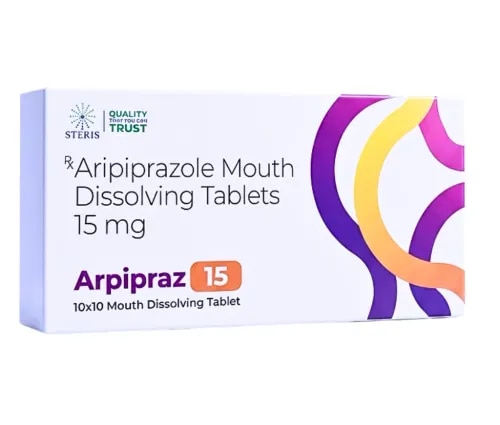
"name": "Arpiprazole Mouth Dissolving Tablets 15 mg",
"description": "ARPIPRAZ 15 is a mouth-dissolving tablet containing Aripiprazole 15 mg, prescribed for schizophrenia, bipolar disorder, autism-related irritability, Tourette's disorder, and as an add-on to antidepressants for major depressive disorder. Unlike many antipsychotics that fully block dopamine, Aripiprazole acts as a partial dopamine agonist, fine-tuning rather than shutting down dopamine activity — which can mean fewer movement-related side effects for some patients. The tablet dissolves on the tongue without water, helping patients who struggle with swallowing. It's not considered habit-forming but must be taken exactly as prescribed and never stopped abruptly. Prescription only – consult your doctor.\n\nMeta Title Options (50–60 characters)\nARPIPRAZ 15 Price – Aripiprazole MD Tablet | Steris (Recommended)\nARPIPRAZ 15 – Aripiprazole Mouth Dissolving Tablet\nARPIPRAZ 15 Price – Schizophrenia & Bipolar Care\nAripiprazole 15mg MD Tablet – ARPIPRAZ Price\nARPIPRAZ 15 – Antipsychotic for Multiple Conditions\n\nRationale: Option 1 leads with the “Price” anchor required for this Schedule H drug, keeps the brand searchable alongside the generic name, and fits within the 50–60 character band.\n\nMeta Description (140–160 characters)\n\nARPIPRAZ 15 (Aripiprazole 15mg MD) treats schizophrenia, bipolar disorder & more. Check price online. Prescription only – consult your doctor first.\n\nFull CMS Article\nARPIPRAZ 15: Aripiprazole Mouth Dissolving Tablet for Schizophrenia, Bipolar Disorder, and Related Conditions\nTL;DR / AI Mode Summary\n\nARPIPRAZ 15 supplies Aripiprazole 15 mg in a mouth-dissolving format, used across a broader range of conditions than many antipsychotics — schizophrenia, bipolar disorder, autism-related irritability, Tourette's disorder, and as an adjunct to antidepressant therapy in major depressive disorder. Its defining feature is a partial dopamine agonist mechanism: rather than fully blocking dopamine like older antipsychotics, it modulates it, which is associated with a comparatively lower risk of certain movement side effects. The dissolving tablet skips the need for water, supporting patients who find conventional tablets hard to swallow.\n\nWhat Sets ARPIPRAZ 15 Apart?\n\nMost antipsychotic medicines work by blocking dopamine receptors outright. Aripiprazole takes a different approach — it acts as a partial agonist, meaning it can either boost or dampen dopamine activity depending on what the brain's current chemical state calls for. This “smart stabilizer” action is one reason Aripiprazole is prescribed across such a wide span of psychiatric conditions, from psychotic disorders to mood conditions to certain neurodevelopmental and tic-related presentations.\n\nComposition at a Glance\nAttribute\tDetail\nBrand Name\tARPIPRAZ 15\nActive Ingredient\tAripiprazole\nStrength\t15 mg\nForm\tMouth Dissolving Tablet (MD)\nDrug Class\tAtypical Antipsychotic — Partial Dopamine Agonist\nSchedule Status\tSchedule H – Prescription Only\nConditions ARPIPRAZ 15 Is Prescribed For\n\nSchizophrenia — helps ease hallucinations, delusions, disorganized thought, social withdrawal, and reduced motivation, supporting better day-to-day and social functioning.\n\nBipolar I Disorder — used for acute manic and mixed episodes, as well as maintenance therapy aimed at reducing relapse.\n\nMajor Depressive Disorder (adjunct) — added alongside antidepressants when depression hasn't responded fully to antidepressant treatment alone.\n\nIrritability Linked to Autism Spectrum Disorder — may reduce aggression, irritability, outbursts, and self-injurious behavior in eligible patients.\n\nTourette's Disorder — can reduce the frequency and intensity of motor and vocal tics for some patients.\n\nMechanism of Action\n\nAripiprazole works on three key receptor systems:\n\nDopamine D2 receptors — partially activated rather than fully blocked, helping normalize rather than suppress dopamine signaling\nSerotonin 5-HT1A receptors — contributing to mood stabilization and reduced anxiety\nSerotonin 5-HT2A receptors — supporting the reduction of psychotic symptoms\n\nTogether, this receptor profile helps ease hallucinations and delusions, stabilize mood swings, reduce anxiety, and support clearer cognitive functioning — while the partial-agonist approach is associated with a comparatively lower likelihood of certain movement-related side effects compared to older-generation antipsychotics.\n\nDirections for Use\nTake ARPIPRAZ 15 strictly as your doctor prescribes.\nPlace the tablet on the tongue and let it dissolve fully — no water is typically needed.\nDon't chew or crush it unless your doctor specifically advises otherwise.\nTake it at a consistent time each day.\nContinue the full course even once you start feeling better, unless your doctor says otherwise.\nNever discontinue suddenly on your own — stopping abruptly can bring symptoms back.\nPossible Side Effects\n\nCommonly reported:\n\nHeadache\nDizziness\nNausea or vomiting\nConstipation\nDry mouth\nRestlessness\nAnxiety\nInsomnia\nFatigue\nIncreased appetite\nWeight changes\n\nSerious — seek immediate medical attention for:\n\nSevere allergic reactions\nHigh fever combined with muscle stiffness\nSeizures\nDifficulty swallowing\nUncontrolled body movements\nFainting\nIrregular heartbeat\nSuicidal thoughts or sudden behavioral changes\n\nPlaceholder: incidence rates and comparative trial data pending qualified clinical reviewer sign-off before publication.\n\nTalk to your doctor promptly if any side effect feels severe or doesn't improve.\n\nWho Should Be Cautious\n\nLet your doctor know before starting if you have any of the following:\n\nDiabetes\nHeart disease, or high or low blood pressure\nLiver or kidney impairment\nSeizure disorders\nParkinson's disease\nDementia\nA history of stroke\nA history of substance use\n\nLong-term treatment often includes periodic checks of blood sugar, body weight, and general health.\n\nPregnancy & Breastfeeding\n\nAripiprazole should be used in pregnancy or while breastfeeding only if a doctor determines the benefits outweigh the potential risks. This decision should always be made in consultation with your healthcare provider.\n\nDrug Interactions to Flag for Your Doctor\n\nARPIPRAZ 15 can interact with:\n\nAntidepressants and anti-anxiety medicines\nAntiepileptic drugs\nBlood pressure medications\nCertain antifungal medicines and antibiotics\nHIV medications\nSleeping pills\nAlcohol\n\nShare a complete list of everything you're taking — prescription drugs, over-the-counter products, vitamins, and herbal supplements — with your prescriber before starting treatment.\n\nPrecautions & Storage\nTake only as prescribed; don't adjust the dose independently.\nAvoid alcohol during treatment.\nStore below 25°C, in the original packaging, away from moisture and direct sunlight.\nKeep out of reach of children.\nDon't use beyond the printed expiry date.\nHow ARPIPRAZ 15 Compares to Other Antipsychotics\nFeature\tOlder-Generation Antipsychotics\tARPIPRAZ 15 (Aripiprazole)\nDopamine Action\tFull receptor blockade\tPartial agonist — modulates rather than blocks\nMovement-Related Side Effect Risk\tComparatively higher\tComparatively lower for many patients\nRange of Approved Uses\tTypically narrower\tBroader — includes autism-related irritability and Tourette's\nAdministration\tUsually standard tablets\tAvailable in swallow-free MD format\n\nNote: The right antipsychotic and formulation is a clinical decision made by a psychiatrist based on individual patient factors.\n\nWhy Choose ARPIPRAZ 15?\n\nBeyond its versatility across several psychiatric and neurodevelopmental conditions, ARPIPRAZ 15's mouth-dissolving format removes a real practical hurdle for patients who struggle with regular tablets. It isn't considered habit-forming, and its partial-agonist mechanism offers a distinct option for psychiatrists balancing symptom control against side-effect tolerability. Manufactured to consistent quality standards, it's built for dependable day-to-day use under medical supervision.\n\nConclusion\n\nWhether the goal is easing psychotic symptoms, stabilizing mood in bipolar disorder, supporting antidepressant therapy, or reducing irritability and tics in specific conditions, ARPIPRAZ 15 offers a versatile treatment option built on Aripiprazole's distinctive dopamine-modulating action. Its dissolving tablet format simplifies daily dosing, and with consistent use under a psychiatrist's care, it supports steadier symptom management over time. Prescription only – consult your doctor.\n\nFrequently Asked Questions\nWhat is ARPIPRAZ 15 used for? It treats schizophrenia, bipolar disorder, autism-related irritability, and Tourette's disorder, and is used as an add-on treatment for major depressive disorder.\nCan it be taken without water? Yes, it's a mouth-dissolving tablet designed to break down on the tongue without needing water.\nIs ARPIPRAZ 15 habit-forming? No, Aripiprazole isn't considered habit-forming, though it should always be used under medical supervision.\nCan I stop taking it once I feel better? No — stopping without medical guidance can cause symptoms to return; any discontinuation should be doctor-directed.\nDoes it cause weight gain? Some patients notice weight changes during treatment; a balanced diet and regular activity can help manage this.\nHow is ARPIPRAZ 15 different from other antipsychotics? It works as a partial dopamine agonist rather than fully blocking dopamine, which is linked to a lower risk of certain movement-related side effects for many patients.\nCan this medicine be used for depression? Yes, it's sometimes added alongside antidepressants when depression hasn't responded fully to antidepressant treatment alone.\nIs it suitable for autism-related irritability? It's prescribed for irritability associated with autism spectrum disorder in eligible patients, under a specialist's guidance.\nDoes ARPIPRAZ 15 interact with alcohol? Yes, alcohol should generally be avoided during treatment, as it may affect the medicine's tolerability.\nWhat serious symptoms require urgent medical attention? Severe allergic reactions, high fever with muscle stiffness, seizures, uncontrolled movements, fainting, irregular heartbeat, or sudden behavioral changes need immediate care.\nWhat health conditions should I mention to my doctor beforehand? Diabetes, heart disease, blood pressure issues, liver or kidney impairment, seizure disorders, Parkinson's disease, dementia, stroke history, and substance use history should all be disclosed.\nCan ARPIPRAZ 15 be used in pregnancy? Only if your doctor determines the benefits outweigh potential risks — this should always be discussed directly with your healthcare provider.\nDoes this medicine interact with other drugs I'm taking? It can interact with several medicine classes, including antidepressants, antiepileptics, blood pressure drugs, and certain antibiotics or antifungals — share your full medication list with your doctor.\nIs a prescription required to purchase ARPIPRAZ 15? Yes, it's a Schedule H medicine dispensed only against a valid doctor's prescription.\nHow long does it take to see results? Response time varies by condition and individual; your psychiatrist will track progress through follow-up visits.\n\n[Steris Healthcare Footer] Manufactured and marketed by Steris Healthcare Pvt. Ltd. — a WHO-GMP and ISO-certified pharmaceutical manufacturer. For queries, reach us at contact@sterispharma.com or +91 8824175417. This content is for informational purposes only and does not replace professional medical advice. Prescription only – consult your doctor.",
"price": 210.0,
"discountamount": 63.0,
"currencycode": "INR",
"priority": 1000000,
"isfreeshipmentavailable": false,
"shipmentduration": 1,
"_keywords": null,
"isarchived": false,
"isavailable": true,
"applicationid": null,
"productindex": 2480,
"imageuri": "https://productimages.withfloats.com/actual/6a5df8cfa4709fd448b5e572.png",
"tileimageuri": "https://productimages.withfloats.com/tile/6a5df8cfa4709fd448b5e572.png",
"images": null,
"totalqueries": 0,
"gpid": null,
"groupproductid": null,
"createdon": "2026-07-20T10:30:37.014Z",
"updatedon": "2026-07-20T10:30:37.014Z",
"buyonlinelink": null,
"producturl": "http://WWW.STERISINDIA.COM/products/arpiprazole-mouth-dissolving-tablets-15-mg/2480",
"availableunits": -1.0,
"iscodavailable": false,
"isprepaidonlineavailable": false,
"maxcodorders": 0,
"maxprepaidonlineorders": 0,
"uniquepaymenturl": null,
"brandname": "ARPIPRAZ 15",
"category": "NEUROLOGYRANGE",
"tags": [],
"variants": false,
"keyspecification": null,
"otherspecifications": null,
"pickupaddressreferenceid": null,
"paymenttype": "UniquePaymentUrl",
"producttype": "products",
"hsncode": null,
"gstslab": 0.0,
"isnotforsale": false
},
{
"_id": "6a50b1ae8f6638fa60654b85",
"fptag": "STERISHEALTHCARE",
"merchantname": null,
"customwidgets": null,
"externalsourceid": null,
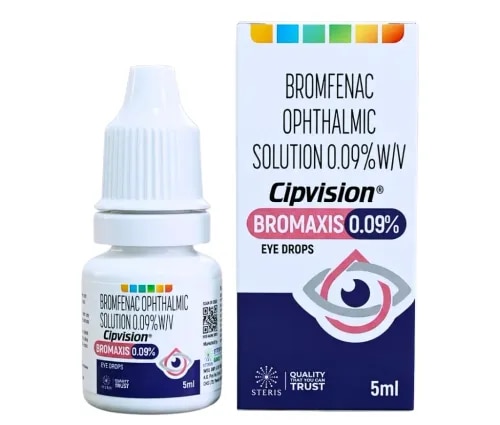
"name": "Bromfenac Ophthalmic Solution 0.09% w/v",
"description": "Bromfenac ophthalmic solution 0.09% w/v is a prescription non-steroidal anti-inflammatory drug (NSAID) eye drop used primarily to treat pain and inflammation following cataract surgery and to reduce the risk of post-operative cystoid macular edema. Unlike corticosteroid eye drops, bromfenac is not a steroid — it works by inhibiting the cyclooxygenase (COX) enzyme, blocking the production of prostaglandins that drive inflammation, redness, and pain. A key advantage of bromfenac is its once-daily dosing, compared to the multiple daily doses required by many other topical NSAIDs and steroids, which improves ease of use during post-surgical recovery. Common side effects include mild burning or stinging on instillation and temporary blurred vision, while rare but serious risks include corneal complications with prolonged or inappropriate use. It is a Schedule H prescription-only medicine in India.\n\nWhat Is Bromfenac Ophthalmic Solution 0.09% w/v?\nBromfenac ophthalmic solution 0.09% w/v is a topical non-steroidal anti-inflammatory drug (NSAID) formulated for use in the eye. It is most commonly prescribed to manage inflammation and pain following ocular surgery, particularly cataract surgery, and is also used to help reduce the risk of post-operative cystoid macular edema, a swelling of the central retina that can occur after intraocular procedures.\nAs an NSAID, bromfenac differs fundamentally from corticosteroid eye drops. It does not carry the risk of raising intraocular pressure (IOP) that steroids do, making it a valuable option — often used alongside or instead of a steroid — in the post-surgical care protocol, depending on the surgeon's assessment.\nOne of bromfenac's most notable practical advantages is its once-daily dosing schedule, which sets it apart from several other ophthalmic NSAIDs that require two to four applications per day. This simplified regimen can improve patient adherence during the post-operative recovery period.\n\nHow Does Bromfenac Work? (Mechanism of Action)\n\nTissue injury response – Ocular surgery and inflammation trigger the release of arachidonic acid from damaged cell membranes.\nCyclooxygenase (COX) enzyme activity – The COX-1 and COX-2 enzymes convert arachidonic acid into prostaglandins, which are key mediators of inflammation, pain, and vascular permeability.\nCOX inhibition by bromfenac – Bromfenac inhibits both COX-1 and COX-2 enzymes, blocking the prostaglandin synthesis pathway.\nReduced inflammation and pain – With prostaglandin production suppressed, inflammation, redness, and post-surgical discomfort are reduced.\nProtection against macular edema – By limiting prostaglandin-driven vascular permeability, bromfenac also helps lower the risk of fluid accumulation in the macula following surgery.\n\n\nClinical Indications\nIndicationDetailsPost-operative inflammationPrimary use following cataract surgeryPost-operative pain managementReduces surgical site discomfort during recoveryPrevention of post-operative cystoid macular edemaUsed prophylactically around the time of cataract surgeryAdjunct to steroid therapySometimes used alongside corticosteroid drops for comprehensive post-surgical control\n\nDosage & Administration\nParameterRecommendationStandard doseOne drop in the operated eye, once dailyTimingOften started shortly before surgery and continued through the recovery period, as directedDurationTypically a defined post-operative course as prescribed by your ophthalmic surgeonContact lensesAvoid wearing contact lenses during the immediate post-operative period unless advised otherwiseMissed doseApply as soon as remembered; do not double the next doseCombination useMay be prescribed alongside antibiotic and/or steroid eye drops as part of a full post-surgical regimen — space applications as directed\nNote: Always follow your surgeon's specific pre- and post-operative dosing schedule, as timing around the surgery date is clinically important.\n\nKey Benefits\n\nEffectively reduces post-surgical pain and inflammation without the IOP-related risks of steroids\nOnce-daily dosing improves convenience and adherence compared to multi-dose NSAID or steroid regimens\nHelps lower the risk of post-operative cystoid macular edema, a potentially vision-affecting complication\nCan be used alongside steroid and antibiotic eye drops as part of a comprehensive post-surgical protocol\nGenerally does not raise intraocular pressure, unlike corticosteroid alternatives\nSupports a smoother, more comfortable post-operative recovery experience\n\n\nPrecautions\n\nUse strictly as directed by your ophthalmic surgeon, particularly regarding timing before and after surgery\nUse with caution in patients with known bleeding disorders or those taking medications that increase bleeding tendency, as NSAIDs can affect clotting\nRare but serious corneal complications (including delayed healing or, very rarely, corneal thinning) have been reported with prolonged or inappropriate NSAID use — report any unusual eye pain or vision change immediately\nNot recommended for patients with known hypersensitivity to bromfenac or other NSAIDs\nCaution advised in patients with complicated ocular surgeries, pre-existing corneal disease, or dry eye, as these may increase sensitivity to corneal side effects\nAvoid contact lens wear during the treatment period unless specifically advised by your doctor\nInform your doctor of all other eye medications and systemic drugs, especially blood thinners\n\n\nSide Effects\nCommon (Usually Mild and Temporary)\n\nMild burning or stinging sensation on instillation\nTemporary blurred vision\nEye redness\nEye discomfort or itching\n\nLess Common / Serious (Consult Your Doctor Promptly)\n\nPersistent or worsening eye pain\nDelayed corneal healing\nRare corneal complications, including corneal thinning or perforation with prolonged/inappropriate use\nIncreased risk of bleeding at the ocular surface in susceptible individuals\nSigns of an allergic reaction (swelling, itching, rash)\n\nDiscontinue and contact your ophthalmologist immediately if any serious or persistent symptom develops.\n\nComparison: Bromfenac vs. Other Post-Surgical Anti-Inflammatory Options\nTreatmentClassDosing FrequencyKey ConsiderationBromfenac ophthalmic solution 0.09%NSAIDOnce dailyConvenient dosing; no IOP risk; rare corneal risk with prolonged usePrednisolone acetateCorticosteroidMultiple times dailyEffective anti-inflammatory; carries IOP and cataract risk with prolonged useKetorolac ophthalmic solutionNSAIDMultiple times dailySimilar NSAID mechanism; more frequent dosing than bromfenacNepafenac ophthalmic suspensionNSAID (prodrug)1–3 times daily depending on formulationAlternative NSAID option; dosing varies by strength\n\nKey Statistics (Placeholder — Pending Clinical Reviewer Verification)\nMetricValueReported reduction in post-operative cystoid macular edema incidence with prophylactic NSAID use[Placeholder – insert verified clinical trial statistic]Typical duration of post-cataract-surgery bromfenac therapy[Placeholder – insert verified reference range]Reported rate of corneal adverse events with appropriate short-course use[Placeholder – insert epidemiological reference]\nAll statistics above are placeholders and must be verified and populated by a qualified clinical reviewer prior to publication.\n\nExpert Insight\n\n[Placeholder — Expert quote pending. To be added only after review and approval by a licensed ophthalmologist/medical reviewer associated with Steris Healthcare. Do not fabricate or publish without sign-off.]\n\n\nPrice of Bromfenac Ophthalmic Solution 0.09% w/v\nThe price of bromfenac ophthalmic solution 0.09% w/v varies depending on brand, pack size, and region. For current pricing, availability, and prescription verification, please consult your ophthalmologist or an authorized pharmacy.\nPrescription only – consult your doctor.\n\nConclusion\nBromfenac ophthalmic solution 0.09% w/v has become a widely used part of modern post-cataract-surgery care, offering effective pain and inflammation control along with a meaningful reduction in the risk of post-operative cystoid macular edema — all with the convenience of once-daily dosing. As an NSAID rather than a steroid, it avoids the intraocular pressure concerns associated with corticosteroid therapy, though it carries its own specific precautions, particularly around rare corneal complications with prolonged or inappropriate use. Used exactly as directed by your ophthalmic surgeon, within the prescribed post-operative window, bromfenac supports a smoother, more comfortable surgical recovery.\n\nFrequently Asked Questions\n\n1. What is bromfenac ophthalmic solution 0.09% used for?\nIt is used to treat pain and inflammation following cataract surgery and to help reduce the risk of post-operative cystoid macular edema, a swelling of the central retina that can occur after eye surgery.\n\n2. Is bromfenac a steroid?\nNo. Bromfenac is a non-steroidal anti-inflammatory drug (NSAID). It works by inhibiting the cyclooxygenase (COX) enzyme rather than acting through the steroid pathway, and it does not carry the intraocular pressure risks associated with corticosteroids.\n\n3. How often should bromfenac eye drops be used?\nBromfenac ophthalmic solution 0.09% is typically used once daily in the operated eye, making it more convenient than many other post-surgical eye drops that require multiple daily doses.\n\n4. How long is bromfenac used after cataract surgery?\nThe duration is determined by your ophthalmic surgeon based on your individual recovery, often continuing through a defined post-operative period as part of your overall surgical care protocol.\n\n5. Can bromfenac be used with steroid eye drops?\nYes, bromfenac is often prescribed alongside corticosteroid and/or antibiotic eye drops as part of a comprehensive post-surgical regimen, with applications spaced as directed by your doctor.\n\n6. What are the side effects of bromfenac eye drops?\nCommon side effects include mild burning or stinging upon application, temporary blurred vision, and eye redness. Rare but serious effects can include delayed corneal healing or corneal complications with prolonged or inappropriate use.\n\n7. Does bromfenac raise eye pressure?\nNo, as an NSAID, bromfenac does not typically raise intraocular pressure the way corticosteroid eye drops can, which is one of its key advantages in post-surgical care.\n\n8. Can bromfenac cause corneal problems?\nRare but serious corneal complications, including delayed healing or corneal thinning, have been reported with prolonged or inappropriate NSAID use. Any unusual eye pain or vision change should be reported to your doctor immediately.\n\n9. Is bromfenac safe for people on blood thinners?\nNSAIDs like bromfenac can affect bleeding tendency, so patients on blood-thinning medications or with known bleeding disorders should inform their doctor before starting treatment.\n10. Can contact lenses be worn while using bromfenac?\nIt is generally advised to avoid wearing contact lenses during the post-operative treatment period unless your ophthalmologist specifically advises otherwise.\n11. What happens if I miss a dose of bromfenac?\nApply the missed dose as soon as you remember, unless it is nearly time for your next scheduled dose, in which case skip the missed dose. Do not double up doses.\n12. How is bromfenac different from ketorolac eye drops?\nBoth are NSAIDs with a similar mechanism of action, but bromfenac typically requires only once-daily dosing, while ketorolac usually requires multiple applications per day.\n13. Can bromfenac prevent macular edema after cataract surgery?\nBromfenac is commonly used prophylactically around the time of cataract surgery to help reduce the risk of post-operative cystoid macular edema, a recognized complication of intraocular surgery.\n\n14. Is bromfenac safe for long-term use?\nBromfenac is generally prescribed for a defined post-operative course rather than continuous long-term use, and prolonged or unsupervised use should be avoided due to rare corneal risks.\n\n15. Who should not use bromfenac eye drops?\nPatients with known hypersensitivity to bromfenac or other NSAIDs, or those with certain pre-existing corneal or bleeding conditions, should use bromfenac only under close medical supervision, if at all.\n\n16. Does bromfenac cause blurred vision?\nTemporary blurred vision can occur immediately after instillation in some patients and usually resolves quickly. Persistent blurred vision should be reported to your doctor.\n\n17. Can bromfenac be used before cataract surgery as well as after?\nYes, bromfenac is often started shortly before surgery and continued through the post-operative recovery period, following the specific schedule set by your ophthalmic surgeon.\n",
"price": 195.0,
"discountamount": 136.0,
"currencycode": "INR",
"priority": 1000000,
"isfreeshipmentavailable": false,
"shipmentduration": 1,
"_keywords": null,
"isarchived": false,
"isavailable": true,
"applicationid": null,
"productindex": 2472,
"imageuri": "https://productimages.withfloats.com/actual/6a50b1b32d7a16f0f95be110.png",
"tileimageuri": "https://productimages.withfloats.com/tile/6a50b1b32d7a16f0f95be110.png",
"images": null,
"totalqueries": 0,
"gpid": null,
"groupproductid": null,
"createdon": "2026-07-10T08:47:42.715Z",
"updatedon": "2026-07-10T08:47:42.715Z",
"buyonlinelink": null,
"producturl": "http://WWW.STERISINDIA.COM//bromfenac-ophthalmic-solution-0-09-w-v/2472",
"availableunits": -1.0,
"iscodavailable": false,
"isprepaidonlineavailable": false,
"maxcodorders": 0,
"maxprepaidonlineorders": 0,
"uniquepaymenturl": null,
"brandname": "CIPVISION BROMAXIS 0.09%",
"category": "Opthalmology Range",
"tags": [
"Bromfenac Ophthalmic Solution 0.09% w/v",
"bromfenac ophthalmic solution 0.09%"
],
"variants": false,
"keyspecification": null,
"otherspecifications": null,
"pickupaddressreferenceid": null,
"paymenttype": "UniquePaymentUrl",
"producttype": "products",
"hsncode": null,
"gstslab": 0.0,
"isnotforsale": false
},
{
"_id": "6a509bf6f44be736283180cf",
"fptag": "STERISHEALTHCARE",
"merchantname": null,
"customwidgets": null,
"externalsourceid": null,
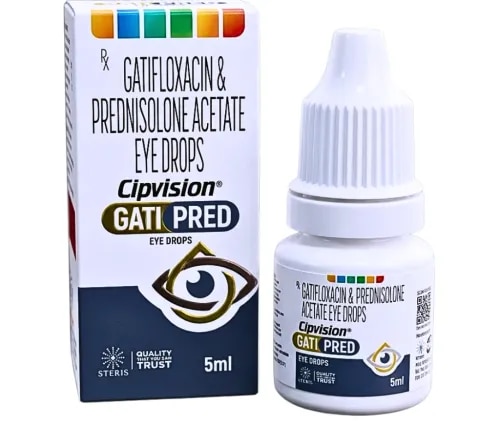
"name": "gatifloxacin & prednisolone acetate ophthalmic suspension",
"description": "Gatifloxacin and prednisolone acetate ophthalmic suspension is a prescription combination eye medicine that pairs a fourth-generation fluoroquinolone antibiotic (gatifloxacin) with a corticosteroid (prednisolone acetate) in a single formulation. It is used to treat steroid-responsive ocular inflammation where there is also a risk of, or existing, bacterial eye infection — most commonly after cataract or other ocular surgery, and in certain inflammatory eye conditions requiring both anti-infective and anti-inflammatory action together. Gatifloxacin fights the bacteria, while prednisolone acetate reduces inflammation, redness, and swelling. This combination is not the same as a plain antibiotic drop — because it contains a steroid, it requires closer monitoring, a defined tapering schedule, and should never be self-prescribed or used beyond the duration your ophthalmologist recommends. It is a Schedule H prescription-only medicine in India, commonly marketed under brand names such as Gatiquin P.\n\nWhat Is Gatifloxacin and Prednisolone Acetate Ophthalmic Suspension?\nGatifloxacin and prednisolone acetate ophthalmic suspension is a fixed-dose combination eye drop that brings together two distinct classes of medication in one bottle:\n\nGatifloxacin — a fourth-generation fluoroquinolone antibiotic effective against a broad range of gram-positive and gram-negative bacteria commonly implicated in ocular infections.\nPrednisolone acetate — a corticosteroid that suppresses inflammation, swelling, and associated redness or discomfort in the eye.\n\nThis combination is typically prescribed when a clinician determines that an eye condition involves both active or potential bacterial infection and significant inflammation — a situation where using either drug alone would be insufficient. The most frequent use case is post-operative care following ocular surgery, such as cataract extraction, where inflammation control speeds recovery while the antibiotic component guards against surgical-site infection.\nA commonly recognized branded version of this combination in the Indian market is Gatiquin P, and patients often search specifically for this brand name alongside the generic combination name.\n\nHow Does This Combination Work? (Mechanism of Action)\n\nAntibacterial action (Gatifloxacin) – Gatifloxacin inhibits bacterial DNA gyrase and topoisomerase IV, enzymes bacteria need to replicate their DNA, resulting in bactericidal activity against susceptible organisms.\nAnti-inflammatory action (Prednisolone acetate) – Prednisolone acetate suppresses the inflammatory cascade by inhibiting phospholipase A2 and reducing the release of inflammatory mediators, which decreases swelling, redness, and discomfort.\nCombined surgical/inflammatory coverage – Together, the two components address both the infective and inflammatory components of a single ocular condition, which is particularly useful in the immediate post-surgical period when both risks are elevated simultaneously.\nLocalized ocular delivery – As a topical suspension, the combination acts directly at the site of application, minimizing systemic absorption compared to oral antibiotics or steroids.\n\n\nClinical Indications\nIndicationDetailsPost-operative inflammation with infection riskMost common use — following cataract surgery or other intraocular proceduresSteroid-responsive inflammatory ocular conditionsWhere a bacterial infection is present or risk is significantChronic anterior uveitis with secondary infection riskUsed under specialist supervisionBlepharoconjunctivitis with inflammatory componentWhen combined anti-infective and anti-inflammatory action is clinically indicated\nNot indicated for: viral eye infections (e.g., herpes simplex keratitis), fungal eye infections, mycobacterial infections, or uncomplicated bacterial conjunctivitis without an inflammatory component — a steroid is not appropriate in these settings.\n\nDosage & Administration\nParameterRecommendationStandard dose1–2 drops in the affected eye, typically 4 times daily, or as directedPost-surgical regimenOften started with a higher frequency and gradually tapered per surgeon's protocolShake before useYes — this is a suspension; shake well before each applicationDurationDetermined by your ophthalmologist; steroid-containing drops are not for indefinite useTaperingMust be tapered gradually rather than stopped abruptly, especially after prolonged useContact lensesAvoid wearing contact lenses during treatment unless your doctor advises otherwiseMissed doseApply as soon as remembered; do not double the next dose\nImportant: Never extend use beyond the prescribed duration or restart the medication without consulting your ophthalmologist, as prolonged steroid exposure carries specific ocular risks (see Precautions below).\n\nKey Benefits\n\nProvides dual-action therapy — infection control and inflammation control — in a single formulation\nReduces the need for two separate eye drop regimens after surgery, simplifying the treatment schedule\nSpeeds resolution of post-surgical redness, swelling, and discomfort while covering infection risk\nBroad-spectrum antibacterial coverage from a fourth-generation fluoroquinolone\nCommonly trusted and prescribed by ophthalmic surgeons as part of standard post-operative protocols\nAvailable in a suspension formulation designed for effective ocular surface contact time\n\n\nPrecautions\n\nUse strictly under ophthalmologist supervision — this is not an over-the-counter product\nNot suitable for viral, fungal, or mycobacterial eye infections\nLong-term or unsupervised steroid use can raise intraocular pressure (IOP) and increase glaucoma risk\nProlonged use may increase the risk of posterior subcapsular cataract formation\nSteroid component may mask signs of a worsening infection or delay wound healing if misused\nRegular monitoring of intraocular pressure is recommended with extended use\nInform your doctor of any history of glaucoma, herpes eye infection, or corneal thinning before starting\nShake the suspension well before each use for accurate dosing\nAvoid touching the dropper tip to the eye or any surface\n\n\nSide Effects\nCommon (Usually Mild and Temporary)\n\nTransient burning or stinging on instillation\nBlurred vision immediately after application\nEye discomfort or foreign-body sensation\nMild eye redness\n\nLess Common / Serious (Consult Your Doctor Promptly)\n\nIncreased intraocular pressure / glaucoma symptoms (eye pain, halos around lights)\nDelayed wound healing at a surgical site\nSecondary or masked ocular infection\nSigns of cataract progression with prolonged use\nCorneal or scleral thinning (rare, with extended steroid exposure)\nAllergic reaction (eyelid swelling, itching, rash)\n\nDiscontinue and consult your ophthalmologist immediately if any serious symptom develops.\n\nComparison: Combination vs. Standalone Therapies\nTreatmentCompositionBest Suited ForKey ConsiderationGatifloxacin + Prednisolone acetate suspensionAntibiotic + steroidPost-surgical care; infection + inflammation togetherRequires tapering; steroid monitoring neededGatifloxacin eye drops (alone)Antibiotic onlyUncomplicated bacterial conjunctivitis/keratitisNo steroid-related risk, but no anti-inflammatory actionPrednisolone acetate eye drops (alone)Steroid onlyNon-infectious inflammatory conditions (e.g., uveitis)Not appropriate if active infection is presentPlain lubricant/antibiotic-only regimensVariesMild post-op cases without significant inflammationMay be insufficient for higher-risk surgical cases\n\nKey Statistics (Placeholder — Pending Clinical Reviewer Verification)\nMetricValueReported post-operative infection rate reduction with prophylactic use[Placeholder – insert verified clinical trial statistic]Typical duration of post-cataract-surgery combination therapy[Placeholder – insert verified reference range]Incidence of steroid-induced IOP elevation with short-course use[Placeholder – insert epidemiological reference]\nAll statistics above are placeholders and must be verified and populated by a qualified clinical reviewer prior to publication.\n\nExpert Insight\n\n[Placeholder — Expert quote pending. To be added only after review and approval by a licensed ophthalmologist/medical reviewer associated with Steris Healthcare. Do not fabricate or publish without sign-off.]\n\n\nPrice of Gatifloxacin and Prednisolone Acetate Ophthalmic Suspension\nThe price of this combination suspension varies depending on brand, pack size, and region. For current pricing, availability, and prescription verification, please consult your ophthalmologist or an authorized pharmacy.\nPrescription only – consult your doctor.\n\nConclusion\nGatifloxacin and prednisolone acetate ophthalmic suspension serves an important clinical role wherever bacterial infection risk and ocular inflammation occur together — most notably in the sensitive period following eye surgery. By combining a potent fourth-generation antibiotic with a well-established corticosteroid, this formulation streamlines post-operative and steroid-responsive inflammatory care into a single, clinician-directed regimen. Because the steroid component carries specific long-term risks — including elevated eye pressure, cataract progression, and delayed healing if misused — this medication should always be used exactly as prescribed, for the duration recommended, and with appropriate tapering and follow-up. Patients should never self-adjust dosing or extend use without their ophthalmologist's explicit guidance.\n\nFrequently Asked Questions\n\n1. What is Gatifloxacin and prednisolone acetate ophthalmic suspension used for?\nIt is used to treat eye conditions that involve both inflammation and a risk of bacterial infection — most commonly after eye surgery such as cataract surgery, where it reduces post-operative swelling and redness while protecting against infection.\n\n2. Is Gatifloxacin eye drops safe for children?\nGatifloxacin eye drops are generally considered usable in children for appropriate bacterial eye infections under a pediatric ophthalmologist's guidance. However, the gatifloxacin-prednisolone combination includes a steroid, which requires closer specialist supervision in children due to potential effects on eye pressure and healing, so it should only be used if specifically prescribed for a child.\n\n3. What is Gatifloxacin and prednisolone acetate ophthalmic suspension (Gatiquin P) used for?\nGatiquin P is a branded formulation of gatifloxacin and prednisolone acetate ophthalmic suspension. It is used for the same core purpose — managing post-surgical or steroid-responsive ocular inflammation where there is also a bacterial infection risk, most often following cataract or other intraocular surgery.\n\n4. Is prednisolone acetate safe for eyes?\nPrednisolone acetate is a corticosteroid that is generally safe for eyes when used exactly as prescribed and for the recommended duration under an ophthalmologist's supervision. However, unsupervised or prolonged use can raise intraocular pressure, increase glaucoma risk, contribute to cataract formation, and delay wound healing, so it should never be used without medical guidance or beyond the prescribed course.\n\n5. How is this eye drop different from regular antibiotic eye drops?\nRegular antibiotic eye drops only target bacteria, while this combination also contains a steroid to control inflammation. This dual action is useful specifically when both infection risk and significant inflammation are present, such as after eye surgery.\n\n6. How long should I use gatifloxacin and prednisolone acetate suspension?\nDuration is determined by your ophthalmologist based on your specific condition, often following a tapering schedule after surgery. It should not be used longer than prescribed, and stopping should be discussed with your doctor rather than done abruptly.\n\n7. Can this eye drop increase eye pressure?\nYes, because it contains a steroid, prolonged or unsupervised use can raise intraocular pressure. Regular monitoring is recommended, especially with extended use or in patients with a history of glaucoma.\n\n8. Can I use this suspension for a common bacterial eye infection without inflammation?\nThis combination is generally reserved for cases where both infection risk and notable inflammation are present, such as post-surgical care. For uncomplicated bacterial conjunctivitis without significant inflammation, your doctor may prescribe an antibiotic-only formulation instead.\n\n9. Do I need to shake the bottle before use?\nYes. This is a suspension, so the bottle should be shaken well before each use to ensure even distribution of both active ingredients.\n10. Can this eye drop be used for viral or fungal eye infections?\nNo. This combination is not appropriate for viral, fungal, or mycobacterial eye infections, since it contains a steroid that can worsen these conditions if used inappropriately.\n\n11. What are the signs I should stop using this eye drop and see my doctor?\nIncreasing eye pain, blurred vision that doesn't improve, halos around lights, worsening redness, or signs of an allergic reaction warrant immediate medical attention.\n\n12. Can this eye drop be used after cataract surgery?\nYes, this combination is commonly prescribed after cataract surgery to manage post-operative inflammation while covering the risk of surgical-site infection during the healing period.\n\n13. Does this medication require a prescription?\nYes, gatifloxacin and prednisolone acetate ophthalmic suspension is a prescription-only (Schedule H) medicine and should only be used under an ophthalmologist's direction.\n14. Can contact lenses be worn during treatment?\nIt is generally advised to avoid wearing contact lenses while using this medication unless your ophthalmologist specifically advises otherwise, particularly during the post-surgical period.\n\n15. What happens if I stop this eye drop too early?\nStopping too early, especially without proper tapering, may lead to a rebound of inflammation or leave a lingering infection insufficiently treated. Always follow your doctor's full course and tapering instructions.\n\n16. Is this eye drop safe for long-term daily use?\nNo — because it contains a steroid, it is intended for short-term, supervised use rather than long-term daily use. Extended use significantly raises the risk of elevated eye pressure and cataract.\n\n17. Can this suspension be used in both eyes at once?\nIt can be used in both eyes if both are affected and your doctor has prescribed it for bilateral use; otherwise, apply only to the eye(s) specifically directed by your ophthalmologist.\n",
"price": 155.0,
"discountamount": 47.0,
"currencycode": "INR",
"priority": 1000000,
"isfreeshipmentavailable": false,
"shipmentduration": 1,
"_keywords": null,
"isarchived": false,
"isavailable": true,
"applicationid": null,
"productindex": 2469,
"imageuri": "https://productimages.withfloats.com/actual/6a509bf79c2198e9ddf06962.png",
"tileimageuri": "https://productimages.withfloats.com/tile/6a509bf79c2198e9ddf06962.png",
"images": null,
"totalqueries": 0,
"gpid": null,
"groupproductid": null,
"createdon": "2026-07-10T07:15:02.084Z",
"updatedon": "2026-07-10T07:15:02.084Z",
"buyonlinelink": null,
"producturl": "http://WWW.STERISINDIA.COM//gatifloxacin-prednisolone-acetate-ophthalmic-suspension/2469",
"availableunits": -1.0,
"iscodavailable": false,
"isprepaidonlineavailable": false,
"maxcodorders": 0,
"maxprepaidonlineorders": 0,
"uniquepaymenturl": null,
"brandname": "CIPVISION GATIPRED",
"category": "Opthalmology Range",
"tags": [
"gatifloxacin & prednisolone acetate ophthalmic suspension",
"gatifloxacin & prednisolone ophthalmic suspension"
],
"variants": false,
"keyspecification": null,
"otherspecifications": null,
"pickupaddressreferenceid": null,
"paymenttype": "UniquePaymentUrl",
"producttype": "products",
"hsncode": null,
"gstslab": 0.0,
"isnotforsale": false
},
{
"_id": "6a4cf84af44be73628317db4",
"fptag": "STERISHEALTHCARE",
"merchantname": null,
"customwidgets": null,
"externalsourceid": null,
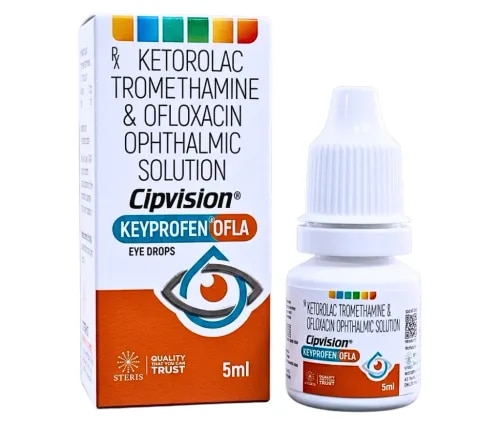
"name": "ketorolac tromethamine ofloxacin eye drops",
"description": "Ketorolac tromethamine ofloxacin eye drops are a prescription combination formulation that pairs an NSAID (ketorolac tromethamine) with a fluoroquinolone antibiotic (ofloxacin) in a single ophthalmic solution. Ketorolac reduces pain, inflammation, and irritation, while ofloxacin treats or prevents bacterial eye infections — making this combination especially useful after eye surgery, such as cataract or corneal refractive procedures, when both inflammation control and infection prevention are needed at the same time. It's generally well tolerated, with mild stinging or burning being the most common effect, and should only be used exactly as prescribed by an eye care professional.\nWhat Is Ketorolac Tromethamine Ofloxacin Eye Drops?\nThis is a fixed-dose combination ophthalmic solution bringing together two distinct classes of medication:\n\nKetorolac tromethamine — a nonsteroidal anti-inflammatory drug (NSAID) that blocks prostaglandin synthesis in the eye, reducing pain, inflammation, and irritation\nOfloxacin — a fluoroquinolone antibiotic that treats bacterial infections of the eye, including conjunctivitis and corneal ulcers, by inhibiting bacterial DNA replication\n\nCombining the two addresses two separate clinical needs at once: controlling post-operative or allergy-related inflammation, and reducing the risk of bacterial infection during the eye's vulnerable healing period. This combination is commonly prescribed following cataract surgery, corneal refractive surgery, and other ocular procedures where both inflammation and infection risk need to be managed together.\nHow This Combination Works (Mechanism of Action)\n\nKetorolac's anti-inflammatory action — Blocks the cyclooxygenase (COX) enzyme pathway, reducing the production of prostaglandins, the chemical messengers responsible for pain, redness, and swelling in the eye.\nReduced pain and irritation — With prostaglandin production suppressed, patients experience less post-surgical discomfort, itching, and burning.\nOfloxacin's antibacterial action — Inhibits bacterial DNA gyrase and topoisomerase IV, enzymes bacteria need to replicate their DNA, effectively stopping bacterial growth.\nInfection prevention/control — By suppressing bacterial replication, ofloxacin helps prevent or treat infections that could otherwise complicate the eye's healing process after surgery or injury.\nCombined post-operative support — Together, the two components address both major risks during ocular recovery: uncontrolled inflammation and secondary bacterial infection.\n\nClinical Indications\nUse CaseRole of the CombinationPost-cataract surgery careControls inflammation and pain while preventing bacterial infection during healingPost-corneal refractive surgery (e.g., LASIK)Reduces post-operative discomfort and infection riskBacterial conjunctivitis with inflammationTreats the underlying infection while easing associated redness and irritationCorneal injury or minor trauma (as directed)Supports healing by addressing both inflammation and infection riskSeasonal allergic conjunctivitis (ketorolac component)Relieves itching associated with seasonal eye allergies\nThis combination is intended for short-term, doctor-directed use — not for long-term or repeated self-administration.\nDosage Guidelines\nParameterTypical GuidanceStandard doseOne drop in the affected eye(s), frequency as prescribed by your doctorCommon frequencyOften 2 to 4 times daily, depending on the condition being treated and product-specific labelingPost-surgical useUsually started shortly after surgery and continued for a defined post-operative period, as directedAdministration techniqueTilt head back, pull down the lower eyelid, instill the drop without touching the dropper tip to the eye, then close the eye gently for a minute or twoContact lens useAvoid wearing contact lenses during treatment unless your doctor says otherwiseDurationComplete the full prescribed course, even if symptoms improve early, to reduce the risk of antibiotic resistance or incomplete healing\nExact dosing frequency and treatment duration vary by brand formulation and the specific condition being treated — always follow your prescribing doctor's exact instructions rather than a generic schedule.\nKey Benefits\n\nAddresses two major post-surgical risks — inflammation/pain and bacterial infection — in a single combination product\nReduces the need for two separate eye drop bottles, simplifying the post-operative care routine\nKetorolac's anti-inflammatory action helps improve comfort during the critical early healing window after eye surgery\nOfloxacin's broad-spectrum antibacterial activity covers many common eye pathogens\nUseful for both surgical recovery and certain inflammatory/infectious conditions like allergic or bacterial conjunctivitis with associated discomfort\n\nPrecautions\n\nShould be used strictly under the guidance of an ophthalmologist — not for self-directed or prolonged use\nDo not use alongside other NSAID eye drops, as this can increase the risk of bleeding and delayed healing\nUse with caution alongside steroid-containing eye drops, as combined use may increase infection risk\nUse with caution in patients who bleed easily or are on blood-thinning medication, due to ketorolac's NSAID effects\nIf symptoms do not improve within the expected timeframe, or worsen, contact your doctor rather than continuing use independently\nAvoid contact lens wear during treatment unless specifically advised otherwise\nDiscontinue immediately and contact your doctor at the first sign of a rash or allergic reaction\nNot recommended for infants under 1 year old (based on the ofloxacin component's approved age range)\n\nSide Effects\nCommon side effects:\n\nStinging or burning on application\nTemporary blurred vision\nEye redness or irritation\nDryness or excess tearing\nSensitivity to light (photophobia)\n\nLess common side effects:\n\nItching or foreign body sensation in the eye\nEyelid swelling\nMild headache\n\nRare but serious side effects — seek immediate medical attention:\n\nSigns of an allergic reaction: hives, difficulty breathing, swelling of the face, lips, tongue, or throat\nSevere skin reaction: fever, sore throat, facial or tongue swelling, skin pain followed by a spreading red or purple rash with blistering\nCorneal problems: persistent eye pain, corneal thinning, erosion, or non-healing of the eye surface\nWorsening infection symptoms despite treatment\n\nMost side effects are mild and temporary; however, any signs of a serious allergic or corneal reaction require prompt medical attention.\nComparison with Alternatives\nFeatureKetorolac + Ofloxacin CombinationSteroid + Antibiotic Combination (e.g., Dexamethasone + Tobramycin)Anti-inflammatory mechanismNSAID (COX inhibition)Corticosteroid (broader immune suppression)Infection risk with prolonged useLower relative infection-masking riskHigher risk of masking infection with prolonged steroid useTypical use casePost-operative pain/inflammation with infection preventionBroader inflammatory eye conditions requiring stronger anti-inflammatory controlIntraocular pressure effectMinimal IOP effect from ketorolacSteroids can raise intraocular pressure with prolonged use\nYour ophthalmologist will select the combination best suited to your specific procedure, condition, and risk factors.\nKey Statistics\n[Placeholder — pending clinical/regulatory team verification. Do not publish without confirmed source citation for post-operative infection rate reduction data, comparative efficacy figures, or incidence rates of reported adverse effects for this specific combination product.]\nExpert Insight\n[Placeholder — reserved for a quote from a qualified ophthalmologist or clinical reviewer. Do not publish without a verified, attributable expert quote.]\nFrequently Asked Questions\n1. What is ketorolac and ofloxacin eye drops used for?\nThis combination is used to control pain, inflammation, and irritation while also preventing or treating bacterial infection in the eye — most commonly after cataract or corneal refractive surgery, and sometimes for infected, inflamed conditions like bacterial conjunctivitis.\n2. Is ketorolac eye drops safe to use?\nKetorolac eye drops are generally safe when used as prescribed by a doctor for approved indications like post-surgical inflammation or allergic conjunctivitis. As with any NSAID, it should be used with caution in people who bleed easily or take blood thinners, and not combined with other NSAID eye drops.\n3. Is ofloxacin safe for eyes?\nYes, ofloxacin eye drops are considered safe and are widely prescribed for bacterial eye infections when used as directed. Common effects are mild and temporary, such as stinging or light sensitivity; serious reactions are rare but should be reported to a doctor immediately if they occur.\n4. Is ketorolac safe for eyes?\nKetorolac eye drops are safe for ophthalmic use when prescribed appropriately and used according to your doctor's instructions. It's an established NSAID with a long history of use for post-surgical pain and allergic conjunctivitis, though it requires caution in certain patients, such as those with bleeding disorders.\n5. How many times a day can you use ketorolac eye drops?\nThis depends on the condition being treated and your doctor's specific prescription — commonly this is 2 to 4 times daily. Always follow your doctor's exact dosing instructions rather than a generic schedule, since frequency varies by indication and product.\n6. Does ketorolac reduce eye pressure?\nNo, ketorolac is not used to reduce intraocular eye pressure. It works as an anti-inflammatory pain reliever by blocking prostaglandin production, not as a pressure-lowering agent. Medications specifically designed to reduce eye pressure, such as those used in glaucoma, work through different mechanisms and are a separate category of treatment.\nConclusion\nKetorolac tromethamine ofloxacin eye drops offer a practical, combined solution for two of the most important concerns during eye recovery: controlling inflammation and pain, and preventing bacterial infection. By pairing an established NSAID with a trusted fluoroquinolone antibiotic, this combination simplifies post-operative care, particularly after cataract or corneal refractive surgery, while addressing allergic and infectious inflammatory conditions when appropriate. Most side effects are mild and temporary, though the combination should always be used exactly as prescribed, with attention to precautions around other eye medications, bleeding risk, and contact lens use. As with any prescription ophthalmic treatment, ongoing follow-up with your ophthalmologist ensures the medication is working as intended and any concerns are addressed early.",
"price": 90.0,
"discountamount": 27.0,
"currencycode": "INR",
"priority": 1000000,
"isfreeshipmentavailable": false,
"shipmentduration": 1,
"_keywords": null,
"isarchived": false,
"isavailable": true,
"applicationid": null,
"productindex": 2467,
"imageuri": "https://productimages.withfloats.com/actual/6a4cf84ca50a3eb7ed21b13b.png",
"tileimageuri": "https://productimages.withfloats.com/tile/6a4cf84ca50a3eb7ed21b13b.png",
"images": null,
"totalqueries": 0,
"gpid": null,
"groupproductid": null,
"createdon": "2026-07-07T12:59:54.142Z",
"updatedon": "2026-07-07T12:59:54.142Z",
"buyonlinelink": null,
"producturl": "http://WWW.STERISINDIA.COM//ketorolac-tromethamine-ofloxacin-eye-drops/2467",
"availableunits": -1.0,
"iscodavailable": false,
"isprepaidonlineavailable": false,
"maxcodorders": 0,
"maxprepaidonlineorders": 0,
"uniquepaymenturl": null,
"brandname": "CIPVISION KEYPROFEN OFLA",
"category": "Opthalmology Range",
"tags": [
"ketorolac tromethamine ofloxacin eye drops",
"ketorolac tromethamine",
"ketorolac tromethamine uses",
"ketorolac tromethamine uses in hindi",
"ketorolac tromethamine dispersible tablets uses in hindi",
"ketorolac tromethamine tablet uses in hindi",
"ketorolac tromethamine use in hindi",
"ketorolac tromethamine use"
],
"variants": false,
"keyspecification": null,
"otherspecifications": null,
"pickupaddressreferenceid": null,
"paymenttype": "UniquePaymentUrl",
"producttype": "products",
"hsncode": null,
"gstslab": 0.0,
"isnotforsale": false
},
{
"_id": "6a4266621f2199a803b27013",
"fptag": "STERISHEALTHCARE",
"merchantname": null,
"customwidgets": null,
"externalsourceid": null,
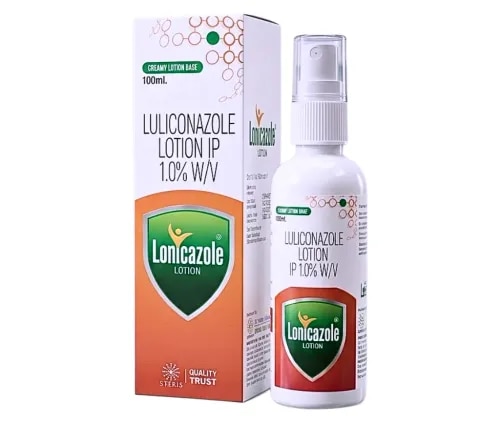
"name": "luliconazole lotion ip 1% w/v",
"description": "Luliconazole Lotion IP 1% w/v\n\nTL;DR: Luliconazole Lotion IP 1% w/v is a topical antifungal treatment used to treat fungal skin infections such as ringworm (tinea corporis), athlete's foot (tinea pedis), and jock itch (tinea cruris). It works by destroying the fungal cell membrane, typically showing improvement within 1–2 weeks of consistent use. Lightweight and fast-absorbing, it's applied once daily to the affected area for effective relief from itching, redness, and scaling. Check uses, price, dosage & side effects below before you buy.\n\nWhat Is Luliconazole Lotion IP 1% w/v?\n\nLuliconazole Lotion IP 1% w/v is a topical antifungal medication belonging to the azole class, formulated specifically to treat superficial fungal infections of the skin. Unlike traditional antifungal creams, the lotion base allows for quicker absorption and easier application over larger or hairier areas of the body, making it a practical choice for body fold infections and broader patches of skin involvement.\n\nIt is commonly prescribed or recommended for dermatophyte infections — fungal infections caused by organisms that thrive on keratin in skin, hair, and nails — including ringworm, athlete's foot, and jock itch. Its once-daily dosing schedule and relatively short treatment duration compared to older antifungals make it a convenient option for both short-term flare-ups and recurring fungal skin conditions.\n\nHow It Works (Mechanism of Action)\n\nC – Clarity: Luliconazole inhibits the enzyme lanosterol 14-alpha-demethylase, a key enzyme fungi need to produce ergosterol, an essential component of the fungal cell membrane.\n\nR – Relevance: Without sufficient ergosterol, the fungal cell membrane becomes structurally unstable and permeable, directly disrupting the fungus's ability to survive and multiply on the skin — which is precisely the mechanism needed to clear dermatophyte infections like ringworm and athlete's foot.\n\nA – Authority: Luliconazole's potency against common dermatophytes, including Trichophyton and Epidermophyton species, is well documented in dermatology literature, where it is recognized for its fungicidal (not just fungistatic) activity at the concentrations used in topical formulations.\n\nS – Structure: When applied topically, luliconazole penetrates the stratum corneum (the skin's outer layer) and accumulates at the site of infection, maintaining therapeutic concentrations in the skin for an extended period even after a single application, which supports its once-daily dosing.\n\nP – Precision: This sustained local concentration allows luliconazole to continue disrupting fungal cell membranes throughout the day, leading to a reduction in itching, redness, and scaling as the fungal load decreases and the skin barrier begins to heal.\n\nClinical Indications / Who Should Use It\n\nIndicationSuitabilityTinea corporis (ringworm on the body)Highly suitableTinea pedis (athlete's foot)Highly suitableTinea cruris (jock itch)Highly suitableRecurrent superficial fungal skin infectionsSuitableNail fungus (onychomycosis)Not suitable — requires different formulationPregnant or breastfeeding womenConsult doctor before use\n\nDosage Guidelines\n\nParameterRecommendationStandard applicationApply a thin layer once daily to the affected area and surrounding skinApplication areaClean and dry the skin before applicationCourse durationTypically 1–2 weeks for tinea corporis/cruris; up to 4 weeks for tinea pedisConsistencyContinue for the full prescribed duration even if symptoms improve earlyMissed applicationApply as soon as remembered; do not double up the next dose\n\nPrecautions & Drug Interactions\n\n\nFor external use only — avoid contact with eyes, mouth, nose, or open wounds.\nDiscontinue use and consult a doctor if irritation, burning, or worsening of symptoms occurs after application.\nAvoid using occlusive dressings or tight clothing over the treated area unless advised by a doctor, as this may increase skin irritation.\nInform your doctor if you are using other topical medications on the same area, to avoid interactions or reduced effectiveness.\nNot recommended for infections involving the scalp or nails, which often require oral antifungal therapy in addition to or instead of topical treatment.\nIf no improvement is seen after the recommended treatment duration, consult a doctor to reassess the diagnosis and treatment plan.\n\n\nSerious Side Effects (Rare but Important)\n\n\nSevere allergic reaction — swelling of the face or throat, difficulty breathing, or widespread rash\nPersistent burning, stinging, or blistering at the application site\nSigns of secondary skin infection, such as increasing redness, warmth, or pus\n\n\nIf any of these occur, discontinue use and seek medical attention promptly.\n\nComparison: Luliconazole vs Other Topical Antifungals\n\nFactorLuliconazole 1%ClotrimazoleTerbinafineKetoconazoleDosing frequencyOnce dailyTwice dailyOnce/twice dailyOnce/twice dailyMechanismFungicidal (azole)Fungistatic (azole)Fungicidal (allylamine)Fungistatic (azole)Typical treatment duration1–2 weeks (body), up to 4 weeks (feet)2–4 weeks1–2 weeks2–4 weeksBest forTinea corporis, cruris, pedisMild fungal infectionsAthlete's footTinea, seborrheic conditions\n\nKey Statistics\n\nMetricData PointStrength1% w/v luliconazoleDrug classAzole antifungal (topical)Typical onset of symptom reliefWithin 1–2 weeks of consistent useRecommended application frequencyOnce daily\n\nExpert Insight\n\n[Placeholder — to be completed pre-publish with a quote or review from a certified dermatologist. Do not publish without expert validation.]\n\nWhy Choose Luliconazole Lotion IP 1% w/v?\n\nFungal skin infections are common in humid climates and tend to recur, particularly in areas prone to sweating and friction such as the groin, feet, and skin folds. Luliconazole's fungicidal action — meaning it actively kills the fungus rather than just slowing its growth — gives it an edge over some older antifungal agents that are primarily fungistatic and rely more heavily on the body's own immune response to fully clear the infection.\n\nThe lotion formulation is particularly well-suited to larger affected areas or body folds, where creams can sometimes feel heavy or difficult to spread evenly. Its lightweight texture absorbs quickly, making it comfortable for daily use without leaving a greasy residue, which also supports better adherence to the treatment course — a key factor in successfully clearing fungal infections and reducing recurrence.\n\nBecause of its once-daily dosing and relatively short treatment duration compared to many alternatives, luliconazole lotion is often preferred by people looking for a convenient yet effective option for ringworm, athlete's foot, or jock itch, especially when consistent twice-daily application of other antifungals proves difficult to maintain.\n\nFrequently Asked Questions\n\nQ1: How long does it take for Luliconazole Lotion to work?\nMost people notice a reduction in itching, redness, and scaling within 1–2 weeks of consistent daily application. For tinea corporis and tinea cruris, treatment typically lasts 1–2 weeks, while tinea pedis (athlete's foot) may require up to 4 weeks for complete resolution. It's important to continue treatment for the full recommended duration even if symptoms improve earlier.\n\nQ2: How should I apply Luliconazole Lotion correctly?\nClean and dry the affected area thoroughly before applying a thin layer of the lotion, covering the infected skin and a small margin of surrounding healthy skin. Apply once daily, ideally at the same time each day, and wash your hands after application unless the hands are the area being treated.\n\nQ3: Can Luliconazole Lotion be used for athlete's foot?\nYes, Luliconazole Lotion is effective for tinea pedis (athlete's foot), though treatment duration is typically longer than for body or groin infections — often up to 4 weeks — due to the thicker skin and moist environment common on the feet, which can make fungal infections more persistent.\n\nQ4: Does Luliconazole Lotion have side effects?\nMost people tolerate it well with minimal side effects. Mild burning, stinging, or redness at the application site can occur but usually resolves on its own. Rare but serious reactions, such as severe allergic responses or blistering, should be reported to a doctor immediately if they occur.\n\nQ5: Can Luliconazole Lotion be used on the face or scalp?\nLuliconazole Lotion is generally formulated for body, groin, and foot fungal infections. Scalp fungal infections often require oral antifungal treatment alongside topical therapy, so it's best to consult a doctor before using it on the scalp or sensitive facial skin.\n\nQ6: What happens if I stop using Luliconazole Lotion too early?\nStopping treatment as soon as symptoms improve, rather than completing the full recommended course, increases the risk of the fungal infection returning or becoming harder to treat. Even after visible symptoms clear, some fungal organisms may remain in the skin, so completing the full duration is important for lasting results.\n\n\nThis content is reviewed periodically to ensure accuracy and relevance. Last updated: June 2026.\n\nFor queries, contact Steris Healthcare:\n📧 contact@sterispharma.com | info@sterispharma.com\n📞 +91 8824175417 | +91 9982524671",
"price": 580.0,
"discountamount": 174.0,
"currencycode": "INR",
"priority": 1000000,
"isfreeshipmentavailable": false,
"shipmentduration": 1,
"_keywords": null,
"isarchived": false,
"isavailable": true,
"applicationid": null,
"productindex": 2461,
"imageuri": "https://productimages.withfloats.com/actual/6a4266662d3bce0a42051cc2.png",
"tileimageuri": "https://productimages.withfloats.com/tile/6a4266662d3bce0a42051cc2.png",
"images": null,
"totalqueries": 0,
"gpid": null,
"groupproductid": null,
"createdon": "2026-06-29T12:34:42.967Z",
"updatedon": "2026-06-29T12:34:42.967Z",
"buyonlinelink": null,
"producturl": "http://WWW.STERISINDIA.COM//luliconazole-lotion-ip-1-w-v/2461",
"availableunits": -1.0,
"iscodavailable": false,
"isprepaidonlineavailable": false,
"maxcodorders": 0,
"maxprepaidonlineorders": 0,
"uniquepaymenturl": null,
"brandname": "LONICAZOLE LOTION",
"category": "DERMATALOGY",
"tags": [
"luliconazole lotion ip 1% w/v",
"luliconazole lotion",
"luliconazole lotion uses",
"luliconazole lotion uses in hindi",
"luliconazole lotion 1 w/v",
"luliconazole lotion ip uses in hindi",
"luliconazole lotion ip",
"luliconazole lotion ip 1 w/v",
"luliconazole lotion price",
"luliconazole lotion ip 1 w/v uses in hindi"
],
"variants": false,
"keyspecification": null,
"otherspecifications": null,
"pickupaddressreferenceid": null,
"paymenttype": "UniquePaymentUrl",
"producttype": "products",
"hsncode": null,
"gstslab": 0.0,
"isnotforsale": false
},
{
"_id": "6979b09d927481ba212bc573",
"fptag": "STERISHEALTHCARE",
"merchantname": null,
"customwidgets": null,
"externalsourceid": null,
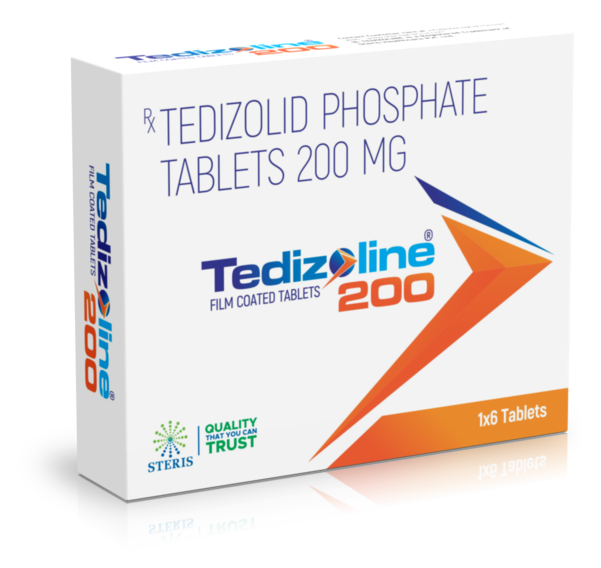
"name": "Tedizolid Phosphate 200 mg ",
"description": "TEDIZOLINE 200 is a state-of-the-art pharmaceutical formulation containing Tedizolid Phosphate 200 mg, representing a significant advancement in the treatment of serious bacterial skin infections. This next-generation oxazolidinone antibiotic offers a powerful solution for patients battling acute bacterial skin and skin structure infections (ABSSSI), including those caused by methicillin-resistant Staphylococcus aureus (MRSA) and other resistant bacterial strains. Developed to address the growing challenge of antibiotic resistance, TEDIZOLINE 200 provides healthcare professionals with an effective therapeutic option when conventional antibiotics may fall short.\nThe active ingredient, Tedizolid Phosphate, functions as a prodrug that is rapidly converted in the body to its active form, tedizolid. This sophisticated mechanism ensures optimal bioavailability and targeted antibacterial action. Each tablet of TEDIZOLINE 200 delivers a precise 200 mg dose, carefully calibrated to provide maximum efficacy while minimizing the risk of adverse effects. The medication is available in convenient oral tablet form, offering flexibility in treatment administration and improving patient compliance compared to intravenous-only alternatives.\nClinical Applications and Therapeutic Uses\nTEDIZOLINE 200 is specifically indicated for the treatment of acute bacterial skin and skin structure infections caused by susceptible strains of various gram-positive bacteria. These infections include cellulitis, major cutaneous abscesses, and wound infections that require systemic antibiotic therapy. The medication demonstrates exceptional efficacy against problematic pathogens including Staphylococcus aureus (both methicillin-susceptible and methicillin-resistant strains), various Streptococcus species, and Enterococcus faecalis.\nHealthcare providers prescribe TEDIZOLINE 200 when patients present with complicated skin infections characterized by significant inflammation, purulent discharge, or systemic signs of infection such as fever and elevated white blood cell counts. The medication is particularly valuable in hospital settings where antibiotic-resistant organisms pose significant treatment challenges, though it is equally effective for outpatient management of appropriate cases.\nThe standard treatment duration with TEDIZOLINE 200 is notably shorter than many traditional antibiotics, typically requiring only six days of therapy. This abbreviated course represents a significant advantage, potentially improving patient adherence, reducing the risk of developing resistance, and minimizing healthcare costs while maintaining excellent clinical outcomes.\nKey Benefits and Therapeutic Advantages\nSuperior Antimicrobial Potency: TEDIZOLINE 200 exhibits exceptional bactericidal activity against resistant gram-positive organisms, making it a frontline weapon against infections that have failed to respond to first-line antibiotics. Its unique mechanism of action—inhibiting bacterial protein synthesis by binding to the 23S ribosomal RNA of the 50S subunit—prevents bacteria from producing essential proteins necessary for survival and reproduction.\nShortened Treatment Duration: Unlike conventional antibiotics that may require ten to fourteen days of therapy, TEDIZOLINE 200 achieves comparable or superior outcomes with just six days of treatment. This condensed regimen reduces the pill burden for patients, improves treatment completion rates, and decreases the opportunity for resistance development.\nFlexible Administration Options: The medication offers both oral and intravenous formulations with nearly identical bioavailability, allowing seamless transitions between routes of administration. This flexibility enables early hospital discharge with continuation of oral therapy at home, reducing healthcare costs and improving patient comfort and quality of life.\nOnce-Daily Dosing Convenience: TEDIZOLINE 200's pharmacokinetic profile supports convenient once-daily administration, simplifying treatment schedules and enhancing patient compliance. The sustained therapeutic levels achieved with this dosing frequency ensure continuous antibacterial activity throughout the treatment course.\nReduced Drug Interaction Profile: Compared to its predecessor oxazolidinone antibiotics, TEDIZOLINE 200 demonstrates minimal interactions with dietary tyramine and requires less stringent dietary restrictions. Additionally, it exhibits reduced potential for serotonin syndrome, offering improved safety when used in patients taking certain antidepressants or other serotonergic medications.\nProven Clinical Efficacy: Extensive clinical trials have demonstrated that TEDIZOLINE 200 achieves cure rates comparable to or exceeding those of vancomycin and linezolid, the traditional gold standards for treating MRSA infections. These studies confirm both the non-inferiority and, in some parameters, the superiority of tedizolid phosphate in treating complicated skin infections.\nPotential Side Effects and Safety Considerations\nWhile TEDIZOLINE 200 is generally well-tolerated, patients and healthcare providers should be aware of potential adverse effects. The most commonly reported side effects include nausea, headache, diarrhea, and vomiting, which typically manifest as mild to moderate in severity and often resolve without intervention.\nGastrointestinal disturbances affect approximately five to ten percent of patients, with nausea being the most frequent complaint. Taking the medication with food may help minimize these symptoms without compromising absorption. Headaches occur in a similar percentage of patients and usually respond well to over-the-counter analgesics.\nMore serious but less common adverse effects include myelosuppression, manifesting as decreased blood cell counts. Although TEDIZOLINE 200 demonstrates less bone marrow suppression than older oxazolidinones, monitoring of complete blood counts is recommended for treatment courses extending beyond the standard six days or in patients with pre-existing hematologic conditions.\nPeripheral and optic neuropathy have been reported with prolonged oxazolidinone use, though the shorter treatment duration of TEDIZOLINE 200 substantially reduces this risk. Patients should report any vision changes, numbness, tingling, or weakness in extremities promptly to their healthcare provider.\nClostridium difficile-associated diarrhea can occur with virtually any antibiotic, including TEDIZOLINE 200. Patients experiencing severe, persistent, or bloody diarrhea during or following treatment should seek immediate medical attention.\nHypersensitivity reactions, though rare, may occur and can range from mild rash to severe anaphylaxis. Any signs of allergic reaction warrant immediate discontinuation and appropriate medical intervention.\nConclusion\nTEDIZOLINE 200 represents a significant therapeutic advancement in the management of acute bacterial skin and skin structure infections, particularly those involving antibiotic-resistant organisms. Its potent antimicrobial activity, convenient once-daily dosing, shortened treatment duration, and improved safety profile compared to earlier oxazolidinones make it an invaluable addition to the antimicrobial arsenal. The medication addresses critical unmet needs in infectious disease management, offering effective treatment options when traditional antibiotics prove insufficient.",
"price": 1250.0,
"discountamount": 375.0,
"currencycode": "INR",
"priority": 1000000,
"isfreeshipmentavailable": false,
"shipmentduration": 1,
"_keywords": null,
"isarchived": false,
"isavailable": true,
"applicationid": null,
"productindex": 2288,
"imageuri": "https://productimages.withfloats.com/actual/6979b0c4b75d7c0b79b08e15.png",
"tileimageuri": "https://productimages.withfloats.com/tile/6979b0c4b75d7c0b79b08e15.png",
"images": null,
"totalqueries": 0,
"gpid": null,
"groupproductid": null,
"createdon": "2026-01-28T06:45:49.837Z",
"updatedon": "2026-04-17T11:40:48.569Z",
"buyonlinelink": null,
"producturl": "http://WWW.STERISINDIA.COM//tedizolid-phosphate-200-mg-/2288",
"availableunits": -1.0,
"iscodavailable": false,
"isprepaidonlineavailable": false,
"maxcodorders": 0,
"maxprepaidonlineorders": 0,
"uniquepaymenturl": null,
"brandname": "TEDIZOLINE 200",
"category": "DERMATALOGY",
"tags": [
"tedizolid phosphate 200 mg tablet",
"tedizolid phosphate 200 mg uses",
"tedizolid phosphate 200 mg dosage",
"tedizolid phosphate tablets 200 mg price",
"tedizolid phosphate 200 mg side effects",
"tedizolid phosphate 200 mg brand name",
"tedizolid phosphate 200 mg mechanism of action",
"buy tedizolid phosphate 200 mg tablet",
"tedizolid phosphate 200 mg prescription info",
"tedizolid phosphate 200 mg tablet details",
"tedizolid phosphate 200 mg for skin infection",
"tedizolid phosphate 200 mg once daily tablet",
"tedizolid phosphate 200 mg tablet working"
],
"variants": false,
"keyspecification": null,
"otherspecifications": null,
"pickupaddressreferenceid": null,
"paymenttype": "UniquePaymentUrl",
"producttype": "products",
"hsncode": null,
"gstslab": 0.0,
"isnotforsale": false
},
{
"_id": "6979ab153e3091701b89e481",
"fptag": "STERISHEALTHCARE",
"merchantname": null,
"customwidgets": null,
"externalsourceid": null,
"name": "Misoprostol Tablet 200 mcg",
"description": "MISOPIRATE 200 is a pharmaceutical preparation containing Misoprostol 200 mcg, a synthetic prostaglandin E1 analogue that has revolutionized women's healthcare and gastrointestinal treatment protocols. This medication represents a critical therapeutic option in modern medicine, offering solutions for conditions ranging from gastric ulcer prevention to obstetric and gynecological applications. Each tablet of MISOPIRATE 200 is precisely formulated to deliver consistent therapeutic benefits while maintaining strict quality standards.Misoprostol, the active ingredient in MISOPIRATE 200, was initially developed for protecting the gastric lining but has since become indispensable in reproductive healthcare. The medication works by mimicking natural prostaglandins in the body, which are hormone-like substances that regulate various physiological processes including gastric acid secretion, cervical ripening, and uterine contractions.Mechanism of ActionMISOPIRATE 200 functions through multiple pathways depending on the clinical indication. In the gastrointestinal system, it reduces gastric acid secretion by directly inhibiting parietal cells in the stomach lining. Simultaneously, it enhances the production of protective mucus and bicarbonate, creating a defensive barrier against acid-induced damage. This dual action makes it exceptionally effective in preventing and treating peptic ulcers, particularly those induced by nonsteroidal anti-inflammatory drugs (NSAIDs).In obstetric and gynecological applications, MISOPIRATE 200 acts on prostaglandin receptors in the uterus and cervix. It causes the cervix to soften and dilate while stimulating rhythmic uterine contractions. These properties make it valuable for medical management of early pregnancy complications, labor induction, and postpartum hemorrhage prevention.Clinical Uses and ApplicationsGastric Protection: MISOPIRATE 200 serves as a prophylactic agent for individuals requiring long-term NSAID therapy who are at elevated risk for developing gastric or duodenal ulcers. Patients with rheumatoid arthritis, osteoarthritis, or chronic pain conditions who depend on NSAIDs benefit significantly from concurrent misoprostol therapy.Peptic Ulcer Treatment: The medication accelerates healing of existing gastric ulcers by reducing acid exposure and promoting mucosal regeneration. Treatment typically spans four to eight weeks, depending on ulcer severity and individual response.Medical Management of Early Pregnancy Loss: Under strict medical supervision, MISOPIRATE 200 is utilized for managing incomplete miscarriage or missed abortion, offering a non-surgical alternative that many women prefer for emotional and practical reasons.Labor Induction: In hospital settings, healthcare providers may use MISOPIRATE 200 to ripen the cervix and initiate labor when medically indicated, such as in cases of post-term pregnancy or maternal health concerns.Postpartum Hemorrhage Prevention: The medication's ability to promote uterine contractions makes it valuable in preventing excessive bleeding after childbirth, particularly in resource-limited settings.Key Benefits of MISOPIRATE 200Effective Gastric Protection: MISOPIRATE 200 provides superior protection against NSAID-induced gastric damage compared to many alternatives. Clinical studies demonstrate up to 80% reduction in serious gastrointestinal complications among high-risk patients using preventive misoprostol therapy.Non-Invasive Medical Option: For women facing early pregnancy complications, MISOPIRATE 200 offers a medical alternative to surgical procedures, preserving privacy, reducing healthcare costs, and eliminating surgical risks such as anesthesia complications or uterine perforation.Rapid Onset of Action: The medication demonstrates quick absorption and onset, with effects typically beginning within 30 minutes to two hours, allowing for predictable therapeutic outcomes.Cost-Effectiveness: Compared to surgical interventions or hospitalization for complications, MISOPIRATE 200 represents an economical treatment option, making essential healthcare more accessible to diverse populations.Versatile Clinical Applications: The medication's multiple therapeutic uses make it a valuable tool across different medical specialties, from gastroenterology to obstetrics.Stable Formulation: MISOPIRATE 200 maintains stability across various storage conditions, improving accessibility in regions with limited refrigeration infrastructure.Potential Side Effects and Adverse ReactionsWhile MISOPIRATE 200 is generally well-tolerated, users should be aware of possible side effects:Gastrointestinal Disturbances: Diarrhea occurs in approximately 15-40% of patients, typically mild and self-limiting. Abdominal cramping, nausea, and flatulence are also common, particularly during initial treatment phases.Uterine Effects: Women of reproductive age may experience menstrual irregularities, heavier menstrual flow, or intermenstrual spotting. Uterine cramping is expected when the medication is used for obstetric purposes.Vascular Symptoms: Some patients report headaches, dizziness, or hot flashes, though these are generally transient and mild in nature.Allergic Reactions: Though rare, hypersensitivity reactions including skin rashes, itching, or more serious anaphylactic responses can occur and require immediate medical attention.Serious Complications: When used inappropriately for pregnancy termination outside medical supervision, serious complications including incomplete abortion, severe bleeding, infection, or rupture can occur. This underscores the critical importance of medical oversight.Important Precautions and ContraindicationsMISOPIRATE 200 is absolutely contraindicated during pregnancy when the intention is to continue the pregnancy, as it can cause miscarriage or severe fetal abnormalities. Women of childbearing potential must use reliable contraception during treatment. The medication should not be used by individuals with known allergy to prostaglandins or those with inflammatory bowel disease without careful medical evaluation.Patients with cardiovascular disease, cerebrovascular conditions, or poorly controlled hypertension require careful monitoring when using MISOPIRATE 200. The medication may interact with antacids containing magnesium, potentially exacerbating diarrhea.Dosage and Administration GuidelinesDosing of MISOPIRATE 200 varies significantly based on the clinical indication. For gastric protection, typical regimens involve 200 mcg taken two to four times daily with meals. For obstetric uses, dosing protocols are highly specific and must be determined by qualified healthcare providers based on individual circumstances, gestational age, and medical history.The medication should be taken with food to minimize gastrointestinal side effects. Tablets should be swallowed whole with water and not crushed or chewed unless specifically instructed otherwise by a healthcare provider.ConclusionMISOPIRATE 200 represents a significant therapeutic advancement in both gastroenterology and reproductive healthcare. Its dual capacity to protect the gastric mucosa and influence uterine function makes it an invaluable medication across multiple clinical scenarios. The proven efficacy in preventing NSAID-induced ulcers has prevented countless cases of serious gastrointestinal bleeding, while its role in women's healthcare has expanded access to safe, effective medical management options.",
"price": 85.0,
"discountamount": 25.5,
"currencycode": "INR",
"priority": 1000000,
"isfreeshipmentavailable": false,
"shipmentduration": 1,
"_keywords": null,
"isarchived": false,
"isavailable": true,
"applicationid": null,
"productindex": 2287,
"imageuri": "https://productimages.withfloats.com/actual/6979ab1bad683d72f6cf0b98.png",
"tileimageuri": "https://productimages.withfloats.com/tile/6979ab1bad683d72f6cf0b98.png",
"images": null,
"totalqueries": 0,
"gpid": null,
"groupproductid": null,
"createdon": "2026-01-28T06:22:13.304Z",
"updatedon": "2026-03-14T07:17:15.436Z",
"buyonlinelink": null,
"producturl": "http://WWW.STERISINDIA.COM//misoprostol-tablet-200-mcg/2287",
"availableunits": -1.0,
"iscodavailable": false,
"isprepaidonlineavailable": false,
"maxcodorders": 0,
"maxprepaidonlineorders": 0,
"uniquepaymenturl": null,
"brandname": "MISOPIRATE 200",
"category": "GYANECOLOGYRANGE",
"tags": [
"misoprostol tablet 200 mcg uses",
"misoprostol 200 mcg tablet dosage",
"misoprostol 200 mcg tablet benefits",
"misoprostol tablet 200 mcg composition",
"misoprostol 200 mcg tablet how it works",
"misoprostol tablet 200 mcg side effects",
"misoprostol 200 mcg tablet mechanism of action",
"misoprostol tablet 200 mcg price in india",
"misoprostol 200 mcg tablet storage instructions",
"misoprostol 200 mcg tablet for gastric protection",
"misoprostol 200 mcg tablet prostaglandin analog",
"misoprostol tablet 200 mcg price in india",
"misoprostol 200 mcg tablet administration guide",
"misoprostol tablet 200 mcg patient information"
],
"variants": false,
"keyspecification": null,
"otherspecifications": null,
"pickupaddressreferenceid": null,
"paymenttype": "UniquePaymentUrl",
"producttype": "products",
"hsncode": null,
"gstslab": 0.0,
"isnotforsale": false
},
{
"_id": "696ddf1a8f7ed3c5c7df9f01",
"fptag": "STERISHEALTHCARE",
"merchantname": null,
"customwidgets": null,
"externalsourceid": null,
"name": "Eltrombopag Olamine Tablets 50 mg",
"description": "Eltrombopag Olamine Tablets 50 mg, marketed under the brand name LTROLAMINE 50, is a prescription medicine widely used in the management of low platelet count (thrombocytopenia) associated with certain blood disorders. It belongs to a class of medicines known as thrombopoietin receptor agonists, which work by stimulating platelet production in the bone marrow.\n\nLTROLAMINE 50 has become an important therapeutic option for patients who struggle with chronic platelet deficiency and are at increased risk of bleeding. With proven efficacy and a well-defined mechanism of action, this medication plays a crucial role in improving patient outcomes and quality of life.\n\nWhat is Eltrombopag Olamine Tablets 50 mg?\n\nEltrombopag Olamine Tablets 50 mg is an oral medication designed to increase platelet counts in patients whose body does not produce enough platelets naturally. Platelets are essential blood components responsible for clot formation and prevention of excessive bleeding.\n\nLTROLAMINE 50 is commonly prescribed for:\n\nChronic Immune Thrombocytopenia (ITP)\n\nSevere Aplastic Anemia\n\nThrombocytopenia associated with chronic Hepatitis C infection (in specific cases)\n\nBy improving platelet levels, LTROLAMINE 50 helps reduce bleeding risks and supports safer daily functioning for patients.\n\nUses of LTROLAMINE 50\n\nLTROLAMINE 50 is primarily used in the treatment of conditions characterized by low platelet counts, including:\n\n1. Chronic Immune Thrombocytopenia (ITP)\n\nIn patients with ITP, the immune system mistakenly destroys platelets. LTROLAMINE 50 stimulates platelet production, helping maintain a safer platelet count and lowering the risk of spontaneous bleeding.\n\n2. Severe Aplastic Anemia\n\nIn aplastic anemia, the bone marrow fails to produce sufficient blood cells. Eltrombopag Olamine supports bone marrow activity, leading to improved platelet and blood cell production when other treatments are ineffective.\n\n3. Hepatitis C–Associated Thrombocytopenia\n\nSome patients with chronic Hepatitis C experience low platelet counts that limit antiviral therapy. LTROLAMINE 50 may be used to raise platelet levels, enabling continuation of essential treatment under medical supervision.\n\nHow LTROLAMINE 50 Works\n\nEltrombopag Olamine acts as a thrombopoietin receptor agonist. It binds to and activates the thrombopoietin (TPO) receptor found on bone marrow cells. This activation triggers a signaling process that stimulates the production of megakaryocytes—the cells responsible for forming platelets.\n\nUnlike platelet transfusions, which provide a temporary solution, LTROLAMINE 50 encourages the body to produce its own platelets, offering a more sustainable approach to managing thrombocytopenia.\n\nKey Benefits of LTROLAMINE 50\n\nLTROLAMINE 50 offers several clinically significant benefits:\n\n1. Increases Platelet Count Naturally\n\nBy stimulating bone marrow activity, LTROLAMINE 50 helps raise platelet levels without relying on transfusions.\n\n2. Reduces Bleeding Risk\n\nMaintaining adequate platelet counts significantly lowers the risk of bruising, nosebleeds, gum bleeding, and internal bleeding.\n\n3. Oral and Convenient Therapy\n\nAs an oral tablet, LTROLAMINE 50 is easy to administer and more comfortable for long-term use compared to injectable alternatives.\n\n4. Improves Quality of Life\n\nBy stabilizing platelet levels, patients can lead more active, confident lives with fewer hospital visits.\n\n5. Useful in Refractory Cases\n\nLTROLAMINE 50 is effective even in patients who do not respond adequately to first-line therapies like corticosteroids or immunoglobulins.\n\nDosage and Administration\n\nThe dosage of LTROLAMINE 50 is determined by the treating physician based on:\n\nPlatelet count\n\nUnderlying condition\n\nLiver function\n\nPatient response to therapy\n\nThe tablet is usually taken once daily, preferably on an empty stomach. Certain foods and supplements, especially those containing calcium, iron, magnesium, or aluminum, may interfere with absorption and should be avoided close to dosing time.\n\nPatients must strictly follow medical advice and undergo regular blood tests to monitor platelet levels and liver function.\n\nPossible Side Effects of LTROLAMINE 50\n\nLike all medicines, LTROLAMINE 50 may cause side effects, although not everyone experiences them.\n\nCommon Side Effects\n\nHeadache\n\nNausea or vomiting\n\nFatigue\n\nDiarrhea\n\nMuscle or joint pain\n\nThese effects are generally mild and tend to improve as the body adjusts to the medication.\n\nLess Common but Serious Side Effects\n\nElevated liver enzymes\n\nRisk of blood clots if platelet counts become too high\n\nLiver function abnormalities\n\nCataract development with long-term use (rare)\n\nPatients should immediately inform their healthcare provider if they notice symptoms such as yellowing of the skin or eyes, severe abdominal pain, chest pain, or sudden swelling in limbs.\n\nPrecautions and Warnings\n\nLTROLAMINE 50 should only be used under strict medical supervision.\n\nRegular blood tests are essential to avoid excessive platelet increase.\n\nCaution is advised in patients with liver disease.\n\nPregnant or breastfeeding women should consult their doctor before use.\n\nThe medicine should not be stopped abruptly without medical advice.\n\nConclusion\n\nEltrombopag Olamine Tablets 50 mg (LTROLAMINE 50) is a clinically proven and effective therapy for managing thrombocytopenia associated with serious blood disorders. By stimulating the body’s natural platelet production, LTROLAMINE 50 helps reduce bleeding risk, minimize hospital dependence, and improve overall patient well-being.",
"price": 1640.0,
"discountamount": 492.0,
"currencycode": "INR",
"priority": 1000000,
"isfreeshipmentavailable": false,
"shipmentduration": 1,
"_keywords": null,
"isarchived": false,
"isavailable": true,
"applicationid": null,
"productindex": 2279,
"imageuri": "https://productimages.withfloats.com/actual/696ddf1b2b30597eb3c9bc2a.png",
"tileimageuri": "https://productimages.withfloats.com/tile/696ddf1b2b30597eb3c9bc2a.png",
"images": null,
"totalqueries": 0,
"gpid": null,
"groupproductid": null,
"createdon": "2026-01-19T07:36:58.313Z",
"updatedon": "2026-03-14T06:47:29.988Z",
"buyonlinelink": null,
"producturl": "http://WWW.STERISINDIA.COM//eltrombopag-olamine-tablets-50-mg/2279",
"availableunits": -1.0,
"iscodavailable": false,
"isprepaidonlineavailable": false,
"maxcodorders": 0,
"maxprepaidonlineorders": 0,
"uniquepaymenturl": null,
"brandname": "LTROLAMINE 50",
"category": "GENERAL RANGE",
"tags": [
"eltrombopag olamine tablets 50 mg",
"eltrombopag 50 mg tablet uses",
"eltrombopag olamine 50 mg tablets",
"eltrombopag 50 mg dosage",
"eltrombopag olamine tablet 50 mg price",
"eltrombopag 50 mg tablet in India",
"eltrombopag olamine tablets 50 mg for ITP",
"eltrombopag 50 mg tablets for low platelet count",
"eltrombopag olamine 50 mg tablets uses and benefits",
"eltrombopag 50 mg tablet side effects",
"how eltrombopag 50 mg works",
"eltrombopag olamine tablets 50 mg mechanism of action",
"eltrombopag 50 mg tablets for thrombocytopenia",
"what is eltrombopag olamine 50 mg tablet",
"eltrombopag 50 mg tablets indications",
"eltrombopag olamine tablets 50 mg precautions",
"eltrombopag 50 mg tablet dosage guidelines",
"eltrombopag olamine tablets 50 mg safety profile",
"buy eltrombopag olamine tablets 50 mg online",
"eltrombopag 50 mg tablets wholesale supplier India",
"eltrombopag olamine tablets 50 mg pharma company",
"eltrombopag 50 mg tablets manufacturer in India",
"eltrombopag olamine 50 mg tablets cost"
],
"variants": false,
"keyspecification": null,
"otherspecifications": null,
"pickupaddressreferenceid": null,
"paymenttype": "UniquePaymentUrl",
"producttype": "products",
"hsncode": null,
"gstslab": 0.0,
"isnotforsale": false
},
{
"_id": "695b65af2800555f6696a6cf",
"fptag": "STERISHEALTHCARE",
"merchantname": null,
"customwidgets": null,
"externalsourceid": null,
"name": "Cinacalcet 60 mg Tablet",
"description": "CINASELECT 60: Comprehensive Guide to Cinacalcet 60 mg Tablets\nProduct Overview\nCINASELECT 60 is a pharmaceutical formulation containing Cinacalcet hydrochloride 60 mg as its active ingredient. This medication represents a significant advancement in the management of calcium metabolism disorders, particularly in patients with chronic kidney disease and parathyroid conditions. As a calcimimetic agent, CINASELECT 60 works by mimicking the action of calcium on tissues, helping to restore hormonal balance and mineral homeostasis in the body.\nThe 60 mg dosage strength offers an effective therapeutic option for patients requiring moderate to higher-level intervention in managing parathyroid hormone levels and associated calcium imbalances. CINASELECT 60 is manufactured under strict quality control standards, ensuring consistency, purity, and efficacy in every tablet.\nUnderstanding How CINASELECT 60 Works\nCINASELECT 60 operates through a sophisticated mechanism that targets the calcium-sensing receptors located on the surface of parathyroid gland cells. These receptors play a crucial role in regulating parathyroid hormone secretion, which in turn controls calcium and phosphorus levels in the bloodstream.\nWhen you take CINASELECT 60, the active ingredient cinacalcet binds to these calcium-sensing receptors, increasing their sensitivity to extracellular calcium. This enhanced sensitivity tricks the parathyroid glands into “thinking” there is more calcium present in the blood than there actually is. As a result, the glands reduce their production and release of parathyroid hormone (PTH).\nBy lowering PTH levels, CINASELECT 60 subsequently reduces calcium levels in the blood and decreases the amount of phosphorus absorbed from the intestines. This cascade effect helps restore the delicate mineral balance that is often disrupted in patients with kidney disease or parathyroid disorders.\nPrimary Therapeutic Uses\nSecondary Hyperparathyroidism in Chronic Kidney Disease\nThe primary indication for CINASELECT 60 is the treatment of secondary hyperparathyroidism in adult patients with chronic kidney disease (CKD) who are on dialysis. When kidneys fail to function properly, they cannot adequately regulate calcium and phosphorus levels, leading to excessive parathyroid hormone production. This condition can result in serious complications including bone disease, cardiovascular calcification, and increased mortality risk.\nCINASELECT 60 helps manage this condition by controlling PTH levels, thereby reducing the risk of bone complications such as osteitis fibrosa cystica and preventing the dangerous deposition of calcium in blood vessels and soft tissues.\nHypercalcemia in Parathyroid Carcinoma\nCINASELECT 60 is also indicated for treating hypercalcemia (elevated blood calcium levels) in patients with parathyroid carcinoma, a rare malignant tumor of the parathyroid glands. In these cases, the medication helps control the dangerously high calcium levels that can lead to kidney stones, bone pain, digestive issues, and neurological symptoms.\nPrimary Hyperparathyroidism\nFor patients with severe hypercalcemia due to primary hyperparathyroidism who cannot undergo parathyroidectomy or for whom surgery has failed, CINASELECT 60 offers a valuable medical management option. This provides relief for patients who are not surgical candidates due to advanced age, comorbidities, or other contraindications.\nKey Benefits of CINASELECT 60\nEffective PTH Control\nClinical studies have demonstrated that CINASELECT 60 significantly reduces parathyroid hormone levels in a dose-dependent manner. This reduction helps prevent the cascade of complications associated with elevated PTH, including bone mineral loss and cardiovascular calcification.\nImproved Calcium-Phosphorus Balance\nBy reducing PTH secretion, CINASELECT 60 helps normalize serum calcium and phosphorus levels. This is particularly important in dialysis patients, where mineral imbalances can lead to serious complications affecting bone health, cardiovascular function, and overall quality of life.\nReduced Cardiovascular Risk\nElevated calcium and phosphorus levels contribute to vascular calcification, a major risk factor for cardiovascular disease in patients with chronic kidney disease. By managing these mineral levels, CINASELECT 60 may help reduce the risk of cardiovascular complications, which are the leading cause of death in dialysis patients.\nBone Health Preservation\nUncontrolled secondary hyperparathyroidism leads to renal osteodystrophy, a condition characterized by abnormal bone metabolism. CINASELECT 60 helps protect bone integrity by normalizing PTH levels, potentially reducing fracture risk and preserving bone mineral density.\nAlternative to Surgery\nFor patients with primary hyperparathyroidism or parathyroid carcinoma who cannot undergo surgery, CINASELECT 60 provides an effective medical management option. This is particularly valuable for elderly patients or those with multiple comorbidities that make surgery risky.\nQuality of Life Improvement\nBy controlling symptoms associated with hypercalcemia and hyperparathyroidism, such as bone pain, muscle weakness, fatigue, and digestive issues, CINASELECT 60 can significantly improve patients' overall quality of life and functional capacity.\nConvenient Oral Administration\nCINASELECT 60 is administered orally, making it more convenient than injectable alternatives. This allows for outpatient management and reduces the burden on healthcare facilities and patients.\nPotential Side Effects and Adverse Reactions\nCommon Side Effects\nPatients taking CINASELECT 60 may experience several common side effects, which typically include nausea and vomiting, occurring in approximately 20-30% of patients. These gastrointestinal symptoms are usually mild to moderate and may improve over time as the body adjusts to the medication.\nDiarrhea is another frequent complaint, affecting roughly 20% of users. Some patients also report muscle pain or myalgia, dizziness, loss of appetite, and asthenia (general weakness or fatigue).\nSerious Side Effects Requiring Medical Attention\nHypocalcemia: The most significant risk associated with CINASELECT 60 is the development of low calcium levels in the blood. Severe hypocalcemia can lead to paresthesias (tingling sensations), muscle cramps or spasms, tetany, seizures, and QT interval prolongation on electrocardiogram, which can predispose to dangerous heart rhythm abnormalities.\nGastrointestinal Bleeding: There have been reports of gastrointestinal hemorrhage in patients taking cinacalcet, particularly in those with risk factors such as gastritis, ulcers, or concurrent use of other medications that increase bleeding risk.\nAdynamic Bone Disease: Oversuppression of PTH can lead to adynamic bone disease, a condition where bone turnover becomes abnormally low, potentially weakening bones despite normalized calcium levels.\nCardiovascular Effects: Some patients may experience worsening heart failure or arrhythmias, particularly if hypocalcemia develops. Close monitoring is essential in patients with underlying cardiovascular disease.\nAllergic Reactions: Though rare, hypersensitivity reactions including rash, urticaria, and angioedema have been reported.\nPrecautions and Contraindications\nCINASELECT 60 should not be used in patients with serum calcium levels below the normal range. It requires careful dose adjustment and monitoring in patients with hepatic impairment. The medication may interact with drugs metabolized by the CYP2D6 enzyme system and with medications that affect gastric pH.\nPregnant or breastfeeding women should use CINASELECT 60 only if clearly needed, as its safety in these populations has not been fully established. Regular monitoring of serum calcium, phosphorus, and PTH levels is essential throughout treatment.\nDosage and Administration Guidelines\nCINASELECT 60 should be taken orally with food or shortly after a meal, as this improves absorption and reduces gastrointestinal side effects. Tablets should be swallowed whole and not crushed, chewed, or divided.\nThe typical starting dose for secondary hyperparathyroidism is lower than 60 mg, with gradual titration based on PTH and calcium levels. The 60 mg strength is often used as part of the dose escalation process or as a maintenance dose once optimal PTH control is achieved.\nDose adjustments should be made no more frequently than every two to four weeks, as it takes this long to see the full effect of a dose change on PTH levels. Treatment should be individualized based on laboratory values and clinical response.\nMonitoring Requirements\nPatients on CINASELECT 60 require regular monitoring of serum calcium, phosphorus, and intact PTH levels. Calcium levels should be checked within one week of starting treatment or after any dose adjustment, and then monthly once stable. PTH levels should be measured one to four weeks after initiation or dose adjustment, then every one to three months during maintenance therapy.\nAdditionally, patients should be monitored for signs and symptoms of hypocalcemia, particularly during the initial treatment period. Electrocardiogram monitoring may be appropriate in patients at risk for QT prolongation.\nStorage and Handling\nCINASELECT 60 should be stored at room temperature, away from moisture and direct sunlight. The medication should be kept in its original container with the lid tightly closed to protect from humidity. Keep out of reach of children and pets. Do not use past the expiration date printed on the package.\nConclusion\nCINASELECT 60 (Cinacalcet 60 mg) represents a valuable therapeutic option in the management of secondary hyperparathyroidism associated with chronic kidney disease, hypercalcemia in parathyroid carcinoma, and primary hyperparathyroidism in patients who cannot undergo surgery. Its unique mechanism as a calcimimetic agent provides effective control of parathyroid hormone secretion, helping to restore mineral balance and prevent serious complications.\nThe benefits of CINASELECT 60 extend beyond simple laboratory value normalization. By controlling PTH, calcium, and phosphorus levels, this medication helps preserve bone health, reduce cardiovascular calcification risk, and improve overall quality of life for patients dealing with complex metabolic disorders. For patients who are not surgical candidates, CINASELECT 60 offers hope and effective symptom management.\nHowever, like all medications, CINASELECT 60 must be used judiciously under close medical supervision. The risk of hypocalcemia and other potential side effects necessitates regular laboratory monitoring and open communication between patients and healthcare providers. Patients should report any concerning symptoms promptly and attend all scheduled follow-up appointments.",
"price": 740.0,
"discountamount": 222.0,
"currencycode": "INR",
"priority": 1000000,
"isfreeshipmentavailable": false,
"shipmentduration": 1,
"_keywords": null,
"isarchived": false,
"isavailable": true,
"applicationid": null,
"productindex": 2266,
"imageuri": "https://productimages.withfloats.com/actual/695b65ebf30763183f64d4f7.png",
"tileimageuri": "https://productimages.withfloats.com/tile/695b65ebf30763183f64d4f7.png",
"images": null,
"totalqueries": 0,
"gpid": null,
"groupproductid": null,
"createdon": "2026-01-05T07:18:07.264Z",
"updatedon": "2026-05-01T06:30:26.075Z",
"buyonlinelink": null,
"producturl": "http://WWW.STERISINDIA.COM//cinacalcet-60-mg-tablet/2266",
"availableunits": -1.0,
"iscodavailable": false,
"isprepaidonlineavailable": false,
"maxcodorders": 0,
"maxprepaidonlineorders": 0,
"uniquepaymenturl": null,
"brandname": "CINASELECT 60",
"category": "NEPHROLOGYRANGE",
"tags": [
"cinacalcet 60 mg",
"cinacalcet mechanism of action.",
"cinacalcet uses",
"tab cinacalcet.",
"cinacalcet dose.",
"cinacalcet structure.",
"cinacalcet tab.",
"calcium and phosphorus levels in the bloodstream.",
"parathyroid hormone secretion.",
"calcium metabolism disorders.",
"chronic kidney disease and parathyroid conditions.",
"cinacalcet 60 mg",
"cinacalcet 60",
"Cinacalcet Tablets 60 mg price in India",
"Buy Cinacalcet Tablets 60 mg online",
"Cinacalcet 60 mg wholesale price",
"Buy Cinacalcet Tablets 60 mg",
"Get Cinacalcet Tablets 60 mg at best price"
],
"variants": false,
"keyspecification": null,
"otherspecifications": null,
"pickupaddressreferenceid": null,
"paymenttype": "UniquePaymentUrl",
"producttype": "products",
"hsncode": null,
"gstslab": 0.0,
"isnotforsale": false
}
],
"hasmoreitems": false,
"isapirequest": false,
"totalresults": 27,
"query": null,
"floatingpoint": null
}