STERISHEALTHCARE
Products
08042755542
91918824471531
Chat with us


Chat with us on WhatsApp
×
This is your website preview.
Currently it only shows your basic business info. Start adding relevant business details such as description, images and products or services to gain your customers attention by using Boost 360 android app / iOS App / web portal.
Home
 frequency reduction
 frequency reduction
Items tagged with 'frequency reduction'
{
"products": [
{
"_id": "6a5df8cd5046d247bd5a48c2",
"fptag": "STERISHEALTHCARE",
"merchantname": null,
"customwidgets": null,
"externalsourceid": null,
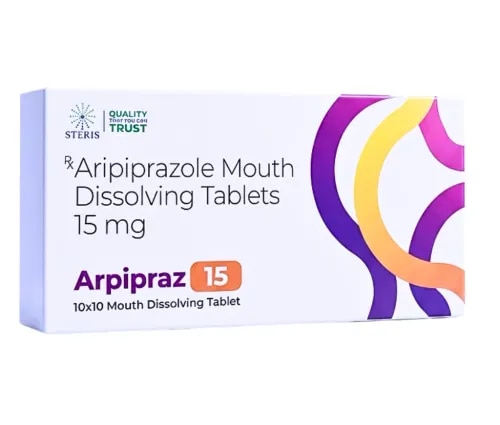
"name": "Arpiprazole Mouth Dissolving Tablets 15 mg",
"description": "ARPIPRAZ 15 is a mouth-dissolving tablet containing Aripiprazole 15 mg, prescribed for schizophrenia, bipolar disorder, autism-related irritability, Tourette's disorder, and as an add-on to antidepressants for major depressive disorder. Unlike many antipsychotics that fully block dopamine, Aripiprazole acts as a partial dopamine agonist, fine-tuning rather than shutting down dopamine activity — which can mean fewer movement-related side effects for some patients. The tablet dissolves on the tongue without water, helping patients who struggle with swallowing. It's not considered habit-forming but must be taken exactly as prescribed and never stopped abruptly. Prescription only – consult your doctor.\n\nMeta Title Options (50–60 characters)\nARPIPRAZ 15 Price – Aripiprazole MD Tablet | Steris (Recommended)\nARPIPRAZ 15 – Aripiprazole Mouth Dissolving Tablet\nARPIPRAZ 15 Price – Schizophrenia & Bipolar Care\nAripiprazole 15mg MD Tablet – ARPIPRAZ Price\nARPIPRAZ 15 – Antipsychotic for Multiple Conditions\n\nRationale: Option 1 leads with the “Price” anchor required for this Schedule H drug, keeps the brand searchable alongside the generic name, and fits within the 50–60 character band.\n\nMeta Description (140–160 characters)\n\nARPIPRAZ 15 (Aripiprazole 15mg MD) treats schizophrenia, bipolar disorder & more. Check price online. Prescription only – consult your doctor first.\n\nFull CMS Article\nARPIPRAZ 15: Aripiprazole Mouth Dissolving Tablet for Schizophrenia, Bipolar Disorder, and Related Conditions\nTL;DR / AI Mode Summary\n\nARPIPRAZ 15 supplies Aripiprazole 15 mg in a mouth-dissolving format, used across a broader range of conditions than many antipsychotics — schizophrenia, bipolar disorder, autism-related irritability, Tourette's disorder, and as an adjunct to antidepressant therapy in major depressive disorder. Its defining feature is a partial dopamine agonist mechanism: rather than fully blocking dopamine like older antipsychotics, it modulates it, which is associated with a comparatively lower risk of certain movement side effects. The dissolving tablet skips the need for water, supporting patients who find conventional tablets hard to swallow.\n\nWhat Sets ARPIPRAZ 15 Apart?\n\nMost antipsychotic medicines work by blocking dopamine receptors outright. Aripiprazole takes a different approach — it acts as a partial agonist, meaning it can either boost or dampen dopamine activity depending on what the brain's current chemical state calls for. This “smart stabilizer” action is one reason Aripiprazole is prescribed across such a wide span of psychiatric conditions, from psychotic disorders to mood conditions to certain neurodevelopmental and tic-related presentations.\n\nComposition at a Glance\nAttribute\tDetail\nBrand Name\tARPIPRAZ 15\nActive Ingredient\tAripiprazole\nStrength\t15 mg\nForm\tMouth Dissolving Tablet (MD)\nDrug Class\tAtypical Antipsychotic — Partial Dopamine Agonist\nSchedule Status\tSchedule H – Prescription Only\nConditions ARPIPRAZ 15 Is Prescribed For\n\nSchizophrenia — helps ease hallucinations, delusions, disorganized thought, social withdrawal, and reduced motivation, supporting better day-to-day and social functioning.\n\nBipolar I Disorder — used for acute manic and mixed episodes, as well as maintenance therapy aimed at reducing relapse.\n\nMajor Depressive Disorder (adjunct) — added alongside antidepressants when depression hasn't responded fully to antidepressant treatment alone.\n\nIrritability Linked to Autism Spectrum Disorder — may reduce aggression, irritability, outbursts, and self-injurious behavior in eligible patients.\n\nTourette's Disorder — can reduce the frequency and intensity of motor and vocal tics for some patients.\n\nMechanism of Action\n\nAripiprazole works on three key receptor systems:\n\nDopamine D2 receptors — partially activated rather than fully blocked, helping normalize rather than suppress dopamine signaling\nSerotonin 5-HT1A receptors — contributing to mood stabilization and reduced anxiety\nSerotonin 5-HT2A receptors — supporting the reduction of psychotic symptoms\n\nTogether, this receptor profile helps ease hallucinations and delusions, stabilize mood swings, reduce anxiety, and support clearer cognitive functioning — while the partial-agonist approach is associated with a comparatively lower likelihood of certain movement-related side effects compared to older-generation antipsychotics.\n\nDirections for Use\nTake ARPIPRAZ 15 strictly as your doctor prescribes.\nPlace the tablet on the tongue and let it dissolve fully — no water is typically needed.\nDon't chew or crush it unless your doctor specifically advises otherwise.\nTake it at a consistent time each day.\nContinue the full course even once you start feeling better, unless your doctor says otherwise.\nNever discontinue suddenly on your own — stopping abruptly can bring symptoms back.\nPossible Side Effects\n\nCommonly reported:\n\nHeadache\nDizziness\nNausea or vomiting\nConstipation\nDry mouth\nRestlessness\nAnxiety\nInsomnia\nFatigue\nIncreased appetite\nWeight changes\n\nSerious — seek immediate medical attention for:\n\nSevere allergic reactions\nHigh fever combined with muscle stiffness\nSeizures\nDifficulty swallowing\nUncontrolled body movements\nFainting\nIrregular heartbeat\nSuicidal thoughts or sudden behavioral changes\n\nPlaceholder: incidence rates and comparative trial data pending qualified clinical reviewer sign-off before publication.\n\nTalk to your doctor promptly if any side effect feels severe or doesn't improve.\n\nWho Should Be Cautious\n\nLet your doctor know before starting if you have any of the following:\n\nDiabetes\nHeart disease, or high or low blood pressure\nLiver or kidney impairment\nSeizure disorders\nParkinson's disease\nDementia\nA history of stroke\nA history of substance use\n\nLong-term treatment often includes periodic checks of blood sugar, body weight, and general health.\n\nPregnancy & Breastfeeding\n\nAripiprazole should be used in pregnancy or while breastfeeding only if a doctor determines the benefits outweigh the potential risks. This decision should always be made in consultation with your healthcare provider.\n\nDrug Interactions to Flag for Your Doctor\n\nARPIPRAZ 15 can interact with:\n\nAntidepressants and anti-anxiety medicines\nAntiepileptic drugs\nBlood pressure medications\nCertain antifungal medicines and antibiotics\nHIV medications\nSleeping pills\nAlcohol\n\nShare a complete list of everything you're taking — prescription drugs, over-the-counter products, vitamins, and herbal supplements — with your prescriber before starting treatment.\n\nPrecautions & Storage\nTake only as prescribed; don't adjust the dose independently.\nAvoid alcohol during treatment.\nStore below 25°C, in the original packaging, away from moisture and direct sunlight.\nKeep out of reach of children.\nDon't use beyond the printed expiry date.\nHow ARPIPRAZ 15 Compares to Other Antipsychotics\nFeature\tOlder-Generation Antipsychotics\tARPIPRAZ 15 (Aripiprazole)\nDopamine Action\tFull receptor blockade\tPartial agonist — modulates rather than blocks\nMovement-Related Side Effect Risk\tComparatively higher\tComparatively lower for many patients\nRange of Approved Uses\tTypically narrower\tBroader — includes autism-related irritability and Tourette's\nAdministration\tUsually standard tablets\tAvailable in swallow-free MD format\n\nNote: The right antipsychotic and formulation is a clinical decision made by a psychiatrist based on individual patient factors.\n\nWhy Choose ARPIPRAZ 15?\n\nBeyond its versatility across several psychiatric and neurodevelopmental conditions, ARPIPRAZ 15's mouth-dissolving format removes a real practical hurdle for patients who struggle with regular tablets. It isn't considered habit-forming, and its partial-agonist mechanism offers a distinct option for psychiatrists balancing symptom control against side-effect tolerability. Manufactured to consistent quality standards, it's built for dependable day-to-day use under medical supervision.\n\nConclusion\n\nWhether the goal is easing psychotic symptoms, stabilizing mood in bipolar disorder, supporting antidepressant therapy, or reducing irritability and tics in specific conditions, ARPIPRAZ 15 offers a versatile treatment option built on Aripiprazole's distinctive dopamine-modulating action. Its dissolving tablet format simplifies daily dosing, and with consistent use under a psychiatrist's care, it supports steadier symptom management over time. Prescription only – consult your doctor.\n\nFrequently Asked Questions\nWhat is ARPIPRAZ 15 used for? It treats schizophrenia, bipolar disorder, autism-related irritability, and Tourette's disorder, and is used as an add-on treatment for major depressive disorder.\nCan it be taken without water? Yes, it's a mouth-dissolving tablet designed to break down on the tongue without needing water.\nIs ARPIPRAZ 15 habit-forming? No, Aripiprazole isn't considered habit-forming, though it should always be used under medical supervision.\nCan I stop taking it once I feel better? No — stopping without medical guidance can cause symptoms to return; any discontinuation should be doctor-directed.\nDoes it cause weight gain? Some patients notice weight changes during treatment; a balanced diet and regular activity can help manage this.\nHow is ARPIPRAZ 15 different from other antipsychotics? It works as a partial dopamine agonist rather than fully blocking dopamine, which is linked to a lower risk of certain movement-related side effects for many patients.\nCan this medicine be used for depression? Yes, it's sometimes added alongside antidepressants when depression hasn't responded fully to antidepressant treatment alone.\nIs it suitable for autism-related irritability? It's prescribed for irritability associated with autism spectrum disorder in eligible patients, under a specialist's guidance.\nDoes ARPIPRAZ 15 interact with alcohol? Yes, alcohol should generally be avoided during treatment, as it may affect the medicine's tolerability.\nWhat serious symptoms require urgent medical attention? Severe allergic reactions, high fever with muscle stiffness, seizures, uncontrolled movements, fainting, irregular heartbeat, or sudden behavioral changes need immediate care.\nWhat health conditions should I mention to my doctor beforehand? Diabetes, heart disease, blood pressure issues, liver or kidney impairment, seizure disorders, Parkinson's disease, dementia, stroke history, and substance use history should all be disclosed.\nCan ARPIPRAZ 15 be used in pregnancy? Only if your doctor determines the benefits outweigh potential risks — this should always be discussed directly with your healthcare provider.\nDoes this medicine interact with other drugs I'm taking? It can interact with several medicine classes, including antidepressants, antiepileptics, blood pressure drugs, and certain antibiotics or antifungals — share your full medication list with your doctor.\nIs a prescription required to purchase ARPIPRAZ 15? Yes, it's a Schedule H medicine dispensed only against a valid doctor's prescription.\nHow long does it take to see results? Response time varies by condition and individual; your psychiatrist will track progress through follow-up visits.\n\n[Steris Healthcare Footer] Manufactured and marketed by Steris Healthcare Pvt. Ltd. — a WHO-GMP and ISO-certified pharmaceutical manufacturer. For queries, reach us at contact@sterispharma.com or +91 8824175417. This content is for informational purposes only and does not replace professional medical advice. Prescription only – consult your doctor.",
"price": 210.0,
"discountamount": 63.0,
"currencycode": "INR",
"priority": 1000000,
"isfreeshipmentavailable": false,
"shipmentduration": 1,
"_keywords": null,
"isarchived": false,
"isavailable": true,
"applicationid": null,
"productindex": 2480,
"imageuri": "https://productimages.withfloats.com/actual/6a5df8cfa4709fd448b5e572.png",
"tileimageuri": "https://productimages.withfloats.com/tile/6a5df8cfa4709fd448b5e572.png",
"images": null,
"totalqueries": 0,
"gpid": null,
"groupproductid": null,
"createdon": "2026-07-20T10:30:37.014Z",
"updatedon": "2026-07-20T10:30:37.014Z",
"buyonlinelink": null,
"producturl": "http://WWW.STERISINDIA.COM/products/arpiprazole-mouth-dissolving-tablets-15-mg/2480",
"availableunits": -1.0,
"iscodavailable": false,
"isprepaidonlineavailable": false,
"maxcodorders": 0,
"maxprepaidonlineorders": 0,
"uniquepaymenturl": null,
"brandname": "ARPIPRAZ 15",
"category": "NEUROLOGYRANGE",
"tags": [],
"variants": false,
"keyspecification": null,
"otherspecifications": null,
"pickupaddressreferenceid": null,
"paymenttype": "UniquePaymentUrl",
"producttype": "products",
"hsncode": null,
"gstslab": 0.0,
"isnotforsale": false
},
{
"_id": "6a50a78a75263abd944f583a",
"fptag": "STERISHEALTHCARE",
"merchantname": null,
"customwidgets": null,
"externalsourceid": null,
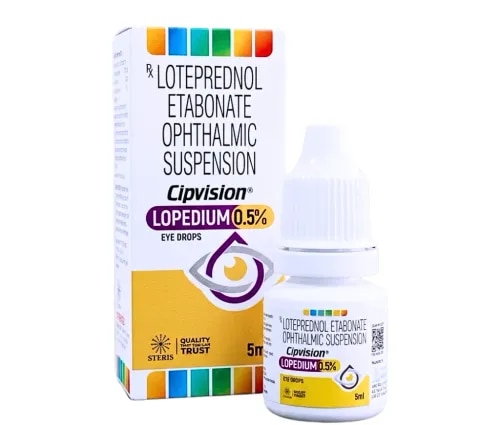
"name": "Loteprednol Etabonate Ophthalmic Suspension",
"description": "Loteprednol etabonate ophthalmic suspension is a prescription corticosteroid eye drop used to treat steroid-responsive inflammatory conditions of the eye, including post-surgical inflammation, allergic conjunctivitis, and certain forms of anterior uveitis. What sets loteprednol apart from older ophthalmic steroids is its “ester-based” chemical structure, which is designed to break down into inactive components after acting on eye tissue — giving it a comparatively lower risk of raising intraocular pressure (IOP) than traditional steroids like prednisolone or dexamethasone, while still delivering effective anti-inflammatory action. The typical dose is one to two drops in the affected eye, four times daily, or as directed, usually for a short, defined course rather than indefinite use. Common side effects include burning, stinging, and blurred vision, while prolonged or unsupervised use can still carry steroid-related risks such as elevated eye pressure. It is a Schedule H prescription-only medicine in India.\n\nWhat Is Loteprednol Etabonate Ophthalmic Suspension?\nLoteprednol etabonate ophthalmic suspension is a topical corticosteroid formulated specifically for use in the eye. It belongs to a category sometimes referred to as “site-specific” or “soft” steroids — a design approach where the drug is engineered to be highly active at the site of application (the eye) but rapidly metabolized into inactive by-products once it has acted, reducing the potential for the cumulative steroid-related side effects seen with older ophthalmic corticosteroids.\nThis suspension is commonly prescribed for:\n\nManaging inflammation following eye surgery, such as cataract surgery\nTreating allergic conjunctivitis, including seasonal allergic conjunctivitis\nCertain anterior segment inflammatory conditions, such as uveitis, under specialist supervision\nGiant papillary conjunctivitis and other steroid-responsive ocular surface conditions\n\nBecause of its comparatively favorable IOP profile, loteprednol is often considered by ophthalmologists for patients who need effective anti-inflammatory therapy but may be at higher risk from more potent steroids — though it is important to note that no ophthalmic steroid is entirely free of IOP-related risk, and monitoring remains necessary.\n\nHow Does Loteprednol Etabonate Work? (Mechanism of Action)\n\nCorticosteroid receptor binding – Loteprednol etabonate binds to glucocorticoid receptors within ocular tissue, initiating anti-inflammatory gene expression changes.\nSuppression of inflammatory mediators – This binding reduces the production of key inflammatory substances, including prostaglandins and cytokines, that drive redness, swelling, and discomfort.\nReduced vascular permeability – By calming the inflammatory cascade, the drug helps reduce leakage of fluid and inflammatory cells into ocular tissue, easing swelling.\nEster-based metabolism – Unlike ketone-based steroids, loteprednol's ester structure allows ocular esterases to break it down into inactive metabolites after it exerts its effect, which is thought to underlie its comparatively lower propensity to raise intraocular pressure.\nLocalized anti-inflammatory effect – The net result is effective control of ocular surface and anterior segment inflammation with a more favorable safety profile than some older steroid formulations, when used for the intended short duration.\n\n\nClinical Indications\nIndicationDetailsPost-operative ocular inflammationCommon after cataract and other intraocular surgeriesAllergic conjunctivitisIncluding seasonal allergic conjunctivitisGiant papillary conjunctivitisOften associated with contact lens wearAnterior uveitisUnder specialist supervisionOther steroid-responsive inflammatory conditions of the palpebral and bulbar conjunctiva, cornea, and anterior segmentAs directed by an ophthalmologist\nNot indicated for: viral (e.g., herpes simplex), fungal, or mycobacterial eye infections, where corticosteroid use can worsen the underlying condition.\n\nDosage & Administration\nParameterRecommendationStandard dose1–2 drops in the affected eye(s), typically 4 times dailyPost-surgical regimenOften started at higher frequency and tapered per surgeon's protocolShake before useYes — this is a suspension; shake well before each applicationDurationShort, defined course as prescribed; not intended for indefinite useTaperingGradual reduction recommended rather than abrupt discontinuation after extended useContact lensesRemove before instillation; reinsert only per your doctor's adviceMissed doseApply as soon as remembered; do not double the next dose\nImportant: Even with its comparatively favorable safety profile, loteprednol should be used strictly for the duration prescribed. Extended, unsupervised use is not recommended.\n\nKey Benefits\n\nEffective anti-inflammatory action for a range of steroid-responsive ocular conditions\nEster-based design associated with a comparatively lower risk of raising intraocular pressure than some older ophthalmic steroids\nUseful for patients needing steroid therapy who may be more sensitive to IOP elevation, under appropriate monitoring\nSuitable for both post-surgical inflammation control and allergic conjunctivitis management\nAvailable in a suspension formulation designed for good ocular surface contact\nOften used as part of a short, defined treatment course, reducing exposure duration compared to continuous long-term steroid regimens\n\n\nPrecautions\n\nUse strictly under ophthalmologist supervision — this is not an over-the-counter product\nNot suitable for viral, fungal, or mycobacterial eye infections\nEven with its favorable profile, prolonged use can still raise intraocular pressure in susceptible individuals — periodic IOP monitoring is recommended\nExtended use may increase the risk of cataract formation, as with other ophthalmic steroids\nMay mask signs of infection or delay wound healing if used inappropriately\nInform your doctor of any history of glaucoma, herpes eye infection, or corneal thinning before starting\nShake the suspension well before each use for accurate dosing\nAvoid touching the dropper tip to the eye or any surface\n\n\nSide Effects\nCommon (Usually Mild and Temporary)\n\nBurning or stinging sensation on instillation\nBlurred vision immediately after application\nEye discomfort or a foreign-body sensation\nMild eye redness\n\nLess Common / Serious (Consult Your Doctor Promptly)\n\nElevated intraocular pressure (comparatively less frequent than with older steroids, but still possible)\nDelayed wound healing\nSigns of secondary or masked ocular infection\nCataract progression with prolonged use\nAllergic reaction (eyelid swelling, itching, rash)\n\nDiscontinue and consult your ophthalmologist promptly if any serious symptom develops.\n\nComparison: Loteprednol vs. Other Ophthalmic Corticosteroids\nTreatmentClassIOP Risk ProfileBest Suited ForLoteprednol etabonate suspensionEster-based (“soft”) corticosteroidComparatively lowerPatients needing effective anti-inflammatory action with reduced IOP concernPrednisolone acetateKetone-based corticosteroidHigher with prolonged useRobust anti-inflammatory action; requires closer IOP monitoringDexamethasoneKetone-based corticosteroidHigher, potent effectSevere inflammatory conditions; typically shorter coursesFluorometholoneKetone-based corticosteroidModerateMild to moderate inflammation with somewhat reduced IOP risk\n\nKey Statistics (Placeholder — Pending Clinical Reviewer Verification)\nMetricValueReported incidence of clinically significant IOP elevation with short-course loteprednol use[Placeholder – insert verified clinical trial statistic]Comparative IOP-elevation rate vs. prednisolone acetate in controlled studies[Placeholder – insert verified reference]Typical duration of post-operative loteprednol therapy[Placeholder – insert reference range]\nAll statistics above are placeholders and must be verified and populated by a qualified clinical reviewer prior to publication.\n\nExpert Insight\n\n[Placeholder — Expert quote pending. To be added only after review and approval by a licensed ophthalmologist/medical reviewer associated with Steris Healthcare. Do not fabricate or publish without sign-off.]\n\n\nPrice of Loteprednol Etabonate Ophthalmic Suspension\nThe price of loteprednol etabonate ophthalmic suspension varies depending on brand, pack size, and region. For current pricing, availability, and prescription verification, please consult your ophthalmologist or an authorized pharmacy.\nPrescription only – consult your doctor.\n\nConclusion\nLoteprednol etabonate ophthalmic suspension offers a valuable option for managing steroid-responsive ocular inflammation — from post-surgical recovery to allergic conjunctivitis — with a design intended to reduce the intraocular pressure risks historically associated with ophthalmic corticosteroids. While its ester-based structure gives it a comparatively favorable safety profile, it remains a steroid, and prolonged or unsupervised use can still carry risks such as elevated eye pressure, cataract progression, and delayed healing. For this reason, loteprednol should always be used for the specific duration prescribed, with appropriate tapering and regular ophthalmic follow-up, rather than as a long-term, self-managed therapy.\n\nFrequently Asked Questions\n\n1. What is loteprednol etabonate ophthalmic suspension used for?\nIt is used to treat steroid-responsive eye inflammation, including inflammation after eye surgery, allergic conjunctivitis, and certain anterior segment inflammatory conditions such as uveitis, under an ophthalmologist's guidance.\n\n2. Is loteprednol a steroid?\nYes, loteprednol etabonate is a corticosteroid. It is specifically designed with an ester-based structure intended to reduce the risk of raising intraocular pressure compared to some older ophthalmic steroids, though it still requires medical supervision.\n\n3. How long can I use loteprednol eye drops?\nLoteprednol is typically prescribed for a short, defined course as determined by your ophthalmologist, often with a tapering schedule. It is not intended for indefinite, unsupervised long-term use.\n\n4. Does loteprednol raise eye pressure?\nLoteprednol has a comparatively lower risk of raising intraocular pressure than some older ophthalmic steroids due to its ester-based design, but it can still cause elevated eye pressure in susceptible individuals, especially with prolonged use, so periodic monitoring is recommended.\n\n5. Can loteprednol cause cataracts?\nProlonged use of any ophthalmic corticosteroid, including loteprednol, can increase the risk of cataract formation, particularly posterior subcapsular cataracts, which is why short, supervised courses are recommended.\n\n6. How is loteprednol different from prednisolone acetate?\nLoteprednol has an ester-based chemical structure designed to break down into inactive components after acting on the eye, which is associated with a lower risk of raising intraocular pressure compared to prednisolone acetate, a ketone-based steroid with a higher IOP-elevation potential.\n\n7. Can loteprednol be used for allergic conjunctivitis?\nYes, loteprednol etabonate ophthalmic suspension is commonly used to manage allergic conjunctivitis, including seasonal allergic conjunctivitis, especially when symptoms are significant or not controlled by other treatments.\n\n8. Is loteprednol safe after cataract surgery?\nYes, loteprednol is frequently prescribed to manage post-operative inflammation following cataract surgery, typically as part of a tapering regimen directed by the operating ophthalmologist.\n\n9. Can loteprednol be used for viral eye infections?\nNo, loteprednol and other corticosteroids are not appropriate for viral eye infections such as herpes simplex keratitis, as steroids can worsen these conditions if used inappropriately.\n\n10. What are the common side effects of loteprednol eye drops?\nCommon side effects include burning or stinging upon application, temporary blurred vision, mild eye redness, and eye discomfort. These are usually mild and resolve quickly.\n11. Does loteprednol need to be shaken before use?\nYes, since it is a suspension, the bottle should be shaken well before each use to ensure the medication is evenly distributed.\n\n12. Can loteprednol be stopped suddenly?\nStopping abruptly, especially after extended use, is generally not recommended. A gradual tapering schedule, as advised by your ophthalmologist, helps prevent rebound inflammation.\n\n13. Is loteprednol safe for long-term daily use?\nNo, loteprednol is generally intended for short, supervised courses rather than continuous long-term daily use, due to steroid-related risks with prolonged exposure.\n\n14. Can contact lenses be worn while using loteprednol?\nIt's generally recommended to remove contact lenses before applying loteprednol and reinsert them only after the interval advised by your doctor.\n\n15. Who should avoid using loteprednol eye drops?\nPatients with active untreated viral, fungal, or mycobacterial eye infections, or known hypersensitivity to the medication, should avoid loteprednol unless specifically directed otherwise by their ophthalmologist.\n\n16. Can loteprednol be used in children?\nUse in children should only occur under the direct guidance and prescription of a pediatric ophthalmologist, based on individual clinical assessment.\n17. Does loteprednol cause blurred vision?\nTemporary blurred vision can occur immediately after instillation in some patients and usually resolves quickly. Persistent blurred vision should be reported to your doctor.",
"price": 150.0,
"discountamount": 45.0,
"currencycode": "INR",
"priority": 1000000,
"isfreeshipmentavailable": false,
"shipmentduration": 1,
"_keywords": null,
"isarchived": false,
"isavailable": true,
"applicationid": null,
"productindex": 2471,
"imageuri": "https://productimages.withfloats.com/actual/6a50a78cd95cad00a915a6d8.png",
"tileimageuri": "https://productimages.withfloats.com/tile/6a50a78cd95cad00a915a6d8.png",
"images": null,
"totalqueries": 0,
"gpid": null,
"groupproductid": null,
"createdon": "2026-07-10T08:04:26.663Z",
"updatedon": "2026-07-10T08:04:26.663Z",
"buyonlinelink": null,
"producturl": "http://WWW.STERISINDIA.COM//loteprednol-etabonate-ophthalmic-suspension/2471",
"availableunits": -1.0,
"iscodavailable": false,
"isprepaidonlineavailable": false,
"maxcodorders": 0,
"maxprepaidonlineorders": 0,
"uniquepaymenturl": null,
"brandname": "CIPVISION LOPEDIUM 0.5%",
"category": "Opthalmology Range",
"tags": [
"Loteprednol Etabonate Ophthalmic Suspension",
"loteprednol etabonate ophthalmic suspension uses",
"loteprednol etabonate ophthalmic suspension uses in hindi",
"loteprednol etabonate ophthalmic suspension in hindi",
"loteprednol etabonate ophthalmic suspension eye drops uses",
"loteprednol etabonate ophthalmic suspension eye drops",
"loteprednol etabonate ophthalmic suspension use"
],
"variants": false,
"keyspecification": null,
"otherspecifications": null,
"pickupaddressreferenceid": null,
"paymenttype": "UniquePaymentUrl",
"producttype": "products",
"hsncode": null,
"gstslab": 0.0,
"isnotforsale": false
},
{
"_id": "6a509bf6f44be736283180cf",
"fptag": "STERISHEALTHCARE",
"merchantname": null,
"customwidgets": null,
"externalsourceid": null,
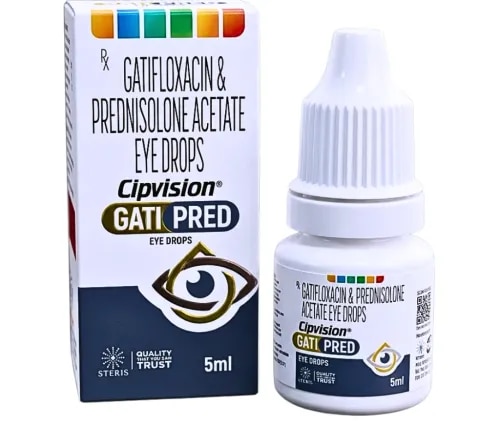
"name": "gatifloxacin & prednisolone acetate ophthalmic suspension",
"description": "Gatifloxacin and prednisolone acetate ophthalmic suspension is a prescription combination eye medicine that pairs a fourth-generation fluoroquinolone antibiotic (gatifloxacin) with a corticosteroid (prednisolone acetate) in a single formulation. It is used to treat steroid-responsive ocular inflammation where there is also a risk of, or existing, bacterial eye infection — most commonly after cataract or other ocular surgery, and in certain inflammatory eye conditions requiring both anti-infective and anti-inflammatory action together. Gatifloxacin fights the bacteria, while prednisolone acetate reduces inflammation, redness, and swelling. This combination is not the same as a plain antibiotic drop — because it contains a steroid, it requires closer monitoring, a defined tapering schedule, and should never be self-prescribed or used beyond the duration your ophthalmologist recommends. It is a Schedule H prescription-only medicine in India, commonly marketed under brand names such as Gatiquin P.\n\nWhat Is Gatifloxacin and Prednisolone Acetate Ophthalmic Suspension?\nGatifloxacin and prednisolone acetate ophthalmic suspension is a fixed-dose combination eye drop that brings together two distinct classes of medication in one bottle:\n\nGatifloxacin — a fourth-generation fluoroquinolone antibiotic effective against a broad range of gram-positive and gram-negative bacteria commonly implicated in ocular infections.\nPrednisolone acetate — a corticosteroid that suppresses inflammation, swelling, and associated redness or discomfort in the eye.\n\nThis combination is typically prescribed when a clinician determines that an eye condition involves both active or potential bacterial infection and significant inflammation — a situation where using either drug alone would be insufficient. The most frequent use case is post-operative care following ocular surgery, such as cataract extraction, where inflammation control speeds recovery while the antibiotic component guards against surgical-site infection.\nA commonly recognized branded version of this combination in the Indian market is Gatiquin P, and patients often search specifically for this brand name alongside the generic combination name.\n\nHow Does This Combination Work? (Mechanism of Action)\n\nAntibacterial action (Gatifloxacin) – Gatifloxacin inhibits bacterial DNA gyrase and topoisomerase IV, enzymes bacteria need to replicate their DNA, resulting in bactericidal activity against susceptible organisms.\nAnti-inflammatory action (Prednisolone acetate) – Prednisolone acetate suppresses the inflammatory cascade by inhibiting phospholipase A2 and reducing the release of inflammatory mediators, which decreases swelling, redness, and discomfort.\nCombined surgical/inflammatory coverage – Together, the two components address both the infective and inflammatory components of a single ocular condition, which is particularly useful in the immediate post-surgical period when both risks are elevated simultaneously.\nLocalized ocular delivery – As a topical suspension, the combination acts directly at the site of application, minimizing systemic absorption compared to oral antibiotics or steroids.\n\n\nClinical Indications\nIndicationDetailsPost-operative inflammation with infection riskMost common use — following cataract surgery or other intraocular proceduresSteroid-responsive inflammatory ocular conditionsWhere a bacterial infection is present or risk is significantChronic anterior uveitis with secondary infection riskUsed under specialist supervisionBlepharoconjunctivitis with inflammatory componentWhen combined anti-infective and anti-inflammatory action is clinically indicated\nNot indicated for: viral eye infections (e.g., herpes simplex keratitis), fungal eye infections, mycobacterial infections, or uncomplicated bacterial conjunctivitis without an inflammatory component — a steroid is not appropriate in these settings.\n\nDosage & Administration\nParameterRecommendationStandard dose1–2 drops in the affected eye, typically 4 times daily, or as directedPost-surgical regimenOften started with a higher frequency and gradually tapered per surgeon's protocolShake before useYes — this is a suspension; shake well before each applicationDurationDetermined by your ophthalmologist; steroid-containing drops are not for indefinite useTaperingMust be tapered gradually rather than stopped abruptly, especially after prolonged useContact lensesAvoid wearing contact lenses during treatment unless your doctor advises otherwiseMissed doseApply as soon as remembered; do not double the next dose\nImportant: Never extend use beyond the prescribed duration or restart the medication without consulting your ophthalmologist, as prolonged steroid exposure carries specific ocular risks (see Precautions below).\n\nKey Benefits\n\nProvides dual-action therapy — infection control and inflammation control — in a single formulation\nReduces the need for two separate eye drop regimens after surgery, simplifying the treatment schedule\nSpeeds resolution of post-surgical redness, swelling, and discomfort while covering infection risk\nBroad-spectrum antibacterial coverage from a fourth-generation fluoroquinolone\nCommonly trusted and prescribed by ophthalmic surgeons as part of standard post-operative protocols\nAvailable in a suspension formulation designed for effective ocular surface contact time\n\n\nPrecautions\n\nUse strictly under ophthalmologist supervision — this is not an over-the-counter product\nNot suitable for viral, fungal, or mycobacterial eye infections\nLong-term or unsupervised steroid use can raise intraocular pressure (IOP) and increase glaucoma risk\nProlonged use may increase the risk of posterior subcapsular cataract formation\nSteroid component may mask signs of a worsening infection or delay wound healing if misused\nRegular monitoring of intraocular pressure is recommended with extended use\nInform your doctor of any history of glaucoma, herpes eye infection, or corneal thinning before starting\nShake the suspension well before each use for accurate dosing\nAvoid touching the dropper tip to the eye or any surface\n\n\nSide Effects\nCommon (Usually Mild and Temporary)\n\nTransient burning or stinging on instillation\nBlurred vision immediately after application\nEye discomfort or foreign-body sensation\nMild eye redness\n\nLess Common / Serious (Consult Your Doctor Promptly)\n\nIncreased intraocular pressure / glaucoma symptoms (eye pain, halos around lights)\nDelayed wound healing at a surgical site\nSecondary or masked ocular infection\nSigns of cataract progression with prolonged use\nCorneal or scleral thinning (rare, with extended steroid exposure)\nAllergic reaction (eyelid swelling, itching, rash)\n\nDiscontinue and consult your ophthalmologist immediately if any serious symptom develops.\n\nComparison: Combination vs. Standalone Therapies\nTreatmentCompositionBest Suited ForKey ConsiderationGatifloxacin + Prednisolone acetate suspensionAntibiotic + steroidPost-surgical care; infection + inflammation togetherRequires tapering; steroid monitoring neededGatifloxacin eye drops (alone)Antibiotic onlyUncomplicated bacterial conjunctivitis/keratitisNo steroid-related risk, but no anti-inflammatory actionPrednisolone acetate eye drops (alone)Steroid onlyNon-infectious inflammatory conditions (e.g., uveitis)Not appropriate if active infection is presentPlain lubricant/antibiotic-only regimensVariesMild post-op cases without significant inflammationMay be insufficient for higher-risk surgical cases\n\nKey Statistics (Placeholder — Pending Clinical Reviewer Verification)\nMetricValueReported post-operative infection rate reduction with prophylactic use[Placeholder – insert verified clinical trial statistic]Typical duration of post-cataract-surgery combination therapy[Placeholder – insert verified reference range]Incidence of steroid-induced IOP elevation with short-course use[Placeholder – insert epidemiological reference]\nAll statistics above are placeholders and must be verified and populated by a qualified clinical reviewer prior to publication.\n\nExpert Insight\n\n[Placeholder — Expert quote pending. To be added only after review and approval by a licensed ophthalmologist/medical reviewer associated with Steris Healthcare. Do not fabricate or publish without sign-off.]\n\n\nPrice of Gatifloxacin and Prednisolone Acetate Ophthalmic Suspension\nThe price of this combination suspension varies depending on brand, pack size, and region. For current pricing, availability, and prescription verification, please consult your ophthalmologist or an authorized pharmacy.\nPrescription only – consult your doctor.\n\nConclusion\nGatifloxacin and prednisolone acetate ophthalmic suspension serves an important clinical role wherever bacterial infection risk and ocular inflammation occur together — most notably in the sensitive period following eye surgery. By combining a potent fourth-generation antibiotic with a well-established corticosteroid, this formulation streamlines post-operative and steroid-responsive inflammatory care into a single, clinician-directed regimen. Because the steroid component carries specific long-term risks — including elevated eye pressure, cataract progression, and delayed healing if misused — this medication should always be used exactly as prescribed, for the duration recommended, and with appropriate tapering and follow-up. Patients should never self-adjust dosing or extend use without their ophthalmologist's explicit guidance.\n\nFrequently Asked Questions\n\n1. What is Gatifloxacin and prednisolone acetate ophthalmic suspension used for?\nIt is used to treat eye conditions that involve both inflammation and a risk of bacterial infection — most commonly after eye surgery such as cataract surgery, where it reduces post-operative swelling and redness while protecting against infection.\n\n2. Is Gatifloxacin eye drops safe for children?\nGatifloxacin eye drops are generally considered usable in children for appropriate bacterial eye infections under a pediatric ophthalmologist's guidance. However, the gatifloxacin-prednisolone combination includes a steroid, which requires closer specialist supervision in children due to potential effects on eye pressure and healing, so it should only be used if specifically prescribed for a child.\n\n3. What is Gatifloxacin and prednisolone acetate ophthalmic suspension (Gatiquin P) used for?\nGatiquin P is a branded formulation of gatifloxacin and prednisolone acetate ophthalmic suspension. It is used for the same core purpose — managing post-surgical or steroid-responsive ocular inflammation where there is also a bacterial infection risk, most often following cataract or other intraocular surgery.\n\n4. Is prednisolone acetate safe for eyes?\nPrednisolone acetate is a corticosteroid that is generally safe for eyes when used exactly as prescribed and for the recommended duration under an ophthalmologist's supervision. However, unsupervised or prolonged use can raise intraocular pressure, increase glaucoma risk, contribute to cataract formation, and delay wound healing, so it should never be used without medical guidance or beyond the prescribed course.\n\n5. How is this eye drop different from regular antibiotic eye drops?\nRegular antibiotic eye drops only target bacteria, while this combination also contains a steroid to control inflammation. This dual action is useful specifically when both infection risk and significant inflammation are present, such as after eye surgery.\n\n6. How long should I use gatifloxacin and prednisolone acetate suspension?\nDuration is determined by your ophthalmologist based on your specific condition, often following a tapering schedule after surgery. It should not be used longer than prescribed, and stopping should be discussed with your doctor rather than done abruptly.\n\n7. Can this eye drop increase eye pressure?\nYes, because it contains a steroid, prolonged or unsupervised use can raise intraocular pressure. Regular monitoring is recommended, especially with extended use or in patients with a history of glaucoma.\n\n8. Can I use this suspension for a common bacterial eye infection without inflammation?\nThis combination is generally reserved for cases where both infection risk and notable inflammation are present, such as post-surgical care. For uncomplicated bacterial conjunctivitis without significant inflammation, your doctor may prescribe an antibiotic-only formulation instead.\n\n9. Do I need to shake the bottle before use?\nYes. This is a suspension, so the bottle should be shaken well before each use to ensure even distribution of both active ingredients.\n10. Can this eye drop be used for viral or fungal eye infections?\nNo. This combination is not appropriate for viral, fungal, or mycobacterial eye infections, since it contains a steroid that can worsen these conditions if used inappropriately.\n\n11. What are the signs I should stop using this eye drop and see my doctor?\nIncreasing eye pain, blurred vision that doesn't improve, halos around lights, worsening redness, or signs of an allergic reaction warrant immediate medical attention.\n\n12. Can this eye drop be used after cataract surgery?\nYes, this combination is commonly prescribed after cataract surgery to manage post-operative inflammation while covering the risk of surgical-site infection during the healing period.\n\n13. Does this medication require a prescription?\nYes, gatifloxacin and prednisolone acetate ophthalmic suspension is a prescription-only (Schedule H) medicine and should only be used under an ophthalmologist's direction.\n14. Can contact lenses be worn during treatment?\nIt is generally advised to avoid wearing contact lenses while using this medication unless your ophthalmologist specifically advises otherwise, particularly during the post-surgical period.\n\n15. What happens if I stop this eye drop too early?\nStopping too early, especially without proper tapering, may lead to a rebound of inflammation or leave a lingering infection insufficiently treated. Always follow your doctor's full course and tapering instructions.\n\n16. Is this eye drop safe for long-term daily use?\nNo — because it contains a steroid, it is intended for short-term, supervised use rather than long-term daily use. Extended use significantly raises the risk of elevated eye pressure and cataract.\n\n17. Can this suspension be used in both eyes at once?\nIt can be used in both eyes if both are affected and your doctor has prescribed it for bilateral use; otherwise, apply only to the eye(s) specifically directed by your ophthalmologist.\n",
"price": 155.0,
"discountamount": 47.0,
"currencycode": "INR",
"priority": 1000000,
"isfreeshipmentavailable": false,
"shipmentduration": 1,
"_keywords": null,
"isarchived": false,
"isavailable": true,
"applicationid": null,
"productindex": 2469,
"imageuri": "https://productimages.withfloats.com/actual/6a509bf79c2198e9ddf06962.png",
"tileimageuri": "https://productimages.withfloats.com/tile/6a509bf79c2198e9ddf06962.png",
"images": null,
"totalqueries": 0,
"gpid": null,
"groupproductid": null,
"createdon": "2026-07-10T07:15:02.084Z",
"updatedon": "2026-07-10T07:15:02.084Z",
"buyonlinelink": null,
"producturl": "http://WWW.STERISINDIA.COM//gatifloxacin-prednisolone-acetate-ophthalmic-suspension/2469",
"availableunits": -1.0,
"iscodavailable": false,
"isprepaidonlineavailable": false,
"maxcodorders": 0,
"maxprepaidonlineorders": 0,
"uniquepaymenturl": null,
"brandname": "CIPVISION GATIPRED",
"category": "Opthalmology Range",
"tags": [
"gatifloxacin & prednisolone acetate ophthalmic suspension",
"gatifloxacin & prednisolone ophthalmic suspension"
],
"variants": false,
"keyspecification": null,
"otherspecifications": null,
"pickupaddressreferenceid": null,
"paymenttype": "UniquePaymentUrl",
"producttype": "products",
"hsncode": null,
"gstslab": 0.0,
"isnotforsale": false
},
{
"_id": "6a4cf84af44be73628317db4",
"fptag": "STERISHEALTHCARE",
"merchantname": null,
"customwidgets": null,
"externalsourceid": null,
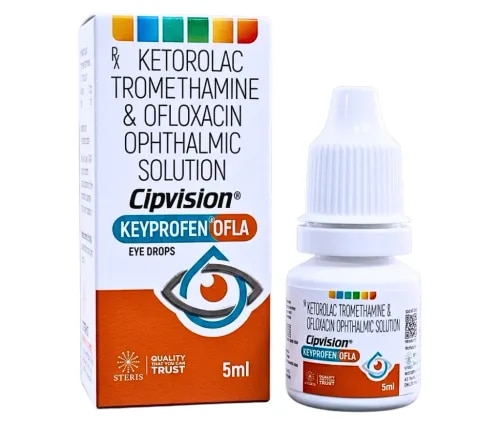
"name": "ketorolac tromethamine ofloxacin eye drops",
"description": "Ketorolac tromethamine ofloxacin eye drops are a prescription combination formulation that pairs an NSAID (ketorolac tromethamine) with a fluoroquinolone antibiotic (ofloxacin) in a single ophthalmic solution. Ketorolac reduces pain, inflammation, and irritation, while ofloxacin treats or prevents bacterial eye infections — making this combination especially useful after eye surgery, such as cataract or corneal refractive procedures, when both inflammation control and infection prevention are needed at the same time. It's generally well tolerated, with mild stinging or burning being the most common effect, and should only be used exactly as prescribed by an eye care professional.\nWhat Is Ketorolac Tromethamine Ofloxacin Eye Drops?\nThis is a fixed-dose combination ophthalmic solution bringing together two distinct classes of medication:\n\nKetorolac tromethamine — a nonsteroidal anti-inflammatory drug (NSAID) that blocks prostaglandin synthesis in the eye, reducing pain, inflammation, and irritation\nOfloxacin — a fluoroquinolone antibiotic that treats bacterial infections of the eye, including conjunctivitis and corneal ulcers, by inhibiting bacterial DNA replication\n\nCombining the two addresses two separate clinical needs at once: controlling post-operative or allergy-related inflammation, and reducing the risk of bacterial infection during the eye's vulnerable healing period. This combination is commonly prescribed following cataract surgery, corneal refractive surgery, and other ocular procedures where both inflammation and infection risk need to be managed together.\nHow This Combination Works (Mechanism of Action)\n\nKetorolac's anti-inflammatory action — Blocks the cyclooxygenase (COX) enzyme pathway, reducing the production of prostaglandins, the chemical messengers responsible for pain, redness, and swelling in the eye.\nReduced pain and irritation — With prostaglandin production suppressed, patients experience less post-surgical discomfort, itching, and burning.\nOfloxacin's antibacterial action — Inhibits bacterial DNA gyrase and topoisomerase IV, enzymes bacteria need to replicate their DNA, effectively stopping bacterial growth.\nInfection prevention/control — By suppressing bacterial replication, ofloxacin helps prevent or treat infections that could otherwise complicate the eye's healing process after surgery or injury.\nCombined post-operative support — Together, the two components address both major risks during ocular recovery: uncontrolled inflammation and secondary bacterial infection.\n\nClinical Indications\nUse CaseRole of the CombinationPost-cataract surgery careControls inflammation and pain while preventing bacterial infection during healingPost-corneal refractive surgery (e.g., LASIK)Reduces post-operative discomfort and infection riskBacterial conjunctivitis with inflammationTreats the underlying infection while easing associated redness and irritationCorneal injury or minor trauma (as directed)Supports healing by addressing both inflammation and infection riskSeasonal allergic conjunctivitis (ketorolac component)Relieves itching associated with seasonal eye allergies\nThis combination is intended for short-term, doctor-directed use — not for long-term or repeated self-administration.\nDosage Guidelines\nParameterTypical GuidanceStandard doseOne drop in the affected eye(s), frequency as prescribed by your doctorCommon frequencyOften 2 to 4 times daily, depending on the condition being treated and product-specific labelingPost-surgical useUsually started shortly after surgery and continued for a defined post-operative period, as directedAdministration techniqueTilt head back, pull down the lower eyelid, instill the drop without touching the dropper tip to the eye, then close the eye gently for a minute or twoContact lens useAvoid wearing contact lenses during treatment unless your doctor says otherwiseDurationComplete the full prescribed course, even if symptoms improve early, to reduce the risk of antibiotic resistance or incomplete healing\nExact dosing frequency and treatment duration vary by brand formulation and the specific condition being treated — always follow your prescribing doctor's exact instructions rather than a generic schedule.\nKey Benefits\n\nAddresses two major post-surgical risks — inflammation/pain and bacterial infection — in a single combination product\nReduces the need for two separate eye drop bottles, simplifying the post-operative care routine\nKetorolac's anti-inflammatory action helps improve comfort during the critical early healing window after eye surgery\nOfloxacin's broad-spectrum antibacterial activity covers many common eye pathogens\nUseful for both surgical recovery and certain inflammatory/infectious conditions like allergic or bacterial conjunctivitis with associated discomfort\n\nPrecautions\n\nShould be used strictly under the guidance of an ophthalmologist — not for self-directed or prolonged use\nDo not use alongside other NSAID eye drops, as this can increase the risk of bleeding and delayed healing\nUse with caution alongside steroid-containing eye drops, as combined use may increase infection risk\nUse with caution in patients who bleed easily or are on blood-thinning medication, due to ketorolac's NSAID effects\nIf symptoms do not improve within the expected timeframe, or worsen, contact your doctor rather than continuing use independently\nAvoid contact lens wear during treatment unless specifically advised otherwise\nDiscontinue immediately and contact your doctor at the first sign of a rash or allergic reaction\nNot recommended for infants under 1 year old (based on the ofloxacin component's approved age range)\n\nSide Effects\nCommon side effects:\n\nStinging or burning on application\nTemporary blurred vision\nEye redness or irritation\nDryness or excess tearing\nSensitivity to light (photophobia)\n\nLess common side effects:\n\nItching or foreign body sensation in the eye\nEyelid swelling\nMild headache\n\nRare but serious side effects — seek immediate medical attention:\n\nSigns of an allergic reaction: hives, difficulty breathing, swelling of the face, lips, tongue, or throat\nSevere skin reaction: fever, sore throat, facial or tongue swelling, skin pain followed by a spreading red or purple rash with blistering\nCorneal problems: persistent eye pain, corneal thinning, erosion, or non-healing of the eye surface\nWorsening infection symptoms despite treatment\n\nMost side effects are mild and temporary; however, any signs of a serious allergic or corneal reaction require prompt medical attention.\nComparison with Alternatives\nFeatureKetorolac + Ofloxacin CombinationSteroid + Antibiotic Combination (e.g., Dexamethasone + Tobramycin)Anti-inflammatory mechanismNSAID (COX inhibition)Corticosteroid (broader immune suppression)Infection risk with prolonged useLower relative infection-masking riskHigher risk of masking infection with prolonged steroid useTypical use casePost-operative pain/inflammation with infection preventionBroader inflammatory eye conditions requiring stronger anti-inflammatory controlIntraocular pressure effectMinimal IOP effect from ketorolacSteroids can raise intraocular pressure with prolonged use\nYour ophthalmologist will select the combination best suited to your specific procedure, condition, and risk factors.\nKey Statistics\n[Placeholder — pending clinical/regulatory team verification. Do not publish without confirmed source citation for post-operative infection rate reduction data, comparative efficacy figures, or incidence rates of reported adverse effects for this specific combination product.]\nExpert Insight\n[Placeholder — reserved for a quote from a qualified ophthalmologist or clinical reviewer. Do not publish without a verified, attributable expert quote.]\nFrequently Asked Questions\n1. What is ketorolac and ofloxacin eye drops used for?\nThis combination is used to control pain, inflammation, and irritation while also preventing or treating bacterial infection in the eye — most commonly after cataract or corneal refractive surgery, and sometimes for infected, inflamed conditions like bacterial conjunctivitis.\n2. Is ketorolac eye drops safe to use?\nKetorolac eye drops are generally safe when used as prescribed by a doctor for approved indications like post-surgical inflammation or allergic conjunctivitis. As with any NSAID, it should be used with caution in people who bleed easily or take blood thinners, and not combined with other NSAID eye drops.\n3. Is ofloxacin safe for eyes?\nYes, ofloxacin eye drops are considered safe and are widely prescribed for bacterial eye infections when used as directed. Common effects are mild and temporary, such as stinging or light sensitivity; serious reactions are rare but should be reported to a doctor immediately if they occur.\n4. Is ketorolac safe for eyes?\nKetorolac eye drops are safe for ophthalmic use when prescribed appropriately and used according to your doctor's instructions. It's an established NSAID with a long history of use for post-surgical pain and allergic conjunctivitis, though it requires caution in certain patients, such as those with bleeding disorders.\n5. How many times a day can you use ketorolac eye drops?\nThis depends on the condition being treated and your doctor's specific prescription — commonly this is 2 to 4 times daily. Always follow your doctor's exact dosing instructions rather than a generic schedule, since frequency varies by indication and product.\n6. Does ketorolac reduce eye pressure?\nNo, ketorolac is not used to reduce intraocular eye pressure. It works as an anti-inflammatory pain reliever by blocking prostaglandin production, not as a pressure-lowering agent. Medications specifically designed to reduce eye pressure, such as those used in glaucoma, work through different mechanisms and are a separate category of treatment.\nConclusion\nKetorolac tromethamine ofloxacin eye drops offer a practical, combined solution for two of the most important concerns during eye recovery: controlling inflammation and pain, and preventing bacterial infection. By pairing an established NSAID with a trusted fluoroquinolone antibiotic, this combination simplifies post-operative care, particularly after cataract or corneal refractive surgery, while addressing allergic and infectious inflammatory conditions when appropriate. Most side effects are mild and temporary, though the combination should always be used exactly as prescribed, with attention to precautions around other eye medications, bleeding risk, and contact lens use. As with any prescription ophthalmic treatment, ongoing follow-up with your ophthalmologist ensures the medication is working as intended and any concerns are addressed early.",
"price": 90.0,
"discountamount": 27.0,
"currencycode": "INR",
"priority": 1000000,
"isfreeshipmentavailable": false,
"shipmentduration": 1,
"_keywords": null,
"isarchived": false,
"isavailable": true,
"applicationid": null,
"productindex": 2467,
"imageuri": "https://productimages.withfloats.com/actual/6a4cf84ca50a3eb7ed21b13b.png",
"tileimageuri": "https://productimages.withfloats.com/tile/6a4cf84ca50a3eb7ed21b13b.png",
"images": null,
"totalqueries": 0,
"gpid": null,
"groupproductid": null,
"createdon": "2026-07-07T12:59:54.142Z",
"updatedon": "2026-07-07T12:59:54.142Z",
"buyonlinelink": null,
"producturl": "http://WWW.STERISINDIA.COM//ketorolac-tromethamine-ofloxacin-eye-drops/2467",
"availableunits": -1.0,
"iscodavailable": false,
"isprepaidonlineavailable": false,
"maxcodorders": 0,
"maxprepaidonlineorders": 0,
"uniquepaymenturl": null,
"brandname": "CIPVISION KEYPROFEN OFLA",
"category": "Opthalmology Range",
"tags": [
"ketorolac tromethamine ofloxacin eye drops",
"ketorolac tromethamine",
"ketorolac tromethamine uses",
"ketorolac tromethamine uses in hindi",
"ketorolac tromethamine dispersible tablets uses in hindi",
"ketorolac tromethamine tablet uses in hindi",
"ketorolac tromethamine use in hindi",
"ketorolac tromethamine use"
],
"variants": false,
"keyspecification": null,
"otherspecifications": null,
"pickupaddressreferenceid": null,
"paymenttype": "UniquePaymentUrl",
"producttype": "products",
"hsncode": null,
"gstslab": 0.0,
"isnotforsale": false
},
{
"_id": "6a4266621f2199a803b27013",
"fptag": "STERISHEALTHCARE",
"merchantname": null,
"customwidgets": null,
"externalsourceid": null,
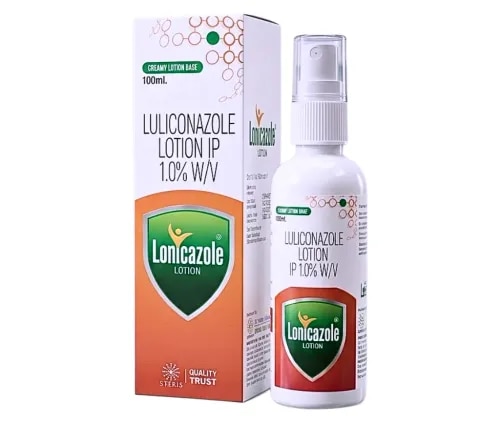
"name": "luliconazole lotion ip 1% w/v",
"description": "Luliconazole Lotion IP 1% w/v\n\nTL;DR: Luliconazole Lotion IP 1% w/v is a topical antifungal treatment used to treat fungal skin infections such as ringworm (tinea corporis), athlete's foot (tinea pedis), and jock itch (tinea cruris). It works by destroying the fungal cell membrane, typically showing improvement within 1–2 weeks of consistent use. Lightweight and fast-absorbing, it's applied once daily to the affected area for effective relief from itching, redness, and scaling. Check uses, price, dosage & side effects below before you buy.\n\nWhat Is Luliconazole Lotion IP 1% w/v?\n\nLuliconazole Lotion IP 1% w/v is a topical antifungal medication belonging to the azole class, formulated specifically to treat superficial fungal infections of the skin. Unlike traditional antifungal creams, the lotion base allows for quicker absorption and easier application over larger or hairier areas of the body, making it a practical choice for body fold infections and broader patches of skin involvement.\n\nIt is commonly prescribed or recommended for dermatophyte infections — fungal infections caused by organisms that thrive on keratin in skin, hair, and nails — including ringworm, athlete's foot, and jock itch. Its once-daily dosing schedule and relatively short treatment duration compared to older antifungals make it a convenient option for both short-term flare-ups and recurring fungal skin conditions.\n\nHow It Works (Mechanism of Action)\n\nC – Clarity: Luliconazole inhibits the enzyme lanosterol 14-alpha-demethylase, a key enzyme fungi need to produce ergosterol, an essential component of the fungal cell membrane.\n\nR – Relevance: Without sufficient ergosterol, the fungal cell membrane becomes structurally unstable and permeable, directly disrupting the fungus's ability to survive and multiply on the skin — which is precisely the mechanism needed to clear dermatophyte infections like ringworm and athlete's foot.\n\nA – Authority: Luliconazole's potency against common dermatophytes, including Trichophyton and Epidermophyton species, is well documented in dermatology literature, where it is recognized for its fungicidal (not just fungistatic) activity at the concentrations used in topical formulations.\n\nS – Structure: When applied topically, luliconazole penetrates the stratum corneum (the skin's outer layer) and accumulates at the site of infection, maintaining therapeutic concentrations in the skin for an extended period even after a single application, which supports its once-daily dosing.\n\nP – Precision: This sustained local concentration allows luliconazole to continue disrupting fungal cell membranes throughout the day, leading to a reduction in itching, redness, and scaling as the fungal load decreases and the skin barrier begins to heal.\n\nClinical Indications / Who Should Use It\n\nIndicationSuitabilityTinea corporis (ringworm on the body)Highly suitableTinea pedis (athlete's foot)Highly suitableTinea cruris (jock itch)Highly suitableRecurrent superficial fungal skin infectionsSuitableNail fungus (onychomycosis)Not suitable — requires different formulationPregnant or breastfeeding womenConsult doctor before use\n\nDosage Guidelines\n\nParameterRecommendationStandard applicationApply a thin layer once daily to the affected area and surrounding skinApplication areaClean and dry the skin before applicationCourse durationTypically 1–2 weeks for tinea corporis/cruris; up to 4 weeks for tinea pedisConsistencyContinue for the full prescribed duration even if symptoms improve earlyMissed applicationApply as soon as remembered; do not double up the next dose\n\nPrecautions & Drug Interactions\n\n\nFor external use only — avoid contact with eyes, mouth, nose, or open wounds.\nDiscontinue use and consult a doctor if irritation, burning, or worsening of symptoms occurs after application.\nAvoid using occlusive dressings or tight clothing over the treated area unless advised by a doctor, as this may increase skin irritation.\nInform your doctor if you are using other topical medications on the same area, to avoid interactions or reduced effectiveness.\nNot recommended for infections involving the scalp or nails, which often require oral antifungal therapy in addition to or instead of topical treatment.\nIf no improvement is seen after the recommended treatment duration, consult a doctor to reassess the diagnosis and treatment plan.\n\n\nSerious Side Effects (Rare but Important)\n\n\nSevere allergic reaction — swelling of the face or throat, difficulty breathing, or widespread rash\nPersistent burning, stinging, or blistering at the application site\nSigns of secondary skin infection, such as increasing redness, warmth, or pus\n\n\nIf any of these occur, discontinue use and seek medical attention promptly.\n\nComparison: Luliconazole vs Other Topical Antifungals\n\nFactorLuliconazole 1%ClotrimazoleTerbinafineKetoconazoleDosing frequencyOnce dailyTwice dailyOnce/twice dailyOnce/twice dailyMechanismFungicidal (azole)Fungistatic (azole)Fungicidal (allylamine)Fungistatic (azole)Typical treatment duration1–2 weeks (body), up to 4 weeks (feet)2–4 weeks1–2 weeks2–4 weeksBest forTinea corporis, cruris, pedisMild fungal infectionsAthlete's footTinea, seborrheic conditions\n\nKey Statistics\n\nMetricData PointStrength1% w/v luliconazoleDrug classAzole antifungal (topical)Typical onset of symptom reliefWithin 1–2 weeks of consistent useRecommended application frequencyOnce daily\n\nExpert Insight\n\n[Placeholder — to be completed pre-publish with a quote or review from a certified dermatologist. Do not publish without expert validation.]\n\nWhy Choose Luliconazole Lotion IP 1% w/v?\n\nFungal skin infections are common in humid climates and tend to recur, particularly in areas prone to sweating and friction such as the groin, feet, and skin folds. Luliconazole's fungicidal action — meaning it actively kills the fungus rather than just slowing its growth — gives it an edge over some older antifungal agents that are primarily fungistatic and rely more heavily on the body's own immune response to fully clear the infection.\n\nThe lotion formulation is particularly well-suited to larger affected areas or body folds, where creams can sometimes feel heavy or difficult to spread evenly. Its lightweight texture absorbs quickly, making it comfortable for daily use without leaving a greasy residue, which also supports better adherence to the treatment course — a key factor in successfully clearing fungal infections and reducing recurrence.\n\nBecause of its once-daily dosing and relatively short treatment duration compared to many alternatives, luliconazole lotion is often preferred by people looking for a convenient yet effective option for ringworm, athlete's foot, or jock itch, especially when consistent twice-daily application of other antifungals proves difficult to maintain.\n\nFrequently Asked Questions\n\nQ1: How long does it take for Luliconazole Lotion to work?\nMost people notice a reduction in itching, redness, and scaling within 1–2 weeks of consistent daily application. For tinea corporis and tinea cruris, treatment typically lasts 1–2 weeks, while tinea pedis (athlete's foot) may require up to 4 weeks for complete resolution. It's important to continue treatment for the full recommended duration even if symptoms improve earlier.\n\nQ2: How should I apply Luliconazole Lotion correctly?\nClean and dry the affected area thoroughly before applying a thin layer of the lotion, covering the infected skin and a small margin of surrounding healthy skin. Apply once daily, ideally at the same time each day, and wash your hands after application unless the hands are the area being treated.\n\nQ3: Can Luliconazole Lotion be used for athlete's foot?\nYes, Luliconazole Lotion is effective for tinea pedis (athlete's foot), though treatment duration is typically longer than for body or groin infections — often up to 4 weeks — due to the thicker skin and moist environment common on the feet, which can make fungal infections more persistent.\n\nQ4: Does Luliconazole Lotion have side effects?\nMost people tolerate it well with minimal side effects. Mild burning, stinging, or redness at the application site can occur but usually resolves on its own. Rare but serious reactions, such as severe allergic responses or blistering, should be reported to a doctor immediately if they occur.\n\nQ5: Can Luliconazole Lotion be used on the face or scalp?\nLuliconazole Lotion is generally formulated for body, groin, and foot fungal infections. Scalp fungal infections often require oral antifungal treatment alongside topical therapy, so it's best to consult a doctor before using it on the scalp or sensitive facial skin.\n\nQ6: What happens if I stop using Luliconazole Lotion too early?\nStopping treatment as soon as symptoms improve, rather than completing the full recommended course, increases the risk of the fungal infection returning or becoming harder to treat. Even after visible symptoms clear, some fungal organisms may remain in the skin, so completing the full duration is important for lasting results.\n\n\nThis content is reviewed periodically to ensure accuracy and relevance. Last updated: June 2026.\n\nFor queries, contact Steris Healthcare:\n📧 contact@sterispharma.com | info@sterispharma.com\n📞 +91 8824175417 | +91 9982524671",
"price": 580.0,
"discountamount": 174.0,
"currencycode": "INR",
"priority": 1000000,
"isfreeshipmentavailable": false,
"shipmentduration": 1,
"_keywords": null,
"isarchived": false,
"isavailable": true,
"applicationid": null,
"productindex": 2461,
"imageuri": "https://productimages.withfloats.com/actual/6a4266662d3bce0a42051cc2.png",
"tileimageuri": "https://productimages.withfloats.com/tile/6a4266662d3bce0a42051cc2.png",
"images": null,
"totalqueries": 0,
"gpid": null,
"groupproductid": null,
"createdon": "2026-06-29T12:34:42.967Z",
"updatedon": "2026-06-29T12:34:42.967Z",
"buyonlinelink": null,
"producturl": "http://WWW.STERISINDIA.COM//luliconazole-lotion-ip-1-w-v/2461",
"availableunits": -1.0,
"iscodavailable": false,
"isprepaidonlineavailable": false,
"maxcodorders": 0,
"maxprepaidonlineorders": 0,
"uniquepaymenturl": null,
"brandname": "LONICAZOLE LOTION",
"category": "DERMATALOGY",
"tags": [
"luliconazole lotion ip 1% w/v",
"luliconazole lotion",
"luliconazole lotion uses",
"luliconazole lotion uses in hindi",
"luliconazole lotion 1 w/v",
"luliconazole lotion ip uses in hindi",
"luliconazole lotion ip",
"luliconazole lotion ip 1 w/v",
"luliconazole lotion price",
"luliconazole lotion ip 1 w/v uses in hindi"
],
"variants": false,
"keyspecification": null,
"otherspecifications": null,
"pickupaddressreferenceid": null,
"paymenttype": "UniquePaymentUrl",
"producttype": "products",
"hsncode": null,
"gstslab": 0.0,
"isnotforsale": false
},
{
"_id": "69a95b638d18bc61be3db40d",
"fptag": "STERISHEALTHCARE",
"merchantname": null,
"customwidgets": null,
"externalsourceid": null,
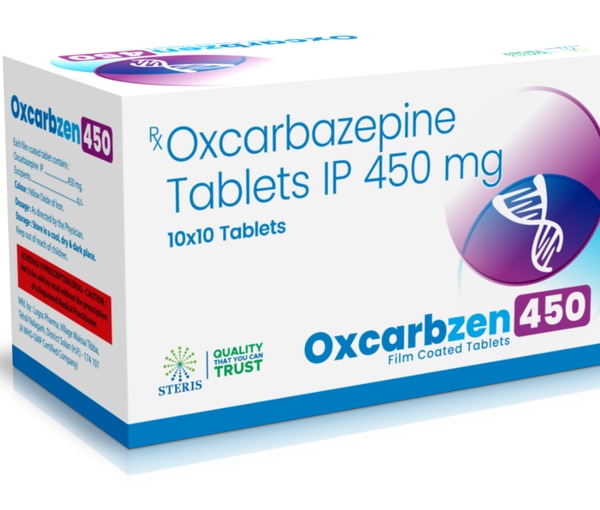
"name": "oxcarbazepine 450 mg",
"description": "OXCARBZEN 450 is a prescription medication containing 450 mg of Oxcarbazepine, an anticonvulsant used primarily to manage Epilepsy and certain seizure disorders. It belongs to the class of antiepileptic drugs (AEDs) and is designed to stabilize abnormal electrical activity in the brain, reducing the frequency and severity of seizures.\n\nOXCARBZEN 450 provides a reliable treatment option for individuals experiencing partial-onset seizures, and it is often recommended when other anticonvulsants are insufficient or poorly tolerated. Its effectiveness and favorable safety profile make it a widely prescribed choice for long-term seizure management.\n\nThis medication is usually part of a broader treatment plan that may include other antiepileptic drugs, lifestyle modifications, and routine medical monitoring. By helping maintain seizure control, OXCARBZEN 450 supports improved daily functioning, safety, and overall quality of life for patients with epilepsy.\n\nHow OXCARBZEN 450 Works\n\nOxcarbazepine works by modulating sodium channels in neurons, which are the nerve cells in the brain responsible for transmitting electrical signals. In people with epilepsy, abnormal electrical discharges can occur, leading to seizures. Oxcarbazepine stabilizes these electrical signals by:\n\nBlocking voltage-sensitive sodium channels – this prevents neurons from firing excessively.\n\nReducing excitatory neurotransmission – it helps maintain normal communication between brain cells.\n\nModulating ion flow affects potassium and calcium ions to further stabilize neural activity.\n\nThe result is a reduction in the frequency, intensity, and duration of seizures, helping patients achieve better control over their condition. Unlike some older antiepileptic drugs, oxcarbazepine generally has fewer interactions and is better tolerated, making OXCARBZEN 450 a preferred option for many patients.\n\nUses of OXCARBZEN 450\n\nOXCARBZEN 450 is primarily prescribed for the treatment of Epilepsy, but it has multiple specific applications in seizure management:\n\n1. Partial-Onset Seizures\n\nOXCARBZEN 450 is highly effective for focal (partial-onset) seizures, which affect one area of the brain and can sometimes spread to generalized seizures. It helps reduce seizure frequency and improves patient safety.\n\n2. Adjunctive Therapy\n\nFor patients who do not achieve adequate seizure control with a single medication, OXCARBZEN 450 can be combined with other antiepileptic drugs to enhance efficacy.\n\n3. Monotherapy in Adults and Adolescents\n\nOXCARBZEN 450 is approved for use as a single therapy in adults and adolescents with newly diagnosed epilepsy, providing a convenient and effective option.\n\n4. Off-Label Uses\n\nOccasionally, doctors may prescribe oxcarbazepine for neuropathic pain or bipolar disorder, though these uses are less common and always based on individual medical assessment.\n\nKey Benefits of OXCARBZEN 450\n\nOXCARBZEN 450 offers several advantages for patients managing epilepsy:\n\n1. Effective Seizure Control\n\nThe primary benefit of OXCARBZEN 450 is its ability to reduce seizure frequency and severity, which improves daily functioning and safety.\n\n2. Favorable Safety Profile\n\nCompared to some older antiepileptics, oxcarbazepine is generally well-tolerated and has fewer severe side effects. This makes it suitable for long-term use.\n\n3. Monotherapy and Combination Therapy Flexibility\n\nOXCARBZEN 450 can be used alone or with other antiepileptic drugs, providing flexibility in tailoring treatment to individual patient needs.\n\n4. Improved Quality of Life\n\nBy stabilizing seizures, patients can experience better concentration, mood, and daily activity, enhancing overall quality of life.\n\n5. Reduced Drug Interactions\n\nOxcarbazepine has fewer interactions with other medications compared to older AEDs, which is particularly beneficial for patients taking multiple drugs.\n\n6. Pediatric and Adult Use\n\nOXCARBZEN 450 is suitable for both adolescents and adults, making it versatile across age groups when used under proper medical guidance.\n\nHow to Use OXCARBZEN 450\n\nOXCARBZEN 450 should be taken exactly as prescribed by a healthcare professional. General guidelines include:\n\nTake the medication twice daily or as directed by your doctor.\n\nSwallow the tablet with water; it can be taken with or without food.\n\nFollow the exact dosing schedule to maintain consistent blood levels of the drug.\n\nDo not suddenly stop taking OXCARBZEN 450 without consulting your doctor, as this may trigger seizures.\n\nDoctors may adjust the dose based on the patient’s response, weight, and other medications to ensure optimal seizure control with minimal side effects.\n\nPossible Side Effects of OXCARBZEN 450\n\nLike all medications, OXCARBZEN 450 may cause side effects. Most are mild and temporary, but patients should be aware of potential reactions.\n\nCommon Side Effects\n\nDizziness or drowsiness\n\nHeadache\n\nNausea and vomiting\n\nFatigue\n\nBlurred vision\n\nLess Common Side Effects\n\nAtaxia (loss of coordination)\n\nTremors\n\nGastrointestinal discomfort\n\nMild skin rash\n\nRare but Serious Side Effects\n\nSevere allergic reactions (rash, swelling, difficulty breathing)\n\nHyponatremia (low sodium levels, leading to confusion, weakness, or seizures)\n\nLiver function abnormalities\n\nBlood disorders such as leukopenia or thrombocytopenia\n\nPatients should seek immediate medical attention if they experience severe rash, unusual bruising, severe dizziness, or persistent confusion.\n\nPrecautions and Safety Information\n\nBefore starting OXCARBZEN 450, patients should inform their doctor of any medical history, including:\n\nKidney or liver disorders\n\nHeart disease\n\nHyponatremia or electrolyte imbalances\n\nPregnancy or breastfeeding\n\nRegular monitoring of blood sodium levels, liver function, and kidney function may be recommended during treatment. Avoid alcohol, as it may worsen dizziness or drowsiness.\n\nLifestyle Recommendations\n\nFor optimal results with OXCARBAZEPINE 450, patients should:\n\nTake medications consistently and at the same time daily\n\nAvoid activities requiring alertness if dizziness occurs\n\nMaintain a healthy diet and hydration\n\nMonitor seizure frequency and report changes to your doctor\n\nAttend regular follow-up appointments\n\nConclusion\n\nOXCARBZEN 450, containing 450 mg of Oxcarbazepine, is a reliable and effective treatment for managing Epilepsy and other seizure disorders. By stabilizing abnormal electrical activity in the brain, it helps reduce seizure frequency, intensity, and duration, enhancing patient safety and quality of life.\n\nWith a favorable safety profile, flexible dosing options, and compatibility with other antiepileptic drugs, OXCARBZEN 450 offers both efficacy and convenience for long-term seizure management. While side effects may occur, they are generally mild and manageable with medical guidance.\n\n",
"price": 235.0,
"discountamount": 70.0,
"currencycode": "INR",
"priority": 1000000,
"isfreeshipmentavailable": false,
"shipmentduration": 1,
"_keywords": null,
"isarchived": false,
"isavailable": true,
"applicationid": null,
"productindex": 2315,
"imageuri": "https://productimages.withfloats.com/actual/6a1400710a3f1128f251effd.png",
"tileimageuri": "https://productimages.withfloats.com/tile/6a1400710a3f1128f251effd.png",
"images": null,
"totalqueries": 0,
"gpid": null,
"groupproductid": null,
"createdon": "2026-03-05T10:30:59.879Z",
"updatedon": "2026-05-25T08:23:07.266Z",
"buyonlinelink": null,
"producturl": "http://WWW.STERISINDIA.COM//oxcarbazepine-450-mg/2315",
"availableunits": -1.0,
"iscodavailable": false,
"isprepaidonlineavailable": false,
"maxcodorders": 0,
"maxprepaidonlineorders": 0,
"uniquepaymenturl": null,
"brandname": "OXCARBZEN 450",
"category": "NEUROLOGY RANGE",
"tags": [
"oxcarbazepine 450 mg",
"oxcarbazepine 450 mg tablet uses for seizures",
"oxcarbazepine 450 mg dosage for epilepsy",
"how to take oxcarbazepine 450 mg tablet",
"oxcarbazepine 450 mg medicine instructions",
"oxcarbazepine 450 mg tablet effectiveness",
"oxcarbazepine 450 mg tablet for seizure control",
"oxcarbazepine 450 mg tablet side effect management",
"buy oxcarbazepine 450 mg tablets online",
"order oxcarbazepine 450 mg tablets india",
"cheap oxcarbazepine 450 mg tablets online",
"oxcarbazepine 450 mg",
"oxcarbazepine 450 mg tablet uses in hindi",
"oxcarbazepine 450 mg price",
"oxcarbazepine 450 mg tablet",
"oxcarbazepine 450 mg uses in hindi",
"oxcarbazepine 450 mg uses",
"oxcarbazepine 450 mg tablet uses",
"side effects of oxcarbazepine 450 mg"
],
"variants": false,
"keyspecification": null,
"otherspecifications": null,
"pickupaddressreferenceid": null,
"paymenttype": "UniquePaymentUrl",
"producttype": "products",
"hsncode": null,
"gstslab": 0.0,
"isnotforsale": false
},
{
"_id": "6990397c160585bfd7038bed",
"fptag": "STERISHEALTHCARE",
"merchantname": null,
"customwidgets": null,
"externalsourceid": null,
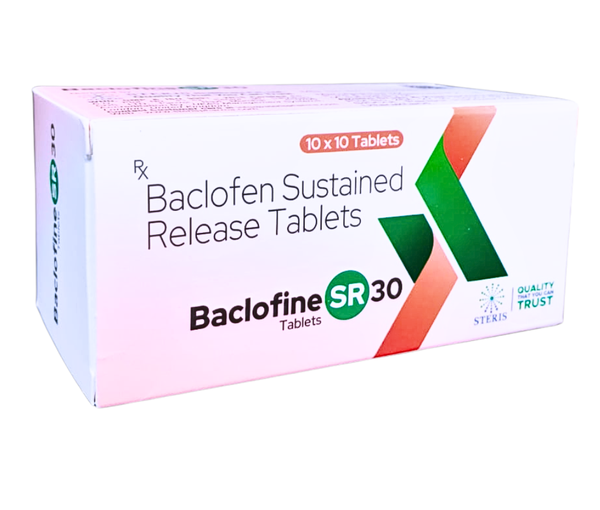
"name": "Baclofen Sustained Release 30 mg",
"description": "BACLOFINE SR 30: Comprehensive Product Guide\nProduct Overview\nBACLOFINE SR 30 is an advanced pharmaceutical formulation containing Baclofen 30 mg in a sustained-release delivery system. This prescription medication represents a significant advancement in the management of muscle spasticity and related neuromuscular conditions. The sustained-release technology ensures consistent therapeutic effects throughout the day, providing patients with improved symptom control and enhanced quality of life.\nBaclofen, the active pharmaceutical ingredient in BACLOFINE SR 30, belongs to a class of medications known as skeletal muscle relaxants and antispasmodic agents. The SR (Sustained Release) formulation is specifically engineered to release the medication gradually over an extended period, maintaining steady blood levels and reducing the frequency of dosing compared to conventional immediate-release formulations.\nMechanism of Action and Therapeutic Use\nBACLOFINE SR 30 works by acting on the central nervous system, specifically targeting GABA-B receptors in the spinal cord and brain. GABA (gamma-aminobutyric acid) is the primary inhibitory neurotransmitter in the nervous system. By stimulating these receptors, Baclofen reduces the excessive nerve signals that cause muscles to contract involuntarily, thereby alleviating spasticity and associated discomfort.\nThe sustained-release technology incorporated in BACLOFINE SR 30 utilizes advanced polymer-based matrices that control the rate at which the active ingredient is released into the bloodstream. This innovative approach ensures that patients receive consistent therapeutic coverage for up to 12-24 hours from a single dose, eliminating the peaks and troughs associated with immediate-release formulations.\nPrimary Indications\nBACLOFINE SR 30 is primarily prescribed for managing muscle spasticity associated with various neurological conditions including multiple sclerosis, spinal cord injuries, cerebral palsy, stroke, brain injuries, and other conditions affecting the central nervous system. The medication is particularly beneficial for patients experiencing painful muscle spasms, stiffness, and involuntary muscle contractions that interfere with daily activities, mobility, and rehabilitation efforts.\nKey Benefits of BACLOFINE SR 30\nExtended Duration of Action\nThe most significant advantage of BACLOFINE SR 30 is its sustained-release formulation, which provides prolonged therapeutic effects. Patients typically require only one or two doses per day, compared to three or four doses with conventional formulations. This extended duration improves medication adherence and provides more consistent symptom control throughout the day and night.\nImproved Symptom Management\nBy maintaining steady blood levels of Baclofen, BACLOFINE SR 30 delivers superior control of muscle spasticity with fewer fluctuations in symptom relief. Patients experience reduced muscle stiffness, decreased frequency and severity of muscle spasms, improved range of motion, and enhanced ability to participate in physical therapy and rehabilitation programs.\nEnhanced Quality of Life\nThe consistent therapeutic effects of BACLOFINE SR 30 translate into meaningful improvements in daily functioning. Patients often report better sleep quality due to reduced nighttime spasms, improved mobility and independence in performing daily activities, reduced pain and discomfort associated with muscle spasticity, and greater participation in social and recreational activities.\nReduced Dosing Frequency\nThe sustained-release technology means fewer doses throughout the day, which simplifies medication regimens and improves compliance, particularly for patients managing multiple medications. This convenience factor is especially valuable for individuals with cognitive impairments or those who require caregiver assistance with medication administration.\nSmoother Therapeutic Response\nUnlike immediate-release formulations that can cause pronounced peaks in drug levels, BACLOFINE SR 30 provides a more gradual and sustained therapeutic effect. This results in reduced risk of dose-related side effects, more stable muscle relaxation throughout the dosing interval, and minimized breakthrough spasticity between doses.\nPotential Side Effects and Considerations\nWhile BACLOFINE SR 30 is generally well-tolerated, patients should be aware of potential side effects. It's important to note that not everyone experiences these effects, and many side effects diminish as the body adjusts to the medication.\nCommon Side Effects\nThe most frequently reported side effects include drowsiness and sedation, which typically occur during initial therapy or dose adjustments. Patients may also experience dizziness, fatigue, weakness, headache, nausea, and constipation. These effects are usually mild to moderate and often resolve within the first few weeks of treatment.\nCentral Nervous System Effects\nSome patients may experience confusion, particularly elderly individuals, difficulty concentrating, insomnia or sleep disturbances, and mood changes. These effects should be monitored and reported to healthcare providers if they persist or worsen.\nCardiovascular and Other Effects\nOccasional side effects may include hypotension (low blood pressure), urinary frequency or retention, dry mouth, and muscle weakness beyond the intended therapeutic effect.\nSerious Considerations\nPatients should seek immediate medical attention if they experience severe allergic reactions, hallucinations or severe confusion, difficulty breathing, severe muscle weakness affecting breathing or swallowing, or signs of overdose including extreme drowsiness, respiratory depression, or seizures.\nImportant Warnings\nBACLOFINE SR 30 should never be discontinued abruptly without medical supervision, as sudden withdrawal can lead to serious complications including seizures, hallucinations, increased spasticity, and other potentially life-threatening symptoms. Dose reduction must be gradual and carefully supervised by a healthcare provider.\nThe medication may cause drowsiness and impair mental alertness, so patients should avoid driving, operating machinery, or engaging in activities requiring full alertness until they understand how the medication affects them. Alcohol and other central nervous system depressants should be avoided or used with extreme caution, as they can potentiate the sedative effects of Baclofen.\nDosage and Administration Guidelines\nBACLOFINE SR 30 should be taken exactly as prescribed by a healthcare provider. The tablets should be swallowed whole and not crushed, chewed, or broken, as this would compromise the sustained-release mechanism and potentially lead to dose dumping. The medication can be taken with or without food, though taking it with food may help reduce gastrointestinal side effects.\nDosage is highly individualized based on the patient's condition, response to treatment, and tolerance. Healthcare providers typically initiate therapy at lower doses and gradually titrate upward to achieve optimal therapeutic effects while minimizing side effects.\nConclusion\nBACLOFINE SR 30 represents a sophisticated therapeutic option for individuals struggling with muscle spasticity and related neuromuscular conditions. The sustained-release formulation offers distinct advantages over conventional immediate-release preparations, including extended duration of action, improved symptom control, reduced dosing frequency, and enhanced patient convenience and compliance.",
"price": 245.0,
"discountamount": 74.0,
"currencycode": "INR",
"priority": 1000000,
"isfreeshipmentavailable": false,
"shipmentduration": 1,
"_keywords": null,
"isarchived": false,
"isavailable": true,
"applicationid": null,
"productindex": 2306,
"imageuri": "https://productimages.withfloats.com/actual/6990397eb2070251db7032d7.png",
"tileimageuri": "https://productimages.withfloats.com/tile/6990397eb2070251db7032d7.png",
"images": null,
"totalqueries": 0,
"gpid": null,
"groupproductid": null,
"createdon": "2026-02-14T08:59:40.632Z",
"updatedon": "2026-04-28T12:02:50.6Z",
"buyonlinelink": null,
"producturl": "http://WWW.STERISINDIA.COM//baclofen-sustained-release-30-mg/2306",
"availableunits": -1.0,
"iscodavailable": false,
"isprepaidonlineavailable": false,
"maxcodorders": 0,
"maxprepaidonlineorders": 0,
"uniquepaymenturl": null,
"brandname": "BACLOFINE SR 30",
"category": "NEUROLOGYRANGE",
"tags": [
"baclofen sr 30 mg tablet uses",
"what is baclofen sr 30 prescribed for",
"baclofen sr 30 mg dosage guide",
"baclofen sr 30 mg for back pain",
"baclofen sr 30 mg vs regular baclofen",
"baclofen sr 30 mg for spinal cord injury",
"baclofen sr 30 mg side effects in adults",
"is baclofen sr 30 mg addictive",
"buy baclofen sr 30 mg online",
"baclofen sr 30 mg manufacturer",
"baclofen sr 30 mg prescription required",
"baclofen sr 30 mg vs baclofen 10 mg"
],
"variants": false,
"keyspecification": null,
"otherspecifications": null,
"pickupaddressreferenceid": null,
"paymenttype": "UniquePaymentUrl",
"producttype": "products",
"hsncode": null,
"gstslab": 0.0,
"isnotforsale": false
},
{
"_id": "69623e6c95697555dd1afd67",
"fptag": "STERISHEALTHCARE",
"merchantname": null,
"customwidgets": null,
"externalsourceid": null,
"name": "Esomeprazole and Itopride",
"description": "ESMOSTRUM IT: Comprehensive Product Guide\nProduct Overview\nESMOSTRUM IT is an advanced pharmaceutical formulation that combines two potent active ingredients—Esomeprazole and Itopride—to provide comprehensive relief from gastrointestinal disorders. This dual-action medication represents a significant advancement in the management of acid-related digestive conditions and motility disorders. By combining a proton pump inhibitor with a prokinetic agent, ESMOSTRUM IT addresses both the underlying causes and symptomatic manifestations of various digestive ailments, offering patients a complete therapeutic solution in a single, convenient dosage form.\nThe synergistic combination of Esomeprazole and Itopride makes ESMOSTRUM IT particularly effective for individuals suffering from gastroesophageal reflux disease (GERD), functional dyspepsia, and other conditions where both excessive acid production and impaired gastric motility contribute to discomfort and disease progression.\nActive Pharmaceutical Ingredients\nEsomeprazole\nEsomeprazole is the S-isomer of omeprazole and belongs to the class of medications known as proton pump inhibitors (PPIs). It works by specifically and irreversibly blocking the hydrogen-potassium adenosine triphosphatase enzyme system (the proton pump) located in the gastric parietal cells. This mechanism effectively reduces gastric acid secretion, providing sustained relief from acid-related symptoms and allowing damaged esophageal and gastric tissue to heal.\nItopride\nItopride is a prokinetic agent that enhances gastrointestinal motility through a dual mechanism of action. It acts as both a dopamine D2 receptor antagonist and an acetylcholinesterase inhibitor. By blocking dopamine receptors, it removes the inhibitory effect of dopamine on gastrointestinal motility, while its acetylcholinesterase inhibition increases acetylcholine levels, further promoting coordinated gastric contractions and improved gastric emptying.\nTherapeutic Uses and Indications\nESMOSTRUM IT is prescribed for a wide range of gastrointestinal conditions where both acid suppression and enhanced motility are therapeutically beneficial:\nGastroesophageal Reflux Disease (GERD)\nESMOSTRUM IT provides exceptional relief for patients suffering from GERD, a chronic condition where stomach acid frequently flows back into the esophagus. The esomeprazole component reduces acid production, while itopride improves the tone of the lower esophageal sphincter and accelerates gastric emptying, thereby reducing the frequency and severity of reflux episodes.\nFunctional Dyspepsia\nFor patients experiencing persistent or recurrent upper abdominal discomfort without an identifiable organic cause, ESMOSTRUM IT addresses multiple pathophysiological mechanisms. It relieves symptoms such as early satiety, postprandial fullness, epigastric pain, and bloating by normalizing gastric acid levels and improving gastric accommodation and emptying.\nPeptic Ulcer Disease\nESMOSTRUM IT aids in the healing of gastric and duodenal ulcers by creating an optimal healing environment through sustained acid suppression. The prokinetic action of itopride helps prevent stasis of gastric contents, which can exacerbate ulcer symptoms.\nNon-Ulcer Dyspepsia\nMany patients experience dyspeptic symptoms without evidence of ulceration. ESMOSTRUM IT effectively manages these symptoms by addressing both acid hypersecretion and delayed gastric emptying, two key factors in non-ulcer dyspepsia.\nGastroparesis-Related Symptoms\nIn conditions where gastric emptying is significantly delayed, the itopride component of ESMOSTRUM IT helps restore more normal gastric motility patterns, reducing associated symptoms like nausea, vomiting, and abdominal distension.\nKey Benefits and Advantages\nDual Mechanism of Action\nThe primary advantage of ESMOSTRUM IT lies in its comprehensive approach to gastrointestinal health. Rather than addressing only acid production or motility in isolation, this combination therapy tackles both aspects simultaneously, providing more complete symptom relief and better therapeutic outcomes.\nSuperior Acid Suppression\nEsomeprazole offers more consistent and prolonged acid suppression compared to many other acid-reducing medications. It provides sustained relief throughout the day and night, allowing patients to experience fewer breakthrough symptoms and better quality of life.\nEnhanced Gastric Motility\nThe itopride component specifically targets motility issues without crossing the blood-brain barrier significantly, meaning it provides prokinetic benefits with minimal central nervous system side effects. This results in improved gastric emptying, reduced bloating, and decreased feelings of fullness after meals.\nRapid Symptom Relief\nMany patients experience noticeable improvement in their symptoms within the first few days of treatment with ESMOSTRUM IT. The combination therapy addresses multiple symptom pathways simultaneously, leading to faster and more comprehensive relief.\nImproved Quality of Life\nBy effectively managing symptoms such as heartburn, regurgitation, nausea, bloating, and early satiety, ESMOSTRUM IT significantly enhances patients' daily functioning and overall well-being. Patients report better sleep quality, improved dietary tolerance, and reduced anxiety related to their digestive symptoms.\nConvenient Dosing\nThe combination of two active ingredients in a single formulation improves medication adherence by reducing pill burden. Patients appreciate the simplicity of taking one medication instead of multiple separate preparations.\nMucosal Healing Properties\nBeyond symptom relief, ESMOSTRUM IT promotes actual healing of damaged esophageal and gastric mucosa. The reduced acid environment created by esomeprazole allows inflamed and eroded tissue to regenerate properly.\nReduced Risk of Complications\nBy effectively controlling acid reflux and improving gastric emptying, ESMOSTRUM IT helps prevent potential complications of chronic GERD, such as esophageal strictures, Barrett's esophagus, and respiratory complications from aspiration.\nDosage and Administration\nESMOSTRUM IT should be taken exactly as prescribed by a healthcare professional. Typically, the medication is administered orally, preferably before meals to optimize its therapeutic effects. The standard dosing regimen usually involves once or twice daily administration, though individual requirements may vary based on the severity of the condition and patient response.\nThe medication should be swallowed whole with water and should not be crushed, chewed, or split, as this may affect the drug's release mechanism and therapeutic efficacy. Patients should maintain regular dosing schedules to ensure optimal acid suppression and motility enhancement throughout the day.\nSide Effects and Safety Considerations\nLike all medications, ESMOSTRUM IT may cause side effects in some individuals, though not everyone experiences them. Understanding potential adverse effects helps patients identify and report concerning symptoms promptly.\nCommon Side Effects\nGastrointestinal Effects: Some patients may experience diarrhea, constipation, abdominal pain, nausea, or flatulence, particularly during initial treatment. These effects are usually mild and often resolve as the body adjusts to the medication.\nHeadache: Mild to moderate headaches occur in a small percentage of patients and typically diminish with continued use.\nDizziness: Some individuals may experience lightheadedness or dizziness, particularly when standing up quickly.\nDry Mouth: Reduced saliva production may occur, leading to oral dryness and discomfort.\nLess Common Side Effects\nSkin Reactions: Rash, itching, or other dermatological manifestations may develop in sensitive individuals.\nSleep Disturbances: Some patients report insomnia or unusual dreams while taking the medication.\nIncreased Prolactin Levels: Itopride may cause mild elevation in prolactin levels, though clinical manifestations are rare.\nTaste Alterations: Changes in taste perception or metallic taste may occur temporarily.\nSerious Side Effects (Rare)\nWhile uncommon, certain serious adverse effects require immediate medical attention:\n\nSevere allergic reactions including difficulty breathing, facial swelling, or severe skin reactions\nSevere diarrhea that persists or contains blood\nIrregular heartbeat or palpitations\nMuscle weakness or pain\nSeizures or tremors\nSigns of liver problems including jaundice, dark urine, or persistent nausea\n\nLong-Term Considerations\nExtended use of proton pump inhibitors like esomeprazole has been associated with certain risks that patients should discuss with their healthcare providers:\n\nPotential reduction in calcium, magnesium, and vitamin B12 absorption\nSlightly increased risk of bone fractures with prolonged use\nPossible increased susceptibility to certain gastrointestinal infections\nRare cases of kidney problems\n\nRegular monitoring and periodic assessment by healthcare professionals help minimize these risks while maintaining therapeutic benefits.\nPrecautions and Contraindications\nPatients should inform their healthcare provider about all existing medical conditions, particularly liver disease, kidney problems, osteoporosis, low magnesium levels, or any gastrointestinal bleeding. ESMOSTRUM IT may interact with certain medications, including blood thinners, antifungals, HIV medications, and certain antibiotics. A complete medication review ensures safe and effective therapy.\nPregnant or breastfeeding women should only use ESMOSTRUM IT under strict medical supervision, as the safety profile in these populations requires careful consideration of potential risks and benefits.\nLifestyle Recommendations\nFor optimal therapeutic outcomes, patients taking ESMOSTRUM IT should complement their medication regimen with appropriate lifestyle modifications:\n\nAvoid trigger foods that exacerbate acid reflux, such as spicy foods, citrus, chocolate, caffeine, and alcohol\nMaintain a healthy body weight to reduce abdominal pressure\nEat smaller, more frequent meals rather than large portions\nAvoid lying down immediately after eating; wait at least two to three hours\nElevate the head of the bed if nighttime symptoms occur\nQuit smoking, as tobacco use significantly worsens reflux symptoms\nManage stress through relaxation techniques, as stress can exacerbate digestive symptoms\n\nConclusion\nESMOSTRUM IT represents a sophisticated and effective pharmaceutical solution for individuals struggling with complex gastrointestinal disorders involving both acid hypersecretion and impaired motility. By combining the powerful acid-suppressing capabilities of esomeprazole with the prokinetic benefits of itopride, this medication offers comprehensive symptom management that addresses the multifaceted nature of digestive disorders.",
"price": 182.0,
"discountamount": 54.0,
"currencycode": "INR",
"priority": 1000000,
"isfreeshipmentavailable": false,
"shipmentduration": 1,
"_keywords": null,
"isarchived": false,
"isavailable": true,
"applicationid": null,
"productindex": 2273,
"imageuri": "https://productimages.withfloats.com/actual/69623e6fd8491171373812e3.png",
"tileimageuri": "https://productimages.withfloats.com/tile/69623e6fd8491171373812e3.png",
"images": null,
"totalqueries": 0,
"gpid": null,
"groupproductid": null,
"createdon": "2026-01-10T11:56:28.061Z",
"updatedon": "2026-04-21T09:38:56.999Z",
"buyonlinelink": null,
"producturl": "http://WWW.STERISINDIA.COM//esomeprazole-and-itopride/2273",
"availableunits": -1.0,
"iscodavailable": false,
"isprepaidonlineavailable": false,
"maxcodorders": 0,
"maxprepaidonlineorders": 0,
"uniquepaymenturl": null,
"brandname": "ESMOSTRUM IT",
"category": "GASTROLOGYRANGE",
"tags": [
"esomeprazole and itopride",
"esomeprazole and itopride capsules uses in hindi",
"esomeprazole and itopride capsules uses",
"esomeprazole and itopride brand name",
"esomeprazole and itopride hydrochloride",
"esomeprazole and itopride capsules",
"esomeprazole and itopride uses",
"esomeprazole and itopride hydrochloride capsules",
"esomeprazole and itopride hydrochloride uses",
"esomeprazole and itopride hydrochloride price",
"esomeprazole and itopride hydrochloride price in india",
"buy online Esomeprazole and Itopride"
],
"variants": false,
"keyspecification": null,
"otherspecifications": null,
"pickupaddressreferenceid": null,
"paymenttype": "UniquePaymentUrl",
"producttype": "products",
"hsncode": null,
"gstslab": 0.0,
"isnotforsale": false
},
{
"_id": "695902b02c7664595f5073c1",
"fptag": "STERISHEALTHCARE",
"merchantname": null,
"customwidgets": null,
"externalsourceid": null,
"name": "Ivabradine 5mg",
"description": "Introduction\n\nA healthy heart rhythm is essential for maintaining energy, stamina, and overall well-being. When the heart beats too fast at rest, it can place unnecessary strain on the heart muscle, reduce blood supply to vital organs, and increase the risk of long-term cardiovascular complications. Conditions such as chronic stable angina and certain types of heart failure are often associated with an elevated resting heart rate, which can worsen symptoms and limit daily activities.\n\nIVADRIVE 5, containing Ivabradine 5 mg, is a specialized heart-rate–lowering medication designed to help control heart rate without reducing blood pressure or weakening heart contraction. Unlike many traditional cardiac drugs, IVADRIVE 5 works selectively on the heart’s natural pacemaker, helping the heart beat more slowly and efficiently. This targeted approach allows patients to experience better symptom control, improved exercise tolerance, and enhanced quality of life.\n\nComposition\n\nActive Ingredient: Ivabradine 5 mg\n\nBrand Name: IVADRIVE 5\n\nDosage Form: Oral Tablet\n\nIvabradine belongs to a unique class of medications known as selective heart rate–reducing agents.\n\nHow IVADRIVE 5 Works\n\nThe heart’s rhythm is controlled by a natural pacemaker called the sinoatrial (SA) node. Ivabradine acts specifically on the “If” (funny) channels in the SA node, which are responsible for regulating heart rate.\n\nBy selectively inhibiting these channels:\n\nThe heart rate slows down\n\nOxygen demand of the heart is reduced\n\nBlood flow to the heart muscle improves\n\nCardiac efficiency increases\n\nImportantly, IVADRIVE 5 lowers heart rate without affecting blood pressure or heart muscle strength, making it especially suitable for patients who cannot tolerate beta-blockers or require additional heart rate control.\n\nUses of IVADRIVE 5\n1. Chronic Stable Angina\n\nIVADRIVE 5 is widely used to treat chronic stable angina in patients with normal heart rhythm but elevated resting heart rate. By slowing the heart rate, it reduces chest pain episodes and improves exercise tolerance.\n\n2. Chronic Heart Failure\n\nIt is prescribed in selected patients with chronic heart failure to reduce hospitalizations and improve heart function when heart rate remains high despite standard therapy.\n\n3. Heart Rate Control\n\nIVADRIVE 5 is beneficial for patients who require heart rate reduction but cannot tolerate traditional heart-rate-lowering drugs.\n\nKey Benefits of IVADRIVE 5\n1. Effective Heart Rate Reduction\n\nIVADRIVE 5 specifically lowers resting heart rate, helping the heart work more efficiently and reducing strain on the heart muscle.\n\n2. Improves Exercise Capacity\n\nPatients often notice improved stamina and reduced fatigue during physical activity due to better oxygen delivery.\n\n3. Reduces Angina Attacks\n\nBy decreasing oxygen demand, IVADRIVE 5 helps lower the frequency and severity of chest pain episodes.\n\n4. Preserves Blood Pressure\n\nUnlike many cardiac medicines, it does not significantly lower blood pressure, making it suitable for patients with normal or low blood pressure.\n\n5. Supports Long-Term Heart Health\n\nConsistent use may help reduce disease progression and hospitalization risk in heart failure patients.\n\n6. Well-Tolerated Option\n\nIVADRIVE 5 is generally well tolerated and can be used alone or in combination with other cardiovascular medications under medical supervision.\n\nDosage and Administration\n\nThe usual starting dose is Ivabradine 5 mg, taken twice daily.\n\nTablets should be taken with meals for optimal absorption.\n\nDose adjustments may be made based on heart rate response and tolerance.\n\nImportant: Always follow your doctor’s instructions and do not stop or change the dose without medical advice.\n\nPossible Side Effects of IVADRIVE 5\n\nWhile IVADRIVE 5 is generally safe when used as prescribed, some patients may experience side effects.\n\nCommon Side Effects\n\nSlow heart rate (bradycardia)\n\nHeadache\n\nDizziness\n\nFatigue\n\nVisual Disturbances\n\nTemporary brightness or light flashes (phosphenes)\n\nBlurred vision in low-light conditions\nThese effects are usually mild and reversible.\n\nLess Common Side Effects\n\nNausea\n\nLow blood pressure symptoms\n\nIrregular heartbeat sensations\n\nRare Side Effects\n\nSevere bradycardia\n\nHeart rhythm disturbances\n\nPatients should report any persistent or severe symptoms to their healthcare provider promptly.\n\nPrecautions and Warnings\n\nHeart Rhythm Disorders: Not recommended in patients with certain arrhythmias.\n\nLow Heart Rate: Should not be used if resting heart rate is already very low.\n\nPregnancy and Breastfeeding: Use only if clearly advised by a doctor.\n\nLiver Disorders: Caution is advised in patients with liver impairment.\n\nDrug Interactions: Inform your doctor about all medications, including antifungals, antibiotics, and herbal supplements.\n\nWho Should Avoid IVADRIVE 5?\n\nPatients with severe bradycardia\n\nIndividuals with acute heart failure\n\nPatients with pacemaker dependency\n\nThose allergic to Ivabradine\n\nStorage Instructions\n\nStore below 25°C\n\nProtect from moisture and direct sunlight\n\nKeep out of reach of children\n\nDo not use after expiry date\n\nConclusion\n\nIVADRIVE 5 (Ivabradine 5 mg) offers a focused and effective solution for managing elevated heart rate in patients with chronic stable angina and selected cases of heart failure. By selectively acting on the heart’s natural pacemaker, it delivers targeted heart rate control without compromising blood pressure or cardiac strength.",
"price": 249.0,
"discountamount": 75.0,
"currencycode": "INR",
"priority": 1000000,
"isfreeshipmentavailable": false,
"shipmentduration": 1,
"_keywords": null,
"isarchived": false,
"isavailable": true,
"applicationid": null,
"productindex": 2265,
"imageuri": "https://productimages.withfloats.com/actual/695902b52b74f370f37d0f73.jpeg",
"tileimageuri": "https://productimages.withfloats.com/tile/695902b52b74f370f37d0f73.jpeg",
"images": null,
"totalqueries": 0,
"gpid": null,
"groupproductid": null,
"createdon": "2026-01-03T11:51:12.052Z",
"updatedon": "2026-03-13T11:21:14.037Z",
"buyonlinelink": null,
"producturl": "http://WWW.STERISINDIA.COM//ivabradine-5mg/2265",
"availableunits": -1.0,
"iscodavailable": false,
"isprepaidonlineavailable": false,
"maxcodorders": 0,
"maxprepaidonlineorders": 0,
"uniquepaymenturl": null,
"brandname": "IVADRIVE 5",
"category": "CARDIOLOGYRANGE",
"tags": [
"Ivabradine 5 mg",
"blood pressure or cardiac strength.",
"ivabradine 5mg tablet uses",
"tab ivabradine 5mg",
"t ivabradine 5mg",
"ivabradine 5mg tab",
"ivabradine 5mg uses",
"ivabradine 5mg tablets",
"ivabradine 5mg side effects",
"tablet ivabradine 5mg",
"ivabradine 5mg tablet",
"ivabradine 5mg uses in hindi",
"what is ivabradine 5mg used for",
"ivabradine 5mg price",
"price of ivabradine 5mg"
],
"variants": false,
"keyspecification": null,
"otherspecifications": null,
"pickupaddressreferenceid": null,
"paymenttype": "UniquePaymentUrl",
"producttype": "products",
"hsncode": null,
"gstslab": 0.0,
"isnotforsale": false
}
],
"hasmoreitems": false,
"isapirequest": false,
"totalresults": 27,
"query": null,
"floatingpoint": null
}