STERISHEALTHCARE
Products
08042755542
91918824471531
Chat with us


Chat with us on WhatsApp
×
This is your website preview.
Currently it only shows your basic business info. Start adding relevant business details such as description, images and products or services to gain your customers attention by using Boost 360 android app / iOS App / web portal.
Home
 drug resistant epilepsy add on therapy
 drug resistant epilepsy add on therapy
Items tagged with 'drug resistant epilepsy add on therapy'
{
"products": [
{
"_id": "69e0b33ed924338730097867",
"fptag": "STERISHEALTHCARE",
"merchantname": null,
"customwidgets": null,
"externalsourceid": null,
"name": "aspirin gastro resistant and rosuvastatin capsules ip uses",
"description": "Introduction\n\nROUSTRIN AV 5 is a combination medication formulated to support heart health and reduce the risk of cardiovascular diseases. It contains two clinically proven ingredients: Aspirin 75 mg (gastro-resistant) and Rosuvastatin 5 mg. This dual-action capsule is widely prescribed for patients who are at risk of heart attack, stroke, or other cardiovascular complications.\n\nAspirin works as an antiplatelet agent, preventing blood clot formation, while Rosuvastatin belongs to the statin class of drugs that help lower cholesterol levels in the body. Together, they provide comprehensive protection by addressing both clot formation and lipid imbalance—two major causes of heart-related disorders.\n\nROUSTRIN AV 5 is especially beneficial for individuals with a history of heart disease, high cholesterol, hypertension, or diabetes. The gastro-resistant formulation ensures that Aspirin is released in the intestine rather than the stomach, reducing the risk of gastric irritation.\n\nUses of ROUSTRIN AV 5\n\nROUSTRIN AV 5 is commonly prescribed for the prevention and management of cardiovascular conditions. Its primary uses include:\n\nPrevention of heart attack (myocardial infarction)\nReduction in the risk of stroke\nManagement of high cholesterol (hyperlipidemia)\nPrevention of blood clot formation in arteries\nTreatment support for patients with coronary artery disease\nSecondary prevention in patients with previous cardiovascular events\n\nThis medication is often recommended as part of long-term therapy for maintaining heart health and preventing life-threatening complications.\n\nHow ROUSTRIN AV 5 Works\nAspirin 75 mg (Gastro-Resistant)\n\nAspirin inhibits platelet aggregation by blocking the production of thromboxane A2, a chemical responsible for blood clot formation. The gastro-resistant coating protects the stomach lining, ensuring safer long-term use.\n\nRosuvastatin 5 mg\n\nRosuvastatin reduces “bad cholesterol” (LDL) and triglycerides while increasing “good cholesterol” (HDL). It works by inhibiting the HMG-CoA reductase enzyme in the liver, which is responsible for cholesterol synthesis.\n\nTogether, these components reduce plaque formation in arteries and improve blood flow, significantly lowering the risk of cardiovascular events.\n\nKey Benefits of ROUSTRIN AV 5\n1. Dual Protection for Heart Health\n\nCombines antiplatelet and cholesterol-lowering actions, offering comprehensive cardiovascular protection.\n\n2. Reduces Risk of Heart Attack and Stroke\n\nHelps prevent clot formation and arterial blockage, which are major causes of heart attacks and strokes.\n\n3. Effective Cholesterol Management\n\nLowers LDL cholesterol and improves lipid profile, reducing long-term cardiovascular risk.\n\n4. Gastro-Resistant Formula\n\nMinimizes stomach irritation and enhances patient compliance during long-term use.\n\n5. Suitable for High-Risk Patients\n\nIdeal for patients with diabetes, hypertension, obesity, or family history of heart disease.\n\n6. Improves Blood Circulation\n\nPrevents clot formation and maintains smooth blood flow throughout the body.\n\nDosage and Administration\n\nROUSTRIN AV 5 should be taken strictly as prescribed by a healthcare professional.\n\nUsually taken once daily\nSwallow the capsule whole with water\nDo not crush or chew the capsule\nPreferably taken at the same time each day for best results\nCan be taken with or without food\n\nIt is important to follow the prescribed dosage and not discontinue the medication without consulting your doctor, even if you feel well.\n\nSide Effects of ROUSTRIN AV 5\n\nLike all medications, ROUSTRIN AV 5 may cause some side effects. Most are mild and temporary, but some may require medical attention.\n\nCommon Side Effects\nHeadache\nNausea or vomiting\nStomach discomfort\nMuscle pain\nWeakness\nLess Common Side Effects\nIndigestion\nDizziness\nConstipation\nIncreased liver enzymes\nSerious Side Effects (Seek Immediate Medical Help)\nUnusual bleeding or bruising\nSevere stomach pain or ulcers\nAllergic reactions (rash, swelling, difficulty breathing)\nSevere muscle pain (possible muscle breakdown)\nDark-colored urine or jaundice\n\nIf any unusual symptoms occur, it is important to consult a healthcare provider promptly.\n\nPrecautions and Warnings\n\nBefore using ROUSTRIN AV 5, consider the following precautions:\n\n1. Medical History\n\nInform your doctor if you have:\n\nLiver or kidney disease\nHistory of stomach ulcers or bleeding\nAsthma or allergy to Aspirin\nMuscle disorders\n2. Pregnancy and Breastfeeding\nNot recommended during pregnancy unless prescribed\nConsult a doctor before use during breastfeeding\n3. Alcohol Consumption\n\nAvoid excessive alcohol intake as it may increase the risk of liver damage and stomach bleeding.\n\n4. Drug Interactions\n\nROUSTRIN AV 5 may interact with:\n\nBlood thinners (warfarin, heparin)\nOther NSAIDs\nCertain antibiotics\nAntifungal medications\n\nAlways inform your doctor about all medications and supplements you are taking.\n\n5. Regular Monitoring\n\nPatients may require periodic monitoring of:\n\nLiver function\nLipid profile\nKidney function\nStorage Instructions\nStore in a cool, dry place\nKeep away from direct sunlight\nKeep out of reach of children\nDo not use after the expiry date\nConclusion\n\nROUSTRIN AV 5 (Aspirin 75 mg Gastro-Resistant & Rosuvastatin 5 mg Capsules) is a highly effective combination therapy designed to protect heart health and prevent serious cardiovascular conditions. By combining the blood-thinning action of Aspirin with the cholesterol-lowering effect of Rosuvastatin, it provides a comprehensive solution for individuals at risk of heart disease.",
"price": 125.0,
"discountamount": 37.0,
"currencycode": "INR",
"priority": 1000000,
"isfreeshipmentavailable": false,
"shipmentduration": 1,
"_keywords": null,
"isarchived": false,
"isavailable": true,
"applicationid": null,
"productindex": 2381,
"imageuri": "https://productimages.withfloats.com/actual/69e0b3da7207f3415693ca4c.png",
"tileimageuri": "https://productimages.withfloats.com/tile/69e0b3da7207f3415693ca4c.png",
"images": null,
"totalqueries": 0,
"gpid": null,
"groupproductid": null,
"createdon": "2026-04-16T10:00:30.807Z",
"updatedon": "2026-04-17T09:44:14.825Z",
"buyonlinelink": null,
"producturl": "http://WWW.STERISINDIA.COM/products/aspirin-gastro-resistant-and-rosuvastatin-capsules-ip-uses/2381",
"availableunits": -1.0,
"iscodavailable": false,
"isprepaidonlineavailable": false,
"maxcodorders": 0,
"maxprepaidonlineorders": 0,
"uniquepaymenturl": null,
"brandname": "ROUSTRIN AV 5",
"category": "CARDIOLOGYRANGE",
"tags": [
"rosuvastatin 5 mg",
"rosuvastatin 5 mg uses",
"rosuvastatin 5 mg uses in hindi",
"rosuvastatin 5 mg price",
"rosuvastatin 5 mg price in india",
"is rosuvastatin 5 mg safe to take",
"aspirin 75 mg",
"aspirin 75 mg uses",
"aspirin 75 mg price",
"aspirin 75 mg uses",
"aspirin gastro resistant and rosuvastatin capsules ip uses",
"aspirin gastro resistant and rosuvastatin capsules",
"aspirin gastro resistant and rosuvastatin capsules uses",
"aspirin gastro resistant and rosuvastatin",
"aspirin gastro resistant and rosuvastatin capsule"
],
"variants": false,
"keyspecification": null,
"otherspecifications": null,
"pickupaddressreferenceid": null,
"paymenttype": "UniquePaymentUrl",
"producttype": "products",
"hsncode": null,
"gstslab": 0.0,
"isnotforsale": false
},
{
"_id": "6ae2fef4545d3197abde920c",
"fptag": "STERISHEALTHCARE",
"merchantname": null,
"customwidgets": null,
"externalsourceid": null,
"name": "Faropenem Disperible Tablets 100 mg",
"description": "Faropinom 100 DT is a prescription-only antibiotic that provides 100 mg of Faropenem in a dispersible tablet. Faropenem is a penem-type beta-lactam, and doctors use it to treat bacterial infections only when the causative organism is likely to respond to it.\n\nAbout Faropinom 100 DT\n\nThe active ingredient, Faropenem, stops bacteria from building a proper cell wall. The weakened bacteria cannot survive, which helps the body clear a susceptible infection.\n\nThe tablet is meant to be mixed into water before it is taken. This can suit patients who find whole tablets hard to swallow. It should be used strictly as prescribed and according to the leaflet in the pack.\n\nProduct Snapshot\nFeature\tDetails\nBrand\tFaropinom 100 DT\nActive ingredient\tFaropenem 100 mg\nClass\tPenem beta-lactam antibiotic\nForm\tDispersible tablet\nMode of action\tBlocks bacterial cell-wall synthesis\nAvailability\tPrescription-only; subject to Indian regulations\nPurpose\tTreating susceptible bacterial infections on a doctor’s advice\nWhere Faropenem May Be Used\n\nWhether Faropenem is chosen depends on the patient’s condition, the bacteria involved (suspected or confirmed), prevailing treatment guidelines and the approved product information. Infections for which it may be considered include:\n\nRespiratory infections: bacterial infections of the airways or lungs, where the organism is sensitive to Faropenem.\nUrinary infections: bacterial infections of the bladder or wider urinary tract, at a clinician’s discretion.\nEar, nose and throat infections: certain bacterial infections of the ears, throat or sinuses, after examination.\nSkin and soft-tissue infections: selected bacterial skin infections, depending on severity and the organisms responsible.\nOther infections: any further use must follow approved indications, laboratory susceptibility and the treating doctor’s judgement.\n\nPlease note: This antibiotic does not suit every infection. It should never be assumed appropriate for all chest, urinary, skin or genital conditions. Only a qualified healthcare professional can decide whether it is right for a particular patient.\n\nNotable Characteristics\n\n1. Bactericidal action. Faropenem attacks susceptible bacteria by interfering with the machinery that builds their cell walls. How well it works depends on the species and its susceptibility.\n\n2. Activity against some enzyme-producing bacteria. Certain bacteria make beta-lactamase enzymes that disable some beta-lactam antibiotics. Faropenem can work against some of these organisms, but results differ by bacterium and resistance mechanism. It is not a universal answer to resistant infections.\n\n3. Easy-to-prepare format. The tablet is dispersed in water following the pack instructions, which helps those who struggle with swallowing conventional tablets.\n\n4. Focused treatment. Matched to the right infection, it targets the responsible bacteria. Choosing the right antibiotic improves outcomes and limits needless antibiotic exposure.\n\n5. Oral route. When oral therapy is clinically suitable, treatment can proceed without injections. The prescriber decides the route based on the patient’s condition.\n\nHow Faropenem Works\n\nFaropenem attaches to penicillin-binding proteins, which bacteria rely on to assemble and maintain their cell walls. With these proteins blocked, the wall cannot form properly, the bacterial structure weakens and the cell dies. This makes Faropenem bactericidal against susceptible organisms. It does not act on viruses and cannot treat every bacterial infection.\n\nDosing and Administration\n\nThe dose is set by the doctor after considering age, body weight (where relevant), the type and seriousness of the infection, and kidney function.\n\nDose: use only the strength and quantity prescribed.\nFrequency: follow the daily schedule given to you; do not alter it yourself.\nDuration: finish the prescribed course without lengthening or shortening it unless your doctor says so.\nPreparation: disperse the tablet as directed in the leaflet or by your pharmacist.\nMissed dose: check the leaflet or ask a pharmacist. Never double up to make up for a forgotten dose.\n\nNo single dosing plan fits all patients, so a general range should never replace a personal prescription.\n\nPossible Side Effects\n\nAs with other antibiotics, reactions can occur, and they vary from person to person.\n\nMilder effects may include:\n\nNausea or stomach upset\nAbdominal discomfort\nLoose stools or diarrhoea\nRash or itching\nHeadache or dizziness\n\nSpeak to a healthcare professional if these continue, become bothersome or get worse.\n\nGet medical help promptly for:\n\nSerious allergy: swelling of the face, lips, tongue or throat, or trouble breathing is an emergency.\nSevere diarrhoea: persistent, watery or bloody stools may signal a serious antibiotic-related complication.\nSevere skin reaction: widespread rash, blisters or peeling skin needs urgent assessment.\nLiver concerns: yellow skin or eyes, or dark urine, should be checked quickly.\n\nThis list is not exhaustive. Refer to the product information and your doctor for advice specific to you.\n\nPrecautions and Warnings\nAllergies: tell your doctor about any past allergy to Faropenem, penicillins, cephalosporins or other beta-lactams.\nKidney health: report any kidney disease or reduced function, as it can affect suitability and dosing.\nPregnancy and breastfeeding: consult your doctor first if you are pregnant, planning pregnancy or nursing. Use only after a personal benefit–risk assessment.\nOther medicines: share a full list of prescription drugs, over-the-counter products and supplements so interactions can be checked.\nAntibiotic resistance: take Faropenem only for a suitable bacterial infection. Misuse and incorrect dosing fuel resistance.\nMedical history: discuss existing conditions and earlier drug reactions before starting.\nWho Is It For?\n\nFaropinom 100 DT may be considered for patients who need an antibiotic for a susceptible bacterial infection and for whom this dispersible form is suitable. The prescriber decides based on examination, the likely or confirmed organism, individual risk factors and current guidance. It should not be self-started for fever, cough or sore throat without first establishing that an antibiotic is needed.\n\nBuying Faropinom 100 DT in India\n\nBefore purchasing, confirm the brand, strength, manufacturer and the legitimacy of the seller. For safety:\n\nGet a prescription from a registered medical practitioner.\nBuy from a licensed pharmacy or a duly authorised online pharmacy.\nInspect the name, strength, batch number, expiry date and pack condition.\nStore it as the packaging directs.\nAsk the pharmacist if anything is unclear.\n\nPrice and availability: these differ by manufacturer, pack size, pharmacy and location. Confirm current details with a licensed seller rather than an unverified figure.\n\nFrequently Asked Questions\n\n1. What is Faropinom 100 DT prescribed for?\nIt contains Faropenem 100 mg and is used for certain bacterial infections when the organism is susceptible and the medicine is clinically suitable.\n\n2. Is it an antibiotic?\nYes. Faropenem is a penem-class beta-lactam that disrupts bacterial cell-wall formation.\n\n3. What is the active ingredient?\nFaropenem 100 mg. Check the pack for full composition details.\n\n4. Will it cure a common cold?\nNo. Colds are viral, and antibiotics do not act on viruses.\n\n5. How do I take it?\nExactly as prescribed. Prepare the dispersible tablet in water as described in the leaflet or by your pharmacist.\n\n6. What is the right dose?\nIt depends on the infection, your age, kidney function and other individual factors. Follow your doctor’s prescription.\n\n7. How long is the course?\nThe duration depends on the infection and your response. Complete the course unless your doctor changes it.\n\n8. What side effects can occur?\nStomach upset, nausea, diarrhoea, headache and skin reactions are possible. Seek advice if they persist or become severe.\n\n9. Can it cause diarrhoea?\nYes, as antibiotics can. Contact a healthcare professional quickly if it is severe, long-lasting or bloody.\n\n10. Can I stop once I feel better?\nDo not stop or alter treatment on your own. Talk to your doctor about side effects or if you think treatment is no longer needed.\n\n11. Is it safe in pregnancy?\nA doctor must assess this individually. Do not use it in pregnancy without medical advice.\n\n12. Can I use it while breastfeeding?\nAsk your doctor first. The decision rests on available safety data and your circumstances.\n\n13. Can people with kidney problems take it?\nThey should tell their doctor beforehand, who will decide on suitability and any adjustment.\n\n14. Is Faropenem a penicillin?\nNo, it is a penem. Both are beta-lactams, so discuss any antibiotic allergy history with your prescriber.\n\n15. Is alcohol allowed during treatment?\nAsk your doctor or pharmacist, especially if you have other conditions or take other medicines. Avoid alcohol if it worsens symptoms.\n\n16. What if I miss a dose?\nConsult the leaflet or your pharmacist. Do not take a double dose unless a professional tells you to.\n\n17. Does it work on resistant bacteria?\nIt may act on certain bacteria that resist some other antibiotics, but this depends on the organism and resistance mechanism. Medical assessment is essential.\n\n18. Can it be used for any infection?\nNo. It is for suitable bacterial infections only, chosen through clinical assessment and, where needed, lab testing.\n\n19. What does it cost in India?\nConfirm the current price with a licensed pharmacy, as it varies by pack size, maker and location.\n\n20. Where can I buy it?\nEnquire at a licensed local or authorised online pharmacy. A valid prescription may be required under applicable rules.\n\nConclusion\n\nFaropinom 100 DT is a dispersible Faropenem 100 mg antibiotic for selected bacterial infections, to be used under a qualified healthcare professional’s guidance. It works by disrupting bacterial cell-wall formation, and the dispersible form offers an alternative for patients who find standard tablets difficult.\n\nResponsible use depends on accurate diagnosis, the right antibiotic choice, sticking to the prescribed regimen and watching for side effects. Always consult a healthcare professional before starting, stopping or changing antibiotic treatment.",
"price": 590.0,
"discountamount": 177.0,
"currencycode": "INR",
"priority": 1000000,
"isfreeshipmentavailable": false,
"shipmentduration": 1,
"_keywords": null,
"isarchived": false,
"isavailable": true,
"applicationid": null,
"productindex": 2506,
"imageuri": "https://productimages.withfloats.com/actual/6ae2fef754689b1ff0217bf5.png",
"tileimageuri": "https://productimages.withfloats.com/tile/6ae2fef754689b1ff0217bf5.png",
"images": null,
"totalqueries": 0,
"gpid": null,
"groupproductid": null,
"createdon": "2026-10-29T08:08:20.798Z",
"updatedon": "2026-10-29T08:08:20.798Z",
"buyonlinelink": null,
"producturl": "http://WWW.STERISINDIA.COM//faropenem-disperible-tablets-100-mg/2506",
"availableunits": -1.0,
"iscodavailable": false,
"isprepaidonlineavailable": false,
"maxcodorders": 0,
"maxprepaidonlineorders": 0,
"uniquepaymenturl": null,
"brandname": "Faropinom 100 DT",
"category": null,
"tags": [],
"variants": false,
"keyspecification": null,
"otherspecifications": null,
"pickupaddressreferenceid": null,
"paymenttype": "UniquePaymentUrl",
"producttype": "products",
"hsncode": null,
"gstslab": 0.0,
"isnotforsale": false
},
{
"_id": "6a5de55aa467a7e64774de83",
"fptag": "STERISHEALTHCARE",
"merchantname": null,
"customwidgets": null,
"externalsourceid": null,
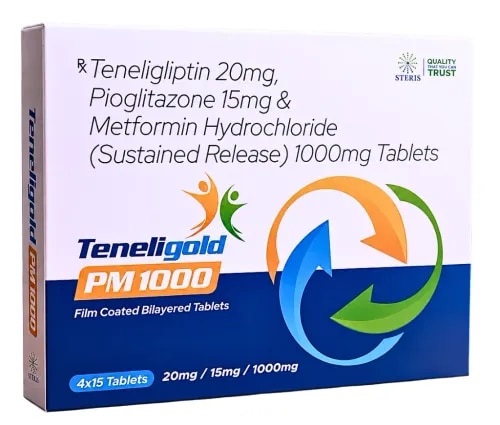
"name": "Teneligliptin 20mg,Pioglitazone 15mg & Metformin Hydrochloride (Sustained Release) 1000mg Tablets",
"description": "TENELIGOLD PM 1000 brings together three antidiabetic agents — Teneligliptin 20 mg, Pioglitazone 15 mg, and Metformin Hydrochloride (Sustained Release) 1000 mg — in a single tablet built to support glycemic control in adults living with Type 2 Diabetes Mellitus (T2DM). Rather than relying on one pathway, this triple-action formula addresses blood glucose from several angles at once, offering a more rounded approach to sugar management.\n\nProduced under strict pharmaceutical quality benchmarks, TENELIGOLD PM 1000 works to sharpen the body's response to insulin, prompt insulin release in step with rising glucose, and rein in the liver's excess sugar output. It's typically brought into a treatment plan once lifestyle changes and single-drug therapy no longer keep blood sugar within target range.\n\nComposition\n\nEach sustained-release tablet delivers:\n\nTeneligliptin – 20 mg\nPioglitazone – 15 mg\nMetformin Hydrochloride (Sustained Release) – 1000 mg\n\nDosage Form: Sustained Release Tablets\n\nHow TENELIGOLD PM 1000 Works\n\nThis tablet pairs three well-known antidiabetic molecules so their effects complement one another.\n\n1. Teneligliptin 20 mg\n\nA DPP-4 inhibitor, Teneligliptin raises the body's incretin hormone activity, which in turn:\n\nTriggers insulin output only when glucose levels are elevated\nCurbs glucagon release\nFlattens the post-meal blood sugar rise\nKeeps hypoglycemia risk low\n\n2. Pioglitazone 15 mg\n\nBelonging to the Thiazolidinedione (TZD) family, Pioglitazone:\n\nSharpens the body's sensitivity to insulin\nHelps muscle tissue take up and use glucose more effectively\nCuts down insulin resistance\nAids sustained glycemic management over time\n\n3. Metformin SR 1000 mg\n\nA Biguanide-class agent, Metformin SR:\n\nSlows the liver's glucose output\nLimits how much glucose the intestines absorb\nBoosts insulin responsiveness\nDelivers steady blood sugar control across the day\n\nBecause it's released gradually, the sustained-release format is also gentler on the stomach than immediate-release versions.\n\nBenefits of TENELIGOLD PM 1000\n\nWell-Rounded Blood Sugar Control The three-pronged formula works to steady both fasting glucose and the spikes that follow meals.\n\nStronger HbA1c Improvement Used appropriately, this combination therapy may lower HbA1c more than a single-agent approach would.\n\nSharper Insulin Response Pioglitazone's role in easing insulin resistance means the insulin the body produces (or receives) does more work.\n\nSteady, All-Day Coverage Metformin SR's gradual release keeps blood sugar levels more consistent throughout the day.\n\nOne Tablet, Three Medicines Combining proven antidiabetic drugs into a single pill can make treatment simpler and support better adherence.\n\nA Foundation for Long-Term Care Sustained glycemic control, paired with healthy lifestyle habits, may help lower the risk of diabetes-related complications down the line.\n\nIndications\n\nTENELIGOLD PM 1000 is intended as an add-on to diet and exercise for improving blood sugar control in adults with Type 2 Diabetes Mellitus, particularly where a physician determines combination therapy is the right course.\n\nIt is not meant for Type 1 Diabetes Mellitus or diabetic ketoacidosis.\n\nKey Features\nTriple-combination antidiabetic tablet\nSustained-release Metformin component\nSupports both fasting and post-meal glucose control\nImproves insulin sensitivity\nEncourages glucose-responsive insulin release\nLowers hepatic glucose output\nOnce-daily dosing convenience, as prescribed\nManufactured to rigorous quality standards\nSuited to long-term diabetes management under medical guidance\nWho May Benefit?\n\nPhysicians may consider TENELIGOLD PM 1000 for adult T2DM patients who:\n\nContinue to have unmanaged blood sugar despite two-drug therapy\nNeed better HbA1c outcomes\nShow marked insulin resistance\nRequire broader glycemic coverage\nWould benefit from a sustained-release metformin option\n\nEvery treatment decision should be tailored by the prescribing doctor.\n\nDirections for Use\nTake exactly as directed by your physician.\nSwallow the tablet whole with water.\nNever crush, chew, or split the sustained-release tablet.\nTaking it with food is generally advised to ease stomach upset.\nPair the medicine with your prescribed diet and exercise plan for best results.\nPossible Side Effects\n\nAs with any medicine, TENELIGOLD PM 1000 can cause side effects, though not everyone will experience them.\n\nCommonly reported:\n\nNausea\nDiarrhea\nStomach discomfort\nHeadache\nSlight weight gain\nSwelling in the extremities (peripheral edema), linked mainly to pioglitazone\n\nLess common but serious:\n\nLactic acidosis (a metformin-related risk, more likely in vulnerable patients)\nWorsening heart failure (associated with pioglitazone in select patients)\nAllergic reactions\nAbnormal liver function\n\nSeek urgent medical care if severe weakness, breathing difficulty, chest pain, or ongoing abdominal pain develops.\n\nPrecautions\n\nTell your healthcare provider before starting TENELIGOLD PM 1000 if you have any of the following:\n\nKidney disease\nLiver disease\nHeart failure\nBladder cancer, present or past\nPancreatitis\nVitamin B12 deficiency\nSevere dehydration\nAn upcoming surgery or imaging test involving iodinated contrast dye\n\nRoutine checks of blood glucose, HbA1c, kidney function, liver function, and related markers are advised throughout treatment.\n\nStorage Instructions\nStore below 30°C.\nKeep away from moisture and direct sunlight.\nLeave in the original packaging.\nStore out of children's reach.\nWhy Choose TENELIGOLD PM 1000?\n\nTENELIGOLD PM 1000 brings three established antidiabetic medicines together in one sustained-release tablet, giving physicians a way to simplify a patient's regimen while still addressing multiple facets of Type 2 Diabetes. Through its complementary mechanisms, it offers a well-rounded route to blood sugar control for suitably selected adult patients under medical supervision.\n\nFrequently Asked Questions (FAQs)\n\nWhat is TENELIGOLD PM 1000 used for? It's prescribed to help manage Type 2 Diabetes Mellitus in adults whose blood sugar needs combination therapy alongside diet and exercise.\n\nIs TENELIGOLD PM 1000 meant to be taken every day? Yes, exactly as your physician prescribes. Don't adjust the dose on your own.\n\nCan TENELIGOLD PM 1000 lead to low blood sugar? Taken alone, the hypoglycemia risk is generally low, though it can rise if combined with insulin or sulfonylureas.\n\nCan I stop the medicine once my sugar levels normalize? No — diabetes is a long-term condition. Keep taking the medicine unless your doctor says otherwise.\n\nIs this medicine right for Type 1 Diabetes? No. It's formulated only for adults with Type 2 Diabetes Mellitus.\n\nShould TENELIGOLD PM 1000 be taken with food? Yes, taking it with meals is generally recommended to reduce stomach-related side effects.\n\nDoes it help bring down HbA1c? Yes — used as directed alongside lifestyle changes, it can support meaningful HbA1c improvement.\n\nPrescription only – consult your doctor.\n\n",
"price": 385.0,
"discountamount": 95.0,
"currencycode": "INR",
"priority": 1000000,
"isfreeshipmentavailable": false,
"shipmentduration": 1,
"_keywords": null,
"isarchived": false,
"isavailable": true,
"applicationid": null,
"productindex": 2473,
"imageuri": "https://productimages.withfloats.com/actual/6a5de55cdc76c6268e3fe287.png",
"tileimageuri": "https://productimages.withfloats.com/tile/6a5de55cdc76c6268e3fe287.png",
"images": null,
"totalqueries": 0,
"gpid": null,
"groupproductid": null,
"createdon": "2026-07-20T09:07:38.732Z",
"updatedon": "2026-07-20T09:07:38.732Z",
"buyonlinelink": null,
"producturl": "http://WWW.STERISINDIA.COM//teneligliptin-20mg-pioglitazone-15mg-metformin-hydrochloride-sustained-release-1000mg-tablets/2473",
"availableunits": -1.0,
"iscodavailable": false,
"isprepaidonlineavailable": false,
"maxcodorders": 0,
"maxprepaidonlineorders": 0,
"uniquepaymenturl": null,
"brandname": "TENELIGOLD PM 1000",
"category": "DIABETIC RANGE",
"tags": [],
"variants": false,
"keyspecification": null,
"otherspecifications": null,
"pickupaddressreferenceid": null,
"paymenttype": "UniquePaymentUrl",
"producttype": "products",
"hsncode": null,
"gstslab": 0.0,
"isnotforsale": false
},
{
"_id": "6a50b1ae8f6638fa60654b85",
"fptag": "STERISHEALTHCARE",
"merchantname": null,
"customwidgets": null,
"externalsourceid": null,
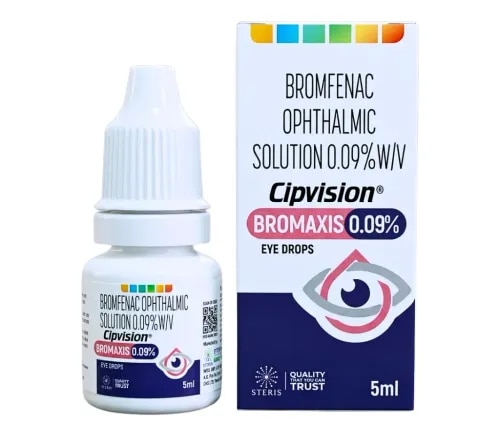
"name": "Bromfenac Ophthalmic Solution 0.09% w/v",
"description": "Bromfenac ophthalmic solution 0.09% w/v is a prescription non-steroidal anti-inflammatory drug (NSAID) eye drop used primarily to treat pain and inflammation following cataract surgery and to reduce the risk of post-operative cystoid macular edema. Unlike corticosteroid eye drops, bromfenac is not a steroid — it works by inhibiting the cyclooxygenase (COX) enzyme, blocking the production of prostaglandins that drive inflammation, redness, and pain. A key advantage of bromfenac is its once-daily dosing, compared to the multiple daily doses required by many other topical NSAIDs and steroids, which improves ease of use during post-surgical recovery. Common side effects include mild burning or stinging on instillation and temporary blurred vision, while rare but serious risks include corneal complications with prolonged or inappropriate use. It is a Schedule H prescription-only medicine in India.\n\nWhat Is Bromfenac Ophthalmic Solution 0.09% w/v?\nBromfenac ophthalmic solution 0.09% w/v is a topical non-steroidal anti-inflammatory drug (NSAID) formulated for use in the eye. It is most commonly prescribed to manage inflammation and pain following ocular surgery, particularly cataract surgery, and is also used to help reduce the risk of post-operative cystoid macular edema, a swelling of the central retina that can occur after intraocular procedures.\nAs an NSAID, bromfenac differs fundamentally from corticosteroid eye drops. It does not carry the risk of raising intraocular pressure (IOP) that steroids do, making it a valuable option — often used alongside or instead of a steroid — in the post-surgical care protocol, depending on the surgeon's assessment.\nOne of bromfenac's most notable practical advantages is its once-daily dosing schedule, which sets it apart from several other ophthalmic NSAIDs that require two to four applications per day. This simplified regimen can improve patient adherence during the post-operative recovery period.\n\nHow Does Bromfenac Work? (Mechanism of Action)\n\nTissue injury response – Ocular surgery and inflammation trigger the release of arachidonic acid from damaged cell membranes.\nCyclooxygenase (COX) enzyme activity – The COX-1 and COX-2 enzymes convert arachidonic acid into prostaglandins, which are key mediators of inflammation, pain, and vascular permeability.\nCOX inhibition by bromfenac – Bromfenac inhibits both COX-1 and COX-2 enzymes, blocking the prostaglandin synthesis pathway.\nReduced inflammation and pain – With prostaglandin production suppressed, inflammation, redness, and post-surgical discomfort are reduced.\nProtection against macular edema – By limiting prostaglandin-driven vascular permeability, bromfenac also helps lower the risk of fluid accumulation in the macula following surgery.\n\n\nClinical Indications\nIndicationDetailsPost-operative inflammationPrimary use following cataract surgeryPost-operative pain managementReduces surgical site discomfort during recoveryPrevention of post-operative cystoid macular edemaUsed prophylactically around the time of cataract surgeryAdjunct to steroid therapySometimes used alongside corticosteroid drops for comprehensive post-surgical control\n\nDosage & Administration\nParameterRecommendationStandard doseOne drop in the operated eye, once dailyTimingOften started shortly before surgery and continued through the recovery period, as directedDurationTypically a defined post-operative course as prescribed by your ophthalmic surgeonContact lensesAvoid wearing contact lenses during the immediate post-operative period unless advised otherwiseMissed doseApply as soon as remembered; do not double the next doseCombination useMay be prescribed alongside antibiotic and/or steroid eye drops as part of a full post-surgical regimen — space applications as directed\nNote: Always follow your surgeon's specific pre- and post-operative dosing schedule, as timing around the surgery date is clinically important.\n\nKey Benefits\n\nEffectively reduces post-surgical pain and inflammation without the IOP-related risks of steroids\nOnce-daily dosing improves convenience and adherence compared to multi-dose NSAID or steroid regimens\nHelps lower the risk of post-operative cystoid macular edema, a potentially vision-affecting complication\nCan be used alongside steroid and antibiotic eye drops as part of a comprehensive post-surgical protocol\nGenerally does not raise intraocular pressure, unlike corticosteroid alternatives\nSupports a smoother, more comfortable post-operative recovery experience\n\n\nPrecautions\n\nUse strictly as directed by your ophthalmic surgeon, particularly regarding timing before and after surgery\nUse with caution in patients with known bleeding disorders or those taking medications that increase bleeding tendency, as NSAIDs can affect clotting\nRare but serious corneal complications (including delayed healing or, very rarely, corneal thinning) have been reported with prolonged or inappropriate NSAID use — report any unusual eye pain or vision change immediately\nNot recommended for patients with known hypersensitivity to bromfenac or other NSAIDs\nCaution advised in patients with complicated ocular surgeries, pre-existing corneal disease, or dry eye, as these may increase sensitivity to corneal side effects\nAvoid contact lens wear during the treatment period unless specifically advised by your doctor\nInform your doctor of all other eye medications and systemic drugs, especially blood thinners\n\n\nSide Effects\nCommon (Usually Mild and Temporary)\n\nMild burning or stinging sensation on instillation\nTemporary blurred vision\nEye redness\nEye discomfort or itching\n\nLess Common / Serious (Consult Your Doctor Promptly)\n\nPersistent or worsening eye pain\nDelayed corneal healing\nRare corneal complications, including corneal thinning or perforation with prolonged/inappropriate use\nIncreased risk of bleeding at the ocular surface in susceptible individuals\nSigns of an allergic reaction (swelling, itching, rash)\n\nDiscontinue and contact your ophthalmologist immediately if any serious or persistent symptom develops.\n\nComparison: Bromfenac vs. Other Post-Surgical Anti-Inflammatory Options\nTreatmentClassDosing FrequencyKey ConsiderationBromfenac ophthalmic solution 0.09%NSAIDOnce dailyConvenient dosing; no IOP risk; rare corneal risk with prolonged usePrednisolone acetateCorticosteroidMultiple times dailyEffective anti-inflammatory; carries IOP and cataract risk with prolonged useKetorolac ophthalmic solutionNSAIDMultiple times dailySimilar NSAID mechanism; more frequent dosing than bromfenacNepafenac ophthalmic suspensionNSAID (prodrug)1–3 times daily depending on formulationAlternative NSAID option; dosing varies by strength\n\nKey Statistics (Placeholder — Pending Clinical Reviewer Verification)\nMetricValueReported reduction in post-operative cystoid macular edema incidence with prophylactic NSAID use[Placeholder – insert verified clinical trial statistic]Typical duration of post-cataract-surgery bromfenac therapy[Placeholder – insert verified reference range]Reported rate of corneal adverse events with appropriate short-course use[Placeholder – insert epidemiological reference]\nAll statistics above are placeholders and must be verified and populated by a qualified clinical reviewer prior to publication.\n\nExpert Insight\n\n[Placeholder — Expert quote pending. To be added only after review and approval by a licensed ophthalmologist/medical reviewer associated with Steris Healthcare. Do not fabricate or publish without sign-off.]\n\n\nPrice of Bromfenac Ophthalmic Solution 0.09% w/v\nThe price of bromfenac ophthalmic solution 0.09% w/v varies depending on brand, pack size, and region. For current pricing, availability, and prescription verification, please consult your ophthalmologist or an authorized pharmacy.\nPrescription only – consult your doctor.\n\nConclusion\nBromfenac ophthalmic solution 0.09% w/v has become a widely used part of modern post-cataract-surgery care, offering effective pain and inflammation control along with a meaningful reduction in the risk of post-operative cystoid macular edema — all with the convenience of once-daily dosing. As an NSAID rather than a steroid, it avoids the intraocular pressure concerns associated with corticosteroid therapy, though it carries its own specific precautions, particularly around rare corneal complications with prolonged or inappropriate use. Used exactly as directed by your ophthalmic surgeon, within the prescribed post-operative window, bromfenac supports a smoother, more comfortable surgical recovery.\n\nFrequently Asked Questions\n\n1. What is bromfenac ophthalmic solution 0.09% used for?\nIt is used to treat pain and inflammation following cataract surgery and to help reduce the risk of post-operative cystoid macular edema, a swelling of the central retina that can occur after eye surgery.\n\n2. Is bromfenac a steroid?\nNo. Bromfenac is a non-steroidal anti-inflammatory drug (NSAID). It works by inhibiting the cyclooxygenase (COX) enzyme rather than acting through the steroid pathway, and it does not carry the intraocular pressure risks associated with corticosteroids.\n\n3. How often should bromfenac eye drops be used?\nBromfenac ophthalmic solution 0.09% is typically used once daily in the operated eye, making it more convenient than many other post-surgical eye drops that require multiple daily doses.\n\n4. How long is bromfenac used after cataract surgery?\nThe duration is determined by your ophthalmic surgeon based on your individual recovery, often continuing through a defined post-operative period as part of your overall surgical care protocol.\n\n5. Can bromfenac be used with steroid eye drops?\nYes, bromfenac is often prescribed alongside corticosteroid and/or antibiotic eye drops as part of a comprehensive post-surgical regimen, with applications spaced as directed by your doctor.\n\n6. What are the side effects of bromfenac eye drops?\nCommon side effects include mild burning or stinging upon application, temporary blurred vision, and eye redness. Rare but serious effects can include delayed corneal healing or corneal complications with prolonged or inappropriate use.\n\n7. Does bromfenac raise eye pressure?\nNo, as an NSAID, bromfenac does not typically raise intraocular pressure the way corticosteroid eye drops can, which is one of its key advantages in post-surgical care.\n\n8. Can bromfenac cause corneal problems?\nRare but serious corneal complications, including delayed healing or corneal thinning, have been reported with prolonged or inappropriate NSAID use. Any unusual eye pain or vision change should be reported to your doctor immediately.\n\n9. Is bromfenac safe for people on blood thinners?\nNSAIDs like bromfenac can affect bleeding tendency, so patients on blood-thinning medications or with known bleeding disorders should inform their doctor before starting treatment.\n10. Can contact lenses be worn while using bromfenac?\nIt is generally advised to avoid wearing contact lenses during the post-operative treatment period unless your ophthalmologist specifically advises otherwise.\n11. What happens if I miss a dose of bromfenac?\nApply the missed dose as soon as you remember, unless it is nearly time for your next scheduled dose, in which case skip the missed dose. Do not double up doses.\n12. How is bromfenac different from ketorolac eye drops?\nBoth are NSAIDs with a similar mechanism of action, but bromfenac typically requires only once-daily dosing, while ketorolac usually requires multiple applications per day.\n13. Can bromfenac prevent macular edema after cataract surgery?\nBromfenac is commonly used prophylactically around the time of cataract surgery to help reduce the risk of post-operative cystoid macular edema, a recognized complication of intraocular surgery.\n\n14. Is bromfenac safe for long-term use?\nBromfenac is generally prescribed for a defined post-operative course rather than continuous long-term use, and prolonged or unsupervised use should be avoided due to rare corneal risks.\n\n15. Who should not use bromfenac eye drops?\nPatients with known hypersensitivity to bromfenac or other NSAIDs, or those with certain pre-existing corneal or bleeding conditions, should use bromfenac only under close medical supervision, if at all.\n\n16. Does bromfenac cause blurred vision?\nTemporary blurred vision can occur immediately after instillation in some patients and usually resolves quickly. Persistent blurred vision should be reported to your doctor.\n\n17. Can bromfenac be used before cataract surgery as well as after?\nYes, bromfenac is often started shortly before surgery and continued through the post-operative recovery period, following the specific schedule set by your ophthalmic surgeon.\n",
"price": 195.0,
"discountamount": 136.0,
"currencycode": "INR",
"priority": 1000000,
"isfreeshipmentavailable": false,
"shipmentduration": 1,
"_keywords": null,
"isarchived": false,
"isavailable": true,
"applicationid": null,
"productindex": 2472,
"imageuri": "https://productimages.withfloats.com/actual/6a50b1b32d7a16f0f95be110.png",
"tileimageuri": "https://productimages.withfloats.com/tile/6a50b1b32d7a16f0f95be110.png",
"images": null,
"totalqueries": 0,
"gpid": null,
"groupproductid": null,
"createdon": "2026-07-10T08:47:42.715Z",
"updatedon": "2026-07-10T08:47:42.715Z",
"buyonlinelink": null,
"producturl": "http://WWW.STERISINDIA.COM//bromfenac-ophthalmic-solution-0-09-w-v/2472",
"availableunits": -1.0,
"iscodavailable": false,
"isprepaidonlineavailable": false,
"maxcodorders": 0,
"maxprepaidonlineorders": 0,
"uniquepaymenturl": null,
"brandname": "CIPVISION BROMAXIS 0.09%",
"category": "Opthalmology Range",
"tags": [
"Bromfenac Ophthalmic Solution 0.09% w/v",
"bromfenac ophthalmic solution 0.09%"
],
"variants": false,
"keyspecification": null,
"otherspecifications": null,
"pickupaddressreferenceid": null,
"paymenttype": "UniquePaymentUrl",
"producttype": "products",
"hsncode": null,
"gstslab": 0.0,
"isnotforsale": false
},
{
"_id": "6a50a78a75263abd944f583a",
"fptag": "STERISHEALTHCARE",
"merchantname": null,
"customwidgets": null,
"externalsourceid": null,
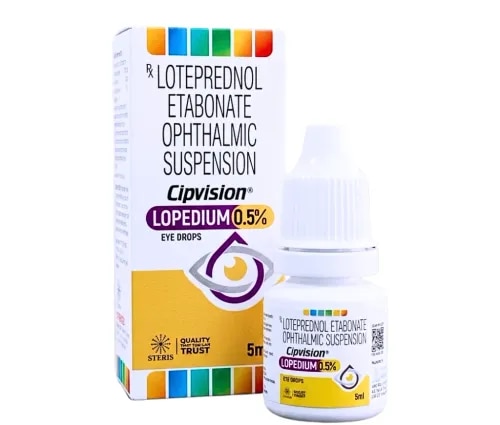
"name": "Loteprednol Etabonate Ophthalmic Suspension",
"description": "Loteprednol etabonate ophthalmic suspension is a prescription corticosteroid eye drop used to treat steroid-responsive inflammatory conditions of the eye, including post-surgical inflammation, allergic conjunctivitis, and certain forms of anterior uveitis. What sets loteprednol apart from older ophthalmic steroids is its “ester-based” chemical structure, which is designed to break down into inactive components after acting on eye tissue — giving it a comparatively lower risk of raising intraocular pressure (IOP) than traditional steroids like prednisolone or dexamethasone, while still delivering effective anti-inflammatory action. The typical dose is one to two drops in the affected eye, four times daily, or as directed, usually for a short, defined course rather than indefinite use. Common side effects include burning, stinging, and blurred vision, while prolonged or unsupervised use can still carry steroid-related risks such as elevated eye pressure. It is a Schedule H prescription-only medicine in India.\n\nWhat Is Loteprednol Etabonate Ophthalmic Suspension?\nLoteprednol etabonate ophthalmic suspension is a topical corticosteroid formulated specifically for use in the eye. It belongs to a category sometimes referred to as “site-specific” or “soft” steroids — a design approach where the drug is engineered to be highly active at the site of application (the eye) but rapidly metabolized into inactive by-products once it has acted, reducing the potential for the cumulative steroid-related side effects seen with older ophthalmic corticosteroids.\nThis suspension is commonly prescribed for:\n\nManaging inflammation following eye surgery, such as cataract surgery\nTreating allergic conjunctivitis, including seasonal allergic conjunctivitis\nCertain anterior segment inflammatory conditions, such as uveitis, under specialist supervision\nGiant papillary conjunctivitis and other steroid-responsive ocular surface conditions\n\nBecause of its comparatively favorable IOP profile, loteprednol is often considered by ophthalmologists for patients who need effective anti-inflammatory therapy but may be at higher risk from more potent steroids — though it is important to note that no ophthalmic steroid is entirely free of IOP-related risk, and monitoring remains necessary.\n\nHow Does Loteprednol Etabonate Work? (Mechanism of Action)\n\nCorticosteroid receptor binding – Loteprednol etabonate binds to glucocorticoid receptors within ocular tissue, initiating anti-inflammatory gene expression changes.\nSuppression of inflammatory mediators – This binding reduces the production of key inflammatory substances, including prostaglandins and cytokines, that drive redness, swelling, and discomfort.\nReduced vascular permeability – By calming the inflammatory cascade, the drug helps reduce leakage of fluid and inflammatory cells into ocular tissue, easing swelling.\nEster-based metabolism – Unlike ketone-based steroids, loteprednol's ester structure allows ocular esterases to break it down into inactive metabolites after it exerts its effect, which is thought to underlie its comparatively lower propensity to raise intraocular pressure.\nLocalized anti-inflammatory effect – The net result is effective control of ocular surface and anterior segment inflammation with a more favorable safety profile than some older steroid formulations, when used for the intended short duration.\n\n\nClinical Indications\nIndicationDetailsPost-operative ocular inflammationCommon after cataract and other intraocular surgeriesAllergic conjunctivitisIncluding seasonal allergic conjunctivitisGiant papillary conjunctivitisOften associated with contact lens wearAnterior uveitisUnder specialist supervisionOther steroid-responsive inflammatory conditions of the palpebral and bulbar conjunctiva, cornea, and anterior segmentAs directed by an ophthalmologist\nNot indicated for: viral (e.g., herpes simplex), fungal, or mycobacterial eye infections, where corticosteroid use can worsen the underlying condition.\n\nDosage & Administration\nParameterRecommendationStandard dose1–2 drops in the affected eye(s), typically 4 times dailyPost-surgical regimenOften started at higher frequency and tapered per surgeon's protocolShake before useYes — this is a suspension; shake well before each applicationDurationShort, defined course as prescribed; not intended for indefinite useTaperingGradual reduction recommended rather than abrupt discontinuation after extended useContact lensesRemove before instillation; reinsert only per your doctor's adviceMissed doseApply as soon as remembered; do not double the next dose\nImportant: Even with its comparatively favorable safety profile, loteprednol should be used strictly for the duration prescribed. Extended, unsupervised use is not recommended.\n\nKey Benefits\n\nEffective anti-inflammatory action for a range of steroid-responsive ocular conditions\nEster-based design associated with a comparatively lower risk of raising intraocular pressure than some older ophthalmic steroids\nUseful for patients needing steroid therapy who may be more sensitive to IOP elevation, under appropriate monitoring\nSuitable for both post-surgical inflammation control and allergic conjunctivitis management\nAvailable in a suspension formulation designed for good ocular surface contact\nOften used as part of a short, defined treatment course, reducing exposure duration compared to continuous long-term steroid regimens\n\n\nPrecautions\n\nUse strictly under ophthalmologist supervision — this is not an over-the-counter product\nNot suitable for viral, fungal, or mycobacterial eye infections\nEven with its favorable profile, prolonged use can still raise intraocular pressure in susceptible individuals — periodic IOP monitoring is recommended\nExtended use may increase the risk of cataract formation, as with other ophthalmic steroids\nMay mask signs of infection or delay wound healing if used inappropriately\nInform your doctor of any history of glaucoma, herpes eye infection, or corneal thinning before starting\nShake the suspension well before each use for accurate dosing\nAvoid touching the dropper tip to the eye or any surface\n\n\nSide Effects\nCommon (Usually Mild and Temporary)\n\nBurning or stinging sensation on instillation\nBlurred vision immediately after application\nEye discomfort or a foreign-body sensation\nMild eye redness\n\nLess Common / Serious (Consult Your Doctor Promptly)\n\nElevated intraocular pressure (comparatively less frequent than with older steroids, but still possible)\nDelayed wound healing\nSigns of secondary or masked ocular infection\nCataract progression with prolonged use\nAllergic reaction (eyelid swelling, itching, rash)\n\nDiscontinue and consult your ophthalmologist promptly if any serious symptom develops.\n\nComparison: Loteprednol vs. Other Ophthalmic Corticosteroids\nTreatmentClassIOP Risk ProfileBest Suited ForLoteprednol etabonate suspensionEster-based (“soft”) corticosteroidComparatively lowerPatients needing effective anti-inflammatory action with reduced IOP concernPrednisolone acetateKetone-based corticosteroidHigher with prolonged useRobust anti-inflammatory action; requires closer IOP monitoringDexamethasoneKetone-based corticosteroidHigher, potent effectSevere inflammatory conditions; typically shorter coursesFluorometholoneKetone-based corticosteroidModerateMild to moderate inflammation with somewhat reduced IOP risk\n\nKey Statistics (Placeholder — Pending Clinical Reviewer Verification)\nMetricValueReported incidence of clinically significant IOP elevation with short-course loteprednol use[Placeholder – insert verified clinical trial statistic]Comparative IOP-elevation rate vs. prednisolone acetate in controlled studies[Placeholder – insert verified reference]Typical duration of post-operative loteprednol therapy[Placeholder – insert reference range]\nAll statistics above are placeholders and must be verified and populated by a qualified clinical reviewer prior to publication.\n\nExpert Insight\n\n[Placeholder — Expert quote pending. To be added only after review and approval by a licensed ophthalmologist/medical reviewer associated with Steris Healthcare. Do not fabricate or publish without sign-off.]\n\n\nPrice of Loteprednol Etabonate Ophthalmic Suspension\nThe price of loteprednol etabonate ophthalmic suspension varies depending on brand, pack size, and region. For current pricing, availability, and prescription verification, please consult your ophthalmologist or an authorized pharmacy.\nPrescription only – consult your doctor.\n\nConclusion\nLoteprednol etabonate ophthalmic suspension offers a valuable option for managing steroid-responsive ocular inflammation — from post-surgical recovery to allergic conjunctivitis — with a design intended to reduce the intraocular pressure risks historically associated with ophthalmic corticosteroids. While its ester-based structure gives it a comparatively favorable safety profile, it remains a steroid, and prolonged or unsupervised use can still carry risks such as elevated eye pressure, cataract progression, and delayed healing. For this reason, loteprednol should always be used for the specific duration prescribed, with appropriate tapering and regular ophthalmic follow-up, rather than as a long-term, self-managed therapy.\n\nFrequently Asked Questions\n\n1. What is loteprednol etabonate ophthalmic suspension used for?\nIt is used to treat steroid-responsive eye inflammation, including inflammation after eye surgery, allergic conjunctivitis, and certain anterior segment inflammatory conditions such as uveitis, under an ophthalmologist's guidance.\n\n2. Is loteprednol a steroid?\nYes, loteprednol etabonate is a corticosteroid. It is specifically designed with an ester-based structure intended to reduce the risk of raising intraocular pressure compared to some older ophthalmic steroids, though it still requires medical supervision.\n\n3. How long can I use loteprednol eye drops?\nLoteprednol is typically prescribed for a short, defined course as determined by your ophthalmologist, often with a tapering schedule. It is not intended for indefinite, unsupervised long-term use.\n\n4. Does loteprednol raise eye pressure?\nLoteprednol has a comparatively lower risk of raising intraocular pressure than some older ophthalmic steroids due to its ester-based design, but it can still cause elevated eye pressure in susceptible individuals, especially with prolonged use, so periodic monitoring is recommended.\n\n5. Can loteprednol cause cataracts?\nProlonged use of any ophthalmic corticosteroid, including loteprednol, can increase the risk of cataract formation, particularly posterior subcapsular cataracts, which is why short, supervised courses are recommended.\n\n6. How is loteprednol different from prednisolone acetate?\nLoteprednol has an ester-based chemical structure designed to break down into inactive components after acting on the eye, which is associated with a lower risk of raising intraocular pressure compared to prednisolone acetate, a ketone-based steroid with a higher IOP-elevation potential.\n\n7. Can loteprednol be used for allergic conjunctivitis?\nYes, loteprednol etabonate ophthalmic suspension is commonly used to manage allergic conjunctivitis, including seasonal allergic conjunctivitis, especially when symptoms are significant or not controlled by other treatments.\n\n8. Is loteprednol safe after cataract surgery?\nYes, loteprednol is frequently prescribed to manage post-operative inflammation following cataract surgery, typically as part of a tapering regimen directed by the operating ophthalmologist.\n\n9. Can loteprednol be used for viral eye infections?\nNo, loteprednol and other corticosteroids are not appropriate for viral eye infections such as herpes simplex keratitis, as steroids can worsen these conditions if used inappropriately.\n\n10. What are the common side effects of loteprednol eye drops?\nCommon side effects include burning or stinging upon application, temporary blurred vision, mild eye redness, and eye discomfort. These are usually mild and resolve quickly.\n11. Does loteprednol need to be shaken before use?\nYes, since it is a suspension, the bottle should be shaken well before each use to ensure the medication is evenly distributed.\n\n12. Can loteprednol be stopped suddenly?\nStopping abruptly, especially after extended use, is generally not recommended. A gradual tapering schedule, as advised by your ophthalmologist, helps prevent rebound inflammation.\n\n13. Is loteprednol safe for long-term daily use?\nNo, loteprednol is generally intended for short, supervised courses rather than continuous long-term daily use, due to steroid-related risks with prolonged exposure.\n\n14. Can contact lenses be worn while using loteprednol?\nIt's generally recommended to remove contact lenses before applying loteprednol and reinsert them only after the interval advised by your doctor.\n\n15. Who should avoid using loteprednol eye drops?\nPatients with active untreated viral, fungal, or mycobacterial eye infections, or known hypersensitivity to the medication, should avoid loteprednol unless specifically directed otherwise by their ophthalmologist.\n\n16. Can loteprednol be used in children?\nUse in children should only occur under the direct guidance and prescription of a pediatric ophthalmologist, based on individual clinical assessment.\n17. Does loteprednol cause blurred vision?\nTemporary blurred vision can occur immediately after instillation in some patients and usually resolves quickly. Persistent blurred vision should be reported to your doctor.",
"price": 150.0,
"discountamount": 45.0,
"currencycode": "INR",
"priority": 1000000,
"isfreeshipmentavailable": false,
"shipmentduration": 1,
"_keywords": null,
"isarchived": false,
"isavailable": true,
"applicationid": null,
"productindex": 2471,
"imageuri": "https://productimages.withfloats.com/actual/6a50a78cd95cad00a915a6d8.png",
"tileimageuri": "https://productimages.withfloats.com/tile/6a50a78cd95cad00a915a6d8.png",
"images": null,
"totalqueries": 0,
"gpid": null,
"groupproductid": null,
"createdon": "2026-07-10T08:04:26.663Z",
"updatedon": "2026-07-10T08:04:26.663Z",
"buyonlinelink": null,
"producturl": "http://WWW.STERISINDIA.COM//loteprednol-etabonate-ophthalmic-suspension/2471",
"availableunits": -1.0,
"iscodavailable": false,
"isprepaidonlineavailable": false,
"maxcodorders": 0,
"maxprepaidonlineorders": 0,
"uniquepaymenturl": null,
"brandname": "CIPVISION LOPEDIUM 0.5%",
"category": "Opthalmology Range",
"tags": [
"Loteprednol Etabonate Ophthalmic Suspension",
"loteprednol etabonate ophthalmic suspension uses",
"loteprednol etabonate ophthalmic suspension uses in hindi",
"loteprednol etabonate ophthalmic suspension in hindi",
"loteprednol etabonate ophthalmic suspension eye drops uses",
"loteprednol etabonate ophthalmic suspension eye drops",
"loteprednol etabonate ophthalmic suspension use"
],
"variants": false,
"keyspecification": null,
"otherspecifications": null,
"pickupaddressreferenceid": null,
"paymenttype": "UniquePaymentUrl",
"producttype": "products",
"hsncode": null,
"gstslab": 0.0,
"isnotforsale": false
},
{
"_id": "6a509bf6f44be736283180cf",
"fptag": "STERISHEALTHCARE",
"merchantname": null,
"customwidgets": null,
"externalsourceid": null,
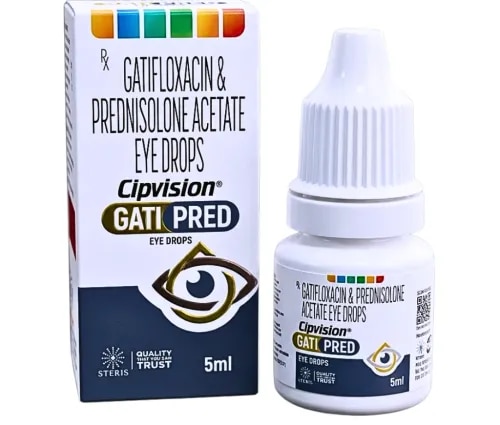
"name": "gatifloxacin & prednisolone acetate ophthalmic suspension",
"description": "Gatifloxacin and prednisolone acetate ophthalmic suspension is a prescription combination eye medicine that pairs a fourth-generation fluoroquinolone antibiotic (gatifloxacin) with a corticosteroid (prednisolone acetate) in a single formulation. It is used to treat steroid-responsive ocular inflammation where there is also a risk of, or existing, bacterial eye infection — most commonly after cataract or other ocular surgery, and in certain inflammatory eye conditions requiring both anti-infective and anti-inflammatory action together. Gatifloxacin fights the bacteria, while prednisolone acetate reduces inflammation, redness, and swelling. This combination is not the same as a plain antibiotic drop — because it contains a steroid, it requires closer monitoring, a defined tapering schedule, and should never be self-prescribed or used beyond the duration your ophthalmologist recommends. It is a Schedule H prescription-only medicine in India, commonly marketed under brand names such as Gatiquin P.\n\nWhat Is Gatifloxacin and Prednisolone Acetate Ophthalmic Suspension?\nGatifloxacin and prednisolone acetate ophthalmic suspension is a fixed-dose combination eye drop that brings together two distinct classes of medication in one bottle:\n\nGatifloxacin — a fourth-generation fluoroquinolone antibiotic effective against a broad range of gram-positive and gram-negative bacteria commonly implicated in ocular infections.\nPrednisolone acetate — a corticosteroid that suppresses inflammation, swelling, and associated redness or discomfort in the eye.\n\nThis combination is typically prescribed when a clinician determines that an eye condition involves both active or potential bacterial infection and significant inflammation — a situation where using either drug alone would be insufficient. The most frequent use case is post-operative care following ocular surgery, such as cataract extraction, where inflammation control speeds recovery while the antibiotic component guards against surgical-site infection.\nA commonly recognized branded version of this combination in the Indian market is Gatiquin P, and patients often search specifically for this brand name alongside the generic combination name.\n\nHow Does This Combination Work? (Mechanism of Action)\n\nAntibacterial action (Gatifloxacin) – Gatifloxacin inhibits bacterial DNA gyrase and topoisomerase IV, enzymes bacteria need to replicate their DNA, resulting in bactericidal activity against susceptible organisms.\nAnti-inflammatory action (Prednisolone acetate) – Prednisolone acetate suppresses the inflammatory cascade by inhibiting phospholipase A2 and reducing the release of inflammatory mediators, which decreases swelling, redness, and discomfort.\nCombined surgical/inflammatory coverage – Together, the two components address both the infective and inflammatory components of a single ocular condition, which is particularly useful in the immediate post-surgical period when both risks are elevated simultaneously.\nLocalized ocular delivery – As a topical suspension, the combination acts directly at the site of application, minimizing systemic absorption compared to oral antibiotics or steroids.\n\n\nClinical Indications\nIndicationDetailsPost-operative inflammation with infection riskMost common use — following cataract surgery or other intraocular proceduresSteroid-responsive inflammatory ocular conditionsWhere a bacterial infection is present or risk is significantChronic anterior uveitis with secondary infection riskUsed under specialist supervisionBlepharoconjunctivitis with inflammatory componentWhen combined anti-infective and anti-inflammatory action is clinically indicated\nNot indicated for: viral eye infections (e.g., herpes simplex keratitis), fungal eye infections, mycobacterial infections, or uncomplicated bacterial conjunctivitis without an inflammatory component — a steroid is not appropriate in these settings.\n\nDosage & Administration\nParameterRecommendationStandard dose1–2 drops in the affected eye, typically 4 times daily, or as directedPost-surgical regimenOften started with a higher frequency and gradually tapered per surgeon's protocolShake before useYes — this is a suspension; shake well before each applicationDurationDetermined by your ophthalmologist; steroid-containing drops are not for indefinite useTaperingMust be tapered gradually rather than stopped abruptly, especially after prolonged useContact lensesAvoid wearing contact lenses during treatment unless your doctor advises otherwiseMissed doseApply as soon as remembered; do not double the next dose\nImportant: Never extend use beyond the prescribed duration or restart the medication without consulting your ophthalmologist, as prolonged steroid exposure carries specific ocular risks (see Precautions below).\n\nKey Benefits\n\nProvides dual-action therapy — infection control and inflammation control — in a single formulation\nReduces the need for two separate eye drop regimens after surgery, simplifying the treatment schedule\nSpeeds resolution of post-surgical redness, swelling, and discomfort while covering infection risk\nBroad-spectrum antibacterial coverage from a fourth-generation fluoroquinolone\nCommonly trusted and prescribed by ophthalmic surgeons as part of standard post-operative protocols\nAvailable in a suspension formulation designed for effective ocular surface contact time\n\n\nPrecautions\n\nUse strictly under ophthalmologist supervision — this is not an over-the-counter product\nNot suitable for viral, fungal, or mycobacterial eye infections\nLong-term or unsupervised steroid use can raise intraocular pressure (IOP) and increase glaucoma risk\nProlonged use may increase the risk of posterior subcapsular cataract formation\nSteroid component may mask signs of a worsening infection or delay wound healing if misused\nRegular monitoring of intraocular pressure is recommended with extended use\nInform your doctor of any history of glaucoma, herpes eye infection, or corneal thinning before starting\nShake the suspension well before each use for accurate dosing\nAvoid touching the dropper tip to the eye or any surface\n\n\nSide Effects\nCommon (Usually Mild and Temporary)\n\nTransient burning or stinging on instillation\nBlurred vision immediately after application\nEye discomfort or foreign-body sensation\nMild eye redness\n\nLess Common / Serious (Consult Your Doctor Promptly)\n\nIncreased intraocular pressure / glaucoma symptoms (eye pain, halos around lights)\nDelayed wound healing at a surgical site\nSecondary or masked ocular infection\nSigns of cataract progression with prolonged use\nCorneal or scleral thinning (rare, with extended steroid exposure)\nAllergic reaction (eyelid swelling, itching, rash)\n\nDiscontinue and consult your ophthalmologist immediately if any serious symptom develops.\n\nComparison: Combination vs. Standalone Therapies\nTreatmentCompositionBest Suited ForKey ConsiderationGatifloxacin + Prednisolone acetate suspensionAntibiotic + steroidPost-surgical care; infection + inflammation togetherRequires tapering; steroid monitoring neededGatifloxacin eye drops (alone)Antibiotic onlyUncomplicated bacterial conjunctivitis/keratitisNo steroid-related risk, but no anti-inflammatory actionPrednisolone acetate eye drops (alone)Steroid onlyNon-infectious inflammatory conditions (e.g., uveitis)Not appropriate if active infection is presentPlain lubricant/antibiotic-only regimensVariesMild post-op cases without significant inflammationMay be insufficient for higher-risk surgical cases\n\nKey Statistics (Placeholder — Pending Clinical Reviewer Verification)\nMetricValueReported post-operative infection rate reduction with prophylactic use[Placeholder – insert verified clinical trial statistic]Typical duration of post-cataract-surgery combination therapy[Placeholder – insert verified reference range]Incidence of steroid-induced IOP elevation with short-course use[Placeholder – insert epidemiological reference]\nAll statistics above are placeholders and must be verified and populated by a qualified clinical reviewer prior to publication.\n\nExpert Insight\n\n[Placeholder — Expert quote pending. To be added only after review and approval by a licensed ophthalmologist/medical reviewer associated with Steris Healthcare. Do not fabricate or publish without sign-off.]\n\n\nPrice of Gatifloxacin and Prednisolone Acetate Ophthalmic Suspension\nThe price of this combination suspension varies depending on brand, pack size, and region. For current pricing, availability, and prescription verification, please consult your ophthalmologist or an authorized pharmacy.\nPrescription only – consult your doctor.\n\nConclusion\nGatifloxacin and prednisolone acetate ophthalmic suspension serves an important clinical role wherever bacterial infection risk and ocular inflammation occur together — most notably in the sensitive period following eye surgery. By combining a potent fourth-generation antibiotic with a well-established corticosteroid, this formulation streamlines post-operative and steroid-responsive inflammatory care into a single, clinician-directed regimen. Because the steroid component carries specific long-term risks — including elevated eye pressure, cataract progression, and delayed healing if misused — this medication should always be used exactly as prescribed, for the duration recommended, and with appropriate tapering and follow-up. Patients should never self-adjust dosing or extend use without their ophthalmologist's explicit guidance.\n\nFrequently Asked Questions\n\n1. What is Gatifloxacin and prednisolone acetate ophthalmic suspension used for?\nIt is used to treat eye conditions that involve both inflammation and a risk of bacterial infection — most commonly after eye surgery such as cataract surgery, where it reduces post-operative swelling and redness while protecting against infection.\n\n2. Is Gatifloxacin eye drops safe for children?\nGatifloxacin eye drops are generally considered usable in children for appropriate bacterial eye infections under a pediatric ophthalmologist's guidance. However, the gatifloxacin-prednisolone combination includes a steroid, which requires closer specialist supervision in children due to potential effects on eye pressure and healing, so it should only be used if specifically prescribed for a child.\n\n3. What is Gatifloxacin and prednisolone acetate ophthalmic suspension (Gatiquin P) used for?\nGatiquin P is a branded formulation of gatifloxacin and prednisolone acetate ophthalmic suspension. It is used for the same core purpose — managing post-surgical or steroid-responsive ocular inflammation where there is also a bacterial infection risk, most often following cataract or other intraocular surgery.\n\n4. Is prednisolone acetate safe for eyes?\nPrednisolone acetate is a corticosteroid that is generally safe for eyes when used exactly as prescribed and for the recommended duration under an ophthalmologist's supervision. However, unsupervised or prolonged use can raise intraocular pressure, increase glaucoma risk, contribute to cataract formation, and delay wound healing, so it should never be used without medical guidance or beyond the prescribed course.\n\n5. How is this eye drop different from regular antibiotic eye drops?\nRegular antibiotic eye drops only target bacteria, while this combination also contains a steroid to control inflammation. This dual action is useful specifically when both infection risk and significant inflammation are present, such as after eye surgery.\n\n6. How long should I use gatifloxacin and prednisolone acetate suspension?\nDuration is determined by your ophthalmologist based on your specific condition, often following a tapering schedule after surgery. It should not be used longer than prescribed, and stopping should be discussed with your doctor rather than done abruptly.\n\n7. Can this eye drop increase eye pressure?\nYes, because it contains a steroid, prolonged or unsupervised use can raise intraocular pressure. Regular monitoring is recommended, especially with extended use or in patients with a history of glaucoma.\n\n8. Can I use this suspension for a common bacterial eye infection without inflammation?\nThis combination is generally reserved for cases where both infection risk and notable inflammation are present, such as post-surgical care. For uncomplicated bacterial conjunctivitis without significant inflammation, your doctor may prescribe an antibiotic-only formulation instead.\n\n9. Do I need to shake the bottle before use?\nYes. This is a suspension, so the bottle should be shaken well before each use to ensure even distribution of both active ingredients.\n10. Can this eye drop be used for viral or fungal eye infections?\nNo. This combination is not appropriate for viral, fungal, or mycobacterial eye infections, since it contains a steroid that can worsen these conditions if used inappropriately.\n\n11. What are the signs I should stop using this eye drop and see my doctor?\nIncreasing eye pain, blurred vision that doesn't improve, halos around lights, worsening redness, or signs of an allergic reaction warrant immediate medical attention.\n\n12. Can this eye drop be used after cataract surgery?\nYes, this combination is commonly prescribed after cataract surgery to manage post-operative inflammation while covering the risk of surgical-site infection during the healing period.\n\n13. Does this medication require a prescription?\nYes, gatifloxacin and prednisolone acetate ophthalmic suspension is a prescription-only (Schedule H) medicine and should only be used under an ophthalmologist's direction.\n14. Can contact lenses be worn during treatment?\nIt is generally advised to avoid wearing contact lenses while using this medication unless your ophthalmologist specifically advises otherwise, particularly during the post-surgical period.\n\n15. What happens if I stop this eye drop too early?\nStopping too early, especially without proper tapering, may lead to a rebound of inflammation or leave a lingering infection insufficiently treated. Always follow your doctor's full course and tapering instructions.\n\n16. Is this eye drop safe for long-term daily use?\nNo — because it contains a steroid, it is intended for short-term, supervised use rather than long-term daily use. Extended use significantly raises the risk of elevated eye pressure and cataract.\n\n17. Can this suspension be used in both eyes at once?\nIt can be used in both eyes if both are affected and your doctor has prescribed it for bilateral use; otherwise, apply only to the eye(s) specifically directed by your ophthalmologist.\n",
"price": 155.0,
"discountamount": 47.0,
"currencycode": "INR",
"priority": 1000000,
"isfreeshipmentavailable": false,
"shipmentduration": 1,
"_keywords": null,
"isarchived": false,
"isavailable": true,
"applicationid": null,
"productindex": 2469,
"imageuri": "https://productimages.withfloats.com/actual/6a509bf79c2198e9ddf06962.png",
"tileimageuri": "https://productimages.withfloats.com/tile/6a509bf79c2198e9ddf06962.png",
"images": null,
"totalqueries": 0,
"gpid": null,
"groupproductid": null,
"createdon": "2026-07-10T07:15:02.084Z",
"updatedon": "2026-07-10T07:15:02.084Z",
"buyonlinelink": null,
"producturl": "http://WWW.STERISINDIA.COM//gatifloxacin-prednisolone-acetate-ophthalmic-suspension/2469",
"availableunits": -1.0,
"iscodavailable": false,
"isprepaidonlineavailable": false,
"maxcodorders": 0,
"maxprepaidonlineorders": 0,
"uniquepaymenturl": null,
"brandname": "CIPVISION GATIPRED",
"category": "Opthalmology Range",
"tags": [
"gatifloxacin & prednisolone acetate ophthalmic suspension",
"gatifloxacin & prednisolone ophthalmic suspension"
],
"variants": false,
"keyspecification": null,
"otherspecifications": null,
"pickupaddressreferenceid": null,
"paymenttype": "UniquePaymentUrl",
"producttype": "products",
"hsncode": null,
"gstslab": 0.0,
"isnotforsale": false
},
{
"_id": "6a43bee2d208c802be053f9d",
"fptag": "STERISHEALTHCARE",
"merchantname": null,
"customwidgets": null,
"externalsourceid": null,
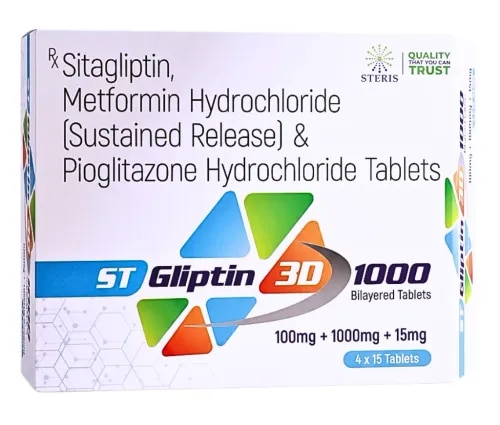
"name": "Sitagliptin 100mg Metformin Hydrochloride 1000mg Sustained Release Pioglitazone 15 mg",
"description": "Managing type 2 diabetes often requires more than a single medication to achieve long-term blood sugar control. Sitagliptin 100mg Metformin Hydrochloride 1000mg Sustained Release Pioglitazone 15 mg is a triple-combination prescription medicine formulated to help adults with type 2 diabetes maintain healthy glucose levels when diet, exercise, and single-drug therapy are not enough.\n\nThis advanced combination works through three different mechanisms to improve insulin sensitivity, reduce glucose production by the liver, and enhance the body's natural insulin response after meals. Because of its multi-action approach, it is frequently prescribed by healthcare professionals for patients requiring comprehensive glycemic control.\n\nIf you are searching for Sitagliptin 100mg Metformin Hydrochloride 1000mg Sustained Release Pioglitazone 15 mg, this guide covers everything you need to know—including how it works, benefits, dosage information, side effects, precautions, storage, and frequently asked questions.\n\nWhat is Sitagliptin 100mg Metformin Hydrochloride 1000mg Sustained Release Pioglitazone 15 mg?\n\nSitagliptin 100mg Metformin Hydrochloride 1000mg Sustained Release Pioglitazone 15 mg is a prescription oral anti-diabetic medicine used to manage Type 2 Diabetes Mellitus. It combines three clinically proven medicines into one convenient tablet to provide better blood sugar management throughout the day.\n\nThe formulation contains:\n\nSitagliptin 100 mg – A DPP-4 inhibitor that increases incretin hormones to improve insulin secretion.\nMetformin Hydrochloride 1000 mg Sustained Release – A biguanide that lowers glucose production by the liver and improves insulin sensitivity.\nPioglitazone 15 mg – A thiazolidinedione that enhances the body's response to insulin.\n\nTogether, these ingredients target multiple causes of high blood sugar, helping patients achieve better diabetes control while reducing the need for multiple separate medications.\n\nHow Does Sitagliptin 100mg Metformin Hydrochloride 1000mg Sustained Release Pioglitazone 15 mg Work?\n\nThis triple-combination tablet works through complementary mechanisms:\n\n1. Sitagliptin\n\nSitagliptin inhibits the DPP-4 enzyme, allowing incretin hormones to remain active longer. These hormones increase insulin release after meals and reduce excess glucagon production.\n\n2. Metformin SR\n\nMetformin Sustained Release decreases glucose production in the liver, reduces intestinal glucose absorption, and improves insulin sensitivity without causing excessive insulin release.\n\n3. Pioglitazone\n\nPioglitazone improves insulin sensitivity in muscle and fat tissues, enabling cells to utilize glucose more effectively.\n\nThe combination helps maintain consistent blood sugar levels throughout the day while lowering both fasting and post-meal glucose.\n\nWhy is This Triple Combination Important?\n\nType 2 diabetes progresses over time, making it difficult for many patients to control blood sugar using a single medication. A triple therapy offers several advantages:\n\nBetter HbA1c reduction\nMultiple mechanisms of action\nReduced insulin resistance\nImproved post-meal glucose control\nLower fasting blood sugar\nSimplified treatment with one tablet\nImproved medication adherence\nReduced need for additional medications\n\nHealthcare providers often prescribe this combination when dual therapy no longer provides adequate glucose control.\n\nKey Benefits of Sitagliptin 100mg Metformin Hydrochloride 1000mg Sustained Release Pioglitazone 15 mg\nExcellent Blood Sugar Control\n\nThe medicine helps reduce both fasting and postprandial blood glucose levels effectively.\n\nTriple Mechanism of Action\n\nEach ingredient targets a different pathway involved in diabetes, resulting in more comprehensive glycemic control.\n\nImproved Insulin Sensitivity\n\nPioglitazone increases insulin responsiveness, helping the body utilize glucose more efficiently.\n\nReduced Liver Glucose Production\n\nMetformin decreases glucose release from the liver, preventing unnecessary increases in blood sugar.\n\nSupports Long-Term Diabetes Management\n\nRegular use, alongside lifestyle modifications, contributes to improved HbA1c levels and reduced diabetes-related complications.\n\nConvenient Once-Daily Regimen\n\nCombining three medicines into a single tablet improves treatment convenience and supports better compliance.\n\nWho May Benefit from This Medicine?\n\nHealthcare professionals may prescribe this medication for adults with Type 2 Diabetes who:\n\nHave uncontrolled blood sugar despite dual therapy\nRequire triple oral anti-diabetic therapy\nHave elevated HbA1c levels\nNeed improved insulin sensitivity\nPrefer fewer tablets in their treatment plan\nAre following dietary and exercise recommendations but require additional glucose control\n\nThis medicine is not intended for Type 1 Diabetes or diabetic ketoacidosis.\n\nHow to Take Sitagliptin 100mg Metformin Hydrochloride 1000mg Sustained Release Pioglitazone 15 mg\n\nAlways follow your physician's instructions.\n\nGeneral recommendations include:\n\nTake once daily or as prescribed.\nSwallow the tablet whole.\nDo not crush, split, or chew the sustained-release tablet.\nTake with food to reduce stomach discomfort.\nTake it at the same time each day.\nContinue exercising and following a diabetic meal plan.\n\nNever stop treatment without consulting your healthcare provider.\n\nPossible Side Effects\n\nLike all prescription medicines, this combination may cause side effects, although not everyone experiences them.\n\nCommon side effects include:\n\nNausea\nStomach discomfort\nDiarrhea\nHeadache\nUpper respiratory infection\nWeight gain\nSwelling of feet or ankles\nMuscle aches\nDizziness\n\nSeek immediate medical attention if you experience:\n\nSevere allergic reaction\nPersistent vomiting\nDifficulty breathing\nSevere abdominal pain\nUnusual fatigue\nYellowing of skin or eyes\nSymptoms of lactic acidosis\nSigns of heart failure, such as rapid weight gain or shortness of breath\nPrecautions Before Using This Medicine\n\nInform your healthcare provider if you have:\n\nKidney disease\nLiver disease\nHeart failure\nBladder cancer history\nPancreatitis\nSevere dehydration\nAlcohol dependence\nVitamin B12 deficiency\nPlanned surgery or imaging with contrast dye\n\nWomen who are pregnant or breastfeeding should use this medicine only under medical supervision.\n\nDrug Interactions\n\nTell your doctor about all medicines you take, including:\n\nInsulin\nSulfonylureas\nDiuretics\nCorticosteroids\nThyroid medicines\nBlood pressure medicines\nRifampicin\nAlcohol\nCimetidine\nCertain antifungal medicines\n\nProper medication review helps minimize interaction risks.\n\nLifestyle Tips for Better Diabetes Control\n\nMedicine works best when combined with healthy lifestyle habits.\n\nRecommended practices include:\n\nFollow a balanced diabetic diet.\nExercise for at least 30 minutes most days.\nMonitor blood sugar regularly.\nMaintain a healthy body weight.\nStay hydrated.\nAvoid smoking.\nLimit alcohol intake.\nGet regular HbA1c tests.\nManage stress effectively.\nAttend routine medical check-ups.\nStorage Instructions\n\nStore the tablets:\n\nBelow 25°C\nIn a cool, dry place\nAway from moisture and direct sunlight\nIn the original packaging\nOut of reach of children and pets\n\nDo not use expired medicine.\n\nWhy Healthcare Professionals Choose This Triple Combination\n\nDoctors frequently recommend Sitagliptin 100mg Metformin Hydrochloride 1000mg Sustained Release Pioglitazone 15 mg because it addresses multiple aspects of diabetes management in a single formulation. By improving insulin secretion, reducing hepatic glucose production, and enhancing insulin sensitivity, it provides comprehensive glycemic control while simplifying treatment. When combined with a healthy lifestyle and regular medical follow-up, it can support long-term diabetes management and help reduce the risk of complications associated with uncontrolled blood sugar.\n\nConclusion\n\nSitagliptin 100mg Metformin Hydrochloride 1000mg Sustained Release Pioglitazone 15 mg is an effective prescription medication designed for adults with Type 2 Diabetes Mellitus who require stronger blood sugar management than single or dual therapy can provide. Its triple-action formula offers improved glycemic control, better insulin utilization, and convenient once-daily dosing. While highly effective, it should always be used under the guidance of a qualified healthcare professional, together with a balanced diet, regular physical activity, and routine blood sugar monitoring for the best long-term outcomes.\n\nHigh-Ranking FAQs (Google Search & Voice Search Optimized)\n1. What is Sitagliptin 100mg Metformin Hydrochloride 1000mg Sustained Release Pioglitazone 15 mg used for?\n\nIt is prescribed to help adults with Type 2 Diabetes Mellitus control blood sugar when lifestyle changes and other oral medicines do not provide adequate glycemic control.\n\n2. How does this triple-combination tablet work?\n\nIt combines three medicines that increase insulin release after meals, reduce glucose production by the liver, and improve the body's sensitivity to insulin, resulting in better overall blood sugar control.\n\n3. Can this medicine be taken once daily?\n\nYes. Many patients take it once daily, but the exact dosage and timing should always follow the prescribing doctor's instructions.\n\n4. Should I take this tablet with food?\n\nYes. Taking it with meals helps reduce stomach-related side effects associated with metformin and improves tolerability.\n\n5. Can this medicine cure diabetes?\n\nNo. It helps control blood sugar levels but does not cure Type 2 Diabetes. Long-term treatment, healthy eating, exercise, and regular monitoring remain essential.\n\n6. What should I do if I miss a dose?\n\nTake the missed dose as soon as you remember unless it is nearly time for your next scheduled dose. Do not take two doses together to make up for a missed dose.\n\n7. Can this medicine cause low blood sugar?\n\nOn its own, the risk is relatively low. However, the likelihood increases when it is used with insulin or sulfonylurea medicines, or if meals are skipped.\n\n8. Is this medicine safe for patients with kidney disease?\n\nPatients with kidney impairment require medical evaluation before using this medicine, particularly because metformin may not be suitable in severe kidney dysfunction.\n\n9. Can I drink alcohol while taking this medication?\n\nAlcohol intake should be limited or avoided, as excessive consumption may increase the risk of serious side effects, including lactic acidosis.\n\n10. Who should not use Sitagliptin 100mg Metformin Hydrochloride 1000mg Sustained Release Pioglitazone 15 mg?\n\nIt should not be used without medical advice by individuals with Type 1 Diabetes, diabetic ketoacidosis, severe kidney disease, certain liver conditions, or a history of serious hypersensitivity to any of its ingredients. Always consult your healthcare provider before starting treatment.",
"price": 243.0,
"discountamount": 73.0,
"currencycode": "INR",
"priority": 1000000,
"isfreeshipmentavailable": false,
"shipmentduration": 1,
"_keywords": null,
"isarchived": false,
"isavailable": true,
"applicationid": null,
"productindex": 2462,
"imageuri": "https://productimages.withfloats.com/actual/6a43bee3de301bd6de277db2.png",
"tileimageuri": "https://productimages.withfloats.com/tile/6a43bee3de301bd6de277db2.png",
"images": null,
"totalqueries": 0,
"gpid": null,
"groupproductid": null,
"createdon": "2026-06-30T13:04:34Z",
"updatedon": "2026-06-30T13:04:34Z",
"buyonlinelink": null,
"producturl": "http://WWW.STERISINDIA.COM//sitagliptin-100mg-metformin-hydrochloride-1000mg-sustained-release-pioglitazone-15-mg/2462",
"availableunits": -1.0,
"iscodavailable": false,
"isprepaidonlineavailable": false,
"maxcodorders": 0,
"maxprepaidonlineorders": 0,
"uniquepaymenturl": null,
"brandname": "ST GLIPTIN 3D 1000",
"category": "DIABETIC RANGE",
"tags": [],
"variants": false,
"keyspecification": null,
"otherspecifications": null,
"pickupaddressreferenceid": null,
"paymenttype": "UniquePaymentUrl",
"producttype": "products",
"hsncode": null,
"gstslab": 0.0,
"isnotforsale": false
},
{
"_id": "69f9e220290b14968304dde2",
"fptag": "STERISHEALTHCARE",
"merchantname": null,
"customwidgets": null,
"externalsourceid": null,
"name": "Brimonidine And Timolol Eye Drops",
"description": "Brimonidine and Timolol Eye Drops – Complete Buyer Intent Guide\n\nManaging elevated intraocular pressure (IOP) is critical to protecting vision and preventing long-term damage from glaucoma. If a single medication isn’t enough to control eye pressure, combination therapies are often recommended. Brimonidine Tartrate and Timolol Maleate Eye Drops bring together two proven mechanisms in one convenient formulation—offering enhanced pressure control and better patient compliance. This comprehensive, buyer-focused guide explains how this medication works, its benefits, usage, safety, and what to check before purchasing.\n\nWhat are Brimonidine and Timolol Eye Drops?\n\nBrimonidine and Timolol Eye Drops are a fixed-dose combination ophthalmic medication designed to reduce intraocular pressure in patients with glaucoma or ocular hypertension. It is typically prescribed when monotherapy (a single drug) does not achieve the desired pressure reduction.\n\nThis formulation includes:\n\nBrimonidine Tartrate – reduces fluid production and increases drainage\nTimolol Maleate – decreases aqueous humor production\n\nTogether, they provide complementary action for more effective and sustained IOP control.\n\nHow Does This Combination Work?\n\nThe effectiveness of this medication lies in its dual mechanism of action:\n\n1. Reduced Fluid Production (Timolol)\nBlocks beta-adrenergic receptors in the eye\nDecreases aqueous humor formation\nLowers intraocular pressure\n2. Increased Drainage & Reduced Production (Brimonidine)\nReduces fluid production\nEnhances uveoscleral outflow\nProvides additional pressure-lowering effect\n\nThis dual action ensures greater pressure reduction than either drug alone, helping to protect the optic nerve and preserve vision.\n\nWhat Conditions Does It Treat?\n\nBrimonidine and Timolol Eye Drops are commonly used for:\n\n✔ Open-Angle Glaucoma\n\nA chronic condition that damages the optic nerve due to increased eye pressure.\n\n✔ Ocular Hypertension\n\nElevated intraocular pressure without visible damage but with risk of progression.\n\n✔ Patients Requiring Combination Therapy\n\nWhen single-drug treatments are insufficient.\n\nKey Benefits of Brimonidine & Timolol Eye Drops\n✔ Enhanced IOP Reduction\n\nCombines two mechanisms for superior pressure control.\n\n✔ Protects Vision\n\nReduces the risk of optic nerve damage and vision loss.\n\n✔ Convenient Combination\n\nEliminates the need for multiple separate eye drops.\n\n✔ Improved Compliance\n\nSimplified dosing improves adherence to treatment.\n\n✔ Clinically Proven Effectiveness\n\nWidely prescribed by ophthalmologists globally.\n\n✔ Cost-Effective Therapy\n\nOffers dual benefits in a single product.\n\nHow to Use Brimonidine and Timolol Eye Drops\n\nCorrect usage ensures optimal effectiveness.\n\nStep-by-Step Instructions:\nWash your hands thoroughly\nTilt your head backward\nPull down the lower eyelid\nInstill 1 drop into the affected eye\nClose your eyes gently for 1–2 minutes\nAvoid touching the dropper tip\nDosage Guidelines:\nTypically 1 drop, twice daily\nFollow your doctor’s prescription strictly\nDo not skip doses or stop suddenly\nWho Should Use This Medication?\n\nThis eye drop is ideal for:\n\nPatients with glaucoma requiring stronger pressure control\nIndividuals with ocular hypertension\nPatients not responding adequately to single-drug therapy\n\nNote: Use only under medical supervision.\n\nPossible Side Effects\n\nLike all medications, this combination may cause side effects.\n\nCommon Side Effects:\nEye irritation or redness\nDry mouth\nMild burning or stinging\nTemporary blurred vision\nLess Common but Serious Effects:\nSlow heart rate\nLow blood pressure\nBreathing difficulties\nFatigue or drowsiness\n\nSeek immediate medical attention if severe symptoms occur.\n\nPrecautions and Warnings\n\nBefore using Brimonidine and Timolol Eye Drops, consider the following:\n\nAvoid Use If:\nYou have asthma or severe lung disease\nYou have heart block or serious cardiac conditions\nYou are allergic to any components\nUse With Caution If:\nYou have diabetes (may mask symptoms of low blood sugar)\nYou have cardiovascular conditions\nYou are pregnant or breastfeeding\nSafety Tips:\nRemove contact lenses before use\nWait 10–15 minutes before reinserting lenses\nAvoid driving immediately after use if vision is blurred\nDrug Interactions\n\nThis medication may interact with:\n\nOral beta-blockers\nAntidepressants (MAO inhibitors)\nBlood pressure medications\nCNS depressants\n\nAlways inform your doctor about all medications you are taking.\n\nStorage Instructions\nStore in a cool, dry place\nKeep away from direct sunlight\nDo not freeze\nKeep the bottle tightly closed\nKeep out of reach of children\nWhy Choose Brimonidine and Timolol Eye Drops?\n\nFrom a buyer’s perspective, this medication offers:\n\nDual-action formula for maximum effectiveness\nReduced need for multiple medications\nProven safety and efficacy\nConvenient dosing schedule\nTrusted by healthcare professionals\n\nIt is a reliable and efficient choice for long-term eye pressure management.\n\nBuying Guide – What to Check Before Purchase\n\nBefore purchasing Brimonidine and Timolol Eye Drops, ensure:\n\nThe product meets pharmaceutical quality standards\nThe packaging is sealed and intact\nThe expiry date is valid\nIt is sourced from a trusted manufacturer\nProper storage conditions have been maintained\n\nBuying from reputable suppliers ensures safety, authenticity, and effectiveness.\n\nConclusion\n\nBrimonidine and Timolol Eye Drops are a powerful combination therapy designed to effectively reduce intraocular pressure and protect against vision loss in patients with glaucoma or ocular hypertension. By combining two proven mechanisms in one formulation, it offers enhanced efficacy, convenience, and improved patient compliance.",
"price": 285.0,
"discountamount": 86.0,
"currencycode": "INR",
"priority": 1000000,
"isfreeshipmentavailable": false,
"shipmentduration": 1,
"_keywords": null,
"isarchived": false,
"isavailable": true,
"applicationid": null,
"productindex": 2412,
"imageuri": "https://productimages.withfloats.com/actual/69f9e222392f84fd46ba65a9.png",
"tileimageuri": "https://productimages.withfloats.com/tile/69f9e222392f84fd46ba65a9.png",
"images": null,
"totalqueries": 0,
"gpid": null,
"groupproductid": null,
"createdon": "2026-05-05T12:27:12.217Z",
"updatedon": "2026-05-07T08:05:04.839Z",
"buyonlinelink": null,
"producturl": "http://WWW.STERISINDIA.COM//brimonidine-and-timolol-eye-drops/2412",
"availableunits": -1.0,
"iscodavailable": false,
"isprepaidonlineavailable": false,
"maxcodorders": 0,
"maxprepaidonlineorders": 0,
"uniquepaymenturl": null,
"brandname": "CIPVISION BRIMLIFE TIMO",
"category": "Opthalmology Range",
"tags": [
"brimonidine and timolol eye drops",
"brinzolamide brimonidine and timolol eye drops",
"brimonidine and timolol eye drops uses",
"brimonidine and timolol eye drops uses in hindi",
"brimonidine and timolol eye drops in hindi"
],
"variants": false,
"keyspecification": null,
"otherspecifications": null,
"pickupaddressreferenceid": null,
"paymenttype": "UniquePaymentUrl",
"producttype": "products",
"hsncode": null,
"gstslab": 0.0,
"isnotforsale": false
},
{
"_id": "69f9cd24ee2d5592d419dc1d",
"fptag": "STERISHEALTHCARE",
"merchantname": null,
"customwidgets": null,
"externalsourceid": null,
"name": "Ketorolac Tromethamine And Moxifloxacin Ophthalmic Solution",
"description": "Ketorolac Tromethamine and Moxifloxacin Hydrochloride Ophthalmic Solution – Complete Buyer Intent Guide\n\nWhen eye infections are accompanied by pain, redness, and inflammation, choosing a treatment that addresses both infection and discomfort is essential. Ketorolac Tromethamine and Moxifloxacin Hydrochloride Ophthalmic Solution is a powerful dual-action formulation designed to provide fast relief from bacterial infections while reducing inflammation and pain. This comprehensive guide is crafted to help buyers—patients, pharmacies, and healthcare providers—make informed purchasing decisions.\n\nWhat is Ketorolac Tromethamine and Moxifloxacin Hydrochloride Ophthalmic Solution?\n\nThis ophthalmic solution is a combination prescription eye medication that includes:\n\nKetorolac Tromethamine – a non-steroidal anti-inflammatory drug (NSAID) that reduces pain and inflammation\nMoxifloxacin Hydrochloride – a broad-spectrum antibiotic that eliminates bacterial infections\n\nTogether, they provide a complete therapeutic approach for treating infectious and inflammatory eye conditions, especially when both symptoms occur simultaneously.\n\nHow Does This Ophthalmic Solution Work?\n\nThe effectiveness of this combination lies in its dual mechanism of action:\n\n1. Antibacterial Action (Moxifloxacin)\n\nMoxifloxacin works by:\n\nInhibiting bacterial DNA replication\nKilling a wide range of bacteria\nPreventing infection from spreading\n2. Anti-inflammatory & Pain Relief (Ketorolac)\n\nKetorolac helps by:\n\nBlocking prostaglandin production (inflammation mediators)\nReducing swelling and redness\nRelieving eye pain and discomfort\n\nThis combination ensures faster symptom relief, better infection control, and improved healing outcomes.\n\nWhat Conditions Does It Treat?\n\nThis ophthalmic solution is commonly prescribed for:\n\n✔ Bacterial Conjunctivitis\n\nRedness, discharge, and irritation caused by bacterial infection.\n\n✔ Post-Operative Eye Care\n\nUsed after eye surgeries (such as cataract procedures) to prevent infection and reduce inflammation.\n\n✔ Keratitis\n\nInflammation or infection of the cornea that can affect vision.\n\n✔ Eye Injury or Trauma\n\nHelps manage inflammation and prevent infection after minor injuries.\n\n✔ Other Inflammatory Eye Conditions\n\nWhere bacterial infection is present or suspected.\n\nKey Benefits of Ketorolac & Moxifloxacin Ophthalmic Solution\n\nFor buyers evaluating treatment options, this combination offers multiple advantages:\n\n✔ Dual Action Therapy\n\nTreats both infection and inflammation in one solution.\n\n✔ Fast Pain Relief\n\nReduces eye discomfort quickly compared to antibiotic-only treatments.\n\n✔ Broad-Spectrum Antibacterial Coverage\n\nEffective against a wide range of bacteria.\n\n✔ Reduced Risk of Complications\n\nPrevents worsening of infection and inflammation.\n\n✔ Improved Recovery Time\n\nSpeeds up healing, especially after eye procedures.\n\n✔ Convenient Usage\n\nSimplifies treatment by combining two medications in one.\n\nHow to Use This Eye Drop Solution\n\nCorrect application is essential for optimal results.\n\nStep-by-Step Instructions:\nWash your hands thoroughly\nShake the bottle gently if advised\nTilt your head backward\nPull down the lower eyelid to create a pocket\nInstill 1 drop into the affected eye\nClose your eyes for 1–2 minutes\nAvoid touching the dropper tip\nDosage Guidelines:\nTypically 1 drop, 3–4 times daily or as prescribed\nFollow your doctor’s instructions carefully\nDo not skip doses or discontinue early\nWho Should Use This Medication?\n\nThis ophthalmic solution is suitable for:\n\nPatients with bacterial eye infections and inflammation\nIndividuals recovering from eye surgery\nPeople experiencing eye pain, redness, and irritation\n\nImportant: Use only under medical supervision.\n\nPossible Side Effects\n\nWhile generally safe, some users may experience side effects.\n\nCommon Side Effects:\nMild burning or stinging sensation\nTemporary blurred vision\nEye irritation\nLess Common but Serious Effects:\nAllergic reactions\nSevere eye pain\nVision changes\nIncreased sensitivity to light\n\nSeek immediate medical attention if severe symptoms occur.\n\nPrecautions and Warnings\n\nBefore purchasing or using this medication, consider the following:\n\nAvoid Use If:\nYou are allergic to NSAIDs or fluoroquinolone antibiotics\nYou have viral or fungal eye infections\nUse With Caution If:\nYou are pregnant or breastfeeding\nYou have a history of eye disorders\nYou are using other ophthalmic medications\nSafety Tips:\nDo not wear contact lenses during treatment\nMaintain a gap of at least 10 minutes between different eye drops\nAvoid driving immediately after use if vision is blurred\nDrug Interactions\n\nAlthough topical, interactions may occur with:\n\nOther NSAIDs\nSteroid eye drops\nAntibiotic medications\n\nAlways inform your doctor about all medications you are currently using.\n\nStorage Instructions\nStore in a cool, dry place\nKeep away from direct sunlight\nDo not freeze\nClose the bottle tightly after use\nKeep out of reach of children\nWhy Choose Ketorolac & Moxifloxacin Ophthalmic Solution?\n\nFrom a buyer’s perspective, this product stands out due to:\n\nCombination therapy for comprehensive treatment\nFaster symptom relief compared to single-drug options\nReduced need for multiple medications\nClinically proven ingredients\nHigh patient compliance due to ease of use\n\nThis makes it a cost-effective and efficient solution for managing complex eye conditions.\n\nBuying Guide – What to Check Before Purchase\n\nBefore buying this ophthalmic solution, ensure:\n\nIt meets pharmaceutical quality standards\nThe packaging is sealed and intact\nThe expiry date is valid\nIt is sourced from a trusted manufacturer\nProper storage conditions have been maintained\n\nPurchasing from reliable suppliers ensures safety and effectiveness.\n\nConclusion\n\nKetorolac Tromethamine and Moxifloxacin Hydrochloride Ophthalmic Solution is a highly effective dual-action medication designed to treat bacterial eye infections while reducing pain and inflammation. Its fast-acting formula, broad-spectrum antibiotic coverage, and anti-inflammatory benefits make it an ideal choice for both patients and healthcare providers.",
"price": 150.0,
"discountamount": 45.0,
"currencycode": "INR",
"priority": 1000000,
"isfreeshipmentavailable": false,
"shipmentduration": 1,
"_keywords": null,
"isarchived": false,
"isavailable": true,
"applicationid": null,
"productindex": 2404,
"imageuri": "https://productimages.withfloats.com/actual/69f9cd27e944b5743b6c0916.png",
"tileimageuri": "https://productimages.withfloats.com/tile/69f9cd27e944b5743b6c0916.png",
"images": null,
"totalqueries": 0,
"gpid": null,
"groupproductid": null,
"createdon": "2026-05-05T10:57:40.715Z",
"updatedon": "2026-05-18T12:39:22.508Z",
"buyonlinelink": null,
"producturl": "http://WWW.STERISINDIA.COM//ketorolac-tromethamine-and-moxifloxacin-ophthalmic-solution/2404",
"availableunits": -1.0,
"iscodavailable": false,
"isprepaidonlineavailable": false,
"maxcodorders": 0,
"maxprepaidonlineorders": 0,
"uniquepaymenturl": null,
"brandname": "CIPVISION TIBOCLORICUS MOXI",
"category": "Opthalmology Range",
"tags": [
"ketorolac tromethamine and moxifloxacin ophthalmic solution",
"ketorolac tromethamine and moxifloxacin eye drops",
"ketorolac tromethamine and moxifloxacin eye drops",
"ketorolac tromethamine c moxifloxacin eye drops uses in hindi",
"ketorolac tromethamine uses in hindi",
"ketorolac tromethamine",
"ketorolac tromethamine uses",
"ketorolac tromethamine uses in hindi",
"moxifloxacin ketorolac tromethamine ophthalmic solution",
"ketorolac tromethamine eye drops",
"moxifloxacin and ketorolac tromethamine eye drops uses",
"moxifloxacin and ketorolac tromethamine ophthalmic solution",
"moxifloxacin ketorolac tromethamine eye drops",
"tab ketorolac tromethamine uses",
"moxifloxacin & ketorolac tromethamine eye drops",
"Moxifloxacin Ketorolac Tromethamine Eye Drops uses",
"Moxifloxacin and Ketorolac tromethamine ophthalmic solution Hindi",
"Moxifloxacin and Ketorolac tromethamine eye Drops side effects",
"Moxifloxacin Ketorolac Eye Drops Price"
],
"variants": false,
"keyspecification": null,
"otherspecifications": null,
"pickupaddressreferenceid": null,
"paymenttype": "UniquePaymentUrl",
"producttype": "products",
"hsncode": null,
"gstslab": 0.0,
"isnotforsale": false
}
],
"hasmoreitems": false,
"isapirequest": false,
"totalresults": 27,
"query": null,
"floatingpoint": null
}