STERISHEALTHCARE
Products
08042755542
91918824471531
Chat with us


Chat with us on WhatsApp
×
This is your website preview.
Currently it only shows your basic business info. Start adding relevant business details such as description, images and products or services to gain your customers attention by using Boost 360 android app / iOS App / web portal.
Home
 difference ketoconazole
 difference ketoconazole
Items tagged with 'difference ketoconazole'
{
"products": [
{
"_id": "687e2495dc0fc2b9b6fe67e5",
"fptag": "STERISHEALTHCARE",
"merchantname": null,
"customwidgets": null,
"externalsourceid": null,
"name": "ketoconazole dusting powder",
"description": "KATARINA DUSTING POWDER is a high-quality antifungal formulation designed to offer rapid relief from common skin fungal infections. Enriched with Ketoconazole 2% w/w, this medicated dusting powder is an effective topical treatment for conditions caused by dermatophytes and yeasts, including athlete’s foot, jock itch, ringworm, candidiasis, and tinea infections. It is developed for external use to provide soothing, itch-free skin and reduce fungal spread, making it ideal for use in humid conditions or for individuals prone to sweating and friction-related fungal outbreaks.\n\nWhat is Ketoconazole Dusting Powder?\nKetoconazole dusting powder is an antifungal medication available in a topical powder form. The active ingredient, ketoconazole 2% w/w, belongs to the class of imidazole antifungals that work by disrupting the fungal cell membrane, effectively killing the fungi or preventing its growth. The powder form helps in keeping the skin dry, reducing friction, and preventing recurrence of infections, especially in skin folds or moist areas.\n\nKetoconazole dusting powder is primarily used to treat fungal skin infections. It is effective against conditions like athlete's foot, jock itch, ringworm, and other superficial fungal infections. The powder works by inhibiting the growth of fungi and is typically applied to the affected area twice a day, or as directed by a healthcare professional.\n\nUses of KATARINA Dusting Powder\nKATARINA Dusting Powder is prescribed for the following conditions:\n\nAthlete’s foot (Tinea pedis): A fungal infection between the toes or on the soles.\n\nJock itch (Tinea cruris): Infection in the groin or inner thighs.\n\nRingworm (Tinea corporis): Circular red rash on the skin or scalp.\n\nTinea versicolor: A fungal infection causing discolored patches on the skin.\n\nCutaneous candidiasis: Yeast infection affecting skin folds.\n\nHelps in preventing fungal growth in people prone to excessive sweating and friction.\n\nSide Effects of Ketoconazole Dusting Powder\nKATARINA Dusting Powder is generally safe for most users when used as directed. However, some individuals may experience:\n\nSkin irritation\n\nRedness\n\nItching\n\nDryness or stinging at the application site\n\nIf these symptoms persist or worsen, stop usage and consult your doctor.\n\nPrecautions Before Using\n\nDo not apply the powder on broken or oozing skin.\n\nAvoid contact with eyes, nose, mouth, or mucous membranes.\n\nUse only on externally affected areas.\n\nWash and dry the area properly before application.\n\nAlways complete the course of treatment, even if symptoms subside early.\n\nIf you are pregnant or breastfeeding, consult your healthcare provider before use.\n\nNot recommended for children under 12 years unless prescribed.\n\nDrug Interactions: What Drugs Interact With Ketoconazole Powder?\nAlthough topical ketoconazole has minimal systemic absorption, interactions are rare. However, if you're using other topical medications or creams in the same area, inform your doctor or pharmacist. Avoid combining with other antifungal treatments unless advised, as it may cause skin irritation or reduce effectiveness.\n\nConclusion\nKATARINA DUSTING POWDER is your trusted solution for fast, effective, and soothing relief from fungal skin infections. Formulated with ketoconazole 2% w/w, it targets the root cause of infection, provides dryness, and prevents recurrence. With regular and appropriate use, it helps maintain healthy, itch-free skin. For optimal results, use as directed and maintain good hygiene practices. Choose KATARINA for comfort, protection, and skin confidence.",
"price": 187.5,
"discountamount": 55.0,
"currencycode": "INR",
"priority": 1000000,
"isfreeshipmentavailable": false,
"shipmentduration": 1,
"_keywords": null,
"isarchived": false,
"isavailable": true,
"applicationid": null,
"productindex": 2148,
"imageuri": "https://productimages.withfloats.com/actual/687e2cbea549858a1d0c45d3.png",
"tileimageuri": "https://productimages.withfloats.com/tile/687e2cbea549858a1d0c45d3.png",
"images": null,
"totalqueries": 0,
"gpid": null,
"groupproductid": null,
"createdon": "2025-07-21T11:29:25.027Z",
"updatedon": "2026-03-12T06:26:33.01Z",
"buyonlinelink": null,
"producturl": "http://WWW.STERISINDIA.COM/products/ketoconazole-dusting-powder/2148",
"availableunits": -1.0,
"iscodavailable": false,
"isprepaidonlineavailable": false,
"maxcodorders": 0,
"maxprepaidonlineorders": 0,
"uniquepaymenturl": null,
"brandname": "KATARINA DUSTING POWDER",
"category": "DERMATALOGY",
"tags": [
"ketoconazole dusting powder"
],
"variants": false,
"keyspecification": null,
"otherspecifications": null,
"pickupaddressreferenceid": null,
"paymenttype": "UniquePaymentUrl",
"producttype": "products",
"hsncode": null,
"gstslab": 0.001,
"isnotforsale": false
},
{
"_id": "6abe4471401ae1a1106d67d9",
"fptag": "STERISHEALTHCARE",
"merchantname": null,
"customwidgets": null,
"externalsourceid": null,
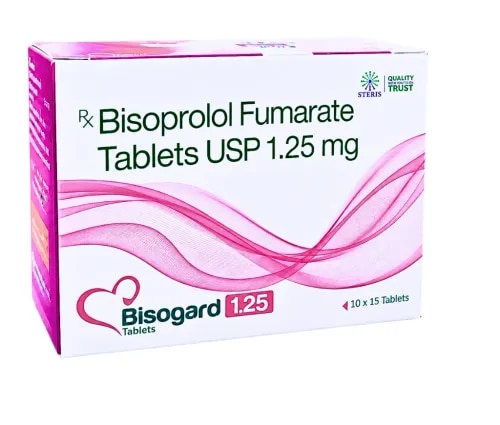
"name": "Bisoprolol 1.25mg",
"description": "Bisoprolol 1.25mg is the smallest tablet strength of bisoprolol, a heart-selective beta-1 blocker. Doctors usually prescribe it to start treatment or to build up the dose gradually in people with high blood pressure, chronic stable heart failure, or fast heart rhythms. It suits older adults, people with mild heart failure, and anyone who reacts strongly to beta-blockers. The medicine slows the heartbeat and eases the force of each contraction, so the heart works less hard. BISOGARD 1.25 from Steris Healthcare Pvt. Ltd. comes in a strip pack of 15 tablets. It is a Schedule H medicine, so it must only be started, changed, or stopped on a doctor's advice.\n\nProduct Snapshot\n\nBrand: BISOGARD 1.25\nManufacturer/Marketer: Steris Healthcare Pvt. Ltd., a WHO-GMP and ISO-certified pharmaceutical company in India\nActive ingredient: Bisoprolol Fumarate 1.25mg\nForm: Tablet\nPack size: 15 tablets\nDrug class: Cardioselective beta-1 blocker\nLegal status: Schedule H (valid prescription required)\nAvailability: Through Steris Healthcare's authorized pharmacies and its B2B PCD franchise network across India\nWhat Is Bisoprolol 1.25mg?\n\nIf your doctor has just prescribed bisoprolol 1.25mg, you have been given the lowest dose on purpose. Bisoprolol is a cardioselective beta-1 blocker, meaning it acts mostly on receptors in the heart and has much less effect on the lungs and blood vessels. This is a major reason it is preferred over older, non-selective beta-blockers, especially for people who also have a mild breathing problem.\n\nThe 1.25mg tablet is not a “light” medicine for mild illness. It is a carefully chosen entry point. In heart failure, a weakened heart can struggle if its rate or pressure drops too quickly, so cardiologists follow a “start low, go slow” approach. Treatment begins at 1.25mg, the response is watched for one to two weeks, and the dose is raised step by step (commonly 2.5mg, 3.75mg, 5mg, 7.5mg, and up to 10mg) as the heart adapts. That is why BISOGARD 1.25 is often the first tablet a newly diagnosed heart failure patient takes.\n\nWhat Is Bisoprolol 1.25mg Used For?\n\nDoctors commonly prescribe this strength for:\n\nChronic heart failure (HFrEF): as the first step of dose titration in patients with a reduced ejection fraction, alongside ACE inhibitors/ARBs and diuretics\nHigh blood pressure: especially in older adults, people with low body weight, and those who are sensitive to blood-pressure-lowering drugs\nStable angina: to reduce the heart's oxygen demand and relieve chest discomfort\nAfter a heart attack: in selected patients, under a cardiologist's care\nHeart rate control in some arrhythmias: sometimes used off-label at a low dose to gently bring down a fast heart rate\n\nAt 1.25mg, bisoprolol is seldom meant as the long-term sole treatment for high blood pressure in an otherwise healthy adult. It is usually the first rung of a titration ladder, or a steady maintenance dose for patients who are unusually beta-blocker sensitive (older age, low body weight, or borderline low pressure or pulse).\n\nHow Does Bisoprolol Work?\n\nBisoprolol selectively blocks beta-1 adrenergic receptors, which are packed mainly into heart muscle. This leads to several effects:\n\nSlower heart rate: the heart has more time to fill and rest between beats\nGentler contractions: the heart muscle needs less oxygen and energy\nLess renin from the kidneys: this helps blood pressure fall gradually over time\nLower overall cardiac workload: a real advantage for a heart that already struggles to pump well, as in heart failure\nKey Benefits of BISOGARD 1.25\nA gentle starting dose, well suited to careful titration in frail or elderly patients\nHeart-focused action, with less effect on the lungs and peripheral blood vessels than non-selective beta-blockers\nOnce-daily dosing, which makes it easier to stay on treatment\nA guideline-recommended beta-blocker for HFrEF with well-established outcomes data [Reviewer note: insert specific outcome statistics/trial citation pending medical sign-off]\nMade by Steris Healthcare Pvt. Ltd. under WHO-GMP and ISO-certified standards\nDosage Guidance\nUsual starting dose (heart failure): 1.25mg once a day, preferably in the morning\nDose increases: typically every 1–2 weeks (2.5mg, 3.75mg, 5mg, 7.5mg, up to a maximum of 10mg daily), depending on how well you tolerate it and on your pulse and blood pressure\nHigh blood pressure (sensitive patients): 1.25mg to 5mg once daily, as set by your doctor\nHow to take it: at the same time every day, with or without food, swallowed whole with water\nIf you miss a dose: take it when you remember, unless the next dose is almost due. Never take a double dose.\nNever stop suddenly: abrupt withdrawal can cause a rebound rise in heart rate, blood pressure, or chest pain. The dose must be reduced gradually under medical supervision.\nIs It Better to Take Bisoprolol in the Morning or at Night?\n\nMost doctors advise a morning dose. Bisoprolol lowers pulse and blood pressure, and taking it early matches its action to your daytime activity. A night-time dose could add to the body's natural overnight dip in blood pressure and raise the chance of dizziness when getting up in the dark. Some people who feel tired during the day are told by their doctor to switch to the evening. Do not change your dosing time without your doctor's approval.\n\nSide Effects of Bisoprolol 1.25mg\n\nCommon side effects\n\nTiredness or fatigue\nDizziness or light-headedness, especially on standing quickly\nCold hands or feet\nSlow pulse (bradycardia)\nHeadache\nMild stomach upset (nausea, loose stools)\nDisturbed sleep\n\nSerious side effects (get medical help promptly)\n\nVery slow heartbeat or fainting\nIncreasing breathlessness or swollen legs/ankles, which may mean heart failure is worsening\nAllergic reaction: rash, swelling of the face or throat, trouble breathing\nCold, numb, or bluish fingers and toes\nWheezing or new breathing difficulty, particularly in people with asthma or COPD\nMood changes, low mood, or confusion\nWhat Are the Bad Side Effects of Bisoprolol?\n\nThe effects that need urgent attention are a dangerously slow pulse, fainting, signs of worsening heart failure (swelling, breathlessness), severe allergic reactions, and airway tightening in people with lung disease. These are uncommon at the 1.25mg dose, but anyone who notices them should seek medical help right away. [Reviewer note: specific incidence rates pending clinical/medical sign-off]\n\nSubstitutes & Comparable Beta-Blockers\nMolecule\tSelectivity\tTypical Use Case\nBisoprolol\tHighly cardioselective\tHeart failure titration, hypertension\nMetoprolol Succinate ER\tCardioselective\tHypertension, angina, heart failure\nAtenolol\tCardioselective (older agent)\tHypertension\nCarvedilol\tNon-selective with alpha-blocking action\tHeart failure (adds vasodilation)\nPropranolol\tNon-selective\tMigraine prevention, anxiety-related fast heartbeat, essential tremor\nPrecautions & Who Should Avoid Bisoprolol\nNot suitable for people with severe bradycardia, certain forms of heart block (unless a pacemaker is fitted), unstable or acutely decompensated heart failure, or severe uncontrolled asthma\nUse carefully in diabetes, because beta-blockers can hide the warning signs of low blood sugar\nTake care in peripheral vascular disease, as cold extremities or leg pain on walking may worsen\nNever stop it abruptly; always taper under a doctor's guidance\nTell your doctor about every medicine you use, especially other blood-pressure drugs, calcium channel blockers, and certain antiarrhythmics\nIn pregnancy and breastfeeding, use only if your doctor advises it after weighing benefits and risks\nIs Bisoprolol Safe for Kidneys?\n\nThe body clears bisoprolol through both the liver and the kidneys in roughly equal measure. It is generally considered safe for people with normal or mildly reduced kidney function. When kidney impairment is significant, drug levels in the blood can rise, so your doctor may lower the dose or monitor you more closely. Always tell your prescriber about any kidney disease before starting.\n\nIs Bisoprolol a High-Risk Medication?\n\nBisoprolol is not a narrow therapeutic index drug like tacrolimus or warfarin, where small dose differences matter greatly. Even so, it needs supervised use because it directly affects heart rate and blood pressure. The main dangers are stopping it suddenly, which can set off rebound cardiac events, and using it with certain existing rhythm disorders. Taken as prescribed and checked regularly, it has a long and reassuring safety record.\n\nDoes 1.25mg Bisoprolol Lower Blood Pressure?\n\nYes. Even the smallest dose measurably reduces heart rate and blood pressure by lightening the heart's workload and reducing renin-driven narrowing of blood vessels. At this strength the effect on blood pressure is fairly mild, which is exactly why it is a safe place to begin, especially for older adults or people starting heart failure treatment. The dose is then raised gradually to reach full benefit.\n\nFrequently Asked Questions\n\n1. What is 1.25 mg of bisoprolol used for?\nMainly as a low starting dose when building up treatment for chronic heart failure, and for high blood pressure in people who are very sensitive to beta-blockers, such as older adults.\n\n2. What are the bad side effects of bisoprolol?\nThe more serious ones are a very slow pulse, fainting, worsening heart failure signs (swelling, breathlessness), severe allergy, and breathing trouble in people with lung conditions.\n\n3. What are the common side effects of bisoprolol fumarate 1.25 mg tablets?\nTiredness, dizziness, cold hands and feet, mild headache, and a slightly slower pulse.\n\n4. Is it better to take bisoprolol in the morning or at night?\nMorning is usually preferred so its effect fits daytime activity, though your doctor may suggest evenings in some cases.\n\n5. What is the cost of bisoprolol?\nPrice depends on strength, pack size, and brand. Use the “Check Price” option above for current BISOGARD 1.25 pricing from Steris Healthcare.\n\n6. Does 1.25 mg bisoprolol lower blood pressure?\nYes, though only modestly at this dose. The dose is often stepped up over time.\n\n7. Is bisoprolol safe for kidneys?\nGenerally yes for normal or mildly reduced kidney function. People with significant kidney impairment need dose adjustment and monitoring.\n\n8. Is bisoprolol a high-risk medication?\nIt is not a narrow therapeutic index drug, but it must never be stopped suddenly and should be used under medical supervision because of its direct effect on the heart.\n\n9. Can I take bisoprolol 1.25mg for the rest of my life?\nMany people with chronic heart failure or hypertension do take bisoprolol long term, but the dose usually rises as tolerated. Your doctor should review it regularly.\n\n10. What happens if I miss a dose of bisoprolol?\nTake it when you remember, unless the next dose is nearly due. In that case skip the missed one. Never take two together.\n\n11. Can bisoprolol 1.25mg cause weight gain?\nIt is not commonly reported at this dose. Fluid retention linked to heart failure itself should be reported to your doctor.\n\n12. Is bisoprolol safe for diabetic patients?\nIt can be used, with care, because beta-blockers may hide warning signs of low blood sugar such as a racing heartbeat.\n\n13. Can I stop taking bisoprolol suddenly if I feel fine?\nNo. Stopping abruptly can cause a rebound rise in heart rate, blood pressure, or chest pain. Reduce the dose gradually under medical guidance.\n\n14. Does bisoprolol interact with other blood pressure medicines?\nYes. Combining it with other drugs that lower heart rate or pressure (such as calcium channel blockers) can cause a very low pulse or pressure. Tell your doctor about all your medicines.\n\n15. Is BISOGARD 1.25 available without a prescription?\nNo. Bisoprolol is a Schedule H medicine in India and needs a valid prescription.\n\n16. How long does it take for bisoprolol 1.25mg to start working?\nSome effect on heart rate appears within hours, but the full benefit for blood pressure or heart failure symptoms builds over several weeks of regular use.\n\n17. Can pregnant women take bisoprolol?\nOnly if clearly necessary and prescribed by a doctor, as it may affect the baby's heart rate and growth.",
"price": 39.0,
"discountamount": 12.0,
"currencycode": "INR",
"priority": 1000000,
"isfreeshipmentavailable": false,
"shipmentduration": 1,
"_keywords": null,
"isarchived": false,
"isavailable": true,
"applicationid": null,
"productindex": 2501,
"imageuri": "https://productimages.withfloats.com/actual/6abe4474c205678e0b16a23a.png",
"tileimageuri": "https://productimages.withfloats.com/tile/6abe4474c205678e0b16a23a.png",
"images": null,
"totalqueries": 0,
"gpid": null,
"groupproductid": null,
"createdon": "2026-10-01T11:30:57.88Z",
"updatedon": "2026-10-01T11:30:57.88Z",
"buyonlinelink": null,
"producturl": "http://WWW.STERISINDIA.COM//bisoprolol-1-25mg/2501",
"availableunits": -1.0,
"iscodavailable": false,
"isprepaidonlineavailable": false,
"maxcodorders": 0,
"maxprepaidonlineorders": 0,
"uniquepaymenturl": null,
"brandname": "Bisogard 1.25",
"category": "CARDIOLOGYRANGE",
"tags": [],
"variants": false,
"keyspecification": null,
"otherspecifications": null,
"pickupaddressreferenceid": null,
"paymenttype": "UniquePaymentUrl",
"producttype": "products",
"hsncode": null,
"gstslab": 0.0,
"isnotforsale": false
},
{
"_id": "6a952bdada41ea9aeeec5e4a",
"fptag": "STERISHEALTHCARE",
"merchantname": null,
"customwidgets": null,
"externalsourceid": null,
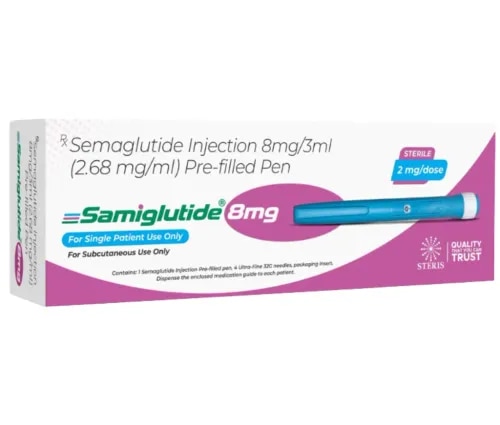
"name": "Semaglutide injection 8 mg",
"description": "The semaglutide injection, 8 mg, contains a total of 8 mg of semaglutide, a long-acting GLP-1 receptor agonist. It is used under medical supervision as part of treatment for appropriate adults with type 2 diabetes mellitus and, depending on the specific approved product and indication, for cardiovascular risk reduction and chronic weight management.\n1. Product Overview & Specifications\nAn 8 mg/3 mL semaglutide pen contains 8 mg of the active medicine in a 3 mL delivery system. When specifically designed to provide 2 mg per weekly dose, the total quantity can provide four 2 mg doses.\nActive Ingredient: Semaglutide\nTotal Strength: 8 mg\nExample Presentation: 8 mg/3 mL multi-dose pen\nDrug Class: GLP-1 receptor agonist\nRoute: Subcutaneous injection\nCommon Injection Areas: Abdomen, thigh, or upper arm\nAdministration: Once weekly, according to the prescribed schedule\nMechanism of Action\nSemaglutide mimics the activity of the naturally occurring hormone GLP-1 (glucagon-like peptide-1). It acts on GLP-1 receptors involved in blood-glucose regulation, digestion, and appetite.\nImproves glucose-dependent insulin release: Semaglutide encourages the pancreas to release insulin when blood glucose levels are elevated.\nReduces glucagon secretion: It lowers inappropriate glucagon release, helping reduce the amount of glucose produced by the liver.\nSlows gastric emptying: Semaglutide can delay the movement of food from the stomach, contributing to prolonged fullness.\nReduces appetite: Its effects on appetite-regulating pathways in the brain can decrease hunger and food intake.\n2. Primary Indications & Uses\nSemaglutide may be prescribed for several clinically established purposes depending on the specific formulation, approved labeling, and patient's medical condition.\nType 2 Diabetes Management\nSemaglutide can be used alongside appropriate diet and physical activity to improve blood-glucose control in adults with type 2 diabetes.\nCardiovascular Risk Reduction\nIn eligible adults with type 2 diabetes and established cardiovascular disease, certain semaglutide products have demonstrated a reduction in the risk of major cardiovascular events, including cardiovascular death, non-fatal heart attack, and non-fatal stroke.\nKidney Disease\nCertain semaglutide formulations and indications have demonstrated kidney-related benefits in specific populations. The appropriate product and indication should be determined by a healthcare professional.\nChronic Weight Management\nSemaglutide is also used for long-term weight management in eligible adults with obesity or overweight accompanied by weight-related health conditions, depending on the approved formulation and local prescribing guidance.\n3. Key Benefits of Semaglutide 8 mg Therapy\nClinical Area\nPotential Therapeutic Role\nBlood-Glucose Control\nHelps lower elevated blood glucose and improve glycemic control in appropriate patients.\nWeight Management\nReduces appetite and food intake, supporting sustained weight reduction when prescribed for this purpose.\nCardiovascular Health\nCertain approved semaglutide indications can reduce major cardiovascular event risk in eligible patients.\nMetabolic Support\nInfluences glucose regulation, appetite, insulin secretion, and glucagon activity.\nWeekly Administration\nA once-weekly injection can provide a convenient treatment schedule when prescribed.\n\n4. Side Effects & Safety Warnings\nCommon Adverse Reactions\nDigestive symptoms are among the most frequently reported adverse effects, particularly when treatment is initiated or the dose is increased.\nPossible side effects include:\nNausea\nVomiting\nDiarrhea\nConstipation\nAbdominal discomfort\nBloating\nBelching\nIndigestion or heartburn\nReduced appetite\nThese effects may improve as the body becomes accustomed to treatment.\nFrequently Asked Questions\n1. How much weight can you lose with semaglutide?\nWeight reduction varies significantly between individuals and depends on the prescribed formulation, dose, treatment duration, diet, physical activity, and adherence. Clinical trials of approved weight-management regimens have demonstrated substantial average percentage weight loss over extended treatment periods.\n2. How much is 8 units of semaglutide in mL?\nOn a U-100 insulin syringe, 100 units corresponds to 1 mL, so 8 units corresponds to 0.08 mL. However, this conversion only describes syringe volume. It does not determine the amount of semaglutide in mg because the medication concentration varies between products. Always verify the exact concentration before measuring any dose.\n3. Is semaglutide injection safe for weight loss?\nSemaglutide can be an effective treatment for weight management when an approved formulation is prescribed to an eligible patient and used under appropriate medical supervision. It has important contraindications and warnings, including risks involving the gastrointestinal system, gallbladder, pancreas, kidneys, and thyroid C-cell tumors.\n4. How many mg of semaglutide are used for weight loss?\nThe appropriate dose depends on the specific semaglutide product. Weight-management treatment commonly begins with a lower dose and is gradually increased to a maintenance dose to improve tolerability. The maintenance dose should be determined according to the product's approved prescribing information and the healthcare professional's instructions.\n5. How much weight can I lose in 2 months with semaglutide?\nThere is no guaranteed amount of weight loss during the first two months. Individual results vary because treatment generally begins at a lower dose and is increased gradually. Diet, physical activity, starting weight, medical conditions, and adherence also affect the result.\n6. What happens when you stop semaglutide?\nAfter discontinuation, semaglutide gradually leaves the body. Appetite and food intake may increase as its effects decrease, and some people regain weight. Maintaining healthy eating and physical activity habits may help support weight management after treatment, but discontinuation should be discussed with a healthcare professional.\n7. How long does an 8 mg/3 mL semaglutide pen last?\nIf a specific 8 mg/3 mL pen is designed to deliver 2 mg per weekly dose, it contains four 2 mg doses and therefore provides approximately four weeks of treatment. The actual duration depends on the specific device and prescribed dosing instructions.\n8. What is semaglutide injection 8 mg used for?\nSemaglutide is used for approved indications such as improving blood-glucose control in type 2 diabetes and, depending on the formulation, supporting chronic weight management and reducing cardiovascular risk in eligible patients.\n9. What foods should be avoided while taking semaglutide?\nLarge, high-fat, greasy, or fried meals may worsen gastrointestinal symptoms such as nausea, bloating, and reflux. Smaller meals and balanced food choices may be easier to tolerate. Alcohol intake should also be discussed with a healthcare professional.\n10. Can you eat bananas while taking semaglutide?\nYes, bananas can generally be included in a balanced diet while using semaglutide. Portion size should be considered as part of an individual's overall calorie and carbohydrate intake, particularly for people managing diabetes.\n11. What is the best time of day to inject semaglutide?\nSemaglutide injections can generally be administered at any time of day, with or without meals, depending on the specific product instructions. The injection should be taken on the same day each week as prescribed.\n12. Will I lose weight during the first week of semaglutide?\nSome people may notice an early change in appetite or body weight, while others may not see a significant difference initially. Early treatment doses are generally introduced gradually to help the body adjust rather than to produce immediate maximum weight loss.\n13. How quickly does semaglutide start lowering blood sugar?\nSemaglutide begins acting after administration, but the degree and timing of blood-glucose improvement vary. Significant treatment effects develop progressively, particularly as the prescribed dose is gradually adjusted.\n14. What should I do if I miss a semaglutide dose?\nThe correct missed-dose procedure depends on the specific semaglutide product. Follow the instructions supplied with your prescribed product. Do not take an extra dose to compensate for a missed injection.\n15. Where is the best place to inject semaglutide?\nSemaglutide is administered subcutaneously. Common injection sites include the abdomen, front of the thigh, or upper arm, according to the product instructions. Rotating injection locations can help reduce repeated irritation at one site.\nConclusion\nSemaglutide injection 8 mg contains semaglutide, a long-acting GLP-1 receptor agonist that influences blood-glucose regulation, glucagon secretion, gastric emptying, and appetite. Depending on the specific formulation and approved indication, semaglutide may be used for type 2 diabetes management, chronic weight management, and cardiovascular risk reduction in eligible patients.\nAn 8 mg/3 mL presentation designed for 2 mg weekly dosing can provide four weekly doses. However, semaglutide concentrations, pen designs, approved doses, and indications can differ between products. Treatment should therefore follow the exact product instructions and a healthcare professional's prescription.",
"price": 7800.0,
"discountamount": 2340.0,
"currencycode": "INR",
"priority": 1000000,
"isfreeshipmentavailable": false,
"shipmentduration": 1,
"_keywords": null,
"isarchived": false,
"isavailable": true,
"applicationid": null,
"productindex": 2498,
"imageuri": "https://productimages.withfloats.com/actual/6a952bdd8359c1b7edbc7468.png",
"tileimageuri": "https://productimages.withfloats.com/tile/6a952bdd8359c1b7edbc7468.png",
"images": null,
"totalqueries": 0,
"gpid": null,
"groupproductid": null,
"createdon": "2026-08-31T07:23:06.814Z",
"updatedon": "2026-08-31T07:23:06.814Z",
"buyonlinelink": null,
"producturl": "http://WWW.STERISINDIA.COM//semaglutide-injection-8-mg/2498",
"availableunits": -1.0,
"iscodavailable": false,
"isprepaidonlineavailable": false,
"maxcodorders": 0,
"maxprepaidonlineorders": 0,
"uniquepaymenturl": null,
"brandname": "SAMIGLUTIDE 8MG",
"category": "DIABETIC RANGE",
"tags": [
"Semaglutide injection 8 mg",
"semaglutide injection 8 mg",
"semaglutide 8 mg injection uses",
"semaglutide 8 mg injection benefits",
"semaglutide 8 mg injection dosage"
],
"variants": false,
"keyspecification": null,
"otherspecifications": null,
"pickupaddressreferenceid": null,
"paymenttype": "UniquePaymentUrl",
"producttype": "products",
"hsncode": null,
"gstslab": 0.0,
"isnotforsale": false
},
{
"_id": "6a8c35e76d1f6b0cbc0e2e40",
"fptag": "STERISHEALTHCARE",
"merchantname": null,
"customwidgets": null,
"externalsourceid": null,
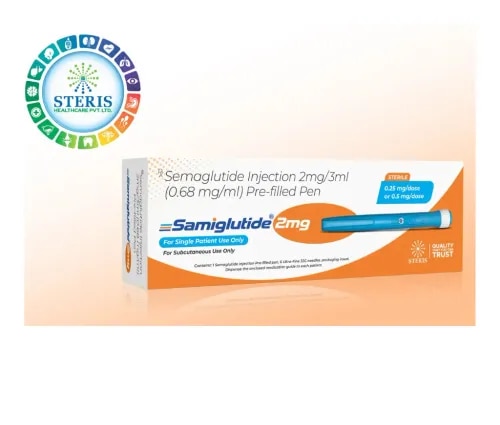
"name": "Semaglutide Injection 2 mg",
"description": "SAMIGLUTIDE 2 MG is a semaglutide-containing injectable medicine supplied in a pre-filled pen. The stated formulation is Semaglutide Injection 2 mg/3 mL (0.68 mg/mL). Semaglutide belongs to the GLP-1 receptor agonist class and is a prescription medicine that should be used only under the supervision of an appropriately qualified healthcare professional.\n\nSAMIGLUTIDE 2 MG Composition\n\nEach 3 mL pre-filled pen is stated to contain:\n\nActive substance: Semaglutide\nStrength: 2 mg/3 mL\nConcentration: 0.68 mg/mL\nDosage form: Injectable solution\nPresentation: Pre-filled pen\nRoute of administration: Subcutaneous, according to the applicable product instructions\n\nSemaglutide acts on GLP-1 receptors, which are involved in blood-glucose regulation and appetite control. The approved uses, dosage regimen and strength available can differ according to the specific product and the regulations of the country in which it is supplied.\n\nWhat Is Semaglutide?\n\nSemaglutide is a synthetic peptide that mimics the activity of the naturally occurring hormone glucagon-like peptide-1 (GLP-1). By activating GLP-1 receptors, it can influence several physiological processes, including glucose-dependent insulin release, glucagon secretion, gastric emptying and appetite.\n\nThe appropriate dose and treatment schedule depend on the individual patient and the particular semaglutide formulation. Patients should follow their healthcare professional's instructions and should not alter the prescribed regimen independently.\n\nSAMIGLUTIDE 2 MG Pre-Filled Pen\n\nSAMIGLUTIDE 2 MG is presented as a pre-filled injection pen intended to provide a convenient method of administration when the medicine has been prescribed.\n\nSince semaglutide products can differ in concentration, pen design and dose-delivery mechanism, users should carefully verify the product label and prescribed dose before each administration. Particular care is important with injectable semaglutide products because differences in concentration or measurement methods can result in medication errors.\n\nPotential Medical Uses\n\nSemaglutide may be used for particular medical conditions depending on the formulation, regulatory approval and prescribing information applicable to the product.\n\nCertain approved semaglutide medicines are indicated for the treatment of type 2 diabetes, while other formulations have approved indications involving chronic weight management in eligible patients. Some products may also have additional approved indications for reducing specific cardiovascular risks.\n\nThe fact that semaglutide can be used for weight management does not mean that every semaglutide product is approved for that purpose. The authorization and labeling of SAMIGLUTIDE should therefore be confirmed from current official product documentation.\n\nHow Semaglutide Works\n\nSemaglutide activates GLP-1 receptors in the body. Its effects can contribute to improved regulation of blood glucose and reduced appetite and food intake. Depending on the approved indication, it may be prescribed together with dietary, physical-activity or other appropriate medical measures.\n\nIndividual responses can vary. Medical follow-up helps healthcare professionals evaluate treatment response, tolerability and whether treatment should be continued or modified.\n\nDosage and Administration\n\nSAMIGLUTIDE 2 MG should be administered only in accordance with the prescription and the manufacturer's current instructions.\n\nThe amount of semaglutide contained in a pen should not automatically be interpreted as the amount to inject at one time. Different products may use different concentrations, dose settings and administration schedules.\n\nFor approved semaglutide products, treatment may involve gradual dose increases for certain indications. Patients should never increase the dose, inject more frequently or repeat a missed dose without receiving appropriate medical instructions.\n\nPossible Side Effects\n\nSemaglutide can cause adverse effects, particularly gastrointestinal symptoms. Frequently reported effects may include:\n\nNausea\nVomiting\nDiarrhea\nConstipation\nAbdominal discomfort\nAbdominal pain\n\nMore serious reactions are also possible. Product information for semaglutide medicines includes warnings relating to conditions such as pancreatitis and gallbladder disorders, among other potential risks.\n\nPersistent, severe or unusual symptoms should be discussed promptly with a healthcare professional. Patients should review the complete prescribing information supplied with their particular product.\n\nImportant Safety Information\n\nSemaglutide is not appropriate for everyone. For example, certain approved semaglutide products in the United States carry a contraindication for individuals with a personal or family history of medullary thyroid carcinoma (MTC), people with Multiple Endocrine Neoplasia syndrome type 2 (MEN 2), and individuals with a serious hypersensitivity to semaglutide or an ingredient in the relevant product.\n\nThese precautions should not automatically be assumed to apply identically to every semaglutide product worldwide. The manufacturer's labeling and the regulatory requirements of the relevant country should always be consulted.\n\nPatients should inform their healthcare professional about their medical history and other medicines before starting treatment.\n\nAdvantages of a Pre-Filled Pen\n\nA pre-filled pen can make injectable treatment more convenient by providing the medication in a ready-to-use delivery device. When used according to the manufacturer's instructions, the pen may simplify administration and help patients maintain their prescribed treatment routine.\n\nPatients should nevertheless receive appropriate guidance regarding injection technique, storage, handling and disposal. The convenience of a pen does not eliminate the need for medical supervision.\n\nStorage and Handling\n\nSAMIGLUTIDE 2 MG should be stored exactly as stated on its packaging and official product information. Appropriate storage conditions are important for maintaining the quality and stability of the medicine.\n\nBefore use, check the expiry date and inspect the packaging and medicine according to the manufacturer's instructions. Do not use the product if the packaging is damaged or if the solution has an appearance that does not meet the stated product requirements.\n\nConclusion\n\nSAMIGLUTIDE 2 MG – Semaglutide Injection 2 mg/3 mL (0.68 mg/mL) is a semaglutide-based injectable formulation supplied in a pre-filled pen. Semaglutide is a GLP-1 receptor agonist with established medical applications for appropriately selected patients, depending on the specific product and its regulatory authorization.\n\nSafe use requires adherence to the prescribed dose and administration schedule. Patients should not independently change their dose or frequency and should seek professional advice if they experience concerning adverse effects.\n\nBecause formulations, indications, strengths and regulatory requirements can vary between products and countries, the current official package insert and applicable regulatory labeling should be used to verify product-specific information.\n\nFrequently Asked Questions\nWhat is SAMIGLUTIDE 2 MG?\n\nSAMIGLUTIDE 2 MG is described as a semaglutide injection containing 2 mg of semaglutide in 3 mL, with a stated concentration of 0.68 mg/mL, supplied in a pre-filled pen.\n\nIs SAMIGLUTIDE 2 MG used for weight management?\n\nSemaglutide is included in certain approved medicines used for chronic weight management in eligible patients. However, the indication for a specific SAMIGLUTIDE product must be confirmed from its current regulatory approval and official labeling.\n\nHow frequently is SAMIGLUTIDE 2 MG injected?\n\nThe correct frequency depends on the specific product and the prescription issued by the healthcare professional. Patients should not determine the injection schedule based solely on the amount printed on the pen.\n\nCan SAMIGLUTIDE 2 MG be taken without medical supervision?\n\nNo. Semaglutide is a prescription medicine in many jurisdictions and should be obtained and used through legitimate, appropriately regulated healthcare channels.\n\nIs SAMIGLUTIDE the same as other branded semaglutide medicines?\n\nNot necessarily. Products containing semaglutide can differ in manufacturer, formulation, concentration, delivery device, regulatory approval and approved indications. A specific product should not be described as identical to an approved branded medicine unless that claim can be verified through reliable regulatory and product documentation.\n\nWhat should patients check before using the pen?\n\nPatients should verify the medicine name, strength, prescribed dose, expiry date, storage conditions and administration instructions. If there is any uncertainty about the dose or operation of the pen, they should consult their pharmacist, prescriber or another qualified healthcare professional rather than guessing.",
"price": 5600.0,
"discountamount": 1680.0,
"currencycode": "INR",
"priority": 1000000,
"isfreeshipmentavailable": false,
"shipmentduration": 1,
"_keywords": null,
"isarchived": false,
"isavailable": true,
"applicationid": null,
"productindex": 2496,
"imageuri": "https://productimages.withfloats.com/actual/6a8c35eaca4d2575d78e3716.png",
"tileimageuri": "https://productimages.withfloats.com/tile/6a8c35eaca4d2575d78e3716.png",
"images": null,
"totalqueries": 0,
"gpid": null,
"groupproductid": null,
"createdon": "2026-08-24T12:15:35.873Z",
"updatedon": "2026-08-24T12:15:35.873Z",
"buyonlinelink": null,
"producturl": "http://WWW.STERISINDIA.COM//semaglutide-injection-2-mg/2496",
"availableunits": -1.0,
"iscodavailable": false,
"isprepaidonlineavailable": false,
"maxcodorders": 0,
"maxprepaidonlineorders": 0,
"uniquepaymenturl": null,
"brandname": "SAMIGLUTIDE 2 MG",
"category": "DIABETIC RANGE",
"tags": [],
"variants": false,
"keyspecification": null,
"otherspecifications": null,
"pickupaddressreferenceid": null,
"paymenttype": "UniquePaymentUrl",
"producttype": "products",
"hsncode": null,
"gstslab": 0.0,
"isnotforsale": false
},
{
"_id": "6a5f6b161d694a536c1e0e96",
"fptag": "STERISHEALTHCARE",
"merchantname": null,
"customwidgets": null,
"externalsourceid": null,
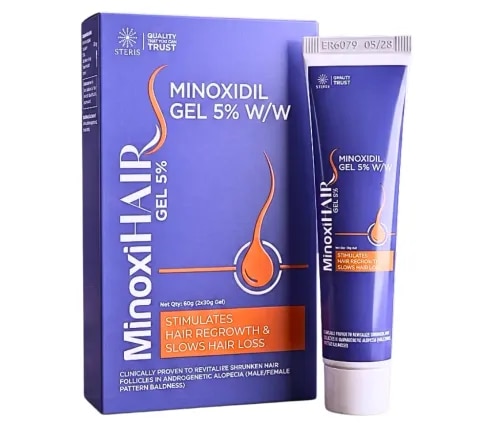
"name": "Minoxidil Gel 5% w/w",
"description": "Losing hair gradually is something almost everyone worries about at some point — and the reasons behind it are rarely simple. Genetics, hormonal shifts, chronic stress, poor nutrition, and even environmental exposure can all play a part in thinning hair over time. MINOXIHAIR GEL 5%, formulated with Minoxidil Gel 5% w/w, is a topical treatment designed to work directly at the source of the problem — the hair follicle itself — helping to slow further loss and support new growth with regular, medically guided use.\n\nProduced under strict pharmaceutical manufacturing standards, MINOXIHAIR GEL 5% is built as a lightweight, easy-to-apply gel that absorbs efficiently into the scalp, delivering its active ingredient exactly where it's needed. It is generally intended for adults dealing with androgenetic alopecia (the hereditary pattern of hair thinning), and like any active treatment, it should be used under a healthcare professional's guidance.\n\nWhat Exactly Is MINOXIHAIR GEL 5%?\n\nAt its core, MINOXIHAIR GEL 5% is a topical delivery system for Minoxidil — a compound with a long, well-documented history in hair-loss management. Rather than working through the bloodstream like an oral tablet, minoxidil applied this way acts locally: it improves circulation around hair follicles, helping keep the growth phase of the hair cycle active for longer and coaxing follicles that had gone quiet back into activity.\n\nBecause it's applied straight to the scalp rather than swallowed, many people find a topical option like this more appealing — it targets the problem area precisely, without the broader systemic exposure of an oral medicine.\n\nComposition\n\nEach gram of the gel delivers:\n\nMinoxidil 5% w/w\n\nThe exact amount used and how long treatment should continue is something a dermatologist or physician should determine based on the individual's specific hair-loss pattern.\n\nThe Science Behind How Minoxidil Works\n\nResearchers don't have a complete, settled explanation for every mechanism behind minoxidil's effect on hair, but decades of clinical use have pointed to several likely actions:\n\nImproves local blood flow around the hair follicles\nReactivates follicles that have become dormant\nLengthens the anagen (active growth) phase of each hair strand\nShortens the telogen (resting) phase that precedes shedding\nEncourages the growth of thicker, sturdier hair strands\nSlows the progression of ongoing thinning\nSupports a scalp environment more conducive to healthy hair growth\n\nWith regular use over several months, many people first notice less hair falling out, followed later by a gradual improvement in overall thickness and coverage.\n\nWhat Is MINOXIHAIR GEL 5% Used For?\n\nThis gel is generally recommended for a range of hair-thinning situations, including:\n\nMale pattern baldness (androgenetic alopecia)\nFemale-pattern thinning, when a physician determines it's appropriate\nThinning concentrated around the crown\nA receding hairline in candidates who are likely to respond\nHereditary hair loss caught in its early stages\nSupporting regrowth once thinning has already begun\nPreserving the hair density a person currently has\nGeneral improvement in scalp coverage\n\nHow well it works for any individual depends heavily on how long the hair loss has been going on, how the person's body responds to treatment, and — critically — how consistently the gel is applied.\n\nKey Benefits of Using MINOXIHAIR GEL 5%\n\nWhen used consistently and under professional supervision, this treatment may offer:\n\nEncourages New Hair Growth Helps “wake up” follicles that have stopped producing visible hair.\n\nCuts Down on Excess Shedding Reduces the abnormal hair fall that comes with androgenetic alopecia.\n\nBuilds Greater Hair Density Supports fuller, thicker-looking hair as treatment continues.\n\nSupports Healthier Follicles Improves the flow of oxygen and nutrients to the scalp's hair-producing structures.\n\nConvenient Gel Format Spreads smoothly and evenly, making daily use straightforward.\n\nFits Into a Long-Term Routine Designed to be part of an ongoing hair-management plan, guided by a professional.\n\nWho Might Benefit From This Treatment?\n\nMINOXIHAIR GEL 5% is typically considered for adults facing:\n\nHair loss with a genetic/hereditary basis\nHair thinning that's steadily progressing\nEarly indications of balding\nNoticeable thinning at the crown\nDiffuse thinning spread across the scalp\nHair loss specifically tied to androgenetic alopecia\n\nIt's worth stressing: a dermatologist visit before starting is the right first step, since not everyone's hair loss pattern will respond the same way to minoxidil.\n\nHow to Apply MINOXIHAIR GEL 5% Correctly\n\nGetting the technique right matters as much as the product itself:\n\nStart with a clean, fully dry scalp.\nApply only the amount your doctor has recommended to the affected area.\nSpread it gently using clean fingertips.\nWash your hands thoroughly right after applying.\nLet the gel air-dry naturally — don't rush this step.\nHold off on washing your scalp immediately afterward.\nStick to the schedule your doctor has laid out.\n\nUsing more than the recommended amount won't speed up or improve results — it simply increases the chance of irritation.\n\nWhat Kind of Timeline Should You Expect?\n\nHair regrowth with minoxidil is a slow, gradual process — patience is genuinely part of the treatment:\n\nWeeks 2–8: Some people notice shedding starting to slow down.\nMonths 3–4: Early, subtle signs of new growth may begin appearing.\nMonths 4–6: Hair often looks and feels noticeably thicker.\nMonths 6–12: The most visible cosmetic improvement typically shows up here, provided use has been consistent.\n\nEveryone's timeline looks a little different, but one thing stays constant across almost all users: skipping applications or stopping early tends to undo progress.\n\nPossible Side Effects\n\nAs with any active treatment, some people experience side effects.\n\nMore commonly seen:\n\nMild irritation of the scalp\nItchiness\nDryness\nRedness\nA brief uptick in shedding during the first few weeks (often mistaken for the treatment failing, when it's actually a normal transitional phase)\nA burning feeling where it's applied\n\nLess commonly seen:\n\nGrowth of unwanted hair on the face\nLightheadedness\nSwelling\nA noticeably faster heartbeat\nAllergic-type reactions\n\nAnyone experiencing a severe reaction should seek medical care right away rather than waiting it out.\n\nPrecautions to Keep in Mind\n\nTalk to your healthcare provider before starting if you:\n\nCurrently have a scalp infection or another skin condition\nHave a history of heart disease or low blood pressure\nAre pregnant or breastfeeding\nAre already using another topical product on your scalp\nHave a known sensitivity or allergy to minoxidil or any ingredient in the formulation\n\nKeep the gel away from your eyes, mouth, and any broken or irritated skin.\n\nStorage Instructions\nStore at temperatures below 25°C\nKeep it out of direct sunlight\nMake sure the container stays tightly sealed\nNever freeze it\nStore well out of children's reach\nWhy Consider MINOXIHAIR GEL 5%?\n\nMINOXIHAIR GEL 5% is built to deliver a dependable, pharmaceutical-grade form of topical minoxidil therapy. Manufacturing follows rigorous quality checks to keep the formulation consistent from batch to batch, so users can rely on the same performance every time. The gel base itself makes daily application simple, while still delivering the active ingredient exactly where it needs to go.\n\nPaired with good overall habits — balanced nutrition, manageable stress levels, and regular check-ins with your doctor — MINOXIHAIR GEL 5% can be a meaningful part of a long-term approach to keeping hair fuller and healthier.\n\nPrice | Use under medical guidance – consult your dermatologist.\n\nFrequently Asked Questions\n\n1. Is MINOXIHAIR GEL 5% used for hair regrowth? Yes. It's intended for androgenetic alopecia and works to stimulate regrowth when applied consistently under a doctor's supervision.\n\n2. How long before I notice a difference? Most people start seeing visible change somewhere between the 3- and 6-month mark, though this varies from person to person.\n\n3. Can women use this product? In some cases, yes — but only under the direction of a qualified healthcare provider who can confirm it's the right fit.\n\n4. Do I need to keep using it once my hair grows back? Generally, yes. Results from minoxidil tend to fade gradually if treatment stops, so continued use is usually necessary to maintain them — always follow your doctor's specific advice.\n\n5. Is it okay to use hair oil alongside this gel? Check with your dermatologist first, since other scalp products can interfere with how well the gel absorbs.\n\n6. Will this permanently cure baldness? No — it manages hereditary hair loss and supports regrowth, but it isn't a one-time cure. Ongoing use is typically what maintains the results.\n\n7. What happens during the first few weeks of use? Some people notice a temporary increase in shedding early on — this is usually a normal part of the hair cycle resetting, not a sign the treatment isn't working.\n\n8. Can I apply more than the recommended amount to speed up results? No — applying extra doesn't accelerate growth and mainly raises the risk of scalp irritation.\n\n9. Is a prescription needed for this gel? Since it contains an active pharmaceutical ingredient, it should be used under a dermatologist's or doctor's guidance rather than self-prescribed.\n\n10. What should I avoid while using this treatment? Avoid getting the gel in your eyes, mouth, or on broken skin, and avoid combining it with other scalp treatments without checking with your doctor first.",
"price": 720.0,
"discountamount": 216.0,
"currencycode": "INR",
"priority": 1000000,
"isfreeshipmentavailable": false,
"shipmentduration": 1,
"_keywords": null,
"isarchived": false,
"isavailable": true,
"applicationid": null,
"productindex": 2481,
"imageuri": "https://productimages.withfloats.com/actual/6a5f6b185c5af5a73198ab22.png",
"tileimageuri": "https://productimages.withfloats.com/tile/6a5f6b185c5af5a73198ab22.png",
"images": null,
"totalqueries": 0,
"gpid": null,
"groupproductid": null,
"createdon": "2026-07-21T12:50:30.696Z",
"updatedon": "2026-07-21T12:50:30.696Z",
"buyonlinelink": null,
"producturl": "http://WWW.STERISINDIA.COM//minoxidil-gel-5-w-w/2481",
"availableunits": -1.0,
"iscodavailable": false,
"isprepaidonlineavailable": false,
"maxcodorders": 0,
"maxprepaidonlineorders": 0,
"uniquepaymenturl": null,
"brandname": "MINOXIHAIR GEL 5%",
"category": "DERMATALOGY",
"tags": [],
"variants": false,
"keyspecification": null,
"otherspecifications": null,
"pickupaddressreferenceid": null,
"paymenttype": "UniquePaymentUrl",
"producttype": "products",
"hsncode": null,
"gstslab": 0.0,
"isnotforsale": false
},
{
"_id": "6a5092283075a19d4f2db6bd",
"fptag": "STERISHEALTHCARE",
"merchantname": null,
"customwidgets": null,
"externalsourceid": null,
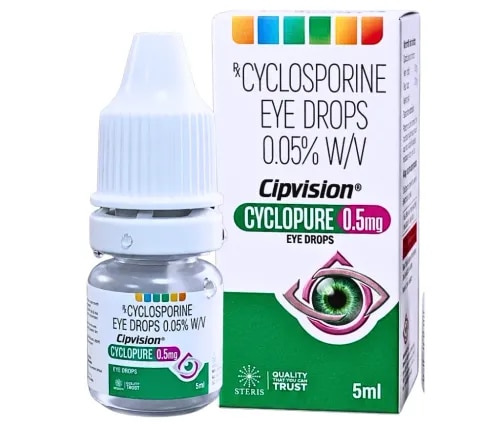
"name": "Cyclosporine Eye Drops 0.05% w/v",
"description": "Cyclosporine eye drops 0.05% are a prescription ophthalmic emulsion used to treat chronic dry eye disease (keratoconjunctivitis sicca) caused by ocular surface inflammation. Unlike lubricating tear substitutes that only manage symptoms, cyclosporine works as a calcineurin-inhibitor immunomodulator that calms the underlying inflammation suppressing your eyes' natural tear production. It is not a steroid. The standard dose is one drop in each affected eye, twice daily, about 12 hours apart, and visible improvement in tear production typically takes 6–12 weeks, with full benefit sometimes taking up to 3–6 months of consistent use. Common side effects include temporary burning, stinging, redness, and watery eyes at the time of instillation. It is a Schedule H prescription-only medicine in India and should be used only under a qualified ophthalmologist's guidance.\n\nWhat Is Cyclosporine Eye Drops 0.05%?\nCyclosporine eye drops 0.05% (ophthalmic emulsion) is a prescription formulation designed to manage chronic dry eye disease, a condition in which the eyes fail to produce enough tears or produce tears of poor quality, often because of an underlying inflammatory process on the ocular surface and in the lacrimal (tear-producing) gland.\nThis formulation is commonly prescribed for patients whose dry eye is presumed to be due to ocular inflammation — for example, those with moderate to severe dry eye, keratoconjunctivitis sicca, or dry eye associated with conditions like Sjögren's syndrome, that has not responded adequately to artificial tears alone.\nCyclosporine belongs to a class of drugs called calcineurin inhibitors. It differs fundamentally from corticosteroid eye drops, which suppress inflammation broadly and carry risks like raised intraocular pressure and cataract formation with long-term use. Cyclosporine instead selectively dampens the T-cell-mediated inflammatory response that is thought to suppress tear gland function, allowing the eye's own tear-producing mechanism to gradually recover.\n\nHow Do Cyclosporine Eye Drops Work? (Mechanism of Action)\n\nInflammation on the ocular surface – In chronic dry eye, T-lymphocytes infiltrate the conjunctiva and lacrimal gland, triggering a self-perpetuating inflammatory cycle.\nCalcineurin inhibition – Cyclosporine binds to a cellular protein (cyclophilin) and blocks calcineurin, an enzyme required to activate T-cells.\nReduced T-cell activation – With calcineurin blocked, T-cells cannot produce the inflammatory signals (such as interleukin-2) that damage the lacrimal gland and conjunctival tissue.\nRestoration of tear production – As local inflammation subsides over weeks to months, the lacrimal gland's ability to produce natural tears gradually improves.\nImproved tear film stability – With reduced inflammation and increased natural tear volume, patients typically notice less dryness, grittiness, and ocular surface damage over time.\n\nThis is why cyclosporine drops are described as disease-modifying for dry eye rather than purely symptomatic — they address a root inflammatory cause instead of simply lubricating the eye.\n\nClinical Indications\nIndicationDetailsChronic dry eye disease (keratoconjunctivitis sicca)Primary approved use; especially where tear production is suppressed due to ocular inflammationModerate to severe dry eye not controlled by artificial tearsSecond-line option when lubricants alone are insufficientDry eye associated with autoimmune conditionsE.g., Sjögren's syndrome-related dry eye, under specialist supervisionPost-refractive surgery dry eye (select cases)Sometimes used off-label under ophthalmologist guidance\n\nDosage & Administration\nParameterRecommendationStandard doseOne drop in each affected eye, twice dailyDosing intervalApproximately 12 hours apartContact lens useRemove lenses before instillation; wait at least 15 minutes before reinsertingOnset of noticeable effectUsually 6–12 weeksFull therapeutic benefitMay take up to 3–6 months of continuous useMissed doseContinue with next scheduled dose; do not double upDiscontinuationOnly under medical advice — symptoms may return if stopped prematurely\nNote: Cyclosporine eye drops are for long-term, continuous use as directed by your ophthalmologist. Improvement is gradual, not immediate, and consistent daily use is essential for benefit.\n\nKey Benefits\n\nTargets the underlying inflammatory cause of chronic dry eye rather than only masking symptoms\nCan increase natural tear production over sustained use\nGenerally well tolerated for long-term use, since it is not a steroid and does not carry steroid-related risks like elevated eye pressure or cataract with routine use\nMay reduce dependence on frequent artificial tear instillation over time\nSuitable for long-term maintenance therapy in chronic, relapsing dry eye disease\nCan improve comfort during visually demanding tasks (screen use, reading, driving) affected by chronic dryness\n\n\nPrecautions\n\nUse strictly as prescribed by an ophthalmologist; do not self-medicate\nNot intended for immediate relief of dry eye symptoms — artificial tears may be used concurrently for interim comfort as advised by your doctor\nShould not be used in the presence of an active ocular infection unless specifically directed by a physician\nInform your doctor if you are pregnant, breastfeeding, or have any known hypersensitivity to cyclosporine or emulsion components\nAvoid touching the dropper tip to the eye or any surface to prevent contamination\nIf wearing contact lenses, remove before application and reinsert only after 15 minutes\nDo not use expired or previously opened single-use vials, if applicable to your product format\nRegular ophthalmic follow-up is recommended to monitor treatment response\n\n\nSide Effects\nCommon (Usually Mild and Temporary)\n\nBurning or stinging sensation upon instillation\nEye redness\nWatery eyes (excessive tearing)\nEye discomfort or a feeling of something in the eye\nTemporary blurred vision immediately after application\n\nLess Common / Serious (Consult Your Doctor Promptly)\n\nPersistent or worsening eye pain\nSigns of eye infection (discharge, significant redness, swelling)\nVisual disturbance that does not resolve\nSigns of an allergic reaction (eyelid swelling, itching, rash)\n\nIf any serious or persistent symptom occurs, discontinue use and consult your ophthalmologist immediately.\n\nComparison: Cyclosporine Eye Drops vs. Other Dry Eye Treatments\nTreatmentMechanismOnset of ActionLong-Term Use ProfileCyclosporine 0.05% dropsCalcineurin inhibitor; reduces inflammation, restores natural tear productionWeeks to monthsGenerally suitable for continuous long-term useArtificial tears / lubricantsSymptomatic lubrication onlyImmediate, short-livedSafe but does not address inflammation; frequent reapplication neededCorticosteroid eye dropsBroad anti-inflammatory actionFast (days)Not recommended for long-term use due to risk of raised IOP, cataractLifitegrast ophthalmic solutionLFA-1 antagonist; blocks a different inflammatory pathwayWeeksAlternative option, mechanism differs from cyclosporine\n\nKey Statistics (Placeholder — Pending Clinical Reviewer Verification)\nMetricValueReported patients showing improved tear production at 6 months[Placeholder – insert verified clinical trial statistic]Prevalence of chronic dry eye disease in adults[Placeholder – insert epidemiological reference]Average time to symptomatic improvement[Placeholder – insert verified reference range]\nAll statistics above are placeholders and must be verified and populated by a qualified clinical reviewer prior to publication.\n\nExpert Insight\n\n[Placeholder — Expert quote pending. To be added only after review and approval by a licensed ophthalmologist/medical reviewer associated with Steris Healthcare. Do not fabricate or publish without sign-off.]\n\n\nPrice of Cyclosporine Eye Drops 0.05%\nThe price of cyclosporine eye drops 0.05% varies depending on pack size, brand, and region. For current pricing, availability, and prescription verification, please consult your ophthalmologist or authorized pharmacy.\nPrescription only – consult your doctor.\n\nConclusion\nCyclosporine eye drops 0.05% represent a meaningful shift in how chronic dry eye disease is managed — moving beyond temporary lubrication to address the underlying inflammatory process that suppresses natural tear production. For patients with moderate to severe dry eye that hasn't responded well to artificial tears alone, this calcineurin-inhibitor therapy offers a disease-modifying option that, with consistent long-term use, can meaningfully improve ocular comfort and tear film health. Because benefits build gradually over weeks to months, patience and adherence to the prescribed twice-daily regimen are essential. As with any prescription ophthalmic therapy, cyclosporine eye drops should only be used under the guidance of a qualified ophthalmologist, who can confirm suitability, monitor progress, and adjust care as needed.\n\nFrequently Asked Questions\n\n1. What are cyclosporine 0.05% eye drops used for?\nCyclosporine 0.05% eye drops are used to treat chronic dry eye disease caused by ocular surface inflammation. They help increase natural tear production in patients whose tear glands are suppressed due to inflammation, particularly when artificial tears alone aren't enough.\n\n2. How long can I use cyclosporine eye drops?\nCyclosporine eye drops are typically used long-term, as chronic dry eye is an ongoing condition. Many patients continue therapy for months to years under regular ophthalmologist supervision, since symptoms can return if the medication is stopped.\n\n3. Is Cyclomune a steroid?\nNo. Cyclomune (a brand of cyclosporine ophthalmic emulsion) is not a steroid. It is a calcineurin-inhibitor immunomodulator that works differently from steroid eye drops and does not carry the same risk of raised eye pressure or cataract associated with long-term steroid use.\n4. How quickly do cyclosporine eye drops start working?\nMost patients begin noticing improvement in tear production and dry eye symptoms within 6 to 12 weeks, though full benefit may take up to 3 to 6 months of consistent, twice-daily use.\n\n5. Can cyclosporine damage eyes?\nWhen used exactly as prescribed, cyclosporine eye drops are generally considered safe for long-term use. Temporary burning, stinging, or watering can occur at the time of instillation, but serious eye damage is uncommon. Any persistent pain, vision changes, or signs of infection should be reported to your ophthalmologist promptly.\n\n6. How much are cyclosporine 0.05% eye drops?\nPricing varies by brand, pack size, and region. Since this is a prescription-only medicine, please check current pricing with your prescribing doctor or a licensed pharmacy.\n\n7. Is cyclosporine a steroid?\nNo. Cyclosporine is a calcineurin inhibitor, a category of immunomodulating medication that is pharmacologically distinct from corticosteroids (steroids), even though both can reduce inflammation.\n\n8. Can I wear contact lenses while using cyclosporine eye drops?\nContact lenses should be removed before applying the drops and can typically be reinserted after about 15 minutes, unless your ophthalmologist gives different instructions.\n9. What happens if I stop using cyclosporine eye drops suddenly?\nStopping suddenly may cause dry eye symptoms to gradually return, since the underlying inflammation is no longer being managed. Always consult your doctor before discontinuing treatment.\n\n10. Can cyclosporine eye drops be used with artificial tears?\nYes, in many cases artificial tears can be used alongside cyclosporine drops for additional comfort, especially during the initial weeks before cyclosporine's full effect develops. Confirm timing and spacing with your doctor.\n\n11. Who should not use cyclosporine eye drops?\nPatients with known hypersensitivity to cyclosporine or its components, active untreated eye infections, or specific contraindications identified by their doctor should not use this medication without medical clearance.\n\n12. Are cyclosporine eye drops safe during pregnancy?\nUse during pregnancy or breastfeeding should only occur under medical supervision. Inform your doctor if you are pregnant, planning pregnancy, or breastfeeding before starting treatment.\n\n13. What is the difference between cyclosporine eye drops and lubricating eye drops?\nLubricating (artificial tear) drops provide temporary symptomatic relief by adding moisture to the eye, while cyclosporine drops target the underlying inflammation responsible for reduced natural tear production, offering a longer-term, disease-modifying approach.\n\n14. Can children use cyclosporine eye drops?\nUse in children should only be under the direct guidance and prescription of a pediatric ophthalmologist, based on individual clinical assessment.\n\n15. Do cyclosporine eye drops cause blurred vision?\nTemporary blurred vision can occur immediately after instillation in some patients. This usually resolves quickly. If blurred vision persists, consult your doctor.\n\n16. Can cyclosporine eye drops be used with other eye medications?\nOther eye medications, including other prescription drops, should only be combined with cyclosporine under your ophthalmologist's guidance, with appropriate spacing between different drops.\n\n17. Why do cyclosporine eye drops take so long to work?\nBecause cyclosporine works by gradually reducing chronic inflammation in the lacrimal gland and ocular surface rather than providing instant lubrication, visible improvement in natural tear production takes weeks to months rather than being immediate.",
"price": 495.0,
"discountamount": 149.0,
"currencycode": "INR",
"priority": 1000000,
"isfreeshipmentavailable": false,
"shipmentduration": 1,
"_keywords": null,
"isarchived": false,
"isavailable": true,
"applicationid": null,
"productindex": 2468,
"imageuri": "https://productimages.withfloats.com/actual/6a50922a464ced2a630398a1.png",
"tileimageuri": "https://productimages.withfloats.com/tile/6a50922a464ced2a630398a1.png",
"images": null,
"totalqueries": 0,
"gpid": null,
"groupproductid": null,
"createdon": "2026-07-10T06:33:12.096Z",
"updatedon": "2026-07-10T06:33:12.096Z",
"buyonlinelink": null,
"producturl": "http://WWW.STERISINDIA.COM//cyclosporine-eye-drops-0-05-w-v/2468",
"availableunits": -1.0,
"iscodavailable": false,
"isprepaidonlineavailable": false,
"maxcodorders": 0,
"maxprepaidonlineorders": 0,
"uniquepaymenturl": null,
"brandname": "CIPVISION CYCLOPURE 0.5 mg",
"category": "Opthalmology Range",
"tags": [
"Cyclosporine Eye Drops 0.05% w/v",
"cyclosporine eye drops",
"cyclosporine eye drops uses",
"cyclosporine eye drops ip 0.05 w/v",
"cyclosporine eye drops price",
"cyclosporine eye drops uses in hindi",
"cyclosporine eye drops side effects",
"cyclosporine eye drops 0.05",
"cyclosporine eye drops brand name",
"cyclosporine eye drops india"
],
"variants": false,
"keyspecification": null,
"otherspecifications": null,
"pickupaddressreferenceid": null,
"paymenttype": "UniquePaymentUrl",
"producttype": "products",
"hsncode": null,
"gstslab": 0.0,
"isnotforsale": false
},
{
"_id": "6a460bf90c11f3c74a816c87",
"fptag": "STERISHEALTHCARE",
"merchantname": null,
"customwidgets": null,
"externalsourceid": null,
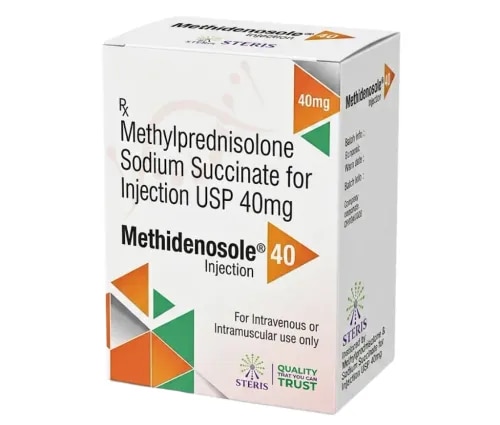
"name": "methylprednisolone sodium succinate for injection usp",
"description": "Methylprednisolone Sodium Succinate for Injection USP is a fast-acting corticosteroid administered intravenously or intramuscularly to control severe inflammation, allergic reactions, and autoimmune flare-ups. It works by rapidly suppressing the immune and inflammatory response and is used in hospital or clinical settings for acute conditions such as severe asthma attacks, anaphylaxis, autoimmune disease flares, and spinal cord injury protocols. It is a Schedule H prescription drug administered only under medical supervision.\n\nWhat Is Methylprednisolone Sodium Succinate for Injection USP?\n\nMethylprednisolone Sodium Succinate for Injection USP is a water-soluble, injectable corticosteroid used for rapid control of severe inflammatory, allergic, and autoimmune conditions. It is manufactured to United States Pharmacopeia (USP) standards and is typically administered by a healthcare professional via intravenous (IV) or intramuscular (IM) route when fast, high-potency anti-inflammatory or immunosuppressive action is required — situations where oral steroids act too slowly or oral intake isn't feasible.\n\nHow It Works\n\nMethylprednisolone sodium succinate is a synthetic glucocorticoid that acts rapidly once reconstituted and injected.\n\n\nBinds glucocorticoid receptors – enters cells and binds intracellular receptors that regulate inflammatory gene expression.\nSuppresses inflammatory mediators – reduces production of prostaglandins, leukotrienes, and cytokines responsible for swelling, redness, and pain.\nStabilizes cell membranes – reduces capillary permeability, limiting fluid leakage and tissue swelling at the site of inflammation.\nDampens immune overactivity – suppresses lymphocyte and macrophage activity, calming autoimmune or allergic overreactions.\nDelivers rapid systemic action – because it's water-soluble and given IV/IM, onset of anti-inflammatory effect is significantly faster than oral steroids.\n\n\nClinical Indications\n\nConditionWhy Methylprednisolone Injection Is UsedSevere Allergic Reactions / AnaphylaxisRapidly controls swelling, airway inflammation, and allergic cascadeAcute Asthma Exacerbation / COPD FlareReduces airway inflammation when inhalers alone are insufficientAutoimmune Disease Flares (Lupus, Rheumatoid Arthritis)High-dose pulse therapy to control acute flaresSpinal Cord Injury (acute, under specialist protocol)Used in specific clinical protocols to limit secondary inflammationSevere Dermatologic ReactionsControls widespread inflammatory skin reactionsPost-Transplant / Organ Rejection ManagementUsed as part of immunosuppressive regimens\n\nDosage & Administration\n\nParameterRecommendationTypical Adult Dose10–40 mg IV, may range up to 30 mg/kg in high-dose pulse therapy for specific conditionsRouteIntravenous (IV) injection/infusion or Intramuscular (IM) injectionFrequencyAs directed by the treating physician; often single dose or short tapering courseReconstitutionMust be reconstituted only with the accompanying diluent as per product insert, immediately before useAdministration SettingHospital, clinic, or under direct medical/nursing supervision onlyDurationShort-term acute use unless otherwise directed; long-term use requires specialist monitoring\n\nThis is a Schedule H prescription-only medicine. Dosage must be determined and administered by a qualified healthcare professional.\n\nPrecautions\n\n\nTo be administered only by or under the supervision of a healthcare professional.\nNot for self-administration or home use.\nInform the doctor of any active infections, as corticosteroids can mask symptoms and suppress immune response.\nUse with caution in patients with diabetes, hypertension, peptic ulcer disease, osteoporosis, or psychiatric history.\nAvoid live vaccines during treatment due to immunosuppressive effects.\nPregnant or breastfeeding patients should use only under strict medical guidance.\nAbrupt discontinuation after prolonged use should be avoided; tapering may be required as advised by the physician.\n\n\nPossible Side Effects\n\nMost side effects relate to the drug's systemic corticosteroid action and are monitored by the administering clinician:\n\n\nElevated blood sugar levels\nFluid retention, increased blood pressure\nMood changes, insomnia, or restlessness\nNausea or gastrointestinal discomfort\nIncreased susceptibility to infection\nInjection site reactions\n\n\nSerious side effects requiring immediate medical attention include severe allergic reaction, signs of infection (fever, chills), significant mood or behavioral changes, unusual swelling, or vision disturbances. Because this is administered in a clinical setting, the healthcare team monitors for these actively.\n\nComparison: Methylprednisolone vs. Other Injectable Corticosteroids\n\nDrugRelative PotencyCommon Use CaseRouteMethylprednisolone Sodium SuccinateHighAcute severe inflammation, autoimmune flaresIV/IMHydrocortisone Sodium SuccinateLowerAdrenal insufficiency, milder acute inflammationIV/IMDexamethasone Sodium PhosphateVery HighCerebral edema, severe allergic/inflammatory conditionsIV/IMBetamethasone Sodium PhosphateHighAllergic and inflammatory conditions, fetal lung maturityIV/IMTriamcinolone AcetonideModerate (depot)Localized/intra-articular inflammationIM/Intra-articular\n\nKey Statistics\n\nStatisticData PointSourceOnset of anti-inflammatory action after IV administrationWithin 1–2 hours for measurable effectClinical pharmacology references, USP monographUse in acute severe asthma protocolsRecommended as part of systemic corticosteroid therapy in emergency guidelinesGlobal Initiative for Asthma (GINA) guidelinesHospital use in anaphylaxis managementIncluded as an adjunct in anaphylaxis treatment protocols alongside epinephrineWorld Allergy Organization guidanceHigh-dose pulse therapy applicationUsed in select autoimmune flare protocols under specialist supervisionPublished rheumatology treatment guidelines\n\nExpert Insight\n\n[Insert verified physician or clinical pharmacologist commentary here — Claude has not fabricated a quote. Recommend sourcing a short, attributable statement from a Steris Healthcare medical advisor or a cited clinical guideline before publishing.]\n\nConclusion\n\nMethylprednisolone Sodium Succinate for Injection USP is a high-potency, fast-acting corticosteroid reserved for situations where rapid control of severe inflammation, allergic reaction, or autoimmune flare is essential. Administered only under clinical supervision, it plays a critical role in emergency and hospital-based treatment protocols — from anaphylaxis and acute asthma to autoimmune disease management. As a Schedule H medicine, it must never be self-administered; dosage, route, and duration should always be determined by a qualified physician based on the patient's condition. For pharmacopoeia-grade quality and reliable hospital supply, source this injection through a WHO-GMP certified manufacturer.\n\nPrescription only – consult your doctor.\n\n\nHigh-Ranking FAQs (Google Search & Voice Search Optimized)\n\n1. What is methylprednisolone sodium succinate injection used for?\nIt is used to rapidly control severe inflammation, allergic reactions, and autoimmune flare-ups, such as anaphylaxis, acute asthma attacks, and lupus or rheumatoid arthritis flares. It is administered under medical supervision in hospital or clinical settings.\n\n2. Is methylprednisolone injection a steroid?\nYes, it is a synthetic corticosteroid (glucocorticoid) that works by suppressing inflammatory and immune responses in the body, providing rapid relief in acute, severe conditions.\n\n3. How is methylprednisolone sodium succinate injection given?\nIt is given by a healthcare professional via intravenous (IV) or intramuscular (IM) injection, after being reconstituted with the correct diluent immediately before administration. It is not for self-injection or home use.\n\n4. How fast does methylprednisolone injection start working?\nBecause it is water-soluble and given directly into the bloodstream or muscle, measurable anti-inflammatory effects typically begin within one to two hours of administration.\n\n5. What are the side effects of methylprednisolone injection?\nCommon effects include elevated blood sugar, fluid retention, mood changes, and increased infection risk. These are monitored by the administering healthcare team, and serious reactions are managed promptly in a clinical setting.\n\n6. Is methylprednisolone sodium succinate injection available without a prescription?\nNo. It is a Schedule H prescription-only medicine that must be administered by or under the direct supervision of a qualified healthcare professional.\n\n7. What is the difference between methylprednisolone and dexamethasone injection?\nBoth are injectable corticosteroids, but dexamethasone has a longer duration of action and higher relative potency, while methylprednisolone is often preferred for acute pulse therapy and shorter-acting systemic control. The choice depends on the clinical scenario and physician judgment.\n\n8. Can methylprednisolone injection be used in pregnancy?\nIt may be used in pregnancy only when clearly necessary and under strict medical supervision, as the treating physician will weigh the benefits against potential risks for the specific condition being treated.",
"price": 47.0,
"discountamount": 19.0,
"currencycode": "INR",
"priority": 1000000,
"isfreeshipmentavailable": false,
"shipmentduration": 1,
"_keywords": null,
"isarchived": false,
"isavailable": true,
"applicationid": null,
"productindex": 2465,
"imageuri": "https://productimages.withfloats.com/actual/6a460bfb9f5529389b8b15b8.png",
"tileimageuri": "https://productimages.withfloats.com/tile/6a460bfb9f5529389b8b15b8.png",
"images": null,
"totalqueries": 0,
"gpid": null,
"groupproductid": null,
"createdon": "2026-07-02T06:58:01.631Z",
"updatedon": "2026-07-02T06:58:01.631Z",
"buyonlinelink": null,
"producturl": "http://WWW.STERISINDIA.COM//methylprednisolone-sodium-succinate-for-injection-usp/2465",
"availableunits": -1.0,
"iscodavailable": false,
"isprepaidonlineavailable": false,
"maxcodorders": 0,
"maxprepaidonlineorders": 0,
"uniquepaymenturl": null,
"brandname": "METHIDENOSOLE 40 INJ",
"category": "GENERAL RANGE",
"tags": [
"methylprednisolone sodium succinate injection uses",
"methylprednisolone sodium succinate injection uses in hindi",
"methylprednisolone sodium succinate",
"methylprednisolone sodium succinate injection",
"inj methylprednisolone sodium succinate",
"methylprednisolone sodium succinate uses in hindi",
"methylprednisolone sodium succinate for injection",
"methylprednisolone sodium succinate injection usp"
],
"variants": false,
"keyspecification": null,
"otherspecifications": null,
"pickupaddressreferenceid": null,
"paymenttype": "UniquePaymentUrl",
"producttype": "products",
"hsncode": null,
"gstslab": 0.0,
"isnotforsale": false
},
{
"_id": "6a46068a3a7982b6888cdba1",
"fptag": "STERISHEALTHCARE",
"merchantname": null,
"customwidgets": null,
"externalsourceid": null,
"name": "Polyethylene Glycol 400 & Propylene Glycol Eye Drops",
"description": "Carboxymethylcellulose (CMC) Eye Drops IP 0.5% w/v is an over-the-counter lubricant eye drop used to relieve dryness, burning, and irritation caused by insufficient tear production. It works by coating the eye's surface with a moisture-retaining film, is safe for regular daily use, and is suitable for adults experiencing dry eye syndrome, screen-related eye strain, or contact lens discomfort.\n\nWhat Is Carboxymethylcellulose Eye Drops IP 0.5% w/v?\n\nCarboxymethylcellulose Sodium Eye Drops IP 0.5% w/v is a lubricating eye drop (artificial tear) formulated to relieve symptoms of dry eye — including burning, stinging, grittiness, and light sensitivity caused by inadequate natural tear film. It is manufactured to Indian Pharmacopoeia (IP) standards and is classified as an over-the-counter (OTC) ophthalmic lubricant, meaning it does not require a prescription for routine dry-eye relief, though a doctor's guidance is recommended for chronic or unexplained symptoms.\n\nHow It Works\n\nCarboxymethylcellulose is a viscosity-enhancing, water-retentive polymer that mimics the mucin and aqueous layers of the natural tear film.\n\n\nCoats the ocular surface – forms a smooth, even film across the cornea and conjunctiva immediately after application.\nRetains moisture – its water-binding structure slows tear evaporation, keeping the eye surface hydrated for longer.\nReduces friction – lubricates the eyelid-cornea interface, easing the grating or gritty sensation typical of dry eye.\nSupports healing – a stable tear film reduces micro-abrasion of surface cells, helping symptomatic recovery with regular use.\nExtends comfort duration – the 0.5% concentration is calibrated to balance lubrication strength with comfortable, non-blurring application.\n\n\nClinical Indications\n\nConditionHow CMC 0.5% HelpsDry Eye Syndrome (Keratoconjunctivitis Sicca)Restores moisture balance, relieves burning and grittinessDigital Eye Strain (screen-related dryness)Rehydrates surface dried by reduced blink rateContact Lens–Related DrynessLubricates lens-eye interface, improves comfortPost-LASIK/Ocular Surgery DrynessSupports surface comfort during recovery (as advised by ophthalmologist)Environmental Irritation (dust, AC, wind exposure)Flushes and cushions irritants, restores comfort\n\nDosage & How to Use\n\nParameterRecommendationStandard Dose1–2 drops in the affected eye(s)Frequency3–4 times daily, or as needed for symptom reliefMaximum UseCan be used more frequently under doctor guidance for severe drynessApplication MethodTilt head back, pull lower eyelid down, instill drop without touching tip to eyeContact Lens UseRemove lenses before application unless the product is lens-compatible; reinsert after 15 minutesStorageStore below 25°C, away from direct sunlight; discard 4 weeks after opening\n\nPrecautions\n\n\nDo not touch the dropper tip to the eye, eyelid, or any surface to avoid contamination.\nDiscontinue and consult a doctor if eye pain, vision change, redness, or irritation persists beyond 72 hours.\nWait at least 5–10 minutes between this and any other eye medication.\nNot a substitute for treating underlying causes of chronic dry eye (e.g., blepharitis, Sjögren's syndrome) — seek medical evaluation for persistent cases.\nSafety in pregnancy and breastfeeding should be confirmed with a physician, though topical ocular absorption is minimal.\nKeep out of reach of children.\n\n\nPossible Side Effects\n\nMost users tolerate carboxymethylcellulose eye drops well. Reported effects are typically mild and transient:\n\n\nTemporary blurred vision immediately after application\nMild stinging or watering on instillation\nEye irritation or redness (uncommon)\nRare allergic reaction (itching, swelling, rash) — discontinue and seek medical advice if this occurs\n\n\nSerious side effects are rare. Seek immediate medical attention for severe eye pain, sudden vision loss, or signs of infection (discharge, swelling, fever).\n\nComparison: CMC 0.5% vs. Other Lubricant Eye Drops\n\nIngredientViscosityBest ForPrescription NeededCarboxymethylcellulose 0.5%MediumGeneral dry eye, daily useNo (OTC)Sodium Hyaluronate 0.1–0.3%Low–MediumMild dryness, contact lens comfortNo (OTC)Carbomer Gel 0.2%HighSevere/nighttime drynessNo (OTC)Polyethylene Glycol + Propylene GlycolMediumCombination dryness reliefNo (OTC)Hydroxypropyl Methylcellulose 0.3%MediumShort-term irritation reliefNo (OTC)\n\nKey Statistics\n\nStatisticData PointSourceGlobal dry eye disease prevalence5–50% depending on population and diagnostic criteriaTear Film & Ocular Surface Society (TFOS DEWS II)India dry eye prevalence in urban adultsApprox. 32–40% in screen-exposed populationsIndian Journal of Ophthalmology, published studiesCMC as first-line OTC therapyRecommended as first-line lubricant in dry eye management guidelinesTFOS DEWS II Management ReportAdults reporting digital eye strain symptomsOver 60% among regular screen usersAmerican Optometric Association survey data\n\nExpert Insight\n\n[Insert verified ophthalmologist or optometrist commentary here — Claude has not fabricated a quote. Recommend sourcing a short, attributable statement from a Steris Healthcare medical advisor or a cited clinical reference before publishing.]\n\nConclusion\n\nCarboxymethylcellulose Eye Drops IP 0.5% w/v is a reliable, first-line OTC lubricant for anyone dealing with dry, tired, or irritated eyes — whether the cause is long screen hours, contact lens wear, environmental exposure, or general dry eye syndrome. Its moisture-retentive formula coats and hydrates the eye surface on contact, offering fast, non-prescription relief suitable for daily use. While generally safe and well-tolerated, persistent or worsening symptoms should always be evaluated by an eye care professional. For consistent, pharmacopoeia-grade quality, choose a WHO-GMP certified formulation and buy online through a trusted pharmaceutical source.\n\n\nHigh-Ranking FAQs (Google Search & Voice Search Optimized)\n\n1. What is carboxymethylcellulose eye drops IP 0.5% w/v used for?\nIt is used to relieve dry, irritated, or burning eyes caused by insufficient natural tear production, screen use, contact lenses, or environmental exposure. It works as an artificial tear that lubricates and hydrates the eye surface.\n\n2. How often can I use carboxymethylcellulose eye drops?\nMost people use 1–2 drops, 3–4 times a day, or as needed for comfort. For severe dryness, frequency can be increased under a doctor's guidance, since this OTC lubricant has a strong safety profile for repeated daily use.\n\n3. Can I use carboxymethylcellulose eye drops with contact lenses?\nYes, but check the product label first. Many formulations require lens removal before application, with reinsertion after about 15 minutes, unless the specific product is labeled as contact-lens compatible.\n\n4. Is carboxymethylcellulose 0.5% safe for daily long-term use?\nYes, it is considered safe for regular daily use as a lubricant, and is often recommended as a first-line therapy for chronic dry eye. Persistent symptoms despite regular use should still be discussed with an eye specialist.\n\n5. What is the difference between carboxymethylcellulose and hyaluronic acid eye drops?\nCarboxymethylcellulose offers medium viscosity and longer-lasting lubrication, while sodium hyaluronate drops are typically lighter and better suited for mild dryness or lens comfort. Both are OTC options; choice depends on symptom severity.\n\n6. Are there side effects of carboxymethylcellulose eye drops?\nSide effects are generally mild, such as temporary blurred vision or slight stinging right after application. Serious reactions are rare, but persistent redness, pain, or vision changes warrant medical attention.\n\n7. How long does it take for carboxymethylcellulose eye drops to work?\nRelief is typically immediate to within a few minutes of application, as the drop forms a lubricating film over the eye surface right away. Full symptom control with consistent daily use may take a few days.\n\n8. Can pregnant or breastfeeding women use carboxymethylcellulose eye drops?\nTopical ocular absorption is minimal, and it's generally considered low-risk, but pregnant or breastfeeding women should confirm use with their doctor before starting any eye medication.",
"price": 379.0,
"discountamount": 113.0,
"currencycode": "INR",
"priority": 1000000,
"isfreeshipmentavailable": false,
"shipmentduration": 1,
"_keywords": null,
"isarchived": false,
"isavailable": true,
"applicationid": null,
"productindex": 2464,
"imageuri": "https://productimages.withfloats.com/actual/6a46068dc94d045c2e16dd26.png",
"tileimageuri": "https://productimages.withfloats.com/tile/6a46068dc94d045c2e16dd26.png",
"images": null,
"totalqueries": 0,
"gpid": null,
"groupproductid": null,
"createdon": "2026-07-02T06:34:50.994Z",
"updatedon": "2026-07-02T06:34:50.994Z",
"buyonlinelink": null,
"producturl": "http://WWW.STERISINDIA.COM//polyethylene-glycol-400-propylene-glycol-eye-drops/2464",
"availableunits": -1.0,
"iscodavailable": false,
"isprepaidonlineavailable": false,
"maxcodorders": 0,
"maxprepaidonlineorders": 0,
"uniquepaymenturl": null,
"brandname": "CIPVISION PEG",
"category": "Opthalmology Range",
"tags": [
"polyethylene glycol 400 & propylene glycol eye drops",
"polyethylene glycol 400 & propylene glycol eye drops uses"
],
"variants": false,
"keyspecification": null,
"otherspecifications": null,
"pickupaddressreferenceid": null,
"paymenttype": "UniquePaymentUrl",
"producttype": "products",
"hsncode": null,
"gstslab": 0.0,
"isnotforsale": false
},
{
"_id": "6a46005294601f207d73196c",
"fptag": "STERISHEALTHCARE",
"merchantname": null,
"customwidgets": null,
"externalsourceid": null,
"name": "carboxymethylcellulose eye drops ip 0.5 w/v",
"description": "Carboxymethylcellulose (CMC) Eye Drops IP 0.5% w/v is an over-the-counter lubricant eye drop used to relieve dryness, burning, and irritation caused by insufficient tear production. It works by coating the eye's surface with a moisture-retaining film, is safe for regular daily use, and is suitable for adults experiencing dry eye syndrome, screen-related eye strain, or contact lens discomfort.\n\nWhat Is Carboxymethylcellulose Eye Drops IP 0.5% w/v?\n\nCarboxymethylcellulose Sodium Eye Drops IP 0.5% w/v is a lubricating eye drop (artificial tear) formulated to relieve symptoms of dry eye — including burning, stinging, grittiness, and light sensitivity caused by inadequate natural tear film. It is manufactured to Indian Pharmacopoeia (IP) standards and is classified as an over-the-counter (OTC) ophthalmic lubricant, meaning it does not require a prescription for routine dry-eye relief, though a doctor's guidance is recommended for chronic or unexplained symptoms.\n\nHow It Works\n\nCarboxymethylcellulose is a viscosity-enhancing, water-retentive polymer that mimics the mucin and aqueous layers of the natural tear film.\n\n\nCoats the ocular surface – forms a smooth, even film across the cornea and conjunctiva immediately after application.\nRetains moisture – its water-binding structure slows tear evaporation, keeping the eye surface hydrated for longer.\nReduces friction – lubricates the eyelid-cornea interface, easing the grating or gritty sensation typical of dry eye.\nSupports healing – a stable tear film reduces micro-abrasion of surface cells, helping symptomatic recovery with regular use.\nExtends comfort duration – the 0.5% concentration is calibrated to balance lubrication strength with comfortable, non-blurring application.\n\n\nClinical Indications\n\nConditionHow CMC 0.5% HelpsDry Eye Syndrome (Keratoconjunctivitis Sicca)Restores moisture balance, relieves burning and grittinessDigital Eye Strain (screen-related dryness)Rehydrates surface dried by reduced blink rateContact Lens–Related DrynessLubricates lens-eye interface, improves comfortPost-LASIK/Ocular Surgery DrynessSupports surface comfort during recovery (as advised by ophthalmologist)Environmental Irritation (dust, AC, wind exposure)Flushes and cushions irritants, restores comfort\n\nDosage & How to Use\n\nParameterRecommendationStandard Dose1–2 drops in the affected eye(s)Frequency3–4 times daily, or as needed for symptom reliefMaximum UseCan be used more frequently under doctor guidance for severe drynessApplication MethodTilt head back, pull lower eyelid down, instill drop without touching tip to eyeContact Lens UseRemove lenses before application unless the product is lens-compatible; reinsert after 15 minutesStorageStore below 25°C, away from direct sunlight; discard 4 weeks after opening\n\nPrecautions\n\n\nDo not touch the dropper tip to the eye, eyelid, or any surface to avoid contamination.\nDiscontinue and consult a doctor if eye pain, vision change, redness, or irritation persists beyond 72 hours.\nWait at least 5–10 minutes between this and any other eye medication.\nNot a substitute for treating underlying causes of chronic dry eye (e.g., blepharitis, Sjögren's syndrome) — seek medical evaluation for persistent cases.\nSafety in pregnancy and breastfeeding should be confirmed with a physician, though topical ocular absorption is minimal.\nKeep out of reach of children.\n\n\nPossible Side Effects\n\nMost users tolerate carboxymethylcellulose eye drops well. Reported effects are typically mild and transient:\n\n\nTemporary blurred vision immediately after application\nMild stinging or watering on instillation\nEye irritation or redness (uncommon)\nRare allergic reaction (itching, swelling, rash) — discontinue and seek medical advice if this occurs\n\n\nSerious side effects are rare. Seek immediate medical attention for severe eye pain, sudden vision loss, or signs of infection (discharge, swelling, fever).\n\nComparison: CMC 0.5% vs. Other Lubricant Eye Drops\n\nIngredientViscosityBest ForPrescription NeededCarboxymethylcellulose 0.5%MediumGeneral dry eye, daily useNo (OTC)Sodium Hyaluronate 0.1–0.3%Low–MediumMild dryness, contact lens comfortNo (OTC)Carbomer Gel 0.2%HighSevere/nighttime drynessNo (OTC)Polyethylene Glycol + Propylene GlycolMediumCombination dryness reliefNo (OTC)Hydroxypropyl Methylcellulose 0.3%MediumShort-term irritation reliefNo (OTC)\n\nKey Statistics\n\nStatisticData PointSourceGlobal dry eye disease prevalence5–50% depending on population and diagnostic criteriaTear Film & Ocular Surface Society (TFOS DEWS II)India dry eye prevalence in urban adultsApprox. 32–40% in screen-exposed populationsIndian Journal of Ophthalmology, published studiesCMC as first-line OTC therapyRecommended as first-line lubricant in dry eye management guidelinesTFOS DEWS II Management ReportAdults reporting digital eye strain symptomsOver 60% among regular screen usersAmerican Optometric Association survey data\n\nExpert Insight\n\n[Insert verified ophthalmologist or optometrist commentary here — Claude has not fabricated a quote. Recommend sourcing a short, attributable statement from a Steris Healthcare medical advisor or a cited clinical reference before publishing.]\n\nConclusion\n\nCarboxymethylcellulose Eye Drops IP 0.5% w/v is a reliable, first-line OTC lubricant for anyone dealing with dry, tired, or irritated eyes — whether the cause is long screen hours, contact lens wear, environmental exposure, or general dry eye syndrome. Its moisture-retentive formula coats and hydrates the eye surface on contact, offering fast, non-prescription relief suitable for daily use. While generally safe and well-tolerated, persistent or worsening symptoms should always be evaluated by an eye care professional. For consistent, pharmacopoeia-grade quality, choose a WHO-GMP certified formulation and buy online through a trusted pharmaceutical source.\n\n\nHigh-Ranking FAQs (Google Search & Voice Search Optimized)\n\n1. What is carboxymethylcellulose eye drops IP 0.5% w/v used for?\nIt is used to relieve dry, irritated, or burning eyes caused by insufficient natural tear production, screen use, contact lenses, or environmental exposure. It works as an artificial tear that lubricates and hydrates the eye surface.\n\n2. How often can I use carboxymethylcellulose eye drops?\nMost people use 1–2 drops, 3–4 times a day, or as needed for comfort. For severe dryness, frequency can be increased under a doctor's guidance, since this OTC lubricant has a strong safety profile for repeated daily use.\n\n3. Can I use carboxymethylcellulose eye drops with contact lenses?\nYes, but check the product label first. Many formulations require lens removal before application, with reinsertion after about 15 minutes, unless the specific product is labeled as contact-lens compatible.\n\n4. Is carboxymethylcellulose 0.5% safe for daily long-term use?\nYes, it is considered safe for regular daily use as a lubricant, and is often recommended as a first-line therapy for chronic dry eye. Persistent symptoms despite regular use should still be discussed with an eye specialist.\n\n5. What is the difference between carboxymethylcellulose and hyaluronic acid eye drops?\nCarboxymethylcellulose offers medium viscosity and longer-lasting lubrication, while sodium hyaluronate drops are typically lighter and better suited for mild dryness or lens comfort. Both are OTC options; choice depends on symptom severity.\n\n6. Are there side effects of carboxymethylcellulose eye drops?\nSide effects are generally mild, such as temporary blurred vision or slight stinging right after application. Serious reactions are rare, but persistent redness, pain, or vision changes warrant medical attention.\n\n7. How long does it take for carboxymethylcellulose eye drops to work?\nRelief is typically immediate to within a few minutes of application, as the drop forms a lubricating film over the eye surface right away. Full symptom control with consistent daily use may take a few days.\n\n8. Can pregnant or breastfeeding women use carboxymethylcellulose eye drops?\nTopical ocular absorption is minimal, and it's generally considered low-risk, but pregnant or breastfeeding women should confirm use with their doctor before starting any eye medication.",
"price": 131.0,
"discountamount": 39.0,
"currencycode": "INR",
"priority": 1000000,
"isfreeshipmentavailable": false,
"shipmentduration": 1,
"_keywords": null,
"isarchived": false,
"isavailable": true,
"applicationid": null,
"productindex": 2463,
"imageuri": "https://productimages.withfloats.com/actual/6a460054097cf641f38a4758.png",
"tileimageuri": "https://productimages.withfloats.com/tile/6a460054097cf641f38a4758.png",
"images": null,
"totalqueries": 0,
"gpid": null,
"groupproductid": null,
"createdon": "2026-07-02T06:08:18.439Z",
"updatedon": "2026-07-02T06:58:19.559Z",
"buyonlinelink": null,
"producturl": "http://WWW.STERISINDIA.COM//carboxymethylcellulose-eye-drops-ip-0-5-w-v/2463",
"availableunits": -1.0,
"iscodavailable": false,
"isprepaidonlineavailable": false,
"maxcodorders": 0,
"maxprepaidonlineorders": 0,
"uniquepaymenturl": null,
"brandname": "CIPVISION CMC 0.5%",
"category": "Opthalmology Range",
"tags": [
"carboxymethylcellulose eye drops ip 0.5 w/v",
"carboxymethylcellulose eye drops ip 0.5 w/v uses",
"carboxymethylcellulose eye drops ip 0.5 w/v price"
],
"variants": false,
"keyspecification": null,
"otherspecifications": null,
"pickupaddressreferenceid": null,
"paymenttype": "UniquePaymentUrl",
"producttype": "products",
"hsncode": null,
"gstslab": 0.0,
"isnotforsale": false
}
],
"hasmoreitems": false,
"isapirequest": false,
"totalresults": 27,
"query": null,
"floatingpoint": null
}