STERISHEALTHCARE
Products
08042755542
91918824471531
Chat with us


Chat with us on WhatsApp
×
This is your website preview.
Currently it only shows your basic business info. Start adding relevant business details such as description, images and products or services to gain your customers attention by using Boost 360 android app / iOS App / web portal.
Home
 dialysis related blood pressure stabilization
 dialysis related blood pressure stabilization
Items tagged with 'dialysis related blood pressure stabilization'
{
"products": [
{
"_id": "6a5df8cd5046d247bd5a48c2",
"fptag": "STERISHEALTHCARE",
"merchantname": null,
"customwidgets": null,
"externalsourceid": null,
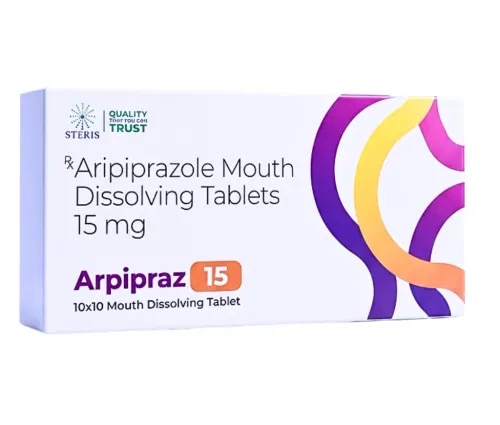
"name": "Arpiprazole Mouth Dissolving Tablets 15 mg",
"description": "ARPIPRAZ 15 is a mouth-dissolving tablet containing Aripiprazole 15 mg, prescribed for schizophrenia, bipolar disorder, autism-related irritability, Tourette's disorder, and as an add-on to antidepressants for major depressive disorder. Unlike many antipsychotics that fully block dopamine, Aripiprazole acts as a partial dopamine agonist, fine-tuning rather than shutting down dopamine activity — which can mean fewer movement-related side effects for some patients. The tablet dissolves on the tongue without water, helping patients who struggle with swallowing. It's not considered habit-forming but must be taken exactly as prescribed and never stopped abruptly. Prescription only – consult your doctor.\n\nMeta Title Options (50–60 characters)\nARPIPRAZ 15 Price – Aripiprazole MD Tablet | Steris (Recommended)\nARPIPRAZ 15 – Aripiprazole Mouth Dissolving Tablet\nARPIPRAZ 15 Price – Schizophrenia & Bipolar Care\nAripiprazole 15mg MD Tablet – ARPIPRAZ Price\nARPIPRAZ 15 – Antipsychotic for Multiple Conditions\n\nRationale: Option 1 leads with the “Price” anchor required for this Schedule H drug, keeps the brand searchable alongside the generic name, and fits within the 50–60 character band.\n\nMeta Description (140–160 characters)\n\nARPIPRAZ 15 (Aripiprazole 15mg MD) treats schizophrenia, bipolar disorder & more. Check price online. Prescription only – consult your doctor first.\n\nFull CMS Article\nARPIPRAZ 15: Aripiprazole Mouth Dissolving Tablet for Schizophrenia, Bipolar Disorder, and Related Conditions\nTL;DR / AI Mode Summary\n\nARPIPRAZ 15 supplies Aripiprazole 15 mg in a mouth-dissolving format, used across a broader range of conditions than many antipsychotics — schizophrenia, bipolar disorder, autism-related irritability, Tourette's disorder, and as an adjunct to antidepressant therapy in major depressive disorder. Its defining feature is a partial dopamine agonist mechanism: rather than fully blocking dopamine like older antipsychotics, it modulates it, which is associated with a comparatively lower risk of certain movement side effects. The dissolving tablet skips the need for water, supporting patients who find conventional tablets hard to swallow.\n\nWhat Sets ARPIPRAZ 15 Apart?\n\nMost antipsychotic medicines work by blocking dopamine receptors outright. Aripiprazole takes a different approach — it acts as a partial agonist, meaning it can either boost or dampen dopamine activity depending on what the brain's current chemical state calls for. This “smart stabilizer” action is one reason Aripiprazole is prescribed across such a wide span of psychiatric conditions, from psychotic disorders to mood conditions to certain neurodevelopmental and tic-related presentations.\n\nComposition at a Glance\nAttribute\tDetail\nBrand Name\tARPIPRAZ 15\nActive Ingredient\tAripiprazole\nStrength\t15 mg\nForm\tMouth Dissolving Tablet (MD)\nDrug Class\tAtypical Antipsychotic — Partial Dopamine Agonist\nSchedule Status\tSchedule H – Prescription Only\nConditions ARPIPRAZ 15 Is Prescribed For\n\nSchizophrenia — helps ease hallucinations, delusions, disorganized thought, social withdrawal, and reduced motivation, supporting better day-to-day and social functioning.\n\nBipolar I Disorder — used for acute manic and mixed episodes, as well as maintenance therapy aimed at reducing relapse.\n\nMajor Depressive Disorder (adjunct) — added alongside antidepressants when depression hasn't responded fully to antidepressant treatment alone.\n\nIrritability Linked to Autism Spectrum Disorder — may reduce aggression, irritability, outbursts, and self-injurious behavior in eligible patients.\n\nTourette's Disorder — can reduce the frequency and intensity of motor and vocal tics for some patients.\n\nMechanism of Action\n\nAripiprazole works on three key receptor systems:\n\nDopamine D2 receptors — partially activated rather than fully blocked, helping normalize rather than suppress dopamine signaling\nSerotonin 5-HT1A receptors — contributing to mood stabilization and reduced anxiety\nSerotonin 5-HT2A receptors — supporting the reduction of psychotic symptoms\n\nTogether, this receptor profile helps ease hallucinations and delusions, stabilize mood swings, reduce anxiety, and support clearer cognitive functioning — while the partial-agonist approach is associated with a comparatively lower likelihood of certain movement-related side effects compared to older-generation antipsychotics.\n\nDirections for Use\nTake ARPIPRAZ 15 strictly as your doctor prescribes.\nPlace the tablet on the tongue and let it dissolve fully — no water is typically needed.\nDon't chew or crush it unless your doctor specifically advises otherwise.\nTake it at a consistent time each day.\nContinue the full course even once you start feeling better, unless your doctor says otherwise.\nNever discontinue suddenly on your own — stopping abruptly can bring symptoms back.\nPossible Side Effects\n\nCommonly reported:\n\nHeadache\nDizziness\nNausea or vomiting\nConstipation\nDry mouth\nRestlessness\nAnxiety\nInsomnia\nFatigue\nIncreased appetite\nWeight changes\n\nSerious — seek immediate medical attention for:\n\nSevere allergic reactions\nHigh fever combined with muscle stiffness\nSeizures\nDifficulty swallowing\nUncontrolled body movements\nFainting\nIrregular heartbeat\nSuicidal thoughts or sudden behavioral changes\n\nPlaceholder: incidence rates and comparative trial data pending qualified clinical reviewer sign-off before publication.\n\nTalk to your doctor promptly if any side effect feels severe or doesn't improve.\n\nWho Should Be Cautious\n\nLet your doctor know before starting if you have any of the following:\n\nDiabetes\nHeart disease, or high or low blood pressure\nLiver or kidney impairment\nSeizure disorders\nParkinson's disease\nDementia\nA history of stroke\nA history of substance use\n\nLong-term treatment often includes periodic checks of blood sugar, body weight, and general health.\n\nPregnancy & Breastfeeding\n\nAripiprazole should be used in pregnancy or while breastfeeding only if a doctor determines the benefits outweigh the potential risks. This decision should always be made in consultation with your healthcare provider.\n\nDrug Interactions to Flag for Your Doctor\n\nARPIPRAZ 15 can interact with:\n\nAntidepressants and anti-anxiety medicines\nAntiepileptic drugs\nBlood pressure medications\nCertain antifungal medicines and antibiotics\nHIV medications\nSleeping pills\nAlcohol\n\nShare a complete list of everything you're taking — prescription drugs, over-the-counter products, vitamins, and herbal supplements — with your prescriber before starting treatment.\n\nPrecautions & Storage\nTake only as prescribed; don't adjust the dose independently.\nAvoid alcohol during treatment.\nStore below 25°C, in the original packaging, away from moisture and direct sunlight.\nKeep out of reach of children.\nDon't use beyond the printed expiry date.\nHow ARPIPRAZ 15 Compares to Other Antipsychotics\nFeature\tOlder-Generation Antipsychotics\tARPIPRAZ 15 (Aripiprazole)\nDopamine Action\tFull receptor blockade\tPartial agonist — modulates rather than blocks\nMovement-Related Side Effect Risk\tComparatively higher\tComparatively lower for many patients\nRange of Approved Uses\tTypically narrower\tBroader — includes autism-related irritability and Tourette's\nAdministration\tUsually standard tablets\tAvailable in swallow-free MD format\n\nNote: The right antipsychotic and formulation is a clinical decision made by a psychiatrist based on individual patient factors.\n\nWhy Choose ARPIPRAZ 15?\n\nBeyond its versatility across several psychiatric and neurodevelopmental conditions, ARPIPRAZ 15's mouth-dissolving format removes a real practical hurdle for patients who struggle with regular tablets. It isn't considered habit-forming, and its partial-agonist mechanism offers a distinct option for psychiatrists balancing symptom control against side-effect tolerability. Manufactured to consistent quality standards, it's built for dependable day-to-day use under medical supervision.\n\nConclusion\n\nWhether the goal is easing psychotic symptoms, stabilizing mood in bipolar disorder, supporting antidepressant therapy, or reducing irritability and tics in specific conditions, ARPIPRAZ 15 offers a versatile treatment option built on Aripiprazole's distinctive dopamine-modulating action. Its dissolving tablet format simplifies daily dosing, and with consistent use under a psychiatrist's care, it supports steadier symptom management over time. Prescription only – consult your doctor.\n\nFrequently Asked Questions\nWhat is ARPIPRAZ 15 used for? It treats schizophrenia, bipolar disorder, autism-related irritability, and Tourette's disorder, and is used as an add-on treatment for major depressive disorder.\nCan it be taken without water? Yes, it's a mouth-dissolving tablet designed to break down on the tongue without needing water.\nIs ARPIPRAZ 15 habit-forming? No, Aripiprazole isn't considered habit-forming, though it should always be used under medical supervision.\nCan I stop taking it once I feel better? No — stopping without medical guidance can cause symptoms to return; any discontinuation should be doctor-directed.\nDoes it cause weight gain? Some patients notice weight changes during treatment; a balanced diet and regular activity can help manage this.\nHow is ARPIPRAZ 15 different from other antipsychotics? It works as a partial dopamine agonist rather than fully blocking dopamine, which is linked to a lower risk of certain movement-related side effects for many patients.\nCan this medicine be used for depression? Yes, it's sometimes added alongside antidepressants when depression hasn't responded fully to antidepressant treatment alone.\nIs it suitable for autism-related irritability? It's prescribed for irritability associated with autism spectrum disorder in eligible patients, under a specialist's guidance.\nDoes ARPIPRAZ 15 interact with alcohol? Yes, alcohol should generally be avoided during treatment, as it may affect the medicine's tolerability.\nWhat serious symptoms require urgent medical attention? Severe allergic reactions, high fever with muscle stiffness, seizures, uncontrolled movements, fainting, irregular heartbeat, or sudden behavioral changes need immediate care.\nWhat health conditions should I mention to my doctor beforehand? Diabetes, heart disease, blood pressure issues, liver or kidney impairment, seizure disorders, Parkinson's disease, dementia, stroke history, and substance use history should all be disclosed.\nCan ARPIPRAZ 15 be used in pregnancy? Only if your doctor determines the benefits outweigh potential risks — this should always be discussed directly with your healthcare provider.\nDoes this medicine interact with other drugs I'm taking? It can interact with several medicine classes, including antidepressants, antiepileptics, blood pressure drugs, and certain antibiotics or antifungals — share your full medication list with your doctor.\nIs a prescription required to purchase ARPIPRAZ 15? Yes, it's a Schedule H medicine dispensed only against a valid doctor's prescription.\nHow long does it take to see results? Response time varies by condition and individual; your psychiatrist will track progress through follow-up visits.\n\n[Steris Healthcare Footer] Manufactured and marketed by Steris Healthcare Pvt. Ltd. — a WHO-GMP and ISO-certified pharmaceutical manufacturer. For queries, reach us at contact@sterispharma.com or +91 8824175417. This content is for informational purposes only and does not replace professional medical advice. Prescription only – consult your doctor.",
"price": 210.0,
"discountamount": 63.0,
"currencycode": "INR",
"priority": 1000000,
"isfreeshipmentavailable": false,
"shipmentduration": 1,
"_keywords": null,
"isarchived": false,
"isavailable": true,
"applicationid": null,
"productindex": 2480,
"imageuri": "https://productimages.withfloats.com/actual/6a5df8cfa4709fd448b5e572.png",
"tileimageuri": "https://productimages.withfloats.com/tile/6a5df8cfa4709fd448b5e572.png",
"images": null,
"totalqueries": 0,
"gpid": null,
"groupproductid": null,
"createdon": "2026-07-20T10:30:37.014Z",
"updatedon": "2026-07-20T10:30:37.014Z",
"buyonlinelink": null,
"producturl": "http://WWW.STERISINDIA.COM/products/arpiprazole-mouth-dissolving-tablets-15-mg/2480",
"availableunits": -1.0,
"iscodavailable": false,
"isprepaidonlineavailable": false,
"maxcodorders": 0,
"maxprepaidonlineorders": 0,
"uniquepaymenturl": null,
"brandname": "ARPIPRAZ 15",
"category": "NEUROLOGYRANGE",
"tags": [],
"variants": false,
"keyspecification": null,
"otherspecifications": null,
"pickupaddressreferenceid": null,
"paymenttype": "UniquePaymentUrl",
"producttype": "products",
"hsncode": null,
"gstslab": 0.0,
"isnotforsale": false
},
{
"_id": "6957b1f01063d98b1e8f2f17",
"fptag": "STERISHEALTHCARE",
"merchantname": null,
"customwidgets": null,
"externalsourceid": null,
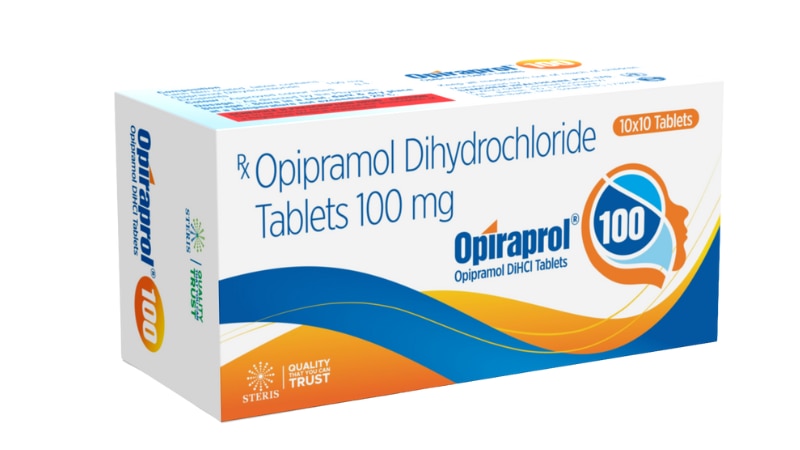
"name": "Opipramol Dihydrochloride 100 mg",
"description": "OPIRAPROL 100, featuring Opipramol Dihydrochloride 100 mg, stands out as a reliable medication from Steris Healthcare Pvt Ltd designed to address anxiety disorders and related somatic issues. This tricyclic compound offers targeted relief by modulating brain chemicals for better emotional balance. Patients often find it helps restore daily functionality without the heavier sedation of some alternatives.\n\n\nProduct Overview\nOPIRAPROL 100 contains 100 mg of Opipramol Dihydrochloride per tablet, a dibenzazepine derivative primarily classified as an anxiolytic with antidepressant properties. Manufactured by Steris Healthcare Pvt Ltd, it targets generalized anxiety disorder (GAD) and somatoform disorders, where physical symptoms like unexplained pain or fatigue stem from psychological stress. Unlike typical antidepressants that focus solely on serotonin reuptake, Opipramol acts as a sigma-1 receptor agonist, influencing calcium signaling and neurotransmitter release for a calming effect.\n\n\nThe formulation ensures steady absorption, making it suitable for adults needing moderate to higher dosing. Each pack typically includes 10 tablets, priced accessibly for ongoing therapy under medical supervision. Steris emphasizes quality with WHO-GMP certification, positioning OPIRAPROL 100 as a trusted option in India's mental health market.\n\n\nHow It Works\nOpipramol Dihydrochloride in OPIRAPROL 100 primarily binds to sigma receptors in the brain, promoting translocation to cell membranes and enhancing neurotransmitter modulation, especially serotonin and dopamine. This biphasic action first reduces acute tension and insomnia, then stabilizes mood over time by downregulating sigma-2 sites during chronic use.\n\n\nIt also exhibits mild antihistamine and anticholinergic effects, contributing to its sedative properties without strong reuptake inhibition like classic tricyclics. By calming overactive neural pathways, it alleviates the cycle of worry and physical unease, allowing clearer thinking and restful sleep. Clinical studies highlight its efficacy in somatoform cases, where patients fixate on bodily sensations amplified by anxiety.\n\n\nKey Uses\nHealthcare providers prescribe OPIRAPROL 100 for several interconnected conditions rooted in anxiety.\n\nGeneralized anxiety disorder, easing excessive worry, restlessness, and irritability that disrupt work and relationships.\n\n\nSomatoform disturbances target fatigue, pain, or gastrointestinal issues without clear organic cause.\n\n\nMild depressive episodes with prominent anxiety, supporting mood without full antidepressant escalation.\n\n\nAdjunctive therapy for sleep bruxism or insomnia linked to stress, based on emerging evidence.\n\n\nIn practice, it suits patients in high-stress environments, like urban professionals in Jaipur facing daily pressures, helping them regain focus and productivity.\n\n\nKey Benefits\nUsers of OPIRAPROL 100 report transformative effects that extend beyond symptom relief.\n\nRapid anxiety reduction promotes mental clarity, enabling better concentration and decision-making in daily tasks.\n\n\nMood stabilization balances emotional swings, fostering stronger interpersonal connections and resilience.\n\n\nEnhanced sleep quality combats insomnia, leading to refreshed mornings and sustained energy.\n\n\nImproved daily functioning boosts productivity, which is vital for professionals balancing career and personal life.\n\n\nLower sedation profile compared to benzodiazepines allows safe use during daytime hours.\n\n\nLong-term, it enhances quality of life by breaking anxiety cycles, with many patients noting fewer somatic complaints after consistent use.\n\n\nDosage Guidelines\nTake OPIRAPROL 100 as directed, typically 100 mg once or twice daily for adults, swallowed whole with water, with or without food. Start low to assess tolerance, adjusting up to 300 mg daily for severe cases under supervision.\n\n\nFor children over 6, dosing follows 3 mg/kg body weight, but adult use predominates. Maintain consistent timing to stabilize blood levels, and taper gradually to avoid withdrawal. Missed doses should resume normally without doubling.\n\nPotential Side Effects\nMost side effects of OPIRAPROL 100 are mild and diminish with time, but monitoring remains essential.\n\nCommon ones (1-10%) include dry mouth, nasal congestion, fatigue, dizziness, and orthostatic hypotension, often resolving as the body adjusts.\n\nOccasional (0.1-1%) effects encompass constipation, weight gain, tremor, blurred vision, tachycardia, and mild liver enzyme elevation.\nRare issues (<0.1%) like allergic rashes, urinary retention, confusion, or leukopenia require immediate medical attention, especially in elderly patients or those with heart conditions.\n\nPrecautions\nAvoid OPIRAPROL 100 in acute glaucoma, urinary retention, ileus, or uncontrolled epilepsy due to anticholinergic risks.\n\nPregnant or lactating women need doctor approval, as safety data limits use. Steer clear of alcohol and CNS depressants to prevent amplified drowsiness.\n\nMonitor heart rhythm in bradycardia patients and liver function during prolonged therapy. Abrupt stops can trigger rebound anxiety.\nWhen to Consult a Doctor\nSeek prompt advice if side effects intensify, mood worsens paradoxically, or new symptoms like chest pain emerge. Regular check-ins ensure optimal dosing, particularly for those on interacting meds like MAOIs.\n\nConclusion\nOPIRAPROL 100 with Opipramol Dihydrochloride 100 mg delivers effective, balanced relief for anxiety and somatic disorders, empowering users toward calmer, more productive lives. Backed by Steris Healthcare's commitment to quality, it bridges the gap between symptom management and holistic well-being when used responsibly. Always prioritize professional guidance to maximize benefits while minimizing risks.\n",
"price": 154.0,
"discountamount": 46.0,
"currencycode": "INR",
"priority": 1000000,
"isfreeshipmentavailable": false,
"shipmentduration": 1,
"_keywords": null,
"isarchived": false,
"isavailable": true,
"applicationid": null,
"productindex": 2259,
"imageuri": "https://productimages.withfloats.com/actual/6957b22c6b1ead52de1e2df4.png",
"tileimageuri": "https://productimages.withfloats.com/tile/6957b22c6b1ead52de1e2df4.png",
"images": null,
"totalqueries": 0,
"gpid": null,
"groupproductid": null,
"createdon": "2026-01-02T11:54:24.869Z",
"updatedon": "2026-03-13T07:53:58.661Z",
"buyonlinelink": null,
"producturl": "http://WWW.STERISINDIA.COM//opipramol-dihydrochloride-100-mg/2259",
"availableunits": -1.0,
"iscodavailable": false,
"isprepaidonlineavailable": false,
"maxcodorders": 0,
"maxprepaidonlineorders": 0,
"uniquepaymenturl": null,
"brandname": "OPIRAPROL 100",
"category": "NEUROLOGYRANGE",
"tags": [
"opipramol dihydrochloride.",
"opipramol dihydrochloride tablets uses.",
"opipramol dihydrochloride tablets uses in hindi.",
"opipramol dihydrochloride tablets.",
"opipramol dihydrochloride uses.",
"opipramol dihydrochloride side effects",
"opipramol dihydrochloride tablet.",
"what is opipramol dihydrochloride.",
"side effects of opipramol dihydrochloride.",
"opipramol dihydrochloride dosage.",
"opipramol dihydrochloride tablet for anxiety disorder",
"medicine for generalized anxiety disorder treatment",
"tablet for anxiety and stress management",
"medication for nervous tension and anxiety",
"how opipramol dihydrochloride works for anxiety",
"opipramol vs amitriptyline for anxiety",
"medicines for stress and anxiety relief",
"opipramol dihydrochloride tablets supplier india"
],
"variants": false,
"keyspecification": null,
"otherspecifications": null,
"pickupaddressreferenceid": null,
"paymenttype": "UniquePaymentUrl",
"producttype": "products",
"hsncode": null,
"gstslab": 0.0,
"isnotforsale": false
},
{
"_id": "666ab2ab70774b1f84f68deb",
"fptag": "STERISHEALTHCARE",
"merchantname": null,
"customwidgets": null,
"externalsourceid": null,
"name": "Midodrine Hydrochloride 5 mg",
"description": "MIDORIGHT 5 \nMidodrine Hydrochloride 5 mg\nIntroduction:\nMIDORIGHT 5 is a prescription medicine containing Midodrine Hydrochloride 5 mg, widely used in the management of symptomatic orthostatic hypotension—a condition where blood pressure drops suddenly upon standing. This sudden fall in blood pressure can lead to dizziness, lightheadedness, blurred vision, weakness, or even fainting, significantly affecting daily activities and quality of life.\n\nLow blood pressure may occur due to nervous system disorders, prolonged bed rest, dehydration, diabetes-related nerve damage, or certain medications. MIDORIGHT 5 works by helping the body maintain adequate blood pressure, especially when changing posture from sitting or lying down to standing. With proven efficacy and consistent results, MIDORIGHT 5 offers patients greater confidence, stability, and independence in their daily lives.\n\nComposition\n\nEach tablet contains:\n\nMidodrine Hydrochloride IP 5 mg\n\nUses of MIDORIGHT 5 Tablet\n\nMIDORIGHT 5 is primarily prescribed for the treatment of conditions associated with abnormally low blood pressure.\n\n1. Orthostatic Hypotension\n\nMIDORIGHT 5 is most commonly used to treat symptomatic orthostatic hypotension, particularly in patients with autonomic nervous system dysfunction. It helps prevent sudden drops in blood pressure when standing.\n\n2. Autonomic Nervous System Disorders\n\nPatients with disorders such as Parkinson’s disease, diabetic neuropathy, or multiple system atrophy may experience impaired blood pressure regulation. MIDORIGHT 5 helps improve vascular tone in such cases.\n\n3. Dialysis-Related Hypotension\n\nSome patients undergoing dialysis experience sudden blood pressure drops during or after treatment. MIDORIGHT 5 may be prescribed to help stabilize blood pressure and reduce associated symptoms.\n\n4. Postural Dizziness and Fainting\n\nFor individuals suffering from recurrent dizziness, fatigue, or fainting spells related to low blood pressure, MIDORIGHT 5 provides effective symptomatic relief.\n\nHow MIDORIGHT 5 Works\n\nMidodrine is a peripheral alpha-1 adrenergic agonist. After ingestion, it is converted in the body into its active form, desglymidodrine, which works by stimulating alpha-1 receptors in blood vessels.\n\nThis action causes:\n\nConstriction of blood vessels\n\nIncreased vascular resistance\n\nElevation of blood pressure\n\nBy tightening the blood vessels, MIDORIGHT 5 helps maintain blood flow to vital organs, particularly the brain, reducing dizziness and the risk of fainting when standing.\n\nKey Benefits of MIDORIGHT 5\n✔ Raises and Stabilizes Blood Pressure\n\nMIDORIGHT 5 effectively increases low blood pressure, particularly during postural changes.\n\n✔ Reduces Dizziness and Lightheadedness\n\nBy improving blood circulation to the brain, it minimizes symptoms such as dizziness, weakness, and blurred vision.\n\n✔ Improves Standing Tolerance\n\nPatients can stand for longer periods without discomfort or fear of fainting.\n\n✔ Enhances Quality of Life\n\nWith better blood pressure control, patients experience increased confidence and independence in daily activities.\n\n✔ Useful in Multiple Clinical Conditions\n\nEffective in autonomic dysfunction, dialysis-related hypotension, and chronic low blood pressure.\n\n✔ Fast-Acting and Reliable\n\nMIDORIGHT 5 begins to work within a short time after administration, offering quick symptom relief.\n\nDosage and Administration\n\nThe dosage of MIDORIGHT 5 should be strictly followed as advised by a healthcare professional.\n\nUsually taken 2 to 3 times daily\n\nThe last dose should be taken at least 4 hours before bedtime to prevent high blood pressure while lying down\n\nTablets should be swallowed whole with water\n\nCan be taken with or without food\n\n⚠ Do not exceed the prescribed dose, as it may lead to excessive blood pressure elevation.\n\nPossible Side Effects of MIDORIGHT 5\n\nLike all medicines, MIDORIGHT 5 may cause side effects in some individuals. Most are mild and temporary.\n\nCommon Side Effects:\n\nGoosebumps or chills\n\nTingling or itching of the scalp\n\nUrinary urgency or retention\n\nHeadache\n\nNausea\n\nLess Common Side Effects:\n\nElevated blood pressure while lying down (supine hypertension)\n\nSlow heartbeat\n\nAnxiety or restlessness\n\nRare Side Effects:\n\nSevere hypertension\n\nChest pain\n\nVision changes\n\nIf any unusual or severe symptoms occur, immediate medical attention is advised.\n\nPrecautions and Warnings\n\nMIDORIGHT 5 should not be taken close to bedtime\n\nPatients with heart disease, kidney disease, or urinary retention should use this medicine cautiously\n\nRegular blood pressure monitoring is essential\n\nInform your doctor if you are pregnant or breastfeeding\n\nAvoid alcohol unless approved by your physician\n\nDrug Interactions\n\nMIDORIGHT 5 may interact with:\n\nBlood pressure medicines\n\nHeart rhythm medications\n\nDecongestants and stimulants\n\nAlways inform your healthcare provider about all medications and supplements you are using.\n\nStorage Instructions\n\nStore below 25°C\n\nProtect from moisture and direct sunlight\n\nKeep out of reach of children\n\nConclusion\n\nMIDORIGHT 5 (Midodrine Hydrochloride 5 mg Tablet) is an effective and dependable treatment option for patients struggling with low blood pressure and its associated symptoms. By improving vascular tone and stabilizing blood pressure, it helps prevent dizziness, fainting, and weakness caused by orthostatic hypotension.\n\n",
"price": 750.0,
"discountamount": 225.0,
"currencycode": "INR",
"priority": 1000000,
"isfreeshipmentavailable": false,
"shipmentduration": 7,
"_keywords": [
"mg",
"day",
"Life",
"EMAIL",
"water",
"Order",
"tablet",
"bedtime",
"ability",
"standing",
"Benefits",
"fainting",
"Patients",
"response",
"treatment",
"dizziness",
"condition",
"MIDORIGHT",
"medication",
"four hours",
"information",
"sterispharma",
"Introduction",
"sterisonline",
"Key Features",
"Rapid Action",
"quick relief",
"CALL/WHATSAPP",
"blood vessels",
"Initial Dosage",
"Administration",
"Symptom Relief",
"dosing schedule",
"common symptoms",
"lightheadedness",
"vasoconstriction",
"daily activities",
"Improved Quality",
"significant drop",
"Maintenance Dosage",
"low blood pressure",
"healthcare provider",
"supine hypertension",
"high blood pressure",
"debilitating effects",
"typical starting dose",
"usual maintenance dose",
"Midodrine Hydrochloride",
"orthostatic hypotension",
"Blood Pressure Regulation",
"consistent blood pressure levels"
],
"isarchived": false,
"isavailable": true,
"applicationid": null,
"productindex": 1852,
"imageuri": "https://productimages.withfloats.com/actual/666ab2acae2cbfae74d16fe3.png",
"tileimageuri": "https://productimages.withfloats.com/tile/666ab2acae2cbfae74d16fe3.png",
"images": null,
"totalqueries": 0,
"gpid": null,
"groupproductid": null,
"createdon": "2024-06-13T08:49:47.339Z",
"updatedon": "2026-03-13T11:41:49.678Z",
"buyonlinelink": null,
"producturl": "http://WWW.STERISINDIA.COM//midodrine-hydrochloride-5-mg/1852",
"availableunits": -1.0,
"iscodavailable": false,
"isprepaidonlineavailable": false,
"maxcodorders": 0,
"maxprepaidonlineorders": 0,
"uniquepaymenturl": null,
"brandname": "MIDORIGHT 5 ",
"category": "NEUROLOGYRANGE",
"tags": [
"midodrine 5 mg price",
"Midodrine Hydrochloride 5 mg",
"",
"MIDORIGHT 5",
"",
"midodrine 5 mg uses",
"midodrine mechanism of action",
"midodrine hydrochloride 5 mg uses in hindi",
"midodrine hydrochloride 5 mg",
"midodrine hydrochloride 5 mg price",
"midodrine hydrochloride 5 mg tablet",
"midodrine hydrochloride 5 mg tablet",
"midodrine hydrochloride 5 mg uses",
"midodrine 5 mg tablet uses in hindi",
"midodrine hydrochloride 5 mg dosage",
"midodrine 5 mg for low blood pressure",
"midodrine hydrochloride tablets 5 mg",
"midodrine 5 mg medicine information",
"midodrine hydrochloride 5 mg side effects",
"midodrine 5 mg tablet price in india",
"midodrine 5 mg tablet for hypotension",
"what is midodrine hydrochloride 5 mg tablet",
"is midodrine 5 mg safe for long term use",
"how to take midodrine hydrochloride 5 mg",
"midodrine 5 mg tablet uses and dosage",
"when to take midodrine 5 mg tablet",
"midodrine hydrochloride 5 mg tablets ip",
"best brand of midodrine hydrochloride 5 mg",
"midodrine 5 mg tablet manufacturer india",
"midodrine hydrochloride 5 mg pharma company"
],
"variants": false,
"keyspecification": null,
"otherspecifications": null,
"pickupaddressreferenceid": "",
"paymenttype": "UniquePaymentUrl",
"producttype": "products",
"hsncode": null,
"gstslab": 0.001,
"isnotforsale": false
},
{
"_id": "6ad74702e53c888beeab308d",
"fptag": "STERISHEALTHCARE",
"merchantname": null,
"customwidgets": null,
"externalsourceid": null,
"name": "Empagliozin 10 mg, Sitagliptin 100 mg and Metformin hydrochloride 1000 mg ER Tablets",
"description": "GLIEMPAFLOZIN 3D 10 is a triple-combination antidiabetic tablet containing Empagliflozin 10 mg, Sitagliptin 100 mg, and Metformin Hydrochloride Extended Release (ER) 1000 mg. This combination is intended for the management of type 2 diabetes mellitus in appropriately selected patients under the supervision of a qualified healthcare professional.\n\nThe three active ingredients work through different mechanisms to help regulate blood glucose levels. Empagliflozin helps the kidneys eliminate glucose through urine, Sitagliptin supports glucose-dependent insulin regulation, and Metformin helps reduce glucose production in the liver while improving insulin sensitivity.\n\nBy combining these ingredients in one tablet, GLIEMPAFLOZIN 3D 10 provides a multi-mechanism approach to blood glucose management. Its suitability depends on the patient's clinical condition, kidney function, existing treatment, and the approved prescribing information.\n\nComposition of GLIEMPAFLOZIN 3D 10\nEach tablet contains the following stated active ingredients:\n\nEmpagliflozin 10 mg: A sodium-glucose cotransporter 2 (SGLT2) inhibitor that reduces glucose reabsorption by the kidneys and increases glucose excretion through urine.\nSitagliptin 100 mg: A dipeptidyl peptidase-4 (DPP-4) inhibitor that helps regulate insulin and glucagon responses according to blood glucose levels.\nMetformin Hydrochloride ER 1000 mg: An extended-release biguanide that primarily reduces glucose production in the liver and improves the body's response to insulin.\nThe exact formulation, excipients, approved indications, and administration instructions should be confirmed from the product packaging and official prescribing information.\n\nKey Features of GLIEMPAFLOZIN 3D 10 Tablets\nGLIEMPAFLOZIN 3D 10 combines three established antidiabetic medicines with complementary mechanisms of action.\n\nTriple-combination formulation: Contains Empagliflozin, Sitagliptin, and Metformin Hydrochloride ER.\nMultiple glucose-control pathways: Targets different processes involved in blood glucose regulation.\nExtended-release metformin: Provides a formulation designed to release Metformin gradually over time.\nOral tablet dosage form: Allows administration according to the prescribed regimen.\nIndividualized diabetes management: May be considered when a healthcare professional determines that all three ingredients are appropriate.\nThe combination is not suitable for every person with diabetes. Treatment decisions should be based on individual medical needs and the approved product information.\n\nUses of GLIEMPAFLOZIN 3D 10\nGLIEMPAFLOZIN 3D 10 is intended for the management of type 2 diabetes mellitus, subject to its approved indications and the prescribing healthcare professional's assessment.\n\nType 2 diabetes is a chronic metabolic condition characterized by impaired insulin action and, in many patients, insufficient insulin production. Persistently elevated blood glucose can increase the risk of complications affecting the eyes, kidneys, nerves, heart, and blood vessels.\n\nThe three active ingredients in GLIEMPAFLOZIN 3D 10 address different aspects of glucose regulation. A healthcare professional may consider this combination when multiple medicines are required to achieve an individual's treatment goals and when the combination is clinically appropriate.\n\nThe medicine should be used as part of a comprehensive diabetes-management plan that may include balanced nutrition, regular physical activity, blood glucose monitoring, and routine medical assessments. It is not intended for the treatment of type 1 diabetes or diabetic ketoacidosis.\n\nHow Does GLIEMPAFLOZIN 3D 10 Work?\n1. Empagliflozin 10 mg\nEmpagliflozin belongs to the SGLT2 inhibitor class. It blocks a protein responsible for reabsorbing glucose filtered by the kidneys. This allows more glucose to be eliminated through urine, helping reduce blood glucose levels.\n\nEmpagliflozin has also demonstrated cardiovascular and kidney benefits in certain eligible patient populations. Whether these benefits apply to an individual depends on their clinical condition and the applicable prescribing information.\n\n2. Sitagliptin 100 mg\nSitagliptin inhibits the DPP-4 enzyme, which breaks down incretin hormones. By increasing incretin activity, Sitagliptin supports insulin release when blood glucose is elevated and helps regulate glucagon secretion. These actions contribute to blood glucose control.\n\n3. Metformin Hydrochloride ER 1000 mg\nMetformin primarily reduces glucose production in the liver and improves insulin sensitivity. The extended-release formulation is designed to release the medicine gradually over time.\n\nTogether, these ingredients target several pathways involved in type 2 diabetes. Their combined effectiveness and safety depend on appropriate prescribing, correct administration, and regular monitoring.\n\nPotential Benefits of GLIEMPAFLOZIN 3D 10\nWhen prescribed for an appropriate patient, GLIEMPAFLOZIN 3D 10 may offer the following treatment advantages:\n\nMultiple mechanisms of action: Combines three medicines that influence different aspects of glucose regulation.\nBlood glucose management: Helps improve glycemic control in eligible adults with type 2 diabetes.\nCombination therapy: May simplify a treatment regimen compared with taking the same ingredients as separate tablets.\nExtended-release component: Includes Metformin Hydrochloride ER for gradual drug release.\nPersonalized treatment options: May be considered when a healthcare professional determines that triple therapy is appropriate.\nIndividual outcomes vary, and the medicine does not replace a suitable diet, physical activity, or routine diabetes care.\n\nDirections for Use\nTake GLIEMPAFLOZIN 3D 10 only as prescribed by your healthcare professional.\n\nFollow the prescribed dose and administration schedule.\nTake the tablet with food if directed by the product labeling or your prescriber.\nSwallow the extended-release tablet whole unless the specific product instructions state otherwise. Do not crush, chew, or split it without professional guidance.\nDo not change the dose or stop treatment without consulting your prescriber.\nAttend recommended appointments for kidney-function assessment and blood glucose monitoring.\nIf you miss a dose, follow the official patient information or ask your healthcare professional or pharmacist what to do. Do not take an extra dose to compensate for a missed dose unless specifically instructed.\n\nPrecautions and Safety Information\nGLIEMPAFLOZIN 3D 10 is a prescription medicine and may not be suitable for everyone.\n\nKidney function: Kidney function should be assessed before and during treatment as appropriate. Metformin and Empagliflozin have important kidney-related prescribing considerations.\n\nDehydration: Empagliflozin increases glucose excretion through urine and may increase urination. Patients at risk of dehydration or low blood pressure should discuss appropriate precautions with their healthcare professional.\n\nGenital and urinary infections: Empagliflozin may increase the risk of genital fungal infections and can be associated with urinary tract infections.\n\nLactic acidosis: Metformin can rarely cause a serious condition called lactic acidosis. Risk may increase with significant kidney impairment, severe dehydration, certain acute illnesses, or excessive alcohol intake.\n\nPancreatitis: Pancreatitis has been reported in patients taking Sitagliptin. Severe, persistent abdominal pain requires prompt medical assessment.\n\nHypoglycemia: Low blood glucose may occur, particularly when the combination is used with insulin or insulin secretagogues such as sulfonylureas.\n\nInform your healthcare professional about existing medical conditions, all medicines you take, pregnancy or breastfeeding, planned surgery, prolonged fasting, and upcoming procedures involving iodinated contrast. Follow professional instructions about temporary medicine interruption during acute illness or other high-risk situations.\n\nSeek urgent medical care for severe abdominal pain, difficulty breathing, persistent vomiting, severe dehydration, or other serious symptoms.\n\nWhy Choose GLIEMPAFLOZIN 3D 10?\nGLIEMPAFLOZIN 3D 10 brings together Empagliflozin 10 mg, Sitagliptin 100 mg, and Metformin Hydrochloride ER 1000 mg in a triple-combination tablet intended for selected patients with type 2 diabetes.\n\nFor pharmaceutical websites, pharmacies, distributors, and healthcare professionals, clear information about composition, mechanism of action, potential uses, and precautions supports responsible product awareness.\n\nAlways refer to the approved product label for the exact composition, indications, dosage, contraindications, storage requirements, and instructions for use.\n\nConclusion\nGLIEMPAFLOZIN 3D 10 Tablets combine Empagliflozin 10 mg, Sitagliptin 100 mg, and Metformin Hydrochloride ER 1000 mg to target multiple pathways involved in blood glucose regulation. The combination may be appropriate for selected adults with type 2 diabetes under medical supervision.\n\nFor complete information about dosage, contraindications, warnings, storage, and approved indications, consult the official product packaging and prescribing information. Use this medicine only under the direction of a qualified healthcare professional.\n\nFrequently Asked Questions (FAQs)\n1. What is GLIEMPAFLOZIN 3D 10?\n\nGLIEMPAFLOZIN 3D 10 is a combination tablet containing Empagliflozin 10 mg, Sitagliptin 100 mg, and Metformin Hydrochloride ER 1000 mg.\n\n2. What is GLIEMPAFLOZIN 3D 10 used for?\n\nIt is intended for the management of type 2 diabetes mellitus in patients for whom this combination is considered appropriate by a healthcare professional.\n\n3. How does GLIEMPAFLOZIN 3D 10 work?\n\nEmpagliflozin increases urinary glucose excretion, Sitagliptin supports glucose-dependent insulin regulation, and Metformin reduces glucose production in the liver and improves insulin sensitivity.\n\n4. Can GLIEMPAFLOZIN 3D 10 replace diet and exercise?\n\nNo. Medication should be combined with an individualized diet, physical activity, and monitoring plan recommended by a healthcare professional.\n\n5. Is GLIEMPAFLOZIN 3D 10 suitable for everyone with diabetes?\n\nNo. Suitability depends on the type of diabetes, kidney function, other medical conditions, concurrent medicines, and approved prescribing information.\n\n",
"price": 210.0,
"discountamount": 147.0,
"currencycode": "INR",
"priority": 1000000,
"isfreeshipmentavailable": false,
"shipmentduration": 1,
"_keywords": null,
"isarchived": false,
"isavailable": true,
"applicationid": null,
"productindex": 2505,
"imageuri": "https://productimages.withfloats.com/actual/6ad7470422551901df6e5493.png",
"tileimageuri": "https://productimages.withfloats.com/tile/6ad7470422551901df6e5493.png",
"images": null,
"totalqueries": 0,
"gpid": null,
"groupproductid": null,
"createdon": "2026-10-20T10:48:34.116Z",
"updatedon": "2026-10-20T10:48:34.116Z",
"buyonlinelink": null,
"producturl": "http://WWW.STERISINDIA.COM//empagliozin-10-mg-sitagliptin-100-mg-and-metformin-hydrochloride-1000-mg-er-tablets/2505",
"availableunits": -1.0,
"iscodavailable": false,
"isprepaidonlineavailable": false,
"maxcodorders": 0,
"maxprepaidonlineorders": 0,
"uniquepaymenturl": null,
"brandname": "GLIEMPAFLOZIN 3D 10",
"category": "DIABETIC RANGE",
"tags": [],
"variants": false,
"keyspecification": null,
"otherspecifications": null,
"pickupaddressreferenceid": null,
"paymenttype": "UniquePaymentUrl",
"producttype": "products",
"hsncode": null,
"gstslab": 0.0,
"isnotforsale": false
},
{
"_id": "6abe4471401ae1a1106d67d9",
"fptag": "STERISHEALTHCARE",
"merchantname": null,
"customwidgets": null,
"externalsourceid": null,
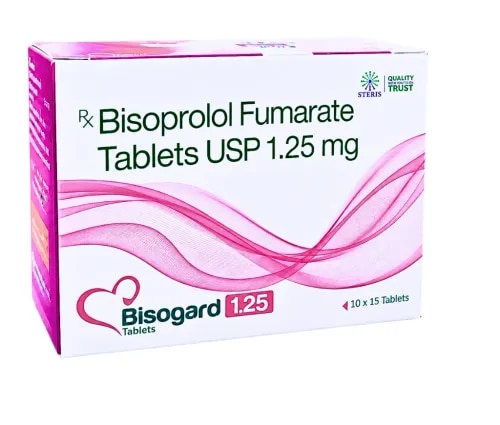
"name": "Bisoprolol 1.25mg",
"description": "Bisoprolol 1.25mg is the smallest tablet strength of bisoprolol, a heart-selective beta-1 blocker. Doctors usually prescribe it to start treatment or to build up the dose gradually in people with high blood pressure, chronic stable heart failure, or fast heart rhythms. It suits older adults, people with mild heart failure, and anyone who reacts strongly to beta-blockers. The medicine slows the heartbeat and eases the force of each contraction, so the heart works less hard. BISOGARD 1.25 from Steris Healthcare Pvt. Ltd. comes in a strip pack of 15 tablets. It is a Schedule H medicine, so it must only be started, changed, or stopped on a doctor's advice.\n\nProduct Snapshot\n\nBrand: BISOGARD 1.25\nManufacturer/Marketer: Steris Healthcare Pvt. Ltd., a WHO-GMP and ISO-certified pharmaceutical company in India\nActive ingredient: Bisoprolol Fumarate 1.25mg\nForm: Tablet\nPack size: 15 tablets\nDrug class: Cardioselective beta-1 blocker\nLegal status: Schedule H (valid prescription required)\nAvailability: Through Steris Healthcare's authorized pharmacies and its B2B PCD franchise network across India\nWhat Is Bisoprolol 1.25mg?\n\nIf your doctor has just prescribed bisoprolol 1.25mg, you have been given the lowest dose on purpose. Bisoprolol is a cardioselective beta-1 blocker, meaning it acts mostly on receptors in the heart and has much less effect on the lungs and blood vessels. This is a major reason it is preferred over older, non-selective beta-blockers, especially for people who also have a mild breathing problem.\n\nThe 1.25mg tablet is not a “light” medicine for mild illness. It is a carefully chosen entry point. In heart failure, a weakened heart can struggle if its rate or pressure drops too quickly, so cardiologists follow a “start low, go slow” approach. Treatment begins at 1.25mg, the response is watched for one to two weeks, and the dose is raised step by step (commonly 2.5mg, 3.75mg, 5mg, 7.5mg, and up to 10mg) as the heart adapts. That is why BISOGARD 1.25 is often the first tablet a newly diagnosed heart failure patient takes.\n\nWhat Is Bisoprolol 1.25mg Used For?\n\nDoctors commonly prescribe this strength for:\n\nChronic heart failure (HFrEF): as the first step of dose titration in patients with a reduced ejection fraction, alongside ACE inhibitors/ARBs and diuretics\nHigh blood pressure: especially in older adults, people with low body weight, and those who are sensitive to blood-pressure-lowering drugs\nStable angina: to reduce the heart's oxygen demand and relieve chest discomfort\nAfter a heart attack: in selected patients, under a cardiologist's care\nHeart rate control in some arrhythmias: sometimes used off-label at a low dose to gently bring down a fast heart rate\n\nAt 1.25mg, bisoprolol is seldom meant as the long-term sole treatment for high blood pressure in an otherwise healthy adult. It is usually the first rung of a titration ladder, or a steady maintenance dose for patients who are unusually beta-blocker sensitive (older age, low body weight, or borderline low pressure or pulse).\n\nHow Does Bisoprolol Work?\n\nBisoprolol selectively blocks beta-1 adrenergic receptors, which are packed mainly into heart muscle. This leads to several effects:\n\nSlower heart rate: the heart has more time to fill and rest between beats\nGentler contractions: the heart muscle needs less oxygen and energy\nLess renin from the kidneys: this helps blood pressure fall gradually over time\nLower overall cardiac workload: a real advantage for a heart that already struggles to pump well, as in heart failure\nKey Benefits of BISOGARD 1.25\nA gentle starting dose, well suited to careful titration in frail or elderly patients\nHeart-focused action, with less effect on the lungs and peripheral blood vessels than non-selective beta-blockers\nOnce-daily dosing, which makes it easier to stay on treatment\nA guideline-recommended beta-blocker for HFrEF with well-established outcomes data [Reviewer note: insert specific outcome statistics/trial citation pending medical sign-off]\nMade by Steris Healthcare Pvt. Ltd. under WHO-GMP and ISO-certified standards\nDosage Guidance\nUsual starting dose (heart failure): 1.25mg once a day, preferably in the morning\nDose increases: typically every 1–2 weeks (2.5mg, 3.75mg, 5mg, 7.5mg, up to a maximum of 10mg daily), depending on how well you tolerate it and on your pulse and blood pressure\nHigh blood pressure (sensitive patients): 1.25mg to 5mg once daily, as set by your doctor\nHow to take it: at the same time every day, with or without food, swallowed whole with water\nIf you miss a dose: take it when you remember, unless the next dose is almost due. Never take a double dose.\nNever stop suddenly: abrupt withdrawal can cause a rebound rise in heart rate, blood pressure, or chest pain. The dose must be reduced gradually under medical supervision.\nIs It Better to Take Bisoprolol in the Morning or at Night?\n\nMost doctors advise a morning dose. Bisoprolol lowers pulse and blood pressure, and taking it early matches its action to your daytime activity. A night-time dose could add to the body's natural overnight dip in blood pressure and raise the chance of dizziness when getting up in the dark. Some people who feel tired during the day are told by their doctor to switch to the evening. Do not change your dosing time without your doctor's approval.\n\nSide Effects of Bisoprolol 1.25mg\n\nCommon side effects\n\nTiredness or fatigue\nDizziness or light-headedness, especially on standing quickly\nCold hands or feet\nSlow pulse (bradycardia)\nHeadache\nMild stomach upset (nausea, loose stools)\nDisturbed sleep\n\nSerious side effects (get medical help promptly)\n\nVery slow heartbeat or fainting\nIncreasing breathlessness or swollen legs/ankles, which may mean heart failure is worsening\nAllergic reaction: rash, swelling of the face or throat, trouble breathing\nCold, numb, or bluish fingers and toes\nWheezing or new breathing difficulty, particularly in people with asthma or COPD\nMood changes, low mood, or confusion\nWhat Are the Bad Side Effects of Bisoprolol?\n\nThe effects that need urgent attention are a dangerously slow pulse, fainting, signs of worsening heart failure (swelling, breathlessness), severe allergic reactions, and airway tightening in people with lung disease. These are uncommon at the 1.25mg dose, but anyone who notices them should seek medical help right away. [Reviewer note: specific incidence rates pending clinical/medical sign-off]\n\nSubstitutes & Comparable Beta-Blockers\nMolecule\tSelectivity\tTypical Use Case\nBisoprolol\tHighly cardioselective\tHeart failure titration, hypertension\nMetoprolol Succinate ER\tCardioselective\tHypertension, angina, heart failure\nAtenolol\tCardioselective (older agent)\tHypertension\nCarvedilol\tNon-selective with alpha-blocking action\tHeart failure (adds vasodilation)\nPropranolol\tNon-selective\tMigraine prevention, anxiety-related fast heartbeat, essential tremor\nPrecautions & Who Should Avoid Bisoprolol\nNot suitable for people with severe bradycardia, certain forms of heart block (unless a pacemaker is fitted), unstable or acutely decompensated heart failure, or severe uncontrolled asthma\nUse carefully in diabetes, because beta-blockers can hide the warning signs of low blood sugar\nTake care in peripheral vascular disease, as cold extremities or leg pain on walking may worsen\nNever stop it abruptly; always taper under a doctor's guidance\nTell your doctor about every medicine you use, especially other blood-pressure drugs, calcium channel blockers, and certain antiarrhythmics\nIn pregnancy and breastfeeding, use only if your doctor advises it after weighing benefits and risks\nIs Bisoprolol Safe for Kidneys?\n\nThe body clears bisoprolol through both the liver and the kidneys in roughly equal measure. It is generally considered safe for people with normal or mildly reduced kidney function. When kidney impairment is significant, drug levels in the blood can rise, so your doctor may lower the dose or monitor you more closely. Always tell your prescriber about any kidney disease before starting.\n\nIs Bisoprolol a High-Risk Medication?\n\nBisoprolol is not a narrow therapeutic index drug like tacrolimus or warfarin, where small dose differences matter greatly. Even so, it needs supervised use because it directly affects heart rate and blood pressure. The main dangers are stopping it suddenly, which can set off rebound cardiac events, and using it with certain existing rhythm disorders. Taken as prescribed and checked regularly, it has a long and reassuring safety record.\n\nDoes 1.25mg Bisoprolol Lower Blood Pressure?\n\nYes. Even the smallest dose measurably reduces heart rate and blood pressure by lightening the heart's workload and reducing renin-driven narrowing of blood vessels. At this strength the effect on blood pressure is fairly mild, which is exactly why it is a safe place to begin, especially for older adults or people starting heart failure treatment. The dose is then raised gradually to reach full benefit.\n\nFrequently Asked Questions\n\n1. What is 1.25 mg of bisoprolol used for?\nMainly as a low starting dose when building up treatment for chronic heart failure, and for high blood pressure in people who are very sensitive to beta-blockers, such as older adults.\n\n2. What are the bad side effects of bisoprolol?\nThe more serious ones are a very slow pulse, fainting, worsening heart failure signs (swelling, breathlessness), severe allergy, and breathing trouble in people with lung conditions.\n\n3. What are the common side effects of bisoprolol fumarate 1.25 mg tablets?\nTiredness, dizziness, cold hands and feet, mild headache, and a slightly slower pulse.\n\n4. Is it better to take bisoprolol in the morning or at night?\nMorning is usually preferred so its effect fits daytime activity, though your doctor may suggest evenings in some cases.\n\n5. What is the cost of bisoprolol?\nPrice depends on strength, pack size, and brand. Use the “Check Price” option above for current BISOGARD 1.25 pricing from Steris Healthcare.\n\n6. Does 1.25 mg bisoprolol lower blood pressure?\nYes, though only modestly at this dose. The dose is often stepped up over time.\n\n7. Is bisoprolol safe for kidneys?\nGenerally yes for normal or mildly reduced kidney function. People with significant kidney impairment need dose adjustment and monitoring.\n\n8. Is bisoprolol a high-risk medication?\nIt is not a narrow therapeutic index drug, but it must never be stopped suddenly and should be used under medical supervision because of its direct effect on the heart.\n\n9. Can I take bisoprolol 1.25mg for the rest of my life?\nMany people with chronic heart failure or hypertension do take bisoprolol long term, but the dose usually rises as tolerated. Your doctor should review it regularly.\n\n10. What happens if I miss a dose of bisoprolol?\nTake it when you remember, unless the next dose is nearly due. In that case skip the missed one. Never take two together.\n\n11. Can bisoprolol 1.25mg cause weight gain?\nIt is not commonly reported at this dose. Fluid retention linked to heart failure itself should be reported to your doctor.\n\n12. Is bisoprolol safe for diabetic patients?\nIt can be used, with care, because beta-blockers may hide warning signs of low blood sugar such as a racing heartbeat.\n\n13. Can I stop taking bisoprolol suddenly if I feel fine?\nNo. Stopping abruptly can cause a rebound rise in heart rate, blood pressure, or chest pain. Reduce the dose gradually under medical guidance.\n\n14. Does bisoprolol interact with other blood pressure medicines?\nYes. Combining it with other drugs that lower heart rate or pressure (such as calcium channel blockers) can cause a very low pulse or pressure. Tell your doctor about all your medicines.\n\n15. Is BISOGARD 1.25 available without a prescription?\nNo. Bisoprolol is a Schedule H medicine in India and needs a valid prescription.\n\n16. How long does it take for bisoprolol 1.25mg to start working?\nSome effect on heart rate appears within hours, but the full benefit for blood pressure or heart failure symptoms builds over several weeks of regular use.\n\n17. Can pregnant women take bisoprolol?\nOnly if clearly necessary and prescribed by a doctor, as it may affect the baby's heart rate and growth.",
"price": 39.0,
"discountamount": 12.0,
"currencycode": "INR",
"priority": 1000000,
"isfreeshipmentavailable": false,
"shipmentduration": 1,
"_keywords": null,
"isarchived": false,
"isavailable": true,
"applicationid": null,
"productindex": 2501,
"imageuri": "https://productimages.withfloats.com/actual/6abe4474c205678e0b16a23a.png",
"tileimageuri": "https://productimages.withfloats.com/tile/6abe4474c205678e0b16a23a.png",
"images": null,
"totalqueries": 0,
"gpid": null,
"groupproductid": null,
"createdon": "2026-10-01T11:30:57.88Z",
"updatedon": "2026-10-01T11:30:57.88Z",
"buyonlinelink": null,
"producturl": "http://WWW.STERISINDIA.COM//bisoprolol-1-25mg/2501",
"availableunits": -1.0,
"iscodavailable": false,
"isprepaidonlineavailable": false,
"maxcodorders": 0,
"maxprepaidonlineorders": 0,
"uniquepaymenturl": null,
"brandname": "Bisogard 1.25",
"category": "CARDIOLOGYRANGE",
"tags": [],
"variants": false,
"keyspecification": null,
"otherspecifications": null,
"pickupaddressreferenceid": null,
"paymenttype": "UniquePaymentUrl",
"producttype": "products",
"hsncode": null,
"gstslab": 0.0,
"isnotforsale": false
},
{
"_id": "6a86e496cc4491de1ed77dfd",
"fptag": "STERISHEALTHCARE",
"merchantname": null,
"customwidgets": null,
"externalsourceid": null,
"name": "Etoricoxib & Cyclobenzaprine Hydrochloride Tablets",
"description": "ERITOCOX BENZ 90/5 is a fixed-dose combination tablet pairing Etoricoxib 90 mg, a selective COX-2 anti-inflammatory, with Cyclobenzaprine Hydrochloride 5 mg, a centrally acting muscle relaxant. It is prescribed for short-term relief of acute musculoskeletal problems where pain, swelling, and muscle tightness occur together — think a sudden low-back strain, a stiff neck, or a flare-up of arthritis where the surrounding muscles clamp down defensively. Rather than treating the inflammation alone or the spasm alone, this tablet addresses both mechanisms in one dose, which can mean fewer pills and a more complete response for short, acute episodes. It is a prescription-only (Schedule H) medicine, produced under WHO-GMP and ISO-certified manufacturing standards by Steris Healthcare Pvt. Ltd. Typical side effects include drowsiness, dry mouth, and mild stomach upset; because the combination carries cardiovascular, gastrointestinal, and kidney considerations, it should only be used under a doctor's supervision. This page walks through what the tablet does, how it works, correct usage, safety information, and answers to the questions people most often ask.\n\nWhat Is ERITOCOX BENZ 90/5?\n\nPain from an acute back injury, a wrenched neck, or an arthritis episode almost never travels alone — it tends to bring a tense, guarded muscle along with it that makes every movement feel worse. ERITOCOX BENZ 90/5 was formulated with that pattern in mind, folding two separate mechanisms into a single tablet rather than requiring two prescriptions.\n\nActive Ingredient\tStrength\tRole\nEtoricoxib\t90 mg\tSelective COX-2 inhibitor for inflammatory pain\nCyclobenzaprine Hydrochloride\t5 mg\tCentrally acting skeletal muscle relaxant\n\nEach tablet is manufactured by Steris Healthcare Pvt. Ltd., a WHO-GMP and ISO-certified pharmaceutical company, so every batch meets verified potency and quality benchmarks.\n\nWhy This Combination Makes Sense\n\nMusculoskeletal pain is rarely a single-track problem. When tissue is injured or irritated, inflammation flares up locally — and nearby muscles frequently respond by tightening protectively. That protective tightening, the spasm, often becomes a pain generator of its own. Treat only the inflammation and the spasm can linger; treat only the spasm and the underlying inflammation keeps driving discomfort.\n\nERITOCOX BENZ 90/5 is built to intervene on both fronts at once:\n\nEtoricoxib addresses the chemical cascade responsible for pain and swelling at the injured site.\nCyclobenzaprine works through the central nervous system to calm the muscle guarding that so often rides alongside that pain.\nMechanism of Action: How ERITOCOX BENZ 90/5 Works\n\nEtoricoxib selectively inhibits the COX-2 enzyme — the enzyme the body ramps up at sites of tissue damage or irritation to manufacture prostaglandins, the chemical messengers behind pain, swelling, and localized heat. Because it targets COX-2 specifically rather than blocking both COX-1 and COX-2 the way older, non-selective NSAIDs do, etoricoxib is designed to control inflammatory pain while leaving more of the COX-1 activity that protects the stomach lining relatively undisturbed.\n\nCyclobenzaprine Hydrochloride takes a different route entirely — its primary site of action is the brainstem, not the muscle fiber itself. By dampening excessive motor signaling sent to skeletal muscle, it reduces spasm and stiffness without producing the broad muscle weakness that a directly-acting muscle agent might cause.\n\nPut together, the tablet delivers a two-pronged effect: peripheral anti-inflammatory action from etoricoxib, layered with central muscle relaxation from cyclobenzaprine.\n\n[Reviewer placeholder: insert verified pharmacokinetic data (onset, half-life, bioavailability) once confirmed by medical/regulatory team — do not publish unverified figures.]\n\nClinical Uses of ERITOCOX BENZ 90/5\n\nA physician may prescribe this combination for short-term management of acute conditions where pain, inflammation, and spasm show up together, including:\n\nCondition\tTypical Presentation\nAcute lower back pain\tPain with associated muscle guarding/spasm\nNeck strain / cervical spasm\tStiff, restricted neck movement\nSprains, strains, overuse injuries\tMusculoskeletal trauma with inflammatory pain\nOsteoarthritis flare-ups\tJoint pain accompanied by surrounding muscle tightness\nPostural or occupational muscle pain\tWork- or posture-related inflammation and tension\nMovement restriction linked to spasm\tReduced range of motion driven by muscular guarding\n\nSuitability for any of the above must be confirmed by a doctor based on your specific diagnosis and medical history.\n\nKey Benefits of ERITOCOX BENZ 90/5\nOne tablet, two mechanisms — anti-inflammatory pain relief and muscle-spasm relief combined, simplifying an otherwise two-drug regimen.\nSite-focused inflammation control — etoricoxib's COX-2 selectivity is intended to concentrate its effect where inflammation is actually active.\nA comparatively gentler GI footprint — COX-2-selective action is generally linked to lower gastrointestinal irritation risk than older non-selective NSAIDs, though vigilance is still warranted.\nLoosens spasm-related stiffness — cyclobenzaprine's central action helps release tight, guarded muscles restricting movement.\nAids functional recovery — easing both pain and spasm can make it more realistic to resume light activity, stretching, or physiotherapy once your doctor clears you.\nStreamlined short-course dosing — a once-daily schedule (as prescribed) cuts down pill burden versus taking an NSAID and a muscle relaxant separately.\nDosage & Administration\n\nThe following is general reference information — your doctor's specific prescription always takes precedence.\n\nTake ERITOCOX BENZ 90/5 exactly as prescribed, generally once a day, with or without food.\nSwallow the tablet whole with water; avoid crushing or chewing unless your doctor tells you otherwise.\nTreatment is typically short — anywhere from a few days to roughly two weeks — reflecting the acute, self-limiting nature of most pain-and-spasm episodes.\nIf a dose is missed, take it as soon as you remember, but skip it entirely if the next dose is nearly due. Never double up to make up for a missed dose.\nDo not extend the treatment period or adjust your dose independently, even if symptoms haven't fully resolved.\nSide Effects of ERITOCOX BENZ 90/5\nCommon Side Effects\nDrowsiness or sleepiness\nDizziness\nDry mouth\nHeadache\nStomach discomfort or indigestion\nNausea\nFatigue\nMild elevation in blood pressure in some individuals\nSerious Side Effects — Seek Medical Help Promptly\nSigns of gastrointestinal bleeding, such as black stools or vomiting blood\nA severe allergic reaction — swelling of the face or throat, breathing difficulty, or widespread rash\nChest pain, irregular heartbeat, or other symptoms suggestive of a cardiovascular event\nYellowing of the skin or eyes, which may point to liver involvement\nA noticeable drop in urine output, which may suggest kidney impairment\nSevere dizziness, confusion, or fainting\n\nIf any of these serious symptoms appear, stop the medicine and get medical attention immediately.\n\nPrecautions & Warnings\nShare your full medical history with your doctor before starting, including any heart, kidney, or liver conditions.\nUse cautiously — or avoid altogether — if you have a history of stomach ulcers or gastrointestinal bleeding.\nGenerally not advised for people with uncontrolled high blood pressure, existing heart disease, or a prior stroke, unless a doctor specifically clears its use.\nSteer clear of alcohol, since it can amplify cyclobenzaprine's sedative effect and add to gastrointestinal risk.\nCyclobenzaprine may cause drowsiness or dizziness — hold off on driving or operating machinery until you know how the tablet affects you.\nDon't combine ERITOCOX BENZ 90/5 with other NSAIDs, painkillers, or sedating medicines without checking with your doctor first.\nAvoid the medicine if you have known hypersensitivity to etoricoxib, cyclobenzaprine, or related compounds.\nNot generally recommended during pregnancy or breastfeeding unless a doctor specifically advises otherwise.\nAvoid combining with MAO inhibitors, or using shortly after stopping them.\nDrug Interactions to Flag With Your Doctor\n\nDisclose every prescription medicine, over-the-counter product, and supplement you take. Extra caution is needed around medicines affecting:\n\nBlood pressure regulation\nKidney function\nBlood clotting\nCentral nervous system activity (sedatives, other muscle relaxants)\nLiver metabolism\nOther anti-inflammatory or pain-relief medicines\nConclusion\n\nERITOCOX BENZ 90/5 brings Etoricoxib 90 mg and Cyclobenzaprine Hydrochloride 5 mg together to tackle a problem that rarely presents as a single issue — pain, inflammation, and muscle spasm that reinforce one another in acute musculoskeletal conditions. By acting on both the inflammatory and muscular sides of that cycle, it offers a more rounded short-term response than either ingredient could provide alone.\n\nGiven the genuine cardiovascular, gastrointestinal, kidney, and central-nervous-system considerations involved, ERITOCOX BENZ 90/5 is meant strictly for short, doctor-supervised courses — not casual or extended self-treatment. Always check with your doctor to confirm whether this combination is right for your condition, medical history, and current medications.\n\nPrescription only – consult your doctor.\n\nFrequently Asked Questions (Google & AI Mode / Voice Search Optimized)\n\n1. What is ERITOCOX BENZ 90/5 used for? It's typically prescribed for short-term relief of acute musculoskeletal issues — such as back pain, neck strain, or an arthritis flare-up — where pain, inflammation, and muscle spasm show up together.\n\n2. Is ERITOCOX BENZ 90/5 a muscle relaxant? It's a combination tablet: the muscle-relaxing effect comes from its Cyclobenzaprine Hydrochloride component, while Etoricoxib supplies the pain-relieving, anti-inflammatory action.\n\n3. Is Etoricoxib a strong painkiller? Etoricoxib is an effective selective COX-2 inhibitor typically used for moderate inflammation-related pain, such as arthritis or an acute musculoskeletal injury. Its appropriateness for your level of pain should be assessed by a doctor.\n\n4. Is Etoricoxib safe for the kidneys? As with other NSAIDs, etoricoxib can influence kidney function, particularly with extended use, higher doses, dehydration, or existing kidney disease. It should be used carefully and only under medical guidance if kidney health is a concern.\n\n5. Should ERITOCOX BENZ 90/5 be taken in the morning or at night? It's usually taken once a day at a time your doctor sets. Since cyclobenzaprine can cause drowsiness, many doctors lean toward an evening dose — but always stick to your specific prescription.\n\n6. What are the common side effects of ERITOCOX BENZ 90/5? Frequently reported effects include drowsiness, dizziness, dry mouth, headache, stomach discomfort, and mild fatigue. Most fade on their own, but persistent symptoms should be reported to your doctor.\n\n7. How fast does ERITOCOX BENZ 90/5 start working? Etoricoxib tends to absorb fairly quickly, and many people feel pain relief within roughly an hour, though onset can vary by individual and whether the tablet is taken with food.\n\n8. What should be avoided while on ERITOCOX BENZ 90/5? Skip alcohol, avoid taking other NSAIDs or painkillers without medical advice, and hold off on driving or operating machinery if you're feeling drowsy or dizzy.\n\n9. How many days can ERITOCOX BENZ 90/5 be taken? It's usually prescribed for a short stretch — a few days up to around two weeks — matching how acute conditions typically resolve. Anything longer needs your doctor's review.\n\n10. What are the benefits of ERITOCOX BENZ 90/5? It delivers combined relief from pain, inflammation, and muscle spasm in one tablet, which can make it easier to move normally and get back to daily activity sooner when used as directed.\n\n11. How safe is ERITOCOX BENZ 90/5? Taken exactly as prescribed and for the recommended duration, it's generally considered safe for most adults. It does carry cardiovascular, gastrointestinal, kidney, and liver-related risks that call for medical supervision, especially if you already have related conditions.\n\n12. Can ERITOCOX BENZ 90/5 be used for knee pain? Yes — its etoricoxib component is commonly used for joint pain tied to osteoarthritis or an acute injury, including the knee, by reducing the underlying inflammation. A doctor should confirm suitability first.\n\n13. Does ERITOCOX BENZ 90/5 cause drowsiness? Yes — drowsiness and dizziness are known effects linked to its cyclobenzaprine component. Avoid driving or tasks requiring full alertness until you know how it affects you.\n\n14. Can ERITOCOX BENZ 90/5 be bought without a prescription? No. This is a prescription-only medicine meant to be taken solely under a qualified doctor's supervision — it isn't meant for self-prescribing or extended use without medical oversight.\n\n15. Can ERITOCOX BENZ 90/5 be taken with food? It can generally be taken with or without food, though taking it with food may ease stomach discomfort for some people. Follow your doctor's specific instructions.\n\n16. Is ERITOCOX BENZ 90/5 habit-forming? Cyclobenzaprine isn't considered addictive with typical short-term use, but the tablet should still be taken only for the prescribed duration and not restarted on your own without medical advice.\n\n17. Who should avoid taking ERITOCOX BENZ 90/5? People with active stomach ulcers, significant heart, kidney, or liver disease, known hypersensitivity to NSAIDs, or those who are pregnant or breastfeeding should avoid it unless a doctor specifically clears its use.",
"price": 222.0,
"discountamount": 67.0,
"currencycode": "INR",
"priority": 1000000,
"isfreeshipmentavailable": false,
"shipmentduration": 1,
"_keywords": null,
"isarchived": false,
"isavailable": true,
"applicationid": null,
"productindex": 2495,
"imageuri": "https://productimages.withfloats.com/actual/6a86e4990f089c4695c57658.png",
"tileimageuri": "https://productimages.withfloats.com/tile/6a86e4990f089c4695c57658.png",
"images": null,
"totalqueries": 0,
"gpid": null,
"groupproductid": null,
"createdon": "2026-08-20T11:27:18.403Z",
"updatedon": "2026-08-20T11:27:18.403Z",
"buyonlinelink": null,
"producturl": "http://WWW.STERISINDIA.COM//etoricoxib-cyclobenzaprine-hydrochloride-tablets/2495",
"availableunits": -1.0,
"iscodavailable": false,
"isprepaidonlineavailable": false,
"maxcodorders": 0,
"maxprepaidonlineorders": 0,
"uniquepaymenturl": null,
"brandname": "ERITOCOX BENZ 90/5",
"category": "",
"tags": [],
"variants": false,
"keyspecification": null,
"otherspecifications": null,
"pickupaddressreferenceid": null,
"paymenttype": "UniquePaymentUrl",
"producttype": "products",
"hsncode": null,
"gstslab": 0.0,
"isnotforsale": false
},
{
"_id": "6a6def248b0777b5cb29791c",
"fptag": "STERISHEALTHCARE",
"merchantname": null,
"customwidgets": null,
"externalsourceid": null,
"name": "Propranolol Hydrochloride Sustained Release Capsules IP",
"description": "PROPASULES LA 40 is a premium pharmaceutical formulation containing Propranolol Hydrochloride Sustained Release Capsules IP 40 mg. Developed with advanced sustained-release technology, this formulation delivers the active ingredient gradually over an extended period, helping maintain consistent therapeutic levels while supporting the convenience of once-daily administration when prescribed by a healthcare professional.\n\nManufactured in GMP-certified facilities using pharmaceutical-grade raw materials, PROPASULES LA 40 is produced under strict quality control measures to ensure purity, safety, and batch-to-batch consistency. It is intended for the treatment of medical conditions in which propranolol therapy is considered appropriate by a qualified physician.\n\nComposition\n\nEach Sustained Release Capsule Contains:\n\nPropranolol Hydrochloride IP – 40 mg\nSustained Release Pellets\nPharmaceutical Excipients – q.s.\nCapsule Shell – Approved pharmaceutical-grade ingredients\n\nDosage Form: Sustained Release Capsules\n\nWhat is PROPASULES LA 40?\n\nPROPASULES LA 40 contains Propranolol Hydrochloride, a non-selective beta-adrenergic receptor blocker (beta-blocker) that helps manage a variety of cardiovascular and neurological conditions. The sustained-release formulation is specifically designed to release the medicine gradually throughout the day, providing prolonged therapeutic action and helping maintain stable plasma drug concentrations compared with conventional immediate-release formulations.\n\nIts controlled-release technology enhances dosing convenience and supports consistent treatment outcomes when used according to medical advice.\n\nKey Features\nContains Propranolol Hydrochloride Sustained Release IP 40 mg\nAdvanced sustained-release technology for prolonged drug delivery\nSupports once-daily dosing as prescribed\nManufactured using premium pharmaceutical-grade ingredients\nProduced in GMP-compliant manufacturing facilities\nStringent quality assurance for consistent product performance\nReliable formulation for long-term therapeutic use under medical supervision\nTherapeutic Uses\n\nHealthcare professionals may prescribe PROPASULES LA 40 for the management of several cardiovascular and neurological disorders, including:\n\nHypertension (high blood pressure)\nChronic stable angina\nCardiac arrhythmias\nPrevention of migraine attacks\nEssential tremor\nPhysical symptoms associated with anxiety\nCardiovascular manifestations of hyperthyroidism\nSecondary prevention following myocardial infarction, when clinically indicated\n\nThe choice of treatment, dosage, and duration should always be individualized based on the patient's medical condition and physician's assessment.\n\nHow PROPASULES LA 40 Works\n\nPropranolol Hydrochloride works by blocking beta-adrenergic receptors located in the heart and other tissues. This action reduces the effects of adrenaline and other stress hormones on the cardiovascular system.\n\nAs a result, the medicine may help:\n\nSlow the heart rate\nReduce the workload on the heart\nLower elevated blood pressure\nImprove control of certain abnormal heart rhythms\nReduce the frequency of migraine episodes\nMinimize symptoms associated with essential tremor\nRelieve physical manifestations of anxiety, such as rapid heartbeat and trembling\n\nThe sustained-release pellets gradually release the medication throughout the day, providing prolonged therapeutic coverage and reducing fluctuations in drug levels.\n\nBenefits of the Sustained Release Formulation\n\nThe advanced sustained-release technology offers several advantages:\n\nControlled and gradual release of the active ingredient\nExtended therapeutic effect throughout the dosing interval\nMore consistent blood concentrations of the medication\nReduced peak-to-trough fluctuations compared with immediate-release formulations\nConvenient dosing schedule that may improve treatment adherence\nSuitable for long-term therapy under medical supervision\n\nTreatment outcomes depend on individual patient response and adherence to the prescribed regimen.\n\nDosage and Administration\n\nTake PROPASULES LA 40 exactly as instructed by your healthcare provider.\n\nGeneral recommendations include:\n\nSwallow the capsule whole with sufficient water.\nDo not crush, chew, or open the capsule unless specifically advised.\nTake the medicine at the same time every day.\nFollow the prescribed dosage schedule carefully.\nDo not discontinue treatment abruptly without consulting your physician, as sudden withdrawal may increase the risk of cardiovascular complications.\nPossible Side Effects\n\nLike all medications, PROPASULES LA 40 may cause side effects in some individuals, although many patients tolerate it well.\n\nCommon side effects may include:\n\nFatigue\nDizziness\nSlow heartbeat\nCold hands and feet\nNausea\nSleep disturbances\nMild stomach discomfort\n\nSeek immediate medical attention if you experience breathing difficulty, severe dizziness, fainting, swelling of the face or throat, or signs of a serious allergic reaction.\n\nConsult your healthcare provider if any side effects persist or become troublesome.\n\nPrecautions and Warnings\n\nBefore starting PROPASULES LA 40, inform your doctor if you have:\n\nAsthma or chronic obstructive pulmonary disease (COPD)\nDiabetes mellitus\nLiver impairment\nKidney disease\nHeart failure\nLow blood pressure\nBradycardia (slow heart rate)\nPeripheral vascular disease\nThyroid disorders\nHistory of hypersensitivity reactions\n\nYour physician should also be informed about all prescription medicines, over-the-counter drugs, herbal supplements, and dietary products you are taking to minimize the risk of drug interactions.\n\nPregnancy and Breastfeeding\n\nThe use of PROPASULES LA 40 during pregnancy or breastfeeding should only be considered when recommended by a qualified healthcare professional after carefully evaluating the potential benefits and possible risks.\n\nAlways consult your physician before taking this medicine during pregnancy or while nursing.\n\nStorage Instructions\n\nTo maintain product quality:\n\nStore in a cool and dry place.\nProtect from moisture and direct sunlight.\nKeep below the storage temperature specified on the product label.\nStore in the original packaging until use.\nKeep out of the reach of children.\nDo not use the medicine after the expiry date printed on the pack.\nWhy Choose PROPASULES LA 40?\n\nPROPASULES LA 40 is formulated to deliver dependable therapeutic performance through advanced sustained-release technology. Manufactured under stringent pharmaceutical quality standards, it combines consistent drug delivery, convenient dosing, and reliable product quality to support long-term cardiovascular and neurological care.\n\nKey Advantages\n\nPremium sustained-release Propranolol formulation\nControlled drug release for prolonged therapeutic action\nConvenient once-daily administration as prescribed\nManufactured in GMP-certified facilities\nHigh standards of quality, purity, and consistency\nReliable formulation for chronic disease management\nFrequently Asked Questions (FAQs)\nWhat is PROPASULES LA 40 prescribed for?\n\nPROPASULES LA 40 may be prescribed for conditions such as hypertension, chronic angina, cardiac arrhythmias, migraine prevention, essential tremor, anxiety-related physical symptoms, and certain cardiovascular conditions, depending on the physician's evaluation.\n\nCan PROPASULES LA 40 be taken once a day?\n\nYes. The sustained-release formulation is designed to support convenient once-daily dosing when prescribed by a healthcare professional.\n\nCan I stop taking PROPASULES LA 40 suddenly?\n\nNo. Abrupt discontinuation of propranolol may increase the risk of serious cardiovascular events. Always consult your doctor before stopping treatment.\n\nCan people with diabetes take PROPASULES LA 40?\n\nPatients with diabetes should use this medicine only under medical supervision, as beta-blockers may mask some warning signs of low blood sugar.\n\nIs PROPASULES LA 40 suitable for every patient?\n\nNo. This medicine may not be appropriate for individuals with certain conditions such as severe asthma, significant bradycardia, or specific cardiac disorders. Your healthcare provider will determine whether it is suitable for your individual medical needs.",
"price": 45.0,
"discountamount": 14.0,
"currencycode": "INR",
"priority": 1000000,
"isfreeshipmentavailable": false,
"shipmentduration": 1,
"_keywords": null,
"isarchived": false,
"isavailable": true,
"applicationid": null,
"productindex": 2490,
"imageuri": "https://productimages.withfloats.com/actual/6a6def271f223d84dee2d962.png",
"tileimageuri": "https://productimages.withfloats.com/tile/6a6def271f223d84dee2d962.png",
"images": null,
"totalqueries": 0,
"gpid": null,
"groupproductid": null,
"createdon": "2026-08-01T13:05:40.676Z",
"updatedon": "2026-08-01T13:05:40.676Z",
"buyonlinelink": null,
"producturl": "http://WWW.STERISINDIA.COM//propranolol-hydrochloride-sustained-release-capsules-ip/2490",
"availableunits": -1.0,
"iscodavailable": false,
"isprepaidonlineavailable": false,
"maxcodorders": 0,
"maxprepaidonlineorders": 0,
"uniquepaymenturl": null,
"brandname": "PROPASULES LA 40",
"category": "CARDIOLOGYRANGE",
"tags": [],
"variants": false,
"keyspecification": null,
"otherspecifications": null,
"pickupaddressreferenceid": null,
"paymenttype": "UniquePaymentUrl",
"producttype": "products",
"hsncode": null,
"gstslab": 0.0,
"isnotforsale": false
},
{
"_id": "6a50b1ae8f6638fa60654b85",
"fptag": "STERISHEALTHCARE",
"merchantname": null,
"customwidgets": null,
"externalsourceid": null,
"name": "Bromfenac Ophthalmic Solution 0.09% w/v",
"description": "Bromfenac ophthalmic solution 0.09% w/v is a prescription non-steroidal anti-inflammatory drug (NSAID) eye drop used primarily to treat pain and inflammation following cataract surgery and to reduce the risk of post-operative cystoid macular edema. Unlike corticosteroid eye drops, bromfenac is not a steroid — it works by inhibiting the cyclooxygenase (COX) enzyme, blocking the production of prostaglandins that drive inflammation, redness, and pain. A key advantage of bromfenac is its once-daily dosing, compared to the multiple daily doses required by many other topical NSAIDs and steroids, which improves ease of use during post-surgical recovery. Common side effects include mild burning or stinging on instillation and temporary blurred vision, while rare but serious risks include corneal complications with prolonged or inappropriate use. It is a Schedule H prescription-only medicine in India.\n\nWhat Is Bromfenac Ophthalmic Solution 0.09% w/v?\nBromfenac ophthalmic solution 0.09% w/v is a topical non-steroidal anti-inflammatory drug (NSAID) formulated for use in the eye. It is most commonly prescribed to manage inflammation and pain following ocular surgery, particularly cataract surgery, and is also used to help reduce the risk of post-operative cystoid macular edema, a swelling of the central retina that can occur after intraocular procedures.\nAs an NSAID, bromfenac differs fundamentally from corticosteroid eye drops. It does not carry the risk of raising intraocular pressure (IOP) that steroids do, making it a valuable option — often used alongside or instead of a steroid — in the post-surgical care protocol, depending on the surgeon's assessment.\nOne of bromfenac's most notable practical advantages is its once-daily dosing schedule, which sets it apart from several other ophthalmic NSAIDs that require two to four applications per day. This simplified regimen can improve patient adherence during the post-operative recovery period.\n\nHow Does Bromfenac Work? (Mechanism of Action)\n\nTissue injury response – Ocular surgery and inflammation trigger the release of arachidonic acid from damaged cell membranes.\nCyclooxygenase (COX) enzyme activity – The COX-1 and COX-2 enzymes convert arachidonic acid into prostaglandins, which are key mediators of inflammation, pain, and vascular permeability.\nCOX inhibition by bromfenac – Bromfenac inhibits both COX-1 and COX-2 enzymes, blocking the prostaglandin synthesis pathway.\nReduced inflammation and pain – With prostaglandin production suppressed, inflammation, redness, and post-surgical discomfort are reduced.\nProtection against macular edema – By limiting prostaglandin-driven vascular permeability, bromfenac also helps lower the risk of fluid accumulation in the macula following surgery.\n\n\nClinical Indications\nIndicationDetailsPost-operative inflammationPrimary use following cataract surgeryPost-operative pain managementReduces surgical site discomfort during recoveryPrevention of post-operative cystoid macular edemaUsed prophylactically around the time of cataract surgeryAdjunct to steroid therapySometimes used alongside corticosteroid drops for comprehensive post-surgical control\n\nDosage & Administration\nParameterRecommendationStandard doseOne drop in the operated eye, once dailyTimingOften started shortly before surgery and continued through the recovery period, as directedDurationTypically a defined post-operative course as prescribed by your ophthalmic surgeonContact lensesAvoid wearing contact lenses during the immediate post-operative period unless advised otherwiseMissed doseApply as soon as remembered; do not double the next doseCombination useMay be prescribed alongside antibiotic and/or steroid eye drops as part of a full post-surgical regimen — space applications as directed\nNote: Always follow your surgeon's specific pre- and post-operative dosing schedule, as timing around the surgery date is clinically important.\n\nKey Benefits\n\nEffectively reduces post-surgical pain and inflammation without the IOP-related risks of steroids\nOnce-daily dosing improves convenience and adherence compared to multi-dose NSAID or steroid regimens\nHelps lower the risk of post-operative cystoid macular edema, a potentially vision-affecting complication\nCan be used alongside steroid and antibiotic eye drops as part of a comprehensive post-surgical protocol\nGenerally does not raise intraocular pressure, unlike corticosteroid alternatives\nSupports a smoother, more comfortable post-operative recovery experience\n\n\nPrecautions\n\nUse strictly as directed by your ophthalmic surgeon, particularly regarding timing before and after surgery\nUse with caution in patients with known bleeding disorders or those taking medications that increase bleeding tendency, as NSAIDs can affect clotting\nRare but serious corneal complications (including delayed healing or, very rarely, corneal thinning) have been reported with prolonged or inappropriate NSAID use — report any unusual eye pain or vision change immediately\nNot recommended for patients with known hypersensitivity to bromfenac or other NSAIDs\nCaution advised in patients with complicated ocular surgeries, pre-existing corneal disease, or dry eye, as these may increase sensitivity to corneal side effects\nAvoid contact lens wear during the treatment period unless specifically advised by your doctor\nInform your doctor of all other eye medications and systemic drugs, especially blood thinners\n\n\nSide Effects\nCommon (Usually Mild and Temporary)\n\nMild burning or stinging sensation on instillation\nTemporary blurred vision\nEye redness\nEye discomfort or itching\n\nLess Common / Serious (Consult Your Doctor Promptly)\n\nPersistent or worsening eye pain\nDelayed corneal healing\nRare corneal complications, including corneal thinning or perforation with prolonged/inappropriate use\nIncreased risk of bleeding at the ocular surface in susceptible individuals\nSigns of an allergic reaction (swelling, itching, rash)\n\nDiscontinue and contact your ophthalmologist immediately if any serious or persistent symptom develops.\n\nComparison: Bromfenac vs. Other Post-Surgical Anti-Inflammatory Options\nTreatmentClassDosing FrequencyKey ConsiderationBromfenac ophthalmic solution 0.09%NSAIDOnce dailyConvenient dosing; no IOP risk; rare corneal risk with prolonged usePrednisolone acetateCorticosteroidMultiple times dailyEffective anti-inflammatory; carries IOP and cataract risk with prolonged useKetorolac ophthalmic solutionNSAIDMultiple times dailySimilar NSAID mechanism; more frequent dosing than bromfenacNepafenac ophthalmic suspensionNSAID (prodrug)1–3 times daily depending on formulationAlternative NSAID option; dosing varies by strength\n\nKey Statistics (Placeholder — Pending Clinical Reviewer Verification)\nMetricValueReported reduction in post-operative cystoid macular edema incidence with prophylactic NSAID use[Placeholder – insert verified clinical trial statistic]Typical duration of post-cataract-surgery bromfenac therapy[Placeholder – insert verified reference range]Reported rate of corneal adverse events with appropriate short-course use[Placeholder – insert epidemiological reference]\nAll statistics above are placeholders and must be verified and populated by a qualified clinical reviewer prior to publication.\n\nExpert Insight\n\n[Placeholder — Expert quote pending. To be added only after review and approval by a licensed ophthalmologist/medical reviewer associated with Steris Healthcare. Do not fabricate or publish without sign-off.]\n\n\nPrice of Bromfenac Ophthalmic Solution 0.09% w/v\nThe price of bromfenac ophthalmic solution 0.09% w/v varies depending on brand, pack size, and region. For current pricing, availability, and prescription verification, please consult your ophthalmologist or an authorized pharmacy.\nPrescription only – consult your doctor.\n\nConclusion\nBromfenac ophthalmic solution 0.09% w/v has become a widely used part of modern post-cataract-surgery care, offering effective pain and inflammation control along with a meaningful reduction in the risk of post-operative cystoid macular edema — all with the convenience of once-daily dosing. As an NSAID rather than a steroid, it avoids the intraocular pressure concerns associated with corticosteroid therapy, though it carries its own specific precautions, particularly around rare corneal complications with prolonged or inappropriate use. Used exactly as directed by your ophthalmic surgeon, within the prescribed post-operative window, bromfenac supports a smoother, more comfortable surgical recovery.\n\nFrequently Asked Questions\n\n1. What is bromfenac ophthalmic solution 0.09% used for?\nIt is used to treat pain and inflammation following cataract surgery and to help reduce the risk of post-operative cystoid macular edema, a swelling of the central retina that can occur after eye surgery.\n\n2. Is bromfenac a steroid?\nNo. Bromfenac is a non-steroidal anti-inflammatory drug (NSAID). It works by inhibiting the cyclooxygenase (COX) enzyme rather than acting through the steroid pathway, and it does not carry the intraocular pressure risks associated with corticosteroids.\n\n3. How often should bromfenac eye drops be used?\nBromfenac ophthalmic solution 0.09% is typically used once daily in the operated eye, making it more convenient than many other post-surgical eye drops that require multiple daily doses.\n\n4. How long is bromfenac used after cataract surgery?\nThe duration is determined by your ophthalmic surgeon based on your individual recovery, often continuing through a defined post-operative period as part of your overall surgical care protocol.\n\n5. Can bromfenac be used with steroid eye drops?\nYes, bromfenac is often prescribed alongside corticosteroid and/or antibiotic eye drops as part of a comprehensive post-surgical regimen, with applications spaced as directed by your doctor.\n\n6. What are the side effects of bromfenac eye drops?\nCommon side effects include mild burning or stinging upon application, temporary blurred vision, and eye redness. Rare but serious effects can include delayed corneal healing or corneal complications with prolonged or inappropriate use.\n\n7. Does bromfenac raise eye pressure?\nNo, as an NSAID, bromfenac does not typically raise intraocular pressure the way corticosteroid eye drops can, which is one of its key advantages in post-surgical care.\n\n8. Can bromfenac cause corneal problems?\nRare but serious corneal complications, including delayed healing or corneal thinning, have been reported with prolonged or inappropriate NSAID use. Any unusual eye pain or vision change should be reported to your doctor immediately.\n\n9. Is bromfenac safe for people on blood thinners?\nNSAIDs like bromfenac can affect bleeding tendency, so patients on blood-thinning medications or with known bleeding disorders should inform their doctor before starting treatment.\n10. Can contact lenses be worn while using bromfenac?\nIt is generally advised to avoid wearing contact lenses during the post-operative treatment period unless your ophthalmologist specifically advises otherwise.\n11. What happens if I miss a dose of bromfenac?\nApply the missed dose as soon as you remember, unless it is nearly time for your next scheduled dose, in which case skip the missed dose. Do not double up doses.\n12. How is bromfenac different from ketorolac eye drops?\nBoth are NSAIDs with a similar mechanism of action, but bromfenac typically requires only once-daily dosing, while ketorolac usually requires multiple applications per day.\n13. Can bromfenac prevent macular edema after cataract surgery?\nBromfenac is commonly used prophylactically around the time of cataract surgery to help reduce the risk of post-operative cystoid macular edema, a recognized complication of intraocular surgery.\n\n14. Is bromfenac safe for long-term use?\nBromfenac is generally prescribed for a defined post-operative course rather than continuous long-term use, and prolonged or unsupervised use should be avoided due to rare corneal risks.\n\n15. Who should not use bromfenac eye drops?\nPatients with known hypersensitivity to bromfenac or other NSAIDs, or those with certain pre-existing corneal or bleeding conditions, should use bromfenac only under close medical supervision, if at all.\n\n16. Does bromfenac cause blurred vision?\nTemporary blurred vision can occur immediately after instillation in some patients and usually resolves quickly. Persistent blurred vision should be reported to your doctor.\n\n17. Can bromfenac be used before cataract surgery as well as after?\nYes, bromfenac is often started shortly before surgery and continued through the post-operative recovery period, following the specific schedule set by your ophthalmic surgeon.\n",
"price": 195.0,
"discountamount": 136.0,
"currencycode": "INR",
"priority": 1000000,
"isfreeshipmentavailable": false,
"shipmentduration": 1,
"_keywords": null,
"isarchived": false,
"isavailable": true,
"applicationid": null,
"productindex": 2472,
"imageuri": "https://productimages.withfloats.com/actual/6a50b1b32d7a16f0f95be110.png",
"tileimageuri": "https://productimages.withfloats.com/tile/6a50b1b32d7a16f0f95be110.png",
"images": null,
"totalqueries": 0,
"gpid": null,
"groupproductid": null,
"createdon": "2026-07-10T08:47:42.715Z",
"updatedon": "2026-07-10T08:47:42.715Z",
"buyonlinelink": null,
"producturl": "http://WWW.STERISINDIA.COM//bromfenac-ophthalmic-solution-0-09-w-v/2472",
"availableunits": -1.0,
"iscodavailable": false,
"isprepaidonlineavailable": false,
"maxcodorders": 0,
"maxprepaidonlineorders": 0,
"uniquepaymenturl": null,
"brandname": "CIPVISION BROMAXIS 0.09%",
"category": "Opthalmology Range",
"tags": [
"Bromfenac Ophthalmic Solution 0.09% w/v",
"bromfenac ophthalmic solution 0.09%"
],
"variants": false,
"keyspecification": null,
"otherspecifications": null,
"pickupaddressreferenceid": null,
"paymenttype": "UniquePaymentUrl",
"producttype": "products",
"hsncode": null,
"gstslab": 0.0,
"isnotforsale": false
},
{
"_id": "6a4cf84af44be73628317db4",
"fptag": "STERISHEALTHCARE",
"merchantname": null,
"customwidgets": null,
"externalsourceid": null,
"name": "ketorolac tromethamine ofloxacin eye drops",
"description": "Ketorolac tromethamine ofloxacin eye drops are a prescription combination formulation that pairs an NSAID (ketorolac tromethamine) with a fluoroquinolone antibiotic (ofloxacin) in a single ophthalmic solution. Ketorolac reduces pain, inflammation, and irritation, while ofloxacin treats or prevents bacterial eye infections — making this combination especially useful after eye surgery, such as cataract or corneal refractive procedures, when both inflammation control and infection prevention are needed at the same time. It's generally well tolerated, with mild stinging or burning being the most common effect, and should only be used exactly as prescribed by an eye care professional.\nWhat Is Ketorolac Tromethamine Ofloxacin Eye Drops?\nThis is a fixed-dose combination ophthalmic solution bringing together two distinct classes of medication:\n\nKetorolac tromethamine — a nonsteroidal anti-inflammatory drug (NSAID) that blocks prostaglandin synthesis in the eye, reducing pain, inflammation, and irritation\nOfloxacin — a fluoroquinolone antibiotic that treats bacterial infections of the eye, including conjunctivitis and corneal ulcers, by inhibiting bacterial DNA replication\n\nCombining the two addresses two separate clinical needs at once: controlling post-operative or allergy-related inflammation, and reducing the risk of bacterial infection during the eye's vulnerable healing period. This combination is commonly prescribed following cataract surgery, corneal refractive surgery, and other ocular procedures where both inflammation and infection risk need to be managed together.\nHow This Combination Works (Mechanism of Action)\n\nKetorolac's anti-inflammatory action — Blocks the cyclooxygenase (COX) enzyme pathway, reducing the production of prostaglandins, the chemical messengers responsible for pain, redness, and swelling in the eye.\nReduced pain and irritation — With prostaglandin production suppressed, patients experience less post-surgical discomfort, itching, and burning.\nOfloxacin's antibacterial action — Inhibits bacterial DNA gyrase and topoisomerase IV, enzymes bacteria need to replicate their DNA, effectively stopping bacterial growth.\nInfection prevention/control — By suppressing bacterial replication, ofloxacin helps prevent or treat infections that could otherwise complicate the eye's healing process after surgery or injury.\nCombined post-operative support — Together, the two components address both major risks during ocular recovery: uncontrolled inflammation and secondary bacterial infection.\n\nClinical Indications\nUse CaseRole of the CombinationPost-cataract surgery careControls inflammation and pain while preventing bacterial infection during healingPost-corneal refractive surgery (e.g., LASIK)Reduces post-operative discomfort and infection riskBacterial conjunctivitis with inflammationTreats the underlying infection while easing associated redness and irritationCorneal injury or minor trauma (as directed)Supports healing by addressing both inflammation and infection riskSeasonal allergic conjunctivitis (ketorolac component)Relieves itching associated with seasonal eye allergies\nThis combination is intended for short-term, doctor-directed use — not for long-term or repeated self-administration.\nDosage Guidelines\nParameterTypical GuidanceStandard doseOne drop in the affected eye(s), frequency as prescribed by your doctorCommon frequencyOften 2 to 4 times daily, depending on the condition being treated and product-specific labelingPost-surgical useUsually started shortly after surgery and continued for a defined post-operative period, as directedAdministration techniqueTilt head back, pull down the lower eyelid, instill the drop without touching the dropper tip to the eye, then close the eye gently for a minute or twoContact lens useAvoid wearing contact lenses during treatment unless your doctor says otherwiseDurationComplete the full prescribed course, even if symptoms improve early, to reduce the risk of antibiotic resistance or incomplete healing\nExact dosing frequency and treatment duration vary by brand formulation and the specific condition being treated — always follow your prescribing doctor's exact instructions rather than a generic schedule.\nKey Benefits\n\nAddresses two major post-surgical risks — inflammation/pain and bacterial infection — in a single combination product\nReduces the need for two separate eye drop bottles, simplifying the post-operative care routine\nKetorolac's anti-inflammatory action helps improve comfort during the critical early healing window after eye surgery\nOfloxacin's broad-spectrum antibacterial activity covers many common eye pathogens\nUseful for both surgical recovery and certain inflammatory/infectious conditions like allergic or bacterial conjunctivitis with associated discomfort\n\nPrecautions\n\nShould be used strictly under the guidance of an ophthalmologist — not for self-directed or prolonged use\nDo not use alongside other NSAID eye drops, as this can increase the risk of bleeding and delayed healing\nUse with caution alongside steroid-containing eye drops, as combined use may increase infection risk\nUse with caution in patients who bleed easily or are on blood-thinning medication, due to ketorolac's NSAID effects\nIf symptoms do not improve within the expected timeframe, or worsen, contact your doctor rather than continuing use independently\nAvoid contact lens wear during treatment unless specifically advised otherwise\nDiscontinue immediately and contact your doctor at the first sign of a rash or allergic reaction\nNot recommended for infants under 1 year old (based on the ofloxacin component's approved age range)\n\nSide Effects\nCommon side effects:\n\nStinging or burning on application\nTemporary blurred vision\nEye redness or irritation\nDryness or excess tearing\nSensitivity to light (photophobia)\n\nLess common side effects:\n\nItching or foreign body sensation in the eye\nEyelid swelling\nMild headache\n\nRare but serious side effects — seek immediate medical attention:\n\nSigns of an allergic reaction: hives, difficulty breathing, swelling of the face, lips, tongue, or throat\nSevere skin reaction: fever, sore throat, facial or tongue swelling, skin pain followed by a spreading red or purple rash with blistering\nCorneal problems: persistent eye pain, corneal thinning, erosion, or non-healing of the eye surface\nWorsening infection symptoms despite treatment\n\nMost side effects are mild and temporary; however, any signs of a serious allergic or corneal reaction require prompt medical attention.\nComparison with Alternatives\nFeatureKetorolac + Ofloxacin CombinationSteroid + Antibiotic Combination (e.g., Dexamethasone + Tobramycin)Anti-inflammatory mechanismNSAID (COX inhibition)Corticosteroid (broader immune suppression)Infection risk with prolonged useLower relative infection-masking riskHigher risk of masking infection with prolonged steroid useTypical use casePost-operative pain/inflammation with infection preventionBroader inflammatory eye conditions requiring stronger anti-inflammatory controlIntraocular pressure effectMinimal IOP effect from ketorolacSteroids can raise intraocular pressure with prolonged use\nYour ophthalmologist will select the combination best suited to your specific procedure, condition, and risk factors.\nKey Statistics\n[Placeholder — pending clinical/regulatory team verification. Do not publish without confirmed source citation for post-operative infection rate reduction data, comparative efficacy figures, or incidence rates of reported adverse effects for this specific combination product.]\nExpert Insight\n[Placeholder — reserved for a quote from a qualified ophthalmologist or clinical reviewer. Do not publish without a verified, attributable expert quote.]\nFrequently Asked Questions\n1. What is ketorolac and ofloxacin eye drops used for?\nThis combination is used to control pain, inflammation, and irritation while also preventing or treating bacterial infection in the eye — most commonly after cataract or corneal refractive surgery, and sometimes for infected, inflamed conditions like bacterial conjunctivitis.\n2. Is ketorolac eye drops safe to use?\nKetorolac eye drops are generally safe when used as prescribed by a doctor for approved indications like post-surgical inflammation or allergic conjunctivitis. As with any NSAID, it should be used with caution in people who bleed easily or take blood thinners, and not combined with other NSAID eye drops.\n3. Is ofloxacin safe for eyes?\nYes, ofloxacin eye drops are considered safe and are widely prescribed for bacterial eye infections when used as directed. Common effects are mild and temporary, such as stinging or light sensitivity; serious reactions are rare but should be reported to a doctor immediately if they occur.\n4. Is ketorolac safe for eyes?\nKetorolac eye drops are safe for ophthalmic use when prescribed appropriately and used according to your doctor's instructions. It's an established NSAID with a long history of use for post-surgical pain and allergic conjunctivitis, though it requires caution in certain patients, such as those with bleeding disorders.\n5. How many times a day can you use ketorolac eye drops?\nThis depends on the condition being treated and your doctor's specific prescription — commonly this is 2 to 4 times daily. Always follow your doctor's exact dosing instructions rather than a generic schedule, since frequency varies by indication and product.\n6. Does ketorolac reduce eye pressure?\nNo, ketorolac is not used to reduce intraocular eye pressure. It works as an anti-inflammatory pain reliever by blocking prostaglandin production, not as a pressure-lowering agent. Medications specifically designed to reduce eye pressure, such as those used in glaucoma, work through different mechanisms and are a separate category of treatment.\nConclusion\nKetorolac tromethamine ofloxacin eye drops offer a practical, combined solution for two of the most important concerns during eye recovery: controlling inflammation and pain, and preventing bacterial infection. By pairing an established NSAID with a trusted fluoroquinolone antibiotic, this combination simplifies post-operative care, particularly after cataract or corneal refractive surgery, while addressing allergic and infectious inflammatory conditions when appropriate. Most side effects are mild and temporary, though the combination should always be used exactly as prescribed, with attention to precautions around other eye medications, bleeding risk, and contact lens use. As with any prescription ophthalmic treatment, ongoing follow-up with your ophthalmologist ensures the medication is working as intended and any concerns are addressed early.",
"price": 90.0,
"discountamount": 27.0,
"currencycode": "INR",
"priority": 1000000,
"isfreeshipmentavailable": false,
"shipmentduration": 1,
"_keywords": null,
"isarchived": false,
"isavailable": true,
"applicationid": null,
"productindex": 2467,
"imageuri": "https://productimages.withfloats.com/actual/6a4cf84ca50a3eb7ed21b13b.png",
"tileimageuri": "https://productimages.withfloats.com/tile/6a4cf84ca50a3eb7ed21b13b.png",
"images": null,
"totalqueries": 0,
"gpid": null,
"groupproductid": null,
"createdon": "2026-07-07T12:59:54.142Z",
"updatedon": "2026-07-07T12:59:54.142Z",
"buyonlinelink": null,
"producturl": "http://WWW.STERISINDIA.COM//ketorolac-tromethamine-ofloxacin-eye-drops/2467",
"availableunits": -1.0,
"iscodavailable": false,
"isprepaidonlineavailable": false,
"maxcodorders": 0,
"maxprepaidonlineorders": 0,
"uniquepaymenturl": null,
"brandname": "CIPVISION KEYPROFEN OFLA",
"category": "Opthalmology Range",
"tags": [
"ketorolac tromethamine ofloxacin eye drops",
"ketorolac tromethamine",
"ketorolac tromethamine uses",
"ketorolac tromethamine uses in hindi",
"ketorolac tromethamine dispersible tablets uses in hindi",
"ketorolac tromethamine tablet uses in hindi",
"ketorolac tromethamine use in hindi",
"ketorolac tromethamine use"
],
"variants": false,
"keyspecification": null,
"otherspecifications": null,
"pickupaddressreferenceid": null,
"paymenttype": "UniquePaymentUrl",
"producttype": "products",
"hsncode": null,
"gstslab": 0.0,
"isnotforsale": false
}
],
"hasmoreitems": false,
"isapirequest": false,
"totalresults": 27,
"query": null,
"floatingpoint": null
}