STERISHEALTHCARE
Products
08042755542
91918824471531
Chat with us


Chat with us on WhatsApp
×
This is your website preview.
Currently it only shows your basic business info. Start adding relevant business details such as description, images and products or services to gain your customers attention by using Boost 360 android app / iOS App / web portal.
Home
 dht inhibition
 dht inhibition
Items tagged with 'dht inhibition'
{
"products": [
{
"_id": "6a50b1ae8f6638fa60654b85",
"fptag": "STERISHEALTHCARE",
"merchantname": null,
"customwidgets": null,
"externalsourceid": null,
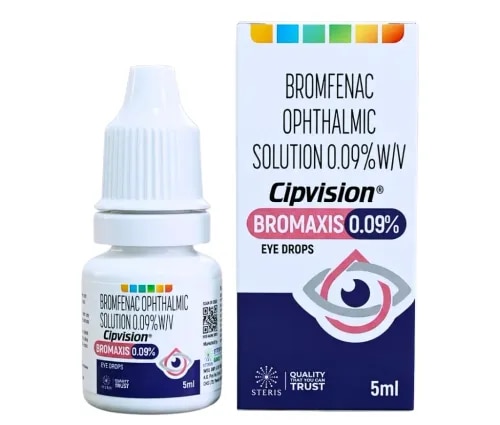
"name": "Bromfenac Ophthalmic Solution 0.09% w/v",
"description": "Bromfenac ophthalmic solution 0.09% w/v is a prescription non-steroidal anti-inflammatory drug (NSAID) eye drop used primarily to treat pain and inflammation following cataract surgery and to reduce the risk of post-operative cystoid macular edema. Unlike corticosteroid eye drops, bromfenac is not a steroid — it works by inhibiting the cyclooxygenase (COX) enzyme, blocking the production of prostaglandins that drive inflammation, redness, and pain. A key advantage of bromfenac is its once-daily dosing, compared to the multiple daily doses required by many other topical NSAIDs and steroids, which improves ease of use during post-surgical recovery. Common side effects include mild burning or stinging on instillation and temporary blurred vision, while rare but serious risks include corneal complications with prolonged or inappropriate use. It is a Schedule H prescription-only medicine in India.\n\nWhat Is Bromfenac Ophthalmic Solution 0.09% w/v?\nBromfenac ophthalmic solution 0.09% w/v is a topical non-steroidal anti-inflammatory drug (NSAID) formulated for use in the eye. It is most commonly prescribed to manage inflammation and pain following ocular surgery, particularly cataract surgery, and is also used to help reduce the risk of post-operative cystoid macular edema, a swelling of the central retina that can occur after intraocular procedures.\nAs an NSAID, bromfenac differs fundamentally from corticosteroid eye drops. It does not carry the risk of raising intraocular pressure (IOP) that steroids do, making it a valuable option — often used alongside or instead of a steroid — in the post-surgical care protocol, depending on the surgeon's assessment.\nOne of bromfenac's most notable practical advantages is its once-daily dosing schedule, which sets it apart from several other ophthalmic NSAIDs that require two to four applications per day. This simplified regimen can improve patient adherence during the post-operative recovery period.\n\nHow Does Bromfenac Work? (Mechanism of Action)\n\nTissue injury response – Ocular surgery and inflammation trigger the release of arachidonic acid from damaged cell membranes.\nCyclooxygenase (COX) enzyme activity – The COX-1 and COX-2 enzymes convert arachidonic acid into prostaglandins, which are key mediators of inflammation, pain, and vascular permeability.\nCOX inhibition by bromfenac – Bromfenac inhibits both COX-1 and COX-2 enzymes, blocking the prostaglandin synthesis pathway.\nReduced inflammation and pain – With prostaglandin production suppressed, inflammation, redness, and post-surgical discomfort are reduced.\nProtection against macular edema – By limiting prostaglandin-driven vascular permeability, bromfenac also helps lower the risk of fluid accumulation in the macula following surgery.\n\n\nClinical Indications\nIndicationDetailsPost-operative inflammationPrimary use following cataract surgeryPost-operative pain managementReduces surgical site discomfort during recoveryPrevention of post-operative cystoid macular edemaUsed prophylactically around the time of cataract surgeryAdjunct to steroid therapySometimes used alongside corticosteroid drops for comprehensive post-surgical control\n\nDosage & Administration\nParameterRecommendationStandard doseOne drop in the operated eye, once dailyTimingOften started shortly before surgery and continued through the recovery period, as directedDurationTypically a defined post-operative course as prescribed by your ophthalmic surgeonContact lensesAvoid wearing contact lenses during the immediate post-operative period unless advised otherwiseMissed doseApply as soon as remembered; do not double the next doseCombination useMay be prescribed alongside antibiotic and/or steroid eye drops as part of a full post-surgical regimen — space applications as directed\nNote: Always follow your surgeon's specific pre- and post-operative dosing schedule, as timing around the surgery date is clinically important.\n\nKey Benefits\n\nEffectively reduces post-surgical pain and inflammation without the IOP-related risks of steroids\nOnce-daily dosing improves convenience and adherence compared to multi-dose NSAID or steroid regimens\nHelps lower the risk of post-operative cystoid macular edema, a potentially vision-affecting complication\nCan be used alongside steroid and antibiotic eye drops as part of a comprehensive post-surgical protocol\nGenerally does not raise intraocular pressure, unlike corticosteroid alternatives\nSupports a smoother, more comfortable post-operative recovery experience\n\n\nPrecautions\n\nUse strictly as directed by your ophthalmic surgeon, particularly regarding timing before and after surgery\nUse with caution in patients with known bleeding disorders or those taking medications that increase bleeding tendency, as NSAIDs can affect clotting\nRare but serious corneal complications (including delayed healing or, very rarely, corneal thinning) have been reported with prolonged or inappropriate NSAID use — report any unusual eye pain or vision change immediately\nNot recommended for patients with known hypersensitivity to bromfenac or other NSAIDs\nCaution advised in patients with complicated ocular surgeries, pre-existing corneal disease, or dry eye, as these may increase sensitivity to corneal side effects\nAvoid contact lens wear during the treatment period unless specifically advised by your doctor\nInform your doctor of all other eye medications and systemic drugs, especially blood thinners\n\n\nSide Effects\nCommon (Usually Mild and Temporary)\n\nMild burning or stinging sensation on instillation\nTemporary blurred vision\nEye redness\nEye discomfort or itching\n\nLess Common / Serious (Consult Your Doctor Promptly)\n\nPersistent or worsening eye pain\nDelayed corneal healing\nRare corneal complications, including corneal thinning or perforation with prolonged/inappropriate use\nIncreased risk of bleeding at the ocular surface in susceptible individuals\nSigns of an allergic reaction (swelling, itching, rash)\n\nDiscontinue and contact your ophthalmologist immediately if any serious or persistent symptom develops.\n\nComparison: Bromfenac vs. Other Post-Surgical Anti-Inflammatory Options\nTreatmentClassDosing FrequencyKey ConsiderationBromfenac ophthalmic solution 0.09%NSAIDOnce dailyConvenient dosing; no IOP risk; rare corneal risk with prolonged usePrednisolone acetateCorticosteroidMultiple times dailyEffective anti-inflammatory; carries IOP and cataract risk with prolonged useKetorolac ophthalmic solutionNSAIDMultiple times dailySimilar NSAID mechanism; more frequent dosing than bromfenacNepafenac ophthalmic suspensionNSAID (prodrug)1–3 times daily depending on formulationAlternative NSAID option; dosing varies by strength\n\nKey Statistics (Placeholder — Pending Clinical Reviewer Verification)\nMetricValueReported reduction in post-operative cystoid macular edema incidence with prophylactic NSAID use[Placeholder – insert verified clinical trial statistic]Typical duration of post-cataract-surgery bromfenac therapy[Placeholder – insert verified reference range]Reported rate of corneal adverse events with appropriate short-course use[Placeholder – insert epidemiological reference]\nAll statistics above are placeholders and must be verified and populated by a qualified clinical reviewer prior to publication.\n\nExpert Insight\n\n[Placeholder — Expert quote pending. To be added only after review and approval by a licensed ophthalmologist/medical reviewer associated with Steris Healthcare. Do not fabricate or publish without sign-off.]\n\n\nPrice of Bromfenac Ophthalmic Solution 0.09% w/v\nThe price of bromfenac ophthalmic solution 0.09% w/v varies depending on brand, pack size, and region. For current pricing, availability, and prescription verification, please consult your ophthalmologist or an authorized pharmacy.\nPrescription only – consult your doctor.\n\nConclusion\nBromfenac ophthalmic solution 0.09% w/v has become a widely used part of modern post-cataract-surgery care, offering effective pain and inflammation control along with a meaningful reduction in the risk of post-operative cystoid macular edema — all with the convenience of once-daily dosing. As an NSAID rather than a steroid, it avoids the intraocular pressure concerns associated with corticosteroid therapy, though it carries its own specific precautions, particularly around rare corneal complications with prolonged or inappropriate use. Used exactly as directed by your ophthalmic surgeon, within the prescribed post-operative window, bromfenac supports a smoother, more comfortable surgical recovery.\n\nFrequently Asked Questions\n\n1. What is bromfenac ophthalmic solution 0.09% used for?\nIt is used to treat pain and inflammation following cataract surgery and to help reduce the risk of post-operative cystoid macular edema, a swelling of the central retina that can occur after eye surgery.\n\n2. Is bromfenac a steroid?\nNo. Bromfenac is a non-steroidal anti-inflammatory drug (NSAID). It works by inhibiting the cyclooxygenase (COX) enzyme rather than acting through the steroid pathway, and it does not carry the intraocular pressure risks associated with corticosteroids.\n\n3. How often should bromfenac eye drops be used?\nBromfenac ophthalmic solution 0.09% is typically used once daily in the operated eye, making it more convenient than many other post-surgical eye drops that require multiple daily doses.\n\n4. How long is bromfenac used after cataract surgery?\nThe duration is determined by your ophthalmic surgeon based on your individual recovery, often continuing through a defined post-operative period as part of your overall surgical care protocol.\n\n5. Can bromfenac be used with steroid eye drops?\nYes, bromfenac is often prescribed alongside corticosteroid and/or antibiotic eye drops as part of a comprehensive post-surgical regimen, with applications spaced as directed by your doctor.\n\n6. What are the side effects of bromfenac eye drops?\nCommon side effects include mild burning or stinging upon application, temporary blurred vision, and eye redness. Rare but serious effects can include delayed corneal healing or corneal complications with prolonged or inappropriate use.\n\n7. Does bromfenac raise eye pressure?\nNo, as an NSAID, bromfenac does not typically raise intraocular pressure the way corticosteroid eye drops can, which is one of its key advantages in post-surgical care.\n\n8. Can bromfenac cause corneal problems?\nRare but serious corneal complications, including delayed healing or corneal thinning, have been reported with prolonged or inappropriate NSAID use. Any unusual eye pain or vision change should be reported to your doctor immediately.\n\n9. Is bromfenac safe for people on blood thinners?\nNSAIDs like bromfenac can affect bleeding tendency, so patients on blood-thinning medications or with known bleeding disorders should inform their doctor before starting treatment.\n10. Can contact lenses be worn while using bromfenac?\nIt is generally advised to avoid wearing contact lenses during the post-operative treatment period unless your ophthalmologist specifically advises otherwise.\n11. What happens if I miss a dose of bromfenac?\nApply the missed dose as soon as you remember, unless it is nearly time for your next scheduled dose, in which case skip the missed dose. Do not double up doses.\n12. How is bromfenac different from ketorolac eye drops?\nBoth are NSAIDs with a similar mechanism of action, but bromfenac typically requires only once-daily dosing, while ketorolac usually requires multiple applications per day.\n13. Can bromfenac prevent macular edema after cataract surgery?\nBromfenac is commonly used prophylactically around the time of cataract surgery to help reduce the risk of post-operative cystoid macular edema, a recognized complication of intraocular surgery.\n\n14. Is bromfenac safe for long-term use?\nBromfenac is generally prescribed for a defined post-operative course rather than continuous long-term use, and prolonged or unsupervised use should be avoided due to rare corneal risks.\n\n15. Who should not use bromfenac eye drops?\nPatients with known hypersensitivity to bromfenac or other NSAIDs, or those with certain pre-existing corneal or bleeding conditions, should use bromfenac only under close medical supervision, if at all.\n\n16. Does bromfenac cause blurred vision?\nTemporary blurred vision can occur immediately after instillation in some patients and usually resolves quickly. Persistent blurred vision should be reported to your doctor.\n\n17. Can bromfenac be used before cataract surgery as well as after?\nYes, bromfenac is often started shortly before surgery and continued through the post-operative recovery period, following the specific schedule set by your ophthalmic surgeon.\n",
"price": 195.0,
"discountamount": 136.0,
"currencycode": "INR",
"priority": 1000000,
"isfreeshipmentavailable": false,
"shipmentduration": 1,
"_keywords": null,
"isarchived": false,
"isavailable": true,
"applicationid": null,
"productindex": 2472,
"imageuri": "https://productimages.withfloats.com/actual/6a50b1b32d7a16f0f95be110.png",
"tileimageuri": "https://productimages.withfloats.com/tile/6a50b1b32d7a16f0f95be110.png",
"images": null,
"totalqueries": 0,
"gpid": null,
"groupproductid": null,
"createdon": "2026-07-10T08:47:42.715Z",
"updatedon": "2026-07-10T08:47:42.715Z",
"buyonlinelink": null,
"producturl": "http://WWW.STERISINDIA.COM/products/bromfenac-ophthalmic-solution-0-09-w-v/2472",
"availableunits": -1.0,
"iscodavailable": false,
"isprepaidonlineavailable": false,
"maxcodorders": 0,
"maxprepaidonlineorders": 0,
"uniquepaymenturl": null,
"brandname": "CIPVISION BROMAXIS 0.09%",
"category": "Opthalmology Range",
"tags": [
"Bromfenac Ophthalmic Solution 0.09% w/v",
"bromfenac ophthalmic solution 0.09%"
],
"variants": false,
"keyspecification": null,
"otherspecifications": null,
"pickupaddressreferenceid": null,
"paymenttype": "UniquePaymentUrl",
"producttype": "products",
"hsncode": null,
"gstslab": 0.0,
"isnotforsale": false
},
{
"_id": "6a50a30c9e1ef0fb4df551b0",
"fptag": "STERISHEALTHCARE",
"merchantname": null,
"customwidgets": null,
"externalsourceid": null,
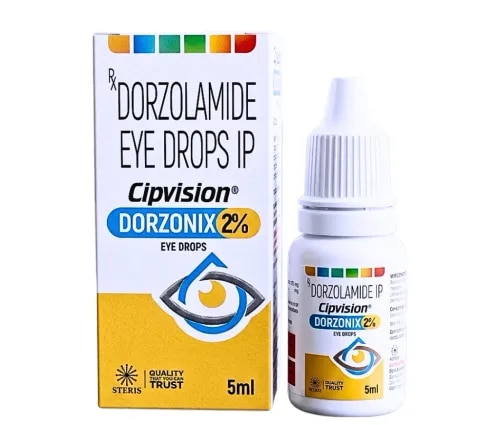
"name": "dorzolamide eye drops ip",
"description": "Dorzolamide eye drops IP are a prescription ophthalmic solution used to lower elevated intraocular pressure (IOP) in patients with open-angle glaucoma or ocular hypertension. Dorzolamide belongs to a class of drugs called carbonic anhydrase inhibitors, which work by reducing the production of aqueous humor (the fluid inside the eye), thereby lowering pressure within the eye. It is typically used two to three times daily and begins measurably lowering eye pressure within about 2 hours, though consistent long-term use is essential for sustained control. Common side effects include a temporary bitter or unusual taste in the mouth, burning or stinging on instillation, and blurred vision. Because dorzolamide is chemically a sulfonamide derivative, it should be used cautiously in patients with known sulfa allergies or significant kidney impairment, and only under an ophthalmologist's supervision. It is a Schedule H prescription-only medicine in India.\n\nWhat Is Dorzolamide Eye Drops IP?\nDorzolamide Eye Drops IP is a topical prescription medication used primarily to manage glaucoma and ocular hypertension — conditions characterized by abnormally elevated pressure inside the eye that, if left uncontrolled, can damage the optic nerve and lead to progressive, irreversible vision loss.\nThe “IP” designation indicates the formulation conforms to standards set out in the Indian Pharmacopoeia, ensuring consistent quality, purity, and potency.\nDorzolamide belongs to the carbonic anhydrase inhibitor (CAI) class of anti-glaucoma medications. Unlike oral carbonic anhydrase inhibitors (such as acetazolamide), which act systemically and often cause more pronounced side effects, topical dorzolamide is designed to act locally within the eye, offering effective IOP reduction with comparatively lower systemic exposure — though some systemic absorption can still occur.\nIt is frequently prescribed either as a standalone treatment or in combination with other IOP-lowering agents, such as beta-blockers (e.g., timolol) or prostaglandin analogues, when a single agent does not achieve adequate pressure control.\n\nHow Does Dorzolamide Work? (Mechanism of Action)\n\nAqueous humor production – The ciliary body inside the eye continuously produces aqueous humor, the clear fluid that maintains intraocular pressure and nourishes ocular tissues.\nCarbonic anhydrase enzyme – This enzyme, found in the ciliary body, plays a key role in the chemical reactions that generate bicarbonate ions, which drive fluid secretion into the eye.\nEnzyme inhibition – Dorzolamide inhibits carbonic anhydrase (specifically the II isoenzyme) within the ciliary processes.\nReduced fluid production – With the enzyme inhibited, bicarbonate-dependent fluid transport slows down, resulting in decreased aqueous humor formation.\nLowered intraocular pressure – Less fluid production means less pressure buildup inside the eye, helping protect the optic nerve from pressure-related damage over time.\n\n\nClinical Indications\nIndicationDetailsOpen-angle glaucomaPrimary indication; helps control chronic elevated IOPOcular hypertensionUsed to reduce elevated eye pressure even before glaucoma-related damage occursAdjunct therapyCombined with beta-blockers or prostaglandin analogues when monotherapy is insufficientPost-laser or post-surgical IOP spikesSometimes used short-term under specialist guidance\n\nDosage & Administration\nParameterRecommendationStandard dose (monotherapy)One drop in the affected eye(s), three times dailyStandard dose (with other IOP-lowering drops)Often reduced to twice daily when combined, per doctor's instructionsOnset of actionMeasurable IOP reduction typically begins within about 2 hoursPeak effectGenerally within a few hours of instillationIf using multiple eye dropsSpace different eye medications at least 10 minutes apartMissed doseApply as soon as remembered; skip if near the next scheduled dose — do not double upDuration of useLong-term, ongoing therapy as glaucoma is a chronic condition requiring continuous management\nNote: Consistency is critical — missed doses can allow intraocular pressure to rise, increasing the risk of progressive optic nerve damage.\n\nKey Benefits\n\nEffectively lowers intraocular pressure in both glaucoma and ocular hypertension\nActs locally in the eye, generally producing lower systemic side effects compared to oral carbonic anhydrase inhibitors\nCan be used as monotherapy or in combination with other classes of glaucoma medication for enhanced pressure control\nHelps protect the optic nerve from pressure-related damage with consistent long-term use\nAvailable in a well-established, pharmacopoeia-standardized formulation (IP grade)\nSuitable for long-term, chronic disease management in glaucoma patients\n\n\nPrecautions\n\nUse strictly as prescribed and do not adjust dosing without consulting your ophthalmologist\nInform your doctor if you have a known sulfonamide (sulfa) allergy, since dorzolamide is chemically related to sulfa drugs\nUse with caution in patients with significant kidney (renal) impairment, due to potential for systemic absorption\nNot typically recommended in patients with severe corneal disease without specialist evaluation\nIf using contact lenses, remove before instillation and reinsert only after the interval advised by your doctor\nRegular eye pressure monitoring and follow-up visits are essential during treatment\nInform your doctor of all other eye medications and systemic drugs you are using\nAvoid touching the dropper tip to the eye or any surface to prevent contamination\n\n\nSide Effects\nCommon (Usually Mild and Temporary)\n\nTemporary bitter or unusual taste in the mouth after application\nBurning or stinging sensation on instillation\nBlurred vision immediately after use\nEye redness or itching\nMild eye discomfort\n\nLess Common / Serious (Consult Your Doctor Promptly)\n\nSigns of an allergic reaction (rash, swelling, severe itching)\nPersistent eye pain or significant vision changes\nSigns of corneal problems (persistent redness, discharge, sensitivity to light)\nSystemic effects related to sulfonamide sensitivity, in rare cases\n\nIf any serious or persistent symptom occurs, discontinue use and contact your ophthalmologist immediately.\n\nComparison: Dorzolamide vs. Other Anti-Glaucoma Therapies\nTreatmentClassMechanismKey ConsiderationDorzolamide eye dropsCarbonic anhydrase inhibitorReduces aqueous humor productionSulfa-related caution; often used as adjunct therapyTimolol eye dropsBeta-blockerReduces aqueous humor production via a different pathwayCaution in asthma, heart conditionsLatanoprost / prostaglandin analoguesProstaglandin analogueIncreases aqueous humor outflowOnce-daily dosing; may darken iris/eyelash growthBrimonidineAlpha-2 agonistReduces production and increases outflowCan cause drowsiness, dry mouthOral acetazolamideSystemic carbonic anhydrase inhibitorReduces aqueous humor production systemicallyMore pronounced systemic side effects than topical dorzolamide\n\nKey Statistics (Placeholder — Pending Clinical Reviewer Verification)\nMetricValueAverage IOP reduction achieved with dorzolamide monotherapy[Placeholder – insert verified clinical trial statistic]Prevalence of open-angle glaucoma in adults over 40[Placeholder – insert epidemiological reference]Proportion of patients requiring combination glaucoma therapy[Placeholder – insert verified reference]\nAll statistics above are placeholders and must be verified and populated by a qualified clinical reviewer prior to publication.\n\nExpert Insight\n\n[Placeholder — Expert quote pending. To be added only after review and approval by a licensed ophthalmologist/medical reviewer associated with Steris Healthcare. Do not fabricate or publish without sign-off.]\n\n\nPrice of Dorzolamide Eye Drops IP\nThe price of dorzolamide eye drops IP varies depending on pack size, brand, and region. For current pricing, availability, and prescription verification, please consult your ophthalmologist or an authorized pharmacy.\nPrescription only – consult your doctor.\n\nConclusion\nDorzolamide Eye Drops IP play a well-established role in the long-term management of glaucoma and ocular hypertension, offering targeted, localized reduction of intraocular pressure through carbonic anhydrase inhibition. Whether used alone or alongside other classes of IOP-lowering medication, consistent, correctly timed use is essential to protect the optic nerve from progressive, irreversible damage. Because dorzolamide is a sulfonamide derivative with potential for systemic absorption, patients with sulfa allergies or kidney impairment should discuss suitability carefully with their ophthalmologist. As with all glaucoma therapy, regular monitoring and adherence to the prescribed regimen — rather than occasional or as-needed use — are what ultimately safeguard long-term vision.\n\nFrequently Asked Questions\n\n1. What is dorzolamide eye drops used for?\nDorzolamide eye drops are used to lower elevated intraocular pressure in patients with open-angle glaucoma or ocular hypertension, helping protect the optic nerve from pressure-related damage.\n\n2. How long does it take dorzolamide to lower eye pressure?\nDorzolamide typically begins measurably lowering intraocular pressure within about 2 hours of application, though consistent, long-term use is needed to maintain stable pressure control over time.\n\n3. What are the side effects of dorzolamide?\nCommon side effects include a temporary bitter or unusual taste in the mouth, burning or stinging upon application, blurred vision, and mild eye redness or discomfort. Less commonly, allergic reactions or persistent eye irritation can occur and should be reported to a doctor.\n4. Does dorzolamide affect the kidneys?\nDorzolamide is a sulfonamide derivative, and although it is applied topically with generally low systemic absorption, caution is advised in patients with significant kidney impairment. Patients with known kidney disease or sulfa allergies should inform their doctor before starting treatment.\n\n5. How often should dorzolamide eye drops be used?\nDorzolamide is typically used three times daily as monotherapy, or twice daily when combined with other glaucoma medications, exactly as directed by your ophthalmologist.\n\n6. Can dorzolamide be used with other glaucoma eye drops?\nYes, dorzolamide is commonly combined with beta-blockers, prostaglandin analogues, or other IOP-lowering agents when a single medication does not achieve adequate pressure control. Different eye drops should be spaced at least 10 minutes apart.\n\n7. Is dorzolamide safe for long-term use?\nYes, dorzolamide is designed for long-term, ongoing use in chronic glaucoma management, provided it is used under regular ophthalmologist supervision with periodic eye pressure monitoring.\n\n8. Who should not use dorzolamide eye drops?\nPatients with known hypersensitivity to sulfonamides, significant kidney impairment, or specific contraindications identified by their doctor should use dorzolamide only under close medical supervision, if at all.\n\n9. Does dorzolamide cause blurred vision?\nTemporary blurred vision can occur immediately after applying dorzolamide. This is usually short-lived, but if it persists, you should consult your ophthalmologist.\n\n10. Can dorzolamide eye drops be used with contact lenses?\nIt's generally recommended to remove contact lenses before applying dorzolamide and reinsert them only after the interval advised by your doctor, as certain preservatives in eye drops can affect contact lens materials.\n\n11. What happens if I miss a dose of dorzolamide?\nApply the missed dose as soon as you remember, unless it is almost time for your next scheduled dose — in that case, skip the missed dose and continue your regular schedule. Do not double up doses.\n\n12. Why does dorzolamide cause a bitter taste?\nThe bitter taste occurs because a small amount of the eye drop drains through the tear duct into the nasal passage and throat, where it can be tasted. This is a recognized, generally harmless effect of topical carbonic anhydrase inhibitors.\n13. Is dorzolamide the same as timolol eye drops?\nNo. Dorzolamide is a carbonic anhydrase inhibitor, while timolol is a beta-blocker. Both lower eye pressure but through different mechanisms, and they are sometimes prescribed together for enhanced effect.\n\n14. Can dorzolamide be used during pregnancy?\nUse during pregnancy or breastfeeding should only occur under direct medical supervision. Inform your doctor if you are pregnant, planning pregnancy, or breastfeeding before starting dorzolamide.\n\n15. How is dorzolamide different from oral glaucoma medications?\nTopical dorzolamide acts locally in the eye and generally causes fewer systemic side effects than oral carbonic anhydrase inhibitors like acetazolamide, which act throughout the body and can cause more pronounced systemic effects.\n16. Can stopping dorzolamide suddenly cause problems?\nStopping dorzolamide abruptly can allow intraocular pressure to rise again, increasing the risk of progressive optic nerve damage. Always consult your ophthalmologist before discontinuing treatment.\n\n17. Does dorzolamide need to be refrigerated?\nStorage requirements can vary by brand and formulation; always follow the storage instructions printed on your specific product's packaging or as advised by your pharmacist.",
"price": 350.0,
"discountamount": 105.0,
"currencycode": "INR",
"priority": 1000000,
"isfreeshipmentavailable": false,
"shipmentduration": 1,
"_keywords": null,
"isarchived": false,
"isavailable": true,
"applicationid": null,
"productindex": 2470,
"imageuri": "https://productimages.withfloats.com/actual/6a50a30e9569e07de66607f4.png",
"tileimageuri": "https://productimages.withfloats.com/tile/6a50a30e9569e07de66607f4.png",
"images": null,
"totalqueries": 0,
"gpid": null,
"groupproductid": null,
"createdon": "2026-07-10T07:45:16.262Z",
"updatedon": "2026-07-10T07:45:16.262Z",
"buyonlinelink": null,
"producturl": "http://WWW.STERISINDIA.COM//dorzolamide-eye-drops-ip/2470",
"availableunits": -1.0,
"iscodavailable": false,
"isprepaidonlineavailable": false,
"maxcodorders": 0,
"maxprepaidonlineorders": 0,
"uniquepaymenturl": null,
"brandname": "CIPVISION DORZONIX 2%",
"category": "Opthalmology Range",
"tags": [
"dorzolamide eye drops ip",
"dorzolamide eye drops",
"dorzolamide eye drops uses",
"dorzolamide eye drops uses in hindi",
"dorzolamide eye drops price",
"dorzolamide eye drops ip",
"dorzolamide eye drops brand name",
"dorzolamide eye drops brands"
],
"variants": false,
"keyspecification": null,
"otherspecifications": null,
"pickupaddressreferenceid": null,
"paymenttype": "UniquePaymentUrl",
"producttype": "products",
"hsncode": null,
"gstslab": 0.0,
"isnotforsale": false
},
{
"_id": "6a5092283075a19d4f2db6bd",
"fptag": "STERISHEALTHCARE",
"merchantname": null,
"customwidgets": null,
"externalsourceid": null,
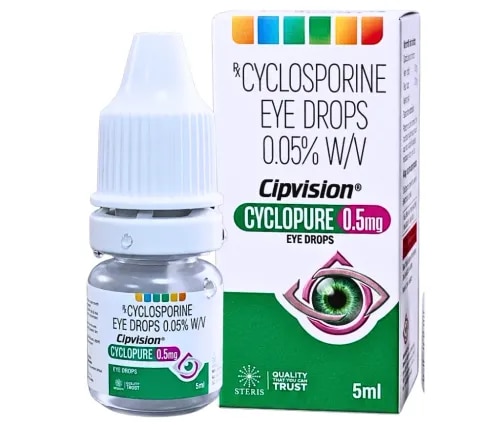
"name": "Cyclosporine Eye Drops 0.05% w/v",
"description": "Cyclosporine eye drops 0.05% are a prescription ophthalmic emulsion used to treat chronic dry eye disease (keratoconjunctivitis sicca) caused by ocular surface inflammation. Unlike lubricating tear substitutes that only manage symptoms, cyclosporine works as a calcineurin-inhibitor immunomodulator that calms the underlying inflammation suppressing your eyes' natural tear production. It is not a steroid. The standard dose is one drop in each affected eye, twice daily, about 12 hours apart, and visible improvement in tear production typically takes 6–12 weeks, with full benefit sometimes taking up to 3–6 months of consistent use. Common side effects include temporary burning, stinging, redness, and watery eyes at the time of instillation. It is a Schedule H prescription-only medicine in India and should be used only under a qualified ophthalmologist's guidance.\n\nWhat Is Cyclosporine Eye Drops 0.05%?\nCyclosporine eye drops 0.05% (ophthalmic emulsion) is a prescription formulation designed to manage chronic dry eye disease, a condition in which the eyes fail to produce enough tears or produce tears of poor quality, often because of an underlying inflammatory process on the ocular surface and in the lacrimal (tear-producing) gland.\nThis formulation is commonly prescribed for patients whose dry eye is presumed to be due to ocular inflammation — for example, those with moderate to severe dry eye, keratoconjunctivitis sicca, or dry eye associated with conditions like Sjögren's syndrome, that has not responded adequately to artificial tears alone.\nCyclosporine belongs to a class of drugs called calcineurin inhibitors. It differs fundamentally from corticosteroid eye drops, which suppress inflammation broadly and carry risks like raised intraocular pressure and cataract formation with long-term use. Cyclosporine instead selectively dampens the T-cell-mediated inflammatory response that is thought to suppress tear gland function, allowing the eye's own tear-producing mechanism to gradually recover.\n\nHow Do Cyclosporine Eye Drops Work? (Mechanism of Action)\n\nInflammation on the ocular surface – In chronic dry eye, T-lymphocytes infiltrate the conjunctiva and lacrimal gland, triggering a self-perpetuating inflammatory cycle.\nCalcineurin inhibition – Cyclosporine binds to a cellular protein (cyclophilin) and blocks calcineurin, an enzyme required to activate T-cells.\nReduced T-cell activation – With calcineurin blocked, T-cells cannot produce the inflammatory signals (such as interleukin-2) that damage the lacrimal gland and conjunctival tissue.\nRestoration of tear production – As local inflammation subsides over weeks to months, the lacrimal gland's ability to produce natural tears gradually improves.\nImproved tear film stability – With reduced inflammation and increased natural tear volume, patients typically notice less dryness, grittiness, and ocular surface damage over time.\n\nThis is why cyclosporine drops are described as disease-modifying for dry eye rather than purely symptomatic — they address a root inflammatory cause instead of simply lubricating the eye.\n\nClinical Indications\nIndicationDetailsChronic dry eye disease (keratoconjunctivitis sicca)Primary approved use; especially where tear production is suppressed due to ocular inflammationModerate to severe dry eye not controlled by artificial tearsSecond-line option when lubricants alone are insufficientDry eye associated with autoimmune conditionsE.g., Sjögren's syndrome-related dry eye, under specialist supervisionPost-refractive surgery dry eye (select cases)Sometimes used off-label under ophthalmologist guidance\n\nDosage & Administration\nParameterRecommendationStandard doseOne drop in each affected eye, twice dailyDosing intervalApproximately 12 hours apartContact lens useRemove lenses before instillation; wait at least 15 minutes before reinsertingOnset of noticeable effectUsually 6–12 weeksFull therapeutic benefitMay take up to 3–6 months of continuous useMissed doseContinue with next scheduled dose; do not double upDiscontinuationOnly under medical advice — symptoms may return if stopped prematurely\nNote: Cyclosporine eye drops are for long-term, continuous use as directed by your ophthalmologist. Improvement is gradual, not immediate, and consistent daily use is essential for benefit.\n\nKey Benefits\n\nTargets the underlying inflammatory cause of chronic dry eye rather than only masking symptoms\nCan increase natural tear production over sustained use\nGenerally well tolerated for long-term use, since it is not a steroid and does not carry steroid-related risks like elevated eye pressure or cataract with routine use\nMay reduce dependence on frequent artificial tear instillation over time\nSuitable for long-term maintenance therapy in chronic, relapsing dry eye disease\nCan improve comfort during visually demanding tasks (screen use, reading, driving) affected by chronic dryness\n\n\nPrecautions\n\nUse strictly as prescribed by an ophthalmologist; do not self-medicate\nNot intended for immediate relief of dry eye symptoms — artificial tears may be used concurrently for interim comfort as advised by your doctor\nShould not be used in the presence of an active ocular infection unless specifically directed by a physician\nInform your doctor if you are pregnant, breastfeeding, or have any known hypersensitivity to cyclosporine or emulsion components\nAvoid touching the dropper tip to the eye or any surface to prevent contamination\nIf wearing contact lenses, remove before application and reinsert only after 15 minutes\nDo not use expired or previously opened single-use vials, if applicable to your product format\nRegular ophthalmic follow-up is recommended to monitor treatment response\n\n\nSide Effects\nCommon (Usually Mild and Temporary)\n\nBurning or stinging sensation upon instillation\nEye redness\nWatery eyes (excessive tearing)\nEye discomfort or a feeling of something in the eye\nTemporary blurred vision immediately after application\n\nLess Common / Serious (Consult Your Doctor Promptly)\n\nPersistent or worsening eye pain\nSigns of eye infection (discharge, significant redness, swelling)\nVisual disturbance that does not resolve\nSigns of an allergic reaction (eyelid swelling, itching, rash)\n\nIf any serious or persistent symptom occurs, discontinue use and consult your ophthalmologist immediately.\n\nComparison: Cyclosporine Eye Drops vs. Other Dry Eye Treatments\nTreatmentMechanismOnset of ActionLong-Term Use ProfileCyclosporine 0.05% dropsCalcineurin inhibitor; reduces inflammation, restores natural tear productionWeeks to monthsGenerally suitable for continuous long-term useArtificial tears / lubricantsSymptomatic lubrication onlyImmediate, short-livedSafe but does not address inflammation; frequent reapplication neededCorticosteroid eye dropsBroad anti-inflammatory actionFast (days)Not recommended for long-term use due to risk of raised IOP, cataractLifitegrast ophthalmic solutionLFA-1 antagonist; blocks a different inflammatory pathwayWeeksAlternative option, mechanism differs from cyclosporine\n\nKey Statistics (Placeholder — Pending Clinical Reviewer Verification)\nMetricValueReported patients showing improved tear production at 6 months[Placeholder – insert verified clinical trial statistic]Prevalence of chronic dry eye disease in adults[Placeholder – insert epidemiological reference]Average time to symptomatic improvement[Placeholder – insert verified reference range]\nAll statistics above are placeholders and must be verified and populated by a qualified clinical reviewer prior to publication.\n\nExpert Insight\n\n[Placeholder — Expert quote pending. To be added only after review and approval by a licensed ophthalmologist/medical reviewer associated with Steris Healthcare. Do not fabricate or publish without sign-off.]\n\n\nPrice of Cyclosporine Eye Drops 0.05%\nThe price of cyclosporine eye drops 0.05% varies depending on pack size, brand, and region. For current pricing, availability, and prescription verification, please consult your ophthalmologist or authorized pharmacy.\nPrescription only – consult your doctor.\n\nConclusion\nCyclosporine eye drops 0.05% represent a meaningful shift in how chronic dry eye disease is managed — moving beyond temporary lubrication to address the underlying inflammatory process that suppresses natural tear production. For patients with moderate to severe dry eye that hasn't responded well to artificial tears alone, this calcineurin-inhibitor therapy offers a disease-modifying option that, with consistent long-term use, can meaningfully improve ocular comfort and tear film health. Because benefits build gradually over weeks to months, patience and adherence to the prescribed twice-daily regimen are essential. As with any prescription ophthalmic therapy, cyclosporine eye drops should only be used under the guidance of a qualified ophthalmologist, who can confirm suitability, monitor progress, and adjust care as needed.\n\nFrequently Asked Questions\n\n1. What are cyclosporine 0.05% eye drops used for?\nCyclosporine 0.05% eye drops are used to treat chronic dry eye disease caused by ocular surface inflammation. They help increase natural tear production in patients whose tear glands are suppressed due to inflammation, particularly when artificial tears alone aren't enough.\n\n2. How long can I use cyclosporine eye drops?\nCyclosporine eye drops are typically used long-term, as chronic dry eye is an ongoing condition. Many patients continue therapy for months to years under regular ophthalmologist supervision, since symptoms can return if the medication is stopped.\n\n3. Is Cyclomune a steroid?\nNo. Cyclomune (a brand of cyclosporine ophthalmic emulsion) is not a steroid. It is a calcineurin-inhibitor immunomodulator that works differently from steroid eye drops and does not carry the same risk of raised eye pressure or cataract associated with long-term steroid use.\n4. How quickly do cyclosporine eye drops start working?\nMost patients begin noticing improvement in tear production and dry eye symptoms within 6 to 12 weeks, though full benefit may take up to 3 to 6 months of consistent, twice-daily use.\n\n5. Can cyclosporine damage eyes?\nWhen used exactly as prescribed, cyclosporine eye drops are generally considered safe for long-term use. Temporary burning, stinging, or watering can occur at the time of instillation, but serious eye damage is uncommon. Any persistent pain, vision changes, or signs of infection should be reported to your ophthalmologist promptly.\n\n6. How much are cyclosporine 0.05% eye drops?\nPricing varies by brand, pack size, and region. Since this is a prescription-only medicine, please check current pricing with your prescribing doctor or a licensed pharmacy.\n\n7. Is cyclosporine a steroid?\nNo. Cyclosporine is a calcineurin inhibitor, a category of immunomodulating medication that is pharmacologically distinct from corticosteroids (steroids), even though both can reduce inflammation.\n\n8. Can I wear contact lenses while using cyclosporine eye drops?\nContact lenses should be removed before applying the drops and can typically be reinserted after about 15 minutes, unless your ophthalmologist gives different instructions.\n9. What happens if I stop using cyclosporine eye drops suddenly?\nStopping suddenly may cause dry eye symptoms to gradually return, since the underlying inflammation is no longer being managed. Always consult your doctor before discontinuing treatment.\n\n10. Can cyclosporine eye drops be used with artificial tears?\nYes, in many cases artificial tears can be used alongside cyclosporine drops for additional comfort, especially during the initial weeks before cyclosporine's full effect develops. Confirm timing and spacing with your doctor.\n\n11. Who should not use cyclosporine eye drops?\nPatients with known hypersensitivity to cyclosporine or its components, active untreated eye infections, or specific contraindications identified by their doctor should not use this medication without medical clearance.\n\n12. Are cyclosporine eye drops safe during pregnancy?\nUse during pregnancy or breastfeeding should only occur under medical supervision. Inform your doctor if you are pregnant, planning pregnancy, or breastfeeding before starting treatment.\n\n13. What is the difference between cyclosporine eye drops and lubricating eye drops?\nLubricating (artificial tear) drops provide temporary symptomatic relief by adding moisture to the eye, while cyclosporine drops target the underlying inflammation responsible for reduced natural tear production, offering a longer-term, disease-modifying approach.\n\n14. Can children use cyclosporine eye drops?\nUse in children should only be under the direct guidance and prescription of a pediatric ophthalmologist, based on individual clinical assessment.\n\n15. Do cyclosporine eye drops cause blurred vision?\nTemporary blurred vision can occur immediately after instillation in some patients. This usually resolves quickly. If blurred vision persists, consult your doctor.\n\n16. Can cyclosporine eye drops be used with other eye medications?\nOther eye medications, including other prescription drops, should only be combined with cyclosporine under your ophthalmologist's guidance, with appropriate spacing between different drops.\n\n17. Why do cyclosporine eye drops take so long to work?\nBecause cyclosporine works by gradually reducing chronic inflammation in the lacrimal gland and ocular surface rather than providing instant lubrication, visible improvement in natural tear production takes weeks to months rather than being immediate.",
"price": 495.0,
"discountamount": 149.0,
"currencycode": "INR",
"priority": 1000000,
"isfreeshipmentavailable": false,
"shipmentduration": 1,
"_keywords": null,
"isarchived": false,
"isavailable": true,
"applicationid": null,
"productindex": 2468,
"imageuri": "https://productimages.withfloats.com/actual/6a50922a464ced2a630398a1.png",
"tileimageuri": "https://productimages.withfloats.com/tile/6a50922a464ced2a630398a1.png",
"images": null,
"totalqueries": 0,
"gpid": null,
"groupproductid": null,
"createdon": "2026-07-10T06:33:12.096Z",
"updatedon": "2026-07-10T06:33:12.096Z",
"buyonlinelink": null,
"producturl": "http://WWW.STERISINDIA.COM//cyclosporine-eye-drops-0-05-w-v/2468",
"availableunits": -1.0,
"iscodavailable": false,
"isprepaidonlineavailable": false,
"maxcodorders": 0,
"maxprepaidonlineorders": 0,
"uniquepaymenturl": null,
"brandname": "CIPVISION CYCLOPURE 0.5 mg",
"category": "Opthalmology Range",
"tags": [
"Cyclosporine Eye Drops 0.05% w/v",
"cyclosporine eye drops",
"cyclosporine eye drops uses",
"cyclosporine eye drops ip 0.05 w/v",
"cyclosporine eye drops price",
"cyclosporine eye drops uses in hindi",
"cyclosporine eye drops side effects",
"cyclosporine eye drops 0.05",
"cyclosporine eye drops brand name",
"cyclosporine eye drops india"
],
"variants": false,
"keyspecification": null,
"otherspecifications": null,
"pickupaddressreferenceid": null,
"paymenttype": "UniquePaymentUrl",
"producttype": "products",
"hsncode": null,
"gstslab": 0.0,
"isnotforsale": false
},
{
"_id": "6a4cf84af44be73628317db4",
"fptag": "STERISHEALTHCARE",
"merchantname": null,
"customwidgets": null,
"externalsourceid": null,
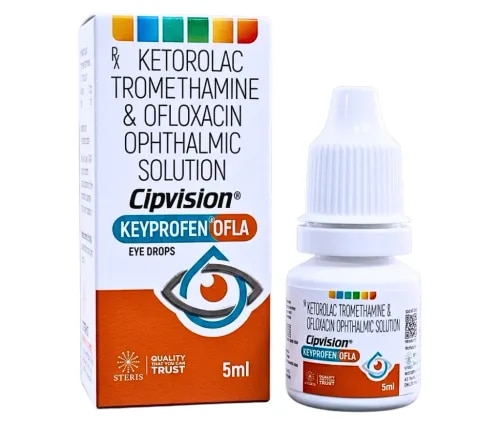
"name": "ketorolac tromethamine ofloxacin eye drops",
"description": "Ketorolac tromethamine ofloxacin eye drops are a prescription combination formulation that pairs an NSAID (ketorolac tromethamine) with a fluoroquinolone antibiotic (ofloxacin) in a single ophthalmic solution. Ketorolac reduces pain, inflammation, and irritation, while ofloxacin treats or prevents bacterial eye infections — making this combination especially useful after eye surgery, such as cataract or corneal refractive procedures, when both inflammation control and infection prevention are needed at the same time. It's generally well tolerated, with mild stinging or burning being the most common effect, and should only be used exactly as prescribed by an eye care professional.\nWhat Is Ketorolac Tromethamine Ofloxacin Eye Drops?\nThis is a fixed-dose combination ophthalmic solution bringing together two distinct classes of medication:\n\nKetorolac tromethamine — a nonsteroidal anti-inflammatory drug (NSAID) that blocks prostaglandin synthesis in the eye, reducing pain, inflammation, and irritation\nOfloxacin — a fluoroquinolone antibiotic that treats bacterial infections of the eye, including conjunctivitis and corneal ulcers, by inhibiting bacterial DNA replication\n\nCombining the two addresses two separate clinical needs at once: controlling post-operative or allergy-related inflammation, and reducing the risk of bacterial infection during the eye's vulnerable healing period. This combination is commonly prescribed following cataract surgery, corneal refractive surgery, and other ocular procedures where both inflammation and infection risk need to be managed together.\nHow This Combination Works (Mechanism of Action)\n\nKetorolac's anti-inflammatory action — Blocks the cyclooxygenase (COX) enzyme pathway, reducing the production of prostaglandins, the chemical messengers responsible for pain, redness, and swelling in the eye.\nReduced pain and irritation — With prostaglandin production suppressed, patients experience less post-surgical discomfort, itching, and burning.\nOfloxacin's antibacterial action — Inhibits bacterial DNA gyrase and topoisomerase IV, enzymes bacteria need to replicate their DNA, effectively stopping bacterial growth.\nInfection prevention/control — By suppressing bacterial replication, ofloxacin helps prevent or treat infections that could otherwise complicate the eye's healing process after surgery or injury.\nCombined post-operative support — Together, the two components address both major risks during ocular recovery: uncontrolled inflammation and secondary bacterial infection.\n\nClinical Indications\nUse CaseRole of the CombinationPost-cataract surgery careControls inflammation and pain while preventing bacterial infection during healingPost-corneal refractive surgery (e.g., LASIK)Reduces post-operative discomfort and infection riskBacterial conjunctivitis with inflammationTreats the underlying infection while easing associated redness and irritationCorneal injury or minor trauma (as directed)Supports healing by addressing both inflammation and infection riskSeasonal allergic conjunctivitis (ketorolac component)Relieves itching associated with seasonal eye allergies\nThis combination is intended for short-term, doctor-directed use — not for long-term or repeated self-administration.\nDosage Guidelines\nParameterTypical GuidanceStandard doseOne drop in the affected eye(s), frequency as prescribed by your doctorCommon frequencyOften 2 to 4 times daily, depending on the condition being treated and product-specific labelingPost-surgical useUsually started shortly after surgery and continued for a defined post-operative period, as directedAdministration techniqueTilt head back, pull down the lower eyelid, instill the drop without touching the dropper tip to the eye, then close the eye gently for a minute or twoContact lens useAvoid wearing contact lenses during treatment unless your doctor says otherwiseDurationComplete the full prescribed course, even if symptoms improve early, to reduce the risk of antibiotic resistance or incomplete healing\nExact dosing frequency and treatment duration vary by brand formulation and the specific condition being treated — always follow your prescribing doctor's exact instructions rather than a generic schedule.\nKey Benefits\n\nAddresses two major post-surgical risks — inflammation/pain and bacterial infection — in a single combination product\nReduces the need for two separate eye drop bottles, simplifying the post-operative care routine\nKetorolac's anti-inflammatory action helps improve comfort during the critical early healing window after eye surgery\nOfloxacin's broad-spectrum antibacterial activity covers many common eye pathogens\nUseful for both surgical recovery and certain inflammatory/infectious conditions like allergic or bacterial conjunctivitis with associated discomfort\n\nPrecautions\n\nShould be used strictly under the guidance of an ophthalmologist — not for self-directed or prolonged use\nDo not use alongside other NSAID eye drops, as this can increase the risk of bleeding and delayed healing\nUse with caution alongside steroid-containing eye drops, as combined use may increase infection risk\nUse with caution in patients who bleed easily or are on blood-thinning medication, due to ketorolac's NSAID effects\nIf symptoms do not improve within the expected timeframe, or worsen, contact your doctor rather than continuing use independently\nAvoid contact lens wear during treatment unless specifically advised otherwise\nDiscontinue immediately and contact your doctor at the first sign of a rash or allergic reaction\nNot recommended for infants under 1 year old (based on the ofloxacin component's approved age range)\n\nSide Effects\nCommon side effects:\n\nStinging or burning on application\nTemporary blurred vision\nEye redness or irritation\nDryness or excess tearing\nSensitivity to light (photophobia)\n\nLess common side effects:\n\nItching or foreign body sensation in the eye\nEyelid swelling\nMild headache\n\nRare but serious side effects — seek immediate medical attention:\n\nSigns of an allergic reaction: hives, difficulty breathing, swelling of the face, lips, tongue, or throat\nSevere skin reaction: fever, sore throat, facial or tongue swelling, skin pain followed by a spreading red or purple rash with blistering\nCorneal problems: persistent eye pain, corneal thinning, erosion, or non-healing of the eye surface\nWorsening infection symptoms despite treatment\n\nMost side effects are mild and temporary; however, any signs of a serious allergic or corneal reaction require prompt medical attention.\nComparison with Alternatives\nFeatureKetorolac + Ofloxacin CombinationSteroid + Antibiotic Combination (e.g., Dexamethasone + Tobramycin)Anti-inflammatory mechanismNSAID (COX inhibition)Corticosteroid (broader immune suppression)Infection risk with prolonged useLower relative infection-masking riskHigher risk of masking infection with prolonged steroid useTypical use casePost-operative pain/inflammation with infection preventionBroader inflammatory eye conditions requiring stronger anti-inflammatory controlIntraocular pressure effectMinimal IOP effect from ketorolacSteroids can raise intraocular pressure with prolonged use\nYour ophthalmologist will select the combination best suited to your specific procedure, condition, and risk factors.\nKey Statistics\n[Placeholder — pending clinical/regulatory team verification. Do not publish without confirmed source citation for post-operative infection rate reduction data, comparative efficacy figures, or incidence rates of reported adverse effects for this specific combination product.]\nExpert Insight\n[Placeholder — reserved for a quote from a qualified ophthalmologist or clinical reviewer. Do not publish without a verified, attributable expert quote.]\nFrequently Asked Questions\n1. What is ketorolac and ofloxacin eye drops used for?\nThis combination is used to control pain, inflammation, and irritation while also preventing or treating bacterial infection in the eye — most commonly after cataract or corneal refractive surgery, and sometimes for infected, inflamed conditions like bacterial conjunctivitis.\n2. Is ketorolac eye drops safe to use?\nKetorolac eye drops are generally safe when used as prescribed by a doctor for approved indications like post-surgical inflammation or allergic conjunctivitis. As with any NSAID, it should be used with caution in people who bleed easily or take blood thinners, and not combined with other NSAID eye drops.\n3. Is ofloxacin safe for eyes?\nYes, ofloxacin eye drops are considered safe and are widely prescribed for bacterial eye infections when used as directed. Common effects are mild and temporary, such as stinging or light sensitivity; serious reactions are rare but should be reported to a doctor immediately if they occur.\n4. Is ketorolac safe for eyes?\nKetorolac eye drops are safe for ophthalmic use when prescribed appropriately and used according to your doctor's instructions. It's an established NSAID with a long history of use for post-surgical pain and allergic conjunctivitis, though it requires caution in certain patients, such as those with bleeding disorders.\n5. How many times a day can you use ketorolac eye drops?\nThis depends on the condition being treated and your doctor's specific prescription — commonly this is 2 to 4 times daily. Always follow your doctor's exact dosing instructions rather than a generic schedule, since frequency varies by indication and product.\n6. Does ketorolac reduce eye pressure?\nNo, ketorolac is not used to reduce intraocular eye pressure. It works as an anti-inflammatory pain reliever by blocking prostaglandin production, not as a pressure-lowering agent. Medications specifically designed to reduce eye pressure, such as those used in glaucoma, work through different mechanisms and are a separate category of treatment.\nConclusion\nKetorolac tromethamine ofloxacin eye drops offer a practical, combined solution for two of the most important concerns during eye recovery: controlling inflammation and pain, and preventing bacterial infection. By pairing an established NSAID with a trusted fluoroquinolone antibiotic, this combination simplifies post-operative care, particularly after cataract or corneal refractive surgery, while addressing allergic and infectious inflammatory conditions when appropriate. Most side effects are mild and temporary, though the combination should always be used exactly as prescribed, with attention to precautions around other eye medications, bleeding risk, and contact lens use. As with any prescription ophthalmic treatment, ongoing follow-up with your ophthalmologist ensures the medication is working as intended and any concerns are addressed early.",
"price": 90.0,
"discountamount": 27.0,
"currencycode": "INR",
"priority": 1000000,
"isfreeshipmentavailable": false,
"shipmentduration": 1,
"_keywords": null,
"isarchived": false,
"isavailable": true,
"applicationid": null,
"productindex": 2467,
"imageuri": "https://productimages.withfloats.com/actual/6a4cf84ca50a3eb7ed21b13b.png",
"tileimageuri": "https://productimages.withfloats.com/tile/6a4cf84ca50a3eb7ed21b13b.png",
"images": null,
"totalqueries": 0,
"gpid": null,
"groupproductid": null,
"createdon": "2026-07-07T12:59:54.142Z",
"updatedon": "2026-07-07T12:59:54.142Z",
"buyonlinelink": null,
"producturl": "http://WWW.STERISINDIA.COM//ketorolac-tromethamine-ofloxacin-eye-drops/2467",
"availableunits": -1.0,
"iscodavailable": false,
"isprepaidonlineavailable": false,
"maxcodorders": 0,
"maxprepaidonlineorders": 0,
"uniquepaymenturl": null,
"brandname": "CIPVISION KEYPROFEN OFLA",
"category": "Opthalmology Range",
"tags": [
"ketorolac tromethamine ofloxacin eye drops",
"ketorolac tromethamine",
"ketorolac tromethamine uses",
"ketorolac tromethamine uses in hindi",
"ketorolac tromethamine dispersible tablets uses in hindi",
"ketorolac tromethamine tablet uses in hindi",
"ketorolac tromethamine use in hindi",
"ketorolac tromethamine use"
],
"variants": false,
"keyspecification": null,
"otherspecifications": null,
"pickupaddressreferenceid": null,
"paymenttype": "UniquePaymentUrl",
"producttype": "products",
"hsncode": null,
"gstslab": 0.0,
"isnotforsale": false
},
{
"_id": "69ce28ce7523e3729e781723",
"fptag": "STERISHEALTHCARE",
"merchantname": null,
"customwidgets": null,
"externalsourceid": null,
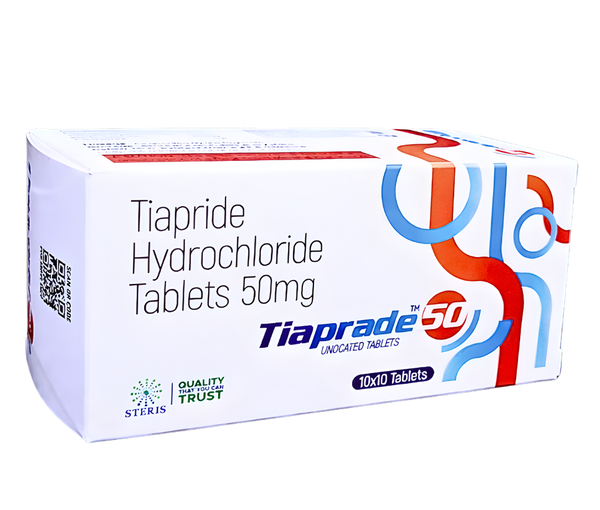
"name": "tiapride hydrochloride tablets",
"description": "TIAPRADE 50 tablets, containing Tiapride Hydrochloride 50mg, offer targeted relief for behavioral disorders and movement issues. This atypical antipsychotic helps manage symptoms like agitation and dyskinesia effectively.\n\nProduct Description\nTIAPRADE 50 is a prescription medication featuring Tiapride Hydrochloride as its active ingredient, each tablet delivering precisely 50mg of this compound. Manufactured to high pharmaceutical standards, these tablets are designed for oral administration, typically taken with water after meals to enhance absorption and minimize stomach upset. Tiapride belongs to the class of selective dopamine D2 and D3 receptor antagonists, distinguishing it from typical antipsychotics by its lower risk of extrapyramidal side effects. This makes TIAPRADE 50 particularly suitable for vulnerable populations, including the elderly.\n\nThe tablets are compact, film-coated for easy swallowing, and come in blister packs that protect against moisture and light. As a non-sedating option in many cases, TIAPRADE 50 supports daily functioning without excessive drowsiness, aligning with modern psychiatric care needs. For SEO optimization targeting “Tiapride Hydrochloride Tablets” or “TIAPRADE 50 uses,” this product stands out for its versatility in treating neuropsychiatric conditions.\n\nKey Uses and Applications\nTIAPRADE 50 excels in managing a range of psychiatric and neurological conditions rooted in dopamine imbalance. Primarily, it treats schizophrenia by controlling negative symptoms such as social withdrawal, lack of emotion, and poor concentration, helping patients reintegrate into society.\n\nIt is highly effective for behavioral disorders, including agitation, aggression, and impulsivity, especially in elderly patients with dementia or alcohol withdrawal syndrome. Clinically, TIAPRADE 50 addresses dyskinesia—involuntary movements of limbs or face—often linked to Parkinson's disease or long-term antipsychotic use. Other applications include Tourette's syndrome, tics, chorea in Huntington's disease, and even acute alcohol dependence delirium tremens.\n\nIn hospital settings, such as during COVID-19-related agitation, TIAPRADE 50 has shown promise due to its favorable safety profile. Dosage typically starts at 100-200mg three times daily (2-4 tablets of TIAPRADE 50), adjustable up to 600mg/day based on severity, age, and response. Full effects may take 4-6 weeks, so consistent use under medical supervision is essential.\n\nHow TIAPRADE 50 Works\nTIAPRADE 50 modulates dopamine activity in the brain's limbic system, blocking overactive D2 receptors without strongly affecting other neurotransmitters like serotonin or histamine. This selective action reduces psychotic symptoms, calms agitation, and suppresses abnormal movements while preserving cognitive function.\n\nUnlike broader antipsychotics, Tiapride's mechanism minimizes motor side effects, making it ideal for long-term dyskinesia management. It stabilizes mood swings in mania or schizophrenia, promoting clearer thinking and emotional balance. Patients often report improved sleep patterns and reduced anxiety within days, though optimal benefits build gradually.\n\nFor “Tiapride Hydrochloride Tablets mechanism,” this targeted dopamine inhibition underpins its efficacy across disorders, supported by decades of clinical data.\n\nKey Benefits\nTIAPRADE 50 delivers multifaceted benefits, enhancing quality of life for those with psychiatric challenges.\n\nRapid Symptom Control: Quickly reduces agitation and aggression, vital for elderly care or acute episodes.\n\nLow Extrapyramidal Risk: Unlike older antipsychotics, it rarely causes stiffness or tremors, ideal for dyskinesia patients.\n\nElderly-Friendly: Mild sedation profile supports geriatric use without impairing mobility or cognition.\n\nVersatile for Comorbidities: Effective in alcohol withdrawal, tics, and schizophrenia, reducing polypharmacy needs.\n\nImproved Daily Functioning: Boosts social engagement, attention, and emotional expression in psychosis.\n\nStudies affirm its tolerability, with many patients tolerating doses up to 600 mg daily long-term. Benefits extend to headache relief in some neurological cases and better outcomes in Tourette's management.\n\nBenefit\tTarget Condition\tAdvantage Over Alternatives\nAgitation Reduction\tElderly Behavioral Disorders\tLess sedation than benzodiazepines \nDyskinesia Control\tParkinson's-Related\tMinimal motor worsening \nNegative Symptom Relief\tSchizophrenia\tPreserves cognition \nWithdrawal Support\tAlcohol Dependence\tSafer in delirium tremens \nPotential Side Effects\nWhile generally well-tolerated, TIAPRADE 50 may cause mild, transient side effects that resolve with time or dose adjustment.\n\nCommon effects include drowsiness, dizziness, headache, insomnia, fatigue, and agitation—often fading after the first week. Less frequent are tremor, increased salivation, vertigo, orthostatic hypotension (dizziness on standing), and emotional blunting.\n\nRarely, overdose risks low blood pressure, sedation, or convulsions; seek immediate help if suspected. Avoid abrupt cessation to prevent rebound symptoms. Most resolve without intervention, but persistent issues warrant medical review.\n\nContraindications and Precautions\nDo not use TIAPRADE 50 if you have prolactinoma, pheochromocytoma, severe kidney/liver disease, heart conditions, convulsions history, or allergies to Tiapride. It's contraindicated in pregnancy, breastfeeding, children under 15, and those with epilepsy.\n\nPrecautions include monitoring prolactin levels, blood pressure, and liver function. Avoid alcohol, as it amplifies sedation. Drive cautiously until the effects are known. Drug interactions with antihypertensives or CNS depressants require dose tweaks.\n\nDosage Guidelines\nStart with 50-100mg (1-2 TIAPRADE 50 tablets) three times daily, post-meals. Maximum 600mg/day for adults; elderly may need lower doses (300mg/day). Adjust per response, not exceeding 4-6 weeks without reassessment. Swallow whole; store below 30°C.\n\nConclusion\nTIAPRADE 50 (Tiapride Hydrochloride Tablets 50 mg) stands as a reliable, SEO-highlighted solution for agitation, dyskinesia, schizophrenia, and behavioral disorders, balancing efficacy with safety. Its dopamine-selective action delivers key benefits like symptom control and preserved function, outweighing manageable side effects for suitable patients. Consult your doctor to integrate TIAPRADE 50 into your care plan for optimal mental health outcomes—empowering calmer, more productive lives.",
"price": 155.0,
"discountamount": 47.0,
"currencycode": "INR",
"priority": 1000000,
"isfreeshipmentavailable": false,
"shipmentduration": 1,
"_keywords": null,
"isarchived": false,
"isavailable": true,
"applicationid": null,
"productindex": 2362,
"imageuri": "https://productimages.withfloats.com/actual/69ce28d0b438828e202fff3f.png",
"tileimageuri": "https://productimages.withfloats.com/tile/69ce28d0b438828e202fff3f.png",
"images": null,
"totalqueries": 0,
"gpid": null,
"groupproductid": null,
"createdon": "2026-04-02T08:29:02.247Z",
"updatedon": "2026-04-02T08:29:02.247Z",
"buyonlinelink": null,
"producturl": "http://WWW.STERISINDIA.COM//tiapride-hydrochloride-tablets/2362",
"availableunits": -1.0,
"iscodavailable": false,
"isprepaidonlineavailable": false,
"maxcodorders": 0,
"maxprepaidonlineorders": 0,
"uniquepaymenturl": null,
"brandname": "TIAPRADE 50",
"category": "NEUROLOGYRANGE",
"tags": [
"tiapride hydrochloride tablets uses in hindi",
"tiapride 50 mg tablets wholesale supplier",
"tiapride tablet for anxiety and stress",
"tiapride tablets india uses and price",
"tiapride tablets for neurological disorders",
"tiapride hydrochloride tablets 50 mg uses and side effects",
"tiapride hydrochloride tablets b2b supplier"
],
"variants": false,
"keyspecification": null,
"otherspecifications": null,
"pickupaddressreferenceid": null,
"paymenttype": "UniquePaymentUrl",
"producttype": "products",
"hsncode": null,
"gstslab": 0.0,
"isnotforsale": false
},
{
"_id": "69a2dc5d74586342ca147b97",
"fptag": "STERISHEALTHCARE",
"merchantname": null,
"customwidgets": null,
"externalsourceid": null,
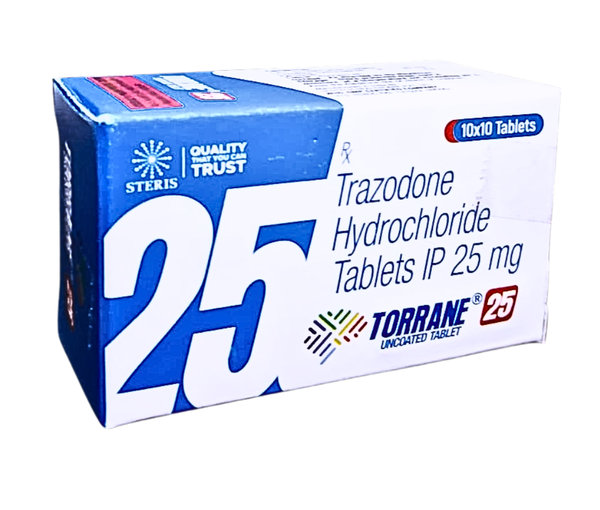
"name": "Trazodone Hydrochloride 25 mg",
"description": "Mental health is just as important as physical health, yet it is often overlooked. Sleep disturbances, anxiety, and depression can deeply affect daily functioning, relationships, and overall quality of life. TORRANE 25, formulated with Trazodone Hydrochloride 25 mg, is a prescription medication designed to help individuals manage symptoms of depression and associated sleep disturbances.\n\nTORRANE 25 works by restoring the balance of certain neurotransmitters in the brain, particularly serotonin. By improving mood and promoting restful sleep, it supports emotional stability and mental well-being. This medication is often prescribed in low doses to help with insomnia related to depression or anxiety disorders.\n\nProduct Description\n\nTORRANE 25 contains Trazodone Hydrochloride 25 mg, an antidepressant that belongs to the class of serotonin antagonist and reuptake inhibitors (SARIs). Unlike traditional antidepressants that focus solely on serotonin reuptake inhibition, trazodone has a dual mechanism of action that enhances serotonin activity while also blocking certain serotonin receptors.\n\nThis unique action not only helps improve mood but also has calming and sedative properties, making it beneficial for patients who experience difficulty sleeping. The 25 mg dosage is often used as a starting dose or for patients who require lower strength for sleep-related issues.\n\nTORRANE 25 is formulated in tablet form for oral administration and is typically prescribed under medical supervision.\n\nHow TORRANE 25 Works\n\nThe effectiveness of TORRANE 25 lies in its influence on brain chemistry. Depression and anxiety disorders are often associated with imbalances in neurotransmitters, particularly serotonin.\n\nMechanism of Action\n\nSerotonin Reuptake Inhibition\nTrazodone prevents the reabsorption (reuptake) of serotonin into nerve cells, increasing its availability in the brain.\n\nSerotonin Receptor Antagonism\nIt blocks specific serotonin receptors that are linked to anxiety and sleep disturbances, providing calming effects.\n\nMild Sedative Effect\nThe medication has antihistaminic properties that promote relaxation and improve sleep quality.\n\nMood Stabilization\nBy enhancing serotonin activity, TORRANE 25 helps improve mood, reduce feelings of sadness, and enhance emotional balance.\n\nThis combined mechanism makes it particularly useful for patients with depression accompanied by insomnia.\n\nUses of TORRANE 25\n\nTORRANE 25 is commonly prescribed for:\n\nMajor depressive disorder (MDD)\n\nDepression associated with anxiety\n\nInsomnia related to depression\n\nSleep disturbances\n\nAnxiety-related symptoms\n\nWhile primarily indicated for depression, it is frequently used in lower doses to manage sleep problems due to its sedative properties.\n\nKey Benefits of TORRANE 25\n1. Improves Mood\n\nBy increasing serotonin levels, it helps reduce symptoms of depression such as sadness, hopelessness, and irritability.\n\n2. Promotes Restful Sleep\n\nIts calming effect makes it beneficial for individuals suffering from insomnia.\n\n3. Reduces Anxiety\n\nBlocking certain serotonin receptors can help alleviate anxiety symptoms.\n\n4. Enhances Daily Functioning\n\nImproved sleep and mood contribute to better focus, productivity, and overall quality of life.\n\n5. Lower Risk of Dependence\n\nUnlike some sleep medications, trazodone has a lower risk of dependency when used as prescribed.\n\nDosage and Administration\n\nThe dosage of Trazodone Hydrochloride 25 mg depends on the condition being treated and the patient’s medical history.\n\nFor sleep disturbances: 25–50 mg at bedtime.\n\nFor depression: Higher doses may be prescribed gradually under supervision.\n\nTablets should be taken after meals to reduce the risk of stomach upset. It is important to follow the physician’s instructions carefully and not adjust the dose without consultation.\n\nSide Effects of TORRANE 25\n\nLike all medications, TORRANE 25 may cause side effects. Most are mild and manageable, especially during the initial phase of treatment.\n\nCommon Side Effects\n\nDrowsiness\n\nDizziness\n\nDry mouth\n\nHeadache\n\nNausea\n\nBlurred vision\n\nConstipation\n\nThese side effects usually subside as the body adjusts to the medication.\n\nSerious Side Effects\n\nAlthough rare, serious side effects may occur:\n\nIrregular heartbeat\n\nSevere dizziness or fainting\n\nMood changes or worsening depression\n\nSuicidal thoughts (particularly in young adults)\n\nPriapism (prolonged painful erection in males)\n\nImmediate medical attention is required if any severe symptoms appear.\n\nPrecautions and Warnings\n\nInform your doctor about any history of heart disease, liver problems, or bipolar disorder.\n\nAvoid alcohol, as it may increase drowsiness.\n\nDo not operate heavy machinery until you know how the medication affects you.\n\nPregnant or breastfeeding women should consult their doctor before use.\n\nAbrupt discontinuation may cause withdrawal symptoms; tapering under medical supervision is recommended.\n\nWho Should Use TORRANE 25?\n\nTORRANE 25 is suitable for adults diagnosed with depression, anxiety-related disorders, or sleep disturbances. It is particularly helpful for individuals who struggle with both mood issues and insomnia.\n\nHowever, it should only be taken under prescription and regular follow-up with a healthcare professional.\n\nStorage Instructions\n\nStore at room temperature below 25°C.\n\nKeep away from moisture and direct sunlight.\n\nKeep out of reach of children.\nConclusion\nTORRANE 25 (Trazodone Hydrochloride 25 mg) is a versatile and effective medication used to manage depression and sleep disturbances. Its unique mechanism of action enhances serotonin levels while promoting relaxation, making it particularly beneficial for individuals experiencing mood disorders accompanied by insomnia.",
"price": 37.0,
"discountamount": 11.0,
"currencycode": "INR",
"priority": 1000000,
"isfreeshipmentavailable": false,
"shipmentduration": 1,
"_keywords": null,
"isarchived": false,
"isavailable": true,
"applicationid": null,
"productindex": 2314,
"imageuri": "https://productimages.withfloats.com/actual/69a2dc5f4c0571b608f67ca7.png",
"tileimageuri": "https://productimages.withfloats.com/tile/69a2dc5f4c0571b608f67ca7.png",
"images": null,
"totalqueries": 0,
"gpid": null,
"groupproductid": null,
"createdon": "2026-02-28T12:15:25.34Z",
"updatedon": "2026-05-12T06:39:02.321Z",
"buyonlinelink": null,
"producturl": "http://WWW.STERISINDIA.COM//trazodone-hydrochloride-25-mg/2314",
"availableunits": -1.0,
"iscodavailable": false,
"isprepaidonlineavailable": false,
"maxcodorders": 0,
"maxprepaidonlineorders": 0,
"uniquepaymenturl": null,
"brandname": "TORRANE 25",
"category": "NEUROLOGYRANGE",
"tags": [
"Trazodone Hydrochloride 25 mg Tablets",
"Buy Trazodone 25 mg Tablets Online",
"Antidepressant Medicine Trazodone 25 mg",
"Trazodone Hydrochloride Tablets for Depression Treatment",
"Sleep Disorder Treatment Tablets Trazodone 25 mg",
"Trazodone 25 mg Psychiatric Medicine",
"Prescription Antidepressant Tablets Trazodone Hydrochloride",
"Trazodone Hydrochloride 25 mg Product Image",
"Best Tablets for Depression and Anxiety Treatment",
"Trazodone 25 mg Tablets for Insomnia Relief",
"Mood Disorder Treatment Medicine Trazodone 25 mg",
"Trazodone Hydrochloride Tablets for Sleep Improvement",
"Pharmaceutical Trazodone 25 mg Tablets IP",
"Trazodone 25 mg Tablets for Mental Health Support"
],
"variants": false,
"keyspecification": null,
"otherspecifications": null,
"pickupaddressreferenceid": null,
"paymenttype": "UniquePaymentUrl",
"producttype": "products",
"hsncode": null,
"gstslab": 0.0,
"isnotforsale": false
},
{
"_id": "697876b11456f45dc237b046",
"fptag": "STERISHEALTHCARE",
"merchantname": null,
"customwidgets": null,
"externalsourceid": null,
"name": "Lopinavir 200mg Ritonavir 50mg",
"description": "RITONATERIS LP is a combination formulation containing Lopinavir and Ritonavir, two well-established antiretroviral agents that work together to inhibit viral replication. This fixed-dose combination is designed to enhance the effectiveness of treatment by improving drug levels and prolonging the action of lopinavir in the body.\n\nLopinavir belongs to the class of protease inhibitors, which act by blocking the protease enzyme essential for viral maturation. Ritonavir, although also a protease inhibitor, is primarily used here as a pharmacokinetic enhancer. It slows down the metabolism of lopinavir, allowing higher and more sustained concentrations in the bloodstream. This synergy makes RITONATERIS LP a reliable option in combination therapy regimens.\n\nManufactured with strict quality standards, RITONATERIS LP ensures consistent potency, stability, and performance. The formulation is intended for use as part of a broader therapeutic approach under professional supervision.\n\nUses of RITONATERIS LP\n\nRITONATERIS LP is primarily used in the management of viral infections where protease inhibition is required, particularly in combination regimens. It is not used as a standalone option but rather as part of a comprehensive treatment strategy.\n\nKey Uses Include:\n\nSuppression of viral replication by inhibiting protease enzyme activity\n\nReducing viral load when used in combination with other compatible agents\n\nSupporting long-term viral control strategies\n\nEnhancing treatment effectiveness through boosted drug exposure\n\nThis combination has been widely studied and utilized due to its dependable action and synergistic mechanism.\n\nHow RITONATERIS LP Works\n\nThe effectiveness of RITONATERIS LP lies in its dual-action mechanism:\n\nLopinavir\n\nInhibits the viral protease enzyme\n\nPrevents the virus from producing mature, infectious particles\n\nReduces the ability of the virus to multiply and spread\n\nRitonavir\n\nInhibits liver enzymes responsible for breaking down lopinavir\n\nIncreases the concentration and duration of lopinavir in the blood\n\nEnhances overall treatment efficiency\n\nTogether, these actions lead to sustained viral suppression and improved therapeutic outcomes when used correctly.\n\nKey Benefits of RITONATERIS LP\n1. Enhanced Effectiveness\n\nThe presence of ritonavir boosts lopinavir levels, ensuring consistent activity and reducing the risk of sub-therapeutic exposure.\n\n2. Proven Combination Strategy\n\nThe lopinavir-ritonavir combination has a long history of clinical use, making it a trusted choice in combination-based regimens.\n\n3. Reduced Dosing Complexity\n\nFixed-dose combinations like RITONATERIS LP simplify dosing schedules, which can improve adherence and continuity.\n\n4. Broad Compatibility\n\nRITONATERIS LP can be integrated into various combination protocols as advised by professionals.\n\n5. Stable and Reliable Formulation\n\nManufactured under controlled conditions, the product ensures uniform quality and performance across batches.\n\nDosage and Administration\n\nThe dosage of RITONATERIS LP depends on individual factors such as age, treatment plan, and combination regimen. It should always be taken exactly as prescribed.\n\nGeneral guidance includes:\n\nTablets are usually taken orally\n\nOften recommended with food to improve absorption\n\nConsistent timing helps maintain stable drug levels\n\nDo not alter the dose or discontinue use without professional guidance, as this may affect effectiveness.\n\nPossible Side Effects of RITONATERIS LP\n\nLike all combination formulations, RITONATERIS LP may cause side effects in some individuals. These effects are generally manageable and vary in intensity.\n\nCommon Side Effects\n\nNausea or vomiting\n\nDiarrhea or abdominal discomfort\n\nHeadache\n\nFatigue\n\nMild skin reactions\n\nThese effects often improve as the body adjusts to the formulation.\n\nLess Common Side Effects\n\nChanges in lipid levels\n\nAltered taste sensation\n\nSleep disturbances\n\nSerious Side Effects (Require Immediate Attention)\n\nSevere abdominal pain\n\nSigns of liver dysfunction such as yellowing of skin or eyes\n\nSevere allergic reactions\n\nIrregular heartbeat\n\nPrompt medical attention is necessary if serious reactions occur.\n\nPrecautions and Warnings\n\nInform your professional advisor about all other products you are using to avoid interactions\n\nRegular monitoring may be required to assess response and tolerance\n\nNot recommended without supervision in individuals with pre-existing liver conditions\n\nAdherence to the prescribed schedule is critical for effectiveness\n\nStorage Instructions\n\nStore at room temperature\n\nKeep away from moisture and direct sunlight\n\nKeep out of reach of children\nConclusion\nRITONATERIS LP, containing Lopinavir and Ritonavir, is a well-established combination designed to deliver reliable and sustained viral suppression as part of a broader therapeutic strategy. By combining a potent protease inhibitor with a pharmacokinetic enhancer, this formulation maximizes effectiveness while maintaining manageable dosing.",
"price": 3021.0,
"discountamount": 907.0,
"currencycode": "INR",
"priority": 1000000,
"isfreeshipmentavailable": false,
"shipmentduration": 1,
"_keywords": null,
"isarchived": false,
"isavailable": true,
"applicationid": null,
"productindex": 2285,
"imageuri": "https://productimages.withfloats.com/actual/697876b39720d377805eb830.jpg",
"tileimageuri": "https://productimages.withfloats.com/tile/697876b39720d377805eb830.jpg",
"images": null,
"totalqueries": 0,
"gpid": null,
"groupproductid": null,
"createdon": "2026-01-27T08:26:25.84Z",
"updatedon": "2026-03-14T06:16:33.86Z",
"buyonlinelink": null,
"producturl": "http://WWW.STERISINDIA.COM//lopinavir-200mg-ritonavir-50mg/2285",
"availableunits": -1.0,
"iscodavailable": false,
"isprepaidonlineavailable": false,
"maxcodorders": 0,
"maxprepaidonlineorders": 0,
"uniquepaymenturl": null,
"brandname": "RITONATERIS LP",
"category": "GENERAL RANGE",
"tags": [
"lopinavir and ritonavir tablets uses",
"lopinavir and ritonavir mechanism of action",
"lopinavir and ritonavir tablets side effects",
"lopinavir and ritonavir tablets manufacturer",
"lopinavir and ritonavir tablets supplier India",
"lopinavir and ritonavir tablets wholesale",
"what is lopinavir and ritonavir used for",
"how lopinavir and ritonavir works",
"lopinavir ritonavir medicine",
"how lopinavir ritonavir works",
"lopinavir ritonavir for HIV treatment",
"lopinavir ritonavir dosing with food",
"lopinavir ritonavir price per tablet",
"buy lopinavir 200mg ritonavir 50mg online",
"lopinavir ritonavir price per tablet",
"lopinavir ritonavir manufacturer price",
"lopinavir ritonavir HIV medication cost",
"lopinavir ritonavir vs atazanavir comparison"
],
"variants": false,
"keyspecification": null,
"otherspecifications": null,
"pickupaddressreferenceid": null,
"paymenttype": "UniquePaymentUrl",
"producttype": "products",
"hsncode": null,
"gstslab": 0.0,
"isnotforsale": false
},
{
"_id": "69623e6c95697555dd1afd67",
"fptag": "STERISHEALTHCARE",
"merchantname": null,
"customwidgets": null,
"externalsourceid": null,
"name": "Esomeprazole and Itopride",
"description": "ESMOSTRUM IT: Comprehensive Product Guide\nProduct Overview\nESMOSTRUM IT is an advanced pharmaceutical formulation that combines two potent active ingredients—Esomeprazole and Itopride—to provide comprehensive relief from gastrointestinal disorders. This dual-action medication represents a significant advancement in the management of acid-related digestive conditions and motility disorders. By combining a proton pump inhibitor with a prokinetic agent, ESMOSTRUM IT addresses both the underlying causes and symptomatic manifestations of various digestive ailments, offering patients a complete therapeutic solution in a single, convenient dosage form.\nThe synergistic combination of Esomeprazole and Itopride makes ESMOSTRUM IT particularly effective for individuals suffering from gastroesophageal reflux disease (GERD), functional dyspepsia, and other conditions where both excessive acid production and impaired gastric motility contribute to discomfort and disease progression.\nActive Pharmaceutical Ingredients\nEsomeprazole\nEsomeprazole is the S-isomer of omeprazole and belongs to the class of medications known as proton pump inhibitors (PPIs). It works by specifically and irreversibly blocking the hydrogen-potassium adenosine triphosphatase enzyme system (the proton pump) located in the gastric parietal cells. This mechanism effectively reduces gastric acid secretion, providing sustained relief from acid-related symptoms and allowing damaged esophageal and gastric tissue to heal.\nItopride\nItopride is a prokinetic agent that enhances gastrointestinal motility through a dual mechanism of action. It acts as both a dopamine D2 receptor antagonist and an acetylcholinesterase inhibitor. By blocking dopamine receptors, it removes the inhibitory effect of dopamine on gastrointestinal motility, while its acetylcholinesterase inhibition increases acetylcholine levels, further promoting coordinated gastric contractions and improved gastric emptying.\nTherapeutic Uses and Indications\nESMOSTRUM IT is prescribed for a wide range of gastrointestinal conditions where both acid suppression and enhanced motility are therapeutically beneficial:\nGastroesophageal Reflux Disease (GERD)\nESMOSTRUM IT provides exceptional relief for patients suffering from GERD, a chronic condition where stomach acid frequently flows back into the esophagus. The esomeprazole component reduces acid production, while itopride improves the tone of the lower esophageal sphincter and accelerates gastric emptying, thereby reducing the frequency and severity of reflux episodes.\nFunctional Dyspepsia\nFor patients experiencing persistent or recurrent upper abdominal discomfort without an identifiable organic cause, ESMOSTRUM IT addresses multiple pathophysiological mechanisms. It relieves symptoms such as early satiety, postprandial fullness, epigastric pain, and bloating by normalizing gastric acid levels and improving gastric accommodation and emptying.\nPeptic Ulcer Disease\nESMOSTRUM IT aids in the healing of gastric and duodenal ulcers by creating an optimal healing environment through sustained acid suppression. The prokinetic action of itopride helps prevent stasis of gastric contents, which can exacerbate ulcer symptoms.\nNon-Ulcer Dyspepsia\nMany patients experience dyspeptic symptoms without evidence of ulceration. ESMOSTRUM IT effectively manages these symptoms by addressing both acid hypersecretion and delayed gastric emptying, two key factors in non-ulcer dyspepsia.\nGastroparesis-Related Symptoms\nIn conditions where gastric emptying is significantly delayed, the itopride component of ESMOSTRUM IT helps restore more normal gastric motility patterns, reducing associated symptoms like nausea, vomiting, and abdominal distension.\nKey Benefits and Advantages\nDual Mechanism of Action\nThe primary advantage of ESMOSTRUM IT lies in its comprehensive approach to gastrointestinal health. Rather than addressing only acid production or motility in isolation, this combination therapy tackles both aspects simultaneously, providing more complete symptom relief and better therapeutic outcomes.\nSuperior Acid Suppression\nEsomeprazole offers more consistent and prolonged acid suppression compared to many other acid-reducing medications. It provides sustained relief throughout the day and night, allowing patients to experience fewer breakthrough symptoms and better quality of life.\nEnhanced Gastric Motility\nThe itopride component specifically targets motility issues without crossing the blood-brain barrier significantly, meaning it provides prokinetic benefits with minimal central nervous system side effects. This results in improved gastric emptying, reduced bloating, and decreased feelings of fullness after meals.\nRapid Symptom Relief\nMany patients experience noticeable improvement in their symptoms within the first few days of treatment with ESMOSTRUM IT. The combination therapy addresses multiple symptom pathways simultaneously, leading to faster and more comprehensive relief.\nImproved Quality of Life\nBy effectively managing symptoms such as heartburn, regurgitation, nausea, bloating, and early satiety, ESMOSTRUM IT significantly enhances patients' daily functioning and overall well-being. Patients report better sleep quality, improved dietary tolerance, and reduced anxiety related to their digestive symptoms.\nConvenient Dosing\nThe combination of two active ingredients in a single formulation improves medication adherence by reducing pill burden. Patients appreciate the simplicity of taking one medication instead of multiple separate preparations.\nMucosal Healing Properties\nBeyond symptom relief, ESMOSTRUM IT promotes actual healing of damaged esophageal and gastric mucosa. The reduced acid environment created by esomeprazole allows inflamed and eroded tissue to regenerate properly.\nReduced Risk of Complications\nBy effectively controlling acid reflux and improving gastric emptying, ESMOSTRUM IT helps prevent potential complications of chronic GERD, such as esophageal strictures, Barrett's esophagus, and respiratory complications from aspiration.\nDosage and Administration\nESMOSTRUM IT should be taken exactly as prescribed by a healthcare professional. Typically, the medication is administered orally, preferably before meals to optimize its therapeutic effects. The standard dosing regimen usually involves once or twice daily administration, though individual requirements may vary based on the severity of the condition and patient response.\nThe medication should be swallowed whole with water and should not be crushed, chewed, or split, as this may affect the drug's release mechanism and therapeutic efficacy. Patients should maintain regular dosing schedules to ensure optimal acid suppression and motility enhancement throughout the day.\nSide Effects and Safety Considerations\nLike all medications, ESMOSTRUM IT may cause side effects in some individuals, though not everyone experiences them. Understanding potential adverse effects helps patients identify and report concerning symptoms promptly.\nCommon Side Effects\nGastrointestinal Effects: Some patients may experience diarrhea, constipation, abdominal pain, nausea, or flatulence, particularly during initial treatment. These effects are usually mild and often resolve as the body adjusts to the medication.\nHeadache: Mild to moderate headaches occur in a small percentage of patients and typically diminish with continued use.\nDizziness: Some individuals may experience lightheadedness or dizziness, particularly when standing up quickly.\nDry Mouth: Reduced saliva production may occur, leading to oral dryness and discomfort.\nLess Common Side Effects\nSkin Reactions: Rash, itching, or other dermatological manifestations may develop in sensitive individuals.\nSleep Disturbances: Some patients report insomnia or unusual dreams while taking the medication.\nIncreased Prolactin Levels: Itopride may cause mild elevation in prolactin levels, though clinical manifestations are rare.\nTaste Alterations: Changes in taste perception or metallic taste may occur temporarily.\nSerious Side Effects (Rare)\nWhile uncommon, certain serious adverse effects require immediate medical attention:\n\nSevere allergic reactions including difficulty breathing, facial swelling, or severe skin reactions\nSevere diarrhea that persists or contains blood\nIrregular heartbeat or palpitations\nMuscle weakness or pain\nSeizures or tremors\nSigns of liver problems including jaundice, dark urine, or persistent nausea\n\nLong-Term Considerations\nExtended use of proton pump inhibitors like esomeprazole has been associated with certain risks that patients should discuss with their healthcare providers:\n\nPotential reduction in calcium, magnesium, and vitamin B12 absorption\nSlightly increased risk of bone fractures with prolonged use\nPossible increased susceptibility to certain gastrointestinal infections\nRare cases of kidney problems\n\nRegular monitoring and periodic assessment by healthcare professionals help minimize these risks while maintaining therapeutic benefits.\nPrecautions and Contraindications\nPatients should inform their healthcare provider about all existing medical conditions, particularly liver disease, kidney problems, osteoporosis, low magnesium levels, or any gastrointestinal bleeding. ESMOSTRUM IT may interact with certain medications, including blood thinners, antifungals, HIV medications, and certain antibiotics. A complete medication review ensures safe and effective therapy.\nPregnant or breastfeeding women should only use ESMOSTRUM IT under strict medical supervision, as the safety profile in these populations requires careful consideration of potential risks and benefits.\nLifestyle Recommendations\nFor optimal therapeutic outcomes, patients taking ESMOSTRUM IT should complement their medication regimen with appropriate lifestyle modifications:\n\nAvoid trigger foods that exacerbate acid reflux, such as spicy foods, citrus, chocolate, caffeine, and alcohol\nMaintain a healthy body weight to reduce abdominal pressure\nEat smaller, more frequent meals rather than large portions\nAvoid lying down immediately after eating; wait at least two to three hours\nElevate the head of the bed if nighttime symptoms occur\nQuit smoking, as tobacco use significantly worsens reflux symptoms\nManage stress through relaxation techniques, as stress can exacerbate digestive symptoms\n\nConclusion\nESMOSTRUM IT represents a sophisticated and effective pharmaceutical solution for individuals struggling with complex gastrointestinal disorders involving both acid hypersecretion and impaired motility. By combining the powerful acid-suppressing capabilities of esomeprazole with the prokinetic benefits of itopride, this medication offers comprehensive symptom management that addresses the multifaceted nature of digestive disorders.",
"price": 182.0,
"discountamount": 54.0,
"currencycode": "INR",
"priority": 1000000,
"isfreeshipmentavailable": false,
"shipmentduration": 1,
"_keywords": null,
"isarchived": false,
"isavailable": true,
"applicationid": null,
"productindex": 2273,
"imageuri": "https://productimages.withfloats.com/actual/69623e6fd8491171373812e3.png",
"tileimageuri": "https://productimages.withfloats.com/tile/69623e6fd8491171373812e3.png",
"images": null,
"totalqueries": 0,
"gpid": null,
"groupproductid": null,
"createdon": "2026-01-10T11:56:28.061Z",
"updatedon": "2026-04-21T09:38:56.999Z",
"buyonlinelink": null,
"producturl": "http://WWW.STERISINDIA.COM//esomeprazole-and-itopride/2273",
"availableunits": -1.0,
"iscodavailable": false,
"isprepaidonlineavailable": false,
"maxcodorders": 0,
"maxprepaidonlineorders": 0,
"uniquepaymenturl": null,
"brandname": "ESMOSTRUM IT",
"category": "GASTROLOGYRANGE",
"tags": [
"esomeprazole and itopride",
"esomeprazole and itopride capsules uses in hindi",
"esomeprazole and itopride capsules uses",
"esomeprazole and itopride brand name",
"esomeprazole and itopride hydrochloride",
"esomeprazole and itopride capsules",
"esomeprazole and itopride uses",
"esomeprazole and itopride hydrochloride capsules",
"esomeprazole and itopride hydrochloride uses",
"esomeprazole and itopride hydrochloride price",
"esomeprazole and itopride hydrochloride price in india",
"buy online Esomeprazole and Itopride"
],
"variants": false,
"keyspecification": null,
"otherspecifications": null,
"pickupaddressreferenceid": null,
"paymenttype": "UniquePaymentUrl",
"producttype": "products",
"hsncode": null,
"gstslab": 0.0,
"isnotforsale": false
},
{
"_id": "6957b1f01063d98b1e8f2f17",
"fptag": "STERISHEALTHCARE",
"merchantname": null,
"customwidgets": null,
"externalsourceid": null,
"name": "Opipramol Dihydrochloride 100 mg",
"description": "OPIRAPROL 100, featuring Opipramol Dihydrochloride 100 mg, stands out as a reliable medication from Steris Healthcare Pvt Ltd designed to address anxiety disorders and related somatic issues. This tricyclic compound offers targeted relief by modulating brain chemicals for better emotional balance. Patients often find it helps restore daily functionality without the heavier sedation of some alternatives.\n\n\nProduct Overview\nOPIRAPROL 100 contains 100 mg of Opipramol Dihydrochloride per tablet, a dibenzazepine derivative primarily classified as an anxiolytic with antidepressant properties. Manufactured by Steris Healthcare Pvt Ltd, it targets generalized anxiety disorder (GAD) and somatoform disorders, where physical symptoms like unexplained pain or fatigue stem from psychological stress. Unlike typical antidepressants that focus solely on serotonin reuptake, Opipramol acts as a sigma-1 receptor agonist, influencing calcium signaling and neurotransmitter release for a calming effect.\n\n\nThe formulation ensures steady absorption, making it suitable for adults needing moderate to higher dosing. Each pack typically includes 10 tablets, priced accessibly for ongoing therapy under medical supervision. Steris emphasizes quality with WHO-GMP certification, positioning OPIRAPROL 100 as a trusted option in India's mental health market.\n\n\nHow It Works\nOpipramol Dihydrochloride in OPIRAPROL 100 primarily binds to sigma receptors in the brain, promoting translocation to cell membranes and enhancing neurotransmitter modulation, especially serotonin and dopamine. This biphasic action first reduces acute tension and insomnia, then stabilizes mood over time by downregulating sigma-2 sites during chronic use.\n\n\nIt also exhibits mild antihistamine and anticholinergic effects, contributing to its sedative properties without strong reuptake inhibition like classic tricyclics. By calming overactive neural pathways, it alleviates the cycle of worry and physical unease, allowing clearer thinking and restful sleep. Clinical studies highlight its efficacy in somatoform cases, where patients fixate on bodily sensations amplified by anxiety.\n\n\nKey Uses\nHealthcare providers prescribe OPIRAPROL 100 for several interconnected conditions rooted in anxiety.\n\nGeneralized anxiety disorder, easing excessive worry, restlessness, and irritability that disrupt work and relationships.\n\n\nSomatoform disturbances target fatigue, pain, or gastrointestinal issues without clear organic cause.\n\n\nMild depressive episodes with prominent anxiety, supporting mood without full antidepressant escalation.\n\n\nAdjunctive therapy for sleep bruxism or insomnia linked to stress, based on emerging evidence.\n\n\nIn practice, it suits patients in high-stress environments, like urban professionals in Jaipur facing daily pressures, helping them regain focus and productivity.\n\n\nKey Benefits\nUsers of OPIRAPROL 100 report transformative effects that extend beyond symptom relief.\n\nRapid anxiety reduction promotes mental clarity, enabling better concentration and decision-making in daily tasks.\n\n\nMood stabilization balances emotional swings, fostering stronger interpersonal connections and resilience.\n\n\nEnhanced sleep quality combats insomnia, leading to refreshed mornings and sustained energy.\n\n\nImproved daily functioning boosts productivity, which is vital for professionals balancing career and personal life.\n\n\nLower sedation profile compared to benzodiazepines allows safe use during daytime hours.\n\n\nLong-term, it enhances quality of life by breaking anxiety cycles, with many patients noting fewer somatic complaints after consistent use.\n\n\nDosage Guidelines\nTake OPIRAPROL 100 as directed, typically 100 mg once or twice daily for adults, swallowed whole with water, with or without food. Start low to assess tolerance, adjusting up to 300 mg daily for severe cases under supervision.\n\n\nFor children over 6, dosing follows 3 mg/kg body weight, but adult use predominates. Maintain consistent timing to stabilize blood levels, and taper gradually to avoid withdrawal. Missed doses should resume normally without doubling.\n\nPotential Side Effects\nMost side effects of OPIRAPROL 100 are mild and diminish with time, but monitoring remains essential.\n\nCommon ones (1-10%) include dry mouth, nasal congestion, fatigue, dizziness, and orthostatic hypotension, often resolving as the body adjusts.\n\nOccasional (0.1-1%) effects encompass constipation, weight gain, tremor, blurred vision, tachycardia, and mild liver enzyme elevation.\nRare issues (<0.1%) like allergic rashes, urinary retention, confusion, or leukopenia require immediate medical attention, especially in elderly patients or those with heart conditions.\n\nPrecautions\nAvoid OPIRAPROL 100 in acute glaucoma, urinary retention, ileus, or uncontrolled epilepsy due to anticholinergic risks.\n\nPregnant or lactating women need doctor approval, as safety data limits use. Steer clear of alcohol and CNS depressants to prevent amplified drowsiness.\n\nMonitor heart rhythm in bradycardia patients and liver function during prolonged therapy. Abrupt stops can trigger rebound anxiety.\nWhen to Consult a Doctor\nSeek prompt advice if side effects intensify, mood worsens paradoxically, or new symptoms like chest pain emerge. Regular check-ins ensure optimal dosing, particularly for those on interacting meds like MAOIs.\n\nConclusion\nOPIRAPROL 100 with Opipramol Dihydrochloride 100 mg delivers effective, balanced relief for anxiety and somatic disorders, empowering users toward calmer, more productive lives. Backed by Steris Healthcare's commitment to quality, it bridges the gap between symptom management and holistic well-being when used responsibly. Always prioritize professional guidance to maximize benefits while minimizing risks.\n",
"price": 154.0,
"discountamount": 46.0,
"currencycode": "INR",
"priority": 1000000,
"isfreeshipmentavailable": false,
"shipmentduration": 1,
"_keywords": null,
"isarchived": false,
"isavailable": true,
"applicationid": null,
"productindex": 2259,
"imageuri": "https://productimages.withfloats.com/actual/6957b22c6b1ead52de1e2df4.png",
"tileimageuri": "https://productimages.withfloats.com/tile/6957b22c6b1ead52de1e2df4.png",
"images": null,
"totalqueries": 0,
"gpid": null,
"groupproductid": null,
"createdon": "2026-01-02T11:54:24.869Z",
"updatedon": "2026-03-13T07:53:58.661Z",
"buyonlinelink": null,
"producturl": "http://WWW.STERISINDIA.COM//opipramol-dihydrochloride-100-mg/2259",
"availableunits": -1.0,
"iscodavailable": false,
"isprepaidonlineavailable": false,
"maxcodorders": 0,
"maxprepaidonlineorders": 0,
"uniquepaymenturl": null,
"brandname": "OPIRAPROL 100",
"category": "NEUROLOGYRANGE",
"tags": [
"opipramol dihydrochloride.",
"opipramol dihydrochloride tablets uses.",
"opipramol dihydrochloride tablets uses in hindi.",
"opipramol dihydrochloride tablets.",
"opipramol dihydrochloride uses.",
"opipramol dihydrochloride side effects",
"opipramol dihydrochloride tablet.",
"what is opipramol dihydrochloride.",
"side effects of opipramol dihydrochloride.",
"opipramol dihydrochloride dosage.",
"opipramol dihydrochloride tablet for anxiety disorder",
"medicine for generalized anxiety disorder treatment",
"tablet for anxiety and stress management",
"medication for nervous tension and anxiety",
"how opipramol dihydrochloride works for anxiety",
"opipramol vs amitriptyline for anxiety",
"medicines for stress and anxiety relief",
"opipramol dihydrochloride tablets supplier india"
],
"variants": false,
"keyspecification": null,
"otherspecifications": null,
"pickupaddressreferenceid": null,
"paymenttype": "UniquePaymentUrl",
"producttype": "products",
"hsncode": null,
"gstslab": 0.0,
"isnotforsale": false
}
],
"hasmoreitems": false,
"isapirequest": false,
"totalresults": 27,
"query": null,
"floatingpoint": null
}