STERISHEALTHCARE
Products
08042755542
91918824471531
Chat with us


Chat with us on WhatsApp
×
This is your website preview.
Currently it only shows your basic business info. Start adding relevant business details such as description, images and products or services to gain your customers attention by using Boost 360 android app / iOS App / web portal.
Home
 contraindications medical conditions
 contraindications medical conditions
Items tagged with 'contraindications medical conditions'
{
"products": [
{
"_id": "6afda0a5004b9952b06a00e6",
"fptag": "STERISHEALTHCARE",
"merchantname": null,
"customwidgets": null,
"externalsourceid": null,
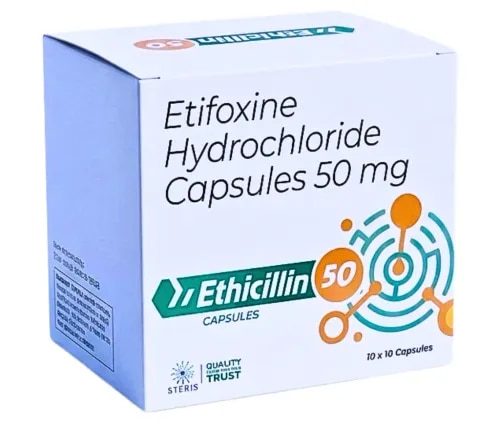
"name": "Etifoxine Hydrochloride Capsules 50 mg",
"description": "ETHICILLIN 50 is a prescription capsule that contains 50 mg of Etifoxine Hydrochloride. Doctors use it to treat the physical symptoms that come with anxiety (psychosomatic manifestations), in line with the approved prescribing information. It should only be taken under the guidance of a qualified healthcare professional.\n\nAnxiety affects more than mood. People may notice constant worry, nervousness, a feeling of being on edge, restlessness, and bodily discomfort. A proper medical assessment helps decide the right way to manage these symptoms and support day-to-day well-being.\n\nEtifoxine Hydrochloride is an anxiolytic from the benzoxazine chemical class. It acts on the brain’s GABA signalling pathways, which help regulate how active the nervous system is.\n\nComposition and Product Details\nDetail\tInformation\nBrand Name\tETHICILLIN 50\nActive Ingredient\tEtifoxine Hydrochloride\nStrength\t50 mg per capsule\nDosage Form\tHard gelatin capsule\nCategory\tAnxiolytic\nAvailability\tPrescription only\nAbout Etifoxine Hydrochloride\n\nEtifoxine is an anti-anxiety medicine that works on pathways controlling nervous system activity. It is linked to the GABA-A receptor system, which keeps a healthy balance between the brain’s “go” and “slow down” signals.\n\nGABA (gamma-aminobutyric acid) is the brain’s main calming neurotransmitter, and it helps keep nerve cell firing in check. Research has looked at two ways Etifoxine acts:\n\nIt interacts directly with certain GABA-A receptor subunits.\nIt influences the production of neurosteroids, which in turn affect GABA signalling.\n\nTogether, these actions strengthen inhibitory signalling in the brain and give Etifoxine its anti-anxiety effect.\n\nWhat ETHICILLIN 50 Is Used For\n\nETHICILLIN 50 is meant for the physical and emotional symptoms of anxiety, as covered by its approved indications. These can include:\n\nOngoing worry or nervousness\nInner tension and restlessness\nTrouble coping with stressful situations\nBodily discomfort linked to anxiety\nUnease that interferes with everyday activities\n\nHow strong these symptoms are differs from one person to the next, so a doctor should evaluate the patient before recommending any treatment.\n\nPrescription only – consult your doctor.\n\nHow It Works\n\nEtifoxine Hydrochloride acts on the brain’s GABA-related pathways. GABA reduces excessive nerve activity and supports steady communication between brain cells. By interacting with GABA-A receptors and promoting neurosteroid production, Etifoxine helps produce a calming effect.\n\nIndividual response varies and depends on medical history, the type of symptoms and other health factors.\n\nKey Features\nEstablished active ingredient: Etifoxine Hydrochloride, an anxiolytic studied for its effect on GABA pathways.\nCapsule form: An oral dosage form taken as the doctor directs.\nDefined strength: 50 mg of active ingredient in each capsule.\nPrescription-based use: A doctor can consider it when choosing a treatment for psychosomatic symptoms of anxiety.\nClear composition: A clearly identified formulation that supports professional prescribing and patient management.\nDosage and Administration\n\nYour doctor decides the dose and length of treatment based on your condition, medical history and needs. Swallow the capsule with water as instructed.\n\nTake it exactly as prescribed.\nDo not raise, lower or stop the dose without speaking to your doctor.\nNever share it with anyone else, even if their symptoms look similar.\nPrecautions and Safety Information\n\nBefore you start, tell your doctor about your medical history, any existing conditions, allergies and all the medicines you currently take.\n\nLiver and kidney problems: Extra medical evaluation is needed.\nRare but serious reactions: Etifoxine has been linked to severe liver injury and serious skin reactions. Get medical help immediately if you notice yellowing of the skin or eyes, dark urine or unusual tiredness (possible liver problems), or a widespread rash, blistering or swelling (possible serious skin reaction).\nPrevious reactions: Do not use it if you have ever had a severe liver or skin reaction linked to Etifoxine.\nPregnancy and breastfeeding: Speak to your doctor before considering this medicine.\n\nFor full details on contraindications, side effects, interactions and warnings, see the approved prescribing information.\n\nWhy Choose ETHICILLIN 50?\n\nETHICILLIN 50 offers Etifoxine Hydrochloride 50 mg in a clearly defined capsule, giving doctors a straightforward option to consider for prescription-based anxiety management. Any medicine choice should follow a proper medical assessment that takes in symptoms, overall health, history and response to treatment.\n\nConclusion\n\nETHICILLIN 50 (Etifoxine Hydrochloride Capsules 50 mg) contains an established anxiolytic ingredient for managing the physical symptoms of anxiety. Knowing what it contains, how it works, what it is approved for and which precautions apply helps you use it responsibly. Always follow your healthcare professional’s advice and read the approved product information before starting.\n\nPrescription only – consult your doctor.\n\nFrequently Asked Questions\n\nQ1. What is ETHICILLIN 50?\nIt is a capsule containing 50 mg of Etifoxine Hydrochloride, prescribed for the physical symptoms of anxiety in line with its approved prescribing information.\n\nQ2. What does each ETHICILLIN 50 capsule contain?\nEach capsule holds 50 mg of Etifoxine Hydrochloride as the active ingredient.\n\nQ3. What is Etifoxine Hydrochloride used for?\nIt is an anti-anxiety agent used under medical supervision to manage the psychosomatic symptoms of anxiety.\n\nQ4. How do I take ETHICILLIN 50?\nTake it exactly as your doctor prescribes, for the length of time they advise.\n\nQ5. Do I need a prescription for ETHICILLIN 50?\nYes. Use it only under the guidance of a qualified medical practitioner.\n\nQ6. Can ETHICILLIN 50 cause side effects?\nLike any medicine, it can. Rare but serious liver and skin reactions have been reported with Etifoxine, so speak to your healthcare professional for complete safety information.",
"price": 265.0,
"discountamount": 79.0,
"currencycode": "INR",
"priority": 1000000,
"isfreeshipmentavailable": false,
"shipmentduration": 1,
"_keywords": null,
"isarchived": false,
"isavailable": true,
"applicationid": null,
"productindex": 2519,
"imageuri": "https://productimages.withfloats.com/actual/6afda0ae246f00294793aa6e.png",
"tileimageuri": "https://productimages.withfloats.com/tile/6afda0ae246f00294793aa6e.png",
"images": null,
"totalqueries": 0,
"gpid": null,
"groupproductid": null,
"createdon": "2026-11-18T12:57:09.742Z",
"updatedon": "2026-11-18T12:57:09.742Z",
"buyonlinelink": null,
"producturl": "http://WWW.STERISINDIA.COM/products/etifoxine-hydrochloride-capsules-50-mg/2519",
"availableunits": -1.0,
"iscodavailable": false,
"isprepaidonlineavailable": false,
"maxcodorders": 0,
"maxprepaidonlineorders": 0,
"uniquepaymenturl": null,
"brandname": "ETHICILLIN 50",
"category": "NEUROLOGYRANGE",
"tags": [],
"variants": false,
"keyspecification": null,
"otherspecifications": null,
"pickupaddressreferenceid": null,
"paymenttype": "UniquePaymentUrl",
"producttype": "products",
"hsncode": null,
"gstslab": 0.0,
"isnotforsale": false
},
{
"_id": "6ad74702e53c888beeab308d",
"fptag": "STERISHEALTHCARE",
"merchantname": null,
"customwidgets": null,
"externalsourceid": null,
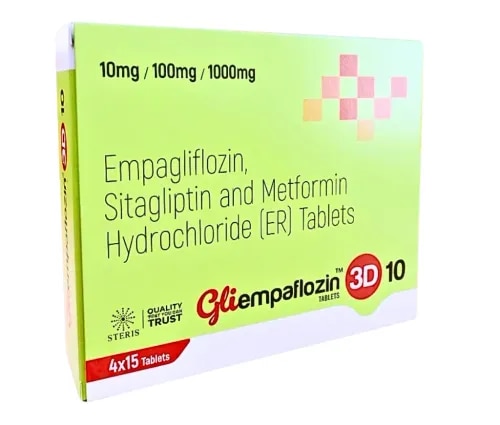
"name": "Empagliozin 10 mg, Sitagliptin 100 mg and Metformin hydrochloride 1000 mg ER Tablets",
"description": "GLIEMPAFLOZIN 3D 10 is a triple-combination antidiabetic tablet containing Empagliflozin 10 mg, Sitagliptin 100 mg, and Metformin Hydrochloride Extended Release (ER) 1000 mg. This combination is intended for the management of type 2 diabetes mellitus in appropriately selected patients under the supervision of a qualified healthcare professional.\n\nThe three active ingredients work through different mechanisms to help regulate blood glucose levels. Empagliflozin helps the kidneys eliminate glucose through urine, Sitagliptin supports glucose-dependent insulin regulation, and Metformin helps reduce glucose production in the liver while improving insulin sensitivity.\n\nBy combining these ingredients in one tablet, GLIEMPAFLOZIN 3D 10 provides a multi-mechanism approach to blood glucose management. Its suitability depends on the patient's clinical condition, kidney function, existing treatment, and the approved prescribing information.\n\nComposition of GLIEMPAFLOZIN 3D 10\nEach tablet contains the following stated active ingredients:\n\nEmpagliflozin 10 mg: A sodium-glucose cotransporter 2 (SGLT2) inhibitor that reduces glucose reabsorption by the kidneys and increases glucose excretion through urine.\nSitagliptin 100 mg: A dipeptidyl peptidase-4 (DPP-4) inhibitor that helps regulate insulin and glucagon responses according to blood glucose levels.\nMetformin Hydrochloride ER 1000 mg: An extended-release biguanide that primarily reduces glucose production in the liver and improves the body's response to insulin.\nThe exact formulation, excipients, approved indications, and administration instructions should be confirmed from the product packaging and official prescribing information.\n\nKey Features of GLIEMPAFLOZIN 3D 10 Tablets\nGLIEMPAFLOZIN 3D 10 combines three established antidiabetic medicines with complementary mechanisms of action.\n\nTriple-combination formulation: Contains Empagliflozin, Sitagliptin, and Metformin Hydrochloride ER.\nMultiple glucose-control pathways: Targets different processes involved in blood glucose regulation.\nExtended-release metformin: Provides a formulation designed to release Metformin gradually over time.\nOral tablet dosage form: Allows administration according to the prescribed regimen.\nIndividualized diabetes management: May be considered when a healthcare professional determines that all three ingredients are appropriate.\nThe combination is not suitable for every person with diabetes. Treatment decisions should be based on individual medical needs and the approved product information.\n\nUses of GLIEMPAFLOZIN 3D 10\nGLIEMPAFLOZIN 3D 10 is intended for the management of type 2 diabetes mellitus, subject to its approved indications and the prescribing healthcare professional's assessment.\n\nType 2 diabetes is a chronic metabolic condition characterized by impaired insulin action and, in many patients, insufficient insulin production. Persistently elevated blood glucose can increase the risk of complications affecting the eyes, kidneys, nerves, heart, and blood vessels.\n\nThe three active ingredients in GLIEMPAFLOZIN 3D 10 address different aspects of glucose regulation. A healthcare professional may consider this combination when multiple medicines are required to achieve an individual's treatment goals and when the combination is clinically appropriate.\n\nThe medicine should be used as part of a comprehensive diabetes-management plan that may include balanced nutrition, regular physical activity, blood glucose monitoring, and routine medical assessments. It is not intended for the treatment of type 1 diabetes or diabetic ketoacidosis.\n\nHow Does GLIEMPAFLOZIN 3D 10 Work?\n1. Empagliflozin 10 mg\nEmpagliflozin belongs to the SGLT2 inhibitor class. It blocks a protein responsible for reabsorbing glucose filtered by the kidneys. This allows more glucose to be eliminated through urine, helping reduce blood glucose levels.\n\nEmpagliflozin has also demonstrated cardiovascular and kidney benefits in certain eligible patient populations. Whether these benefits apply to an individual depends on their clinical condition and the applicable prescribing information.\n\n2. Sitagliptin 100 mg\nSitagliptin inhibits the DPP-4 enzyme, which breaks down incretin hormones. By increasing incretin activity, Sitagliptin supports insulin release when blood glucose is elevated and helps regulate glucagon secretion. These actions contribute to blood glucose control.\n\n3. Metformin Hydrochloride ER 1000 mg\nMetformin primarily reduces glucose production in the liver and improves insulin sensitivity. The extended-release formulation is designed to release the medicine gradually over time.\n\nTogether, these ingredients target several pathways involved in type 2 diabetes. Their combined effectiveness and safety depend on appropriate prescribing, correct administration, and regular monitoring.\n\nPotential Benefits of GLIEMPAFLOZIN 3D 10\nWhen prescribed for an appropriate patient, GLIEMPAFLOZIN 3D 10 may offer the following treatment advantages:\n\nMultiple mechanisms of action: Combines three medicines that influence different aspects of glucose regulation.\nBlood glucose management: Helps improve glycemic control in eligible adults with type 2 diabetes.\nCombination therapy: May simplify a treatment regimen compared with taking the same ingredients as separate tablets.\nExtended-release component: Includes Metformin Hydrochloride ER for gradual drug release.\nPersonalized treatment options: May be considered when a healthcare professional determines that triple therapy is appropriate.\nIndividual outcomes vary, and the medicine does not replace a suitable diet, physical activity, or routine diabetes care.\n\nDirections for Use\nTake GLIEMPAFLOZIN 3D 10 only as prescribed by your healthcare professional.\n\nFollow the prescribed dose and administration schedule.\nTake the tablet with food if directed by the product labeling or your prescriber.\nSwallow the extended-release tablet whole unless the specific product instructions state otherwise. Do not crush, chew, or split it without professional guidance.\nDo not change the dose or stop treatment without consulting your prescriber.\nAttend recommended appointments for kidney-function assessment and blood glucose monitoring.\nIf you miss a dose, follow the official patient information or ask your healthcare professional or pharmacist what to do. Do not take an extra dose to compensate for a missed dose unless specifically instructed.\n\nPrecautions and Safety Information\nGLIEMPAFLOZIN 3D 10 is a prescription medicine and may not be suitable for everyone.\n\nKidney function: Kidney function should be assessed before and during treatment as appropriate. Metformin and Empagliflozin have important kidney-related prescribing considerations.\n\nDehydration: Empagliflozin increases glucose excretion through urine and may increase urination. Patients at risk of dehydration or low blood pressure should discuss appropriate precautions with their healthcare professional.\n\nGenital and urinary infections: Empagliflozin may increase the risk of genital fungal infections and can be associated with urinary tract infections.\n\nLactic acidosis: Metformin can rarely cause a serious condition called lactic acidosis. Risk may increase with significant kidney impairment, severe dehydration, certain acute illnesses, or excessive alcohol intake.\n\nPancreatitis: Pancreatitis has been reported in patients taking Sitagliptin. Severe, persistent abdominal pain requires prompt medical assessment.\n\nHypoglycemia: Low blood glucose may occur, particularly when the combination is used with insulin or insulin secretagogues such as sulfonylureas.\n\nInform your healthcare professional about existing medical conditions, all medicines you take, pregnancy or breastfeeding, planned surgery, prolonged fasting, and upcoming procedures involving iodinated contrast. Follow professional instructions about temporary medicine interruption during acute illness or other high-risk situations.\n\nSeek urgent medical care for severe abdominal pain, difficulty breathing, persistent vomiting, severe dehydration, or other serious symptoms.\n\nWhy Choose GLIEMPAFLOZIN 3D 10?\nGLIEMPAFLOZIN 3D 10 brings together Empagliflozin 10 mg, Sitagliptin 100 mg, and Metformin Hydrochloride ER 1000 mg in a triple-combination tablet intended for selected patients with type 2 diabetes.\n\nFor pharmaceutical websites, pharmacies, distributors, and healthcare professionals, clear information about composition, mechanism of action, potential uses, and precautions supports responsible product awareness.\n\nAlways refer to the approved product label for the exact composition, indications, dosage, contraindications, storage requirements, and instructions for use.\n\nConclusion\nGLIEMPAFLOZIN 3D 10 Tablets combine Empagliflozin 10 mg, Sitagliptin 100 mg, and Metformin Hydrochloride ER 1000 mg to target multiple pathways involved in blood glucose regulation. The combination may be appropriate for selected adults with type 2 diabetes under medical supervision.\n\nFor complete information about dosage, contraindications, warnings, storage, and approved indications, consult the official product packaging and prescribing information. Use this medicine only under the direction of a qualified healthcare professional.\n\nFrequently Asked Questions (FAQs)\n1. What is GLIEMPAFLOZIN 3D 10?\n\nGLIEMPAFLOZIN 3D 10 is a combination tablet containing Empagliflozin 10 mg, Sitagliptin 100 mg, and Metformin Hydrochloride ER 1000 mg.\n\n2. What is GLIEMPAFLOZIN 3D 10 used for?\n\nIt is intended for the management of type 2 diabetes mellitus in patients for whom this combination is considered appropriate by a healthcare professional.\n\n3. How does GLIEMPAFLOZIN 3D 10 work?\n\nEmpagliflozin increases urinary glucose excretion, Sitagliptin supports glucose-dependent insulin regulation, and Metformin reduces glucose production in the liver and improves insulin sensitivity.\n\n4. Can GLIEMPAFLOZIN 3D 10 replace diet and exercise?\n\nNo. Medication should be combined with an individualized diet, physical activity, and monitoring plan recommended by a healthcare professional.\n\n5. Is GLIEMPAFLOZIN 3D 10 suitable for everyone with diabetes?\n\nNo. Suitability depends on the type of diabetes, kidney function, other medical conditions, concurrent medicines, and approved prescribing information.\n\n",
"price": 210.0,
"discountamount": 147.0,
"currencycode": "INR",
"priority": 1000000,
"isfreeshipmentavailable": false,
"shipmentduration": 1,
"_keywords": null,
"isarchived": false,
"isavailable": true,
"applicationid": null,
"productindex": 2505,
"imageuri": "https://productimages.withfloats.com/actual/6ad7470422551901df6e5493.png",
"tileimageuri": "https://productimages.withfloats.com/tile/6ad7470422551901df6e5493.png",
"images": null,
"totalqueries": 0,
"gpid": null,
"groupproductid": null,
"createdon": "2026-10-20T10:48:34.116Z",
"updatedon": "2026-10-20T10:48:34.116Z",
"buyonlinelink": null,
"producturl": "http://WWW.STERISINDIA.COM//empagliozin-10-mg-sitagliptin-100-mg-and-metformin-hydrochloride-1000-mg-er-tablets/2505",
"availableunits": -1.0,
"iscodavailable": false,
"isprepaidonlineavailable": false,
"maxcodorders": 0,
"maxprepaidonlineorders": 0,
"uniquepaymenturl": null,
"brandname": "GLIEMPAFLOZIN 3D 10",
"category": "DIABETIC RANGE",
"tags": [],
"variants": false,
"keyspecification": null,
"otherspecifications": null,
"pickupaddressreferenceid": null,
"paymenttype": "UniquePaymentUrl",
"producttype": "products",
"hsncode": null,
"gstslab": 0.0,
"isnotforsale": false
},
{
"_id": "6ad7442bf24c5a4bbccf4b10",
"fptag": "STERISHEALTHCARE",
"merchantname": null,
"customwidgets": null,
"externalsourceid": null,
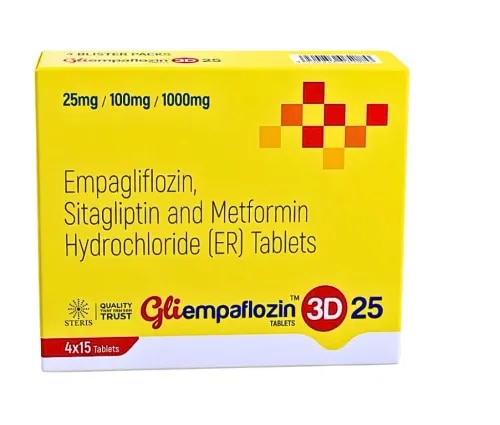
"name": "Empagliflozin,Sitagliptin And Metformin Hydrochloride (ER) Tablets",
"description": "GLIEMPAFLOZIN 3D 25 is a combination pharmaceutical product containing Empagliflozin 25 mg, Sitagliptin 100 mg, and Metformin Hydrochloride Extended Release (ER) 1000 mg. This triple-combination formulation is intended for the management of type 2 diabetes mellitus in appropriate patients, as determined by a qualified healthcare professional.\n\nThe three active ingredients work through different mechanisms to help control blood glucose levels. Empagliflozin belongs to the sodium-glucose cotransporter 2 (SGLT2) inhibitor class, Sitagliptin is a dipeptidyl peptidase-4 (DPP-4) inhibitor, and Metformin is a biguanide antidiabetic medicine. Together, these ingredients target different pathways involved in glucose regulation.\n\nGLIEMPAFLOZIN 3D 25 provides a combination of three established antidiabetic agents in a single tablet. Its suitability depends on the patient's blood glucose levels, kidney function, current diabetes treatment, medical history, and the approved prescribing information.\n\nComposition of GLIEMPAFLOZIN 3D 25\nEach tablet contains the following stated active ingredients:\n\nEmpagliflozin 25 mg: An SGLT2 inhibitor that helps the kidneys remove glucose from the bloodstream through urine.\nSitagliptin 100 mg: A DPP-4 inhibitor that increases the activity of incretin hormones involved in glucose-dependent insulin release and glucagon regulation.\nMetformin Hydrochloride ER 1000 mg: An extended-release biguanide that primarily reduces glucose production in the liver and improves the body's response to insulin.\nThe exact formulation, excipients, administration instructions, and approved indications should be verified against the product packaging and official prescribing information.\n\nKey Features of GLIEMPAFLOZIN 3D 25\nGLIEMPAFLOZIN 3D 25 combines three antidiabetic ingredients with complementary mechanisms of action.\n\nTriple-combination formulation: Contains Empagliflozin, Sitagliptin, and Metformin Hydrochloride ER.\nMultiple glucose-control pathways: The ingredients act through different mechanisms involved in blood glucose regulation.\nExtended-release metformin: The ER formulation is designed to release metformin over an extended period.\nOral tablet dosage form: Provides oral administration according to the prescribed regimen.\nIndividualized diabetes management: May be considered by a healthcare professional when combination therapy is appropriate.\nThe benefits of this combination depend on the patient's clinical needs and the suitability of all three ingredients.\n\nUses of GLIEMPAFLOZIN 3D 25 Tablets\nGLIEMPAFLOZIN 3D 25 is intended for the management of type 2 diabetes mellitus, subject to the product's approved indications and the prescribing healthcare professional's judgment.\n\nType 2 diabetes is a chronic metabolic condition in which the body does not use insulin effectively or does not produce enough insulin to maintain healthy blood glucose levels. Long-term elevated blood glucose can increase the risk of complications affecting the eyes, kidneys, nerves, heart, and blood vessels.\n\nThe three medicines in GLIEMPAFLOZIN 3D 25 target different aspects of glucose regulation. A healthcare professional may consider a combination regimen when an individual's treatment goals are not adequately achieved with a simpler regimen or when the combination is otherwise clinically appropriate.\n\nThe medicine should be used alongside an individualized diabetes-management plan that may include a balanced diet, physical activity, glucose monitoring, and regular medical follow-up. It is not intended for the treatment of type 1 diabetes or diabetic ketoacidosis.\n\nHow Does GLIEMPAFLOZIN 3D 25 Work?\nThe three active ingredients contribute to blood glucose management through distinct mechanisms.\n\n1. Empagliflozin 25 mg\nEmpagliflozin inhibits SGLT2, a protein responsible for reabsorbing much of the glucose filtered by the kidneys. By reducing glucose reabsorption, it increases glucose excretion through urine and helps lower blood glucose levels.\n\nEmpagliflozin has also demonstrated cardiovascular and kidney benefits in certain eligible patient populations. These benefits depend on the patient's condition and the applicable prescribing information and should not be assumed to apply identically to every patient.\n\n2. Sitagliptin 100 mg\nSitagliptin inhibits the DPP-4 enzyme, which breaks down incretin hormones. Increasing incretin activity helps stimulate insulin release when blood glucose is elevated and reduces glucagon secretion when appropriate. This helps regulate glucose levels, particularly after meals.\n\n3. Metformin Hydrochloride ER 1000 mg\nMetformin primarily decreases glucose production in the liver and improves insulin sensitivity. The extended-release formulation is designed to release the medicine gradually over time.\n\nBy combining these mechanisms, GLIEMPAFLOZIN 3D 25 targets several pathways involved in type 2 diabetes. Its overall effectiveness and safety depend on appropriate patient selection, dosing, and ongoing monitoring.\n\nPotential Benefits of GLIEMPAFLOZIN 3D 25\nWhen prescribed for an appropriate patient, this combination may offer the following treatment advantages:\n\nMultiple mechanisms of action: Addresses glucose regulation through three different pharmacological pathways.\nBlood glucose management: Helps improve glycemic control in eligible adults with type 2 diabetes.\nOral combination therapy: Combines three medicines in one tablet, which may simplify a prescribed regimen compared with taking each ingredient separately.\nExtended-release component: Includes Metformin Hydrochloride ER for gradual drug release.\nIndividualized treatment options: May be considered when a healthcare professional determines that all three ingredients are appropriate.\nThese potential advantages do not guarantee a particular result. Treatment effectiveness depends on adherence, diet, physical activity, individual health status, and medical supervision.\n\nDirections for Use\nGLIEMPAFLOZIN 3D 25 should be taken only as prescribed by a qualified healthcare professional.\n\nFollow the prescribed dose and administration schedule.\nTake the tablet with food if directed by the product labeling or prescriber.\nSwallow the extended-release tablet whole unless the specific product instructions state otherwise. Do not crush, chew, or split it without professional guidance.\nDo not change the dose or discontinue treatment without consulting your prescriber.\nAttend recommended appointments for blood glucose monitoring and kidney-function assessment.\nIf a dose is missed, follow the official patient information or ask your healthcare professional or pharmacist for advice. Do not take an extra dose to compensate for a missed dose unless specifically instructed.\n\nPrecautions and Safety Information\nGLIEMPAFLOZIN 3D 25 is a prescription medicine and is not suitable for everyone.\n\nKidney function: Kidney function should be assessed before and during treatment as appropriate. Metformin and Empagliflozin have important renal considerations, and the combination may be unsuitable at certain levels of kidney impairment.\n\nDehydration: Empagliflozin increases glucose excretion through urine and may increase urination. Patients should discuss dehydration risk, low blood pressure, and fluid intake with their healthcare professional.\n\nGenital and urinary infections: Empagliflozin can increase the risk of genital fungal infections and may be associated with urinary tract infections.\n\nLactic acidosis: Metformin can rarely cause a serious condition called lactic acidosis. Risk may increase with significant kidney impairment, severe dehydration, certain acute illnesses, excessive alcohol intake, or other predisposing conditions.\n\nPancreatitis: Pancreatitis has been reported in patients taking Sitagliptin. Severe, persistent abdominal pain requires prompt medical assessment.\n\nLow blood glucose: The risk of hypoglycemia may increase when this combination is used with insulin or insulin secretagogues, such as sulfonylureas.\n\nInform your healthcare professional about existing medical conditions, all medicines you take, pregnancy or breastfeeding, planned surgery, prolonged fasting, or an upcoming medical procedure involving iodinated contrast. Follow professional instructions about temporary medicine interruption during acute illness or other high-risk situations.\n\nSeek urgent medical care for severe abdominal pain, difficulty breathing, unusual weakness, persistent vomiting, severe dehydration, or other serious symptoms.\n\nWhy Choose GLIEMPAFLOZIN 3D 25?\nGLIEMPAFLOZIN 3D 25 brings together Empagliflozin, Sitagliptin, and Metformin Hydrochloride ER in a triple-combination tablet designed for the management of type 2 diabetes in appropriately selected patients.\n\nFor pharmaceutical product catalogues, distributors, pharmacies, and healthcare professionals, accurate information about the composition, mechanism of action, approved indications, and safety profile supports responsible product awareness.\n\nTreatment decisions should always be based on the patient's medical assessment and the approved product information.\n\nConclusion\nGLIEMPAFLOZIN 3D 25 Tablets combine Empagliflozin 25 mg, Sitagliptin 100 mg, and Metformin Hydrochloride ER 1000 mg to target multiple pathways involved in blood glucose regulation. This combination may be appropriate for selected adults with type 2 diabetes under medical supervision.\n\nFor complete information about dosage, contraindications, warnings, storage, and approved indications, consult the official product packaging and prescribing information. Use this medicine only under the direction of a qualified healthcare professional.\n\nFrequently Asked Questions (FAQs)\n1. What is GLIEMPAFLOZIN 3D 25?\n\nGLIEMPAFLOZIN 3D 25 is a combination tablet containing Empagliflozin 25 mg, Sitagliptin 100 mg, and Metformin Hydrochloride ER 1000 mg.\n\n2. What is GLIEMPAFLOZIN 3D 25 used for?\n\nIt is intended for the management of type 2 diabetes mellitus in patients for whom the combination is considered appropriate by a healthcare professional.\n\n3. How does GLIEMPAFLOZIN 3D 25 work?\n\nEmpagliflozin increases urinary glucose excretion, Sitagliptin supports glucose-dependent insulin regulation, and Metformin reduces glucose production in the liver and improves insulin sensitivity.\n\n4. Can GLIEMPAFLOZIN 3D 25 replace diet and exercise?\n\nNo. Medication should be combined with an individualized diet, physical activity, and monitoring plan as recommended by a healthcare professional.\n\n5. Is GLIEMPAFLOZIN 3D 25 suitable for everyone with diabetes?\n\nNo. Its suitability depends on the type of diabetes, kidney function, other medical conditions, concurrent medicines, and the approved prescribing information.",
"price": 230.0,
"discountamount": 69.0,
"currencycode": "INR",
"priority": 1000000,
"isfreeshipmentavailable": false,
"shipmentduration": 1,
"_keywords": null,
"isarchived": false,
"isavailable": true,
"applicationid": null,
"productindex": 2504,
"imageuri": "https://productimages.withfloats.com/actual/6ad7442d6e565c5fe6e5b7cb.png",
"tileimageuri": "https://productimages.withfloats.com/tile/6ad7442d6e565c5fe6e5b7cb.png",
"images": null,
"totalqueries": 0,
"gpid": null,
"groupproductid": null,
"createdon": "2026-10-20T10:36:27.325Z",
"updatedon": "2026-10-20T10:36:27.325Z",
"buyonlinelink": null,
"producturl": "http://WWW.STERISINDIA.COM//empagliflozin-sitagliptin-and-metformin-hydrochloride-er-tablets/2504",
"availableunits": -1.0,
"iscodavailable": false,
"isprepaidonlineavailable": false,
"maxcodorders": 0,
"maxprepaidonlineorders": 0,
"uniquepaymenturl": null,
"brandname": "GLIEMPAFLOZIN 3D 25",
"category": "DIABETIC RANGE",
"tags": [],
"variants": false,
"keyspecification": null,
"otherspecifications": null,
"pickupaddressreferenceid": null,
"paymenttype": "UniquePaymentUrl",
"producttype": "products",
"hsncode": null,
"gstslab": 0.0,
"isnotforsale": false
},
{
"_id": "6ad73c502f1fbe0284e2dcb5",
"fptag": "STERISHEALTHCARE",
"merchantname": null,
"customwidgets": null,
"externalsourceid": null,
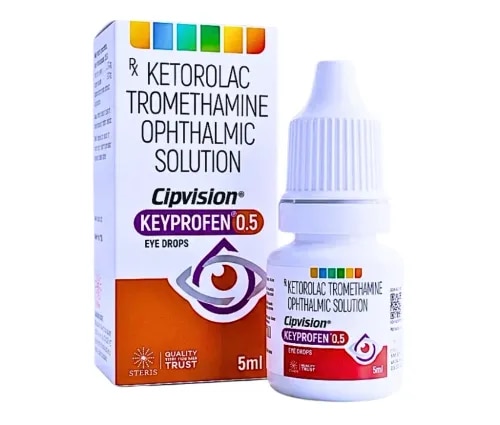
"name": "Ketorolac Tromethamine Ophthalmic Solution",
"description": "CIPVISION KEYPROFEN 0.5 is an ophthalmic formulation containing Ketorolac Tromethamine 0.5% w/v, a non-steroidal anti-inflammatory drug (NSAID) used in specific eye-care situations. It works by reducing the production of prostaglandins, chemical substances that contribute to pain and inflammation. This action may help manage certain inflammatory eye symptoms when the medicine is prescribed for an appropriate condition.\n\nCIPVISION KEYPROFEN 0.5 is intended for topical application to the eyes under the supervision of a qualified healthcare professional. Its suitability depends on the patient's symptoms, clinical diagnosis, and the approved product information.\n\nFor pharmacies, medical distributors, healthcare professionals, and pharmaceutical product catalogues, CIPVISION KEYPROFEN 0.5 represents an ophthalmic product containing a recognised anti-inflammatory ingredient. Appropriate product information helps users understand its intended role, administration requirements, and important precautions.\nComposition of CIPVISION KEYPROFEN 0.5\nThe stated active ingredient in CIPVISION KEYPROFEN 0.5 is:\n\nKetorolac Tromethamine 0.5% w/v: This medicine belongs to the NSAID class. It inhibits cyclooxygenase enzymes involved in the production of prostaglandins, helping reduce inflammatory activity and associated discomfort in suitable ophthalmic conditions.\n\nThe complete formulation, inactive ingredients, pack size, and approved therapeutic indications should be verified using the product packaging and official prescribing information.\nKey Features of CIPVISION KEYPROFEN 0.5 Eye Drops\nCIPVISION KEYPROFEN 0.5 has several important characteristics relevant to ophthalmic care:\n- NSAID-based formulation: Contains Ketorolac Tromethamine, a non-steroidal anti-inflammatory medicine.\n- Inflammation control: Helps manage inflammation in specific eye conditions when prescribed appropriately.\n- Prostaglandin reduction: Acts by inhibiting enzymes involved in the formation of inflammatory mediators.\n- Topical eye application: Designed for administration directly into the eye according to prescribed directions.\n- Clinically guided use: Requires an appropriate diagnosis and advice from an eye-care professional.\nThe potential role of this medicine depends on the underlying eye condition, the approved product indications, and the patient's individual health requirements.\nWhat Is CIPVISION KEYPROFEN 0.5 Used For?\nCIPVISION KEYPROFEN 0.5 may be prescribed for selected eye conditions in which reducing inflammation, itching, or pain is clinically appropriate. The precise indication should be confirmed from the approved product information.\n1. Management of Selected Inflammatory Eye Conditions\nInflammation of the eye may cause redness, irritation, watering, and discomfort. Ketorolac Tromethamine reduces the production of prostaglandins involved in the inflammatory response. An ophthalmologist can determine whether this medicine is suitable after assessing the cause of the symptoms.\n2. Relief of Certain Types of Eye Discomfort\nKetorolac Tromethamine ophthalmic preparations may help relieve ocular pain in approved clinical situations. Some formulations are also indicated for itching associated with seasonal allergic conjunctivitis. These uses depend on the specific product's approved labelling.\n\nPersistent eye pain, redness, or irritation should not be treated through self-medication because these symptoms can arise from infections, injuries, or other conditions requiring different treatment.\n3. Eye Care Following Certain Surgical Procedures\nSome Ketorolac Tromethamine ophthalmic products are used to manage pain and inflammation associated with eye surgery, including cataract procedures. Postoperative treatment must follow the ophthalmologist's instructions because the appropriate medicine, dosage, and duration depend on the procedure and the patient's recovery.\n\nAlways verify whether CIPVISION KEYPROFEN 0.5 is approved for the intended postoperative use before including a specific surgical indication in product information.\nHow Does CIPVISION KEYPROFEN 0.5 Work?\nKetorolac Tromethamine belongs to the non-steroidal anti-inflammatory drug category. Its action involves inhibiting cyclooxygenase (COX) enzymes, which help produce prostaglandins.\n\nProstaglandins participate in inflammatory processes and pain signalling. By reducing their production, Ketorolac Tromethamine can help control inflammation and associated discomfort in certain eye conditions.\n\nUnlike corticosteroids, Ketorolac Tromethamine is a non-steroidal anti-inflammatory medicine. However, it is not appropriate for every eye complaint. It does not treat all causes of eye redness or pain, and suspected infections may require a different treatment approach.\nPotential Benefits of CIPVISION KEYPROFEN 0.5\nWhen prescribed for an appropriate indication, CIPVISION KEYPROFEN 0.5 may offer the following benefits:\n- Anti-inflammatory action: Helps reduce inflammatory activity in selected ophthalmic conditions.\n- Management of eye pain: May relieve pain in specific clinical situations covered by the relevant product indication.\n- Non-steroidal treatment option: Provides an alternative mechanism to corticosteroid-based medicines for appropriate cases.\n- Local administration: Allows the active ingredient to be delivered directly to the eye.\n- Support for ophthalmic treatment: May be included in a treatment plan developed by an eye-care professional.\nThe response to treatment varies according to the diagnosis, severity of the condition, individual health factors, and adherence to the prescribed instructions. The product should not be considered a universal treatment for eye pain or inflammation.\nHow to Use CIPVISION KEYPROFEN 0.5 Eye Drops\nUse CIPVISION KEYPROFEN 0.5 only according to your ophthalmologist's instructions and the product leaflet.\n1. Clean your hands: Wash and dry your hands before handling the eye-drop bottle.\n2. Check the bottle: Confirm the product name, expiry date, and administration instructions before use.\n3. Prevent contamination: Keep the dropper tip away from your eyes, eyelids, fingers, and other surfaces.\n4. Follow the prescribed dosage: Use only the recommended number of drops and the prescribed frequency.\n5. Use other eye medicines carefully: Ask your healthcare professional how much time to leave between different ophthalmic preparations.\n6. Avoid prolonged use: Do not continue treatment longer than recommended, as extended NSAID use may increase the risk of eye complications.\n7. Follow storage instructions: Store the medicine as directed on its packaging and observe any instructions concerning use after opening.\n8. Do not share the bottle: Sharing eye drops can increase the risk of contamination.\n9. Attend follow-up appointments: Follow your ophthalmologist's advice, particularly when using the medicine after eye surgery.\nIf you miss a dose, follow the instructions in the product leaflet or consult your healthcare professional. Do not double the next dose to compensate for a missed application.\nPrecautions and Safety Information\nAlthough Ketorolac Tromethamine eye drops can be useful in appropriate clinical settings, they may cause side effects and require additional caution in certain patients.\nPossible Side Effects\nSome people may experience temporary burning, stinging, irritation, or discomfort after applying the drops. Ophthalmic NSAIDs can also delay healing and, in susceptible individuals, increase the risk of corneal complications. Rare cases of serious corneal damage have been reported.\n\nContact your ophthalmologist if symptoms persist or worsen. Seek urgent medical assessment if you experience severe eye pain, significant changes in vision, marked redness, or other serious symptoms.\nImportant Precautions\n- Corneal conditions: Tell your doctor if you have corneal disease, a damaged eye surface, or delayed healing.\n- Dry eyes: Inform your healthcare professional if you have severe dry eye symptoms or another condition affecting the eye surface.\n- Allergies: Disclose any previous allergic reaction to Ketorolac, aspirin, or other NSAIDs.\n- Bleeding risks: Discuss any bleeding disorder or medicine that may increase bleeding risk.\n- Eye surgery: Follow your surgeon's instructions, as postoperative use requires appropriate monitoring.\n- Pregnancy and breastfeeding: Consult your doctor before using the medicine during pregnancy or while breastfeeding.\n- Other medicines: Inform your healthcare professional about all medicines and eye preparations you currently use.\nCIPVISION KEYPROFEN 0.5 is intended for ophthalmic use only. Keep it out of children's reach and never use it beyond the labelled expiry date.\nWhy Consider CIPVISION KEYPROFEN 0.5 for Pharmaceutical Product Portfolios?\nCIPVISION KEYPROFEN 0.5 combines a distinct pharmaceutical brand identity with Ketorolac Tromethamine 0.5% ophthalmic solution. The formulation may be relevant to product catalogues serving pharmacies, medical distributors, and healthcare professionals involved in ophthalmic care.\n\nClear product information supports responsible pharmaceutical communication by explaining the active ingredient, its mechanism of action, appropriate clinical applications, and safety considerations.\n\nFor accurate product representation, always verify the approved strength, indications, contraindications, dosage, storage requirements, and instructions against the official packaging and prescribing information.\nConclusion\nCIPVISION KEYPROFEN 0.5 Eye Drops contains Ketorolac Tromethamine 0.5% w/v, a non-steroidal anti-inflammatory ingredient used in selected ophthalmic conditions. By inhibiting prostaglandin production, it helps manage inflammation and may relieve pain in specific approved clinical settings.\n\nCorrect administration, appropriate patient selection, and awareness of potential side effects are essential for responsible use. Consult a qualified eye-care professional for treatment guidance and refer to the approved product information for complete details.\nFrequently Asked Questions (FAQs)\n1. What is CIPVISION KEYPROFEN 0.5?\nCIPVISION KEYPROFEN 0.5 is an ophthalmic solution containing Ketorolac Tromethamine 0.5% w/v, according to the composition provided. It is intended for specific eye-care applications under professional guidance.\n2. What is CIPVISION KEYPROFEN 0.5 used for?\nKetorolac Tromethamine ophthalmic preparations may be prescribed for certain inflammatory eye conditions, itching associated with seasonal allergic conjunctivitis, or pain and inflammation following specific eye procedures. The approved uses of CIPVISION KEYPROFEN 0.5 must be confirmed from its official product information.\n3. How does Ketorolac Tromethamine work in the eyes?\nKetorolac Tromethamine inhibits cyclooxygenase enzymes involved in prostaglandin production. This helps reduce inflammatory activity and associated pain in appropriate ophthalmic conditions.\n4. Can CIPVISION KEYPROFEN 0.5 be used without a prescription?\nUse this medicine only under appropriate medical guidance. An eye-care professional should determine whether it is suitable, particularly because NSAID eye drops can affect healing and may cause complications in susceptible patients.\n5. What precautions should be taken while using CIPVISION KEYPROFEN 0.5?\nAvoid contaminating the dropper tip, follow the prescribed dosage, and do not use the drops for longer than recommended. Inform your doctor about corneal problems, allergies to NSAIDs, bleeding disorders, and other medicines you use.\n6. How should CIPVISION KEYPROFEN 0.5 be stored?\nFollow the storage instructions on the product packaging. Keep the container closed as directed, protect it from unsuitable storage conditions, and observe any instructions concerning disposal after opening.\n\n\n",
"price": 80.0,
"discountamount": 56.0,
"currencycode": "INR",
"priority": 1000000,
"isfreeshipmentavailable": false,
"shipmentduration": 1,
"_keywords": null,
"isarchived": false,
"isavailable": true,
"applicationid": null,
"productindex": 2503,
"imageuri": "https://productimages.withfloats.com/actual/6ad73c52dc6a6c6c9945f376.png",
"tileimageuri": "https://productimages.withfloats.com/tile/6ad73c52dc6a6c6c9945f376.png",
"images": null,
"totalqueries": 0,
"gpid": null,
"groupproductid": null,
"createdon": "2026-10-20T10:02:56.893Z",
"updatedon": "2026-10-20T10:02:56.893Z",
"buyonlinelink": null,
"producturl": "http://WWW.STERISINDIA.COM//ketorolac-tromethamine-ophthalmic-solution/2503",
"availableunits": -1.0,
"iscodavailable": false,
"isprepaidonlineavailable": false,
"maxcodorders": 0,
"maxprepaidonlineorders": 0,
"uniquepaymenturl": null,
"brandname": "CIPVISION KEYPROFEN 0.5",
"category": "Opthalmology Range",
"tags": [],
"variants": false,
"keyspecification": null,
"otherspecifications": null,
"pickupaddressreferenceid": null,
"paymenttype": "UniquePaymentUrl",
"producttype": "products",
"hsncode": null,
"gstslab": 0.0,
"isnotforsale": false
},
{
"_id": "6ad738866e5950566f21f588",
"fptag": "STERISHEALTHCARE",
"merchantname": null,
"customwidgets": null,
"externalsourceid": null,
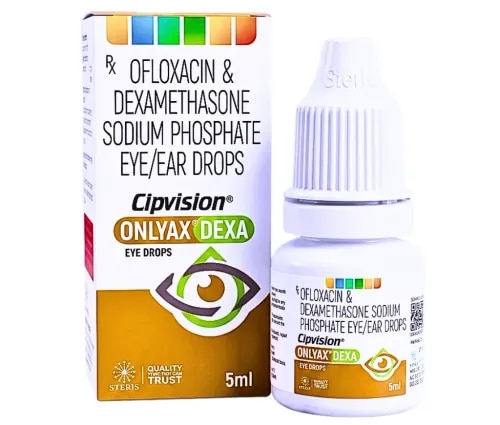
"name": "Ofloxacin & Dexamethasoneone Sodium Phosphate Eye/Ear Drops",
"description": "CIPVISION ONLYAX DEXA Eye/Ear Drops is a pharmaceutical formulation containing Ofloxacin and Dexamethasone Sodium Phosphate. These ingredients perform complementary roles: Ofloxacin helps control infections caused by susceptible bacteria, while Dexamethasone Sodium Phosphate helps reduce inflammation. The combination may be prescribed for selected eye or ear conditions when both antibacterial treatment and inflammation control are clinically appropriate.\n\nIntended for ophthalmic and otic applications, CIPVISION ONLYAX DEXA should be used according to a qualified healthcare professional's instructions. The suitability of this formulation depends on the patient's diagnosis, medical history, and the approved product information.\n\nWith its defined composition and distinct brand identity, CIPVISION ONLYAX DEXA is a pharmaceutical product option for healthcare professionals, pharmacies, and medical distributors.\n\nComposition of CIPVISION ONLYAX DEXA Eye/Ear Drops\n\nCIPVISION ONLYAX DEXA contains two active pharmaceutical ingredients:\n\nOfloxacin: A fluoroquinolone antibiotic that works by interfering with bacterial enzymes required for DNA replication and repair. This action helps inhibit the growth of susceptible bacteria.\n\nDexamethasone Sodium Phosphate: A corticosteroid that suppresses inflammatory responses and helps reduce symptoms such as redness, swelling, and discomfort when steroid treatment is appropriate.\n\nThe exact strength, approved indications, and recommended dosage should always be checked on the product packaging and prescribing information.\n\nKey Features of CIPVISION ONLYAX DEXA\n\nThe formulation combines antibacterial and anti-inflammatory properties in one topical product.\n\nDual-ingredient formulation: Combines an antibiotic with a corticosteroid.\n\nAntibacterial action: Ofloxacin targets susceptible bacteria when used for an appropriate indication.\n\nInflammation control: Dexamethasone Sodium Phosphate helps manage inflammatory symptoms.\n\nTopical application: Intended for eye or ear use according to the approved product labelling.\n\nProfessional supervision: Requires appropriate clinical assessment and guidance for safe use.\n\nThe suitability of these features depends on the diagnosed condition and whether both ingredients are necessary for treatment.\n\nWhat Is CIPVISION ONLYAX DEXA Used For?\n\nCIPVISION ONLYAX DEXA may be prescribed for certain bacterial eye or ear conditions accompanied by inflammation. A healthcare professional must determine whether this combination is appropriate for the specific diagnosis.\n\nOphthalmic Applications\n\nWhen indicated by the approved product label, an Ofloxacin and Dexamethasone formulation may be used for selected bacterial eye conditions associated with inflammation.\n\nOfloxacin helps address susceptible bacterial pathogens, while Dexamethasone Sodium Phosphate helps control the inflammatory response. However, eye redness, watering, itching, and pain can result from allergies, viral infections, fungal infections, or other disorders. These conditions may require different treatments.\n\nA proper eye examination is important before using antibiotic-corticosteroid drops.\n\nOtic Applications\n\nFor selected ear conditions, an appropriate antibiotic and corticosteroid combination may be prescribed when bacterial infection and inflammation occur together.\n\nSymptoms such as ear pain, discharge, swelling, and itching can have different causes. The choice of treatment depends on the site of infection, the condition of the eardrum, and the product's approved indications.\n\nUse CIPVISION ONLYAX DEXA in the ear only when the prescribing information permits it and a healthcare professional recommends its use.\n\nHow Does CIPVISION ONLYAX DEXA Work?\n\nThe two active ingredients act through different mechanisms.\n\nOfloxacin: This antibiotic inhibits bacterial enzymes called DNA gyrase and topoisomerase IV. These enzymes are essential for bacterial DNA replication and repair. Interfering with these processes helps prevent susceptible bacteria from multiplying.\n\nDexamethasone Sodium Phosphate: This corticosteroid reduces inflammatory activity in affected tissues. It helps control inflammation and associated symptoms when corticosteroid treatment is medically appropriate.\n\nTogether, these ingredients provide antibacterial and anti-inflammatory effects in selected conditions. However, corticosteroids may mask signs of infection or worsen certain untreated infections. Therefore, this combination should only be used for an appropriate diagnosis under medical supervision.\n\nPotential Benefits of CIPVISION ONLYAX DEXA\n\nThe potential benefits depend on the patient's condition and the clinical suitability of the formulation.\n\nCombined treatment approach: Offers an antibiotic and an anti-inflammatory ingredient in one formulation.\n\nTargeted antibacterial activity: Ofloxacin acts against susceptible bacteria.\n\nInflammation management: Dexamethasone Sodium Phosphate helps reduce inflammation.\n\nLocal administration: Drops allow topical application when suitable for the diagnosed condition.\n\nSupport for prescribed treatment: May be included in a healthcare professional's treatment plan for selected eye or ear conditions.\n\nThis product is not suitable for every infection. Its effectiveness depends on the cause of the condition, bacterial susceptibility, correct administration, and adherence to the prescribed treatment.\n\nHow to Use CIPVISION ONLYAX DEXA Eye/Ear Drops\n\nUse CIPVISION ONLYAX DEXA according to your doctor's instructions and the product label.\n\nWash your hands: Clean your hands before handling the bottle or administering the drops.\n\nCheck the product: Confirm the product name, expiry date, and instructions before use.\n\nAvoid contamination: Do not allow the dropper tip to touch your eye, ear, fingers, or other surfaces.\n\nFollow the prescribed dose: Use only the number of drops and the frequency recommended by your healthcare professional.\n\nComplete the prescribed course: Do not stop, extend, or repeat treatment without medical advice.\n\nAvoid sharing: Never share the bottle with another person, as this can spread infection.\n\nStore correctly: Follow the storage and after-opening instructions printed on the packaging.\n\nFor eye administration, ask your healthcare professional about contact lens precautions. For ear administration, seek advice before use if you have had ear surgery, have ear tubes, or may have a perforated eardrum.\n\nPrecautions and Safety Information\n\nCIPVISION ONLYAX DEXA should be used only when clinically indicated. Its antibiotic and corticosteroid components may not be appropriate for every patient or type of infection.\n\nProlonged use: Extended or inappropriate corticosteroid use may increase eye pressure, contribute to glaucoma or cataracts, and delay tissue healing.\n\nInfection risks: Corticosteroids may mask symptoms or worsen certain viral, fungal, or untreated infections.\n\nAllergies: Inform your healthcare professional about any previous reaction to Ofloxacin, Dexamethasone, or related ingredients.\n\nExisting conditions: Disclose any history of glaucoma, eye disease, ear problems, or ear surgery before treatment.\n\nOther medicines: Tell your doctor about other prescription medicines and eye or ear preparations you are using.\n\nPregnancy and breastfeeding: Seek medical advice before using the product during pregnancy or while breastfeeding.\n\nWorsening symptoms: Obtain prompt medical assessment if symptoms persist, worsen, or return after treatment.\n\nSeek urgent medical attention for severe eye pain, sudden changes in vision, significant hearing changes, or other serious symptoms.\n\nDo not use the product after its expiry date. Follow the packaging instructions for storage and disposal after opening.\n\nWhy Is CIPVISION ONLYAX DEXA Relevant to Pharmaceutical Product Portfolios?\n\nCIPVISION ONLYAX DEXA combines two established pharmaceutical ingredients in a topical formulation intended for selected conditions involving bacterial infection and inflammation. Its defined composition and identifiable brand make it relevant to pharmaceutical catalogues and product information resources.\n\nFor pharmacies, distributors, healthcare professionals, and pharmaceutical websites, clear product information helps communicate the formulation's intended use, precautions, and administration requirements. Accurate product descriptions should always reflect the approved label rather than imply that the formulation is suitable for every eye or ear complaint.\n\nConclusion\n\nCIPVISION ONLYAX DEXA Eye/Ear Drops contains Ofloxacin and Dexamethasone Sodium Phosphate, combining antibacterial activity with anti-inflammatory action. It may be prescribed for selected eye or ear conditions when both components are clinically appropriate.\n\nUnderstanding the composition, intended applications, administration precautions, and potential risks supports responsible use. Always consult a qualified healthcare professional and refer to the approved product packaging for the exact strength, indications, contraindications, and directions for use.\n\nFrequently Asked Questions (FAQs)\n\n1. What is CIPVISION ONLYAX DEXA Eye/Ear Drops?\n\nCIPVISION ONLYAX DEXA is a pharmaceutical formulation containing Ofloxacin, an antibiotic, and Dexamethasone Sodium Phosphate, a corticosteroid. It is intended for selected conditions as directed by a healthcare professional.\n\n2. What is the composition of CIPVISION ONLYAX DEXA?\n\nThe stated active ingredients are Ofloxacin and Dexamethasone Sodium Phosphate. Refer to the product packaging to confirm their exact strengths and the approved formulation details.\n\n3. What is CIPVISION ONLYAX DEXA used for?\n\nIt may be prescribed for certain bacterial eye or ear conditions associated with inflammation when an antibiotic-corticosteroid combination is appropriate.\n\n4. Can CIPVISION ONLYAX DEXA be used without medical advice?\n\nNo. Medical guidance is important because the corticosteroid component may worsen certain infections or be unsuitable for particular eye and ear conditions.\n\n5. How should CIPVISION ONLYAX DEXA be stored?\n\nFollow the storage instructions printed on the product packaging. Keep the bottle tightly closed as directed, protect it from unsuitable storage conditions, and keep it out of children's reach.\n\n6. Can CIPVISION ONLYAX DEXA be used for every type of eye or ear infection?\n\nNo. Different infections and inflammatory conditions require different treatments. A healthcare professional should identify the cause of the symptoms and confirm whether this formulation is appropriate.",
"price": 50.0,
"discountamount": 15.0,
"currencycode": "INR",
"priority": 1000000,
"isfreeshipmentavailable": false,
"shipmentduration": 1,
"_keywords": null,
"isarchived": false,
"isavailable": true,
"applicationid": null,
"productindex": 2502,
"imageuri": "https://productimages.withfloats.com/actual/6ad73887063777c0e22d5809.png",
"tileimageuri": "https://productimages.withfloats.com/tile/6ad73887063777c0e22d5809.png",
"images": null,
"totalqueries": 0,
"gpid": null,
"groupproductid": null,
"createdon": "2026-10-20T09:46:46.02Z",
"updatedon": "2026-10-20T09:46:46.02Z",
"buyonlinelink": null,
"producturl": "http://WWW.STERISINDIA.COM//ofloxacin-dexamethasoneone-sodium-phosphate-eye-ear-drops/2502",
"availableunits": -1.0,
"iscodavailable": false,
"isprepaidonlineavailable": false,
"maxcodorders": 0,
"maxprepaidonlineorders": 0,
"uniquepaymenturl": null,
"brandname": "CIPVISION ONLYAX DEXA",
"category": "Opthalmology Range",
"tags": [],
"variants": false,
"keyspecification": null,
"otherspecifications": null,
"pickupaddressreferenceid": null,
"paymenttype": "UniquePaymentUrl",
"producttype": "products",
"hsncode": null,
"gstslab": 0.0,
"isnotforsale": false
},
{
"_id": "6a952bdada41ea9aeeec5e4a",
"fptag": "STERISHEALTHCARE",
"merchantname": null,
"customwidgets": null,
"externalsourceid": null,
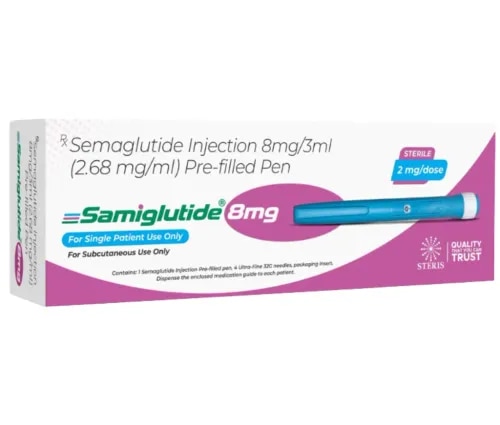
"name": "Semaglutide injection 8 mg",
"description": "The semaglutide injection, 8 mg, contains a total of 8 mg of semaglutide, a long-acting GLP-1 receptor agonist. It is used under medical supervision as part of treatment for appropriate adults with type 2 diabetes mellitus and, depending on the specific approved product and indication, for cardiovascular risk reduction and chronic weight management.\n1. Product Overview & Specifications\nAn 8 mg/3 mL semaglutide pen contains 8 mg of the active medicine in a 3 mL delivery system. When specifically designed to provide 2 mg per weekly dose, the total quantity can provide four 2 mg doses.\nActive Ingredient: Semaglutide\nTotal Strength: 8 mg\nExample Presentation: 8 mg/3 mL multi-dose pen\nDrug Class: GLP-1 receptor agonist\nRoute: Subcutaneous injection\nCommon Injection Areas: Abdomen, thigh, or upper arm\nAdministration: Once weekly, according to the prescribed schedule\nMechanism of Action\nSemaglutide mimics the activity of the naturally occurring hormone GLP-1 (glucagon-like peptide-1). It acts on GLP-1 receptors involved in blood-glucose regulation, digestion, and appetite.\nImproves glucose-dependent insulin release: Semaglutide encourages the pancreas to release insulin when blood glucose levels are elevated.\nReduces glucagon secretion: It lowers inappropriate glucagon release, helping reduce the amount of glucose produced by the liver.\nSlows gastric emptying: Semaglutide can delay the movement of food from the stomach, contributing to prolonged fullness.\nReduces appetite: Its effects on appetite-regulating pathways in the brain can decrease hunger and food intake.\n2. Primary Indications & Uses\nSemaglutide may be prescribed for several clinically established purposes depending on the specific formulation, approved labeling, and patient's medical condition.\nType 2 Diabetes Management\nSemaglutide can be used alongside appropriate diet and physical activity to improve blood-glucose control in adults with type 2 diabetes.\nCardiovascular Risk Reduction\nIn eligible adults with type 2 diabetes and established cardiovascular disease, certain semaglutide products have demonstrated a reduction in the risk of major cardiovascular events, including cardiovascular death, non-fatal heart attack, and non-fatal stroke.\nKidney Disease\nCertain semaglutide formulations and indications have demonstrated kidney-related benefits in specific populations. The appropriate product and indication should be determined by a healthcare professional.\nChronic Weight Management\nSemaglutide is also used for long-term weight management in eligible adults with obesity or overweight accompanied by weight-related health conditions, depending on the approved formulation and local prescribing guidance.\n3. Key Benefits of Semaglutide 8 mg Therapy\nClinical Area\nPotential Therapeutic Role\nBlood-Glucose Control\nHelps lower elevated blood glucose and improve glycemic control in appropriate patients.\nWeight Management\nReduces appetite and food intake, supporting sustained weight reduction when prescribed for this purpose.\nCardiovascular Health\nCertain approved semaglutide indications can reduce major cardiovascular event risk in eligible patients.\nMetabolic Support\nInfluences glucose regulation, appetite, insulin secretion, and glucagon activity.\nWeekly Administration\nA once-weekly injection can provide a convenient treatment schedule when prescribed.\n\n4. Side Effects & Safety Warnings\nCommon Adverse Reactions\nDigestive symptoms are among the most frequently reported adverse effects, particularly when treatment is initiated or the dose is increased.\nPossible side effects include:\nNausea\nVomiting\nDiarrhea\nConstipation\nAbdominal discomfort\nBloating\nBelching\nIndigestion or heartburn\nReduced appetite\nThese effects may improve as the body becomes accustomed to treatment.\nFrequently Asked Questions\n1. How much weight can you lose with semaglutide?\nWeight reduction varies significantly between individuals and depends on the prescribed formulation, dose, treatment duration, diet, physical activity, and adherence. Clinical trials of approved weight-management regimens have demonstrated substantial average percentage weight loss over extended treatment periods.\n2. How much is 8 units of semaglutide in mL?\nOn a U-100 insulin syringe, 100 units corresponds to 1 mL, so 8 units corresponds to 0.08 mL. However, this conversion only describes syringe volume. It does not determine the amount of semaglutide in mg because the medication concentration varies between products. Always verify the exact concentration before measuring any dose.\n3. Is semaglutide injection safe for weight loss?\nSemaglutide can be an effective treatment for weight management when an approved formulation is prescribed to an eligible patient and used under appropriate medical supervision. It has important contraindications and warnings, including risks involving the gastrointestinal system, gallbladder, pancreas, kidneys, and thyroid C-cell tumors.\n4. How many mg of semaglutide are used for weight loss?\nThe appropriate dose depends on the specific semaglutide product. Weight-management treatment commonly begins with a lower dose and is gradually increased to a maintenance dose to improve tolerability. The maintenance dose should be determined according to the product's approved prescribing information and the healthcare professional's instructions.\n5. How much weight can I lose in 2 months with semaglutide?\nThere is no guaranteed amount of weight loss during the first two months. Individual results vary because treatment generally begins at a lower dose and is increased gradually. Diet, physical activity, starting weight, medical conditions, and adherence also affect the result.\n6. What happens when you stop semaglutide?\nAfter discontinuation, semaglutide gradually leaves the body. Appetite and food intake may increase as its effects decrease, and some people regain weight. Maintaining healthy eating and physical activity habits may help support weight management after treatment, but discontinuation should be discussed with a healthcare professional.\n7. How long does an 8 mg/3 mL semaglutide pen last?\nIf a specific 8 mg/3 mL pen is designed to deliver 2 mg per weekly dose, it contains four 2 mg doses and therefore provides approximately four weeks of treatment. The actual duration depends on the specific device and prescribed dosing instructions.\n8. What is semaglutide injection 8 mg used for?\nSemaglutide is used for approved indications such as improving blood-glucose control in type 2 diabetes and, depending on the formulation, supporting chronic weight management and reducing cardiovascular risk in eligible patients.\n9. What foods should be avoided while taking semaglutide?\nLarge, high-fat, greasy, or fried meals may worsen gastrointestinal symptoms such as nausea, bloating, and reflux. Smaller meals and balanced food choices may be easier to tolerate. Alcohol intake should also be discussed with a healthcare professional.\n10. Can you eat bananas while taking semaglutide?\nYes, bananas can generally be included in a balanced diet while using semaglutide. Portion size should be considered as part of an individual's overall calorie and carbohydrate intake, particularly for people managing diabetes.\n11. What is the best time of day to inject semaglutide?\nSemaglutide injections can generally be administered at any time of day, with or without meals, depending on the specific product instructions. The injection should be taken on the same day each week as prescribed.\n12. Will I lose weight during the first week of semaglutide?\nSome people may notice an early change in appetite or body weight, while others may not see a significant difference initially. Early treatment doses are generally introduced gradually to help the body adjust rather than to produce immediate maximum weight loss.\n13. How quickly does semaglutide start lowering blood sugar?\nSemaglutide begins acting after administration, but the degree and timing of blood-glucose improvement vary. Significant treatment effects develop progressively, particularly as the prescribed dose is gradually adjusted.\n14. What should I do if I miss a semaglutide dose?\nThe correct missed-dose procedure depends on the specific semaglutide product. Follow the instructions supplied with your prescribed product. Do not take an extra dose to compensate for a missed injection.\n15. Where is the best place to inject semaglutide?\nSemaglutide is administered subcutaneously. Common injection sites include the abdomen, front of the thigh, or upper arm, according to the product instructions. Rotating injection locations can help reduce repeated irritation at one site.\nConclusion\nSemaglutide injection 8 mg contains semaglutide, a long-acting GLP-1 receptor agonist that influences blood-glucose regulation, glucagon secretion, gastric emptying, and appetite. Depending on the specific formulation and approved indication, semaglutide may be used for type 2 diabetes management, chronic weight management, and cardiovascular risk reduction in eligible patients.\nAn 8 mg/3 mL presentation designed for 2 mg weekly dosing can provide four weekly doses. However, semaglutide concentrations, pen designs, approved doses, and indications can differ between products. Treatment should therefore follow the exact product instructions and a healthcare professional's prescription.",
"price": 7800.0,
"discountamount": 2340.0,
"currencycode": "INR",
"priority": 1000000,
"isfreeshipmentavailable": false,
"shipmentduration": 1,
"_keywords": null,
"isarchived": false,
"isavailable": true,
"applicationid": null,
"productindex": 2498,
"imageuri": "https://productimages.withfloats.com/actual/6a952bdd8359c1b7edbc7468.png",
"tileimageuri": "https://productimages.withfloats.com/tile/6a952bdd8359c1b7edbc7468.png",
"images": null,
"totalqueries": 0,
"gpid": null,
"groupproductid": null,
"createdon": "2026-08-31T07:23:06.814Z",
"updatedon": "2026-08-31T07:23:06.814Z",
"buyonlinelink": null,
"producturl": "http://WWW.STERISINDIA.COM//semaglutide-injection-8-mg/2498",
"availableunits": -1.0,
"iscodavailable": false,
"isprepaidonlineavailable": false,
"maxcodorders": 0,
"maxprepaidonlineorders": 0,
"uniquepaymenturl": null,
"brandname": "SAMIGLUTIDE 8MG",
"category": "DIABETIC RANGE",
"tags": [
"Semaglutide injection 8 mg",
"semaglutide injection 8 mg",
"semaglutide 8 mg injection uses",
"semaglutide 8 mg injection benefits",
"semaglutide 8 mg injection dosage"
],
"variants": false,
"keyspecification": null,
"otherspecifications": null,
"pickupaddressreferenceid": null,
"paymenttype": "UniquePaymentUrl",
"producttype": "products",
"hsncode": null,
"gstslab": 0.0,
"isnotforsale": false
},
{
"_id": "6a8c3838c90065ecdc86c757",
"fptag": "STERISHEALTHCARE",
"merchantname": null,
"customwidgets": null,
"externalsourceid": null,
"name": "Semaglutide Injection 4mg",
"description": "SAMIGLUTIDE 4 MG is a semaglutide-containing injectable medicine supplied in a pre-filled pen. The stated formulation contains 4 mg of semaglutide in 3 mL of solution, corresponding to approximately 1.34 mg/mL.\n\nSemaglutide is a GLP-1 receptor agonist that acts on physiological pathways involved in blood-glucose control, appetite, and gastrointestinal function. Its use should be based on the approved indication for the specific product and the advice of a qualified healthcare professional.\n\nProduct Overview\nProduct: SAMIGLUTIDE 4 MG\nActive substance: Semaglutide\nStrength: 4 mg/3 mL\nApproximate concentration: 1.34 mg/mL\nDosage form: Injectable solution\nPresentation: Pre-filled pen\nRoute: Subcutaneous administration, according to the applicable product instructions\n\nThe 4 mg/3 mL concentration is also associated with certain approved semaglutide products. However, this does not mean that their dosing schedules, indications, or administration instructions automatically apply to SAMIGLUTIDE 4 MG. The product-specific labeling should always be followed.\n\nWhat Is Semaglutide?\n\nSemaglutide is a medication belonging to the GLP-1 receptor agonist class. It acts similarly to the naturally occurring hormone glucagon-like peptide-1 (GLP-1).\n\nGLP-1 is involved in several processes related to metabolism. Its activity can influence insulin secretion, glucagon regulation, stomach emptying, and appetite. Depending on the particular semaglutide product and its regulatory authorization, semaglutide may be prescribed for conditions such as type 2 diabetes or chronic weight management in appropriately selected patients.\n\nBecause different semaglutide products can have different approved uses and formulations, treatment decisions should be based on the specific medicine being prescribed.\n\nSAMIGLUTIDE 4 MG Pre-Filled Pen\n\nSAMIGLUTIDE 4 MG is supplied in a pre-filled pen intended to provide a convenient format for subcutaneous administration.\n\nPre-filled devices can eliminate the need to draw medication from a conventional vial. Nevertheless, patients should be properly trained before using an injectable pen and should follow the instructions supplied with the specific product.\n\nThe pen should only be used according to its approved instructions, including the prescribed dose and administration schedule.\n\nStrength and Formulation\n\nEach stated 3 mL presentation contains 4 mg of semaglutide, giving a concentration of approximately 1.34 mg/mL.\n\nThe concentration of a medicine should not be confused with the amount delivered in every injection. The quantity administered depends on the design and dose settings of the particular pen.\n\nFor this reason, patients should not calculate or select their own dose based solely on the concentration printed on the package. The prescribed dose should come from the product's authorized instructions and the treating healthcare professional.\n\nHow Semaglutide Acts\n\nSemaglutide activates GLP-1 receptors, which are involved in the regulation of blood glucose and appetite.\n\nAmong its physiological effects, GLP-1 receptor activation can:\n\nSupport glucose-dependent insulin secretion.\nReduce inappropriate glucagon secretion when blood glucose is elevated.\nAffect gastrointestinal activity, including gastric emptying.\nInfluence appetite and food intake.\n\nThe overall response to treatment can vary between individuals and depends on factors such as the medical indication, prescribed dose, treatment duration, and other medicines being used.\n\nPotential Therapeutic Benefits\n\nWhen prescribed for an appropriate, authorized indication, semaglutide may form part of a broader treatment program.\n\nFor eligible individuals with type 2 diabetes, certain approved semaglutide medicines are used to improve glycemic control. Other approved semaglutide formulations have indications involving chronic weight management for qualifying patients.\n\nMedication should be considered alongside the broader treatment strategy recommended by a healthcare professional, which may include nutritional management, physical activity, glucose monitoring, and other appropriate interventions.\n\nPossible Side Effects\n\nLike other prescription medicines, semaglutide can cause unwanted effects.\n\nFrequently reported gastrointestinal reactions associated with semaglutide products include:\n\nNausea\nVomiting\nDiarrhea\nConstipation\nAbdominal discomfort or pain\n\nNot every patient experiences these effects, and their severity can vary.\n\nSemaglutide products also have important safety considerations. Depending on the specific approved product, labeling includes warnings concerning conditions such as pancreatitis, gallbladder-related problems, severe gastrointestinal reactions, kidney problems associated with dehydration, and serious hypersensitivity reactions.\n\nPatients should provide their healthcare professional with a complete medical history before treatment begins.\n\nImportant Contraindications and Warnings\n\nCertain semaglutide products carry a contraindication for individuals with a personal or family history of medullary thyroid carcinoma (MTC) or those with Multiple Endocrine Neoplasia syndrome type 2 (MEN 2). Serious hypersensitivity to semaglutide or an applicable component is also an important contraindication.\n\nThe exact warnings and contraindications applicable to SAMIGLUTIDE 4 MG should be confirmed against its current authorized product information in the relevant country.\n\nPatients should seek professional medical advice if they develop concerning symptoms during treatment.\n\nCorrect Administration\n\nSAMIGLUTIDE 4 MG should be administered only according to the prescription and instructions applicable to the product.\n\nBefore using a pre-filled pen, patients should receive appropriate instruction regarding:\n\nDose selection\nInjection technique\nInjection sites\nPen operation\nStorage\nDisposal of used needles or injection equipment\n\nThe dose or frequency should never be changed independently.\n\nA pre-filled injection pen should not be shared with another person, even if a new needle is attached. Sharing injectable medication devices can create a risk of transmitting infections and is contrary to appropriate safe-use practices.\n\nStorage\n\nStorage requirements should be determined from the official SAMIGLUTIDE 4 MG packaging and product information supplied with the medicine.\n\nPatients should not rely on storage instructions from a different semaglutide brand because formulations, devices, and stability requirements can differ between products.\n\nUse by Healthcare Professionals\n\nHealthcare professionals should assess whether SAMIGLUTIDE 4 MG is appropriate for an individual patient by considering the relevant diagnosis, treatment objectives, medical history, contraindications, concurrent medicines, and applicable regulatory requirements.\n\nParticular attention should be given to the distinction between different semaglutide products. Although they contain the same active ingredient, products may differ in:\n\nApproved indications\nConcentration\nPen design\nDose increments\nAdministration schedules\nStorage conditions\nRegulatory labeling\n\nThe product-specific prescribing information should therefore be consulted before treatment is initiated or adjusted.\n\nAdvantages of a Pre-Filled Pen\n\nA pre-filled pen can provide a practical method of administering an injectable medicine. Compared with a conventional vial-and-syringe presentation, the device may reduce some preparation steps and can be convenient for patients who have been appropriately trained.\n\nConvenience, however, should not take precedence over product authenticity, regulatory approval, correct dosing, proper storage, and professional medical supervision.\n\nSAMIGLUTIDE 4 MG: Key Points\n\nSAMIGLUTIDE 4 MG is described as a semaglutide injection containing 4 mg in 3 mL, supplied in a pre-filled pen.\n\nThe most important considerations are:\n\nSemaglutide is a GLP-1 receptor agonist.\nThe stated formulation is 4 mg/3 mL (approximately 1.34 mg/mL).\nAdministration is by the subcutaneous route when prescribed for that route.\nThe appropriate dose and frequency must come from the product-specific instructions and prescription.\nDosing information from another semaglutide brand should not automatically be applied.\nPatients should be informed about possible adverse reactions and relevant contraindications.\nThe pen must not be shared between patients.\nStorage and handling should follow the official product information.\nTreatment should be supervised by an appropriately qualified healthcare professional.\nFrequently Asked Questions\nWhat is SAMIGLUTIDE 4 MG?\n\nSAMIGLUTIDE 4 MG is a semaglutide-containing injectable formulation described as 4 mg/3 mL, supplied in a pre-filled pen. Its approved use depends on the regulatory authorization applicable to the product and market.\n\nWhat does 4 mg/3 mL mean?\n\nIt indicates that the stated 3 mL presentation contains a total of 4 mg of semaglutide, equivalent to approximately 1.34 mg of semaglutide per mL.\n\nThis concentration alone should not be used to determine an individual's injection dose.\n\nIs SAMIGLUTIDE 4 MG a prescription medicine?\n\nSemaglutide medicines are prescription products in many jurisdictions. SAMIGLUTIDE 4 MG should be used only in accordance with applicable regulations, authorized product information, and professional medical advice.\n\nHow is SAMIGLUTIDE 4 MG administered?\n\nThe product is described as a subcutaneous injection. However, the exact dose, injection frequency, and pen operation should be determined from the SAMIGLUTIDE 4 MG product information and the patient's prescription.\n\nCan SAMIGLUTIDE 4 MG be taken together with another semaglutide medicine?\n\nPatients should not combine semaglutide-containing medicines or switch between them without medical supervision. Some approved semaglutide labels specifically advise against combining their product with another semaglutide-containing medicine or another GLP-1 receptor agonist.\n\nCan the dose be changed without consulting a doctor?\n\nNo. Patients should not increase, decrease, or otherwise modify the prescribed dose or injection schedule without guidance from their healthcare professional.\n\nConclusion\n\nSAMIGLUTIDE 4 MG – Semaglutide Injection 4 mg/3 mL (approximately 1.34 mg/mL) Pre-Filled Pen is a semaglutide-based injectable formulation designed for subcutaneous use according to its applicable product instructions.\n\nBecause semaglutide products can vary substantially in their approved indications, concentrations, devices, and dosing regimens, information from another semaglutide product should not be assumed to apply to SAMIGLUTIDE 4 MG.\n\nFor appropriate and safe use, patients and healthcare professionals should rely on the current official product information, local regulatory authorization, and individualized medical advice. Any questions concerning suitability, dosing, interactions, contraindications, or adverse effects should be discussed with a qualified healthcare professional.",
"price": 6600.0,
"discountamount": 1980.0,
"currencycode": "INR",
"priority": 1000000,
"isfreeshipmentavailable": false,
"shipmentduration": 1,
"_keywords": null,
"isarchived": false,
"isavailable": true,
"applicationid": null,
"productindex": 2497,
"imageuri": "https://productimages.withfloats.com/actual/6a8c383c0e00e8a5dab0c9d5.png",
"tileimageuri": "https://productimages.withfloats.com/tile/6a8c383c0e00e8a5dab0c9d5.png",
"images": null,
"totalqueries": 0,
"gpid": null,
"groupproductid": null,
"createdon": "2026-08-24T12:25:28.659Z",
"updatedon": "2026-08-24T12:25:28.659Z",
"buyonlinelink": null,
"producturl": "http://WWW.STERISINDIA.COM//semaglutide-injection-4mg/2497",
"availableunits": -1.0,
"iscodavailable": false,
"isprepaidonlineavailable": false,
"maxcodorders": 0,
"maxprepaidonlineorders": 0,
"uniquepaymenturl": null,
"brandname": "SAMIGLUTIDE 4 MG",
"category": "DIABETIC RANGE",
"tags": [],
"variants": false,
"keyspecification": null,
"otherspecifications": null,
"pickupaddressreferenceid": null,
"paymenttype": "UniquePaymentUrl",
"producttype": "products",
"hsncode": null,
"gstslab": 0.0,
"isnotforsale": false
},
{
"_id": "6a50a30c9e1ef0fb4df551b0",
"fptag": "STERISHEALTHCARE",
"merchantname": null,
"customwidgets": null,
"externalsourceid": null,
"name": "dorzolamide eye drops ip",
"description": "Dorzolamide eye drops IP are a prescription ophthalmic solution used to lower elevated intraocular pressure (IOP) in patients with open-angle glaucoma or ocular hypertension. Dorzolamide belongs to a class of drugs called carbonic anhydrase inhibitors, which work by reducing the production of aqueous humor (the fluid inside the eye), thereby lowering pressure within the eye. It is typically used two to three times daily and begins measurably lowering eye pressure within about 2 hours, though consistent long-term use is essential for sustained control. Common side effects include a temporary bitter or unusual taste in the mouth, burning or stinging on instillation, and blurred vision. Because dorzolamide is chemically a sulfonamide derivative, it should be used cautiously in patients with known sulfa allergies or significant kidney impairment, and only under an ophthalmologist's supervision. It is a Schedule H prescription-only medicine in India.\n\nWhat Is Dorzolamide Eye Drops IP?\nDorzolamide Eye Drops IP is a topical prescription medication used primarily to manage glaucoma and ocular hypertension — conditions characterized by abnormally elevated pressure inside the eye that, if left uncontrolled, can damage the optic nerve and lead to progressive, irreversible vision loss.\nThe “IP” designation indicates the formulation conforms to standards set out in the Indian Pharmacopoeia, ensuring consistent quality, purity, and potency.\nDorzolamide belongs to the carbonic anhydrase inhibitor (CAI) class of anti-glaucoma medications. Unlike oral carbonic anhydrase inhibitors (such as acetazolamide), which act systemically and often cause more pronounced side effects, topical dorzolamide is designed to act locally within the eye, offering effective IOP reduction with comparatively lower systemic exposure — though some systemic absorption can still occur.\nIt is frequently prescribed either as a standalone treatment or in combination with other IOP-lowering agents, such as beta-blockers (e.g., timolol) or prostaglandin analogues, when a single agent does not achieve adequate pressure control.\n\nHow Does Dorzolamide Work? (Mechanism of Action)\n\nAqueous humor production – The ciliary body inside the eye continuously produces aqueous humor, the clear fluid that maintains intraocular pressure and nourishes ocular tissues.\nCarbonic anhydrase enzyme – This enzyme, found in the ciliary body, plays a key role in the chemical reactions that generate bicarbonate ions, which drive fluid secretion into the eye.\nEnzyme inhibition – Dorzolamide inhibits carbonic anhydrase (specifically the II isoenzyme) within the ciliary processes.\nReduced fluid production – With the enzyme inhibited, bicarbonate-dependent fluid transport slows down, resulting in decreased aqueous humor formation.\nLowered intraocular pressure – Less fluid production means less pressure buildup inside the eye, helping protect the optic nerve from pressure-related damage over time.\n\n\nClinical Indications\nIndicationDetailsOpen-angle glaucomaPrimary indication; helps control chronic elevated IOPOcular hypertensionUsed to reduce elevated eye pressure even before glaucoma-related damage occursAdjunct therapyCombined with beta-blockers or prostaglandin analogues when monotherapy is insufficientPost-laser or post-surgical IOP spikesSometimes used short-term under specialist guidance\n\nDosage & Administration\nParameterRecommendationStandard dose (monotherapy)One drop in the affected eye(s), three times dailyStandard dose (with other IOP-lowering drops)Often reduced to twice daily when combined, per doctor's instructionsOnset of actionMeasurable IOP reduction typically begins within about 2 hoursPeak effectGenerally within a few hours of instillationIf using multiple eye dropsSpace different eye medications at least 10 minutes apartMissed doseApply as soon as remembered; skip if near the next scheduled dose — do not double upDuration of useLong-term, ongoing therapy as glaucoma is a chronic condition requiring continuous management\nNote: Consistency is critical — missed doses can allow intraocular pressure to rise, increasing the risk of progressive optic nerve damage.\n\nKey Benefits\n\nEffectively lowers intraocular pressure in both glaucoma and ocular hypertension\nActs locally in the eye, generally producing lower systemic side effects compared to oral carbonic anhydrase inhibitors\nCan be used as monotherapy or in combination with other classes of glaucoma medication for enhanced pressure control\nHelps protect the optic nerve from pressure-related damage with consistent long-term use\nAvailable in a well-established, pharmacopoeia-standardized formulation (IP grade)\nSuitable for long-term, chronic disease management in glaucoma patients\n\n\nPrecautions\n\nUse strictly as prescribed and do not adjust dosing without consulting your ophthalmologist\nInform your doctor if you have a known sulfonamide (sulfa) allergy, since dorzolamide is chemically related to sulfa drugs\nUse with caution in patients with significant kidney (renal) impairment, due to potential for systemic absorption\nNot typically recommended in patients with severe corneal disease without specialist evaluation\nIf using contact lenses, remove before instillation and reinsert only after the interval advised by your doctor\nRegular eye pressure monitoring and follow-up visits are essential during treatment\nInform your doctor of all other eye medications and systemic drugs you are using\nAvoid touching the dropper tip to the eye or any surface to prevent contamination\n\n\nSide Effects\nCommon (Usually Mild and Temporary)\n\nTemporary bitter or unusual taste in the mouth after application\nBurning or stinging sensation on instillation\nBlurred vision immediately after use\nEye redness or itching\nMild eye discomfort\n\nLess Common / Serious (Consult Your Doctor Promptly)\n\nSigns of an allergic reaction (rash, swelling, severe itching)\nPersistent eye pain or significant vision changes\nSigns of corneal problems (persistent redness, discharge, sensitivity to light)\nSystemic effects related to sulfonamide sensitivity, in rare cases\n\nIf any serious or persistent symptom occurs, discontinue use and contact your ophthalmologist immediately.\n\nComparison: Dorzolamide vs. Other Anti-Glaucoma Therapies\nTreatmentClassMechanismKey ConsiderationDorzolamide eye dropsCarbonic anhydrase inhibitorReduces aqueous humor productionSulfa-related caution; often used as adjunct therapyTimolol eye dropsBeta-blockerReduces aqueous humor production via a different pathwayCaution in asthma, heart conditionsLatanoprost / prostaglandin analoguesProstaglandin analogueIncreases aqueous humor outflowOnce-daily dosing; may darken iris/eyelash growthBrimonidineAlpha-2 agonistReduces production and increases outflowCan cause drowsiness, dry mouthOral acetazolamideSystemic carbonic anhydrase inhibitorReduces aqueous humor production systemicallyMore pronounced systemic side effects than topical dorzolamide\n\nKey Statistics (Placeholder — Pending Clinical Reviewer Verification)\nMetricValueAverage IOP reduction achieved with dorzolamide monotherapy[Placeholder – insert verified clinical trial statistic]Prevalence of open-angle glaucoma in adults over 40[Placeholder – insert epidemiological reference]Proportion of patients requiring combination glaucoma therapy[Placeholder – insert verified reference]\nAll statistics above are placeholders and must be verified and populated by a qualified clinical reviewer prior to publication.\n\nExpert Insight\n\n[Placeholder — Expert quote pending. To be added only after review and approval by a licensed ophthalmologist/medical reviewer associated with Steris Healthcare. Do not fabricate or publish without sign-off.]\n\n\nPrice of Dorzolamide Eye Drops IP\nThe price of dorzolamide eye drops IP varies depending on pack size, brand, and region. For current pricing, availability, and prescription verification, please consult your ophthalmologist or an authorized pharmacy.\nPrescription only – consult your doctor.\n\nConclusion\nDorzolamide Eye Drops IP play a well-established role in the long-term management of glaucoma and ocular hypertension, offering targeted, localized reduction of intraocular pressure through carbonic anhydrase inhibition. Whether used alone or alongside other classes of IOP-lowering medication, consistent, correctly timed use is essential to protect the optic nerve from progressive, irreversible damage. Because dorzolamide is a sulfonamide derivative with potential for systemic absorption, patients with sulfa allergies or kidney impairment should discuss suitability carefully with their ophthalmologist. As with all glaucoma therapy, regular monitoring and adherence to the prescribed regimen — rather than occasional or as-needed use — are what ultimately safeguard long-term vision.\n\nFrequently Asked Questions\n\n1. What is dorzolamide eye drops used for?\nDorzolamide eye drops are used to lower elevated intraocular pressure in patients with open-angle glaucoma or ocular hypertension, helping protect the optic nerve from pressure-related damage.\n\n2. How long does it take dorzolamide to lower eye pressure?\nDorzolamide typically begins measurably lowering intraocular pressure within about 2 hours of application, though consistent, long-term use is needed to maintain stable pressure control over time.\n\n3. What are the side effects of dorzolamide?\nCommon side effects include a temporary bitter or unusual taste in the mouth, burning or stinging upon application, blurred vision, and mild eye redness or discomfort. Less commonly, allergic reactions or persistent eye irritation can occur and should be reported to a doctor.\n4. Does dorzolamide affect the kidneys?\nDorzolamide is a sulfonamide derivative, and although it is applied topically with generally low systemic absorption, caution is advised in patients with significant kidney impairment. Patients with known kidney disease or sulfa allergies should inform their doctor before starting treatment.\n\n5. How often should dorzolamide eye drops be used?\nDorzolamide is typically used three times daily as monotherapy, or twice daily when combined with other glaucoma medications, exactly as directed by your ophthalmologist.\n\n6. Can dorzolamide be used with other glaucoma eye drops?\nYes, dorzolamide is commonly combined with beta-blockers, prostaglandin analogues, or other IOP-lowering agents when a single medication does not achieve adequate pressure control. Different eye drops should be spaced at least 10 minutes apart.\n\n7. Is dorzolamide safe for long-term use?\nYes, dorzolamide is designed for long-term, ongoing use in chronic glaucoma management, provided it is used under regular ophthalmologist supervision with periodic eye pressure monitoring.\n\n8. Who should not use dorzolamide eye drops?\nPatients with known hypersensitivity to sulfonamides, significant kidney impairment, or specific contraindications identified by their doctor should use dorzolamide only under close medical supervision, if at all.\n\n9. Does dorzolamide cause blurred vision?\nTemporary blurred vision can occur immediately after applying dorzolamide. This is usually short-lived, but if it persists, you should consult your ophthalmologist.\n\n10. Can dorzolamide eye drops be used with contact lenses?\nIt's generally recommended to remove contact lenses before applying dorzolamide and reinsert them only after the interval advised by your doctor, as certain preservatives in eye drops can affect contact lens materials.\n\n11. What happens if I miss a dose of dorzolamide?\nApply the missed dose as soon as you remember, unless it is almost time for your next scheduled dose — in that case, skip the missed dose and continue your regular schedule. Do not double up doses.\n\n12. Why does dorzolamide cause a bitter taste?\nThe bitter taste occurs because a small amount of the eye drop drains through the tear duct into the nasal passage and throat, where it can be tasted. This is a recognized, generally harmless effect of topical carbonic anhydrase inhibitors.\n13. Is dorzolamide the same as timolol eye drops?\nNo. Dorzolamide is a carbonic anhydrase inhibitor, while timolol is a beta-blocker. Both lower eye pressure but through different mechanisms, and they are sometimes prescribed together for enhanced effect.\n\n14. Can dorzolamide be used during pregnancy?\nUse during pregnancy or breastfeeding should only occur under direct medical supervision. Inform your doctor if you are pregnant, planning pregnancy, or breastfeeding before starting dorzolamide.\n\n15. How is dorzolamide different from oral glaucoma medications?\nTopical dorzolamide acts locally in the eye and generally causes fewer systemic side effects than oral carbonic anhydrase inhibitors like acetazolamide, which act throughout the body and can cause more pronounced systemic effects.\n16. Can stopping dorzolamide suddenly cause problems?\nStopping dorzolamide abruptly can allow intraocular pressure to rise again, increasing the risk of progressive optic nerve damage. Always consult your ophthalmologist before discontinuing treatment.\n\n17. Does dorzolamide need to be refrigerated?\nStorage requirements can vary by brand and formulation; always follow the storage instructions printed on your specific product's packaging or as advised by your pharmacist.",
"price": 350.0,
"discountamount": 105.0,
"currencycode": "INR",
"priority": 1000000,
"isfreeshipmentavailable": false,
"shipmentduration": 1,
"_keywords": null,
"isarchived": false,
"isavailable": true,
"applicationid": null,
"productindex": 2470,
"imageuri": "https://productimages.withfloats.com/actual/6a50a30e9569e07de66607f4.png",
"tileimageuri": "https://productimages.withfloats.com/tile/6a50a30e9569e07de66607f4.png",
"images": null,
"totalqueries": 0,
"gpid": null,
"groupproductid": null,
"createdon": "2026-07-10T07:45:16.262Z",
"updatedon": "2026-07-10T07:45:16.262Z",
"buyonlinelink": null,
"producturl": "http://WWW.STERISINDIA.COM//dorzolamide-eye-drops-ip/2470",
"availableunits": -1.0,
"iscodavailable": false,
"isprepaidonlineavailable": false,
"maxcodorders": 0,
"maxprepaidonlineorders": 0,
"uniquepaymenturl": null,
"brandname": "CIPVISION DORZONIX 2%",
"category": "Opthalmology Range",
"tags": [
"dorzolamide eye drops ip",
"dorzolamide eye drops",
"dorzolamide eye drops uses",
"dorzolamide eye drops uses in hindi",
"dorzolamide eye drops price",
"dorzolamide eye drops ip",
"dorzolamide eye drops brand name",
"dorzolamide eye drops brands"
],
"variants": false,
"keyspecification": null,
"otherspecifications": null,
"pickupaddressreferenceid": null,
"paymenttype": "UniquePaymentUrl",
"producttype": "products",
"hsncode": null,
"gstslab": 0.0,
"isnotforsale": false
},
{
"_id": "6a5092283075a19d4f2db6bd",
"fptag": "STERISHEALTHCARE",
"merchantname": null,
"customwidgets": null,
"externalsourceid": null,
"name": "Cyclosporine Eye Drops 0.05% w/v",
"description": "Cyclosporine eye drops 0.05% are a prescription ophthalmic emulsion used to treat chronic dry eye disease (keratoconjunctivitis sicca) caused by ocular surface inflammation. Unlike lubricating tear substitutes that only manage symptoms, cyclosporine works as a calcineurin-inhibitor immunomodulator that calms the underlying inflammation suppressing your eyes' natural tear production. It is not a steroid. The standard dose is one drop in each affected eye, twice daily, about 12 hours apart, and visible improvement in tear production typically takes 6–12 weeks, with full benefit sometimes taking up to 3–6 months of consistent use. Common side effects include temporary burning, stinging, redness, and watery eyes at the time of instillation. It is a Schedule H prescription-only medicine in India and should be used only under a qualified ophthalmologist's guidance.\n\nWhat Is Cyclosporine Eye Drops 0.05%?\nCyclosporine eye drops 0.05% (ophthalmic emulsion) is a prescription formulation designed to manage chronic dry eye disease, a condition in which the eyes fail to produce enough tears or produce tears of poor quality, often because of an underlying inflammatory process on the ocular surface and in the lacrimal (tear-producing) gland.\nThis formulation is commonly prescribed for patients whose dry eye is presumed to be due to ocular inflammation — for example, those with moderate to severe dry eye, keratoconjunctivitis sicca, or dry eye associated with conditions like Sjögren's syndrome, that has not responded adequately to artificial tears alone.\nCyclosporine belongs to a class of drugs called calcineurin inhibitors. It differs fundamentally from corticosteroid eye drops, which suppress inflammation broadly and carry risks like raised intraocular pressure and cataract formation with long-term use. Cyclosporine instead selectively dampens the T-cell-mediated inflammatory response that is thought to suppress tear gland function, allowing the eye's own tear-producing mechanism to gradually recover.\n\nHow Do Cyclosporine Eye Drops Work? (Mechanism of Action)\n\nInflammation on the ocular surface – In chronic dry eye, T-lymphocytes infiltrate the conjunctiva and lacrimal gland, triggering a self-perpetuating inflammatory cycle.\nCalcineurin inhibition – Cyclosporine binds to a cellular protein (cyclophilin) and blocks calcineurin, an enzyme required to activate T-cells.\nReduced T-cell activation – With calcineurin blocked, T-cells cannot produce the inflammatory signals (such as interleukin-2) that damage the lacrimal gland and conjunctival tissue.\nRestoration of tear production – As local inflammation subsides over weeks to months, the lacrimal gland's ability to produce natural tears gradually improves.\nImproved tear film stability – With reduced inflammation and increased natural tear volume, patients typically notice less dryness, grittiness, and ocular surface damage over time.\n\nThis is why cyclosporine drops are described as disease-modifying for dry eye rather than purely symptomatic — they address a root inflammatory cause instead of simply lubricating the eye.\n\nClinical Indications\nIndicationDetailsChronic dry eye disease (keratoconjunctivitis sicca)Primary approved use; especially where tear production is suppressed due to ocular inflammationModerate to severe dry eye not controlled by artificial tearsSecond-line option when lubricants alone are insufficientDry eye associated with autoimmune conditionsE.g., Sjögren's syndrome-related dry eye, under specialist supervisionPost-refractive surgery dry eye (select cases)Sometimes used off-label under ophthalmologist guidance\n\nDosage & Administration\nParameterRecommendationStandard doseOne drop in each affected eye, twice dailyDosing intervalApproximately 12 hours apartContact lens useRemove lenses before instillation; wait at least 15 minutes before reinsertingOnset of noticeable effectUsually 6–12 weeksFull therapeutic benefitMay take up to 3–6 months of continuous useMissed doseContinue with next scheduled dose; do not double upDiscontinuationOnly under medical advice — symptoms may return if stopped prematurely\nNote: Cyclosporine eye drops are for long-term, continuous use as directed by your ophthalmologist. Improvement is gradual, not immediate, and consistent daily use is essential for benefit.\n\nKey Benefits\n\nTargets the underlying inflammatory cause of chronic dry eye rather than only masking symptoms\nCan increase natural tear production over sustained use\nGenerally well tolerated for long-term use, since it is not a steroid and does not carry steroid-related risks like elevated eye pressure or cataract with routine use\nMay reduce dependence on frequent artificial tear instillation over time\nSuitable for long-term maintenance therapy in chronic, relapsing dry eye disease\nCan improve comfort during visually demanding tasks (screen use, reading, driving) affected by chronic dryness\n\n\nPrecautions\n\nUse strictly as prescribed by an ophthalmologist; do not self-medicate\nNot intended for immediate relief of dry eye symptoms — artificial tears may be used concurrently for interim comfort as advised by your doctor\nShould not be used in the presence of an active ocular infection unless specifically directed by a physician\nInform your doctor if you are pregnant, breastfeeding, or have any known hypersensitivity to cyclosporine or emulsion components\nAvoid touching the dropper tip to the eye or any surface to prevent contamination\nIf wearing contact lenses, remove before application and reinsert only after 15 minutes\nDo not use expired or previously opened single-use vials, if applicable to your product format\nRegular ophthalmic follow-up is recommended to monitor treatment response\n\n\nSide Effects\nCommon (Usually Mild and Temporary)\n\nBurning or stinging sensation upon instillation\nEye redness\nWatery eyes (excessive tearing)\nEye discomfort or a feeling of something in the eye\nTemporary blurred vision immediately after application\n\nLess Common / Serious (Consult Your Doctor Promptly)\n\nPersistent or worsening eye pain\nSigns of eye infection (discharge, significant redness, swelling)\nVisual disturbance that does not resolve\nSigns of an allergic reaction (eyelid swelling, itching, rash)\n\nIf any serious or persistent symptom occurs, discontinue use and consult your ophthalmologist immediately.\n\nComparison: Cyclosporine Eye Drops vs. Other Dry Eye Treatments\nTreatmentMechanismOnset of ActionLong-Term Use ProfileCyclosporine 0.05% dropsCalcineurin inhibitor; reduces inflammation, restores natural tear productionWeeks to monthsGenerally suitable for continuous long-term useArtificial tears / lubricantsSymptomatic lubrication onlyImmediate, short-livedSafe but does not address inflammation; frequent reapplication neededCorticosteroid eye dropsBroad anti-inflammatory actionFast (days)Not recommended for long-term use due to risk of raised IOP, cataractLifitegrast ophthalmic solutionLFA-1 antagonist; blocks a different inflammatory pathwayWeeksAlternative option, mechanism differs from cyclosporine\n\nKey Statistics (Placeholder — Pending Clinical Reviewer Verification)\nMetricValueReported patients showing improved tear production at 6 months[Placeholder – insert verified clinical trial statistic]Prevalence of chronic dry eye disease in adults[Placeholder – insert epidemiological reference]Average time to symptomatic improvement[Placeholder – insert verified reference range]\nAll statistics above are placeholders and must be verified and populated by a qualified clinical reviewer prior to publication.\n\nExpert Insight\n\n[Placeholder — Expert quote pending. To be added only after review and approval by a licensed ophthalmologist/medical reviewer associated with Steris Healthcare. Do not fabricate or publish without sign-off.]\n\n\nPrice of Cyclosporine Eye Drops 0.05%\nThe price of cyclosporine eye drops 0.05% varies depending on pack size, brand, and region. For current pricing, availability, and prescription verification, please consult your ophthalmologist or authorized pharmacy.\nPrescription only – consult your doctor.\n\nConclusion\nCyclosporine eye drops 0.05% represent a meaningful shift in how chronic dry eye disease is managed — moving beyond temporary lubrication to address the underlying inflammatory process that suppresses natural tear production. For patients with moderate to severe dry eye that hasn't responded well to artificial tears alone, this calcineurin-inhibitor therapy offers a disease-modifying option that, with consistent long-term use, can meaningfully improve ocular comfort and tear film health. Because benefits build gradually over weeks to months, patience and adherence to the prescribed twice-daily regimen are essential. As with any prescription ophthalmic therapy, cyclosporine eye drops should only be used under the guidance of a qualified ophthalmologist, who can confirm suitability, monitor progress, and adjust care as needed.\n\nFrequently Asked Questions\n\n1. What are cyclosporine 0.05% eye drops used for?\nCyclosporine 0.05% eye drops are used to treat chronic dry eye disease caused by ocular surface inflammation. They help increase natural tear production in patients whose tear glands are suppressed due to inflammation, particularly when artificial tears alone aren't enough.\n\n2. How long can I use cyclosporine eye drops?\nCyclosporine eye drops are typically used long-term, as chronic dry eye is an ongoing condition. Many patients continue therapy for months to years under regular ophthalmologist supervision, since symptoms can return if the medication is stopped.\n\n3. Is Cyclomune a steroid?\nNo. Cyclomune (a brand of cyclosporine ophthalmic emulsion) is not a steroid. It is a calcineurin-inhibitor immunomodulator that works differently from steroid eye drops and does not carry the same risk of raised eye pressure or cataract associated with long-term steroid use.\n4. How quickly do cyclosporine eye drops start working?\nMost patients begin noticing improvement in tear production and dry eye symptoms within 6 to 12 weeks, though full benefit may take up to 3 to 6 months of consistent, twice-daily use.\n\n5. Can cyclosporine damage eyes?\nWhen used exactly as prescribed, cyclosporine eye drops are generally considered safe for long-term use. Temporary burning, stinging, or watering can occur at the time of instillation, but serious eye damage is uncommon. Any persistent pain, vision changes, or signs of infection should be reported to your ophthalmologist promptly.\n\n6. How much are cyclosporine 0.05% eye drops?\nPricing varies by brand, pack size, and region. Since this is a prescription-only medicine, please check current pricing with your prescribing doctor or a licensed pharmacy.\n\n7. Is cyclosporine a steroid?\nNo. Cyclosporine is a calcineurin inhibitor, a category of immunomodulating medication that is pharmacologically distinct from corticosteroids (steroids), even though both can reduce inflammation.\n\n8. Can I wear contact lenses while using cyclosporine eye drops?\nContact lenses should be removed before applying the drops and can typically be reinserted after about 15 minutes, unless your ophthalmologist gives different instructions.\n9. What happens if I stop using cyclosporine eye drops suddenly?\nStopping suddenly may cause dry eye symptoms to gradually return, since the underlying inflammation is no longer being managed. Always consult your doctor before discontinuing treatment.\n\n10. Can cyclosporine eye drops be used with artificial tears?\nYes, in many cases artificial tears can be used alongside cyclosporine drops for additional comfort, especially during the initial weeks before cyclosporine's full effect develops. Confirm timing and spacing with your doctor.\n\n11. Who should not use cyclosporine eye drops?\nPatients with known hypersensitivity to cyclosporine or its components, active untreated eye infections, or specific contraindications identified by their doctor should not use this medication without medical clearance.\n\n12. Are cyclosporine eye drops safe during pregnancy?\nUse during pregnancy or breastfeeding should only occur under medical supervision. Inform your doctor if you are pregnant, planning pregnancy, or breastfeeding before starting treatment.\n\n13. What is the difference between cyclosporine eye drops and lubricating eye drops?\nLubricating (artificial tear) drops provide temporary symptomatic relief by adding moisture to the eye, while cyclosporine drops target the underlying inflammation responsible for reduced natural tear production, offering a longer-term, disease-modifying approach.\n\n14. Can children use cyclosporine eye drops?\nUse in children should only be under the direct guidance and prescription of a pediatric ophthalmologist, based on individual clinical assessment.\n\n15. Do cyclosporine eye drops cause blurred vision?\nTemporary blurred vision can occur immediately after instillation in some patients. This usually resolves quickly. If blurred vision persists, consult your doctor.\n\n16. Can cyclosporine eye drops be used with other eye medications?\nOther eye medications, including other prescription drops, should only be combined with cyclosporine under your ophthalmologist's guidance, with appropriate spacing between different drops.\n\n17. Why do cyclosporine eye drops take so long to work?\nBecause cyclosporine works by gradually reducing chronic inflammation in the lacrimal gland and ocular surface rather than providing instant lubrication, visible improvement in natural tear production takes weeks to months rather than being immediate.",
"price": 495.0,
"discountamount": 149.0,
"currencycode": "INR",
"priority": 1000000,
"isfreeshipmentavailable": false,
"shipmentduration": 1,
"_keywords": null,
"isarchived": false,
"isavailable": true,
"applicationid": null,
"productindex": 2468,
"imageuri": "https://productimages.withfloats.com/actual/6a50922a464ced2a630398a1.png",
"tileimageuri": "https://productimages.withfloats.com/tile/6a50922a464ced2a630398a1.png",
"images": null,
"totalqueries": 0,
"gpid": null,
"groupproductid": null,
"createdon": "2026-07-10T06:33:12.096Z",
"updatedon": "2026-07-10T06:33:12.096Z",
"buyonlinelink": null,
"producturl": "http://WWW.STERISINDIA.COM//cyclosporine-eye-drops-0-05-w-v/2468",
"availableunits": -1.0,
"iscodavailable": false,
"isprepaidonlineavailable": false,
"maxcodorders": 0,
"maxprepaidonlineorders": 0,
"uniquepaymenturl": null,
"brandname": "CIPVISION CYCLOPURE 0.5 mg",
"category": "Opthalmology Range",
"tags": [
"Cyclosporine Eye Drops 0.05% w/v",
"cyclosporine eye drops",
"cyclosporine eye drops uses",
"cyclosporine eye drops ip 0.05 w/v",
"cyclosporine eye drops price",
"cyclosporine eye drops uses in hindi",
"cyclosporine eye drops side effects",
"cyclosporine eye drops 0.05",
"cyclosporine eye drops brand name",
"cyclosporine eye drops india"
],
"variants": false,
"keyspecification": null,
"otherspecifications": null,
"pickupaddressreferenceid": null,
"paymenttype": "UniquePaymentUrl",
"producttype": "products",
"hsncode": null,
"gstslab": 0.0,
"isnotforsale": false
}
],
"hasmoreitems": false,
"isapirequest": false,
"totalresults": 27,
"query": null,
"floatingpoint": null
}