STERISHEALTHCARE
Products
08042755542
91918824471531
Chat with us


Chat with us on WhatsApp
×
This is your website preview.
Currently it only shows your basic business info. Start adding relevant business details such as description, images and products or services to gain your customers attention by using Boost 360 android app / iOS App / web portal.
Home
 category
 category
Items tagged with 'category'
{
"products": [
{
"_id": "6ad73c502f1fbe0284e2dcb5",
"fptag": "STERISHEALTHCARE",
"merchantname": null,
"customwidgets": null,
"externalsourceid": null,
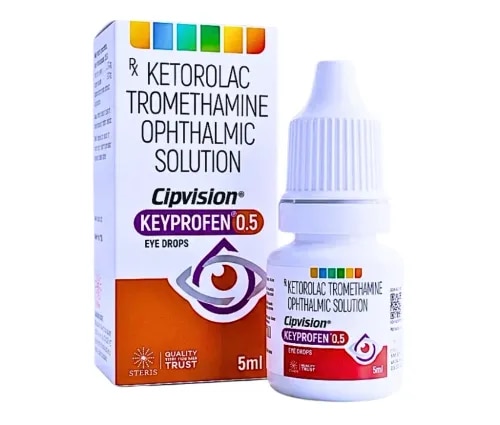
"name": "Ketorolac Tromethamine Ophthalmic Solution",
"description": "CIPVISION KEYPROFEN 0.5 is an ophthalmic formulation containing Ketorolac Tromethamine 0.5% w/v, a non-steroidal anti-inflammatory drug (NSAID) used in specific eye-care situations. It works by reducing the production of prostaglandins, chemical substances that contribute to pain and inflammation. This action may help manage certain inflammatory eye symptoms when the medicine is prescribed for an appropriate condition.\n\nCIPVISION KEYPROFEN 0.5 is intended for topical application to the eyes under the supervision of a qualified healthcare professional. Its suitability depends on the patient's symptoms, clinical diagnosis, and the approved product information.\n\nFor pharmacies, medical distributors, healthcare professionals, and pharmaceutical product catalogues, CIPVISION KEYPROFEN 0.5 represents an ophthalmic product containing a recognised anti-inflammatory ingredient. Appropriate product information helps users understand its intended role, administration requirements, and important precautions.\nComposition of CIPVISION KEYPROFEN 0.5\nThe stated active ingredient in CIPVISION KEYPROFEN 0.5 is:\n\nKetorolac Tromethamine 0.5% w/v: This medicine belongs to the NSAID class. It inhibits cyclooxygenase enzymes involved in the production of prostaglandins, helping reduce inflammatory activity and associated discomfort in suitable ophthalmic conditions.\n\nThe complete formulation, inactive ingredients, pack size, and approved therapeutic indications should be verified using the product packaging and official prescribing information.\nKey Features of CIPVISION KEYPROFEN 0.5 Eye Drops\nCIPVISION KEYPROFEN 0.5 has several important characteristics relevant to ophthalmic care:\n- NSAID-based formulation: Contains Ketorolac Tromethamine, a non-steroidal anti-inflammatory medicine.\n- Inflammation control: Helps manage inflammation in specific eye conditions when prescribed appropriately.\n- Prostaglandin reduction: Acts by inhibiting enzymes involved in the formation of inflammatory mediators.\n- Topical eye application: Designed for administration directly into the eye according to prescribed directions.\n- Clinically guided use: Requires an appropriate diagnosis and advice from an eye-care professional.\nThe potential role of this medicine depends on the underlying eye condition, the approved product indications, and the patient's individual health requirements.\nWhat Is CIPVISION KEYPROFEN 0.5 Used For?\nCIPVISION KEYPROFEN 0.5 may be prescribed for selected eye conditions in which reducing inflammation, itching, or pain is clinically appropriate. The precise indication should be confirmed from the approved product information.\n1. Management of Selected Inflammatory Eye Conditions\nInflammation of the eye may cause redness, irritation, watering, and discomfort. Ketorolac Tromethamine reduces the production of prostaglandins involved in the inflammatory response. An ophthalmologist can determine whether this medicine is suitable after assessing the cause of the symptoms.\n2. Relief of Certain Types of Eye Discomfort\nKetorolac Tromethamine ophthalmic preparations may help relieve ocular pain in approved clinical situations. Some formulations are also indicated for itching associated with seasonal allergic conjunctivitis. These uses depend on the specific product's approved labelling.\n\nPersistent eye pain, redness, or irritation should not be treated through self-medication because these symptoms can arise from infections, injuries, or other conditions requiring different treatment.\n3. Eye Care Following Certain Surgical Procedures\nSome Ketorolac Tromethamine ophthalmic products are used to manage pain and inflammation associated with eye surgery, including cataract procedures. Postoperative treatment must follow the ophthalmologist's instructions because the appropriate medicine, dosage, and duration depend on the procedure and the patient's recovery.\n\nAlways verify whether CIPVISION KEYPROFEN 0.5 is approved for the intended postoperative use before including a specific surgical indication in product information.\nHow Does CIPVISION KEYPROFEN 0.5 Work?\nKetorolac Tromethamine belongs to the non-steroidal anti-inflammatory drug category. Its action involves inhibiting cyclooxygenase (COX) enzymes, which help produce prostaglandins.\n\nProstaglandins participate in inflammatory processes and pain signalling. By reducing their production, Ketorolac Tromethamine can help control inflammation and associated discomfort in certain eye conditions.\n\nUnlike corticosteroids, Ketorolac Tromethamine is a non-steroidal anti-inflammatory medicine. However, it is not appropriate for every eye complaint. It does not treat all causes of eye redness or pain, and suspected infections may require a different treatment approach.\nPotential Benefits of CIPVISION KEYPROFEN 0.5\nWhen prescribed for an appropriate indication, CIPVISION KEYPROFEN 0.5 may offer the following benefits:\n- Anti-inflammatory action: Helps reduce inflammatory activity in selected ophthalmic conditions.\n- Management of eye pain: May relieve pain in specific clinical situations covered by the relevant product indication.\n- Non-steroidal treatment option: Provides an alternative mechanism to corticosteroid-based medicines for appropriate cases.\n- Local administration: Allows the active ingredient to be delivered directly to the eye.\n- Support for ophthalmic treatment: May be included in a treatment plan developed by an eye-care professional.\nThe response to treatment varies according to the diagnosis, severity of the condition, individual health factors, and adherence to the prescribed instructions. The product should not be considered a universal treatment for eye pain or inflammation.\nHow to Use CIPVISION KEYPROFEN 0.5 Eye Drops\nUse CIPVISION KEYPROFEN 0.5 only according to your ophthalmologist's instructions and the product leaflet.\n1. Clean your hands: Wash and dry your hands before handling the eye-drop bottle.\n2. Check the bottle: Confirm the product name, expiry date, and administration instructions before use.\n3. Prevent contamination: Keep the dropper tip away from your eyes, eyelids, fingers, and other surfaces.\n4. Follow the prescribed dosage: Use only the recommended number of drops and the prescribed frequency.\n5. Use other eye medicines carefully: Ask your healthcare professional how much time to leave between different ophthalmic preparations.\n6. Avoid prolonged use: Do not continue treatment longer than recommended, as extended NSAID use may increase the risk of eye complications.\n7. Follow storage instructions: Store the medicine as directed on its packaging and observe any instructions concerning use after opening.\n8. Do not share the bottle: Sharing eye drops can increase the risk of contamination.\n9. Attend follow-up appointments: Follow your ophthalmologist's advice, particularly when using the medicine after eye surgery.\nIf you miss a dose, follow the instructions in the product leaflet or consult your healthcare professional. Do not double the next dose to compensate for a missed application.\nPrecautions and Safety Information\nAlthough Ketorolac Tromethamine eye drops can be useful in appropriate clinical settings, they may cause side effects and require additional caution in certain patients.\nPossible Side Effects\nSome people may experience temporary burning, stinging, irritation, or discomfort after applying the drops. Ophthalmic NSAIDs can also delay healing and, in susceptible individuals, increase the risk of corneal complications. Rare cases of serious corneal damage have been reported.\n\nContact your ophthalmologist if symptoms persist or worsen. Seek urgent medical assessment if you experience severe eye pain, significant changes in vision, marked redness, or other serious symptoms.\nImportant Precautions\n- Corneal conditions: Tell your doctor if you have corneal disease, a damaged eye surface, or delayed healing.\n- Dry eyes: Inform your healthcare professional if you have severe dry eye symptoms or another condition affecting the eye surface.\n- Allergies: Disclose any previous allergic reaction to Ketorolac, aspirin, or other NSAIDs.\n- Bleeding risks: Discuss any bleeding disorder or medicine that may increase bleeding risk.\n- Eye surgery: Follow your surgeon's instructions, as postoperative use requires appropriate monitoring.\n- Pregnancy and breastfeeding: Consult your doctor before using the medicine during pregnancy or while breastfeeding.\n- Other medicines: Inform your healthcare professional about all medicines and eye preparations you currently use.\nCIPVISION KEYPROFEN 0.5 is intended for ophthalmic use only. Keep it out of children's reach and never use it beyond the labelled expiry date.\nWhy Consider CIPVISION KEYPROFEN 0.5 for Pharmaceutical Product Portfolios?\nCIPVISION KEYPROFEN 0.5 combines a distinct pharmaceutical brand identity with Ketorolac Tromethamine 0.5% ophthalmic solution. The formulation may be relevant to product catalogues serving pharmacies, medical distributors, and healthcare professionals involved in ophthalmic care.\n\nClear product information supports responsible pharmaceutical communication by explaining the active ingredient, its mechanism of action, appropriate clinical applications, and safety considerations.\n\nFor accurate product representation, always verify the approved strength, indications, contraindications, dosage, storage requirements, and instructions against the official packaging and prescribing information.\nConclusion\nCIPVISION KEYPROFEN 0.5 Eye Drops contains Ketorolac Tromethamine 0.5% w/v, a non-steroidal anti-inflammatory ingredient used in selected ophthalmic conditions. By inhibiting prostaglandin production, it helps manage inflammation and may relieve pain in specific approved clinical settings.\n\nCorrect administration, appropriate patient selection, and awareness of potential side effects are essential for responsible use. Consult a qualified eye-care professional for treatment guidance and refer to the approved product information for complete details.\nFrequently Asked Questions (FAQs)\n1. What is CIPVISION KEYPROFEN 0.5?\nCIPVISION KEYPROFEN 0.5 is an ophthalmic solution containing Ketorolac Tromethamine 0.5% w/v, according to the composition provided. It is intended for specific eye-care applications under professional guidance.\n2. What is CIPVISION KEYPROFEN 0.5 used for?\nKetorolac Tromethamine ophthalmic preparations may be prescribed for certain inflammatory eye conditions, itching associated with seasonal allergic conjunctivitis, or pain and inflammation following specific eye procedures. The approved uses of CIPVISION KEYPROFEN 0.5 must be confirmed from its official product information.\n3. How does Ketorolac Tromethamine work in the eyes?\nKetorolac Tromethamine inhibits cyclooxygenase enzymes involved in prostaglandin production. This helps reduce inflammatory activity and associated pain in appropriate ophthalmic conditions.\n4. Can CIPVISION KEYPROFEN 0.5 be used without a prescription?\nUse this medicine only under appropriate medical guidance. An eye-care professional should determine whether it is suitable, particularly because NSAID eye drops can affect healing and may cause complications in susceptible patients.\n5. What precautions should be taken while using CIPVISION KEYPROFEN 0.5?\nAvoid contaminating the dropper tip, follow the prescribed dosage, and do not use the drops for longer than recommended. Inform your doctor about corneal problems, allergies to NSAIDs, bleeding disorders, and other medicines you use.\n6. How should CIPVISION KEYPROFEN 0.5 be stored?\nFollow the storage instructions on the product packaging. Keep the container closed as directed, protect it from unsuitable storage conditions, and observe any instructions concerning disposal after opening.\n\n\n",
"price": 80.0,
"discountamount": 56.0,
"currencycode": "INR",
"priority": 1000000,
"isfreeshipmentavailable": false,
"shipmentduration": 1,
"_keywords": null,
"isarchived": false,
"isavailable": true,
"applicationid": null,
"productindex": 2503,
"imageuri": "https://productimages.withfloats.com/actual/6ad73c52dc6a6c6c9945f376.png",
"tileimageuri": "https://productimages.withfloats.com/tile/6ad73c52dc6a6c6c9945f376.png",
"images": null,
"totalqueries": 0,
"gpid": null,
"groupproductid": null,
"createdon": "2026-10-20T10:02:56.893Z",
"updatedon": "2026-10-20T10:02:56.893Z",
"buyonlinelink": null,
"producturl": "http://WWW.STERISINDIA.COM/products/ketorolac-tromethamine-ophthalmic-solution/2503",
"availableunits": -1.0,
"iscodavailable": false,
"isprepaidonlineavailable": false,
"maxcodorders": 0,
"maxprepaidonlineorders": 0,
"uniquepaymenturl": null,
"brandname": "CIPVISION KEYPROFEN 0.5",
"category": "Opthalmology Range",
"tags": [],
"variants": false,
"keyspecification": null,
"otherspecifications": null,
"pickupaddressreferenceid": null,
"paymenttype": "UniquePaymentUrl",
"producttype": "products",
"hsncode": null,
"gstslab": 0.0,
"isnotforsale": false
},
{
"_id": "6a50a78a75263abd944f583a",
"fptag": "STERISHEALTHCARE",
"merchantname": null,
"customwidgets": null,
"externalsourceid": null,
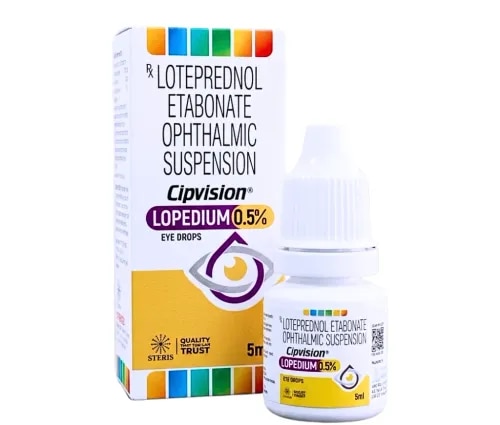
"name": "Loteprednol Etabonate Ophthalmic Suspension",
"description": "Loteprednol etabonate ophthalmic suspension is a prescription corticosteroid eye drop used to treat steroid-responsive inflammatory conditions of the eye, including post-surgical inflammation, allergic conjunctivitis, and certain forms of anterior uveitis. What sets loteprednol apart from older ophthalmic steroids is its “ester-based” chemical structure, which is designed to break down into inactive components after acting on eye tissue — giving it a comparatively lower risk of raising intraocular pressure (IOP) than traditional steroids like prednisolone or dexamethasone, while still delivering effective anti-inflammatory action. The typical dose is one to two drops in the affected eye, four times daily, or as directed, usually for a short, defined course rather than indefinite use. Common side effects include burning, stinging, and blurred vision, while prolonged or unsupervised use can still carry steroid-related risks such as elevated eye pressure. It is a Schedule H prescription-only medicine in India.\n\nWhat Is Loteprednol Etabonate Ophthalmic Suspension?\nLoteprednol etabonate ophthalmic suspension is a topical corticosteroid formulated specifically for use in the eye. It belongs to a category sometimes referred to as “site-specific” or “soft” steroids — a design approach where the drug is engineered to be highly active at the site of application (the eye) but rapidly metabolized into inactive by-products once it has acted, reducing the potential for the cumulative steroid-related side effects seen with older ophthalmic corticosteroids.\nThis suspension is commonly prescribed for:\n\nManaging inflammation following eye surgery, such as cataract surgery\nTreating allergic conjunctivitis, including seasonal allergic conjunctivitis\nCertain anterior segment inflammatory conditions, such as uveitis, under specialist supervision\nGiant papillary conjunctivitis and other steroid-responsive ocular surface conditions\n\nBecause of its comparatively favorable IOP profile, loteprednol is often considered by ophthalmologists for patients who need effective anti-inflammatory therapy but may be at higher risk from more potent steroids — though it is important to note that no ophthalmic steroid is entirely free of IOP-related risk, and monitoring remains necessary.\n\nHow Does Loteprednol Etabonate Work? (Mechanism of Action)\n\nCorticosteroid receptor binding – Loteprednol etabonate binds to glucocorticoid receptors within ocular tissue, initiating anti-inflammatory gene expression changes.\nSuppression of inflammatory mediators – This binding reduces the production of key inflammatory substances, including prostaglandins and cytokines, that drive redness, swelling, and discomfort.\nReduced vascular permeability – By calming the inflammatory cascade, the drug helps reduce leakage of fluid and inflammatory cells into ocular tissue, easing swelling.\nEster-based metabolism – Unlike ketone-based steroids, loteprednol's ester structure allows ocular esterases to break it down into inactive metabolites after it exerts its effect, which is thought to underlie its comparatively lower propensity to raise intraocular pressure.\nLocalized anti-inflammatory effect – The net result is effective control of ocular surface and anterior segment inflammation with a more favorable safety profile than some older steroid formulations, when used for the intended short duration.\n\n\nClinical Indications\nIndicationDetailsPost-operative ocular inflammationCommon after cataract and other intraocular surgeriesAllergic conjunctivitisIncluding seasonal allergic conjunctivitisGiant papillary conjunctivitisOften associated with contact lens wearAnterior uveitisUnder specialist supervisionOther steroid-responsive inflammatory conditions of the palpebral and bulbar conjunctiva, cornea, and anterior segmentAs directed by an ophthalmologist\nNot indicated for: viral (e.g., herpes simplex), fungal, or mycobacterial eye infections, where corticosteroid use can worsen the underlying condition.\n\nDosage & Administration\nParameterRecommendationStandard dose1–2 drops in the affected eye(s), typically 4 times dailyPost-surgical regimenOften started at higher frequency and tapered per surgeon's protocolShake before useYes — this is a suspension; shake well before each applicationDurationShort, defined course as prescribed; not intended for indefinite useTaperingGradual reduction recommended rather than abrupt discontinuation after extended useContact lensesRemove before instillation; reinsert only per your doctor's adviceMissed doseApply as soon as remembered; do not double the next dose\nImportant: Even with its comparatively favorable safety profile, loteprednol should be used strictly for the duration prescribed. Extended, unsupervised use is not recommended.\n\nKey Benefits\n\nEffective anti-inflammatory action for a range of steroid-responsive ocular conditions\nEster-based design associated with a comparatively lower risk of raising intraocular pressure than some older ophthalmic steroids\nUseful for patients needing steroid therapy who may be more sensitive to IOP elevation, under appropriate monitoring\nSuitable for both post-surgical inflammation control and allergic conjunctivitis management\nAvailable in a suspension formulation designed for good ocular surface contact\nOften used as part of a short, defined treatment course, reducing exposure duration compared to continuous long-term steroid regimens\n\n\nPrecautions\n\nUse strictly under ophthalmologist supervision — this is not an over-the-counter product\nNot suitable for viral, fungal, or mycobacterial eye infections\nEven with its favorable profile, prolonged use can still raise intraocular pressure in susceptible individuals — periodic IOP monitoring is recommended\nExtended use may increase the risk of cataract formation, as with other ophthalmic steroids\nMay mask signs of infection or delay wound healing if used inappropriately\nInform your doctor of any history of glaucoma, herpes eye infection, or corneal thinning before starting\nShake the suspension well before each use for accurate dosing\nAvoid touching the dropper tip to the eye or any surface\n\n\nSide Effects\nCommon (Usually Mild and Temporary)\n\nBurning or stinging sensation on instillation\nBlurred vision immediately after application\nEye discomfort or a foreign-body sensation\nMild eye redness\n\nLess Common / Serious (Consult Your Doctor Promptly)\n\nElevated intraocular pressure (comparatively less frequent than with older steroids, but still possible)\nDelayed wound healing\nSigns of secondary or masked ocular infection\nCataract progression with prolonged use\nAllergic reaction (eyelid swelling, itching, rash)\n\nDiscontinue and consult your ophthalmologist promptly if any serious symptom develops.\n\nComparison: Loteprednol vs. Other Ophthalmic Corticosteroids\nTreatmentClassIOP Risk ProfileBest Suited ForLoteprednol etabonate suspensionEster-based (“soft”) corticosteroidComparatively lowerPatients needing effective anti-inflammatory action with reduced IOP concernPrednisolone acetateKetone-based corticosteroidHigher with prolonged useRobust anti-inflammatory action; requires closer IOP monitoringDexamethasoneKetone-based corticosteroidHigher, potent effectSevere inflammatory conditions; typically shorter coursesFluorometholoneKetone-based corticosteroidModerateMild to moderate inflammation with somewhat reduced IOP risk\n\nKey Statistics (Placeholder — Pending Clinical Reviewer Verification)\nMetricValueReported incidence of clinically significant IOP elevation with short-course loteprednol use[Placeholder – insert verified clinical trial statistic]Comparative IOP-elevation rate vs. prednisolone acetate in controlled studies[Placeholder – insert verified reference]Typical duration of post-operative loteprednol therapy[Placeholder – insert reference range]\nAll statistics above are placeholders and must be verified and populated by a qualified clinical reviewer prior to publication.\n\nExpert Insight\n\n[Placeholder — Expert quote pending. To be added only after review and approval by a licensed ophthalmologist/medical reviewer associated with Steris Healthcare. Do not fabricate or publish without sign-off.]\n\n\nPrice of Loteprednol Etabonate Ophthalmic Suspension\nThe price of loteprednol etabonate ophthalmic suspension varies depending on brand, pack size, and region. For current pricing, availability, and prescription verification, please consult your ophthalmologist or an authorized pharmacy.\nPrescription only – consult your doctor.\n\nConclusion\nLoteprednol etabonate ophthalmic suspension offers a valuable option for managing steroid-responsive ocular inflammation — from post-surgical recovery to allergic conjunctivitis — with a design intended to reduce the intraocular pressure risks historically associated with ophthalmic corticosteroids. While its ester-based structure gives it a comparatively favorable safety profile, it remains a steroid, and prolonged or unsupervised use can still carry risks such as elevated eye pressure, cataract progression, and delayed healing. For this reason, loteprednol should always be used for the specific duration prescribed, with appropriate tapering and regular ophthalmic follow-up, rather than as a long-term, self-managed therapy.\n\nFrequently Asked Questions\n\n1. What is loteprednol etabonate ophthalmic suspension used for?\nIt is used to treat steroid-responsive eye inflammation, including inflammation after eye surgery, allergic conjunctivitis, and certain anterior segment inflammatory conditions such as uveitis, under an ophthalmologist's guidance.\n\n2. Is loteprednol a steroid?\nYes, loteprednol etabonate is a corticosteroid. It is specifically designed with an ester-based structure intended to reduce the risk of raising intraocular pressure compared to some older ophthalmic steroids, though it still requires medical supervision.\n\n3. How long can I use loteprednol eye drops?\nLoteprednol is typically prescribed for a short, defined course as determined by your ophthalmologist, often with a tapering schedule. It is not intended for indefinite, unsupervised long-term use.\n\n4. Does loteprednol raise eye pressure?\nLoteprednol has a comparatively lower risk of raising intraocular pressure than some older ophthalmic steroids due to its ester-based design, but it can still cause elevated eye pressure in susceptible individuals, especially with prolonged use, so periodic monitoring is recommended.\n\n5. Can loteprednol cause cataracts?\nProlonged use of any ophthalmic corticosteroid, including loteprednol, can increase the risk of cataract formation, particularly posterior subcapsular cataracts, which is why short, supervised courses are recommended.\n\n6. How is loteprednol different from prednisolone acetate?\nLoteprednol has an ester-based chemical structure designed to break down into inactive components after acting on the eye, which is associated with a lower risk of raising intraocular pressure compared to prednisolone acetate, a ketone-based steroid with a higher IOP-elevation potential.\n\n7. Can loteprednol be used for allergic conjunctivitis?\nYes, loteprednol etabonate ophthalmic suspension is commonly used to manage allergic conjunctivitis, including seasonal allergic conjunctivitis, especially when symptoms are significant or not controlled by other treatments.\n\n8. Is loteprednol safe after cataract surgery?\nYes, loteprednol is frequently prescribed to manage post-operative inflammation following cataract surgery, typically as part of a tapering regimen directed by the operating ophthalmologist.\n\n9. Can loteprednol be used for viral eye infections?\nNo, loteprednol and other corticosteroids are not appropriate for viral eye infections such as herpes simplex keratitis, as steroids can worsen these conditions if used inappropriately.\n\n10. What are the common side effects of loteprednol eye drops?\nCommon side effects include burning or stinging upon application, temporary blurred vision, mild eye redness, and eye discomfort. These are usually mild and resolve quickly.\n11. Does loteprednol need to be shaken before use?\nYes, since it is a suspension, the bottle should be shaken well before each use to ensure the medication is evenly distributed.\n\n12. Can loteprednol be stopped suddenly?\nStopping abruptly, especially after extended use, is generally not recommended. A gradual tapering schedule, as advised by your ophthalmologist, helps prevent rebound inflammation.\n\n13. Is loteprednol safe for long-term daily use?\nNo, loteprednol is generally intended for short, supervised courses rather than continuous long-term daily use, due to steroid-related risks with prolonged exposure.\n\n14. Can contact lenses be worn while using loteprednol?\nIt's generally recommended to remove contact lenses before applying loteprednol and reinsert them only after the interval advised by your doctor.\n\n15. Who should avoid using loteprednol eye drops?\nPatients with active untreated viral, fungal, or mycobacterial eye infections, or known hypersensitivity to the medication, should avoid loteprednol unless specifically directed otherwise by their ophthalmologist.\n\n16. Can loteprednol be used in children?\nUse in children should only occur under the direct guidance and prescription of a pediatric ophthalmologist, based on individual clinical assessment.\n17. Does loteprednol cause blurred vision?\nTemporary blurred vision can occur immediately after instillation in some patients and usually resolves quickly. Persistent blurred vision should be reported to your doctor.",
"price": 150.0,
"discountamount": 45.0,
"currencycode": "INR",
"priority": 1000000,
"isfreeshipmentavailable": false,
"shipmentduration": 1,
"_keywords": null,
"isarchived": false,
"isavailable": true,
"applicationid": null,
"productindex": 2471,
"imageuri": "https://productimages.withfloats.com/actual/6a50a78cd95cad00a915a6d8.png",
"tileimageuri": "https://productimages.withfloats.com/tile/6a50a78cd95cad00a915a6d8.png",
"images": null,
"totalqueries": 0,
"gpid": null,
"groupproductid": null,
"createdon": "2026-07-10T08:04:26.663Z",
"updatedon": "2026-07-10T08:04:26.663Z",
"buyonlinelink": null,
"producturl": "http://WWW.STERISINDIA.COM//loteprednol-etabonate-ophthalmic-suspension/2471",
"availableunits": -1.0,
"iscodavailable": false,
"isprepaidonlineavailable": false,
"maxcodorders": 0,
"maxprepaidonlineorders": 0,
"uniquepaymenturl": null,
"brandname": "CIPVISION LOPEDIUM 0.5%",
"category": "Opthalmology Range",
"tags": [
"Loteprednol Etabonate Ophthalmic Suspension",
"loteprednol etabonate ophthalmic suspension uses",
"loteprednol etabonate ophthalmic suspension uses in hindi",
"loteprednol etabonate ophthalmic suspension in hindi",
"loteprednol etabonate ophthalmic suspension eye drops uses",
"loteprednol etabonate ophthalmic suspension eye drops",
"loteprednol etabonate ophthalmic suspension use"
],
"variants": false,
"keyspecification": null,
"otherspecifications": null,
"pickupaddressreferenceid": null,
"paymenttype": "UniquePaymentUrl",
"producttype": "products",
"hsncode": null,
"gstslab": 0.0,
"isnotforsale": false
},
{
"_id": "6a5092283075a19d4f2db6bd",
"fptag": "STERISHEALTHCARE",
"merchantname": null,
"customwidgets": null,
"externalsourceid": null,
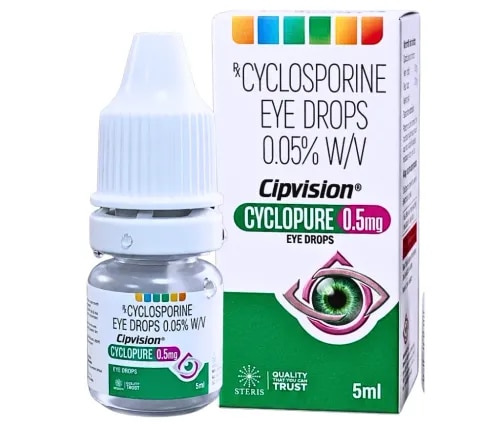
"name": "Cyclosporine Eye Drops 0.05% w/v",
"description": "Cyclosporine eye drops 0.05% are a prescription ophthalmic emulsion used to treat chronic dry eye disease (keratoconjunctivitis sicca) caused by ocular surface inflammation. Unlike lubricating tear substitutes that only manage symptoms, cyclosporine works as a calcineurin-inhibitor immunomodulator that calms the underlying inflammation suppressing your eyes' natural tear production. It is not a steroid. The standard dose is one drop in each affected eye, twice daily, about 12 hours apart, and visible improvement in tear production typically takes 6–12 weeks, with full benefit sometimes taking up to 3–6 months of consistent use. Common side effects include temporary burning, stinging, redness, and watery eyes at the time of instillation. It is a Schedule H prescription-only medicine in India and should be used only under a qualified ophthalmologist's guidance.\n\nWhat Is Cyclosporine Eye Drops 0.05%?\nCyclosporine eye drops 0.05% (ophthalmic emulsion) is a prescription formulation designed to manage chronic dry eye disease, a condition in which the eyes fail to produce enough tears or produce tears of poor quality, often because of an underlying inflammatory process on the ocular surface and in the lacrimal (tear-producing) gland.\nThis formulation is commonly prescribed for patients whose dry eye is presumed to be due to ocular inflammation — for example, those with moderate to severe dry eye, keratoconjunctivitis sicca, or dry eye associated with conditions like Sjögren's syndrome, that has not responded adequately to artificial tears alone.\nCyclosporine belongs to a class of drugs called calcineurin inhibitors. It differs fundamentally from corticosteroid eye drops, which suppress inflammation broadly and carry risks like raised intraocular pressure and cataract formation with long-term use. Cyclosporine instead selectively dampens the T-cell-mediated inflammatory response that is thought to suppress tear gland function, allowing the eye's own tear-producing mechanism to gradually recover.\n\nHow Do Cyclosporine Eye Drops Work? (Mechanism of Action)\n\nInflammation on the ocular surface – In chronic dry eye, T-lymphocytes infiltrate the conjunctiva and lacrimal gland, triggering a self-perpetuating inflammatory cycle.\nCalcineurin inhibition – Cyclosporine binds to a cellular protein (cyclophilin) and blocks calcineurin, an enzyme required to activate T-cells.\nReduced T-cell activation – With calcineurin blocked, T-cells cannot produce the inflammatory signals (such as interleukin-2) that damage the lacrimal gland and conjunctival tissue.\nRestoration of tear production – As local inflammation subsides over weeks to months, the lacrimal gland's ability to produce natural tears gradually improves.\nImproved tear film stability – With reduced inflammation and increased natural tear volume, patients typically notice less dryness, grittiness, and ocular surface damage over time.\n\nThis is why cyclosporine drops are described as disease-modifying for dry eye rather than purely symptomatic — they address a root inflammatory cause instead of simply lubricating the eye.\n\nClinical Indications\nIndicationDetailsChronic dry eye disease (keratoconjunctivitis sicca)Primary approved use; especially where tear production is suppressed due to ocular inflammationModerate to severe dry eye not controlled by artificial tearsSecond-line option when lubricants alone are insufficientDry eye associated with autoimmune conditionsE.g., Sjögren's syndrome-related dry eye, under specialist supervisionPost-refractive surgery dry eye (select cases)Sometimes used off-label under ophthalmologist guidance\n\nDosage & Administration\nParameterRecommendationStandard doseOne drop in each affected eye, twice dailyDosing intervalApproximately 12 hours apartContact lens useRemove lenses before instillation; wait at least 15 minutes before reinsertingOnset of noticeable effectUsually 6–12 weeksFull therapeutic benefitMay take up to 3–6 months of continuous useMissed doseContinue with next scheduled dose; do not double upDiscontinuationOnly under medical advice — symptoms may return if stopped prematurely\nNote: Cyclosporine eye drops are for long-term, continuous use as directed by your ophthalmologist. Improvement is gradual, not immediate, and consistent daily use is essential for benefit.\n\nKey Benefits\n\nTargets the underlying inflammatory cause of chronic dry eye rather than only masking symptoms\nCan increase natural tear production over sustained use\nGenerally well tolerated for long-term use, since it is not a steroid and does not carry steroid-related risks like elevated eye pressure or cataract with routine use\nMay reduce dependence on frequent artificial tear instillation over time\nSuitable for long-term maintenance therapy in chronic, relapsing dry eye disease\nCan improve comfort during visually demanding tasks (screen use, reading, driving) affected by chronic dryness\n\n\nPrecautions\n\nUse strictly as prescribed by an ophthalmologist; do not self-medicate\nNot intended for immediate relief of dry eye symptoms — artificial tears may be used concurrently for interim comfort as advised by your doctor\nShould not be used in the presence of an active ocular infection unless specifically directed by a physician\nInform your doctor if you are pregnant, breastfeeding, or have any known hypersensitivity to cyclosporine or emulsion components\nAvoid touching the dropper tip to the eye or any surface to prevent contamination\nIf wearing contact lenses, remove before application and reinsert only after 15 minutes\nDo not use expired or previously opened single-use vials, if applicable to your product format\nRegular ophthalmic follow-up is recommended to monitor treatment response\n\n\nSide Effects\nCommon (Usually Mild and Temporary)\n\nBurning or stinging sensation upon instillation\nEye redness\nWatery eyes (excessive tearing)\nEye discomfort or a feeling of something in the eye\nTemporary blurred vision immediately after application\n\nLess Common / Serious (Consult Your Doctor Promptly)\n\nPersistent or worsening eye pain\nSigns of eye infection (discharge, significant redness, swelling)\nVisual disturbance that does not resolve\nSigns of an allergic reaction (eyelid swelling, itching, rash)\n\nIf any serious or persistent symptom occurs, discontinue use and consult your ophthalmologist immediately.\n\nComparison: Cyclosporine Eye Drops vs. Other Dry Eye Treatments\nTreatmentMechanismOnset of ActionLong-Term Use ProfileCyclosporine 0.05% dropsCalcineurin inhibitor; reduces inflammation, restores natural tear productionWeeks to monthsGenerally suitable for continuous long-term useArtificial tears / lubricantsSymptomatic lubrication onlyImmediate, short-livedSafe but does not address inflammation; frequent reapplication neededCorticosteroid eye dropsBroad anti-inflammatory actionFast (days)Not recommended for long-term use due to risk of raised IOP, cataractLifitegrast ophthalmic solutionLFA-1 antagonist; blocks a different inflammatory pathwayWeeksAlternative option, mechanism differs from cyclosporine\n\nKey Statistics (Placeholder — Pending Clinical Reviewer Verification)\nMetricValueReported patients showing improved tear production at 6 months[Placeholder – insert verified clinical trial statistic]Prevalence of chronic dry eye disease in adults[Placeholder – insert epidemiological reference]Average time to symptomatic improvement[Placeholder – insert verified reference range]\nAll statistics above are placeholders and must be verified and populated by a qualified clinical reviewer prior to publication.\n\nExpert Insight\n\n[Placeholder — Expert quote pending. To be added only after review and approval by a licensed ophthalmologist/medical reviewer associated with Steris Healthcare. Do not fabricate or publish without sign-off.]\n\n\nPrice of Cyclosporine Eye Drops 0.05%\nThe price of cyclosporine eye drops 0.05% varies depending on pack size, brand, and region. For current pricing, availability, and prescription verification, please consult your ophthalmologist or authorized pharmacy.\nPrescription only – consult your doctor.\n\nConclusion\nCyclosporine eye drops 0.05% represent a meaningful shift in how chronic dry eye disease is managed — moving beyond temporary lubrication to address the underlying inflammatory process that suppresses natural tear production. For patients with moderate to severe dry eye that hasn't responded well to artificial tears alone, this calcineurin-inhibitor therapy offers a disease-modifying option that, with consistent long-term use, can meaningfully improve ocular comfort and tear film health. Because benefits build gradually over weeks to months, patience and adherence to the prescribed twice-daily regimen are essential. As with any prescription ophthalmic therapy, cyclosporine eye drops should only be used under the guidance of a qualified ophthalmologist, who can confirm suitability, monitor progress, and adjust care as needed.\n\nFrequently Asked Questions\n\n1. What are cyclosporine 0.05% eye drops used for?\nCyclosporine 0.05% eye drops are used to treat chronic dry eye disease caused by ocular surface inflammation. They help increase natural tear production in patients whose tear glands are suppressed due to inflammation, particularly when artificial tears alone aren't enough.\n\n2. How long can I use cyclosporine eye drops?\nCyclosporine eye drops are typically used long-term, as chronic dry eye is an ongoing condition. Many patients continue therapy for months to years under regular ophthalmologist supervision, since symptoms can return if the medication is stopped.\n\n3. Is Cyclomune a steroid?\nNo. Cyclomune (a brand of cyclosporine ophthalmic emulsion) is not a steroid. It is a calcineurin-inhibitor immunomodulator that works differently from steroid eye drops and does not carry the same risk of raised eye pressure or cataract associated with long-term steroid use.\n4. How quickly do cyclosporine eye drops start working?\nMost patients begin noticing improvement in tear production and dry eye symptoms within 6 to 12 weeks, though full benefit may take up to 3 to 6 months of consistent, twice-daily use.\n\n5. Can cyclosporine damage eyes?\nWhen used exactly as prescribed, cyclosporine eye drops are generally considered safe for long-term use. Temporary burning, stinging, or watering can occur at the time of instillation, but serious eye damage is uncommon. Any persistent pain, vision changes, or signs of infection should be reported to your ophthalmologist promptly.\n\n6. How much are cyclosporine 0.05% eye drops?\nPricing varies by brand, pack size, and region. Since this is a prescription-only medicine, please check current pricing with your prescribing doctor or a licensed pharmacy.\n\n7. Is cyclosporine a steroid?\nNo. Cyclosporine is a calcineurin inhibitor, a category of immunomodulating medication that is pharmacologically distinct from corticosteroids (steroids), even though both can reduce inflammation.\n\n8. Can I wear contact lenses while using cyclosporine eye drops?\nContact lenses should be removed before applying the drops and can typically be reinserted after about 15 minutes, unless your ophthalmologist gives different instructions.\n9. What happens if I stop using cyclosporine eye drops suddenly?\nStopping suddenly may cause dry eye symptoms to gradually return, since the underlying inflammation is no longer being managed. Always consult your doctor before discontinuing treatment.\n\n10. Can cyclosporine eye drops be used with artificial tears?\nYes, in many cases artificial tears can be used alongside cyclosporine drops for additional comfort, especially during the initial weeks before cyclosporine's full effect develops. Confirm timing and spacing with your doctor.\n\n11. Who should not use cyclosporine eye drops?\nPatients with known hypersensitivity to cyclosporine or its components, active untreated eye infections, or specific contraindications identified by their doctor should not use this medication without medical clearance.\n\n12. Are cyclosporine eye drops safe during pregnancy?\nUse during pregnancy or breastfeeding should only occur under medical supervision. Inform your doctor if you are pregnant, planning pregnancy, or breastfeeding before starting treatment.\n\n13. What is the difference between cyclosporine eye drops and lubricating eye drops?\nLubricating (artificial tear) drops provide temporary symptomatic relief by adding moisture to the eye, while cyclosporine drops target the underlying inflammation responsible for reduced natural tear production, offering a longer-term, disease-modifying approach.\n\n14. Can children use cyclosporine eye drops?\nUse in children should only be under the direct guidance and prescription of a pediatric ophthalmologist, based on individual clinical assessment.\n\n15. Do cyclosporine eye drops cause blurred vision?\nTemporary blurred vision can occur immediately after instillation in some patients. This usually resolves quickly. If blurred vision persists, consult your doctor.\n\n16. Can cyclosporine eye drops be used with other eye medications?\nOther eye medications, including other prescription drops, should only be combined with cyclosporine under your ophthalmologist's guidance, with appropriate spacing between different drops.\n\n17. Why do cyclosporine eye drops take so long to work?\nBecause cyclosporine works by gradually reducing chronic inflammation in the lacrimal gland and ocular surface rather than providing instant lubrication, visible improvement in natural tear production takes weeks to months rather than being immediate.",
"price": 495.0,
"discountamount": 149.0,
"currencycode": "INR",
"priority": 1000000,
"isfreeshipmentavailable": false,
"shipmentduration": 1,
"_keywords": null,
"isarchived": false,
"isavailable": true,
"applicationid": null,
"productindex": 2468,
"imageuri": "https://productimages.withfloats.com/actual/6a50922a464ced2a630398a1.png",
"tileimageuri": "https://productimages.withfloats.com/tile/6a50922a464ced2a630398a1.png",
"images": null,
"totalqueries": 0,
"gpid": null,
"groupproductid": null,
"createdon": "2026-07-10T06:33:12.096Z",
"updatedon": "2026-07-10T06:33:12.096Z",
"buyonlinelink": null,
"producturl": "http://WWW.STERISINDIA.COM//cyclosporine-eye-drops-0-05-w-v/2468",
"availableunits": -1.0,
"iscodavailable": false,
"isprepaidonlineavailable": false,
"maxcodorders": 0,
"maxprepaidonlineorders": 0,
"uniquepaymenturl": null,
"brandname": "CIPVISION CYCLOPURE 0.5 mg",
"category": "Opthalmology Range",
"tags": [
"Cyclosporine Eye Drops 0.05% w/v",
"cyclosporine eye drops",
"cyclosporine eye drops uses",
"cyclosporine eye drops ip 0.05 w/v",
"cyclosporine eye drops price",
"cyclosporine eye drops uses in hindi",
"cyclosporine eye drops side effects",
"cyclosporine eye drops 0.05",
"cyclosporine eye drops brand name",
"cyclosporine eye drops india"
],
"variants": false,
"keyspecification": null,
"otherspecifications": null,
"pickupaddressreferenceid": null,
"paymenttype": "UniquePaymentUrl",
"producttype": "products",
"hsncode": null,
"gstslab": 0.0,
"isnotforsale": false
},
{
"_id": "6a4cf84af44be73628317db4",
"fptag": "STERISHEALTHCARE",
"merchantname": null,
"customwidgets": null,
"externalsourceid": null,
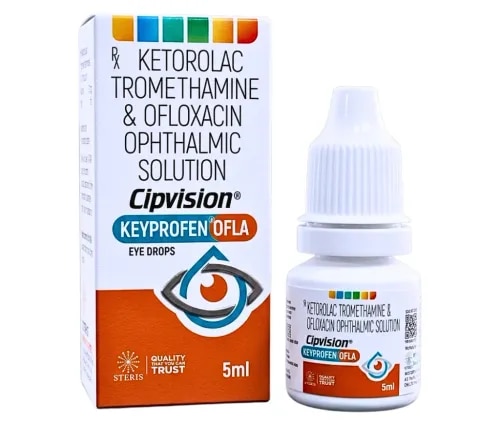
"name": "ketorolac tromethamine ofloxacin eye drops",
"description": "Ketorolac tromethamine ofloxacin eye drops are a prescription combination formulation that pairs an NSAID (ketorolac tromethamine) with a fluoroquinolone antibiotic (ofloxacin) in a single ophthalmic solution. Ketorolac reduces pain, inflammation, and irritation, while ofloxacin treats or prevents bacterial eye infections — making this combination especially useful after eye surgery, such as cataract or corneal refractive procedures, when both inflammation control and infection prevention are needed at the same time. It's generally well tolerated, with mild stinging or burning being the most common effect, and should only be used exactly as prescribed by an eye care professional.\nWhat Is Ketorolac Tromethamine Ofloxacin Eye Drops?\nThis is a fixed-dose combination ophthalmic solution bringing together two distinct classes of medication:\n\nKetorolac tromethamine — a nonsteroidal anti-inflammatory drug (NSAID) that blocks prostaglandin synthesis in the eye, reducing pain, inflammation, and irritation\nOfloxacin — a fluoroquinolone antibiotic that treats bacterial infections of the eye, including conjunctivitis and corneal ulcers, by inhibiting bacterial DNA replication\n\nCombining the two addresses two separate clinical needs at once: controlling post-operative or allergy-related inflammation, and reducing the risk of bacterial infection during the eye's vulnerable healing period. This combination is commonly prescribed following cataract surgery, corneal refractive surgery, and other ocular procedures where both inflammation and infection risk need to be managed together.\nHow This Combination Works (Mechanism of Action)\n\nKetorolac's anti-inflammatory action — Blocks the cyclooxygenase (COX) enzyme pathway, reducing the production of prostaglandins, the chemical messengers responsible for pain, redness, and swelling in the eye.\nReduced pain and irritation — With prostaglandin production suppressed, patients experience less post-surgical discomfort, itching, and burning.\nOfloxacin's antibacterial action — Inhibits bacterial DNA gyrase and topoisomerase IV, enzymes bacteria need to replicate their DNA, effectively stopping bacterial growth.\nInfection prevention/control — By suppressing bacterial replication, ofloxacin helps prevent or treat infections that could otherwise complicate the eye's healing process after surgery or injury.\nCombined post-operative support — Together, the two components address both major risks during ocular recovery: uncontrolled inflammation and secondary bacterial infection.\n\nClinical Indications\nUse CaseRole of the CombinationPost-cataract surgery careControls inflammation and pain while preventing bacterial infection during healingPost-corneal refractive surgery (e.g., LASIK)Reduces post-operative discomfort and infection riskBacterial conjunctivitis with inflammationTreats the underlying infection while easing associated redness and irritationCorneal injury or minor trauma (as directed)Supports healing by addressing both inflammation and infection riskSeasonal allergic conjunctivitis (ketorolac component)Relieves itching associated with seasonal eye allergies\nThis combination is intended for short-term, doctor-directed use — not for long-term or repeated self-administration.\nDosage Guidelines\nParameterTypical GuidanceStandard doseOne drop in the affected eye(s), frequency as prescribed by your doctorCommon frequencyOften 2 to 4 times daily, depending on the condition being treated and product-specific labelingPost-surgical useUsually started shortly after surgery and continued for a defined post-operative period, as directedAdministration techniqueTilt head back, pull down the lower eyelid, instill the drop without touching the dropper tip to the eye, then close the eye gently for a minute or twoContact lens useAvoid wearing contact lenses during treatment unless your doctor says otherwiseDurationComplete the full prescribed course, even if symptoms improve early, to reduce the risk of antibiotic resistance or incomplete healing\nExact dosing frequency and treatment duration vary by brand formulation and the specific condition being treated — always follow your prescribing doctor's exact instructions rather than a generic schedule.\nKey Benefits\n\nAddresses two major post-surgical risks — inflammation/pain and bacterial infection — in a single combination product\nReduces the need for two separate eye drop bottles, simplifying the post-operative care routine\nKetorolac's anti-inflammatory action helps improve comfort during the critical early healing window after eye surgery\nOfloxacin's broad-spectrum antibacterial activity covers many common eye pathogens\nUseful for both surgical recovery and certain inflammatory/infectious conditions like allergic or bacterial conjunctivitis with associated discomfort\n\nPrecautions\n\nShould be used strictly under the guidance of an ophthalmologist — not for self-directed or prolonged use\nDo not use alongside other NSAID eye drops, as this can increase the risk of bleeding and delayed healing\nUse with caution alongside steroid-containing eye drops, as combined use may increase infection risk\nUse with caution in patients who bleed easily or are on blood-thinning medication, due to ketorolac's NSAID effects\nIf symptoms do not improve within the expected timeframe, or worsen, contact your doctor rather than continuing use independently\nAvoid contact lens wear during treatment unless specifically advised otherwise\nDiscontinue immediately and contact your doctor at the first sign of a rash or allergic reaction\nNot recommended for infants under 1 year old (based on the ofloxacin component's approved age range)\n\nSide Effects\nCommon side effects:\n\nStinging or burning on application\nTemporary blurred vision\nEye redness or irritation\nDryness or excess tearing\nSensitivity to light (photophobia)\n\nLess common side effects:\n\nItching or foreign body sensation in the eye\nEyelid swelling\nMild headache\n\nRare but serious side effects — seek immediate medical attention:\n\nSigns of an allergic reaction: hives, difficulty breathing, swelling of the face, lips, tongue, or throat\nSevere skin reaction: fever, sore throat, facial or tongue swelling, skin pain followed by a spreading red or purple rash with blistering\nCorneal problems: persistent eye pain, corneal thinning, erosion, or non-healing of the eye surface\nWorsening infection symptoms despite treatment\n\nMost side effects are mild and temporary; however, any signs of a serious allergic or corneal reaction require prompt medical attention.\nComparison with Alternatives\nFeatureKetorolac + Ofloxacin CombinationSteroid + Antibiotic Combination (e.g., Dexamethasone + Tobramycin)Anti-inflammatory mechanismNSAID (COX inhibition)Corticosteroid (broader immune suppression)Infection risk with prolonged useLower relative infection-masking riskHigher risk of masking infection with prolonged steroid useTypical use casePost-operative pain/inflammation with infection preventionBroader inflammatory eye conditions requiring stronger anti-inflammatory controlIntraocular pressure effectMinimal IOP effect from ketorolacSteroids can raise intraocular pressure with prolonged use\nYour ophthalmologist will select the combination best suited to your specific procedure, condition, and risk factors.\nKey Statistics\n[Placeholder — pending clinical/regulatory team verification. Do not publish without confirmed source citation for post-operative infection rate reduction data, comparative efficacy figures, or incidence rates of reported adverse effects for this specific combination product.]\nExpert Insight\n[Placeholder — reserved for a quote from a qualified ophthalmologist or clinical reviewer. Do not publish without a verified, attributable expert quote.]\nFrequently Asked Questions\n1. What is ketorolac and ofloxacin eye drops used for?\nThis combination is used to control pain, inflammation, and irritation while also preventing or treating bacterial infection in the eye — most commonly after cataract or corneal refractive surgery, and sometimes for infected, inflamed conditions like bacterial conjunctivitis.\n2. Is ketorolac eye drops safe to use?\nKetorolac eye drops are generally safe when used as prescribed by a doctor for approved indications like post-surgical inflammation or allergic conjunctivitis. As with any NSAID, it should be used with caution in people who bleed easily or take blood thinners, and not combined with other NSAID eye drops.\n3. Is ofloxacin safe for eyes?\nYes, ofloxacin eye drops are considered safe and are widely prescribed for bacterial eye infections when used as directed. Common effects are mild and temporary, such as stinging or light sensitivity; serious reactions are rare but should be reported to a doctor immediately if they occur.\n4. Is ketorolac safe for eyes?\nKetorolac eye drops are safe for ophthalmic use when prescribed appropriately and used according to your doctor's instructions. It's an established NSAID with a long history of use for post-surgical pain and allergic conjunctivitis, though it requires caution in certain patients, such as those with bleeding disorders.\n5. How many times a day can you use ketorolac eye drops?\nThis depends on the condition being treated and your doctor's specific prescription — commonly this is 2 to 4 times daily. Always follow your doctor's exact dosing instructions rather than a generic schedule, since frequency varies by indication and product.\n6. Does ketorolac reduce eye pressure?\nNo, ketorolac is not used to reduce intraocular eye pressure. It works as an anti-inflammatory pain reliever by blocking prostaglandin production, not as a pressure-lowering agent. Medications specifically designed to reduce eye pressure, such as those used in glaucoma, work through different mechanisms and are a separate category of treatment.\nConclusion\nKetorolac tromethamine ofloxacin eye drops offer a practical, combined solution for two of the most important concerns during eye recovery: controlling inflammation and pain, and preventing bacterial infection. By pairing an established NSAID with a trusted fluoroquinolone antibiotic, this combination simplifies post-operative care, particularly after cataract or corneal refractive surgery, while addressing allergic and infectious inflammatory conditions when appropriate. Most side effects are mild and temporary, though the combination should always be used exactly as prescribed, with attention to precautions around other eye medications, bleeding risk, and contact lens use. As with any prescription ophthalmic treatment, ongoing follow-up with your ophthalmologist ensures the medication is working as intended and any concerns are addressed early.",
"price": 90.0,
"discountamount": 27.0,
"currencycode": "INR",
"priority": 1000000,
"isfreeshipmentavailable": false,
"shipmentduration": 1,
"_keywords": null,
"isarchived": false,
"isavailable": true,
"applicationid": null,
"productindex": 2467,
"imageuri": "https://productimages.withfloats.com/actual/6a4cf84ca50a3eb7ed21b13b.png",
"tileimageuri": "https://productimages.withfloats.com/tile/6a4cf84ca50a3eb7ed21b13b.png",
"images": null,
"totalqueries": 0,
"gpid": null,
"groupproductid": null,
"createdon": "2026-07-07T12:59:54.142Z",
"updatedon": "2026-07-07T12:59:54.142Z",
"buyonlinelink": null,
"producturl": "http://WWW.STERISINDIA.COM//ketorolac-tromethamine-ofloxacin-eye-drops/2467",
"availableunits": -1.0,
"iscodavailable": false,
"isprepaidonlineavailable": false,
"maxcodorders": 0,
"maxprepaidonlineorders": 0,
"uniquepaymenturl": null,
"brandname": "CIPVISION KEYPROFEN OFLA",
"category": "Opthalmology Range",
"tags": [
"ketorolac tromethamine ofloxacin eye drops",
"ketorolac tromethamine",
"ketorolac tromethamine uses",
"ketorolac tromethamine uses in hindi",
"ketorolac tromethamine dispersible tablets uses in hindi",
"ketorolac tromethamine tablet uses in hindi",
"ketorolac tromethamine use in hindi",
"ketorolac tromethamine use"
],
"variants": false,
"keyspecification": null,
"otherspecifications": null,
"pickupaddressreferenceid": null,
"paymenttype": "UniquePaymentUrl",
"producttype": "products",
"hsncode": null,
"gstslab": 0.0,
"isnotforsale": false
},
{
"_id": "694e56c05837f90c86a7eb8c",
"fptag": "STERISHEALTHCARE",
"merchantname": null,
"customwidgets": null,
"externalsourceid": null,
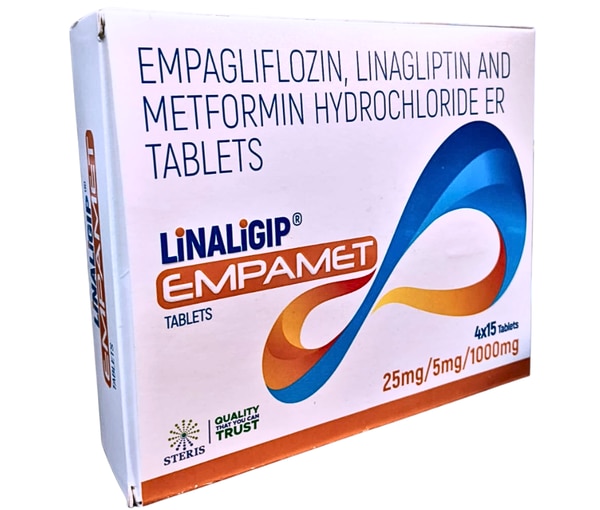
"name": "empagliflozin linagliptin and metformin",
"description": "LINALIGIP EMPAMET (Empagliflozin, Linagliptin, and Metformin Hydrochloride ER Tablets) stands out as a comprehensive triple therapy for adults with type 2 diabetes mellitus, combining three synergistic agents to tackle hyperglycemia from multiple angles. This once-daily extended-release formulation simplifies adherence while delivering robust glycemic control, weight management, and cardiovascular protection. Patients often seek it for its convenience in managing blood sugar levels when diet, exercise, and single agents fall short.\n\n\nProduct Description and Composition\nLINALIGIP EMPAMET features Empagliflozin (typically 10-25mg), Linagliptin (5 mg), and Metformin Hydrochloride ER (up to 1000mg) in a single tablet, designed for prolonged release to minimize gastrointestinal upset. Empagliflozin, an SGLT2 inhibitor, blocks glucose reabsorption in the kidneys, promoting its excretion via urine. Linagliptin, a DPP-4 inhibitor, enhances incretin hormones like GLP-1 to boost insulin secretion and suppress glucagon. Metformin ER reduces hepatic glucose production and improves insulin sensitivity without hypoglycemia risk.\n\n\nThis unique blend from Steris Healthcare ensures steady drug delivery over 24 hours, reducing peak-trough fluctuations for stable HbA1c reductions of 1.5-2.0%. The extended-release metformin coats the tablet core, dissolving gradually in the intestines for better tolerability compared to immediate-release forms. Ideal for Indian patients facing rising diabetes prevalence, it addresses insulin resistance, postprandial spikes, and caloric overload holistically.\n\n\nMechanism of Action\nThe triple mechanism targets key diabetes pathways: Empagliflozin inhibits SGLT2 in proximal renal tubules, lowering blood glucose by 70-90g daily through glycosuria, independent of insulin. Linagliptin selectively binds DPP-4, prolonging GLP-1 and GIP activity to stimulate glucose-dependent insulin release from beta cells and curb glucagon-mediated gluconeogenesis. Metformin activates AMPK in hepatocytes, inhibiting gluconeogenesis while enhancing peripheral glucose uptake.\n\n\nSynergy amplifies effects—SGLT2 inhibition provides insulin-independent control, DPP-4 boosts prandial responses, and metformin tackles fasting hyperglycemia—resulting in complementary HbA1c drops without overlapping toxicities. Clinical data show this combination yields superior efficacy over dual therapies, with added osmotic diuresis aiding fluid balance.\n\n\nUses and Indications\nLINALIGIP EMPAMET treats type 2 diabetes in adults, as adjunct to diet and exercise, especially when metformin alone or dual therapy inadequately controls glycemia. Primary uses include newly diagnosed patients needing intensification, those with obesity (due to weight loss from glycosuria), and high-risk cardiovascular profiles benefiting from empagliflozin's heart protection. It excels in managing postprandial hyperglycemia, fasting glucose, and preventing complications like nephropathy.\n\n\nPrescribed for patients intolerant to other agents or requiring simplified regimens, it suits Indian demographics with high metabolic syndrome rates. Not for type 1 diabetes or ketoacidosis; renal function (eGFR >45 mL/min) guides initiation.\n\n\nKey Benefits\nLINALIGIP EMPAMET offers multifaceted advantages for long-term diabetes management:\n\nSuperior Glycemic Control: Achieves 1.8% HbA1c reduction in trials, outperforming monotherapies by targeting multiple defects.\n\n\nWeight Loss: Empagliflozin induces 3-5kg loss via caloric excretion, countering metformin's neutral effect.\n\n\nCardiovascular and Renal Protection: Reduces major adverse cardiac events (MACE) by 14% and slows CKD progression, per EMPA-REG outcomes.\n\n\nLow Hypoglycemia Risk: Glucose-dependent actions of linagliptin and empagliflozin minimize lows, unlike sulfonylureas.\n\n\nConvenience: Single-tablet ER dosing improves compliance, vital for busy lifestyles in Jaipur and beyond.\n\n\nBlood Pressure Reduction: Mild diuretic effect lowers systolic BP by 3-5 mmHg.\n\n\nThese benefits enhance quality of life, reducing fatigue, neuropathy risks, and healthcare costs.\n\nSide Effects\nCommon side effects mirror individual components but occur less due to synergy:\n\nGastrointestinal: Metformin ER causes less nausea/diarrhea (10-15%) than IR forms; titrate slowly.\n\n\nGenitourinary: Empagliflozin raises UTI/genital mycotic infection risk (5-10%), managed with hygiene.\n\n\nVolume Depletion: Orthostatic hypotension in 2-3%, especially with diuretics.\n\n\nSerious effects include lactic acidosis (rare, <1/100,000 with metformin in eGFR >30), ketoacidosis (euglycemic, 0.1%), and acute kidney injury. Monitor for dehydration, pancreatitis signs, or bullous pemphigoid with linagliptin. Hypersensitivity rash or bone fractures warrant discontinuation.\n\n\nSide Effect Category\tFrequency\tManagement\nNausea and Diarrhea\tCommon (10%)\tTake with food, slow titration \n\nUTI/Mycotic Infections\tCommon (7%)\tHydration, antifungals \n\nHypoglycemia\tRare (<2%)\tWith insulin, dose adjust \n\nLactic Acidosis\tVery Rare.\tAvoid in renal/hepatic failure \n\nKetoacidosis\tRare (0.1%)\tCheck ketones if nausea \n\nDosage and Administration\nStart with Empagliflozin 10mg/Linagliptin 5mg/Metformin ER 1000mg once daily with morning meal to optimize absorption and reduce GI effects. Titrate metformin to 2000mg max based on tolerance; empagliflozin to 25mg if needed. Swallow whole; no crushing. Adjust for renal impairment (eGFR 30-45: max metformin 1000mg; <30 contraindicated). Elderly start low due to volume sensitivity.\n\n\nMissed dose: Take soon if less than 12 hours late; skip otherwise. Discontinue pre-surgery or contrast use.\n\nPrecautions and Warnings\nAssess eGFR before and 3-6 months after initiation; hold if <45. Caution in dehydration, heart failure, or liver disease risks lactic acidosis. Educate on ketoacidosis symptoms (nausea, fatigue) despite normal glucose. Avoid excessive alcohol; monitor BP in hypertensives. Pregnancy category D—use insulin instead. Breastfeeding is contraindicated.\n\n\nDrug interactions: Adding sulfonylureas/insulin heightens hypoglycemia; rifampin reduces linagliptin levels; ritonavir boosts empagliflozin exposure.\n\nFrequently Asked Questions\nWhat is LINALIGIP EMPAMET used for?\nControls type 2 diabetes via triple action on glucose excretion, incretins, and insulin sensitivity.\n\nDoes it cause weight gain?\nNo—it promotes 2-4 kg loss, unlike some antidiabetics.\n\n\nSafe for kidneys?\nRenal-protective; monitor eGFR.\n\n\nHypoglycemia risk?\nMinimal without sulfonylureas.\n\nConclusion\nLINALIGIP EMPAMET revolutionizes type 2 diabetes care with its potent, convenient triple therapy, delivering glycemic mastery, weight benefits, and cardioprotection unmatched by singles or duos. Backed by landmark trials, it empowers patients toward complication-free lives when integrated with lifestyle changes. Consult physicians for personalized dosing to harness its full potential safely.",
"price": 220.0,
"discountamount": 66.0,
"currencycode": "INR",
"priority": 1000000,
"isfreeshipmentavailable": false,
"shipmentduration": 1,
"_keywords": null,
"isarchived": false,
"isavailable": true,
"applicationid": null,
"productindex": 2257,
"imageuri": "https://productimages.withfloats.com/actual/694e60c1db6d50f75e42e875.png",
"tileimageuri": "https://productimages.withfloats.com/tile/694e60c1db6d50f75e42e875.png",
"images": null,
"totalqueries": 0,
"gpid": null,
"groupproductid": null,
"createdon": "2025-12-26T09:34:56.604Z",
"updatedon": "2026-03-13T10:59:31Z",
"buyonlinelink": null,
"producturl": "http://WWW.STERISINDIA.COM//empagliflozin-linagliptin-and-metformin/2257",
"availableunits": -1.0,
"iscodavailable": false,
"isprepaidonlineavailable": false,
"maxcodorders": 0,
"maxprepaidonlineorders": 0,
"uniquepaymenturl": null,
"brandname": "LINALIGIP EMPAMET",
"category": "DIABETIC RANGE",
"tags": [
"empagliflozin 10 mg",
"empagliflozin 25 mg",
"empagliflozin 10 mg uses in hindi",
"empagliflozin 10 mg tablet.",
"type 2 diabetes mellitus.",
"linagliptin",
"Linagliptin 5 mg",
"linagliptin 5 mg uses",
"linagliptin tablet uses",
"Linagliptin 5 mg price",
"Empagliflozin, an SGLT2 inhibitor.",
"Metformin ER reduces hepatic glucose production and improves insulin.",
"LINALIGIP EMPAMET revolutionizes type 2 diabetes.",
"empagliflozin linagliptin and metformin tablets",
"empagliflozin linagliptin metformin combination tablet",
"empagliflozin linagliptin metformin tablets uses",
"empagliflozin linagliptin metformin triple combination",
"empagliflozin linagliptin metformin dosage strength",
"empagliflozin linagliptin metformin sustained release tablet",
"empagliflozin linagliptin metformin medicine for diabetes",
"empagliflozin linagliptin metformin tablet uses",
"empagliflozin linagliptin metformin benefits",
"empagliflozin linagliptin metformin for type 2 diabetes",
"empagliflozin linagliptin metformin blood sugar control",
"empagliflozin linagliptin metformin weight loss benefit",
"what is empagliflozin linagliptin metformin tablet",
"how does empagliflozin linagliptin metformin work",
"empagliflozin linagliptin metformin tablet price in india",
"empagliflozin linagliptin metformin tablet dosage",
"empagliflozin linagliptin metformin before or after food"
],
"variants": false,
"keyspecification": null,
"otherspecifications": null,
"pickupaddressreferenceid": null,
"paymenttype": "UniquePaymentUrl",
"producttype": "products",
"hsncode": null,
"gstslab": 0.0,
"isnotforsale": false
},
{
"_id": "694919f0de5d3e57a93413a8",
"fptag": "STERISHEALTHCARE",
"merchantname": null,
"customwidgets": null,
"externalsourceid": null,
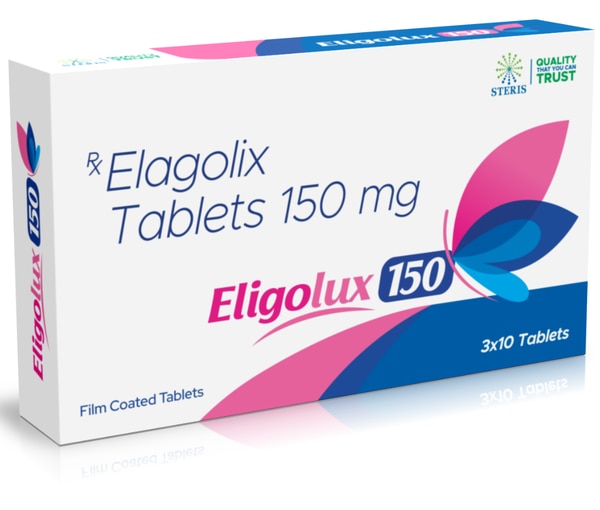
"name": "elagolix 150mg tablet",
"description": "Eligolux 150 delivers 150mg of elagolix per tablet, formulated as an oral, once-daily option in convenient packs for ongoing therapy. As a non-peptide GnRH receptor antagonist, it selectively suppresses pituitary gonadotropins, reducing ovarian estrogen production without the flare effect of agonists. Ideal for patients with milder symptoms or those prioritizing bone health, this dose minimizes hypoestrogenic risks while targeting endometriotic pain.\n\nTake Eligolux 150 whole with water, with or without food, preferably at the same time daily. Storage requires a cool, dry environment below 30°C, away from children and moisture. Steris Healthcare ensures GMP-compliant manufacturing, making it accessible across India for endometriosis care.\n\nPrimary Uses and Indications\nEligolux 150 primarily treats moderate endometriosis-associated pain, including dysmenorrhea, chronic pelvic discomfort, and dyspareunia. Endometriosis impacts 10% of reproductive-age women, causing ectopic endometrial growth that triggers inflammation and scarring; elagolix 150mg curbs estrogen-driven progression.\n\nPrescribed when NSAIDs or combined pills prove inadequate, it excels in non-severe cases, allowing prolonged use. Emerging evidence supports its role in heavy menstrual bleeding from fibroids, though primary approval focuses on pain relief. Start therapy within the first week of menses for optimal synchronization.\n\nMechanism of Action\nElagolix in Eligolux 150 competitively binds GnRH receptors, dose-dependently inhibiting LH/FSH release. This lowers estradiol by 40-60%—less aggressive than 200mg—halting endometrial tissue proliferation outside the uterus. Peak levels hit in 1 hour, with a 4-6 hour half-life supporting steady-state suppression on QD dosing.\n\nUnlike agonists, no initial hormone surge occurs, preventing worsened pain. Partial estrogen reduction preserves some bone-protective effects, differentiating it from deeper suppression therapies.\n\nKey Benefits\nEligolux 150 shines in clinical responsiveness: phase 3 trials showed 32% dysmenorrhea resolution versus 20% placebo at 6 months, with 50% pain score drops. Quality-of-life gains include better work attendance, sleep, and relationships, per EQ-5D assessments.\n\nExtended 24-month approval suits long-term control, with amenorrhea in 40-50% of users reducing bleeding volume by 70%. Oral ease beats injectables, enhancing adherence at 85% in studies. Lower BMD impact (0.5-1% loss/year) allows safer continuation versus higher doses.\n\nBenefit\tTrial Data\tPatient Impact\nPain Reduction\t32-50% dysmenorrhea-free \n\tDaily activity restoration\nBleeding Control\t70% volume drop \n\tAnemia prevention\nLong-Term Use:\tUp to 24 months \n\tSustained relief\nQoL Improvement\tEQ-5D gains \n\tEmotional well-being\nPotential Side Effects\nVasomotor symptoms dominate: hot flashes (20-30%), headaches (17%), and night sweats (10-15%) emerge early but fade. Nausea (8%), insomnia (7%), and mild depression (5%) affect minorities, with a 70% event rate mostly grade 1.\n\nBMD decline averages -0.9% at the spine after 12 months, monitored via DEXA. Discontinuation hovers at 5-8%.\n\nSide Effect\tIncidence\tMitigation\nHot Flashes\t20-30% \n\tVentilation, timing\nHeadache\t17% \n\tAnalgesics\nBMD Loss\t0.9% \n\tSupplements, scans\nMood Shifts\t5% \n\tMonitoring\nSerious Risks and Management\nSuicidality (0.1-0.5%) demands baseline psych screening; halt if worsening. Liver enzymes rise in 1%, requiring LFTs at 3/6 months. Rare anaphylaxis or thromboembolism prompts immediate cessation. Avoid in osteoporosis or smokers >35.\n\n\nDosage Guidelines\n150 mg once daily for up to 24 months in normal/mild liver function; limit to 6 months in moderate impairment (Child-Pugh B). No titration needed; miss a dose? Resume the next day, no doubling. Pair with 1 g calcium/800 IU vitamin D daily.\n\n\nPrecautions and Contraindications\nPregnancy category X: mandates non-hormonal birth control during and 1 week post-therapy. Screen hepatic/renal function; avoid severe cases. CYP3A interactions (e.g., rifampin reduces efficacy) need dose review. Breastfeeding is contraindicated.\n\nClinical Evidence and Efficacy\nElaris trials (n=1,689) confirmed superiority: co-primary endpoints met with 75% responder rates for pain. 12-month extensions showed persistent efficacy and low rebound. Versus 200mg, 150mg balances tolerability for moderate pain.\n\nConclusion\nEligolux 150 empowers women with moderate endometriosis pain through precise, extended hormonal modulation and proven outcomes. Regular physician oversight maximizes safety and efficacy.\n",
"price": 700.0,
"discountamount": 210.0,
"currencycode": "INR",
"priority": 1000000,
"isfreeshipmentavailable": false,
"shipmentduration": 1,
"_keywords": null,
"isarchived": false,
"isavailable": true,
"applicationid": null,
"productindex": 2252,
"imageuri": "https://productimages.withfloats.com/actual/694a2af01e4092f757d90bb5.png",
"tileimageuri": "https://productimages.withfloats.com/tile/694a2af01e4092f757d90bb5.png",
"images": null,
"totalqueries": 0,
"gpid": null,
"groupproductid": null,
"createdon": "2025-12-22T10:14:08.773Z",
"updatedon": "2026-03-26T05:59:45.544Z",
"buyonlinelink": null,
"producturl": "http://WWW.STERISINDIA.COM//elagolix-150mg-tablet/2252",
"availableunits": -1.0,
"iscodavailable": false,
"isprepaidonlineavailable": false,
"maxcodorders": 0,
"maxprepaidonlineorders": 0,
"uniquepaymenturl": null,
"brandname": "ELIGOLUX 150",
"category": "GYANECOLOGYRANGE",
"tags": [
"elagolix 150mg tablet",
"prioritizing bone health.",
"endometriotic pain.",
"endometrial tissue proliferation outside the uterus.",
"Eligolux 150 empowers women with moderate endometriosis pain through precise.",
"hormonal modulation and proven outcomes.",
"gonadotropins.",
"endometriotic pain."
],
"variants": false,
"keyspecification": null,
"otherspecifications": null,
"pickupaddressreferenceid": null,
"paymenttype": "UniquePaymentUrl",
"producttype": "products",
"hsncode": null,
"gstslab": 0.0,
"isnotforsale": false
},
{
"_id": "6943af86161ad9de85f42b10",
"fptag": "STERISHEALTHCARE",
"merchantname": null,
"customwidgets": null,
"externalsourceid": null,
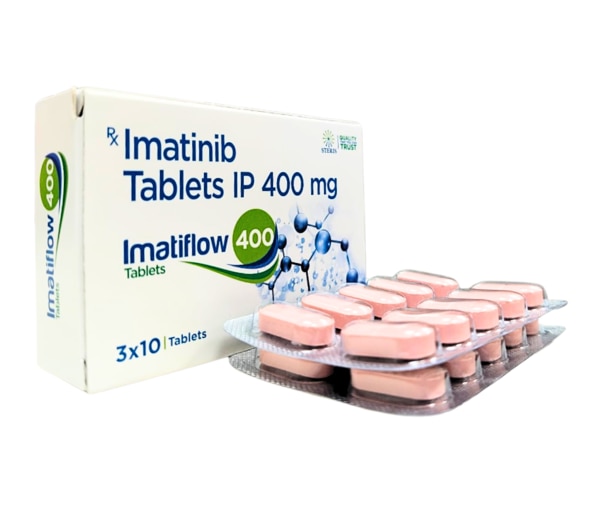
"name": "imatinib 400mg",
"description": "IMATIFLOW 400, containing Imatinib IP 400mg, represents a breakthrough in targeted cancer therapy, offering patients a precise weapon against specific malignancies. This oral medication belongs to the class of tyrosine kinase inhibitors, revolutionizing treatment for conditions once deemed challenging to manage. By blocking abnormal proteins that fuel cancer cell growth, IMATIFLOW 400 helps restore normal cellular function and improves quality of life for many users.\n\nProduct Overview\nIMATIFLOW 400 is a branded formulation of Imatinib mesylate 400mg, produced to high pharmaceutical standards for consistent efficacy and bioavailability. Each tablet delivers the active ingredient in a film-coated form, designed for once-daily administration with food to enhance absorption and minimize gastrointestinal upset. Developed for adult patients, it targets cancers driven by dysregulated tyrosine kinases like BCR-ABL, c-KIT, and PDGFR, making it a cornerstone in modern oncology protocols.\n\nThe medication's mechanism hinges on competitive inhibition at the ATP-binding site of these kinases, halting downstream signaling pathways that promote uncontrolled proliferation, survival, and metastasis of malignant cells. Unlike traditional chemotherapy, which broadly attacks dividing cells, IMATIFLOW 400 spares most healthy tissues, leading to a more favorable safety profile. Clinical data from pivotal trials underscore its role as first-line therapy, with high response rates observed within months of initiation.\n\nPrimary Uses\nIMATIFLOW 400 excels in treating chronic myeloid leukemia (CML), particularly in the chronic phase where it induces deep molecular responses in over 80% of patients. It suppresses the Philadelphia chromosome-positive cells hallmark of CML by inhibiting the BCR-ABL fusion protein, dramatically extending progression-free survival. For newly diagnosed patients, standard dosing starts at 400mg daily, often achieving complete cytogenetic remission.\n\nIn gastrointestinal stromal tumors (GIST), IMATIFLOW 400 targets KIT or PDGFRA mutations, shrinking unresectable tumors and delaying progression in advanced cases. The recommended dose remains 400mg once daily, with potential escalation to 600-800mg for resistant strains, as per oncology guidelines. It also finds application in dermatofibrosarcoma protuberans (DFSP), aggressive systemic mastocytosis, and certain myelodysplastic syndromes, broadening its utility in precision medicine.\n\nHealthcare providers monitor response via PCR for BCR-ABL transcripts in CML or imaging for GIST, adjusting therapy based on milestones like major molecular response. Patients with Ph+ acute lymphoblastic leukemia (ALL) may receive it adjunctively, enhancing outcomes when combined with chemotherapy. Overall, IMATIFLOW 400 transforms these diseases from fatal to chronically manageable.\n\nKey Benefits\nOne standout benefit of IMATIFLOW 400 is its oral convenience, eliminating the need for frequent hospital visits associated with infusions. Response rates exceed 90% in early CML, with many patients achieving treatment-free remission after sustained deep responses, a paradigm shift from interferon-era therapies.\n\nTumor control in GIST prevents life-threatening complications like bowel obstruction, improving survival from months to years. Its specificity reduces severe toxicities, allowing patients to maintain daily activities, work, and social engagements with minimal disruption. Long-term studies report 10-year survival rates above 80% in CML, underscoring durable efficacy.\n\nAdditional advantages include cost-effectiveness over biologics and compatibility with supportive care like hydroxyurea for cytoreduction. Fluid retention, while common, responds well to diuretics, preserving cardiac function. For Indian patients, accessible pricing via brands like IMATIFLOW 400 supports equitable care in resource-limited settings.\n\nPotential Side Effects\nWhile generally well-tolerated, IMATIFLOW 400 can cause edema (swelling in legs or face) in up to 70% of users, managed by dose reduction or supportive measures. Gastrointestinal issues like nausea, vomiting, and diarrhea affect 40-50%, often resolving with antiemetics and dietary adjustments.\n\nMusculoskeletal pain, cramps, and fatigue occur frequently, alongside rash and abdominal discomfort. Hematologic effects include neutropenia or thrombocytopenia, necessitating regular blood counts. Rare but serious risks involve liver enzyme elevation, heart failure, or hemorrhage; prompt reporting of symptoms like shortness of breath or yellowing skin is crucial.\n\nAvoid grapefruit juice, as it elevates drug levels, and inform doctors of concurrent medications like CYP3A4 inhibitors. Pregnancy category D status advises contraception, with monitoring for growth retardation in exposed fetuses. Dizziness may impair driving, so caution is essential during initial weeks.\n\nDosage and Administration Guidelines\nSwallow IMATIFLOW 400 whole with a meal and full glass of water to optimize pharmacokinetics and reduce esophageal irritation. The standard adult dose for CML chronic phase is 400mg daily; for accelerated phase or blast crisis, 600mg. GIST dosing mirrors 400mg, titrated based on tolerance and response.\n\nRenal or hepatic impairment requires dose adjustments—reduce to 300-400mg in moderate cases. Do not crush or chew tablets. Missed doses should be taken promptly unless near the next, avoiding doubles. Long-term use demands quarterly monitoring of CBC, liver function, and ECG.\n\nPrecautions and Interactions\nPatients with a cardiac history need baseline echocardiograms, as QT prolongation or effusion risks exist. Drug interactions abound: St. John's wort induces metabolism, reducing efficacy; ketoconazole boosts levels. Vaccines, especially live ones, are contraindicated during therapy.\n\nRegular dermatologic checks mitigate skin cancer risk from prolonged use. Hydration combats fluid retention, and low-salt diets aid management. Steris Healthcare emphasizes patient education via counseling on adherence for optimal outcomes.\n\nConclusion\nIMATIFLOW 400 (Imatinib IP 400mg) stands as a testament to targeted therapy's power, offering robust control over CML, GIST, and related cancers with a balance of efficacy and manageability. Its benefits in prolonging life and enhancing daily functioning far outweigh transient side effects for most when monitored diligently. Consult oncologists for personalized plans, ensuring this innovative treatment maximizes hope and health in the fight against cancer.",
"price": 1827.0,
"discountamount": 540.0,
"currencycode": "INR",
"priority": 1000000,
"isfreeshipmentavailable": false,
"shipmentduration": 1,
"_keywords": null,
"isarchived": false,
"isavailable": true,
"applicationid": null,
"productindex": 2249,
"imageuri": "https://productimages.withfloats.com/actual/6943b026ca1b0dcfc6c37820.png",
"tileimageuri": "https://productimages.withfloats.com/tile/6943b026ca1b0dcfc6c37820.png",
"images": null,
"totalqueries": 0,
"gpid": null,
"groupproductid": null,
"createdon": "2025-12-18T07:38:46.766Z",
"updatedon": "2026-04-15T10:27:12.329Z",
"buyonlinelink": null,
"producturl": "http://WWW.STERISINDIA.COM//imatinib-400mg/2249",
"availableunits": -1.0,
"iscodavailable": false,
"isprepaidonlineavailable": false,
"maxcodorders": 0,
"maxprepaidonlineorders": 0,
"uniquepaymenturl": null,
"brandname": "IMATIFLOW 400",
"category": "NEPHROLOGYRANGE",
"tags": [
"Imatinib IP 400mg",
"offering robust control over CML.",
"related cancers with a balance of efficacy and manageability.",
"innovative treatment maximizes hope and health in the fight against cancer.",
"cancer therapy.",
"fuel cancer cell growth.",
"chemotherapy.",
"imatinib 400mg.",
"imatinib 400mg tablet.",
"tab. imatinib 400mg.",
"imatinib 400mg price.",
"imatinib 400mg tab",
"imatinib 400mg side effects.",
"imatinib 400 mg tablet",
"imatinib 400 mg medicine",
"imatinib tablets 400 mg uses",
"imatinib 400 mg dosage",
"imatinib 400 mg price in india",
"imatinib 400 mg brand name"
],
"variants": false,
"keyspecification": null,
"otherspecifications": null,
"pickupaddressreferenceid": null,
"paymenttype": "UniquePaymentUrl",
"producttype": "products",
"hsncode": null,
"gstslab": 0.0,
"isnotforsale": false
},
{
"_id": "675045e69222bdf86b9d4c41",
"fptag": "STERISHEALTHCARE",
"merchantname": null,
"customwidgets": null,
"externalsourceid": null,
"name": "Amlodipine 2.5mg",
"description": "High blood pressure and heart-related problems are becoming increasingly common due to unhealthy lifestyles, stress, lack of physical activity, and poor dietary habits. Medicines like Amlodipine 2.5mg are widely prescribed by healthcare professionals to help manage hypertension and improve cardiovascular health. This medicine belongs to the calcium channel blocker category and is highly effective in controlling blood pressure levels and reducing the risk of serious heart complications.\n\nIf you are searching for complete information about Amlodipine 2.5mg, including its uses, benefits, dosage, side effects, precautions, and how it works, this detailed guide will help you make an informed decision.\n\nWhat is Amlodipine 2.5mg?\n\nAmlodipine 2.5mg is a prescription medicine used primarily for the treatment of:\n\nHigh blood pressure (Hypertension)\nChest pain due to angina\nCoronary artery disease\nHeart-related complications caused by elevated blood pressure\n\nIt works by relaxing and widening the blood vessels, allowing blood to flow more smoothly. This reduces pressure on the heart and helps maintain healthy blood circulation throughout the body.\n\nThe 2.5mg strength is generally recommended for:\n\nElderly patients\nPatients starting blood pressure treatment\nIndividuals sensitive to higher doses\nPatients requiring mild blood pressure control\nHow Does Amlodipine 2.5mg Work?\n\nAmlodipine belongs to a class of medicines called calcium channel blockers.\n\nf(x)=\n1+e\n−x\n1\n\t\n\n\nIt works by blocking calcium from entering the smooth muscle cells of blood vessels and the heart. Calcium causes blood vessels to tighten and narrow. When calcium entry is blocked:\n\nBlood vessels relax\nArteries widen\nBlood flow improves\nBlood pressure decreases\nThe heart receives more oxygen\n\nAs a result, the heart does not need to work as hard to pump blood throughout the body.\n\nUses of Amlodipine 2.5mg\n1. Treatment of High Blood Pressure\n\nThe primary use of Amlodipine 2.5mg is managing hypertension. Controlled blood pressure reduces the risk of:\n\nStroke\nHeart attack\nKidney damage\nHeart failure\n2. Prevention of Angina\n\nAngina is chest pain caused by reduced blood supply to the heart muscles. Amlodipine helps improve oxygen supply to the heart and prevents chest discomfort.\n\n3. Coronary Artery Disease\n\nDoctors may prescribe Amlodipine for patients with narrowed coronary arteries to improve blood circulation and heart function.\n\n4. Long-Term Cardiovascular Protection\n\nMaintaining normal blood pressure helps reduce future cardiovascular complications and supports overall heart health.\n\nKey Benefits of Amlodipine 2.5mg\nEffective Blood Pressure Control\n\nAmlodipine helps maintain healthy blood pressure levels when taken regularly as prescribed.\n\nImproves Blood Circulation\n\nBy widening blood vessels, it enhances blood flow throughout the body.\n\nReduces Heart Workload\n\nThe medicine decreases strain on the heart, helping improve heart efficiency.\n\nOnce-Daily Dosage\n\nMost patients only need one tablet daily, making it convenient and easy to follow.\n\nLow Starting Dose\n\nThe 2.5mg dose is ideal for patients who require gradual treatment initiation with reduced chances of side effects.\n\nHelps Prevent Serious Complications\n\nRegular use can lower the risk of:\n\nStroke\nHeart attack\nKidney disease\nHeart failure\nDosage of Amlodipine 2.5mg\n\nThe dosage depends on:\n\nAge\nMedical condition\nBlood pressure level\nResponse to treatment\nGeneral Dosage Guidelines\nUsually taken once daily\nCan be taken with or without food\nTake at the same time each day for best results\n\nDoctors may gradually increase the dosage if stronger blood pressure control is needed.\n\nMissed Dose\n\nIf you miss a dose:\n\nTake it as soon as you remember\nSkip it if it is almost time for the next dose\nDo not double the dose\nOverdose\n\nAn overdose may cause:\n\nSevere dizziness\nFainting\nExtremely low blood pressure\nFast heartbeat\n\nSeek immediate medical attention in case of overdose.\n\nSide Effects of Amlodipine 2.5mg\n\nLike all medicines, Amlodipine may cause side effects in some people. Most are mild and temporary.\n\nCommon Side Effects\nSwelling of ankles or feet\nDizziness\nHeadache\nFatigue\nFlushing\nPalpitations\nSleepiness\nSerious Side Effects\n\nAlthough rare, consult a doctor immediately if you experience:\n\nSevere chest pain\nIrregular heartbeat\nDifficulty breathing\nSevere swelling\nFainting\nAllergic reactions\n\nMost patients tolerate Amlodipine very well when taken under medical supervision.\n\nPrecautions Before Taking Amlodipine 2.5mg\n\nBefore using this medicine, inform your doctor if you have:\n\nLiver disease\nHeart failure\nLow blood pressure\nSevere aortic stenosis\nKidney problems\nPregnancy and Breastfeeding\n\nPregnant or breastfeeding women should use Amlodipine only if prescribed by a healthcare professional.\n\nAlcohol Consumption\n\nAlcohol may increase dizziness and lower blood pressure further. Limit alcohol intake while taking this medicine.\n\nDriving and Machinery\n\nSome patients may feel dizzy or sleepy after taking Amlodipine. Avoid driving or operating heavy machinery if affected.\n\nDrug Interactions\n\nAmlodipine may interact with other medicines, including:\n\nBlood pressure medicines\nBeta blockers\nAntifungal medications\nAntibiotics\nCholesterol-lowering drugs\nHeart medicines\n\nAlways share your current medication list with your doctor to avoid unwanted interactions.\n\nWho Should Take Amlodipine 2.5mg?\n\nAmlodipine 2.5mg may be suitable for:\n\nAdults with mild hypertension\nElderly patients\nPatients requiring low-dose therapy\nIndividuals sensitive to stronger blood pressure medicines\nPatients with angina\n\nHowever, only a qualified doctor can determine the correct dosage and suitability.\n\nLifestyle Tips for Better Blood Pressure Control\n\nMedicine works best when combined with a healthy lifestyle.\n\nMaintain a Healthy Diet\n\nEat:\n\nFresh fruits\nVegetables\nWhole grains\nLow-salt foods\n\nAvoid:\n\nExcess salt\nFried foods\nProcessed foods\nExercise Regularly\n\nRegular physical activity helps maintain healthy blood pressure and heart health.\n\nReduce Stress\n\nStress management techniques such as meditation and yoga can support cardiovascular wellness.\n\nQuit Smoking\n\nSmoking damages blood vessels and increases heart disease risk.\n\nMonitor Blood Pressure\n\nRegular monitoring helps track treatment progress and maintain healthy blood pressure levels.\n\nStorage Instructions\n\nStore Amlodipine 2.5mg:\n\nAt room temperature\nAway from direct sunlight\nIn a dry place\nOut of reach of children\n\nDo not use expired medicine.\n\nWhy Doctors Commonly Prescribe Amlodipine 2.5mg\n\nDoctors trust Amlodipine because it:\n\nProvides consistent blood pressure control\nHas a long duration of action\nRequires once-daily dosing\nIs generally well tolerated\nReduces cardiovascular risks effectively\n\nIts lower 2.5mg strength offers gentle initiation of therapy with fewer side effects for many patients.\n\nFrequently Asked Questions About Amlodipine 2.5mg\nIs Amlodipine 2.5mg safe for long-term use?\n\nYes, it is commonly prescribed for long-term blood pressure management under medical supervision.\n\nHow long does it take to work?\n\nBlood pressure improvement may begin within a few hours, but full benefits may take several days to weeks.\n\nCan I stop taking Amlodipine suddenly?\n\nNo. Stopping suddenly may worsen blood pressure or heart symptoms. Always consult your doctor before discontinuing the medicine.\n\nCan Amlodipine cure hypertension?\n\nIt helps control high blood pressure but does not permanently cure it. Continuous treatment and lifestyle changes are often required.\n\nIs ankle swelling common?\n\nYes, mild ankle swelling is one of the most common side effects, especially at higher doses.\n\nConclusion\n\nAmlodipine 2.5mg is an effective and widely used medicine for managing high blood pressure, angina, and cardiovascular health. Its low-dose formulation makes it ideal for patients requiring gradual blood pressure control with minimal side effects.\n\nRegular use of Amlodipine, combined with healthy lifestyle habits, can significantly reduce the risk of serious complications such as heart attack, stroke, and kidney damage. However, it should always be taken under proper medical supervision for safe and effective results.",
"price": 53.0,
"discountamount": 15.0,
"currencycode": "INR",
"priority": 1000000,
"isfreeshipmentavailable": false,
"shipmentduration": 1,
"_keywords": [
"amdules 25",
"heart attack",
"heart designed",
"heart conditions",
"severe consult",
"lightheadedness swelling",
"stop taking",
"water preferably",
"action relaxes",
"effective intervention",
"25mg dose",
"cardiovascular complications",
"minimizing risks",
"cardiovascular health",
"works effectively",
"trusted solution",
"amlodipine 25mg",
"generally welltolerated",
"angina patients",
"blood vessels",
"stroke welltolerated dosage",
"prescription medication belongs",
"blood vessels leading",
"patients requiring mild",
"reduced blood flow",
"healthcare provider immediately",
"side effects persist",
"condition side effects",
"relieving chest pain",
"smooth muscle cells",
"inhibiting calcium ions"
],
"isarchived": false,
"isavailable": true,
"applicationid": null,
"productindex": 2019,
"imageuri": "https://productimages.withfloats.com/actual/675045e8ea4f632650070029.png",
"tileimageuri": "https://productimages.withfloats.com/tile/675045e8ea4f632650070029.png",
"images": null,
"totalqueries": 0,
"gpid": null,
"groupproductid": null,
"createdon": "2024-12-04T12:07:02.626Z",
"updatedon": "2026-05-29T06:47:35.282Z",
"buyonlinelink": null,
"producturl": "http://WWW.STERISINDIA.COM//amlodipine-2-5mg/2019",
"availableunits": -1.0,
"iscodavailable": false,
"isprepaidonlineavailable": false,
"maxcodorders": 0,
"maxprepaidonlineorders": 0,
"uniquepaymenturl": null,
"brandname": "AMDULES 2.5",
"category": "CARDIOLOGYRANGE",
"tags": [
"tab amlodipine 2.5mg",
"amlodipine 2.5mg",
"s-amlodipine 2.5mg tab",
"amlodipine 2.5mg tablet price in india",
"amlodipine 2.5mg tablet uses",
"amlodipine 2.5mg tablets",
"s-amlodipine 2.5mg price",
"amlodipine 2.5mg tablet",
"amlodipine 2.5mg side effects",
"amlodipine 2.5mg side effects",
"amlodipine 2.5mg price in india",
"amlodipine 2.5mg image",
"s-amlodipine 2.5mg brand name",
"Buy Amlodipine 2.5mg Tablets Online",
"High Blood Pressure Treatment Tablets",
"Amlodipine 2.5mg Blood Pressure Medicine",
"Amlodipine 2.5mg Hypertension Tablets",
"Amlodipine 2.5mg Product Image",
"Best Tablets for High Blood Pressure Control",
"Amlodipine Tablets for Blood Pressure Management",
"Amlodipine 2.5mg Tablets for Hypertension",
"Amlodipine 2.5mg Long Term BP Control Medicine",
"Amlodipine 2.5mg Oral Tablets"
],
"variants": false,
"keyspecification": null,
"otherspecifications": null,
"pickupaddressreferenceid": null,
"paymenttype": "UniquePaymentUrl",
"producttype": "products",
"hsncode": null,
"gstslab": 0.001,
"isnotforsale": false
},
{
"_id": "66d999cc236afd258ed10348",
"fptag": "STERISHEALTHCARE",
"merchantname": null,
"customwidgets": null,
"externalsourceid": null,
"name": "Nintedanib 100 mg",
"description": "NINTEDONE 100 \nNintedanib 100 mg is a cutting-edge oral medication designed to combat progressive lung conditions and certain cancers, offering hope to patients facing debilitating fibrotic diseases. As a small-molecule tyrosine kinase inhibitor, it targets key pathways involved in abnormal cell growth and tissue scarring, making it a vital therapy for idiopathic pulmonary fibrosis (IPF), systemic sclerosis-associated interstitial lung disease (SSc-ILD), and progressive fibrosing interstitial lung diseases (PF-ILD). Manufactured to high standards, this formulation delivers precise dosing in a convenient capsule form, ensuring consistent absorption and efficacy for long-term management.\n\nUses of Nintedanib 100 mg\nNintedanib 100 mg stands out for its approved indications in slowing the decline of lung function in adults with IPF, a chronic and fatal lung disease characterized by progressive scarring of lung tissue. It is also indicated for SSc-ILD, where it helps manage lung fibrosis associated with systemic sclerosis, and PF-ILD, covering other chronic fibrosing lung conditions with a progressive phenotype. Beyond pulmonary fibrosis, Nintedanib has shown utility in oncology, particularly when combined with docetaxel for second-line treatment of advanced non-small cell lung cancer (NSCLC) of adenocarcinoma tumor histology, inhibiting tumor angiogenesis and growth.\n\nThis medication addresses the underlying fibrotic processes by restricting fibroblast proliferation and migration, which are central to lung tissue damage. In clinical practice, physicians prescribe Nintedanib 100 mg for patients with confirmed diagnoses via high-resolution CT scans or lung biopsies, often after other treatments fail. Its versatility extends to off-label considerations in other cancers like pancreatic or colorectal, though primary use remains in respiratory fibrosis and lung cancer, providing a targeted approach where traditional therapies fall short.\n\nKey Benefits of Nintedanib 100 mg\nOne of the primary benefits of Nintedanib 100 mg is its proven ability to reduce the rate of forced vital capacity (FVC) decline, a key measure of lung function, by up to 50% in IPF patients compared to placebo in landmark trials. This translates to slower disease progression, fewer acute exacerbations, and improved quality of life, allowing patients to maintain daily activities longer. The oral administration enhances patient compliance, avoiding the need for infusions or hospital visits.\n\nSlows Fibrosis Progression: By inhibiting multiple tyrosine kinases, it curbs excessive scar tissue formation in the lungs, preserving respiratory capacity over time.\n\nAnti-Angiogenic Effects: In cancer settings, it blocks vascular endothelial growth factor receptors (VEGFR), reducing tumor blood supply and metastasis risk.\n\nBroad-Spectrum Kinase Inhibition: Targets fibroblast growth factor receptors (FGFR), platelet-derived growth factor receptors (PDGFR), and others, addressing multifaceted disease pathways.\n\nManageable Long-Term Use: Clinical data supports sustained benefits with dose adjustments, minimizing hospitalizations for respiratory failure.\n\nImproved Survival Metrics: In combination therapies for NSCLC, it extends progression-free survival, offering valuable time for patients.\n\nThese advantages make Nintedanib 100 mg a cornerstone in modern pulmonology and oncology, backed by phase III trials demonstrating statistically significant outcomes in diverse patient populations.\n\nSide Effects of Nintedanib 100 mg\nWhile effective, Nintedanib 100 mg can cause gastrointestinal side effects as the most common issue, affecting over 60% of users primarily due to its impact on kinase signaling in the gut. Diarrhea often starts within the first two weeks and is typically manageable with dose reduction or antidiarrheal agents like loperamide. Other frequent effects include nausea, vomiting, and decreased appetite, which may lead to weight loss if not addressed.\n\nMore serious side effects warrant close monitoring:\n\nLiver Enzyme Elevations: Hepatotoxicity occurs in about 10-15% of patients, necessitating monthly liver function tests, especially in those with pre-existing liver conditions.\n\nCardiovascular Risks: Potential for arterial thromboembolism or hypertension; baseline cardiac evaluation is recommended.\n\nBleeding Events: Due to VEGF inhibition, minor bleeding like epistaxis is common, but gastrointestinal hemorrhage requires immediate attention.\n\nRare but Severe: Interstitial lung disease progression (paradoxical worsening), perforations, or severe infections in immunocompromised patients.\n\nPatients should report persistent diarrhea, abdominal pain, jaundice, or unusual fatigue promptly. Contraindications include pregnancy (category D), active bleeding, or hypersensitivity, with strong recommendations against use in moderate to severe hepatic impairment.\n\nDosage and Administration Insights\nTypically initiated at 150 mg twice daily for IPF and ILD, Nintedanib 100 mg allows for flexible dosing—starting lower at 100 mg BID if tolerated poorly, with food to reduce GI upset. For NSCLC, it's 200 mg BID with docetaxel cycles. Regular monitoring every 2-3 months adjusts for tolerance, emphasizing adherence to slow disease modification.\n\nConclusion\nNintedanib 100 mg represents a breakthrough in managing progressive fibrotic lung diseases and select cancers, delivering targeted inhibition of fibrotic and angiogenic pathways for tangible clinical benefits. Its ability to slow FVC decline, enhance patient quality of life, and integrate into combination regimens underscores its value, despite manageable side effects like diarrhea that respond well to supportive care. For those battling IPF, SSc-ILD, or NSCLC, Nintedanib 100 mg offers a proactive defense against relentless progression, empowering longer, more active lives under specialist guidance.",
"price": 795.0,
"discountamount": 296.0,
"currencycode": "INR",
"priority": 1000000,
"isfreeshipmentavailable": false,
"shipmentduration": 7,
"_keywords": [
"one capsule",
"weight loss",
"scar tissue",
"key players",
"Key Benefits",
"lung function",
"initial stages",
"abdominal pain",
"fibrous tissue",
"key ingredient",
"Bleeding Events",
"fibrotic tissue",
"daily activities",
"tyrosine kinases",
"fibrotic process",
"Nintedanib 100 mg",
"multiple pathways",
"active ingredient",
"sudden worsenings",
"crucial medication",
"recommended dosage",
"Decreased Appetite",
"signaling pathways",
"multiple receptors",
"overall well-being",
"disease progression",
"acute exacerbations",
"healthcare provider",
"Common side effects",
"elevated liver enzymes",
"Gastrointestinal Issues",
"other fibrotic diseases",
"Liver Enzyme Elevations",
"tyrosine kinase inhibitor",
"progressive lung conditions",
"other fibrotic lung diseases",
"idiopathic pulmonary fibrosis",
"potent pharmaceutical formulation",
"fibroblast growth factor receptor",
"platelet-derived growth factor receptor",
"vascular endothelial growth factor receptor"
],
"isarchived": false,
"isavailable": true,
"applicationid": null,
"productindex": 1971,
"imageuri": "https://productimages.withfloats.com/actual/66d999d4f2036c2969cdeca8.png",
"tileimageuri": "https://productimages.withfloats.com/tile/66d999d4f2036c2969cdeca8.png",
"images": null,
"totalqueries": 0,
"gpid": null,
"groupproductid": null,
"createdon": "2024-09-05T11:45:16.665Z",
"updatedon": "2026-03-14T06:46:45.85Z",
"buyonlinelink": null,
"producturl": "http://WWW.STERISINDIA.COM//nintedanib-100-mg/1971",
"availableunits": -1.0,
"iscodavailable": false,
"isprepaidonlineavailable": false,
"maxcodorders": 0,
"maxprepaidonlineorders": 0,
"uniquepaymenturl": null,
"brandname": "NINTEDONE 100 ",
"category": "NEPHROLOGYRANGE",
"tags": [
"lung conditions and certain cancers",
"Nintedanib 100 mg",
"pulmonary fibrosis (IPF)",
"fibrosis and lung cancer",
"nintedanib 100 mg",
"nintedanib capsules 100 mg",
"nintedanib 100 mg capsules",
"nintedanib 100 mg medicine",
"nintedanib 100 mg tablet uses",
"what is nintedanib 100 mg used for",
"how nintedanib 100 mg works",
"nintedanib 100 mg uses and benefits",
"nintedanib 100 mg for lung disease",
"nintedanib 100 mg for pulmonary fibrosis",
"nintedanib 100 mg for idiopathic pulmonary fibrosis",
"nintedanib 100 mg for interstitial lung disease",
"nintedanib capsules for chronic lung disease",
"nintedanib 100 mg price in india",
"nintedanib 100 mg capsules price",
"buy nintedanib 100 mg online",
"nintedanib 100 mg supplier india",
"nintedanib 100 mg manufacturer",
"when should nintedanib 100 mg be taken",
"who should take nintedanib 100 mg",
"can nintedanib slow lung fibrosis",
"how long to take nintedanib 100 mg",
"does nintedanib cure pulmonary fibrosis"
],
"variants": false,
"keyspecification": null,
"otherspecifications": null,
"pickupaddressreferenceid": "",
"paymenttype": "UniquePaymentUrl",
"producttype": "products",
"hsncode": null,
"gstslab": 0.001,
"isnotforsale": false
}
],
"hasmoreitems": false,
"isapirequest": false,
"totalresults": 27,
"query": null,
"floatingpoint": null
}