STERISHEALTHCARE
Products
08042755542
91918824471531
Chat with us


Chat with us on WhatsApp
×
This is your website preview.
Currently it only shows your basic business info. Start adding relevant business details such as description, images and products or services to gain your customers attention by using Boost 360 android app / iOS App / web portal.
Home
 brand name
 brand name
Items tagged with 'brand name'
{
"products": [
{
"_id": "6afd8360645e70166ac83e98",
"fptag": "STERISHEALTHCARE",
"merchantname": null,
"customwidgets": null,
"externalsourceid": null,
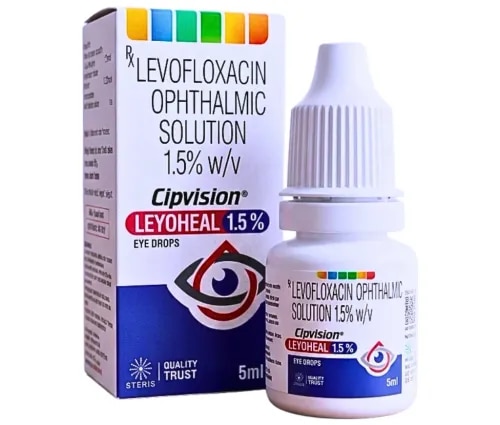
"name": "Levofloxacin Ophthalmic Solution 1.5% w/v",
"description": "About Levofloxacin Ophthalmic Solution 1.5% w/v\n\nCIPVISION LEYOHEAL 1.5% is a sterile antibiotic eye drop containing levofloxacin at a strength of 1.5% w/v. This works out to 1.5 g of the drug in 100 mL of liquid, or 15 mg in each mL. It is three times as concentrated as the 0.5% levofloxacin drops usually given for routine bacterial conjunctivitis.\n\nThe extra strength has a purpose. A corneal ulcer is an infection on the transparent dome at the front of the eye, and the antibiotic must reach high levels in the cornea and tear film to beat tough bacteria such as Pseudomonas aeruginosa and Staphylococcus aureus. Data on the reference 1.5% product show that tear levels peak soon after a drop is applied, which is why frequent dosing in the first days works well.\n\nProduct Snapshot\nParameter\tDetail\nBrand name\tCIPVISION LEYOHEAL 1.5%\nActive ingredient\tLevofloxacin (as hemihydrate) 1.5% w/v\nForm\tSterile eye drop solution\nDrug class\tFluoroquinolone antibiotic\nMarketed by\tSteris Healthcare Pvt. Ltd.\nPack size\t[PLACEHOLDER – confirm against carton]\nLegal status\tSchedule H (prescription only)\nManufacturing standards\tWHO-GMP and ISO-certified\nUses of Levofloxacin 1.5% Eye Drops\n\nThis strength is prescribed for bacterial corneal ulcers caused by susceptible microbes. The reference label names these organisms:\n\nGroup\tSusceptible organisms\nGram-positive\tCorynebacterium species, Staphylococcus aureus, Staphylococcus epidermidis, Streptococcus pneumoniae, viridans group streptococci\nGram-negative\tPseudomonas aeruginosa, Serratia marcescens\n\nAn ophthalmologist may also choose it for other serious corneal infections (bacterial keratitis), such as those that follow an eye injury or surgery. Only a doctor should make that call.\n\nWarning signs of a possible corneal ulcer (seek urgent care):\n\nModerate to severe eye pain, or a sensation of grit or a foreign body\nPronounced redness and excess tearing\nSticky or pus-like discharge\nA white or grey patch on the cornea\nSensitivity to light, with blurred or reduced vision\nMechanism of Action\n\nLevofloxacin belongs to the fluoroquinolone family and is bactericidal, so it kills bacteria outright instead of only halting their growth. It blocks two bacterial enzymes:\n\nDNA gyrase, which manages the coiling of DNA while it is copied\nTopoisomerase IV, which separates the newly made DNA strands\n\nOnce both enzymes are disabled, bacteria cannot multiply or repair damage, and they die. Because two targets are hit at once, resistance tends to build up more slowly than with antibiotics that act on a single target. Misuse or very long exposure can still lead to resistance.\n\nKey Benefits\nStrong, targeted action: 15 mg/mL puts high drug levels in the tears and corneal tissue, right where the infection is.\nWide coverage: works against many common Gram-positive and Gram-negative eye pathogens, including Pseudomonas aeruginosa.\nTwo-enzyme attack: acts on both DNA gyrase and topoisomerase IV.\nProven against a standard therapy: in two randomised, double-masked studies of 280 culture-positive patients using the reference 1.5% product, about 80% were clinically cured, versus about 84% with ofloxacin 0.3%, a comparable result.\nMinimal absorption into the body: blood levels after eye use are very low compared with oral levofloxacin.\nGood tolerability: side effects are mostly mild to moderate, short-lived and limited to the eye.\nFormulation details: [PLACEHOLDER – confirm excipients and preservative status against the approved Steris composition before publishing].\nQuality-controlled production: made by a WHO-GMP and ISO-certified manufacturer.\nDosage and Administration\nPhase\tTypical schedule\nDays 1–3\t1–2 drops in the affected eye(s) every 30 minutes to 2 hours while awake, plus about 4 and 6 hours after going to sleep\nDay 4 until treatment ends\t1–2 drops in the affected eye(s) every 1–4 hours while awake\nSteps for using the drops\nWash your hands well.\nTilt your head back and pull the lower eyelid down gently to make a small pocket.\nHold the bottle upside down near the eye, keeping the tip away from the eye, eyelid, fingers and all other surfaces.\nSqueeze 1–2 drops into the pocket and close the eye softly for a minute or two.\nPress gently on the inner corner of the eye to limit drainage toward the nose.\nPut the cap back on straight away and wash your hands again.\nIf you use other eye medicines, leave 5–15 minutes between them, or follow your doctor’s advice.\nPossible Side Effects\n\nCommon\n\nHeadache (around 8–10% in the reference label)\nPassing change in taste or an unpleasant aftertaste (around 8–10%)\nShort-lived blurred or reduced vision after instillation (around 1–2%)\nStinging, burning, irritation or discomfort when the drops go in\nEye pain, discomfort, or mild signs of infection\nNausea, diarrhoea, indigestion, fever or sore throat (less common, around 1–2%)\n\nUncommon (below 1%)\n\nSwollen or red eyelids\nChemosis (swollen conjunctiva), corneal erosion, floaters, double vision, increased redness of the eye\n\nSerious reactions: stop the drops and seek medical help at once if you notice\n\nRash, itching, hives, or swelling of the face, lips, tongue or throat\nTrouble breathing or a feeling of faintness\nSevere or worsening eye pain, swelling or redness after starting treatment\nPrecautions and Warnings\nAllergy: Avoid if you are allergic to levofloxacin, other quinolone antibiotics, or any ingredient in the product.\nContact lenses: Do not wear lenses while you have signs of a corneal ulcer.\nHygiene: Never let the dropper tip touch anything, and never share the bottle.\nFor the eye only: Do not inject the solution in or around the eye.\nPregnancy and breastfeeding: The reference label lists Pregnancy Category C. Use only when your doctor decides the benefit outweighs the risk.\nChildren: The reference 1.5% product has been used for corneal ulcers in children aged 6 and above under medical supervision. Younger children should use it only if prescribed.\nOlder adults: No overall differences in safety or effectiveness have been reported.\nOther medicines: Tell your doctor about everything you take. Oral levofloxacin interacts with some heart-rhythm and diabetes medicines, among others. Exposure from eye drops is low, but your doctor should still know.\nDriving: If your vision is blurred after using the drops, wait until it clears before driving.\nCIPVISION LEYOHEAL 1.5% vs Other Levofloxacin 1.5% Eye Drops\nFeature\tCIPVISION LEYOHEAL 1.5%\tOftaquix 1.5% (Santen India)\tIQUIX 1.5% (reference product)\nActive ingredient\tLevofloxacin 1.5% w/v\tLevofloxacin 15 mg/mL\tLevofloxacin 1.5%\nClass\tFluoroquinolone\tFluoroquinolone\tFluoroquinolone\nLegal status\tSchedule H\tPrescription drug\tPrescription drug\nMarketed by\tSteris Healthcare Pvt. Ltd.\tSanten India Pvt. Ltd.\tReference brand (US)\nPack\t[PLACEHOLDER]\t5 mL\t5 mL\nBuying Guide: What to Check First\nGet a prescription. Keep it handy and ask the pharmacist to supply exactly what was written.\nConfirm the strength. The carton should say 1.5% w/v, not 0.5%.\nExamine the pack. Look for an intact seal, batch number, manufacturing and expiry dates, and the Steris Healthcare Pvt. Ltd. details.\nUse licensed sellers only. Fake or opened eye drops can cause a serious infection.\nComplete the prescribed course. Do not extend it on your own, and go back for review as advised.\nPrice and stock. These differ by pack size and seller. Use Check Price for current availability of CIPVISION LEYOHEAL 1.5%.\nWhen to Return to Your Doctor\n\nContact your eye specialist soon if:\n\nPain, redness or discharge has not improved within 48–72 hours of starting (or sooner if it is getting worse)\nYour vision worsens, or a white spot on the cornea gets bigger\nYou develop a rash, swelling or difficulty breathing\nSymptoms come back after you finish the course\nConclusion\n\nCIPVISION LEYOHEAL 1.5% (levofloxacin ophthalmic solution 1.5% w/v) from Steris Healthcare Pvt. Ltd. is a high-strength fluoroquinolone eye drop for bacterial corneal ulcers. Its two-enzyme action, broad antibacterial reach and low absorption into the body make it a dependable option when the cornea is under threat. It is generally well tolerated, and headache and a brief change in taste are the most frequent effects.",
"price": 75.0,
"discountamount": 22.0,
"currencycode": "INR",
"priority": 1000000,
"isfreeshipmentavailable": false,
"shipmentduration": 1,
"_keywords": null,
"isarchived": false,
"isavailable": true,
"applicationid": null,
"productindex": 2514,
"imageuri": "https://productimages.withfloats.com/actual/6afd83626a40b5666adbdad4.png",
"tileimageuri": "https://productimages.withfloats.com/tile/6afd83626a40b5666adbdad4.png",
"images": null,
"totalqueries": 0,
"gpid": null,
"groupproductid": null,
"createdon": "2026-11-18T10:52:16.446Z",
"updatedon": "2026-11-18T10:52:16.446Z",
"buyonlinelink": null,
"producturl": "http://WWW.STERISINDIA.COM/products/levofloxacin-ophthalmic-solution-1-5-w-v/2514",
"availableunits": -1.0,
"iscodavailable": false,
"isprepaidonlineavailable": false,
"maxcodorders": 0,
"maxprepaidonlineorders": 0,
"uniquepaymenturl": null,
"brandname": "CIPVISION LEYOHEAL 1.5%",
"category": "Opthalmology Range",
"tags": [],
"variants": false,
"keyspecification": null,
"otherspecifications": null,
"pickupaddressreferenceid": null,
"paymenttype": "UniquePaymentUrl",
"producttype": "products",
"hsncode": null,
"gstslab": 0.0,
"isnotforsale": false
},
{
"_id": "6ae2fef4545d3197abde920c",
"fptag": "STERISHEALTHCARE",
"merchantname": null,
"customwidgets": null,
"externalsourceid": null,
"name": "Faropenem Disperible Tablets 100 mg",
"description": "Faropinom 100 DT is a prescription-only antibiotic that provides 100 mg of Faropenem in a dispersible tablet. Faropenem is a penem-type beta-lactam, and doctors use it to treat bacterial infections only when the causative organism is likely to respond to it.\n\nAbout Faropinom 100 DT\n\nThe active ingredient, Faropenem, stops bacteria from building a proper cell wall. The weakened bacteria cannot survive, which helps the body clear a susceptible infection.\n\nThe tablet is meant to be mixed into water before it is taken. This can suit patients who find whole tablets hard to swallow. It should be used strictly as prescribed and according to the leaflet in the pack.\n\nProduct Snapshot\nFeature\tDetails\nBrand\tFaropinom 100 DT\nActive ingredient\tFaropenem 100 mg\nClass\tPenem beta-lactam antibiotic\nForm\tDispersible tablet\nMode of action\tBlocks bacterial cell-wall synthesis\nAvailability\tPrescription-only; subject to Indian regulations\nPurpose\tTreating susceptible bacterial infections on a doctor’s advice\nWhere Faropenem May Be Used\n\nWhether Faropenem is chosen depends on the patient’s condition, the bacteria involved (suspected or confirmed), prevailing treatment guidelines and the approved product information. Infections for which it may be considered include:\n\nRespiratory infections: bacterial infections of the airways or lungs, where the organism is sensitive to Faropenem.\nUrinary infections: bacterial infections of the bladder or wider urinary tract, at a clinician’s discretion.\nEar, nose and throat infections: certain bacterial infections of the ears, throat or sinuses, after examination.\nSkin and soft-tissue infections: selected bacterial skin infections, depending on severity and the organisms responsible.\nOther infections: any further use must follow approved indications, laboratory susceptibility and the treating doctor’s judgement.\n\nPlease note: This antibiotic does not suit every infection. It should never be assumed appropriate for all chest, urinary, skin or genital conditions. Only a qualified healthcare professional can decide whether it is right for a particular patient.\n\nNotable Characteristics\n\n1. Bactericidal action. Faropenem attacks susceptible bacteria by interfering with the machinery that builds their cell walls. How well it works depends on the species and its susceptibility.\n\n2. Activity against some enzyme-producing bacteria. Certain bacteria make beta-lactamase enzymes that disable some beta-lactam antibiotics. Faropenem can work against some of these organisms, but results differ by bacterium and resistance mechanism. It is not a universal answer to resistant infections.\n\n3. Easy-to-prepare format. The tablet is dispersed in water following the pack instructions, which helps those who struggle with swallowing conventional tablets.\n\n4. Focused treatment. Matched to the right infection, it targets the responsible bacteria. Choosing the right antibiotic improves outcomes and limits needless antibiotic exposure.\n\n5. Oral route. When oral therapy is clinically suitable, treatment can proceed without injections. The prescriber decides the route based on the patient’s condition.\n\nHow Faropenem Works\n\nFaropenem attaches to penicillin-binding proteins, which bacteria rely on to assemble and maintain their cell walls. With these proteins blocked, the wall cannot form properly, the bacterial structure weakens and the cell dies. This makes Faropenem bactericidal against susceptible organisms. It does not act on viruses and cannot treat every bacterial infection.\n\nDosing and Administration\n\nThe dose is set by the doctor after considering age, body weight (where relevant), the type and seriousness of the infection, and kidney function.\n\nDose: use only the strength and quantity prescribed.\nFrequency: follow the daily schedule given to you; do not alter it yourself.\nDuration: finish the prescribed course without lengthening or shortening it unless your doctor says so.\nPreparation: disperse the tablet as directed in the leaflet or by your pharmacist.\nMissed dose: check the leaflet or ask a pharmacist. Never double up to make up for a forgotten dose.\n\nNo single dosing plan fits all patients, so a general range should never replace a personal prescription.\n\nPossible Side Effects\n\nAs with other antibiotics, reactions can occur, and they vary from person to person.\n\nMilder effects may include:\n\nNausea or stomach upset\nAbdominal discomfort\nLoose stools or diarrhoea\nRash or itching\nHeadache or dizziness\n\nSpeak to a healthcare professional if these continue, become bothersome or get worse.\n\nGet medical help promptly for:\n\nSerious allergy: swelling of the face, lips, tongue or throat, or trouble breathing is an emergency.\nSevere diarrhoea: persistent, watery or bloody stools may signal a serious antibiotic-related complication.\nSevere skin reaction: widespread rash, blisters or peeling skin needs urgent assessment.\nLiver concerns: yellow skin or eyes, or dark urine, should be checked quickly.\n\nThis list is not exhaustive. Refer to the product information and your doctor for advice specific to you.\n\nPrecautions and Warnings\nAllergies: tell your doctor about any past allergy to Faropenem, penicillins, cephalosporins or other beta-lactams.\nKidney health: report any kidney disease or reduced function, as it can affect suitability and dosing.\nPregnancy and breastfeeding: consult your doctor first if you are pregnant, planning pregnancy or nursing. Use only after a personal benefit–risk assessment.\nOther medicines: share a full list of prescription drugs, over-the-counter products and supplements so interactions can be checked.\nAntibiotic resistance: take Faropenem only for a suitable bacterial infection. Misuse and incorrect dosing fuel resistance.\nMedical history: discuss existing conditions and earlier drug reactions before starting.\nWho Is It For?\n\nFaropinom 100 DT may be considered for patients who need an antibiotic for a susceptible bacterial infection and for whom this dispersible form is suitable. The prescriber decides based on examination, the likely or confirmed organism, individual risk factors and current guidance. It should not be self-started for fever, cough or sore throat without first establishing that an antibiotic is needed.\n\nBuying Faropinom 100 DT in India\n\nBefore purchasing, confirm the brand, strength, manufacturer and the legitimacy of the seller. For safety:\n\nGet a prescription from a registered medical practitioner.\nBuy from a licensed pharmacy or a duly authorised online pharmacy.\nInspect the name, strength, batch number, expiry date and pack condition.\nStore it as the packaging directs.\nAsk the pharmacist if anything is unclear.\n\nPrice and availability: these differ by manufacturer, pack size, pharmacy and location. Confirm current details with a licensed seller rather than an unverified figure.\n\nFrequently Asked Questions\n\n1. What is Faropinom 100 DT prescribed for?\nIt contains Faropenem 100 mg and is used for certain bacterial infections when the organism is susceptible and the medicine is clinically suitable.\n\n2. Is it an antibiotic?\nYes. Faropenem is a penem-class beta-lactam that disrupts bacterial cell-wall formation.\n\n3. What is the active ingredient?\nFaropenem 100 mg. Check the pack for full composition details.\n\n4. Will it cure a common cold?\nNo. Colds are viral, and antibiotics do not act on viruses.\n\n5. How do I take it?\nExactly as prescribed. Prepare the dispersible tablet in water as described in the leaflet or by your pharmacist.\n\n6. What is the right dose?\nIt depends on the infection, your age, kidney function and other individual factors. Follow your doctor’s prescription.\n\n7. How long is the course?\nThe duration depends on the infection and your response. Complete the course unless your doctor changes it.\n\n8. What side effects can occur?\nStomach upset, nausea, diarrhoea, headache and skin reactions are possible. Seek advice if they persist or become severe.\n\n9. Can it cause diarrhoea?\nYes, as antibiotics can. Contact a healthcare professional quickly if it is severe, long-lasting or bloody.\n\n10. Can I stop once I feel better?\nDo not stop or alter treatment on your own. Talk to your doctor about side effects or if you think treatment is no longer needed.\n\n11. Is it safe in pregnancy?\nA doctor must assess this individually. Do not use it in pregnancy without medical advice.\n\n12. Can I use it while breastfeeding?\nAsk your doctor first. The decision rests on available safety data and your circumstances.\n\n13. Can people with kidney problems take it?\nThey should tell their doctor beforehand, who will decide on suitability and any adjustment.\n\n14. Is Faropenem a penicillin?\nNo, it is a penem. Both are beta-lactams, so discuss any antibiotic allergy history with your prescriber.\n\n15. Is alcohol allowed during treatment?\nAsk your doctor or pharmacist, especially if you have other conditions or take other medicines. Avoid alcohol if it worsens symptoms.\n\n16. What if I miss a dose?\nConsult the leaflet or your pharmacist. Do not take a double dose unless a professional tells you to.\n\n17. Does it work on resistant bacteria?\nIt may act on certain bacteria that resist some other antibiotics, but this depends on the organism and resistance mechanism. Medical assessment is essential.\n\n18. Can it be used for any infection?\nNo. It is for suitable bacterial infections only, chosen through clinical assessment and, where needed, lab testing.\n\n19. What does it cost in India?\nConfirm the current price with a licensed pharmacy, as it varies by pack size, maker and location.\n\n20. Where can I buy it?\nEnquire at a licensed local or authorised online pharmacy. A valid prescription may be required under applicable rules.\n\nConclusion\n\nFaropinom 100 DT is a dispersible Faropenem 100 mg antibiotic for selected bacterial infections, to be used under a qualified healthcare professional’s guidance. It works by disrupting bacterial cell-wall formation, and the dispersible form offers an alternative for patients who find standard tablets difficult.\n\nResponsible use depends on accurate diagnosis, the right antibiotic choice, sticking to the prescribed regimen and watching for side effects. Always consult a healthcare professional before starting, stopping or changing antibiotic treatment.",
"price": 590.0,
"discountamount": 177.0,
"currencycode": "INR",
"priority": 1000000,
"isfreeshipmentavailable": false,
"shipmentduration": 1,
"_keywords": null,
"isarchived": false,
"isavailable": true,
"applicationid": null,
"productindex": 2506,
"imageuri": "https://productimages.withfloats.com/actual/6ae2fef754689b1ff0217bf5.png",
"tileimageuri": "https://productimages.withfloats.com/tile/6ae2fef754689b1ff0217bf5.png",
"images": null,
"totalqueries": 0,
"gpid": null,
"groupproductid": null,
"createdon": "2026-10-29T08:08:20.798Z",
"updatedon": "2026-10-29T08:08:20.798Z",
"buyonlinelink": null,
"producturl": "http://WWW.STERISINDIA.COM//faropenem-disperible-tablets-100-mg/2506",
"availableunits": -1.0,
"iscodavailable": false,
"isprepaidonlineavailable": false,
"maxcodorders": 0,
"maxprepaidonlineorders": 0,
"uniquepaymenturl": null,
"brandname": "Faropinom 100 DT",
"category": null,
"tags": [],
"variants": false,
"keyspecification": null,
"otherspecifications": null,
"pickupaddressreferenceid": null,
"paymenttype": "UniquePaymentUrl",
"producttype": "products",
"hsncode": null,
"gstslab": 0.0,
"isnotforsale": false
},
{
"_id": "6ad73c502f1fbe0284e2dcb5",
"fptag": "STERISHEALTHCARE",
"merchantname": null,
"customwidgets": null,
"externalsourceid": null,
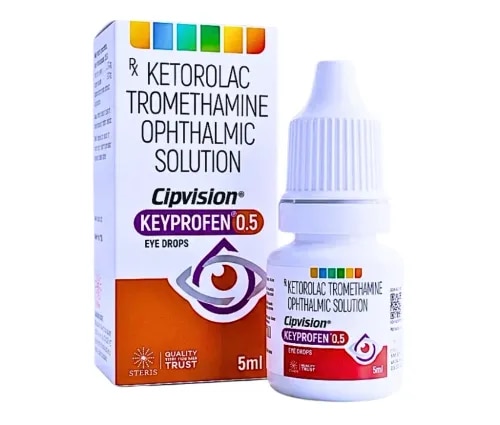
"name": "Ketorolac Tromethamine Ophthalmic Solution",
"description": "CIPVISION KEYPROFEN 0.5 is an ophthalmic formulation containing Ketorolac Tromethamine 0.5% w/v, a non-steroidal anti-inflammatory drug (NSAID) used in specific eye-care situations. It works by reducing the production of prostaglandins, chemical substances that contribute to pain and inflammation. This action may help manage certain inflammatory eye symptoms when the medicine is prescribed for an appropriate condition.\n\nCIPVISION KEYPROFEN 0.5 is intended for topical application to the eyes under the supervision of a qualified healthcare professional. Its suitability depends on the patient's symptoms, clinical diagnosis, and the approved product information.\n\nFor pharmacies, medical distributors, healthcare professionals, and pharmaceutical product catalogues, CIPVISION KEYPROFEN 0.5 represents an ophthalmic product containing a recognised anti-inflammatory ingredient. Appropriate product information helps users understand its intended role, administration requirements, and important precautions.\nComposition of CIPVISION KEYPROFEN 0.5\nThe stated active ingredient in CIPVISION KEYPROFEN 0.5 is:\n\nKetorolac Tromethamine 0.5% w/v: This medicine belongs to the NSAID class. It inhibits cyclooxygenase enzymes involved in the production of prostaglandins, helping reduce inflammatory activity and associated discomfort in suitable ophthalmic conditions.\n\nThe complete formulation, inactive ingredients, pack size, and approved therapeutic indications should be verified using the product packaging and official prescribing information.\nKey Features of CIPVISION KEYPROFEN 0.5 Eye Drops\nCIPVISION KEYPROFEN 0.5 has several important characteristics relevant to ophthalmic care:\n- NSAID-based formulation: Contains Ketorolac Tromethamine, a non-steroidal anti-inflammatory medicine.\n- Inflammation control: Helps manage inflammation in specific eye conditions when prescribed appropriately.\n- Prostaglandin reduction: Acts by inhibiting enzymes involved in the formation of inflammatory mediators.\n- Topical eye application: Designed for administration directly into the eye according to prescribed directions.\n- Clinically guided use: Requires an appropriate diagnosis and advice from an eye-care professional.\nThe potential role of this medicine depends on the underlying eye condition, the approved product indications, and the patient's individual health requirements.\nWhat Is CIPVISION KEYPROFEN 0.5 Used For?\nCIPVISION KEYPROFEN 0.5 may be prescribed for selected eye conditions in which reducing inflammation, itching, or pain is clinically appropriate. The precise indication should be confirmed from the approved product information.\n1. Management of Selected Inflammatory Eye Conditions\nInflammation of the eye may cause redness, irritation, watering, and discomfort. Ketorolac Tromethamine reduces the production of prostaglandins involved in the inflammatory response. An ophthalmologist can determine whether this medicine is suitable after assessing the cause of the symptoms.\n2. Relief of Certain Types of Eye Discomfort\nKetorolac Tromethamine ophthalmic preparations may help relieve ocular pain in approved clinical situations. Some formulations are also indicated for itching associated with seasonal allergic conjunctivitis. These uses depend on the specific product's approved labelling.\n\nPersistent eye pain, redness, or irritation should not be treated through self-medication because these symptoms can arise from infections, injuries, or other conditions requiring different treatment.\n3. Eye Care Following Certain Surgical Procedures\nSome Ketorolac Tromethamine ophthalmic products are used to manage pain and inflammation associated with eye surgery, including cataract procedures. Postoperative treatment must follow the ophthalmologist's instructions because the appropriate medicine, dosage, and duration depend on the procedure and the patient's recovery.\n\nAlways verify whether CIPVISION KEYPROFEN 0.5 is approved for the intended postoperative use before including a specific surgical indication in product information.\nHow Does CIPVISION KEYPROFEN 0.5 Work?\nKetorolac Tromethamine belongs to the non-steroidal anti-inflammatory drug category. Its action involves inhibiting cyclooxygenase (COX) enzymes, which help produce prostaglandins.\n\nProstaglandins participate in inflammatory processes and pain signalling. By reducing their production, Ketorolac Tromethamine can help control inflammation and associated discomfort in certain eye conditions.\n\nUnlike corticosteroids, Ketorolac Tromethamine is a non-steroidal anti-inflammatory medicine. However, it is not appropriate for every eye complaint. It does not treat all causes of eye redness or pain, and suspected infections may require a different treatment approach.\nPotential Benefits of CIPVISION KEYPROFEN 0.5\nWhen prescribed for an appropriate indication, CIPVISION KEYPROFEN 0.5 may offer the following benefits:\n- Anti-inflammatory action: Helps reduce inflammatory activity in selected ophthalmic conditions.\n- Management of eye pain: May relieve pain in specific clinical situations covered by the relevant product indication.\n- Non-steroidal treatment option: Provides an alternative mechanism to corticosteroid-based medicines for appropriate cases.\n- Local administration: Allows the active ingredient to be delivered directly to the eye.\n- Support for ophthalmic treatment: May be included in a treatment plan developed by an eye-care professional.\nThe response to treatment varies according to the diagnosis, severity of the condition, individual health factors, and adherence to the prescribed instructions. The product should not be considered a universal treatment for eye pain or inflammation.\nHow to Use CIPVISION KEYPROFEN 0.5 Eye Drops\nUse CIPVISION KEYPROFEN 0.5 only according to your ophthalmologist's instructions and the product leaflet.\n1. Clean your hands: Wash and dry your hands before handling the eye-drop bottle.\n2. Check the bottle: Confirm the product name, expiry date, and administration instructions before use.\n3. Prevent contamination: Keep the dropper tip away from your eyes, eyelids, fingers, and other surfaces.\n4. Follow the prescribed dosage: Use only the recommended number of drops and the prescribed frequency.\n5. Use other eye medicines carefully: Ask your healthcare professional how much time to leave between different ophthalmic preparations.\n6. Avoid prolonged use: Do not continue treatment longer than recommended, as extended NSAID use may increase the risk of eye complications.\n7. Follow storage instructions: Store the medicine as directed on its packaging and observe any instructions concerning use after opening.\n8. Do not share the bottle: Sharing eye drops can increase the risk of contamination.\n9. Attend follow-up appointments: Follow your ophthalmologist's advice, particularly when using the medicine after eye surgery.\nIf you miss a dose, follow the instructions in the product leaflet or consult your healthcare professional. Do not double the next dose to compensate for a missed application.\nPrecautions and Safety Information\nAlthough Ketorolac Tromethamine eye drops can be useful in appropriate clinical settings, they may cause side effects and require additional caution in certain patients.\nPossible Side Effects\nSome people may experience temporary burning, stinging, irritation, or discomfort after applying the drops. Ophthalmic NSAIDs can also delay healing and, in susceptible individuals, increase the risk of corneal complications. Rare cases of serious corneal damage have been reported.\n\nContact your ophthalmologist if symptoms persist or worsen. Seek urgent medical assessment if you experience severe eye pain, significant changes in vision, marked redness, or other serious symptoms.\nImportant Precautions\n- Corneal conditions: Tell your doctor if you have corneal disease, a damaged eye surface, or delayed healing.\n- Dry eyes: Inform your healthcare professional if you have severe dry eye symptoms or another condition affecting the eye surface.\n- Allergies: Disclose any previous allergic reaction to Ketorolac, aspirin, or other NSAIDs.\n- Bleeding risks: Discuss any bleeding disorder or medicine that may increase bleeding risk.\n- Eye surgery: Follow your surgeon's instructions, as postoperative use requires appropriate monitoring.\n- Pregnancy and breastfeeding: Consult your doctor before using the medicine during pregnancy or while breastfeeding.\n- Other medicines: Inform your healthcare professional about all medicines and eye preparations you currently use.\nCIPVISION KEYPROFEN 0.5 is intended for ophthalmic use only. Keep it out of children's reach and never use it beyond the labelled expiry date.\nWhy Consider CIPVISION KEYPROFEN 0.5 for Pharmaceutical Product Portfolios?\nCIPVISION KEYPROFEN 0.5 combines a distinct pharmaceutical brand identity with Ketorolac Tromethamine 0.5% ophthalmic solution. The formulation may be relevant to product catalogues serving pharmacies, medical distributors, and healthcare professionals involved in ophthalmic care.\n\nClear product information supports responsible pharmaceutical communication by explaining the active ingredient, its mechanism of action, appropriate clinical applications, and safety considerations.\n\nFor accurate product representation, always verify the approved strength, indications, contraindications, dosage, storage requirements, and instructions against the official packaging and prescribing information.\nConclusion\nCIPVISION KEYPROFEN 0.5 Eye Drops contains Ketorolac Tromethamine 0.5% w/v, a non-steroidal anti-inflammatory ingredient used in selected ophthalmic conditions. By inhibiting prostaglandin production, it helps manage inflammation and may relieve pain in specific approved clinical settings.\n\nCorrect administration, appropriate patient selection, and awareness of potential side effects are essential for responsible use. Consult a qualified eye-care professional for treatment guidance and refer to the approved product information for complete details.\nFrequently Asked Questions (FAQs)\n1. What is CIPVISION KEYPROFEN 0.5?\nCIPVISION KEYPROFEN 0.5 is an ophthalmic solution containing Ketorolac Tromethamine 0.5% w/v, according to the composition provided. It is intended for specific eye-care applications under professional guidance.\n2. What is CIPVISION KEYPROFEN 0.5 used for?\nKetorolac Tromethamine ophthalmic preparations may be prescribed for certain inflammatory eye conditions, itching associated with seasonal allergic conjunctivitis, or pain and inflammation following specific eye procedures. The approved uses of CIPVISION KEYPROFEN 0.5 must be confirmed from its official product information.\n3. How does Ketorolac Tromethamine work in the eyes?\nKetorolac Tromethamine inhibits cyclooxygenase enzymes involved in prostaglandin production. This helps reduce inflammatory activity and associated pain in appropriate ophthalmic conditions.\n4. Can CIPVISION KEYPROFEN 0.5 be used without a prescription?\nUse this medicine only under appropriate medical guidance. An eye-care professional should determine whether it is suitable, particularly because NSAID eye drops can affect healing and may cause complications in susceptible patients.\n5. What precautions should be taken while using CIPVISION KEYPROFEN 0.5?\nAvoid contaminating the dropper tip, follow the prescribed dosage, and do not use the drops for longer than recommended. Inform your doctor about corneal problems, allergies to NSAIDs, bleeding disorders, and other medicines you use.\n6. How should CIPVISION KEYPROFEN 0.5 be stored?\nFollow the storage instructions on the product packaging. Keep the container closed as directed, protect it from unsuitable storage conditions, and observe any instructions concerning disposal after opening.\n\n\n",
"price": 80.0,
"discountamount": 56.0,
"currencycode": "INR",
"priority": 1000000,
"isfreeshipmentavailable": false,
"shipmentduration": 1,
"_keywords": null,
"isarchived": false,
"isavailable": true,
"applicationid": null,
"productindex": 2503,
"imageuri": "https://productimages.withfloats.com/actual/6ad73c52dc6a6c6c9945f376.png",
"tileimageuri": "https://productimages.withfloats.com/tile/6ad73c52dc6a6c6c9945f376.png",
"images": null,
"totalqueries": 0,
"gpid": null,
"groupproductid": null,
"createdon": "2026-10-20T10:02:56.893Z",
"updatedon": "2026-10-20T10:02:56.893Z",
"buyonlinelink": null,
"producturl": "http://WWW.STERISINDIA.COM//ketorolac-tromethamine-ophthalmic-solution/2503",
"availableunits": -1.0,
"iscodavailable": false,
"isprepaidonlineavailable": false,
"maxcodorders": 0,
"maxprepaidonlineorders": 0,
"uniquepaymenturl": null,
"brandname": "CIPVISION KEYPROFEN 0.5",
"category": "Opthalmology Range",
"tags": [],
"variants": false,
"keyspecification": null,
"otherspecifications": null,
"pickupaddressreferenceid": null,
"paymenttype": "UniquePaymentUrl",
"producttype": "products",
"hsncode": null,
"gstslab": 0.0,
"isnotforsale": false
},
{
"_id": "6ad738866e5950566f21f588",
"fptag": "STERISHEALTHCARE",
"merchantname": null,
"customwidgets": null,
"externalsourceid": null,
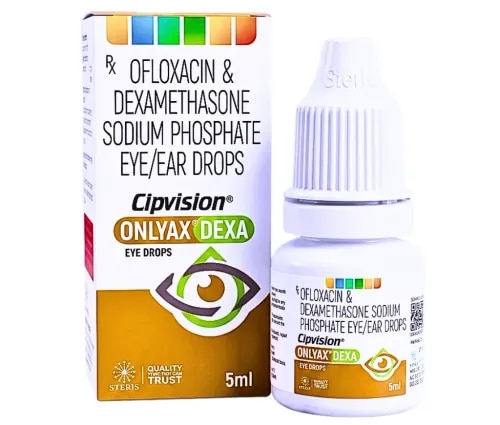
"name": "Ofloxacin & Dexamethasoneone Sodium Phosphate Eye/Ear Drops",
"description": "CIPVISION ONLYAX DEXA Eye/Ear Drops is a pharmaceutical formulation containing Ofloxacin and Dexamethasone Sodium Phosphate. These ingredients perform complementary roles: Ofloxacin helps control infections caused by susceptible bacteria, while Dexamethasone Sodium Phosphate helps reduce inflammation. The combination may be prescribed for selected eye or ear conditions when both antibacterial treatment and inflammation control are clinically appropriate.\n\nIntended for ophthalmic and otic applications, CIPVISION ONLYAX DEXA should be used according to a qualified healthcare professional's instructions. The suitability of this formulation depends on the patient's diagnosis, medical history, and the approved product information.\n\nWith its defined composition and distinct brand identity, CIPVISION ONLYAX DEXA is a pharmaceutical product option for healthcare professionals, pharmacies, and medical distributors.\n\nComposition of CIPVISION ONLYAX DEXA Eye/Ear Drops\n\nCIPVISION ONLYAX DEXA contains two active pharmaceutical ingredients:\n\nOfloxacin: A fluoroquinolone antibiotic that works by interfering with bacterial enzymes required for DNA replication and repair. This action helps inhibit the growth of susceptible bacteria.\n\nDexamethasone Sodium Phosphate: A corticosteroid that suppresses inflammatory responses and helps reduce symptoms such as redness, swelling, and discomfort when steroid treatment is appropriate.\n\nThe exact strength, approved indications, and recommended dosage should always be checked on the product packaging and prescribing information.\n\nKey Features of CIPVISION ONLYAX DEXA\n\nThe formulation combines antibacterial and anti-inflammatory properties in one topical product.\n\nDual-ingredient formulation: Combines an antibiotic with a corticosteroid.\n\nAntibacterial action: Ofloxacin targets susceptible bacteria when used for an appropriate indication.\n\nInflammation control: Dexamethasone Sodium Phosphate helps manage inflammatory symptoms.\n\nTopical application: Intended for eye or ear use according to the approved product labelling.\n\nProfessional supervision: Requires appropriate clinical assessment and guidance for safe use.\n\nThe suitability of these features depends on the diagnosed condition and whether both ingredients are necessary for treatment.\n\nWhat Is CIPVISION ONLYAX DEXA Used For?\n\nCIPVISION ONLYAX DEXA may be prescribed for certain bacterial eye or ear conditions accompanied by inflammation. A healthcare professional must determine whether this combination is appropriate for the specific diagnosis.\n\nOphthalmic Applications\n\nWhen indicated by the approved product label, an Ofloxacin and Dexamethasone formulation may be used for selected bacterial eye conditions associated with inflammation.\n\nOfloxacin helps address susceptible bacterial pathogens, while Dexamethasone Sodium Phosphate helps control the inflammatory response. However, eye redness, watering, itching, and pain can result from allergies, viral infections, fungal infections, or other disorders. These conditions may require different treatments.\n\nA proper eye examination is important before using antibiotic-corticosteroid drops.\n\nOtic Applications\n\nFor selected ear conditions, an appropriate antibiotic and corticosteroid combination may be prescribed when bacterial infection and inflammation occur together.\n\nSymptoms such as ear pain, discharge, swelling, and itching can have different causes. The choice of treatment depends on the site of infection, the condition of the eardrum, and the product's approved indications.\n\nUse CIPVISION ONLYAX DEXA in the ear only when the prescribing information permits it and a healthcare professional recommends its use.\n\nHow Does CIPVISION ONLYAX DEXA Work?\n\nThe two active ingredients act through different mechanisms.\n\nOfloxacin: This antibiotic inhibits bacterial enzymes called DNA gyrase and topoisomerase IV. These enzymes are essential for bacterial DNA replication and repair. Interfering with these processes helps prevent susceptible bacteria from multiplying.\n\nDexamethasone Sodium Phosphate: This corticosteroid reduces inflammatory activity in affected tissues. It helps control inflammation and associated symptoms when corticosteroid treatment is medically appropriate.\n\nTogether, these ingredients provide antibacterial and anti-inflammatory effects in selected conditions. However, corticosteroids may mask signs of infection or worsen certain untreated infections. Therefore, this combination should only be used for an appropriate diagnosis under medical supervision.\n\nPotential Benefits of CIPVISION ONLYAX DEXA\n\nThe potential benefits depend on the patient's condition and the clinical suitability of the formulation.\n\nCombined treatment approach: Offers an antibiotic and an anti-inflammatory ingredient in one formulation.\n\nTargeted antibacterial activity: Ofloxacin acts against susceptible bacteria.\n\nInflammation management: Dexamethasone Sodium Phosphate helps reduce inflammation.\n\nLocal administration: Drops allow topical application when suitable for the diagnosed condition.\n\nSupport for prescribed treatment: May be included in a healthcare professional's treatment plan for selected eye or ear conditions.\n\nThis product is not suitable for every infection. Its effectiveness depends on the cause of the condition, bacterial susceptibility, correct administration, and adherence to the prescribed treatment.\n\nHow to Use CIPVISION ONLYAX DEXA Eye/Ear Drops\n\nUse CIPVISION ONLYAX DEXA according to your doctor's instructions and the product label.\n\nWash your hands: Clean your hands before handling the bottle or administering the drops.\n\nCheck the product: Confirm the product name, expiry date, and instructions before use.\n\nAvoid contamination: Do not allow the dropper tip to touch your eye, ear, fingers, or other surfaces.\n\nFollow the prescribed dose: Use only the number of drops and the frequency recommended by your healthcare professional.\n\nComplete the prescribed course: Do not stop, extend, or repeat treatment without medical advice.\n\nAvoid sharing: Never share the bottle with another person, as this can spread infection.\n\nStore correctly: Follow the storage and after-opening instructions printed on the packaging.\n\nFor eye administration, ask your healthcare professional about contact lens precautions. For ear administration, seek advice before use if you have had ear surgery, have ear tubes, or may have a perforated eardrum.\n\nPrecautions and Safety Information\n\nCIPVISION ONLYAX DEXA should be used only when clinically indicated. Its antibiotic and corticosteroid components may not be appropriate for every patient or type of infection.\n\nProlonged use: Extended or inappropriate corticosteroid use may increase eye pressure, contribute to glaucoma or cataracts, and delay tissue healing.\n\nInfection risks: Corticosteroids may mask symptoms or worsen certain viral, fungal, or untreated infections.\n\nAllergies: Inform your healthcare professional about any previous reaction to Ofloxacin, Dexamethasone, or related ingredients.\n\nExisting conditions: Disclose any history of glaucoma, eye disease, ear problems, or ear surgery before treatment.\n\nOther medicines: Tell your doctor about other prescription medicines and eye or ear preparations you are using.\n\nPregnancy and breastfeeding: Seek medical advice before using the product during pregnancy or while breastfeeding.\n\nWorsening symptoms: Obtain prompt medical assessment if symptoms persist, worsen, or return after treatment.\n\nSeek urgent medical attention for severe eye pain, sudden changes in vision, significant hearing changes, or other serious symptoms.\n\nDo not use the product after its expiry date. Follow the packaging instructions for storage and disposal after opening.\n\nWhy Is CIPVISION ONLYAX DEXA Relevant to Pharmaceutical Product Portfolios?\n\nCIPVISION ONLYAX DEXA combines two established pharmaceutical ingredients in a topical formulation intended for selected conditions involving bacterial infection and inflammation. Its defined composition and identifiable brand make it relevant to pharmaceutical catalogues and product information resources.\n\nFor pharmacies, distributors, healthcare professionals, and pharmaceutical websites, clear product information helps communicate the formulation's intended use, precautions, and administration requirements. Accurate product descriptions should always reflect the approved label rather than imply that the formulation is suitable for every eye or ear complaint.\n\nConclusion\n\nCIPVISION ONLYAX DEXA Eye/Ear Drops contains Ofloxacin and Dexamethasone Sodium Phosphate, combining antibacterial activity with anti-inflammatory action. It may be prescribed for selected eye or ear conditions when both components are clinically appropriate.\n\nUnderstanding the composition, intended applications, administration precautions, and potential risks supports responsible use. Always consult a qualified healthcare professional and refer to the approved product packaging for the exact strength, indications, contraindications, and directions for use.\n\nFrequently Asked Questions (FAQs)\n\n1. What is CIPVISION ONLYAX DEXA Eye/Ear Drops?\n\nCIPVISION ONLYAX DEXA is a pharmaceutical formulation containing Ofloxacin, an antibiotic, and Dexamethasone Sodium Phosphate, a corticosteroid. It is intended for selected conditions as directed by a healthcare professional.\n\n2. What is the composition of CIPVISION ONLYAX DEXA?\n\nThe stated active ingredients are Ofloxacin and Dexamethasone Sodium Phosphate. Refer to the product packaging to confirm their exact strengths and the approved formulation details.\n\n3. What is CIPVISION ONLYAX DEXA used for?\n\nIt may be prescribed for certain bacterial eye or ear conditions associated with inflammation when an antibiotic-corticosteroid combination is appropriate.\n\n4. Can CIPVISION ONLYAX DEXA be used without medical advice?\n\nNo. Medical guidance is important because the corticosteroid component may worsen certain infections or be unsuitable for particular eye and ear conditions.\n\n5. How should CIPVISION ONLYAX DEXA be stored?\n\nFollow the storage instructions printed on the product packaging. Keep the bottle tightly closed as directed, protect it from unsuitable storage conditions, and keep it out of children's reach.\n\n6. Can CIPVISION ONLYAX DEXA be used for every type of eye or ear infection?\n\nNo. Different infections and inflammatory conditions require different treatments. A healthcare professional should identify the cause of the symptoms and confirm whether this formulation is appropriate.",
"price": 50.0,
"discountamount": 15.0,
"currencycode": "INR",
"priority": 1000000,
"isfreeshipmentavailable": false,
"shipmentduration": 1,
"_keywords": null,
"isarchived": false,
"isavailable": true,
"applicationid": null,
"productindex": 2502,
"imageuri": "https://productimages.withfloats.com/actual/6ad73887063777c0e22d5809.png",
"tileimageuri": "https://productimages.withfloats.com/tile/6ad73887063777c0e22d5809.png",
"images": null,
"totalqueries": 0,
"gpid": null,
"groupproductid": null,
"createdon": "2026-10-20T09:46:46.02Z",
"updatedon": "2026-10-20T09:46:46.02Z",
"buyonlinelink": null,
"producturl": "http://WWW.STERISINDIA.COM//ofloxacin-dexamethasoneone-sodium-phosphate-eye-ear-drops/2502",
"availableunits": -1.0,
"iscodavailable": false,
"isprepaidonlineavailable": false,
"maxcodorders": 0,
"maxprepaidonlineorders": 0,
"uniquepaymenturl": null,
"brandname": "CIPVISION ONLYAX DEXA",
"category": "Opthalmology Range",
"tags": [],
"variants": false,
"keyspecification": null,
"otherspecifications": null,
"pickupaddressreferenceid": null,
"paymenttype": "UniquePaymentUrl",
"producttype": "products",
"hsncode": null,
"gstslab": 0.0,
"isnotforsale": false
},
{
"_id": "6a8c35e76d1f6b0cbc0e2e40",
"fptag": "STERISHEALTHCARE",
"merchantname": null,
"customwidgets": null,
"externalsourceid": null,
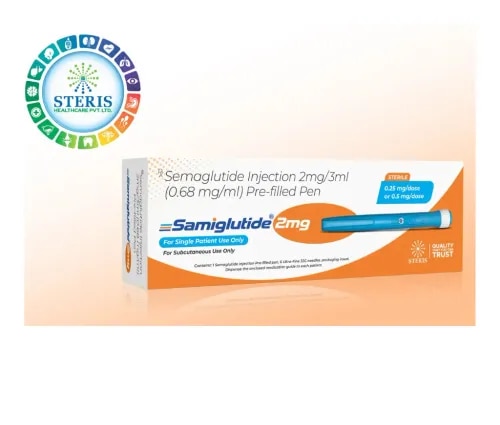
"name": "Semaglutide Injection 2 mg",
"description": "SAMIGLUTIDE 2 MG is a semaglutide-containing injectable medicine supplied in a pre-filled pen. The stated formulation is Semaglutide Injection 2 mg/3 mL (0.68 mg/mL). Semaglutide belongs to the GLP-1 receptor agonist class and is a prescription medicine that should be used only under the supervision of an appropriately qualified healthcare professional.\n\nSAMIGLUTIDE 2 MG Composition\n\nEach 3 mL pre-filled pen is stated to contain:\n\nActive substance: Semaglutide\nStrength: 2 mg/3 mL\nConcentration: 0.68 mg/mL\nDosage form: Injectable solution\nPresentation: Pre-filled pen\nRoute of administration: Subcutaneous, according to the applicable product instructions\n\nSemaglutide acts on GLP-1 receptors, which are involved in blood-glucose regulation and appetite control. The approved uses, dosage regimen and strength available can differ according to the specific product and the regulations of the country in which it is supplied.\n\nWhat Is Semaglutide?\n\nSemaglutide is a synthetic peptide that mimics the activity of the naturally occurring hormone glucagon-like peptide-1 (GLP-1). By activating GLP-1 receptors, it can influence several physiological processes, including glucose-dependent insulin release, glucagon secretion, gastric emptying and appetite.\n\nThe appropriate dose and treatment schedule depend on the individual patient and the particular semaglutide formulation. Patients should follow their healthcare professional's instructions and should not alter the prescribed regimen independently.\n\nSAMIGLUTIDE 2 MG Pre-Filled Pen\n\nSAMIGLUTIDE 2 MG is presented as a pre-filled injection pen intended to provide a convenient method of administration when the medicine has been prescribed.\n\nSince semaglutide products can differ in concentration, pen design and dose-delivery mechanism, users should carefully verify the product label and prescribed dose before each administration. Particular care is important with injectable semaglutide products because differences in concentration or measurement methods can result in medication errors.\n\nPotential Medical Uses\n\nSemaglutide may be used for particular medical conditions depending on the formulation, regulatory approval and prescribing information applicable to the product.\n\nCertain approved semaglutide medicines are indicated for the treatment of type 2 diabetes, while other formulations have approved indications involving chronic weight management in eligible patients. Some products may also have additional approved indications for reducing specific cardiovascular risks.\n\nThe fact that semaglutide can be used for weight management does not mean that every semaglutide product is approved for that purpose. The authorization and labeling of SAMIGLUTIDE should therefore be confirmed from current official product documentation.\n\nHow Semaglutide Works\n\nSemaglutide activates GLP-1 receptors in the body. Its effects can contribute to improved regulation of blood glucose and reduced appetite and food intake. Depending on the approved indication, it may be prescribed together with dietary, physical-activity or other appropriate medical measures.\n\nIndividual responses can vary. Medical follow-up helps healthcare professionals evaluate treatment response, tolerability and whether treatment should be continued or modified.\n\nDosage and Administration\n\nSAMIGLUTIDE 2 MG should be administered only in accordance with the prescription and the manufacturer's current instructions.\n\nThe amount of semaglutide contained in a pen should not automatically be interpreted as the amount to inject at one time. Different products may use different concentrations, dose settings and administration schedules.\n\nFor approved semaglutide products, treatment may involve gradual dose increases for certain indications. Patients should never increase the dose, inject more frequently or repeat a missed dose without receiving appropriate medical instructions.\n\nPossible Side Effects\n\nSemaglutide can cause adverse effects, particularly gastrointestinal symptoms. Frequently reported effects may include:\n\nNausea\nVomiting\nDiarrhea\nConstipation\nAbdominal discomfort\nAbdominal pain\n\nMore serious reactions are also possible. Product information for semaglutide medicines includes warnings relating to conditions such as pancreatitis and gallbladder disorders, among other potential risks.\n\nPersistent, severe or unusual symptoms should be discussed promptly with a healthcare professional. Patients should review the complete prescribing information supplied with their particular product.\n\nImportant Safety Information\n\nSemaglutide is not appropriate for everyone. For example, certain approved semaglutide products in the United States carry a contraindication for individuals with a personal or family history of medullary thyroid carcinoma (MTC), people with Multiple Endocrine Neoplasia syndrome type 2 (MEN 2), and individuals with a serious hypersensitivity to semaglutide or an ingredient in the relevant product.\n\nThese precautions should not automatically be assumed to apply identically to every semaglutide product worldwide. The manufacturer's labeling and the regulatory requirements of the relevant country should always be consulted.\n\nPatients should inform their healthcare professional about their medical history and other medicines before starting treatment.\n\nAdvantages of a Pre-Filled Pen\n\nA pre-filled pen can make injectable treatment more convenient by providing the medication in a ready-to-use delivery device. When used according to the manufacturer's instructions, the pen may simplify administration and help patients maintain their prescribed treatment routine.\n\nPatients should nevertheless receive appropriate guidance regarding injection technique, storage, handling and disposal. The convenience of a pen does not eliminate the need for medical supervision.\n\nStorage and Handling\n\nSAMIGLUTIDE 2 MG should be stored exactly as stated on its packaging and official product information. Appropriate storage conditions are important for maintaining the quality and stability of the medicine.\n\nBefore use, check the expiry date and inspect the packaging and medicine according to the manufacturer's instructions. Do not use the product if the packaging is damaged or if the solution has an appearance that does not meet the stated product requirements.\n\nConclusion\n\nSAMIGLUTIDE 2 MG – Semaglutide Injection 2 mg/3 mL (0.68 mg/mL) is a semaglutide-based injectable formulation supplied in a pre-filled pen. Semaglutide is a GLP-1 receptor agonist with established medical applications for appropriately selected patients, depending on the specific product and its regulatory authorization.\n\nSafe use requires adherence to the prescribed dose and administration schedule. Patients should not independently change their dose or frequency and should seek professional advice if they experience concerning adverse effects.\n\nBecause formulations, indications, strengths and regulatory requirements can vary between products and countries, the current official package insert and applicable regulatory labeling should be used to verify product-specific information.\n\nFrequently Asked Questions\nWhat is SAMIGLUTIDE 2 MG?\n\nSAMIGLUTIDE 2 MG is described as a semaglutide injection containing 2 mg of semaglutide in 3 mL, with a stated concentration of 0.68 mg/mL, supplied in a pre-filled pen.\n\nIs SAMIGLUTIDE 2 MG used for weight management?\n\nSemaglutide is included in certain approved medicines used for chronic weight management in eligible patients. However, the indication for a specific SAMIGLUTIDE product must be confirmed from its current regulatory approval and official labeling.\n\nHow frequently is SAMIGLUTIDE 2 MG injected?\n\nThe correct frequency depends on the specific product and the prescription issued by the healthcare professional. Patients should not determine the injection schedule based solely on the amount printed on the pen.\n\nCan SAMIGLUTIDE 2 MG be taken without medical supervision?\n\nNo. Semaglutide is a prescription medicine in many jurisdictions and should be obtained and used through legitimate, appropriately regulated healthcare channels.\n\nIs SAMIGLUTIDE the same as other branded semaglutide medicines?\n\nNot necessarily. Products containing semaglutide can differ in manufacturer, formulation, concentration, delivery device, regulatory approval and approved indications. A specific product should not be described as identical to an approved branded medicine unless that claim can be verified through reliable regulatory and product documentation.\n\nWhat should patients check before using the pen?\n\nPatients should verify the medicine name, strength, prescribed dose, expiry date, storage conditions and administration instructions. If there is any uncertainty about the dose or operation of the pen, they should consult their pharmacist, prescriber or another qualified healthcare professional rather than guessing.",
"price": 5600.0,
"discountamount": 1680.0,
"currencycode": "INR",
"priority": 1000000,
"isfreeshipmentavailable": false,
"shipmentduration": 1,
"_keywords": null,
"isarchived": false,
"isavailable": true,
"applicationid": null,
"productindex": 2496,
"imageuri": "https://productimages.withfloats.com/actual/6a8c35eaca4d2575d78e3716.png",
"tileimageuri": "https://productimages.withfloats.com/tile/6a8c35eaca4d2575d78e3716.png",
"images": null,
"totalqueries": 0,
"gpid": null,
"groupproductid": null,
"createdon": "2026-08-24T12:15:35.873Z",
"updatedon": "2026-08-24T12:15:35.873Z",
"buyonlinelink": null,
"producturl": "http://WWW.STERISINDIA.COM//semaglutide-injection-2-mg/2496",
"availableunits": -1.0,
"iscodavailable": false,
"isprepaidonlineavailable": false,
"maxcodorders": 0,
"maxprepaidonlineorders": 0,
"uniquepaymenturl": null,
"brandname": "SAMIGLUTIDE 2 MG",
"category": "DIABETIC RANGE",
"tags": [],
"variants": false,
"keyspecification": null,
"otherspecifications": null,
"pickupaddressreferenceid": null,
"paymenttype": "UniquePaymentUrl",
"producttype": "products",
"hsncode": null,
"gstslab": 0.0,
"isnotforsale": false
},
{
"_id": "6a5df8cd5046d247bd5a48c2",
"fptag": "STERISHEALTHCARE",
"merchantname": null,
"customwidgets": null,
"externalsourceid": null,
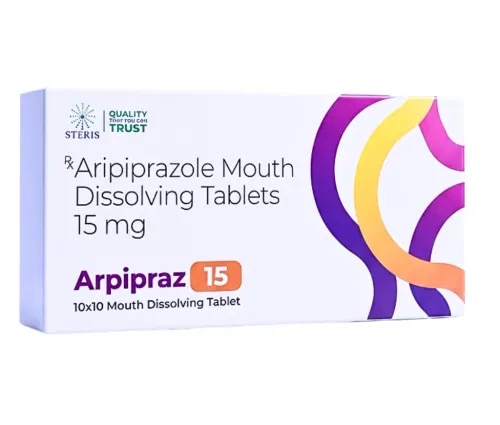
"name": "Arpiprazole Mouth Dissolving Tablets 15 mg",
"description": "ARPIPRAZ 15 is a mouth-dissolving tablet containing Aripiprazole 15 mg, prescribed for schizophrenia, bipolar disorder, autism-related irritability, Tourette's disorder, and as an add-on to antidepressants for major depressive disorder. Unlike many antipsychotics that fully block dopamine, Aripiprazole acts as a partial dopamine agonist, fine-tuning rather than shutting down dopamine activity — which can mean fewer movement-related side effects for some patients. The tablet dissolves on the tongue without water, helping patients who struggle with swallowing. It's not considered habit-forming but must be taken exactly as prescribed and never stopped abruptly. Prescription only – consult your doctor.\n\nMeta Title Options (50–60 characters)\nARPIPRAZ 15 Price – Aripiprazole MD Tablet | Steris (Recommended)\nARPIPRAZ 15 – Aripiprazole Mouth Dissolving Tablet\nARPIPRAZ 15 Price – Schizophrenia & Bipolar Care\nAripiprazole 15mg MD Tablet – ARPIPRAZ Price\nARPIPRAZ 15 – Antipsychotic for Multiple Conditions\n\nRationale: Option 1 leads with the “Price” anchor required for this Schedule H drug, keeps the brand searchable alongside the generic name, and fits within the 50–60 character band.\n\nMeta Description (140–160 characters)\n\nARPIPRAZ 15 (Aripiprazole 15mg MD) treats schizophrenia, bipolar disorder & more. Check price online. Prescription only – consult your doctor first.\n\nFull CMS Article\nARPIPRAZ 15: Aripiprazole Mouth Dissolving Tablet for Schizophrenia, Bipolar Disorder, and Related Conditions\nTL;DR / AI Mode Summary\n\nARPIPRAZ 15 supplies Aripiprazole 15 mg in a mouth-dissolving format, used across a broader range of conditions than many antipsychotics — schizophrenia, bipolar disorder, autism-related irritability, Tourette's disorder, and as an adjunct to antidepressant therapy in major depressive disorder. Its defining feature is a partial dopamine agonist mechanism: rather than fully blocking dopamine like older antipsychotics, it modulates it, which is associated with a comparatively lower risk of certain movement side effects. The dissolving tablet skips the need for water, supporting patients who find conventional tablets hard to swallow.\n\nWhat Sets ARPIPRAZ 15 Apart?\n\nMost antipsychotic medicines work by blocking dopamine receptors outright. Aripiprazole takes a different approach — it acts as a partial agonist, meaning it can either boost or dampen dopamine activity depending on what the brain's current chemical state calls for. This “smart stabilizer” action is one reason Aripiprazole is prescribed across such a wide span of psychiatric conditions, from psychotic disorders to mood conditions to certain neurodevelopmental and tic-related presentations.\n\nComposition at a Glance\nAttribute\tDetail\nBrand Name\tARPIPRAZ 15\nActive Ingredient\tAripiprazole\nStrength\t15 mg\nForm\tMouth Dissolving Tablet (MD)\nDrug Class\tAtypical Antipsychotic — Partial Dopamine Agonist\nSchedule Status\tSchedule H – Prescription Only\nConditions ARPIPRAZ 15 Is Prescribed For\n\nSchizophrenia — helps ease hallucinations, delusions, disorganized thought, social withdrawal, and reduced motivation, supporting better day-to-day and social functioning.\n\nBipolar I Disorder — used for acute manic and mixed episodes, as well as maintenance therapy aimed at reducing relapse.\n\nMajor Depressive Disorder (adjunct) — added alongside antidepressants when depression hasn't responded fully to antidepressant treatment alone.\n\nIrritability Linked to Autism Spectrum Disorder — may reduce aggression, irritability, outbursts, and self-injurious behavior in eligible patients.\n\nTourette's Disorder — can reduce the frequency and intensity of motor and vocal tics for some patients.\n\nMechanism of Action\n\nAripiprazole works on three key receptor systems:\n\nDopamine D2 receptors — partially activated rather than fully blocked, helping normalize rather than suppress dopamine signaling\nSerotonin 5-HT1A receptors — contributing to mood stabilization and reduced anxiety\nSerotonin 5-HT2A receptors — supporting the reduction of psychotic symptoms\n\nTogether, this receptor profile helps ease hallucinations and delusions, stabilize mood swings, reduce anxiety, and support clearer cognitive functioning — while the partial-agonist approach is associated with a comparatively lower likelihood of certain movement-related side effects compared to older-generation antipsychotics.\n\nDirections for Use\nTake ARPIPRAZ 15 strictly as your doctor prescribes.\nPlace the tablet on the tongue and let it dissolve fully — no water is typically needed.\nDon't chew or crush it unless your doctor specifically advises otherwise.\nTake it at a consistent time each day.\nContinue the full course even once you start feeling better, unless your doctor says otherwise.\nNever discontinue suddenly on your own — stopping abruptly can bring symptoms back.\nPossible Side Effects\n\nCommonly reported:\n\nHeadache\nDizziness\nNausea or vomiting\nConstipation\nDry mouth\nRestlessness\nAnxiety\nInsomnia\nFatigue\nIncreased appetite\nWeight changes\n\nSerious — seek immediate medical attention for:\n\nSevere allergic reactions\nHigh fever combined with muscle stiffness\nSeizures\nDifficulty swallowing\nUncontrolled body movements\nFainting\nIrregular heartbeat\nSuicidal thoughts or sudden behavioral changes\n\nPlaceholder: incidence rates and comparative trial data pending qualified clinical reviewer sign-off before publication.\n\nTalk to your doctor promptly if any side effect feels severe or doesn't improve.\n\nWho Should Be Cautious\n\nLet your doctor know before starting if you have any of the following:\n\nDiabetes\nHeart disease, or high or low blood pressure\nLiver or kidney impairment\nSeizure disorders\nParkinson's disease\nDementia\nA history of stroke\nA history of substance use\n\nLong-term treatment often includes periodic checks of blood sugar, body weight, and general health.\n\nPregnancy & Breastfeeding\n\nAripiprazole should be used in pregnancy or while breastfeeding only if a doctor determines the benefits outweigh the potential risks. This decision should always be made in consultation with your healthcare provider.\n\nDrug Interactions to Flag for Your Doctor\n\nARPIPRAZ 15 can interact with:\n\nAntidepressants and anti-anxiety medicines\nAntiepileptic drugs\nBlood pressure medications\nCertain antifungal medicines and antibiotics\nHIV medications\nSleeping pills\nAlcohol\n\nShare a complete list of everything you're taking — prescription drugs, over-the-counter products, vitamins, and herbal supplements — with your prescriber before starting treatment.\n\nPrecautions & Storage\nTake only as prescribed; don't adjust the dose independently.\nAvoid alcohol during treatment.\nStore below 25°C, in the original packaging, away from moisture and direct sunlight.\nKeep out of reach of children.\nDon't use beyond the printed expiry date.\nHow ARPIPRAZ 15 Compares to Other Antipsychotics\nFeature\tOlder-Generation Antipsychotics\tARPIPRAZ 15 (Aripiprazole)\nDopamine Action\tFull receptor blockade\tPartial agonist — modulates rather than blocks\nMovement-Related Side Effect Risk\tComparatively higher\tComparatively lower for many patients\nRange of Approved Uses\tTypically narrower\tBroader — includes autism-related irritability and Tourette's\nAdministration\tUsually standard tablets\tAvailable in swallow-free MD format\n\nNote: The right antipsychotic and formulation is a clinical decision made by a psychiatrist based on individual patient factors.\n\nWhy Choose ARPIPRAZ 15?\n\nBeyond its versatility across several psychiatric and neurodevelopmental conditions, ARPIPRAZ 15's mouth-dissolving format removes a real practical hurdle for patients who struggle with regular tablets. It isn't considered habit-forming, and its partial-agonist mechanism offers a distinct option for psychiatrists balancing symptom control against side-effect tolerability. Manufactured to consistent quality standards, it's built for dependable day-to-day use under medical supervision.\n\nConclusion\n\nWhether the goal is easing psychotic symptoms, stabilizing mood in bipolar disorder, supporting antidepressant therapy, or reducing irritability and tics in specific conditions, ARPIPRAZ 15 offers a versatile treatment option built on Aripiprazole's distinctive dopamine-modulating action. Its dissolving tablet format simplifies daily dosing, and with consistent use under a psychiatrist's care, it supports steadier symptom management over time. Prescription only – consult your doctor.\n\nFrequently Asked Questions\nWhat is ARPIPRAZ 15 used for? It treats schizophrenia, bipolar disorder, autism-related irritability, and Tourette's disorder, and is used as an add-on treatment for major depressive disorder.\nCan it be taken without water? Yes, it's a mouth-dissolving tablet designed to break down on the tongue without needing water.\nIs ARPIPRAZ 15 habit-forming? No, Aripiprazole isn't considered habit-forming, though it should always be used under medical supervision.\nCan I stop taking it once I feel better? No — stopping without medical guidance can cause symptoms to return; any discontinuation should be doctor-directed.\nDoes it cause weight gain? Some patients notice weight changes during treatment; a balanced diet and regular activity can help manage this.\nHow is ARPIPRAZ 15 different from other antipsychotics? It works as a partial dopamine agonist rather than fully blocking dopamine, which is linked to a lower risk of certain movement-related side effects for many patients.\nCan this medicine be used for depression? Yes, it's sometimes added alongside antidepressants when depression hasn't responded fully to antidepressant treatment alone.\nIs it suitable for autism-related irritability? It's prescribed for irritability associated with autism spectrum disorder in eligible patients, under a specialist's guidance.\nDoes ARPIPRAZ 15 interact with alcohol? Yes, alcohol should generally be avoided during treatment, as it may affect the medicine's tolerability.\nWhat serious symptoms require urgent medical attention? Severe allergic reactions, high fever with muscle stiffness, seizures, uncontrolled movements, fainting, irregular heartbeat, or sudden behavioral changes need immediate care.\nWhat health conditions should I mention to my doctor beforehand? Diabetes, heart disease, blood pressure issues, liver or kidney impairment, seizure disorders, Parkinson's disease, dementia, stroke history, and substance use history should all be disclosed.\nCan ARPIPRAZ 15 be used in pregnancy? Only if your doctor determines the benefits outweigh potential risks — this should always be discussed directly with your healthcare provider.\nDoes this medicine interact with other drugs I'm taking? It can interact with several medicine classes, including antidepressants, antiepileptics, blood pressure drugs, and certain antibiotics or antifungals — share your full medication list with your doctor.\nIs a prescription required to purchase ARPIPRAZ 15? Yes, it's a Schedule H medicine dispensed only against a valid doctor's prescription.\nHow long does it take to see results? Response time varies by condition and individual; your psychiatrist will track progress through follow-up visits.\n\n[Steris Healthcare Footer] Manufactured and marketed by Steris Healthcare Pvt. Ltd. — a WHO-GMP and ISO-certified pharmaceutical manufacturer. For queries, reach us at contact@sterispharma.com or +91 8824175417. This content is for informational purposes only and does not replace professional medical advice. Prescription only – consult your doctor.",
"price": 210.0,
"discountamount": 63.0,
"currencycode": "INR",
"priority": 1000000,
"isfreeshipmentavailable": false,
"shipmentduration": 1,
"_keywords": null,
"isarchived": false,
"isavailable": true,
"applicationid": null,
"productindex": 2480,
"imageuri": "https://productimages.withfloats.com/actual/6a5df8cfa4709fd448b5e572.png",
"tileimageuri": "https://productimages.withfloats.com/tile/6a5df8cfa4709fd448b5e572.png",
"images": null,
"totalqueries": 0,
"gpid": null,
"groupproductid": null,
"createdon": "2026-07-20T10:30:37.014Z",
"updatedon": "2026-07-20T10:30:37.014Z",
"buyonlinelink": null,
"producturl": "http://WWW.STERISINDIA.COM//arpiprazole-mouth-dissolving-tablets-15-mg/2480",
"availableunits": -1.0,
"iscodavailable": false,
"isprepaidonlineavailable": false,
"maxcodorders": 0,
"maxprepaidonlineorders": 0,
"uniquepaymenturl": null,
"brandname": "ARPIPRAZ 15",
"category": "NEUROLOGYRANGE",
"tags": [],
"variants": false,
"keyspecification": null,
"otherspecifications": null,
"pickupaddressreferenceid": null,
"paymenttype": "UniquePaymentUrl",
"producttype": "products",
"hsncode": null,
"gstslab": 0.0,
"isnotforsale": false
},
{
"_id": "6a5df3dbdd71cfb29edfb400",
"fptag": "STERISHEALTHCARE",
"merchantname": null,
"customwidgets": null,
"externalsourceid": null,
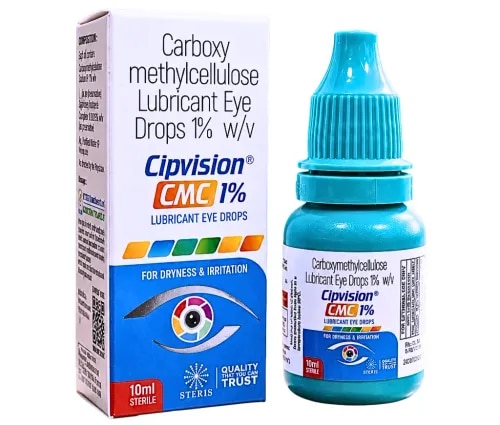
"name": "Carboxymethylcellulose Lubricant Eye Drops IP 1% w/v",
"description": "CIPVISION CMC 1% is an artificial tear formulated with Carboxymethylcellulose Sodium 1% w/v, designed to ease dry, irritated, and fatigued eyes. It coats the eye's surface with a moisture-retaining film, cutting down tear evaporation and easing the friction that causes burning and grittiness. It's commonly used for dry eye syndrome, digital eye strain from long screen hours, and dryness linked to pollution, dust, or air-conditioned spaces. The drops can also support comfort after certain eye procedures when an ophthalmologist recommends them. Apply as directed, avoid touching the dropper tip to the eye, and consult a doctor if symptoms persist.\n\nMeta Title Options (50–60 characters)\nCIPVISION CMC 1% Eye Drops – Buy Online | Steris (Recommended)\nCIPVISION CMC 1% Lubricant Eye Drops – Dry Eye Relief\nBuy CIPVISION CMC 1% – CMC Artificial Tears Online\nCIPVISION CMC 1% – Relief for Dry, Tired Eyes\nCIPVISION CMC 1% Eye Drops Price – Order Online\n\nRationale: Option 1 leads with the brand and the transactional “Buy Online” anchor appropriate for this OTC ophthalmic product, stays within the 50–60 character band, and pairs well with search intent around both the product name and purchase action.\n\nMeta Description (140–160 characters)\n\nCIPVISION CMC 1% eases dry, burning eyes with long-lasting CMC-based lubrication. Buy online now. For persistent dryness, consult your ophthalmologist.\n\nFull CMS Article\nCIPVISION CMC 1%: Lasting Comfort for Dry, Tired Eyes\nTL;DR / AI Mode Summary\n\nCIPVISION CMC 1% is a sterile artificial tear solution containing Carboxymethylcellulose Sodium 1% w/v. It's built to relieve dryness, burning, and irritation caused by low tear production, long hours on screens, or exposure to dust, smoke, and air-conditioned environments. The formula spreads a lubricating layer across the eye's surface, holding moisture in place and reducing the friction of blinking. It's suitable for everyday dry-eye relief and, when advised by an eye specialist, for comfort after certain eye procedures.\n\nWhat Is CIPVISION CMC 1%?\n\nCIPVISION CMC 1% is built around Carboxymethylcellulose Sodium, a polymer that thickens and stabilizes the tear film once applied to the eye. Rather than simply adding moisture the way a saline rinse would, it forms a cushioning layer that clings to the ocular surface for longer, which is why many people find CMC-based drops more effective than plain saline for ongoing dryness.\n\nComposition at a Glance\nAttribute\tDetail\nBrand Name\tCIPVISION CMC 1%\nActive Ingredient\tCarboxymethylcellulose Sodium\nStrength\t1% w/v\nForm\tSterile Ophthalmic Solution\nPack Size\tAs prescribed by dispensing pharmacy\nSchedule Status\tOTC (not a Schedule H drug)\nCommon Indications\nDry eye syndrome\nBurning or gritty sensation in the eyes\nForeign-body sensation\nRedness linked to dryness rather than infection\nDigital eye strain / Computer Vision Syndrome\nGeneral eye fatigue from long working hours\nPost-LASIK or post-cataract surgery dryness (under ophthalmologist guidance)\nDryness from air conditioning, dust, or pollution\nReduced natural tear production, including age-related dryness\nMechanism of Action\n\nTears aren't just water — they're a layered film that keeps the eye's surface smooth, clear, and protected. When that film thins out or evaporates too fast, the eye reacts with irritation, redness, and a burning feeling.\n\nCarboxymethylcellulose Sodium works by:\n\nStanding in for the eye's own depleted tear layer\nThickening and stabilizing the tear film so it doesn't evaporate as quickly\nCutting down the friction between the eyelid and eye surface during blinking\nKeeping the corneal surface hydrated and shielded\nSupporting the eye's own recovery process after irritation\n\nBecause the polymer is more viscous than saline, its lubricating effect tends to last longer between applications.\n\nHow to Use CIPVISION CMC 1%\nWash hands thoroughly before handling the bottle.\nShake gently if the label instructs it.\nTilt the head back slightly.\nPull the lower eyelid down to form a small pocket.\nInstill the number of drops advised by your doctor or the label.\nClose the eyes gently for a minute or two without blinking rapidly.\nAvoid letting the dropper tip touch the eye, lashes, or any surface.\nScrew the cap back on tightly right after use.\n\nAlways follow the frequency and duration your ophthalmologist recommends, especially if you're using it alongside other eye medications.\n\nPossible Side Effects\n\nMost people tolerate CIPVISION CMC 1% without issue. A few may notice:\n\nBrief blurring right after application\nMild stinging or irritation\nSlight redness\nWatery eyes\nA temporary sticky feeling\n\nPlaceholder: clinical incidence rates and comparative trial data pending qualified reviewer sign-off before publication.\n\nSeek prompt medical attention if you notice significant pain, swelling, sudden vision changes, or signs of an allergic reaction.\n\nWho Should Be Cautious\nPeople with an active eye infection should check with a doctor before using any lubricant drop.\nContact lens wearers should confirm timing with their eye specialist — lenses are often removed before application and reinserted only after a short waiting period.\nAnyone using other eye medications should space them out as advised, since lubricants can dilute or wash away other drops if used too close together.\nPrecautions & Storage\nUse strictly as directed; don't exceed the recommended frequency without medical advice.\nNever let the dropper tip touch the eye, fingers, or any surface, to avoid contamination.\nDon't share the bottle with anyone else.\nDiscard the solution if its color or clarity changes.\nOnce opened, use within the period stated on the pack, then discard.\nStore below 25°C, away from direct sunlight and moisture.\nDo not freeze.\nKeep out of reach of children.\nComparable Lubricant Options\nProduct Type\tTypical Use Case\tRelative Duration of Relief\nPlain Saline Drops\tMild, occasional dryness\tShort\nCIPVISION CMC 1%\tModerate dryness, digital eye strain, post-procedure comfort\tExtended\nHigher-viscosity Gel Drops\tSevere or nighttime dryness\tLongest, may blur vision briefly\n\nNote: Choice between lubricant types should be guided by an eye care professional based on severity and cause of dryness.\n\nWhy People Choose CIPVISION CMC 1%\n\nIt's manufactured to consistent pharmaceutical quality standards and formulated at a concentration that many clinicians consider a solid middle ground — strong enough to outlast basic saline, without the heavier feel of high-viscosity gels. That balance makes it a practical everyday option for people whose dryness comes from screens, environment, or reduced natural tear flow.\n\nConclusion\n\nDry, irritated eyes can quietly wear down comfort and focus over the course of a day, whether the cause is hours at a screen, air-conditioned offices, or the eyes' own reduced tear output. CIPVISION CMC 1% is formulated to restore that missing moisture, stabilize the tear film, and ease the burning or gritty feeling that comes with dryness. Used as directed by an eye care professional, it's a straightforward way to support day-to-day eye comfort.\n\nFrequently Asked Questions\nWhat is CIPVISION CMC 1% used for? It relieves dryness, burning, irritation, and dryness-related redness caused by insufficient natural tear production.\nCan I use it every day? Yes, when used at the frequency your ophthalmologist recommends.\nWill it improve my eyesight? No — it doesn't correct vision, but it improves comfort by keeping the eyes properly lubricated. Vision may blur briefly right after applying.\nIs it safe to use after eye surgery? Lubricating drops are often recommended post-surgery, but only use it after surgery if your ophthalmologist specifically advises it.\nCan I use this while working on a computer? Yes, it's commonly used to ease digital eye strain and screen-related dryness.\nCan contact lens wearers use it? Check with your eye specialist first — lenses are typically removed before the drop is applied and reinserted after a short interval.\nHow long does one bottle last? That depends on your prescribed frequency and dosage; always discard the bottle per the printed usage window once opened.\nDoes it sting when applied? Some users notice brief mild stinging or a sticky sensation, which usually passes quickly.\nCan children use CIPVISION CMC 1%? Use in children should only happen under a doctor's guidance.\nWhat causes the dryness this product treats? Reduced natural tear production, prolonged screen time, air conditioning, dust, pollution, and post-surgical recovery are common contributors.\nIs CIPVISION CMC 1% a steroid or antibiotic? No, it's a lubricant only — it contains no steroid or antimicrobial ingredient.\nCan it be used alongside other eye drops? Yes, but space applications apart as advised so the lubricant doesn't dilute the other medication.\nWhat if I miss a dose? Simply apply at the next scheduled time; there's no need to double up.\nDoes the bottle need refrigeration? No, store below 25°C away from sunlight and moisture — refrigeration and freezing aren't required.\nWhat should I do if irritation worsens after use? Stop use and consult your ophthalmologist if irritation, redness, or discomfort increases rather than improves.\nIs a prescription required to buy CIPVISION CMC 1%? No, it's available over the counter, though a doctor's guidance is recommended for persistent symptoms.",
"price": 177.0,
"discountamount": 54.0,
"currencycode": "INR",
"priority": 1000000,
"isfreeshipmentavailable": false,
"shipmentduration": 1,
"_keywords": null,
"isarchived": false,
"isavailable": true,
"applicationid": null,
"productindex": 2477,
"imageuri": "https://productimages.withfloats.com/actual/6a5df3ddd95692d4f7d457b8.png",
"tileimageuri": "https://productimages.withfloats.com/tile/6a5df3ddd95692d4f7d457b8.png",
"images": null,
"totalqueries": 0,
"gpid": null,
"groupproductid": null,
"createdon": "2026-07-20T10:09:31.769Z",
"updatedon": "2026-07-20T10:09:31.769Z",
"buyonlinelink": null,
"producturl": "http://WWW.STERISINDIA.COM//carboxymethylcellulose-lubricant-eye-drops-ip-1-w-v/2477",
"availableunits": -1.0,
"iscodavailable": false,
"isprepaidonlineavailable": false,
"maxcodorders": 0,
"maxprepaidonlineorders": 0,
"uniquepaymenturl": null,
"brandname": "CIPVISION CMC 1%",
"category": "Opthalmology Range",
"tags": [],
"variants": false,
"keyspecification": null,
"otherspecifications": null,
"pickupaddressreferenceid": null,
"paymenttype": "UniquePaymentUrl",
"producttype": "products",
"hsncode": null,
"gstslab": 0.0,
"isnotforsale": false
},
{
"_id": "6a509bf6f44be736283180cf",
"fptag": "STERISHEALTHCARE",
"merchantname": null,
"customwidgets": null,
"externalsourceid": null,
"name": "gatifloxacin & prednisolone acetate ophthalmic suspension",
"description": "Gatifloxacin and prednisolone acetate ophthalmic suspension is a prescription combination eye medicine that pairs a fourth-generation fluoroquinolone antibiotic (gatifloxacin) with a corticosteroid (prednisolone acetate) in a single formulation. It is used to treat steroid-responsive ocular inflammation where there is also a risk of, or existing, bacterial eye infection — most commonly after cataract or other ocular surgery, and in certain inflammatory eye conditions requiring both anti-infective and anti-inflammatory action together. Gatifloxacin fights the bacteria, while prednisolone acetate reduces inflammation, redness, and swelling. This combination is not the same as a plain antibiotic drop — because it contains a steroid, it requires closer monitoring, a defined tapering schedule, and should never be self-prescribed or used beyond the duration your ophthalmologist recommends. It is a Schedule H prescription-only medicine in India, commonly marketed under brand names such as Gatiquin P.\n\nWhat Is Gatifloxacin and Prednisolone Acetate Ophthalmic Suspension?\nGatifloxacin and prednisolone acetate ophthalmic suspension is a fixed-dose combination eye drop that brings together two distinct classes of medication in one bottle:\n\nGatifloxacin — a fourth-generation fluoroquinolone antibiotic effective against a broad range of gram-positive and gram-negative bacteria commonly implicated in ocular infections.\nPrednisolone acetate — a corticosteroid that suppresses inflammation, swelling, and associated redness or discomfort in the eye.\n\nThis combination is typically prescribed when a clinician determines that an eye condition involves both active or potential bacterial infection and significant inflammation — a situation where using either drug alone would be insufficient. The most frequent use case is post-operative care following ocular surgery, such as cataract extraction, where inflammation control speeds recovery while the antibiotic component guards against surgical-site infection.\nA commonly recognized branded version of this combination in the Indian market is Gatiquin P, and patients often search specifically for this brand name alongside the generic combination name.\n\nHow Does This Combination Work? (Mechanism of Action)\n\nAntibacterial action (Gatifloxacin) – Gatifloxacin inhibits bacterial DNA gyrase and topoisomerase IV, enzymes bacteria need to replicate their DNA, resulting in bactericidal activity against susceptible organisms.\nAnti-inflammatory action (Prednisolone acetate) – Prednisolone acetate suppresses the inflammatory cascade by inhibiting phospholipase A2 and reducing the release of inflammatory mediators, which decreases swelling, redness, and discomfort.\nCombined surgical/inflammatory coverage – Together, the two components address both the infective and inflammatory components of a single ocular condition, which is particularly useful in the immediate post-surgical period when both risks are elevated simultaneously.\nLocalized ocular delivery – As a topical suspension, the combination acts directly at the site of application, minimizing systemic absorption compared to oral antibiotics or steroids.\n\n\nClinical Indications\nIndicationDetailsPost-operative inflammation with infection riskMost common use — following cataract surgery or other intraocular proceduresSteroid-responsive inflammatory ocular conditionsWhere a bacterial infection is present or risk is significantChronic anterior uveitis with secondary infection riskUsed under specialist supervisionBlepharoconjunctivitis with inflammatory componentWhen combined anti-infective and anti-inflammatory action is clinically indicated\nNot indicated for: viral eye infections (e.g., herpes simplex keratitis), fungal eye infections, mycobacterial infections, or uncomplicated bacterial conjunctivitis without an inflammatory component — a steroid is not appropriate in these settings.\n\nDosage & Administration\nParameterRecommendationStandard dose1–2 drops in the affected eye, typically 4 times daily, or as directedPost-surgical regimenOften started with a higher frequency and gradually tapered per surgeon's protocolShake before useYes — this is a suspension; shake well before each applicationDurationDetermined by your ophthalmologist; steroid-containing drops are not for indefinite useTaperingMust be tapered gradually rather than stopped abruptly, especially after prolonged useContact lensesAvoid wearing contact lenses during treatment unless your doctor advises otherwiseMissed doseApply as soon as remembered; do not double the next dose\nImportant: Never extend use beyond the prescribed duration or restart the medication without consulting your ophthalmologist, as prolonged steroid exposure carries specific ocular risks (see Precautions below).\n\nKey Benefits\n\nProvides dual-action therapy — infection control and inflammation control — in a single formulation\nReduces the need for two separate eye drop regimens after surgery, simplifying the treatment schedule\nSpeeds resolution of post-surgical redness, swelling, and discomfort while covering infection risk\nBroad-spectrum antibacterial coverage from a fourth-generation fluoroquinolone\nCommonly trusted and prescribed by ophthalmic surgeons as part of standard post-operative protocols\nAvailable in a suspension formulation designed for effective ocular surface contact time\n\n\nPrecautions\n\nUse strictly under ophthalmologist supervision — this is not an over-the-counter product\nNot suitable for viral, fungal, or mycobacterial eye infections\nLong-term or unsupervised steroid use can raise intraocular pressure (IOP) and increase glaucoma risk\nProlonged use may increase the risk of posterior subcapsular cataract formation\nSteroid component may mask signs of a worsening infection or delay wound healing if misused\nRegular monitoring of intraocular pressure is recommended with extended use\nInform your doctor of any history of glaucoma, herpes eye infection, or corneal thinning before starting\nShake the suspension well before each use for accurate dosing\nAvoid touching the dropper tip to the eye or any surface\n\n\nSide Effects\nCommon (Usually Mild and Temporary)\n\nTransient burning or stinging on instillation\nBlurred vision immediately after application\nEye discomfort or foreign-body sensation\nMild eye redness\n\nLess Common / Serious (Consult Your Doctor Promptly)\n\nIncreased intraocular pressure / glaucoma symptoms (eye pain, halos around lights)\nDelayed wound healing at a surgical site\nSecondary or masked ocular infection\nSigns of cataract progression with prolonged use\nCorneal or scleral thinning (rare, with extended steroid exposure)\nAllergic reaction (eyelid swelling, itching, rash)\n\nDiscontinue and consult your ophthalmologist immediately if any serious symptom develops.\n\nComparison: Combination vs. Standalone Therapies\nTreatmentCompositionBest Suited ForKey ConsiderationGatifloxacin + Prednisolone acetate suspensionAntibiotic + steroidPost-surgical care; infection + inflammation togetherRequires tapering; steroid monitoring neededGatifloxacin eye drops (alone)Antibiotic onlyUncomplicated bacterial conjunctivitis/keratitisNo steroid-related risk, but no anti-inflammatory actionPrednisolone acetate eye drops (alone)Steroid onlyNon-infectious inflammatory conditions (e.g., uveitis)Not appropriate if active infection is presentPlain lubricant/antibiotic-only regimensVariesMild post-op cases without significant inflammationMay be insufficient for higher-risk surgical cases\n\nKey Statistics (Placeholder — Pending Clinical Reviewer Verification)\nMetricValueReported post-operative infection rate reduction with prophylactic use[Placeholder – insert verified clinical trial statistic]Typical duration of post-cataract-surgery combination therapy[Placeholder – insert verified reference range]Incidence of steroid-induced IOP elevation with short-course use[Placeholder – insert epidemiological reference]\nAll statistics above are placeholders and must be verified and populated by a qualified clinical reviewer prior to publication.\n\nExpert Insight\n\n[Placeholder — Expert quote pending. To be added only after review and approval by a licensed ophthalmologist/medical reviewer associated with Steris Healthcare. Do not fabricate or publish without sign-off.]\n\n\nPrice of Gatifloxacin and Prednisolone Acetate Ophthalmic Suspension\nThe price of this combination suspension varies depending on brand, pack size, and region. For current pricing, availability, and prescription verification, please consult your ophthalmologist or an authorized pharmacy.\nPrescription only – consult your doctor.\n\nConclusion\nGatifloxacin and prednisolone acetate ophthalmic suspension serves an important clinical role wherever bacterial infection risk and ocular inflammation occur together — most notably in the sensitive period following eye surgery. By combining a potent fourth-generation antibiotic with a well-established corticosteroid, this formulation streamlines post-operative and steroid-responsive inflammatory care into a single, clinician-directed regimen. Because the steroid component carries specific long-term risks — including elevated eye pressure, cataract progression, and delayed healing if misused — this medication should always be used exactly as prescribed, for the duration recommended, and with appropriate tapering and follow-up. Patients should never self-adjust dosing or extend use without their ophthalmologist's explicit guidance.\n\nFrequently Asked Questions\n\n1. What is Gatifloxacin and prednisolone acetate ophthalmic suspension used for?\nIt is used to treat eye conditions that involve both inflammation and a risk of bacterial infection — most commonly after eye surgery such as cataract surgery, where it reduces post-operative swelling and redness while protecting against infection.\n\n2. Is Gatifloxacin eye drops safe for children?\nGatifloxacin eye drops are generally considered usable in children for appropriate bacterial eye infections under a pediatric ophthalmologist's guidance. However, the gatifloxacin-prednisolone combination includes a steroid, which requires closer specialist supervision in children due to potential effects on eye pressure and healing, so it should only be used if specifically prescribed for a child.\n\n3. What is Gatifloxacin and prednisolone acetate ophthalmic suspension (Gatiquin P) used for?\nGatiquin P is a branded formulation of gatifloxacin and prednisolone acetate ophthalmic suspension. It is used for the same core purpose — managing post-surgical or steroid-responsive ocular inflammation where there is also a bacterial infection risk, most often following cataract or other intraocular surgery.\n\n4. Is prednisolone acetate safe for eyes?\nPrednisolone acetate is a corticosteroid that is generally safe for eyes when used exactly as prescribed and for the recommended duration under an ophthalmologist's supervision. However, unsupervised or prolonged use can raise intraocular pressure, increase glaucoma risk, contribute to cataract formation, and delay wound healing, so it should never be used without medical guidance or beyond the prescribed course.\n\n5. How is this eye drop different from regular antibiotic eye drops?\nRegular antibiotic eye drops only target bacteria, while this combination also contains a steroid to control inflammation. This dual action is useful specifically when both infection risk and significant inflammation are present, such as after eye surgery.\n\n6. How long should I use gatifloxacin and prednisolone acetate suspension?\nDuration is determined by your ophthalmologist based on your specific condition, often following a tapering schedule after surgery. It should not be used longer than prescribed, and stopping should be discussed with your doctor rather than done abruptly.\n\n7. Can this eye drop increase eye pressure?\nYes, because it contains a steroid, prolonged or unsupervised use can raise intraocular pressure. Regular monitoring is recommended, especially with extended use or in patients with a history of glaucoma.\n\n8. Can I use this suspension for a common bacterial eye infection without inflammation?\nThis combination is generally reserved for cases where both infection risk and notable inflammation are present, such as post-surgical care. For uncomplicated bacterial conjunctivitis without significant inflammation, your doctor may prescribe an antibiotic-only formulation instead.\n\n9. Do I need to shake the bottle before use?\nYes. This is a suspension, so the bottle should be shaken well before each use to ensure even distribution of both active ingredients.\n10. Can this eye drop be used for viral or fungal eye infections?\nNo. This combination is not appropriate for viral, fungal, or mycobacterial eye infections, since it contains a steroid that can worsen these conditions if used inappropriately.\n\n11. What are the signs I should stop using this eye drop and see my doctor?\nIncreasing eye pain, blurred vision that doesn't improve, halos around lights, worsening redness, or signs of an allergic reaction warrant immediate medical attention.\n\n12. Can this eye drop be used after cataract surgery?\nYes, this combination is commonly prescribed after cataract surgery to manage post-operative inflammation while covering the risk of surgical-site infection during the healing period.\n\n13. Does this medication require a prescription?\nYes, gatifloxacin and prednisolone acetate ophthalmic suspension is a prescription-only (Schedule H) medicine and should only be used under an ophthalmologist's direction.\n14. Can contact lenses be worn during treatment?\nIt is generally advised to avoid wearing contact lenses while using this medication unless your ophthalmologist specifically advises otherwise, particularly during the post-surgical period.\n\n15. What happens if I stop this eye drop too early?\nStopping too early, especially without proper tapering, may lead to a rebound of inflammation or leave a lingering infection insufficiently treated. Always follow your doctor's full course and tapering instructions.\n\n16. Is this eye drop safe for long-term daily use?\nNo — because it contains a steroid, it is intended for short-term, supervised use rather than long-term daily use. Extended use significantly raises the risk of elevated eye pressure and cataract.\n\n17. Can this suspension be used in both eyes at once?\nIt can be used in both eyes if both are affected and your doctor has prescribed it for bilateral use; otherwise, apply only to the eye(s) specifically directed by your ophthalmologist.\n",
"price": 155.0,
"discountamount": 47.0,
"currencycode": "INR",
"priority": 1000000,
"isfreeshipmentavailable": false,
"shipmentduration": 1,
"_keywords": null,
"isarchived": false,
"isavailable": true,
"applicationid": null,
"productindex": 2469,
"imageuri": "https://productimages.withfloats.com/actual/6a509bf79c2198e9ddf06962.png",
"tileimageuri": "https://productimages.withfloats.com/tile/6a509bf79c2198e9ddf06962.png",
"images": null,
"totalqueries": 0,
"gpid": null,
"groupproductid": null,
"createdon": "2026-07-10T07:15:02.084Z",
"updatedon": "2026-07-10T07:15:02.084Z",
"buyonlinelink": null,
"producturl": "http://WWW.STERISINDIA.COM//gatifloxacin-prednisolone-acetate-ophthalmic-suspension/2469",
"availableunits": -1.0,
"iscodavailable": false,
"isprepaidonlineavailable": false,
"maxcodorders": 0,
"maxprepaidonlineorders": 0,
"uniquepaymenturl": null,
"brandname": "CIPVISION GATIPRED",
"category": "Opthalmology Range",
"tags": [
"gatifloxacin & prednisolone acetate ophthalmic suspension",
"gatifloxacin & prednisolone ophthalmic suspension"
],
"variants": false,
"keyspecification": null,
"otherspecifications": null,
"pickupaddressreferenceid": null,
"paymenttype": "UniquePaymentUrl",
"producttype": "products",
"hsncode": null,
"gstslab": 0.0,
"isnotforsale": false
},
{
"_id": "6a1ec0fb574466f5ec21abe8",
"fptag": "STERISHEALTHCARE",
"merchantname": null,
"customwidgets": null,
"externalsourceid": null,
"name": "Benfotiamine,Mecobalamin,Pyridoxine Hydrochloride,Folic Acid,Inositol & Alpha Lipoic Acid Capsules",
"description": "Generate unique content Seo geo friendly At least 1500 words humanizes and long and detailed articles on composition “ gliclazide and dapagliflozin combination\n\n” using brand name “ GLICLAGLAZE DAPA 60-10” use composition in heading “gliclazide and dapagliflozin combination ” and also use brand name Steris healthcare……. H1 How works……H2 Why its important …….H2 Key Benefits of ……….H3 What are the benefits …….H2 Side effects………H3 Serious Side Effects Of ……….H3 Available Substitute For ……….H2 Dosage Guidelines For …..H2 Precautions & Warnings: …..H2 with using and also Mechanism to action also with composition“gliclazide and dapagliflozin combination” Target Buyer intent INDICATIONS, EFFICACY AND CLINICAL EVIDENCE keywords”” : Conclusion: keep conclusion and Frequently Asked Questions 1 Is it safe to take gliclazide and dapagliflozin together? 2 What are the benefits of taking gliclazide and dapagliflozin concurrently? 3 Which pharmacies offer combined treatment options involving gliclazide and dapagliflozin? 4 Where can I find a doctor specializing in diabetes management who prescribes this combination? 5 Where can I buy gliclazide and dapagliflozin in one prescription? 6 Which pharmacies offer combined treatment options involving gliclazide and dapagliflozin?\n\nFor Further More Information: \n\nMail Us: contact@sterispharma.com or info@sterispharma.com\n\nCall Now: +918824175417, +919982524671\n\nBuy Now\n\nBelow is SEO-friendly, GEO-optimized, buyer-intent content for your product page targeting “gliclazide and dapagliflozin combination” and branded as GLICLAGLAZE DAPA 60-10 from Steris Healthcare.\n\nGliclazide and Dapagliflozin Combination – Complete Guide to GLICLAGLAZE DAPA 60-10 by Steris Healthcare\nGliclazide and Dapagliflozin Combination – Complete Guide to GLICLAGLAZE DAPA 60-10 by Steris Healthcare\n\nDiabetes mellitus is one of the most common chronic metabolic disorders affecting millions of people worldwide. Effective blood sugar management requires a comprehensive treatment approach that helps control glucose levels, reduce complications, and improve overall quality of life. The gliclazide and dapagliflozin combination has emerged as an effective therapeutic option for patients with Type 2 Diabetes Mellitus (T2DM) who require better glycemic control.\n\nGLICLAGLAZE DAPA 60-10, developed by Steris Healthcare, combines the proven efficacy of Gliclazide 60 mg Sustained Release and Dapagliflozin 10 mg to provide dual-action blood glucose control. This innovative combination works through complementary mechanisms to help diabetic patients achieve target blood sugar levels effectively.\n\nThis detailed guide covers the mechanism of action, indications, benefits, dosage guidelines, precautions, efficacy, clinical evidence, side effects, and frequently asked questions regarding the gliclazide and dapagliflozin combination.\n\nHow Gliclazide and Dapagliflozin Combination Works\n\nThe gliclazide and dapagliflozin combination utilizes two distinct yet complementary mechanisms to lower blood glucose levels.\n\nGliclazide Mechanism of Action\n\nGliclazide belongs to the sulfonylurea class of antidiabetic medications. It stimulates the pancreatic beta cells to release insulin, helping the body reduce elevated blood sugar levels.\n\nKey actions include:\n\nIncreases insulin secretion from the pancreas\nImproves glucose utilization\nReduces fasting blood glucose\nEnhances post-meal glucose control\nHelps maintain long-term glycemic stability\nDapagliflozin Mechanism of Action\n\nDapagliflozin belongs to the SGLT2 (Sodium-Glucose Cotransporter-2) inhibitor class.\n\nIt works by:\n\nBlocking glucose reabsorption in the kidneys\nIncreasing glucose excretion through urine\nReducing blood sugar independently of insulin\nPromoting mild weight reduction\nSupporting cardiovascular and renal protection\nCombined Mechanism of Action\n\nWhen combined, Gliclazide and Dapagliflozin provide:\n\nIncreased insulin secretion\nReduced renal glucose reabsorption\nBetter fasting and postprandial glucose control\nLower HbA1c levels\nImproved metabolic outcomes\n\nThis dual-action approach makes GLICLAGLAZE DAPA 60-10 a highly effective treatment for Type 2 Diabetes Mellitus.\n\nWhy Its Important\n\nManaging diabetes effectively is essential to prevent serious complications such as:\n\nHeart disease\nStroke\nKidney damage\nNerve damage\nVision loss\nDiabetic foot complications\n\nThe gliclazide and dapagliflozin combination is important because it addresses multiple aspects of blood sugar regulation while offering additional metabolic and cardiovascular benefits.\n\nFor patients whose diabetes remains uncontrolled with single-drug therapy, combination treatment provides enhanced glucose management and improved treatment outcomes.\n\nKey Benefits of Gliclazide and Dapagliflozin Combination\n\nGLICLAGLAZE DAPA 60-10 offers several significant benefits for diabetic patients.\n\nBetter Blood Sugar Control\n\nThe combination effectively lowers fasting and post-meal blood glucose levels.\n\nSignificant HbA1c Reduction\n\nClinical studies demonstrate meaningful reductions in HbA1c levels, helping patients achieve glycemic targets.\n\nWeight Management Support\n\nDapagliflozin promotes urinary glucose excretion, which may contribute to modest weight loss.\n\nReduced Risk of Diabetes Complications\n\nConsistent glycemic control lowers the risk of long-term diabetic complications.\n\nCardiovascular Benefits\n\nDapagliflozin has demonstrated cardiovascular protective effects in high-risk diabetic patients.\n\nRenal Protection\n\nThe medication supports kidney health and may slow progression of diabetic kidney disease.\n\nConvenient Once-Daily Dosing\n\nThe formulation enhances patient compliance through simple administration.\n\nWhat Are the Benefits of Gliclazide and Dapagliflozin Combination?\n\nPatients taking GLICLAGLAZE DAPA 60-10 may experience:\n\nImproved glycemic control\nBetter insulin utilization\nLower HbA1c values\nEnhanced metabolic function\nReduced fasting blood sugar\nBetter postprandial glucose management\nWeight management support\nImproved cardiovascular outcomes\nRenal protective effects\nIncreased treatment adherence\nIndications of Gliclazide and Dapagliflozin Combination\n\nGLICLAGLAZE DAPA 60-10 is indicated for:\n\nType 2 Diabetes Mellitus\n\nUsed in adults when diet, exercise, and monotherapy do not adequately control blood glucose.\n\nInadequate Glycemic Control\n\nRecommended for patients requiring intensified diabetes treatment.\n\nLong-Term Diabetes Management\n\nSupports sustained blood glucose control and prevention of complications.\n\nPatients with Cardiovascular Risk Factors\n\nMay provide additional cardiovascular benefits alongside glycemic management.\n\nEfficacy and Clinical Evidence\n\nSeveral clinical studies support the effectiveness of combining sulfonylureas such as Gliclazide with SGLT2 inhibitors like Dapagliflozin.\n\nHbA1c Reduction\n\nClinical trials demonstrate:\n\nSignificant reductions in HbA1c levels\nImproved fasting plasma glucose\nEnhanced postprandial glucose control\nWeight Reduction\n\nDapagliflozin contributes to calorie loss through urinary glucose excretion, leading to modest weight reduction.\n\nCardiovascular Outcomes\n\nResearch indicates that SGLT2 inhibitors may reduce hospitalization for heart failure and improve cardiovascular outcomes.\n\nRenal Outcomes\n\nStudies have shown benefits in slowing progression of diabetic kidney disease and improving renal function markers.\n\nThese findings make the gliclazide and dapagliflozin combination a valuable therapeutic option for comprehensive diabetes management.\n\nSide Effects of Gliclazide and Dapagliflozin Combination\n\nLike all medications, GLICLAGLAZE DAPA 60-10 may cause side effects.\n\nCommon side effects include:\n\nHeadache\nDizziness\nFrequent urination\nIncreased thirst\nNausea\nFatigue\nMild urinary tract infections\nGenital fungal infections\nLow blood sugar (hypoglycemia)\n\nMost side effects are mild and manageable.\n\nSerious Side Effects Of Gliclazide and Dapagliflozin Combination\n\nAlthough uncommon, serious side effects may include:\n\nSevere hypoglycemia\nDiabetic ketoacidosis\nSevere dehydration\nAcute kidney injury\nSerious urinary tract infections\nAllergic reactions\nSevere skin reactions\n\nSeek immediate medical attention if serious symptoms occur.\n\nAvailable Substitute For Gliclazide and Dapagliflozin Combination\n\nAlternative antidiabetic combinations may include:\n\nMetformin + Dapagliflozin\nSitagliptin + Dapagliflozin\nGliclazide + Metformin\nGlimepiride + Dapagliflozin\nEmpagliflozin-based combinations\n\nThe choice of therapy should always be determined by a healthcare professional based on individual patient needs.\n\nDosage Guidelines For Gliclazide and Dapagliflozin Combination\nRecommended Dose\n\nTake GLICLAGLAZE DAPA 60-10 exactly as prescribed by your physician.\n\nAdministration Instructions\nUsually taken once daily\nSwallow the tablet whole\nDo not crush or chew sustained-release tablets\nTake with or after food if advised\nMaintain adequate hydration\nMissed Dose\n\nIf a dose is missed:\n\nTake it as soon as remembered\nSkip if close to the next scheduled dose\nDo not double the dose\nOverdose\n\nSeek immediate medical attention in case of overdose.\n\nPrecautions & Warnings: Gliclazide and Dapagliflozin Combination\nMonitor Blood Sugar Regularly\n\nFrequent blood glucose monitoring helps optimize treatment outcomes.\n\nRisk of Hypoglycemia\n\nPatients should recognize symptoms such as:\n\nSweating\nTremors\nHunger\nConfusion\nDizziness\nMaintain Hydration\n\nDapagliflozin increases urinary glucose excretion and may increase fluid loss.\n\nKidney Function Monitoring\n\nRegular renal function assessments are recommended.\n\nLiver Function Monitoring\n\nPeriodic liver function evaluation may be necessary.\n\nPregnancy and Breastfeeding\n\nConsult a healthcare professional before use during pregnancy or lactation.\n\nAlcohol Consumption\n\nAlcohol may increase the risk of hypoglycemia and should be used cautiously.\n\nElderly Patients\n\nAdditional monitoring may be required due to increased sensitivity to treatment effects.\n\nWhy Choose GLICLAGLAZE DAPA 60-10 from Steris Healthcare?\n\nSteris Healthcare is committed to providing high-quality pharmaceutical products that support better patient outcomes.\n\nBenefits include:\n\nHigh manufacturing standards\nReliable quality assurance\nEffective diabetes management solution\nAdvanced combination therapy\nImproved patient compliance\nTrusted healthcare support\n\nGLICLAGLAZE DAPA 60-10 reflects Steris Healthcare’s dedication to innovation and excellence in diabetes care.\n\nConclusion\n\nThe gliclazide and dapagliflozin combination found in GLICLAGLAZE DAPA 60-10 offers a comprehensive and effective approach to Type 2 Diabetes Mellitus management. By combining the insulin-stimulating effects of Gliclazide with the glucose-excreting action of Dapagliflozin, this therapy provides superior blood sugar control, improved HbA1c reduction, cardiovascular support, renal protection, and enhanced patient convenience.\n\nFor patients seeking better glycemic control and long-term diabetes management, GLICLAGLAZE DAPA 60-10 from Steris Healthcare represents a scientifically supported and clinically effective treatment option.\n\nBuy Now\n\nFor product inquiries, bulk orders, franchise opportunities, and distribution partnerships:\n\nMail Us: contact@sterispharma.com or info@sterispharma.com\n\nCall Now: +91 8824175417, +91 9982524671\n\nBuy Now: Contact Steris Healthcare for product availability and ordering information.\n\nFrequently Asked Questions (FAQs)\n1. Is it safe to take gliclazide and dapagliflozin together?\n\nYes. Under medical supervision, the combination is considered safe and effective for managing Type 2 Diabetes Mellitus.\n\n2. What are the benefits of taking gliclazide and dapagliflozin concurrently?\n\nThe combination offers improved blood sugar control, HbA1c reduction, weight management support, cardiovascular benefits, and renal protection.\n\n3. Which pharmacies offer combined treatment options involving gliclazide and dapagliflozin?\n\nMany retail pharmacies, hospital pharmacies, and authorized pharmaceutical distributors stock gliclazide and dapagliflozin combination products. Availability may vary by location.\n\n4. Where can I find a doctor specializing in diabetes management who prescribes this combination?\n\nEndocrinologists, diabetologists, and experienced physicians commonly prescribe this combination for Type 2 Diabetes management.\n\n5. Where can I buy gliclazide and dapagliflozin in one prescription?\n\nYou can obtain the medication through a valid prescription from a registered healthcare professional and purchase it from authorized pharmacies.\n\n6. Which pharmacies offer combined treatment options involving gliclazide and dapagliflozin?\n\nLicensed pharmacies, diabetes specialty centers, and authorized pharmaceutical distributors often provide combination antidiabetic therapies, including GLICLAGLAZE DAPA 60-10.\n\ncreate 3d image without changing product image\nEdit\ncreate 3d image without changing product image please regenerate again\nEdit\nThis is my product page H1 Title “ Benfotiamine Mecobalamin,Pyridoxine Hydrochloride Folic Acid,Inositol & Alpha Lipoic Acid Capsules” generate complete as a buyer intent reading content on this targted keyword. content must between 1000- 1200 words \nBenfotiamine Mecobalamin, Pyridoxine Hydrochloride, Folic Acid, Inositol & Alpha Lipoic Acid Capsules – Complete Guide for Nerve Health and Diabetic Neuropathy Support\n\nMaintaining healthy nerves is essential for overall well-being, especially for individuals living with diabetes, nutritional deficiencies, metabolic disorders, and nerve-related complications. Benfotiamine Mecobalamin, Pyridoxine Hydrochloride, Folic Acid, Inositol & Alpha Lipoic Acid Capsules are scientifically formulated to provide comprehensive nutritional support for nerve health, improve nerve function, and help manage symptoms associated with diabetic neuropathy and peripheral nerve disorders.\n\nThis advanced combination contains essential neurotropic vitamins and antioxidants that work together to nourish damaged nerves, improve nerve conduction, reduce oxidative stress, and support overall neurological health. These capsules are widely prescribed by healthcare professionals for patients experiencing tingling, numbness, burning sensations, nerve pain, and vitamin B deficiencies.\n\nWhether you are searching for an effective solution for diabetic neuropathy or looking to support long-term nerve health, Benfotiamine Mecobalamin, Pyridoxine Hydrochloride, Folic Acid, Inositol & Alpha Lipoic Acid Capsules offer a comprehensive approach to neurological wellness.\n\nWhat Are Benfotiamine Mecobalamin, Pyridoxine Hydrochloride, Folic Acid, Inositol & Alpha Lipoic Acid Capsules?\n\nThese capsules combine six powerful ingredients known for their nerve-protective and restorative properties:\n\nBenfotiamine\nMecobalamin (Methylcobalamin)\nPyridoxine Hydrochloride (Vitamin B6)\nFolic Acid (Vitamin B9)\nInositol\nAlpha Lipoic Acid\n\nTogether, these ingredients help support healthy nerve function, improve metabolic processes, and protect nerve tissues from damage caused by oxidative stress and elevated blood sugar levels.\n\nHow Do Benfotiamine Mecobalamin, Pyridoxine Hydrochloride, Folic Acid, Inositol & Alpha Lipoic Acid Capsules Work?\n\nThe effectiveness of this formulation lies in its multi-dimensional mechanism of action.\n\nBenfotiamine\n\nBenfotiamine is a fat-soluble derivative of Vitamin B1 that offers superior absorption.\n\nIt helps:\n\nProtect nerves from glucose-induced damage\nImprove nerve conductivity\nReduce diabetic complications\nSupport healthy metabolism\nMecobalamin\n\nMecobalamin is an active form of Vitamin B12 that plays a critical role in nerve regeneration.\n\nBenefits include:\n\nRepairing damaged nerve cells\nSupporting myelin sheath formation\nEnhancing nerve signal transmission\nReducing neuropathic symptoms\nPyridoxine Hydrochloride\n\nVitamin B6 supports neurological and metabolic functions.\n\nIt helps:\n\nMaintain healthy nerve cells\nImprove neurotransmitter production\nSupport brain and nervous system function\nFolic Acid\n\nFolic Acid contributes to:\n\nDNA synthesis\nRed blood cell production\nNerve cell development\nHomocysteine reduction\nInositol\n\nInositol assists in:\n\nNerve signaling pathways\nCellular communication\nMetabolic regulation\nNeurological function support\nAlpha Lipoic Acid\n\nAlpha Lipoic Acid is a potent antioxidant.\n\nIt helps:\n\nNeutralize free radicals\nReduce oxidative stress\nImprove nerve blood flow\nRelieve symptoms of diabetic neuropathy\nKey Benefits of Benfotiamine Mecobalamin, Pyridoxine Hydrochloride, Folic Acid, Inositol & Alpha Lipoic Acid Capsules\n\nThis unique formulation offers multiple health benefits.\n\nSupports Nerve Regeneration\n\nThe combination promotes repair and regeneration of damaged nerve tissues.\n\nHelps Manage Diabetic Neuropathy\n\nMany diabetic patients experience:\n\nTingling sensations\nBurning feet\nNumbness\nSharp nerve pain\n\nThese capsules help manage such symptoms effectively.\n\nReduces Oxidative Stress\n\nAlpha Lipoic Acid protects nerves from oxidative damage caused by free radicals.\n\nImproves Nerve Conduction\n\nMecobalamin and Benfotiamine help restore healthy nerve signaling pathways.\n\nEnhances Energy Metabolism\n\nB-complex vitamins improve cellular energy production and metabolic efficiency.\n\nSupports Brain and Cognitive Function\n\nEssential vitamins support neurological health and mental performance.\n\nHelps Prevent Vitamin Deficiencies\n\nProvides important nutrients often deficient in diabetic and elderly patients.\n\nWhy Doctors Recommend Benfotiamine Mecobalamin, Pyridoxine Hydrochloride, Folic Acid, Inositol & Alpha Lipoic Acid Capsules\n\nHealthcare professionals commonly prescribe this combination because it addresses the underlying nutritional and oxidative factors contributing to nerve damage.\n\nDoctors often recommend these capsules for:\n\nDiabetic neuropathy\nPeripheral neuropathy\nVitamin B12 deficiency\nNerve pain management\nNutritional supplementation\nNeurological disorders\nRecovery from nerve injuries\n\nThe synergistic action of these ingredients offers broader therapeutic benefits than single-nutrient supplements.\n\nIndications\n\nBenfotiamine Mecobalamin, Pyridoxine Hydrochloride, Folic Acid, Inositol & Alpha Lipoic Acid Capsules are commonly indicated for:\n\nDiabetic Neuropathy\n\nHelps reduce symptoms associated with diabetes-related nerve damage.\n\nPeripheral Neuropathy\n\nSupports nerve health in patients experiencing nerve dysfunction.\n\nVitamin B Complex Deficiencies\n\nProvides nutritional support for individuals with inadequate vitamin intake.\n\nNerve Pain\n\nHelps manage neuropathic discomfort and sensory disturbances.\n\nMetabolic Neuropathy\n\nSupports patients affected by metabolic conditions impacting nerve function.\n\nNeurological Support\n\nUseful in maintaining healthy nervous system function.\n\nWho Should Consider These Capsules?\n\nThese capsules may benefit:\n\nIndividuals with diabetes\nPatients experiencing numbness or tingling\nElderly individuals with nerve weakness\nPeople recovering from neurological disorders\nIndividuals with vitamin B deficiencies\nPatients with chronic nerve pain\n\nA healthcare professional can determine if this supplement is appropriate based on individual medical needs.\n\nDosage and Administration\n\nAlways take Benfotiamine Mecobalamin, Pyridoxine Hydrochloride, Folic Acid, Inositol & Alpha Lipoic Acid Capsules as directed by your healthcare provider.\n\nGeneral Guidelines\nUsually taken once daily or as prescribed\nSwallow the capsule whole with water\nPreferably taken after meals\nFollow the recommended dosage schedule\n\nDo not exceed the prescribed dose without medical advice.\n\nPossible Side Effects\n\nMost patients tolerate these capsules well. However, some individuals may experience mild side effects.\n\nCommon side effects may include:\n\nNausea\nStomach discomfort\nMild headache\nDizziness\nBloating\nSkin rash\nAllergic reactions\n\nThese side effects are generally temporary and manageable.\n\nPrecautions and Warnings\n\nBefore taking these capsules, consider the following precautions:\n\nConsult Your Doctor If You Have:\nKidney disease\nLiver disorders\nSevere diabetes complications\nAllergies to any ingredient\nPregnancy and Breastfeeding\n\nUse only under medical supervision during pregnancy and lactation.\n\nDrug Interactions\n\nInform your doctor about:\n\nAntidiabetic medications\nAnticonvulsants\nVitamin supplements\nPrescription medications\nRegular Monitoring\n\nPatients with diabetes should continue monitoring blood glucose levels as advised.\n\nWhy Choose This Advanced Nerve Health Formula?\n\nThe combination of Benfotiamine, Mecobalamin, Pyridoxine Hydrochloride, Folic Acid, Inositol, and Alpha Lipoic Acid provides comprehensive support through multiple mechanisms.\n\nKey advantages include:\n\nMulti-nutrient nerve support\nEnhanced antioxidant protection\nImproved nerve regeneration\nBetter diabetic neuropathy management\nConvenient single-capsule formulation\nLong-term neurological health benefits\n\nThis makes it an excellent choice for individuals seeking a scientifically formulated nerve support supplement.\n\nConclusion\n\nBenfotiamine Mecobalamin, Pyridoxine Hydrochloride, Folic Acid, Inositol & Alpha Lipoic Acid Capsules represent a comprehensive solution for supporting nerve health, managing diabetic neuropathy, and addressing nutritional deficiencies that affect neurological function. The synergistic combination of neurotropic vitamins and powerful antioxidants helps repair damaged nerves, improve nerve conduction, reduce oxidative stress, and promote overall neurological wellness.\n\nFor individuals experiencing nerve pain, numbness, tingling sensations, or diabetic neuropathy symptoms, these capsules offer an effective and clinically trusted option. When used under medical supervision, they can play a valuable role in maintaining healthy nerve function and improving quality of life.\n\nFrequently Asked Questions (FAQs)\n1. What are Benfotiamine Mecobalamin, Pyridoxine Hydrochloride, Folic Acid, Inositol & Alpha Lipoic Acid Capsules used for?\n\nThey are primarily used to support nerve health, manage diabetic neuropathy, and treat vitamin B deficiencies.\n\n2. Can these capsules help with diabetic neuropathy?\n\nYes. The combination is commonly prescribed to help reduce symptoms such as tingling, numbness, burning sensations, and nerve pain associated with diabetic neuropathy.\n\n3. How long does it take to see results?\n\nResults vary depending on the severity of nerve damage and individual health conditions. Consistent use as prescribed is important.\n\n4. Are these capsules safe for long-term use?\n\nWhen taken under medical supervision, they are generally considered safe for long-term nutritional and neurological support.\n\n5. Can non-diabetic patients take these capsules?\n\nYes. They may also be prescribed for vitamin deficiencies, peripheral neuropathy, and other nerve-related conditions.\n\n6. Do these capsules require a prescription?\n\nAvailability may vary by region, but it is always recommended to use them under the guidance of a healthcare professional.",
"price": 390.0,
"discountamount": 117.0,
"currencycode": "INR",
"priority": 1000000,
"isfreeshipmentavailable": false,
"shipmentduration": 1,
"_keywords": null,
"isarchived": false,
"isavailable": true,
"applicationid": null,
"productindex": 2435,
"imageuri": "https://productimages.withfloats.com/actual/6a1ec0fefe6140386d7a9074.png",
"tileimageuri": "https://productimages.withfloats.com/tile/6a1ec0fefe6140386d7a9074.png",
"images": null,
"totalqueries": 0,
"gpid": null,
"groupproductid": null,
"createdon": "2026-06-02T11:39:39.761Z",
"updatedon": "2026-06-04T07:08:32.501Z",
"buyonlinelink": null,
"producturl": "http://WWW.STERISINDIA.COM//benfotiamine-mecobalamin-pyridoxine-hydrochloride-folic-acid-inositol-alpha-lipoic-acid-capsules/2435",
"availableunits": -1.0,
"iscodavailable": false,
"isprepaidonlineavailable": false,
"maxcodorders": 0,
"maxprepaidonlineorders": 0,
"uniquepaymenturl": null,
"brandname": "NUTRIDIAB PN",
"category": "NEUROLOGY RANGE",
"tags": [
"Benfotiamine,Mecobalamin,Pyridoxine Hydrochloride,Folic Acid,Inositol & Alpha Lipoic Acid Capsules",
"Methylcobalamin alpha lipoic acid Pyridoxine Folic Acid Benfotiamine",
"Benfotiamine Mecobalamin Pyridoxine Hydrochloride Folic Acid Inositol Alpha Lipoic Acid Capsules",
"Buy Benfotiamine Mecobalamin Alpha Lipoic Acid Capsules Online",
"Buy Benfotiamine Mecobalamin Alpha Lipoic Acid Capsules Online",
"Diabetic Neuropathy Treatment Capsules",
"Benfotiamine and Mecobalamin Capsules for Nerve Pain",
"Alpha Lipoic Acid Capsules for Diabetic Neuropathy",
"Vitamin B Complex and Alpha Lipoic Acid Capsules",
"Benfotiamine Mecobalamin Capsules Product Image",
"Best Capsules for Diabetic Nerve Damage",
"Nerve Regeneration and Nerve Support Capsules",
"Vitamin B12 and Alpha Lipoic Acid Capsules",
"Nerve Strengthening Capsules with Benfotiamine",
"Benfotiamine Mecobalamin Alpha Lipoic Acid Capsules for Neuropathy"
],
"variants": false,
"keyspecification": null,
"otherspecifications": null,
"pickupaddressreferenceid": null,
"paymenttype": "UniquePaymentUrl",
"producttype": "products",
"hsncode": null,
"gstslab": 0.0,
"isnotforsale": false
}
],
"hasmoreitems": false,
"isapirequest": false,
"totalresults": 27,
"query": null,
"floatingpoint": null
}