STERISHEALTHCARE
Products
08042755542
91918824471531
Chat with us


Chat with us on WhatsApp
×
This is your website preview.
Currently it only shows your basic business info. Start adding relevant business details such as description, images and products or services to gain your customers attention by using Boost 360 android app / iOS App / web portal.
Home
 anti fibrotic medication nintedanib
 anti fibrotic medication nintedanib
Items tagged with 'anti fibrotic medication nintedanib'
{
"products": [
{
"_id": "6908575f0c31b1295dc50d7e",
"fptag": "STERISHEALTHCARE",
"merchantname": null,
"customwidgets": null,
"externalsourceid": null,
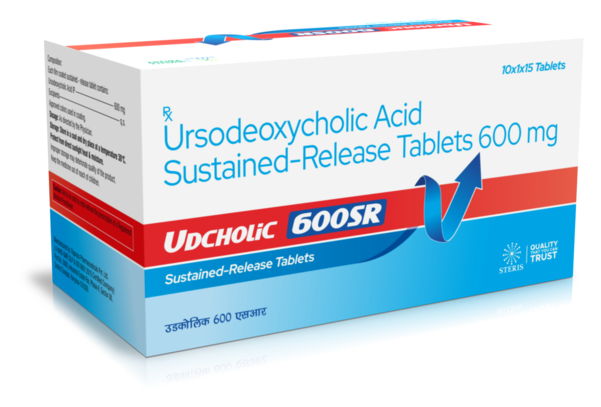
"name": "Ursodeoxycholic Acid 600 mg",
"description": "Ursodeoxycholic Acid 600 mg is a clinically trusted and widely prescribed medication used in the management of liver and gallbladder disorders. Belonging to the class of bile acid derivatives, it plays a vital role in improving liver function and dissolving certain types of gallstones without surgery. This medicine is commonly prescribed to patients suffering from cholestatic liver diseases, such as primary biliary cholangitis (PBC), non-alcoholic fatty liver disease (NAFLD), and bile reflux gastritis.\n\nIn the Indian healthcare setting, Ursodeoxycholic Acid (also known as UDCA) has become a cornerstone therapy for liver protection. It is known not only for its effectiveness in improving bile flow but also for its anti-inflammatory, immunomodulatory, and cytoprotective properties. The 600 mg strength formulation provides an optimal dose for adult patients, ensuring consistent bile regulation and liver cell protection.\n\nProduced under stringent quality control by leading pharmaceutical companies like Steris Healthcare Pvt. Ltd., Ursodeoxycholic Acid 600 mg ensures purity, efficacy, and patient safety. This makes it a dependable choice for clinicians and patients managing chronic liver diseases in India.\n\nWhat is Ursodeoxycholic Acid?\n\nUrsodeoxycholic Acid (UDCA) is a naturally occurring bile acid that is present in small amounts in the human body. It is synthesized and used as a medication to treat liver and gallbladder conditions by altering bile composition and reducing the production of toxic bile acids.\n\nChemically, Ursodeoxycholic Acid is a hydrophilic bile acid, meaning it has a high affinity for water and helps replace harmful hydrophobic bile acids that can damage liver cells. It is known for its ability to protect hepatocytes (liver cells) from injury, enhance bile secretion, and dissolve cholesterol-based gallstones.\n\nBy reducing bile cholesterol saturation and promoting bile flow, UDCA helps maintain liver function, especially in conditions where bile flow is obstructed or impaired.\n\nMechanism of Action\n\nThe therapeutic action of Ursodeoxycholic Acid is multifaceted:\n\nBile Flow Regulation:\nUDCA improves bile secretion and reduces bile stasis (retention). This helps in clearing toxic bile acids from the liver, thereby preventing inflammation and fibrosis.\n\nCytoprotective Effect:\nIt stabilizes the hepatocyte (liver cell) membrane and reduces damage caused by bile acid-induced oxidative stress.\n\nImmunomodulatory Action:\nUrsodeoxycholic Acid reduces autoimmune destruction of bile ducts in diseases like primary biliary cholangitis by modulating immune response.\n\nCholesterol Reduction:\nUDCA decreases the cholesterol content of bile and suppresses hepatic cholesterol synthesis, leading to the gradual dissolution of cholesterol gallstones.\n\nAntifibrotic and Anti-inflammatory Role:\nBy reducing inflammation and fibrosis markers, UDCA helps slow the progression of chronic liver diseases.\n\nTherapeutic Uses of Ursodeoxycholic Acid 600 mg\n\nUrsodeoxycholic Acid 600 mg tablets are prescribed for a wide range of liver and gallbladder-related conditions. Below are the major medical indications:\n\n1. Primary Biliary Cholangitis (PBC):\n\nOne of the most common uses of UDCA is in treating primary biliary cholangitis, an autoimmune condition that causes slow, progressive destruction of bile ducts within the liver. Ursodeoxycholic Acid helps improve bile flow, reduce bilirubin levels, and delay the need for liver transplantation in many patients.\n\n2. Cholestatic Liver Diseases:\n\nIt is used to treat cholestatic conditions where bile secretion is impaired, such as:\n\nIntrahepatic cholestasis during pregnancy\n\nDrug-induced cholestasis\n\nChronic cholestatic hepatitis\n\nPost-surgical biliary obstruction\n\n3. Gallstone Dissolution (Cholesterol Gallstones):\n\nUrsodeoxycholic Acid 600 mg is effective in dissolving small, non-calcified cholesterol gallstones in patients who cannot undergo surgery. It works by reducing cholesterol saturation in bile, gradually breaking down gallstones over several months.\n\n4. Non-Alcoholic Fatty Liver Disease (NAFLD) and Non-Alcoholic Steatohepatitis (NASH):\n\nIn patients with fatty liver or metabolic liver disorders, UDCA helps improve liver enzyme levels and reduces oxidative stress, supporting better liver health.\n\n5. Bile Reflux Gastritis:\n\nUDCA is used to relieve symptoms caused by bile reflux into the stomach, such as epigastric pain, bloating, and nausea.\n\n6. Cystic Fibrosis-Related Liver Disease:\n\nIt can be used to improve bile flow and prevent hepatic complications in patients with cystic fibrosis.\n\n7. Post Liver Transplantation:\n\nUDCA is sometimes used as supportive therapy to prevent graft-related cholestasis and maintain optimal liver function after transplantation.\n\nKey Benefits of Ursodeoxycholic Acid 600 mg\n1. Promotes Healthy Liver Function\n\nUrsodeoxycholic Acid supports liver detoxification and enhances bile secretion, reducing bile stasis and protecting hepatocytes from toxic damage.\n\n2. Dissolves Cholesterol Gallstones Naturally\n\nUnlike surgical interventions, UDCA provides a non-invasive way to dissolve cholesterol gallstones, especially in patients unfit for surgery.\n\n3. Protects Liver Cells from Damage\n\nUDCA stabilizes the hepatocyte membrane and reduces cell injury caused by bile acids, alcohol, or medications.\n\n4. Reduces Inflammation and Fibrosis\n\nIts anti-inflammatory and antifibrotic properties help slow down the progression of chronic liver diseases.\n\n5. Regulates Cholesterol Levels\n\nUrsodeoxycholic Acid lowers bile cholesterol concentration, which helps maintain a balanced lipid profile and prevents gallstone formation.\n\n6. Supports Recovery in Liver Disorders\n\nIn patients with hepatitis, fatty liver, or cirrhosis, UDCA helps improve liver enzyme levels (ALT, AST, ALP), signaling better liver recovery.\n\n7. Improves Digestive Function\n\nBy improving bile flow, UDCA enhances fat digestion and reduces symptoms like bloating, nausea, and postprandial discomfort.\n\n8. Safe for Long-Term Use\n\nWhen prescribed under medical supervision, Ursodeoxycholic Acid 600 mg is well-tolerated and safe for prolonged treatment of chronic liver diseases.\n\nDosage and Administration\n\nRecommended Dose: The typical adult dose of Ursodeoxycholic Acid ranges between 8–12 mg per kilogram of body weight per day, which equals about 600 mg once or twice daily depending on the patient’s condition.\n\nFormulation: Tablet form (Ursodeoxycholic Acid 600 mg)\n\nMode of Administration: Oral\n\nTiming: It should be taken with meals to enhance absorption and reduce gastrointestinal side effects.\n\nTreatment Duration:\n\nFor gallstone dissolution, therapy may last for 6 months to 2 years.\n\nFor chronic liver conditions, treatment may be long-term or lifelong under physician guidance.\n\nImportant Note:\nThe dosage should be individualized based on body weight, liver function, and medical condition. Patients must not self-medicate and should take the medicine only as prescribed by a healthcare professional.\n\nPrecautions and Warnings\n\nBefore using Ursodeoxycholic Acid 600 mg, patients should consider the following precautions:\n\nMedical Supervision Required:\nAlways use this medicine under the guidance of a doctor, particularly if you have a history of severe liver or gallbladder disease.\n\nAvoid in Certain Gallstones:\nUDCA is not effective for calcified or pigment gallstones.\n\nPregnancy and Breastfeeding:\nWhile UDCA is considered relatively safe during pregnancy, it should only be used when prescribed by a physician. Minimal amounts may pass into breast milk.\n\nMonitor Liver Function:\nRegular liver function tests (LFTs) are advised during treatment to monitor therapeutic response and liver health.\n\nDrug Interactions:\nAvoid concurrent use with:\n\nAluminum-based antacids (reduce UDCA absorption)\n\nCholestyramine or Colestipol (interfere with bile acid absorption)\n\nCiclosporin or Estrogens (may alter bile composition)\n\nAlcohol Consumption:\nAlcohol can strain the liver and reduce the effectiveness of UDCA therapy. Patients should limit or avoid alcohol during treatment.\n\nGastrointestinal Disorders:\nUse with caution in patients with peptic ulcer, severe diarrhea, or gastrointestinal inflammation.\n\nPossible Side Effects of Ursodeoxycholic Acid 600 mg\n\nUrsodeoxycholic Acid is generally well-tolerated, but some patients may experience mild to moderate side effects. These are typically temporary and improve as the body adjusts to the medication.\n\nCommon Side Effects:\n\nDiarrhea or loose stools\n\nNausea and vomiting\n\nAbdominal discomfort\n\nIndigestion or bloating\n\nHeadache\n\nDizziness\n\nLess Common Side Effects:\n\nRash or itching (urticaria)\n\nIncreased liver enzymes (temporary)\n\nBack pain or joint pain\n\nCough or upper respiratory infection symptoms\n\nRare but Serious Side Effects:\n\nSevere right upper abdominal pain (may indicate gallstone complications)\n\nJaundice or dark urine (signs of liver stress)\n\nPersistent diarrhea or dehydration\n\nAllergic reaction (swelling, rash, or shortness of breath)\n\nNote:\nIf any of these side effects persist or worsen, it is important to inform your doctor immediately. Never stop or alter the dosage without consulting your healthcare provider.\n\nSafety in Special Populations\nPregnancy:\n\nUDCA is sometimes used to treat intrahepatic cholestasis of pregnancy (ICP) under strict medical supervision. While generally safe, dosage adjustment and monitoring are essential.\n\nLactation:\n\nIt is considered safe in breastfeeding mothers as minimal quantities are excreted into breast milk.\n\nElderly Patients:\n\nNo specific dosage adjustment is needed, but liver function should be monitored regularly.\n\nChildren:\n\nUrsodeoxycholic Acid can be prescribed in pediatric doses for liver-related disorders, particularly biliary atresia, under pediatric supervision.\n\nStorage and Handling\n\nStore in a cool, dry place below 25°C.\n\nProtect from moisture and direct sunlight.\n\nKeep out of reach of children.\n\nDo not use after the expiry date printed on the pack.\n\nClinical Efficacy and Research Insights\n\nClinical studies across India and globally have confirmed the efficacy of Ursodeoxycholic Acid in managing chronic liver and biliary diseases. Long-term use of UDCA has shown:\n\nImprovement in liver enzyme profiles (AST, ALT, ALP).\n\nReduction in bilirubin levels in cholestatic conditions.\n\nDelay in disease progression in primary biliary cholangitis.\n\nReduction in gallstone size and formation rate with consistent therapy.\n\nBetter quality of life scores among patients with chronic liver conditions.\n\nIts established safety profile and biochemical benefits make Ursodeoxycholic Acid a cornerstone therapy in hepatology.\n\nLifestyle and Dietary Recommendations During Treatment\n\nTo enhance the effectiveness of UDCA therapy and support liver health, patients are advised to:\n\nMaintain a Balanced Diet:\nInclude fresh fruits, vegetables, whole grains, and lean proteins. Avoid fatty, fried, and processed foods.\n\nStay Hydrated:\nDrink sufficient water to aid digestion and toxin elimination.\n\nLimit Alcohol and Caffeine:\nBoth can strain liver metabolism and interfere with medication effectiveness.\n\nExercise Regularly:\nModerate physical activity helps improve liver function and reduce fat accumulation.\n\nAvoid Self-Medication:\nConsult your doctor before using any over-the-counter supplements or herbal products.\n\nFrequently Asked Questions (FAQs)\n\nQ1. How long should Ursodeoxycholic Acid 600 mg be taken?\nThe duration depends on your condition. For gallstone dissolution, treatment may last 6–24 months. For chronic liver diseases, long-term therapy may be recommended.\n\nQ2. Can Ursodeoxycholic Acid cure liver disease completely?\nWhile it does not cure liver disease, UDCA can slow its progression, protect liver cells, and improve biochemical and clinical outcomes.\n\nQ3. Can I take Ursodeoxycholic Acid on an empty stomach?\nIt is best taken with food to enhance absorption and minimize stomach upset.\n\nQ4. Does it interact with other medications?\nYes. Antacids, cholesterol-binding resins, and estrogens may interfere with UDCA absorption or activity. Always inform your doctor about all medications you’re taking.\n\nQ5. How long does it take to see results?\nLiver function improvement can often be observed within a few weeks, but gallstone dissolution may take several months of consistent use.\n\nConclusion\n\nUrsodeoxycholic Acid 600 mg is a trusted and clinically validated therapy for various liver and gallbladder conditions. Its unique ability to enhance bile flow, protect liver cells, and dissolve cholesterol gallstones makes it an indispensable part of hepatology treatment protocols.",
"price": 1385.0,
"discountamount": 415.0,
"currencycode": "INR",
"priority": 1000000,
"isfreeshipmentavailable": false,
"shipmentduration": 1,
"_keywords": null,
"isarchived": false,
"isavailable": true,
"applicationid": null,
"productindex": 2195,
"imageuri": "https://productimages.withfloats.com/actual/69099314f017379146dfffdc.png",
"tileimageuri": "https://productimages.withfloats.com/tile/69099314f017379146dfffdc.png",
"images": null,
"totalqueries": 0,
"gpid": null,
"groupproductid": null,
"createdon": "2025-11-03T07:18:55.866Z",
"updatedon": "2026-03-12T11:04:38.325Z",
"buyonlinelink": null,
"producturl": "http://WWW.STERISINDIA.COM/products/ursodeoxycholic-acid-600-mg/2195",
"availableunits": -1.0,
"iscodavailable": false,
"isprepaidonlineavailable": false,
"maxcodorders": 0,
"maxprepaidonlineorders": 0,
"uniquepaymenturl": null,
"brandname": "UDCHOLIC 600 SR",
"category": "GASTROLOGYRANGE",
"tags": [
"ursodeoxycholic acid 600 mg",
"ursodeoxycholic acid tablets 600 mg",
"ursodeoxycholic acid 600 mg uses",
"ursodeoxycholic acid 600 mg dosage",
"what is ursodeoxycholic acid 600 mg",
"how ursodeoxycholic acid works",
"ursodeoxycholic acid used for liver disease",
"ursodeoxycholic acid for gallstones treatment",
"ursodeoxycholic acid benefits for liver",
"ursodeoxycholic acid for fatty liver",
"ursodeoxycholic acid 600 mg price in india",
"ursodeoxycholic acid 600 mg tablet brands",
"buy ursodeoxycholic acid 600 mg online",
"best ursodeoxycholic acid tablets 600 mg",
"what is ursodeoxycholic acid 600 mg used for",
"how long to take ursodeoxycholic acid",
"does ursodeoxycholic acid cure fatty liver"
],
"variants": false,
"keyspecification": null,
"otherspecifications": null,
"pickupaddressreferenceid": null,
"paymenttype": "UniquePaymentUrl",
"producttype": "products",
"hsncode": null,
"gstslab": 0.0,
"isnotforsale": false
},
{
"_id": "66d999cc236afd258ed10348",
"fptag": "STERISHEALTHCARE",
"merchantname": null,
"customwidgets": null,
"externalsourceid": null,
"name": "Nintedanib 100 mg",
"description": "NINTEDONE 100 \nNintedanib 100 mg is a cutting-edge oral medication designed to combat progressive lung conditions and certain cancers, offering hope to patients facing debilitating fibrotic diseases. As a small-molecule tyrosine kinase inhibitor, it targets key pathways involved in abnormal cell growth and tissue scarring, making it a vital therapy for idiopathic pulmonary fibrosis (IPF), systemic sclerosis-associated interstitial lung disease (SSc-ILD), and progressive fibrosing interstitial lung diseases (PF-ILD). Manufactured to high standards, this formulation delivers precise dosing in a convenient capsule form, ensuring consistent absorption and efficacy for long-term management.\n\nUses of Nintedanib 100 mg\nNintedanib 100 mg stands out for its approved indications in slowing the decline of lung function in adults with IPF, a chronic and fatal lung disease characterized by progressive scarring of lung tissue. It is also indicated for SSc-ILD, where it helps manage lung fibrosis associated with systemic sclerosis, and PF-ILD, covering other chronic fibrosing lung conditions with a progressive phenotype. Beyond pulmonary fibrosis, Nintedanib has shown utility in oncology, particularly when combined with docetaxel for second-line treatment of advanced non-small cell lung cancer (NSCLC) of adenocarcinoma tumor histology, inhibiting tumor angiogenesis and growth.\n\nThis medication addresses the underlying fibrotic processes by restricting fibroblast proliferation and migration, which are central to lung tissue damage. In clinical practice, physicians prescribe Nintedanib 100 mg for patients with confirmed diagnoses via high-resolution CT scans or lung biopsies, often after other treatments fail. Its versatility extends to off-label considerations in other cancers like pancreatic or colorectal, though primary use remains in respiratory fibrosis and lung cancer, providing a targeted approach where traditional therapies fall short.\n\nKey Benefits of Nintedanib 100 mg\nOne of the primary benefits of Nintedanib 100 mg is its proven ability to reduce the rate of forced vital capacity (FVC) decline, a key measure of lung function, by up to 50% in IPF patients compared to placebo in landmark trials. This translates to slower disease progression, fewer acute exacerbations, and improved quality of life, allowing patients to maintain daily activities longer. The oral administration enhances patient compliance, avoiding the need for infusions or hospital visits.\n\nSlows Fibrosis Progression: By inhibiting multiple tyrosine kinases, it curbs excessive scar tissue formation in the lungs, preserving respiratory capacity over time.\n\nAnti-Angiogenic Effects: In cancer settings, it blocks vascular endothelial growth factor receptors (VEGFR), reducing tumor blood supply and metastasis risk.\n\nBroad-Spectrum Kinase Inhibition: Targets fibroblast growth factor receptors (FGFR), platelet-derived growth factor receptors (PDGFR), and others, addressing multifaceted disease pathways.\n\nManageable Long-Term Use: Clinical data supports sustained benefits with dose adjustments, minimizing hospitalizations for respiratory failure.\n\nImproved Survival Metrics: In combination therapies for NSCLC, it extends progression-free survival, offering valuable time for patients.\n\nThese advantages make Nintedanib 100 mg a cornerstone in modern pulmonology and oncology, backed by phase III trials demonstrating statistically significant outcomes in diverse patient populations.\n\nSide Effects of Nintedanib 100 mg\nWhile effective, Nintedanib 100 mg can cause gastrointestinal side effects as the most common issue, affecting over 60% of users primarily due to its impact on kinase signaling in the gut. Diarrhea often starts within the first two weeks and is typically manageable with dose reduction or antidiarrheal agents like loperamide. Other frequent effects include nausea, vomiting, and decreased appetite, which may lead to weight loss if not addressed.\n\nMore serious side effects warrant close monitoring:\n\nLiver Enzyme Elevations: Hepatotoxicity occurs in about 10-15% of patients, necessitating monthly liver function tests, especially in those with pre-existing liver conditions.\n\nCardiovascular Risks: Potential for arterial thromboembolism or hypertension; baseline cardiac evaluation is recommended.\n\nBleeding Events: Due to VEGF inhibition, minor bleeding like epistaxis is common, but gastrointestinal hemorrhage requires immediate attention.\n\nRare but Severe: Interstitial lung disease progression (paradoxical worsening), perforations, or severe infections in immunocompromised patients.\n\nPatients should report persistent diarrhea, abdominal pain, jaundice, or unusual fatigue promptly. Contraindications include pregnancy (category D), active bleeding, or hypersensitivity, with strong recommendations against use in moderate to severe hepatic impairment.\n\nDosage and Administration Insights\nTypically initiated at 150 mg twice daily for IPF and ILD, Nintedanib 100 mg allows for flexible dosing—starting lower at 100 mg BID if tolerated poorly, with food to reduce GI upset. For NSCLC, it's 200 mg BID with docetaxel cycles. Regular monitoring every 2-3 months adjusts for tolerance, emphasizing adherence to slow disease modification.\n\nConclusion\nNintedanib 100 mg represents a breakthrough in managing progressive fibrotic lung diseases and select cancers, delivering targeted inhibition of fibrotic and angiogenic pathways for tangible clinical benefits. Its ability to slow FVC decline, enhance patient quality of life, and integrate into combination regimens underscores its value, despite manageable side effects like diarrhea that respond well to supportive care. For those battling IPF, SSc-ILD, or NSCLC, Nintedanib 100 mg offers a proactive defense against relentless progression, empowering longer, more active lives under specialist guidance.",
"price": 795.0,
"discountamount": 296.0,
"currencycode": "INR",
"priority": 1000000,
"isfreeshipmentavailable": false,
"shipmentduration": 7,
"_keywords": [
"one capsule",
"weight loss",
"scar tissue",
"key players",
"Key Benefits",
"lung function",
"initial stages",
"abdominal pain",
"fibrous tissue",
"key ingredient",
"Bleeding Events",
"fibrotic tissue",
"daily activities",
"tyrosine kinases",
"fibrotic process",
"Nintedanib 100 mg",
"multiple pathways",
"active ingredient",
"sudden worsenings",
"crucial medication",
"recommended dosage",
"Decreased Appetite",
"signaling pathways",
"multiple receptors",
"overall well-being",
"disease progression",
"acute exacerbations",
"healthcare provider",
"Common side effects",
"elevated liver enzymes",
"Gastrointestinal Issues",
"other fibrotic diseases",
"Liver Enzyme Elevations",
"tyrosine kinase inhibitor",
"progressive lung conditions",
"other fibrotic lung diseases",
"idiopathic pulmonary fibrosis",
"potent pharmaceutical formulation",
"fibroblast growth factor receptor",
"platelet-derived growth factor receptor",
"vascular endothelial growth factor receptor"
],
"isarchived": false,
"isavailable": true,
"applicationid": null,
"productindex": 1971,
"imageuri": "https://productimages.withfloats.com/actual/66d999d4f2036c2969cdeca8.png",
"tileimageuri": "https://productimages.withfloats.com/tile/66d999d4f2036c2969cdeca8.png",
"images": null,
"totalqueries": 0,
"gpid": null,
"groupproductid": null,
"createdon": "2024-09-05T11:45:16.665Z",
"updatedon": "2026-03-14T06:46:45.85Z",
"buyonlinelink": null,
"producturl": "http://WWW.STERISINDIA.COM//nintedanib-100-mg/1971",
"availableunits": -1.0,
"iscodavailable": false,
"isprepaidonlineavailable": false,
"maxcodorders": 0,
"maxprepaidonlineorders": 0,
"uniquepaymenturl": null,
"brandname": "NINTEDONE 100 ",
"category": "NEPHROLOGYRANGE",
"tags": [
"lung conditions and certain cancers",
"Nintedanib 100 mg",
"pulmonary fibrosis (IPF)",
"fibrosis and lung cancer",
"nintedanib 100 mg",
"nintedanib capsules 100 mg",
"nintedanib 100 mg capsules",
"nintedanib 100 mg medicine",
"nintedanib 100 mg tablet uses",
"what is nintedanib 100 mg used for",
"how nintedanib 100 mg works",
"nintedanib 100 mg uses and benefits",
"nintedanib 100 mg for lung disease",
"nintedanib 100 mg for pulmonary fibrosis",
"nintedanib 100 mg for idiopathic pulmonary fibrosis",
"nintedanib 100 mg for interstitial lung disease",
"nintedanib capsules for chronic lung disease",
"nintedanib 100 mg price in india",
"nintedanib 100 mg capsules price",
"buy nintedanib 100 mg online",
"nintedanib 100 mg supplier india",
"nintedanib 100 mg manufacturer",
"when should nintedanib 100 mg be taken",
"who should take nintedanib 100 mg",
"can nintedanib slow lung fibrosis",
"how long to take nintedanib 100 mg",
"does nintedanib cure pulmonary fibrosis"
],
"variants": false,
"keyspecification": null,
"otherspecifications": null,
"pickupaddressreferenceid": "",
"paymenttype": "UniquePaymentUrl",
"producttype": "products",
"hsncode": null,
"gstslab": 0.001,
"isnotforsale": false
},
{
"_id": "66695161c91739182c954a1d",
"fptag": "STERISHEALTHCARE",
"merchantname": null,
"customwidgets": null,
"externalsourceid": null,
"name": "Pirfenidone 200mg",
"description": "Introduction\n\nRespiratory diseases affecting lung tissue have become a growing global concern due to increasing pollution, smoking habits, occupational exposure, infections, and age-related lung degeneration. One such serious chronic condition is Idiopathic Pulmonary Fibrosis (IPF), which leads to progressive scarring (fibrosis) of lung tissue, making breathing increasingly difficult over time.\n\nPirfenidone 200 mg is an antifibrotic and anti-inflammatory medicine widely used in the management of Idiopathic Pulmonary Fibrosis (IPF). It helps slow disease progression, reduce lung tissue scarring, and improve overall respiratory function when used under strict medical supervision.\n\nThis comprehensive SEO and GEO-optimized guide explains Pirfenidone 200 mg in detail, including its uses, mechanism of action, key benefits, side effects, precautions, and clinical relevance for patients and healthcare providers.\n\nWhat is Pirfenidone 200 mg?\n\nPirfenidone 200 mg is an oral antifibrotic medication used primarily for the treatment of Idiopathic Pulmonary Fibrosis (IPF), a chronic and progressive lung disease characterized by thickening and scarring of lung tissue.\n\nIt is classified as a lung fibrosis treatment drug that works by reducing fibroblast activity and slowing down the formation of scar tissue in the lungs.\n\nPirfenidone does not cure IPF but plays a crucial role in:\n\nSlowing disease progression\nPreserving lung function\nImproving quality of life\nReducing respiratory decline\nHow Does Pirfenidone 200 mg Work?\n\nPirfenidone works through multiple biological pathways involved in fibrosis and inflammation.\n\n1. Anti-Fibrotic Action\n\nPirfenidone helps inhibit the production of fibroblasts, which are cells responsible for forming scar tissue in the lungs. By controlling fibroblast activity, it slows the progression of lung fibrosis.\n\n2. Anti-Inflammatory Effect\n\nIt reduces inflammatory mediators such as cytokines that contribute to chronic lung inflammation and tissue damage.\n\n3. Reduction of Collagen Formation\n\nPirfenidone helps decrease excess collagen deposition in lung tissues, which is a key factor in pulmonary fibrosis.\n\n4. Oxidative Stress Reduction\n\nIt also reduces oxidative stress in lung cells, protecting them from further damage caused by free radicals.\n\nMechanism of Action of Pirfenidone 200 mg\n\nPirfenidone acts at the cellular level by modulating growth factors and cytokines involved in fibrosis, including:\n\nTransforming Growth Factor Beta (TGF-β)\nTumor Necrosis Factor Alpha (TNF-α)\nPlatelet-Derived Growth Factor (PDGF)\n\nBy regulating these pathways, Pirfenidone helps:\n\nSlow fibroblast proliferation\nReduce extracellular matrix buildup\nImprove lung tissue stability\nPreserve pulmonary function over time\nUses of Pirfenidone 200 mg\n\nPirfenidone 200 mg is primarily used in the management of:\n\n1. Idiopathic Pulmonary Fibrosis (IPF)\n\nThe main approved indication for Pirfenidone is IPF, a serious chronic lung condition that causes progressive scarring of lung tissue.\n\n2. Chronic Interstitial Lung Disease (ILD)\n\nIt may be used in certain cases of interstitial lung disease under medical supervision.\n\n3. Progressive Pulmonary Fibrosis\n\nHelps slow down progression of fibrosis in selected patients.\n\n4. Supportive Respiratory Therapy\n\nUsed as part of long-term treatment plans for maintaining lung function.\n\nKey Benefits of Pirfenidone 200 mg\n1. Slows Progression of Lung Fibrosis\n\nPirfenidone helps slow down the worsening of lung scarring in IPF patients.\n\n2. Improves Lung Function Stability\n\nIt helps maintain Forced Vital Capacity (FVC), a key measure of lung performance.\n\n3. Reduces Inflammation in Lungs\n\nBy lowering inflammatory activity, it supports healthier lung tissue environment.\n\n4. Antifibrotic Protection\n\nPrevents excessive formation of fibrotic tissue in the lungs.\n\n5. Improves Quality of Life\n\nPatients may experience better breathing capacity and reduced disease burden.\n\n6. Delays Disease Progression\n\nClinical studies show Pirfenidone can delay progression of IPF when taken regularly.\n\n7. Supports Long-Term Respiratory Health\n\nHelps preserve lung function over extended periods when used continuously.\n\n8. Reduces Risk of Acute Exacerbations\n\nMay lower the frequency of sudden worsening of lung symptoms.\n\nWho Can Benefit from Pirfenidone 200 mg?\n\nPirfenidone is generally prescribed for:\n\nPatients diagnosed with Idiopathic Pulmonary Fibrosis\nAdults with progressive lung scarring conditions\nIndividuals with declining lung function due to fibrosis\nPatients under pulmonologist supervision\n\nIt is not a general cough or asthma medicine and must only be used under strict medical guidance.\n\nDosage Guidelines for Pirfenidone 200 mg\n\nThe dosage is strictly individualized and should be determined by a healthcare professional.\n\nGeneral Approach:\nStarted at low dose\nGradually increased over time\nTaken multiple times per day with food\nImportant Instructions:\nAlways take with meals to reduce stomach upset\nDo not skip or double doses\nFollow pulmonologist’s prescription strictly\nSide Effects of Pirfenidone 200 mg\n\nLike all prescription medicines, Pirfenidone may cause side effects in some patients.\n\nCommon Side Effects:\nNausea\nLoss of appetite\nFatigue\nHeadache\nDizziness\nIndigestion\nSkin rash or sensitivity to sunlight\nGastrointestinal Effects:\nVomiting\nDiarrhea\nAbdominal discomfort\nSerious Side Effects of Pirfenidone 200 mg\n\nSeek immediate medical attention if any of the following occur:\n\nSevere allergic reactions\nLiver function abnormalities\nYellowing of skin or eyes (jaundice)\nSevere skin reactions\nPersistent vomiting\nBreathing difficulty worsening unexpectedly\n\nRegular liver function monitoring is often recommended during treatment.\n\nPrecautions and Warnings\nLiver Disease\n\nPatients with liver impairment require careful monitoring.\n\nSun Sensitivity\n\nPirfenidone may increase sensitivity to sunlight; protective clothing and sunscreen are recommended.\n\nPregnancy and Breastfeeding\n\nUse only if clearly advised by a doctor.\n\nDrug Interactions\n\nInform your doctor about all medications being taken, especially:\n\nAntibiotics\nAntifungal drugs\nOther antifibrotic therapies\nRegular Monitoring\n\nLiver function tests and lung function tests may be required periodically.\n\nClinical Importance of Pirfenidone 200 mg\n\nPirfenidone is considered a cornerstone therapy in IPF management. Clinical trials have demonstrated its ability to:\n\nSlow decline in lung function\nImprove progression-free survival\nReduce fibrosis-related complications\n\nIt is widely recommended in international pulmonology guidelines for IPF treatment.\n\nWhy Pirfenidone 200 mg is Important in IPF Treatment\n\nIdiopathic Pulmonary Fibrosis is a progressive and life-limiting disease. Without treatment, lung function continues to deteriorate.\n\nPirfenidone plays a vital role by:\n\nTargeting fibrosis pathways\nReducing inflammation\nPreserving respiratory capacity\nSupporting long-term disease management\nFrequently Asked Questions (FAQs)\nWhat is Pirfenidone 200 mg used for?\n\nIt is mainly used to treat Idiopathic Pulmonary Fibrosis (IPF), a chronic lung disease causing scarring.\n\nDoes Pirfenidone cure pulmonary fibrosis?\n\nNo, it does not cure IPF but helps slow disease progression.\n\nHow should Pirfenidone 200 mg be taken?\n\nIt should be taken orally with food as prescribed by a doctor.\n\nWhat are the most common side effects?\n\nNausea, fatigue, loss of appetite, and skin sensitivity to sunlight.\n\nIs long-term use safe?\n\nYes, under medical supervision and regular monitoring.\n\nCan Pirfenidone improve breathing?\n\nIt may help stabilize lung function and slow breathing deterioration.\n\nConclusion\n\nPirfenidone 200 mg is a clinically important antifibrotic medication used in the management of Idiopathic Pulmonary Fibrosis (IPF). By reducing lung inflammation, slowing fibrosis progression, and preserving lung function, it plays a crucial role in improving long-term respiratory outcomes.\n\nAlthough it is not a cure, its ability to slow disease progression makes it a valuable treatment option for patients suffering from progressive lung scarring conditions. When used under expert medical supervision with proper monitoring, Pirfenidone 200 mg can significantly contribute to better disease control and improved quality of life.",
"price": 329.0,
"discountamount": 99.0,
"currencycode": "INR",
"priority": 1000000,
"isfreeshipmentavailable": false,
"shipmentduration": 7,
"_keywords": [
"IPF",
"Call",
"rash",
"food",
"ORDER",
"Email",
"lungs",
"nausea",
"product",
"fatigue",
"WhatsApp",
"guidance",
"diarrhea",
"medicine",
"PIRFENOID",
"breathing",
"medication",
"absorption",
"information",
"tablet form",
"sterisonline",
"side effects",
"sterispharma",
"stomach upset",
"standard dosage",
"Pirfenidone 200mg",
"active ingredient",
"disease progression",
"healthcare professional",
"idiopathic pulmonary fibrosis"
],
"isarchived": false,
"isavailable": true,
"applicationid": null,
"productindex": 1776,
"imageuri": "https://productimages.withfloats.com/actual/66695164c9162f54a1557073.png",
"tileimageuri": "https://productimages.withfloats.com/tile/66695164c9162f54a1557073.png",
"images": null,
"totalqueries": 0,
"gpid": null,
"groupproductid": null,
"createdon": "2024-06-12T07:42:25.938Z",
"updatedon": "2026-06-09T11:32:12.197Z",
"buyonlinelink": null,
"producturl": "http://WWW.STERISINDIA.COM//pirfenidone-200mg/1776",
"availableunits": -1.0,
"iscodavailable": false,
"isprepaidonlineavailable": false,
"maxcodorders": 0,
"maxprepaidonlineorders": 0,
"uniquepaymenturl": null,
"brandname": "PIRFENOID 200",
"category": "RESPIRTORYRANGE",
"tags": [
"PIRFENOID 200 price",
"PIRFENOID 200 usses",
"PIRFENOID 200 side effects",
"pirfenidone 200 mg dosage",
"Pirfenidone (200mg)",
"Pirfenidone 200 mg dosage",
"pirfenidone 200 mg uses in hindi"
],
"variants": false,
"keyspecification": null,
"otherspecifications": null,
"pickupaddressreferenceid": "",
"paymenttype": "UniquePaymentUrl",
"producttype": "products",
"hsncode": null,
"gstslab": 0.001,
"isnotforsale": false
},
{
"_id": "66694f6bca84cd189c25ac3e",
"fptag": "STERISHEALTHCARE",
"merchantname": null,
"customwidgets": null,
"externalsourceid": null,
"name": "Pirfenidone 400mg",
"description": "PIRFENOID 400 is a pharmaceutical formulation containing Pirfenidone 400mg as its active ingredient. This medication represents a significant advancement in the treatment of idiopathic pulmonary fibrosis (IPF), a progressive lung disease characterized by scarring of lung tissue. PIRFENOID 400 belongs to a class of medications known as antifibrotic agents, designed to slow the progression of lung fibrosis and help patients maintain their quality of life.\nIdiopathic pulmonary fibrosis is a chronic, progressive condition where the lung tissue becomes thick and stiff over time, making it increasingly difficult for patients to breathe. PIRFENOID 400 works at the cellular level to address this scarring process, offering hope to those diagnosed with this challenging condition.\nUnderstanding How PIRFENOID 400 Works\nThe active ingredient in PIRFENOID 400, Pirfenidone, operates through multiple mechanisms to combat pulmonary fibrosis. While the exact mechanism is not completely understood, research suggests that Pirfenidone exhibits both antifibrotic and anti-inflammatory properties. It works by reducing the production of growth factors and procollagens, which are substances involved in the formation of scar tissue in the lungs.\nBy interfering with the fibrotic process, PIRFENOID 400 helps slow down the rate at which lung tissue becomes scarred and damaged. This intervention is crucial because once lung tissue becomes severely scarred, the damage is generally irreversible. The medication doesn't cure IPF, but it can significantly slow its progression, allowing patients to maintain better lung function for longer periods.\nPrimary Uses and Indications\nPIRFENOID 400 is primarily prescribed for the treatment of mild to moderate idiopathic pulmonary fibrosis. Healthcare providers recommend this medication for patients who have been diagnosed with IPF through comprehensive testing, including high-resolution CT scans, pulmonary function tests, and sometimes lung biopsies.\nThe medication is most effective when started early in the disease process, before extensive lung damage has occurred. It is intended for long-term use as part of a comprehensive treatment plan that may also include pulmonary rehabilitation, oxygen therapy, and other supportive measures.\nKey Benefits of PIRFENOID 400\nSlowing Disease Progression\nThe most significant benefit of PIRFENOID 400 is its ability to slow the progression of idiopathic pulmonary fibrosis. Clinical studies have demonstrated that patients taking Pirfenidone experience a reduced decline in lung function compared to those not receiving treatment. This means patients can maintain their breathing capacity and overall lung health for extended periods.\nImproved Quality of Life\nBy slowing disease progression, PIRFENOID 400 helps patients maintain their ability to perform daily activities. Patients often report being able to continue working, engaging in social activities, and maintaining independence longer than they might without treatment. This preservation of quality of life is invaluable for both patients and their families.\nReduced Risk of Acute Exacerbations\nResearch indicates that PIRFENOID 400 may help reduce the risk of acute exacerbations of IPF, which are sudden worsening episodes that can be life-threatening. By stabilizing the disease, the medication provides patients with more predictable disease management and fewer emergency situations.\nExtended Survival Rates\nStudies have shown that treatment with Pirfenidone may be associated with improved survival rates in IPF patients. While IPF remains a serious condition, PIRFENOID 400 offers patients additional time and better overall outcomes.\nWell-Established Safety Profile\nPIRFENOID 400 has been extensively studied in clinical trials involving thousands of patients worldwide. This extensive research has established a well-understood safety profile, allowing healthcare providers to effectively manage and monitor patients on this therapy.\nDosage and Administration\nPIRFENOID 400 is typically administered orally with food to reduce the likelihood of gastrointestinal side effects. The usual recommended dosage involves a gradual titration period where the dose is slowly increased over the initial weeks of treatment to help the body adjust to the medication. Patients should always follow their healthcare provider's specific dosing instructions and never adjust their dose without medical guidance.\nPotential Side Effects\nLike all medications, PIRFENOID 400 can cause side effects, though not everyone experiences them. Understanding these potential effects helps patients and healthcare providers monitor treatment effectively.\nCommon Side Effects\nThe most frequently reported side effects include nausea, loss of appetite, stomach upset, diarrhea, and indigestion. These gastrointestinal effects are often most noticeable when starting treatment but may improve over time. Taking the medication with food can help minimize these symptoms.\nSkin-related side effects are also common, including photosensitivity (increased sensitivity to sunlight), rash, and dry skin. Patients taking PIRFENOID 400 should use broad-spectrum sunscreen and protective clothing when exposed to sunlight.\nFatigue and dizziness are reported by some patients, particularly during the initial treatment period. These effects may impact daily activities and should be discussed with a healthcare provider if they persist or worsen.\nLess Common but Serious Side Effects\nElevated liver enzymes have been observed in some patients taking Pirfenidone, which is why regular liver function monitoring is essential during treatment. Most cases are mild and reversible with dose adjustment or temporary discontinuation.\nSome patients may experience significant weight loss, which requires nutritional monitoring and support. Rare cases of angioedema (severe swelling) and severe allergic reactions have been reported and require immediate medical attention.\nManaging Side Effects\nMost side effects can be effectively managed through dose adjustments, symptomatic treatment, or temporary interruption of therapy. Open communication with healthcare providers is essential for optimizing treatment while minimizing adverse effects.\nImportant Precautions and Monitoring\nPatients taking PIRFENOID 400 require regular monitoring, including liver function tests, typically performed monthly for the first six months and then periodically thereafter. Sun protection measures are crucial, including use of SPF 50+ sunscreen, protective clothing, and avoiding peak sun hours.\nWomen of childbearing potential should use effective contraception, as the safety of Pirfenidone during pregnancy has not been established. Patients should inform their healthcare provider of all other medications they are taking, as drug interactions may occur.\nSmoking can reduce the effectiveness of PIRFENOID 400, and patients are strongly encouraged to quit smoking as part of their comprehensive IPF management strategy.\nConclusion\nPIRFENOID 400 represents a valuable therapeutic option for patients diagnosed with idiopathic pulmonary fibrosis. By slowing disease progression, reducing the decline in lung function, and potentially improving survival outcomes, this medication offers meaningful benefits to those facing this challenging condition. While side effects can occur, they are generally manageable with appropriate monitoring and medical support.\n\n\n\n\n\n\n\n",
"price": 439.0,
"discountamount": 132.0,
"currencycode": "INR",
"priority": 1000000,
"isfreeshipmentavailable": false,
"shipmentduration": 7,
"_keywords": [
"IPF",
"rash",
"drug",
"400mg",
"ORDER",
"Email",
"801mg",
"nausea",
"doctor",
"fatigue",
"product",
"guidance",
"WhatsApp",
"PIRFENOID",
"medication",
"Pirfenidone",
"information",
"sterispharma",
"inflammation",
"Side effects",
"usual dosage",
"sterisonline",
"lung scarring",
"optimal results",
"disease progression",
"idiopathic pulmonary fibrosis"
],
"isarchived": false,
"isavailable": true,
"applicationid": null,
"productindex": 1774,
"imageuri": "https://productimages.withfloats.com/actual/66694f6d5e294343790b2279.png",
"tileimageuri": "https://productimages.withfloats.com/tile/66694f6d5e294343790b2279.png",
"images": null,
"totalqueries": 0,
"gpid": null,
"groupproductid": null,
"createdon": "2024-06-12T07:34:03.278Z",
"updatedon": "2026-05-20T07:10:29.655Z",
"buyonlinelink": null,
"producturl": "http://WWW.STERISINDIA.COM//pirfenidone-400mg/1774",
"availableunits": -1.0,
"iscodavailable": false,
"isprepaidonlineavailable": false,
"maxcodorders": 0,
"maxprepaidonlineorders": 0,
"uniquepaymenturl": null,
"brandname": "PIRFENOID 400",
"category": "RESPIRTORYRANGE",
"tags": [
"Pirfenidone (400mg) price",
"pirfenidone 400 mg uses in hindi",
"pirfenidone 400 mg side effects in hindi",
"pirfenidone (400mg) benefits",
"pirfenidone 400 mg tablet",
"pirfenidone 400 mg tablets",
"pirfenidone 400 mg price",
"pirfenidone 400 mg dosage",
"pirfenidone 400 mg composition",
"buy pirfenidone 400 mg tablet",
"pirfenidone 400 mg tablet manufacturer",
"pirfenidone 400 mg tablet supplier",
"pirfenidone 400 mg tablet wholesale",
"pirfenidone 400 mg for pulmonary fibrosis",
"pirfenidone 400 mg treatment benefits",
"pirfenidone 400 mg tablets in India",
"pirfenidone 400 mg supplier India",
"Buy Pirfenidone 400mg online",
"Order Pirfenidone 400mg online India",
"Pirfenidone 400mg wholesale price"
],
"variants": false,
"keyspecification": null,
"otherspecifications": null,
"pickupaddressreferenceid": "",
"paymenttype": "UniquePaymentUrl",
"producttype": "products",
"hsncode": null,
"gstslab": 0.001,
"isnotforsale": false
},
{
"_id": "66642fcddb100e1fdc2de5b7",
"fptag": "STERISHEALTHCARE",
"merchantname": null,
"customwidgets": null,
"externalsourceid": null,
"name": "Memantine 5mg",
"description": "MENTATIME 5 \nMementine (5mg)\nMentatime 5 contains Memantine (5mg), a medication used to treat Alzheimer's disease. It works by regulating glutamate, a neurotransmitter involved in learning and memory. Memantine helps improve cognitive function and may slow down the progression of Alzheimer's symptoms. It is important to use this medication as prescribed by a healthcare professional. For further information:\nEmail: info@sterispharma.com / contact@sterispharma.com\nCall/WhatsApp: 7877551268, 7849827488\nORDER Now: \nhttps://www.sterisonline.com/product/mentatime-5-133778\n\n\n\n\n\n\n",
"price": 83.0,
"discountamount": 25.0,
"currencycode": "INR",
"priority": 1000000,
"isfreeshipmentavailable": false,
"shipmentduration": 7,
"_keywords": [
"mg",
"Call",
"Email",
"ORDER",
"memory",
"disease",
"WhatsApp",
"symptoms",
"learning",
"glutamate",
"Alzheimer",
"Memantine",
"Mementine",
"MENTATIME",
"medication",
"progression",
"information",
"sterispharma",
"sterisonline",
"neurotransmitter",
"cognitive function",
"healthcare professional"
],
"isarchived": false,
"isavailable": true,
"applicationid": null,
"productindex": 1573,
"imageuri": "https://productimages.withfloats.com/actual/66642fd0fb1a766e644ab9ed.png",
"tileimageuri": "https://productimages.withfloats.com/tile/66642fd0fb1a766e644ab9ed.png",
"images": null,
"totalqueries": 0,
"gpid": null,
"groupproductid": null,
"createdon": "2024-06-08T10:17:49.932Z",
"updatedon": "2026-03-12T07:19:18.12Z",
"buyonlinelink": null,
"producturl": "http://WWW.STERISINDIA.COM//memantine-5mg/1573",
"availableunits": -1.0,
"iscodavailable": false,
"isprepaidonlineavailable": false,
"maxcodorders": 0,
"maxprepaidonlineorders": 0,
"uniquepaymenturl": null,
"brandname": "MENTATIME 5 ",
"category": "GASTROLOGYRANGE",
"tags": [
"MENTATIME 5",
"Mementine (5mg)",
"Memantine 5 mg side effects",
"Memantine 5 mg brand Name",
"Memantine dosage",
"Tab memantine 5 mg"
],
"variants": false,
"keyspecification": null,
"otherspecifications": null,
"pickupaddressreferenceid": "",
"paymenttype": "UniquePaymentUrl",
"producttype": "products",
"hsncode": null,
"gstslab": 0.001,
"isnotforsale": false
},
{
"_id": "662b9f97a4eb611de48dd113",
"fptag": "STERISHEALTHCARE",
"merchantname": null,
"customwidgets": null,
"externalsourceid": null,
"name": "Nintedanib 150 mg",
"description": "\nIntroduction to Nintedanib 150 mg\n\nNintedanib 150 mg is a widely prescribed medicine used in the management of serious lung conditions that cause progressive scarring and breathing difficulties. It belongs to a class of medicines known as tyrosine kinase inhibitors, designed to slow down the progression of lung fibrosis and improve overall respiratory health. Doctors commonly recommend Nintedanib 150 mg for patients suffering from conditions such as idiopathic pulmonary fibrosis (IPF), chronic fibrosing interstitial lung diseases (ILDs), and systemic sclerosis-associated interstitial lung disease.\n\nPatients searching for an effective medicine to manage worsening lung fibrosis often choose Nintedanib 150 mg because of its clinically proven effectiveness in slowing disease progression. With growing awareness about pulmonary fibrosis treatment, this medicine has become an important therapeutic option in respiratory care.\n\nWhat is Nintedanib 150 mg?\nf(x)=e\n−kx\nA\nk\ny=Ae\n−kt\n≈6e\n−0.6t\ny\nt\n\nNintedanib 150 mg capsules are oral prescription medicines formulated to reduce the rate of decline in lung function. It works by blocking pathways responsible for abnormal tissue scarring in the lungs. The medicine helps prevent further fibrosis and supports patients in maintaining better breathing capacity over time.\n\nNintedanib is mainly prescribed for:\n\nIdiopathic Pulmonary Fibrosis (IPF)\nProgressive Fibrosing Interstitial Lung Disease (PF-ILD)\nSystemic Sclerosis-Associated ILD\nCertain chronic pulmonary disorders involving fibrosis\n\nThe medicine is generally taken twice daily or as directed by a healthcare professional.\n\nHow Does Nintedanib 150 mg Work?\n\nNintedanib 150 mg works by inhibiting multiple growth factor receptors involved in fibrosis formation. These receptors are responsible for the excessive production of fibrous tissue inside the lungs. By blocking these signals, the medicine slows the progression of lung scarring.\n\nThis mechanism helps in:\n\nSlowing lung function decline\nReducing fibrosis progression\nImproving breathing stability\nSupporting long-term respiratory health\n\nUnlike medicines that only relieve symptoms, Nintedanib focuses on controlling the progression of the disease itself.\n\nKey Benefits of Nintedanib 150 mg\n1. Slows Disease Progression\n\nOne of the major advantages of Nintedanib 150 mg is its ability to reduce the speed at which lung scarring worsens. This is especially important for patients with progressive pulmonary fibrosis.\n\n2. Helps Maintain Lung Function\n\nRegular use may help preserve lung capacity and improve the patient’s ability to perform daily activities with reduced breathlessness.\n\n3. Clinically Proven Therapy\n\nNintedanib has been extensively studied in clinical trials and is considered an effective treatment option for fibrotic lung diseases.\n\n4. Oral Capsule Form\n\nThe medicine is easy to administer in capsule form, making treatment more convenient for long-term use.\n\n5. Supports Quality of Life\n\nBy slowing disease progression, patients may experience better mobility, reduced respiratory complications, and improved overall quality of life.\n\nUses of Nintedanib 150 mg\nIdiopathic Pulmonary Fibrosis (IPF)\n\nIPF is a chronic lung disease that causes gradual scarring of lung tissue. Nintedanib helps slow the worsening of this condition.\n\nProgressive Fibrosing ILD\n\nPatients with fibrosing interstitial lung diseases may benefit from reduced progression and stabilized respiratory performance.\n\nSystemic Sclerosis-Associated ILD\n\nNintedanib is also prescribed for lung complications related to systemic sclerosis, an autoimmune disorder.\n\nChronic Lung Fibrosis Management\n\nDoctors may recommend Nintedanib 150 mg for other chronic pulmonary fibrosis conditions requiring anti-fibrotic treatment.\n\nDosage and Administration\n\nNintedanib 150 mg should always be taken exactly as prescribed by the healthcare provider.\n\nGeneral Dosage Guidelines\nUsually taken twice daily\nSwallow capsules whole with water\nPreferably taken with food\nMaintain a consistent dosing schedule\n\nPatients should not crush, chew, or open the capsules unless advised by a medical professional.\n\nImportant Precautions Before Using Nintedanib 150 mg\n\nBefore starting treatment, patients should inform their doctor about:\n\nLiver disorders\nHeart disease\nBleeding disorders\nRecent surgeries\nPregnancy or breastfeeding\nExisting medications or supplements\n\nRoutine monitoring may be required during treatment to assess liver function and overall health status.\n\nPossible Side Effects of Nintedanib 150 mg\n\nLike all medicines, Nintedanib 150 mg may cause side effects in some patients. Most side effects are manageable with proper medical supervision.\n\nCommon Side Effects\nDiarrhea\nNausea\nVomiting\nAbdominal pain\nLoss of appetite\nWeight loss\nSerious Side Effects\n\nSeek immediate medical attention if you notice:\n\nSevere liver problems\nChest pain\nUnusual bleeding\nSevere allergic reactions\nDifficulty breathing\n\nPatients should immediately consult their doctor if side effects become persistent or severe.\n\nWhy Patients Choose Nintedanib 150 mg\n\nPatients and healthcare professionals prefer Nintedanib 150 mg due to its targeted anti-fibrotic action and long-term clinical benefits. It addresses the root mechanism of fibrosis progression rather than only symptom management.\n\nKey reasons behind its growing demand include:\n\nProven effectiveness in IPF treatment\nImproved respiratory stability\nBetter long-term disease management\nTrusted anti-fibrotic therapy\nWidely recommended by specialists\nStorage Instructions\n\nTo maintain medicine effectiveness:\n\nStore below recommended temperature\nKeep away from direct sunlight\nProtect from moisture\nKeep out of reach of children\n\nAlways check the packaging for detailed storage guidelines.\n\nWho Should Avoid Nintedanib 150 mg?\n\nNintedanib may not be suitable for everyone. Patients with severe liver disease, high bleeding risk, or known hypersensitivity should avoid using this medicine unless specifically advised by a healthcare professional.\n\nPregnant women should avoid this medicine due to potential risks to the unborn baby.\n\nDrug Interactions\n\nNintedanib 150 mg may interact with certain medicines, including:\n\nBlood thinners\nAntibiotics\nAntifungal medicines\nLiver enzyme affecting drugs\nHerbal supplements\n\nAlways provide a complete medication history to the doctor before starting treatment.\n\nFrequently Asked Questions About Nintedanib 150 mg\nIs Nintedanib 150 mg used for lung fibrosis?\n\nYes, it is primarily used for treating pulmonary fibrosis and related lung disorders.\n\nCan Nintedanib cure pulmonary fibrosis?\n\nNo, it does not cure the disease but helps slow down disease progression.\n\nHow long should Nintedanib be taken?\n\nTreatment duration depends on the patient’s condition and doctor’s recommendation.\n\nCan I stop taking Nintedanib suddenly?\n\nDo not stop treatment without consulting your healthcare provider.\n\nIs Nintedanib a chemotherapy medicine?\n\nNo, it is an anti-fibrotic medicine used mainly for lung diseases.\n\nConclusion\n\nNintedanib 150 mg is an advanced anti-fibrotic medicine widely used for managing progressive lung diseases such as idiopathic pulmonary fibrosis and interstitial lung disorders. Its ability to slow fibrosis progression and preserve lung function makes it an important treatment option for patients seeking long-term respiratory support.",
"price": 1050.0,
"discountamount": 150.0,
"currencycode": "INR",
"priority": 1000000,
"isfreeshipmentavailable": false,
"shipmentduration": 7,
"_keywords": [
"ILD",
"IPF",
"part",
"scarring",
"pathways",
"mechanism",
"NINTEDONE",
"Nintedanib",
"lung tissue",
"inflammation",
"lung function",
"150mg strength",
"targeted medication",
"disease progression",
"prescription medicine",
"various lung diseases",
"healthcare professionals",
"comprehensive treatment plan",
"idiopathic pulmonary fibrosis",
"other interstitial lung diseases"
],
"isarchived": false,
"isavailable": true,
"applicationid": null,
"productindex": 771,
"imageuri": "https://productimages.withfloats.com/actual/662b9f99326a2039bea2891b.png",
"tileimageuri": "https://productimages.withfloats.com/tile/662b9f99326a2039bea2891b.png",
"images": null,
"totalqueries": 0,
"gpid": null,
"groupproductid": null,
"createdon": "2024-04-26T12:35:35.162Z",
"updatedon": "2026-05-20T06:37:55.747Z",
"buyonlinelink": null,
"producturl": "http://WWW.STERISINDIA.COM//nintedanib-150-mg/771",
"availableunits": -1.0,
"iscodavailable": false,
"isprepaidonlineavailable": false,
"maxcodorders": 0,
"maxprepaidonlineorders": 0,
"uniquepaymenturl": null,
"brandname": "NINTEDONE 150",
"category": "NEPHROLOGYRANGE",
"tags": [
"Nintedanib 150 mg",
"nintedanib 150 mg uses",
"nintedanib 150 mg uses in hindi",
"nintedanib 150 mg price",
"nintedanib 150 mg price in india",
"nintedanib 150 mg side effects",
"tab nintedanib 150 mg price",
"tab nintedanib 150 mg uses in hindi",
"tab nintedanib 150 mg uses",
"nintedanib 150 mg tablet",
"side effects of nintedanib 150 mg",
"nintedanib 150 mg brands in india",
"nintedanib 150 mg cost"
],
"variants": false,
"keyspecification": null,
"otherspecifications": null,
"pickupaddressreferenceid": "",
"paymenttype": "UniquePaymentUrl",
"producttype": "products",
"hsncode": null,
"gstslab": 0.001,
"isnotforsale": false
},
{
"_id": "6ad73c502f1fbe0284e2dcb5",
"fptag": "STERISHEALTHCARE",
"merchantname": null,
"customwidgets": null,
"externalsourceid": null,
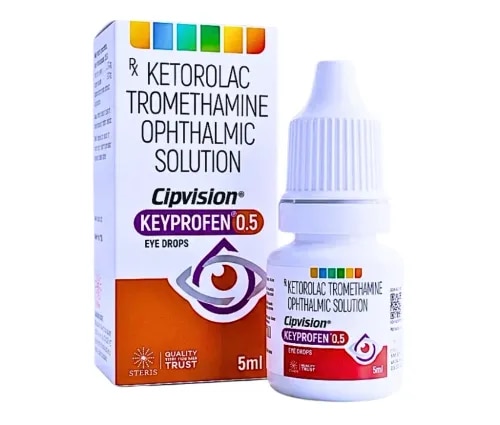
"name": "Ketorolac Tromethamine Ophthalmic Solution",
"description": "CIPVISION KEYPROFEN 0.5 is an ophthalmic formulation containing Ketorolac Tromethamine 0.5% w/v, a non-steroidal anti-inflammatory drug (NSAID) used in specific eye-care situations. It works by reducing the production of prostaglandins, chemical substances that contribute to pain and inflammation. This action may help manage certain inflammatory eye symptoms when the medicine is prescribed for an appropriate condition.\n\nCIPVISION KEYPROFEN 0.5 is intended for topical application to the eyes under the supervision of a qualified healthcare professional. Its suitability depends on the patient's symptoms, clinical diagnosis, and the approved product information.\n\nFor pharmacies, medical distributors, healthcare professionals, and pharmaceutical product catalogues, CIPVISION KEYPROFEN 0.5 represents an ophthalmic product containing a recognised anti-inflammatory ingredient. Appropriate product information helps users understand its intended role, administration requirements, and important precautions.\nComposition of CIPVISION KEYPROFEN 0.5\nThe stated active ingredient in CIPVISION KEYPROFEN 0.5 is:\n\nKetorolac Tromethamine 0.5% w/v: This medicine belongs to the NSAID class. It inhibits cyclooxygenase enzymes involved in the production of prostaglandins, helping reduce inflammatory activity and associated discomfort in suitable ophthalmic conditions.\n\nThe complete formulation, inactive ingredients, pack size, and approved therapeutic indications should be verified using the product packaging and official prescribing information.\nKey Features of CIPVISION KEYPROFEN 0.5 Eye Drops\nCIPVISION KEYPROFEN 0.5 has several important characteristics relevant to ophthalmic care:\n- NSAID-based formulation: Contains Ketorolac Tromethamine, a non-steroidal anti-inflammatory medicine.\n- Inflammation control: Helps manage inflammation in specific eye conditions when prescribed appropriately.\n- Prostaglandin reduction: Acts by inhibiting enzymes involved in the formation of inflammatory mediators.\n- Topical eye application: Designed for administration directly into the eye according to prescribed directions.\n- Clinically guided use: Requires an appropriate diagnosis and advice from an eye-care professional.\nThe potential role of this medicine depends on the underlying eye condition, the approved product indications, and the patient's individual health requirements.\nWhat Is CIPVISION KEYPROFEN 0.5 Used For?\nCIPVISION KEYPROFEN 0.5 may be prescribed for selected eye conditions in which reducing inflammation, itching, or pain is clinically appropriate. The precise indication should be confirmed from the approved product information.\n1. Management of Selected Inflammatory Eye Conditions\nInflammation of the eye may cause redness, irritation, watering, and discomfort. Ketorolac Tromethamine reduces the production of prostaglandins involved in the inflammatory response. An ophthalmologist can determine whether this medicine is suitable after assessing the cause of the symptoms.\n2. Relief of Certain Types of Eye Discomfort\nKetorolac Tromethamine ophthalmic preparations may help relieve ocular pain in approved clinical situations. Some formulations are also indicated for itching associated with seasonal allergic conjunctivitis. These uses depend on the specific product's approved labelling.\n\nPersistent eye pain, redness, or irritation should not be treated through self-medication because these symptoms can arise from infections, injuries, or other conditions requiring different treatment.\n3. Eye Care Following Certain Surgical Procedures\nSome Ketorolac Tromethamine ophthalmic products are used to manage pain and inflammation associated with eye surgery, including cataract procedures. Postoperative treatment must follow the ophthalmologist's instructions because the appropriate medicine, dosage, and duration depend on the procedure and the patient's recovery.\n\nAlways verify whether CIPVISION KEYPROFEN 0.5 is approved for the intended postoperative use before including a specific surgical indication in product information.\nHow Does CIPVISION KEYPROFEN 0.5 Work?\nKetorolac Tromethamine belongs to the non-steroidal anti-inflammatory drug category. Its action involves inhibiting cyclooxygenase (COX) enzymes, which help produce prostaglandins.\n\nProstaglandins participate in inflammatory processes and pain signalling. By reducing their production, Ketorolac Tromethamine can help control inflammation and associated discomfort in certain eye conditions.\n\nUnlike corticosteroids, Ketorolac Tromethamine is a non-steroidal anti-inflammatory medicine. However, it is not appropriate for every eye complaint. It does not treat all causes of eye redness or pain, and suspected infections may require a different treatment approach.\nPotential Benefits of CIPVISION KEYPROFEN 0.5\nWhen prescribed for an appropriate indication, CIPVISION KEYPROFEN 0.5 may offer the following benefits:\n- Anti-inflammatory action: Helps reduce inflammatory activity in selected ophthalmic conditions.\n- Management of eye pain: May relieve pain in specific clinical situations covered by the relevant product indication.\n- Non-steroidal treatment option: Provides an alternative mechanism to corticosteroid-based medicines for appropriate cases.\n- Local administration: Allows the active ingredient to be delivered directly to the eye.\n- Support for ophthalmic treatment: May be included in a treatment plan developed by an eye-care professional.\nThe response to treatment varies according to the diagnosis, severity of the condition, individual health factors, and adherence to the prescribed instructions. The product should not be considered a universal treatment for eye pain or inflammation.\nHow to Use CIPVISION KEYPROFEN 0.5 Eye Drops\nUse CIPVISION KEYPROFEN 0.5 only according to your ophthalmologist's instructions and the product leaflet.\n1. Clean your hands: Wash and dry your hands before handling the eye-drop bottle.\n2. Check the bottle: Confirm the product name, expiry date, and administration instructions before use.\n3. Prevent contamination: Keep the dropper tip away from your eyes, eyelids, fingers, and other surfaces.\n4. Follow the prescribed dosage: Use only the recommended number of drops and the prescribed frequency.\n5. Use other eye medicines carefully: Ask your healthcare professional how much time to leave between different ophthalmic preparations.\n6. Avoid prolonged use: Do not continue treatment longer than recommended, as extended NSAID use may increase the risk of eye complications.\n7. Follow storage instructions: Store the medicine as directed on its packaging and observe any instructions concerning use after opening.\n8. Do not share the bottle: Sharing eye drops can increase the risk of contamination.\n9. Attend follow-up appointments: Follow your ophthalmologist's advice, particularly when using the medicine after eye surgery.\nIf you miss a dose, follow the instructions in the product leaflet or consult your healthcare professional. Do not double the next dose to compensate for a missed application.\nPrecautions and Safety Information\nAlthough Ketorolac Tromethamine eye drops can be useful in appropriate clinical settings, they may cause side effects and require additional caution in certain patients.\nPossible Side Effects\nSome people may experience temporary burning, stinging, irritation, or discomfort after applying the drops. Ophthalmic NSAIDs can also delay healing and, in susceptible individuals, increase the risk of corneal complications. Rare cases of serious corneal damage have been reported.\n\nContact your ophthalmologist if symptoms persist or worsen. Seek urgent medical assessment if you experience severe eye pain, significant changes in vision, marked redness, or other serious symptoms.\nImportant Precautions\n- Corneal conditions: Tell your doctor if you have corneal disease, a damaged eye surface, or delayed healing.\n- Dry eyes: Inform your healthcare professional if you have severe dry eye symptoms or another condition affecting the eye surface.\n- Allergies: Disclose any previous allergic reaction to Ketorolac, aspirin, or other NSAIDs.\n- Bleeding risks: Discuss any bleeding disorder or medicine that may increase bleeding risk.\n- Eye surgery: Follow your surgeon's instructions, as postoperative use requires appropriate monitoring.\n- Pregnancy and breastfeeding: Consult your doctor before using the medicine during pregnancy or while breastfeeding.\n- Other medicines: Inform your healthcare professional about all medicines and eye preparations you currently use.\nCIPVISION KEYPROFEN 0.5 is intended for ophthalmic use only. Keep it out of children's reach and never use it beyond the labelled expiry date.\nWhy Consider CIPVISION KEYPROFEN 0.5 for Pharmaceutical Product Portfolios?\nCIPVISION KEYPROFEN 0.5 combines a distinct pharmaceutical brand identity with Ketorolac Tromethamine 0.5% ophthalmic solution. The formulation may be relevant to product catalogues serving pharmacies, medical distributors, and healthcare professionals involved in ophthalmic care.\n\nClear product information supports responsible pharmaceutical communication by explaining the active ingredient, its mechanism of action, appropriate clinical applications, and safety considerations.\n\nFor accurate product representation, always verify the approved strength, indications, contraindications, dosage, storage requirements, and instructions against the official packaging and prescribing information.\nConclusion\nCIPVISION KEYPROFEN 0.5 Eye Drops contains Ketorolac Tromethamine 0.5% w/v, a non-steroidal anti-inflammatory ingredient used in selected ophthalmic conditions. By inhibiting prostaglandin production, it helps manage inflammation and may relieve pain in specific approved clinical settings.\n\nCorrect administration, appropriate patient selection, and awareness of potential side effects are essential for responsible use. Consult a qualified eye-care professional for treatment guidance and refer to the approved product information for complete details.\nFrequently Asked Questions (FAQs)\n1. What is CIPVISION KEYPROFEN 0.5?\nCIPVISION KEYPROFEN 0.5 is an ophthalmic solution containing Ketorolac Tromethamine 0.5% w/v, according to the composition provided. It is intended for specific eye-care applications under professional guidance.\n2. What is CIPVISION KEYPROFEN 0.5 used for?\nKetorolac Tromethamine ophthalmic preparations may be prescribed for certain inflammatory eye conditions, itching associated with seasonal allergic conjunctivitis, or pain and inflammation following specific eye procedures. The approved uses of CIPVISION KEYPROFEN 0.5 must be confirmed from its official product information.\n3. How does Ketorolac Tromethamine work in the eyes?\nKetorolac Tromethamine inhibits cyclooxygenase enzymes involved in prostaglandin production. This helps reduce inflammatory activity and associated pain in appropriate ophthalmic conditions.\n4. Can CIPVISION KEYPROFEN 0.5 be used without a prescription?\nUse this medicine only under appropriate medical guidance. An eye-care professional should determine whether it is suitable, particularly because NSAID eye drops can affect healing and may cause complications in susceptible patients.\n5. What precautions should be taken while using CIPVISION KEYPROFEN 0.5?\nAvoid contaminating the dropper tip, follow the prescribed dosage, and do not use the drops for longer than recommended. Inform your doctor about corneal problems, allergies to NSAIDs, bleeding disorders, and other medicines you use.\n6. How should CIPVISION KEYPROFEN 0.5 be stored?\nFollow the storage instructions on the product packaging. Keep the container closed as directed, protect it from unsuitable storage conditions, and observe any instructions concerning disposal after opening.\n\n\n",
"price": 80.0,
"discountamount": 56.0,
"currencycode": "INR",
"priority": 1000000,
"isfreeshipmentavailable": false,
"shipmentduration": 1,
"_keywords": null,
"isarchived": false,
"isavailable": true,
"applicationid": null,
"productindex": 2503,
"imageuri": "https://productimages.withfloats.com/actual/6ad73c52dc6a6c6c9945f376.png",
"tileimageuri": "https://productimages.withfloats.com/tile/6ad73c52dc6a6c6c9945f376.png",
"images": null,
"totalqueries": 0,
"gpid": null,
"groupproductid": null,
"createdon": "2026-10-20T10:02:56.893Z",
"updatedon": "2026-10-20T10:02:56.893Z",
"buyonlinelink": null,
"producturl": "http://WWW.STERISINDIA.COM//ketorolac-tromethamine-ophthalmic-solution/2503",
"availableunits": -1.0,
"iscodavailable": false,
"isprepaidonlineavailable": false,
"maxcodorders": 0,
"maxprepaidonlineorders": 0,
"uniquepaymenturl": null,
"brandname": "CIPVISION KEYPROFEN 0.5",
"category": "Opthalmology Range",
"tags": [],
"variants": false,
"keyspecification": null,
"otherspecifications": null,
"pickupaddressreferenceid": null,
"paymenttype": "UniquePaymentUrl",
"producttype": "products",
"hsncode": null,
"gstslab": 0.0,
"isnotforsale": false
},
{
"_id": "6abe4471401ae1a1106d67d9",
"fptag": "STERISHEALTHCARE",
"merchantname": null,
"customwidgets": null,
"externalsourceid": null,
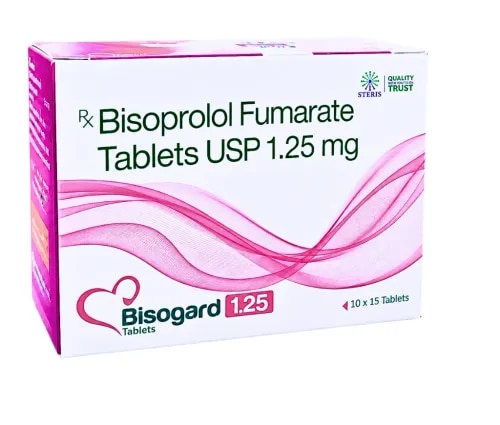
"name": "Bisoprolol 1.25mg",
"description": "Bisoprolol 1.25mg is the smallest tablet strength of bisoprolol, a heart-selective beta-1 blocker. Doctors usually prescribe it to start treatment or to build up the dose gradually in people with high blood pressure, chronic stable heart failure, or fast heart rhythms. It suits older adults, people with mild heart failure, and anyone who reacts strongly to beta-blockers. The medicine slows the heartbeat and eases the force of each contraction, so the heart works less hard. BISOGARD 1.25 from Steris Healthcare Pvt. Ltd. comes in a strip pack of 15 tablets. It is a Schedule H medicine, so it must only be started, changed, or stopped on a doctor's advice.\n\nProduct Snapshot\n\nBrand: BISOGARD 1.25\nManufacturer/Marketer: Steris Healthcare Pvt. Ltd., a WHO-GMP and ISO-certified pharmaceutical company in India\nActive ingredient: Bisoprolol Fumarate 1.25mg\nForm: Tablet\nPack size: 15 tablets\nDrug class: Cardioselective beta-1 blocker\nLegal status: Schedule H (valid prescription required)\nAvailability: Through Steris Healthcare's authorized pharmacies and its B2B PCD franchise network across India\nWhat Is Bisoprolol 1.25mg?\n\nIf your doctor has just prescribed bisoprolol 1.25mg, you have been given the lowest dose on purpose. Bisoprolol is a cardioselective beta-1 blocker, meaning it acts mostly on receptors in the heart and has much less effect on the lungs and blood vessels. This is a major reason it is preferred over older, non-selective beta-blockers, especially for people who also have a mild breathing problem.\n\nThe 1.25mg tablet is not a “light” medicine for mild illness. It is a carefully chosen entry point. In heart failure, a weakened heart can struggle if its rate or pressure drops too quickly, so cardiologists follow a “start low, go slow” approach. Treatment begins at 1.25mg, the response is watched for one to two weeks, and the dose is raised step by step (commonly 2.5mg, 3.75mg, 5mg, 7.5mg, and up to 10mg) as the heart adapts. That is why BISOGARD 1.25 is often the first tablet a newly diagnosed heart failure patient takes.\n\nWhat Is Bisoprolol 1.25mg Used For?\n\nDoctors commonly prescribe this strength for:\n\nChronic heart failure (HFrEF): as the first step of dose titration in patients with a reduced ejection fraction, alongside ACE inhibitors/ARBs and diuretics\nHigh blood pressure: especially in older adults, people with low body weight, and those who are sensitive to blood-pressure-lowering drugs\nStable angina: to reduce the heart's oxygen demand and relieve chest discomfort\nAfter a heart attack: in selected patients, under a cardiologist's care\nHeart rate control in some arrhythmias: sometimes used off-label at a low dose to gently bring down a fast heart rate\n\nAt 1.25mg, bisoprolol is seldom meant as the long-term sole treatment for high blood pressure in an otherwise healthy adult. It is usually the first rung of a titration ladder, or a steady maintenance dose for patients who are unusually beta-blocker sensitive (older age, low body weight, or borderline low pressure or pulse).\n\nHow Does Bisoprolol Work?\n\nBisoprolol selectively blocks beta-1 adrenergic receptors, which are packed mainly into heart muscle. This leads to several effects:\n\nSlower heart rate: the heart has more time to fill and rest between beats\nGentler contractions: the heart muscle needs less oxygen and energy\nLess renin from the kidneys: this helps blood pressure fall gradually over time\nLower overall cardiac workload: a real advantage for a heart that already struggles to pump well, as in heart failure\nKey Benefits of BISOGARD 1.25\nA gentle starting dose, well suited to careful titration in frail or elderly patients\nHeart-focused action, with less effect on the lungs and peripheral blood vessels than non-selective beta-blockers\nOnce-daily dosing, which makes it easier to stay on treatment\nA guideline-recommended beta-blocker for HFrEF with well-established outcomes data [Reviewer note: insert specific outcome statistics/trial citation pending medical sign-off]\nMade by Steris Healthcare Pvt. Ltd. under WHO-GMP and ISO-certified standards\nDosage Guidance\nUsual starting dose (heart failure): 1.25mg once a day, preferably in the morning\nDose increases: typically every 1–2 weeks (2.5mg, 3.75mg, 5mg, 7.5mg, up to a maximum of 10mg daily), depending on how well you tolerate it and on your pulse and blood pressure\nHigh blood pressure (sensitive patients): 1.25mg to 5mg once daily, as set by your doctor\nHow to take it: at the same time every day, with or without food, swallowed whole with water\nIf you miss a dose: take it when you remember, unless the next dose is almost due. Never take a double dose.\nNever stop suddenly: abrupt withdrawal can cause a rebound rise in heart rate, blood pressure, or chest pain. The dose must be reduced gradually under medical supervision.\nIs It Better to Take Bisoprolol in the Morning or at Night?\n\nMost doctors advise a morning dose. Bisoprolol lowers pulse and blood pressure, and taking it early matches its action to your daytime activity. A night-time dose could add to the body's natural overnight dip in blood pressure and raise the chance of dizziness when getting up in the dark. Some people who feel tired during the day are told by their doctor to switch to the evening. Do not change your dosing time without your doctor's approval.\n\nSide Effects of Bisoprolol 1.25mg\n\nCommon side effects\n\nTiredness or fatigue\nDizziness or light-headedness, especially on standing quickly\nCold hands or feet\nSlow pulse (bradycardia)\nHeadache\nMild stomach upset (nausea, loose stools)\nDisturbed sleep\n\nSerious side effects (get medical help promptly)\n\nVery slow heartbeat or fainting\nIncreasing breathlessness or swollen legs/ankles, which may mean heart failure is worsening\nAllergic reaction: rash, swelling of the face or throat, trouble breathing\nCold, numb, or bluish fingers and toes\nWheezing or new breathing difficulty, particularly in people with asthma or COPD\nMood changes, low mood, or confusion\nWhat Are the Bad Side Effects of Bisoprolol?\n\nThe effects that need urgent attention are a dangerously slow pulse, fainting, signs of worsening heart failure (swelling, breathlessness), severe allergic reactions, and airway tightening in people with lung disease. These are uncommon at the 1.25mg dose, but anyone who notices them should seek medical help right away. [Reviewer note: specific incidence rates pending clinical/medical sign-off]\n\nSubstitutes & Comparable Beta-Blockers\nMolecule\tSelectivity\tTypical Use Case\nBisoprolol\tHighly cardioselective\tHeart failure titration, hypertension\nMetoprolol Succinate ER\tCardioselective\tHypertension, angina, heart failure\nAtenolol\tCardioselective (older agent)\tHypertension\nCarvedilol\tNon-selective with alpha-blocking action\tHeart failure (adds vasodilation)\nPropranolol\tNon-selective\tMigraine prevention, anxiety-related fast heartbeat, essential tremor\nPrecautions & Who Should Avoid Bisoprolol\nNot suitable for people with severe bradycardia, certain forms of heart block (unless a pacemaker is fitted), unstable or acutely decompensated heart failure, or severe uncontrolled asthma\nUse carefully in diabetes, because beta-blockers can hide the warning signs of low blood sugar\nTake care in peripheral vascular disease, as cold extremities or leg pain on walking may worsen\nNever stop it abruptly; always taper under a doctor's guidance\nTell your doctor about every medicine you use, especially other blood-pressure drugs, calcium channel blockers, and certain antiarrhythmics\nIn pregnancy and breastfeeding, use only if your doctor advises it after weighing benefits and risks\nIs Bisoprolol Safe for Kidneys?\n\nThe body clears bisoprolol through both the liver and the kidneys in roughly equal measure. It is generally considered safe for people with normal or mildly reduced kidney function. When kidney impairment is significant, drug levels in the blood can rise, so your doctor may lower the dose or monitor you more closely. Always tell your prescriber about any kidney disease before starting.\n\nIs Bisoprolol a High-Risk Medication?\n\nBisoprolol is not a narrow therapeutic index drug like tacrolimus or warfarin, where small dose differences matter greatly. Even so, it needs supervised use because it directly affects heart rate and blood pressure. The main dangers are stopping it suddenly, which can set off rebound cardiac events, and using it with certain existing rhythm disorders. Taken as prescribed and checked regularly, it has a long and reassuring safety record.\n\nDoes 1.25mg Bisoprolol Lower Blood Pressure?\n\nYes. Even the smallest dose measurably reduces heart rate and blood pressure by lightening the heart's workload and reducing renin-driven narrowing of blood vessels. At this strength the effect on blood pressure is fairly mild, which is exactly why it is a safe place to begin, especially for older adults or people starting heart failure treatment. The dose is then raised gradually to reach full benefit.\n\nFrequently Asked Questions\n\n1. What is 1.25 mg of bisoprolol used for?\nMainly as a low starting dose when building up treatment for chronic heart failure, and for high blood pressure in people who are very sensitive to beta-blockers, such as older adults.\n\n2. What are the bad side effects of bisoprolol?\nThe more serious ones are a very slow pulse, fainting, worsening heart failure signs (swelling, breathlessness), severe allergy, and breathing trouble in people with lung conditions.\n\n3. What are the common side effects of bisoprolol fumarate 1.25 mg tablets?\nTiredness, dizziness, cold hands and feet, mild headache, and a slightly slower pulse.\n\n4. Is it better to take bisoprolol in the morning or at night?\nMorning is usually preferred so its effect fits daytime activity, though your doctor may suggest evenings in some cases.\n\n5. What is the cost of bisoprolol?\nPrice depends on strength, pack size, and brand. Use the “Check Price” option above for current BISOGARD 1.25 pricing from Steris Healthcare.\n\n6. Does 1.25 mg bisoprolol lower blood pressure?\nYes, though only modestly at this dose. The dose is often stepped up over time.\n\n7. Is bisoprolol safe for kidneys?\nGenerally yes for normal or mildly reduced kidney function. People with significant kidney impairment need dose adjustment and monitoring.\n\n8. Is bisoprolol a high-risk medication?\nIt is not a narrow therapeutic index drug, but it must never be stopped suddenly and should be used under medical supervision because of its direct effect on the heart.\n\n9. Can I take bisoprolol 1.25mg for the rest of my life?\nMany people with chronic heart failure or hypertension do take bisoprolol long term, but the dose usually rises as tolerated. Your doctor should review it regularly.\n\n10. What happens if I miss a dose of bisoprolol?\nTake it when you remember, unless the next dose is nearly due. In that case skip the missed one. Never take two together.\n\n11. Can bisoprolol 1.25mg cause weight gain?\nIt is not commonly reported at this dose. Fluid retention linked to heart failure itself should be reported to your doctor.\n\n12. Is bisoprolol safe for diabetic patients?\nIt can be used, with care, because beta-blockers may hide warning signs of low blood sugar such as a racing heartbeat.\n\n13. Can I stop taking bisoprolol suddenly if I feel fine?\nNo. Stopping abruptly can cause a rebound rise in heart rate, blood pressure, or chest pain. Reduce the dose gradually under medical guidance.\n\n14. Does bisoprolol interact with other blood pressure medicines?\nYes. Combining it with other drugs that lower heart rate or pressure (such as calcium channel blockers) can cause a very low pulse or pressure. Tell your doctor about all your medicines.\n\n15. Is BISOGARD 1.25 available without a prescription?\nNo. Bisoprolol is a Schedule H medicine in India and needs a valid prescription.\n\n16. How long does it take for bisoprolol 1.25mg to start working?\nSome effect on heart rate appears within hours, but the full benefit for blood pressure or heart failure symptoms builds over several weeks of regular use.\n\n17. Can pregnant women take bisoprolol?\nOnly if clearly necessary and prescribed by a doctor, as it may affect the baby's heart rate and growth.",
"price": 39.0,
"discountamount": 12.0,
"currencycode": "INR",
"priority": 1000000,
"isfreeshipmentavailable": false,
"shipmentduration": 1,
"_keywords": null,
"isarchived": false,
"isavailable": true,
"applicationid": null,
"productindex": 2501,
"imageuri": "https://productimages.withfloats.com/actual/6abe4474c205678e0b16a23a.png",
"tileimageuri": "https://productimages.withfloats.com/tile/6abe4474c205678e0b16a23a.png",
"images": null,
"totalqueries": 0,
"gpid": null,
"groupproductid": null,
"createdon": "2026-10-01T11:30:57.88Z",
"updatedon": "2026-10-01T11:30:57.88Z",
"buyonlinelink": null,
"producturl": "http://WWW.STERISINDIA.COM//bisoprolol-1-25mg/2501",
"availableunits": -1.0,
"iscodavailable": false,
"isprepaidonlineavailable": false,
"maxcodorders": 0,
"maxprepaidonlineorders": 0,
"uniquepaymenturl": null,
"brandname": "Bisogard 1.25",
"category": "CARDIOLOGYRANGE",
"tags": [],
"variants": false,
"keyspecification": null,
"otherspecifications": null,
"pickupaddressreferenceid": null,
"paymenttype": "UniquePaymentUrl",
"producttype": "products",
"hsncode": null,
"gstslab": 0.0,
"isnotforsale": false
},
{
"_id": "6a952f8fed078617ad2e762a",
"fptag": "STERISHEALTHCARE",
"merchantname": null,
"customwidgets": null,
"externalsourceid": null,
"name": "Palmitoylethanolamide,Parsley Extract & Multivitamin Tablets",
"description": "What Are Palmitoylethanolamide, Parsley Extract & Multivitamin Tablets?\n\nPalmitoylethanolamide, Parsley Extract & Multivitamin Tablets are a combination of nutritional supplements formulated with **palmitoylethanolamide (PEA), parsley extract, vitamins, and minerals**. The precise ingredients and quantities can differ between products, so the product label should always be checked for the exact composition and recommended serving.\n\nEach component has a different nutritional or biological role. **Palmitoylethanolamide (PEA)** is a naturally occurring fatty-acid amide that has been researched for its potential contribution to pain-related and inflammatory processes. Clinical research has shown particular interest in PEA for pain-management outcomes, especially when specific formulations such as micronized or ultramicronized PEA are used.\n\n**Parsley extract**, obtained from *Petroselinum crispum*, contains naturally occurring plant compounds, including flavonoids and phenolic constituents. Research has identified compounds such as apigenin and apiin in parsley and has demonstrated antioxidant activity in experimental settings. However, laboratory antioxidant activity should not be interpreted as proof that parsley extract prevents or treats a particular disease.\n\nThe multivitamin component supplies selected vitamins and minerals that contribute to normal nutritional requirements. Such supplements can be useful when dietary intake does not provide adequate amounts of particular nutrients, but they are intended to complement rather than replace a balanced diet.\n\nHow Do Palmitoylethanolamide, Parsley Extract & Multivitamin Tablets Work?\n\nThe combination works through the individual characteristics of its principal ingredients rather than through a single mechanism.\n\n1. Palmitoylethanolamide\n\nPalmitoylethanolamide (PEA) is an endogenous lipid compound found naturally in the body. It has been investigated for its potential analgesic, anti-inflammatory, and neuroprotective activities.\n\nClinical research has examined PEA in various pain-related and neurological settings. Evidence from randomized controlled trials has been particularly promising for pain-related outcomes. However, different PEA products can contain different formulations, and results from one preparation should not automatically be applied to every PEA supplement.\n\n 2. Parsley Extract\n\nParsley contains several naturally occurring phytochemicals, including flavonoids and phenolic compounds. These substances have demonstrated antioxidant properties in experimental research.\n\nThe presence of parsley extract therefore adds a plant-derived nutritional component to the formulation. However, human evidence remains more limited than laboratory research, so claims about disease prevention or treatment should be avoided unless supported by appropriate clinical evidence.\n\n3. Vitamins and Minerals\n\nThe multivitamin portion is designed to provide selected micronutrients that contribute to normal body functions. Vitamins and minerals participate in numerous physiological processes, including energy metabolism, immune function, nervous-system function, and maintenance of tissues.\n\nThe actual nutritional contribution depends on which vitamins and minerals are included and their quantities per tablet or serving.\n\nPotential Benefits of Palmitoylethanolamide, Parsley Extract & Multivitamin Tablets\n\nThe potential benefits of this combination depend on its exact formulation and the nutritional requirements of the individual.\n\nSupport for Pain-Management Strategies\n\nPEA is the component in this combination with the most relevant clinical research. Studies have evaluated PEA as a complementary nutritional approach in different pain conditions, with evidence showing particular interest in pain-related outcomes.\n\nHowever, the presence of PEA does not mean that every PEA-containing supplement is clinically proven to treat chronic pain, neuropathy, or other medical disorders.\n\nNutritional Support\n\nThe vitamin and mineral component can help increase nutrient intake when normal dietary consumption is inadequate.\n\nPeople with restricted diets, reduced food intake, or specific nutritional gaps may sometimes benefit from supplementation. However, supplements are not intended to replace a varied and nutritionally balanced diet.\n\nAntioxidant Nutritional Support\n\nParsley provides naturally occurring flavonoids and phenolic compounds that demonstrate antioxidant activity in experimental research.\n\nThese properties make parsley an interesting botanical ingredient in nutritional formulations, although laboratory findings do not necessarily establish a specific clinical benefit in humans.\n\nConvenient Combination Formula\n\nA combination tablet can offer convenience by bringing PEA, parsley extract, vitamins, and minerals together in one formulation.\n\nConsumers should focus on the actual quantities provided per tablet rather than simply the number of ingredients listed on the packaging.\n\nPalmitoylethanolamide, Parsley Extract & Multivitamin Tablets: Uses\n\nDepending on the specific product formulation and labeling, these tablets may be used as a nutritional supplement to\n\n* Support daily nutritional intake\n* Provide selected vitamins and minerals\n* Supply palmitoylethanolamide as part of a complementary wellness or pain-management approach\n* Provide naturally occurring compounds from parsley extract\n* Complement overall nutritional and antioxidant intake\n\nThese supplements should not be promoted as guaranteed treatments or cures for neuropathy, arthritis, inflammation, nerve injury, or other medical diseases.\n\n How to Select the Right Product\n\n 1. Check the PEA Quantity\n\nReview the label to determine the actual amount of **palmitoylethanolamide per tablet or daily serving**.\n\n 2. Consider the PEA Formulation\n\nDifferent clinical studies have evaluated different PEA preparations. Micronized, ultramicronized, and water-dispersible forms have received particular attention in clinical research.\n\n3. Review the Vitamin and Mineral Profile\n\nExamine the complete nutritional panel rather than assuming all multivitamin formulations contain the same nutrients and quantities.\n\n4. Avoid Nutrient Duplication\n\nIf you already use a multivitamin or individual supplements containing nutrients such as vitamin A, iron, zinc, or other minerals, compare the total daily intake to avoid unnecessary excess.\n\n 5. Check Product Information\n\nLook for transparent labeling, manufacturer details, batch information, expiry information, and appropriate quality-control details.\n\n 6. Choose According to Individual Requirements\n\nA product containing more ingredients or higher quantities is not necessarily more beneficial. Selection should be based on individual nutritional requirements and professional guidance when necessary.\n\nPossible Side Effects and Safety\n\nDietary supplements are generally well tolerated when appropriately formulated and used according to directions, but adverse effects and interactions can occur.\n\nPossible problems may include:\n\n* Nausea\n* Stomach discomfort\n* Changes in bowel habits\n* Headache\n* Sensitivity or allergic reactions to individual ingredients\n* Excessive intake of particular vitamins or minerals\n\nThe exact safety profile depends on the complete ingredient list and quantities in the individual product.\n\nPeople who take prescription medicines, have significant medical conditions, are pregnant or breastfeeding, or are preparing for surgery should discuss supplementation with a qualified healthcare professional.\n\nWho Should Use Extra Caution?\n\nAdditional care may be appropriate for individuals who:\n\n* Take several nutritional supplements\n* Regularly use prescription medicines\n* Have an existing medical condition\n* Are pregnant or breastfeeding\n* Have an allergy or sensitivity to an ingredient\n* Are preparing for surgery\n* Are considering supplementation for persistent or unexplained pain\n\nMultivitamins should also not be used as a substitute for a consistently varied diet.\n\nFrequently Asked Questions\n\n1. What are Palmitoylethanolamide, Parsley Extract & Multivitamin Tablets used for?\n\nThey are combination nutritional supplements containing PEA, parsley extract, vitamins, and minerals. Depending on the formulation, they may provide nutritional support and PEA as a complementary component of a wellness or pain-management approach.\n\n2. What are the main benefits of these tablets?\n\nPotential benefits depend on the formulation. PEA has been clinically studied mainly for pain-related outcomes; parsley provides naturally occurring plant compounds; and vitamins and minerals help support nutritional intake when dietary consumption is insufficient.\n\n3. Can Palmitoylethanolamide help with nerve pain?\n\nPEA has been investigated in several pain-related and neurological conditions, with clinical research showing promising findings for some pain outcomes. However, it should not automatically be considered a proven treatment for every type of nerve pain or neuropathy.\n\n4. Are Palmitoylethanolamide, Parsley Extract & Multivitamin Tablets safe?\n\nSafety depends on the ingredients, quantities, individual health status, and medicines being used. Most appropriately used basic nutritional supplements are tolerated by many people, but excessive nutrient intake and interactions can occur.\n\n5. What side effects can these tablets cause?\n\nPotential effects can include stomach discomfort, nausea, bowel changes, headache, or sensitivity to an ingredient. The exact side effects depend on the complete formulation.\n\n6. Can these tablets be taken with another multivitamin?\n\nCombining multivitamins should be approached carefully because overlapping ingredients can result in excessive intake of certain vitamins or minerals. Compare both labels before combining supplements.\n\n7. How should I choose palmitoylethanolamide tablets?\n\nCheck the PEA quantity, formulation, parsley extract amount, complete vitamin and mineral profile, serving instructions, manufacturer information, and product quality details.\n\n8. Can these tablets replace prescribed pain medicines?\n\nNo. A nutritional supplement should not automatically replace prescribed medication or professional medical care. Persistent, severe, worsening, or unexplained pain should be evaluated appropriately.\n\n9. Do multivitamins provide long-term health benefits?\n\nMultivitamins can increase nutrient intake when dietary intake is inadequate, but this does not mean they universally prevent chronic diseases or extend lifespan in healthy individuals.\n\n10. Can I take these tablets every day?\n\nFollow the dosage or serving instructions provided for the specific product. Taking more than the recommended amount does not necessarily provide greater benefits and may increase the risk of excessive nutrient intake.\n\nConclusion\n\nPalmitoylethanolamide, Parsley Extract & Multivitamin Tablets** combine **PEA, parsley extract, vitamins, and minerals** into a single nutritional formulation. PEA is the component with the most relevant clinical research, particularly in relation to pain-related outcomes, while parsley contributes naturally occurring botanical compounds and the multivitamin component supports dietary micronutrient intake.\n\nThe benefits and appropriate use of the combination depend on the exact formulation, ingredient quantities, and individual nutritional requirements. Therefore, consumers should review the complete product label and use the supplement according to its recommended directions.",
"price": 579.0,
"discountamount": 170.0,
"currencycode": "INR",
"priority": 1000000,
"isfreeshipmentavailable": false,
"shipmentduration": 1,
"_keywords": null,
"isarchived": false,
"isavailable": true,
"applicationid": null,
"productindex": 2499,
"imageuri": "https://productimages.withfloats.com/actual/6a952f923833cb5247c5da2d.png",
"tileimageuri": "https://productimages.withfloats.com/tile/6a952f923833cb5247c5da2d.png",
"images": null,
"totalqueries": 0,
"gpid": null,
"groupproductid": null,
"createdon": "2026-08-31T07:38:55.369Z",
"updatedon": "2026-08-31T07:38:55.369Z",
"buyonlinelink": null,
"producturl": "http://WWW.STERISINDIA.COM//palmitoylethanolamide-parsley-extract-multivitamin-tablets/2499",
"availableunits": -1.0,
"iscodavailable": false,
"isprepaidonlineavailable": false,
"maxcodorders": 0,
"maxprepaidonlineorders": 0,
"uniquepaymenturl": null,
"brandname": "PALMI URIDIN 600",
"category": "NEUROLOGY RANGE",
"tags": [
"Palmitoylethanolamide,Parsley Extract & Multivitamin Tablets",
"palmitoylethanolamide",
"multivitamin tablets",
"best multivitamin tablets",
"multivitamin tablets uses"
],
"variants": false,
"keyspecification": null,
"otherspecifications": null,
"pickupaddressreferenceid": null,
"paymenttype": "UniquePaymentUrl",
"producttype": "products",
"hsncode": null,
"gstslab": 0.0,
"isnotforsale": false
}
],
"hasmoreitems": false,
"isapirequest": false,
"totalresults": 27,
"query": null,
"floatingpoint": null
}