STERISHEALTHCARE
Products
08042755542
91918824471531
Chat with us


Chat with us on WhatsApp
×
This is your website preview.
Currently it only shows your basic business info. Start adding relevant business details such as description, images and products or services to gain your customers attention by using Boost 360 android app / iOS App / web portal.
Home
 alternative nintedanib formulations india
 alternative nintedanib formulations india
Items tagged with 'alternative nintedanib formulations india'
{
"products": [
{
"_id": "6ad73c502f1fbe0284e2dcb5",
"fptag": "STERISHEALTHCARE",
"merchantname": null,
"customwidgets": null,
"externalsourceid": null,
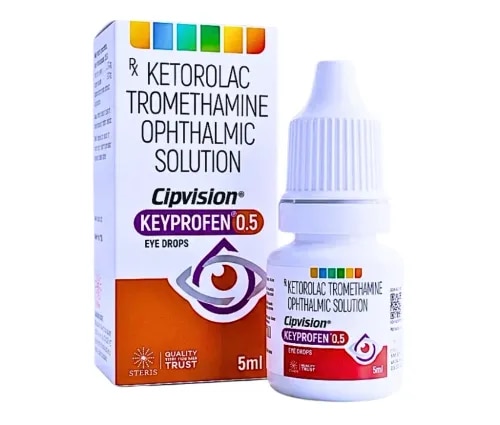
"name": "Ketorolac Tromethamine Ophthalmic Solution",
"description": "CIPVISION KEYPROFEN 0.5 is an ophthalmic formulation containing Ketorolac Tromethamine 0.5% w/v, a non-steroidal anti-inflammatory drug (NSAID) used in specific eye-care situations. It works by reducing the production of prostaglandins, chemical substances that contribute to pain and inflammation. This action may help manage certain inflammatory eye symptoms when the medicine is prescribed for an appropriate condition.\n\nCIPVISION KEYPROFEN 0.5 is intended for topical application to the eyes under the supervision of a qualified healthcare professional. Its suitability depends on the patient's symptoms, clinical diagnosis, and the approved product information.\n\nFor pharmacies, medical distributors, healthcare professionals, and pharmaceutical product catalogues, CIPVISION KEYPROFEN 0.5 represents an ophthalmic product containing a recognised anti-inflammatory ingredient. Appropriate product information helps users understand its intended role, administration requirements, and important precautions.\nComposition of CIPVISION KEYPROFEN 0.5\nThe stated active ingredient in CIPVISION KEYPROFEN 0.5 is:\n\nKetorolac Tromethamine 0.5% w/v: This medicine belongs to the NSAID class. It inhibits cyclooxygenase enzymes involved in the production of prostaglandins, helping reduce inflammatory activity and associated discomfort in suitable ophthalmic conditions.\n\nThe complete formulation, inactive ingredients, pack size, and approved therapeutic indications should be verified using the product packaging and official prescribing information.\nKey Features of CIPVISION KEYPROFEN 0.5 Eye Drops\nCIPVISION KEYPROFEN 0.5 has several important characteristics relevant to ophthalmic care:\n- NSAID-based formulation: Contains Ketorolac Tromethamine, a non-steroidal anti-inflammatory medicine.\n- Inflammation control: Helps manage inflammation in specific eye conditions when prescribed appropriately.\n- Prostaglandin reduction: Acts by inhibiting enzymes involved in the formation of inflammatory mediators.\n- Topical eye application: Designed for administration directly into the eye according to prescribed directions.\n- Clinically guided use: Requires an appropriate diagnosis and advice from an eye-care professional.\nThe potential role of this medicine depends on the underlying eye condition, the approved product indications, and the patient's individual health requirements.\nWhat Is CIPVISION KEYPROFEN 0.5 Used For?\nCIPVISION KEYPROFEN 0.5 may be prescribed for selected eye conditions in which reducing inflammation, itching, or pain is clinically appropriate. The precise indication should be confirmed from the approved product information.\n1. Management of Selected Inflammatory Eye Conditions\nInflammation of the eye may cause redness, irritation, watering, and discomfort. Ketorolac Tromethamine reduces the production of prostaglandins involved in the inflammatory response. An ophthalmologist can determine whether this medicine is suitable after assessing the cause of the symptoms.\n2. Relief of Certain Types of Eye Discomfort\nKetorolac Tromethamine ophthalmic preparations may help relieve ocular pain in approved clinical situations. Some formulations are also indicated for itching associated with seasonal allergic conjunctivitis. These uses depend on the specific product's approved labelling.\n\nPersistent eye pain, redness, or irritation should not be treated through self-medication because these symptoms can arise from infections, injuries, or other conditions requiring different treatment.\n3. Eye Care Following Certain Surgical Procedures\nSome Ketorolac Tromethamine ophthalmic products are used to manage pain and inflammation associated with eye surgery, including cataract procedures. Postoperative treatment must follow the ophthalmologist's instructions because the appropriate medicine, dosage, and duration depend on the procedure and the patient's recovery.\n\nAlways verify whether CIPVISION KEYPROFEN 0.5 is approved for the intended postoperative use before including a specific surgical indication in product information.\nHow Does CIPVISION KEYPROFEN 0.5 Work?\nKetorolac Tromethamine belongs to the non-steroidal anti-inflammatory drug category. Its action involves inhibiting cyclooxygenase (COX) enzymes, which help produce prostaglandins.\n\nProstaglandins participate in inflammatory processes and pain signalling. By reducing their production, Ketorolac Tromethamine can help control inflammation and associated discomfort in certain eye conditions.\n\nUnlike corticosteroids, Ketorolac Tromethamine is a non-steroidal anti-inflammatory medicine. However, it is not appropriate for every eye complaint. It does not treat all causes of eye redness or pain, and suspected infections may require a different treatment approach.\nPotential Benefits of CIPVISION KEYPROFEN 0.5\nWhen prescribed for an appropriate indication, CIPVISION KEYPROFEN 0.5 may offer the following benefits:\n- Anti-inflammatory action: Helps reduce inflammatory activity in selected ophthalmic conditions.\n- Management of eye pain: May relieve pain in specific clinical situations covered by the relevant product indication.\n- Non-steroidal treatment option: Provides an alternative mechanism to corticosteroid-based medicines for appropriate cases.\n- Local administration: Allows the active ingredient to be delivered directly to the eye.\n- Support for ophthalmic treatment: May be included in a treatment plan developed by an eye-care professional.\nThe response to treatment varies according to the diagnosis, severity of the condition, individual health factors, and adherence to the prescribed instructions. The product should not be considered a universal treatment for eye pain or inflammation.\nHow to Use CIPVISION KEYPROFEN 0.5 Eye Drops\nUse CIPVISION KEYPROFEN 0.5 only according to your ophthalmologist's instructions and the product leaflet.\n1. Clean your hands: Wash and dry your hands before handling the eye-drop bottle.\n2. Check the bottle: Confirm the product name, expiry date, and administration instructions before use.\n3. Prevent contamination: Keep the dropper tip away from your eyes, eyelids, fingers, and other surfaces.\n4. Follow the prescribed dosage: Use only the recommended number of drops and the prescribed frequency.\n5. Use other eye medicines carefully: Ask your healthcare professional how much time to leave between different ophthalmic preparations.\n6. Avoid prolonged use: Do not continue treatment longer than recommended, as extended NSAID use may increase the risk of eye complications.\n7. Follow storage instructions: Store the medicine as directed on its packaging and observe any instructions concerning use after opening.\n8. Do not share the bottle: Sharing eye drops can increase the risk of contamination.\n9. Attend follow-up appointments: Follow your ophthalmologist's advice, particularly when using the medicine after eye surgery.\nIf you miss a dose, follow the instructions in the product leaflet or consult your healthcare professional. Do not double the next dose to compensate for a missed application.\nPrecautions and Safety Information\nAlthough Ketorolac Tromethamine eye drops can be useful in appropriate clinical settings, they may cause side effects and require additional caution in certain patients.\nPossible Side Effects\nSome people may experience temporary burning, stinging, irritation, or discomfort after applying the drops. Ophthalmic NSAIDs can also delay healing and, in susceptible individuals, increase the risk of corneal complications. Rare cases of serious corneal damage have been reported.\n\nContact your ophthalmologist if symptoms persist or worsen. Seek urgent medical assessment if you experience severe eye pain, significant changes in vision, marked redness, or other serious symptoms.\nImportant Precautions\n- Corneal conditions: Tell your doctor if you have corneal disease, a damaged eye surface, or delayed healing.\n- Dry eyes: Inform your healthcare professional if you have severe dry eye symptoms or another condition affecting the eye surface.\n- Allergies: Disclose any previous allergic reaction to Ketorolac, aspirin, or other NSAIDs.\n- Bleeding risks: Discuss any bleeding disorder or medicine that may increase bleeding risk.\n- Eye surgery: Follow your surgeon's instructions, as postoperative use requires appropriate monitoring.\n- Pregnancy and breastfeeding: Consult your doctor before using the medicine during pregnancy or while breastfeeding.\n- Other medicines: Inform your healthcare professional about all medicines and eye preparations you currently use.\nCIPVISION KEYPROFEN 0.5 is intended for ophthalmic use only. Keep it out of children's reach and never use it beyond the labelled expiry date.\nWhy Consider CIPVISION KEYPROFEN 0.5 for Pharmaceutical Product Portfolios?\nCIPVISION KEYPROFEN 0.5 combines a distinct pharmaceutical brand identity with Ketorolac Tromethamine 0.5% ophthalmic solution. The formulation may be relevant to product catalogues serving pharmacies, medical distributors, and healthcare professionals involved in ophthalmic care.\n\nClear product information supports responsible pharmaceutical communication by explaining the active ingredient, its mechanism of action, appropriate clinical applications, and safety considerations.\n\nFor accurate product representation, always verify the approved strength, indications, contraindications, dosage, storage requirements, and instructions against the official packaging and prescribing information.\nConclusion\nCIPVISION KEYPROFEN 0.5 Eye Drops contains Ketorolac Tromethamine 0.5% w/v, a non-steroidal anti-inflammatory ingredient used in selected ophthalmic conditions. By inhibiting prostaglandin production, it helps manage inflammation and may relieve pain in specific approved clinical settings.\n\nCorrect administration, appropriate patient selection, and awareness of potential side effects are essential for responsible use. Consult a qualified eye-care professional for treatment guidance and refer to the approved product information for complete details.\nFrequently Asked Questions (FAQs)\n1. What is CIPVISION KEYPROFEN 0.5?\nCIPVISION KEYPROFEN 0.5 is an ophthalmic solution containing Ketorolac Tromethamine 0.5% w/v, according to the composition provided. It is intended for specific eye-care applications under professional guidance.\n2. What is CIPVISION KEYPROFEN 0.5 used for?\nKetorolac Tromethamine ophthalmic preparations may be prescribed for certain inflammatory eye conditions, itching associated with seasonal allergic conjunctivitis, or pain and inflammation following specific eye procedures. The approved uses of CIPVISION KEYPROFEN 0.5 must be confirmed from its official product information.\n3. How does Ketorolac Tromethamine work in the eyes?\nKetorolac Tromethamine inhibits cyclooxygenase enzymes involved in prostaglandin production. This helps reduce inflammatory activity and associated pain in appropriate ophthalmic conditions.\n4. Can CIPVISION KEYPROFEN 0.5 be used without a prescription?\nUse this medicine only under appropriate medical guidance. An eye-care professional should determine whether it is suitable, particularly because NSAID eye drops can affect healing and may cause complications in susceptible patients.\n5. What precautions should be taken while using CIPVISION KEYPROFEN 0.5?\nAvoid contaminating the dropper tip, follow the prescribed dosage, and do not use the drops for longer than recommended. Inform your doctor about corneal problems, allergies to NSAIDs, bleeding disorders, and other medicines you use.\n6. How should CIPVISION KEYPROFEN 0.5 be stored?\nFollow the storage instructions on the product packaging. Keep the container closed as directed, protect it from unsuitable storage conditions, and observe any instructions concerning disposal after opening.\n\n\n",
"price": 80.0,
"discountamount": 56.0,
"currencycode": "INR",
"priority": 1000000,
"isfreeshipmentavailable": false,
"shipmentduration": 1,
"_keywords": null,
"isarchived": false,
"isavailable": true,
"applicationid": null,
"productindex": 2503,
"imageuri": "https://productimages.withfloats.com/actual/6ad73c52dc6a6c6c9945f376.png",
"tileimageuri": "https://productimages.withfloats.com/tile/6ad73c52dc6a6c6c9945f376.png",
"images": null,
"totalqueries": 0,
"gpid": null,
"groupproductid": null,
"createdon": "2026-10-20T10:02:56.893Z",
"updatedon": "2026-10-20T10:02:56.893Z",
"buyonlinelink": null,
"producturl": "http://WWW.STERISINDIA.COM/products/ketorolac-tromethamine-ophthalmic-solution/2503",
"availableunits": -1.0,
"iscodavailable": false,
"isprepaidonlineavailable": false,
"maxcodorders": 0,
"maxprepaidonlineorders": 0,
"uniquepaymenturl": null,
"brandname": "CIPVISION KEYPROFEN 0.5",
"category": "Opthalmology Range",
"tags": [],
"variants": false,
"keyspecification": null,
"otherspecifications": null,
"pickupaddressreferenceid": null,
"paymenttype": "UniquePaymentUrl",
"producttype": "products",
"hsncode": null,
"gstslab": 0.0,
"isnotforsale": false
},
{
"_id": "6a4266621f2199a803b27013",
"fptag": "STERISHEALTHCARE",
"merchantname": null,
"customwidgets": null,
"externalsourceid": null,
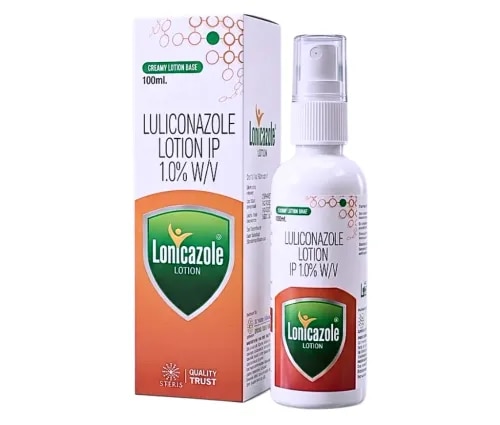
"name": "luliconazole lotion ip 1% w/v",
"description": "Luliconazole Lotion IP 1% w/v\n\nTL;DR: Luliconazole Lotion IP 1% w/v is a topical antifungal treatment used to treat fungal skin infections such as ringworm (tinea corporis), athlete's foot (tinea pedis), and jock itch (tinea cruris). It works by destroying the fungal cell membrane, typically showing improvement within 1–2 weeks of consistent use. Lightweight and fast-absorbing, it's applied once daily to the affected area for effective relief from itching, redness, and scaling. Check uses, price, dosage & side effects below before you buy.\n\nWhat Is Luliconazole Lotion IP 1% w/v?\n\nLuliconazole Lotion IP 1% w/v is a topical antifungal medication belonging to the azole class, formulated specifically to treat superficial fungal infections of the skin. Unlike traditional antifungal creams, the lotion base allows for quicker absorption and easier application over larger or hairier areas of the body, making it a practical choice for body fold infections and broader patches of skin involvement.\n\nIt is commonly prescribed or recommended for dermatophyte infections — fungal infections caused by organisms that thrive on keratin in skin, hair, and nails — including ringworm, athlete's foot, and jock itch. Its once-daily dosing schedule and relatively short treatment duration compared to older antifungals make it a convenient option for both short-term flare-ups and recurring fungal skin conditions.\n\nHow It Works (Mechanism of Action)\n\nC – Clarity: Luliconazole inhibits the enzyme lanosterol 14-alpha-demethylase, a key enzyme fungi need to produce ergosterol, an essential component of the fungal cell membrane.\n\nR – Relevance: Without sufficient ergosterol, the fungal cell membrane becomes structurally unstable and permeable, directly disrupting the fungus's ability to survive and multiply on the skin — which is precisely the mechanism needed to clear dermatophyte infections like ringworm and athlete's foot.\n\nA – Authority: Luliconazole's potency against common dermatophytes, including Trichophyton and Epidermophyton species, is well documented in dermatology literature, where it is recognized for its fungicidal (not just fungistatic) activity at the concentrations used in topical formulations.\n\nS – Structure: When applied topically, luliconazole penetrates the stratum corneum (the skin's outer layer) and accumulates at the site of infection, maintaining therapeutic concentrations in the skin for an extended period even after a single application, which supports its once-daily dosing.\n\nP – Precision: This sustained local concentration allows luliconazole to continue disrupting fungal cell membranes throughout the day, leading to a reduction in itching, redness, and scaling as the fungal load decreases and the skin barrier begins to heal.\n\nClinical Indications / Who Should Use It\n\nIndicationSuitabilityTinea corporis (ringworm on the body)Highly suitableTinea pedis (athlete's foot)Highly suitableTinea cruris (jock itch)Highly suitableRecurrent superficial fungal skin infectionsSuitableNail fungus (onychomycosis)Not suitable — requires different formulationPregnant or breastfeeding womenConsult doctor before use\n\nDosage Guidelines\n\nParameterRecommendationStandard applicationApply a thin layer once daily to the affected area and surrounding skinApplication areaClean and dry the skin before applicationCourse durationTypically 1–2 weeks for tinea corporis/cruris; up to 4 weeks for tinea pedisConsistencyContinue for the full prescribed duration even if symptoms improve earlyMissed applicationApply as soon as remembered; do not double up the next dose\n\nPrecautions & Drug Interactions\n\n\nFor external use only — avoid contact with eyes, mouth, nose, or open wounds.\nDiscontinue use and consult a doctor if irritation, burning, or worsening of symptoms occurs after application.\nAvoid using occlusive dressings or tight clothing over the treated area unless advised by a doctor, as this may increase skin irritation.\nInform your doctor if you are using other topical medications on the same area, to avoid interactions or reduced effectiveness.\nNot recommended for infections involving the scalp or nails, which often require oral antifungal therapy in addition to or instead of topical treatment.\nIf no improvement is seen after the recommended treatment duration, consult a doctor to reassess the diagnosis and treatment plan.\n\n\nSerious Side Effects (Rare but Important)\n\n\nSevere allergic reaction — swelling of the face or throat, difficulty breathing, or widespread rash\nPersistent burning, stinging, or blistering at the application site\nSigns of secondary skin infection, such as increasing redness, warmth, or pus\n\n\nIf any of these occur, discontinue use and seek medical attention promptly.\n\nComparison: Luliconazole vs Other Topical Antifungals\n\nFactorLuliconazole 1%ClotrimazoleTerbinafineKetoconazoleDosing frequencyOnce dailyTwice dailyOnce/twice dailyOnce/twice dailyMechanismFungicidal (azole)Fungistatic (azole)Fungicidal (allylamine)Fungistatic (azole)Typical treatment duration1–2 weeks (body), up to 4 weeks (feet)2–4 weeks1–2 weeks2–4 weeksBest forTinea corporis, cruris, pedisMild fungal infectionsAthlete's footTinea, seborrheic conditions\n\nKey Statistics\n\nMetricData PointStrength1% w/v luliconazoleDrug classAzole antifungal (topical)Typical onset of symptom reliefWithin 1–2 weeks of consistent useRecommended application frequencyOnce daily\n\nExpert Insight\n\n[Placeholder — to be completed pre-publish with a quote or review from a certified dermatologist. Do not publish without expert validation.]\n\nWhy Choose Luliconazole Lotion IP 1% w/v?\n\nFungal skin infections are common in humid climates and tend to recur, particularly in areas prone to sweating and friction such as the groin, feet, and skin folds. Luliconazole's fungicidal action — meaning it actively kills the fungus rather than just slowing its growth — gives it an edge over some older antifungal agents that are primarily fungistatic and rely more heavily on the body's own immune response to fully clear the infection.\n\nThe lotion formulation is particularly well-suited to larger affected areas or body folds, where creams can sometimes feel heavy or difficult to spread evenly. Its lightweight texture absorbs quickly, making it comfortable for daily use without leaving a greasy residue, which also supports better adherence to the treatment course — a key factor in successfully clearing fungal infections and reducing recurrence.\n\nBecause of its once-daily dosing and relatively short treatment duration compared to many alternatives, luliconazole lotion is often preferred by people looking for a convenient yet effective option for ringworm, athlete's foot, or jock itch, especially when consistent twice-daily application of other antifungals proves difficult to maintain.\n\nFrequently Asked Questions\n\nQ1: How long does it take for Luliconazole Lotion to work?\nMost people notice a reduction in itching, redness, and scaling within 1–2 weeks of consistent daily application. For tinea corporis and tinea cruris, treatment typically lasts 1–2 weeks, while tinea pedis (athlete's foot) may require up to 4 weeks for complete resolution. It's important to continue treatment for the full recommended duration even if symptoms improve earlier.\n\nQ2: How should I apply Luliconazole Lotion correctly?\nClean and dry the affected area thoroughly before applying a thin layer of the lotion, covering the infected skin and a small margin of surrounding healthy skin. Apply once daily, ideally at the same time each day, and wash your hands after application unless the hands are the area being treated.\n\nQ3: Can Luliconazole Lotion be used for athlete's foot?\nYes, Luliconazole Lotion is effective for tinea pedis (athlete's foot), though treatment duration is typically longer than for body or groin infections — often up to 4 weeks — due to the thicker skin and moist environment common on the feet, which can make fungal infections more persistent.\n\nQ4: Does Luliconazole Lotion have side effects?\nMost people tolerate it well with minimal side effects. Mild burning, stinging, or redness at the application site can occur but usually resolves on its own. Rare but serious reactions, such as severe allergic responses or blistering, should be reported to a doctor immediately if they occur.\n\nQ5: Can Luliconazole Lotion be used on the face or scalp?\nLuliconazole Lotion is generally formulated for body, groin, and foot fungal infections. Scalp fungal infections often require oral antifungal treatment alongside topical therapy, so it's best to consult a doctor before using it on the scalp or sensitive facial skin.\n\nQ6: What happens if I stop using Luliconazole Lotion too early?\nStopping treatment as soon as symptoms improve, rather than completing the full recommended course, increases the risk of the fungal infection returning or becoming harder to treat. Even after visible symptoms clear, some fungal organisms may remain in the skin, so completing the full duration is important for lasting results.\n\n\nThis content is reviewed periodically to ensure accuracy and relevance. Last updated: June 2026.\n\nFor queries, contact Steris Healthcare:\n📧 contact@sterispharma.com | info@sterispharma.com\n📞 +91 8824175417 | +91 9982524671",
"price": 580.0,
"discountamount": 174.0,
"currencycode": "INR",
"priority": 1000000,
"isfreeshipmentavailable": false,
"shipmentduration": 1,
"_keywords": null,
"isarchived": false,
"isavailable": true,
"applicationid": null,
"productindex": 2461,
"imageuri": "https://productimages.withfloats.com/actual/6a4266662d3bce0a42051cc2.png",
"tileimageuri": "https://productimages.withfloats.com/tile/6a4266662d3bce0a42051cc2.png",
"images": null,
"totalqueries": 0,
"gpid": null,
"groupproductid": null,
"createdon": "2026-06-29T12:34:42.967Z",
"updatedon": "2026-06-29T12:34:42.967Z",
"buyonlinelink": null,
"producturl": "http://WWW.STERISINDIA.COM//luliconazole-lotion-ip-1-w-v/2461",
"availableunits": -1.0,
"iscodavailable": false,
"isprepaidonlineavailable": false,
"maxcodorders": 0,
"maxprepaidonlineorders": 0,
"uniquepaymenturl": null,
"brandname": "LONICAZOLE LOTION",
"category": "DERMATALOGY",
"tags": [
"luliconazole lotion ip 1% w/v",
"luliconazole lotion",
"luliconazole lotion uses",
"luliconazole lotion uses in hindi",
"luliconazole lotion 1 w/v",
"luliconazole lotion ip uses in hindi",
"luliconazole lotion ip",
"luliconazole lotion ip 1 w/v",
"luliconazole lotion price",
"luliconazole lotion ip 1 w/v uses in hindi"
],
"variants": false,
"keyspecification": null,
"otherspecifications": null,
"pickupaddressreferenceid": null,
"paymenttype": "UniquePaymentUrl",
"producttype": "products",
"hsncode": null,
"gstslab": 0.0,
"isnotforsale": false
},
{
"_id": "6a392f71ac59196530375cb2",
"fptag": "STERISHEALTHCARE",
"merchantname": null,
"customwidgets": null,
"externalsourceid": null,
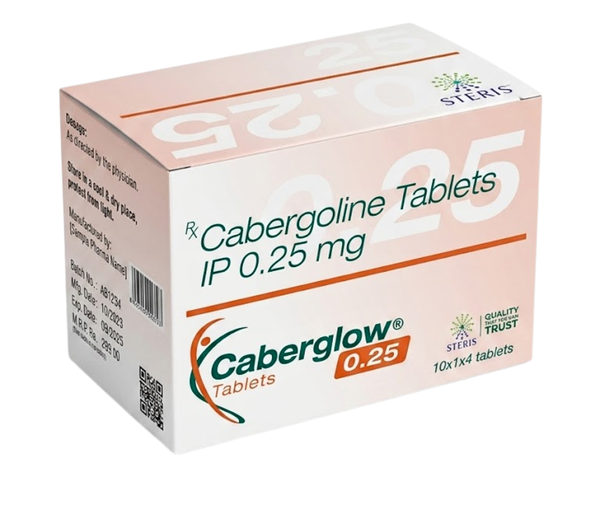
"name": "cabergoline tablets 0.25 mg",
"description": "Cabergoline Tablets 0.25 mg are widely prescribed for the treatment of conditions associated with elevated prolactin levels in the body. This medication belongs to a class of drugs known as dopamine agonists and is highly effective in managing hormonal imbalances that can affect fertility, menstrual health, and pituitary gland function.\n\nPatients searching for cabergoline tablets 0.25 mg, cabergoline 0.25 mg uses, cabergoline tablet price, cabergoline side effects, and cabergoline dosage often want detailed information before making a purchase decision. This comprehensive guide explains everything you need to know about Cabergoline Tablets 0.25 mg, including benefits, mechanism of action, dosage recommendations, precautions, and frequently asked questions.\n\nWhat Are Cabergoline Tablets 0.25 mg?\n\nCabergoline Tablets 0.25 mg contain cabergoline as the active pharmaceutical ingredient. The medicine is primarily used to lower abnormally high prolactin levels in the blood, a condition known as hyperprolactinemia.\n\nHigh prolactin levels can lead to:\n\nIrregular menstrual cycles\nInfertility\nUnwanted breast milk production\nReduced libido\nErectile dysfunction in men\nPituitary gland disorders\n\nCabergoline works by restoring hormonal balance and helping patients regain normal reproductive and endocrine function.\n\nHow Does Cabergoline 0.25 mg Work?\n\nCabergoline acts as a dopamine receptor agonist. Dopamine is a natural chemical in the brain that helps regulate prolactin secretion.\n\nMechanism of Action\n\nThe medication stimulates dopamine D2 receptors located in the pituitary gland. This action suppresses prolactin production and release.\n\nAs prolactin levels decrease:\n\nMenstrual cycles become more regular.\nFertility may improve.\nSymptoms of prolactin-producing tumors may reduce.\nBreast milk production caused by elevated prolactin decreases.\nHormonal balance improves.\n\nThe long duration of action of cabergoline allows for less frequent dosing compared to some alternative therapies.\n\nWhy Is Cabergoline Tablets 0.25 mg Important?\n\nMaintaining normal prolactin levels is crucial for reproductive health and hormonal stability.\n\nUntreated hyperprolactinemia may lead to:\n\nInfertility\nMenstrual disorders\nOsteoporosis\nSexual dysfunction\nPituitary tumor progression\n\nCabergoline Tablets 0.25 mg help address the root cause of these symptoms and improve overall quality of life.\n\nKey Benefits of Cabergoline Tablets 0.25 mg\nEffective Prolactin Control\n\nCabergoline significantly lowers elevated prolactin levels and helps restore hormonal balance.\n\nImproves Fertility\n\nWomen struggling with infertility due to elevated prolactin levels may experience improved reproductive function.\n\nRestores Menstrual Regularity\n\nThe medication helps normalize menstrual cycles in women with hormonal imbalances.\n\nReduces Galactorrhea\n\nCabergoline effectively decreases inappropriate breast milk production.\n\nSupports Pituitary Health\n\nIt helps manage prolactin-secreting pituitary tumors (prolactinomas).\n\nConvenient Dosing Schedule\n\nDue to its long half-life, Cabergoline often requires fewer doses per week than many alternative medications.\n\nIndications of Cabergoline Tablets 0.25 mg\n\nDoctors commonly prescribe Cabergoline Tablets 0.25 mg for:\n\nHyperprolactinemia\nProlactin-secreting pituitary adenomas (prolactinomas)\nMenstrual irregularities caused by elevated prolactin\nFemale infertility associated with high prolactin\nGalactorrhea\nHormonal imbalance disorders\nCertain endocrine conditions requiring prolactin suppression\nEfficacy and Clinical Evidence\n\nClinical studies have consistently demonstrated the effectiveness of cabergoline in reducing prolactin levels.\n\nResearch has shown that Cabergoline:\n\nProduces significant prolactin reduction\nRestores ovulation in many women\nImproves fertility outcomes\nReduces tumor size in prolactinoma patients\nOffers long-term symptom control\n\nIts favorable efficacy profile makes it one of the most commonly prescribed dopamine agonists for hyperprolactinemia management.\n\nDosage Guidelines for Cabergoline Tablets 0.25 mg\n\nAlways follow your healthcare provider's instructions.\n\nTypical Dosage\n\nThe dosage depends on:\n\nSeverity of the condition\nProlactin levels\nPatient response\nMedical history\n\nTreatment usually begins with a low dose and may be adjusted gradually based on clinical response.\n\nAdministration Tips\nTake the tablet exactly as prescribed.\nSwallow with water.\nCan be taken with food to minimize stomach discomfort.\nMaintain a consistent dosing schedule.\nMissed Dose\n\nIf you miss a dose:\n\nTake it as soon as remembered.\nSkip if the next scheduled dose is near.\nNever double the dose.\nSide Effects of Cabergoline Tablets 0.25 mg\n\nLike all medicines, Cabergoline may cause side effects.\n\nCommon Side Effects\nNausea\nHeadache\nDizziness\nFatigue\nConstipation\nAbdominal discomfort\nLow blood pressure\nSleepiness\n\nMost side effects are mild and improve as the body adjusts to treatment.\n\nSerious Side Effects\n\nSeek immediate medical attention if you experience:\n\nChest pain\nShortness of breath\nSevere dizziness\nPersistent swelling\nFainting episodes\nSevere allergic reactions\nSignificant mood changes\nPrecautions and Warnings\n\nBefore using Cabergoline Tablets 0.25 mg, inform your doctor if you have:\n\nHeart Disease\n\nPatients with cardiovascular conditions require careful monitoring.\n\nLiver Disorders\n\nDose adjustments may be necessary in certain cases.\n\nPregnancy\n\nUse only when specifically prescribed by a healthcare provider.\n\nBreastfeeding\n\nConsult your physician before taking Cabergoline during breastfeeding.\n\nMental Health Conditions\n\nPatients with psychiatric disorders should discuss their medical history with their doctor.\n\nLow Blood Pressure\n\nCabergoline may further reduce blood pressure in susceptible individuals.\n\nDrug Interactions\n\nCabergoline may interact with:\n\nAntipsychotic medications\nBlood pressure medications\nDopamine antagonists\nCertain antibiotics\nOther hormonal therapies\n\nAlways inform your doctor about all medications and supplements you are taking.\n\nCabergoline Tablets 0.25 mg Price\n\nPatients frequently search for information regarding cabergoline tablet price before purchasing treatment.\n\nThe cost may vary depending on:\n\nBrand\nPharmacy location\nPack size\nAvailability\nPrescription requirements\n\nFor accurate pricing and availability, consult your local pharmacy or authorized pharmaceutical distributor.\n\nStorage Instructions\nStore below recommended room temperature.\nKeep away from moisture and direct sunlight.\nKeep out of reach of children.\nWhy Choose Steris Healthcare Products?\n\nSteris Healthcare Pvt. Ltd. is committed to delivering high-quality pharmaceutical products manufactured under strict quality standards.\n\nAdvantages Include:\nWHO-GMP certified manufacturing facilities\nStringent quality control\nReliable pharmaceutical formulations\nPatient-focused healthcare solutions\nConsistent product quality\n\nHealthcare professionals trust Steris Healthcare for dependable pharmaceutical products that meet industry standards.\n\nConclusion\n\nCabergoline Tablets 0.25 mg are an effective treatment option for managing elevated prolactin levels, prolactinomas, hormonal imbalance, infertility, and related endocrine disorders. By acting directly on dopamine receptors, the medication helps restore normal prolactin levels and improves reproductive health outcomes.\n\nPatients seeking a proven therapy for hyperprolactinemia often benefit from the convenience, efficacy, and long-lasting action of Cabergoline. However, treatment should always be undertaken under medical supervision with regular monitoring and follow-up.\n\nFrequently Asked Questions (FAQs)\nWhat is Cabergoline Tablets 0.25 mg used for?\n\nCabergoline Tablets 0.25 mg are primarily used to treat hyperprolactinemia, prolactinomas, infertility associated with high prolactin levels, and hormonal disorders.\n\nHow does Cabergoline work?\n\nCabergoline stimulates dopamine receptors in the pituitary gland, reducing prolactin production and restoring hormonal balance.\n\nCan Cabergoline improve fertility?\n\nYes. In many women, lowering elevated prolactin levels can help restore ovulation and improve fertility.\n\nHow long does Cabergoline take to work?\n\nMany patients experience a reduction in prolactin levels within a few weeks, although results vary depending on the condition being treated.\n\nWhat are the common side effects of Cabergoline?\n\nCommon side effects include nausea, headache, dizziness, constipation, fatigue, and abdominal discomfort.\n\nCan Cabergoline be taken with food?\n\nYes. Taking Cabergoline with food may help reduce stomach-related side effects.\n\nIs Cabergoline safe for long-term use?\n\nWhen prescribed and monitored by a healthcare professional, Cabergoline can be used safely for long-term treatment in appropriate patients.\n\nCan men take Cabergoline Tablets 0.25 mg?\n\nYes. Men with elevated prolactin levels or prolactin-related disorders may benefit from Cabergoline therapy.\n\nIs a prescription required for Cabergoline?\n\nYes. Cabergoline Tablets 0.25 mg are prescription-only medications and should be used under medical supervision.\n\nHow should Cabergoline tablets be stored?\n\nStore the medication in a cool, dry place away from moisture, sunlight, and the reach of children.\nProduct Information Template\n\n",
"price": 240.0,
"discountamount": 72.0,
"currencycode": "INR",
"priority": 1000000,
"isfreeshipmentavailable": false,
"shipmentduration": 1,
"_keywords": null,
"isarchived": false,
"isavailable": true,
"applicationid": null,
"productindex": 2457,
"imageuri": "https://productimages.withfloats.com/actual/6a392f73cf03f058fecf81dc.png",
"tileimageuri": "https://productimages.withfloats.com/tile/6a392f73cf03f058fecf81dc.png",
"images": null,
"totalqueries": 0,
"gpid": null,
"groupproductid": null,
"createdon": "2026-06-22T12:49:53.333Z",
"updatedon": "2026-06-22T12:49:53.333Z",
"buyonlinelink": null,
"producturl": "http://WWW.STERISINDIA.COM//cabergoline-tablets-0-25-mg/2457",
"availableunits": -1.0,
"iscodavailable": false,
"isprepaidonlineavailable": false,
"maxcodorders": 0,
"maxprepaidonlineorders": 0,
"uniquepaymenturl": null,
"brandname": "CABERGLOW 0.25",
"category": "GYANECOLOGYRANGE",
"tags": [],
"variants": false,
"keyspecification": null,
"otherspecifications": null,
"pickupaddressreferenceid": null,
"paymenttype": "UniquePaymentUrl",
"producttype": "products",
"hsncode": null,
"gstslab": 0.0,
"isnotforsale": false
},
{
"_id": "6979b09d927481ba212bc573",
"fptag": "STERISHEALTHCARE",
"merchantname": null,
"customwidgets": null,
"externalsourceid": null,
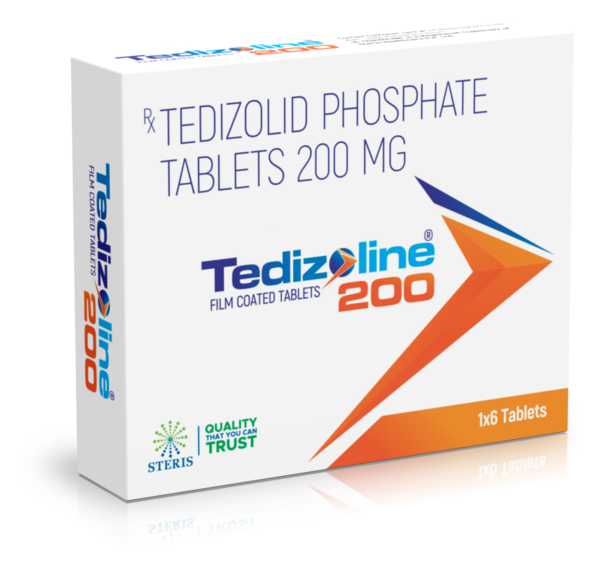
"name": "Tedizolid Phosphate 200 mg ",
"description": "TEDIZOLINE 200 is a state-of-the-art pharmaceutical formulation containing Tedizolid Phosphate 200 mg, representing a significant advancement in the treatment of serious bacterial skin infections. This next-generation oxazolidinone antibiotic offers a powerful solution for patients battling acute bacterial skin and skin structure infections (ABSSSI), including those caused by methicillin-resistant Staphylococcus aureus (MRSA) and other resistant bacterial strains. Developed to address the growing challenge of antibiotic resistance, TEDIZOLINE 200 provides healthcare professionals with an effective therapeutic option when conventional antibiotics may fall short.\nThe active ingredient, Tedizolid Phosphate, functions as a prodrug that is rapidly converted in the body to its active form, tedizolid. This sophisticated mechanism ensures optimal bioavailability and targeted antibacterial action. Each tablet of TEDIZOLINE 200 delivers a precise 200 mg dose, carefully calibrated to provide maximum efficacy while minimizing the risk of adverse effects. The medication is available in convenient oral tablet form, offering flexibility in treatment administration and improving patient compliance compared to intravenous-only alternatives.\nClinical Applications and Therapeutic Uses\nTEDIZOLINE 200 is specifically indicated for the treatment of acute bacterial skin and skin structure infections caused by susceptible strains of various gram-positive bacteria. These infections include cellulitis, major cutaneous abscesses, and wound infections that require systemic antibiotic therapy. The medication demonstrates exceptional efficacy against problematic pathogens including Staphylococcus aureus (both methicillin-susceptible and methicillin-resistant strains), various Streptococcus species, and Enterococcus faecalis.\nHealthcare providers prescribe TEDIZOLINE 200 when patients present with complicated skin infections characterized by significant inflammation, purulent discharge, or systemic signs of infection such as fever and elevated white blood cell counts. The medication is particularly valuable in hospital settings where antibiotic-resistant organisms pose significant treatment challenges, though it is equally effective for outpatient management of appropriate cases.\nThe standard treatment duration with TEDIZOLINE 200 is notably shorter than many traditional antibiotics, typically requiring only six days of therapy. This abbreviated course represents a significant advantage, potentially improving patient adherence, reducing the risk of developing resistance, and minimizing healthcare costs while maintaining excellent clinical outcomes.\nKey Benefits and Therapeutic Advantages\nSuperior Antimicrobial Potency: TEDIZOLINE 200 exhibits exceptional bactericidal activity against resistant gram-positive organisms, making it a frontline weapon against infections that have failed to respond to first-line antibiotics. Its unique mechanism of action—inhibiting bacterial protein synthesis by binding to the 23S ribosomal RNA of the 50S subunit—prevents bacteria from producing essential proteins necessary for survival and reproduction.\nShortened Treatment Duration: Unlike conventional antibiotics that may require ten to fourteen days of therapy, TEDIZOLINE 200 achieves comparable or superior outcomes with just six days of treatment. This condensed regimen reduces the pill burden for patients, improves treatment completion rates, and decreases the opportunity for resistance development.\nFlexible Administration Options: The medication offers both oral and intravenous formulations with nearly identical bioavailability, allowing seamless transitions between routes of administration. This flexibility enables early hospital discharge with continuation of oral therapy at home, reducing healthcare costs and improving patient comfort and quality of life.\nOnce-Daily Dosing Convenience: TEDIZOLINE 200's pharmacokinetic profile supports convenient once-daily administration, simplifying treatment schedules and enhancing patient compliance. The sustained therapeutic levels achieved with this dosing frequency ensure continuous antibacterial activity throughout the treatment course.\nReduced Drug Interaction Profile: Compared to its predecessor oxazolidinone antibiotics, TEDIZOLINE 200 demonstrates minimal interactions with dietary tyramine and requires less stringent dietary restrictions. Additionally, it exhibits reduced potential for serotonin syndrome, offering improved safety when used in patients taking certain antidepressants or other serotonergic medications.\nProven Clinical Efficacy: Extensive clinical trials have demonstrated that TEDIZOLINE 200 achieves cure rates comparable to or exceeding those of vancomycin and linezolid, the traditional gold standards for treating MRSA infections. These studies confirm both the non-inferiority and, in some parameters, the superiority of tedizolid phosphate in treating complicated skin infections.\nPotential Side Effects and Safety Considerations\nWhile TEDIZOLINE 200 is generally well-tolerated, patients and healthcare providers should be aware of potential adverse effects. The most commonly reported side effects include nausea, headache, diarrhea, and vomiting, which typically manifest as mild to moderate in severity and often resolve without intervention.\nGastrointestinal disturbances affect approximately five to ten percent of patients, with nausea being the most frequent complaint. Taking the medication with food may help minimize these symptoms without compromising absorption. Headaches occur in a similar percentage of patients and usually respond well to over-the-counter analgesics.\nMore serious but less common adverse effects include myelosuppression, manifesting as decreased blood cell counts. Although TEDIZOLINE 200 demonstrates less bone marrow suppression than older oxazolidinones, monitoring of complete blood counts is recommended for treatment courses extending beyond the standard six days or in patients with pre-existing hematologic conditions.\nPeripheral and optic neuropathy have been reported with prolonged oxazolidinone use, though the shorter treatment duration of TEDIZOLINE 200 substantially reduces this risk. Patients should report any vision changes, numbness, tingling, or weakness in extremities promptly to their healthcare provider.\nClostridium difficile-associated diarrhea can occur with virtually any antibiotic, including TEDIZOLINE 200. Patients experiencing severe, persistent, or bloody diarrhea during or following treatment should seek immediate medical attention.\nHypersensitivity reactions, though rare, may occur and can range from mild rash to severe anaphylaxis. Any signs of allergic reaction warrant immediate discontinuation and appropriate medical intervention.\nConclusion\nTEDIZOLINE 200 represents a significant therapeutic advancement in the management of acute bacterial skin and skin structure infections, particularly those involving antibiotic-resistant organisms. Its potent antimicrobial activity, convenient once-daily dosing, shortened treatment duration, and improved safety profile compared to earlier oxazolidinones make it an invaluable addition to the antimicrobial arsenal. The medication addresses critical unmet needs in infectious disease management, offering effective treatment options when traditional antibiotics prove insufficient.",
"price": 1250.0,
"discountamount": 375.0,
"currencycode": "INR",
"priority": 1000000,
"isfreeshipmentavailable": false,
"shipmentduration": 1,
"_keywords": null,
"isarchived": false,
"isavailable": true,
"applicationid": null,
"productindex": 2288,
"imageuri": "https://productimages.withfloats.com/actual/6979b0c4b75d7c0b79b08e15.png",
"tileimageuri": "https://productimages.withfloats.com/tile/6979b0c4b75d7c0b79b08e15.png",
"images": null,
"totalqueries": 0,
"gpid": null,
"groupproductid": null,
"createdon": "2026-01-28T06:45:49.837Z",
"updatedon": "2026-04-17T11:40:48.569Z",
"buyonlinelink": null,
"producturl": "http://WWW.STERISINDIA.COM//tedizolid-phosphate-200-mg-/2288",
"availableunits": -1.0,
"iscodavailable": false,
"isprepaidonlineavailable": false,
"maxcodorders": 0,
"maxprepaidonlineorders": 0,
"uniquepaymenturl": null,
"brandname": "TEDIZOLINE 200",
"category": "DERMATALOGY",
"tags": [
"tedizolid phosphate 200 mg tablet",
"tedizolid phosphate 200 mg uses",
"tedizolid phosphate 200 mg dosage",
"tedizolid phosphate tablets 200 mg price",
"tedizolid phosphate 200 mg side effects",
"tedizolid phosphate 200 mg brand name",
"tedizolid phosphate 200 mg mechanism of action",
"buy tedizolid phosphate 200 mg tablet",
"tedizolid phosphate 200 mg prescription info",
"tedizolid phosphate 200 mg tablet details",
"tedizolid phosphate 200 mg for skin infection",
"tedizolid phosphate 200 mg once daily tablet",
"tedizolid phosphate 200 mg tablet working"
],
"variants": false,
"keyspecification": null,
"otherspecifications": null,
"pickupaddressreferenceid": null,
"paymenttype": "UniquePaymentUrl",
"producttype": "products",
"hsncode": null,
"gstslab": 0.0,
"isnotforsale": false
},
{
"_id": "6ae2fef4545d3197abde920c",
"fptag": "STERISHEALTHCARE",
"merchantname": null,
"customwidgets": null,
"externalsourceid": null,
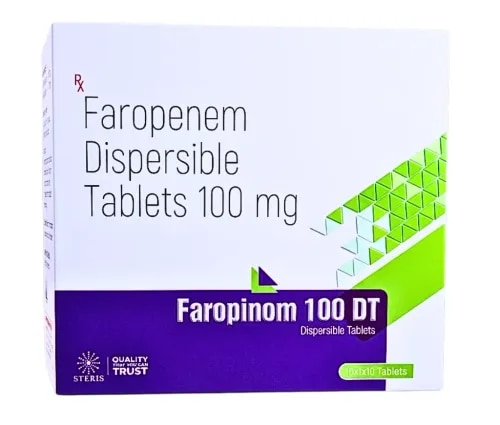
"name": "Faropenem Disperible Tablets 100 mg",
"description": "Faropinom 100 DT is a prescription-only antibiotic that provides 100 mg of Faropenem in a dispersible tablet. Faropenem is a penem-type beta-lactam, and doctors use it to treat bacterial infections only when the causative organism is likely to respond to it.\n\nAbout Faropinom 100 DT\n\nThe active ingredient, Faropenem, stops bacteria from building a proper cell wall. The weakened bacteria cannot survive, which helps the body clear a susceptible infection.\n\nThe tablet is meant to be mixed into water before it is taken. This can suit patients who find whole tablets hard to swallow. It should be used strictly as prescribed and according to the leaflet in the pack.\n\nProduct Snapshot\nFeature\tDetails\nBrand\tFaropinom 100 DT\nActive ingredient\tFaropenem 100 mg\nClass\tPenem beta-lactam antibiotic\nForm\tDispersible tablet\nMode of action\tBlocks bacterial cell-wall synthesis\nAvailability\tPrescription-only; subject to Indian regulations\nPurpose\tTreating susceptible bacterial infections on a doctor’s advice\nWhere Faropenem May Be Used\n\nWhether Faropenem is chosen depends on the patient’s condition, the bacteria involved (suspected or confirmed), prevailing treatment guidelines and the approved product information. Infections for which it may be considered include:\n\nRespiratory infections: bacterial infections of the airways or lungs, where the organism is sensitive to Faropenem.\nUrinary infections: bacterial infections of the bladder or wider urinary tract, at a clinician’s discretion.\nEar, nose and throat infections: certain bacterial infections of the ears, throat or sinuses, after examination.\nSkin and soft-tissue infections: selected bacterial skin infections, depending on severity and the organisms responsible.\nOther infections: any further use must follow approved indications, laboratory susceptibility and the treating doctor’s judgement.\n\nPlease note: This antibiotic does not suit every infection. It should never be assumed appropriate for all chest, urinary, skin or genital conditions. Only a qualified healthcare professional can decide whether it is right for a particular patient.\n\nNotable Characteristics\n\n1. Bactericidal action. Faropenem attacks susceptible bacteria by interfering with the machinery that builds their cell walls. How well it works depends on the species and its susceptibility.\n\n2. Activity against some enzyme-producing bacteria. Certain bacteria make beta-lactamase enzymes that disable some beta-lactam antibiotics. Faropenem can work against some of these organisms, but results differ by bacterium and resistance mechanism. It is not a universal answer to resistant infections.\n\n3. Easy-to-prepare format. The tablet is dispersed in water following the pack instructions, which helps those who struggle with swallowing conventional tablets.\n\n4. Focused treatment. Matched to the right infection, it targets the responsible bacteria. Choosing the right antibiotic improves outcomes and limits needless antibiotic exposure.\n\n5. Oral route. When oral therapy is clinically suitable, treatment can proceed without injections. The prescriber decides the route based on the patient’s condition.\n\nHow Faropenem Works\n\nFaropenem attaches to penicillin-binding proteins, which bacteria rely on to assemble and maintain their cell walls. With these proteins blocked, the wall cannot form properly, the bacterial structure weakens and the cell dies. This makes Faropenem bactericidal against susceptible organisms. It does not act on viruses and cannot treat every bacterial infection.\n\nDosing and Administration\n\nThe dose is set by the doctor after considering age, body weight (where relevant), the type and seriousness of the infection, and kidney function.\n\nDose: use only the strength and quantity prescribed.\nFrequency: follow the daily schedule given to you; do not alter it yourself.\nDuration: finish the prescribed course without lengthening or shortening it unless your doctor says so.\nPreparation: disperse the tablet as directed in the leaflet or by your pharmacist.\nMissed dose: check the leaflet or ask a pharmacist. Never double up to make up for a forgotten dose.\n\nNo single dosing plan fits all patients, so a general range should never replace a personal prescription.\n\nPossible Side Effects\n\nAs with other antibiotics, reactions can occur, and they vary from person to person.\n\nMilder effects may include:\n\nNausea or stomach upset\nAbdominal discomfort\nLoose stools or diarrhoea\nRash or itching\nHeadache or dizziness\n\nSpeak to a healthcare professional if these continue, become bothersome or get worse.\n\nGet medical help promptly for:\n\nSerious allergy: swelling of the face, lips, tongue or throat, or trouble breathing is an emergency.\nSevere diarrhoea: persistent, watery or bloody stools may signal a serious antibiotic-related complication.\nSevere skin reaction: widespread rash, blisters or peeling skin needs urgent assessment.\nLiver concerns: yellow skin or eyes, or dark urine, should be checked quickly.\n\nThis list is not exhaustive. Refer to the product information and your doctor for advice specific to you.\n\nPrecautions and Warnings\nAllergies: tell your doctor about any past allergy to Faropenem, penicillins, cephalosporins or other beta-lactams.\nKidney health: report any kidney disease or reduced function, as it can affect suitability and dosing.\nPregnancy and breastfeeding: consult your doctor first if you are pregnant, planning pregnancy or nursing. Use only after a personal benefit–risk assessment.\nOther medicines: share a full list of prescription drugs, over-the-counter products and supplements so interactions can be checked.\nAntibiotic resistance: take Faropenem only for a suitable bacterial infection. Misuse and incorrect dosing fuel resistance.\nMedical history: discuss existing conditions and earlier drug reactions before starting.\nWho Is It For?\n\nFaropinom 100 DT may be considered for patients who need an antibiotic for a susceptible bacterial infection and for whom this dispersible form is suitable. The prescriber decides based on examination, the likely or confirmed organism, individual risk factors and current guidance. It should not be self-started for fever, cough or sore throat without first establishing that an antibiotic is needed.\n\nBuying Faropinom 100 DT in India\n\nBefore purchasing, confirm the brand, strength, manufacturer and the legitimacy of the seller. For safety:\n\nGet a prescription from a registered medical practitioner.\nBuy from a licensed pharmacy or a duly authorised online pharmacy.\nInspect the name, strength, batch number, expiry date and pack condition.\nStore it as the packaging directs.\nAsk the pharmacist if anything is unclear.\n\nPrice and availability: these differ by manufacturer, pack size, pharmacy and location. Confirm current details with a licensed seller rather than an unverified figure.\n\nFrequently Asked Questions\n\n1. What is Faropinom 100 DT prescribed for?\nIt contains Faropenem 100 mg and is used for certain bacterial infections when the organism is susceptible and the medicine is clinically suitable.\n\n2. Is it an antibiotic?\nYes. Faropenem is a penem-class beta-lactam that disrupts bacterial cell-wall formation.\n\n3. What is the active ingredient?\nFaropenem 100 mg. Check the pack for full composition details.\n\n4. Will it cure a common cold?\nNo. Colds are viral, and antibiotics do not act on viruses.\n\n5. How do I take it?\nExactly as prescribed. Prepare the dispersible tablet in water as described in the leaflet or by your pharmacist.\n\n6. What is the right dose?\nIt depends on the infection, your age, kidney function and other individual factors. Follow your doctor’s prescription.\n\n7. How long is the course?\nThe duration depends on the infection and your response. Complete the course unless your doctor changes it.\n\n8. What side effects can occur?\nStomach upset, nausea, diarrhoea, headache and skin reactions are possible. Seek advice if they persist or become severe.\n\n9. Can it cause diarrhoea?\nYes, as antibiotics can. Contact a healthcare professional quickly if it is severe, long-lasting or bloody.\n\n10. Can I stop once I feel better?\nDo not stop or alter treatment on your own. Talk to your doctor about side effects or if you think treatment is no longer needed.\n\n11. Is it safe in pregnancy?\nA doctor must assess this individually. Do not use it in pregnancy without medical advice.\n\n12. Can I use it while breastfeeding?\nAsk your doctor first. The decision rests on available safety data and your circumstances.\n\n13. Can people with kidney problems take it?\nThey should tell their doctor beforehand, who will decide on suitability and any adjustment.\n\n14. Is Faropenem a penicillin?\nNo, it is a penem. Both are beta-lactams, so discuss any antibiotic allergy history with your prescriber.\n\n15. Is alcohol allowed during treatment?\nAsk your doctor or pharmacist, especially if you have other conditions or take other medicines. Avoid alcohol if it worsens symptoms.\n\n16. What if I miss a dose?\nConsult the leaflet or your pharmacist. Do not take a double dose unless a professional tells you to.\n\n17. Does it work on resistant bacteria?\nIt may act on certain bacteria that resist some other antibiotics, but this depends on the organism and resistance mechanism. Medical assessment is essential.\n\n18. Can it be used for any infection?\nNo. It is for suitable bacterial infections only, chosen through clinical assessment and, where needed, lab testing.\n\n19. What does it cost in India?\nConfirm the current price with a licensed pharmacy, as it varies by pack size, maker and location.\n\n20. Where can I buy it?\nEnquire at a licensed local or authorised online pharmacy. A valid prescription may be required under applicable rules.\n\nConclusion\n\nFaropinom 100 DT is a dispersible Faropenem 100 mg antibiotic for selected bacterial infections, to be used under a qualified healthcare professional’s guidance. It works by disrupting bacterial cell-wall formation, and the dispersible form offers an alternative for patients who find standard tablets difficult.\n\nResponsible use depends on accurate diagnosis, the right antibiotic choice, sticking to the prescribed regimen and watching for side effects. Always consult a healthcare professional before starting, stopping or changing antibiotic treatment.",
"price": 590.0,
"discountamount": 177.0,
"currencycode": "INR",
"priority": 1000000,
"isfreeshipmentavailable": false,
"shipmentduration": 1,
"_keywords": null,
"isarchived": false,
"isavailable": true,
"applicationid": null,
"productindex": 2506,
"imageuri": "https://productimages.withfloats.com/actual/6ae2fef754689b1ff0217bf5.png",
"tileimageuri": "https://productimages.withfloats.com/tile/6ae2fef754689b1ff0217bf5.png",
"images": null,
"totalqueries": 0,
"gpid": null,
"groupproductid": null,
"createdon": "2026-10-29T08:08:20.798Z",
"updatedon": "2026-10-29T08:08:20.798Z",
"buyonlinelink": null,
"producturl": "http://WWW.STERISINDIA.COM//faropenem-disperible-tablets-100-mg/2506",
"availableunits": -1.0,
"iscodavailable": false,
"isprepaidonlineavailable": false,
"maxcodorders": 0,
"maxprepaidonlineorders": 0,
"uniquepaymenturl": null,
"brandname": "Faropinom 100 DT",
"category": null,
"tags": [],
"variants": false,
"keyspecification": null,
"otherspecifications": null,
"pickupaddressreferenceid": null,
"paymenttype": "UniquePaymentUrl",
"producttype": "products",
"hsncode": null,
"gstslab": 0.0,
"isnotforsale": false
},
{
"_id": "6a952f8fed078617ad2e762a",
"fptag": "STERISHEALTHCARE",
"merchantname": null,
"customwidgets": null,
"externalsourceid": null,
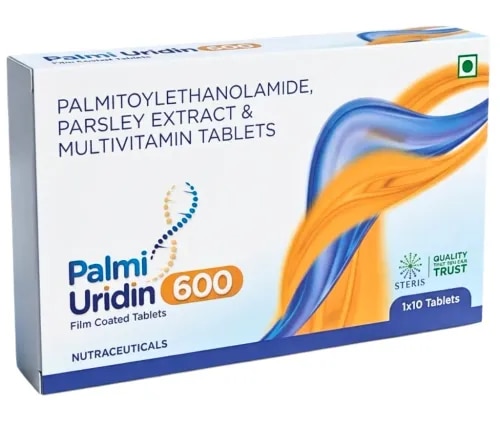
"name": "Palmitoylethanolamide,Parsley Extract & Multivitamin Tablets",
"description": "What Are Palmitoylethanolamide, Parsley Extract & Multivitamin Tablets?\n\nPalmitoylethanolamide, Parsley Extract & Multivitamin Tablets are a combination of nutritional supplements formulated with **palmitoylethanolamide (PEA), parsley extract, vitamins, and minerals**. The precise ingredients and quantities can differ between products, so the product label should always be checked for the exact composition and recommended serving.\n\nEach component has a different nutritional or biological role. **Palmitoylethanolamide (PEA)** is a naturally occurring fatty-acid amide that has been researched for its potential contribution to pain-related and inflammatory processes. Clinical research has shown particular interest in PEA for pain-management outcomes, especially when specific formulations such as micronized or ultramicronized PEA are used.\n\n**Parsley extract**, obtained from *Petroselinum crispum*, contains naturally occurring plant compounds, including flavonoids and phenolic constituents. Research has identified compounds such as apigenin and apiin in parsley and has demonstrated antioxidant activity in experimental settings. However, laboratory antioxidant activity should not be interpreted as proof that parsley extract prevents or treats a particular disease.\n\nThe multivitamin component supplies selected vitamins and minerals that contribute to normal nutritional requirements. Such supplements can be useful when dietary intake does not provide adequate amounts of particular nutrients, but they are intended to complement rather than replace a balanced diet.\n\nHow Do Palmitoylethanolamide, Parsley Extract & Multivitamin Tablets Work?\n\nThe combination works through the individual characteristics of its principal ingredients rather than through a single mechanism.\n\n1. Palmitoylethanolamide\n\nPalmitoylethanolamide (PEA) is an endogenous lipid compound found naturally in the body. It has been investigated for its potential analgesic, anti-inflammatory, and neuroprotective activities.\n\nClinical research has examined PEA in various pain-related and neurological settings. Evidence from randomized controlled trials has been particularly promising for pain-related outcomes. However, different PEA products can contain different formulations, and results from one preparation should not automatically be applied to every PEA supplement.\n\n 2. Parsley Extract\n\nParsley contains several naturally occurring phytochemicals, including flavonoids and phenolic compounds. These substances have demonstrated antioxidant properties in experimental research.\n\nThe presence of parsley extract therefore adds a plant-derived nutritional component to the formulation. However, human evidence remains more limited than laboratory research, so claims about disease prevention or treatment should be avoided unless supported by appropriate clinical evidence.\n\n3. Vitamins and Minerals\n\nThe multivitamin portion is designed to provide selected micronutrients that contribute to normal body functions. Vitamins and minerals participate in numerous physiological processes, including energy metabolism, immune function, nervous-system function, and maintenance of tissues.\n\nThe actual nutritional contribution depends on which vitamins and minerals are included and their quantities per tablet or serving.\n\nPotential Benefits of Palmitoylethanolamide, Parsley Extract & Multivitamin Tablets\n\nThe potential benefits of this combination depend on its exact formulation and the nutritional requirements of the individual.\n\nSupport for Pain-Management Strategies\n\nPEA is the component in this combination with the most relevant clinical research. Studies have evaluated PEA as a complementary nutritional approach in different pain conditions, with evidence showing particular interest in pain-related outcomes.\n\nHowever, the presence of PEA does not mean that every PEA-containing supplement is clinically proven to treat chronic pain, neuropathy, or other medical disorders.\n\nNutritional Support\n\nThe vitamin and mineral component can help increase nutrient intake when normal dietary consumption is inadequate.\n\nPeople with restricted diets, reduced food intake, or specific nutritional gaps may sometimes benefit from supplementation. However, supplements are not intended to replace a varied and nutritionally balanced diet.\n\nAntioxidant Nutritional Support\n\nParsley provides naturally occurring flavonoids and phenolic compounds that demonstrate antioxidant activity in experimental research.\n\nThese properties make parsley an interesting botanical ingredient in nutritional formulations, although laboratory findings do not necessarily establish a specific clinical benefit in humans.\n\nConvenient Combination Formula\n\nA combination tablet can offer convenience by bringing PEA, parsley extract, vitamins, and minerals together in one formulation.\n\nConsumers should focus on the actual quantities provided per tablet rather than simply the number of ingredients listed on the packaging.\n\nPalmitoylethanolamide, Parsley Extract & Multivitamin Tablets: Uses\n\nDepending on the specific product formulation and labeling, these tablets may be used as a nutritional supplement to\n\n* Support daily nutritional intake\n* Provide selected vitamins and minerals\n* Supply palmitoylethanolamide as part of a complementary wellness or pain-management approach\n* Provide naturally occurring compounds from parsley extract\n* Complement overall nutritional and antioxidant intake\n\nThese supplements should not be promoted as guaranteed treatments or cures for neuropathy, arthritis, inflammation, nerve injury, or other medical diseases.\n\n How to Select the Right Product\n\n 1. Check the PEA Quantity\n\nReview the label to determine the actual amount of **palmitoylethanolamide per tablet or daily serving**.\n\n 2. Consider the PEA Formulation\n\nDifferent clinical studies have evaluated different PEA preparations. Micronized, ultramicronized, and water-dispersible forms have received particular attention in clinical research.\n\n3. Review the Vitamin and Mineral Profile\n\nExamine the complete nutritional panel rather than assuming all multivitamin formulations contain the same nutrients and quantities.\n\n4. Avoid Nutrient Duplication\n\nIf you already use a multivitamin or individual supplements containing nutrients such as vitamin A, iron, zinc, or other minerals, compare the total daily intake to avoid unnecessary excess.\n\n 5. Check Product Information\n\nLook for transparent labeling, manufacturer details, batch information, expiry information, and appropriate quality-control details.\n\n 6. Choose According to Individual Requirements\n\nA product containing more ingredients or higher quantities is not necessarily more beneficial. Selection should be based on individual nutritional requirements and professional guidance when necessary.\n\nPossible Side Effects and Safety\n\nDietary supplements are generally well tolerated when appropriately formulated and used according to directions, but adverse effects and interactions can occur.\n\nPossible problems may include:\n\n* Nausea\n* Stomach discomfort\n* Changes in bowel habits\n* Headache\n* Sensitivity or allergic reactions to individual ingredients\n* Excessive intake of particular vitamins or minerals\n\nThe exact safety profile depends on the complete ingredient list and quantities in the individual product.\n\nPeople who take prescription medicines, have significant medical conditions, are pregnant or breastfeeding, or are preparing for surgery should discuss supplementation with a qualified healthcare professional.\n\nWho Should Use Extra Caution?\n\nAdditional care may be appropriate for individuals who:\n\n* Take several nutritional supplements\n* Regularly use prescription medicines\n* Have an existing medical condition\n* Are pregnant or breastfeeding\n* Have an allergy or sensitivity to an ingredient\n* Are preparing for surgery\n* Are considering supplementation for persistent or unexplained pain\n\nMultivitamins should also not be used as a substitute for a consistently varied diet.\n\nFrequently Asked Questions\n\n1. What are Palmitoylethanolamide, Parsley Extract & Multivitamin Tablets used for?\n\nThey are combination nutritional supplements containing PEA, parsley extract, vitamins, and minerals. Depending on the formulation, they may provide nutritional support and PEA as a complementary component of a wellness or pain-management approach.\n\n2. What are the main benefits of these tablets?\n\nPotential benefits depend on the formulation. PEA has been clinically studied mainly for pain-related outcomes; parsley provides naturally occurring plant compounds; and vitamins and minerals help support nutritional intake when dietary consumption is insufficient.\n\n3. Can Palmitoylethanolamide help with nerve pain?\n\nPEA has been investigated in several pain-related and neurological conditions, with clinical research showing promising findings for some pain outcomes. However, it should not automatically be considered a proven treatment for every type of nerve pain or neuropathy.\n\n4. Are Palmitoylethanolamide, Parsley Extract & Multivitamin Tablets safe?\n\nSafety depends on the ingredients, quantities, individual health status, and medicines being used. Most appropriately used basic nutritional supplements are tolerated by many people, but excessive nutrient intake and interactions can occur.\n\n5. What side effects can these tablets cause?\n\nPotential effects can include stomach discomfort, nausea, bowel changes, headache, or sensitivity to an ingredient. The exact side effects depend on the complete formulation.\n\n6. Can these tablets be taken with another multivitamin?\n\nCombining multivitamins should be approached carefully because overlapping ingredients can result in excessive intake of certain vitamins or minerals. Compare both labels before combining supplements.\n\n7. How should I choose palmitoylethanolamide tablets?\n\nCheck the PEA quantity, formulation, parsley extract amount, complete vitamin and mineral profile, serving instructions, manufacturer information, and product quality details.\n\n8. Can these tablets replace prescribed pain medicines?\n\nNo. A nutritional supplement should not automatically replace prescribed medication or professional medical care. Persistent, severe, worsening, or unexplained pain should be evaluated appropriately.\n\n9. Do multivitamins provide long-term health benefits?\n\nMultivitamins can increase nutrient intake when dietary intake is inadequate, but this does not mean they universally prevent chronic diseases or extend lifespan in healthy individuals.\n\n10. Can I take these tablets every day?\n\nFollow the dosage or serving instructions provided for the specific product. Taking more than the recommended amount does not necessarily provide greater benefits and may increase the risk of excessive nutrient intake.\n\nConclusion\n\nPalmitoylethanolamide, Parsley Extract & Multivitamin Tablets** combine **PEA, parsley extract, vitamins, and minerals** into a single nutritional formulation. PEA is the component with the most relevant clinical research, particularly in relation to pain-related outcomes, while parsley contributes naturally occurring botanical compounds and the multivitamin component supports dietary micronutrient intake.\n\nThe benefits and appropriate use of the combination depend on the exact formulation, ingredient quantities, and individual nutritional requirements. Therefore, consumers should review the complete product label and use the supplement according to its recommended directions.",
"price": 579.0,
"discountamount": 170.0,
"currencycode": "INR",
"priority": 1000000,
"isfreeshipmentavailable": false,
"shipmentduration": 1,
"_keywords": null,
"isarchived": false,
"isavailable": true,
"applicationid": null,
"productindex": 2499,
"imageuri": "https://productimages.withfloats.com/actual/6a952f923833cb5247c5da2d.png",
"tileimageuri": "https://productimages.withfloats.com/tile/6a952f923833cb5247c5da2d.png",
"images": null,
"totalqueries": 0,
"gpid": null,
"groupproductid": null,
"createdon": "2026-08-31T07:38:55.369Z",
"updatedon": "2026-08-31T07:38:55.369Z",
"buyonlinelink": null,
"producturl": "http://WWW.STERISINDIA.COM//palmitoylethanolamide-parsley-extract-multivitamin-tablets/2499",
"availableunits": -1.0,
"iscodavailable": false,
"isprepaidonlineavailable": false,
"maxcodorders": 0,
"maxprepaidonlineorders": 0,
"uniquepaymenturl": null,
"brandname": "PALMI URIDIN 600",
"category": "NEUROLOGY RANGE",
"tags": [
"Palmitoylethanolamide,Parsley Extract & Multivitamin Tablets",
"palmitoylethanolamide",
"multivitamin tablets",
"best multivitamin tablets",
"multivitamin tablets uses"
],
"variants": false,
"keyspecification": null,
"otherspecifications": null,
"pickupaddressreferenceid": null,
"paymenttype": "UniquePaymentUrl",
"producttype": "products",
"hsncode": null,
"gstslab": 0.0,
"isnotforsale": false
},
{
"_id": "6a952bdada41ea9aeeec5e4a",
"fptag": "STERISHEALTHCARE",
"merchantname": null,
"customwidgets": null,
"externalsourceid": null,
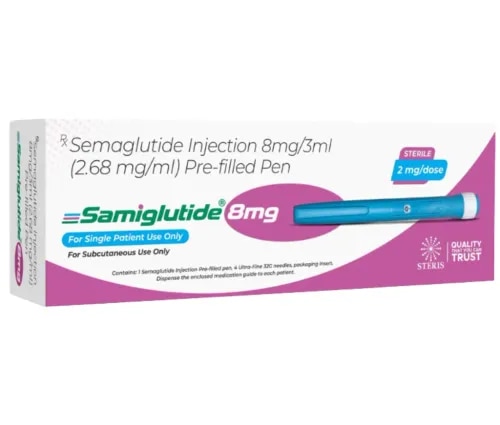
"name": "Semaglutide injection 8 mg",
"description": "The semaglutide injection, 8 mg, contains a total of 8 mg of semaglutide, a long-acting GLP-1 receptor agonist. It is used under medical supervision as part of treatment for appropriate adults with type 2 diabetes mellitus and, depending on the specific approved product and indication, for cardiovascular risk reduction and chronic weight management.\n1. Product Overview & Specifications\nAn 8 mg/3 mL semaglutide pen contains 8 mg of the active medicine in a 3 mL delivery system. When specifically designed to provide 2 mg per weekly dose, the total quantity can provide four 2 mg doses.\nActive Ingredient: Semaglutide\nTotal Strength: 8 mg\nExample Presentation: 8 mg/3 mL multi-dose pen\nDrug Class: GLP-1 receptor agonist\nRoute: Subcutaneous injection\nCommon Injection Areas: Abdomen, thigh, or upper arm\nAdministration: Once weekly, according to the prescribed schedule\nMechanism of Action\nSemaglutide mimics the activity of the naturally occurring hormone GLP-1 (glucagon-like peptide-1). It acts on GLP-1 receptors involved in blood-glucose regulation, digestion, and appetite.\nImproves glucose-dependent insulin release: Semaglutide encourages the pancreas to release insulin when blood glucose levels are elevated.\nReduces glucagon secretion: It lowers inappropriate glucagon release, helping reduce the amount of glucose produced by the liver.\nSlows gastric emptying: Semaglutide can delay the movement of food from the stomach, contributing to prolonged fullness.\nReduces appetite: Its effects on appetite-regulating pathways in the brain can decrease hunger and food intake.\n2. Primary Indications & Uses\nSemaglutide may be prescribed for several clinically established purposes depending on the specific formulation, approved labeling, and patient's medical condition.\nType 2 Diabetes Management\nSemaglutide can be used alongside appropriate diet and physical activity to improve blood-glucose control in adults with type 2 diabetes.\nCardiovascular Risk Reduction\nIn eligible adults with type 2 diabetes and established cardiovascular disease, certain semaglutide products have demonstrated a reduction in the risk of major cardiovascular events, including cardiovascular death, non-fatal heart attack, and non-fatal stroke.\nKidney Disease\nCertain semaglutide formulations and indications have demonstrated kidney-related benefits in specific populations. The appropriate product and indication should be determined by a healthcare professional.\nChronic Weight Management\nSemaglutide is also used for long-term weight management in eligible adults with obesity or overweight accompanied by weight-related health conditions, depending on the approved formulation and local prescribing guidance.\n3. Key Benefits of Semaglutide 8 mg Therapy\nClinical Area\nPotential Therapeutic Role\nBlood-Glucose Control\nHelps lower elevated blood glucose and improve glycemic control in appropriate patients.\nWeight Management\nReduces appetite and food intake, supporting sustained weight reduction when prescribed for this purpose.\nCardiovascular Health\nCertain approved semaglutide indications can reduce major cardiovascular event risk in eligible patients.\nMetabolic Support\nInfluences glucose regulation, appetite, insulin secretion, and glucagon activity.\nWeekly Administration\nA once-weekly injection can provide a convenient treatment schedule when prescribed.\n\n4. Side Effects & Safety Warnings\nCommon Adverse Reactions\nDigestive symptoms are among the most frequently reported adverse effects, particularly when treatment is initiated or the dose is increased.\nPossible side effects include:\nNausea\nVomiting\nDiarrhea\nConstipation\nAbdominal discomfort\nBloating\nBelching\nIndigestion or heartburn\nReduced appetite\nThese effects may improve as the body becomes accustomed to treatment.\nFrequently Asked Questions\n1. How much weight can you lose with semaglutide?\nWeight reduction varies significantly between individuals and depends on the prescribed formulation, dose, treatment duration, diet, physical activity, and adherence. Clinical trials of approved weight-management regimens have demonstrated substantial average percentage weight loss over extended treatment periods.\n2. How much is 8 units of semaglutide in mL?\nOn a U-100 insulin syringe, 100 units corresponds to 1 mL, so 8 units corresponds to 0.08 mL. However, this conversion only describes syringe volume. It does not determine the amount of semaglutide in mg because the medication concentration varies between products. Always verify the exact concentration before measuring any dose.\n3. Is semaglutide injection safe for weight loss?\nSemaglutide can be an effective treatment for weight management when an approved formulation is prescribed to an eligible patient and used under appropriate medical supervision. It has important contraindications and warnings, including risks involving the gastrointestinal system, gallbladder, pancreas, kidneys, and thyroid C-cell tumors.\n4. How many mg of semaglutide are used for weight loss?\nThe appropriate dose depends on the specific semaglutide product. Weight-management treatment commonly begins with a lower dose and is gradually increased to a maintenance dose to improve tolerability. The maintenance dose should be determined according to the product's approved prescribing information and the healthcare professional's instructions.\n5. How much weight can I lose in 2 months with semaglutide?\nThere is no guaranteed amount of weight loss during the first two months. Individual results vary because treatment generally begins at a lower dose and is increased gradually. Diet, physical activity, starting weight, medical conditions, and adherence also affect the result.\n6. What happens when you stop semaglutide?\nAfter discontinuation, semaglutide gradually leaves the body. Appetite and food intake may increase as its effects decrease, and some people regain weight. Maintaining healthy eating and physical activity habits may help support weight management after treatment, but discontinuation should be discussed with a healthcare professional.\n7. How long does an 8 mg/3 mL semaglutide pen last?\nIf a specific 8 mg/3 mL pen is designed to deliver 2 mg per weekly dose, it contains four 2 mg doses and therefore provides approximately four weeks of treatment. The actual duration depends on the specific device and prescribed dosing instructions.\n8. What is semaglutide injection 8 mg used for?\nSemaglutide is used for approved indications such as improving blood-glucose control in type 2 diabetes and, depending on the formulation, supporting chronic weight management and reducing cardiovascular risk in eligible patients.\n9. What foods should be avoided while taking semaglutide?\nLarge, high-fat, greasy, or fried meals may worsen gastrointestinal symptoms such as nausea, bloating, and reflux. Smaller meals and balanced food choices may be easier to tolerate. Alcohol intake should also be discussed with a healthcare professional.\n10. Can you eat bananas while taking semaglutide?\nYes, bananas can generally be included in a balanced diet while using semaglutide. Portion size should be considered as part of an individual's overall calorie and carbohydrate intake, particularly for people managing diabetes.\n11. What is the best time of day to inject semaglutide?\nSemaglutide injections can generally be administered at any time of day, with or without meals, depending on the specific product instructions. The injection should be taken on the same day each week as prescribed.\n12. Will I lose weight during the first week of semaglutide?\nSome people may notice an early change in appetite or body weight, while others may not see a significant difference initially. Early treatment doses are generally introduced gradually to help the body adjust rather than to produce immediate maximum weight loss.\n13. How quickly does semaglutide start lowering blood sugar?\nSemaglutide begins acting after administration, but the degree and timing of blood-glucose improvement vary. Significant treatment effects develop progressively, particularly as the prescribed dose is gradually adjusted.\n14. What should I do if I miss a semaglutide dose?\nThe correct missed-dose procedure depends on the specific semaglutide product. Follow the instructions supplied with your prescribed product. Do not take an extra dose to compensate for a missed injection.\n15. Where is the best place to inject semaglutide?\nSemaglutide is administered subcutaneously. Common injection sites include the abdomen, front of the thigh, or upper arm, according to the product instructions. Rotating injection locations can help reduce repeated irritation at one site.\nConclusion\nSemaglutide injection 8 mg contains semaglutide, a long-acting GLP-1 receptor agonist that influences blood-glucose regulation, glucagon secretion, gastric emptying, and appetite. Depending on the specific formulation and approved indication, semaglutide may be used for type 2 diabetes management, chronic weight management, and cardiovascular risk reduction in eligible patients.\nAn 8 mg/3 mL presentation designed for 2 mg weekly dosing can provide four weekly doses. However, semaglutide concentrations, pen designs, approved doses, and indications can differ between products. Treatment should therefore follow the exact product instructions and a healthcare professional's prescription.",
"price": 7800.0,
"discountamount": 2340.0,
"currencycode": "INR",
"priority": 1000000,
"isfreeshipmentavailable": false,
"shipmentduration": 1,
"_keywords": null,
"isarchived": false,
"isavailable": true,
"applicationid": null,
"productindex": 2498,
"imageuri": "https://productimages.withfloats.com/actual/6a952bdd8359c1b7edbc7468.png",
"tileimageuri": "https://productimages.withfloats.com/tile/6a952bdd8359c1b7edbc7468.png",
"images": null,
"totalqueries": 0,
"gpid": null,
"groupproductid": null,
"createdon": "2026-08-31T07:23:06.814Z",
"updatedon": "2026-08-31T07:23:06.814Z",
"buyonlinelink": null,
"producturl": "http://WWW.STERISINDIA.COM//semaglutide-injection-8-mg/2498",
"availableunits": -1.0,
"iscodavailable": false,
"isprepaidonlineavailable": false,
"maxcodorders": 0,
"maxprepaidonlineorders": 0,
"uniquepaymenturl": null,
"brandname": "SAMIGLUTIDE 8MG",
"category": "DIABETIC RANGE",
"tags": [
"Semaglutide injection 8 mg",
"semaglutide injection 8 mg",
"semaglutide 8 mg injection uses",
"semaglutide 8 mg injection benefits",
"semaglutide 8 mg injection dosage"
],
"variants": false,
"keyspecification": null,
"otherspecifications": null,
"pickupaddressreferenceid": null,
"paymenttype": "UniquePaymentUrl",
"producttype": "products",
"hsncode": null,
"gstslab": 0.0,
"isnotforsale": false
},
{
"_id": "6a8c3838c90065ecdc86c757",
"fptag": "STERISHEALTHCARE",
"merchantname": null,
"customwidgets": null,
"externalsourceid": null,
"name": "Semaglutide Injection 4mg",
"description": "SAMIGLUTIDE 4 MG is a semaglutide-containing injectable medicine supplied in a pre-filled pen. The stated formulation contains 4 mg of semaglutide in 3 mL of solution, corresponding to approximately 1.34 mg/mL.\n\nSemaglutide is a GLP-1 receptor agonist that acts on physiological pathways involved in blood-glucose control, appetite, and gastrointestinal function. Its use should be based on the approved indication for the specific product and the advice of a qualified healthcare professional.\n\nProduct Overview\nProduct: SAMIGLUTIDE 4 MG\nActive substance: Semaglutide\nStrength: 4 mg/3 mL\nApproximate concentration: 1.34 mg/mL\nDosage form: Injectable solution\nPresentation: Pre-filled pen\nRoute: Subcutaneous administration, according to the applicable product instructions\n\nThe 4 mg/3 mL concentration is also associated with certain approved semaglutide products. However, this does not mean that their dosing schedules, indications, or administration instructions automatically apply to SAMIGLUTIDE 4 MG. The product-specific labeling should always be followed.\n\nWhat Is Semaglutide?\n\nSemaglutide is a medication belonging to the GLP-1 receptor agonist class. It acts similarly to the naturally occurring hormone glucagon-like peptide-1 (GLP-1).\n\nGLP-1 is involved in several processes related to metabolism. Its activity can influence insulin secretion, glucagon regulation, stomach emptying, and appetite. Depending on the particular semaglutide product and its regulatory authorization, semaglutide may be prescribed for conditions such as type 2 diabetes or chronic weight management in appropriately selected patients.\n\nBecause different semaglutide products can have different approved uses and formulations, treatment decisions should be based on the specific medicine being prescribed.\n\nSAMIGLUTIDE 4 MG Pre-Filled Pen\n\nSAMIGLUTIDE 4 MG is supplied in a pre-filled pen intended to provide a convenient format for subcutaneous administration.\n\nPre-filled devices can eliminate the need to draw medication from a conventional vial. Nevertheless, patients should be properly trained before using an injectable pen and should follow the instructions supplied with the specific product.\n\nThe pen should only be used according to its approved instructions, including the prescribed dose and administration schedule.\n\nStrength and Formulation\n\nEach stated 3 mL presentation contains 4 mg of semaglutide, giving a concentration of approximately 1.34 mg/mL.\n\nThe concentration of a medicine should not be confused with the amount delivered in every injection. The quantity administered depends on the design and dose settings of the particular pen.\n\nFor this reason, patients should not calculate or select their own dose based solely on the concentration printed on the package. The prescribed dose should come from the product's authorized instructions and the treating healthcare professional.\n\nHow Semaglutide Acts\n\nSemaglutide activates GLP-1 receptors, which are involved in the regulation of blood glucose and appetite.\n\nAmong its physiological effects, GLP-1 receptor activation can:\n\nSupport glucose-dependent insulin secretion.\nReduce inappropriate glucagon secretion when blood glucose is elevated.\nAffect gastrointestinal activity, including gastric emptying.\nInfluence appetite and food intake.\n\nThe overall response to treatment can vary between individuals and depends on factors such as the medical indication, prescribed dose, treatment duration, and other medicines being used.\n\nPotential Therapeutic Benefits\n\nWhen prescribed for an appropriate, authorized indication, semaglutide may form part of a broader treatment program.\n\nFor eligible individuals with type 2 diabetes, certain approved semaglutide medicines are used to improve glycemic control. Other approved semaglutide formulations have indications involving chronic weight management for qualifying patients.\n\nMedication should be considered alongside the broader treatment strategy recommended by a healthcare professional, which may include nutritional management, physical activity, glucose monitoring, and other appropriate interventions.\n\nPossible Side Effects\n\nLike other prescription medicines, semaglutide can cause unwanted effects.\n\nFrequently reported gastrointestinal reactions associated with semaglutide products include:\n\nNausea\nVomiting\nDiarrhea\nConstipation\nAbdominal discomfort or pain\n\nNot every patient experiences these effects, and their severity can vary.\n\nSemaglutide products also have important safety considerations. Depending on the specific approved product, labeling includes warnings concerning conditions such as pancreatitis, gallbladder-related problems, severe gastrointestinal reactions, kidney problems associated with dehydration, and serious hypersensitivity reactions.\n\nPatients should provide their healthcare professional with a complete medical history before treatment begins.\n\nImportant Contraindications and Warnings\n\nCertain semaglutide products carry a contraindication for individuals with a personal or family history of medullary thyroid carcinoma (MTC) or those with Multiple Endocrine Neoplasia syndrome type 2 (MEN 2). Serious hypersensitivity to semaglutide or an applicable component is also an important contraindication.\n\nThe exact warnings and contraindications applicable to SAMIGLUTIDE 4 MG should be confirmed against its current authorized product information in the relevant country.\n\nPatients should seek professional medical advice if they develop concerning symptoms during treatment.\n\nCorrect Administration\n\nSAMIGLUTIDE 4 MG should be administered only according to the prescription and instructions applicable to the product.\n\nBefore using a pre-filled pen, patients should receive appropriate instruction regarding:\n\nDose selection\nInjection technique\nInjection sites\nPen operation\nStorage\nDisposal of used needles or injection equipment\n\nThe dose or frequency should never be changed independently.\n\nA pre-filled injection pen should not be shared with another person, even if a new needle is attached. Sharing injectable medication devices can create a risk of transmitting infections and is contrary to appropriate safe-use practices.\n\nStorage\n\nStorage requirements should be determined from the official SAMIGLUTIDE 4 MG packaging and product information supplied with the medicine.\n\nPatients should not rely on storage instructions from a different semaglutide brand because formulations, devices, and stability requirements can differ between products.\n\nUse by Healthcare Professionals\n\nHealthcare professionals should assess whether SAMIGLUTIDE 4 MG is appropriate for an individual patient by considering the relevant diagnosis, treatment objectives, medical history, contraindications, concurrent medicines, and applicable regulatory requirements.\n\nParticular attention should be given to the distinction between different semaglutide products. Although they contain the same active ingredient, products may differ in:\n\nApproved indications\nConcentration\nPen design\nDose increments\nAdministration schedules\nStorage conditions\nRegulatory labeling\n\nThe product-specific prescribing information should therefore be consulted before treatment is initiated or adjusted.\n\nAdvantages of a Pre-Filled Pen\n\nA pre-filled pen can provide a practical method of administering an injectable medicine. Compared with a conventional vial-and-syringe presentation, the device may reduce some preparation steps and can be convenient for patients who have been appropriately trained.\n\nConvenience, however, should not take precedence over product authenticity, regulatory approval, correct dosing, proper storage, and professional medical supervision.\n\nSAMIGLUTIDE 4 MG: Key Points\n\nSAMIGLUTIDE 4 MG is described as a semaglutide injection containing 4 mg in 3 mL, supplied in a pre-filled pen.\n\nThe most important considerations are:\n\nSemaglutide is a GLP-1 receptor agonist.\nThe stated formulation is 4 mg/3 mL (approximately 1.34 mg/mL).\nAdministration is by the subcutaneous route when prescribed for that route.\nThe appropriate dose and frequency must come from the product-specific instructions and prescription.\nDosing information from another semaglutide brand should not automatically be applied.\nPatients should be informed about possible adverse reactions and relevant contraindications.\nThe pen must not be shared between patients.\nStorage and handling should follow the official product information.\nTreatment should be supervised by an appropriately qualified healthcare professional.\nFrequently Asked Questions\nWhat is SAMIGLUTIDE 4 MG?\n\nSAMIGLUTIDE 4 MG is a semaglutide-containing injectable formulation described as 4 mg/3 mL, supplied in a pre-filled pen. Its approved use depends on the regulatory authorization applicable to the product and market.\n\nWhat does 4 mg/3 mL mean?\n\nIt indicates that the stated 3 mL presentation contains a total of 4 mg of semaglutide, equivalent to approximately 1.34 mg of semaglutide per mL.\n\nThis concentration alone should not be used to determine an individual's injection dose.\n\nIs SAMIGLUTIDE 4 MG a prescription medicine?\n\nSemaglutide medicines are prescription products in many jurisdictions. SAMIGLUTIDE 4 MG should be used only in accordance with applicable regulations, authorized product information, and professional medical advice.\n\nHow is SAMIGLUTIDE 4 MG administered?\n\nThe product is described as a subcutaneous injection. However, the exact dose, injection frequency, and pen operation should be determined from the SAMIGLUTIDE 4 MG product information and the patient's prescription.\n\nCan SAMIGLUTIDE 4 MG be taken together with another semaglutide medicine?\n\nPatients should not combine semaglutide-containing medicines or switch between them without medical supervision. Some approved semaglutide labels specifically advise against combining their product with another semaglutide-containing medicine or another GLP-1 receptor agonist.\n\nCan the dose be changed without consulting a doctor?\n\nNo. Patients should not increase, decrease, or otherwise modify the prescribed dose or injection schedule without guidance from their healthcare professional.\n\nConclusion\n\nSAMIGLUTIDE 4 MG – Semaglutide Injection 4 mg/3 mL (approximately 1.34 mg/mL) Pre-Filled Pen is a semaglutide-based injectable formulation designed for subcutaneous use according to its applicable product instructions.\n\nBecause semaglutide products can vary substantially in their approved indications, concentrations, devices, and dosing regimens, information from another semaglutide product should not be assumed to apply to SAMIGLUTIDE 4 MG.\n\nFor appropriate and safe use, patients and healthcare professionals should rely on the current official product information, local regulatory authorization, and individualized medical advice. Any questions concerning suitability, dosing, interactions, contraindications, or adverse effects should be discussed with a qualified healthcare professional.",
"price": 6600.0,
"discountamount": 1980.0,
"currencycode": "INR",
"priority": 1000000,
"isfreeshipmentavailable": false,
"shipmentduration": 1,
"_keywords": null,
"isarchived": false,
"isavailable": true,
"applicationid": null,
"productindex": 2497,
"imageuri": "https://productimages.withfloats.com/actual/6a8c383c0e00e8a5dab0c9d5.png",
"tileimageuri": "https://productimages.withfloats.com/tile/6a8c383c0e00e8a5dab0c9d5.png",
"images": null,
"totalqueries": 0,
"gpid": null,
"groupproductid": null,
"createdon": "2026-08-24T12:25:28.659Z",
"updatedon": "2026-08-24T12:25:28.659Z",
"buyonlinelink": null,
"producturl": "http://WWW.STERISINDIA.COM//semaglutide-injection-4mg/2497",
"availableunits": -1.0,
"iscodavailable": false,
"isprepaidonlineavailable": false,
"maxcodorders": 0,
"maxprepaidonlineorders": 0,
"uniquepaymenturl": null,
"brandname": "SAMIGLUTIDE 4 MG",
"category": "DIABETIC RANGE",
"tags": [],
"variants": false,
"keyspecification": null,
"otherspecifications": null,
"pickupaddressreferenceid": null,
"paymenttype": "UniquePaymentUrl",
"producttype": "products",
"hsncode": null,
"gstslab": 0.0,
"isnotforsale": false
},
{
"_id": "6a8c35e76d1f6b0cbc0e2e40",
"fptag": "STERISHEALTHCARE",
"merchantname": null,
"customwidgets": null,
"externalsourceid": null,
"name": "Semaglutide Injection 2 mg",
"description": "SAMIGLUTIDE 2 MG is a semaglutide-containing injectable medicine supplied in a pre-filled pen. The stated formulation is Semaglutide Injection 2 mg/3 mL (0.68 mg/mL). Semaglutide belongs to the GLP-1 receptor agonist class and is a prescription medicine that should be used only under the supervision of an appropriately qualified healthcare professional.\n\nSAMIGLUTIDE 2 MG Composition\n\nEach 3 mL pre-filled pen is stated to contain:\n\nActive substance: Semaglutide\nStrength: 2 mg/3 mL\nConcentration: 0.68 mg/mL\nDosage form: Injectable solution\nPresentation: Pre-filled pen\nRoute of administration: Subcutaneous, according to the applicable product instructions\n\nSemaglutide acts on GLP-1 receptors, which are involved in blood-glucose regulation and appetite control. The approved uses, dosage regimen and strength available can differ according to the specific product and the regulations of the country in which it is supplied.\n\nWhat Is Semaglutide?\n\nSemaglutide is a synthetic peptide that mimics the activity of the naturally occurring hormone glucagon-like peptide-1 (GLP-1). By activating GLP-1 receptors, it can influence several physiological processes, including glucose-dependent insulin release, glucagon secretion, gastric emptying and appetite.\n\nThe appropriate dose and treatment schedule depend on the individual patient and the particular semaglutide formulation. Patients should follow their healthcare professional's instructions and should not alter the prescribed regimen independently.\n\nSAMIGLUTIDE 2 MG Pre-Filled Pen\n\nSAMIGLUTIDE 2 MG is presented as a pre-filled injection pen intended to provide a convenient method of administration when the medicine has been prescribed.\n\nSince semaglutide products can differ in concentration, pen design and dose-delivery mechanism, users should carefully verify the product label and prescribed dose before each administration. Particular care is important with injectable semaglutide products because differences in concentration or measurement methods can result in medication errors.\n\nPotential Medical Uses\n\nSemaglutide may be used for particular medical conditions depending on the formulation, regulatory approval and prescribing information applicable to the product.\n\nCertain approved semaglutide medicines are indicated for the treatment of type 2 diabetes, while other formulations have approved indications involving chronic weight management in eligible patients. Some products may also have additional approved indications for reducing specific cardiovascular risks.\n\nThe fact that semaglutide can be used for weight management does not mean that every semaglutide product is approved for that purpose. The authorization and labeling of SAMIGLUTIDE should therefore be confirmed from current official product documentation.\n\nHow Semaglutide Works\n\nSemaglutide activates GLP-1 receptors in the body. Its effects can contribute to improved regulation of blood glucose and reduced appetite and food intake. Depending on the approved indication, it may be prescribed together with dietary, physical-activity or other appropriate medical measures.\n\nIndividual responses can vary. Medical follow-up helps healthcare professionals evaluate treatment response, tolerability and whether treatment should be continued or modified.\n\nDosage and Administration\n\nSAMIGLUTIDE 2 MG should be administered only in accordance with the prescription and the manufacturer's current instructions.\n\nThe amount of semaglutide contained in a pen should not automatically be interpreted as the amount to inject at one time. Different products may use different concentrations, dose settings and administration schedules.\n\nFor approved semaglutide products, treatment may involve gradual dose increases for certain indications. Patients should never increase the dose, inject more frequently or repeat a missed dose without receiving appropriate medical instructions.\n\nPossible Side Effects\n\nSemaglutide can cause adverse effects, particularly gastrointestinal symptoms. Frequently reported effects may include:\n\nNausea\nVomiting\nDiarrhea\nConstipation\nAbdominal discomfort\nAbdominal pain\n\nMore serious reactions are also possible. Product information for semaglutide medicines includes warnings relating to conditions such as pancreatitis and gallbladder disorders, among other potential risks.\n\nPersistent, severe or unusual symptoms should be discussed promptly with a healthcare professional. Patients should review the complete prescribing information supplied with their particular product.\n\nImportant Safety Information\n\nSemaglutide is not appropriate for everyone. For example, certain approved semaglutide products in the United States carry a contraindication for individuals with a personal or family history of medullary thyroid carcinoma (MTC), people with Multiple Endocrine Neoplasia syndrome type 2 (MEN 2), and individuals with a serious hypersensitivity to semaglutide or an ingredient in the relevant product.\n\nThese precautions should not automatically be assumed to apply identically to every semaglutide product worldwide. The manufacturer's labeling and the regulatory requirements of the relevant country should always be consulted.\n\nPatients should inform their healthcare professional about their medical history and other medicines before starting treatment.\n\nAdvantages of a Pre-Filled Pen\n\nA pre-filled pen can make injectable treatment more convenient by providing the medication in a ready-to-use delivery device. When used according to the manufacturer's instructions, the pen may simplify administration and help patients maintain their prescribed treatment routine.\n\nPatients should nevertheless receive appropriate guidance regarding injection technique, storage, handling and disposal. The convenience of a pen does not eliminate the need for medical supervision.\n\nStorage and Handling\n\nSAMIGLUTIDE 2 MG should be stored exactly as stated on its packaging and official product information. Appropriate storage conditions are important for maintaining the quality and stability of the medicine.\n\nBefore use, check the expiry date and inspect the packaging and medicine according to the manufacturer's instructions. Do not use the product if the packaging is damaged or if the solution has an appearance that does not meet the stated product requirements.\n\nConclusion\n\nSAMIGLUTIDE 2 MG – Semaglutide Injection 2 mg/3 mL (0.68 mg/mL) is a semaglutide-based injectable formulation supplied in a pre-filled pen. Semaglutide is a GLP-1 receptor agonist with established medical applications for appropriately selected patients, depending on the specific product and its regulatory authorization.\n\nSafe use requires adherence to the prescribed dose and administration schedule. Patients should not independently change their dose or frequency and should seek professional advice if they experience concerning adverse effects.\n\nBecause formulations, indications, strengths and regulatory requirements can vary between products and countries, the current official package insert and applicable regulatory labeling should be used to verify product-specific information.\n\nFrequently Asked Questions\nWhat is SAMIGLUTIDE 2 MG?\n\nSAMIGLUTIDE 2 MG is described as a semaglutide injection containing 2 mg of semaglutide in 3 mL, with a stated concentration of 0.68 mg/mL, supplied in a pre-filled pen.\n\nIs SAMIGLUTIDE 2 MG used for weight management?\n\nSemaglutide is included in certain approved medicines used for chronic weight management in eligible patients. However, the indication for a specific SAMIGLUTIDE product must be confirmed from its current regulatory approval and official labeling.\n\nHow frequently is SAMIGLUTIDE 2 MG injected?\n\nThe correct frequency depends on the specific product and the prescription issued by the healthcare professional. Patients should not determine the injection schedule based solely on the amount printed on the pen.\n\nCan SAMIGLUTIDE 2 MG be taken without medical supervision?\n\nNo. Semaglutide is a prescription medicine in many jurisdictions and should be obtained and used through legitimate, appropriately regulated healthcare channels.\n\nIs SAMIGLUTIDE the same as other branded semaglutide medicines?\n\nNot necessarily. Products containing semaglutide can differ in manufacturer, formulation, concentration, delivery device, regulatory approval and approved indications. A specific product should not be described as identical to an approved branded medicine unless that claim can be verified through reliable regulatory and product documentation.\n\nWhat should patients check before using the pen?\n\nPatients should verify the medicine name, strength, prescribed dose, expiry date, storage conditions and administration instructions. If there is any uncertainty about the dose or operation of the pen, they should consult their pharmacist, prescriber or another qualified healthcare professional rather than guessing.",
"price": 5600.0,
"discountamount": 1680.0,
"currencycode": "INR",
"priority": 1000000,
"isfreeshipmentavailable": false,
"shipmentduration": 1,
"_keywords": null,
"isarchived": false,
"isavailable": true,
"applicationid": null,
"productindex": 2496,
"imageuri": "https://productimages.withfloats.com/actual/6a8c35eaca4d2575d78e3716.png",
"tileimageuri": "https://productimages.withfloats.com/tile/6a8c35eaca4d2575d78e3716.png",
"images": null,
"totalqueries": 0,
"gpid": null,
"groupproductid": null,
"createdon": "2026-08-24T12:15:35.873Z",
"updatedon": "2026-08-24T12:15:35.873Z",
"buyonlinelink": null,
"producturl": "http://WWW.STERISINDIA.COM//semaglutide-injection-2-mg/2496",
"availableunits": -1.0,
"iscodavailable": false,
"isprepaidonlineavailable": false,
"maxcodorders": 0,
"maxprepaidonlineorders": 0,
"uniquepaymenturl": null,
"brandname": "SAMIGLUTIDE 2 MG",
"category": "DIABETIC RANGE",
"tags": [],
"variants": false,
"keyspecification": null,
"otherspecifications": null,
"pickupaddressreferenceid": null,
"paymenttype": "UniquePaymentUrl",
"producttype": "products",
"hsncode": null,
"gstslab": 0.0,
"isnotforsale": false
}
],
"hasmoreitems": false,
"isapirequest": false,
"totalresults": 27,
"query": null,
"floatingpoint": null
}