STERISHEALTHCARE
Products
08042755542
91918824471531
Chat with us


Chat with us on WhatsApp
×
This is your website preview.
Currently it only shows your basic business info. Start adding relevant business details such as description, images and products or services to gain your customers attention by using Boost 360 android app / iOS App / web portal.
Home
 action involves binding
 action involves binding
Items tagged with 'action involves binding'
{
"products": [
{
"_id": "6948f4ee5837f90c86a7e578",
"fptag": "STERISHEALTHCARE",
"merchantname": null,
"customwidgets": null,
"externalsourceid": null,
"name": "Elagolix 200mg ",
"description": "Eligolux200 contains 200 mg of elagolix per tablet and is manufactured by Steris Healthcare Pvt Ltd in India as a prescription medication in packs of 3x10 tablets. Elagolix acts as a potent gonadotropin-releasing hormone (GnRH) receptor antagonist, binding competitively to GnRH receptors in the pituitary gland to rapidly reduce estrogen and progesterone levels without the initial flare-\nup seen in agonists. This mechanism starves endometrial-like tissue outside the uterus of hormonal stimulation, shrinking lesions and easing inflammation.\n\nAdminister Eligolux200 orally, swallowed whole with water, with or without food, typically starting within 7 days of menstrual onset. Standard dosing for severe cases involves 200mg twice daily for up to 6 months, or 150mg once daily extended to 24 months, adjusted by physicians based on tolerance and response. Store in a cool, dry place away from moisture and light, keeping out of children's reach.\n\nPrimary Uses\nEligolux200 targets moderate to severe endometriosis-associated pain, including dysmenorrhea (painful periods), nonmenstrual pelvic pain, and dyspareunia (painful intercourse). Endometriosis affects millions globally, causing tissue similar to the uterine lining to grow ectopically, leading to chronic inflammation, adhesions, and scarring. By dosing flexibly, Eligolux200 suits patients needing stronger suppression for intense symptoms, reducing reliance on opioids or surgery.\n\nClinical trials like Elaris EM-I and EM-II showed 75% dysmenorrhea reduction and 50-60% nonmenstrual pain relief at 6-12 months. It also curbs heavy menstrual bleeding in uterine fibroids, offering dual benefits for overlapping conditions. Physicians prescribe it when first-line NSAIDs or oral contraceptives fail, prioritizing non-invasive symptom control.\n\n\nKey Benefits\nEligolix in Eligolux200 delivers rapid pain relief, with significant improvements in daily pain scales within 3 months versus placebo. Women report 47% better composite pelvic pain scores, enhancing daily activities, work productivity, and intimacy. Quality-of-life metrics improve consistently over 24 weeks, including reduced fatigue and better emotional well-being.\n\n\nUnlike injectables, its oral form and dose-dependent estrogen suppression allow titration—lower doses minimize hypoestrogenic effects while higher 200mg dosing tackles severe pain. Studies confirm amenorrhea in 25% of users early on, slashing bleeding days by up to 50%. Long-term data up to 12 months with add-back therapy sustains efficacy, preserving bone health better than monotherapy. Patients regain control, avoiding invasive laparoscopies and reclaiming normalcy.\n\n\nBenefit\tEvidence from Trials'\tImpact on Patients\nDysmenorrhea Reduction:\t75% at 6 months \n\tFewer missed workdays\nNonmenstrual Pain Relief:\t50-60% improvement \n\tEnhanced mobility\nBleeding Control:\t14% bleeding days vs. 24% baseline \n\tImproved hygiene, anemia prevention\nQuality of Life\tSustained over 24 weeks \n\tBetter sleep, relationships\nPotential Side Effects\nCommon side effects of Eligolux200 mirror hypoestrogenic states: hot flashes, night sweats, headache, and nausea, each affecting about 10% of users. These often lessen as the body adjusts, with 69.5% overall adverse event rate over 24 weeks, mostly mild. Mood changes like irritability or depression occur less commonly, warranting mood monitoring.\n\n\nBone mineral density (BMD) loss poses a key concern—200mg twice daily causes -1.5% to -2.4% drops at lumbar spine and hip after 6 months, attenuated with calcium/vitamin D or add-back therapy. Rare serious risks include suicidal thoughts, liver enzyme elevations, or allergic reactions like anaphylaxis. Discontinuation due to events stays low at 4-12%. No deaths are linked directly to treatment in trials.\n\n\nSide Effect Category\tFrequency\tManagement\nVasomotor (Hot Flashes)\t9.9-10% \n\tLifestyle cooling, dose adjustment\nNeurologic (Headache)\t9.9% \n\tHydration, analgesics\nBone Loss\tUp to 2.4% at 6 months \n\tDEXA scans, supplements\nMood Changes\tLess common \n\tPsychiatric screening\nPrecautions and Contraindications\nAvoid Eligolux200 in pregnancy (risk of early loss), known osteoporosis, severe hepatic impairment, or with strong OATP1B1 inhibitors like cyclosporine or gemfibrozil. Women of childbearing age need effective non-hormonal contraception during and 28 days post-therapy, as it impairs recognition of pregnancy via amenorrhea. Not for pediatrics under 18 or geriatrics lacking data.\n\nScreen for depression history, liver function, and BMD before starting; monitor quarterly. Drug interactions abound with rifampin (reduces levels) or over 50 others like clarithromycin—inform physicians fully. Breastfeeding lacks safety data; weigh risks. Regular blood/urine tests track efficacy and safety.\n\n\nDosage Guidelines\nInitiate Eligolux200 at 150mg daily for milder cases, escalating to 200mg BID for dyspareunia or severe pain, max 6 months at higher dose. Miss a dose? Take promptly unless near the next; never double. Duration caps at 24 months total, with liver-adjusted lower dosing. Pair with add-back for extended use to curb BMD loss.\n\n\nPhysicians tailor based on response: 74-77% complete 6-month trials. Swallow intact; no crushing.\n\n\nClinical Evidence\nPhase III trials (Elaris EM-I/II) randomized 1689 women, proving both doses superior to placebo for co-primary endpoints of dysmenorrhea and nonmenstrual pain. Open-label extensions to 24 weeks maintained gains. A 12-month study with add-back showed persistent relief and <1% additional BMD loss versus placebo. Real-world use echoes this, positioning Eligolix as first oral GnRH antagonist approved for endometriosis.\n\n\nVersus relugolix, Eligolix offers comparable pelvic pain reduction with adjustable dosing. Indian brands like Eligolux200 align with global standards.\n\n\nConclusion\nEligolux200 transforms endometriosis management, delivering substantial pain relief and functional gains through precise hormonal control. Balancing robust benefits against manageable risks like BMD monitoring empowers women toward symptom-free lives. Consult healthcare providers for personalized integration into care plans.\n",
"price": 1000.0,
"discountamount": 300.0,
"currencycode": "INR",
"priority": 1000000,
"isfreeshipmentavailable": false,
"shipmentduration": 1,
"_keywords": null,
"isarchived": false,
"isavailable": true,
"applicationid": null,
"productindex": 2251,
"imageuri": "https://productimages.withfloats.com/actual/694a2b9f403179ac7e958ef6.png",
"tileimageuri": "https://productimages.withfloats.com/tile/694a2b9f403179ac7e958ef6.png",
"images": null,
"totalqueries": 0,
"gpid": null,
"groupproductid": null,
"createdon": "2025-12-22T07:36:14.316Z",
"updatedon": "2026-03-26T06:00:31.59Z",
"buyonlinelink": null,
"producturl": "http://WWW.STERISINDIA.COM/products/elagolix-200mg-/2251",
"availableunits": -1.0,
"iscodavailable": false,
"isprepaidonlineavailable": false,
"maxcodorders": 0,
"maxprepaidonlineorders": 0,
"uniquepaymenturl": null,
"brandname": "ELIGOLUX 200",
"category": "GYANECOLOGYRANGE",
"tags": [
"Elagolix Tablets 200mg",
"Elagolix acts as a potent gonadotropin-releasing hormone.",
"nonmenstrual pelvic pain.",
"adhesions, and scarring",
"preserving bone health better than monotherapy.",
"avoiding invasive laparoscopies and reclaiming normalcy.",
"pituitary gland to rapidly reduce estrogen and progesterone.",
"tab elagolix 200mg",
"elagolix 200mg.",
"elagolix.",
"elagolix 200.",
"elagolix tablets",
"elagolix tablets uses.",
"elagolix 200 mg price.",
"elagolix mechanism of action.",
"elagolix 200 mg uses.",
"tab elagolixtab elagolix."
],
"variants": false,
"keyspecification": null,
"otherspecifications": null,
"pickupaddressreferenceid": null,
"paymenttype": "UniquePaymentUrl",
"producttype": "products",
"hsncode": null,
"gstslab": 0.0,
"isnotforsale": false
},
{
"_id": "666199baa743fd23582212e7",
"fptag": "STERISHEALTHCARE",
"merchantname": null,
"customwidgets": null,
"externalsourceid": null,
"name": "Spiramycin 3miu",
"description": "SPIRAMARIN 3 M.I.U \nSpiramycin (3miu)\nIn the vast pharmaceutical landscape of antibiotics, certain molecules stand out not just for their bacterial killing power, but for their unique ability to reach difficult tissues and protect vulnerable patients. SPIRAMARIN 3 M.I.U, manufactured by Steris Healthcare, is one such premier formulation. It contains Spiramycin at a high potency strength of 3 Million International Units (M.I.U).\n\nSpiramycin belongs to the macrolide class of antibiotics, a family of drugs known for their safety and efficacy. However, unlike its cousins erythromycin or azithromycin, Spiramycin possesses distinct pharmacokinetic properties that make it the drug of choice for specific, high-stakes medical scenarios—most notably, the treatment of Toxoplasmosis during pregnancy and severe oral-dental infections. SPIRAMARIN 3 M.I.U is designed to deliver a high therapeutic dose in a convenient tablet form, ensuring that patients receive aggressive treatment against susceptible pathogens while maintaining a favorable safety profile.\n\nMechanism of Action: How SPIRAMARIN 3 M.I.U Works\nTo appreciate the efficacy of SPIRAMARIN 3 M.I.U, it is essential to understand its biological target. Bacteria require proteins to perform vital life functions, including growth, repair, and replication. These proteins are manufactured in cellular structures called ribosomes.\n\nSpiramycin acts as a bacteriostatic agent (and bactericidal at high concentrations) by inhibiting bacterial protein synthesis. It does this by binding irreversibly to the 50S subunit of the bacterial ribosome.\n\nBlockade: Once bound, it physically blocks the exit tunnel of the ribosome or inhibits the translocation step of protein synthesis.\n\nStagnation: The bacteria are unable to add new amino acids to the peptide chain they are building.\n\nGrowth Arrest: Without essential proteins, the bacteria cannot grow or multiply, allowing the body's immune system to effectively eliminate the stagnant infection.\n\nWhat makes SPIRAMARIN 3 M.I.U special is its tissue affinity. While levels in the blood might be moderate, the drug concentrates remarkably well in tissues like the saliva, gums, bone, and—crucially—the placenta. This 'tissue targeting' ensures the drug is fighting hardest exactly where the infection is hiding.\n\nTherapeutic Indications and Uses\nSPIRAMARIN 3 M.I.U is a versatile antibiotic with specific FDA and global health authority-recognized indications.\n\n1. Toxoplasmosis in Pregnancy\nThis is the most critical and distinct use of Spiramycin. Toxoplasmosis is an infection caused by the parasite Toxoplasma gondii, often contracted from undercooked meat or cat feces. While harmless to most healthy adults, it can be devastating for an unborn fetus.\n\nThe Role of SPIRAMARIN: When a pregnant woman is infected, SPIRAMARIN 3 M.I.U is prescribed to reduce the risk of transmitting the parasite to the fetus. The drug concentrates in the placenta, acting as a chemical barrier that prevents the parasite from crossing over to the baby. It is the gold standard for acute toxoplasmosis in the first trimester.\n\n2. Odontogenic (Dental) Infections\nThe oral cavity is a complex environment full of bacteria. SPIRAMARIN 3 M.I.U is highly effective against oral pathogens. Because it is secreted in high concentrations in saliva and concentrates in gum tissue and alveolar bone, it is frequently prescribed for:\n\nDental abscesses.\n\nSevere periodontitis (gum infection).\n\nPost-operative prophylaxis (prevention of infection) after dental surgery.\n\n3. Respiratory Tract Infections\nLike other macrolides, it is effective against common respiratory pathogens. It is used for:\n\nAcute sinusitis.\n\nTonsillitis and pharyngitis (especially in patients allergic to penicillin).\n\nCommunity-acquired pneumonia caused by susceptible organisms like Mycoplasma pneumoniae or Chlamydia pneumoniae.\n\n4. Skin and Soft Tissue Infections\nIt is also indicated for treating infections of the skin, such as erysipelas and impetigo, particularly when caused by sensitive strains of Staphylococcus or Streptococcus.\n\nKey Benefits of SPIRAMARIN 3 M.I.U\nChoosing SPIRAMARIN 3 M.I.U offers several strategic advantages over other antibiotic options:\n\n1. Exceptional Safety in Pregnancy\nMany antibiotics are teratogenic (causing birth defects) or unsafe for expectant mothers. Spiramycin has a long-established safety record for use during pregnancy. It allows physicians to treat the mother's infection aggressively without fearing harm to the developing baby.\n\n2. Superior Tissue Penetration\nThe effectiveness of an antibiotic depends on it reaching the site of infection. SPIRAMARIN 3 M.I.U excels here. Its concentration in tissues (like the tonsils, sinuses, and pelvic tissues) is often 20 to 30 times higher than its concentration in the blood. This means the drug is working intensely at the infection site, even if blood levels seem lower.\n\n3. The 'Post-Antibiotic Effect' (PAE)\nSpiramycin exhibits a strong Post-Antibiotic Effect. This means that even after the drug levels in the body drop below the minimum required to stop bacterial growth, the bacteria remain suppressed for several hours. This property ensures sustained efficacy between doses.\n\n4. No Cross-Resistance with Penicillin\nFor patients who are allergic to Penicillin or Cephalosporins, SPIRAMARIN 3 M.I.U is a vital alternative. It offers a completely different mechanism of action, making it a safe and effective backup for patients with beta-lactam allergies.\n\nSide Effects: What to Expect\nWhile SPIRAMARIN 3 M.I.U is generally well-tolerated, like all potent medications, it can cause side effects. Being aware of these helps in better management.\n\nCommon Side Effects (Mild)\nGastrointestinal Disturbances: The most frequent complaints are nausea, vomiting, abdominal pain, or diarrhea. Taking the medication with a small amount of food (though it absorbs best on an empty stomach) can sometimes mitigate this, but follow doctor’s advice.\n\nTaste Alteration: Some patients report a metallic or bitter taste in the mouth, which resolves after stopping the medication.\n\nSkin Rash: Mild itching or hives (urticaria) can occur.\n\nRare but Serious Side Effects\nParesthesia: Very rarely, patients may experience a temporary sensation of tingling or numbness in the hands or feet.\n\nLiver Enzyme Elevation: Temporary changes in liver function tests may occur.\n\nQT Prolongation: Although less common with Spiramycin than other macrolides (like Erythromycin), care should be taken in patients with known heart rhythm disorders.\n\nDosage and Administration\nDosage: The '3 M.I.U' in SPIRAMARIN 3 M.I.U refers to the potency.\n\nAdults: The typical dose is 6 to 9 M.I.U per day, divided into 2 or 3 doses. This equates to taking one SPIRAMARIN 3 M.I.U tablet two or three times daily.\n\nFor Toxoplasmosis in Pregnancy: The dosage is strictly determined by the specialist but typically involves continuous therapy until delivery or until fetal infection is confirmed/ruled out.\n\nHow to Take:\n\nSwallow the tablet whole with a full glass of water.\n\nIdeally, take the medication on an empty stomach (at least 1 hour before or 2 hours after meals) for maximum absorption. However, if stomach upset occurs, a doctor may advise taking it with a light snack.\n\nComplete the full course of therapy even if symptoms improve to prevent antibiotic resistance.\n\nConclusion\nSPIRAMARIN 3 M.I.U is more than just a generic antibiotic; it is a specialized therapeutic instrument. By harnessing the unique properties of Spiramycin, Steris Healthcare has provided the medical community with a reliable weapon against complex infections.\n\nIts ability to concentrate in the placenta makes it a guardian for unborn infants against Toxoplasmosis. Its high secretion in saliva makes it a savior for patients suffering from painful dental infections. And its safety profile for penicillin-allergic patients makes it an essential alternative in general practice.",
"price": 703.0,
"discountamount": 207.0,
"currencycode": "INR",
"priority": 1000000,
"isfreeshipmentavailable": false,
"shipmentduration": 7,
"_keywords": [
"Rare",
"Uses",
"Call",
"food",
"Price",
"brand",
"ORDER",
"Email",
"nausea",
"Dosage",
"patient",
"tablets",
"quantity",
"diarrhea",
"vomiting",
"severity",
"WhatsApp",
"treatment",
"SPIRAMARIN",
"medication",
"information",
"sterispharma",
"sterisonline",
"hearing loss",
"liver problems",
"Skin Infections",
"oral suspension",
"Dental Infections",
"medical condition",
"active ingredient",
"allergic reactions",
"stomach discomfort",
"Spiramycin 3 M.I.U",
"Common side effects",
"susceptible bacteria",
"macrolide antibiotic",
"serious side effects",
"different formulations",
"Respiratory Infections",
"soft tissue infections",
"healthcare professional",
"respiratory tract infections",
"various bacterial infections"
],
"isarchived": false,
"isavailable": true,
"applicationid": null,
"productindex": 1459,
"imageuri": "https://productimages.withfloats.com/actual/666199bc8e77bb2c71572c33.png",
"tileimageuri": "https://productimages.withfloats.com/tile/666199bc8e77bb2c71572c33.png",
"images": null,
"totalqueries": 0,
"gpid": null,
"groupproductid": null,
"createdon": "2024-06-06T11:12:58.323Z",
"updatedon": "2026-03-13T12:17:54.315Z",
"buyonlinelink": null,
"producturl": "http://WWW.STERISINDIA.COM//spiramycin-3miu/1459",
"availableunits": -1.0,
"iscodavailable": false,
"isprepaidonlineavailable": false,
"maxcodorders": 0,
"maxprepaidonlineorders": 0,
"uniquepaymenturl": null,
"brandname": "SPIRAMARIN 3 M.I.U ",
"category": "GENERAL RANGE",
"tags": [
"SPIRAMARIN 3 M.I.U",
"Spiramycin (3miu)",
"spiramycin tablets 3 m.i.u uses in hindi",
"spiramycin tablets 3 m.i.u toxocare",
"spiramycin tablets 3 m.i.u price",
"spiramycin tablets 3 m.i.u dosage",
"spiramycin tablets 3 m.i.u side effects"
],
"variants": false,
"keyspecification": null,
"otherspecifications": null,
"pickupaddressreferenceid": "",
"paymenttype": "UniquePaymentUrl",
"producttype": "products",
"hsncode": null,
"gstslab": 0.001,
"isnotforsale": false
},
{
"_id": "6ad73c502f1fbe0284e2dcb5",
"fptag": "STERISHEALTHCARE",
"merchantname": null,
"customwidgets": null,
"externalsourceid": null,
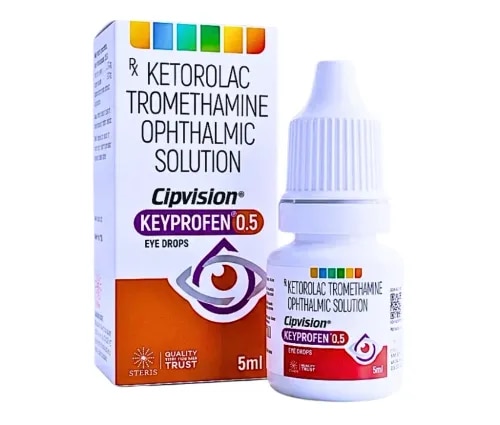
"name": "Ketorolac Tromethamine Ophthalmic Solution",
"description": "CIPVISION KEYPROFEN 0.5 is an ophthalmic formulation containing Ketorolac Tromethamine 0.5% w/v, a non-steroidal anti-inflammatory drug (NSAID) used in specific eye-care situations. It works by reducing the production of prostaglandins, chemical substances that contribute to pain and inflammation. This action may help manage certain inflammatory eye symptoms when the medicine is prescribed for an appropriate condition.\n\nCIPVISION KEYPROFEN 0.5 is intended for topical application to the eyes under the supervision of a qualified healthcare professional. Its suitability depends on the patient's symptoms, clinical diagnosis, and the approved product information.\n\nFor pharmacies, medical distributors, healthcare professionals, and pharmaceutical product catalogues, CIPVISION KEYPROFEN 0.5 represents an ophthalmic product containing a recognised anti-inflammatory ingredient. Appropriate product information helps users understand its intended role, administration requirements, and important precautions.\nComposition of CIPVISION KEYPROFEN 0.5\nThe stated active ingredient in CIPVISION KEYPROFEN 0.5 is:\n\nKetorolac Tromethamine 0.5% w/v: This medicine belongs to the NSAID class. It inhibits cyclooxygenase enzymes involved in the production of prostaglandins, helping reduce inflammatory activity and associated discomfort in suitable ophthalmic conditions.\n\nThe complete formulation, inactive ingredients, pack size, and approved therapeutic indications should be verified using the product packaging and official prescribing information.\nKey Features of CIPVISION KEYPROFEN 0.5 Eye Drops\nCIPVISION KEYPROFEN 0.5 has several important characteristics relevant to ophthalmic care:\n- NSAID-based formulation: Contains Ketorolac Tromethamine, a non-steroidal anti-inflammatory medicine.\n- Inflammation control: Helps manage inflammation in specific eye conditions when prescribed appropriately.\n- Prostaglandin reduction: Acts by inhibiting enzymes involved in the formation of inflammatory mediators.\n- Topical eye application: Designed for administration directly into the eye according to prescribed directions.\n- Clinically guided use: Requires an appropriate diagnosis and advice from an eye-care professional.\nThe potential role of this medicine depends on the underlying eye condition, the approved product indications, and the patient's individual health requirements.\nWhat Is CIPVISION KEYPROFEN 0.5 Used For?\nCIPVISION KEYPROFEN 0.5 may be prescribed for selected eye conditions in which reducing inflammation, itching, or pain is clinically appropriate. The precise indication should be confirmed from the approved product information.\n1. Management of Selected Inflammatory Eye Conditions\nInflammation of the eye may cause redness, irritation, watering, and discomfort. Ketorolac Tromethamine reduces the production of prostaglandins involved in the inflammatory response. An ophthalmologist can determine whether this medicine is suitable after assessing the cause of the symptoms.\n2. Relief of Certain Types of Eye Discomfort\nKetorolac Tromethamine ophthalmic preparations may help relieve ocular pain in approved clinical situations. Some formulations are also indicated for itching associated with seasonal allergic conjunctivitis. These uses depend on the specific product's approved labelling.\n\nPersistent eye pain, redness, or irritation should not be treated through self-medication because these symptoms can arise from infections, injuries, or other conditions requiring different treatment.\n3. Eye Care Following Certain Surgical Procedures\nSome Ketorolac Tromethamine ophthalmic products are used to manage pain and inflammation associated with eye surgery, including cataract procedures. Postoperative treatment must follow the ophthalmologist's instructions because the appropriate medicine, dosage, and duration depend on the procedure and the patient's recovery.\n\nAlways verify whether CIPVISION KEYPROFEN 0.5 is approved for the intended postoperative use before including a specific surgical indication in product information.\nHow Does CIPVISION KEYPROFEN 0.5 Work?\nKetorolac Tromethamine belongs to the non-steroidal anti-inflammatory drug category. Its action involves inhibiting cyclooxygenase (COX) enzymes, which help produce prostaglandins.\n\nProstaglandins participate in inflammatory processes and pain signalling. By reducing their production, Ketorolac Tromethamine can help control inflammation and associated discomfort in certain eye conditions.\n\nUnlike corticosteroids, Ketorolac Tromethamine is a non-steroidal anti-inflammatory medicine. However, it is not appropriate for every eye complaint. It does not treat all causes of eye redness or pain, and suspected infections may require a different treatment approach.\nPotential Benefits of CIPVISION KEYPROFEN 0.5\nWhen prescribed for an appropriate indication, CIPVISION KEYPROFEN 0.5 may offer the following benefits:\n- Anti-inflammatory action: Helps reduce inflammatory activity in selected ophthalmic conditions.\n- Management of eye pain: May relieve pain in specific clinical situations covered by the relevant product indication.\n- Non-steroidal treatment option: Provides an alternative mechanism to corticosteroid-based medicines for appropriate cases.\n- Local administration: Allows the active ingredient to be delivered directly to the eye.\n- Support for ophthalmic treatment: May be included in a treatment plan developed by an eye-care professional.\nThe response to treatment varies according to the diagnosis, severity of the condition, individual health factors, and adherence to the prescribed instructions. The product should not be considered a universal treatment for eye pain or inflammation.\nHow to Use CIPVISION KEYPROFEN 0.5 Eye Drops\nUse CIPVISION KEYPROFEN 0.5 only according to your ophthalmologist's instructions and the product leaflet.\n1. Clean your hands: Wash and dry your hands before handling the eye-drop bottle.\n2. Check the bottle: Confirm the product name, expiry date, and administration instructions before use.\n3. Prevent contamination: Keep the dropper tip away from your eyes, eyelids, fingers, and other surfaces.\n4. Follow the prescribed dosage: Use only the recommended number of drops and the prescribed frequency.\n5. Use other eye medicines carefully: Ask your healthcare professional how much time to leave between different ophthalmic preparations.\n6. Avoid prolonged use: Do not continue treatment longer than recommended, as extended NSAID use may increase the risk of eye complications.\n7. Follow storage instructions: Store the medicine as directed on its packaging and observe any instructions concerning use after opening.\n8. Do not share the bottle: Sharing eye drops can increase the risk of contamination.\n9. Attend follow-up appointments: Follow your ophthalmologist's advice, particularly when using the medicine after eye surgery.\nIf you miss a dose, follow the instructions in the product leaflet or consult your healthcare professional. Do not double the next dose to compensate for a missed application.\nPrecautions and Safety Information\nAlthough Ketorolac Tromethamine eye drops can be useful in appropriate clinical settings, they may cause side effects and require additional caution in certain patients.\nPossible Side Effects\nSome people may experience temporary burning, stinging, irritation, or discomfort after applying the drops. Ophthalmic NSAIDs can also delay healing and, in susceptible individuals, increase the risk of corneal complications. Rare cases of serious corneal damage have been reported.\n\nContact your ophthalmologist if symptoms persist or worsen. Seek urgent medical assessment if you experience severe eye pain, significant changes in vision, marked redness, or other serious symptoms.\nImportant Precautions\n- Corneal conditions: Tell your doctor if you have corneal disease, a damaged eye surface, or delayed healing.\n- Dry eyes: Inform your healthcare professional if you have severe dry eye symptoms or another condition affecting the eye surface.\n- Allergies: Disclose any previous allergic reaction to Ketorolac, aspirin, or other NSAIDs.\n- Bleeding risks: Discuss any bleeding disorder or medicine that may increase bleeding risk.\n- Eye surgery: Follow your surgeon's instructions, as postoperative use requires appropriate monitoring.\n- Pregnancy and breastfeeding: Consult your doctor before using the medicine during pregnancy or while breastfeeding.\n- Other medicines: Inform your healthcare professional about all medicines and eye preparations you currently use.\nCIPVISION KEYPROFEN 0.5 is intended for ophthalmic use only. Keep it out of children's reach and never use it beyond the labelled expiry date.\nWhy Consider CIPVISION KEYPROFEN 0.5 for Pharmaceutical Product Portfolios?\nCIPVISION KEYPROFEN 0.5 combines a distinct pharmaceutical brand identity with Ketorolac Tromethamine 0.5% ophthalmic solution. The formulation may be relevant to product catalogues serving pharmacies, medical distributors, and healthcare professionals involved in ophthalmic care.\n\nClear product information supports responsible pharmaceutical communication by explaining the active ingredient, its mechanism of action, appropriate clinical applications, and safety considerations.\n\nFor accurate product representation, always verify the approved strength, indications, contraindications, dosage, storage requirements, and instructions against the official packaging and prescribing information.\nConclusion\nCIPVISION KEYPROFEN 0.5 Eye Drops contains Ketorolac Tromethamine 0.5% w/v, a non-steroidal anti-inflammatory ingredient used in selected ophthalmic conditions. By inhibiting prostaglandin production, it helps manage inflammation and may relieve pain in specific approved clinical settings.\n\nCorrect administration, appropriate patient selection, and awareness of potential side effects are essential for responsible use. Consult a qualified eye-care professional for treatment guidance and refer to the approved product information for complete details.\nFrequently Asked Questions (FAQs)\n1. What is CIPVISION KEYPROFEN 0.5?\nCIPVISION KEYPROFEN 0.5 is an ophthalmic solution containing Ketorolac Tromethamine 0.5% w/v, according to the composition provided. It is intended for specific eye-care applications under professional guidance.\n2. What is CIPVISION KEYPROFEN 0.5 used for?\nKetorolac Tromethamine ophthalmic preparations may be prescribed for certain inflammatory eye conditions, itching associated with seasonal allergic conjunctivitis, or pain and inflammation following specific eye procedures. The approved uses of CIPVISION KEYPROFEN 0.5 must be confirmed from its official product information.\n3. How does Ketorolac Tromethamine work in the eyes?\nKetorolac Tromethamine inhibits cyclooxygenase enzymes involved in prostaglandin production. This helps reduce inflammatory activity and associated pain in appropriate ophthalmic conditions.\n4. Can CIPVISION KEYPROFEN 0.5 be used without a prescription?\nUse this medicine only under appropriate medical guidance. An eye-care professional should determine whether it is suitable, particularly because NSAID eye drops can affect healing and may cause complications in susceptible patients.\n5. What precautions should be taken while using CIPVISION KEYPROFEN 0.5?\nAvoid contaminating the dropper tip, follow the prescribed dosage, and do not use the drops for longer than recommended. Inform your doctor about corneal problems, allergies to NSAIDs, bleeding disorders, and other medicines you use.\n6. How should CIPVISION KEYPROFEN 0.5 be stored?\nFollow the storage instructions on the product packaging. Keep the container closed as directed, protect it from unsuitable storage conditions, and observe any instructions concerning disposal after opening.\n\n\n",
"price": 80.0,
"discountamount": 56.0,
"currencycode": "INR",
"priority": 1000000,
"isfreeshipmentavailable": false,
"shipmentduration": 1,
"_keywords": null,
"isarchived": false,
"isavailable": true,
"applicationid": null,
"productindex": 2503,
"imageuri": "https://productimages.withfloats.com/actual/6ad73c52dc6a6c6c9945f376.png",
"tileimageuri": "https://productimages.withfloats.com/tile/6ad73c52dc6a6c6c9945f376.png",
"images": null,
"totalqueries": 0,
"gpid": null,
"groupproductid": null,
"createdon": "2026-10-20T10:02:56.893Z",
"updatedon": "2026-10-20T10:02:56.893Z",
"buyonlinelink": null,
"producturl": "http://WWW.STERISINDIA.COM//ketorolac-tromethamine-ophthalmic-solution/2503",
"availableunits": -1.0,
"iscodavailable": false,
"isprepaidonlineavailable": false,
"maxcodorders": 0,
"maxprepaidonlineorders": 0,
"uniquepaymenturl": null,
"brandname": "CIPVISION KEYPROFEN 0.5",
"category": "Opthalmology Range",
"tags": [],
"variants": false,
"keyspecification": null,
"otherspecifications": null,
"pickupaddressreferenceid": null,
"paymenttype": "UniquePaymentUrl",
"producttype": "products",
"hsncode": null,
"gstslab": 0.0,
"isnotforsale": false
},
{
"_id": "6a50a78a75263abd944f583a",
"fptag": "STERISHEALTHCARE",
"merchantname": null,
"customwidgets": null,
"externalsourceid": null,
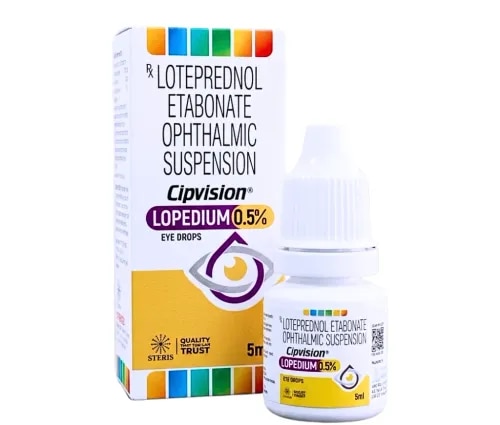
"name": "Loteprednol Etabonate Ophthalmic Suspension",
"description": "Loteprednol etabonate ophthalmic suspension is a prescription corticosteroid eye drop used to treat steroid-responsive inflammatory conditions of the eye, including post-surgical inflammation, allergic conjunctivitis, and certain forms of anterior uveitis. What sets loteprednol apart from older ophthalmic steroids is its “ester-based” chemical structure, which is designed to break down into inactive components after acting on eye tissue — giving it a comparatively lower risk of raising intraocular pressure (IOP) than traditional steroids like prednisolone or dexamethasone, while still delivering effective anti-inflammatory action. The typical dose is one to two drops in the affected eye, four times daily, or as directed, usually for a short, defined course rather than indefinite use. Common side effects include burning, stinging, and blurred vision, while prolonged or unsupervised use can still carry steroid-related risks such as elevated eye pressure. It is a Schedule H prescription-only medicine in India.\n\nWhat Is Loteprednol Etabonate Ophthalmic Suspension?\nLoteprednol etabonate ophthalmic suspension is a topical corticosteroid formulated specifically for use in the eye. It belongs to a category sometimes referred to as “site-specific” or “soft” steroids — a design approach where the drug is engineered to be highly active at the site of application (the eye) but rapidly metabolized into inactive by-products once it has acted, reducing the potential for the cumulative steroid-related side effects seen with older ophthalmic corticosteroids.\nThis suspension is commonly prescribed for:\n\nManaging inflammation following eye surgery, such as cataract surgery\nTreating allergic conjunctivitis, including seasonal allergic conjunctivitis\nCertain anterior segment inflammatory conditions, such as uveitis, under specialist supervision\nGiant papillary conjunctivitis and other steroid-responsive ocular surface conditions\n\nBecause of its comparatively favorable IOP profile, loteprednol is often considered by ophthalmologists for patients who need effective anti-inflammatory therapy but may be at higher risk from more potent steroids — though it is important to note that no ophthalmic steroid is entirely free of IOP-related risk, and monitoring remains necessary.\n\nHow Does Loteprednol Etabonate Work? (Mechanism of Action)\n\nCorticosteroid receptor binding – Loteprednol etabonate binds to glucocorticoid receptors within ocular tissue, initiating anti-inflammatory gene expression changes.\nSuppression of inflammatory mediators – This binding reduces the production of key inflammatory substances, including prostaglandins and cytokines, that drive redness, swelling, and discomfort.\nReduced vascular permeability – By calming the inflammatory cascade, the drug helps reduce leakage of fluid and inflammatory cells into ocular tissue, easing swelling.\nEster-based metabolism – Unlike ketone-based steroids, loteprednol's ester structure allows ocular esterases to break it down into inactive metabolites after it exerts its effect, which is thought to underlie its comparatively lower propensity to raise intraocular pressure.\nLocalized anti-inflammatory effect – The net result is effective control of ocular surface and anterior segment inflammation with a more favorable safety profile than some older steroid formulations, when used for the intended short duration.\n\n\nClinical Indications\nIndicationDetailsPost-operative ocular inflammationCommon after cataract and other intraocular surgeriesAllergic conjunctivitisIncluding seasonal allergic conjunctivitisGiant papillary conjunctivitisOften associated with contact lens wearAnterior uveitisUnder specialist supervisionOther steroid-responsive inflammatory conditions of the palpebral and bulbar conjunctiva, cornea, and anterior segmentAs directed by an ophthalmologist\nNot indicated for: viral (e.g., herpes simplex), fungal, or mycobacterial eye infections, where corticosteroid use can worsen the underlying condition.\n\nDosage & Administration\nParameterRecommendationStandard dose1–2 drops in the affected eye(s), typically 4 times dailyPost-surgical regimenOften started at higher frequency and tapered per surgeon's protocolShake before useYes — this is a suspension; shake well before each applicationDurationShort, defined course as prescribed; not intended for indefinite useTaperingGradual reduction recommended rather than abrupt discontinuation after extended useContact lensesRemove before instillation; reinsert only per your doctor's adviceMissed doseApply as soon as remembered; do not double the next dose\nImportant: Even with its comparatively favorable safety profile, loteprednol should be used strictly for the duration prescribed. Extended, unsupervised use is not recommended.\n\nKey Benefits\n\nEffective anti-inflammatory action for a range of steroid-responsive ocular conditions\nEster-based design associated with a comparatively lower risk of raising intraocular pressure than some older ophthalmic steroids\nUseful for patients needing steroid therapy who may be more sensitive to IOP elevation, under appropriate monitoring\nSuitable for both post-surgical inflammation control and allergic conjunctivitis management\nAvailable in a suspension formulation designed for good ocular surface contact\nOften used as part of a short, defined treatment course, reducing exposure duration compared to continuous long-term steroid regimens\n\n\nPrecautions\n\nUse strictly under ophthalmologist supervision — this is not an over-the-counter product\nNot suitable for viral, fungal, or mycobacterial eye infections\nEven with its favorable profile, prolonged use can still raise intraocular pressure in susceptible individuals — periodic IOP monitoring is recommended\nExtended use may increase the risk of cataract formation, as with other ophthalmic steroids\nMay mask signs of infection or delay wound healing if used inappropriately\nInform your doctor of any history of glaucoma, herpes eye infection, or corneal thinning before starting\nShake the suspension well before each use for accurate dosing\nAvoid touching the dropper tip to the eye or any surface\n\n\nSide Effects\nCommon (Usually Mild and Temporary)\n\nBurning or stinging sensation on instillation\nBlurred vision immediately after application\nEye discomfort or a foreign-body sensation\nMild eye redness\n\nLess Common / Serious (Consult Your Doctor Promptly)\n\nElevated intraocular pressure (comparatively less frequent than with older steroids, but still possible)\nDelayed wound healing\nSigns of secondary or masked ocular infection\nCataract progression with prolonged use\nAllergic reaction (eyelid swelling, itching, rash)\n\nDiscontinue and consult your ophthalmologist promptly if any serious symptom develops.\n\nComparison: Loteprednol vs. Other Ophthalmic Corticosteroids\nTreatmentClassIOP Risk ProfileBest Suited ForLoteprednol etabonate suspensionEster-based (“soft”) corticosteroidComparatively lowerPatients needing effective anti-inflammatory action with reduced IOP concernPrednisolone acetateKetone-based corticosteroidHigher with prolonged useRobust anti-inflammatory action; requires closer IOP monitoringDexamethasoneKetone-based corticosteroidHigher, potent effectSevere inflammatory conditions; typically shorter coursesFluorometholoneKetone-based corticosteroidModerateMild to moderate inflammation with somewhat reduced IOP risk\n\nKey Statistics (Placeholder — Pending Clinical Reviewer Verification)\nMetricValueReported incidence of clinically significant IOP elevation with short-course loteprednol use[Placeholder – insert verified clinical trial statistic]Comparative IOP-elevation rate vs. prednisolone acetate in controlled studies[Placeholder – insert verified reference]Typical duration of post-operative loteprednol therapy[Placeholder – insert reference range]\nAll statistics above are placeholders and must be verified and populated by a qualified clinical reviewer prior to publication.\n\nExpert Insight\n\n[Placeholder — Expert quote pending. To be added only after review and approval by a licensed ophthalmologist/medical reviewer associated with Steris Healthcare. Do not fabricate or publish without sign-off.]\n\n\nPrice of Loteprednol Etabonate Ophthalmic Suspension\nThe price of loteprednol etabonate ophthalmic suspension varies depending on brand, pack size, and region. For current pricing, availability, and prescription verification, please consult your ophthalmologist or an authorized pharmacy.\nPrescription only – consult your doctor.\n\nConclusion\nLoteprednol etabonate ophthalmic suspension offers a valuable option for managing steroid-responsive ocular inflammation — from post-surgical recovery to allergic conjunctivitis — with a design intended to reduce the intraocular pressure risks historically associated with ophthalmic corticosteroids. While its ester-based structure gives it a comparatively favorable safety profile, it remains a steroid, and prolonged or unsupervised use can still carry risks such as elevated eye pressure, cataract progression, and delayed healing. For this reason, loteprednol should always be used for the specific duration prescribed, with appropriate tapering and regular ophthalmic follow-up, rather than as a long-term, self-managed therapy.\n\nFrequently Asked Questions\n\n1. What is loteprednol etabonate ophthalmic suspension used for?\nIt is used to treat steroid-responsive eye inflammation, including inflammation after eye surgery, allergic conjunctivitis, and certain anterior segment inflammatory conditions such as uveitis, under an ophthalmologist's guidance.\n\n2. Is loteprednol a steroid?\nYes, loteprednol etabonate is a corticosteroid. It is specifically designed with an ester-based structure intended to reduce the risk of raising intraocular pressure compared to some older ophthalmic steroids, though it still requires medical supervision.\n\n3. How long can I use loteprednol eye drops?\nLoteprednol is typically prescribed for a short, defined course as determined by your ophthalmologist, often with a tapering schedule. It is not intended for indefinite, unsupervised long-term use.\n\n4. Does loteprednol raise eye pressure?\nLoteprednol has a comparatively lower risk of raising intraocular pressure than some older ophthalmic steroids due to its ester-based design, but it can still cause elevated eye pressure in susceptible individuals, especially with prolonged use, so periodic monitoring is recommended.\n\n5. Can loteprednol cause cataracts?\nProlonged use of any ophthalmic corticosteroid, including loteprednol, can increase the risk of cataract formation, particularly posterior subcapsular cataracts, which is why short, supervised courses are recommended.\n\n6. How is loteprednol different from prednisolone acetate?\nLoteprednol has an ester-based chemical structure designed to break down into inactive components after acting on the eye, which is associated with a lower risk of raising intraocular pressure compared to prednisolone acetate, a ketone-based steroid with a higher IOP-elevation potential.\n\n7. Can loteprednol be used for allergic conjunctivitis?\nYes, loteprednol etabonate ophthalmic suspension is commonly used to manage allergic conjunctivitis, including seasonal allergic conjunctivitis, especially when symptoms are significant or not controlled by other treatments.\n\n8. Is loteprednol safe after cataract surgery?\nYes, loteprednol is frequently prescribed to manage post-operative inflammation following cataract surgery, typically as part of a tapering regimen directed by the operating ophthalmologist.\n\n9. Can loteprednol be used for viral eye infections?\nNo, loteprednol and other corticosteroids are not appropriate for viral eye infections such as herpes simplex keratitis, as steroids can worsen these conditions if used inappropriately.\n\n10. What are the common side effects of loteprednol eye drops?\nCommon side effects include burning or stinging upon application, temporary blurred vision, mild eye redness, and eye discomfort. These are usually mild and resolve quickly.\n11. Does loteprednol need to be shaken before use?\nYes, since it is a suspension, the bottle should be shaken well before each use to ensure the medication is evenly distributed.\n\n12. Can loteprednol be stopped suddenly?\nStopping abruptly, especially after extended use, is generally not recommended. A gradual tapering schedule, as advised by your ophthalmologist, helps prevent rebound inflammation.\n\n13. Is loteprednol safe for long-term daily use?\nNo, loteprednol is generally intended for short, supervised courses rather than continuous long-term daily use, due to steroid-related risks with prolonged exposure.\n\n14. Can contact lenses be worn while using loteprednol?\nIt's generally recommended to remove contact lenses before applying loteprednol and reinsert them only after the interval advised by your doctor.\n\n15. Who should avoid using loteprednol eye drops?\nPatients with active untreated viral, fungal, or mycobacterial eye infections, or known hypersensitivity to the medication, should avoid loteprednol unless specifically directed otherwise by their ophthalmologist.\n\n16. Can loteprednol be used in children?\nUse in children should only occur under the direct guidance and prescription of a pediatric ophthalmologist, based on individual clinical assessment.\n17. Does loteprednol cause blurred vision?\nTemporary blurred vision can occur immediately after instillation in some patients and usually resolves quickly. Persistent blurred vision should be reported to your doctor.",
"price": 150.0,
"discountamount": 45.0,
"currencycode": "INR",
"priority": 1000000,
"isfreeshipmentavailable": false,
"shipmentduration": 1,
"_keywords": null,
"isarchived": false,
"isavailable": true,
"applicationid": null,
"productindex": 2471,
"imageuri": "https://productimages.withfloats.com/actual/6a50a78cd95cad00a915a6d8.png",
"tileimageuri": "https://productimages.withfloats.com/tile/6a50a78cd95cad00a915a6d8.png",
"images": null,
"totalqueries": 0,
"gpid": null,
"groupproductid": null,
"createdon": "2026-07-10T08:04:26.663Z",
"updatedon": "2026-07-10T08:04:26.663Z",
"buyonlinelink": null,
"producturl": "http://WWW.STERISINDIA.COM//loteprednol-etabonate-ophthalmic-suspension/2471",
"availableunits": -1.0,
"iscodavailable": false,
"isprepaidonlineavailable": false,
"maxcodorders": 0,
"maxprepaidonlineorders": 0,
"uniquepaymenturl": null,
"brandname": "CIPVISION LOPEDIUM 0.5%",
"category": "Opthalmology Range",
"tags": [
"Loteprednol Etabonate Ophthalmic Suspension",
"loteprednol etabonate ophthalmic suspension uses",
"loteprednol etabonate ophthalmic suspension uses in hindi",
"loteprednol etabonate ophthalmic suspension in hindi",
"loteprednol etabonate ophthalmic suspension eye drops uses",
"loteprednol etabonate ophthalmic suspension eye drops",
"loteprednol etabonate ophthalmic suspension use"
],
"variants": false,
"keyspecification": null,
"otherspecifications": null,
"pickupaddressreferenceid": null,
"paymenttype": "UniquePaymentUrl",
"producttype": "products",
"hsncode": null,
"gstslab": 0.0,
"isnotforsale": false
},
{
"_id": "6a509bf6f44be736283180cf",
"fptag": "STERISHEALTHCARE",
"merchantname": null,
"customwidgets": null,
"externalsourceid": null,
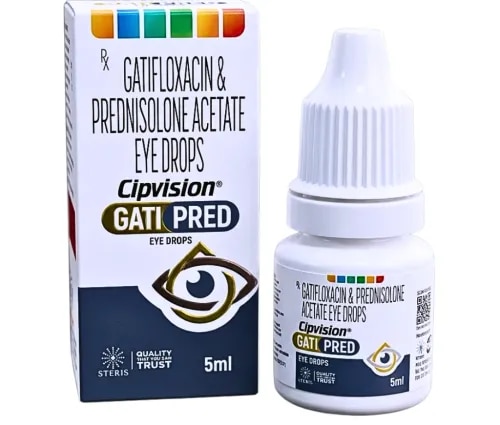
"name": "gatifloxacin & prednisolone acetate ophthalmic suspension",
"description": "Gatifloxacin and prednisolone acetate ophthalmic suspension is a prescription combination eye medicine that pairs a fourth-generation fluoroquinolone antibiotic (gatifloxacin) with a corticosteroid (prednisolone acetate) in a single formulation. It is used to treat steroid-responsive ocular inflammation where there is also a risk of, or existing, bacterial eye infection — most commonly after cataract or other ocular surgery, and in certain inflammatory eye conditions requiring both anti-infective and anti-inflammatory action together. Gatifloxacin fights the bacteria, while prednisolone acetate reduces inflammation, redness, and swelling. This combination is not the same as a plain antibiotic drop — because it contains a steroid, it requires closer monitoring, a defined tapering schedule, and should never be self-prescribed or used beyond the duration your ophthalmologist recommends. It is a Schedule H prescription-only medicine in India, commonly marketed under brand names such as Gatiquin P.\n\nWhat Is Gatifloxacin and Prednisolone Acetate Ophthalmic Suspension?\nGatifloxacin and prednisolone acetate ophthalmic suspension is a fixed-dose combination eye drop that brings together two distinct classes of medication in one bottle:\n\nGatifloxacin — a fourth-generation fluoroquinolone antibiotic effective against a broad range of gram-positive and gram-negative bacteria commonly implicated in ocular infections.\nPrednisolone acetate — a corticosteroid that suppresses inflammation, swelling, and associated redness or discomfort in the eye.\n\nThis combination is typically prescribed when a clinician determines that an eye condition involves both active or potential bacterial infection and significant inflammation — a situation where using either drug alone would be insufficient. The most frequent use case is post-operative care following ocular surgery, such as cataract extraction, where inflammation control speeds recovery while the antibiotic component guards against surgical-site infection.\nA commonly recognized branded version of this combination in the Indian market is Gatiquin P, and patients often search specifically for this brand name alongside the generic combination name.\n\nHow Does This Combination Work? (Mechanism of Action)\n\nAntibacterial action (Gatifloxacin) – Gatifloxacin inhibits bacterial DNA gyrase and topoisomerase IV, enzymes bacteria need to replicate their DNA, resulting in bactericidal activity against susceptible organisms.\nAnti-inflammatory action (Prednisolone acetate) – Prednisolone acetate suppresses the inflammatory cascade by inhibiting phospholipase A2 and reducing the release of inflammatory mediators, which decreases swelling, redness, and discomfort.\nCombined surgical/inflammatory coverage – Together, the two components address both the infective and inflammatory components of a single ocular condition, which is particularly useful in the immediate post-surgical period when both risks are elevated simultaneously.\nLocalized ocular delivery – As a topical suspension, the combination acts directly at the site of application, minimizing systemic absorption compared to oral antibiotics or steroids.\n\n\nClinical Indications\nIndicationDetailsPost-operative inflammation with infection riskMost common use — following cataract surgery or other intraocular proceduresSteroid-responsive inflammatory ocular conditionsWhere a bacterial infection is present or risk is significantChronic anterior uveitis with secondary infection riskUsed under specialist supervisionBlepharoconjunctivitis with inflammatory componentWhen combined anti-infective and anti-inflammatory action is clinically indicated\nNot indicated for: viral eye infections (e.g., herpes simplex keratitis), fungal eye infections, mycobacterial infections, or uncomplicated bacterial conjunctivitis without an inflammatory component — a steroid is not appropriate in these settings.\n\nDosage & Administration\nParameterRecommendationStandard dose1–2 drops in the affected eye, typically 4 times daily, or as directedPost-surgical regimenOften started with a higher frequency and gradually tapered per surgeon's protocolShake before useYes — this is a suspension; shake well before each applicationDurationDetermined by your ophthalmologist; steroid-containing drops are not for indefinite useTaperingMust be tapered gradually rather than stopped abruptly, especially after prolonged useContact lensesAvoid wearing contact lenses during treatment unless your doctor advises otherwiseMissed doseApply as soon as remembered; do not double the next dose\nImportant: Never extend use beyond the prescribed duration or restart the medication without consulting your ophthalmologist, as prolonged steroid exposure carries specific ocular risks (see Precautions below).\n\nKey Benefits\n\nProvides dual-action therapy — infection control and inflammation control — in a single formulation\nReduces the need for two separate eye drop regimens after surgery, simplifying the treatment schedule\nSpeeds resolution of post-surgical redness, swelling, and discomfort while covering infection risk\nBroad-spectrum antibacterial coverage from a fourth-generation fluoroquinolone\nCommonly trusted and prescribed by ophthalmic surgeons as part of standard post-operative protocols\nAvailable in a suspension formulation designed for effective ocular surface contact time\n\n\nPrecautions\n\nUse strictly under ophthalmologist supervision — this is not an over-the-counter product\nNot suitable for viral, fungal, or mycobacterial eye infections\nLong-term or unsupervised steroid use can raise intraocular pressure (IOP) and increase glaucoma risk\nProlonged use may increase the risk of posterior subcapsular cataract formation\nSteroid component may mask signs of a worsening infection or delay wound healing if misused\nRegular monitoring of intraocular pressure is recommended with extended use\nInform your doctor of any history of glaucoma, herpes eye infection, or corneal thinning before starting\nShake the suspension well before each use for accurate dosing\nAvoid touching the dropper tip to the eye or any surface\n\n\nSide Effects\nCommon (Usually Mild and Temporary)\n\nTransient burning or stinging on instillation\nBlurred vision immediately after application\nEye discomfort or foreign-body sensation\nMild eye redness\n\nLess Common / Serious (Consult Your Doctor Promptly)\n\nIncreased intraocular pressure / glaucoma symptoms (eye pain, halos around lights)\nDelayed wound healing at a surgical site\nSecondary or masked ocular infection\nSigns of cataract progression with prolonged use\nCorneal or scleral thinning (rare, with extended steroid exposure)\nAllergic reaction (eyelid swelling, itching, rash)\n\nDiscontinue and consult your ophthalmologist immediately if any serious symptom develops.\n\nComparison: Combination vs. Standalone Therapies\nTreatmentCompositionBest Suited ForKey ConsiderationGatifloxacin + Prednisolone acetate suspensionAntibiotic + steroidPost-surgical care; infection + inflammation togetherRequires tapering; steroid monitoring neededGatifloxacin eye drops (alone)Antibiotic onlyUncomplicated bacterial conjunctivitis/keratitisNo steroid-related risk, but no anti-inflammatory actionPrednisolone acetate eye drops (alone)Steroid onlyNon-infectious inflammatory conditions (e.g., uveitis)Not appropriate if active infection is presentPlain lubricant/antibiotic-only regimensVariesMild post-op cases without significant inflammationMay be insufficient for higher-risk surgical cases\n\nKey Statistics (Placeholder — Pending Clinical Reviewer Verification)\nMetricValueReported post-operative infection rate reduction with prophylactic use[Placeholder – insert verified clinical trial statistic]Typical duration of post-cataract-surgery combination therapy[Placeholder – insert verified reference range]Incidence of steroid-induced IOP elevation with short-course use[Placeholder – insert epidemiological reference]\nAll statistics above are placeholders and must be verified and populated by a qualified clinical reviewer prior to publication.\n\nExpert Insight\n\n[Placeholder — Expert quote pending. To be added only after review and approval by a licensed ophthalmologist/medical reviewer associated with Steris Healthcare. Do not fabricate or publish without sign-off.]\n\n\nPrice of Gatifloxacin and Prednisolone Acetate Ophthalmic Suspension\nThe price of this combination suspension varies depending on brand, pack size, and region. For current pricing, availability, and prescription verification, please consult your ophthalmologist or an authorized pharmacy.\nPrescription only – consult your doctor.\n\nConclusion\nGatifloxacin and prednisolone acetate ophthalmic suspension serves an important clinical role wherever bacterial infection risk and ocular inflammation occur together — most notably in the sensitive period following eye surgery. By combining a potent fourth-generation antibiotic with a well-established corticosteroid, this formulation streamlines post-operative and steroid-responsive inflammatory care into a single, clinician-directed regimen. Because the steroid component carries specific long-term risks — including elevated eye pressure, cataract progression, and delayed healing if misused — this medication should always be used exactly as prescribed, for the duration recommended, and with appropriate tapering and follow-up. Patients should never self-adjust dosing or extend use without their ophthalmologist's explicit guidance.\n\nFrequently Asked Questions\n\n1. What is Gatifloxacin and prednisolone acetate ophthalmic suspension used for?\nIt is used to treat eye conditions that involve both inflammation and a risk of bacterial infection — most commonly after eye surgery such as cataract surgery, where it reduces post-operative swelling and redness while protecting against infection.\n\n2. Is Gatifloxacin eye drops safe for children?\nGatifloxacin eye drops are generally considered usable in children for appropriate bacterial eye infections under a pediatric ophthalmologist's guidance. However, the gatifloxacin-prednisolone combination includes a steroid, which requires closer specialist supervision in children due to potential effects on eye pressure and healing, so it should only be used if specifically prescribed for a child.\n\n3. What is Gatifloxacin and prednisolone acetate ophthalmic suspension (Gatiquin P) used for?\nGatiquin P is a branded formulation of gatifloxacin and prednisolone acetate ophthalmic suspension. It is used for the same core purpose — managing post-surgical or steroid-responsive ocular inflammation where there is also a bacterial infection risk, most often following cataract or other intraocular surgery.\n\n4. Is prednisolone acetate safe for eyes?\nPrednisolone acetate is a corticosteroid that is generally safe for eyes when used exactly as prescribed and for the recommended duration under an ophthalmologist's supervision. However, unsupervised or prolonged use can raise intraocular pressure, increase glaucoma risk, contribute to cataract formation, and delay wound healing, so it should never be used without medical guidance or beyond the prescribed course.\n\n5. How is this eye drop different from regular antibiotic eye drops?\nRegular antibiotic eye drops only target bacteria, while this combination also contains a steroid to control inflammation. This dual action is useful specifically when both infection risk and significant inflammation are present, such as after eye surgery.\n\n6. How long should I use gatifloxacin and prednisolone acetate suspension?\nDuration is determined by your ophthalmologist based on your specific condition, often following a tapering schedule after surgery. It should not be used longer than prescribed, and stopping should be discussed with your doctor rather than done abruptly.\n\n7. Can this eye drop increase eye pressure?\nYes, because it contains a steroid, prolonged or unsupervised use can raise intraocular pressure. Regular monitoring is recommended, especially with extended use or in patients with a history of glaucoma.\n\n8. Can I use this suspension for a common bacterial eye infection without inflammation?\nThis combination is generally reserved for cases where both infection risk and notable inflammation are present, such as post-surgical care. For uncomplicated bacterial conjunctivitis without significant inflammation, your doctor may prescribe an antibiotic-only formulation instead.\n\n9. Do I need to shake the bottle before use?\nYes. This is a suspension, so the bottle should be shaken well before each use to ensure even distribution of both active ingredients.\n10. Can this eye drop be used for viral or fungal eye infections?\nNo. This combination is not appropriate for viral, fungal, or mycobacterial eye infections, since it contains a steroid that can worsen these conditions if used inappropriately.\n\n11. What are the signs I should stop using this eye drop and see my doctor?\nIncreasing eye pain, blurred vision that doesn't improve, halos around lights, worsening redness, or signs of an allergic reaction warrant immediate medical attention.\n\n12. Can this eye drop be used after cataract surgery?\nYes, this combination is commonly prescribed after cataract surgery to manage post-operative inflammation while covering the risk of surgical-site infection during the healing period.\n\n13. Does this medication require a prescription?\nYes, gatifloxacin and prednisolone acetate ophthalmic suspension is a prescription-only (Schedule H) medicine and should only be used under an ophthalmologist's direction.\n14. Can contact lenses be worn during treatment?\nIt is generally advised to avoid wearing contact lenses while using this medication unless your ophthalmologist specifically advises otherwise, particularly during the post-surgical period.\n\n15. What happens if I stop this eye drop too early?\nStopping too early, especially without proper tapering, may lead to a rebound of inflammation or leave a lingering infection insufficiently treated. Always follow your doctor's full course and tapering instructions.\n\n16. Is this eye drop safe for long-term daily use?\nNo — because it contains a steroid, it is intended for short-term, supervised use rather than long-term daily use. Extended use significantly raises the risk of elevated eye pressure and cataract.\n\n17. Can this suspension be used in both eyes at once?\nIt can be used in both eyes if both are affected and your doctor has prescribed it for bilateral use; otherwise, apply only to the eye(s) specifically directed by your ophthalmologist.\n",
"price": 155.0,
"discountamount": 47.0,
"currencycode": "INR",
"priority": 1000000,
"isfreeshipmentavailable": false,
"shipmentduration": 1,
"_keywords": null,
"isarchived": false,
"isavailable": true,
"applicationid": null,
"productindex": 2469,
"imageuri": "https://productimages.withfloats.com/actual/6a509bf79c2198e9ddf06962.png",
"tileimageuri": "https://productimages.withfloats.com/tile/6a509bf79c2198e9ddf06962.png",
"images": null,
"totalqueries": 0,
"gpid": null,
"groupproductid": null,
"createdon": "2026-07-10T07:15:02.084Z",
"updatedon": "2026-07-10T07:15:02.084Z",
"buyonlinelink": null,
"producturl": "http://WWW.STERISINDIA.COM//gatifloxacin-prednisolone-acetate-ophthalmic-suspension/2469",
"availableunits": -1.0,
"iscodavailable": false,
"isprepaidonlineavailable": false,
"maxcodorders": 0,
"maxprepaidonlineorders": 0,
"uniquepaymenturl": null,
"brandname": "CIPVISION GATIPRED",
"category": "Opthalmology Range",
"tags": [
"gatifloxacin & prednisolone acetate ophthalmic suspension",
"gatifloxacin & prednisolone ophthalmic suspension"
],
"variants": false,
"keyspecification": null,
"otherspecifications": null,
"pickupaddressreferenceid": null,
"paymenttype": "UniquePaymentUrl",
"producttype": "products",
"hsncode": null,
"gstslab": 0.0,
"isnotforsale": false
},
{
"_id": "6a4cf32ff4503514c0b03999",
"fptag": "STERISHEALTHCARE",
"merchantname": null,
"customwidgets": null,
"externalsourceid": null,
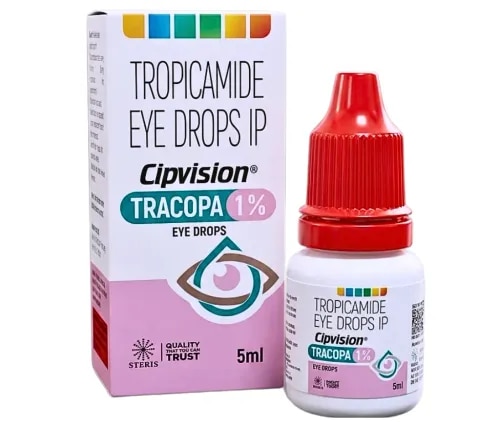
"name": "tropicamide eye drops ip",
"description": "Tropicamide eye drops IP are a prescription ophthalmic solution used to dilate the pupil (mydriasis) and temporarily paralyze the eye's focusing muscles (cycloplegia) before eye examinations and certain ocular procedures. Dilation typically begins within 20–40 minutes of application and lasts around 4–6 hours, though effects can occasionally persist longer. Tropicamide is widely used by ophthalmologists and optometrists to get a clear, detailed view of the retina, optic nerve, and back of the eye — something that isn't possible through an undilated pupil. It's generally well tolerated, though temporary blurred vision and light sensitivity are expected effects rather than side effects to worry about.\nWhat Is Tropicamide Eye Drops IP?\nTropicamide eye drops IP (manufactured to Indian Pharmacopoeia standards) are an anticholinergic (antimuscarinic) ophthalmic solution, commonly available in 0.5% and 1% strengths. “IP” indicates the formulation meets the quality and purity standards set by the Indian Pharmacopoeia.\nTropicamide belongs to the same broad drug family as atropine but has a much shorter duration of action, which is precisely why it's the preferred choice for routine eye examinations — it does its job quickly and wears off within hours rather than days. It's typically administered directly by a healthcare provider in a clinical or hospital setting, rather than self-administered at home.\nHow Tropicamide Works (Mechanism of Action)\n\nMuscarinic receptor blockade — Tropicamide blocks acetylcholine from binding to muscarinic receptors in the eye's iris sphincter and ciliary muscles.\nPupil dilation (mydriasis) — With the sphincter muscle relaxed, the pupil's natural constricting reflex is blocked, allowing it to widen.\nParalysis of accommodation (cycloplegia) — The ciliary muscle, responsible for adjusting eye focus for near vision, is also relaxed, temporarily reducing the eye's ability to focus on close objects.\nClear visualization of the fundus — With the pupil fully dilated, the examining doctor can clearly view the retina, macula, optic nerve, and vitreous — structures that are otherwise obscured behind an undilated pupil.\nNatural wearing-off — As the drug is metabolized and clears from the eye tissue, muscle tone gradually returns, and the pupil returns to its normal size and reactivity.\n\nClinical Indications\nUse CaseWhy Tropicamide Is UsedDilated fundus examinationAllows a detailed view of the retina, optic nerve, and maculaPre- and post-cataract surgeryAchieves adequate pupil dilation for surgical visibility and reduces post-operative inflammation-related discomfortDiagnosis of refractive errors in childrenCycloplegic effect prevents the eye from actively focusing, giving a more accurate refraction measurementRetinal and posterior segment proceduresSupports clear visualization for laser treatments and retinal surgeryEvaluation of optic nerve or cranial nerve abnormalitiesHelps assess disc swelling, cup-to-disc ratio, and pupillary responsesAnterior uveitis management (adjunctive use)Cycloplegic effect can reduce pain and the risk of complications like posterior synechiae\nDosage Guidelines\nParameterTypical GuidanceStandard strength0.5% or 1% ophthalmic solutionTypical doseOne drop instilled into the eye(s), as directed by the examining doctorOnset of actionDilation usually begins within 20–40 minutesDuration of effectCommonly 4–6 hours; can occasionally last longer depending on individual responseAdministration techniqueTilt the head back, pull down the lower eyelid, instill the drop, then close the eye gently for 2–3 minutes without blinking; applying gentle pressure at the inner corner of the eye can help limit systemic absorptionRepeat dosingA second drop may be used after several minutes if dilation is insufficient, at the doctor's discretion\nTropicamide is typically administered by a healthcare professional in a clinical setting rather than self-instilled at home, and dosing should always follow the specific instructions of the treating doctor.\nKey Benefits\n\nProvides fast, reliable pupil dilation, enabling a thorough examination of the back of the eye\nShort duration of action (compared to atropine) means vision and eye function return to normal within hours, not days\nWell-established, widely used mydriatic with a strong long-term safety record in clinical practice\nSupports more accurate diagnosis of refractive errors in children through its cycloplegic effect\nUseful both for routine diagnostic eye exams and as part of pre-/post-surgical eye care\nAvailable in two strengths (0.5% and 1%), allowing the examining doctor to tailor the degree of dilation needed\n\nPrecautions\n\nShould only be administered by, or under the direct guidance of, a qualified eye care professional\nWear sunglasses after application, since dilated pupils let in significantly more light and cause noticeable light sensitivity\nAvoid driving or operating machinery until vision returns to normal, as focusing on nearby objects (like a dashboard or phone) will be impaired\nDo not wear contact lenses during instillation, as the preservative in some formulations can discolor soft lenses\nUse caution in patients with a history of narrow-angle glaucoma, as pupil dilation can rarely trigger a sudden, serious rise in eye pressure (angle-closure glaucoma)\nIn children, wash hands thoroughly after administration, since rare but serious anticholinergic effects (including psychosis) have been reported, particularly with higher doses or accidental ingestion\nInform the doctor of any history of heart conditions, as anticholinergic effects can occasionally affect heart rate\n\nSide Effects\nCommon side effects (expected and temporary):\n\nBlurred vision, especially for near objects\nIncreased sensitivity to light (photophobia)\nMild stinging or burning sensation on application\nTransient increase in intraocular pressure\n\nLess common side effects:\n\nDry mouth\nHeadache\nIncreased heart rate\nFlushing or mild fever\nEye surface irritation\n\nRare but serious side effects — seek immediate medical attention:\n\nSigns of an allergic reaction: hives, difficulty breathing, swelling of the face, lips, tongue, or throat\nConfusion, slurred speech, agitation, or hallucinations (rare anticholinergic toxicity, more often reported in children)\nSudden eye pain, severe headache, nausea, or vomiting (possible signs of angle-closure glaucoma)\n\nMost side effects resolve on their own as the drug wears off within a few hours; however, any signs of a serious reaction should be reported to a doctor right away.\nComparison with Alternatives\nFeatureTropicamideAtropineOnset of action20–40 minutes30–40 minutesDuration of effect4–6 hours (short-acting)Up to 1–2 weeks (long-acting)Common useRoutine diagnostic dilation, fundus examsCycloplegic refraction in select cases, anterior uveitis managementPreferred settingOutpatient eye exams, same-day proceduresCases needing prolonged cycloplegia\nTropicamide's shorter duration makes it the preferred first choice for most routine eye examinations, where rapid return to normal vision is desirable.\nKey Statistics\n[Placeholder — pending clinical/regulatory team verification. Do not publish without confirmed source citation for dilation success rates, comparative onset/duration data, or incidence rates of rare adverse effects.]\nExpert Insight\n[Placeholder — reserved for a quote from a qualified ophthalmologist or clinical reviewer. Do not publish without a verified, attributable expert quote.]\nFrequently Asked Questions\n1. What is tropicamide eye drops used for?\nTropicamide eye drops are used to dilate the pupil and temporarily relax the eye's focusing muscles, allowing an eye doctor to clearly examine the retina, optic nerve, and back of the eye during routine eye exams and certain procedures.\n2. How long does dilation last with tropicamide?\nDilation typically begins within 20–40 minutes and lasts about 4–6 hours, though this can vary slightly from person to person. Vision usually returns to normal well within the same day.\n3. What are the risks of tropicamide eye drops?\nCommon effects include temporary blurred vision and light sensitivity. Less commonly, dry mouth, headache, or a faster heartbeat can occur. Rare but serious risks include an allergic reaction or, in susceptible individuals, a sudden rise in eye pressure (angle-closure glaucoma) — these require immediate medical attention.\n4. What are the benefits of tropicamide?\nTropicamide allows for fast, reliable pupil dilation with a much shorter recovery time than older agents like atropine, enabling accurate diagnosis of retinal and optic nerve conditions while letting patients return to normal vision within hours.\nConclusion\nTropicamide eye drops IP remain one of the most widely used and trusted tools in modern eye care, offering fast-acting, short-duration pupil dilation that allows eye care professionals to thoroughly examine the structures at the back of the eye. Its short window of action compared to older cycloplegic agents like atropine makes it especially well suited for routine diagnostic exams, where patients need their vision to return to normal within the same day. While temporary blurred vision and light sensitivity are expected parts of the experience, tropicamide has a strong long-term safety record when administered appropriately by a qualified eye care professional. As with any prescription ophthalmic agent, it should only be used under medical supervision, with simple precautions like wearing sunglasses afterward and avoiding driving until vision normalizes.\n\nDisclaimer: This content is for informational purposes only and is not a substitute for professional medical advice. Tropicamide eye drops IP are a prescription medicine and should only be administered by, or under the direct guidance of, a qualified eye care professional.\nManufactured by:\nSteris Healthcare Pvt. Ltd.\nWHO-GMP & ISO Certified Pharmaceutical Manufacturer\nEmail: contact@sterispharma.com | info@sterispharma.com\nContent last reviewed: July 2026",
"price": 50.0,
"discountamount": 15.0,
"currencycode": "INR",
"priority": 1000000,
"isfreeshipmentavailable": false,
"shipmentduration": 1,
"_keywords": null,
"isarchived": false,
"isavailable": true,
"applicationid": null,
"productindex": 2466,
"imageuri": "https://productimages.withfloats.com/actual/6a4cf331dd4ec8cc0aa1b9e4.png",
"tileimageuri": "https://productimages.withfloats.com/tile/6a4cf331dd4ec8cc0aa1b9e4.png",
"images": null,
"totalqueries": 0,
"gpid": null,
"groupproductid": null,
"createdon": "2026-07-07T12:38:07.8Z",
"updatedon": "2026-07-07T12:38:07.8Z",
"buyonlinelink": null,
"producturl": "http://WWW.STERISINDIA.COM//tropicamide-eye-drops-ip/2466",
"availableunits": -1.0,
"iscodavailable": false,
"isprepaidonlineavailable": false,
"maxcodorders": 0,
"maxprepaidonlineorders": 0,
"uniquepaymenturl": null,
"brandname": "CIPVISION TRACOPA 1%",
"category": "Opthalmology Range",
"tags": [
"tropicamide eye drops ip",
"tropicamide eye drops ip uses in hindi",
"tropicamide eye drops",
"tropicamide eye drops uses",
"tropicamide eye drops uses in hindi",
"tropicamide eye drops price",
"tropicamide eye drops bottle",
"tropicamide eye drops side effects",
"tropicamide eye drops brand name"
],
"variants": false,
"keyspecification": null,
"otherspecifications": null,
"pickupaddressreferenceid": null,
"paymenttype": "UniquePaymentUrl",
"producttype": "products",
"hsncode": null,
"gstslab": 0.0,
"isnotforsale": false
},
{
"_id": "6a46068a3a7982b6888cdba1",
"fptag": "STERISHEALTHCARE",
"merchantname": null,
"customwidgets": null,
"externalsourceid": null,
"name": "Polyethylene Glycol 400 & Propylene Glycol Eye Drops",
"description": "Carboxymethylcellulose (CMC) Eye Drops IP 0.5% w/v is an over-the-counter lubricant eye drop used to relieve dryness, burning, and irritation caused by insufficient tear production. It works by coating the eye's surface with a moisture-retaining film, is safe for regular daily use, and is suitable for adults experiencing dry eye syndrome, screen-related eye strain, or contact lens discomfort.\n\nWhat Is Carboxymethylcellulose Eye Drops IP 0.5% w/v?\n\nCarboxymethylcellulose Sodium Eye Drops IP 0.5% w/v is a lubricating eye drop (artificial tear) formulated to relieve symptoms of dry eye — including burning, stinging, grittiness, and light sensitivity caused by inadequate natural tear film. It is manufactured to Indian Pharmacopoeia (IP) standards and is classified as an over-the-counter (OTC) ophthalmic lubricant, meaning it does not require a prescription for routine dry-eye relief, though a doctor's guidance is recommended for chronic or unexplained symptoms.\n\nHow It Works\n\nCarboxymethylcellulose is a viscosity-enhancing, water-retentive polymer that mimics the mucin and aqueous layers of the natural tear film.\n\n\nCoats the ocular surface – forms a smooth, even film across the cornea and conjunctiva immediately after application.\nRetains moisture – its water-binding structure slows tear evaporation, keeping the eye surface hydrated for longer.\nReduces friction – lubricates the eyelid-cornea interface, easing the grating or gritty sensation typical of dry eye.\nSupports healing – a stable tear film reduces micro-abrasion of surface cells, helping symptomatic recovery with regular use.\nExtends comfort duration – the 0.5% concentration is calibrated to balance lubrication strength with comfortable, non-blurring application.\n\n\nClinical Indications\n\nConditionHow CMC 0.5% HelpsDry Eye Syndrome (Keratoconjunctivitis Sicca)Restores moisture balance, relieves burning and grittinessDigital Eye Strain (screen-related dryness)Rehydrates surface dried by reduced blink rateContact Lens–Related DrynessLubricates lens-eye interface, improves comfortPost-LASIK/Ocular Surgery DrynessSupports surface comfort during recovery (as advised by ophthalmologist)Environmental Irritation (dust, AC, wind exposure)Flushes and cushions irritants, restores comfort\n\nDosage & How to Use\n\nParameterRecommendationStandard Dose1–2 drops in the affected eye(s)Frequency3–4 times daily, or as needed for symptom reliefMaximum UseCan be used more frequently under doctor guidance for severe drynessApplication MethodTilt head back, pull lower eyelid down, instill drop without touching tip to eyeContact Lens UseRemove lenses before application unless the product is lens-compatible; reinsert after 15 minutesStorageStore below 25°C, away from direct sunlight; discard 4 weeks after opening\n\nPrecautions\n\n\nDo not touch the dropper tip to the eye, eyelid, or any surface to avoid contamination.\nDiscontinue and consult a doctor if eye pain, vision change, redness, or irritation persists beyond 72 hours.\nWait at least 5–10 minutes between this and any other eye medication.\nNot a substitute for treating underlying causes of chronic dry eye (e.g., blepharitis, Sjögren's syndrome) — seek medical evaluation for persistent cases.\nSafety in pregnancy and breastfeeding should be confirmed with a physician, though topical ocular absorption is minimal.\nKeep out of reach of children.\n\n\nPossible Side Effects\n\nMost users tolerate carboxymethylcellulose eye drops well. Reported effects are typically mild and transient:\n\n\nTemporary blurred vision immediately after application\nMild stinging or watering on instillation\nEye irritation or redness (uncommon)\nRare allergic reaction (itching, swelling, rash) — discontinue and seek medical advice if this occurs\n\n\nSerious side effects are rare. Seek immediate medical attention for severe eye pain, sudden vision loss, or signs of infection (discharge, swelling, fever).\n\nComparison: CMC 0.5% vs. Other Lubricant Eye Drops\n\nIngredientViscosityBest ForPrescription NeededCarboxymethylcellulose 0.5%MediumGeneral dry eye, daily useNo (OTC)Sodium Hyaluronate 0.1–0.3%Low–MediumMild dryness, contact lens comfortNo (OTC)Carbomer Gel 0.2%HighSevere/nighttime drynessNo (OTC)Polyethylene Glycol + Propylene GlycolMediumCombination dryness reliefNo (OTC)Hydroxypropyl Methylcellulose 0.3%MediumShort-term irritation reliefNo (OTC)\n\nKey Statistics\n\nStatisticData PointSourceGlobal dry eye disease prevalence5–50% depending on population and diagnostic criteriaTear Film & Ocular Surface Society (TFOS DEWS II)India dry eye prevalence in urban adultsApprox. 32–40% in screen-exposed populationsIndian Journal of Ophthalmology, published studiesCMC as first-line OTC therapyRecommended as first-line lubricant in dry eye management guidelinesTFOS DEWS II Management ReportAdults reporting digital eye strain symptomsOver 60% among regular screen usersAmerican Optometric Association survey data\n\nExpert Insight\n\n[Insert verified ophthalmologist or optometrist commentary here — Claude has not fabricated a quote. Recommend sourcing a short, attributable statement from a Steris Healthcare medical advisor or a cited clinical reference before publishing.]\n\nConclusion\n\nCarboxymethylcellulose Eye Drops IP 0.5% w/v is a reliable, first-line OTC lubricant for anyone dealing with dry, tired, or irritated eyes — whether the cause is long screen hours, contact lens wear, environmental exposure, or general dry eye syndrome. Its moisture-retentive formula coats and hydrates the eye surface on contact, offering fast, non-prescription relief suitable for daily use. While generally safe and well-tolerated, persistent or worsening symptoms should always be evaluated by an eye care professional. For consistent, pharmacopoeia-grade quality, choose a WHO-GMP certified formulation and buy online through a trusted pharmaceutical source.\n\n\nHigh-Ranking FAQs (Google Search & Voice Search Optimized)\n\n1. What is carboxymethylcellulose eye drops IP 0.5% w/v used for?\nIt is used to relieve dry, irritated, or burning eyes caused by insufficient natural tear production, screen use, contact lenses, or environmental exposure. It works as an artificial tear that lubricates and hydrates the eye surface.\n\n2. How often can I use carboxymethylcellulose eye drops?\nMost people use 1–2 drops, 3–4 times a day, or as needed for comfort. For severe dryness, frequency can be increased under a doctor's guidance, since this OTC lubricant has a strong safety profile for repeated daily use.\n\n3. Can I use carboxymethylcellulose eye drops with contact lenses?\nYes, but check the product label first. Many formulations require lens removal before application, with reinsertion after about 15 minutes, unless the specific product is labeled as contact-lens compatible.\n\n4. Is carboxymethylcellulose 0.5% safe for daily long-term use?\nYes, it is considered safe for regular daily use as a lubricant, and is often recommended as a first-line therapy for chronic dry eye. Persistent symptoms despite regular use should still be discussed with an eye specialist.\n\n5. What is the difference between carboxymethylcellulose and hyaluronic acid eye drops?\nCarboxymethylcellulose offers medium viscosity and longer-lasting lubrication, while sodium hyaluronate drops are typically lighter and better suited for mild dryness or lens comfort. Both are OTC options; choice depends on symptom severity.\n\n6. Are there side effects of carboxymethylcellulose eye drops?\nSide effects are generally mild, such as temporary blurred vision or slight stinging right after application. Serious reactions are rare, but persistent redness, pain, or vision changes warrant medical attention.\n\n7. How long does it take for carboxymethylcellulose eye drops to work?\nRelief is typically immediate to within a few minutes of application, as the drop forms a lubricating film over the eye surface right away. Full symptom control with consistent daily use may take a few days.\n\n8. Can pregnant or breastfeeding women use carboxymethylcellulose eye drops?\nTopical ocular absorption is minimal, and it's generally considered low-risk, but pregnant or breastfeeding women should confirm use with their doctor before starting any eye medication.",
"price": 379.0,
"discountamount": 113.0,
"currencycode": "INR",
"priority": 1000000,
"isfreeshipmentavailable": false,
"shipmentduration": 1,
"_keywords": null,
"isarchived": false,
"isavailable": true,
"applicationid": null,
"productindex": 2464,
"imageuri": "https://productimages.withfloats.com/actual/6a46068dc94d045c2e16dd26.png",
"tileimageuri": "https://productimages.withfloats.com/tile/6a46068dc94d045c2e16dd26.png",
"images": null,
"totalqueries": 0,
"gpid": null,
"groupproductid": null,
"createdon": "2026-07-02T06:34:50.994Z",
"updatedon": "2026-07-02T06:34:50.994Z",
"buyonlinelink": null,
"producturl": "http://WWW.STERISINDIA.COM//polyethylene-glycol-400-propylene-glycol-eye-drops/2464",
"availableunits": -1.0,
"iscodavailable": false,
"isprepaidonlineavailable": false,
"maxcodorders": 0,
"maxprepaidonlineorders": 0,
"uniquepaymenturl": null,
"brandname": "CIPVISION PEG",
"category": "Opthalmology Range",
"tags": [
"polyethylene glycol 400 & propylene glycol eye drops",
"polyethylene glycol 400 & propylene glycol eye drops uses"
],
"variants": false,
"keyspecification": null,
"otherspecifications": null,
"pickupaddressreferenceid": null,
"paymenttype": "UniquePaymentUrl",
"producttype": "products",
"hsncode": null,
"gstslab": 0.0,
"isnotforsale": false
},
{
"_id": "6a46005294601f207d73196c",
"fptag": "STERISHEALTHCARE",
"merchantname": null,
"customwidgets": null,
"externalsourceid": null,
"name": "carboxymethylcellulose eye drops ip 0.5 w/v",
"description": "Carboxymethylcellulose (CMC) Eye Drops IP 0.5% w/v is an over-the-counter lubricant eye drop used to relieve dryness, burning, and irritation caused by insufficient tear production. It works by coating the eye's surface with a moisture-retaining film, is safe for regular daily use, and is suitable for adults experiencing dry eye syndrome, screen-related eye strain, or contact lens discomfort.\n\nWhat Is Carboxymethylcellulose Eye Drops IP 0.5% w/v?\n\nCarboxymethylcellulose Sodium Eye Drops IP 0.5% w/v is a lubricating eye drop (artificial tear) formulated to relieve symptoms of dry eye — including burning, stinging, grittiness, and light sensitivity caused by inadequate natural tear film. It is manufactured to Indian Pharmacopoeia (IP) standards and is classified as an over-the-counter (OTC) ophthalmic lubricant, meaning it does not require a prescription for routine dry-eye relief, though a doctor's guidance is recommended for chronic or unexplained symptoms.\n\nHow It Works\n\nCarboxymethylcellulose is a viscosity-enhancing, water-retentive polymer that mimics the mucin and aqueous layers of the natural tear film.\n\n\nCoats the ocular surface – forms a smooth, even film across the cornea and conjunctiva immediately after application.\nRetains moisture – its water-binding structure slows tear evaporation, keeping the eye surface hydrated for longer.\nReduces friction – lubricates the eyelid-cornea interface, easing the grating or gritty sensation typical of dry eye.\nSupports healing – a stable tear film reduces micro-abrasion of surface cells, helping symptomatic recovery with regular use.\nExtends comfort duration – the 0.5% concentration is calibrated to balance lubrication strength with comfortable, non-blurring application.\n\n\nClinical Indications\n\nConditionHow CMC 0.5% HelpsDry Eye Syndrome (Keratoconjunctivitis Sicca)Restores moisture balance, relieves burning and grittinessDigital Eye Strain (screen-related dryness)Rehydrates surface dried by reduced blink rateContact Lens–Related DrynessLubricates lens-eye interface, improves comfortPost-LASIK/Ocular Surgery DrynessSupports surface comfort during recovery (as advised by ophthalmologist)Environmental Irritation (dust, AC, wind exposure)Flushes and cushions irritants, restores comfort\n\nDosage & How to Use\n\nParameterRecommendationStandard Dose1–2 drops in the affected eye(s)Frequency3–4 times daily, or as needed for symptom reliefMaximum UseCan be used more frequently under doctor guidance for severe drynessApplication MethodTilt head back, pull lower eyelid down, instill drop without touching tip to eyeContact Lens UseRemove lenses before application unless the product is lens-compatible; reinsert after 15 minutesStorageStore below 25°C, away from direct sunlight; discard 4 weeks after opening\n\nPrecautions\n\n\nDo not touch the dropper tip to the eye, eyelid, or any surface to avoid contamination.\nDiscontinue and consult a doctor if eye pain, vision change, redness, or irritation persists beyond 72 hours.\nWait at least 5–10 minutes between this and any other eye medication.\nNot a substitute for treating underlying causes of chronic dry eye (e.g., blepharitis, Sjögren's syndrome) — seek medical evaluation for persistent cases.\nSafety in pregnancy and breastfeeding should be confirmed with a physician, though topical ocular absorption is minimal.\nKeep out of reach of children.\n\n\nPossible Side Effects\n\nMost users tolerate carboxymethylcellulose eye drops well. Reported effects are typically mild and transient:\n\n\nTemporary blurred vision immediately after application\nMild stinging or watering on instillation\nEye irritation or redness (uncommon)\nRare allergic reaction (itching, swelling, rash) — discontinue and seek medical advice if this occurs\n\n\nSerious side effects are rare. Seek immediate medical attention for severe eye pain, sudden vision loss, or signs of infection (discharge, swelling, fever).\n\nComparison: CMC 0.5% vs. Other Lubricant Eye Drops\n\nIngredientViscosityBest ForPrescription NeededCarboxymethylcellulose 0.5%MediumGeneral dry eye, daily useNo (OTC)Sodium Hyaluronate 0.1–0.3%Low–MediumMild dryness, contact lens comfortNo (OTC)Carbomer Gel 0.2%HighSevere/nighttime drynessNo (OTC)Polyethylene Glycol + Propylene GlycolMediumCombination dryness reliefNo (OTC)Hydroxypropyl Methylcellulose 0.3%MediumShort-term irritation reliefNo (OTC)\n\nKey Statistics\n\nStatisticData PointSourceGlobal dry eye disease prevalence5–50% depending on population and diagnostic criteriaTear Film & Ocular Surface Society (TFOS DEWS II)India dry eye prevalence in urban adultsApprox. 32–40% in screen-exposed populationsIndian Journal of Ophthalmology, published studiesCMC as first-line OTC therapyRecommended as first-line lubricant in dry eye management guidelinesTFOS DEWS II Management ReportAdults reporting digital eye strain symptomsOver 60% among regular screen usersAmerican Optometric Association survey data\n\nExpert Insight\n\n[Insert verified ophthalmologist or optometrist commentary here — Claude has not fabricated a quote. Recommend sourcing a short, attributable statement from a Steris Healthcare medical advisor or a cited clinical reference before publishing.]\n\nConclusion\n\nCarboxymethylcellulose Eye Drops IP 0.5% w/v is a reliable, first-line OTC lubricant for anyone dealing with dry, tired, or irritated eyes — whether the cause is long screen hours, contact lens wear, environmental exposure, or general dry eye syndrome. Its moisture-retentive formula coats and hydrates the eye surface on contact, offering fast, non-prescription relief suitable for daily use. While generally safe and well-tolerated, persistent or worsening symptoms should always be evaluated by an eye care professional. For consistent, pharmacopoeia-grade quality, choose a WHO-GMP certified formulation and buy online through a trusted pharmaceutical source.\n\n\nHigh-Ranking FAQs (Google Search & Voice Search Optimized)\n\n1. What is carboxymethylcellulose eye drops IP 0.5% w/v used for?\nIt is used to relieve dry, irritated, or burning eyes caused by insufficient natural tear production, screen use, contact lenses, or environmental exposure. It works as an artificial tear that lubricates and hydrates the eye surface.\n\n2. How often can I use carboxymethylcellulose eye drops?\nMost people use 1–2 drops, 3–4 times a day, or as needed for comfort. For severe dryness, frequency can be increased under a doctor's guidance, since this OTC lubricant has a strong safety profile for repeated daily use.\n\n3. Can I use carboxymethylcellulose eye drops with contact lenses?\nYes, but check the product label first. Many formulations require lens removal before application, with reinsertion after about 15 minutes, unless the specific product is labeled as contact-lens compatible.\n\n4. Is carboxymethylcellulose 0.5% safe for daily long-term use?\nYes, it is considered safe for regular daily use as a lubricant, and is often recommended as a first-line therapy for chronic dry eye. Persistent symptoms despite regular use should still be discussed with an eye specialist.\n\n5. What is the difference between carboxymethylcellulose and hyaluronic acid eye drops?\nCarboxymethylcellulose offers medium viscosity and longer-lasting lubrication, while sodium hyaluronate drops are typically lighter and better suited for mild dryness or lens comfort. Both are OTC options; choice depends on symptom severity.\n\n6. Are there side effects of carboxymethylcellulose eye drops?\nSide effects are generally mild, such as temporary blurred vision or slight stinging right after application. Serious reactions are rare, but persistent redness, pain, or vision changes warrant medical attention.\n\n7. How long does it take for carboxymethylcellulose eye drops to work?\nRelief is typically immediate to within a few minutes of application, as the drop forms a lubricating film over the eye surface right away. Full symptom control with consistent daily use may take a few days.\n\n8. Can pregnant or breastfeeding women use carboxymethylcellulose eye drops?\nTopical ocular absorption is minimal, and it's generally considered low-risk, but pregnant or breastfeeding women should confirm use with their doctor before starting any eye medication.",
"price": 131.0,
"discountamount": 39.0,
"currencycode": "INR",
"priority": 1000000,
"isfreeshipmentavailable": false,
"shipmentduration": 1,
"_keywords": null,
"isarchived": false,
"isavailable": true,
"applicationid": null,
"productindex": 2463,
"imageuri": "https://productimages.withfloats.com/actual/6a460054097cf641f38a4758.png",
"tileimageuri": "https://productimages.withfloats.com/tile/6a460054097cf641f38a4758.png",
"images": null,
"totalqueries": 0,
"gpid": null,
"groupproductid": null,
"createdon": "2026-07-02T06:08:18.439Z",
"updatedon": "2026-07-02T06:58:19.559Z",
"buyonlinelink": null,
"producturl": "http://WWW.STERISINDIA.COM//carboxymethylcellulose-eye-drops-ip-0-5-w-v/2463",
"availableunits": -1.0,
"iscodavailable": false,
"isprepaidonlineavailable": false,
"maxcodorders": 0,
"maxprepaidonlineorders": 0,
"uniquepaymenturl": null,
"brandname": "CIPVISION CMC 0.5%",
"category": "Opthalmology Range",
"tags": [
"carboxymethylcellulose eye drops ip 0.5 w/v",
"carboxymethylcellulose eye drops ip 0.5 w/v uses",
"carboxymethylcellulose eye drops ip 0.5 w/v price"
],
"variants": false,
"keyspecification": null,
"otherspecifications": null,
"pickupaddressreferenceid": null,
"paymenttype": "UniquePaymentUrl",
"producttype": "products",
"hsncode": null,
"gstslab": 0.0,
"isnotforsale": false
},
{
"_id": "6a26651c361d386066cf8fe4",
"fptag": "STERISHEALTHCARE",
"merchantname": null,
"customwidgets": null,
"externalsourceid": null,
"name": "Sodium Hyaluronate Eye Drops",
"description": "Sodium Hyaluronate Eye Drops\n\nIf you are searching for an effective solution to relieve dry, irritated, burning, or tired eyes, Sodium Hyaluronate Eye Drops are among the most trusted ophthalmic lubricants recommended by eye care professionals. These eye drops are specially formulated to provide long-lasting hydration and protection to the ocular surface, helping maintain optimal eye comfort throughout the day.\n\nSodium Hyaluronate is a naturally occurring substance found in the human body. Its exceptional water-retaining capacity makes it highly effective in moisturizing the eyes and supporting the natural tear film. Whether your eye discomfort is caused by prolonged screen exposure, environmental factors, contact lens wear, or age-related tear deficiency, Sodium Hyaluronate Eye Drops can provide soothing and sustained relief.\n\nThis guide explores everything buyers need to know about Sodium Hyaluronate Eye Drops, including their uses, benefits, mechanism of action, proper usage, potential side effects, and why they are a preferred choice for dry eye management.\n\nWhat Are Sodium Hyaluronate Eye Drops?\n\nSodium Hyaluronate Eye Drops are lubricating ophthalmic solutions designed to hydrate and protect the surface of the eyes. The active ingredient, sodium hyaluronate, is a salt form of hyaluronic acid that possesses remarkable moisture-retaining properties.\n\nUnlike ordinary artificial tears, sodium hyaluronate forms a protective and stable lubricating layer over the cornea and conjunctiva. This helps reduce friction caused by blinking and environmental irritants while promoting natural healing of the ocular surface.\n\nThese eye drops are commonly used for:\n\nDry eye syndrome\nEye irritation\nBurning sensation in the eyes\nForeign body sensation\nEye fatigue due to screen use\nContact lens-related dryness\nPost-operative eye care\nEnvironmental eye stress\nHow Sodium Hyaluronate Eye Drops Work\n\nThe effectiveness of Sodium Hyaluronate Eye Drops lies in their unique viscoelastic properties. Sodium hyaluronate can attract and retain large amounts of water, creating a stable moisture reservoir on the eye surface.\n\nMechanism of Action\nHydrates the Ocular Surface\nRetains moisture and prevents excessive tear evaporation.\nStabilizes the Tear Film\nSupports the natural tear layer and enhances eye lubrication.\nProtects Corneal Cells\nForms a protective barrier against environmental irritants.\nReduces Friction During Blinking\nMinimizes discomfort and irritation associated with dry eyes.\nSupports Tissue Healing\nHelps maintain a healthy ocular environment for surface recovery.\n\nThis comprehensive action provides prolonged comfort and relief compared to many conventional eye lubricants.\n\nUses of Sodium Hyaluronate Eye Drops\n1. Dry Eye Syndrome\n\nOne of the primary uses of Sodium Hyaluronate Eye Drops is the management of dry eye disease. Individuals who produce insufficient tears or experience rapid tear evaporation can benefit significantly from regular use.\n\n2. Digital Eye Strain\n\nExtended screen exposure reduces blinking frequency, leading to eye dryness and fatigue. Sodium Hyaluronate Eye Drops help restore moisture and comfort during prolonged computer or mobile device use.\n\n3. Contact Lens Discomfort\n\nContact lens wearers often experience dryness and irritation. These eye drops provide additional lubrication that improves wearing comfort.\n\n4. Environmental Irritation\n\nDust, pollution, smoke, air conditioning, and windy environments can affect eye moisture levels. Sodium Hyaluronate Eye Drops help protect the eyes from these external stressors.\n\n5. Post-Surgical Eye Care\n\nMany ophthalmologists recommend Sodium Hyaluronate Eye Drops after procedures such as cataract surgery, LASIK, or other eye surgeries to promote healing and maintain comfort.\n\n6. Age-Related Dryness\n\nAs people age, natural tear production often decreases. Sodium Hyaluronate Eye Drops help compensate for reduced tear secretion and maintain ocular comfort.\n\nKey Benefits of Sodium Hyaluronate Eye Drops\nLong-Lasting Hydration\n\nThe superior water-binding ability of sodium hyaluronate provides prolonged eye moisture and reduces the need for frequent reapplication.\n\nImmediate Comfort\n\nUsers often experience rapid relief from dryness, burning, itching, and irritation after application.\n\nEnhanced Tear Film Stability\n\nSupports the natural tear layer, helping maintain consistent eye lubrication throughout the day.\n\nImproved Visual Comfort\n\nDry eyes can cause fluctuating vision and discomfort. Regular use helps improve overall visual quality and comfort.\n\nSuitable for Sensitive Eyes\n\nMany formulations are designed to be gentle and well tolerated by individuals with sensitive eyes.\n\nSupports Eye Surface Recovery\n\nHelps create an environment that supports natural healing and ocular surface protection.\n\nReduced Eye Fatigue\n\nParticularly beneficial for individuals who spend long hours working on computers, tablets, and smartphones.\n\nWho Can Benefit from Sodium Hyaluronate Eye Drops?\n\nSodium Hyaluronate Eye Drops are suitable for a wide range of users, including:\n\nOffice professionals\nStudents\nSenior citizens\nFrequent travelers\nContact lens users\nPeople exposed to air-conditioned environments\nIndividuals with chronic dry eye syndrome\nPatients recovering from eye surgery\nDrivers who spend extended hours on the road\n\nThese eye drops offer versatile relief for both occasional and chronic eye dryness.\n\nHow to Use Sodium Hyaluronate Eye Drops\n\nFor optimal results, follow these general application guidelines:\n\nWash your hands thoroughly.\nTilt your head backward.\nPull down the lower eyelid gently.\nInstill the recommended number of drops into the affected eye.\nClose your eyes for a few seconds.\nAvoid touching the dropper tip to any surface.\n\nAlways follow your healthcare professional's instructions regarding dosage and frequency of use.\n\nWhy Buyers Prefer Sodium Hyaluronate Eye Drops\n\nWhen purchasing eye lubricants, buyers often look for products that provide both immediate and long-lasting relief. Sodium Hyaluronate Eye Drops have become a preferred choice because they combine advanced hydration technology with excellent tolerability.\n\nReasons buyers choose these eye drops include:\n\nProven effectiveness for dry eyes\nLong-lasting lubrication\nEnhanced comfort during screen use\nSupport for contact lens wearers\nSuitable for daily use\nRecommended by eye care specialists\nEffective tear film stabilization\nReliable moisture retention\n\nThese benefits make Sodium Hyaluronate Eye Drops one of the most sought-after ocular lubricants in the market.\n\nPossible Side Effects of Sodium Hyaluronate Eye Drops\n\nSodium Hyaluronate Eye Drops are generally safe and well tolerated. However, some users may occasionally experience:\n\nMild temporary blurred vision\nSlight eye irritation\nTemporary stinging sensation\nMild redness\nIncreased tearing immediately after application\n\nThese effects are usually short-lived and resolve on their own. If severe discomfort, persistent redness, swelling, or allergic reactions occur, discontinue use and consult an eye care professional promptly.\n\nStorage Instructions\n\nTo maintain product quality and effectiveness:\n\nStore at room temperature.\nKeep away from direct sunlight and excessive heat.\nEnsure the bottle is tightly closed after use.\nDo not use after the expiry date.\nKeep out of reach of children.\n\nFollowing proper storage practices helps preserve the sterility and efficacy of the eye drops.\n\nConclusion\n\nSodium Hyaluronate Eye Drops are a highly effective solution for individuals seeking reliable relief from dry, irritated, and fatigued eyes. Their advanced moisture-retaining properties help stabilize the tear film, protect the ocular surface, and provide long-lasting comfort throughout the day.\n\nWhether you experience occasional dryness from screen exposure or require ongoing support for chronic dry eye syndrome, Sodium Hyaluronate Eye Drops offer a trusted and clinically preferred option. With benefits such as prolonged hydration, enhanced eye comfort, and support for ocular health, these eye drops remain an essential choice for maintaining clear, comfortable, and healthy eyes.\n\nFor best results, use Sodium Hyaluronate Eye Drops as directed by your healthcare professional and incorporate them into your daily eye care routine to enjoy sustained hydration and protection.",
"price": 385.0,
"discountamount": 116.0,
"currencycode": "INR",
"priority": 1000000,
"isfreeshipmentavailable": false,
"shipmentduration": 1,
"_keywords": null,
"isarchived": false,
"isavailable": true,
"applicationid": null,
"productindex": 2440,
"imageuri": "https://productimages.withfloats.com/actual/6a26651e3f3beb25af32ed18.png",
"tileimageuri": "https://productimages.withfloats.com/tile/6a26651e3f3beb25af32ed18.png",
"images": null,
"totalqueries": 0,
"gpid": null,
"groupproductid": null,
"createdon": "2026-06-08T06:45:48.328Z",
"updatedon": "2026-06-08T06:45:48.328Z",
"buyonlinelink": null,
"producturl": "http://WWW.STERISINDIA.COM//sodium-hyaluronate-eye-drops/2440",
"availableunits": -1.0,
"iscodavailable": false,
"isprepaidonlineavailable": false,
"maxcodorders": 0,
"maxprepaidonlineorders": 0,
"uniquepaymenturl": null,
"brandname": "CIPVISION HYALUROZYME",
"category": "Opthalmology Range",
"tags": [
"sodium hyaluronate eye drops",
"sodium hyaluronate eye drops uses in hindi",
"sodium hyaluronate eye drops uses",
"sodium hyaluronate eye drops price",
"sodium hyaluronate eye drops side effects",
"sodium hyaluronate eye drops mankind",
"sodium hyaluronate eye drops uses in tamil",
"sodium hyaluronate eye drops benefits",
"sodium hyaluronate eye drops brands in india",
"sodium hyaluronate eye drops price in india",
"sodium hyaluronate eye drops use",
"sodium hyaluronate eye drops brand name"
],
"variants": false,
"keyspecification": null,
"otherspecifications": null,
"pickupaddressreferenceid": null,
"paymenttype": "UniquePaymentUrl",
"producttype": "products",
"hsncode": null,
"gstslab": 0.0,
"isnotforsale": false
}
],
"hasmoreitems": false,
"isapirequest": false,
"totalresults": 27,
"query": null,
"floatingpoint": null
}