STERISHEALTHCARE
Products
08042755542
91918824471531
Chat with us


Chat with us on WhatsApp
×
This is your website preview.
Currently it only shows your basic business info. Start adding relevant business details such as description, images and products or services to gain your customers attention by using Boost 360 android app / iOS App / web portal.
Home
 03 serve
 03 serve
Items tagged with '03 serve'
{
"products": [
{
"_id": "696b676455604cb93507be01",
"fptag": "STERISHEALTHCARE",
"merchantname": null,
"customwidgets": null,
"externalsourceid": null,
"name": "Lactobacillus rhamnosus GG (ATCC 53103)",
"description": "MINIBIOTIC GG is a scientifically validated probiotic formulation containing Lactobacillus rhamnosus GG (ATCC 53103), one of the most extensively researched probiotic strains in the world. This probiotic strain is known for its exceptional ability to survive stomach acid, adhere to the intestinal lining, and support a healthy balance of gut microflora.\n\nModern lifestyles, frequent antibiotic use, stress, poor dietary habits, and infections often disrupt the natural balance of beneficial bacteria in the gut. MINIBIOTIC GG is designed to restore and maintain this balance, supporting digestive health, immunity, and overall well-being. Due to its proven safety profile and clinical evidence, Lactobacillus rhamnosus GG is widely recommended for children, adults, and the elderly under medical guidance.\n\nUses of MINIBIOTIC GG\n\nMINIBIOTIC GG is commonly used to support and manage a variety of gastrointestinal and immune-related conditions. It helps replenish beneficial gut bacteria and strengthens intestinal health.\n\nKey Uses Include:\n\nManagement and prevention of antibiotic-associated diarrhea\n\nSupport in acute and chronic diarrhea\n\nMaintenance of healthy gut flora\n\nImprovement of digestive comfort and bowel regularity\n\nSupport for immune system function\n\nAdjunct therapy in gastrointestinal infections\n\nSupport in lactose digestion and intolerance\n\nRestoration of gut balance during stress or illness\n\nThis probiotic is often recommended during or after antibiotic therapy to reduce digestive disturbances and promote faster recovery of the gut microbiome.\n\nHow Lactobacillus rhamnosus GG Works\n\nLactobacillus rhamnosus GG works by colonizing the intestinal tract and creating a protective barrier against harmful microorganisms. Once ingested, the probiotic adheres to the gut lining and begins to multiply, producing beneficial substances such as lactic acid that help maintain an optimal intestinal environment.\n\nIt also:\n\nInhibits the growth of pathogenic bacteria\n\nEnhances intestinal barrier function\n\nModulates immune responses\n\nSupports healthy digestion and nutrient absorption\n\nThis mechanism makes MINIBIOTIC GG effective in maintaining long-term gut health and preventing recurrent digestive issues.\n\nKey Benefits of MINIBIOTIC GG\n1. Supports Digestive Health\n\nMINIBIOTIC GG helps regulate bowel movements, reduces bloating, and supports overall digestive comfort. It is particularly beneficial for individuals experiencing frequent digestive upset.\n\n2. Reduces Antibiotic-Associated Side Effects\n\nAntibiotics can disrupt normal gut flora, leading to diarrhea and abdominal discomfort. Lactobacillus rhamnosus GG helps restore beneficial bacteria and minimizes these side effects.\n\n3. Strengthens the Immune System\n\nA large portion of the immune system resides in the gut. MINIBIOTIC GG supports immune defenses by enhancing gut-associated immune responses and reducing susceptibility to infections.\n\n4. Helps Manage Diarrhea\n\nClinical studies have shown Lactobacillus rhamnosus GG to be effective in reducing the duration and severity of acute infectious diarrhea, especially in children.\n\n5. Supports Gut Health in Children and Adults\n\nThis probiotic strain has been extensively studied in pediatric and adult populations, making it suitable for a wide age range when used as directed.\n\n6. Improves Gut Barrier Function\n\nMINIBIOTIC GG helps maintain the integrity of the intestinal lining, reducing gut permeability and supporting overall gastrointestinal health.\n\n7. Promotes Microbial Balance\n\nRegular use helps maintain a healthy balance between beneficial and harmful bacteria, reducing the risk of gut dysbiosis.\n\nSide Effects of MINIBIOTIC GG\n\nMINIBIOTIC GG is generally safe and well-tolerated when used as recommended. However, like all probiotic supplements, some individuals may experience mild and temporary side effects, especially during the initial days of use.\n\nCommon Side Effects\n\nMild bloating\n\nGas or flatulence\n\nAbdominal discomfort\n\nThese effects usually resolve on their own as the body adjusts to the probiotic.\n\nRare Side Effects\n\nDigestive discomfort in individuals with sensitive gastrointestinal systems\n\nVery rare cases of infection in severely immunocompromised individuals\n\nPatients with weakened immune systems, serious underlying medical conditions, or those undergoing intensive medical treatments should use probiotics only under medical supervision.\n\nPrecautions and Safety Information\n\nUse under medical advice, especially in infants, elderly patients, or immunocompromised individuals\n\nStore as directed to maintain probiotic viability\n\nDo not exceed the recommended dosage\n\nNot intended as a substitute for a balanced diet\n\nAlways consult a healthcare professional before starting MINIBIOTIC GG, particularly if you are pregnant, breastfeeding, or taking other medications.\n\nWhy Choose MINIBIOTIC GG?\n\nMINIBIOTIC GG stands out due to its clinically proven strain, high safety profile, and effectiveness across various digestive and immune-related conditions. The inclusion of Lactobacillus rhamnosus GG (ATCC 53103) ensures consistent performance and reliable health benefits.\n\nKey reasons to choose MINIBIOTIC GG:\n\nOne of the most researched probiotic strains globally\n\nProven efficacy in digestive and immune support\n\nSuitable for children and adults\n\nSupports gut health during and after antibiotic therapy\n\nConclusion\n\nMINIBIOTIC GG, powered by Lactobacillus rhamnosus GG (ATCC 53103), is a trusted probiotic solution for maintaining and restoring gut health. Its clinically proven benefits in digestive support, immune enhancement, and diarrhea management make it a valuable addition to modern healthcare routines.",
"price": 600.0,
"discountamount": 180.0,
"currencycode": "INR",
"priority": 1000000,
"isfreeshipmentavailable": false,
"shipmentduration": 1,
"_keywords": null,
"isarchived": false,
"isavailable": true,
"applicationid": null,
"productindex": 2277,
"imageuri": "https://productimages.withfloats.com/actual/696b67664c7de3212cee39c8.png",
"tileimageuri": "https://productimages.withfloats.com/tile/696b67664c7de3212cee39c8.png",
"images": null,
"totalqueries": 0,
"gpid": null,
"groupproductid": null,
"createdon": "2026-01-17T10:41:40.563Z",
"updatedon": "2026-03-14T08:53:14.967Z",
"buyonlinelink": null,
"producturl": "http://WWW.STERISINDIA.COM/products/lactobacillus-rhamnosus-gg-atcc-53103-/2277",
"availableunits": -1.0,
"iscodavailable": false,
"isprepaidonlineavailable": false,
"maxcodorders": 0,
"maxprepaidonlineorders": 0,
"uniquepaymenturl": null,
"brandname": "MINIBIOTIC GG",
"category": "GASTROLOGYRANGE",
"tags": [
"lactobacillus rhamnosus gg atcc 53103 probiotic",
"lactobacillus rhamnosus gg strain atcc 53103",
"lactobacillus rhamnosus gg probiotic supplement",
"lactobacillus rhamnosus gg capsule uses",
"lactobacillus rhamnosus gg oral probiotic",
"lactobacillus rhamnosus gg dosage for adults",
"lactobacillus rhamnosus gg pediatric use",
"lactobacillus rhamnosus gg clinical dosage",
"lactobacillus rhamnosus gg microbiome support",
"lactobacillus rhamnosus gg role in gut microbiota",
"lactobacillus rhamnosus gg probiotic research",
"lactobacillus rhamnosus gg side effects",
"is lactobacillus rhamnosus gg safe for long term use",
"lactobacillus rhamnosus gg bulk supplier",
"lactobacillus rhamnosus gg pharmaceutical manufacturer",
"lactobacillus rhamnosus gg third party manufacturing",
"lactobacillus rhamnosus gg probiotic manufacturer india",
"Atorvastatin 10 mg and Clopidogrel 75 mg capsules",
"lactobacillus rhamnosus gg formulation manufacturer",
"lactobacillus rhamnosus gg probiotic in india",
"lactobacillus rhamnosus gg capsules price",
"lactobacillus rhamnosus gg probiotic near me",
"lactobacillus rhamnosus gg probiotic india supplier"
],
"variants": false,
"keyspecification": null,
"otherspecifications": null,
"pickupaddressreferenceid": null,
"paymenttype": "UniquePaymentUrl",
"producttype": "products",
"hsncode": null,
"gstslab": 0.0,
"isnotforsale": false
},
{
"_id": "68b6d6c76f14ecfa6add5d56",
"fptag": "STERISHEALTHCARE",
"merchantname": null,
"customwidgets": null,
"externalsourceid": null,
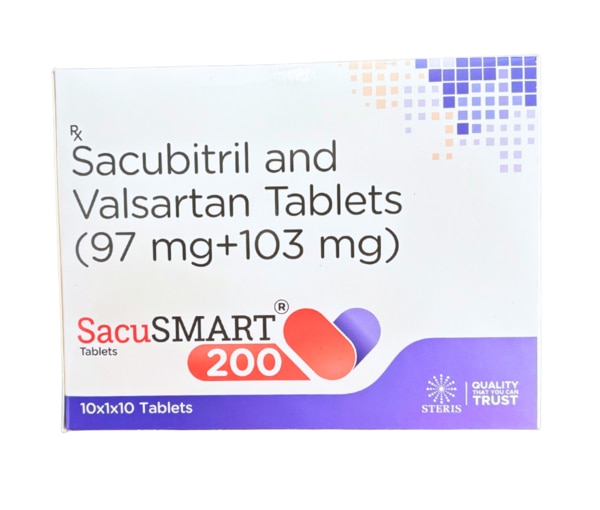
"name": "Sacubitril and Valsartan Tablets 97 mg + 103 mg",
"description": "Description: \nSACUSMART 200 is a combination medicine containing Sacubitril (97 mg) and Valsartan (103 mg), specifically designed to manage chronic heart failure with reduced ejection fraction (HFrEF). This dual-acting therapy is classified as an angiotensin receptor neprilysin inhibitor (ARNI) and is widely prescribed to reduce the risk of cardiovascular death and hospitalization in patients with heart failure.\n\nHeart failure is a progressive condition where the heart cannot pump blood efficiently to meet the body’s needs. SACUSMART 200 improves the efficiency of the heart by relaxing blood vessels, reducing fluid retention, and lowering strain on the heart, helping patients live a better and longer life.\n\nWhat is SACUSMART 200?\nSACUSMART 200 is a highly effective heart failure medication that combines two active components:\nSacubitril (97 mg) – a neprilysin inhibitor that increases levels of natriuretic peptides, leading to vasodilation, sodium excretion, and reduced stress on the heart.\n\nValsartan (103 mg) – an angiotensin II receptor blocker (ARB) that relaxes blood vessels, lowers blood pressure, and prevents harmful effects of angiotensin II.\nTogether, these mechanisms make SACUSMART 200 a superior alternative to traditional ACE inhibitors or ARBs alone in treating chronic heart failure.\nUses of SACUSMART 200\nSACUSMART 200 is prescribed for:\nChronic heart failure with reduced ejection fraction (HFrEF)\nReducing risk of hospitalization due to worsening heart failure\nImproving survival rates in patients with heart failure\nEnhancing exercise tolerance and quality of life in long-term heart failure management\nBenefits of SACUSMART 200\nDual action with neprilysin inhibition + ARB effect for comprehensive heart protection\nProven to reduce mortality and hospitalization risk in heart failure patients\n\nImproves symptoms such as breathlessness, fatigue, and swelling\nHelps patients regain better physical stamina and daily activity levels\nLong-term use significantly contributes to improved quality of life\nPossible Side Effects of SACUSMART 200.\nWhile SACUSMART 200 is effective and generally well tolerated, some patients may experience:\nLow blood pressure (hypotension)\nIncreased blood potassium levels (hyperkalemia)\nDizziness or light-headedness\nKidney function changes\nCough\nRarely, serious allergic reactions or angioedema (swelling of face, lips, or throat)\nImmediate medical attention is required if severe swelling, difficulty breathing, or fainting occurs.\nPrecautions Before Using SACUSMART 200.\nDo not use if you are allergic to sacubitril, valsartan, or other ARBs\nAvoid if you have taken an ACE inhibitor within the last 36 hours due to the risk of angioedema\nNot recommended for patients with a history of hereditary angioedema\nCaution in patients with severe kidney or liver disease\nPregnant and breastfeeding women should avoid this medicine due to harmful effects on the baby\nAlways monitor blood pressure, kidney function, and potassium levels while on this treatment\nDrug Interactions.\nSACUSMART 200 may interact with:\n\nACE inhibitors – should not be combined, risk of angioedema\n\nPotassium supplements or potassium-sparing diuretics – risk of high potassium\n\nNSAIDs (e.g., ibuprofen, naproxen) – may reduce kidney function\n\nLithium – risk of lithium toxicity\n\nDiuretics – may increase the risk of low blood pressure\n\nAlways inform your doctor about all medicines, supplements, or herbal products you are taking before starting SACUSMART 200.\n\n \nConclusion\n \n\nSACUSMART 200 (Sacubitril 97 mg & Valsartan 103 mg) is a breakthrough treatment in managing chronic heart failure with reduced ejection fraction (HFrEF). By combining neprilysin inhibition and angiotensin receptor blockade, it not only reduces symptoms but also significantly lowers the risk of hospitalization and death, improving both longevity and quality of life.\n\nFor patients living with heart failure, SACUSMART 200 offers a scientifically proven and clinically superior solution to regain control over their health and live a more fulfilling life.",
"price": 750.0,
"discountamount": 225.0,
"currencycode": "INR",
"priority": 1000000,
"isfreeshipmentavailable": false,
"shipmentduration": 1,
"_keywords": null,
"isarchived": false,
"isavailable": true,
"applicationid": null,
"productindex": 2170,
"imageuri": "https://productimages.withfloats.com/actual/68b6d6c9c4087f14f55d7d23.png",
"tileimageuri": "https://productimages.withfloats.com/tile/68b6d6c9c4087f14f55d7d23.png",
"images": null,
"totalqueries": 0,
"gpid": null,
"groupproductid": null,
"createdon": "2025-09-02T11:36:39.17Z",
"updatedon": "2026-05-25T06:41:35.287Z",
"buyonlinelink": null,
"producturl": "http://WWW.STERISINDIA.COM//sacubitril-and-valsartan-tablets-97-mg-103-mg/2170",
"availableunits": -1.0,
"iscodavailable": false,
"isprepaidonlineavailable": false,
"maxcodorders": 0,
"maxprepaidonlineorders": 0,
"uniquepaymenturl": null,
"brandname": "SACUSMART 200",
"category": "CARDIOLOGYRANGE",
"tags": [
"Sacubitril 97 mg and Valsartan 103 mg",
"sacubitril and valsartan tablets uses",
"sacubitril and valsartan tablets benefits",
"sacubitril valsartan tablet dosage",
"sacubitril and valsartan tablet mechanism of action",
"sacubitril valsartan tablets side effects",
"sacubitril valsartan tablet how it works",
"sacubitril and valsartan tablets price in India",
"sacubitril valsartan tablets manufacturer in India",
"sacubitril and valsartan tablets brand name",
"best sacubitril and valsartan tablets in India",
"sacubitril valsartan tablets wholesale supplier",
"what is sacubitril and valsartan tablet used for",
"who should take sacubitril valsartan tablets",
"sacubitril and valsartan tablets",
"sacubitril and valsartan tablets 50 mg",
"sacubitril and valsartan tablets uses in hindi",
"uses of sacubitril and valsartan tablets",
"sacubitril and valsartan tablets in hindi",
"rx sacubitril and valsartan tablets",
"sacubitril and valsartan tablets 100mg",
"sacubitril and valsartan tablets in india",
"sacubitril and valsartan tablets 100mg",
"sacubitril and valsartan tablets in india",
"use of sacubitril and valsartan tablets"
],
"variants": false,
"keyspecification": null,
"otherspecifications": null,
"pickupaddressreferenceid": null,
"paymenttype": "UniquePaymentUrl",
"producttype": "products",
"hsncode": null,
"gstslab": 0.001,
"isnotforsale": false
},
{
"_id": "6a509bf6f44be736283180cf",
"fptag": "STERISHEALTHCARE",
"merchantname": null,
"customwidgets": null,
"externalsourceid": null,
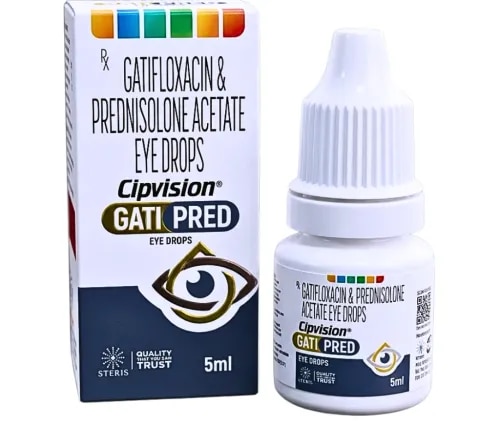
"name": "gatifloxacin & prednisolone acetate ophthalmic suspension",
"description": "Gatifloxacin and prednisolone acetate ophthalmic suspension is a prescription combination eye medicine that pairs a fourth-generation fluoroquinolone antibiotic (gatifloxacin) with a corticosteroid (prednisolone acetate) in a single formulation. It is used to treat steroid-responsive ocular inflammation where there is also a risk of, or existing, bacterial eye infection — most commonly after cataract or other ocular surgery, and in certain inflammatory eye conditions requiring both anti-infective and anti-inflammatory action together. Gatifloxacin fights the bacteria, while prednisolone acetate reduces inflammation, redness, and swelling. This combination is not the same as a plain antibiotic drop — because it contains a steroid, it requires closer monitoring, a defined tapering schedule, and should never be self-prescribed or used beyond the duration your ophthalmologist recommends. It is a Schedule H prescription-only medicine in India, commonly marketed under brand names such as Gatiquin P.\n\nWhat Is Gatifloxacin and Prednisolone Acetate Ophthalmic Suspension?\nGatifloxacin and prednisolone acetate ophthalmic suspension is a fixed-dose combination eye drop that brings together two distinct classes of medication in one bottle:\n\nGatifloxacin — a fourth-generation fluoroquinolone antibiotic effective against a broad range of gram-positive and gram-negative bacteria commonly implicated in ocular infections.\nPrednisolone acetate — a corticosteroid that suppresses inflammation, swelling, and associated redness or discomfort in the eye.\n\nThis combination is typically prescribed when a clinician determines that an eye condition involves both active or potential bacterial infection and significant inflammation — a situation where using either drug alone would be insufficient. The most frequent use case is post-operative care following ocular surgery, such as cataract extraction, where inflammation control speeds recovery while the antibiotic component guards against surgical-site infection.\nA commonly recognized branded version of this combination in the Indian market is Gatiquin P, and patients often search specifically for this brand name alongside the generic combination name.\n\nHow Does This Combination Work? (Mechanism of Action)\n\nAntibacterial action (Gatifloxacin) – Gatifloxacin inhibits bacterial DNA gyrase and topoisomerase IV, enzymes bacteria need to replicate their DNA, resulting in bactericidal activity against susceptible organisms.\nAnti-inflammatory action (Prednisolone acetate) – Prednisolone acetate suppresses the inflammatory cascade by inhibiting phospholipase A2 and reducing the release of inflammatory mediators, which decreases swelling, redness, and discomfort.\nCombined surgical/inflammatory coverage – Together, the two components address both the infective and inflammatory components of a single ocular condition, which is particularly useful in the immediate post-surgical period when both risks are elevated simultaneously.\nLocalized ocular delivery – As a topical suspension, the combination acts directly at the site of application, minimizing systemic absorption compared to oral antibiotics or steroids.\n\n\nClinical Indications\nIndicationDetailsPost-operative inflammation with infection riskMost common use — following cataract surgery or other intraocular proceduresSteroid-responsive inflammatory ocular conditionsWhere a bacterial infection is present or risk is significantChronic anterior uveitis with secondary infection riskUsed under specialist supervisionBlepharoconjunctivitis with inflammatory componentWhen combined anti-infective and anti-inflammatory action is clinically indicated\nNot indicated for: viral eye infections (e.g., herpes simplex keratitis), fungal eye infections, mycobacterial infections, or uncomplicated bacterial conjunctivitis without an inflammatory component — a steroid is not appropriate in these settings.\n\nDosage & Administration\nParameterRecommendationStandard dose1–2 drops in the affected eye, typically 4 times daily, or as directedPost-surgical regimenOften started with a higher frequency and gradually tapered per surgeon's protocolShake before useYes — this is a suspension; shake well before each applicationDurationDetermined by your ophthalmologist; steroid-containing drops are not for indefinite useTaperingMust be tapered gradually rather than stopped abruptly, especially after prolonged useContact lensesAvoid wearing contact lenses during treatment unless your doctor advises otherwiseMissed doseApply as soon as remembered; do not double the next dose\nImportant: Never extend use beyond the prescribed duration or restart the medication without consulting your ophthalmologist, as prolonged steroid exposure carries specific ocular risks (see Precautions below).\n\nKey Benefits\n\nProvides dual-action therapy — infection control and inflammation control — in a single formulation\nReduces the need for two separate eye drop regimens after surgery, simplifying the treatment schedule\nSpeeds resolution of post-surgical redness, swelling, and discomfort while covering infection risk\nBroad-spectrum antibacterial coverage from a fourth-generation fluoroquinolone\nCommonly trusted and prescribed by ophthalmic surgeons as part of standard post-operative protocols\nAvailable in a suspension formulation designed for effective ocular surface contact time\n\n\nPrecautions\n\nUse strictly under ophthalmologist supervision — this is not an over-the-counter product\nNot suitable for viral, fungal, or mycobacterial eye infections\nLong-term or unsupervised steroid use can raise intraocular pressure (IOP) and increase glaucoma risk\nProlonged use may increase the risk of posterior subcapsular cataract formation\nSteroid component may mask signs of a worsening infection or delay wound healing if misused\nRegular monitoring of intraocular pressure is recommended with extended use\nInform your doctor of any history of glaucoma, herpes eye infection, or corneal thinning before starting\nShake the suspension well before each use for accurate dosing\nAvoid touching the dropper tip to the eye or any surface\n\n\nSide Effects\nCommon (Usually Mild and Temporary)\n\nTransient burning or stinging on instillation\nBlurred vision immediately after application\nEye discomfort or foreign-body sensation\nMild eye redness\n\nLess Common / Serious (Consult Your Doctor Promptly)\n\nIncreased intraocular pressure / glaucoma symptoms (eye pain, halos around lights)\nDelayed wound healing at a surgical site\nSecondary or masked ocular infection\nSigns of cataract progression with prolonged use\nCorneal or scleral thinning (rare, with extended steroid exposure)\nAllergic reaction (eyelid swelling, itching, rash)\n\nDiscontinue and consult your ophthalmologist immediately if any serious symptom develops.\n\nComparison: Combination vs. Standalone Therapies\nTreatmentCompositionBest Suited ForKey ConsiderationGatifloxacin + Prednisolone acetate suspensionAntibiotic + steroidPost-surgical care; infection + inflammation togetherRequires tapering; steroid monitoring neededGatifloxacin eye drops (alone)Antibiotic onlyUncomplicated bacterial conjunctivitis/keratitisNo steroid-related risk, but no anti-inflammatory actionPrednisolone acetate eye drops (alone)Steroid onlyNon-infectious inflammatory conditions (e.g., uveitis)Not appropriate if active infection is presentPlain lubricant/antibiotic-only regimensVariesMild post-op cases without significant inflammationMay be insufficient for higher-risk surgical cases\n\nKey Statistics (Placeholder — Pending Clinical Reviewer Verification)\nMetricValueReported post-operative infection rate reduction with prophylactic use[Placeholder – insert verified clinical trial statistic]Typical duration of post-cataract-surgery combination therapy[Placeholder – insert verified reference range]Incidence of steroid-induced IOP elevation with short-course use[Placeholder – insert epidemiological reference]\nAll statistics above are placeholders and must be verified and populated by a qualified clinical reviewer prior to publication.\n\nExpert Insight\n\n[Placeholder — Expert quote pending. To be added only after review and approval by a licensed ophthalmologist/medical reviewer associated with Steris Healthcare. Do not fabricate or publish without sign-off.]\n\n\nPrice of Gatifloxacin and Prednisolone Acetate Ophthalmic Suspension\nThe price of this combination suspension varies depending on brand, pack size, and region. For current pricing, availability, and prescription verification, please consult your ophthalmologist or an authorized pharmacy.\nPrescription only – consult your doctor.\n\nConclusion\nGatifloxacin and prednisolone acetate ophthalmic suspension serves an important clinical role wherever bacterial infection risk and ocular inflammation occur together — most notably in the sensitive period following eye surgery. By combining a potent fourth-generation antibiotic with a well-established corticosteroid, this formulation streamlines post-operative and steroid-responsive inflammatory care into a single, clinician-directed regimen. Because the steroid component carries specific long-term risks — including elevated eye pressure, cataract progression, and delayed healing if misused — this medication should always be used exactly as prescribed, for the duration recommended, and with appropriate tapering and follow-up. Patients should never self-adjust dosing or extend use without their ophthalmologist's explicit guidance.\n\nFrequently Asked Questions\n\n1. What is Gatifloxacin and prednisolone acetate ophthalmic suspension used for?\nIt is used to treat eye conditions that involve both inflammation and a risk of bacterial infection — most commonly after eye surgery such as cataract surgery, where it reduces post-operative swelling and redness while protecting against infection.\n\n2. Is Gatifloxacin eye drops safe for children?\nGatifloxacin eye drops are generally considered usable in children for appropriate bacterial eye infections under a pediatric ophthalmologist's guidance. However, the gatifloxacin-prednisolone combination includes a steroid, which requires closer specialist supervision in children due to potential effects on eye pressure and healing, so it should only be used if specifically prescribed for a child.\n\n3. What is Gatifloxacin and prednisolone acetate ophthalmic suspension (Gatiquin P) used for?\nGatiquin P is a branded formulation of gatifloxacin and prednisolone acetate ophthalmic suspension. It is used for the same core purpose — managing post-surgical or steroid-responsive ocular inflammation where there is also a bacterial infection risk, most often following cataract or other intraocular surgery.\n\n4. Is prednisolone acetate safe for eyes?\nPrednisolone acetate is a corticosteroid that is generally safe for eyes when used exactly as prescribed and for the recommended duration under an ophthalmologist's supervision. However, unsupervised or prolonged use can raise intraocular pressure, increase glaucoma risk, contribute to cataract formation, and delay wound healing, so it should never be used without medical guidance or beyond the prescribed course.\n\n5. How is this eye drop different from regular antibiotic eye drops?\nRegular antibiotic eye drops only target bacteria, while this combination also contains a steroid to control inflammation. This dual action is useful specifically when both infection risk and significant inflammation are present, such as after eye surgery.\n\n6. How long should I use gatifloxacin and prednisolone acetate suspension?\nDuration is determined by your ophthalmologist based on your specific condition, often following a tapering schedule after surgery. It should not be used longer than prescribed, and stopping should be discussed with your doctor rather than done abruptly.\n\n7. Can this eye drop increase eye pressure?\nYes, because it contains a steroid, prolonged or unsupervised use can raise intraocular pressure. Regular monitoring is recommended, especially with extended use or in patients with a history of glaucoma.\n\n8. Can I use this suspension for a common bacterial eye infection without inflammation?\nThis combination is generally reserved for cases where both infection risk and notable inflammation are present, such as post-surgical care. For uncomplicated bacterial conjunctivitis without significant inflammation, your doctor may prescribe an antibiotic-only formulation instead.\n\n9. Do I need to shake the bottle before use?\nYes. This is a suspension, so the bottle should be shaken well before each use to ensure even distribution of both active ingredients.\n10. Can this eye drop be used for viral or fungal eye infections?\nNo. This combination is not appropriate for viral, fungal, or mycobacterial eye infections, since it contains a steroid that can worsen these conditions if used inappropriately.\n\n11. What are the signs I should stop using this eye drop and see my doctor?\nIncreasing eye pain, blurred vision that doesn't improve, halos around lights, worsening redness, or signs of an allergic reaction warrant immediate medical attention.\n\n12. Can this eye drop be used after cataract surgery?\nYes, this combination is commonly prescribed after cataract surgery to manage post-operative inflammation while covering the risk of surgical-site infection during the healing period.\n\n13. Does this medication require a prescription?\nYes, gatifloxacin and prednisolone acetate ophthalmic suspension is a prescription-only (Schedule H) medicine and should only be used under an ophthalmologist's direction.\n14. Can contact lenses be worn during treatment?\nIt is generally advised to avoid wearing contact lenses while using this medication unless your ophthalmologist specifically advises otherwise, particularly during the post-surgical period.\n\n15. What happens if I stop this eye drop too early?\nStopping too early, especially without proper tapering, may lead to a rebound of inflammation or leave a lingering infection insufficiently treated. Always follow your doctor's full course and tapering instructions.\n\n16. Is this eye drop safe for long-term daily use?\nNo — because it contains a steroid, it is intended for short-term, supervised use rather than long-term daily use. Extended use significantly raises the risk of elevated eye pressure and cataract.\n\n17. Can this suspension be used in both eyes at once?\nIt can be used in both eyes if both are affected and your doctor has prescribed it for bilateral use; otherwise, apply only to the eye(s) specifically directed by your ophthalmologist.\n",
"price": 155.0,
"discountamount": 47.0,
"currencycode": "INR",
"priority": 1000000,
"isfreeshipmentavailable": false,
"shipmentduration": 1,
"_keywords": null,
"isarchived": false,
"isavailable": true,
"applicationid": null,
"productindex": 2469,
"imageuri": "https://productimages.withfloats.com/actual/6a509bf79c2198e9ddf06962.png",
"tileimageuri": "https://productimages.withfloats.com/tile/6a509bf79c2198e9ddf06962.png",
"images": null,
"totalqueries": 0,
"gpid": null,
"groupproductid": null,
"createdon": "2026-07-10T07:15:02.084Z",
"updatedon": "2026-07-10T07:15:02.084Z",
"buyonlinelink": null,
"producturl": "http://WWW.STERISINDIA.COM//gatifloxacin-prednisolone-acetate-ophthalmic-suspension/2469",
"availableunits": -1.0,
"iscodavailable": false,
"isprepaidonlineavailable": false,
"maxcodorders": 0,
"maxprepaidonlineorders": 0,
"uniquepaymenturl": null,
"brandname": "CIPVISION GATIPRED",
"category": "Opthalmology Range",
"tags": [
"gatifloxacin & prednisolone acetate ophthalmic suspension",
"gatifloxacin & prednisolone ophthalmic suspension"
],
"variants": false,
"keyspecification": null,
"otherspecifications": null,
"pickupaddressreferenceid": null,
"paymenttype": "UniquePaymentUrl",
"producttype": "products",
"hsncode": null,
"gstslab": 0.0,
"isnotforsale": false
},
{
"_id": "6a4cf84af44be73628317db4",
"fptag": "STERISHEALTHCARE",
"merchantname": null,
"customwidgets": null,
"externalsourceid": null,
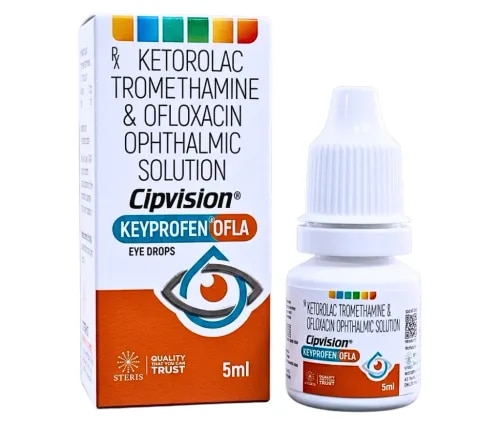
"name": "ketorolac tromethamine ofloxacin eye drops",
"description": "Ketorolac tromethamine ofloxacin eye drops are a prescription combination formulation that pairs an NSAID (ketorolac tromethamine) with a fluoroquinolone antibiotic (ofloxacin) in a single ophthalmic solution. Ketorolac reduces pain, inflammation, and irritation, while ofloxacin treats or prevents bacterial eye infections — making this combination especially useful after eye surgery, such as cataract or corneal refractive procedures, when both inflammation control and infection prevention are needed at the same time. It's generally well tolerated, with mild stinging or burning being the most common effect, and should only be used exactly as prescribed by an eye care professional.\nWhat Is Ketorolac Tromethamine Ofloxacin Eye Drops?\nThis is a fixed-dose combination ophthalmic solution bringing together two distinct classes of medication:\n\nKetorolac tromethamine — a nonsteroidal anti-inflammatory drug (NSAID) that blocks prostaglandin synthesis in the eye, reducing pain, inflammation, and irritation\nOfloxacin — a fluoroquinolone antibiotic that treats bacterial infections of the eye, including conjunctivitis and corneal ulcers, by inhibiting bacterial DNA replication\n\nCombining the two addresses two separate clinical needs at once: controlling post-operative or allergy-related inflammation, and reducing the risk of bacterial infection during the eye's vulnerable healing period. This combination is commonly prescribed following cataract surgery, corneal refractive surgery, and other ocular procedures where both inflammation and infection risk need to be managed together.\nHow This Combination Works (Mechanism of Action)\n\nKetorolac's anti-inflammatory action — Blocks the cyclooxygenase (COX) enzyme pathway, reducing the production of prostaglandins, the chemical messengers responsible for pain, redness, and swelling in the eye.\nReduced pain and irritation — With prostaglandin production suppressed, patients experience less post-surgical discomfort, itching, and burning.\nOfloxacin's antibacterial action — Inhibits bacterial DNA gyrase and topoisomerase IV, enzymes bacteria need to replicate their DNA, effectively stopping bacterial growth.\nInfection prevention/control — By suppressing bacterial replication, ofloxacin helps prevent or treat infections that could otherwise complicate the eye's healing process after surgery or injury.\nCombined post-operative support — Together, the two components address both major risks during ocular recovery: uncontrolled inflammation and secondary bacterial infection.\n\nClinical Indications\nUse CaseRole of the CombinationPost-cataract surgery careControls inflammation and pain while preventing bacterial infection during healingPost-corneal refractive surgery (e.g., LASIK)Reduces post-operative discomfort and infection riskBacterial conjunctivitis with inflammationTreats the underlying infection while easing associated redness and irritationCorneal injury or minor trauma (as directed)Supports healing by addressing both inflammation and infection riskSeasonal allergic conjunctivitis (ketorolac component)Relieves itching associated with seasonal eye allergies\nThis combination is intended for short-term, doctor-directed use — not for long-term or repeated self-administration.\nDosage Guidelines\nParameterTypical GuidanceStandard doseOne drop in the affected eye(s), frequency as prescribed by your doctorCommon frequencyOften 2 to 4 times daily, depending on the condition being treated and product-specific labelingPost-surgical useUsually started shortly after surgery and continued for a defined post-operative period, as directedAdministration techniqueTilt head back, pull down the lower eyelid, instill the drop without touching the dropper tip to the eye, then close the eye gently for a minute or twoContact lens useAvoid wearing contact lenses during treatment unless your doctor says otherwiseDurationComplete the full prescribed course, even if symptoms improve early, to reduce the risk of antibiotic resistance or incomplete healing\nExact dosing frequency and treatment duration vary by brand formulation and the specific condition being treated — always follow your prescribing doctor's exact instructions rather than a generic schedule.\nKey Benefits\n\nAddresses two major post-surgical risks — inflammation/pain and bacterial infection — in a single combination product\nReduces the need for two separate eye drop bottles, simplifying the post-operative care routine\nKetorolac's anti-inflammatory action helps improve comfort during the critical early healing window after eye surgery\nOfloxacin's broad-spectrum antibacterial activity covers many common eye pathogens\nUseful for both surgical recovery and certain inflammatory/infectious conditions like allergic or bacterial conjunctivitis with associated discomfort\n\nPrecautions\n\nShould be used strictly under the guidance of an ophthalmologist — not for self-directed or prolonged use\nDo not use alongside other NSAID eye drops, as this can increase the risk of bleeding and delayed healing\nUse with caution alongside steroid-containing eye drops, as combined use may increase infection risk\nUse with caution in patients who bleed easily or are on blood-thinning medication, due to ketorolac's NSAID effects\nIf symptoms do not improve within the expected timeframe, or worsen, contact your doctor rather than continuing use independently\nAvoid contact lens wear during treatment unless specifically advised otherwise\nDiscontinue immediately and contact your doctor at the first sign of a rash or allergic reaction\nNot recommended for infants under 1 year old (based on the ofloxacin component's approved age range)\n\nSide Effects\nCommon side effects:\n\nStinging or burning on application\nTemporary blurred vision\nEye redness or irritation\nDryness or excess tearing\nSensitivity to light (photophobia)\n\nLess common side effects:\n\nItching or foreign body sensation in the eye\nEyelid swelling\nMild headache\n\nRare but serious side effects — seek immediate medical attention:\n\nSigns of an allergic reaction: hives, difficulty breathing, swelling of the face, lips, tongue, or throat\nSevere skin reaction: fever, sore throat, facial or tongue swelling, skin pain followed by a spreading red or purple rash with blistering\nCorneal problems: persistent eye pain, corneal thinning, erosion, or non-healing of the eye surface\nWorsening infection symptoms despite treatment\n\nMost side effects are mild and temporary; however, any signs of a serious allergic or corneal reaction require prompt medical attention.\nComparison with Alternatives\nFeatureKetorolac + Ofloxacin CombinationSteroid + Antibiotic Combination (e.g., Dexamethasone + Tobramycin)Anti-inflammatory mechanismNSAID (COX inhibition)Corticosteroid (broader immune suppression)Infection risk with prolonged useLower relative infection-masking riskHigher risk of masking infection with prolonged steroid useTypical use casePost-operative pain/inflammation with infection preventionBroader inflammatory eye conditions requiring stronger anti-inflammatory controlIntraocular pressure effectMinimal IOP effect from ketorolacSteroids can raise intraocular pressure with prolonged use\nYour ophthalmologist will select the combination best suited to your specific procedure, condition, and risk factors.\nKey Statistics\n[Placeholder — pending clinical/regulatory team verification. Do not publish without confirmed source citation for post-operative infection rate reduction data, comparative efficacy figures, or incidence rates of reported adverse effects for this specific combination product.]\nExpert Insight\n[Placeholder — reserved for a quote from a qualified ophthalmologist or clinical reviewer. Do not publish without a verified, attributable expert quote.]\nFrequently Asked Questions\n1. What is ketorolac and ofloxacin eye drops used for?\nThis combination is used to control pain, inflammation, and irritation while also preventing or treating bacterial infection in the eye — most commonly after cataract or corneal refractive surgery, and sometimes for infected, inflamed conditions like bacterial conjunctivitis.\n2. Is ketorolac eye drops safe to use?\nKetorolac eye drops are generally safe when used as prescribed by a doctor for approved indications like post-surgical inflammation or allergic conjunctivitis. As with any NSAID, it should be used with caution in people who bleed easily or take blood thinners, and not combined with other NSAID eye drops.\n3. Is ofloxacin safe for eyes?\nYes, ofloxacin eye drops are considered safe and are widely prescribed for bacterial eye infections when used as directed. Common effects are mild and temporary, such as stinging or light sensitivity; serious reactions are rare but should be reported to a doctor immediately if they occur.\n4. Is ketorolac safe for eyes?\nKetorolac eye drops are safe for ophthalmic use when prescribed appropriately and used according to your doctor's instructions. It's an established NSAID with a long history of use for post-surgical pain and allergic conjunctivitis, though it requires caution in certain patients, such as those with bleeding disorders.\n5. How many times a day can you use ketorolac eye drops?\nThis depends on the condition being treated and your doctor's specific prescription — commonly this is 2 to 4 times daily. Always follow your doctor's exact dosing instructions rather than a generic schedule, since frequency varies by indication and product.\n6. Does ketorolac reduce eye pressure?\nNo, ketorolac is not used to reduce intraocular eye pressure. It works as an anti-inflammatory pain reliever by blocking prostaglandin production, not as a pressure-lowering agent. Medications specifically designed to reduce eye pressure, such as those used in glaucoma, work through different mechanisms and are a separate category of treatment.\nConclusion\nKetorolac tromethamine ofloxacin eye drops offer a practical, combined solution for two of the most important concerns during eye recovery: controlling inflammation and pain, and preventing bacterial infection. By pairing an established NSAID with a trusted fluoroquinolone antibiotic, this combination simplifies post-operative care, particularly after cataract or corneal refractive surgery, while addressing allergic and infectious inflammatory conditions when appropriate. Most side effects are mild and temporary, though the combination should always be used exactly as prescribed, with attention to precautions around other eye medications, bleeding risk, and contact lens use. As with any prescription ophthalmic treatment, ongoing follow-up with your ophthalmologist ensures the medication is working as intended and any concerns are addressed early.",
"price": 90.0,
"discountamount": 27.0,
"currencycode": "INR",
"priority": 1000000,
"isfreeshipmentavailable": false,
"shipmentduration": 1,
"_keywords": null,
"isarchived": false,
"isavailable": true,
"applicationid": null,
"productindex": 2467,
"imageuri": "https://productimages.withfloats.com/actual/6a4cf84ca50a3eb7ed21b13b.png",
"tileimageuri": "https://productimages.withfloats.com/tile/6a4cf84ca50a3eb7ed21b13b.png",
"images": null,
"totalqueries": 0,
"gpid": null,
"groupproductid": null,
"createdon": "2026-07-07T12:59:54.142Z",
"updatedon": "2026-07-07T12:59:54.142Z",
"buyonlinelink": null,
"producturl": "http://WWW.STERISINDIA.COM//ketorolac-tromethamine-ofloxacin-eye-drops/2467",
"availableunits": -1.0,
"iscodavailable": false,
"isprepaidonlineavailable": false,
"maxcodorders": 0,
"maxprepaidonlineorders": 0,
"uniquepaymenturl": null,
"brandname": "CIPVISION KEYPROFEN OFLA",
"category": "Opthalmology Range",
"tags": [
"ketorolac tromethamine ofloxacin eye drops",
"ketorolac tromethamine",
"ketorolac tromethamine uses",
"ketorolac tromethamine uses in hindi",
"ketorolac tromethamine dispersible tablets uses in hindi",
"ketorolac tromethamine tablet uses in hindi",
"ketorolac tromethamine use in hindi",
"ketorolac tromethamine use"
],
"variants": false,
"keyspecification": null,
"otherspecifications": null,
"pickupaddressreferenceid": null,
"paymenttype": "UniquePaymentUrl",
"producttype": "products",
"hsncode": null,
"gstslab": 0.0,
"isnotforsale": false
},
{
"_id": "6a4cf32ff4503514c0b03999",
"fptag": "STERISHEALTHCARE",
"merchantname": null,
"customwidgets": null,
"externalsourceid": null,
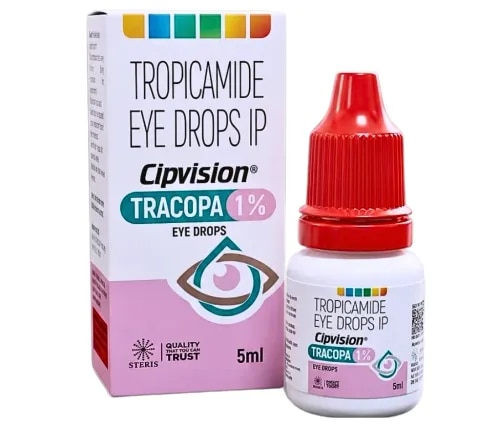
"name": "tropicamide eye drops ip",
"description": "Tropicamide eye drops IP are a prescription ophthalmic solution used to dilate the pupil (mydriasis) and temporarily paralyze the eye's focusing muscles (cycloplegia) before eye examinations and certain ocular procedures. Dilation typically begins within 20–40 minutes of application and lasts around 4–6 hours, though effects can occasionally persist longer. Tropicamide is widely used by ophthalmologists and optometrists to get a clear, detailed view of the retina, optic nerve, and back of the eye — something that isn't possible through an undilated pupil. It's generally well tolerated, though temporary blurred vision and light sensitivity are expected effects rather than side effects to worry about.\nWhat Is Tropicamide Eye Drops IP?\nTropicamide eye drops IP (manufactured to Indian Pharmacopoeia standards) are an anticholinergic (antimuscarinic) ophthalmic solution, commonly available in 0.5% and 1% strengths. “IP” indicates the formulation meets the quality and purity standards set by the Indian Pharmacopoeia.\nTropicamide belongs to the same broad drug family as atropine but has a much shorter duration of action, which is precisely why it's the preferred choice for routine eye examinations — it does its job quickly and wears off within hours rather than days. It's typically administered directly by a healthcare provider in a clinical or hospital setting, rather than self-administered at home.\nHow Tropicamide Works (Mechanism of Action)\n\nMuscarinic receptor blockade — Tropicamide blocks acetylcholine from binding to muscarinic receptors in the eye's iris sphincter and ciliary muscles.\nPupil dilation (mydriasis) — With the sphincter muscle relaxed, the pupil's natural constricting reflex is blocked, allowing it to widen.\nParalysis of accommodation (cycloplegia) — The ciliary muscle, responsible for adjusting eye focus for near vision, is also relaxed, temporarily reducing the eye's ability to focus on close objects.\nClear visualization of the fundus — With the pupil fully dilated, the examining doctor can clearly view the retina, macula, optic nerve, and vitreous — structures that are otherwise obscured behind an undilated pupil.\nNatural wearing-off — As the drug is metabolized and clears from the eye tissue, muscle tone gradually returns, and the pupil returns to its normal size and reactivity.\n\nClinical Indications\nUse CaseWhy Tropicamide Is UsedDilated fundus examinationAllows a detailed view of the retina, optic nerve, and maculaPre- and post-cataract surgeryAchieves adequate pupil dilation for surgical visibility and reduces post-operative inflammation-related discomfortDiagnosis of refractive errors in childrenCycloplegic effect prevents the eye from actively focusing, giving a more accurate refraction measurementRetinal and posterior segment proceduresSupports clear visualization for laser treatments and retinal surgeryEvaluation of optic nerve or cranial nerve abnormalitiesHelps assess disc swelling, cup-to-disc ratio, and pupillary responsesAnterior uveitis management (adjunctive use)Cycloplegic effect can reduce pain and the risk of complications like posterior synechiae\nDosage Guidelines\nParameterTypical GuidanceStandard strength0.5% or 1% ophthalmic solutionTypical doseOne drop instilled into the eye(s), as directed by the examining doctorOnset of actionDilation usually begins within 20–40 minutesDuration of effectCommonly 4–6 hours; can occasionally last longer depending on individual responseAdministration techniqueTilt the head back, pull down the lower eyelid, instill the drop, then close the eye gently for 2–3 minutes without blinking; applying gentle pressure at the inner corner of the eye can help limit systemic absorptionRepeat dosingA second drop may be used after several minutes if dilation is insufficient, at the doctor's discretion\nTropicamide is typically administered by a healthcare professional in a clinical setting rather than self-instilled at home, and dosing should always follow the specific instructions of the treating doctor.\nKey Benefits\n\nProvides fast, reliable pupil dilation, enabling a thorough examination of the back of the eye\nShort duration of action (compared to atropine) means vision and eye function return to normal within hours, not days\nWell-established, widely used mydriatic with a strong long-term safety record in clinical practice\nSupports more accurate diagnosis of refractive errors in children through its cycloplegic effect\nUseful both for routine diagnostic eye exams and as part of pre-/post-surgical eye care\nAvailable in two strengths (0.5% and 1%), allowing the examining doctor to tailor the degree of dilation needed\n\nPrecautions\n\nShould only be administered by, or under the direct guidance of, a qualified eye care professional\nWear sunglasses after application, since dilated pupils let in significantly more light and cause noticeable light sensitivity\nAvoid driving or operating machinery until vision returns to normal, as focusing on nearby objects (like a dashboard or phone) will be impaired\nDo not wear contact lenses during instillation, as the preservative in some formulations can discolor soft lenses\nUse caution in patients with a history of narrow-angle glaucoma, as pupil dilation can rarely trigger a sudden, serious rise in eye pressure (angle-closure glaucoma)\nIn children, wash hands thoroughly after administration, since rare but serious anticholinergic effects (including psychosis) have been reported, particularly with higher doses or accidental ingestion\nInform the doctor of any history of heart conditions, as anticholinergic effects can occasionally affect heart rate\n\nSide Effects\nCommon side effects (expected and temporary):\n\nBlurred vision, especially for near objects\nIncreased sensitivity to light (photophobia)\nMild stinging or burning sensation on application\nTransient increase in intraocular pressure\n\nLess common side effects:\n\nDry mouth\nHeadache\nIncreased heart rate\nFlushing or mild fever\nEye surface irritation\n\nRare but serious side effects — seek immediate medical attention:\n\nSigns of an allergic reaction: hives, difficulty breathing, swelling of the face, lips, tongue, or throat\nConfusion, slurred speech, agitation, or hallucinations (rare anticholinergic toxicity, more often reported in children)\nSudden eye pain, severe headache, nausea, or vomiting (possible signs of angle-closure glaucoma)\n\nMost side effects resolve on their own as the drug wears off within a few hours; however, any signs of a serious reaction should be reported to a doctor right away.\nComparison with Alternatives\nFeatureTropicamideAtropineOnset of action20–40 minutes30–40 minutesDuration of effect4–6 hours (short-acting)Up to 1–2 weeks (long-acting)Common useRoutine diagnostic dilation, fundus examsCycloplegic refraction in select cases, anterior uveitis managementPreferred settingOutpatient eye exams, same-day proceduresCases needing prolonged cycloplegia\nTropicamide's shorter duration makes it the preferred first choice for most routine eye examinations, where rapid return to normal vision is desirable.\nKey Statistics\n[Placeholder — pending clinical/regulatory team verification. Do not publish without confirmed source citation for dilation success rates, comparative onset/duration data, or incidence rates of rare adverse effects.]\nExpert Insight\n[Placeholder — reserved for a quote from a qualified ophthalmologist or clinical reviewer. Do not publish without a verified, attributable expert quote.]\nFrequently Asked Questions\n1. What is tropicamide eye drops used for?\nTropicamide eye drops are used to dilate the pupil and temporarily relax the eye's focusing muscles, allowing an eye doctor to clearly examine the retina, optic nerve, and back of the eye during routine eye exams and certain procedures.\n2. How long does dilation last with tropicamide?\nDilation typically begins within 20–40 minutes and lasts about 4–6 hours, though this can vary slightly from person to person. Vision usually returns to normal well within the same day.\n3. What are the risks of tropicamide eye drops?\nCommon effects include temporary blurred vision and light sensitivity. Less commonly, dry mouth, headache, or a faster heartbeat can occur. Rare but serious risks include an allergic reaction or, in susceptible individuals, a sudden rise in eye pressure (angle-closure glaucoma) — these require immediate medical attention.\n4. What are the benefits of tropicamide?\nTropicamide allows for fast, reliable pupil dilation with a much shorter recovery time than older agents like atropine, enabling accurate diagnosis of retinal and optic nerve conditions while letting patients return to normal vision within hours.\nConclusion\nTropicamide eye drops IP remain one of the most widely used and trusted tools in modern eye care, offering fast-acting, short-duration pupil dilation that allows eye care professionals to thoroughly examine the structures at the back of the eye. Its short window of action compared to older cycloplegic agents like atropine makes it especially well suited for routine diagnostic exams, where patients need their vision to return to normal within the same day. While temporary blurred vision and light sensitivity are expected parts of the experience, tropicamide has a strong long-term safety record when administered appropriately by a qualified eye care professional. As with any prescription ophthalmic agent, it should only be used under medical supervision, with simple precautions like wearing sunglasses afterward and avoiding driving until vision normalizes.\n\nDisclaimer: This content is for informational purposes only and is not a substitute for professional medical advice. Tropicamide eye drops IP are a prescription medicine and should only be administered by, or under the direct guidance of, a qualified eye care professional.\nManufactured by:\nSteris Healthcare Pvt. Ltd.\nWHO-GMP & ISO Certified Pharmaceutical Manufacturer\nEmail: contact@sterispharma.com | info@sterispharma.com\nContent last reviewed: July 2026",
"price": 50.0,
"discountamount": 15.0,
"currencycode": "INR",
"priority": 1000000,
"isfreeshipmentavailable": false,
"shipmentduration": 1,
"_keywords": null,
"isarchived": false,
"isavailable": true,
"applicationid": null,
"productindex": 2466,
"imageuri": "https://productimages.withfloats.com/actual/6a4cf331dd4ec8cc0aa1b9e4.png",
"tileimageuri": "https://productimages.withfloats.com/tile/6a4cf331dd4ec8cc0aa1b9e4.png",
"images": null,
"totalqueries": 0,
"gpid": null,
"groupproductid": null,
"createdon": "2026-07-07T12:38:07.8Z",
"updatedon": "2026-07-07T12:38:07.8Z",
"buyonlinelink": null,
"producturl": "http://WWW.STERISINDIA.COM//tropicamide-eye-drops-ip/2466",
"availableunits": -1.0,
"iscodavailable": false,
"isprepaidonlineavailable": false,
"maxcodorders": 0,
"maxprepaidonlineorders": 0,
"uniquepaymenturl": null,
"brandname": "CIPVISION TRACOPA 1%",
"category": "Opthalmology Range",
"tags": [
"tropicamide eye drops ip",
"tropicamide eye drops ip uses in hindi",
"tropicamide eye drops",
"tropicamide eye drops uses",
"tropicamide eye drops uses in hindi",
"tropicamide eye drops price",
"tropicamide eye drops bottle",
"tropicamide eye drops side effects",
"tropicamide eye drops brand name"
],
"variants": false,
"keyspecification": null,
"otherspecifications": null,
"pickupaddressreferenceid": null,
"paymenttype": "UniquePaymentUrl",
"producttype": "products",
"hsncode": null,
"gstslab": 0.0,
"isnotforsale": false
},
{
"_id": "6a460bf90c11f3c74a816c87",
"fptag": "STERISHEALTHCARE",
"merchantname": null,
"customwidgets": null,
"externalsourceid": null,
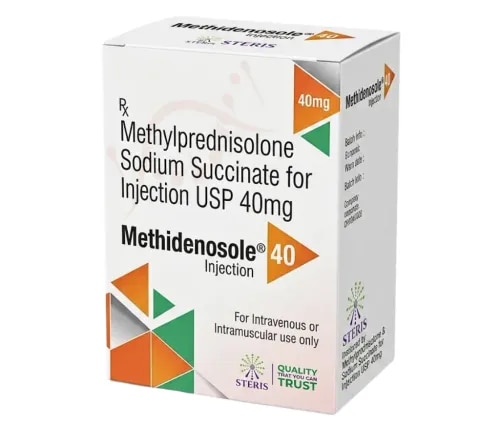
"name": "methylprednisolone sodium succinate for injection usp",
"description": "Methylprednisolone Sodium Succinate for Injection USP is a fast-acting corticosteroid administered intravenously or intramuscularly to control severe inflammation, allergic reactions, and autoimmune flare-ups. It works by rapidly suppressing the immune and inflammatory response and is used in hospital or clinical settings for acute conditions such as severe asthma attacks, anaphylaxis, autoimmune disease flares, and spinal cord injury protocols. It is a Schedule H prescription drug administered only under medical supervision.\n\nWhat Is Methylprednisolone Sodium Succinate for Injection USP?\n\nMethylprednisolone Sodium Succinate for Injection USP is a water-soluble, injectable corticosteroid used for rapid control of severe inflammatory, allergic, and autoimmune conditions. It is manufactured to United States Pharmacopeia (USP) standards and is typically administered by a healthcare professional via intravenous (IV) or intramuscular (IM) route when fast, high-potency anti-inflammatory or immunosuppressive action is required — situations where oral steroids act too slowly or oral intake isn't feasible.\n\nHow It Works\n\nMethylprednisolone sodium succinate is a synthetic glucocorticoid that acts rapidly once reconstituted and injected.\n\n\nBinds glucocorticoid receptors – enters cells and binds intracellular receptors that regulate inflammatory gene expression.\nSuppresses inflammatory mediators – reduces production of prostaglandins, leukotrienes, and cytokines responsible for swelling, redness, and pain.\nStabilizes cell membranes – reduces capillary permeability, limiting fluid leakage and tissue swelling at the site of inflammation.\nDampens immune overactivity – suppresses lymphocyte and macrophage activity, calming autoimmune or allergic overreactions.\nDelivers rapid systemic action – because it's water-soluble and given IV/IM, onset of anti-inflammatory effect is significantly faster than oral steroids.\n\n\nClinical Indications\n\nConditionWhy Methylprednisolone Injection Is UsedSevere Allergic Reactions / AnaphylaxisRapidly controls swelling, airway inflammation, and allergic cascadeAcute Asthma Exacerbation / COPD FlareReduces airway inflammation when inhalers alone are insufficientAutoimmune Disease Flares (Lupus, Rheumatoid Arthritis)High-dose pulse therapy to control acute flaresSpinal Cord Injury (acute, under specialist protocol)Used in specific clinical protocols to limit secondary inflammationSevere Dermatologic ReactionsControls widespread inflammatory skin reactionsPost-Transplant / Organ Rejection ManagementUsed as part of immunosuppressive regimens\n\nDosage & Administration\n\nParameterRecommendationTypical Adult Dose10–40 mg IV, may range up to 30 mg/kg in high-dose pulse therapy for specific conditionsRouteIntravenous (IV) injection/infusion or Intramuscular (IM) injectionFrequencyAs directed by the treating physician; often single dose or short tapering courseReconstitutionMust be reconstituted only with the accompanying diluent as per product insert, immediately before useAdministration SettingHospital, clinic, or under direct medical/nursing supervision onlyDurationShort-term acute use unless otherwise directed; long-term use requires specialist monitoring\n\nThis is a Schedule H prescription-only medicine. Dosage must be determined and administered by a qualified healthcare professional.\n\nPrecautions\n\n\nTo be administered only by or under the supervision of a healthcare professional.\nNot for self-administration or home use.\nInform the doctor of any active infections, as corticosteroids can mask symptoms and suppress immune response.\nUse with caution in patients with diabetes, hypertension, peptic ulcer disease, osteoporosis, or psychiatric history.\nAvoid live vaccines during treatment due to immunosuppressive effects.\nPregnant or breastfeeding patients should use only under strict medical guidance.\nAbrupt discontinuation after prolonged use should be avoided; tapering may be required as advised by the physician.\n\n\nPossible Side Effects\n\nMost side effects relate to the drug's systemic corticosteroid action and are monitored by the administering clinician:\n\n\nElevated blood sugar levels\nFluid retention, increased blood pressure\nMood changes, insomnia, or restlessness\nNausea or gastrointestinal discomfort\nIncreased susceptibility to infection\nInjection site reactions\n\n\nSerious side effects requiring immediate medical attention include severe allergic reaction, signs of infection (fever, chills), significant mood or behavioral changes, unusual swelling, or vision disturbances. Because this is administered in a clinical setting, the healthcare team monitors for these actively.\n\nComparison: Methylprednisolone vs. Other Injectable Corticosteroids\n\nDrugRelative PotencyCommon Use CaseRouteMethylprednisolone Sodium SuccinateHighAcute severe inflammation, autoimmune flaresIV/IMHydrocortisone Sodium SuccinateLowerAdrenal insufficiency, milder acute inflammationIV/IMDexamethasone Sodium PhosphateVery HighCerebral edema, severe allergic/inflammatory conditionsIV/IMBetamethasone Sodium PhosphateHighAllergic and inflammatory conditions, fetal lung maturityIV/IMTriamcinolone AcetonideModerate (depot)Localized/intra-articular inflammationIM/Intra-articular\n\nKey Statistics\n\nStatisticData PointSourceOnset of anti-inflammatory action after IV administrationWithin 1–2 hours for measurable effectClinical pharmacology references, USP monographUse in acute severe asthma protocolsRecommended as part of systemic corticosteroid therapy in emergency guidelinesGlobal Initiative for Asthma (GINA) guidelinesHospital use in anaphylaxis managementIncluded as an adjunct in anaphylaxis treatment protocols alongside epinephrineWorld Allergy Organization guidanceHigh-dose pulse therapy applicationUsed in select autoimmune flare protocols under specialist supervisionPublished rheumatology treatment guidelines\n\nExpert Insight\n\n[Insert verified physician or clinical pharmacologist commentary here — Claude has not fabricated a quote. Recommend sourcing a short, attributable statement from a Steris Healthcare medical advisor or a cited clinical guideline before publishing.]\n\nConclusion\n\nMethylprednisolone Sodium Succinate for Injection USP is a high-potency, fast-acting corticosteroid reserved for situations where rapid control of severe inflammation, allergic reaction, or autoimmune flare is essential. Administered only under clinical supervision, it plays a critical role in emergency and hospital-based treatment protocols — from anaphylaxis and acute asthma to autoimmune disease management. As a Schedule H medicine, it must never be self-administered; dosage, route, and duration should always be determined by a qualified physician based on the patient's condition. For pharmacopoeia-grade quality and reliable hospital supply, source this injection through a WHO-GMP certified manufacturer.\n\nPrescription only – consult your doctor.\n\n\nHigh-Ranking FAQs (Google Search & Voice Search Optimized)\n\n1. What is methylprednisolone sodium succinate injection used for?\nIt is used to rapidly control severe inflammation, allergic reactions, and autoimmune flare-ups, such as anaphylaxis, acute asthma attacks, and lupus or rheumatoid arthritis flares. It is administered under medical supervision in hospital or clinical settings.\n\n2. Is methylprednisolone injection a steroid?\nYes, it is a synthetic corticosteroid (glucocorticoid) that works by suppressing inflammatory and immune responses in the body, providing rapid relief in acute, severe conditions.\n\n3. How is methylprednisolone sodium succinate injection given?\nIt is given by a healthcare professional via intravenous (IV) or intramuscular (IM) injection, after being reconstituted with the correct diluent immediately before administration. It is not for self-injection or home use.\n\n4. How fast does methylprednisolone injection start working?\nBecause it is water-soluble and given directly into the bloodstream or muscle, measurable anti-inflammatory effects typically begin within one to two hours of administration.\n\n5. What are the side effects of methylprednisolone injection?\nCommon effects include elevated blood sugar, fluid retention, mood changes, and increased infection risk. These are monitored by the administering healthcare team, and serious reactions are managed promptly in a clinical setting.\n\n6. Is methylprednisolone sodium succinate injection available without a prescription?\nNo. It is a Schedule H prescription-only medicine that must be administered by or under the direct supervision of a qualified healthcare professional.\n\n7. What is the difference between methylprednisolone and dexamethasone injection?\nBoth are injectable corticosteroids, but dexamethasone has a longer duration of action and higher relative potency, while methylprednisolone is often preferred for acute pulse therapy and shorter-acting systemic control. The choice depends on the clinical scenario and physician judgment.\n\n8. Can methylprednisolone injection be used in pregnancy?\nIt may be used in pregnancy only when clearly necessary and under strict medical supervision, as the treating physician will weigh the benefits against potential risks for the specific condition being treated.",
"price": 47.0,
"discountamount": 19.0,
"currencycode": "INR",
"priority": 1000000,
"isfreeshipmentavailable": false,
"shipmentduration": 1,
"_keywords": null,
"isarchived": false,
"isavailable": true,
"applicationid": null,
"productindex": 2465,
"imageuri": "https://productimages.withfloats.com/actual/6a460bfb9f5529389b8b15b8.png",
"tileimageuri": "https://productimages.withfloats.com/tile/6a460bfb9f5529389b8b15b8.png",
"images": null,
"totalqueries": 0,
"gpid": null,
"groupproductid": null,
"createdon": "2026-07-02T06:58:01.631Z",
"updatedon": "2026-07-02T06:58:01.631Z",
"buyonlinelink": null,
"producturl": "http://WWW.STERISINDIA.COM//methylprednisolone-sodium-succinate-for-injection-usp/2465",
"availableunits": -1.0,
"iscodavailable": false,
"isprepaidonlineavailable": false,
"maxcodorders": 0,
"maxprepaidonlineorders": 0,
"uniquepaymenturl": null,
"brandname": "METHIDENOSOLE 40 INJ",
"category": "GENERAL RANGE",
"tags": [
"methylprednisolone sodium succinate injection uses",
"methylprednisolone sodium succinate injection uses in hindi",
"methylprednisolone sodium succinate",
"methylprednisolone sodium succinate injection",
"inj methylprednisolone sodium succinate",
"methylprednisolone sodium succinate uses in hindi",
"methylprednisolone sodium succinate for injection",
"methylprednisolone sodium succinate injection usp"
],
"variants": false,
"keyspecification": null,
"otherspecifications": null,
"pickupaddressreferenceid": null,
"paymenttype": "UniquePaymentUrl",
"producttype": "products",
"hsncode": null,
"gstslab": 0.0,
"isnotforsale": false
},
{
"_id": "6a3a2e167b4b828cf7870160",
"fptag": "STERISHEALTHCARE",
"merchantname": null,
"customwidgets": null,
"externalsourceid": null,
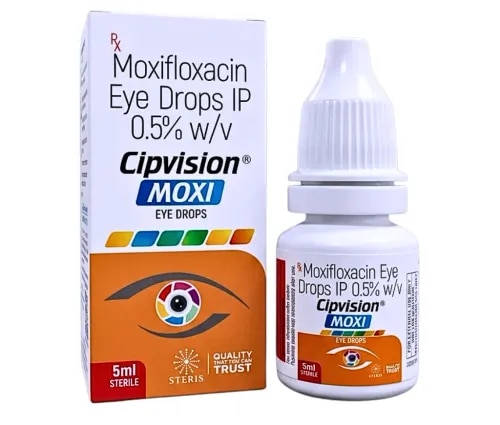
"name": "moxifloxacin eye drops ip 0.5 w/v",
"description": "Eye infections can develop suddenly and cause symptoms such as redness, itching, watering, irritation, swelling, and discharge. If left untreated, bacterial eye infections may affect vision and lead to serious ocular complications. Moxifloxacin Eye Drops IP 0.5% w/v is a trusted ophthalmic antibiotic formulation widely prescribed to treat bacterial eye infections effectively and support faster recovery.\n\nKnown for its broad-spectrum antibacterial activity, Moxifloxacin Eye Drops IP 0.5% w/v helps eliminate infection-causing bacteria directly at the site of infection. Whether you are looking for a reliable treatment for bacterial conjunctivitis or seeking information before purchasing a prescribed medication, this comprehensive guide covers everything you need to know about Moxifloxacin Eye Drops IP 0.5% w/v, including its uses, benefits, dosage, precautions, and frequently asked questions.\n\nWhat is Moxifloxacin Eye Drops IP 0.5% w/v?\n\nMoxifloxacin Eye Drops IP 0.5% w/v is a sterile ophthalmic solution containing Moxifloxacin Hydrochloride, a fourth-generation fluoroquinolone antibiotic. It is specifically formulated for eye use and is designed to treat bacterial infections affecting the external structures of the eye.\n\nThe medication works against a broad range of gram-positive and gram-negative bacteria, making it an effective choice for treating common bacterial eye infections. Due to its potent antibacterial action and excellent ocular penetration, ophthalmologists frequently recommend Moxifloxacin Eye Drops IP 0.5% w/v for patients experiencing bacterial conjunctivitis and related infections.\n\nHow Does Moxifloxacin Eye Drops IP 0.5% w/v Work?\n\nMoxifloxacin works by inhibiting bacterial enzymes known as DNA gyrase and topoisomerase IV. These enzymes are essential for bacterial DNA replication, repair, and cell division.\n\nBy blocking these critical enzymes, Moxifloxacin prevents bacteria from multiplying and surviving. As the bacterial population decreases, the infection gradually clears, and symptoms such as redness, discharge, irritation, and swelling begin to improve.\n\nIts advanced antibacterial mechanism helps provide rapid and effective treatment against susceptible bacterial pathogens.\n\nWhy is Moxifloxacin Eye Drops IP 0.5% w/v Important?\n\nPrompt treatment of bacterial eye infections is crucial for maintaining eye health and preventing complications. Moxifloxacin Eye Drops IP 0.5% w/v plays a significant role in ophthalmic care because it:\n\nTargets infection-causing bacteria directly\nHelps reduce redness and inflammation\nControls bacterial growth effectively\nSupports faster symptom relief\nHelps prevent infection-related complications\nPromotes healthy recovery of ocular tissues\n\nIts broad-spectrum antibacterial activity makes it one of the preferred antibiotic eye drops used in modern ophthalmology.\n\nCommon Uses of Moxifloxacin Eye Drops IP 0.5% w/v\n\nHealthcare professionals may prescribe Moxifloxacin Eye Drops IP 0.5% w/v for several bacterial eye conditions.\n\nBacterial Conjunctivitis\n\nOne of the most common uses is the treatment of bacterial conjunctivitis, often referred to as pink eye. Symptoms include redness, sticky discharge, irritation, and excessive tearing.\n\nPost-Operative Eye Care\n\nMoxifloxacin Eye Drops IP 0.5% w/v may be prescribed before or after eye surgeries to reduce the risk of bacterial infection.\n\nBacterial Keratitis\n\nCertain bacterial infections affecting the cornea may require treatment with broad-spectrum antibiotics like Moxifloxacin.\n\nExternal Ocular Infections\n\nThe medication may also be used to treat various bacterial infections affecting the outer structures of the eye when deemed appropriate by an ophthalmologist.\n\nKey Benefits of Moxifloxacin Eye Drops IP 0.5% w/v\nBroad-Spectrum Antibacterial Protection\n\nMoxifloxacin is effective against numerous bacterial strains commonly associated with ocular infections.\n\nFast-Acting Formula\n\nMany patients experience noticeable symptom improvement within a few days of starting treatment.\n\nExcellent Ocular Penetration\n\nThe formulation reaches infected eye tissues effectively, helping maximize treatment success.\n\nConvenient Eye Drop Administration\n\nThe easy-to-use eye drop format supports patient compliance and accurate dosing.\n\nReduced Risk of Infection Progression\n\nPrompt treatment helps minimize the risk of complications associated with untreated bacterial infections.\n\nTrusted by Eye Care Specialists\n\nMoxifloxacin remains one of the most frequently prescribed ophthalmic antibiotics worldwide.\n\nWho Can Benefit from Moxifloxacin Eye Drops IP 0.5% w/v?\n\nMoxifloxacin Eye Drops IP 0.5% w/v may be recommended for:\n\nAdults diagnosed with bacterial eye infections\nPatients experiencing bacterial conjunctivitis\nIndividuals recovering from ophthalmic surgery\nPatients requiring broad-spectrum ocular antibiotic therapy\nIndividuals with susceptible bacterial eye conditions\n\nOnly a qualified healthcare provider can determine whether this medication is suitable for a specific infection.\n\nHow to Use Moxifloxacin Eye Drops IP 0.5% w/v\n\nProper administration is important for achieving optimal treatment outcomes.\n\nGeneral instructions include:\n\nWash your hands thoroughly before application.\nShake the bottle if instructed.\nTilt your head slightly backward.\nPull down the lower eyelid gently.\nInstill the prescribed number of drops.\nClose your eyes for a few moments.\nAvoid touching the dropper tip to any surface.\n\nAlways follow the dosage instructions provided by your healthcare professional.\n\nRecommended Dosage\n\nThe dosage and treatment duration depend on:\n\nSeverity of infection\nType of bacterial infection\nAge of the patient\nClinical response to therapy\n\nMost bacterial conjunctivitis cases require regular administration over several days. Your ophthalmologist will determine the appropriate treatment plan based on your condition.\n\nNever alter the prescribed dosage without consulting your doctor.\n\nPrecautions Before Using Moxifloxacin Eye Drops IP 0.5% w/v\n\nBefore starting treatment, consider the following precautions:\n\nUse only for eye application.\nInform your doctor about any allergy to fluoroquinolone antibiotics.\nDo not share eye drops with others.\nAvoid touching the dropper tip.\nFollow the complete prescribed treatment course.\nInform your doctor about any other eye medications being used.\n\nThese precautions help ensure safe and effective treatment.\n\nPossible Side Effects\n\nLike all medications, Moxifloxacin Eye Drops IP 0.5% w/v may cause side effects in some patients.\n\nCommon side effects include:\n\nMild eye irritation\nTemporary burning sensation\nEye discomfort\nDry eyes\nItching\nRedness\nBlurred vision immediately after administration\n\nThese effects are usually mild and temporary. Persistent or severe symptoms should be reported to a healthcare provider promptly.\n\nStorage Instructions\n\nTo maintain product effectiveness:\n\nStore at room temperature.\nKeep away from direct sunlight.\nProtect from excessive moisture.\nKeep the bottle tightly closed.\nDo not freeze.\nKeep out of reach of children.\n\nProper storage helps preserve sterility and medication quality.\n\nWhy Doctors Prefer Moxifloxacin Eye Drops IP 0.5% w/v\n\nMoxifloxacin has become a preferred ophthalmic antibiotic because of its:\n\nBroad antibacterial spectrum\nRapid bacterial eradication\nExcellent tissue penetration\nStrong safety profile\nProven clinical effectiveness\n\nIts advanced fluoroquinolone formulation provides reliable treatment outcomes for a wide range of bacterial eye infections.\n\nBuying Guide for Moxifloxacin Eye Drops IP 0.5% w/v\n\nIf you are considering purchasing Moxifloxacin Eye Drops IP 0.5% w/v, ensure that:\n\nThe product is sourced from a reputable pharmaceutical manufacturer.\nPackaging is intact and properly sealed.\nThe medicine has not expired.\nYou possess a valid prescription if required by local regulations.\nThe product complies with IP quality standards.\n\nPurchasing genuine ophthalmic medications helps ensure treatment effectiveness and patient safety.\n\nConclusion\n\nMoxifloxacin Eye Drops IP 0.5% w/v is a highly effective broad-spectrum antibiotic eye drop used for treating bacterial eye infections such as bacterial conjunctivitis and other susceptible ocular infections. Its advanced antibacterial mechanism, excellent ocular penetration, and proven clinical performance make it a trusted choice among eye care professionals.\n\nBy helping eliminate harmful bacteria, reducing symptoms, and supporting faster healing, Moxifloxacin Eye Drops IP 0.5% w/v plays an important role in maintaining eye health and preventing infection-related complications. Always use this medication according to your ophthalmologist’s instructions and complete the full course of treatment for the best results.\n\nFrequently Asked Questions (FAQs)\nWhat is Moxifloxacin Eye Drops IP 0.5% w/v used for?\n\nMoxifloxacin Eye Drops IP 0.5% w/v is used to treat bacterial eye infections, including bacterial conjunctivitis and other susceptible ocular infections.\n\nHow does Moxifloxacin Eye Drops IP 0.5% w/v work?\n\nIt works by blocking bacterial DNA replication enzymes, preventing bacteria from growing and multiplying.\n\nIs Moxifloxacin Eye Drops IP 0.5% w/v an antibiotic?\n\nYes, it is a fourth-generation fluoroquinolone antibiotic specifically formulated for ophthalmic use.\n\nHow long does it take for Moxifloxacin Eye Drops IP 0.5% w/v to work?\n\nMany patients notice symptom improvement within a few days, although full recovery may take longer depending on the infection.\n\nCan Moxifloxacin Eye Drops IP 0.5% w/v treat viral eye infections?\n\nNo. It is effective only against bacterial infections and does not treat viral or fungal eye infections.\n\nCan I wear contact lenses while using Moxifloxacin Eye Drops IP 0.5% w/v?\n\nYour ophthalmologist may recommend avoiding contact lenses until the infection has completely resolved.\n\nAre Moxifloxacin Eye Drops IP 0.5% w/v safe for children?\n\nA healthcare professional can determine whether the medication is appropriate for pediatric patients.\n\nWhat should I do if I miss a dose?\n\nApply the missed dose as soon as possible unless it is almost time for your next scheduled dose.\n\nCan I stop treatment when my eyes feel better?\n\nNo. Complete the full prescribed course to ensure complete bacterial eradication and reduce the risk of recurrence.\n\nWhat are the common side effects of Moxifloxacin Eye Drops IP 0.5% w/v?\n\nCommon side effects include mild irritation, burning sensation, redness, itching, and temporary blurred vision.\n\nDo I need a prescription for Moxifloxacin Eye Drops IP 0.5% w/v?\n\nPrescription requirements may vary by region. Always follow local healthcare regulations and physician recommendations.\n\nHow should Moxifloxacin Eye Drops IP 0.5% w/v be stored?\n\nStore at room temperature away from sunlight, moisture, and excessive heat while keeping the bottle tightly closed.\n\nCan Moxifloxacin Eye Drops IP 0.5% w/v be used after eye surgery?\n\nYes. Eye specialists may prescribe it to help reduce the risk of bacterial infections before or after certain eye procedures.\n\nIs Moxifloxacin Eye Drops IP 0.5% w/v effective against resistant bacteria?\n\nMoxifloxacin offers broad-spectrum antibacterial activity and may be effective against many bacteria, depending on susceptibility patterns.\n\nWhen should I contact my doctor?\n\nSeek medical advice if symptoms worsen, severe irritation occurs, vision changes develop, or the infection does not improve after treatment.",
"price": 79.0,
"discountamount": 23.0,
"currencycode": "INR",
"priority": 1000000,
"isfreeshipmentavailable": false,
"shipmentduration": 1,
"_keywords": null,
"isarchived": false,
"isavailable": true,
"applicationid": null,
"productindex": 2460,
"imageuri": "https://productimages.withfloats.com/actual/6a3a2e195c4269cab6243f7b.png",
"tileimageuri": "https://productimages.withfloats.com/tile/6a3a2e195c4269cab6243f7b.png",
"images": null,
"totalqueries": 0,
"gpid": null,
"groupproductid": null,
"createdon": "2026-06-23T06:56:22.062Z",
"updatedon": "2026-06-23T06:56:22.062Z",
"buyonlinelink": null,
"producturl": "http://WWW.STERISINDIA.COM//moxifloxacin-eye-drops-ip-0-5-w-v/2460",
"availableunits": -1.0,
"iscodavailable": false,
"isprepaidonlineavailable": false,
"maxcodorders": 0,
"maxprepaidonlineorders": 0,
"uniquepaymenturl": null,
"brandname": "CIPVISION MOXI EYE DROPS",
"category": "Opthalmology Range",
"tags": [
"moxifloxacin eye drops ip 0.5 w/v",
"moxifloxacin eye drops ip 0.5 w/v uses",
"moxifloxacin eye drops ip 0.5 w/v uses in hindi",
"moxifloxacin eye drops ip 0.5 w/v uses in telugu",
"moxifloxacin eye drops ip 0.5 w/v uses in tamil",
"moxifloxacin eye drops ip 0.5 w/v in hindi",
"moxifloxacin eye drops ip 0.5 w/v price",
"moxifloxacin eye drops ip 0.5 w/v for baby"
],
"variants": false,
"keyspecification": null,
"otherspecifications": null,
"pickupaddressreferenceid": null,
"paymenttype": "UniquePaymentUrl",
"producttype": "products",
"hsncode": null,
"gstslab": 0.0,
"isnotforsale": false
},
{
"_id": "6a3a28e1f86185e41b2d185a",
"fptag": "STERISHEALTHCARE",
"merchantname": null,
"customwidgets": null,
"externalsourceid": null,
"name": "ciprofloxacin eye drops ip",
"description": "Eye infections can cause discomfort, redness, irritation, excessive tearing, and blurred vision, affecting daily activities and overall eye health. When bacterial infections affect the eyes, prompt treatment becomes essential to prevent complications and support faster recovery. Ciprofloxacin Eye Drops IP is a widely prescribed ophthalmic antibiotic formulation designed to treat bacterial eye infections effectively by eliminating infection-causing bacteria and reducing associated symptoms.\n\nWhether you are searching for a reliable treatment for bacterial conjunctivitis, corneal ulcers, or other bacterial eye conditions, understanding how Ciprofloxacin Eye Drops IP works can help you make an informed healthcare decision. This guide provides comprehensive information about its uses, benefits, mechanism of action, dosage guidelines, safety precautions, and frequently asked questions.\n\nWhat is Ciprofloxacin Eye Drops IP?\n\nCiprofloxacin Eye Drops IP is an antibiotic eye medication containing Ciprofloxacin, a fluoroquinolone antibiotic known for its broad-spectrum antibacterial activity. It is formulated specifically for ophthalmic use and is commonly prescribed by healthcare professionals to treat bacterial infections affecting the eye and surrounding tissues.\n\nThe formulation works against a wide range of gram-positive and gram-negative bacteria responsible for common eye infections. Because it targets bacterial infections directly, it helps reduce symptoms such as redness, swelling, discharge, burning sensation, and irritation.\n\nHow Does Ciprofloxacin Eye Drops IP Work?\n\nCiprofloxacin belongs to the fluoroquinolone class of antibiotics. It works by inhibiting bacterial DNA gyrase and topoisomerase IV, enzymes that are essential for bacterial DNA replication and repair.\n\nWithout these enzymes, bacteria cannot multiply or survive, leading to the elimination of the infection. As the bacterial load decreases, symptoms gradually improve, allowing the eye to heal naturally.\n\nThis targeted antibacterial action makes Ciprofloxacin Eye Drops IP highly effective against various bacterial strains commonly responsible for ophthalmic infections.\n\nWhy is Ciprofloxacin Eye Drops IP Important?\n\nEye infections should never be ignored because untreated bacterial infections can lead to serious complications, including corneal damage and vision impairment. Ciprofloxacin Eye Drops IP plays a crucial role in managing bacterial eye infections by:\n\nProviding targeted antibacterial treatment\nPreventing the spread of infection\nReducing inflammation and discomfort\nSupporting faster recovery\nProtecting vision by preventing complications\nTreating both mild and severe bacterial eye conditions\n\nTimely use under medical supervision can significantly improve treatment outcomes and patient comfort.\n\nCommon Uses of Ciprofloxacin Eye Drops IP\n\nHealthcare professionals commonly prescribe Ciprofloxacin Eye Drops IP for:\n\nBacterial Conjunctivitis\n\nAlso known as pink eye, bacterial conjunctivitis causes redness, irritation, discharge, and swelling. Ciprofloxacin helps eliminate the bacteria causing the infection.\n\nCorneal Ulcers\n\nCorneal ulcers are serious infections that can threaten vision if not treated promptly. Ciprofloxacin Eye Drops IP helps control bacterial growth and supports healing.\n\nBlepharitis\n\nInfections affecting the eyelids may respond well to antibiotic treatment with Ciprofloxacin.\n\nPost-Surgical Eye Infection Prevention\n\nDoctors may prescribe Ciprofloxacin Eye Drops IP after certain ophthalmic procedures to reduce the risk of bacterial infection.\n\nOther Susceptible Bacterial Eye Infections\n\nIt may also be recommended for other eye infections caused by bacteria sensitive to Ciprofloxacin.\n\nKey Benefits of Ciprofloxacin Eye Drops IP\nBroad-Spectrum Antibacterial Coverage\n\nThe formulation works against a wide variety of bacteria commonly associated with eye infections.\n\nRapid Symptom Relief\n\nMany patients experience improvement in redness, irritation, discharge, and discomfort within a few days of treatment.\n\nDirect Application\n\nSince the medication is applied directly to the eye, it delivers targeted treatment at the infection site.\n\nHelps Prevent Complications\n\nPrompt treatment can reduce the risk of infection progression and vision-related complications.\n\nConvenient Administration\n\nEasy-to-use eye drop formulation supports patient compliance and effective treatment.\n\nSuitable for Various Bacterial Eye Conditions\n\nIt is widely utilized across multiple ophthalmic bacterial infections.\n\nWho May Benefit from Ciprofloxacin Eye Drops IP?\n\nCiprofloxacin Eye Drops IP may be recommended for:\n\nAdults with bacterial eye infections\nPatients diagnosed with bacterial conjunctivitis\nIndividuals with bacterial corneal ulcers\nPatients recovering from eye surgery\nPeople experiencing bacterial eye inflammation under medical supervision\n\nA healthcare provider should always confirm whether the infection is bacterial before initiating treatment.\n\nHow to Use Ciprofloxacin Eye Drops IP\n\nFor optimal results, follow your doctor's instructions carefully.\n\nGeneral administration guidelines include:\n\nWash hands thoroughly before use.\nAvoid touching the dropper tip.\nTilt the head backward.\nPull down the lower eyelid gently.\nInstill the prescribed number of drops.\nClose the eyes for a few moments.\nAvoid rubbing the eyes immediately after application.\n\nContinue the full prescribed course even if symptoms improve earlier to ensure complete eradication of the infection.\n\nDosage Information\n\nThe dosage and duration depend on:\n\nType of infection\nSeverity of symptoms\nPatient age\nClinical response to treatment\n\nMild infections may require less frequent dosing, while severe infections such as corneal ulcers may require intensive administration during the initial treatment phase.\n\nAlways follow the prescription provided by your ophthalmologist.\n\nImportant Precautions\n\nBefore using Ciprofloxacin Eye Drops IP, consider the following precautions:\n\nUse only for ophthalmic application.\nDo not share eye drops with others.\nRemove contact lenses if advised by your doctor.\nAvoid contaminating the dropper tip.\nInform your physician about any allergies to fluoroquinolone antibiotics.\nComplete the entire prescribed treatment course.\n\nIf symptoms worsen or fail to improve, seek medical attention promptly.\n\nPossible Side Effects\n\nLike all medications, Ciprofloxacin Eye Drops IP may cause side effects in some individuals.\n\nCommon side effects may include:\n\nTemporary eye irritation\nMild burning sensation\nEye discomfort\nItching\nRedness\nBlurred vision immediately after administration\nForeign body sensation\n\nThese effects are generally mild and temporary. Persistent or severe reactions should be reported to a healthcare professional.\n\nStorage Instructions\n\nTo maintain product quality:\n\nStore at room temperature.\nKeep the bottle tightly closed.\nProtect from excessive heat and moisture.\nKeep away from direct sunlight.\nKeep out of reach of children.\nDo not use after the expiration date.\n\nProper storage helps preserve the effectiveness and sterility of the formulation.\n\nWhy Healthcare Professionals Trust Ciprofloxacin Eye Drops IP\n\nCiprofloxacin has been extensively used in ophthalmology due to its proven antibacterial efficacy and broad-spectrum activity. Its ability to target common ocular pathogens makes it a preferred treatment option for bacterial eye infections.\n\nDoctors often choose Ciprofloxacin Eye Drops IP because of:\n\nStrong antibacterial performance\nEstablished clinical use\nBroad pathogen coverage\nEffective symptom control\nDirect ocular delivery system\n\nWhen prescribed appropriately, it remains an important treatment option for bacterial eye care management.\n\nConclusion\n\nCiprofloxacin Eye Drops IP is a trusted ophthalmic antibiotic solution designed to combat bacterial eye infections effectively. By targeting infection-causing bacteria directly, it helps relieve redness, irritation, discharge, and discomfort while supporting faster healing and protecting eye health.\n\nWhether treating bacterial conjunctivitis, corneal ulcers, or post-surgical infections, Ciprofloxacin Eye Drops IP offers targeted antibacterial action and reliable clinical results. Always use this medication under the guidance of a qualified healthcare professional and complete the prescribed treatment course for optimal outcomes.\n\nFrequently Asked Questions (FAQs)\nWhat is Ciprofloxacin Eye Drops IP used for?\n\nCiprofloxacin Eye Drops IP is used to treat bacterial eye infections such as bacterial conjunctivitis, corneal ulcers, and other susceptible ocular infections.\n\nHow quickly does Ciprofloxacin Eye Drops IP start working?\n\nMany patients notice symptom improvement within a few days, although complete recovery depends on the severity of the infection.\n\nCan Ciprofloxacin Eye Drops IP treat viral eye infections?\n\nNo. Ciprofloxacin Eye Drops IP is an antibiotic and is only effective against bacterial infections, not viral or fungal infections.\n\nCan I wear contact lenses while using Ciprofloxacin Eye Drops IP?\n\nYour doctor may advise avoiding contact lenses during treatment until the infection has fully resolved.\n\nHow many times a day should I use Ciprofloxacin Eye Drops IP?\n\nThe dosing schedule varies depending on the infection and your doctor's recommendation. Always follow prescribed instructions.\n\nIs Ciprofloxacin Eye Drops IP safe for children?\n\nIt may be prescribed for pediatric patients when considered appropriate by a healthcare professional.\n\nWhat should I do if I miss a dose?\n\nApply the missed dose as soon as you remember unless it is nearly time for the next scheduled dose.\n\nCan I stop using the drops once symptoms improve?\n\nNo. Complete the full prescribed course to ensure the infection is fully treated and to help prevent bacterial resistance.\n\nAre there any side effects of Ciprofloxacin Eye Drops IP?\n\nPossible side effects include temporary burning, irritation, redness, itching, and mild discomfort after application.\n\nCan Ciprofloxacin Eye Drops IP cause blurred vision?\n\nTemporary blurred vision may occur immediately after administration and usually resolves quickly.\n\nDo I need a prescription for Ciprofloxacin Eye Drops IP?\n\nYes. Ciprofloxacin Eye Drops IP should be used under the supervision of a qualified healthcare professional.\n\nHow should Ciprofloxacin Eye Drops IP be stored?\n\nStore at room temperature, away from direct sunlight, heat, and moisture, and keep the bottle tightly closed after use.\n\nCan Ciprofloxacin Eye Drops IP be used after eye surgery?\n\nDoctors may prescribe it after certain ophthalmic procedures to help prevent bacterial infections.\n\nWhat bacteria does Ciprofloxacin Eye Drops IP treat?\n\nIt is effective against many gram-positive and gram-negative bacteria commonly associated with eye infections.\n\nWhen should I contact a doctor while using Ciprofloxacin Eye Drops IP?\n\nSeek medical advice if symptoms worsen, vision changes occur, severe irritation develops, or the infection does not improve as expected.",
"price": 11.0,
"discountamount": 0.0,
"currencycode": "INR",
"priority": 1000000,
"isfreeshipmentavailable": false,
"shipmentduration": 1,
"_keywords": null,
"isarchived": false,
"isavailable": true,
"applicationid": null,
"productindex": 2459,
"imageuri": "https://productimages.withfloats.com/actual/6a3a28e3a030eaa17eb84d32.png",
"tileimageuri": "https://productimages.withfloats.com/tile/6a3a28e3a030eaa17eb84d32.png",
"images": null,
"totalqueries": 0,
"gpid": null,
"groupproductid": null,
"createdon": "2026-06-23T06:34:09.197Z",
"updatedon": "2026-06-23T06:34:09.197Z",
"buyonlinelink": null,
"producturl": "http://WWW.STERISINDIA.COM//ciprofloxacin-eye-drops-ip/2459",
"availableunits": -1.0,
"iscodavailable": false,
"isprepaidonlineavailable": false,
"maxcodorders": 0,
"maxprepaidonlineorders": 0,
"uniquepaymenturl": null,
"brandname": "CIPVISION CIPRO",
"category": "Opthalmology Range",
"tags": [
"ciprofloxacin eye drops ip",
"ciprofloxacin eye drops",
"ciprofloxacin eye drops uses in hindi",
"ciprofloxacin eye drops uses",
"ciprofloxacin eye drops ip uses in hindi",
"ciprofloxacin eye drops ip",
"ciprofloxacin eye drops price",
"ciprofloxacin eye drops side effects",
"ciprofloxacin eye drops in hindi",
"ciprofloxacin eye drops ip uses",
"ciprofloxacin eye drops uses in tamil",
"ciprofloxacin eye drops ip in hindi",
"ciprofloxacin eye drops how many times a day",
"ciprofloxacin eye drops use"
],
"variants": false,
"keyspecification": null,
"otherspecifications": null,
"pickupaddressreferenceid": null,
"paymenttype": "UniquePaymentUrl",
"producttype": "products",
"hsncode": null,
"gstslab": 0.0,
"isnotforsale": false
},
{
"_id": "6a39319c101c04258fdcc793",
"fptag": "STERISHEALTHCARE",
"merchantname": null,
"customwidgets": null,
"externalsourceid": null,
"name": "hypromellose 0.3% eye drops",
"description": "Hypromellose 0.3% w/v Eye Drops are widely recommended for individuals experiencing dry, irritated, or uncomfortable eyes caused by environmental factors, prolonged screen exposure, aging, contact lens use, or certain medical conditions. As an effective ocular lubricant, Hypromellose provides long-lasting moisture and protection to the eye surface, helping maintain optimal eye comfort throughout the day.\n\nIf you are searching for Hypromellose 0.3% w/v Eye Drops, Hypromellose eye drops uses, dry eye treatment, artificial tears, or lubricating eye drops, this comprehensive guide will help you understand how this product works, its benefits, dosage recommendations, precautions, and frequently asked questions.\n\nWhat Are Hypromellose 0.3% w/v Eye Drops?\n\nHypromellose 0.3% w/v Eye Drops contain Hydroxypropyl Methylcellulose (Hypromellose), a synthetic polymer that acts as an artificial tear substitute. It helps lubricate the eye surface and provides temporary relief from dryness, burning, irritation, and discomfort.\n\nThe formulation mimics natural tears and creates a protective moisture layer over the eye, helping reduce friction caused by blinking and environmental exposure.\n\nHow Do Hypromellose 0.3% w/v Eye Drops Work?\n\nHypromellose acts as a lubricant and tear substitute.\n\nMechanism of Action\n\nAfter instillation into the eye:\n\nForms a protective film over the cornea.\nRetains moisture on the ocular surface.\nReduces tear evaporation.\nImproves tear film stability.\nMinimizes irritation and discomfort.\nProtects delicate eye tissues from dryness-related damage.\n\nThis soothing action helps relieve symptoms associated with dry eye syndrome and environmental eye irritation.\n\nWhy Are Hypromellose Eye Drops Important?\n\nThe tear film plays a critical role in maintaining eye health. When tear production decreases or tears evaporate too quickly, dryness and irritation can occur.\n\nUntreated dry eyes may lead to:\n\nPersistent discomfort\nBurning sensation\nRedness\nBlurred vision\nEye fatigue\nIncreased sensitivity to light\nCorneal surface damage\n\nHypromellose 0.3% w/v Eye Drops help restore moisture balance and improve overall ocular comfort.\n\nKey Benefits of Hypromellose 0.3% w/v Eye Drops\nProvides Long-Lasting Lubrication\n\nCreates a moisture-retaining protective layer over the eye surface.\n\nRelieves Dry Eye Symptoms\n\nHelps reduce dryness, irritation, itching, and burning sensations.\n\nEnhances Eye Comfort\n\nProvides soothing relief throughout the day.\n\nSupports Ocular Surface Health\n\nProtects the cornea from damage associated with chronic dryness.\n\nReduces Environmental Irritation\n\nUseful for exposure to:\n\nAir conditioning\nPollution\nWind\nDust\nSmoke\nImproves Visual Comfort\n\nMay help reduce intermittent blurred vision caused by tear film instability.\n\nHypromellose Eye Drops Uses\n\nHypromellose 0.3% w/v Eye Drops are commonly used for:\n\nDry Eye Syndrome\n\nProvides lubrication when natural tear production is insufficient.\n\nEye Irritation\n\nRelieves discomfort caused by environmental irritants.\n\nComputer Vision Syndrome\n\nHelpful for people who spend extended periods using digital screens.\n\nContact Lens Discomfort\n\nMay be recommended by eye care professionals for lubrication support.\n\nPost-Surgical Eye Care\n\nSometimes prescribed after eye procedures to support healing and comfort.\n\nAge-Related Dryness\n\nUseful for individuals experiencing reduced tear production with age.\n\nWho Can Benefit from Hypromellose 0.3% w/v Eye Drops?\n\nThese eye drops may be beneficial for:\n\nOffice workers\nComputer users\nElderly individuals\nContact lens wearers\nFrequent travelers\nIndividuals exposed to dry environments\nPatients with chronic dry eye disease\nEfficacy and Clinical Benefits\n\nClinical experience and ophthalmic practice support the effectiveness of Hypromellose-based lubricating eye drops for managing dry eye symptoms.\n\nBenefits observed include:\n\nImproved tear film stability\nBetter ocular surface hydration\nReduced eye irritation\nEnhanced patient comfort\nImproved visual quality in dry eye sufferers\n\nRegular use can contribute significantly to symptom control and eye health maintenance.\n\nDosage Guidelines for Hypromellose 0.3% w/v Eye Drops\n\nAlways use as directed by your healthcare professional.\n\nGeneral Usage Instructions\nWash your hands thoroughly.\nTilt your head backward.\nPull down the lower eyelid gently.\nInstill the prescribed number of drops.\nClose your eyes for a few seconds.\nAvoid touching the dropper tip to any surface.\nTypical Dosage\n\nThe frequency of use depends on symptom severity and physician recommendations.\n\nPatients may use the drops several times daily as needed for lubrication and relief.\n\nSide Effects of Hypromellose 0.3% w/v Eye Drops\n\nMost users tolerate Hypromellose Eye Drops very well.\n\nCommon Side Effects\nTemporary blurred vision\nMild eye irritation\nSticky sensation\nMild burning immediately after application\n\nThese effects usually resolve quickly.\n\nRare Side Effects\nEye redness\nPersistent discomfort\nAllergic reactions\nExcessive tearing\n\nIf symptoms worsen or persist, consult your eye care professional.\n\nPrecautions and Warnings\n\nBefore using Hypromellose 0.3% w/v Eye Drops, consider the following:\n\nContact Lens Users\n\nRemove contact lenses before applying the drops unless specifically advised otherwise.\n\nEye Infections\n\nConsult a healthcare provider if you have an active eye infection.\n\nAllergies\n\nDo not use if allergic to Hypromellose or any ingredient in the formulation.\n\nPregnancy and Breastfeeding\n\nConsult your doctor before use during pregnancy or breastfeeding.\n\nChildren\n\nUse under medical guidance when required.\n\nDrug Interactions\n\nAlthough Hypromellose Eye Drops have minimal systemic absorption, patients using multiple eye medications should:\n\nMaintain an interval between different eye drops.\nFollow ophthalmologist recommendations.\nInform healthcare providers about ongoing eye treatments.\nStorage Instructions\n\nTo maintain product effectiveness:\n\nStore in a cool, dry place.\nProtect from direct sunlight.\nKeep the bottle tightly closed.\nDo not freeze.\nKeep out of reach of children.\n\nAlways check the expiry date before use.\n\nWhy Choose Hypromellose 0.3% w/v Eye Drops?\nFast Relief\n\nProvides quick soothing action for dry, irritated eyes.\n\nReliable Lubrication\n\nSupports prolonged moisture retention.\n\nEasy Application\n\nConvenient dropper bottle for daily use.\n\nSuitable for Long-Term Use\n\nOften recommended for ongoing dry eye management.\n\nImproves Daily Comfort\n\nHelps maintain eye comfort during work, travel, and screen exposure.\n\nBuying Guide for Hypromellose 0.3% w/v Eye Drops\n\nWhen purchasing lubricating eye drops, consider:\n\nProduct quality\nManufacturing standards\nPreservative profile\nPhysician recommendation\nBrand reputation\nStorage requirements\n\nPurchasing from trusted pharmaceutical manufacturers helps ensure safety, quality, and efficacy.\n\nConclusion\n\nHypromellose 0.3% w/v Eye Drops are a trusted and effective solution for managing dry eye symptoms, ocular irritation, and discomfort caused by environmental factors or reduced tear production. By forming a protective lubricating layer over the eye surface, these drops help restore moisture, improve comfort, and support long-term eye health.\n\nWhether you experience occasional dryness from screen use or chronic dry eye syndrome, Hypromellose Eye Drops provide reliable lubrication and soothing relief. For best results, use as directed by your eye care professional and maintain regular eye health checkups.\n\nFrequently Asked Questions (FAQs)\nWhat are Hypromellose 0.3% w/v Eye Drops used for?\n\nThey are used to relieve dry eyes, irritation, burning, and discomfort caused by insufficient tear production.\n\nHow do Hypromellose Eye Drops work?\n\nThey create a protective lubricating film on the eye surface that helps retain moisture and reduce dryness.\n\nCan Hypromellose Eye Drops be used daily?\n\nYes, they are commonly used daily as recommended by healthcare professionals.\n\nAre Hypromellose Eye Drops safe for long-term use?\n\nGenerally, yes. Many patients use them long-term for chronic dry eye management under medical supervision.\n\nCan I use Hypromellose Eye Drops with contact lenses?\n\nContact lenses should usually be removed before application unless otherwise directed by your eye doctor.\n\nHow quickly do Hypromellose Eye Drops work?\n\nMost users experience soothing relief within minutes after application.\n\nDo Hypromellose Eye Drops cause blurred vision?\n\nTemporary blurred vision may occur immediately after instillation but usually resolves quickly.\n\nCan these eye drops help with computer-related eye strain?\n\nYes. They are frequently used to relieve dryness and discomfort associated with prolonged screen exposure.\n\nAre Hypromellose Eye Drops available without a prescription?\n\nAvailability may vary by region and local regulations.\n\nWho should use Hypromellose 0.3% w/v Eye Drops?\n\nAnyone experiencing dry eye symptoms, irritation, environmental dryness, or tear film instability may benefit, following professional advice.",
"price": 65.0,
"discountamount": 19.0,
"currencycode": "INR",
"priority": 1000000,
"isfreeshipmentavailable": false,
"shipmentduration": 1,
"_keywords": null,
"isarchived": false,
"isavailable": true,
"applicationid": null,
"productindex": 2458,
"imageuri": "https://productimages.withfloats.com/actual/6a39319e4a216b5764aec100.png",
"tileimageuri": "https://productimages.withfloats.com/tile/6a39319e4a216b5764aec100.png",
"images": null,
"totalqueries": 0,
"gpid": null,
"groupproductid": null,
"createdon": "2026-06-22T12:59:08.284Z",
"updatedon": "2026-06-23T07:02:02.885Z",
"buyonlinelink": null,
"producturl": "http://WWW.STERISINDIA.COM//hypromellose-0-3-eye-drops/2458",
"availableunits": -1.0,
"iscodavailable": false,
"isprepaidonlineavailable": false,
"maxcodorders": 0,
"maxprepaidonlineorders": 0,
"uniquepaymenturl": null,
"brandname": "CIPVISION HPMC",
"category": "Opthalmology Range",
"tags": [
"hypromellose 0.3% eye drops",
"hypromellose 0.3% eye drops side effects",
"hypromellose 0.3% eye drops for child",
"hypromellose 0.3% eye drops uses",
"hypromellose 0.3%",
"hypromellose 0.3% eye drop"
],
"variants": false,
"keyspecification": null,
"otherspecifications": null,
"pickupaddressreferenceid": null,
"paymenttype": "UniquePaymentUrl",
"producttype": "products",
"hsncode": null,
"gstslab": 0.0,
"isnotforsale": false
}
],
"hasmoreitems": false,
"isapirequest": false,
"totalresults": 27,
"query": null,
"floatingpoint": null
}