

Description
Product details
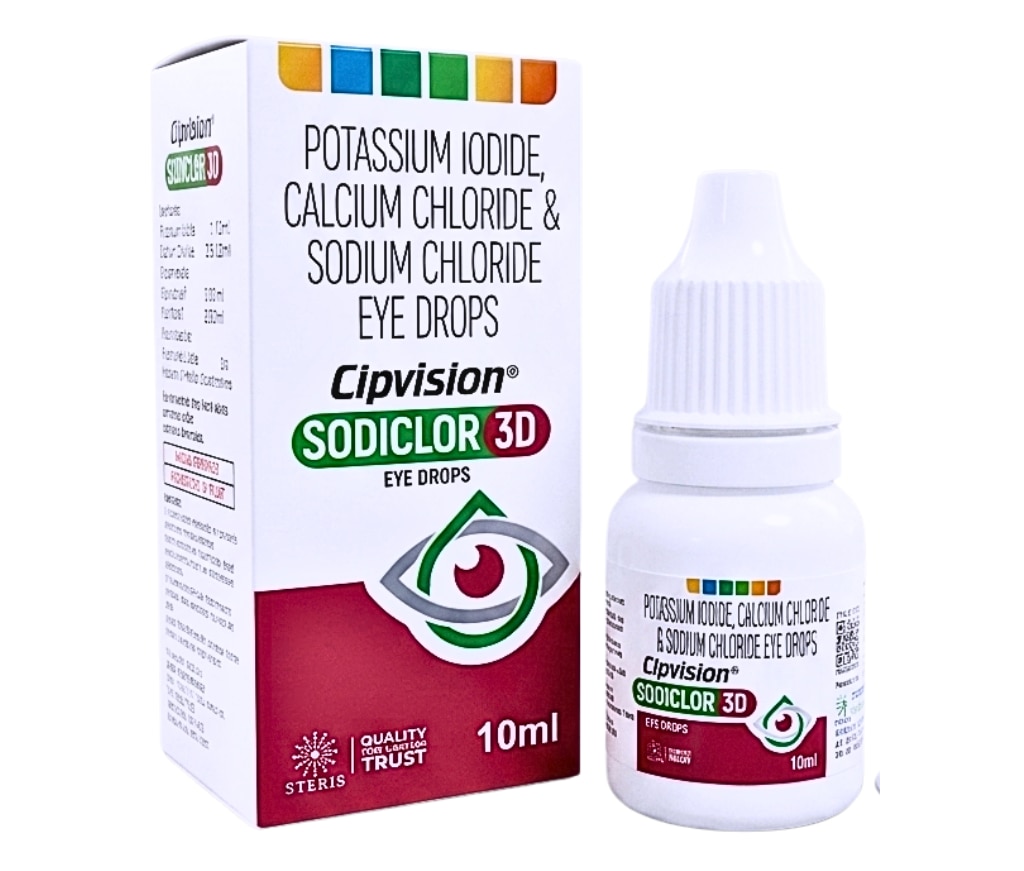
Potassium Iodide, Calcium Chloride & Sodium Chloride Eye Drops are specially formulated ophthalmic drops used to support eye health and help manage certain corneal conditions under medical supervision. This unique combination works by improving the natural healing process of the cornea while helping reduce corneal opacity and assisting in the absorption of abnormal calcium deposits in selected eye disorders. Ophthalmologists may prescribe these eye drops for patients experiencing corneal degeneration, corneal scars, or other conditions affecting the transparency of the cornea. If you are looking for an effective eye care solution recommended by eye specialists, Potassium Iodide, Calcium Chloride & Sodium Chloride Eye Drops offer a clinically trusted option. Before purchasing, it is essential to understand their uses, benefits, dosage, precautions, and possible side effects to ensure safe and effective treatment. What are Potassium Iodide, Calcium Chloride & Sodium Chloride Eye Drops? Potassium Iodide, Calcium Chloride & Sodium Chloride Eye Drops are prescription ophthalmic drops formulated to improve corneal health and support recovery from specific eye conditions involving corneal opacity or calcium deposition. Each ingredient plays an important role: Potassium Iodide helps promote the absorption of abnormal corneal deposits and supports corneal healing. Calcium Chloride maintains electrolyte balance necessary for healthy eye tissues. Sodium Chloride helps maintain proper osmotic pressure and provides hydration to the ocular surface. Together, these ingredients help preserve corneal clarity, improve comfort, and support better visual function when used as directed by an ophthalmologist. Uses of Potassium Iodide, Calcium Chloride & Sodium Chloride Eye Drops Doctors may prescribe these eye drops for several ophthalmic conditions, including: Treatment of corneal opacity Management of superficial corneal scars Corneal degeneration Supportive treatment in corneal calcium deposits Post-corneal injury recovery Certain chronic corneal disorders Improving corneal transparency Supporting healing after eye surgery (when advised) Adjunct therapy in selected ophthalmic conditions These eye drops should always be used according to an eye specialist's recommendation. Benefits of Potassium Iodide, Calcium Chloride & Sodium Chloride Eye Drops Using these eye drops as prescribed offers several advantages: Helps reduce corneal opacity Supports natural corneal healing Assists in dissolving abnormal calcium deposits Maintains healthy electrolyte balance in eye tissues Helps preserve corneal transparency Improves ocular lubrication Reduces eye discomfort associated with corneal disorders Supports better visual clarity Suitable for long-term ophthalmic management when recommended Easy-to-use sterile eye drop formulation How Do Potassium Iodide, Calcium Chloride & Sodium Chloride Eye Drops Work? The effectiveness of this ophthalmic formulation comes from the combined action of its active ingredients. Potassium Iodide is believed to facilitate the gradual absorption of certain corneal deposits and support tissue repair. It has traditionally been used in ophthalmology to manage corneal opacities and related disorders. Calcium Chloride contributes to maintaining normal cellular function and electrolyte balance within ocular tissues, supporting healthy corneal physiology. Sodium Chloride helps regulate osmotic balance, reduces excess fluid accumulation, and keeps the eye surface adequately hydrated. Together, these ingredients help restore a healthier corneal environment and improve overall eye comfort. How to Use Potassium Iodide, Calcium Chloride & Sodium Chloride Eye Drops For the best results: Wash your hands thoroughly. Shake the bottle if instructed. Tilt your head backward. Pull the lower eyelid downward. Instill the prescribed number of drops. Close your eyes gently for 1–2 minutes. Avoid touching the dropper tip. Replace the cap tightly after each use. Always follow your ophthalmologist's dosage instructions. Recommended Dosage The dosage depends on: Age Eye condition Severity of disease Medical history Response to treatment Most patients are advised to use the drops 2–4 times daily, but only your ophthalmologist can determine the correct dosage. Do not increase or decrease the frequency without medical advice. Possible Side Effects Like all medications, these eye drops may cause mild side effects. Common side effects include: Mild burning sensation Temporary eye irritation Watery eyes Redness Mild itching Temporary blurred vision after instillation Rare side effects include: Allergic reaction Persistent eye pain Severe redness Swelling around the eyes Vision changes Seek immediate medical attention if severe symptoms occur. Precautions Before Using These Eye Drops Before using Potassium Iodide, Calcium Chloride & Sodium Chloride Eye Drops, inform your doctor if you have: Allergy to iodine or any ingredient Thyroid disorders Recent eye surgery Eye infection Contact lens use Pregnancy Breastfeeding Other ongoing eye medications Avoid sharing your eye drops with others. Drug Interactions Inform your doctor if you are using: Other prescription eye drops Antibiotic eye medications Steroid eye drops Lubricating eye drops Anti-glaucoma medications Eye ointments Maintain a gap of at least 10–15 minutes between different eye medications unless instructed otherwise. Who Should Buy Potassium Iodide, Calcium Chloride & Sodium Chloride Eye Drops? These eye drops may be suitable for: Patients with corneal opacity Individuals recovering from corneal injury People with chronic corneal degeneration Patients requiring supportive corneal therapy Individuals advised by ophthalmologists for corneal calcium deposits They are not meant for self-medication and should only be purchased after medical consultation. Storage Instructions Store the bottle: Below 25°C Away from sunlight Keep tightly closed Do not freeze Keep away from children Discard within the recommended period after opening, as advised on the label Why Choose Potassium Iodide, Calcium Chloride & Sodium Chloride Eye Drops? Patients and healthcare professionals prefer this ophthalmic formulation because it: Supports corneal recovery Helps maintain eye tissue health Offers a balanced electrolyte formulation Is easy to administer Comes in a sterile ophthalmic solution Is prescribed by ophthalmologists for selected corneal disorders Supports long-term eye care under medical supervision Buying Guide When purchasing Potassium Iodide, Calcium Chloride & Sodium Chloride Eye Drops, make sure you: Buy from a trusted pharmacy or authorized online medical store. Verify the manufacturing and expiry dates. Ensure the bottle is properly sealed. Use only on the advice of an ophthalmologist. Read the patient information leaflet before use. Store the bottle correctly after opening. Frequently Asked Questions (FAQs) 1. What are Potassium Iodide, Calcium Chloride & Sodium Chloride Eye Drops used for? These eye drops are mainly prescribed to support the treatment of corneal opacity, corneal degeneration, and certain corneal calcium deposits under an ophthalmologist's supervision. 2. Can these eye drops improve vision? They do not directly improve eyesight but may help improve corneal clarity in suitable patients, which can contribute to better vision depending on the underlying condition. 3. Are these eye drops safe for long-term use? They may be used for extended periods only if recommended and regularly monitored by your eye specialist. 4. Can I wear contact lenses while using these eye drops? It is generally advisable to remove contact lenses before application and reinsert them only after the time recommended by your doctor or the product instructions. 5. How many times should I use these eye drops daily? Use them exactly as prescribed by your ophthalmologist. Do not change the dosing schedule without medical advice. 6. Can children use Potassium Iodide, Calcium Chloride & Sodium Chloride Eye Drops? Children should use these eye drops only when prescribed by a qualified ophthalmologist. 7. What should I do if I miss a dose? Apply the missed dose as soon as you remember unless it is almost time for your next scheduled dose. Do not use extra drops to make up for a missed dose. 8. Can these eye drops cause blurred vision? Temporary blurred vision may occur immediately after instillation. Avoid driving or operating machinery until your vision becomes clear. 9. Are these eye drops available without a prescription? Availability depends on local regulations, but they should only be used under medical supervision due to their specialized ophthalmic indications. 10. Can these eye drops be used with other eye medications? Yes, but keep a gap of at least 10–15 minutes between different eye medications unless your ophthalmologist advises otherwise. 11. How long does one bottle last? The duration depends on the prescribed dosage. Always discard the bottle according to the manufacturer's instructions after opening. 12. Who should avoid using these eye drops? People with known allergies to iodine or any ingredient, untreated eye infections, or specific medical conditions should consult their doctor before use. Conclusion Potassium Iodide, Calcium Chloride & Sodium Chloride Eye Drops are a specialized ophthalmic formulation designed to support corneal health, reduce corneal opacity, and assist in the management of selected corneal disorders. When used under the guidance of an ophthalmologist, these eye drops can contribute to healthier corneal tissue, improved ocular comfort, and better visual outcomes. Always follow the prescribed dosage, maintain proper eye hygiene, and attend regular follow-up appointments to achieve the best treatment results. This balanced formulation remains a trusted option for patients seeking effective support for corneal care and long-term eye health.