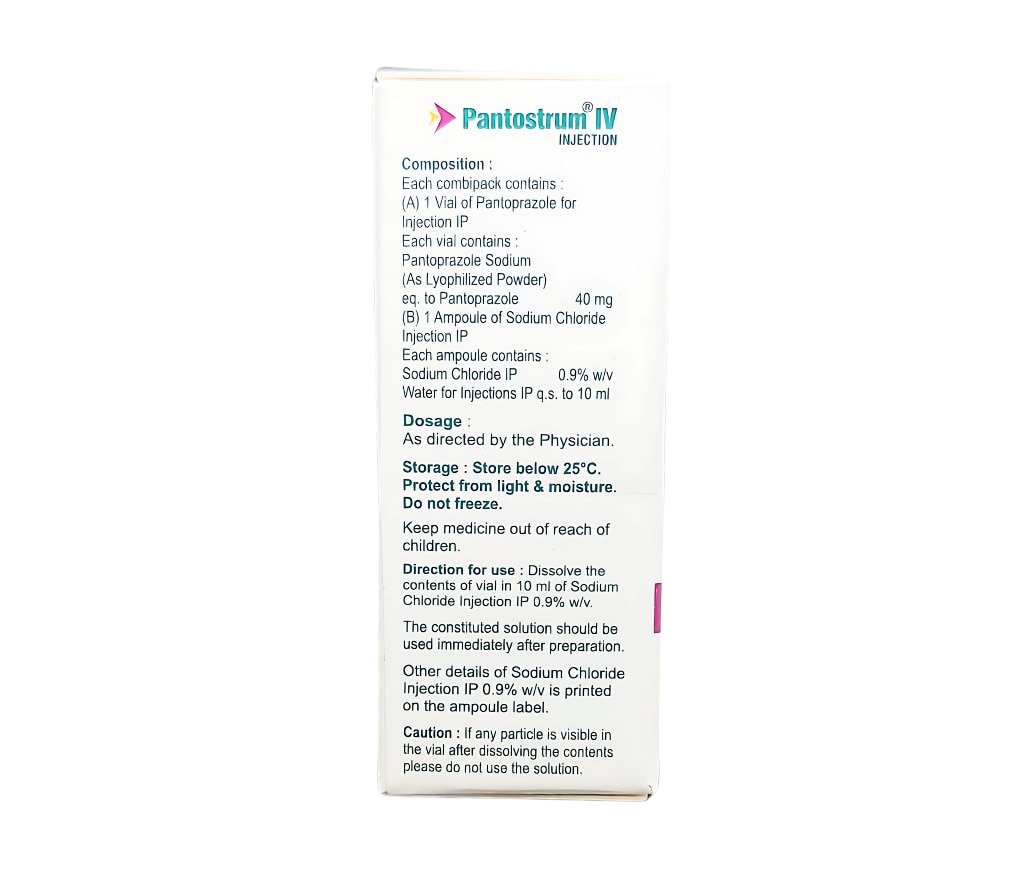
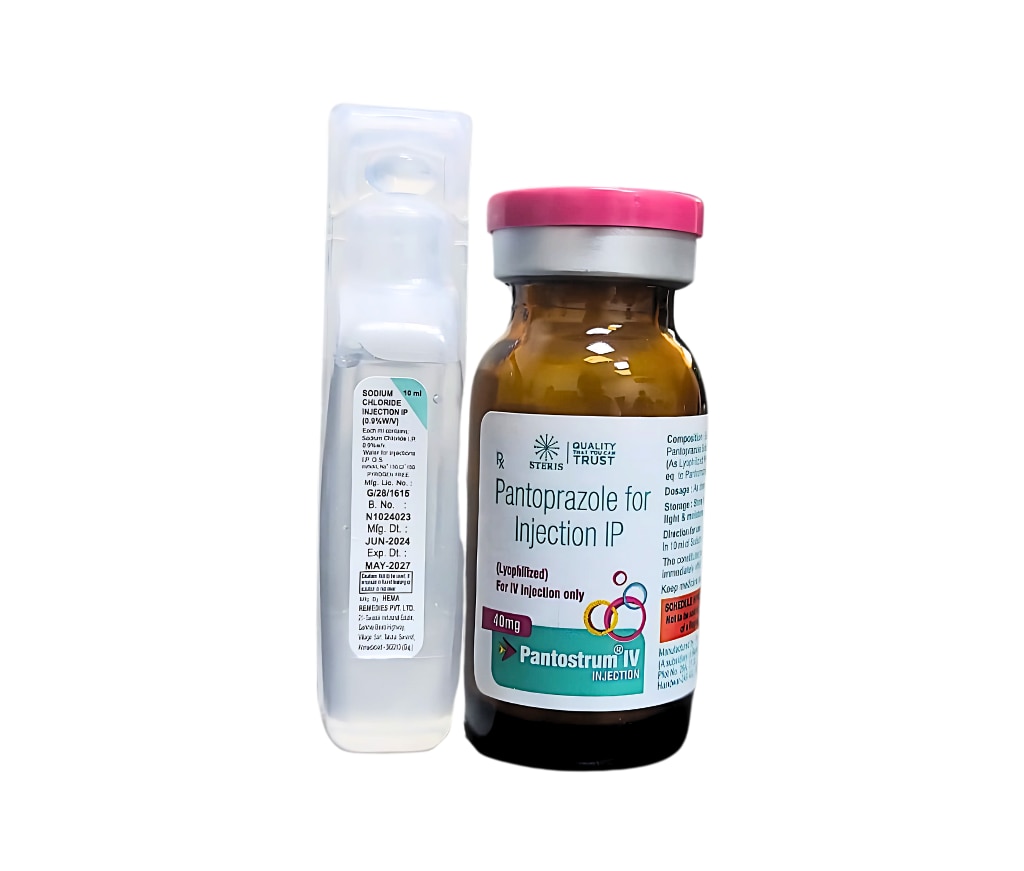
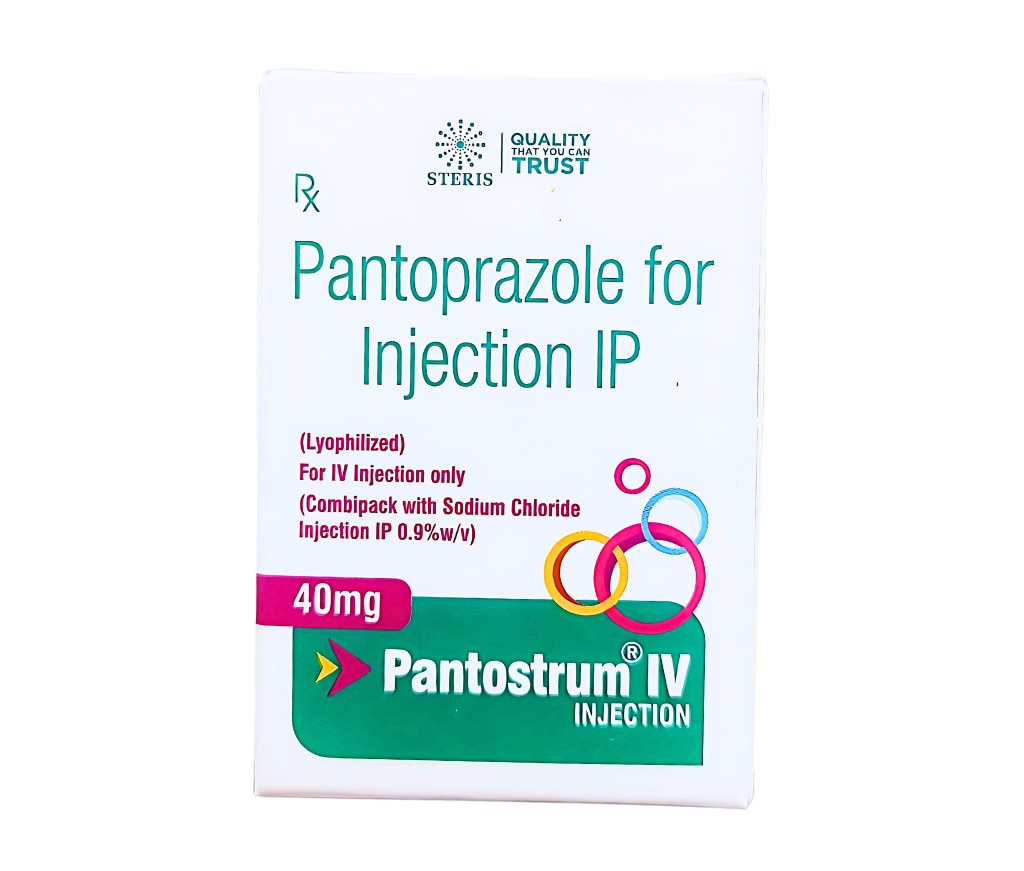


Description
Product details
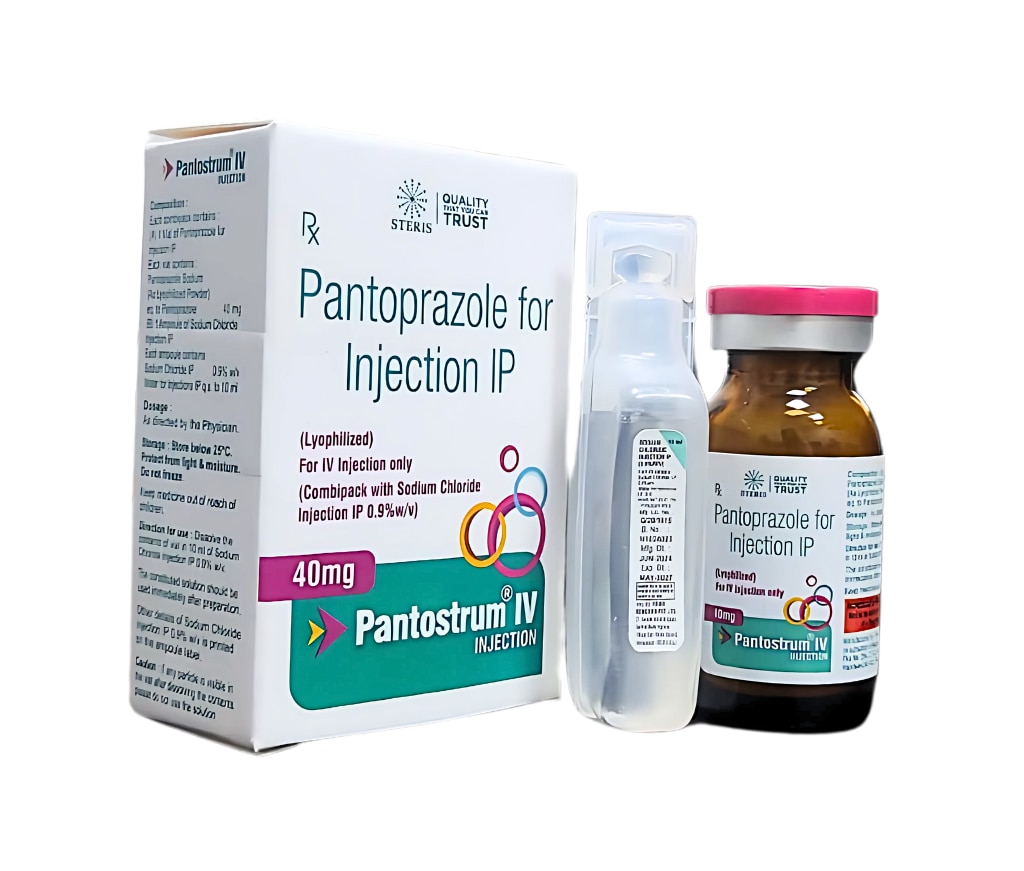
Introduction to Pantoprazole 40 mg Pantoprazole 40 mg is a widely prescribed medicine used for treating acidity, acid reflux, heartburn, stomach ulcers, and several digestive disorders caused by excess stomach acid. It belongs to a group of medicines called Proton Pump Inhibitors (PPIs), which work by reducing the amount of acid produced in the stomach. People suffering from frequent acidity, burning sensation in the chest, bloating, sour taste in the mouth, or stomach discomfort often search for effective and long-lasting treatment options. Pantoprazole 40 mg is considered one of the most trusted medicines for providing relief from these symptoms. This medicine is commonly recommended by doctors for conditions such as: Gastroesophageal Reflux Disease (GERD) Acid reflux Peptic ulcers Gastritis Zollinger-Ellison syndrome Indigestion caused by excessive acid production Pantoprazole 40 mg tablets are also used to protect the stomach lining in patients taking painkillers or anti-inflammatory medicines regularly. What is Pantoprazole 40 mg? Pantoprazole 40 mg is an acid-reducing medicine that helps decrease gastric acid secretion. It contains Pantoprazole Sodium as the active ingredient. The medicine is available in: Tablets Injection form Delayed-release formulations Pantoprazole is commonly prescribed for both short-term and long-term management of acid-related disorders. Pantoprazole 40 mg Uses Pantoprazole 40 mg is mainly used to treat stomach and esophagus problems caused by excess acid production. 1. Treatment of Acid Reflux (GERD) One of the most common pantoprazole 40 mg uses is treating Gastroesophageal Reflux Disease (GERD). GERD occurs when stomach acid flows back into the food pipe, causing: Heartburn Chest discomfort Sour burps Difficulty swallowing Chronic cough Pantoprazole 40 mg helps control acid production and allows the food pipe to heal. 2. Relief from Heartburn and Acidity Frequent spicy food, irregular meals, stress, smoking, or overeating can cause severe acidity and heartburn. Pantoprazole 40 mg provides relief by: Reducing stomach acid Preventing acid irritation Improving digestion comfort Reducing burning sensation Many patients experience improvement within a few days of regular use. 3. Treatment of Stomach Ulcers Pantoprazole 40 mg is also prescribed for gastric ulcers and duodenal ulcers. Ulcers can develop due to: Excess acid H. pylori infection Long-term painkiller use Smoking and alcohol consumption The medicine promotes ulcer healing by lowering acid exposure inside the stomach. 4. Management of Gastritis Gastritis refers to inflammation of the stomach lining. Common symptoms include: Upper stomach pain Nausea Vomiting Loss of appetite Indigestion Pantoprazole 40 mg helps reduce irritation and supports healing of the stomach lining. 5. Prevention of Ulcers from Painkillers People taking NSAIDs or pain medicines regularly may develop stomach ulcers. Doctors often prescribe pantoprazole 40 mg alongside: Diclofenac Ibuprofen Naproxen Aspirin This helps protect the stomach from acid damage. 6. Zollinger-Ellison Syndrome This is a rare condition where the stomach produces extremely high amounts of acid. Pantoprazole 40 mg helps control excessive acid secretion and prevents severe digestive complications. How Pantoprazole 40 mg Works Pantoprazole works by blocking the proton pumps in the stomach lining that produce acid. H + /K + -ATPase By inhibiting these pumps, the medicine: Reduces acid formation Prevents irritation Allows ulcers and inflammation to heal Relieves acidity symptoms Its action lasts for a long duration, making it effective for daily acid control. Benefits of Pantoprazole 40 mg Fast and Effective Acid Relief Pantoprazole helps reduce symptoms like: Burning chest pain Acid reflux Sour taste Stomach discomfort Long-Lasting Action A single dose may provide acid suppression for up to 24 hours. Helps Heal the Food Pipe Continuous acid exposure damages the esophagus. Pantoprazole promotes healing and prevents complications. Improves Quality of Life Patients with chronic acidity often experience disturbed sleep and discomfort after meals. Regular treatment improves daily comfort and digestion. How to Take Pantoprazole 40 mg For best results: Take the tablet before meals, usually before breakfast Swallow whole with water Do not crush or chew the tablet Take it at the same time daily Always follow your doctor’s prescribed dosage. Recommended Dosage The dosage depends on the condition being treated. Common recommendations: GERD: 40 mg once daily Ulcers: 40 mg daily for several weeks Severe acid disorders: dosage may vary Do not self-medicate for long periods without medical advice. Side Effects of Pantoprazole 40 mg Like all medicines, pantoprazole may cause side effects in some people. Common Side Effects Headache Nausea Diarrhea Gas and bloating Stomach pain Dizziness These effects are usually mild and temporary. Serious Side Effects Seek medical attention if you notice: Severe allergic reaction Persistent diarrhea Muscle weakness Irregular heartbeat Vitamin B12 deficiency symptoms Low magnesium levels Long-term use should always be monitored by a healthcare professional. Precautions Before Using Pantoprazole 40 mg Inform your doctor if you: Have liver disease Are pregnant or breastfeeding Have osteoporosis Are taking other medications Have low magnesium levels Avoid alcohol and smoking as they can worsen acidity symptoms. Drug Interactions Pantoprazole 40 mg may interact with: Blood thinners Antifungal medicines HIV medicines Iron supplements Methotrexate Always inform your doctor about all medicines and supplements you use. Who Should Use Pantoprazole 40 mg? Pantoprazole 40 mg is suitable for: Adults with chronic acidity GERD patients People with ulcers Patients using painkillers regularly Individuals with acid-related stomach problems It should only be used in children if prescribed by a doctor. Lifestyle Tips for Better Results To improve the effectiveness of pantoprazole: Avoid spicy and oily foods Eat smaller meals Do not lie down immediately after eating Reduce caffeine intake Quit smoking Maintain healthy body weight These habits can significantly reduce acid reflux episodes. Storage Instructions Store pantoprazole tablets: In a cool and dry place Away from sunlight Below recommended room temperature Out of reach of children Do not use expired medicine. Frequently Asked Questions About Pantoprazole 40 mg Uses Can Pantoprazole 40 mg be taken daily? Yes, it is commonly prescribed for daily use, but long-term usage should be monitored by a doctor. How long does Pantoprazole take to work? Some people feel relief within a few hours, while complete improvement may take a few days. Can Pantoprazole cure acidity permanently? It controls acid production effectively, but lifestyle changes are also important for long-term relief. Is Pantoprazole safe? Pantoprazole is generally considered safe when used according to medical advice. Conclusion Pantoprazole 40 mg is one of the most effective medicines for managing acidity, GERD, heartburn, stomach ulcers, and acid reflux disorders. Its long-lasting acid suppression helps relieve discomfort, heal digestive damage, and improve overall stomach health.
![Bisoprolol 1.25mg is the smallest tablet strength of bisoprolol, a heart-selective beta-1 blocker. Doctors usually prescribe it to start treatment or to build up the dose gradually in people with high blood pressure, chronic stable heart failure, or fast heart rhythms. It suits older adults, people with mild heart failure, and anyone who reacts strongly to beta-blockers. The medicine slows the heartbeat and eases the force of each contraction, so the heart works less hard. BISOGARD 1.25 from Steris Healthcare Pvt. Ltd. comes in a strip pack of 15 tablets. It is a Schedule H medicine, so it must only be started, changed, or stopped on a doctor's advice.
Product Snapshot
Brand: BISOGARD 1.25
Manufacturer/Marketer: Steris Healthcare Pvt. Ltd., a WHO-GMP and ISO-certified pharmaceutical company in India
Active ingredient: Bisoprolol Fumarate 1.25mg
Form: Tablet
Pack size: 15 tablets
Drug class: Cardioselective beta-1 blocker
Legal status: Schedule H (valid prescription required)
Availability: Through Steris Healthcare's authorized pharmacies and its B2B PCD franchise network across India
What Is Bisoprolol 1.25mg?
If your doctor has just prescribed bisoprolol 1.25mg, you have been given the lowest dose on purpose. Bisoprolol is a cardioselective beta-1 blocker, meaning it acts mostly on receptors in the heart and has much less effect on the lungs and blood vessels. This is a major reason it is preferred over older, non-selective beta-blockers, especially for people who also have a mild breathing problem.
The 1.25mg tablet is not a “light” medicine for mild illness. It is a carefully chosen entry point. In heart failure, a weakened heart can struggle if its rate or pressure drops too quickly, so cardiologists follow a “start low, go slow” approach. Treatment begins at 1.25mg, the response is watched for one to two weeks, and the dose is raised step by step (commonly 2.5mg, 3.75mg, 5mg, 7.5mg, and up to 10mg) as the heart adapts. That is why BISOGARD 1.25 is often the first tablet a newly diagnosed heart failure patient takes.
What Is Bisoprolol 1.25mg Used For?
Doctors commonly prescribe this strength for:
Chronic heart failure (HFrEF): as the first step of dose titration in patients with a reduced ejection fraction, alongside ACE inhibitors/ARBs and diuretics
High blood pressure: especially in older adults, people with low body weight, and those who are sensitive to blood-pressure-lowering drugs
Stable angina: to reduce the heart's oxygen demand and relieve chest discomfort
After a heart attack: in selected patients, under a cardiologist's care
Heart rate control in some arrhythmias: sometimes used off-label at a low dose to gently bring down a fast heart rate
At 1.25mg, bisoprolol is seldom meant as the long-term sole treatment for high blood pressure in an otherwise healthy adult. It is usually the first rung of a titration ladder, or a steady maintenance dose for patients who are unusually beta-blocker sensitive (older age, low body weight, or borderline low pressure or pulse).
How Does Bisoprolol Work?
Bisoprolol selectively blocks beta-1 adrenergic receptors, which are packed mainly into heart muscle. This leads to several effects:
Slower heart rate: the heart has more time to fill and rest between beats
Gentler contractions: the heart muscle needs less oxygen and energy
Less renin from the kidneys: this helps blood pressure fall gradually over time
Lower overall cardiac workload: a real advantage for a heart that already struggles to pump well, as in heart failure
Key Benefits of BISOGARD 1.25
A gentle starting dose, well suited to careful titration in frail or elderly patients
Heart-focused action, with less effect on the lungs and peripheral blood vessels than non-selective beta-blockers
Once-daily dosing, which makes it easier to stay on treatment
A guideline-recommended beta-blocker for HFrEF with well-established outcomes data [Reviewer note: insert specific outcome statistics/trial citation pending medical sign-off]
Made by Steris Healthcare Pvt. Ltd. under WHO-GMP and ISO-certified standards
Dosage Guidance
Usual starting dose (heart failure): 1.25mg once a day, preferably in the morning
Dose increases: typically every 1–2 weeks (2.5mg, 3.75mg, 5mg, 7.5mg, up to a maximum of 10mg daily), depending on how well you tolerate it and on your pulse and blood pressure
High blood pressure (sensitive patients): 1.25mg to 5mg once daily, as set by your doctor
How to take it: at the same time every day, with or without food, swallowed whole with water
If you miss a dose: take it when you remember, unless the next dose is almost due. Never take a double dose.
Never stop suddenly: abrupt withdrawal can cause a rebound rise in heart rate, blood pressure, or chest pain. The dose must be reduced gradually under medical supervision.
Is It Better to Take Bisoprolol in the Morning or at Night?
Most doctors advise a morning dose. Bisoprolol lowers pulse and blood pressure, and taking it early matches its action to your daytime activity. A night-time dose could add to the body's natural overnight dip in blood pressure and raise the chance of dizziness when getting up in the dark. Some people who feel tired during the day are told by their doctor to switch to the evening. Do not change your dosing time without your doctor's approval.
Side Effects of Bisoprolol 1.25mg
Common side effects
Tiredness or fatigue
Dizziness or light-headedness, especially on standing quickly
Cold hands or feet
Slow pulse (bradycardia)
Headache
Mild stomach upset (nausea, loose stools)
Disturbed sleep
Serious side effects (get medical help promptly)
Very slow heartbeat or fainting
Increasing breathlessness or swollen legs/ankles, which may mean heart failure is worsening
Allergic reaction: rash, swelling of the face or throat, trouble breathing
Cold, numb, or bluish fingers and toes
Wheezing or new breathing difficulty, particularly in people with asthma or COPD
Mood changes, low mood, or confusion
What Are the Bad Side Effects of Bisoprolol?
The effects that need urgent attention are a dangerously slow pulse, fainting, signs of worsening heart failure (swelling, breathlessness), severe allergic reactions, and airway tightening in people with lung disease. These are uncommon at the 1.25mg dose, but anyone who notices them should seek medical help right away. [Reviewer note: specific incidence rates pending clinical/medical sign-off]
Substitutes & Comparable Beta-Blockers
Molecule Selectivity Typical Use Case
Bisoprolol Highly cardioselective Heart failure titration, hypertension
Metoprolol Succinate ER Cardioselective Hypertension, angina, heart failure
Atenolol Cardioselective (older agent) Hypertension
Carvedilol Non-selective with alpha-blocking action Heart failure (adds vasodilation)
Propranolol Non-selective Migraine prevention, anxiety-related fast heartbeat, essential tremor
Precautions & Who Should Avoid Bisoprolol
Not suitable for people with severe bradycardia, certain forms of heart block (unless a pacemaker is fitted), unstable or acutely decompensated heart failure, or severe uncontrolled asthma
Use carefully in diabetes, because beta-blockers can hide the warning signs of low blood sugar
Take care in peripheral vascular disease, as cold extremities or leg pain on walking may worsen
Never stop it abruptly; always taper under a doctor's guidance
Tell your doctor about every medicine you use, especially other blood-pressure drugs, calcium channel blockers, and certain antiarrhythmics
In pregnancy and breastfeeding, use only if your doctor advises it after weighing benefits and risks
Is Bisoprolol Safe for Kidneys?
The body clears bisoprolol through both the liver and the kidneys in roughly equal measure. It is generally considered safe for people with normal or mildly reduced kidney function. When kidney impairment is significant, drug levels in the blood can rise, so your doctor may lower the dose or monitor you more closely. Always tell your prescriber about any kidney disease before starting.
Is Bisoprolol a High-Risk Medication?
Bisoprolol is not a narrow therapeutic index drug like tacrolimus or warfarin, where small dose differences matter greatly. Even so, it needs supervised use because it directly affects heart rate and blood pressure. The main dangers are stopping it suddenly, which can set off rebound cardiac events, and using it with certain existing rhythm disorders. Taken as prescribed and checked regularly, it has a long and reassuring safety record.
Does 1.25mg Bisoprolol Lower Blood Pressure?
Yes. Even the smallest dose measurably reduces heart rate and blood pressure by lightening the heart's workload and reducing renin-driven narrowing of blood vessels. At this strength the effect on blood pressure is fairly mild, which is exactly why it is a safe place to begin, especially for older adults or people starting heart failure treatment. The dose is then raised gradually to reach full benefit.
Frequently Asked Questions
1. What is 1.25 mg of bisoprolol used for?
Mainly as a low starting dose when building up treatment for chronic heart failure, and for high blood pressure in people who are very sensitive to beta-blockers, such as older adults.
2. What are the bad side effects of bisoprolol?
The more serious ones are a very slow pulse, fainting, worsening heart failure signs (swelling, breathlessness), severe allergy, and breathing trouble in people with lung conditions.
3. What are the common side effects of bisoprolol fumarate 1.25 mg tablets?
Tiredness, dizziness, cold hands and feet, mild headache, and a slightly slower pulse.
4. Is it better to take bisoprolol in the morning or at night?
Morning is usually preferred so its effect fits daytime activity, though your doctor may suggest evenings in some cases.
5. What is the cost of bisoprolol?
Price depends on strength, pack size, and brand. Use the “Check Price” option above for current BISOGARD 1.25 pricing from Steris Healthcare.
6. Does 1.25 mg bisoprolol lower blood pressure?
Yes, though only modestly at this dose. The dose is often stepped up over time.
7. Is bisoprolol safe for kidneys?
Generally yes for normal or mildly reduced kidney function. People with significant kidney impairment need dose adjustment and monitoring.
8. Is bisoprolol a high-risk medication?
It is not a narrow therapeutic index drug, but it must never be stopped suddenly and should be used under medical supervision because of its direct effect on the heart.
9. Can I take bisoprolol 1.25mg for the rest of my life?
Many people with chronic heart failure or hypertension do take bisoprolol long term, but the dose usually rises as tolerated. Your doctor should review it regularly.
10. What happens if I miss a dose of bisoprolol?
Take it when you remember, unless the next dose is nearly due. In that case skip the missed one. Never take two together.
11. Can bisoprolol 1.25mg cause weight gain?
It is not commonly reported at this dose. Fluid retention linked to heart failure itself should be reported to your doctor.
12. Is bisoprolol safe for diabetic patients?
It can be used, with care, because beta-blockers may hide warning signs of low blood sugar such as a racing heartbeat.
13. Can I stop taking bisoprolol suddenly if I feel fine?
No. Stopping abruptly can cause a rebound rise in heart rate, blood pressure, or chest pain. Reduce the dose gradually under medical guidance.
14. Does bisoprolol interact with other blood pressure medicines?
Yes. Combining it with other drugs that lower heart rate or pressure (such as calcium channel blockers) can cause a very low pulse or pressure. Tell your doctor about all your medicines.
15. Is BISOGARD 1.25 available without a prescription?
No. Bisoprolol is a Schedule H medicine in India and needs a valid prescription.
16. How long does it take for bisoprolol 1.25mg to start working?
Some effect on heart rate appears within hours, but the full benefit for blood pressure or heart failure symptoms builds over several weeks of regular use.
17. Can pregnant women take bisoprolol?
Only if clearly necessary and prescribed by a doctor, as it may affect the baby's heart rate and growth.](https://productimages.withfloats.com/tile/6abe4474c205678e0b16a23a.png)