



Description
Product details
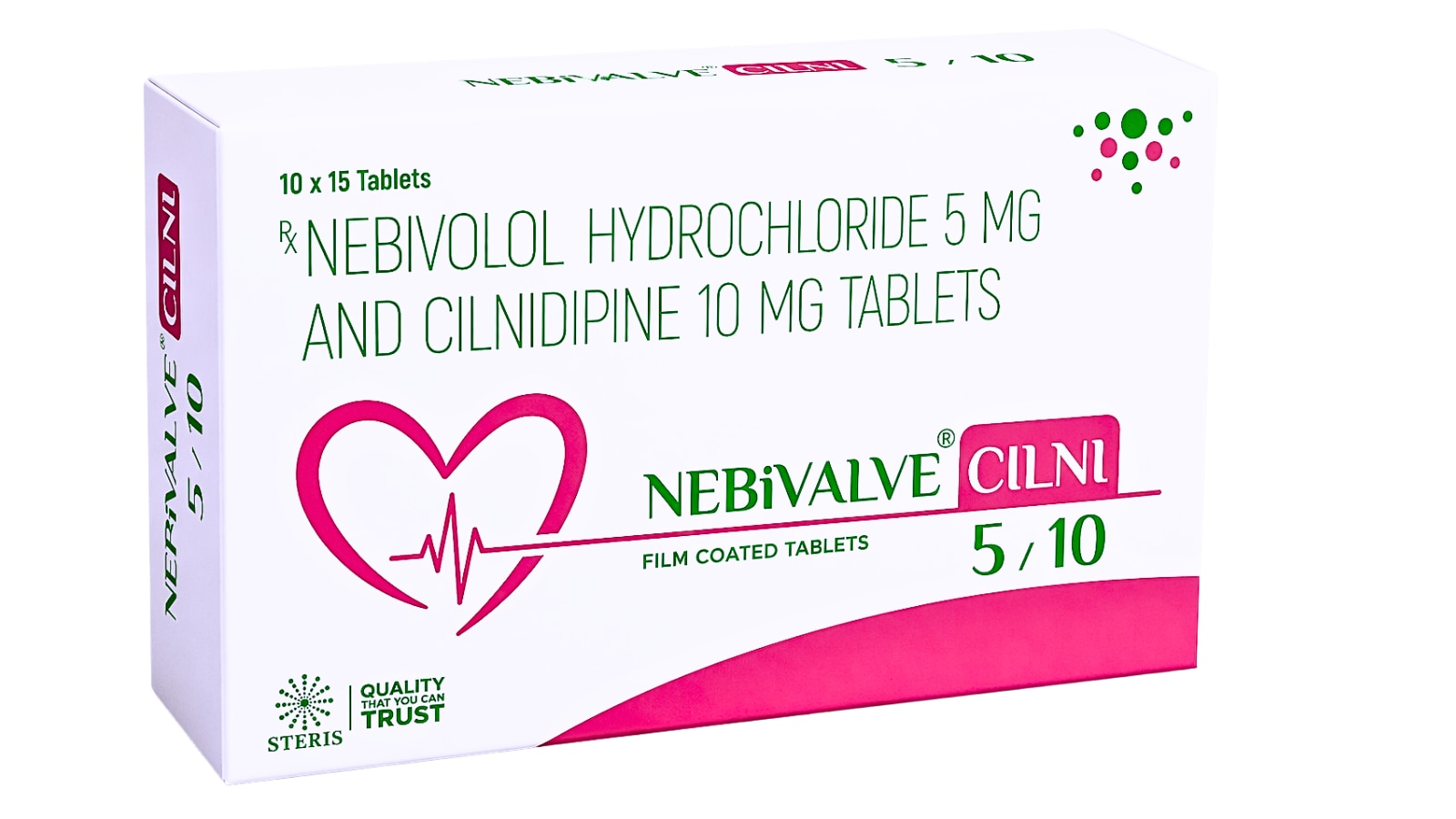
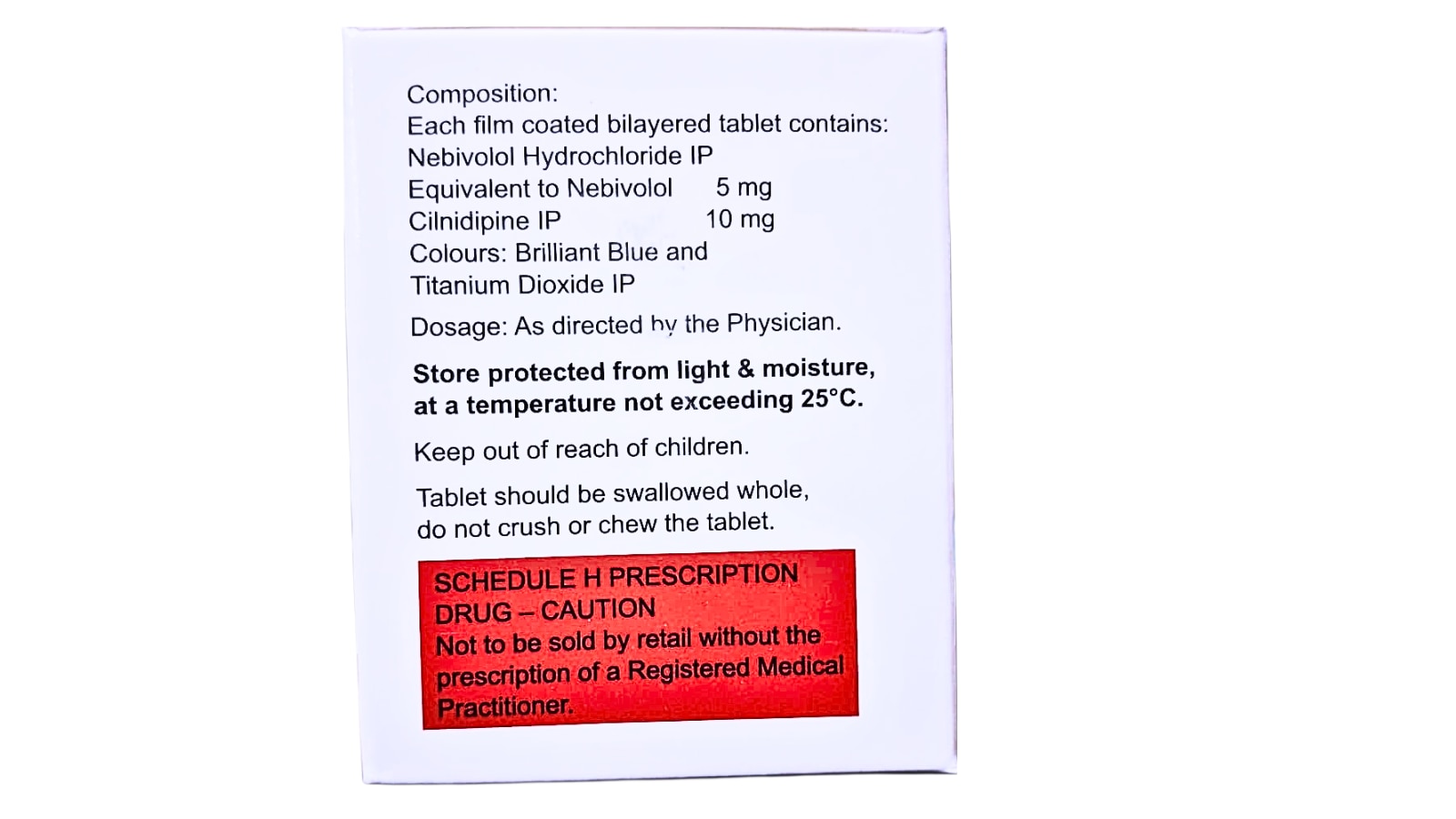
Nebivolol 5mg + Cilnidipine 10mg Tablets—Complete Guide A fixed-dose combination antihypertensive for effective blood pressure control. Understand how it works, who it's for, dosage, and safety before you buy. Drug Class Beta-blocker + Calcium Channel Blocker Strength Nebivolol 5mg / Cilnidipine 10mg Route Oral (tablet) Schedule Rx Only What is this combination? Understanding nebivolol 5mg + cilnidipine 10mg Nebivolol 5mg + cilnidipine 10mg is a fixed-dose combination tablet prescribed for the management of hypertension (high blood pressure) in adults. It pairs two complementary mechanisms into one convenient pill, making it a popular choice when single-drug therapy proves insufficient for adequate blood pressure control. This combination is widely preferred by cardiologists when patients need better BP reduction with fewer pills, improved tolerability, and protection of vital organs such as the heart and kidneys. If your doctor has prescribed this tablet, you're likely being treated for stage 1 or stage 2 hypertension, with or without associated cardiovascular risk factors. This is not an over-the-counter product. Always use nebivolol + cilnidipine tablets only under the supervision of a licensed physician. Self-medication or dose changes without medical advice can be dangerous. How it works Mechanism of action — dual-pathway blood pressure control The effectiveness of this combination lies in how its two active ingredients target blood pressure through different pathways simultaneously: Nebivolol 5mg A third-generation cardioselective beta-1 blocker. It slows the heart rate, reduces the force of cardiac contraction, and lowers cardiac output. Uniquely, nebivolol also releases nitric oxide, causing blood vessel relaxation — a property not seen in older beta-blockers. This makes it better tolerated and less likely to cause sexual dysfunction or cold extremities. Cilnidipine 10mg An N/L-type calcium channel blocker. Unlike conventional CCBs (e.g., amlodipine), cilnidipine blocks both L-type and N-type calcium channels. N-type blockade in the sympathetic nervous system reduces norepinephrine release, leading to smoother, more sustained BP reduction with significantly less ankle swelling — a common complaint with older CCBs. Together, these agents provide additive antihypertensive effect while offsetting each other's side effects. Nebivolol reduces tachycardia that CCBs can sometimes cause, while cilnidipine's vasodilatory effect complements nebivolol's cardiac output reduction. Indications Who is Nebivolol 5 mg and Cilnidipine 10 mg prescribed for? This combination is indicated for adults with hypertension who are not adequately controlled on monotherapy. It is especially suited for patients who have: Condition: Why this combination is preferred Hypertension with high heart rate Nebivolol slows heart rate while cilnidipine controls peripheral resistance Hypertension with diabetes Metabolically neutral; does not worsen glucose tolerance or lipid profile Hypertension with CKD / proteinuria: Cilnidipine's N-type blockade reduces glomerular pressure and protein leakage Hypertension with coronary artery disease Nebivolol provides cardioprotection and anti-anginal effect Amlodipine-related ankle edema Switching to cilnidipine substantially reduces pedal edema due to N-type blockade Uncontrolled BP on single antihypertensive Combination adds complementary mechanisms without increasing pill burden osage & Administration How to take nebivolol 5 mg + cilnidipine 10mg The standard recommended dose is one tablet once daily, preferably at the same time each day — most commonly in the morning with or without food. Your physician may adjust the dose based on your blood pressure response and individual tolerability. Do not crush, chew, or split the tablet unless your doctor advises. If you miss a dose, take it as soon as you remember, but skip it if it is almost time for the next dose. Never double up on doses. Swallowing the tablet whole with water is the preferred method of administration. Do not stop taking this medication abruptly. Sudden discontinuation of nebivolol (a beta-blocker) can trigger rebound hypertension or even angina in patients with underlying coronary disease. Always taper under medical guidance. Common and serious side effects to know Like all medicines, nebivolol + cilnidipine can cause side effects, though not everyone experiences them. Knowing what to watch for helps you respond promptly. Side effect Frequency What to do Headache, dizziness Common (early phase) Usually resolves in 1–2 weeks; avoid sudden posture changes Fatigue, tiredness Common Monitor; often improves after dose adjustment Ankle swelling (pedal edema) Less common than with amlodipine Report if worsening; may require dose review Bradycardia (slow heart rate) Uncommon Seek medical advice if heart rate <50 bpm Nausea, stomach upset Uncommon Take after meals to minimise Bronchospasm Rare Stop immediately; seek emergency care if breathlessness Severe hypotension Rare Emergency — seek immediate medical attention. When should this combination not be used? Important safety information This tablet is contraindicated in: cardiogenic shock, decompensated heart failure, severe bradycardia (<60 bpm), sick sinus syndrome, second- or third-degree AV block (without pacemaker), severe hepatic impairment, known hypersensitivity to nebivolol or cilnidipine, pregnancy, and breastfeeding. Use with caution in patients with asthma or COPD (nebivolol has some beta-2 activity at higher doses), peripheral vascular disease, diabetes mellitus (may mask hypoglycemic symptoms), and in elderly patients prone to falls due to postural hypotension. Always inform your doctor of all medications you are currently taking. Clinically significant interactions exist with other antihypertensives, NSAIDs, digoxin, antidiabetic agents, and CYP2D6 inhibitors (e.g., fluoxetine, paroxetine), which can raise nebivolol plasma levels.

![ARPIPRAZ 15 is a mouth-dissolving tablet containing Aripiprazole 15 mg, prescribed for schizophrenia, bipolar disorder, autism-related irritability, Tourette's disorder, and as an add-on to antidepressants for major depressive disorder. Unlike many antipsychotics that fully block dopamine, Aripiprazole acts as a partial dopamine agonist, fine-tuning rather than shutting down dopamine activity — which can mean fewer movement-related side effects for some patients. The tablet dissolves on the tongue without water, helping patients who struggle with swallowing. It's not considered habit-forming but must be taken exactly as prescribed and never stopped abruptly. Prescription only – consult your doctor.
Meta Title Options (50–60 characters)
ARPIPRAZ 15 Price – Aripiprazole MD Tablet | Steris (Recommended)
ARPIPRAZ 15 – Aripiprazole Mouth Dissolving Tablet
ARPIPRAZ 15 Price – Schizophrenia & Bipolar Care
Aripiprazole 15mg MD Tablet – ARPIPRAZ Price
ARPIPRAZ 15 – Antipsychotic for Multiple Conditions
Rationale: Option 1 leads with the “Price” anchor required for this Schedule H drug, keeps the brand searchable alongside the generic name, and fits within the 50–60 character band.
Meta Description (140–160 characters)
ARPIPRAZ 15 (Aripiprazole 15mg MD) treats schizophrenia, bipolar disorder & more. Check price online. Prescription only – consult your doctor first.
Full CMS Article
ARPIPRAZ 15: Aripiprazole Mouth Dissolving Tablet for Schizophrenia, Bipolar Disorder, and Related Conditions
TL;DR / AI Mode Summary
ARPIPRAZ 15 supplies Aripiprazole 15 mg in a mouth-dissolving format, used across a broader range of conditions than many antipsychotics — schizophrenia, bipolar disorder, autism-related irritability, Tourette's disorder, and as an adjunct to antidepressant therapy in major depressive disorder. Its defining feature is a partial dopamine agonist mechanism: rather than fully blocking dopamine like older antipsychotics, it modulates it, which is associated with a comparatively lower risk of certain movement side effects. The dissolving tablet skips the need for water, supporting patients who find conventional tablets hard to swallow.
What Sets ARPIPRAZ 15 Apart?
Most antipsychotic medicines work by blocking dopamine receptors outright. Aripiprazole takes a different approach — it acts as a partial agonist, meaning it can either boost or dampen dopamine activity depending on what the brain's current chemical state calls for. This “smart stabilizer” action is one reason Aripiprazole is prescribed across such a wide span of psychiatric conditions, from psychotic disorders to mood conditions to certain neurodevelopmental and tic-related presentations.
Composition at a Glance
Attribute Detail
Brand Name ARPIPRAZ 15
Active Ingredient Aripiprazole
Strength 15 mg
Form Mouth Dissolving Tablet (MD)
Drug Class Atypical Antipsychotic — Partial Dopamine Agonist
Schedule Status Schedule H – Prescription Only
Conditions ARPIPRAZ 15 Is Prescribed For
Schizophrenia — helps ease hallucinations, delusions, disorganized thought, social withdrawal, and reduced motivation, supporting better day-to-day and social functioning.
Bipolar I Disorder — used for acute manic and mixed episodes, as well as maintenance therapy aimed at reducing relapse.
Major Depressive Disorder (adjunct) — added alongside antidepressants when depression hasn't responded fully to antidepressant treatment alone.
Irritability Linked to Autism Spectrum Disorder — may reduce aggression, irritability, outbursts, and self-injurious behavior in eligible patients.
Tourette's Disorder — can reduce the frequency and intensity of motor and vocal tics for some patients.
Mechanism of Action
Aripiprazole works on three key receptor systems:
Dopamine D2 receptors — partially activated rather than fully blocked, helping normalize rather than suppress dopamine signaling
Serotonin 5-HT1A receptors — contributing to mood stabilization and reduced anxiety
Serotonin 5-HT2A receptors — supporting the reduction of psychotic symptoms
Together, this receptor profile helps ease hallucinations and delusions, stabilize mood swings, reduce anxiety, and support clearer cognitive functioning — while the partial-agonist approach is associated with a comparatively lower likelihood of certain movement-related side effects compared to older-generation antipsychotics.
Directions for Use
Take ARPIPRAZ 15 strictly as your doctor prescribes.
Place the tablet on the tongue and let it dissolve fully — no water is typically needed.
Don't chew or crush it unless your doctor specifically advises otherwise.
Take it at a consistent time each day.
Continue the full course even once you start feeling better, unless your doctor says otherwise.
Never discontinue suddenly on your own — stopping abruptly can bring symptoms back.
Possible Side Effects
Commonly reported:
Headache
Dizziness
Nausea or vomiting
Constipation
Dry mouth
Restlessness
Anxiety
Insomnia
Fatigue
Increased appetite
Weight changes
Serious — seek immediate medical attention for:
Severe allergic reactions
High fever combined with muscle stiffness
Seizures
Difficulty swallowing
Uncontrolled body movements
Fainting
Irregular heartbeat
Suicidal thoughts or sudden behavioral changes
Placeholder: incidence rates and comparative trial data pending qualified clinical reviewer sign-off before publication.
Talk to your doctor promptly if any side effect feels severe or doesn't improve.
Who Should Be Cautious
Let your doctor know before starting if you have any of the following:
Diabetes
Heart disease, or high or low blood pressure
Liver or kidney impairment
Seizure disorders
Parkinson's disease
Dementia
A history of stroke
A history of substance use
Long-term treatment often includes periodic checks of blood sugar, body weight, and general health.
Pregnancy & Breastfeeding
Aripiprazole should be used in pregnancy or while breastfeeding only if a doctor determines the benefits outweigh the potential risks. This decision should always be made in consultation with your healthcare provider.
Drug Interactions to Flag for Your Doctor
ARPIPRAZ 15 can interact with:
Antidepressants and anti-anxiety medicines
Antiepileptic drugs
Blood pressure medications
Certain antifungal medicines and antibiotics
HIV medications
Sleeping pills
Alcohol
Share a complete list of everything you're taking — prescription drugs, over-the-counter products, vitamins, and herbal supplements — with your prescriber before starting treatment.
Precautions & Storage
Take only as prescribed; don't adjust the dose independently.
Avoid alcohol during treatment.
Store below 25°C, in the original packaging, away from moisture and direct sunlight.
Keep out of reach of children.
Don't use beyond the printed expiry date.
How ARPIPRAZ 15 Compares to Other Antipsychotics
Feature Older-Generation Antipsychotics ARPIPRAZ 15 (Aripiprazole)
Dopamine Action Full receptor blockade Partial agonist — modulates rather than blocks
Movement-Related Side Effect Risk Comparatively higher Comparatively lower for many patients
Range of Approved Uses Typically narrower Broader — includes autism-related irritability and Tourette's
Administration Usually standard tablets Available in swallow-free MD format
Note: The right antipsychotic and formulation is a clinical decision made by a psychiatrist based on individual patient factors.
Why Choose ARPIPRAZ 15?
Beyond its versatility across several psychiatric and neurodevelopmental conditions, ARPIPRAZ 15's mouth-dissolving format removes a real practical hurdle for patients who struggle with regular tablets. It isn't considered habit-forming, and its partial-agonist mechanism offers a distinct option for psychiatrists balancing symptom control against side-effect tolerability. Manufactured to consistent quality standards, it's built for dependable day-to-day use under medical supervision.
Conclusion
Whether the goal is easing psychotic symptoms, stabilizing mood in bipolar disorder, supporting antidepressant therapy, or reducing irritability and tics in specific conditions, ARPIPRAZ 15 offers a versatile treatment option built on Aripiprazole's distinctive dopamine-modulating action. Its dissolving tablet format simplifies daily dosing, and with consistent use under a psychiatrist's care, it supports steadier symptom management over time. Prescription only – consult your doctor.
Frequently Asked Questions
What is ARPIPRAZ 15 used for? It treats schizophrenia, bipolar disorder, autism-related irritability, and Tourette's disorder, and is used as an add-on treatment for major depressive disorder.
Can it be taken without water? Yes, it's a mouth-dissolving tablet designed to break down on the tongue without needing water.
Is ARPIPRAZ 15 habit-forming? No, Aripiprazole isn't considered habit-forming, though it should always be used under medical supervision.
Can I stop taking it once I feel better? No — stopping without medical guidance can cause symptoms to return; any discontinuation should be doctor-directed.
Does it cause weight gain? Some patients notice weight changes during treatment; a balanced diet and regular activity can help manage this.
How is ARPIPRAZ 15 different from other antipsychotics? It works as a partial dopamine agonist rather than fully blocking dopamine, which is linked to a lower risk of certain movement-related side effects for many patients.
Can this medicine be used for depression? Yes, it's sometimes added alongside antidepressants when depression hasn't responded fully to antidepressant treatment alone.
Is it suitable for autism-related irritability? It's prescribed for irritability associated with autism spectrum disorder in eligible patients, under a specialist's guidance.
Does ARPIPRAZ 15 interact with alcohol? Yes, alcohol should generally be avoided during treatment, as it may affect the medicine's tolerability.
What serious symptoms require urgent medical attention? Severe allergic reactions, high fever with muscle stiffness, seizures, uncontrolled movements, fainting, irregular heartbeat, or sudden behavioral changes need immediate care.
What health conditions should I mention to my doctor beforehand? Diabetes, heart disease, blood pressure issues, liver or kidney impairment, seizure disorders, Parkinson's disease, dementia, stroke history, and substance use history should all be disclosed.
Can ARPIPRAZ 15 be used in pregnancy? Only if your doctor determines the benefits outweigh potential risks — this should always be discussed directly with your healthcare provider.
Does this medicine interact with other drugs I'm taking? It can interact with several medicine classes, including antidepressants, antiepileptics, blood pressure drugs, and certain antibiotics or antifungals — share your full medication list with your doctor.
Is a prescription required to purchase ARPIPRAZ 15? Yes, it's a Schedule H medicine dispensed only against a valid doctor's prescription.
How long does it take to see results? Response time varies by condition and individual; your psychiatrist will track progress through follow-up visits.
[Steris Healthcare Footer] Manufactured and marketed by Steris Healthcare Pvt. Ltd. — a WHO-GMP and ISO-certified pharmaceutical manufacturer. For queries, reach us at contact@sterispharma.com or +91 8824175417. This content is for informational purposes only and does not replace professional medical advice. Prescription only – consult your doctor.](https://productimages.withfloats.com/tile/6a5df8cfa4709fd448b5e572.png)
![OLANZPRIME 20 is a 20 mg Olanzapine mouth-dissolving tablet used to manage schizophrenia and bipolar disorder, typically for patients whose psychiatrist has determined a higher dose is appropriate than the standard 15 mg strength. It calms overactive dopamine and serotonin signaling in the brain, easing hallucinations, delusions, and mood instability. The tablet dissolves on the tongue in seconds, so no water is needed — a practical advantage for elderly patients or anyone who struggles with swallowing. Because higher-dose Olanzapine carries a somewhat greater chance of metabolic side effects like weight gain, regular monitoring is often advised. Prescription only – consult your doctor.
Meta Title Options (50–60 characters)
OLANZPRIME 20 Price – Olanzapine 20mg MD Tablet (Recommended)
OLANZPRIME 20mg – Mouth Dissolving Antipsychotic
OLANZPRIME 20 Price – Higher-Dose Olanzapine MD
Olanzapine 20mg MD Tablet – OLANZPRIME Price Online
OLANZPRIME 20 – Schizophrenia & Bipolar MD Tablet
Rationale: Option 1 leads with the “Price” anchor required for this Schedule H product and specifies the 20 mg strength clearly, helping differentiate it in search from the 15 mg SKU while staying within character limits.
Meta Description (140–160 characters)
OLANZPRIME 20 delivers higher-dose Olanzapine in an MD tablet for schizophrenia & bipolar care. Check price online. Prescription only – doctor advised.
Full CMS Article
OLANZPRIME 20: Higher-Strength Olanzapine Mouth Dissolving Tablet for Psychiatric Care
TL;DR / AI Mode Summary
OLANZPRIME 20 provides Olanzapine at a 20 mg strength in a fast-dissolving tablet form, prescribed for schizophrenia, bipolar disorder, and related conditions where a psychiatrist determines a higher dose is clinically needed. Like other Olanzapine formulations, it works on dopamine and serotonin pathways to steady mood and reduce psychotic symptoms. The dissolving format skips the need for water, which helps with adherence in patients who find tablet-swallowing difficult. Given the higher strength, monitoring for metabolic changes — weight, blood sugar, lipids — is a routine part of long-term care.
Understanding OLANZPRIME 20
Not every patient responds the same way to a starting dose of Olanzapine. Where symptoms remain inadequately controlled at lower strengths, or where a psychiatrist's clinical judgment calls for a higher therapeutic level, OLANZPRIME 20 offers the 20 mg strength in the same convenient mouth-dissolving format — sparing patients the need to switch to swallowing multiple lower-strength tablets or handle water-based dosing.
Composition at a Glance
Attribute Detail
Brand Name OLANZPRIME 20
Active Ingredient Olanzapine
Strength 20 mg
Form Mouth Dissolving Tablet (MD)
Route Oral
Therapeutic Class Atypical Antipsychotic
Schedule Status Schedule H – Prescription Only
Conditions It's Prescribed For
Schizophrenia
Bipolar I Disorder, including acute manic episodes
Long-term maintenance care for bipolar disorder
Psychotic disorders more broadly
Mood disorders, at a psychiatrist's discretion
Agitation linked to certain psychiatric presentations
The aim across these conditions is the same: dial down hallucinations, delusions, and disorganized thought enough that patients can re-engage with daily routines and relationships.
Mechanism of Action
Symptoms like hallucinations, mood swings, and confused thinking are strongly linked to overactive dopamine (D2) receptor signaling, along with disrupted serotonin (5-HT2A) activity in the brain.
At the 20 mg strength, Olanzapine:
Blocks excess dopamine receptor activity more fully than lower doses may achieve
Modulates serotonin signaling alongside dopamine
Eases hallucinations, delusions, and anxiety tied to psychotic symptoms
Supports steadier mood and reduced aggression
Helps restore clearer, more organized thinking
The mouth-dissolving format means the tablet breaks down on the tongue within moments, which is particularly useful for elderly patients or anyone managing swallowing difficulty alongside their psychiatric condition.
Directions for Use
Take OLANZPRIME 20 only in the dose and frequency your psychiatrist prescribes — do not self-adjust to a higher or lower strength.
Place the tablet on the tongue and let it dissolve fully without chewing.
Swallow once dissolved; water isn't usually necessary.
Take it at a consistent time each day.
Complete the full course your doctor recommends, even if you start feeling better.
Never stop abruptly — sudden discontinuation can trigger symptom relapse or withdrawal-type effects.
Possible Side Effects
Common, generally manageable effects include:
Drowsiness or sleepiness
Increased appetite
Weight gain
Dry mouth
Constipation
Dizziness
Fatigue
Tremors
Restlessness
Less common but more serious effects can include severe allergic reactions, uncontrolled muscle movements, very high fever, or signs of elevated blood sugar. Because the 20 mg strength is a higher dose, these metabolic and neurological effects warrant closer attention.
Placeholder: incidence rates and dose-comparison trial data pending qualified clinical reviewer sign-off before publication.
Seek emergency care immediately if any of these serious symptoms appear.
Who Should Be Cautious
Share your full medical history with your doctor before starting, especially if you have:
Diabetes or a family history of diabetes
Liver or kidney disease
Heart disease
High cholesterol or triglycerides
Epilepsy or seizure disorders
Glaucoma
Parkinson's disease
Dementia, particularly in older patients
A prior stroke
Precautions & Lifestyle Considerations
Avoid alcohol, since it can compound drowsiness.
Be cautious with driving or operating machinery until you know how the medicine affects you.
Because Olanzapine — especially at higher strengths — can contribute to weight gain, a balanced diet and regular activity are worth building into your routine.
Long-term treatment typically includes periodic checks of blood sugar, lipid levels, and body weight.
In pregnancy or while breastfeeding, use only if your doctor has weighed the benefits against potential risks.
Storage Instructions
Store below 25°C, protected from moisture, heat, and direct sunlight.
Keep tablets in the original blister pack until the moment of use.
Keep out of reach of children.
Do not use past the expiry date printed on the pack.
Comparing Olanzapine Strengths
Strength Typical Scenario Considerations
OLANZPRIME 15 (15 mg) Standard starting or maintenance dose Suitable for many patients as an initial therapeutic level
OLANZPRIME 20 (20 mg) Higher therapeutic need per psychiatrist's assessment May carry a somewhat greater likelihood of metabolic side effects; monitoring emphasized
Note: The right strength is determined entirely by a psychiatrist's clinical assessment — patients should never switch strengths on their own.
Why Choose OLANZPRIME 20?
For patients who need a higher Olanzapine dose but still benefit from a swallow-free administration route, OLANZPRIME 20 combines both. It's manufactured to consistent pharmaceutical quality standards, giving psychiatrists, hospitals, and pharmacies a dependable higher-strength option without sacrificing the ease-of-use that mouth-dissolving tablets are known for.
Conclusion
Managing schizophrenia or bipolar disorder sometimes calls for a higher Olanzapine dose than a standard starting regimen provides. OLANZPRIME 20 delivers that strength in a mouth-dissolving format that keeps daily administration simple, even for patients who find conventional tablets difficult to manage. Taken consistently under a psychiatrist's supervision, with regular monitoring for metabolic changes, it supports steadier, more manageable day-to-day functioning. Prescription only – consult your doctor.
Frequently Asked Questions
What is OLANZPRIME 20 used for? It's prescribed for schizophrenia, bipolar disorder, and other psychiatric conditions where a psychiatrist determines this higher strength is appropriate.
How is OLANZPRIME 20 different from OLANZPRIME 15? Both contain Olanzapine in the same mouth-dissolving format; OLANZPRIME 20 is a higher 20 mg strength used when a psychiatrist assesses that a greater dose is clinically needed.
How should I take it? Place the tablet on your tongue, let it dissolve fully, and swallow naturally — always following your doctor's exact dosing.
Do I need water to take this tablet? No, it's designed to dissolve on the tongue without water.
Can OLANZPRIME 20 cause weight gain? Yes, weight gain and increased appetite are known effects, and the risk may be somewhat higher at this strength — regular monitoring and healthy habits can help manage it.
Is this strength safe for long-term use? Yes, under a psychiatrist's ongoing supervision, with periodic checks of weight, blood sugar, and lipid levels.
Can I switch from OLANZPRIME 15 to OLANZPRIME 20 on my own? No — any change in strength must be directed by your prescribing psychiatrist.
What happens if I stop taking it suddenly? Stopping abruptly can lead to symptom relapse or withdrawal-type effects; any discontinuation should be gradual and doctor-guided.
Does alcohol interact with OLANZPRIME 20? Yes, alcohol can intensify drowsiness and should generally be avoided during treatment.
Is it safe to drive while taking this medicine? Use caution with driving or operating machinery until you understand how the medicine affects your alertness and coordination.
What health conditions should I disclose before starting? Mention diabetes, liver or kidney disease, heart disease, high cholesterol, epilepsy, glaucoma, Parkinson's disease, dementia, or a history of stroke.
What serious symptoms need immediate medical attention? Severe allergic reactions, uncontrolled muscle movements, very high fever, or signs of very high blood sugar require urgent care.
Can this be used during pregnancy? Only under medical supervision, after your doctor weighs the potential benefits against risks.
Is a prescription required to buy OLANZPRIME 20? Yes, it is a Schedule H medicine and can only be dispensed against a valid doctor's prescription.
How long until I notice improvement? This varies by individual and condition; your psychiatrist will track progress through scheduled follow-ups.
[Steris Healthcare Footer] Manufactured and marketed by Steris Healthcare Pvt. Ltd. — a WHO-GMP and ISO-certified pharmaceutical manufacturer. For queries, reach us at contact@sterispharma.com or +91 8824175417. This content is for informational purposes only and does not replace professional medical advice. Prescription only – consult your doctor.](https://productimages.withfloats.com/tile/6a5df73c6c57d63669881829.png)