

Description
Product details
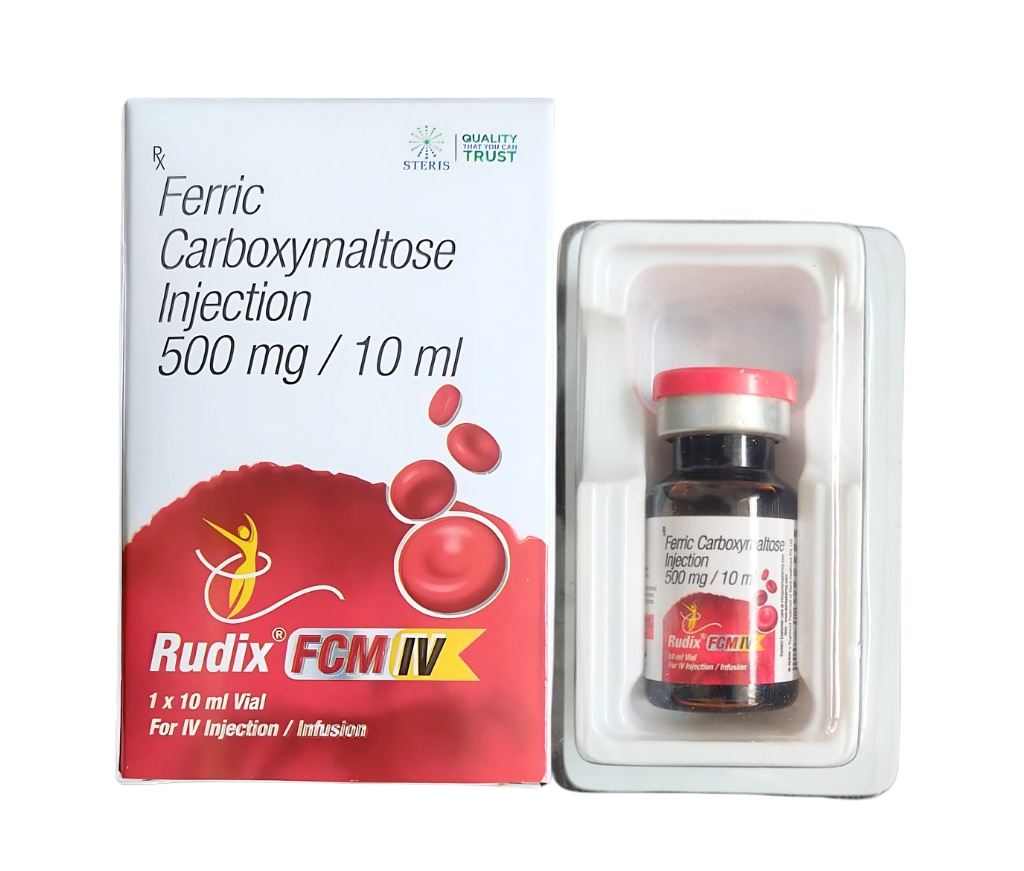
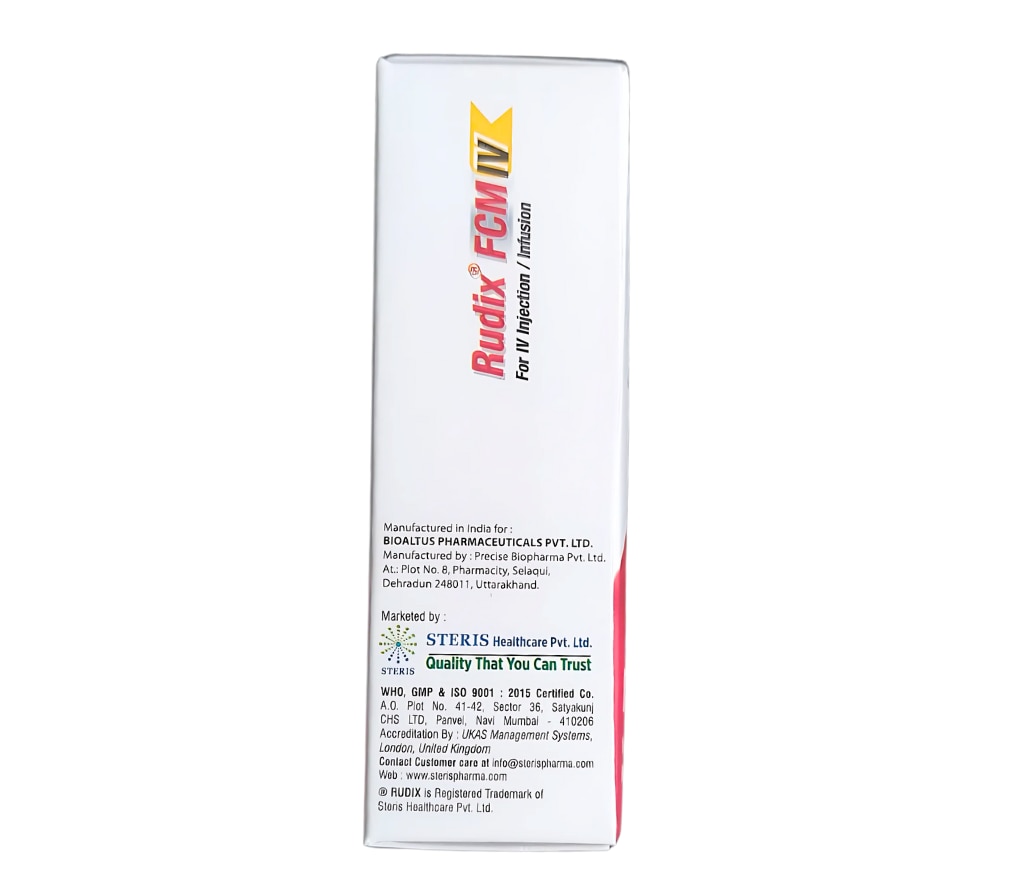
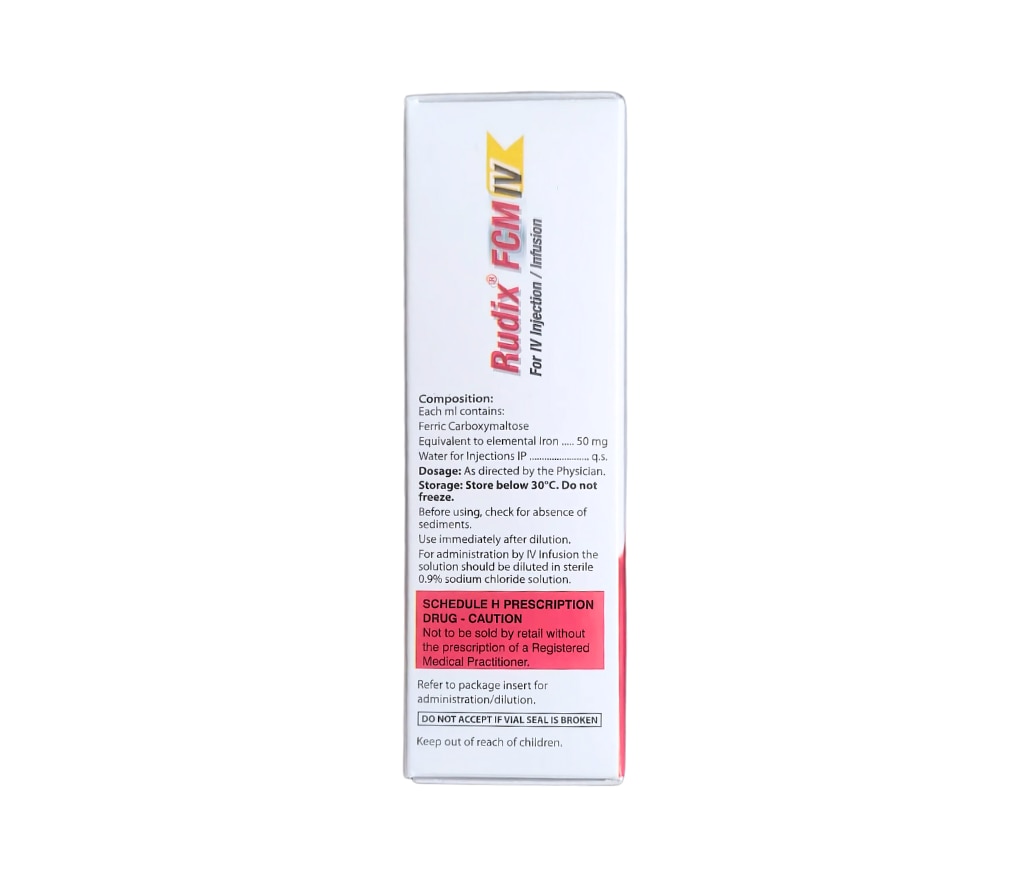
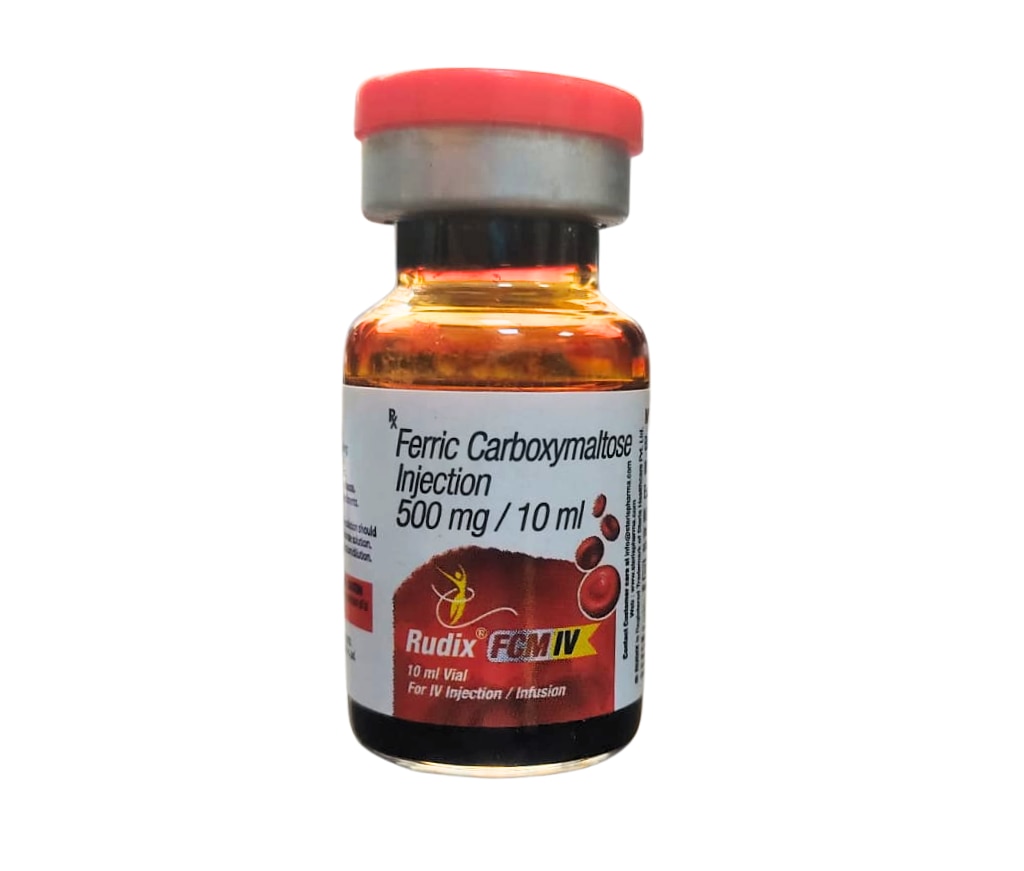
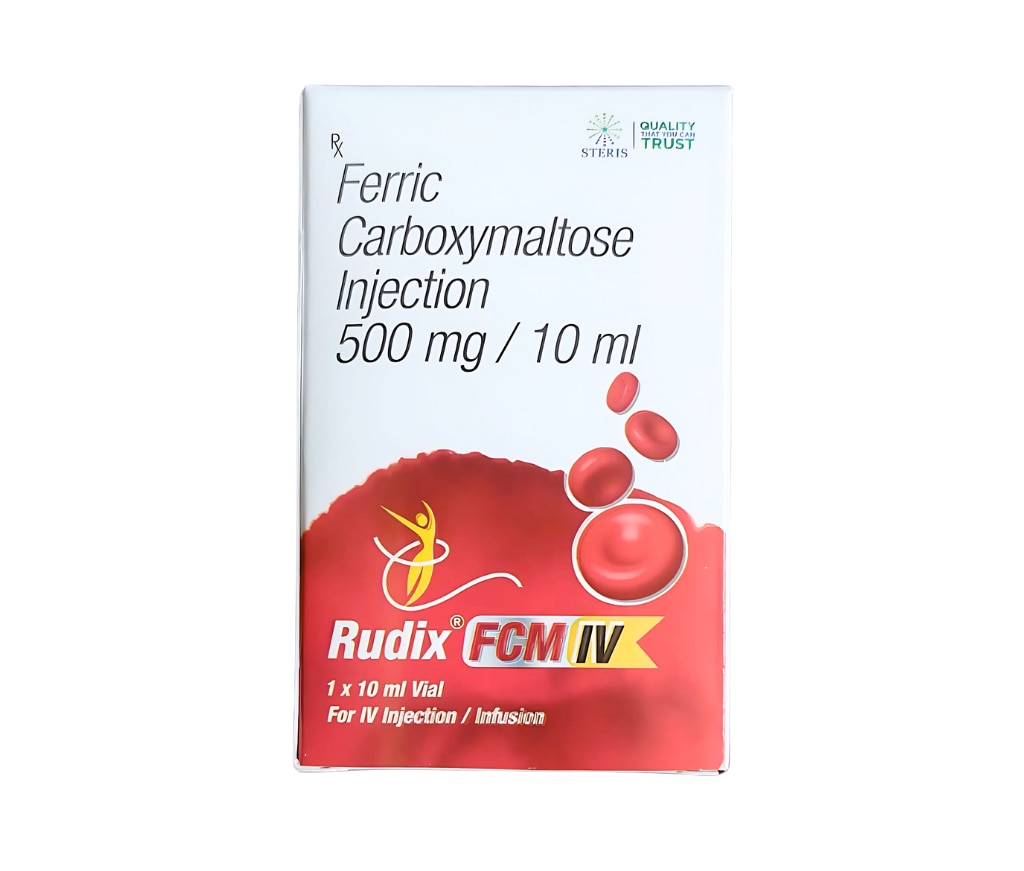
RUDIX FCM IV is a sterile intravenous iron formulation containing Ferric carboxymaltose, designed for the rapid and effective treatment of iron deficiency and iron deficiency anemia (IDA). It is specifically developed for patients who require fast iron replenishment, cannot tolerate oral iron supplements, or have conditions where oral iron therapy is ineffective. Iron deficiency remains one of the most common nutritional deficiencies worldwide, affecting women, children, patients with chronic diseases, and individuals recovering from surgery. RUDIX FCM IV provides a modern, safe, and convenient approach to restoring iron stores efficiently under medical supervision. Product Overview Product Name: RUDIX FCM IV Generic Name: Ferric Carboxymaltose Injection Dosage Form: Intravenous injection / infusion Route of Administration: IV use only Indication: Treatment of iron deficiency and iron deficiency anemia RUDIX FCM IV is formulated using advanced iron-carbohydrate complex technology that allows controlled and gradual release of iron into the bloodstream. This reduces the risk of free iron toxicity while ensuring effective replenishment of hemoglobin levels and iron stores. What is Ferric Carboxymaltose? Ferric carboxymaltose is a next-generation intravenous iron complex. Unlike traditional iron salts, it allows the administration of larger single doses in a shorter duration, reducing the need for multiple hospital visits. The iron core is tightly bound within a carbohydrate shell, enabling controlled release and minimizing adverse reactions compared to older IV iron formulations. Once administered, iron from ferric carboxymaltose is taken up by the body's iron-binding proteins and transported to the bone marrow, where it supports red blood cell production and improves hemoglobin levels. Uses of RUDIX FCM IV RUDIX FCM IV is indicated in the following medical conditions: 1. Iron Deficiency Anemia (IDA) Used when oral iron therapy is ineffective, poorly tolerated, or when rapid correction of anemia is required. 2. Chronic Kidney Disease (CKD) Patients with CKD often experience anemia due to reduced erythropoietin production and iron deficiency. IV iron helps restore iron levels efficiently. 3. Postpartum Anemia Women who experience significant blood loss during childbirth may require quick iron restoration. 4. Heavy Menstrual Bleeding For women with chronic blood loss leading to iron deficiency. 5. Gastrointestinal Disorders Conditions such as inflammatory bowel disease (IBD), celiac disease, or gastric surgery can impair iron absorption, making IV iron therapy necessary. 6. Pre- and Post-Surgical Patients Patients undergoing major surgeries may require rapid iron replenishment to improve recovery. Key Benefits of RUDIX FCM IV ✔ Rapid Iron Replenishment Allows administration of high doses in a single sitting, helping patients recover faster compared to oral supplements. ✔ Improved Patient Compliance Fewer hospital visits are required due to the ability to deliver larger doses in one infusion. ✔ Better Tolerability Lower incidence of gastrointestinal side effects compared to oral iron therapy. ✔ Controlled Iron Release The stable iron-carbohydrate complex reduces the risk of free iron reactions. ✔ Suitable for Multiple Patient Groups Safe for use in adults with various underlying medical conditions under medical supervision. ✔ Clinically Proven Effectiveness Helps improve hemoglobin levels, replenish iron stores, and reduce fatigue and weakness associated with anemia. Dosage and Administration RUDIX FCM IV should be administered only by qualified healthcare professionals in a clinical setting. The dosage depends on: Patient’s body weight Hemoglobin level Severity of iron deficiency Underlying medical condition It may be given as a slow intravenous injection or diluted in saline for infusion. Monitoring during and after administration is recommended to ensure patient safety. Possible Side Effects Like all medications, RUDIX FCM IV may cause side effects, although not everyone experiences them. Common Side Effects: Headache Nausea Dizziness Injection site reactions Flushing Less Common but Serious Reactions: Hypersensitivity reactions Hypotension (low blood pressure) Allergic reactions Shortness of breath Patients should be monitored during infusion. Immediate medical attention is required if signs of severe allergic reactions occur. Precautions and Warnings Should not be used in patients with known hypersensitivity to ferric carboxymaltose. Not recommended in patients with iron overload disorders such as hemochromatosis. Use cautiously in patients with liver dysfunction. Pregnancy and lactation use should be evaluated by a healthcare provider. Must be administered in facilities equipped to manage anaphylactic reactions. Storage Instructions Store at controlled room temperature. Protect from light. Do not freeze. Keep out of reach of children. Why Choose RUDIX FCM IV? RUDIX FCM IV stands out due to its high-quality formulation, safety profile, and effectiveness in treating iron deficiency anemia. It offers healthcare providers a reliable option for rapid correction of iron deficiency while minimizing patient inconvenience. Its ability to deliver higher doses in fewer sessions makes it a preferred choice in hospitals, nephrology clinics, gynecology practices, and surgical recovery units. Conclusion Iron deficiency anemia can significantly impact quality of life, causing fatigue, weakness, reduced immunity, and impaired cognitive function. Timely correction is essential to restore overall health and vitality.
![Bisoprolol 1.25mg is the smallest tablet strength of bisoprolol, a heart-selective beta-1 blocker. Doctors usually prescribe it to start treatment or to build up the dose gradually in people with high blood pressure, chronic stable heart failure, or fast heart rhythms. It suits older adults, people with mild heart failure, and anyone who reacts strongly to beta-blockers. The medicine slows the heartbeat and eases the force of each contraction, so the heart works less hard. BISOGARD 1.25 from Steris Healthcare Pvt. Ltd. comes in a strip pack of 15 tablets. It is a Schedule H medicine, so it must only be started, changed, or stopped on a doctor's advice.
Product Snapshot
Brand: BISOGARD 1.25
Manufacturer/Marketer: Steris Healthcare Pvt. Ltd., a WHO-GMP and ISO-certified pharmaceutical company in India
Active ingredient: Bisoprolol Fumarate 1.25mg
Form: Tablet
Pack size: 15 tablets
Drug class: Cardioselective beta-1 blocker
Legal status: Schedule H (valid prescription required)
Availability: Through Steris Healthcare's authorized pharmacies and its B2B PCD franchise network across India
What Is Bisoprolol 1.25mg?
If your doctor has just prescribed bisoprolol 1.25mg, you have been given the lowest dose on purpose. Bisoprolol is a cardioselective beta-1 blocker, meaning it acts mostly on receptors in the heart and has much less effect on the lungs and blood vessels. This is a major reason it is preferred over older, non-selective beta-blockers, especially for people who also have a mild breathing problem.
The 1.25mg tablet is not a “light” medicine for mild illness. It is a carefully chosen entry point. In heart failure, a weakened heart can struggle if its rate or pressure drops too quickly, so cardiologists follow a “start low, go slow” approach. Treatment begins at 1.25mg, the response is watched for one to two weeks, and the dose is raised step by step (commonly 2.5mg, 3.75mg, 5mg, 7.5mg, and up to 10mg) as the heart adapts. That is why BISOGARD 1.25 is often the first tablet a newly diagnosed heart failure patient takes.
What Is Bisoprolol 1.25mg Used For?
Doctors commonly prescribe this strength for:
Chronic heart failure (HFrEF): as the first step of dose titration in patients with a reduced ejection fraction, alongside ACE inhibitors/ARBs and diuretics
High blood pressure: especially in older adults, people with low body weight, and those who are sensitive to blood-pressure-lowering drugs
Stable angina: to reduce the heart's oxygen demand and relieve chest discomfort
After a heart attack: in selected patients, under a cardiologist's care
Heart rate control in some arrhythmias: sometimes used off-label at a low dose to gently bring down a fast heart rate
At 1.25mg, bisoprolol is seldom meant as the long-term sole treatment for high blood pressure in an otherwise healthy adult. It is usually the first rung of a titration ladder, or a steady maintenance dose for patients who are unusually beta-blocker sensitive (older age, low body weight, or borderline low pressure or pulse).
How Does Bisoprolol Work?
Bisoprolol selectively blocks beta-1 adrenergic receptors, which are packed mainly into heart muscle. This leads to several effects:
Slower heart rate: the heart has more time to fill and rest between beats
Gentler contractions: the heart muscle needs less oxygen and energy
Less renin from the kidneys: this helps blood pressure fall gradually over time
Lower overall cardiac workload: a real advantage for a heart that already struggles to pump well, as in heart failure
Key Benefits of BISOGARD 1.25
A gentle starting dose, well suited to careful titration in frail or elderly patients
Heart-focused action, with less effect on the lungs and peripheral blood vessels than non-selective beta-blockers
Once-daily dosing, which makes it easier to stay on treatment
A guideline-recommended beta-blocker for HFrEF with well-established outcomes data [Reviewer note: insert specific outcome statistics/trial citation pending medical sign-off]
Made by Steris Healthcare Pvt. Ltd. under WHO-GMP and ISO-certified standards
Dosage Guidance
Usual starting dose (heart failure): 1.25mg once a day, preferably in the morning
Dose increases: typically every 1–2 weeks (2.5mg, 3.75mg, 5mg, 7.5mg, up to a maximum of 10mg daily), depending on how well you tolerate it and on your pulse and blood pressure
High blood pressure (sensitive patients): 1.25mg to 5mg once daily, as set by your doctor
How to take it: at the same time every day, with or without food, swallowed whole with water
If you miss a dose: take it when you remember, unless the next dose is almost due. Never take a double dose.
Never stop suddenly: abrupt withdrawal can cause a rebound rise in heart rate, blood pressure, or chest pain. The dose must be reduced gradually under medical supervision.
Is It Better to Take Bisoprolol in the Morning or at Night?
Most doctors advise a morning dose. Bisoprolol lowers pulse and blood pressure, and taking it early matches its action to your daytime activity. A night-time dose could add to the body's natural overnight dip in blood pressure and raise the chance of dizziness when getting up in the dark. Some people who feel tired during the day are told by their doctor to switch to the evening. Do not change your dosing time without your doctor's approval.
Side Effects of Bisoprolol 1.25mg
Common side effects
Tiredness or fatigue
Dizziness or light-headedness, especially on standing quickly
Cold hands or feet
Slow pulse (bradycardia)
Headache
Mild stomach upset (nausea, loose stools)
Disturbed sleep
Serious side effects (get medical help promptly)
Very slow heartbeat or fainting
Increasing breathlessness or swollen legs/ankles, which may mean heart failure is worsening
Allergic reaction: rash, swelling of the face or throat, trouble breathing
Cold, numb, or bluish fingers and toes
Wheezing or new breathing difficulty, particularly in people with asthma or COPD
Mood changes, low mood, or confusion
What Are the Bad Side Effects of Bisoprolol?
The effects that need urgent attention are a dangerously slow pulse, fainting, signs of worsening heart failure (swelling, breathlessness), severe allergic reactions, and airway tightening in people with lung disease. These are uncommon at the 1.25mg dose, but anyone who notices them should seek medical help right away. [Reviewer note: specific incidence rates pending clinical/medical sign-off]
Substitutes & Comparable Beta-Blockers
Molecule Selectivity Typical Use Case
Bisoprolol Highly cardioselective Heart failure titration, hypertension
Metoprolol Succinate ER Cardioselective Hypertension, angina, heart failure
Atenolol Cardioselective (older agent) Hypertension
Carvedilol Non-selective with alpha-blocking action Heart failure (adds vasodilation)
Propranolol Non-selective Migraine prevention, anxiety-related fast heartbeat, essential tremor
Precautions & Who Should Avoid Bisoprolol
Not suitable for people with severe bradycardia, certain forms of heart block (unless a pacemaker is fitted), unstable or acutely decompensated heart failure, or severe uncontrolled asthma
Use carefully in diabetes, because beta-blockers can hide the warning signs of low blood sugar
Take care in peripheral vascular disease, as cold extremities or leg pain on walking may worsen
Never stop it abruptly; always taper under a doctor's guidance
Tell your doctor about every medicine you use, especially other blood-pressure drugs, calcium channel blockers, and certain antiarrhythmics
In pregnancy and breastfeeding, use only if your doctor advises it after weighing benefits and risks
Is Bisoprolol Safe for Kidneys?
The body clears bisoprolol through both the liver and the kidneys in roughly equal measure. It is generally considered safe for people with normal or mildly reduced kidney function. When kidney impairment is significant, drug levels in the blood can rise, so your doctor may lower the dose or monitor you more closely. Always tell your prescriber about any kidney disease before starting.
Is Bisoprolol a High-Risk Medication?
Bisoprolol is not a narrow therapeutic index drug like tacrolimus or warfarin, where small dose differences matter greatly. Even so, it needs supervised use because it directly affects heart rate and blood pressure. The main dangers are stopping it suddenly, which can set off rebound cardiac events, and using it with certain existing rhythm disorders. Taken as prescribed and checked regularly, it has a long and reassuring safety record.
Does 1.25mg Bisoprolol Lower Blood Pressure?
Yes. Even the smallest dose measurably reduces heart rate and blood pressure by lightening the heart's workload and reducing renin-driven narrowing of blood vessels. At this strength the effect on blood pressure is fairly mild, which is exactly why it is a safe place to begin, especially for older adults or people starting heart failure treatment. The dose is then raised gradually to reach full benefit.
Frequently Asked Questions
1. What is 1.25 mg of bisoprolol used for?
Mainly as a low starting dose when building up treatment for chronic heart failure, and for high blood pressure in people who are very sensitive to beta-blockers, such as older adults.
2. What are the bad side effects of bisoprolol?
The more serious ones are a very slow pulse, fainting, worsening heart failure signs (swelling, breathlessness), severe allergy, and breathing trouble in people with lung conditions.
3. What are the common side effects of bisoprolol fumarate 1.25 mg tablets?
Tiredness, dizziness, cold hands and feet, mild headache, and a slightly slower pulse.
4. Is it better to take bisoprolol in the morning or at night?
Morning is usually preferred so its effect fits daytime activity, though your doctor may suggest evenings in some cases.
5. What is the cost of bisoprolol?
Price depends on strength, pack size, and brand. Use the “Check Price” option above for current BISOGARD 1.25 pricing from Steris Healthcare.
6. Does 1.25 mg bisoprolol lower blood pressure?
Yes, though only modestly at this dose. The dose is often stepped up over time.
7. Is bisoprolol safe for kidneys?
Generally yes for normal or mildly reduced kidney function. People with significant kidney impairment need dose adjustment and monitoring.
8. Is bisoprolol a high-risk medication?
It is not a narrow therapeutic index drug, but it must never be stopped suddenly and should be used under medical supervision because of its direct effect on the heart.
9. Can I take bisoprolol 1.25mg for the rest of my life?
Many people with chronic heart failure or hypertension do take bisoprolol long term, but the dose usually rises as tolerated. Your doctor should review it regularly.
10. What happens if I miss a dose of bisoprolol?
Take it when you remember, unless the next dose is nearly due. In that case skip the missed one. Never take two together.
11. Can bisoprolol 1.25mg cause weight gain?
It is not commonly reported at this dose. Fluid retention linked to heart failure itself should be reported to your doctor.
12. Is bisoprolol safe for diabetic patients?
It can be used, with care, because beta-blockers may hide warning signs of low blood sugar such as a racing heartbeat.
13. Can I stop taking bisoprolol suddenly if I feel fine?
No. Stopping abruptly can cause a rebound rise in heart rate, blood pressure, or chest pain. Reduce the dose gradually under medical guidance.
14. Does bisoprolol interact with other blood pressure medicines?
Yes. Combining it with other drugs that lower heart rate or pressure (such as calcium channel blockers) can cause a very low pulse or pressure. Tell your doctor about all your medicines.
15. Is BISOGARD 1.25 available without a prescription?
No. Bisoprolol is a Schedule H medicine in India and needs a valid prescription.
16. How long does it take for bisoprolol 1.25mg to start working?
Some effect on heart rate appears within hours, but the full benefit for blood pressure or heart failure symptoms builds over several weeks of regular use.
17. Can pregnant women take bisoprolol?
Only if clearly necessary and prescribed by a doctor, as it may affect the baby's heart rate and growth.](https://productimages.withfloats.com/tile/6abe4474c205678e0b16a23a.png)