

Description
Product details
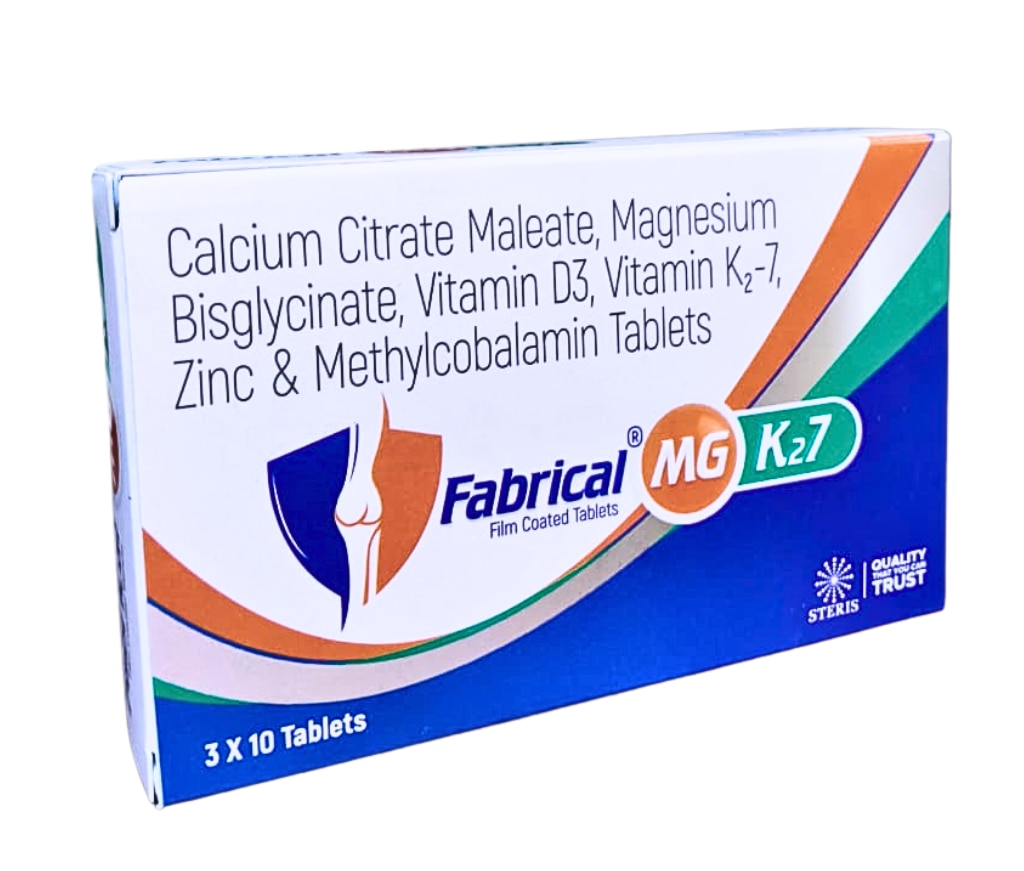
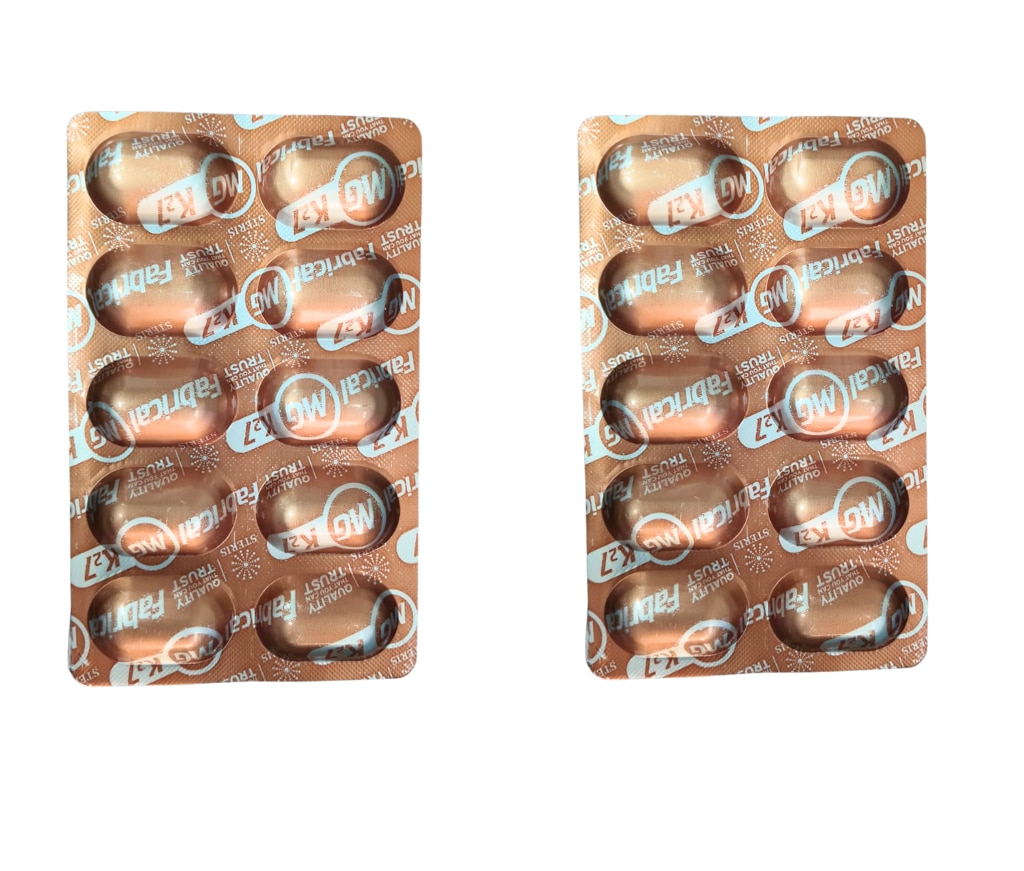
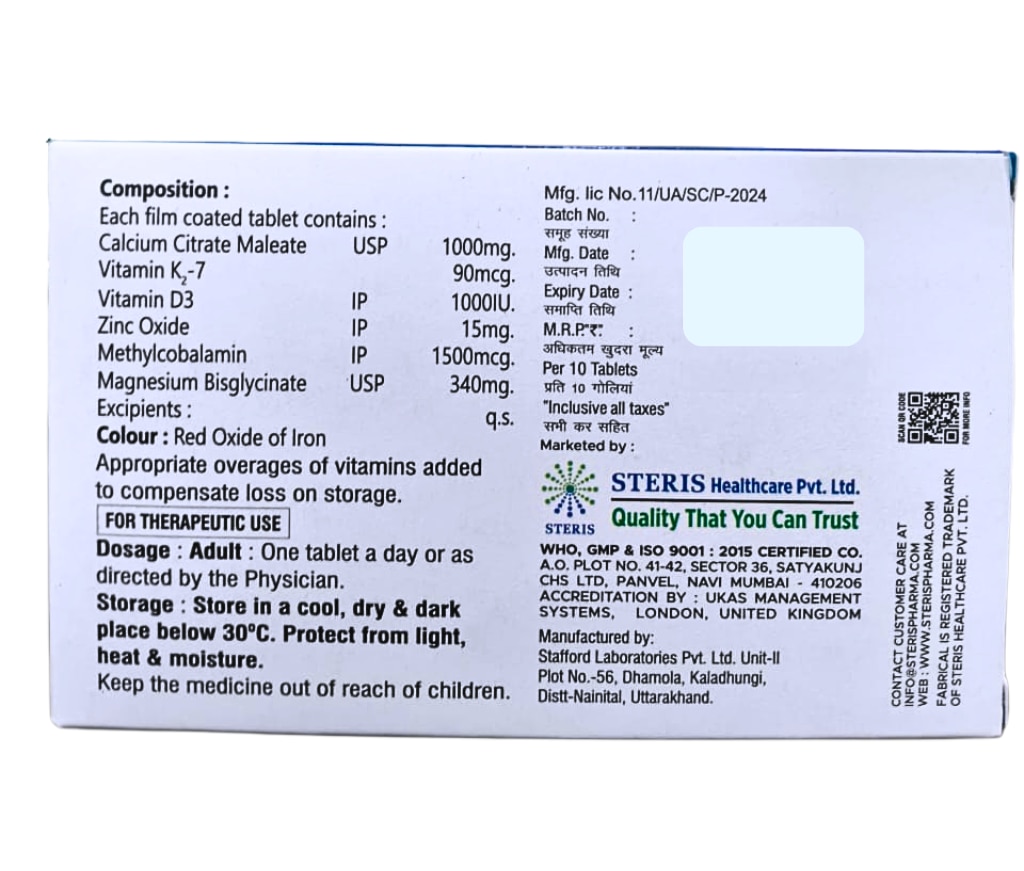
FABRICAL MG K₂7 represents a scientifically advanced nutritional supplement that combines essential minerals and vitamins in a synergistic formulation designed to support optimal bone health, cardiovascular function, and overall metabolic wellness. This innovative product brings together six critical nutrients—Calcium Citrate Maleate, Magnesium Bisglycinate, Vitamin D3, Vitamin K2-7 (Menaquinone-7), Zinc, and Methylcobalamin—in precise therapeutic ratios that maximize bioavailability and clinical effectiveness. Unlike conventional calcium supplements that focus solely on calcium supplementation, FABRICAL MG K₂7 adopts a comprehensive, multi-nutrient approach that addresses the complex interplay between various micronutrients essential for skeletal integrity, neuromuscular function, immune competence, and metabolic regulation. This sophisticated formulation reflects current understanding of nutritional biochemistry, recognizing that optimal health outcomes require balanced supplementation rather than isolated nutrient provision. The product has been meticulously formulated to address the growing epidemic of nutritional deficiencies affecting diverse populations, from elderly individuals experiencing age-related bone loss to young adults with suboptimal dietary intake, pregnant women with increased nutritional demands, and individuals with chronic conditions affecting nutrient absorption or utilization. FABRICAL MG K₂7 serves as a convenient, evidence-based solution for maintaining nutritional adequacy and supporting long-term health across various life stages. Detailed Understanding of FABRICAL MG K₂7 Components Calcium Citrate Maleate: Superior Calcium Bioavailability Calcium Citrate Maleate represents the premium form of calcium supplementation, offering significantly enhanced absorption compared to traditional calcium carbonate. This advanced calcium complex demonstrates approximately 25-30% better bioavailability, making it particularly valuable for individuals with reduced gastric acid production, including elderly populations and those taking proton pump inhibitors or H2-receptor antagonists. Unlike calcium carbonate, which requires acidic conditions for optimal dissolution, Calcium Citrate Maleate can be absorbed efficiently regardless of meal timing or stomach pH, providing greater flexibility and convenience. The maleate component further enhances calcium absorption and utilization by supporting cellular energy metabolism and mitochondrial function. This sophisticated formulation ensures that supplemented calcium reaches target tissues—bones, teeth, muscles, and nerves—where it performs essential physiological functions rather than accumulating in soft tissues where it could potentially contribute to unwanted calcification. Magnesium Bisglycinate: The Gentle Magnesium Choice Magnesium Bisglycinate, also known as magnesium glycinate, stands as one of the most bioavailable and well-tolerated forms of magnesium supplementation. This chelated form, where magnesium is bound to two molecules of the amino acid glycine, offers exceptional absorption rates approaching 80-90% while minimizing the gastrointestinal side effects—particularly diarrhea—commonly associated with other magnesium forms like magnesium oxide or sulfate. Magnesium plays over 300 enzymatic roles throughout the body, making it indispensable for energy production, protein synthesis, muscle and nerve function, blood glucose control, and blood pressure regulation. Within FABRICAL MG K₂7, magnesium works synergistically with calcium, maintaining the critical calcium-magnesium balance essential for proper muscular contraction and relaxation, cardiovascular rhythm stability, and skeletal mineralization. Vitamin D3: The Sunshine Vitamin in Its Active Form Vitamin D3 (cholecalciferol) represents the most bioactive form of vitamin D, identical to what human skin synthesizes upon ultraviolet B exposure. This fat-soluble vitamin functions more accurately as a hormone, regulating calcium absorption from the intestines, maintaining serum calcium and phosphorus concentrations within optimal ranges, and modulating bone remodeling by both osteoblasts and osteoclasts. Beyond skeletal functions, Vitamin D3 exerts profound influences on immune system regulation, cellular differentiation and proliferation, neuromuscular function, and inflammation modulation. Vitamin D receptors exist throughout the body—in tissues ranging from the brain and heart to immune cells and muscle—highlighting its systemic importance. The inclusion of Vitamin D3 in FABRICAL MG K₂7 ensures that supplemented calcium can be effectively absorbed and utilized, preventing the futility of calcium supplementation in vitamin D-deficient states. Vitamin K2-7: The Missing Link in Bone and Cardiovascular Health Vitamin K2-7, specifically the menaquinone-7 (MK-7) form, represents perhaps the most revolutionary component of FABRICAL MG K₂7. This long-chain vitamin K2 demonstrates superior bioavailability and longer half-life compared to vitamin K1 (phylloquinone) found in green vegetables or shorter-chain K2 forms. Vitamin K2-7's critical function involves activating proteins responsible for proper calcium utilization—specifically matrix Gla protein (MGP) and osteocalcin. Osteocalcin, produced by bone-building osteoblasts, requires vitamin K2-dependent carboxylation to become active and effectively bind calcium into bone matrix, strengthening skeletal structure. Simultaneously, Vitamin K2-7 activates MGP, which prevents calcium deposition in arterial walls and soft tissues, directing calcium away from cardiovascular structures where it contributes to atherosclerosis and arterial stiffness. This dual action—promoting bone calcification while preventing vascular calcification—makes Vitamin K2-7 uniquely valuable, addressing the “calcium paradox” where individuals may simultaneously experience osteoporosis and arterial calcification. Zinc: The Multifunctional Essential Mineral Zinc, incorporated into FABRICAL MG K₂7 in highly bioavailable form, serves numerous critical physiological functions spanning immune competence, wound healing, protein synthesis, DNA synthesis, and cellular division. Regarding bone health specifically, zinc influences bone metabolism by supporting osteoblast activity and collagen synthesis, contributing to bone matrix formation and mineralization. Zinc also functions as a cofactor for alkaline phosphatase, an enzyme essential for bone mineralization. Beyond skeletal contributions, zinc supports immune system function, acting as a critical component of innumerable enzymes involved in immune cell development and function. Zinc deficiency impairs both innate and adaptive immunity, increasing susceptibility to infections. The mineral also supports sensory function (taste and smell), cognitive function, reproductive health, and skin integrity. Methylcobalamin: The Bioactive Vitamin B12 Methylcobalamin represents the active, coenzyme form of vitamin B12, requiring no metabolic conversion to exert biological activity. This form demonstrates superior neurological benefits compared to cyanocobalamin, the synthetic form commonly used in supplements. Methylcobalamin directly participates in methionine synthesis and methylation reactions critical for nervous system health, DNA synthesis, red blood cell formation, and homocysteine metabolism. Elevated homocysteine, resulting from inadequate B12 status, associates with increased cardiovascular disease risk, cognitive decline, and bone fragility. By supporting homocysteine conversion to methionine, methylcobalamin in FABRICAL MG K₂7 contributes to cardiovascular protection and potentially supports bone health through mechanisms independent of its well-established neurological and hematological roles. Primary Uses and Clinical Applications of FABRICAL MG K₂7 Comprehensive Bone Health Support The primary indication for FABRICAL MG K₂7 centers on comprehensive bone health support across various life stages and clinical scenarios. The formulation addresses all critical aspects of skeletal health: providing adequate calcium substrate for mineralization, ensuring calcium absorption through Vitamin D3, directing calcium into bone matrix via Vitamin K2-7, supporting bone matrix formation through magnesium and zinc, and protecting against homocysteine-related bone fragility through methylcobalamin. This makes FABRICAL MG K₂7 particularly valuable for: Osteoporosis Prevention and Management: Postmenopausal women and elderly men experiencing age-related bone loss benefit from the formulation's comprehensive approach, potentially slowing bone density decline and reducing fracture risk. Growing Children and Adolescents: During peak bone-building years, FABRICAL MG K₂7 supports optimal skeletal development, helping children and teenagers achieve maximum peak bone mass—a critical determinant of lifelong skeletal health. Pregnancy and Lactation: Women during pregnancy and breastfeeding experience dramatically increased calcium demands. FABRICAL MG K₂7 helps prevent maternal bone density loss while supporting fetal skeletal development. Cardiovascular Protection Through Proper Calcium Distribution The Vitamin K2-7 component positions FABRICAL MG K₂7 as more than a bone health supplement—it's a cardiovascular protective formulation. By activating matrix Gla protein, the supplement helps prevent arterial calcification, potentially reducing cardiovascular disease risk. This dual benefit addresses the concerning observation that some individuals taking calcium supplements without adequate Vitamin K2 may experience increased cardiovascular events due to inappropriate calcium deposition in arterial walls. Neurological and Cognitive Support The methylcobalamin component provides neurological support, particularly valuable for elderly individuals at risk for vitamin B12 deficiency due to reduced intrinsic factor production or those taking medications that impair B12 absorption (such as metformin or proton pump inhibitors). Adequate B12 status supports cognitive function, mood regulation, nerve conduction, and may help prevent peripheral neuropathy. Immune System Enhancement Both zinc and vitamin D3 within FABRICAL MG K₂7 contribute significantly to immune competence. Vitamin D modulates both innate and adaptive immunity, while zinc supports immune cell development and function. This immune support proves particularly relevant during seasonal illness peaks or for individuals with compromised immunity. Muscle Function and Exercise Performance Magnesium's role in muscle contraction and relaxation, combined with calcium's involvement in excitation-contraction coupling, makes FABRICAL MG K₂7 valuable for athletes and physically active individuals. The formulation may help prevent exercise-associated muscle cramps, support recovery, and maintain electrolyte balance. Key Benefits of FABRICAL MG K₂7 Enhanced Bioavailability and Absorption Unlike basic supplements using inferior ingredient forms, FABRICAL MG K₂7 utilizes premium, highly bioavailable compounds: Calcium Citrate Maleate offers superior absorption compared to calcium carbonate Magnesium Bisglycinate provides excellent absorption without gastrointestinal distress Vitamin D3 is more potent than D2 Vitamin K2-7 (MK-7) has longer half-life and better tissue distribution than K1 or shorter-chain K2 forms Methylcobalamin is the active B12 form requiring no conversion This superior bioavailability means lower doses can achieve therapeutic effects, reducing pill burden and potential adverse effects while maximizing benefits. Synergistic Nutrient Interactions FABRICAL MG K₂7's formulation recognizes that nutrients work together, not in isolation: Vitamin D3 enhances calcium absorption while Vitamin K2-7 directs where that calcium goes Magnesium supports Vitamin D activation and calcium metabolism Zinc supports bone matrix formation complementing calcium's role in mineralization Methylcobalamin supports methylation pathways that may influence bone health This synergy delivers benefits exceeding what individual nutrients could provide separately. Comprehensive Rather Than Fragmented Nutritional Support Rather than requiring multiple separate supplements, FABRICAL MG K₂7 provides comprehensive support in a single, convenient formulation. This simplification improves compliance, reduces costs compared to purchasing individual supplements, and eliminates concerns about nutrient imbalances from uncoordinated supplementation. Protection Against the Calcium Paradox Perhaps the most significant benefit stems from the Vitamin K2-7 inclusion, which addresses the calcium paradox—simultaneously strengthening bones while protecting cardiovascular health by preventing arterial calcification. This represents a critical advancement over traditional calcium supplements that may inadvertently increase cardiovascular risk when taken without adequate Vitamin K2. Support Across Multiple Physiological Systems Beyond bones, FABRICAL MG K₂7 benefits: Cardiovascular System: Through arterial protection and homocysteine management Nervous System: Via methylcobalamin's neurological support Immune System: Through vitamin D3 and zinc's immunomodulatory effects Muscular System: Via magnesium and calcium's roles in contraction Metabolic System: Through magnesium's involvement in glucose metabolism This multi-system support delivers value far exceeding simple bone health supplementation. Potential Side Effects and Safety Considerations Generally Well-Tolerated with Minimal Side Effects FABRICAL MG K₂7, when taken as directed, demonstrates excellent tolerability in most individuals. The selection of highly bioavailable, gentle nutrient forms specifically minimizes adverse effects common with inferior formulations. Mild Gastrointestinal Effects Some users may initially experience mild digestive symptoms including: Slight nausea, particularly if taken on an empty stomach Minor bloating or gas Mild constipation (though less likely than with calcium carbonate formulations) These effects typically resolve within a few days as the body adjusts and can be minimized by taking the supplement with meals and ensuring adequate hydration. Rare Allergic Reactions Although uncommon, some individuals may experience hypersensitivity to ingredients or excipients in the formulation. Signs include rash, itching, or swelling. Discontinuation and medical consultation are warranted if such reactions occur. Considerations for Specific Populations Individuals on Anticoagulants: Vitamin K2, while generally safer regarding coagulation than K1, may theoretically interact with warfarin. Patients on anticoagulation therapy should consult healthcare providers before starting FABRICAL MG K₂7, though recent evidence suggests K2 supplementation at consistent doses may not significantly affect INR stability. Kidney Disease Patients: Individuals with chronic kidney disease should consult nephrologists before supplementing with calcium, magnesium, or vitamin D due to altered mineral metabolism and increased calcification risks in renal impairment. Hypercalcemia Risk: Those with conditions predisposing to elevated calcium (hyperparathyroidism, sarcoidosis, certain cancers) should avoid supplementation without medical supervision. Importance of Appropriate Dosing Exceeding recommended doses may increase adverse effect risks including: Hypercalcemia (excessive calcium) causing nausea, constipation, kidney stones Hypermagnesemia (excessive magnesium) causing diarrhea, cardiac abnormalities Vitamin D toxicity (though requiring very high doses sustained over time) Following manufacturer's recommendations and consulting healthcare providers regarding individual needs ensures safe, effective use. Recommended Usage and Dosage Guidelines FABRICAL MG K₂7 should be taken according to manufacturer recommendations, typically one to two tablets daily with meals for optimal absorption of fat-soluble vitamins (D3 and K2-7). Taking the supplement with food containing some dietary fat further enhances absorption of these critical nutrients while minimizing potential gastrointestinal discomfort. Consistency in timing supports optimal benefits, as regular daily supplementation maintains stable nutrient levels. For individuals on multiple medications, spacing FABRICAL MG K₂7 administration at least two hours from certain medications (particularly thyroid hormones, bisphosphonates, or antibiotics) prevents potential absorption interference. Individual requirements vary based on age, sex, dietary intake, health status, and specific deficiency risks. Healthcare provider consultation helps determine whether standard dosing suffices or whether adjustments are warranted. Periodic monitoring of vitamin D levels and other relevant biomarkers may be recommended to ensure supplementation achieves therapeutic goals without overshooting into excess. Conclusion: FABRICAL MG K₂7 as a Comprehensive Nutritional Solution FABRICAL MG K₂7 stands as a sophisticated, scientifically formulated nutritional supplement that transcends traditional approaches to bone health support. By combining six synergistic nutrients in highly bioavailable forms, this innovative product addresses the complex, interconnected nature of skeletal health, cardiovascular protection, neurological function, and overall metabolic wellness. The formulation's greatest strength lies in its comprehensive approach—recognizing that optimal health outcomes require balanced nutrition rather than isolated nutrient provision. The inclusion of Vitamin K2-7 particularly distinguishes FABRICAL MG K₂7 from conventional calcium supplements, addressing the critical calcium paradox and ensuring supplemented calcium strengthens bones while protecting cardiovascular structures. For individuals seeking to support bone density, prevent osteoporosis, ensure adequate nutritional status during life stages of increased demand, or simply maintain optimal health through evidence-based supplementation, FABRICAL MG K₂7 offers a convenient, effective solution backed by nutritional science. Its excellent tolerability, superior ingredient quality, and multi-system benefits make it suitable for diverse populations from growing adolescents to active adults and elderly individuals concerned about age-related health challenges. As with any nutritional supplement, FABRICAL MG K₂7 works best as part of a comprehensive health strategy including balanced nutrition, regular physical activity, adequate sleep, stress management, and appropriate medical care. It complements rather than replaces healthy lifestyle practices, providing nutritional insurance that helps fill gaps in modern diets while supporting long-term wellness. Whether you're proactively supporting your skeletal health, addressing identified nutritional deficiencies, or seeking comprehensive multi-nutrient support, FABRICAL MG K₂7 represents a premium choice that combines scientific sophistication with practical convenience, delivering measurable benefits that support vibrant health across all life stages. Disclaimer: This information is for educational purposes and does not constitute medical advice. Individual nutritional needs vary significantly based on numerous factors. Consult qualified healthcare professionals before starting any supplement regimen, particularly if you have existing health conditions, take medications, are pregnant or nursing, or have specific health concerns. Keep supplements out of reach of children and store according to manufacturer recommendations to maintain product integrity and safety.
![Bisoprolol 1.25mg is the smallest tablet strength of bisoprolol, a heart-selective beta-1 blocker. Doctors usually prescribe it to start treatment or to build up the dose gradually in people with high blood pressure, chronic stable heart failure, or fast heart rhythms. It suits older adults, people with mild heart failure, and anyone who reacts strongly to beta-blockers. The medicine slows the heartbeat and eases the force of each contraction, so the heart works less hard. BISOGARD 1.25 from Steris Healthcare Pvt. Ltd. comes in a strip pack of 15 tablets. It is a Schedule H medicine, so it must only be started, changed, or stopped on a doctor's advice.
Product Snapshot
Brand: BISOGARD 1.25
Manufacturer/Marketer: Steris Healthcare Pvt. Ltd., a WHO-GMP and ISO-certified pharmaceutical company in India
Active ingredient: Bisoprolol Fumarate 1.25mg
Form: Tablet
Pack size: 15 tablets
Drug class: Cardioselective beta-1 blocker
Legal status: Schedule H (valid prescription required)
Availability: Through Steris Healthcare's authorized pharmacies and its B2B PCD franchise network across India
What Is Bisoprolol 1.25mg?
If your doctor has just prescribed bisoprolol 1.25mg, you have been given the lowest dose on purpose. Bisoprolol is a cardioselective beta-1 blocker, meaning it acts mostly on receptors in the heart and has much less effect on the lungs and blood vessels. This is a major reason it is preferred over older, non-selective beta-blockers, especially for people who also have a mild breathing problem.
The 1.25mg tablet is not a “light” medicine for mild illness. It is a carefully chosen entry point. In heart failure, a weakened heart can struggle if its rate or pressure drops too quickly, so cardiologists follow a “start low, go slow” approach. Treatment begins at 1.25mg, the response is watched for one to two weeks, and the dose is raised step by step (commonly 2.5mg, 3.75mg, 5mg, 7.5mg, and up to 10mg) as the heart adapts. That is why BISOGARD 1.25 is often the first tablet a newly diagnosed heart failure patient takes.
What Is Bisoprolol 1.25mg Used For?
Doctors commonly prescribe this strength for:
Chronic heart failure (HFrEF): as the first step of dose titration in patients with a reduced ejection fraction, alongside ACE inhibitors/ARBs and diuretics
High blood pressure: especially in older adults, people with low body weight, and those who are sensitive to blood-pressure-lowering drugs
Stable angina: to reduce the heart's oxygen demand and relieve chest discomfort
After a heart attack: in selected patients, under a cardiologist's care
Heart rate control in some arrhythmias: sometimes used off-label at a low dose to gently bring down a fast heart rate
At 1.25mg, bisoprolol is seldom meant as the long-term sole treatment for high blood pressure in an otherwise healthy adult. It is usually the first rung of a titration ladder, or a steady maintenance dose for patients who are unusually beta-blocker sensitive (older age, low body weight, or borderline low pressure or pulse).
How Does Bisoprolol Work?
Bisoprolol selectively blocks beta-1 adrenergic receptors, which are packed mainly into heart muscle. This leads to several effects:
Slower heart rate: the heart has more time to fill and rest between beats
Gentler contractions: the heart muscle needs less oxygen and energy
Less renin from the kidneys: this helps blood pressure fall gradually over time
Lower overall cardiac workload: a real advantage for a heart that already struggles to pump well, as in heart failure
Key Benefits of BISOGARD 1.25
A gentle starting dose, well suited to careful titration in frail or elderly patients
Heart-focused action, with less effect on the lungs and peripheral blood vessels than non-selective beta-blockers
Once-daily dosing, which makes it easier to stay on treatment
A guideline-recommended beta-blocker for HFrEF with well-established outcomes data [Reviewer note: insert specific outcome statistics/trial citation pending medical sign-off]
Made by Steris Healthcare Pvt. Ltd. under WHO-GMP and ISO-certified standards
Dosage Guidance
Usual starting dose (heart failure): 1.25mg once a day, preferably in the morning
Dose increases: typically every 1–2 weeks (2.5mg, 3.75mg, 5mg, 7.5mg, up to a maximum of 10mg daily), depending on how well you tolerate it and on your pulse and blood pressure
High blood pressure (sensitive patients): 1.25mg to 5mg once daily, as set by your doctor
How to take it: at the same time every day, with or without food, swallowed whole with water
If you miss a dose: take it when you remember, unless the next dose is almost due. Never take a double dose.
Never stop suddenly: abrupt withdrawal can cause a rebound rise in heart rate, blood pressure, or chest pain. The dose must be reduced gradually under medical supervision.
Is It Better to Take Bisoprolol in the Morning or at Night?
Most doctors advise a morning dose. Bisoprolol lowers pulse and blood pressure, and taking it early matches its action to your daytime activity. A night-time dose could add to the body's natural overnight dip in blood pressure and raise the chance of dizziness when getting up in the dark. Some people who feel tired during the day are told by their doctor to switch to the evening. Do not change your dosing time without your doctor's approval.
Side Effects of Bisoprolol 1.25mg
Common side effects
Tiredness or fatigue
Dizziness or light-headedness, especially on standing quickly
Cold hands or feet
Slow pulse (bradycardia)
Headache
Mild stomach upset (nausea, loose stools)
Disturbed sleep
Serious side effects (get medical help promptly)
Very slow heartbeat or fainting
Increasing breathlessness or swollen legs/ankles, which may mean heart failure is worsening
Allergic reaction: rash, swelling of the face or throat, trouble breathing
Cold, numb, or bluish fingers and toes
Wheezing or new breathing difficulty, particularly in people with asthma or COPD
Mood changes, low mood, or confusion
What Are the Bad Side Effects of Bisoprolol?
The effects that need urgent attention are a dangerously slow pulse, fainting, signs of worsening heart failure (swelling, breathlessness), severe allergic reactions, and airway tightening in people with lung disease. These are uncommon at the 1.25mg dose, but anyone who notices them should seek medical help right away. [Reviewer note: specific incidence rates pending clinical/medical sign-off]
Substitutes & Comparable Beta-Blockers
Molecule Selectivity Typical Use Case
Bisoprolol Highly cardioselective Heart failure titration, hypertension
Metoprolol Succinate ER Cardioselective Hypertension, angina, heart failure
Atenolol Cardioselective (older agent) Hypertension
Carvedilol Non-selective with alpha-blocking action Heart failure (adds vasodilation)
Propranolol Non-selective Migraine prevention, anxiety-related fast heartbeat, essential tremor
Precautions & Who Should Avoid Bisoprolol
Not suitable for people with severe bradycardia, certain forms of heart block (unless a pacemaker is fitted), unstable or acutely decompensated heart failure, or severe uncontrolled asthma
Use carefully in diabetes, because beta-blockers can hide the warning signs of low blood sugar
Take care in peripheral vascular disease, as cold extremities or leg pain on walking may worsen
Never stop it abruptly; always taper under a doctor's guidance
Tell your doctor about every medicine you use, especially other blood-pressure drugs, calcium channel blockers, and certain antiarrhythmics
In pregnancy and breastfeeding, use only if your doctor advises it after weighing benefits and risks
Is Bisoprolol Safe for Kidneys?
The body clears bisoprolol through both the liver and the kidneys in roughly equal measure. It is generally considered safe for people with normal or mildly reduced kidney function. When kidney impairment is significant, drug levels in the blood can rise, so your doctor may lower the dose or monitor you more closely. Always tell your prescriber about any kidney disease before starting.
Is Bisoprolol a High-Risk Medication?
Bisoprolol is not a narrow therapeutic index drug like tacrolimus or warfarin, where small dose differences matter greatly. Even so, it needs supervised use because it directly affects heart rate and blood pressure. The main dangers are stopping it suddenly, which can set off rebound cardiac events, and using it with certain existing rhythm disorders. Taken as prescribed and checked regularly, it has a long and reassuring safety record.
Does 1.25mg Bisoprolol Lower Blood Pressure?
Yes. Even the smallest dose measurably reduces heart rate and blood pressure by lightening the heart's workload and reducing renin-driven narrowing of blood vessels. At this strength the effect on blood pressure is fairly mild, which is exactly why it is a safe place to begin, especially for older adults or people starting heart failure treatment. The dose is then raised gradually to reach full benefit.
Frequently Asked Questions
1. What is 1.25 mg of bisoprolol used for?
Mainly as a low starting dose when building up treatment for chronic heart failure, and for high blood pressure in people who are very sensitive to beta-blockers, such as older adults.
2. What are the bad side effects of bisoprolol?
The more serious ones are a very slow pulse, fainting, worsening heart failure signs (swelling, breathlessness), severe allergy, and breathing trouble in people with lung conditions.
3. What are the common side effects of bisoprolol fumarate 1.25 mg tablets?
Tiredness, dizziness, cold hands and feet, mild headache, and a slightly slower pulse.
4. Is it better to take bisoprolol in the morning or at night?
Morning is usually preferred so its effect fits daytime activity, though your doctor may suggest evenings in some cases.
5. What is the cost of bisoprolol?
Price depends on strength, pack size, and brand. Use the “Check Price” option above for current BISOGARD 1.25 pricing from Steris Healthcare.
6. Does 1.25 mg bisoprolol lower blood pressure?
Yes, though only modestly at this dose. The dose is often stepped up over time.
7. Is bisoprolol safe for kidneys?
Generally yes for normal or mildly reduced kidney function. People with significant kidney impairment need dose adjustment and monitoring.
8. Is bisoprolol a high-risk medication?
It is not a narrow therapeutic index drug, but it must never be stopped suddenly and should be used under medical supervision because of its direct effect on the heart.
9. Can I take bisoprolol 1.25mg for the rest of my life?
Many people with chronic heart failure or hypertension do take bisoprolol long term, but the dose usually rises as tolerated. Your doctor should review it regularly.
10. What happens if I miss a dose of bisoprolol?
Take it when you remember, unless the next dose is nearly due. In that case skip the missed one. Never take two together.
11. Can bisoprolol 1.25mg cause weight gain?
It is not commonly reported at this dose. Fluid retention linked to heart failure itself should be reported to your doctor.
12. Is bisoprolol safe for diabetic patients?
It can be used, with care, because beta-blockers may hide warning signs of low blood sugar such as a racing heartbeat.
13. Can I stop taking bisoprolol suddenly if I feel fine?
No. Stopping abruptly can cause a rebound rise in heart rate, blood pressure, or chest pain. Reduce the dose gradually under medical guidance.
14. Does bisoprolol interact with other blood pressure medicines?
Yes. Combining it with other drugs that lower heart rate or pressure (such as calcium channel blockers) can cause a very low pulse or pressure. Tell your doctor about all your medicines.
15. Is BISOGARD 1.25 available without a prescription?
No. Bisoprolol is a Schedule H medicine in India and needs a valid prescription.
16. How long does it take for bisoprolol 1.25mg to start working?
Some effect on heart rate appears within hours, but the full benefit for blood pressure or heart failure symptoms builds over several weeks of regular use.
17. Can pregnant women take bisoprolol?
Only if clearly necessary and prescribed by a doctor, as it may affect the baby's heart rate and growth.](https://productimages.withfloats.com/tile/6abe4474c205678e0b16a23a.png)