

Description
Product details
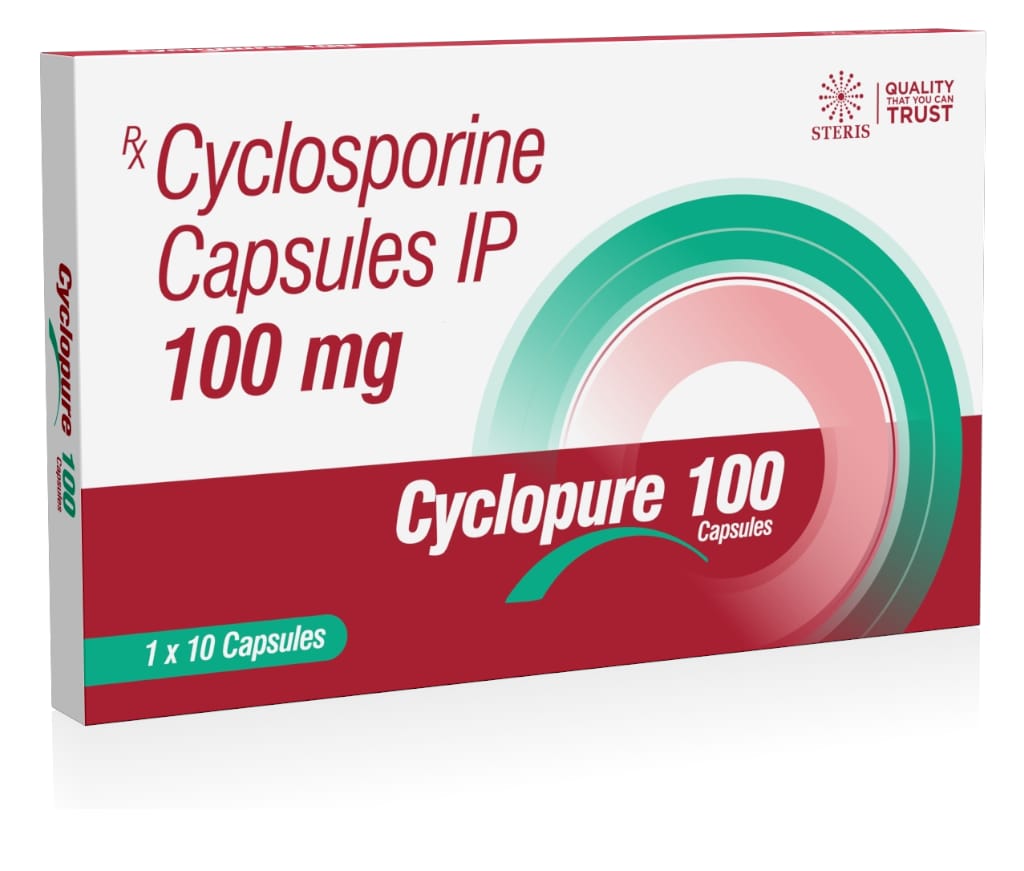
Cyclosporine, marketed under the brand name CYCLOPURE 100, is a potent immunosuppressant medication widely used in clinical settings to prevent organ transplant rejection and to manage various autoimmune disorders. Available as a 100mg oral capsule, CYCLOPURE 100 plays a critical role in modulating the immune system, helping patients maintain graft survival and control symptoms of immune-related diseases. Product Description CYCLOPURE 100 contains cyclosporine, a cyclic polypeptide consisting of 11 amino acids, derived from the fungus Tolypocladium inflatum. It selectively inhibits the activity of T-lymphocytes, a subset of white blood cells that play a central role in immune response. By targeting these immune cells, cyclosporine helps prevent the body’s immune system from attacking transplanted organs, such as kidneys, liver, or heart, and reduces inflammation in autoimmune diseases. The capsules are formulated for oral administration, with each capsule containing 100mg of cyclosporine. This dosage provides an effective balance between immunosuppression and safety for most adult patients, although dosing must be carefully tailored by healthcare providers based on patient response, therapeutic drug monitoring, and condition severity. Uses of CYCLOPURE 100 CYCLOPURE 100 is primarily indicated for the following medical purposes: Prevention of Organ Transplant Rejection: It is commonly prescribed to recipients of kidney, liver, heart, or other organ transplants to prevent acute and chronic rejection by suppressing immune responses that target the graft. Autoimmune Disease Management: Cyclosporine is effective in treating autoimmune disorders such as rheumatoid arthritis, psoriasis, and certain types of nephrotic syndrome. By reducing immune system overactivity, it helps alleviate symptoms such as joint inflammation, skin lesions, and kidney damage. Severe Atopic Dermatitis: In cases where conventional treatments are ineffective, cyclosporine may be used to control symptoms of severe eczema by modulating immune hyper-reactivity. Other Off-Label Uses: Occasionally, cyclosporine is used for other immune-mediated conditions like uveitis, Crohn’s disease, and some forms of lupus nephritis depending on physician discretion. Key Benefits Effective Immunosuppression: CYCLOPURE 100 is known for its potent ability to suppress immune responses selectively, significantly reducing the risk of organ rejection after transplantation and improving graft survival rates. Versatility in Autoimmune Conditions: Beyond organ transplantation, cyclosporine’s immunomodulatory effects provide relief in autoimmune diseases by controlling inflammation and immune overactivity that cause tissue damage. Improvement in Quality of Life: By controlling disease symptoms such as joint pain, skin inflammation, or kidney impairment, CYCLOPURE 100 enables patients to experience improved physical comfort and daily functioning. Oral Administration Convenience: The capsule form ensures ease of use and better patient compliance compared to injectable immunosuppressants, allowing therapy to be managed on an outpatient basis. Therapeutic Drug Monitoring: The availability of blood level monitoring helps customize dosage and maximize therapeutic effects while minimizing toxicity. Side Effects and Precautions While CYCLOPURE 100 is highly beneficial, it carries a risk of side effects due to its immunosuppressive nature and systemic effects. Common, less severe side effects include: Gingival hyperplasia (gum overgrowth) Tremors or mild neurological symptoms Hypertension (high blood pressure) Increased hair growth (hypertrichosis) Gastrointestinal disturbances (nausea, diarrhea) More serious adverse effects, which require immediate medical attention, can include: Nephrotoxicity: Cyclosporine can affect kidney function; regular monitoring of kidney function tests is essential. Increased Risk of Infections: Suppression of the immune system increases vulnerability to bacterial, viral, and fungal infections. Hepatotoxicity: Liver function should be monitored as cyclosporine may cause elevated liver enzymes or more severe liver damage. Malignancies: Long-term use has been associated with an increased risk of certain cancers, particularly lymphomas and skin cancers. Electrolyte Imbalances: Hypomagnesemia and hyperkalemia are possible and require monitoring. Patients must inform their healthcare providers about other medications they take, as cyclosporine has significant drug interactions that can affect its blood levels and toxicity risk, including with antibiotics, antifungals, anticonvulsants, and others. Conclusion CYCLOPURE 100 (Cyclosporine 100mg) stands as a cornerstone immunosuppressant medication that plays a vital role in preventing organ rejection and managing autoimmune diseases. Its targeted immunosuppressive action effectively reduces disease burden, enhances graft survival, and improves patients’ quality of life. Although it entails risks of side effects, careful medical supervision, therapeutic drug monitoring, and adherence to prescribed dosing protocols effectively mitigate these concerns. For patients undergoing organ transplantation or those with autoimmune conditions unresponsive to standard therapies, CYCLOPURE 100 provides a valuable therapeutic solution. Always consult a healthcare professional before starting or adjusting therapy with CYCLOPURE 100 to ensure the safest and most effective use tailored to individual clinical needs.