Description
Product details
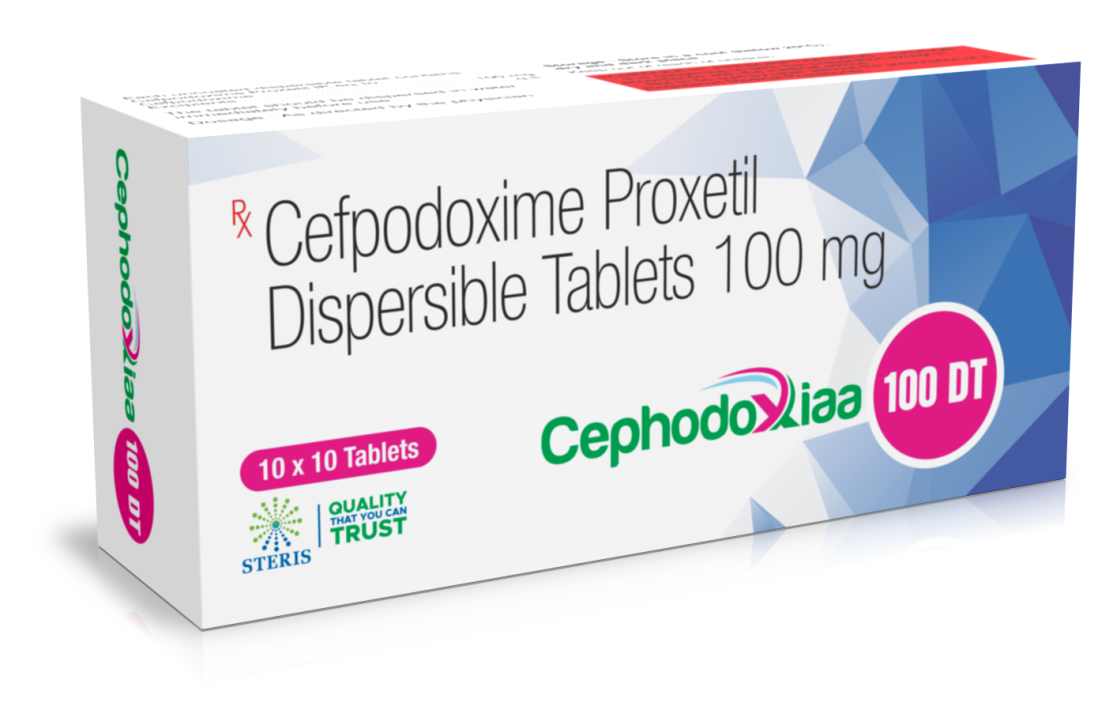
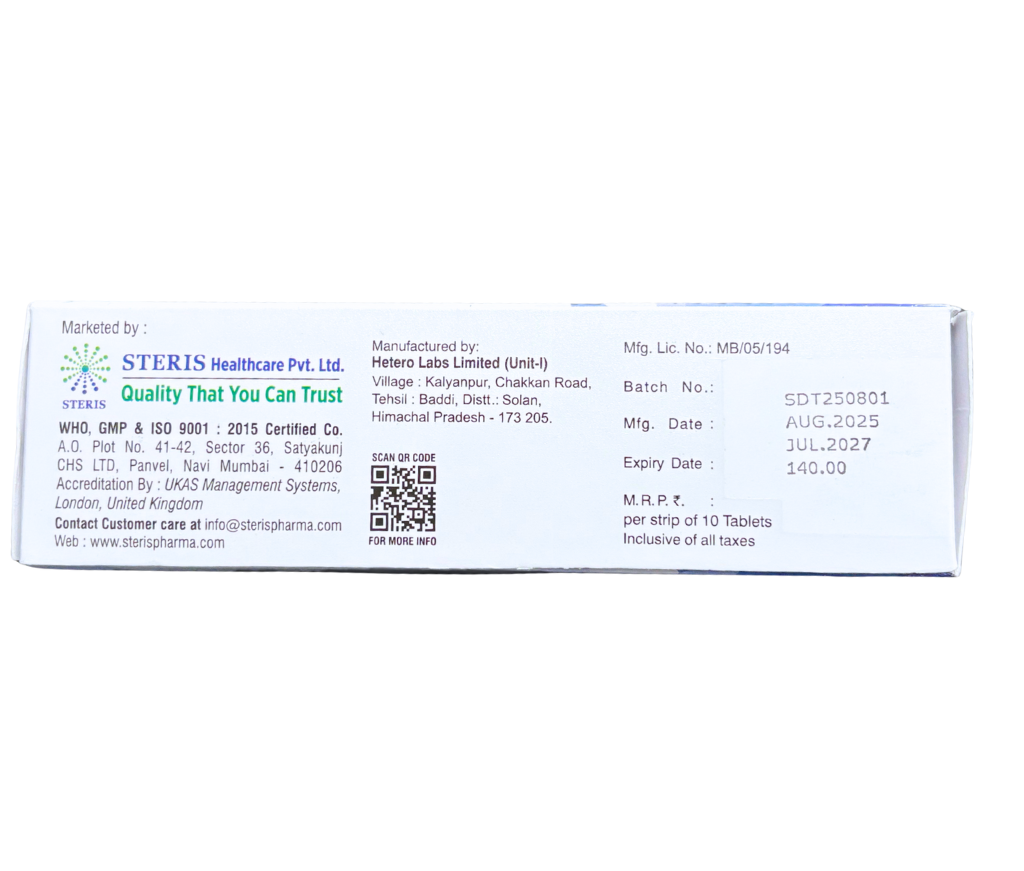
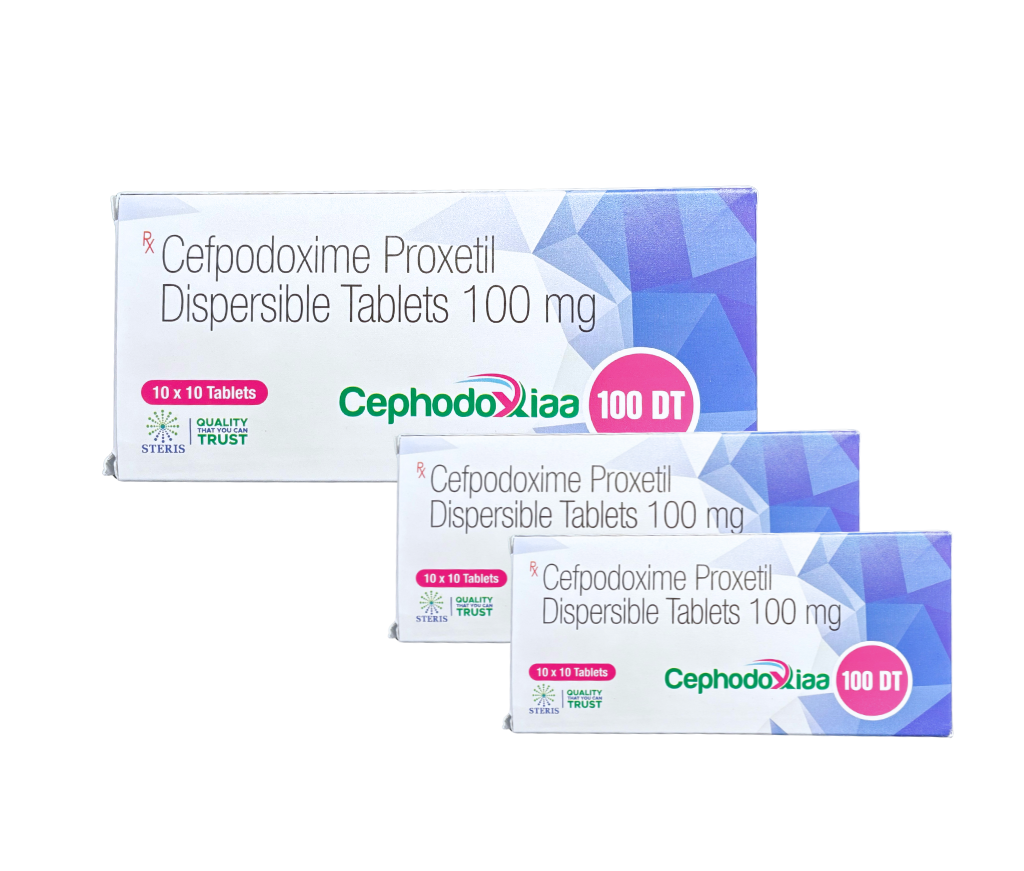
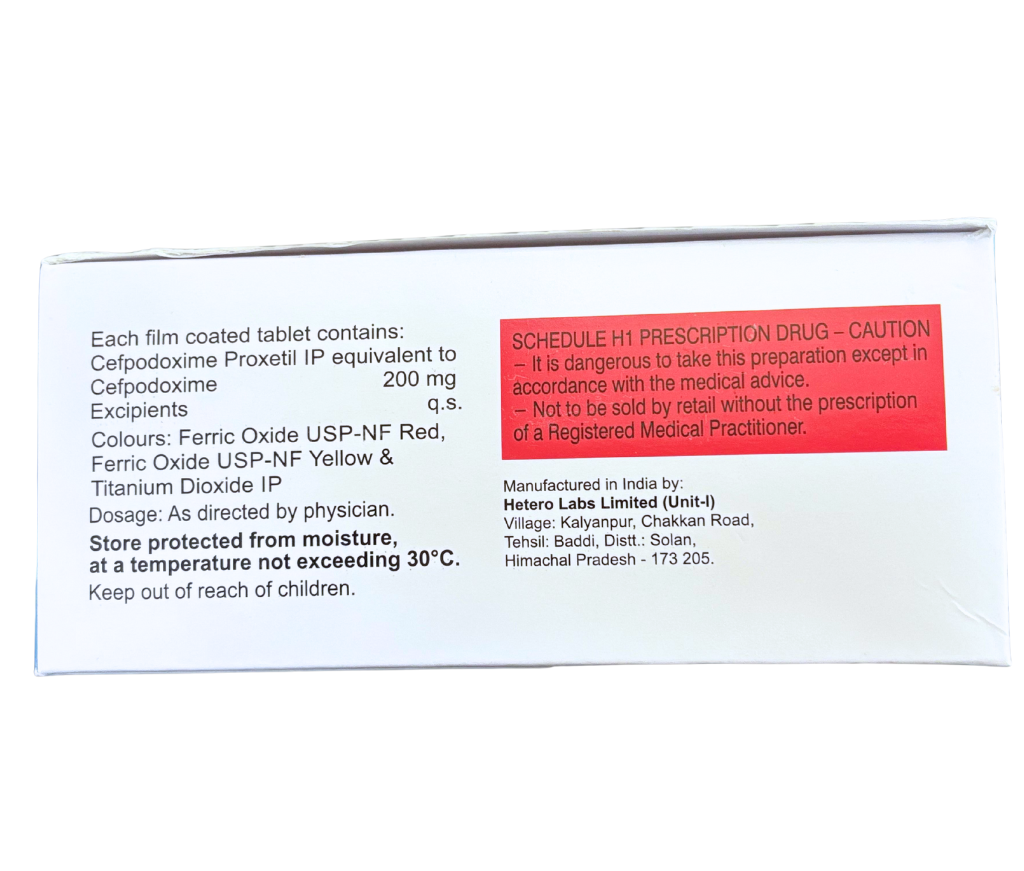
Introduction to Cefpodoxime Proxetil 100 mg Cefpodoxime Proxetil 100 mg is a widely prescribed antibiotic medicine used for treating various bacterial infections. It belongs to the cephalosporin class of antibiotics and works effectively against bacteria responsible for respiratory tract infections, urinary tract infections, skin infections, throat infections, and several other bacterial conditions. Doctors commonly recommend Cefpodoxime Proxetil 100 mg tablets because of their broad-spectrum antibacterial activity and reliable treatment results. This medicine helps stop bacterial growth and prevents infections from spreading further inside the body. If you are searching for an effective antibiotic treatment for bacterial infections, Cefpodoxime Proxetil 100 mg can be a trusted option when taken under medical supervision. What is Cefpodoxime Proxetil 100 mg? Cefpodoxime Proxetil is an oral antibiotic medicine mainly used to treat infections caused by susceptible bacteria. The medicine is available in tablet form and is prescribed for both adults and children depending on the severity of infection and medical condition. Cefpodoxime Proxetil 100 mg is especially useful for treating: Throat infections Tonsillitis Sinus infections Ear infections Bronchitis Pneumonia Urinary tract infections (UTI) Skin and soft tissue infections Because of its strong antibacterial properties, this medicine is commonly used in hospitals, clinics, and home healthcare treatments. Composition of Cefpodoxime Proxetil 100 mg Each tablet contains: Cefpodoxime Proxetil IP 100 mg The active ingredient works by destroying the bacterial cell wall, which ultimately kills the bacteria and helps the body recover from infection. How Cefpodoxime Proxetil 100 mg Works Cefpodoxime Proxetil 100 mg works by interfering with the formation of bacterial cell walls. Bacteria need a protective wall to survive and multiply. Once the medicine blocks the cell wall formation, the bacteria become weak and die. This action helps: Reduce infection symptoms Prevent bacterial growth Speed up recovery Stop infection from spreading The medicine is effective only against bacterial infections and does not work for viral infections such as flu or common cold. Uses of Cefpodoxime Proxetil 100 mg Tablets 1. Respiratory Tract Infections Cefpodoxime Proxetil 100 mg is widely used for treating respiratory infections like bronchitis and pneumonia. It helps reduce coughing, chest congestion, breathing difficulty, and fever caused by bacterial infection. 2. Throat and Tonsil Infections Doctors often prescribe this antibiotic for sore throat, tonsillitis, and pharyngitis caused by bacteria. It helps relieve throat pain and inflammation effectively. 3. Urinary Tract Infections (UTI) The medicine is also effective in treating urinary tract infections by eliminating harmful bacteria from the urinary system. 4. Ear and Sinus Infections Cefpodoxime Proxetil tablets help treat bacterial ear infections and sinusitis, reducing pain, pressure, and swelling. 5. Skin and Soft Tissue Infections This antibiotic can also be used for bacterial skin infections, helping reduce redness, swelling, and irritation. Key Benefits of Cefpodoxime Proxetil 100 mg Broad Spectrum Antibiotic It works against multiple types of bacteria responsible for common infections. Fast Recovery Patients often experience symptom relief within a few days of starting treatment. Convenient Oral Dosage The tablet form makes it easy to consume and suitable for outpatient treatment. Effective Infection Control The medicine helps prevent worsening or spreading of bacterial infections. Well-Tolerated Medicine When taken as prescribed, Cefpodoxime Proxetil 100 mg is generally safe and effective. Cefpodoxime Proxetil 100 mg Dosage The dosage depends on: Type of infection Severity of condition Age of patient Medical history General dosage guidelines include: Adults: Usually 100 mg to 200 mg twice daily Children: Dosage is decided by the doctor according to body weight Important Instructions Take the medicine after food for better absorption. Complete the full antibiotic course even if symptoms improve early. Do not skip doses. Avoid self-medication without professional advice. Side Effects of Cefpodoxime Proxetil 100 mg Like all medicines, Cefpodoxime Proxetil may cause some side effects in certain individuals. Common Side Effects Nausea Vomiting Diarrhea Stomach pain Headache Skin rash Serious Side Effects Seek immediate medical help if you experience: Severe allergic reactions Difficulty breathing Persistent diarrhea Swelling of face or throat Most side effects are mild and temporary when the medicine is used properly. Precautions Before Taking Cefpodoxime Proxetil 100 mg Before using this medicine, inform your doctor if you have: Allergy to cephalosporin antibiotics Kidney disease Liver problems Digestive disorders Pregnancy or breastfeeding concerns Important Safety Tips Avoid alcohol during antibiotic treatment. Take the medicine exactly as prescribed. Do not share antibiotics with others. Store tablets in a cool and dry place. Drug Interactions Cefpodoxime Proxetil 100 mg may interact with certain medicines such as: Antacids Kidney medicines Other antibiotics Blood thinners Always inform your doctor about all medicines and supplements you are taking. Why Choose Cefpodoxime Proxetil 100 mg? Cefpodoxime Proxetil 100 mg is preferred by healthcare professionals because of its reliable antibacterial action and effective treatment outcomes. It is commonly prescribed for both mild and moderate bacterial infections. Patients choose this medicine because: It provides effective bacterial infection treatment It is easy to consume It offers fast symptom relief It is widely available It is trusted by medical professionals Storage Instructions Store below 25°C Keep away from direct sunlight Protect from moisture Keep out of reach of children Proper storage helps maintain medicine effectiveness and safety. Frequently Asked Questions Is Cefpodoxime Proxetil 100 mg an antibiotic? Yes, it is a cephalosporin antibiotic used to treat bacterial infections. Can Cefpodoxime Proxetil 100 mg treat fever? It helps treat fever only when caused by bacterial infections. Can I stop taking the medicine after feeling better? No, always complete the full prescribed course to prevent antibiotic resistance. Is Cefpodoxime Proxetil 100 mg safe for children? Yes, doctors may prescribe it for children in suitable doses. Can this medicine cause diarrhea? Yes, mild diarrhea may occur as a common side effect. Conclusion Cefpodoxime Proxetil 100 mg is an effective and trusted antibiotic medicine used for treating a wide range of bacterial infections. Its broad-spectrum antibacterial action, convenient dosage form, and reliable treatment outcomes make it a preferred choice among healthcare professionals. Whether used for respiratory infections, urinary tract infections, throat infections, or skin infections, Cefpodoxime Proxetil 100 mg helps patients recover faster and improve overall health when taken correctly.



![Methylprednisolone Sodium Succinate for Injection USP is a fast-acting corticosteroid administered intravenously or intramuscularly to control severe inflammation, allergic reactions, and autoimmune flare-ups. It works by rapidly suppressing the immune and inflammatory response and is used in hospital or clinical settings for acute conditions such as severe asthma attacks, anaphylaxis, autoimmune disease flares, and spinal cord injury protocols. It is a Schedule H prescription drug administered only under medical supervision.
What Is Methylprednisolone Sodium Succinate for Injection USP?
Methylprednisolone Sodium Succinate for Injection USP is a water-soluble, injectable corticosteroid used for rapid control of severe inflammatory, allergic, and autoimmune conditions. It is manufactured to United States Pharmacopeia (USP) standards and is typically administered by a healthcare professional via intravenous (IV) or intramuscular (IM) route when fast, high-potency anti-inflammatory or immunosuppressive action is required — situations where oral steroids act too slowly or oral intake isn't feasible.
How It Works
Methylprednisolone sodium succinate is a synthetic glucocorticoid that acts rapidly once reconstituted and injected.
Binds glucocorticoid receptors – enters cells and binds intracellular receptors that regulate inflammatory gene expression.
Suppresses inflammatory mediators – reduces production of prostaglandins, leukotrienes, and cytokines responsible for swelling, redness, and pain.
Stabilizes cell membranes – reduces capillary permeability, limiting fluid leakage and tissue swelling at the site of inflammation.
Dampens immune overactivity – suppresses lymphocyte and macrophage activity, calming autoimmune or allergic overreactions.
Delivers rapid systemic action – because it's water-soluble and given IV/IM, onset of anti-inflammatory effect is significantly faster than oral steroids.
Clinical Indications
ConditionWhy Methylprednisolone Injection Is UsedSevere Allergic Reactions / AnaphylaxisRapidly controls swelling, airway inflammation, and allergic cascadeAcute Asthma Exacerbation / COPD FlareReduces airway inflammation when inhalers alone are insufficientAutoimmune Disease Flares (Lupus, Rheumatoid Arthritis)High-dose pulse therapy to control acute flaresSpinal Cord Injury (acute, under specialist protocol)Used in specific clinical protocols to limit secondary inflammationSevere Dermatologic ReactionsControls widespread inflammatory skin reactionsPost-Transplant / Organ Rejection ManagementUsed as part of immunosuppressive regimens
Dosage & Administration
ParameterRecommendationTypical Adult Dose10–40 mg IV, may range up to 30 mg/kg in high-dose pulse therapy for specific conditionsRouteIntravenous (IV) injection/infusion or Intramuscular (IM) injectionFrequencyAs directed by the treating physician; often single dose or short tapering courseReconstitutionMust be reconstituted only with the accompanying diluent as per product insert, immediately before useAdministration SettingHospital, clinic, or under direct medical/nursing supervision onlyDurationShort-term acute use unless otherwise directed; long-term use requires specialist monitoring
This is a Schedule H prescription-only medicine. Dosage must be determined and administered by a qualified healthcare professional.
Precautions
To be administered only by or under the supervision of a healthcare professional.
Not for self-administration or home use.
Inform the doctor of any active infections, as corticosteroids can mask symptoms and suppress immune response.
Use with caution in patients with diabetes, hypertension, peptic ulcer disease, osteoporosis, or psychiatric history.
Avoid live vaccines during treatment due to immunosuppressive effects.
Pregnant or breastfeeding patients should use only under strict medical guidance.
Abrupt discontinuation after prolonged use should be avoided; tapering may be required as advised by the physician.
Possible Side Effects
Most side effects relate to the drug's systemic corticosteroid action and are monitored by the administering clinician:
Elevated blood sugar levels
Fluid retention, increased blood pressure
Mood changes, insomnia, or restlessness
Nausea or gastrointestinal discomfort
Increased susceptibility to infection
Injection site reactions
Serious side effects requiring immediate medical attention include severe allergic reaction, signs of infection (fever, chills), significant mood or behavioral changes, unusual swelling, or vision disturbances. Because this is administered in a clinical setting, the healthcare team monitors for these actively.
Comparison: Methylprednisolone vs. Other Injectable Corticosteroids
DrugRelative PotencyCommon Use CaseRouteMethylprednisolone Sodium SuccinateHighAcute severe inflammation, autoimmune flaresIV/IMHydrocortisone Sodium SuccinateLowerAdrenal insufficiency, milder acute inflammationIV/IMDexamethasone Sodium PhosphateVery HighCerebral edema, severe allergic/inflammatory conditionsIV/IMBetamethasone Sodium PhosphateHighAllergic and inflammatory conditions, fetal lung maturityIV/IMTriamcinolone AcetonideModerate (depot)Localized/intra-articular inflammationIM/Intra-articular
Key Statistics
StatisticData PointSourceOnset of anti-inflammatory action after IV administrationWithin 1–2 hours for measurable effectClinical pharmacology references, USP monographUse in acute severe asthma protocolsRecommended as part of systemic corticosteroid therapy in emergency guidelinesGlobal Initiative for Asthma (GINA) guidelinesHospital use in anaphylaxis managementIncluded as an adjunct in anaphylaxis treatment protocols alongside epinephrineWorld Allergy Organization guidanceHigh-dose pulse therapy applicationUsed in select autoimmune flare protocols under specialist supervisionPublished rheumatology treatment guidelines
Expert Insight
[Insert verified physician or clinical pharmacologist commentary here — Claude has not fabricated a quote. Recommend sourcing a short, attributable statement from a Steris Healthcare medical advisor or a cited clinical guideline before publishing.]
Conclusion
Methylprednisolone Sodium Succinate for Injection USP is a high-potency, fast-acting corticosteroid reserved for situations where rapid control of severe inflammation, allergic reaction, or autoimmune flare is essential. Administered only under clinical supervision, it plays a critical role in emergency and hospital-based treatment protocols — from anaphylaxis and acute asthma to autoimmune disease management. As a Schedule H medicine, it must never be self-administered; dosage, route, and duration should always be determined by a qualified physician based on the patient's condition. For pharmacopoeia-grade quality and reliable hospital supply, source this injection through a WHO-GMP certified manufacturer.
Prescription only – consult your doctor.
High-Ranking FAQs (Google Search & Voice Search Optimized)
1. What is methylprednisolone sodium succinate injection used for?
It is used to rapidly control severe inflammation, allergic reactions, and autoimmune flare-ups, such as anaphylaxis, acute asthma attacks, and lupus or rheumatoid arthritis flares. It is administered under medical supervision in hospital or clinical settings.
2. Is methylprednisolone injection a steroid?
Yes, it is a synthetic corticosteroid (glucocorticoid) that works by suppressing inflammatory and immune responses in the body, providing rapid relief in acute, severe conditions.
3. How is methylprednisolone sodium succinate injection given?
It is given by a healthcare professional via intravenous (IV) or intramuscular (IM) injection, after being reconstituted with the correct diluent immediately before administration. It is not for self-injection or home use.
4. How fast does methylprednisolone injection start working?
Because it is water-soluble and given directly into the bloodstream or muscle, measurable anti-inflammatory effects typically begin within one to two hours of administration.
5. What are the side effects of methylprednisolone injection?
Common effects include elevated blood sugar, fluid retention, mood changes, and increased infection risk. These are monitored by the administering healthcare team, and serious reactions are managed promptly in a clinical setting.
6. Is methylprednisolone sodium succinate injection available without a prescription?
No. It is a Schedule H prescription-only medicine that must be administered by or under the direct supervision of a qualified healthcare professional.
7. What is the difference between methylprednisolone and dexamethasone injection?
Both are injectable corticosteroids, but dexamethasone has a longer duration of action and higher relative potency, while methylprednisolone is often preferred for acute pulse therapy and shorter-acting systemic control. The choice depends on the clinical scenario and physician judgment.
8. Can methylprednisolone injection be used in pregnancy?
It may be used in pregnancy only when clearly necessary and under strict medical supervision, as the treating physician will weigh the benefits against potential risks for the specific condition being treated.](https://productimages.withfloats.com/tile/6a460bfb9f5529389b8b15b8.png)
![Carboxymethylcellulose (CMC) Eye Drops IP 0.5% w/v is an over-the-counter lubricant eye drop used to relieve dryness, burning, and irritation caused by insufficient tear production. It works by coating the eye's surface with a moisture-retaining film, is safe for regular daily use, and is suitable for adults experiencing dry eye syndrome, screen-related eye strain, or contact lens discomfort.
What Is Carboxymethylcellulose Eye Drops IP 0.5% w/v?
Carboxymethylcellulose Sodium Eye Drops IP 0.5% w/v is a lubricating eye drop (artificial tear) formulated to relieve symptoms of dry eye — including burning, stinging, grittiness, and light sensitivity caused by inadequate natural tear film. It is manufactured to Indian Pharmacopoeia (IP) standards and is classified as an over-the-counter (OTC) ophthalmic lubricant, meaning it does not require a prescription for routine dry-eye relief, though a doctor's guidance is recommended for chronic or unexplained symptoms.
How It Works
Carboxymethylcellulose is a viscosity-enhancing, water-retentive polymer that mimics the mucin and aqueous layers of the natural tear film.
Coats the ocular surface – forms a smooth, even film across the cornea and conjunctiva immediately after application.
Retains moisture – its water-binding structure slows tear evaporation, keeping the eye surface hydrated for longer.
Reduces friction – lubricates the eyelid-cornea interface, easing the grating or gritty sensation typical of dry eye.
Supports healing – a stable tear film reduces micro-abrasion of surface cells, helping symptomatic recovery with regular use.
Extends comfort duration – the 0.5% concentration is calibrated to balance lubrication strength with comfortable, non-blurring application.
Clinical Indications
ConditionHow CMC 0.5% HelpsDry Eye Syndrome (Keratoconjunctivitis Sicca)Restores moisture balance, relieves burning and grittinessDigital Eye Strain (screen-related dryness)Rehydrates surface dried by reduced blink rateContact Lens–Related DrynessLubricates lens-eye interface, improves comfortPost-LASIK/Ocular Surgery DrynessSupports surface comfort during recovery (as advised by ophthalmologist)Environmental Irritation (dust, AC, wind exposure)Flushes and cushions irritants, restores comfort
Dosage & How to Use
ParameterRecommendationStandard Dose1–2 drops in the affected eye(s)Frequency3–4 times daily, or as needed for symptom reliefMaximum UseCan be used more frequently under doctor guidance for severe drynessApplication MethodTilt head back, pull lower eyelid down, instill drop without touching tip to eyeContact Lens UseRemove lenses before application unless the product is lens-compatible; reinsert after 15 minutesStorageStore below 25°C, away from direct sunlight; discard 4 weeks after opening
Precautions
Do not touch the dropper tip to the eye, eyelid, or any surface to avoid contamination.
Discontinue and consult a doctor if eye pain, vision change, redness, or irritation persists beyond 72 hours.
Wait at least 5–10 minutes between this and any other eye medication.
Not a substitute for treating underlying causes of chronic dry eye (e.g., blepharitis, Sjögren's syndrome) — seek medical evaluation for persistent cases.
Safety in pregnancy and breastfeeding should be confirmed with a physician, though topical ocular absorption is minimal.
Keep out of reach of children.
Possible Side Effects
Most users tolerate carboxymethylcellulose eye drops well. Reported effects are typically mild and transient:
Temporary blurred vision immediately after application
Mild stinging or watering on instillation
Eye irritation or redness (uncommon)
Rare allergic reaction (itching, swelling, rash) — discontinue and seek medical advice if this occurs
Serious side effects are rare. Seek immediate medical attention for severe eye pain, sudden vision loss, or signs of infection (discharge, swelling, fever).
Comparison: CMC 0.5% vs. Other Lubricant Eye Drops
IngredientViscosityBest ForPrescription NeededCarboxymethylcellulose 0.5%MediumGeneral dry eye, daily useNo (OTC)Sodium Hyaluronate 0.1–0.3%Low–MediumMild dryness, contact lens comfortNo (OTC)Carbomer Gel 0.2%HighSevere/nighttime drynessNo (OTC)Polyethylene Glycol + Propylene GlycolMediumCombination dryness reliefNo (OTC)Hydroxypropyl Methylcellulose 0.3%MediumShort-term irritation reliefNo (OTC)
Key Statistics
StatisticData PointSourceGlobal dry eye disease prevalence5–50% depending on population and diagnostic criteriaTear Film & Ocular Surface Society (TFOS DEWS II)India dry eye prevalence in urban adultsApprox. 32–40% in screen-exposed populationsIndian Journal of Ophthalmology, published studiesCMC as first-line OTC therapyRecommended as first-line lubricant in dry eye management guidelinesTFOS DEWS II Management ReportAdults reporting digital eye strain symptomsOver 60% among regular screen usersAmerican Optometric Association survey data
Expert Insight
[Insert verified ophthalmologist or optometrist commentary here — Claude has not fabricated a quote. Recommend sourcing a short, attributable statement from a Steris Healthcare medical advisor or a cited clinical reference before publishing.]
Conclusion
Carboxymethylcellulose Eye Drops IP 0.5% w/v is a reliable, first-line OTC lubricant for anyone dealing with dry, tired, or irritated eyes — whether the cause is long screen hours, contact lens wear, environmental exposure, or general dry eye syndrome. Its moisture-retentive formula coats and hydrates the eye surface on contact, offering fast, non-prescription relief suitable for daily use. While generally safe and well-tolerated, persistent or worsening symptoms should always be evaluated by an eye care professional. For consistent, pharmacopoeia-grade quality, choose a WHO-GMP certified formulation and buy online through a trusted pharmaceutical source.
High-Ranking FAQs (Google Search & Voice Search Optimized)
1. What is carboxymethylcellulose eye drops IP 0.5% w/v used for?
It is used to relieve dry, irritated, or burning eyes caused by insufficient natural tear production, screen use, contact lenses, or environmental exposure. It works as an artificial tear that lubricates and hydrates the eye surface.
2. How often can I use carboxymethylcellulose eye drops?
Most people use 1–2 drops, 3–4 times a day, or as needed for comfort. For severe dryness, frequency can be increased under a doctor's guidance, since this OTC lubricant has a strong safety profile for repeated daily use.
3. Can I use carboxymethylcellulose eye drops with contact lenses?
Yes, but check the product label first. Many formulations require lens removal before application, with reinsertion after about 15 minutes, unless the specific product is labeled as contact-lens compatible.
4. Is carboxymethylcellulose 0.5% safe for daily long-term use?
Yes, it is considered safe for regular daily use as a lubricant, and is often recommended as a first-line therapy for chronic dry eye. Persistent symptoms despite regular use should still be discussed with an eye specialist.
5. What is the difference between carboxymethylcellulose and hyaluronic acid eye drops?
Carboxymethylcellulose offers medium viscosity and longer-lasting lubrication, while sodium hyaluronate drops are typically lighter and better suited for mild dryness or lens comfort. Both are OTC options; choice depends on symptom severity.
6. Are there side effects of carboxymethylcellulose eye drops?
Side effects are generally mild, such as temporary blurred vision or slight stinging right after application. Serious reactions are rare, but persistent redness, pain, or vision changes warrant medical attention.
7. How long does it take for carboxymethylcellulose eye drops to work?
Relief is typically immediate to within a few minutes of application, as the drop forms a lubricating film over the eye surface right away. Full symptom control with consistent daily use may take a few days.
8. Can pregnant or breastfeeding women use carboxymethylcellulose eye drops?
Topical ocular absorption is minimal, and it's generally considered low-risk, but pregnant or breastfeeding women should confirm use with their doctor before starting any eye medication.](https://productimages.withfloats.com/tile/6a46068dc94d045c2e16dd26.png)
![Carboxymethylcellulose (CMC) Eye Drops IP 0.5% w/v is an over-the-counter lubricant eye drop used to relieve dryness, burning, and irritation caused by insufficient tear production. It works by coating the eye's surface with a moisture-retaining film, is safe for regular daily use, and is suitable for adults experiencing dry eye syndrome, screen-related eye strain, or contact lens discomfort.
What Is Carboxymethylcellulose Eye Drops IP 0.5% w/v?
Carboxymethylcellulose Sodium Eye Drops IP 0.5% w/v is a lubricating eye drop (artificial tear) formulated to relieve symptoms of dry eye — including burning, stinging, grittiness, and light sensitivity caused by inadequate natural tear film. It is manufactured to Indian Pharmacopoeia (IP) standards and is classified as an over-the-counter (OTC) ophthalmic lubricant, meaning it does not require a prescription for routine dry-eye relief, though a doctor's guidance is recommended for chronic or unexplained symptoms.
How It Works
Carboxymethylcellulose is a viscosity-enhancing, water-retentive polymer that mimics the mucin and aqueous layers of the natural tear film.
Coats the ocular surface – forms a smooth, even film across the cornea and conjunctiva immediately after application.
Retains moisture – its water-binding structure slows tear evaporation, keeping the eye surface hydrated for longer.
Reduces friction – lubricates the eyelid-cornea interface, easing the grating or gritty sensation typical of dry eye.
Supports healing – a stable tear film reduces micro-abrasion of surface cells, helping symptomatic recovery with regular use.
Extends comfort duration – the 0.5% concentration is calibrated to balance lubrication strength with comfortable, non-blurring application.
Clinical Indications
ConditionHow CMC 0.5% HelpsDry Eye Syndrome (Keratoconjunctivitis Sicca)Restores moisture balance, relieves burning and grittinessDigital Eye Strain (screen-related dryness)Rehydrates surface dried by reduced blink rateContact Lens–Related DrynessLubricates lens-eye interface, improves comfortPost-LASIK/Ocular Surgery DrynessSupports surface comfort during recovery (as advised by ophthalmologist)Environmental Irritation (dust, AC, wind exposure)Flushes and cushions irritants, restores comfort
Dosage & How to Use
ParameterRecommendationStandard Dose1–2 drops in the affected eye(s)Frequency3–4 times daily, or as needed for symptom reliefMaximum UseCan be used more frequently under doctor guidance for severe drynessApplication MethodTilt head back, pull lower eyelid down, instill drop without touching tip to eyeContact Lens UseRemove lenses before application unless the product is lens-compatible; reinsert after 15 minutesStorageStore below 25°C, away from direct sunlight; discard 4 weeks after opening
Precautions
Do not touch the dropper tip to the eye, eyelid, or any surface to avoid contamination.
Discontinue and consult a doctor if eye pain, vision change, redness, or irritation persists beyond 72 hours.
Wait at least 5–10 minutes between this and any other eye medication.
Not a substitute for treating underlying causes of chronic dry eye (e.g., blepharitis, Sjögren's syndrome) — seek medical evaluation for persistent cases.
Safety in pregnancy and breastfeeding should be confirmed with a physician, though topical ocular absorption is minimal.
Keep out of reach of children.
Possible Side Effects
Most users tolerate carboxymethylcellulose eye drops well. Reported effects are typically mild and transient:
Temporary blurred vision immediately after application
Mild stinging or watering on instillation
Eye irritation or redness (uncommon)
Rare allergic reaction (itching, swelling, rash) — discontinue and seek medical advice if this occurs
Serious side effects are rare. Seek immediate medical attention for severe eye pain, sudden vision loss, or signs of infection (discharge, swelling, fever).
Comparison: CMC 0.5% vs. Other Lubricant Eye Drops
IngredientViscosityBest ForPrescription NeededCarboxymethylcellulose 0.5%MediumGeneral dry eye, daily useNo (OTC)Sodium Hyaluronate 0.1–0.3%Low–MediumMild dryness, contact lens comfortNo (OTC)Carbomer Gel 0.2%HighSevere/nighttime drynessNo (OTC)Polyethylene Glycol + Propylene GlycolMediumCombination dryness reliefNo (OTC)Hydroxypropyl Methylcellulose 0.3%MediumShort-term irritation reliefNo (OTC)
Key Statistics
StatisticData PointSourceGlobal dry eye disease prevalence5–50% depending on population and diagnostic criteriaTear Film & Ocular Surface Society (TFOS DEWS II)India dry eye prevalence in urban adultsApprox. 32–40% in screen-exposed populationsIndian Journal of Ophthalmology, published studiesCMC as first-line OTC therapyRecommended as first-line lubricant in dry eye management guidelinesTFOS DEWS II Management ReportAdults reporting digital eye strain symptomsOver 60% among regular screen usersAmerican Optometric Association survey data
Expert Insight
[Insert verified ophthalmologist or optometrist commentary here — Claude has not fabricated a quote. Recommend sourcing a short, attributable statement from a Steris Healthcare medical advisor or a cited clinical reference before publishing.]
Conclusion
Carboxymethylcellulose Eye Drops IP 0.5% w/v is a reliable, first-line OTC lubricant for anyone dealing with dry, tired, or irritated eyes — whether the cause is long screen hours, contact lens wear, environmental exposure, or general dry eye syndrome. Its moisture-retentive formula coats and hydrates the eye surface on contact, offering fast, non-prescription relief suitable for daily use. While generally safe and well-tolerated, persistent or worsening symptoms should always be evaluated by an eye care professional. For consistent, pharmacopoeia-grade quality, choose a WHO-GMP certified formulation and buy online through a trusted pharmaceutical source.
High-Ranking FAQs (Google Search & Voice Search Optimized)
1. What is carboxymethylcellulose eye drops IP 0.5% w/v used for?
It is used to relieve dry, irritated, or burning eyes caused by insufficient natural tear production, screen use, contact lenses, or environmental exposure. It works as an artificial tear that lubricates and hydrates the eye surface.
2. How often can I use carboxymethylcellulose eye drops?
Most people use 1–2 drops, 3–4 times a day, or as needed for comfort. For severe dryness, frequency can be increased under a doctor's guidance, since this OTC lubricant has a strong safety profile for repeated daily use.
3. Can I use carboxymethylcellulose eye drops with contact lenses?
Yes, but check the product label first. Many formulations require lens removal before application, with reinsertion after about 15 minutes, unless the specific product is labeled as contact-lens compatible.
4. Is carboxymethylcellulose 0.5% safe for daily long-term use?
Yes, it is considered safe for regular daily use as a lubricant, and is often recommended as a first-line therapy for chronic dry eye. Persistent symptoms despite regular use should still be discussed with an eye specialist.
5. What is the difference between carboxymethylcellulose and hyaluronic acid eye drops?
Carboxymethylcellulose offers medium viscosity and longer-lasting lubrication, while sodium hyaluronate drops are typically lighter and better suited for mild dryness or lens comfort. Both are OTC options; choice depends on symptom severity.
6. Are there side effects of carboxymethylcellulose eye drops?
Side effects are generally mild, such as temporary blurred vision or slight stinging right after application. Serious reactions are rare, but persistent redness, pain, or vision changes warrant medical attention.
7. How long does it take for carboxymethylcellulose eye drops to work?
Relief is typically immediate to within a few minutes of application, as the drop forms a lubricating film over the eye surface right away. Full symptom control with consistent daily use may take a few days.
8. Can pregnant or breastfeeding women use carboxymethylcellulose eye drops?
Topical ocular absorption is minimal, and it's generally considered low-risk, but pregnant or breastfeeding women should confirm use with their doctor before starting any eye medication.](https://productimages.withfloats.com/tile/6a460054097cf641f38a4758.png)
