Description
Product details
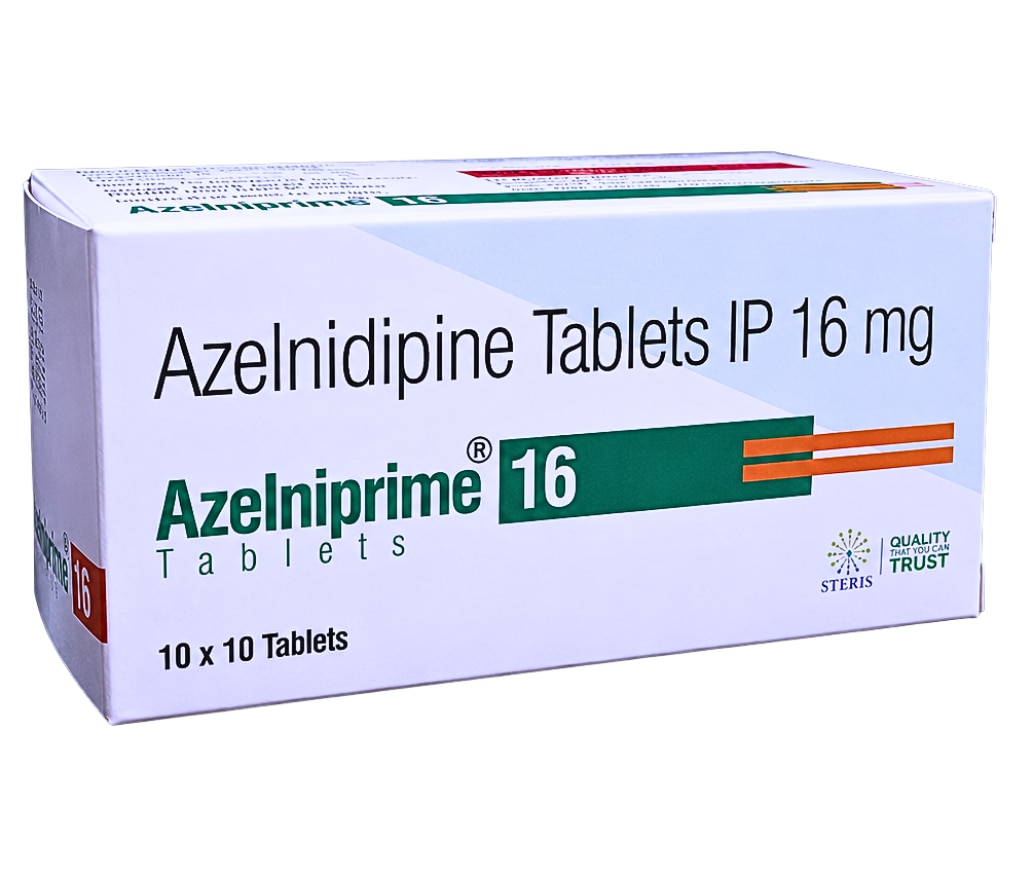
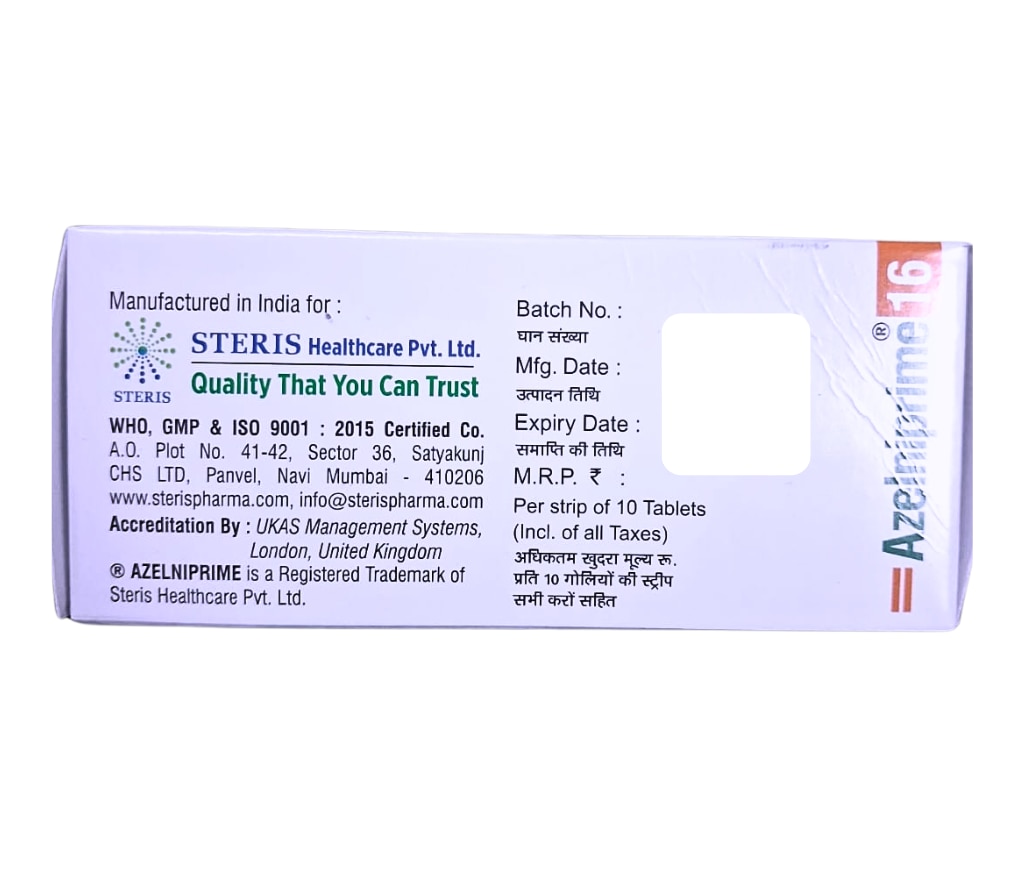
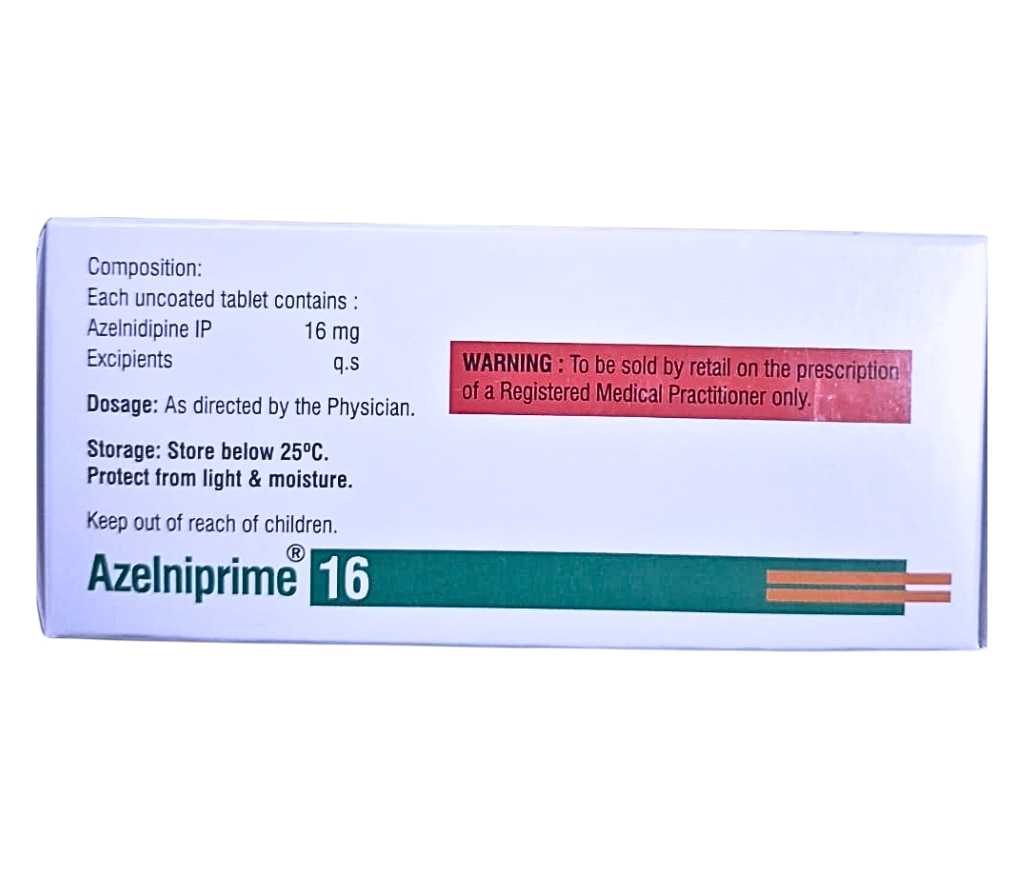
High blood pressure is one of the most common health conditions affecting millions of people worldwide. If left unmanaged, hypertension can increase the risk of heart disease, stroke, kidney disorders, and other serious complications. Azelnidipine 16 mg is a widely prescribed medication used for the effective management of hypertension and cardiovascular health. Known for its long-lasting action and better tolerability, this medicine helps maintain healthy blood pressure levels while supporting overall heart function. Whether you are searching for a reliable antihypertensive medicine for yourself or gathering detailed product information for medical purchase decisions, understanding the uses, benefits, dosage, and precautions of Azelnidipine 16 mg is important for informed healthcare management. What is Azelnidipine 16 mg? Azelnidipine 16 mg belongs to the class of medicines known as calcium channel blockers (CCBs). It is primarily used to treat high blood pressure (hypertension) by relaxing blood vessels and improving blood flow throughout the body. This medicine works gradually and provides sustained blood pressure control over a longer duration, helping reduce sudden fluctuations in blood pressure levels. Due to its smooth action profile, Azelnidipine is often preferred for patients who require long-term hypertension management. Composition of Azelnidipine 16 mg Each tablet contains: Azelnidipine 16 mg Azelnidipine is a dihydropyridine calcium channel blocker that helps relax vascular smooth muscles and improve circulation. How Does Azelnidipine 16 mg Work? Azelnidipine works by blocking calcium channels in the blood vessel walls. Calcium plays a major role in muscle contraction, including the contraction of blood vessels. By reducing calcium entry into vascular smooth muscle cells, Azelnidipine 16 mg helps: Relax blood vessels Improve blood circulation Lower blood pressure Reduce strain on the heart This mechanism allows the heart to pump blood more efficiently without excessive pressure on arteries. Uses of Azelnidipine 16 mg 1. Treatment of Hypertension The primary use of Azelnidipine 16 mg is to control high blood pressure in adults. 2. Cardiovascular Protection Maintaining controlled blood pressure helps lower the risk of: Heart attack Stroke Heart failure Kidney complications 3. Long-Term Blood Pressure Management Azelnidipine provides smooth and sustained blood pressure reduction, making it suitable for chronic hypertension treatment. 4. Prevention of Blood Vessel Damage Proper blood pressure control protects arteries and blood vessels from long-term damage. Benefits of Azelnidipine 16 mg Effective Blood Pressure Control Azelnidipine provides reliable 24-hour blood pressure management. Gentle and Sustained Action Unlike some antihypertensive medicines that cause sudden drops in blood pressure, Azelnidipine works gradually for stable control. Reduced Cardiac Stress By lowering vascular resistance, this medicine reduces the workload on the heart. Better Tolerability Many patients tolerate Azelnidipine well with fewer side effects compared to some older calcium channel blockers. Improved Blood Circulation Relaxation of blood vessels improves circulation and oxygen delivery throughout the body. Supports Long-Term Heart Health Consistent blood pressure control reduces cardiovascular risks over time. Why Doctors Prescribe Azelnidipine 16 mg Healthcare professionals often recommend Azelnidipine 16 mg because of its: Long duration of action Smooth blood pressure-lowering effect Lower chances of reflex tachycardia Better patient compliance Effective cardiovascular protection It is commonly prescribed as part of an overall hypertension management plan that includes lifestyle modifications and regular monitoring. Dosage and Administration Recommended Dosage The dosage of Azelnidipine 16 mg should always be determined by a healthcare professional based on: Blood pressure readings Age Overall medical condition Response to treatment How to Take Azelnidipine 16 mg Take the tablet orally with water. Usually taken once daily after meals. Take the medicine at the same time every day. Do not skip doses without medical advice. Consistency in medication timing helps maintain stable blood pressure levels. Side Effects of Azelnidipine 16 mg Like any medication, Azelnidipine 16 mg may cause side effects in some individuals. Common Side Effects Headache Dizziness Fatigue Flushing Swelling in ankles or feet Mild palpitations Less Common Side Effects Nausea Low blood pressure Sleepiness Skin rash Serious Side Effects Seek medical attention immediately if you experience: Severe chest pain Difficulty breathing Severe allergic reactions Irregular heartbeat Most side effects are mild and improve with continued use or dose adjustment. Precautions Before Taking Azelnidipine 16 mg Before using this medicine, inform your doctor if you have: Liver disease Kidney disorders Heart failure Low blood pressure History of heart attack Important Precautions Avoid excessive alcohol intake. Monitor blood pressure regularly. Do not stop the medicine suddenly. Follow dietary recommendations for hypertension. Patients should always follow their doctor's guidance for safe and effective treatment. Drug Interactions Azelnidipine 16 mg may interact with certain medications, including: Other blood pressure medicines Beta-blockers Antifungal medicines Antibiotics Heart medications Always inform your healthcare provider about all medicines, supplements, and herbal products you are taking. Storage Instructions Store in a cool and dry place. Keep away from direct sunlight and moisture. Keep out of reach of children. Store at recommended room temperature. Proper storage maintains the quality and effectiveness of the medicine. Lifestyle Changes to Support Hypertension Management Medication works best when combined with healthy lifestyle habits. Healthy Diet Consume a balanced diet rich in: Fruits Vegetables Whole grains Low-sodium foods Regular Exercise Physical activity helps improve heart health and blood pressure control. Weight Management Maintaining a healthy weight reduces cardiovascular strain. Stress Management Yoga, meditation, and relaxation techniques can help manage stress-related blood pressure spikes. Avoid Smoking and Excess Alcohol These habits can negatively affect cardiovascular health. Frequently Asked Questions About Azelnidipine 16 mg What is Azelnidipine 16 mg used for? It is mainly used to treat high blood pressure and reduce cardiovascular risks. How long does Azelnidipine take to work? Blood pressure improvement may begin within a few hours, but full benefits are usually seen with regular use. Can Azelnidipine 16 mg be taken daily? Yes, it is generally prescribed for daily long-term blood pressure management. Does Azelnidipine cause swelling? Some patients may experience mild ankle or foot swelling. Can elderly patients take Azelnidipine 16 mg? Yes, but dosage and monitoring should be guided by a doctor. Who Should Avoid Azelnidipine 16 mg? This medicine may not be suitable for: Patients with severe hypotension Individuals allergic to Azelnidipine Certain heart conditions without medical supervision Always consult a healthcare professional before starting treatment. Why Choose Azelnidipine 16 mg for Hypertension? Azelnidipine 16 mg offers the following: Long-lasting blood pressure control Better cardiovascular support Improved patient comfort Smooth antihypertensive action Reliable long-term hypertension management Its balanced mechanism and sustained effectiveness make it a preferred option for many patients dealing with chronic hypertension. Conclusion Azelnidipine 16 mg is an effective and trusted antihypertensive medicine widely used for managing high blood pressure and supporting heart health. Its long-lasting action, stable blood pressure control, and good tolerability make it a valuable choice for long-term hypertension treatment.
![Luliconazole Lotion IP 1% w/v
TL;DR: Luliconazole Lotion IP 1% w/v is a topical antifungal treatment used to treat fungal skin infections such as ringworm (tinea corporis), athlete's foot (tinea pedis), and jock itch (tinea cruris). It works by destroying the fungal cell membrane, typically showing improvement within 1–2 weeks of consistent use. Lightweight and fast-absorbing, it's applied once daily to the affected area for effective relief from itching, redness, and scaling. Check uses, price, dosage & side effects below before you buy.
What Is Luliconazole Lotion IP 1% w/v?
Luliconazole Lotion IP 1% w/v is a topical antifungal medication belonging to the azole class, formulated specifically to treat superficial fungal infections of the skin. Unlike traditional antifungal creams, the lotion base allows for quicker absorption and easier application over larger or hairier areas of the body, making it a practical choice for body fold infections and broader patches of skin involvement.
It is commonly prescribed or recommended for dermatophyte infections — fungal infections caused by organisms that thrive on keratin in skin, hair, and nails — including ringworm, athlete's foot, and jock itch. Its once-daily dosing schedule and relatively short treatment duration compared to older antifungals make it a convenient option for both short-term flare-ups and recurring fungal skin conditions.
How It Works (Mechanism of Action)
C – Clarity: Luliconazole inhibits the enzyme lanosterol 14-alpha-demethylase, a key enzyme fungi need to produce ergosterol, an essential component of the fungal cell membrane.
R – Relevance: Without sufficient ergosterol, the fungal cell membrane becomes structurally unstable and permeable, directly disrupting the fungus's ability to survive and multiply on the skin — which is precisely the mechanism needed to clear dermatophyte infections like ringworm and athlete's foot.
A – Authority: Luliconazole's potency against common dermatophytes, including Trichophyton and Epidermophyton species, is well documented in dermatology literature, where it is recognized for its fungicidal (not just fungistatic) activity at the concentrations used in topical formulations.
S – Structure: When applied topically, luliconazole penetrates the stratum corneum (the skin's outer layer) and accumulates at the site of infection, maintaining therapeutic concentrations in the skin for an extended period even after a single application, which supports its once-daily dosing.
P – Precision: This sustained local concentration allows luliconazole to continue disrupting fungal cell membranes throughout the day, leading to a reduction in itching, redness, and scaling as the fungal load decreases and the skin barrier begins to heal.
Clinical Indications / Who Should Use It
IndicationSuitabilityTinea corporis (ringworm on the body)Highly suitableTinea pedis (athlete's foot)Highly suitableTinea cruris (jock itch)Highly suitableRecurrent superficial fungal skin infectionsSuitableNail fungus (onychomycosis)Not suitable — requires different formulationPregnant or breastfeeding womenConsult doctor before use
Dosage Guidelines
ParameterRecommendationStandard applicationApply a thin layer once daily to the affected area and surrounding skinApplication areaClean and dry the skin before applicationCourse durationTypically 1–2 weeks for tinea corporis/cruris; up to 4 weeks for tinea pedisConsistencyContinue for the full prescribed duration even if symptoms improve earlyMissed applicationApply as soon as remembered; do not double up the next dose
Precautions & Drug Interactions
For external use only — avoid contact with eyes, mouth, nose, or open wounds.
Discontinue use and consult a doctor if irritation, burning, or worsening of symptoms occurs after application.
Avoid using occlusive dressings or tight clothing over the treated area unless advised by a doctor, as this may increase skin irritation.
Inform your doctor if you are using other topical medications on the same area, to avoid interactions or reduced effectiveness.
Not recommended for infections involving the scalp or nails, which often require oral antifungal therapy in addition to or instead of topical treatment.
If no improvement is seen after the recommended treatment duration, consult a doctor to reassess the diagnosis and treatment plan.
Serious Side Effects (Rare but Important)
Severe allergic reaction — swelling of the face or throat, difficulty breathing, or widespread rash
Persistent burning, stinging, or blistering at the application site
Signs of secondary skin infection, such as increasing redness, warmth, or pus
If any of these occur, discontinue use and seek medical attention promptly.
Comparison: Luliconazole vs Other Topical Antifungals
FactorLuliconazole 1%ClotrimazoleTerbinafineKetoconazoleDosing frequencyOnce dailyTwice dailyOnce/twice dailyOnce/twice dailyMechanismFungicidal (azole)Fungistatic (azole)Fungicidal (allylamine)Fungistatic (azole)Typical treatment duration1–2 weeks (body), up to 4 weeks (feet)2–4 weeks1–2 weeks2–4 weeksBest forTinea corporis, cruris, pedisMild fungal infectionsAthlete's footTinea, seborrheic conditions
Key Statistics
MetricData PointStrength1% w/v luliconazoleDrug classAzole antifungal (topical)Typical onset of symptom reliefWithin 1–2 weeks of consistent useRecommended application frequencyOnce daily
Expert Insight
[Placeholder — to be completed pre-publish with a quote or review from a certified dermatologist. Do not publish without expert validation.]
Why Choose Luliconazole Lotion IP 1% w/v?
Fungal skin infections are common in humid climates and tend to recur, particularly in areas prone to sweating and friction such as the groin, feet, and skin folds. Luliconazole's fungicidal action — meaning it actively kills the fungus rather than just slowing its growth — gives it an edge over some older antifungal agents that are primarily fungistatic and rely more heavily on the body's own immune response to fully clear the infection.
The lotion formulation is particularly well-suited to larger affected areas or body folds, where creams can sometimes feel heavy or difficult to spread evenly. Its lightweight texture absorbs quickly, making it comfortable for daily use without leaving a greasy residue, which also supports better adherence to the treatment course — a key factor in successfully clearing fungal infections and reducing recurrence.
Because of its once-daily dosing and relatively short treatment duration compared to many alternatives, luliconazole lotion is often preferred by people looking for a convenient yet effective option for ringworm, athlete's foot, or jock itch, especially when consistent twice-daily application of other antifungals proves difficult to maintain.
Frequently Asked Questions
Q1: How long does it take for Luliconazole Lotion to work?
Most people notice a reduction in itching, redness, and scaling within 1–2 weeks of consistent daily application. For tinea corporis and tinea cruris, treatment typically lasts 1–2 weeks, while tinea pedis (athlete's foot) may require up to 4 weeks for complete resolution. It's important to continue treatment for the full recommended duration even if symptoms improve earlier.
Q2: How should I apply Luliconazole Lotion correctly?
Clean and dry the affected area thoroughly before applying a thin layer of the lotion, covering the infected skin and a small margin of surrounding healthy skin. Apply once daily, ideally at the same time each day, and wash your hands after application unless the hands are the area being treated.
Q3: Can Luliconazole Lotion be used for athlete's foot?
Yes, Luliconazole Lotion is effective for tinea pedis (athlete's foot), though treatment duration is typically longer than for body or groin infections — often up to 4 weeks — due to the thicker skin and moist environment common on the feet, which can make fungal infections more persistent.
Q4: Does Luliconazole Lotion have side effects?
Most people tolerate it well with minimal side effects. Mild burning, stinging, or redness at the application site can occur but usually resolves on its own. Rare but serious reactions, such as severe allergic responses or blistering, should be reported to a doctor immediately if they occur.
Q5: Can Luliconazole Lotion be used on the face or scalp?
Luliconazole Lotion is generally formulated for body, groin, and foot fungal infections. Scalp fungal infections often require oral antifungal treatment alongside topical therapy, so it's best to consult a doctor before using it on the scalp or sensitive facial skin.
Q6: What happens if I stop using Luliconazole Lotion too early?
Stopping treatment as soon as symptoms improve, rather than completing the full recommended course, increases the risk of the fungal infection returning or becoming harder to treat. Even after visible symptoms clear, some fungal organisms may remain in the skin, so completing the full duration is important for lasting results.
This content is reviewed periodically to ensure accuracy and relevance. Last updated: June 2026.
For queries, contact Steris Healthcare:
📧 contact@sterispharma.com | info@sterispharma.com
📞 +91 8824175417 | +91 9982524671](https://productimages.withfloats.com/tile/6a4266662d3bce0a42051cc2.png)